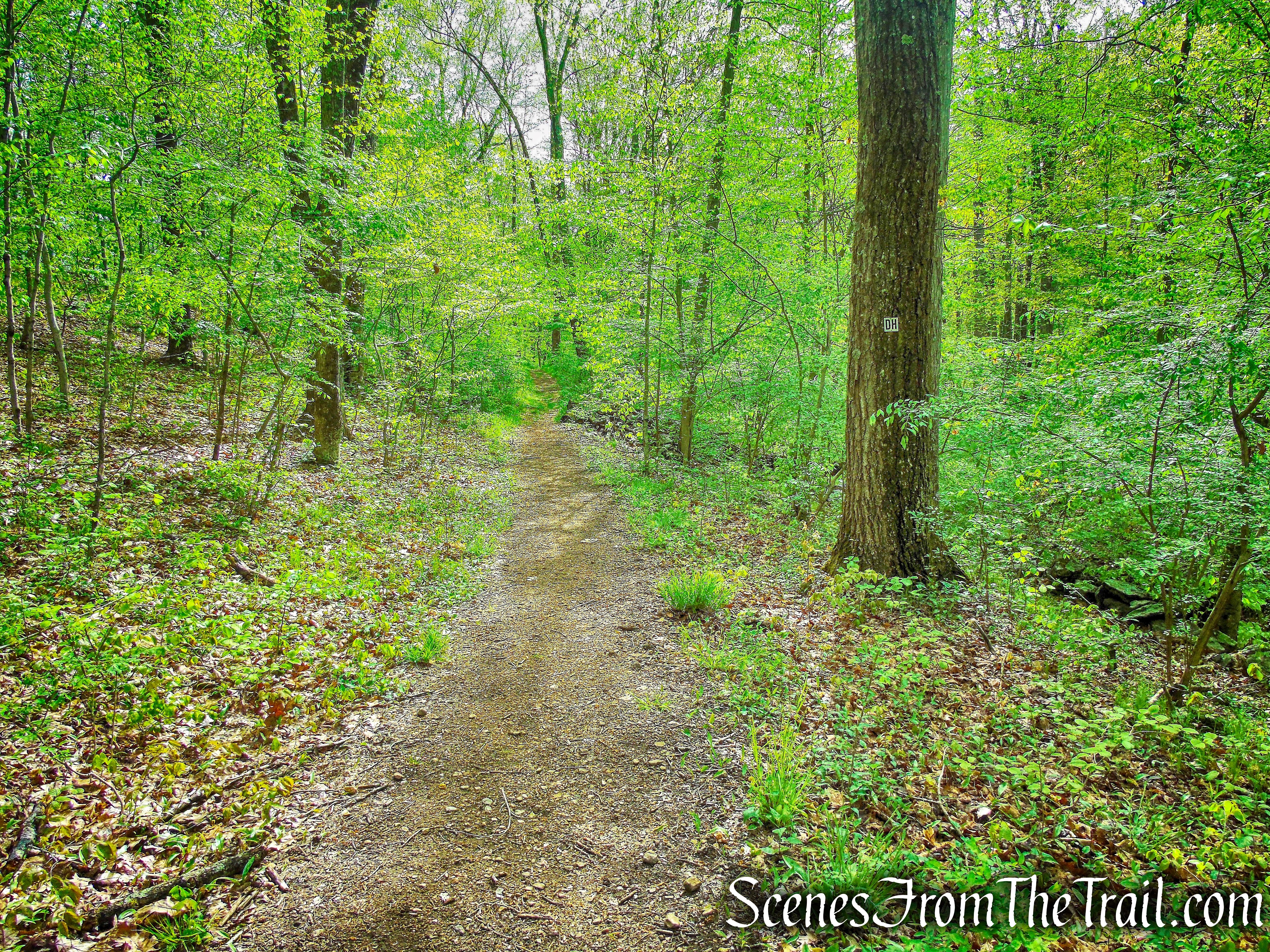
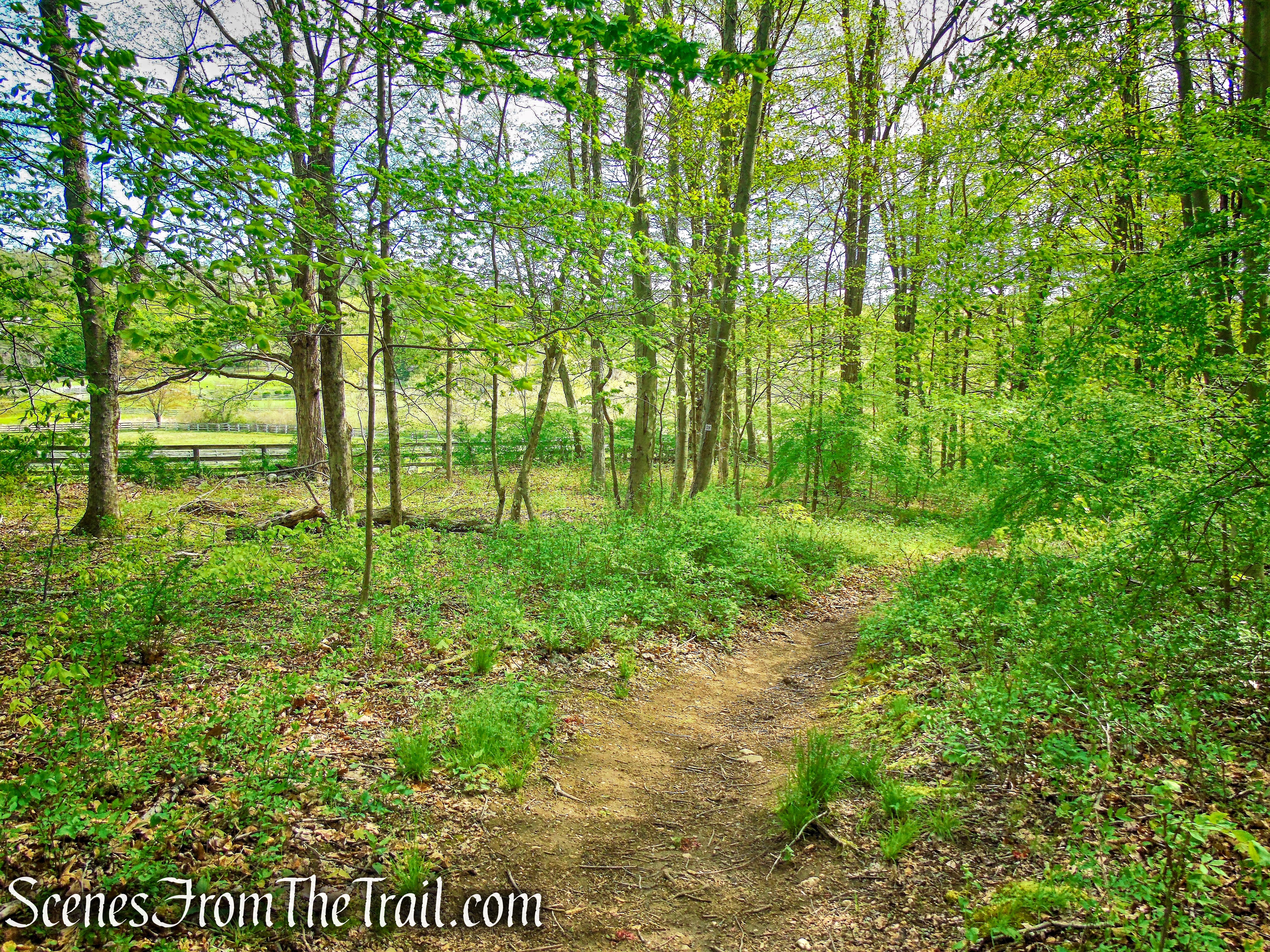
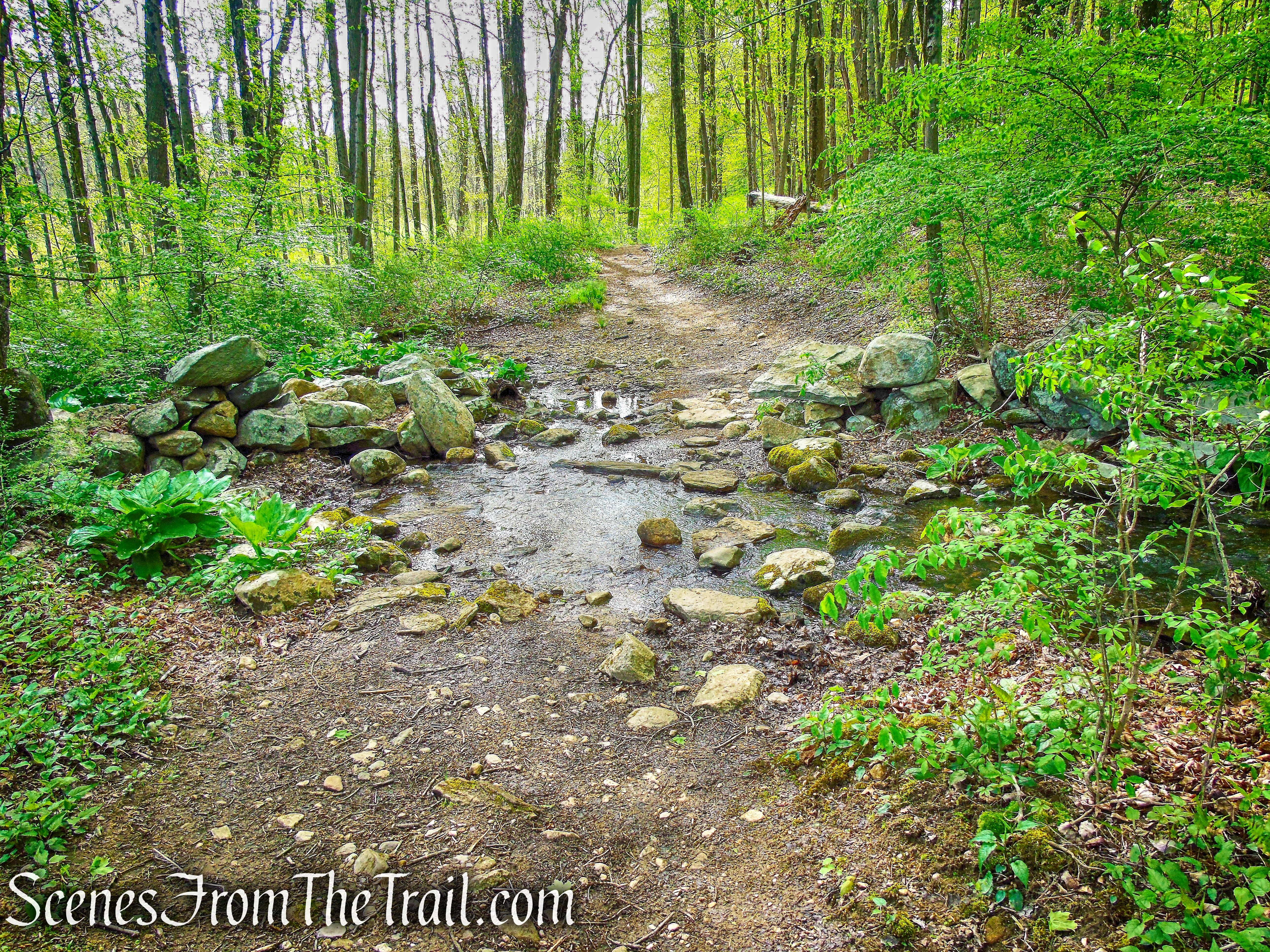
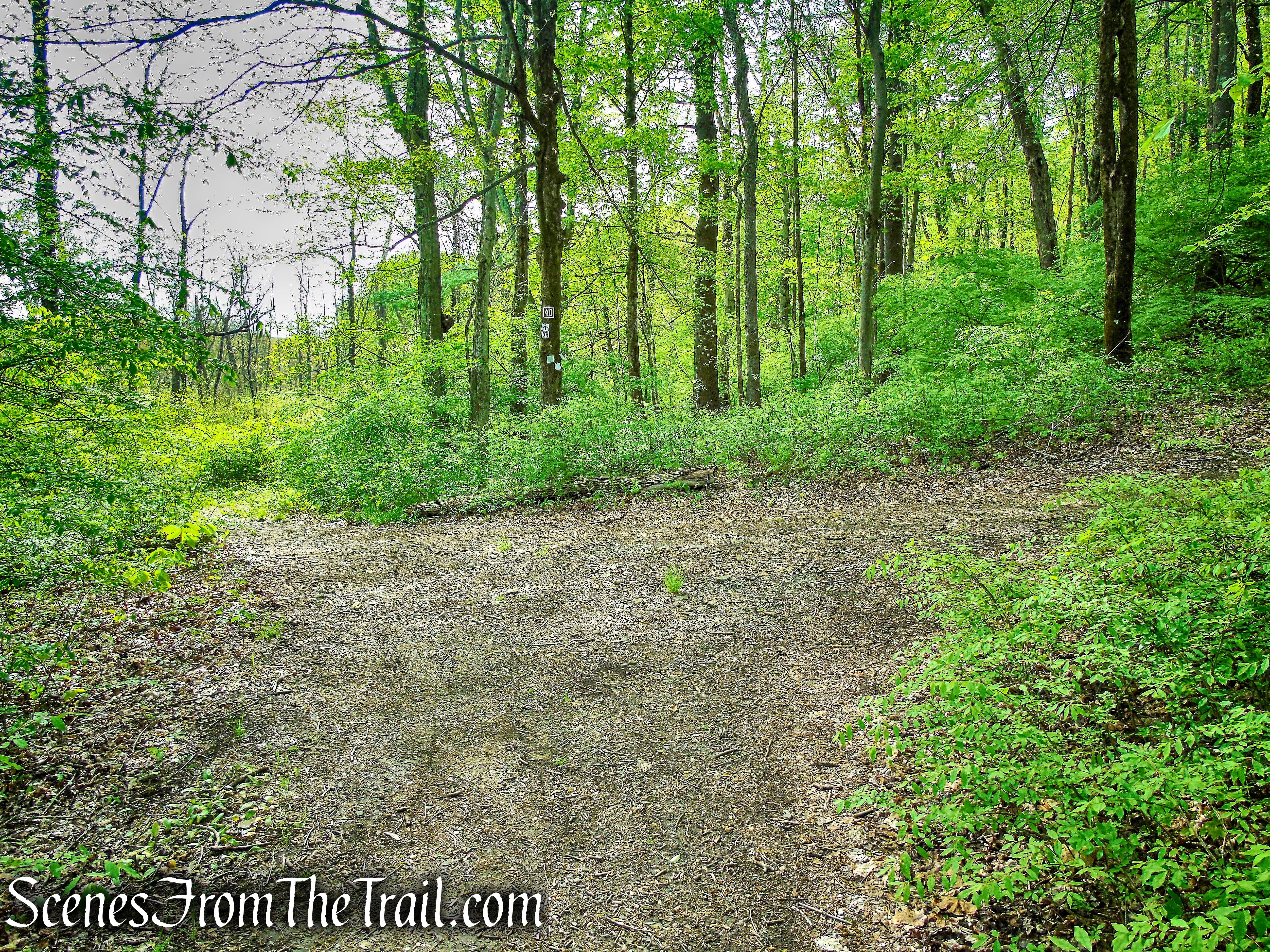
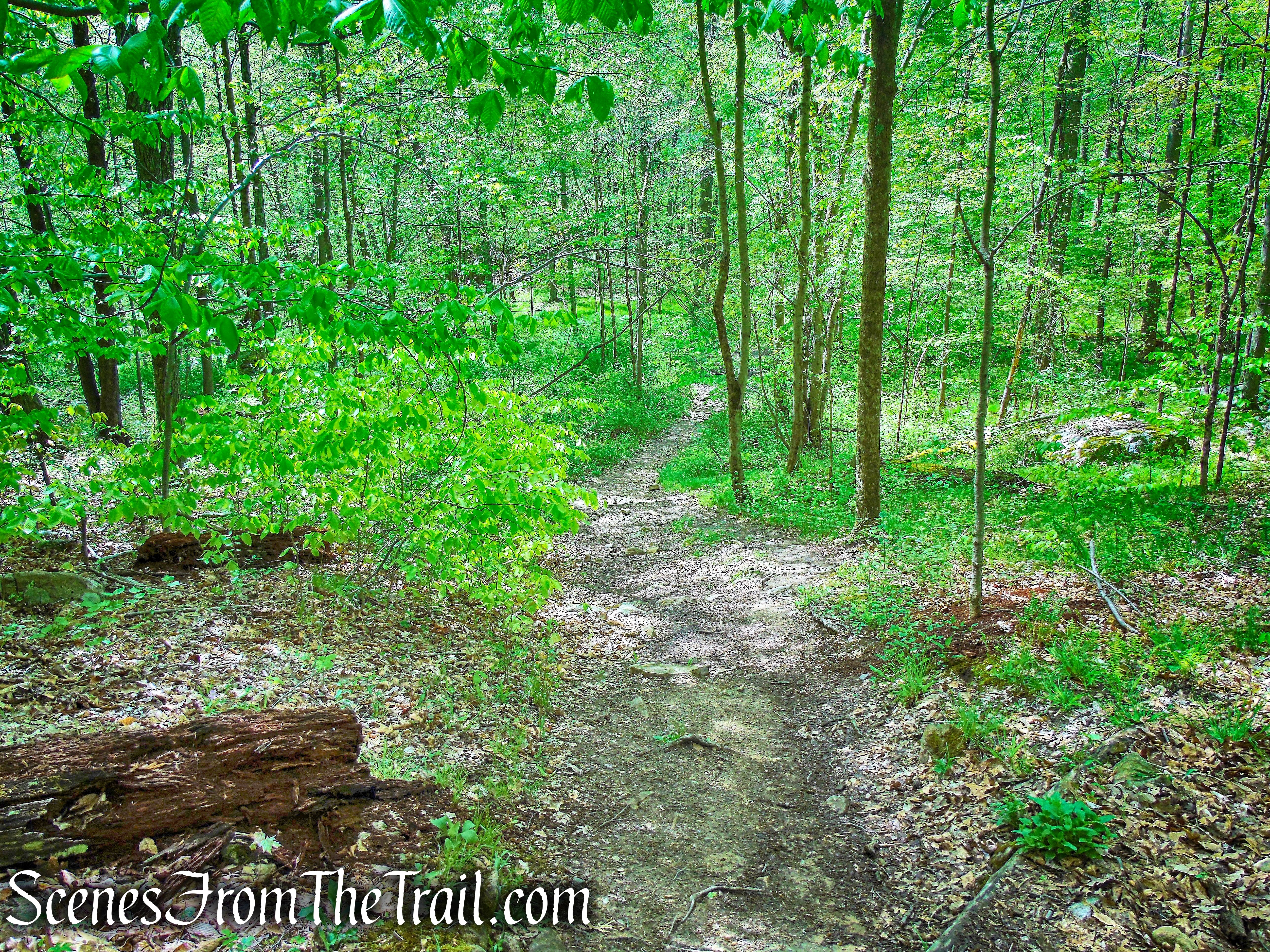
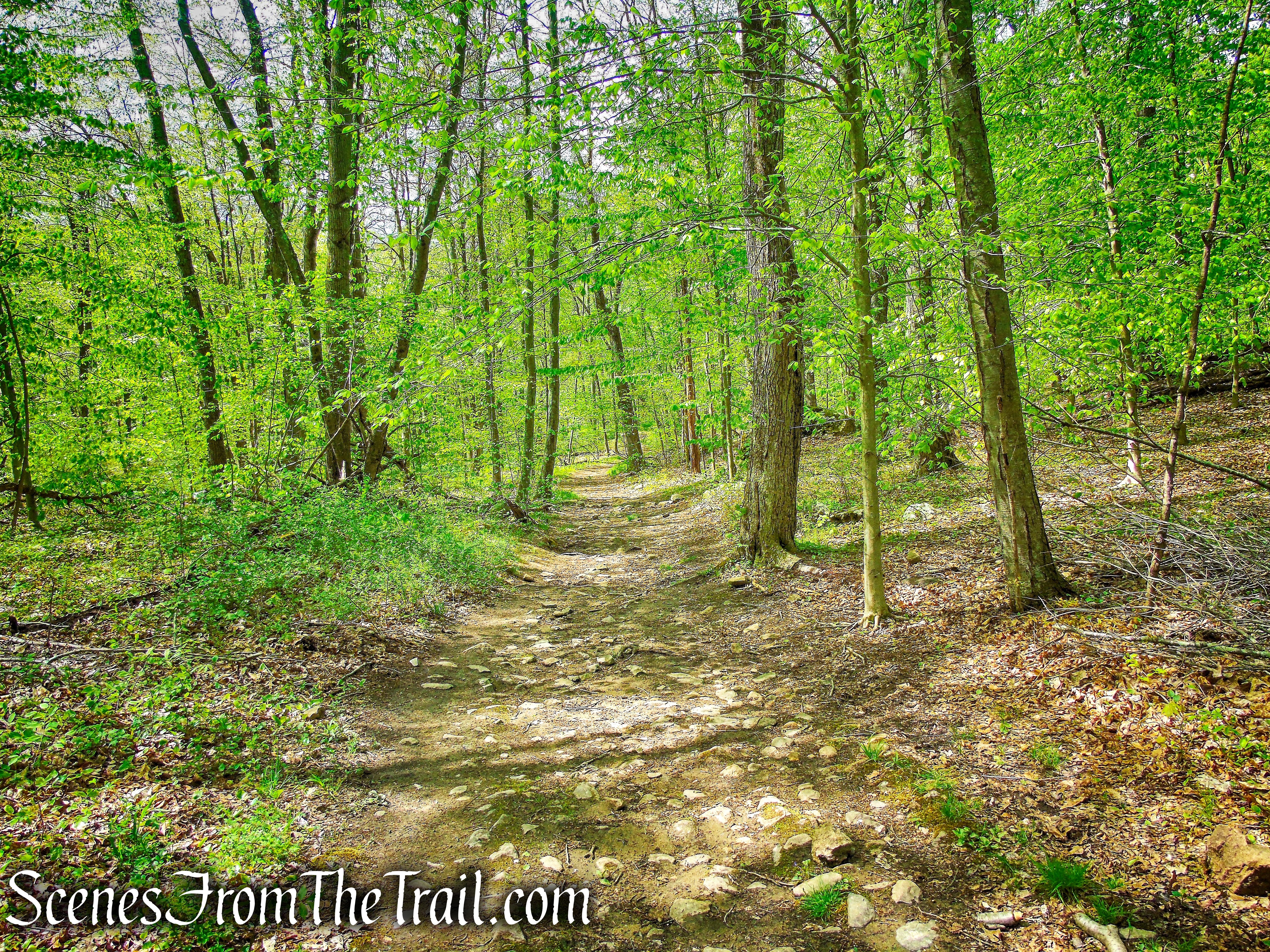
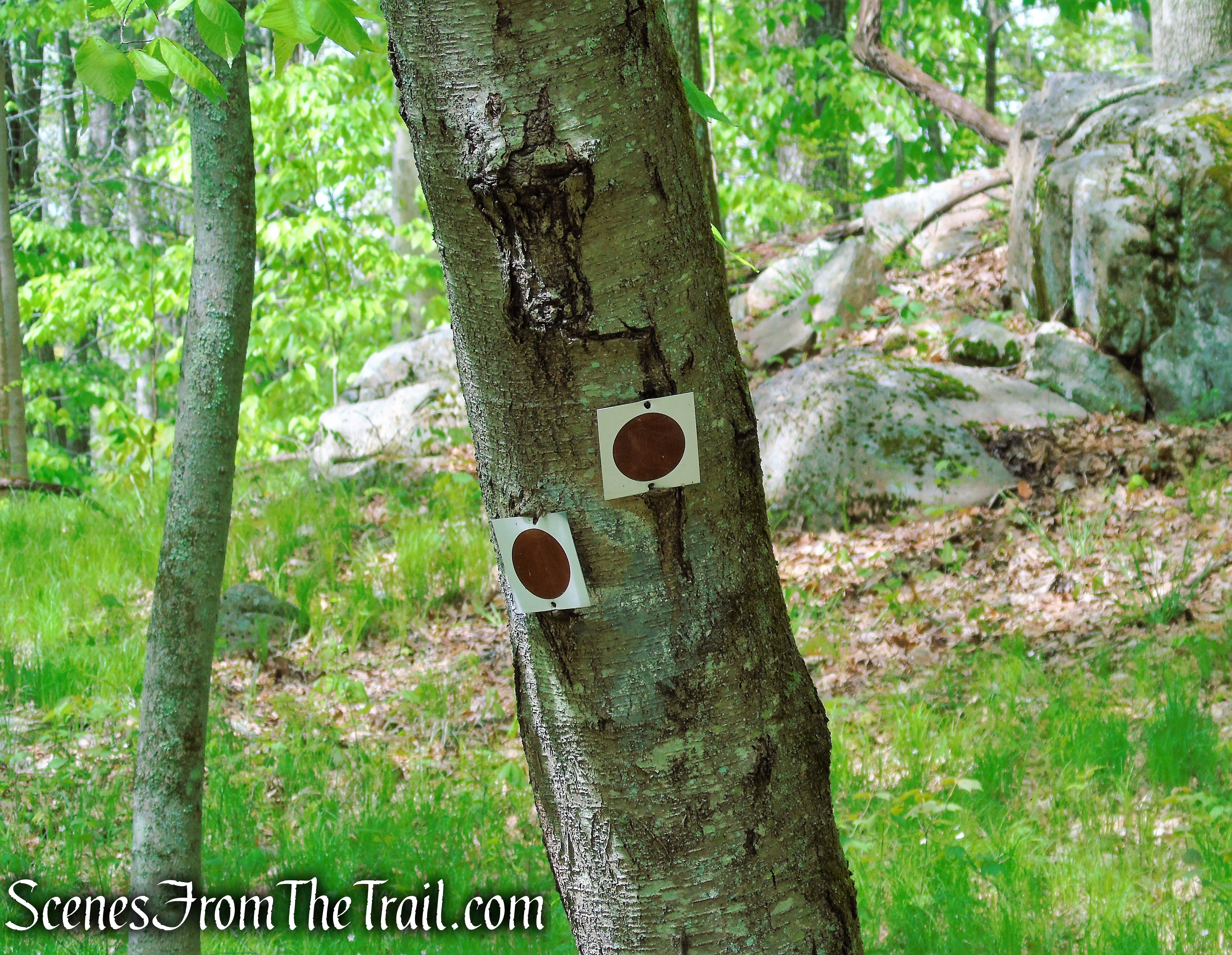
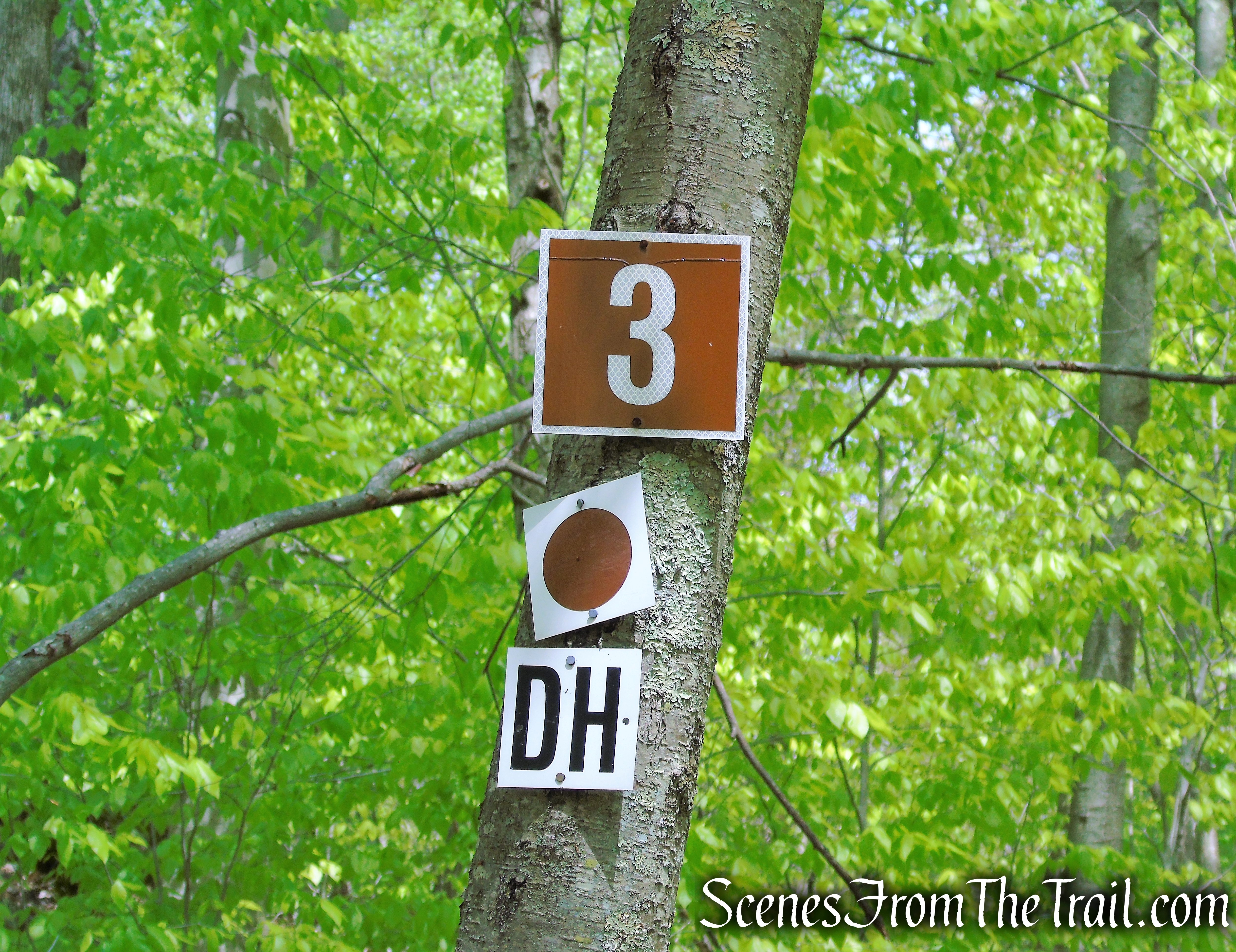
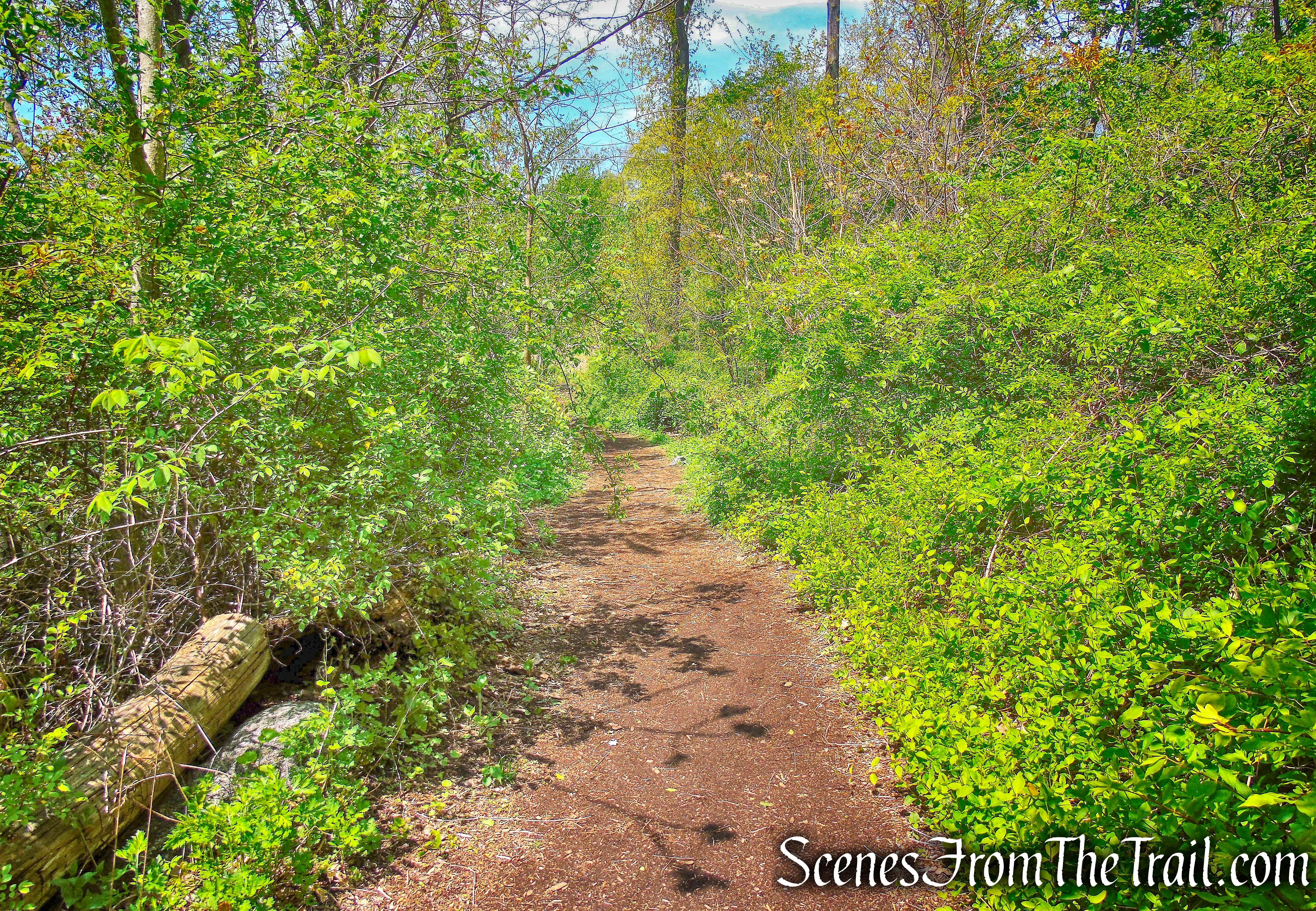
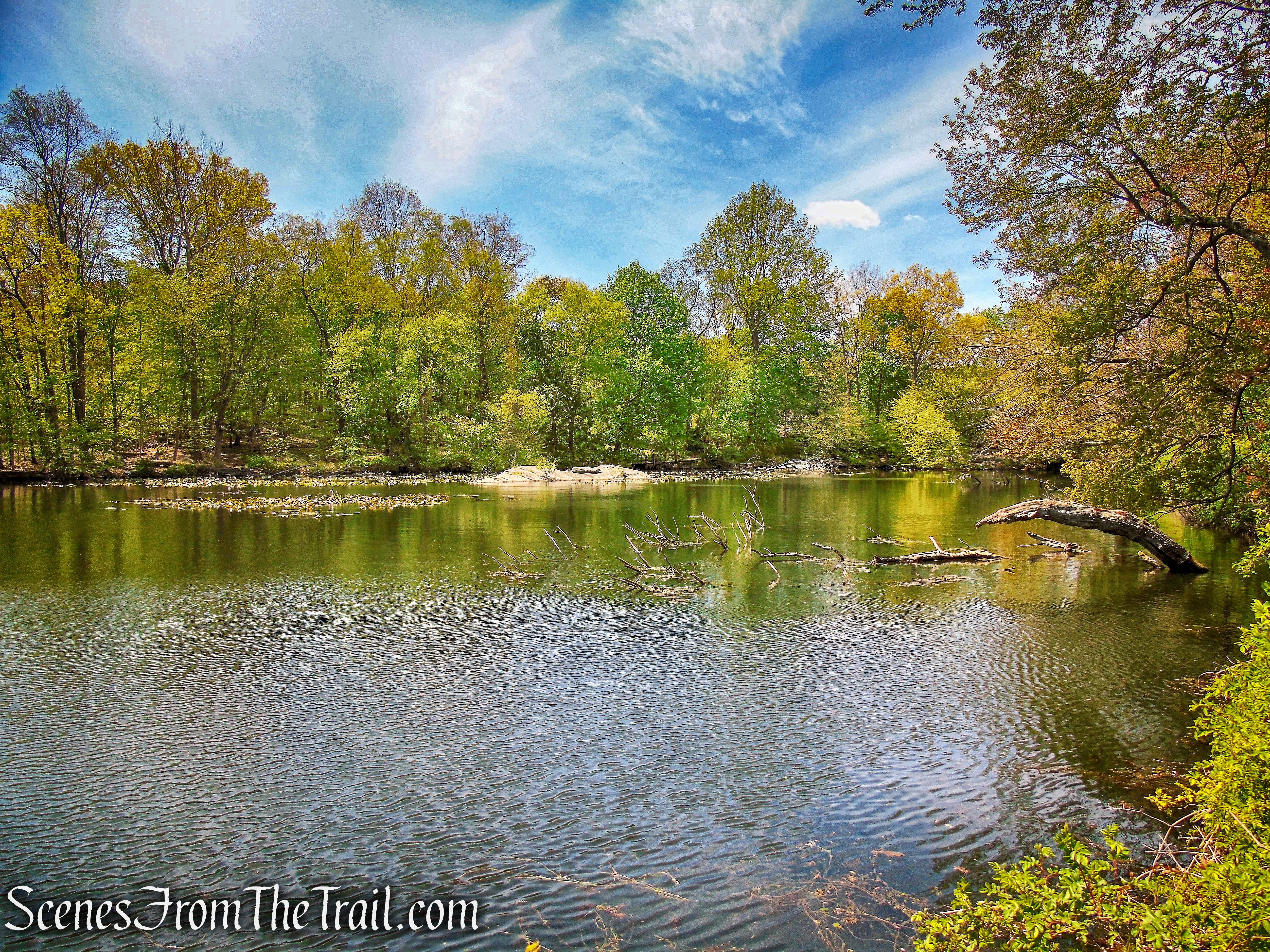
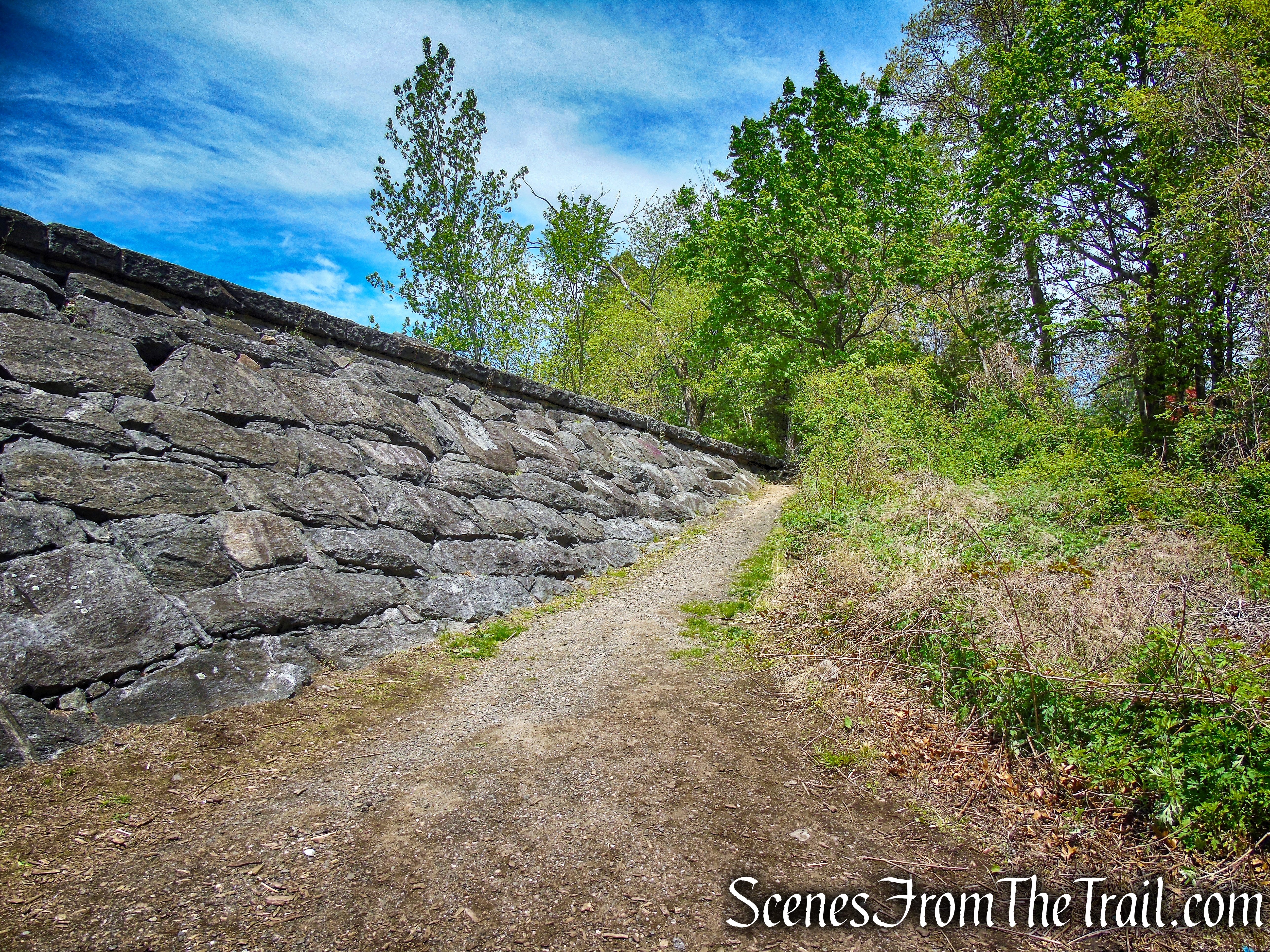
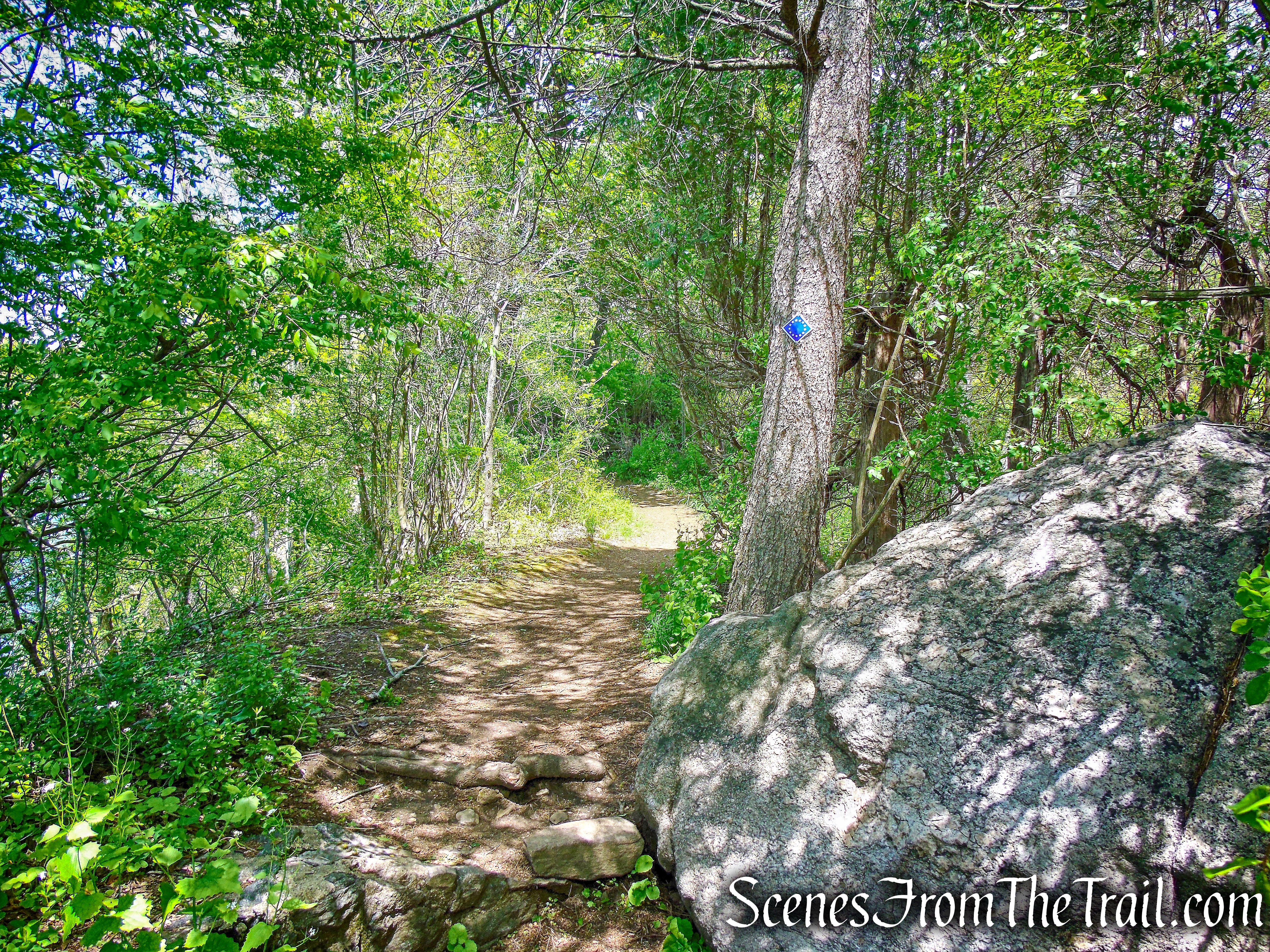
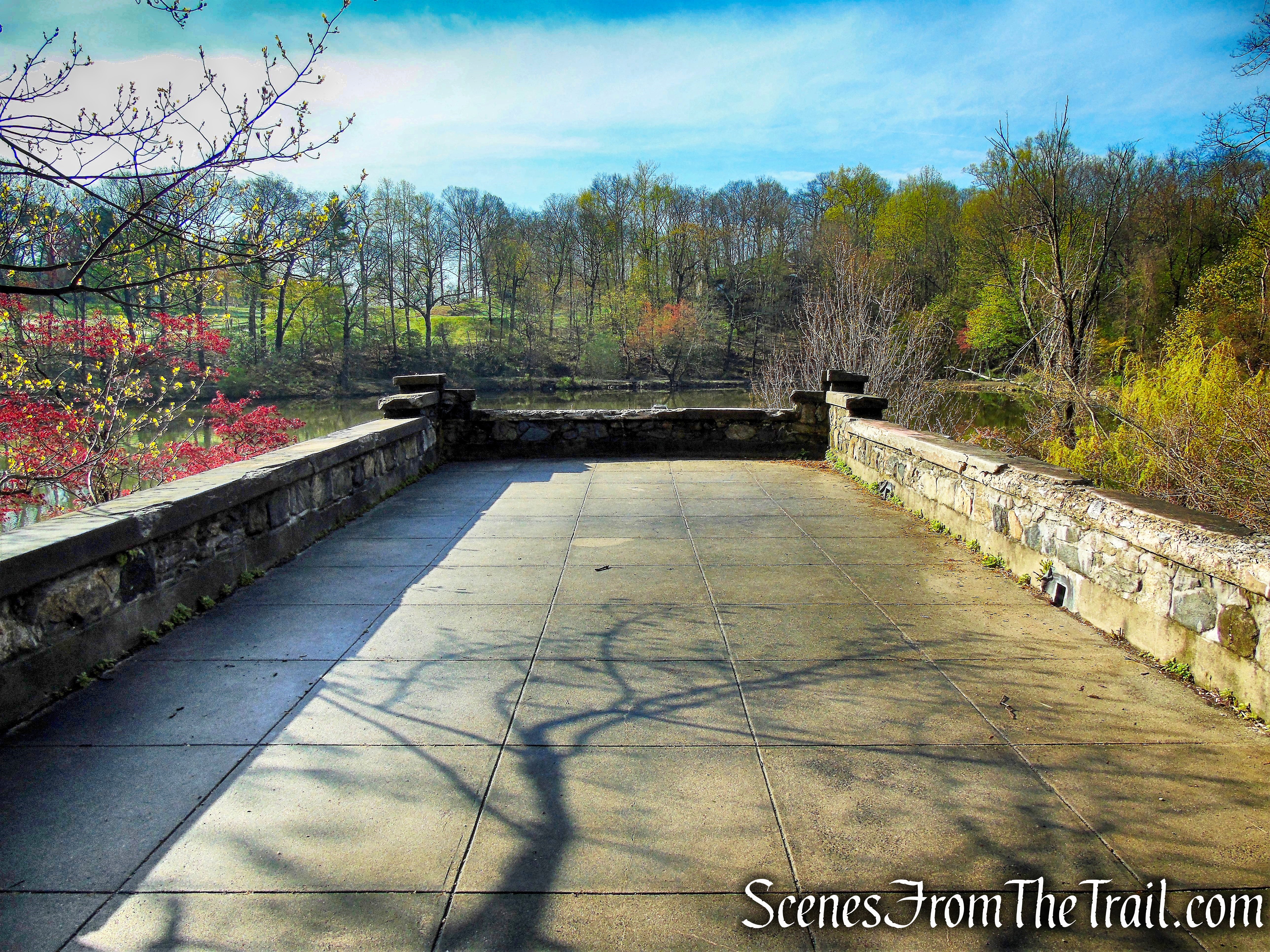
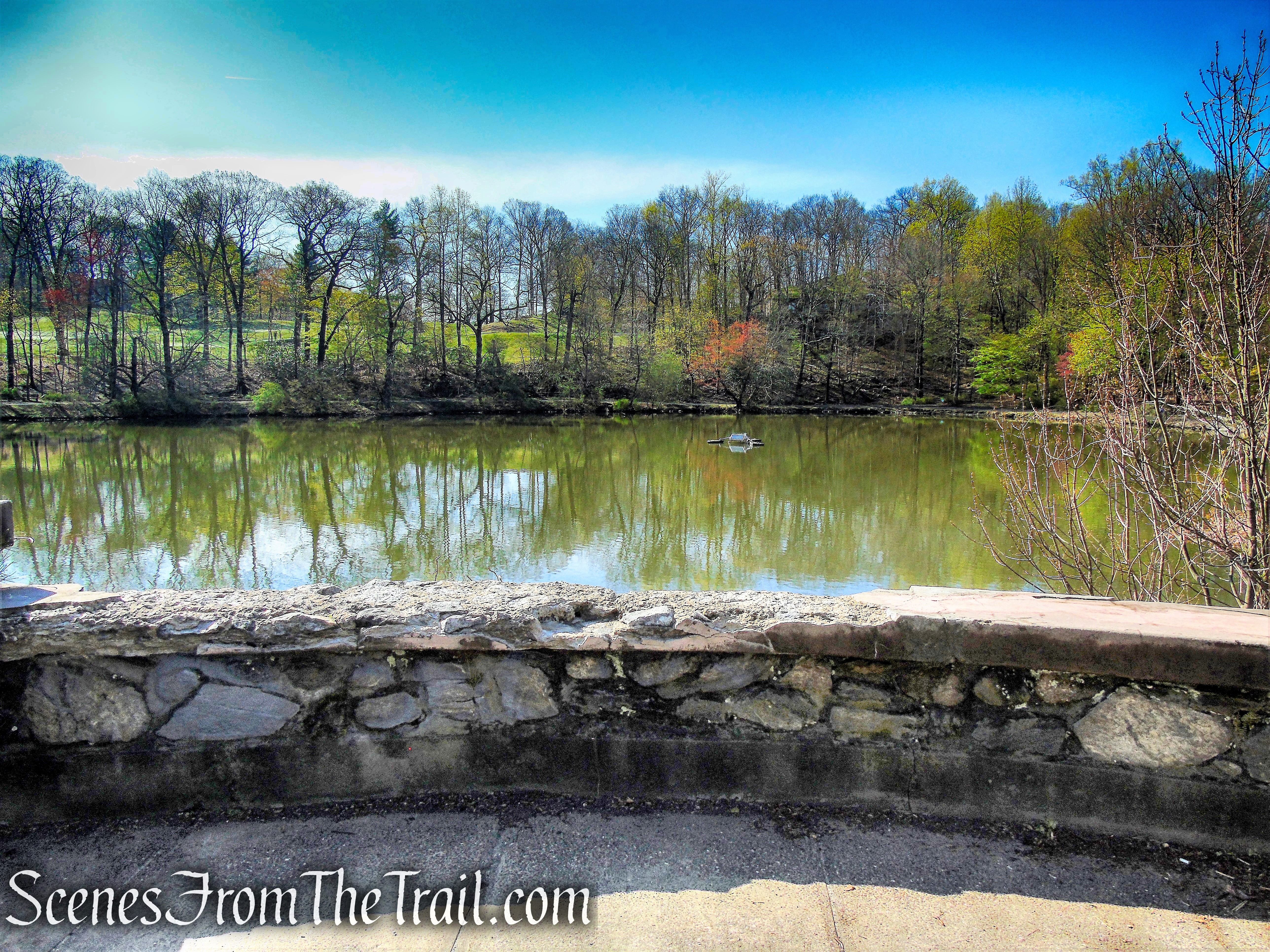
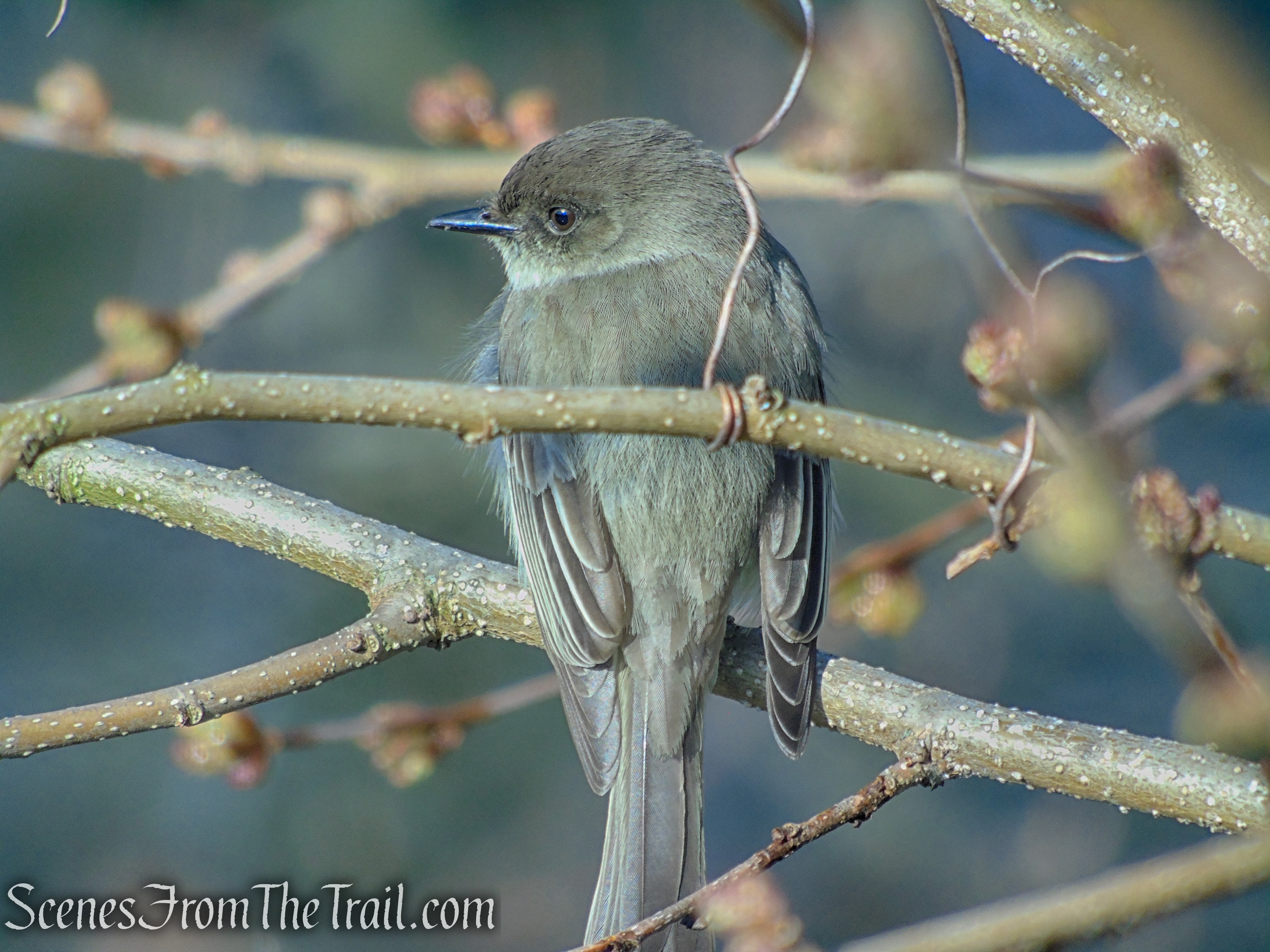
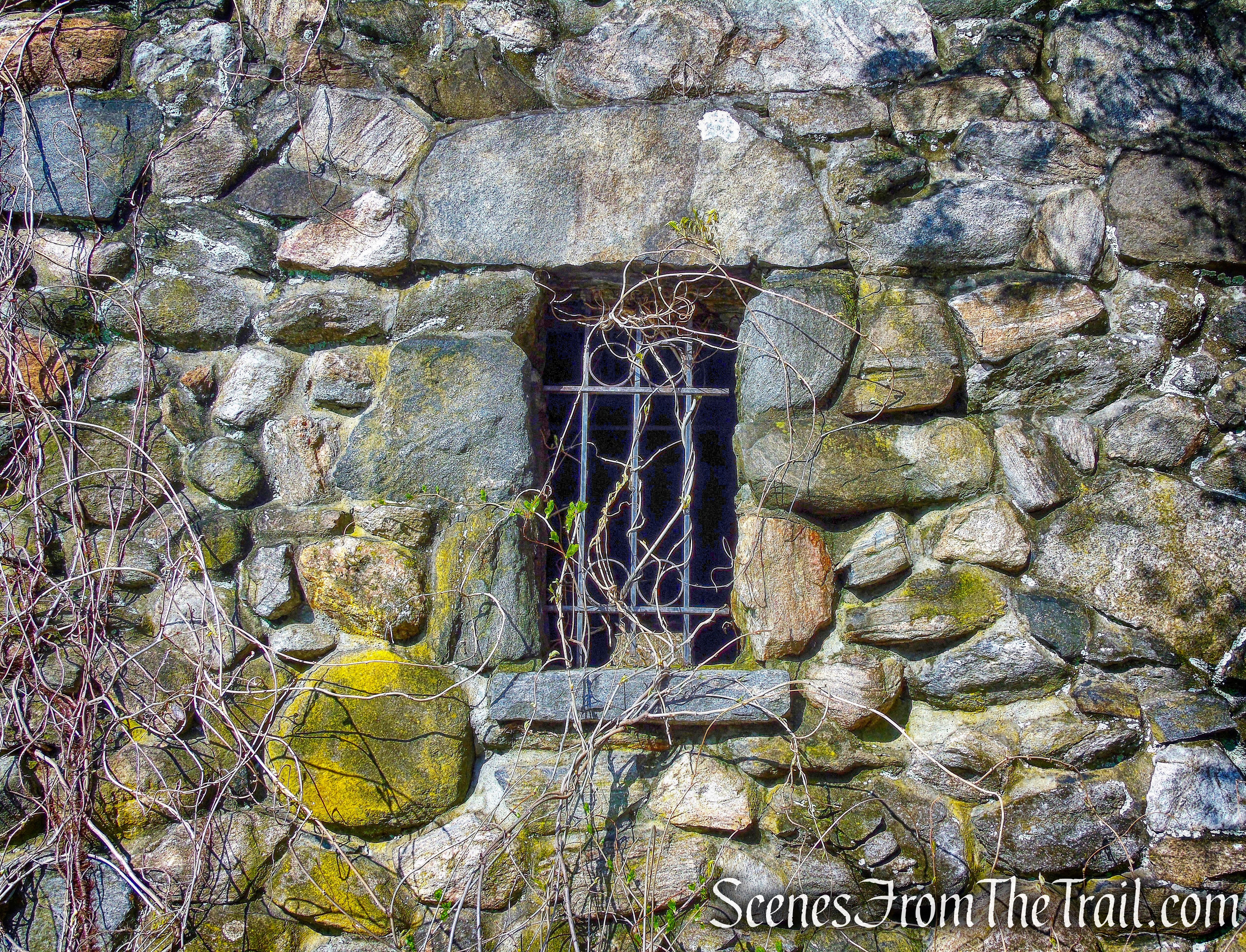
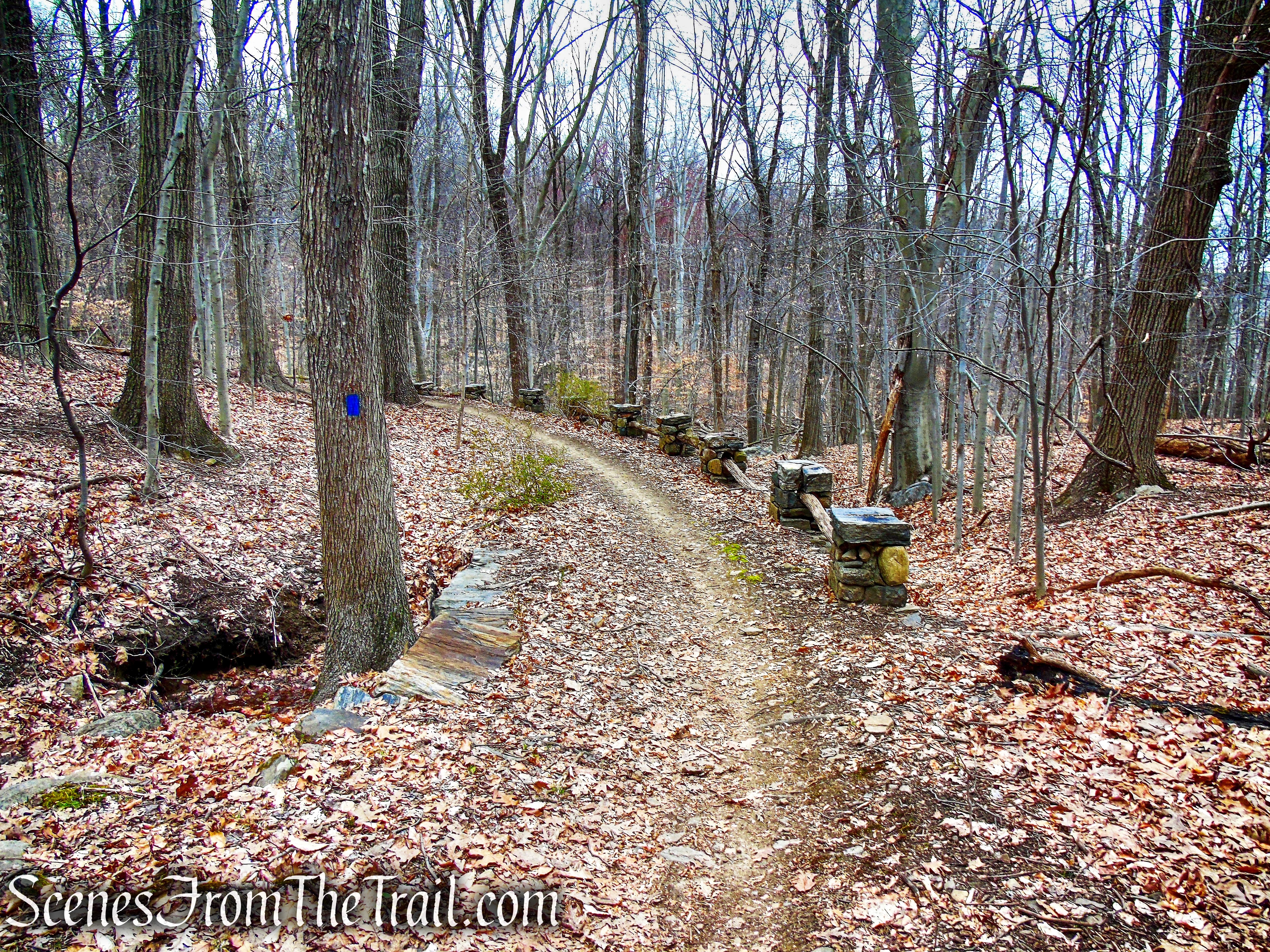
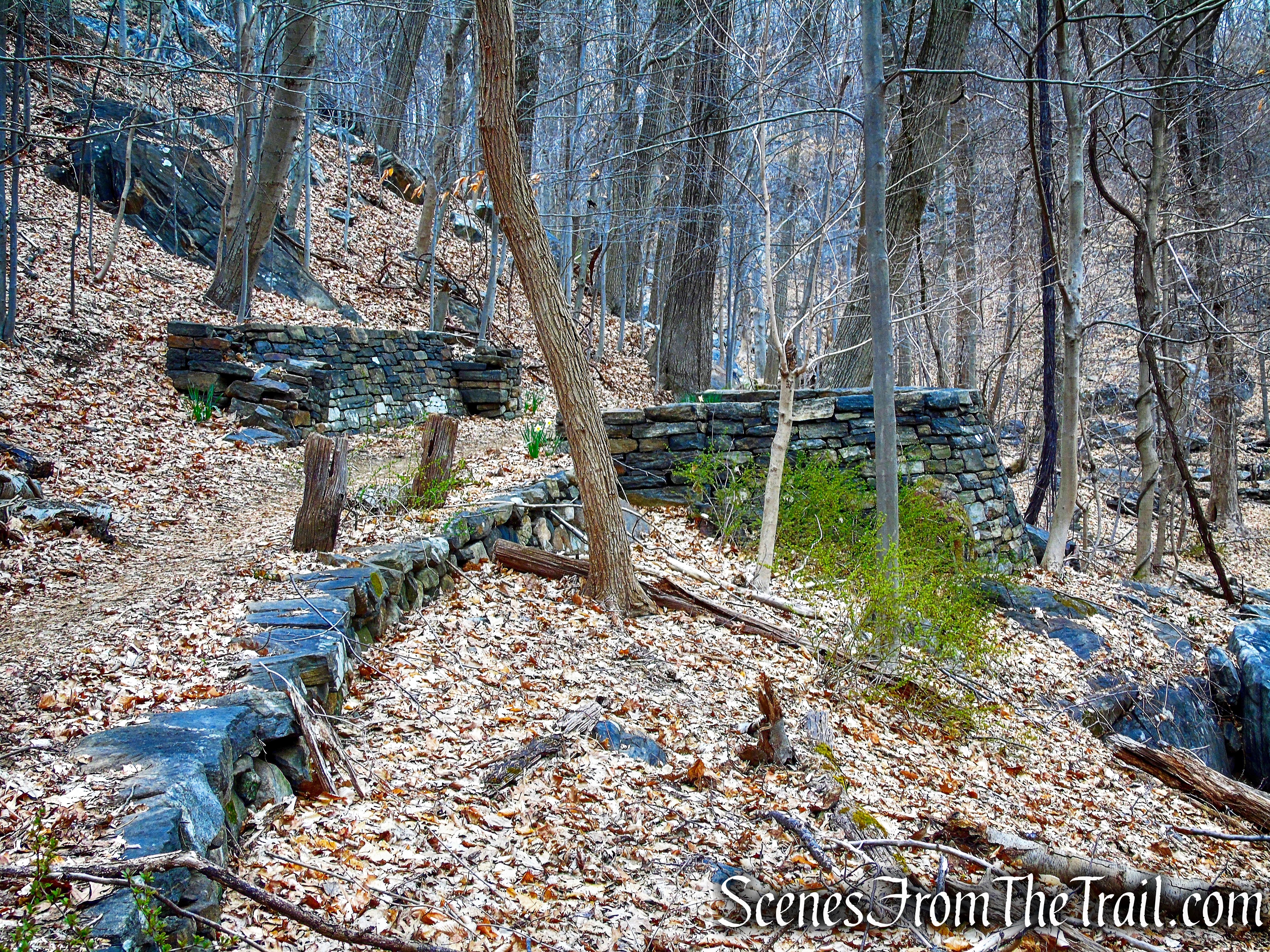
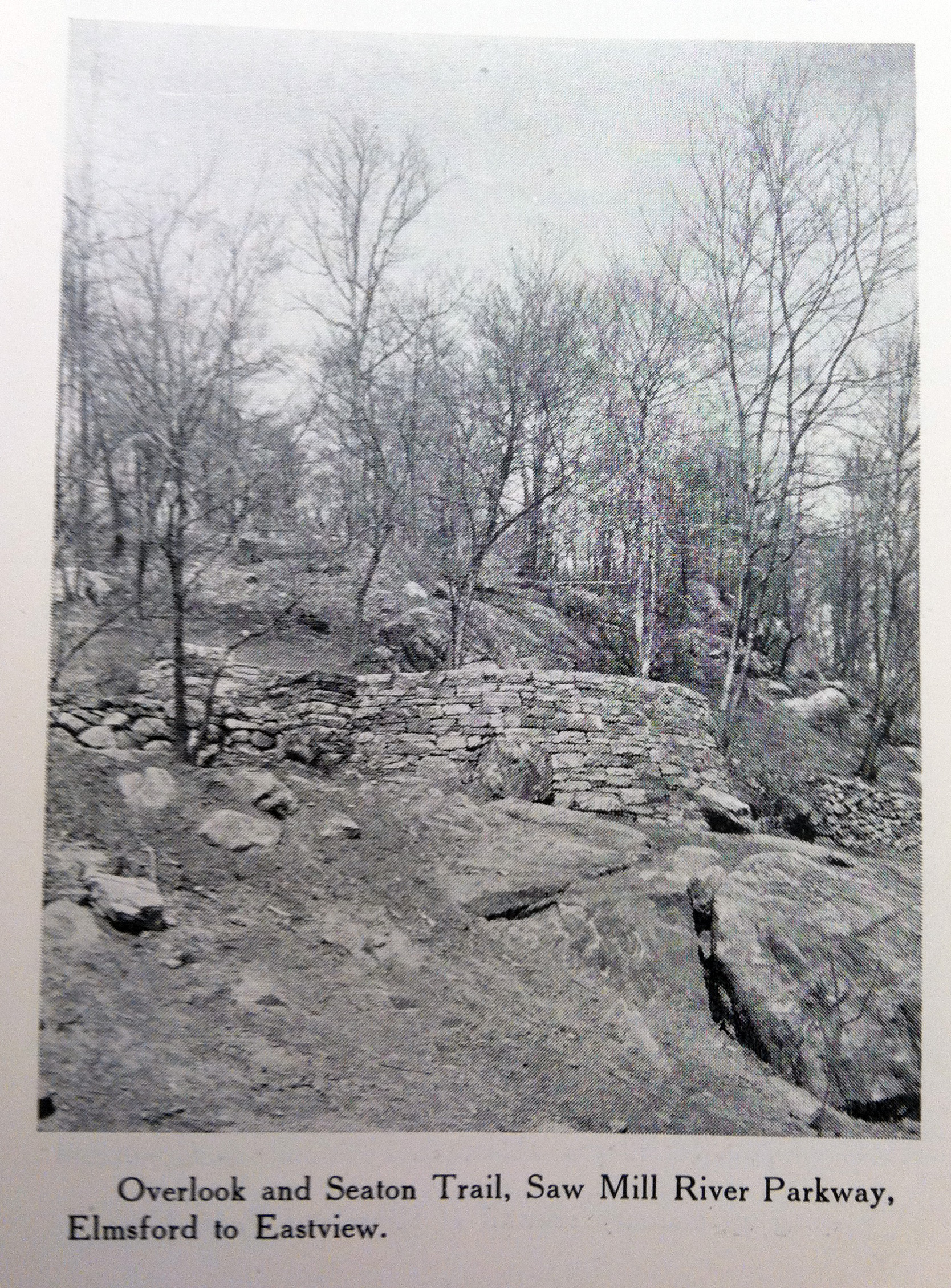
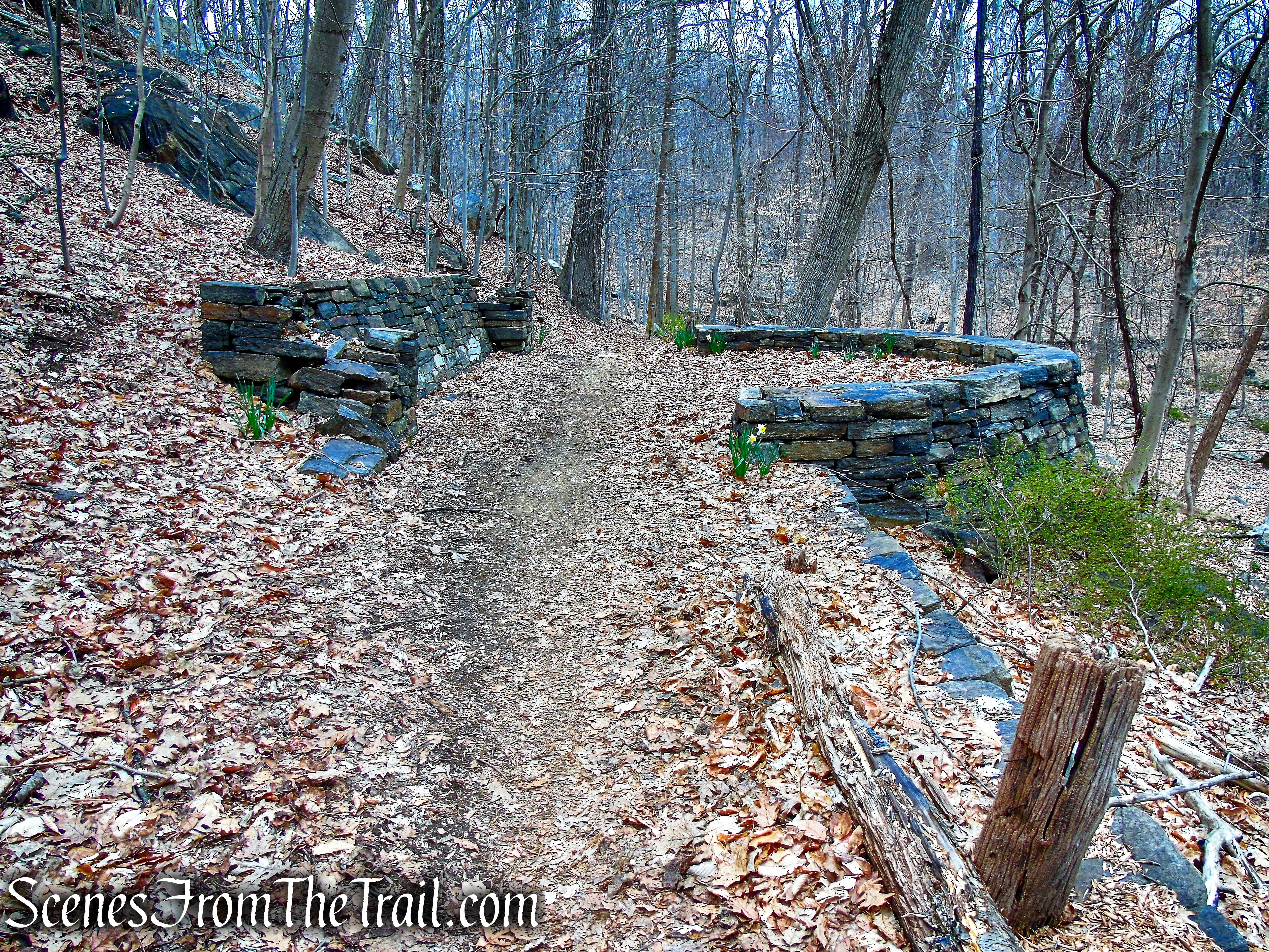
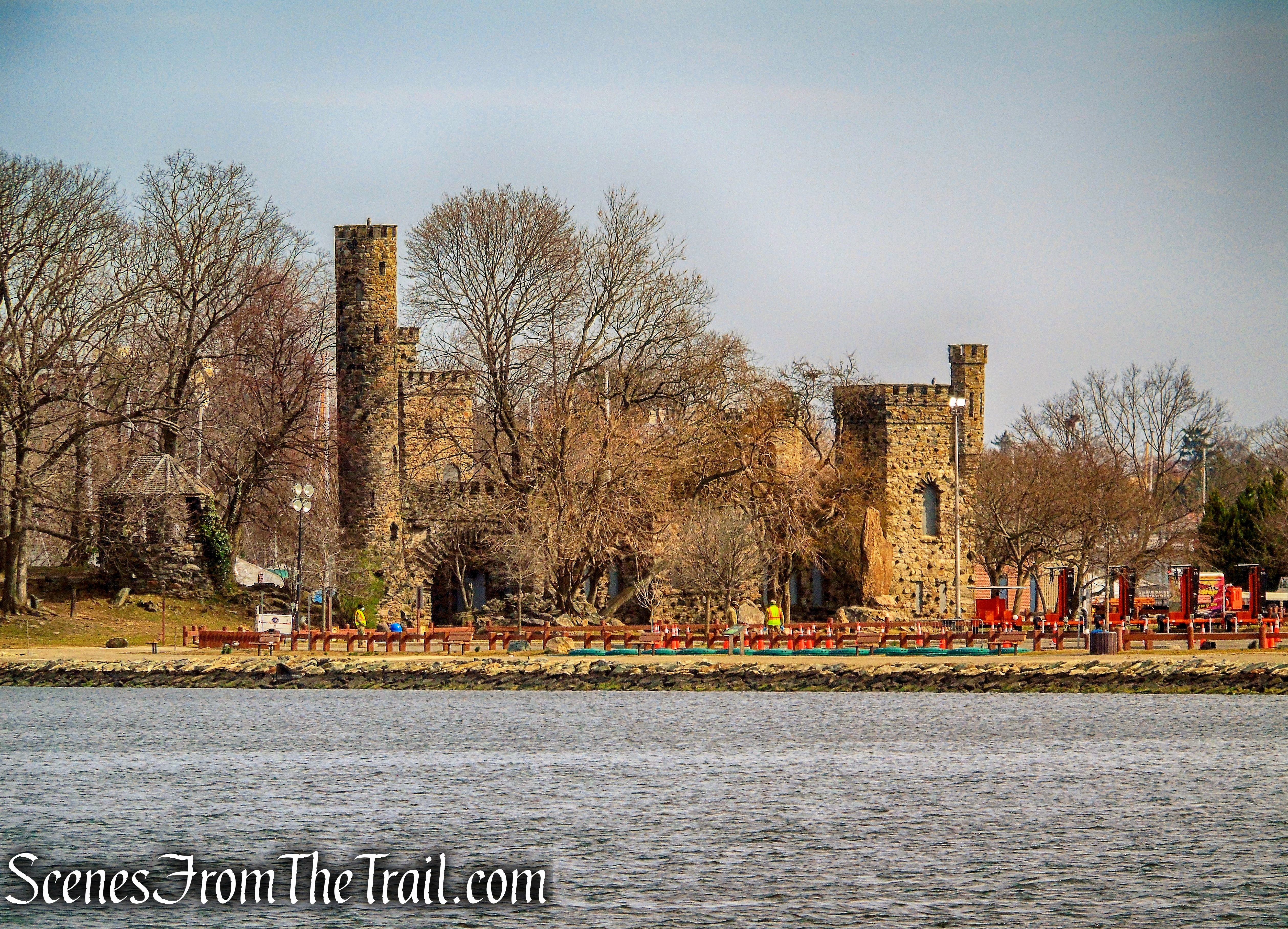
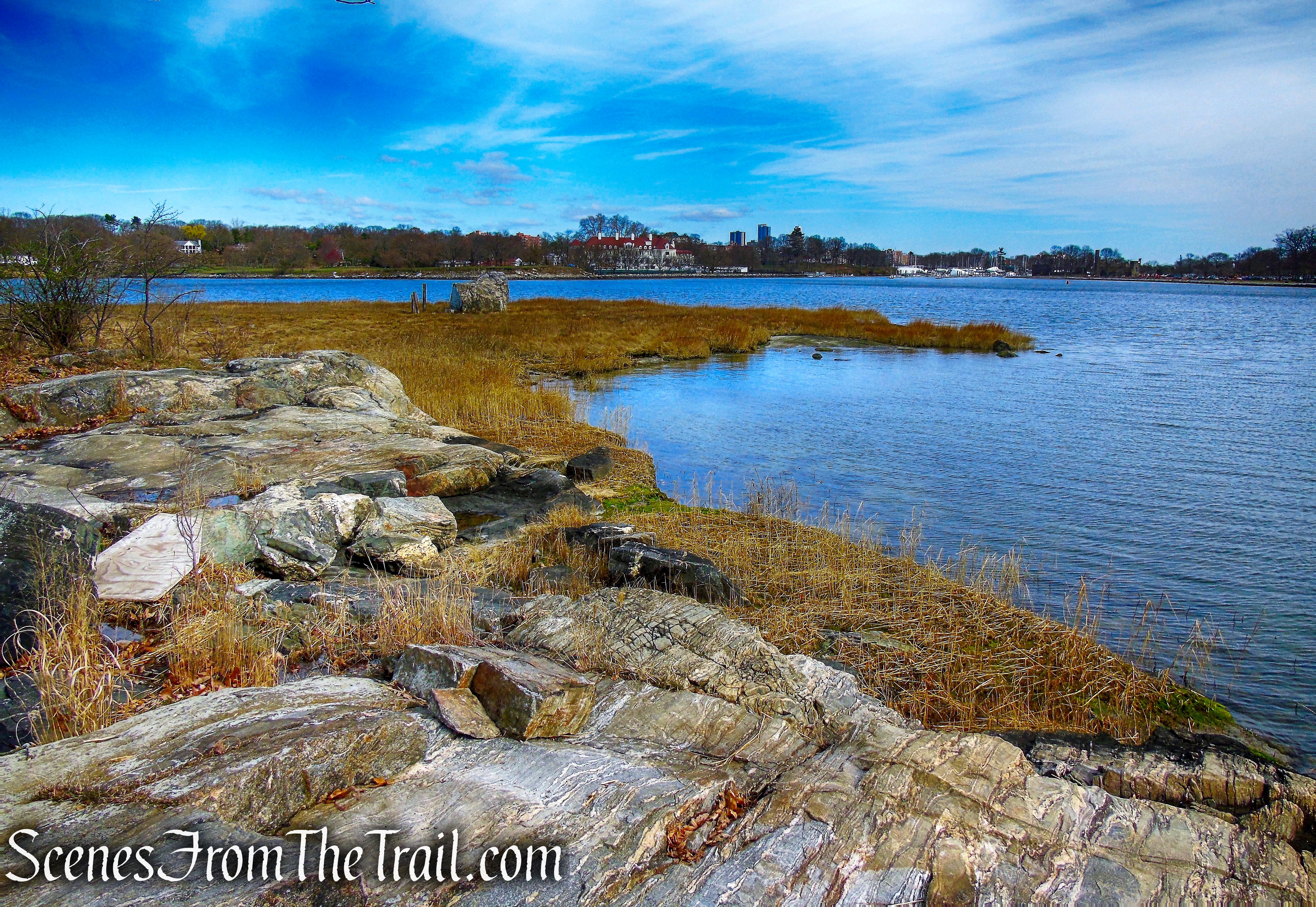
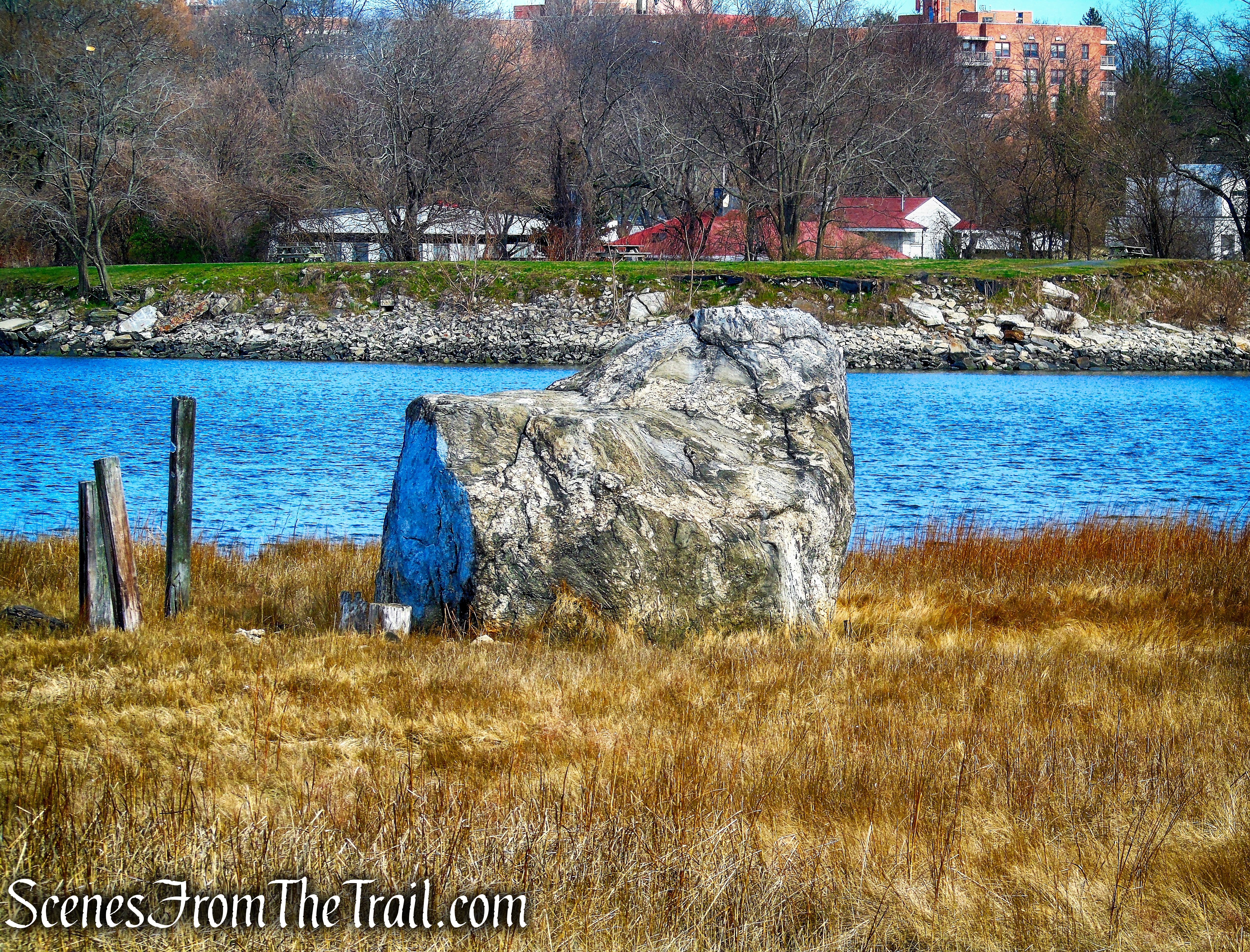
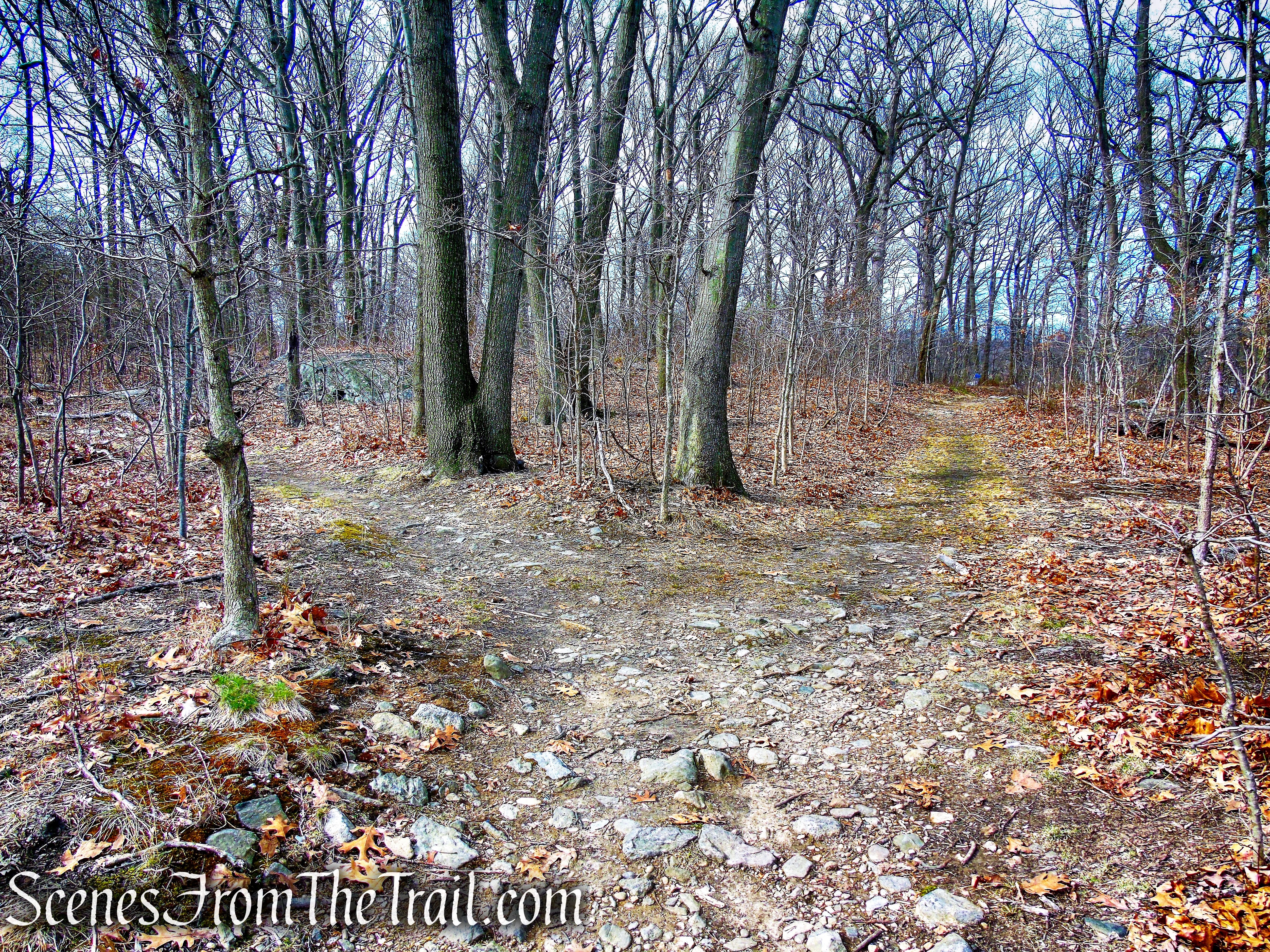
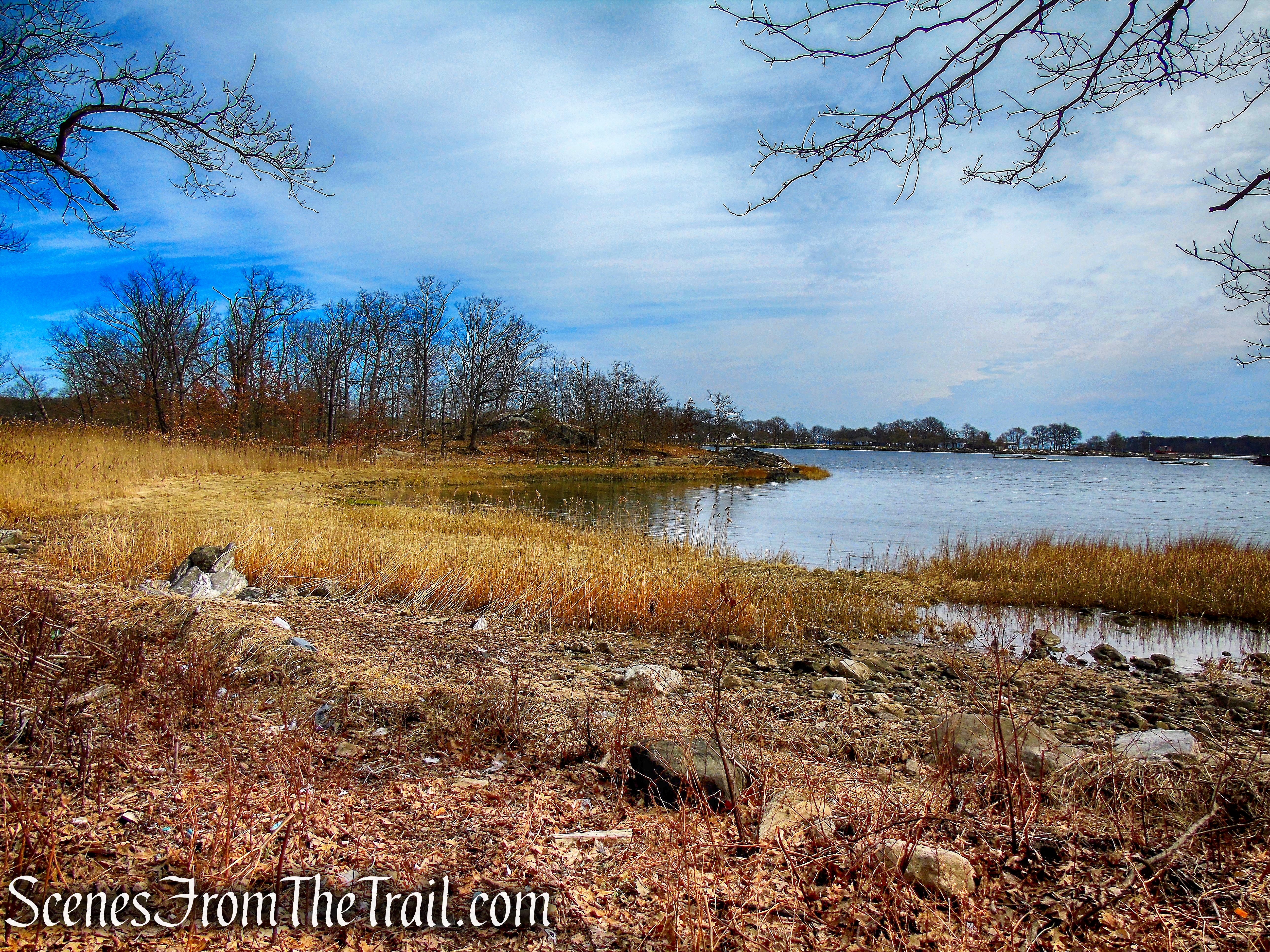
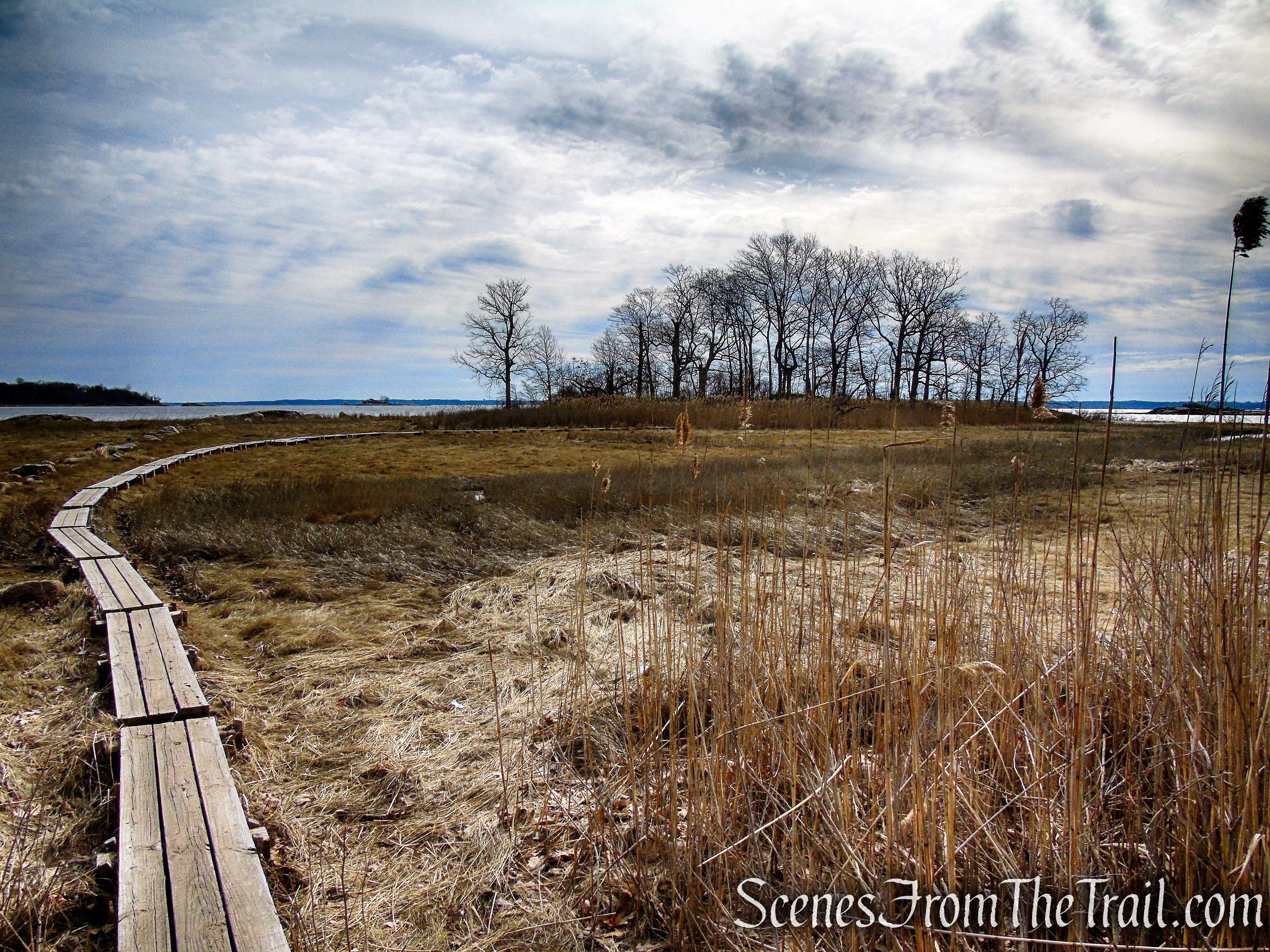
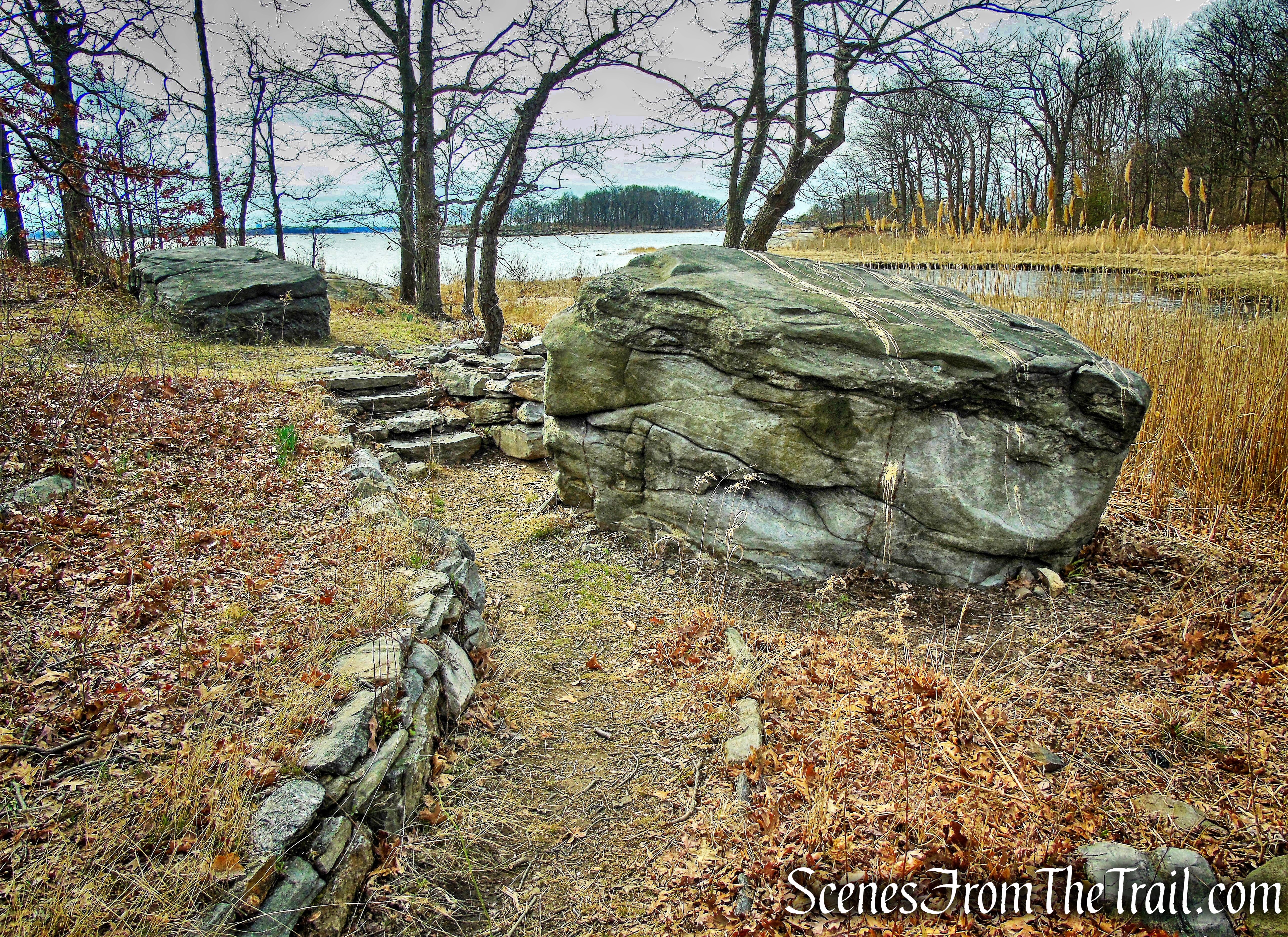
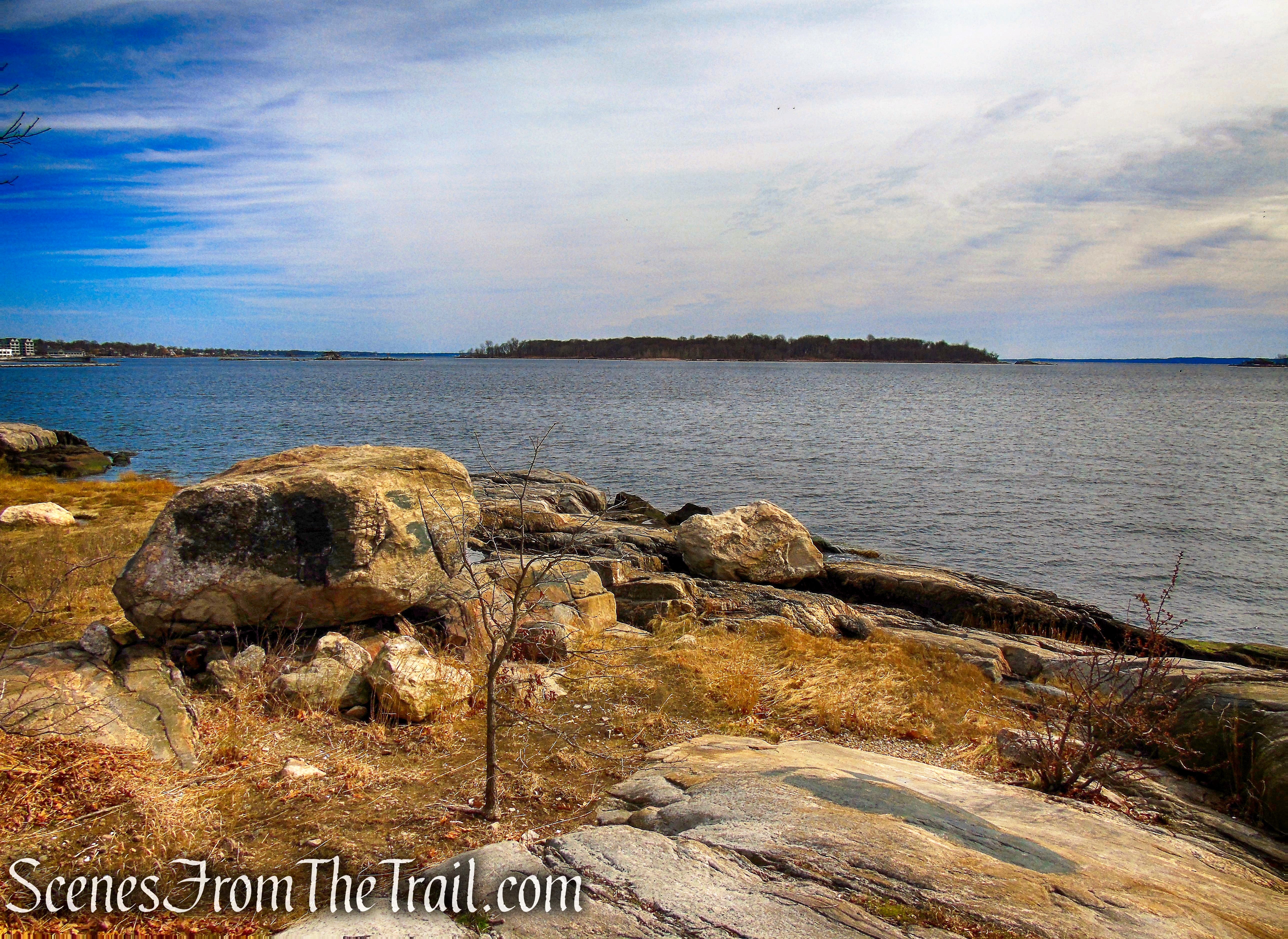
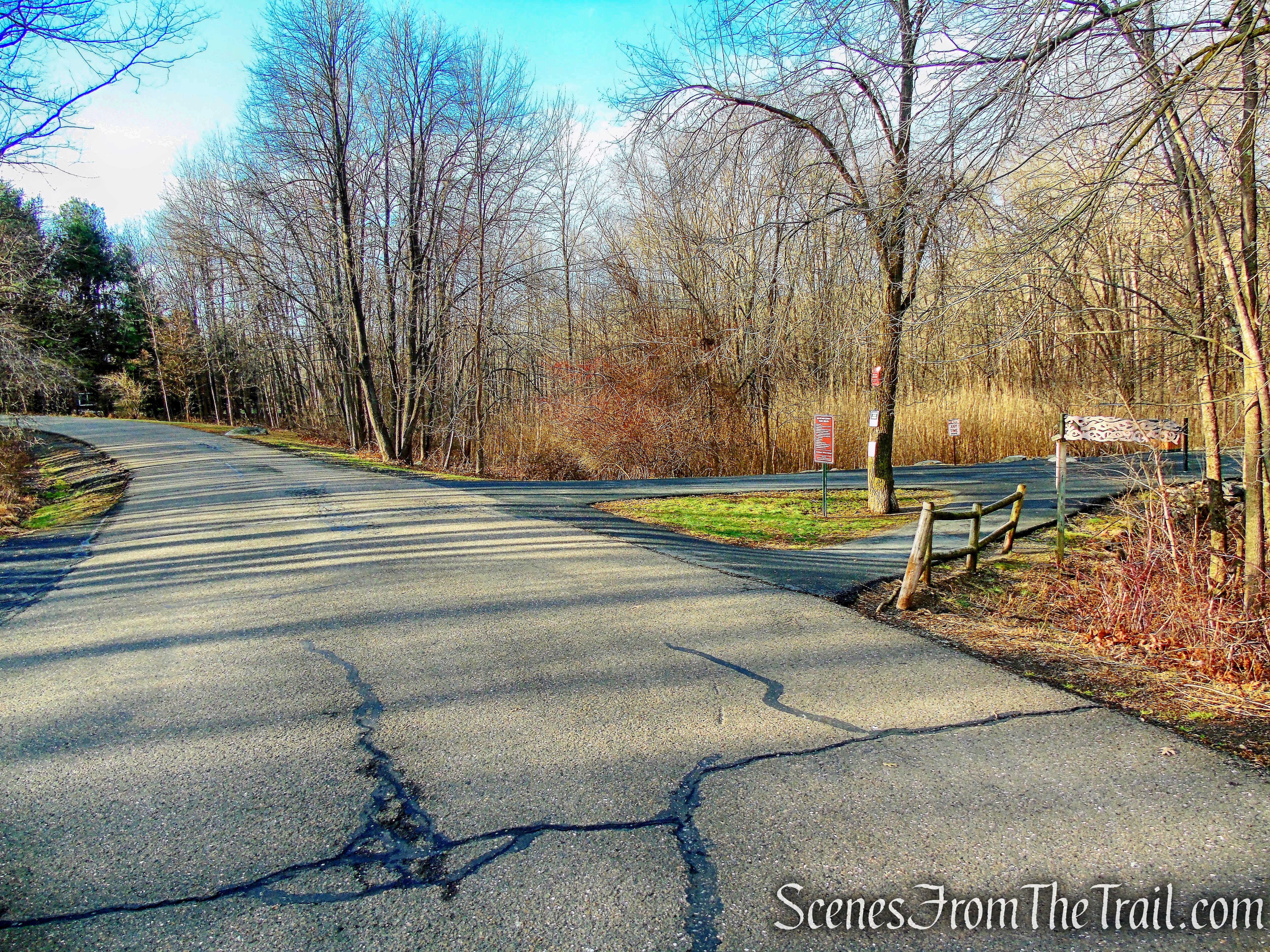
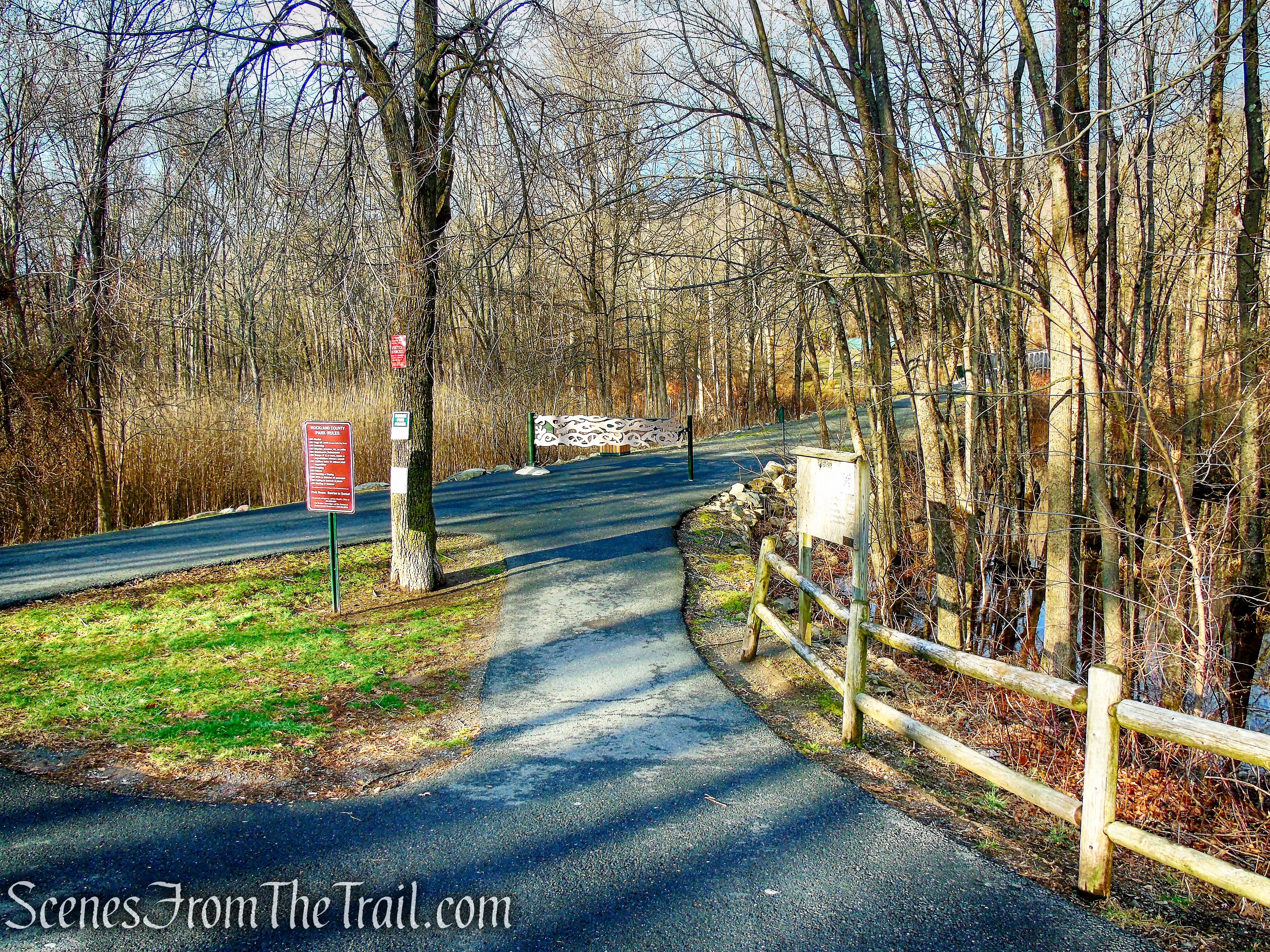
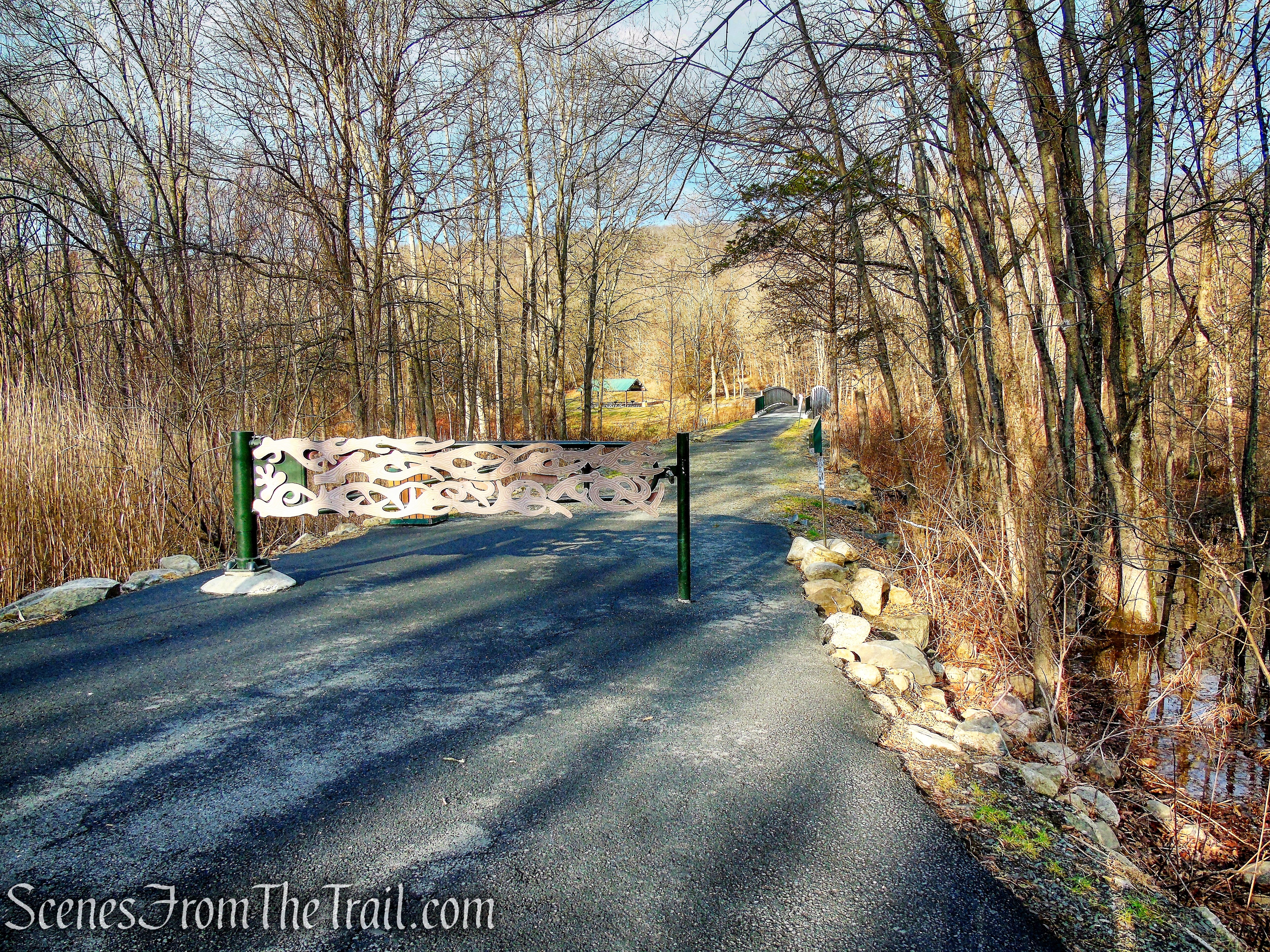
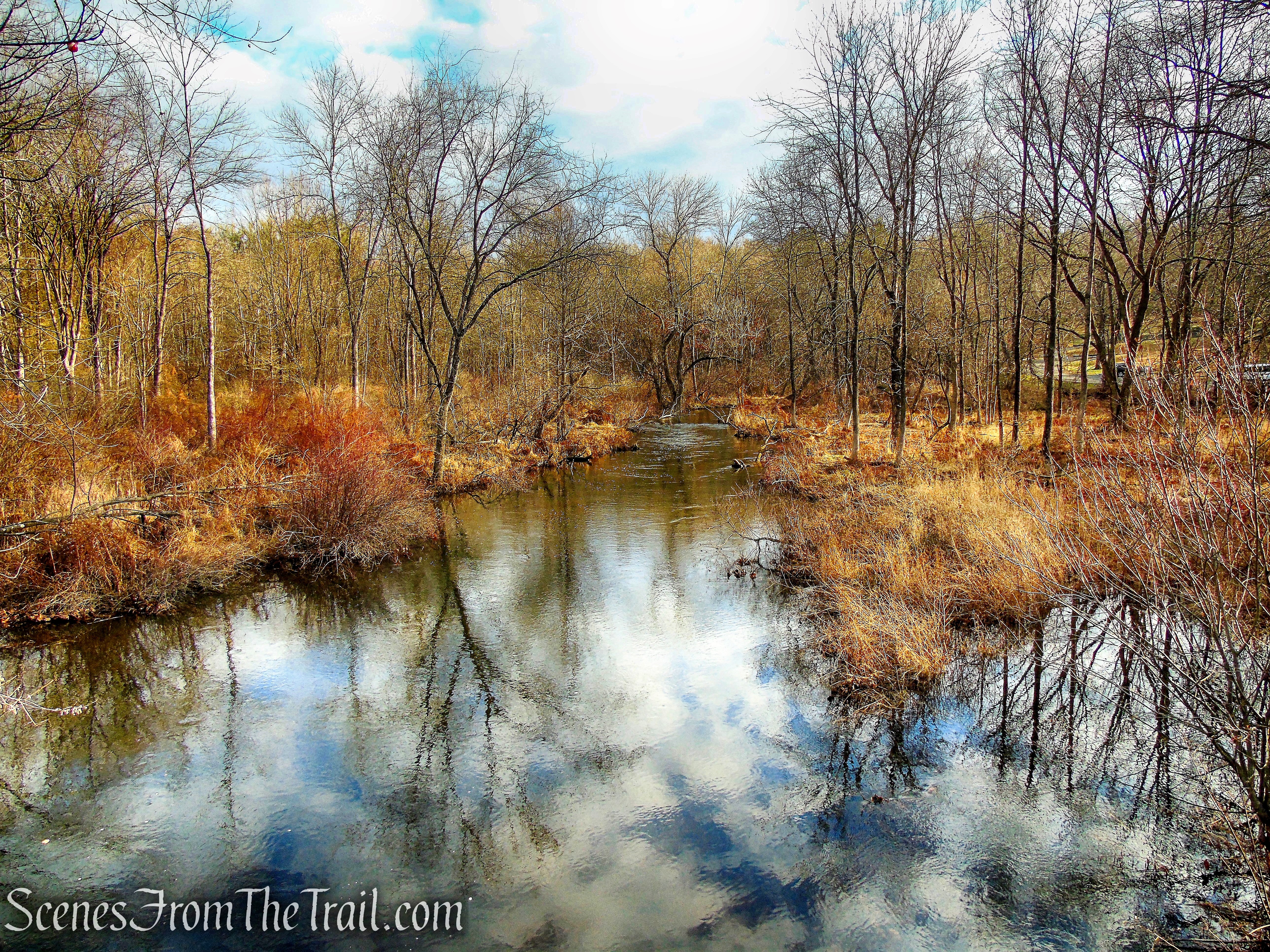
Lenoir Nature Preserve

May 3, 2020 – Yonkers, NY

Difficulty: Easy

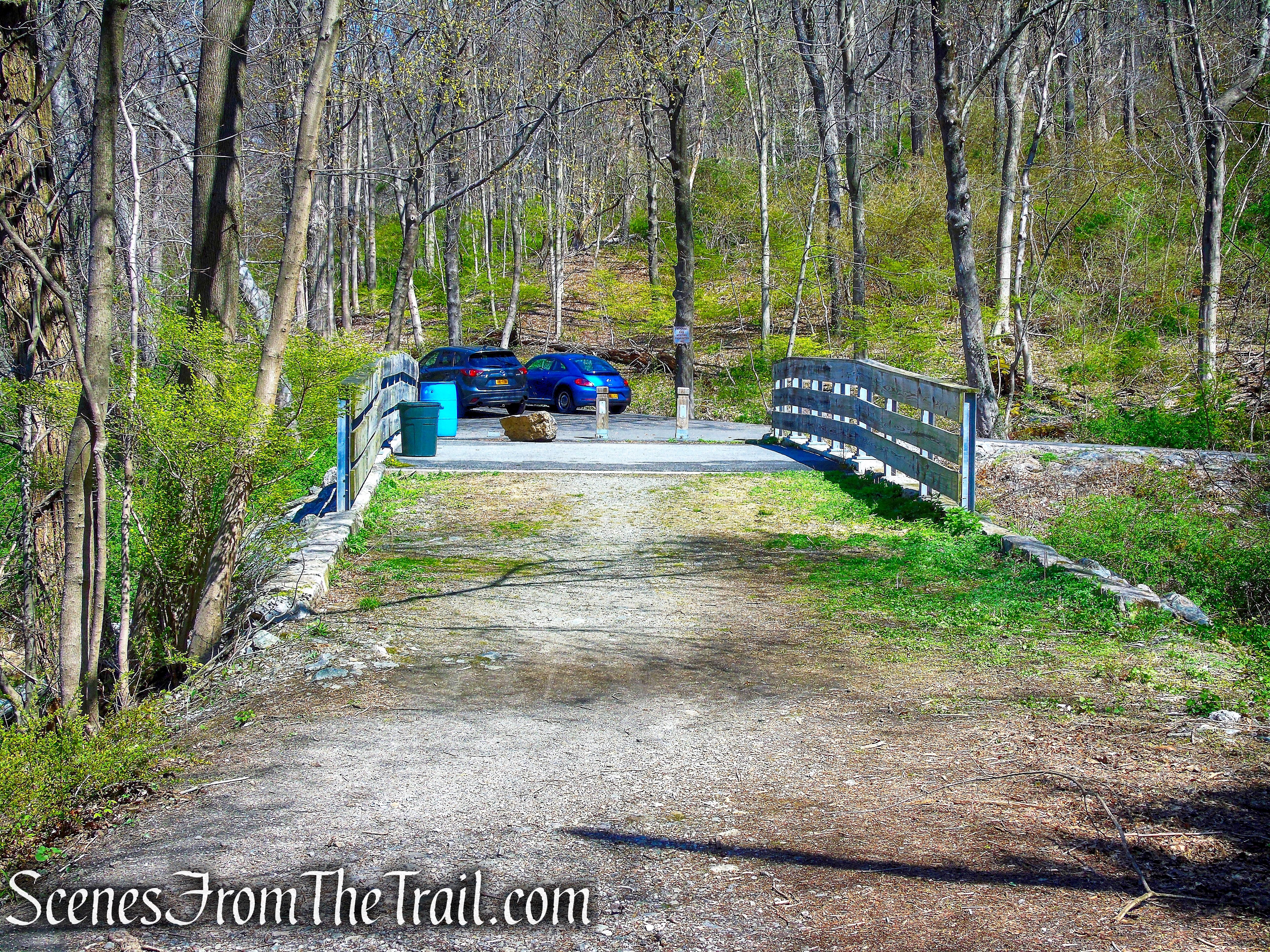
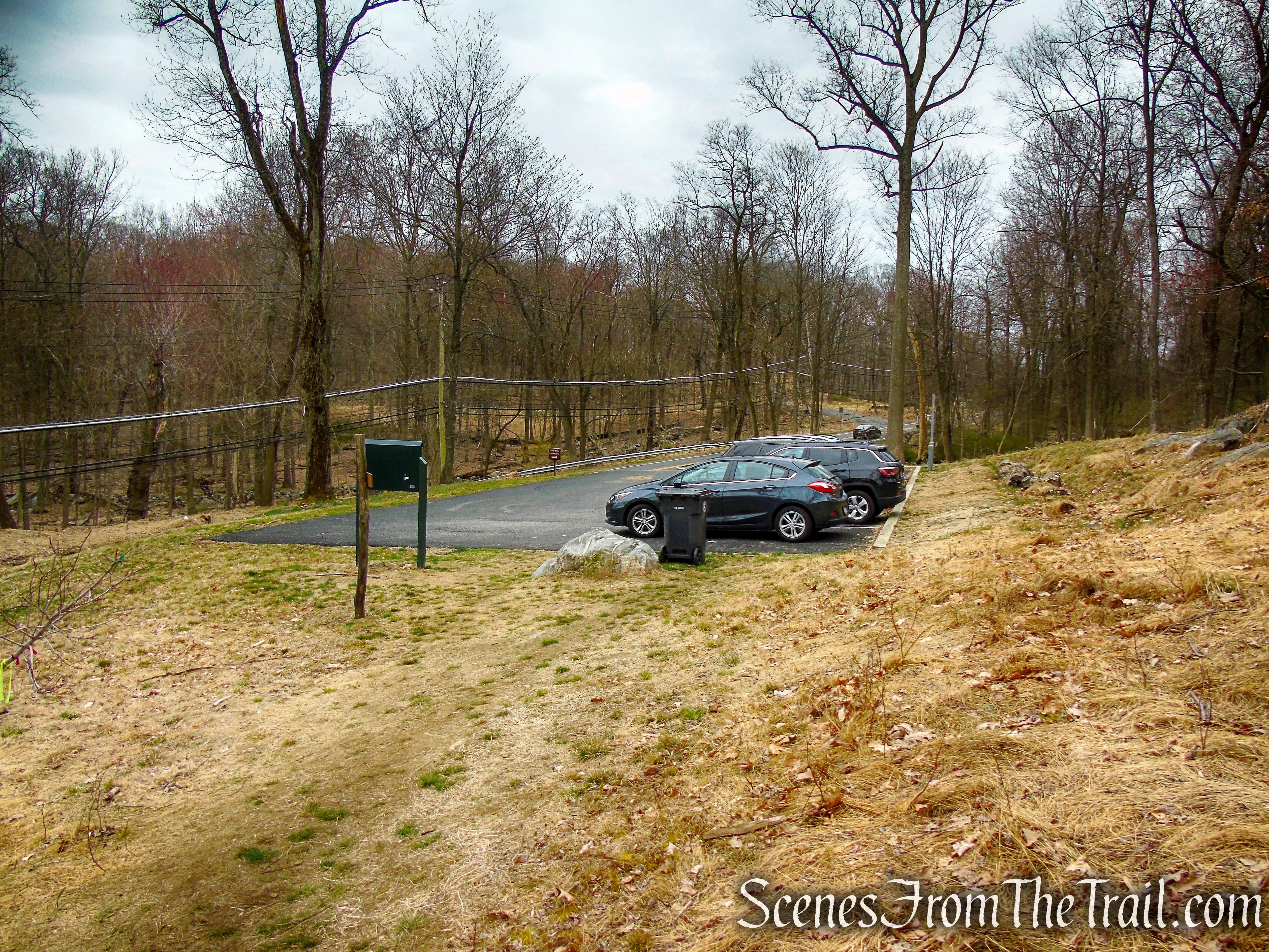
Trailhead parking: 19 Dudley Street, Yonkers 10701


Park Overview:

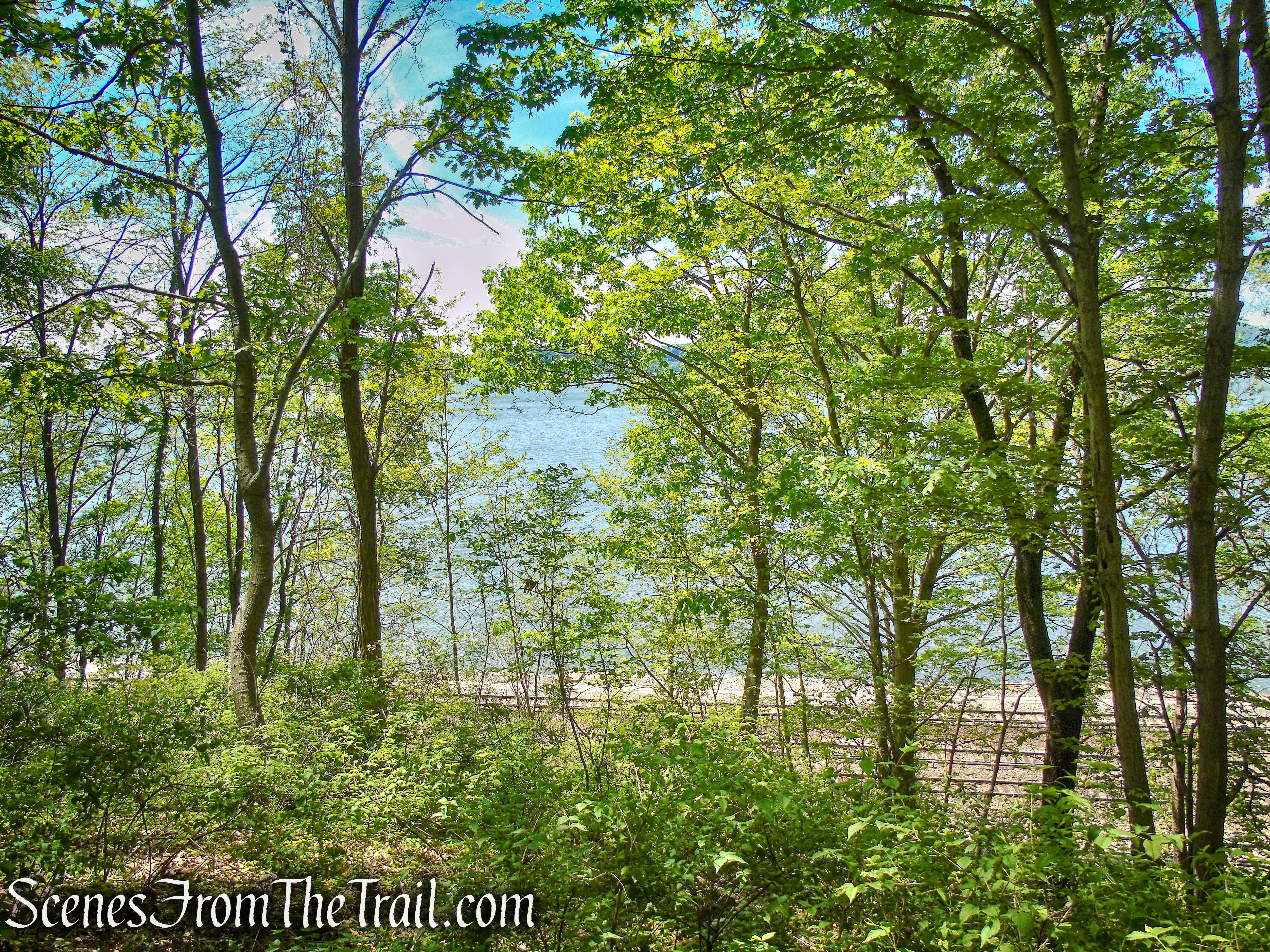
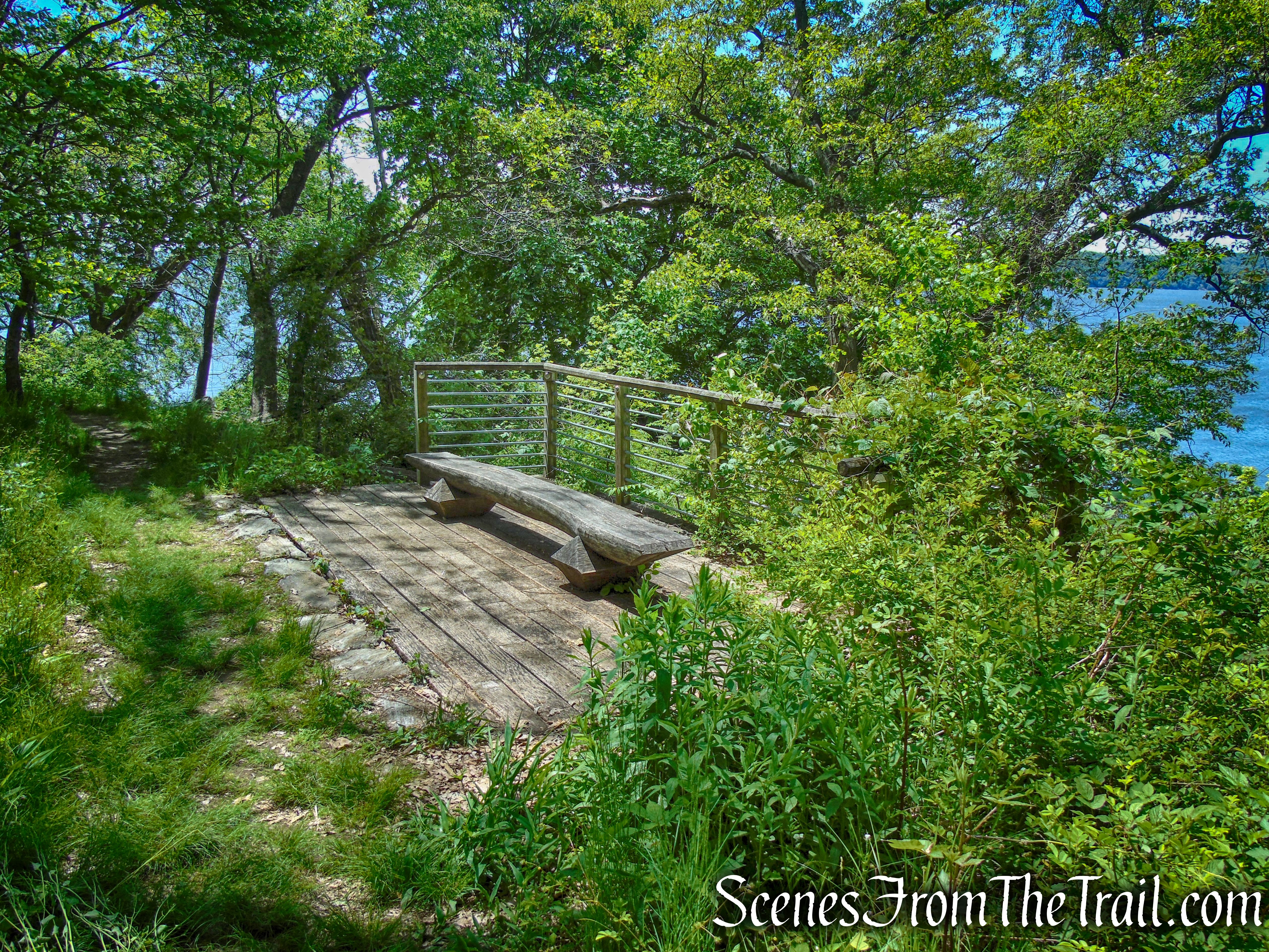
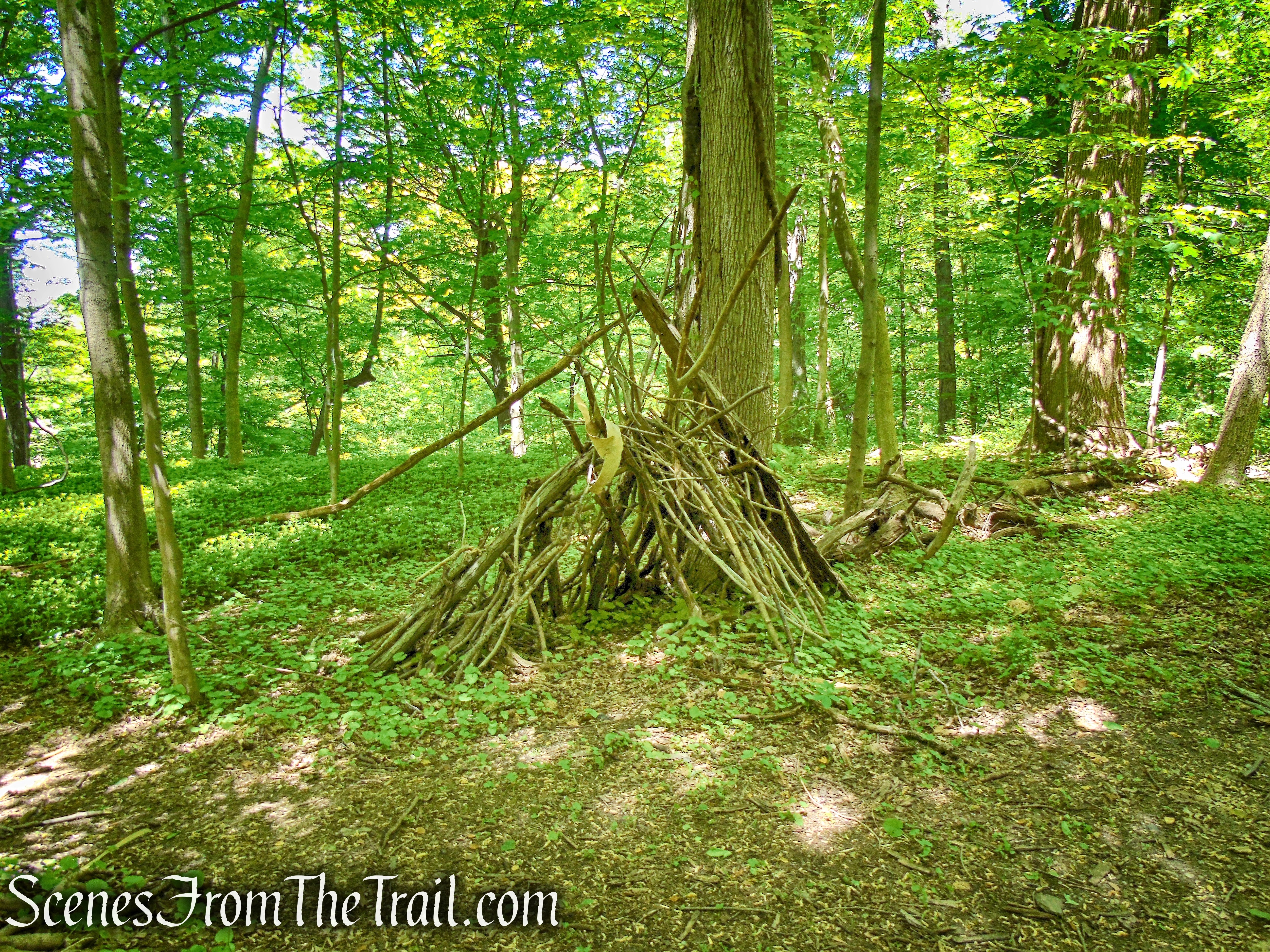
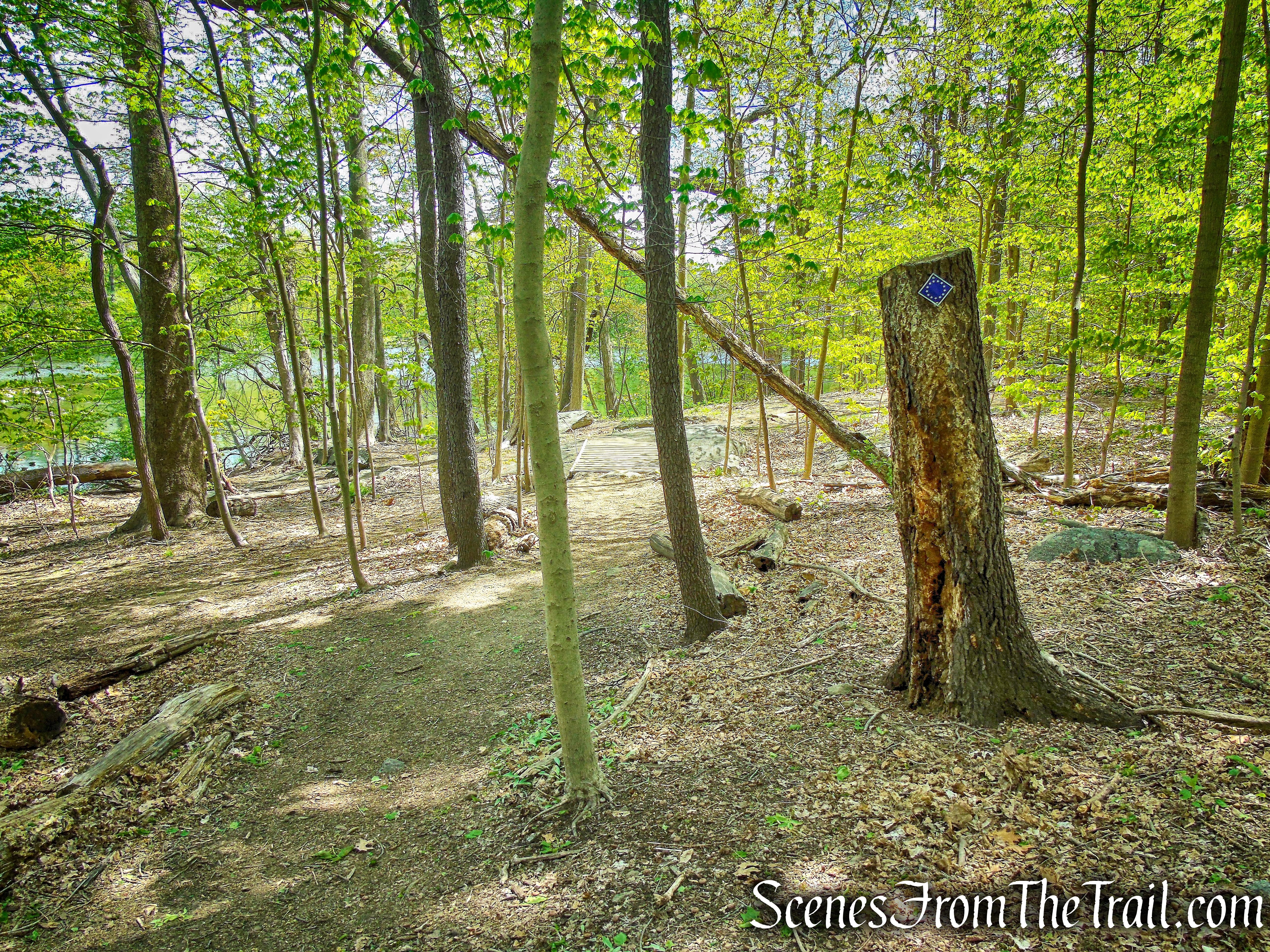
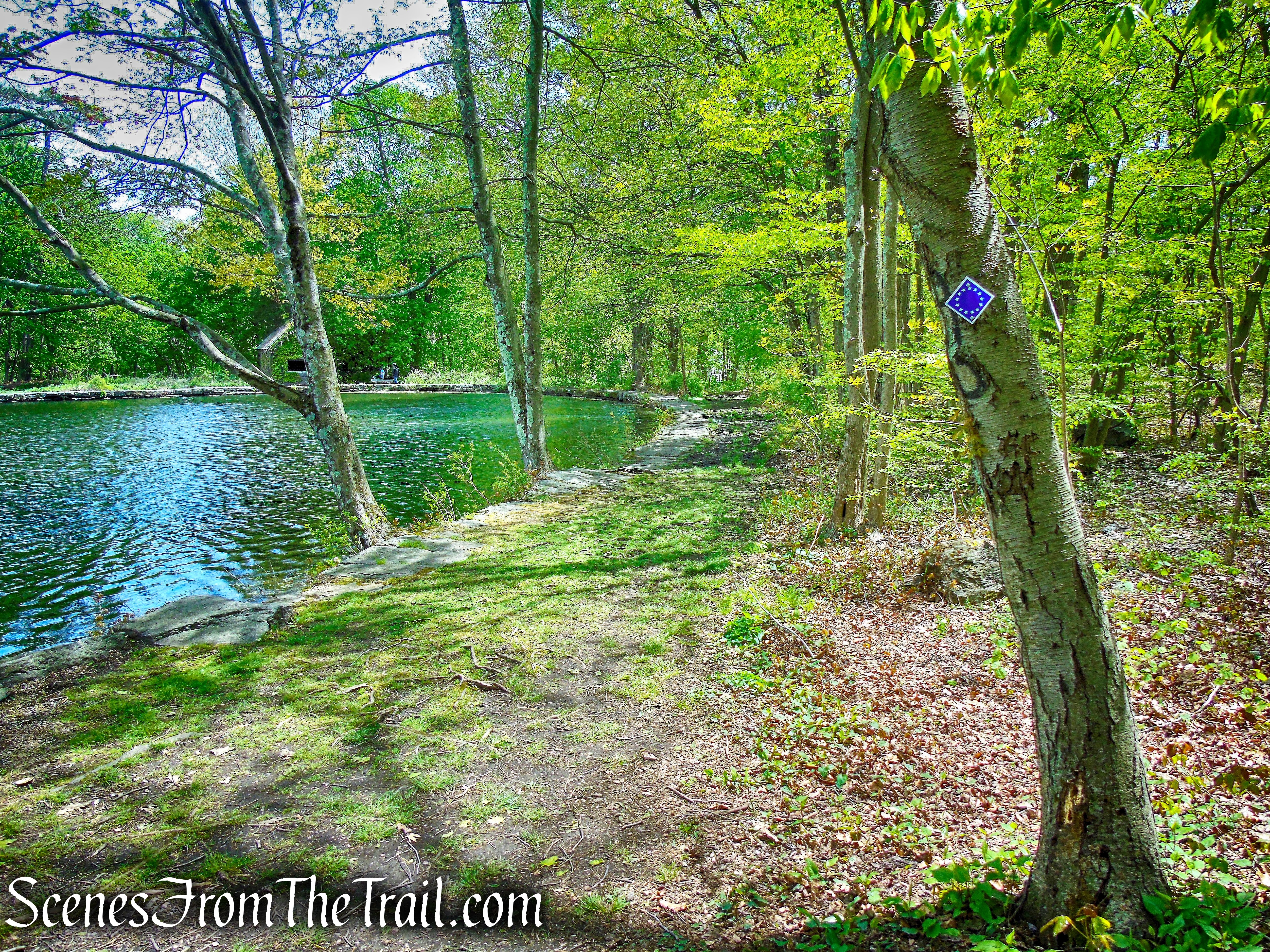
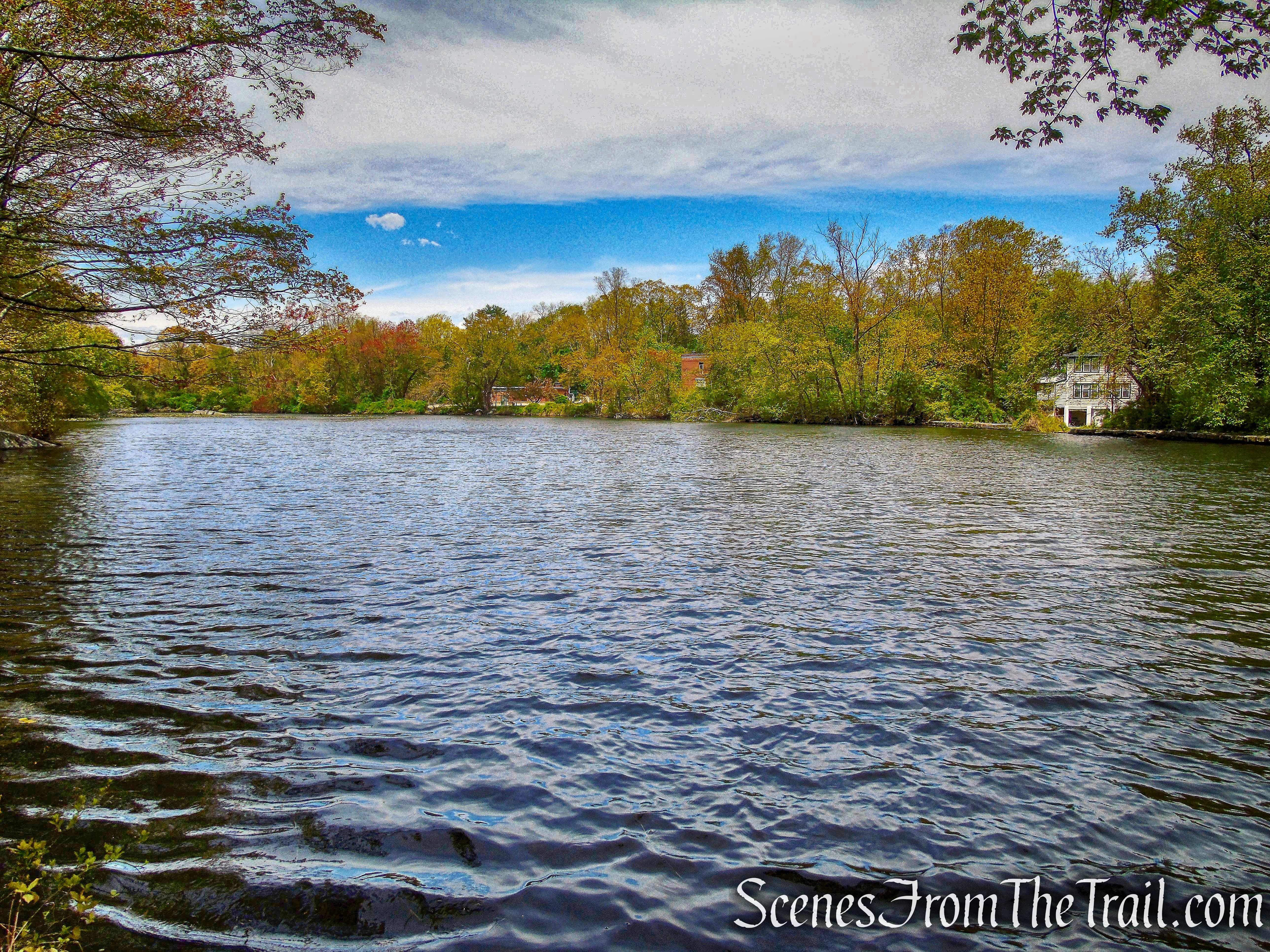
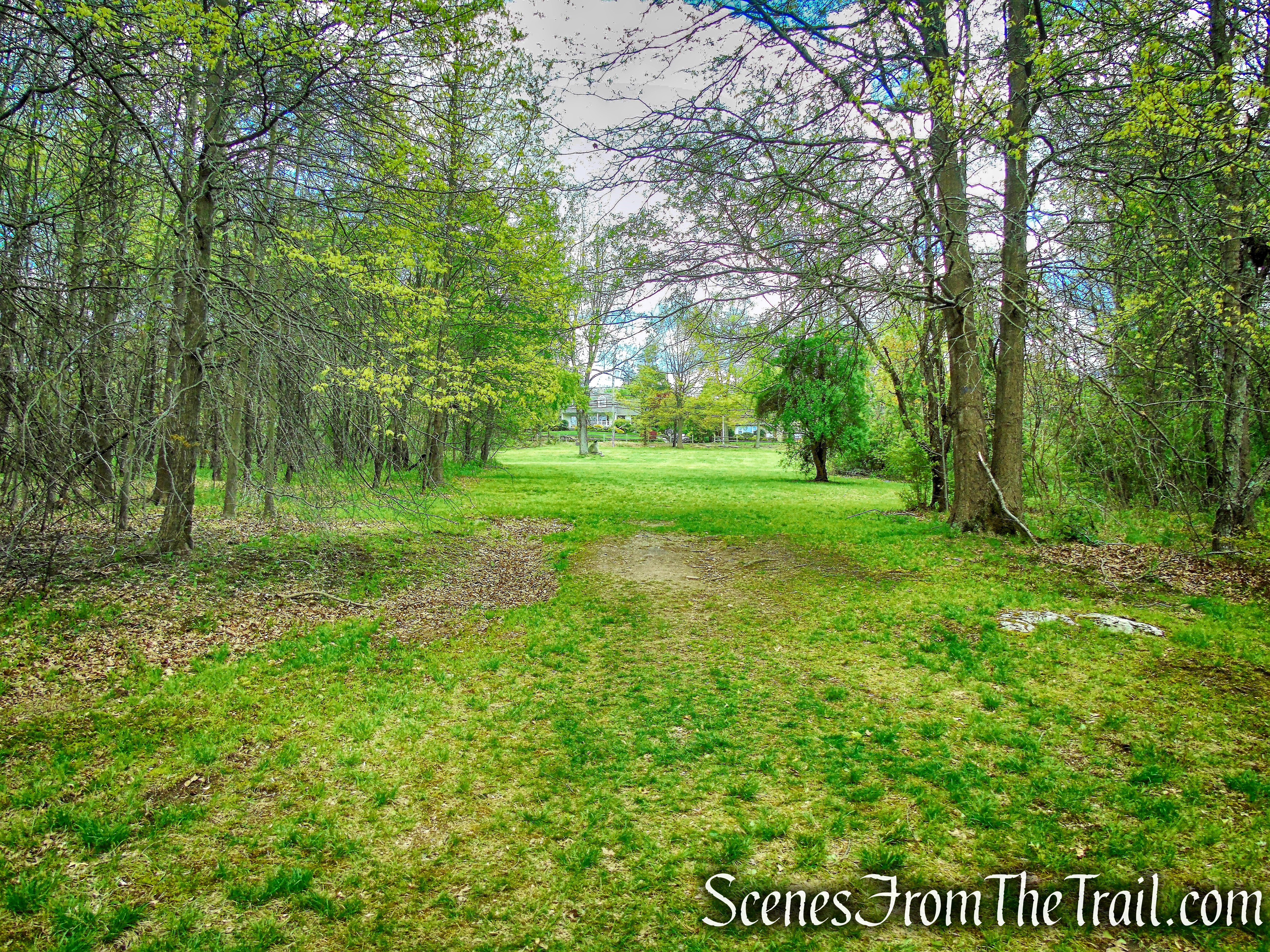
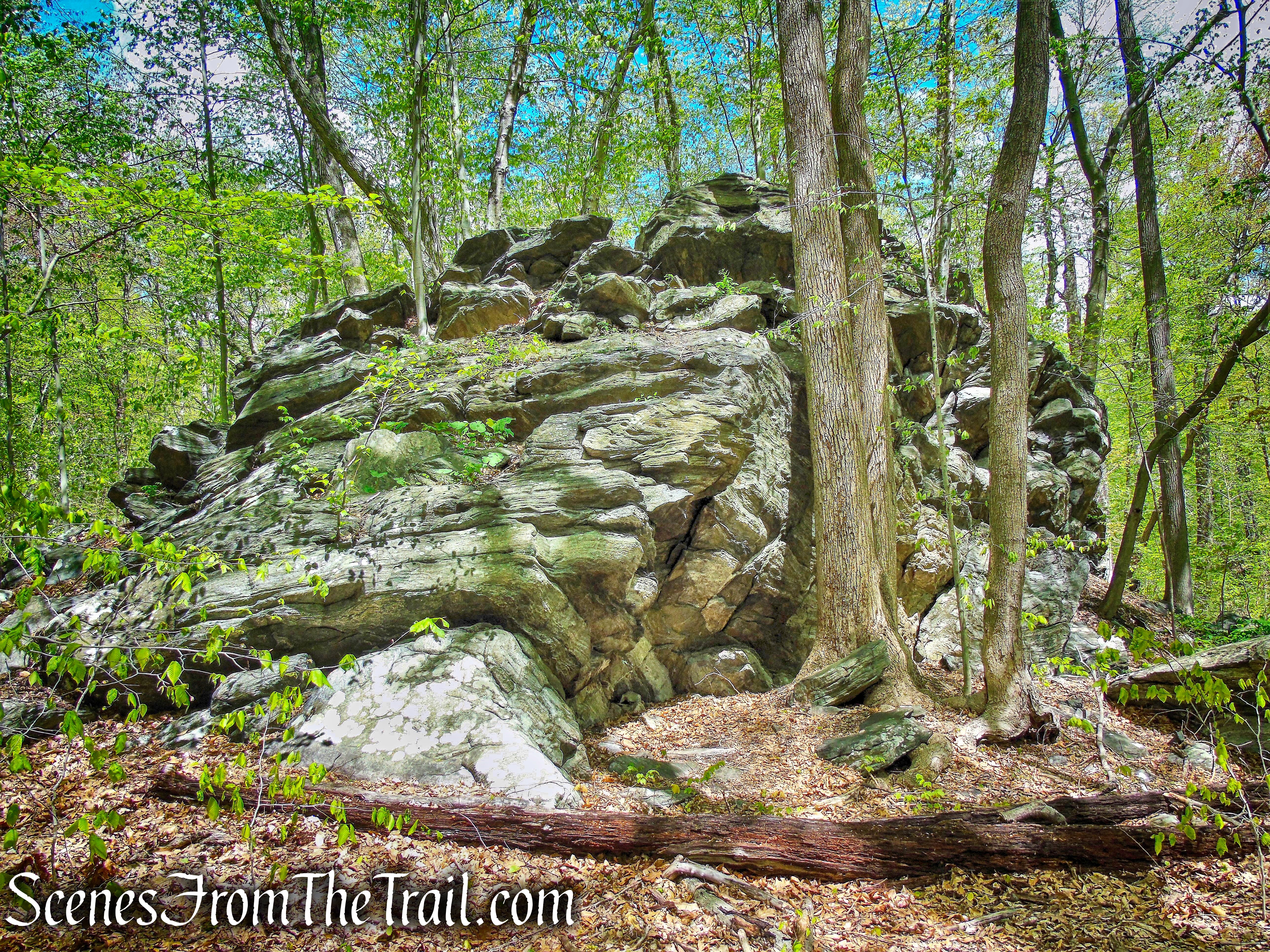
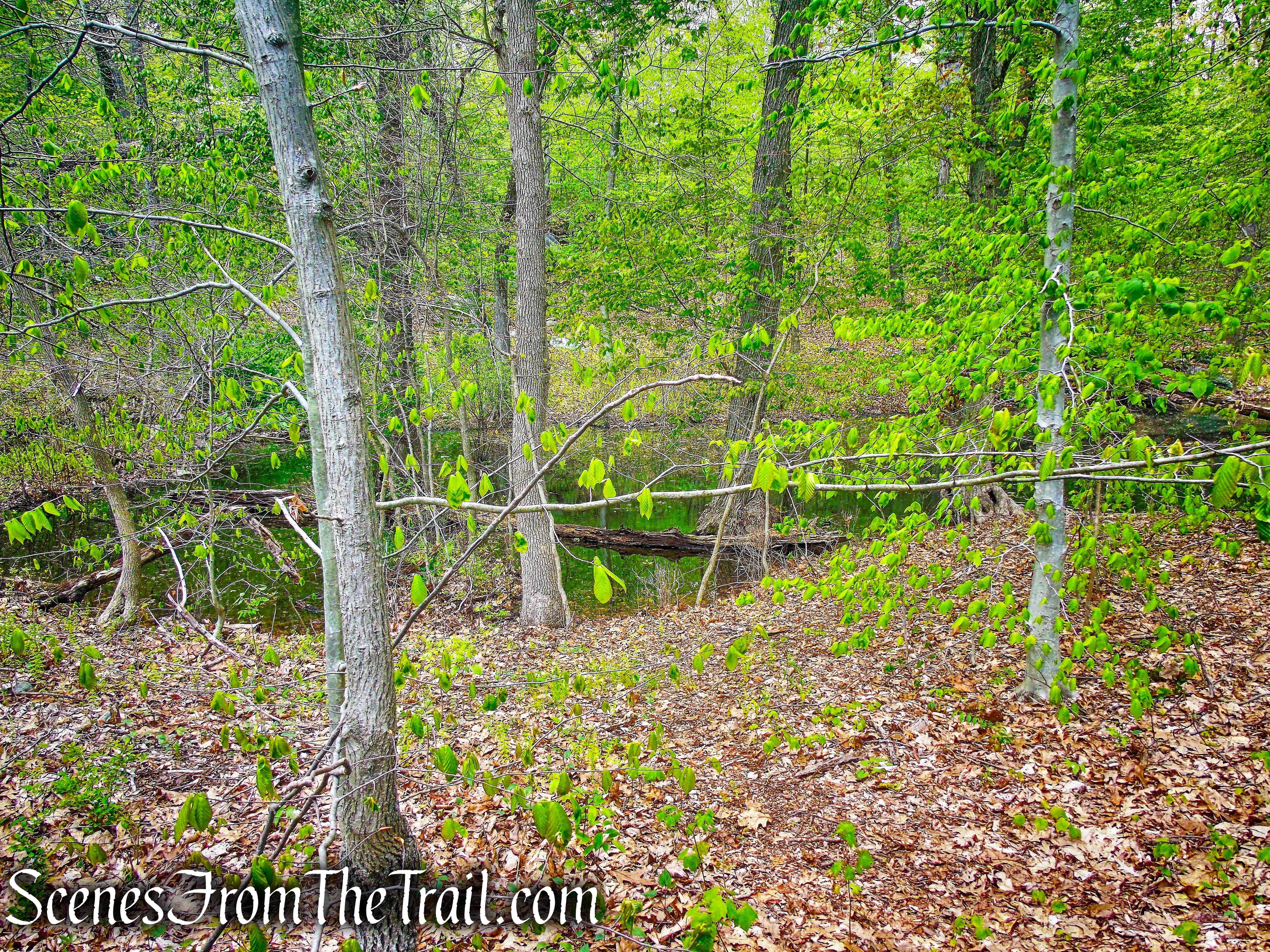
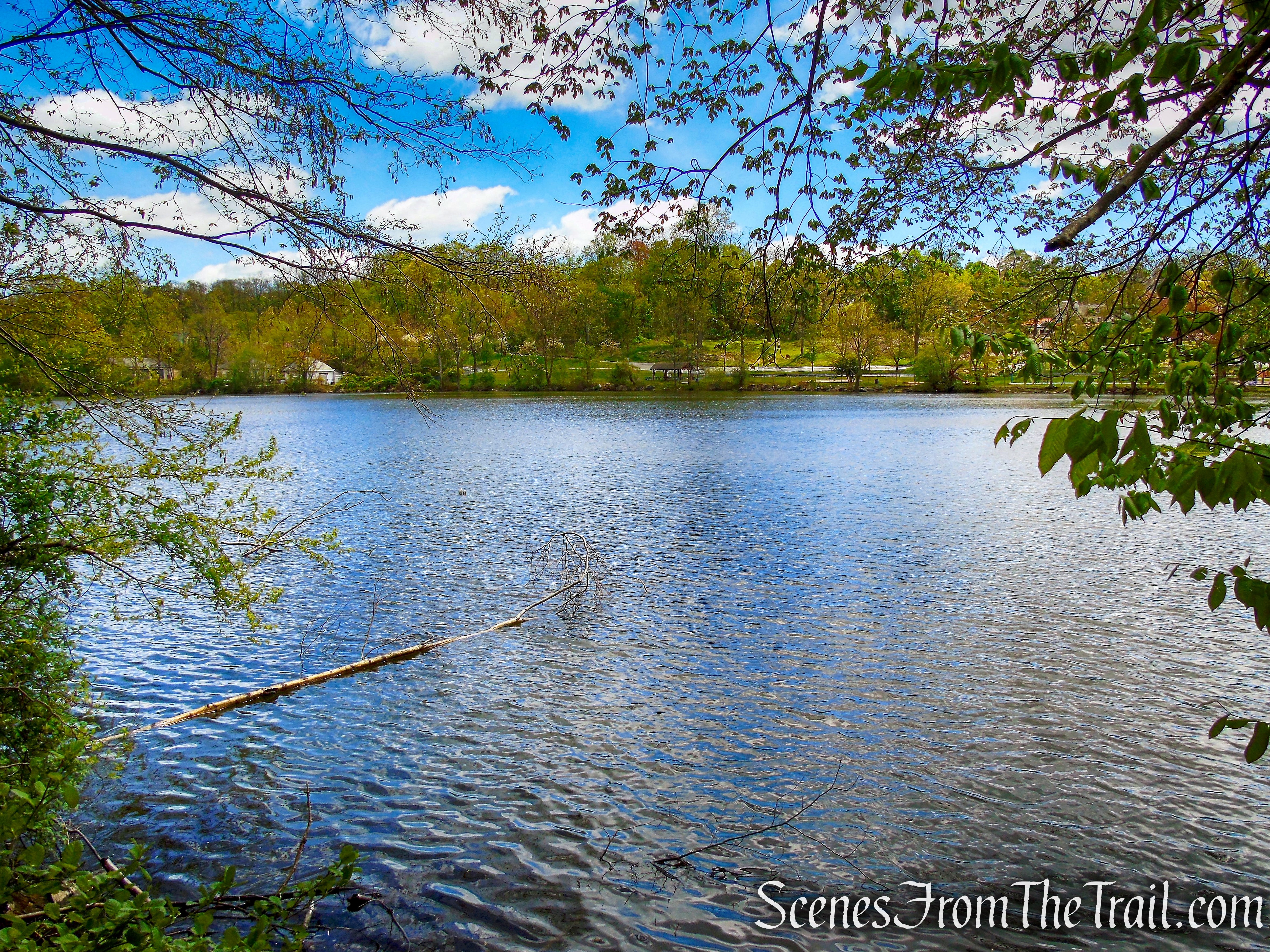
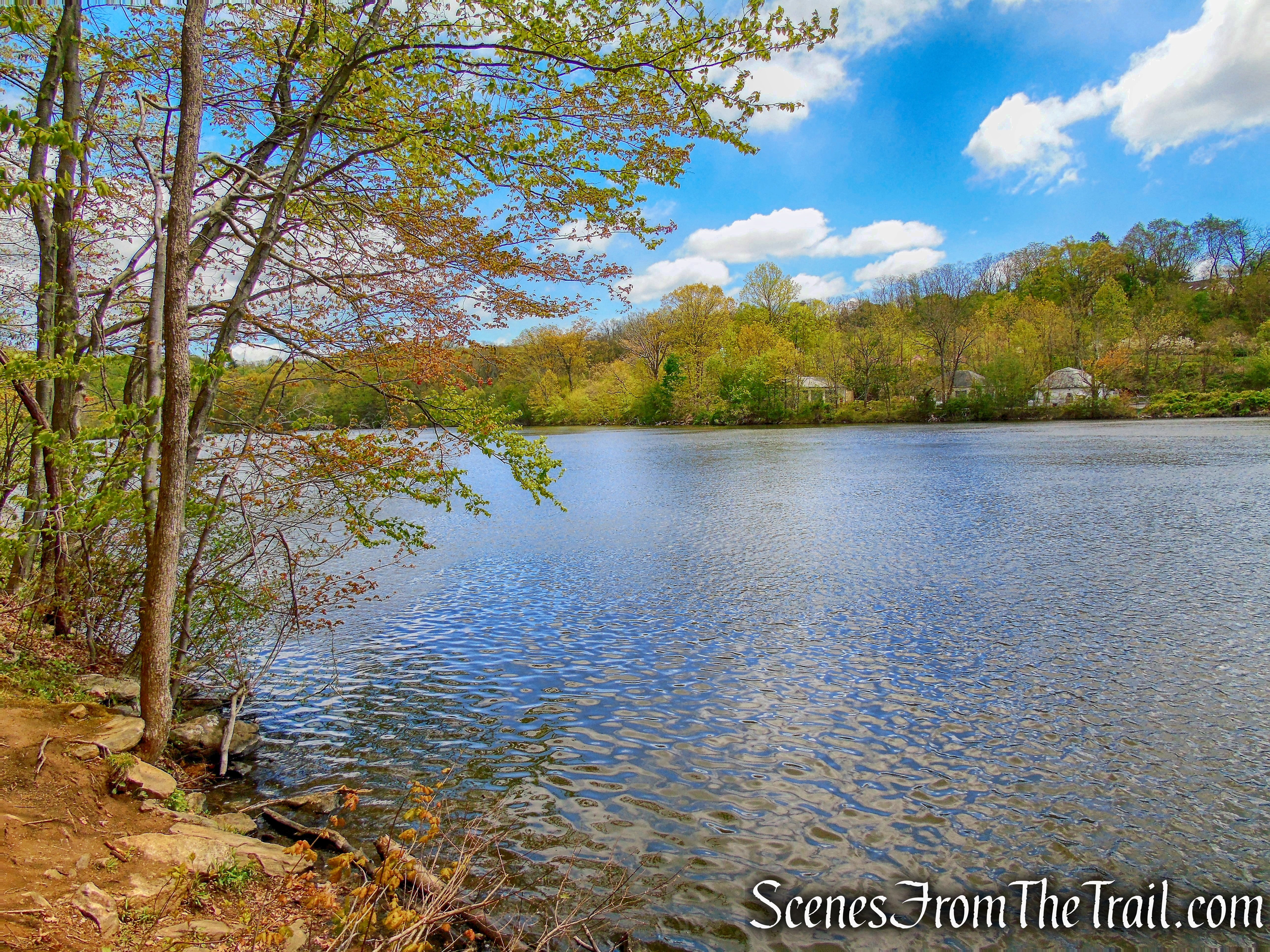
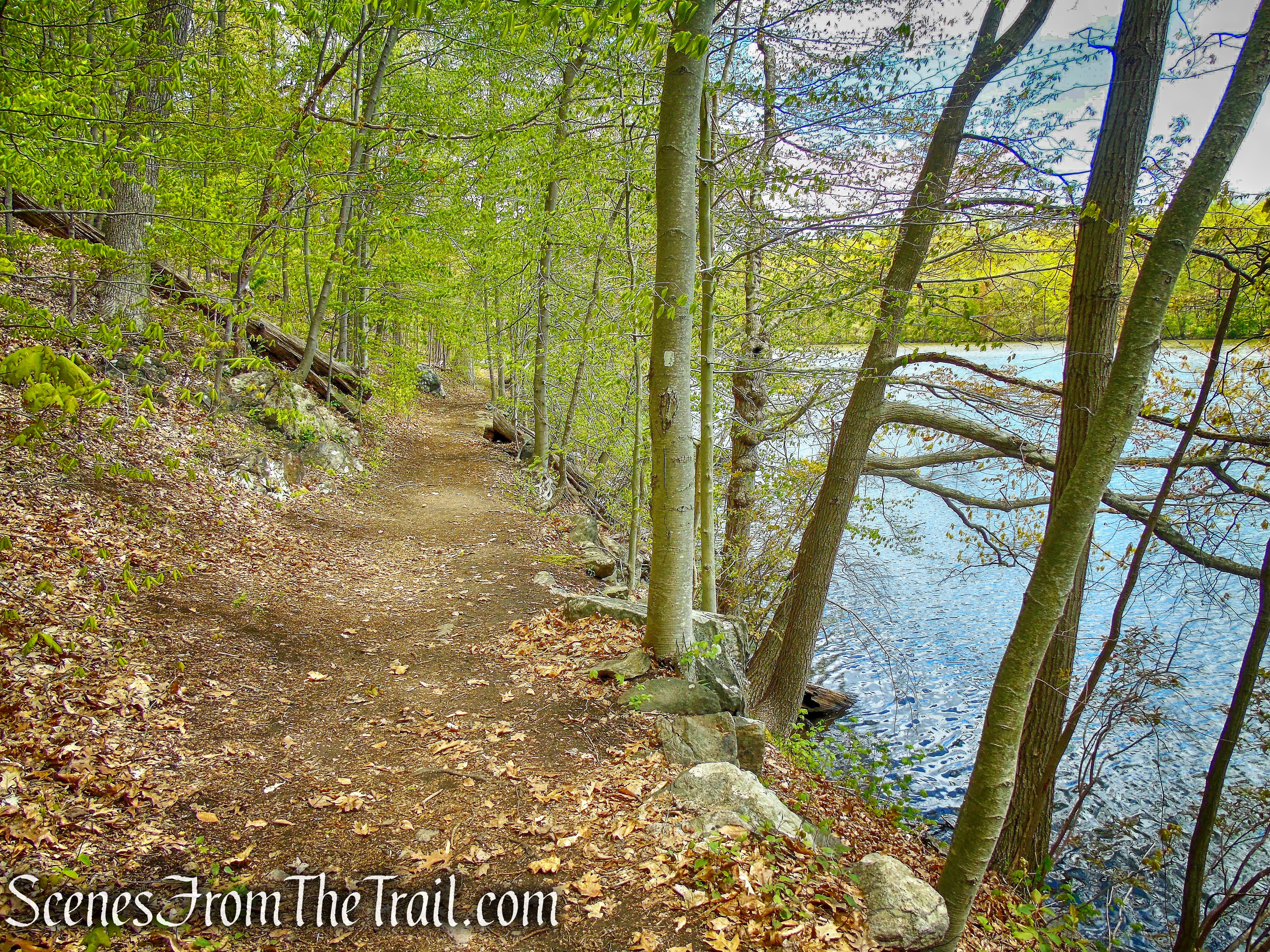
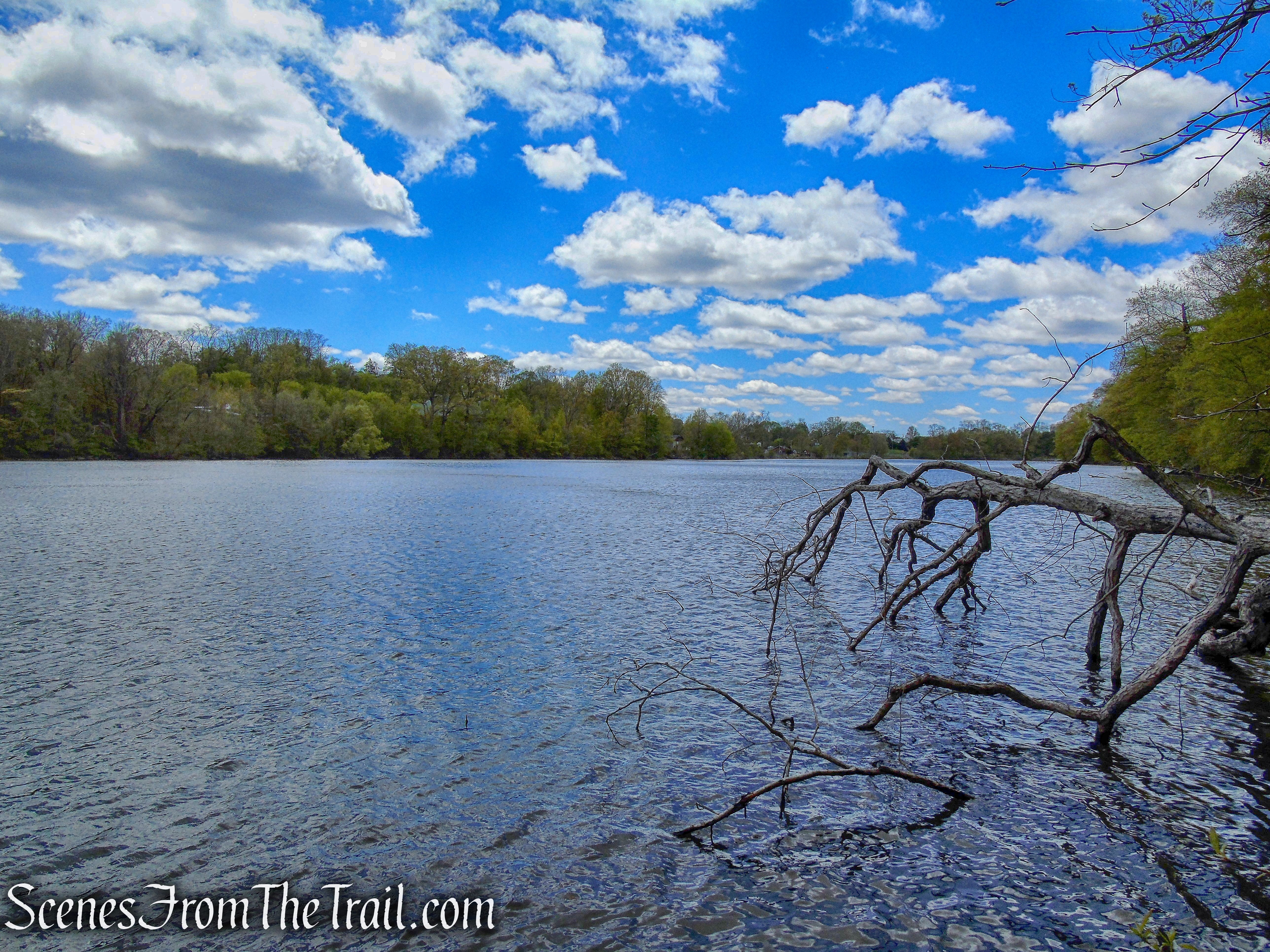
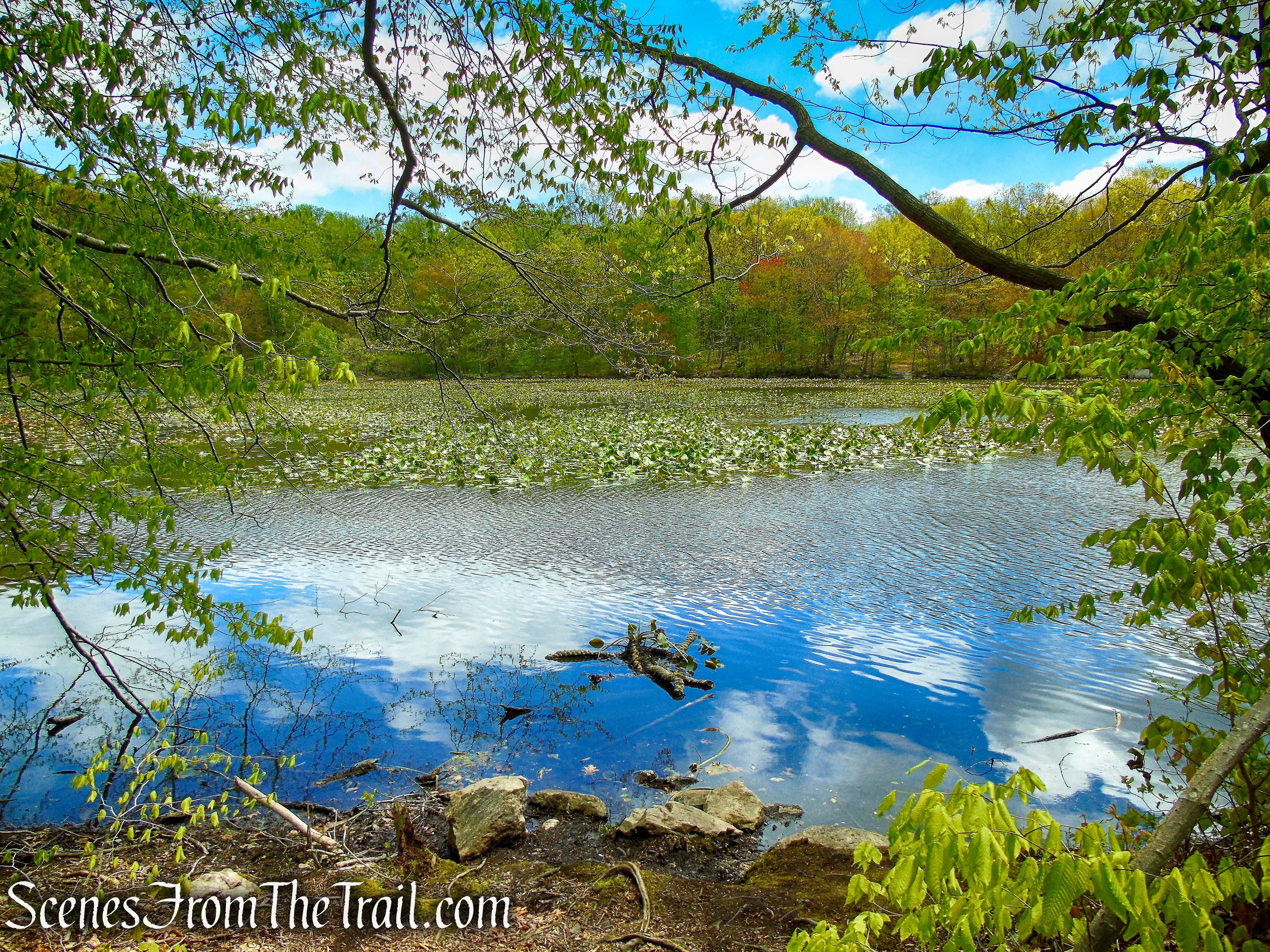
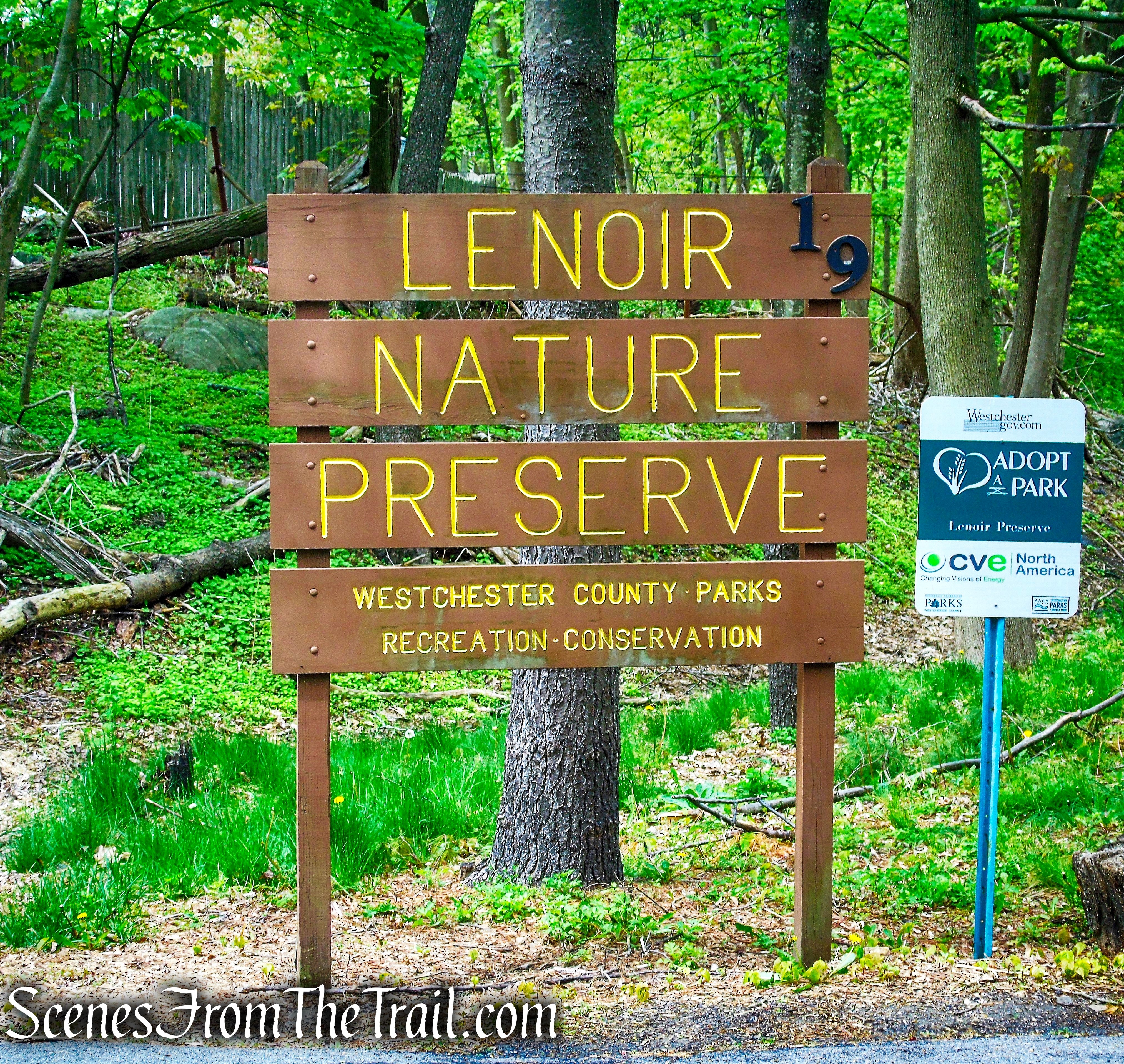
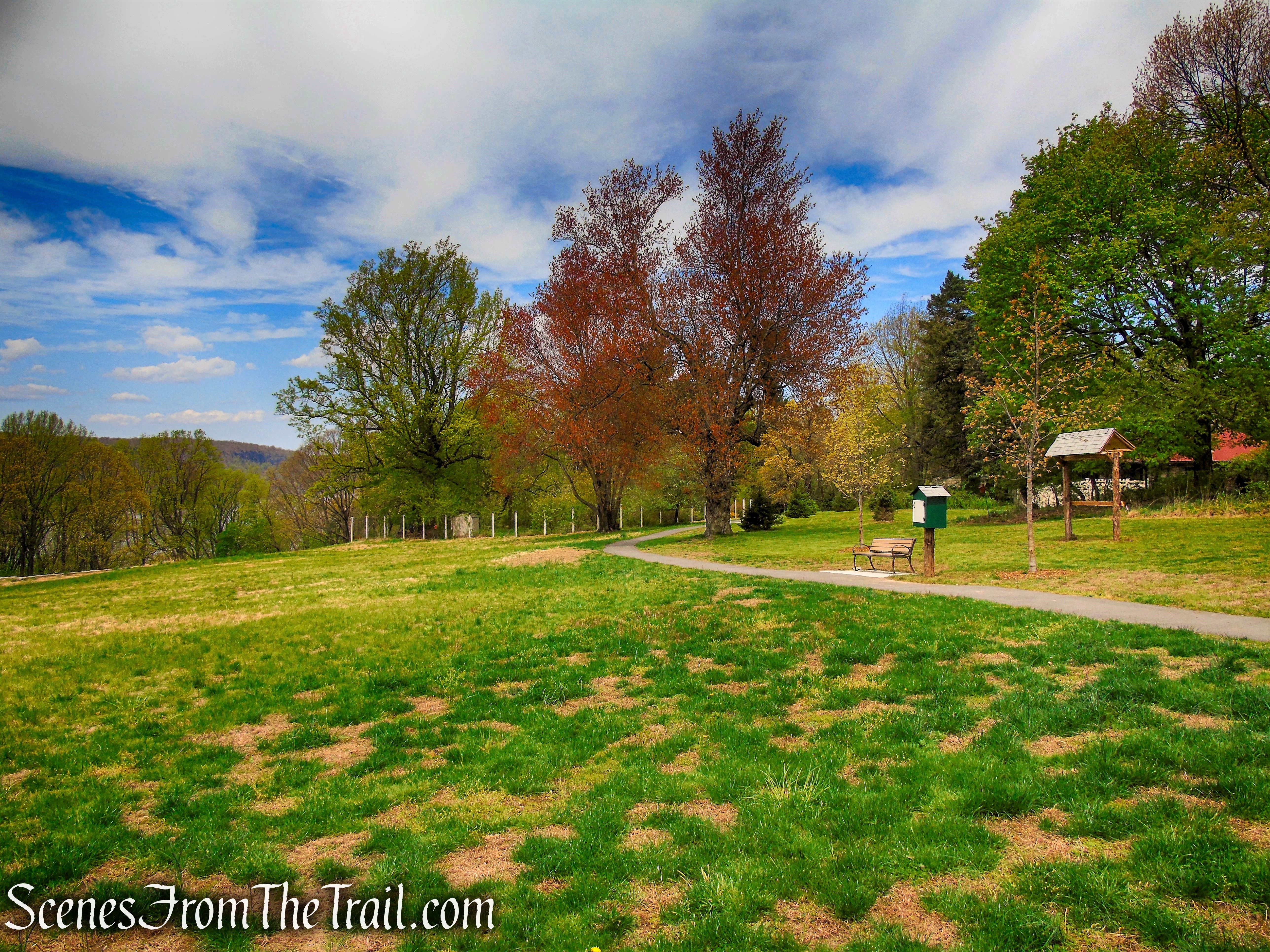
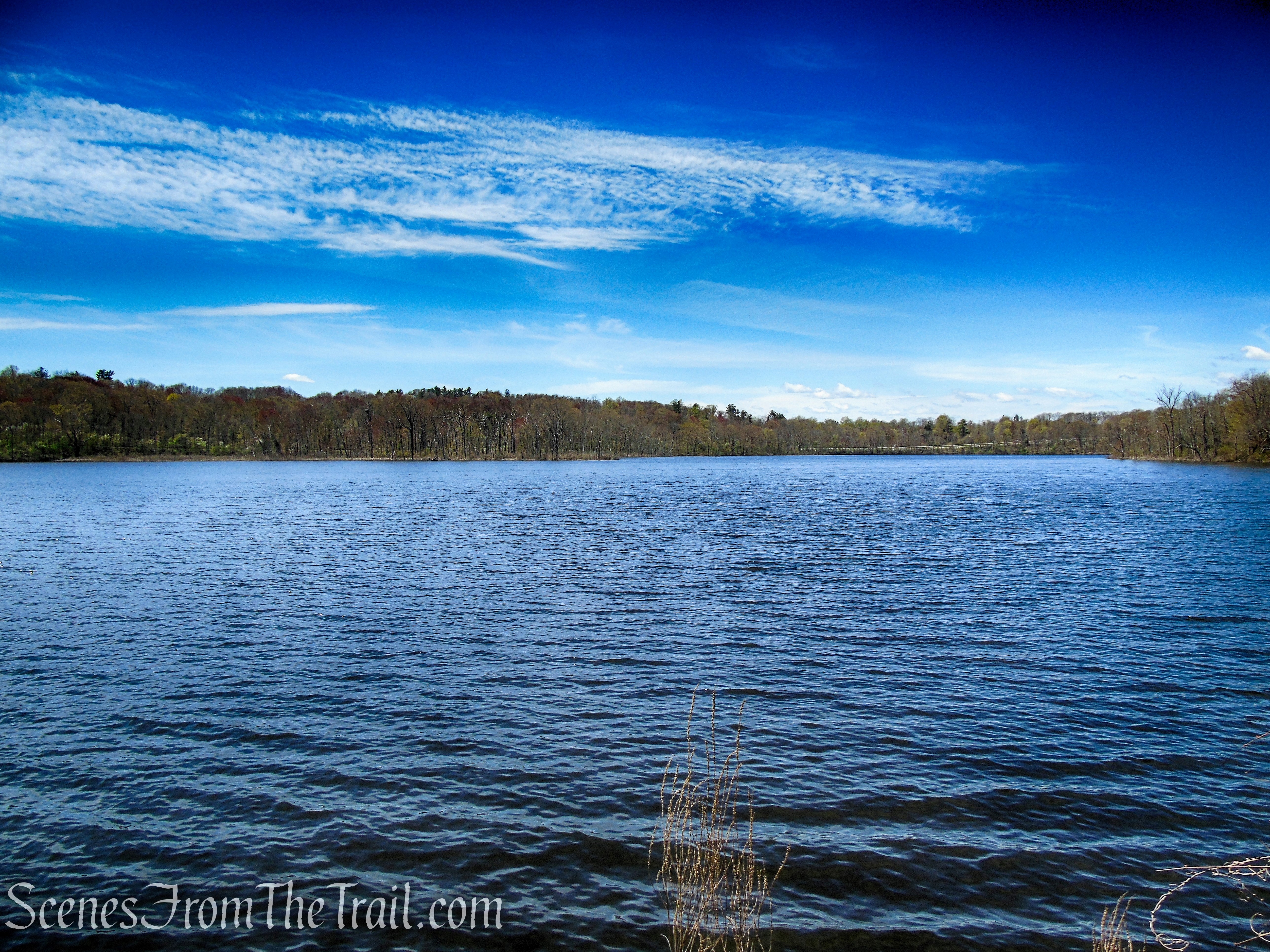
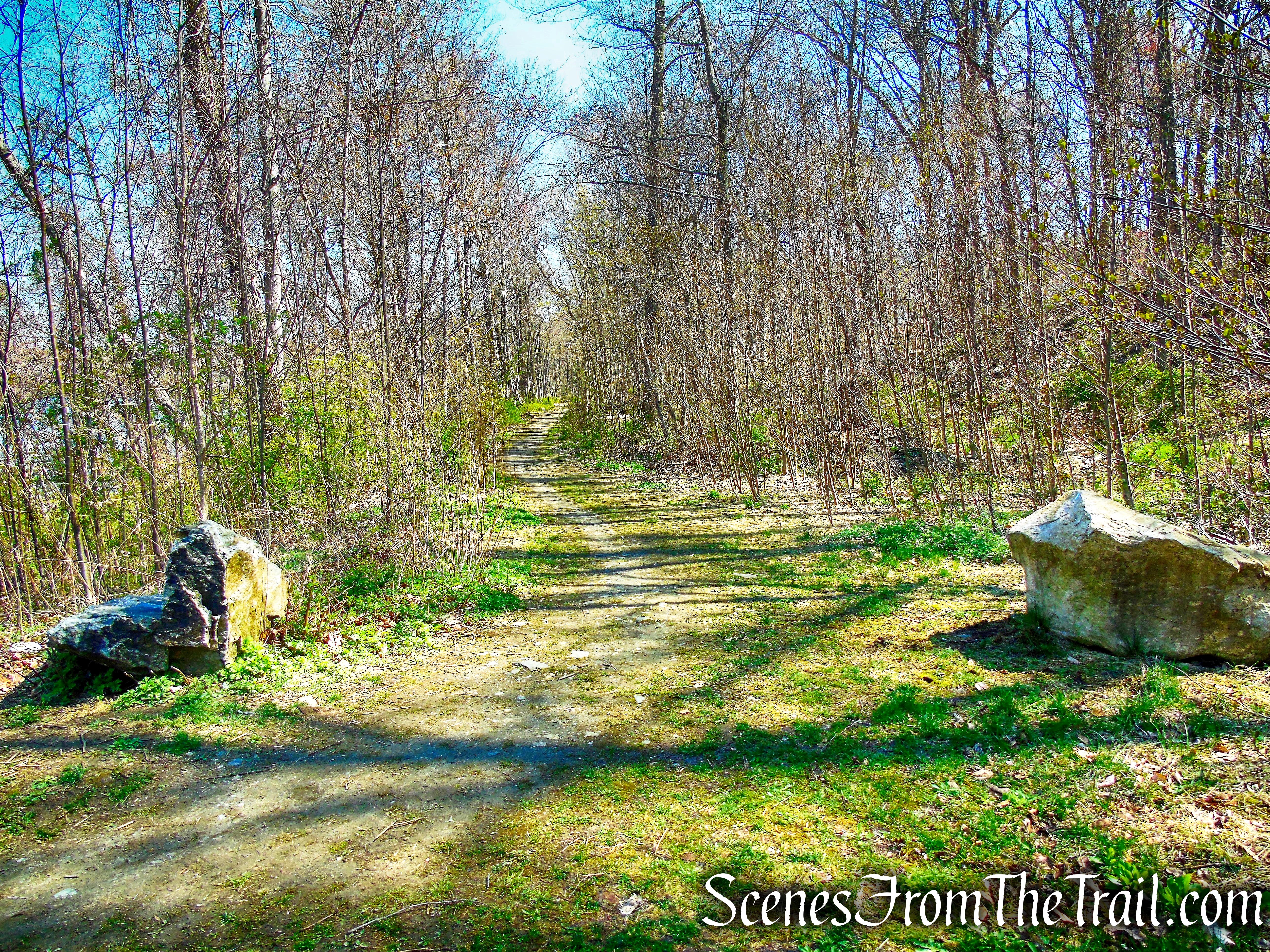
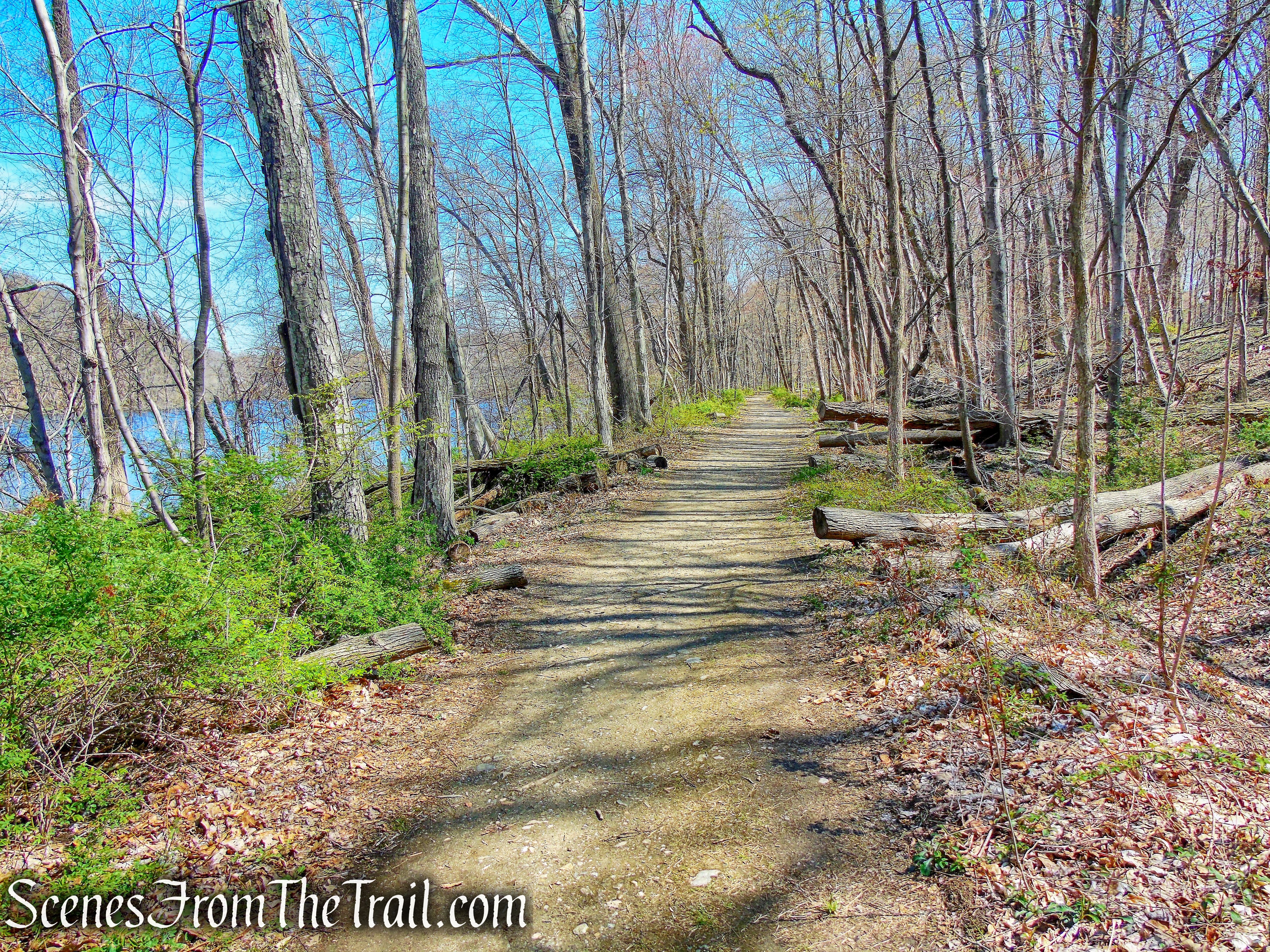
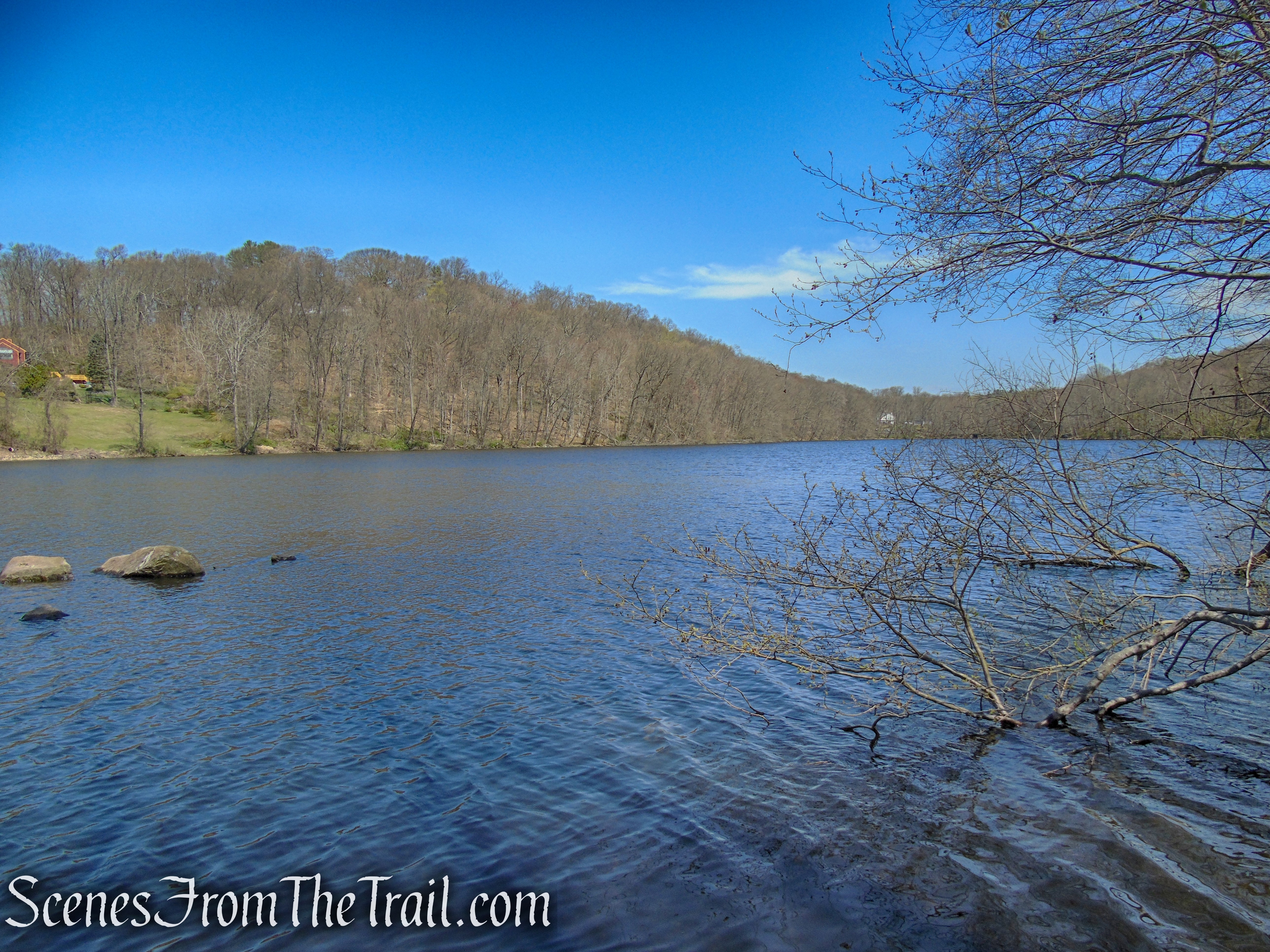
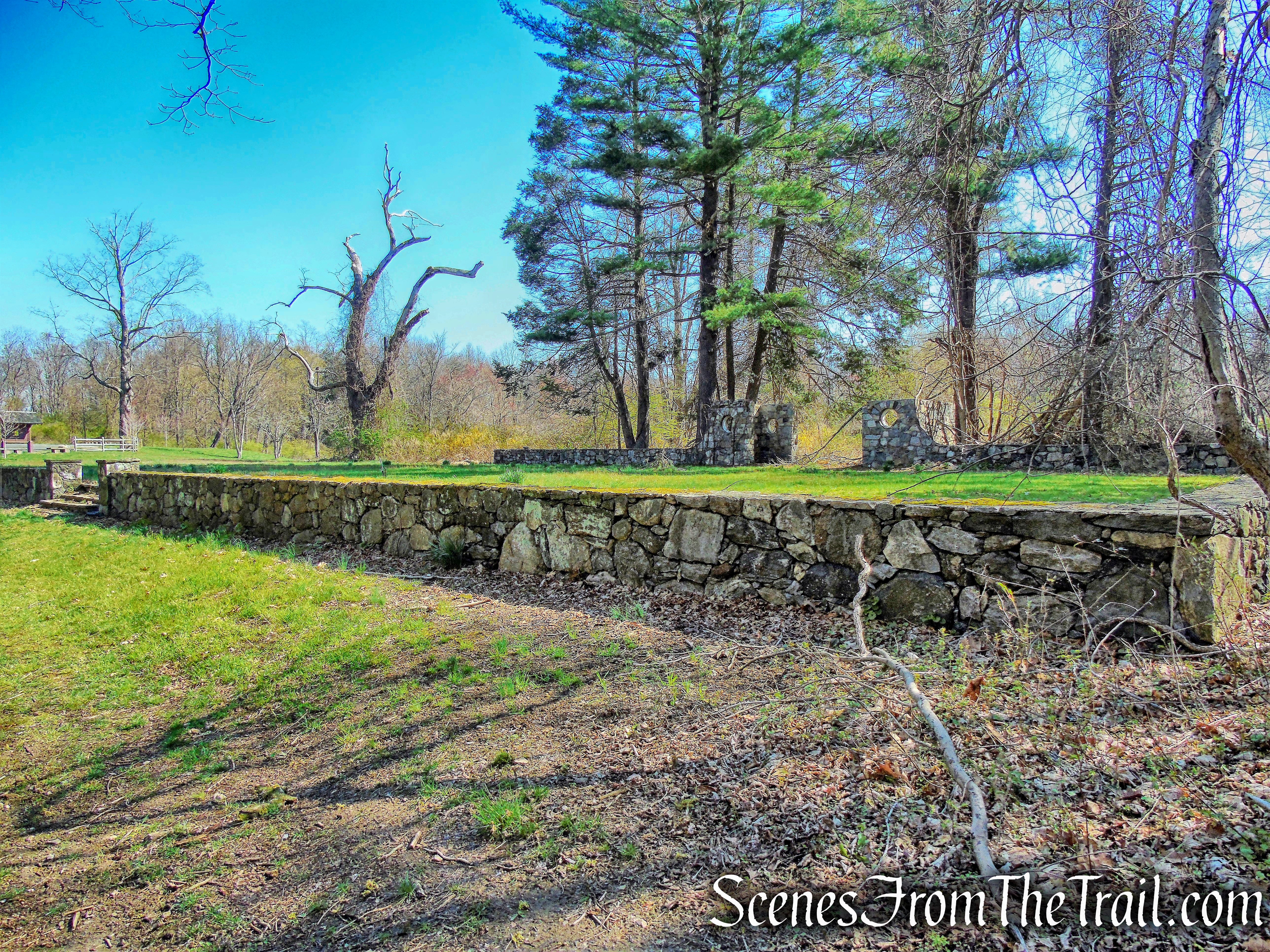
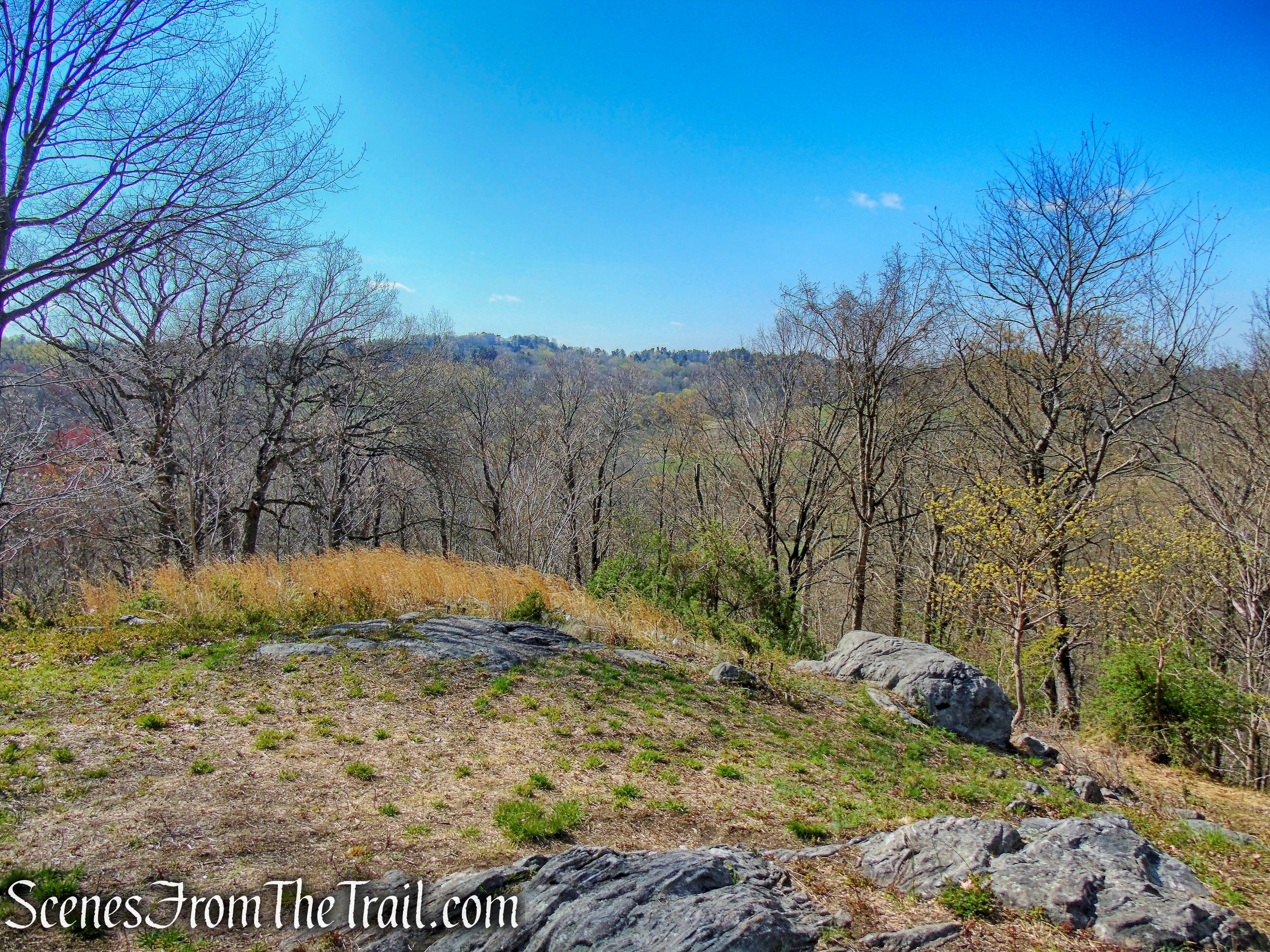
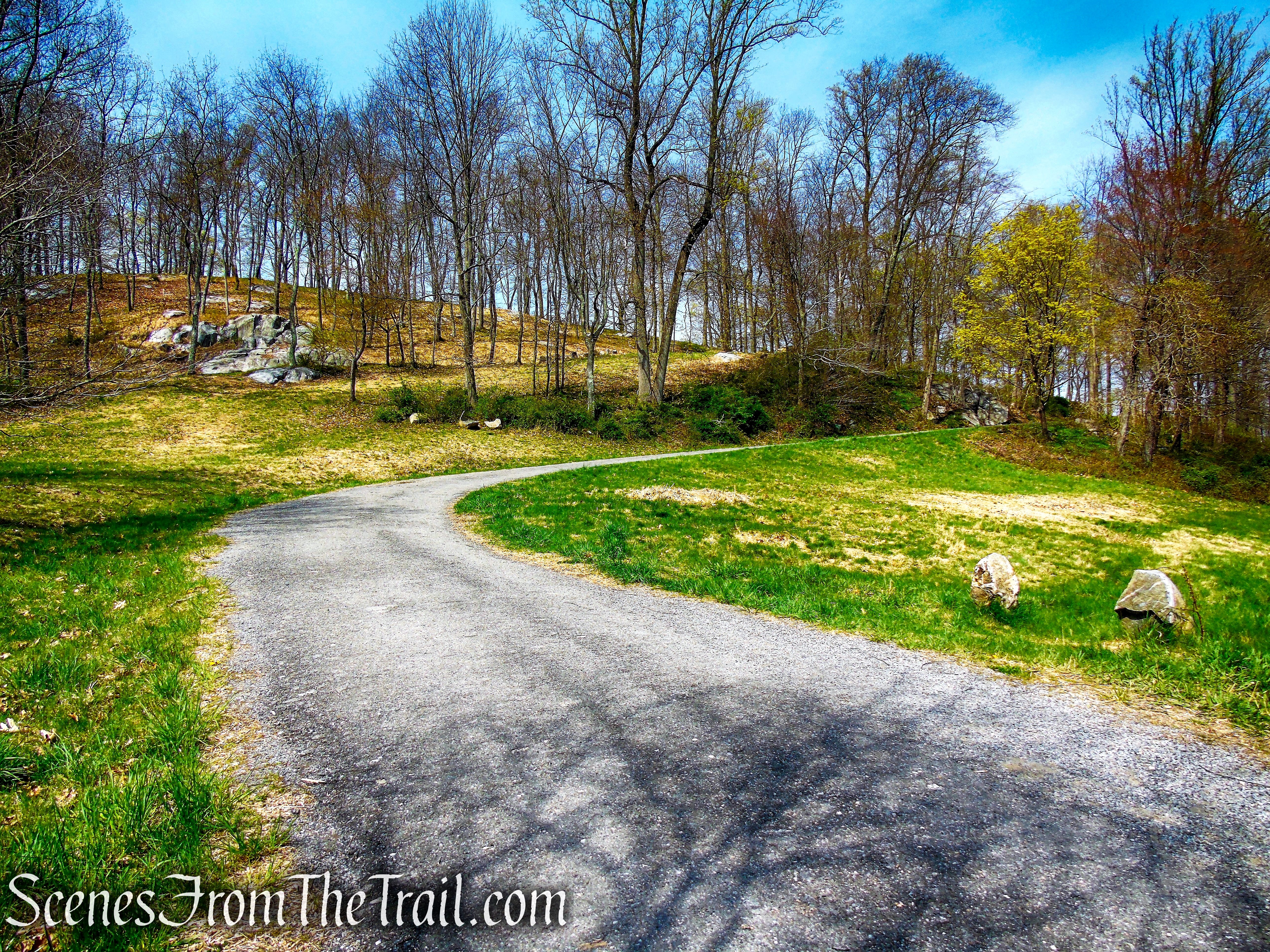
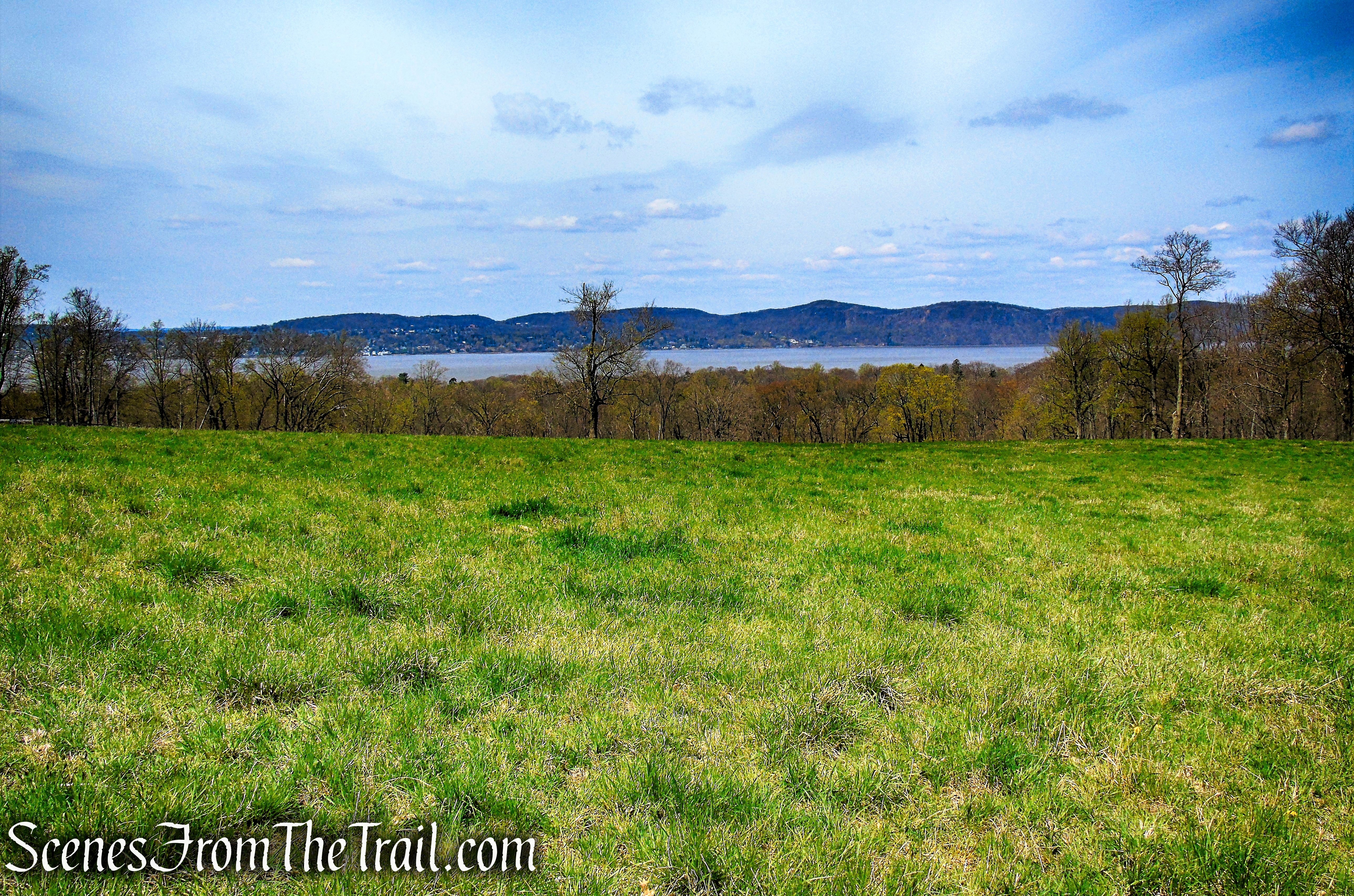
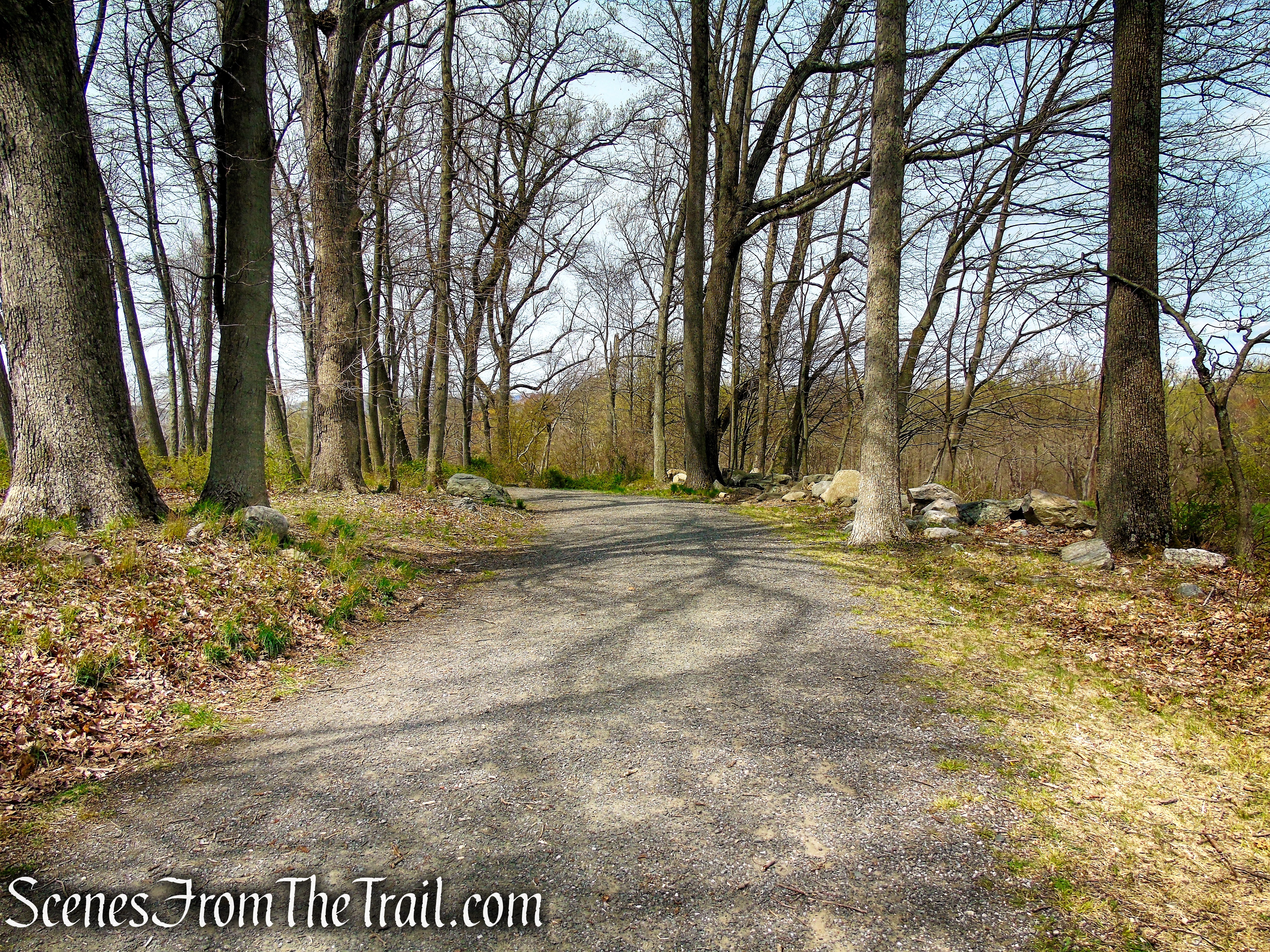
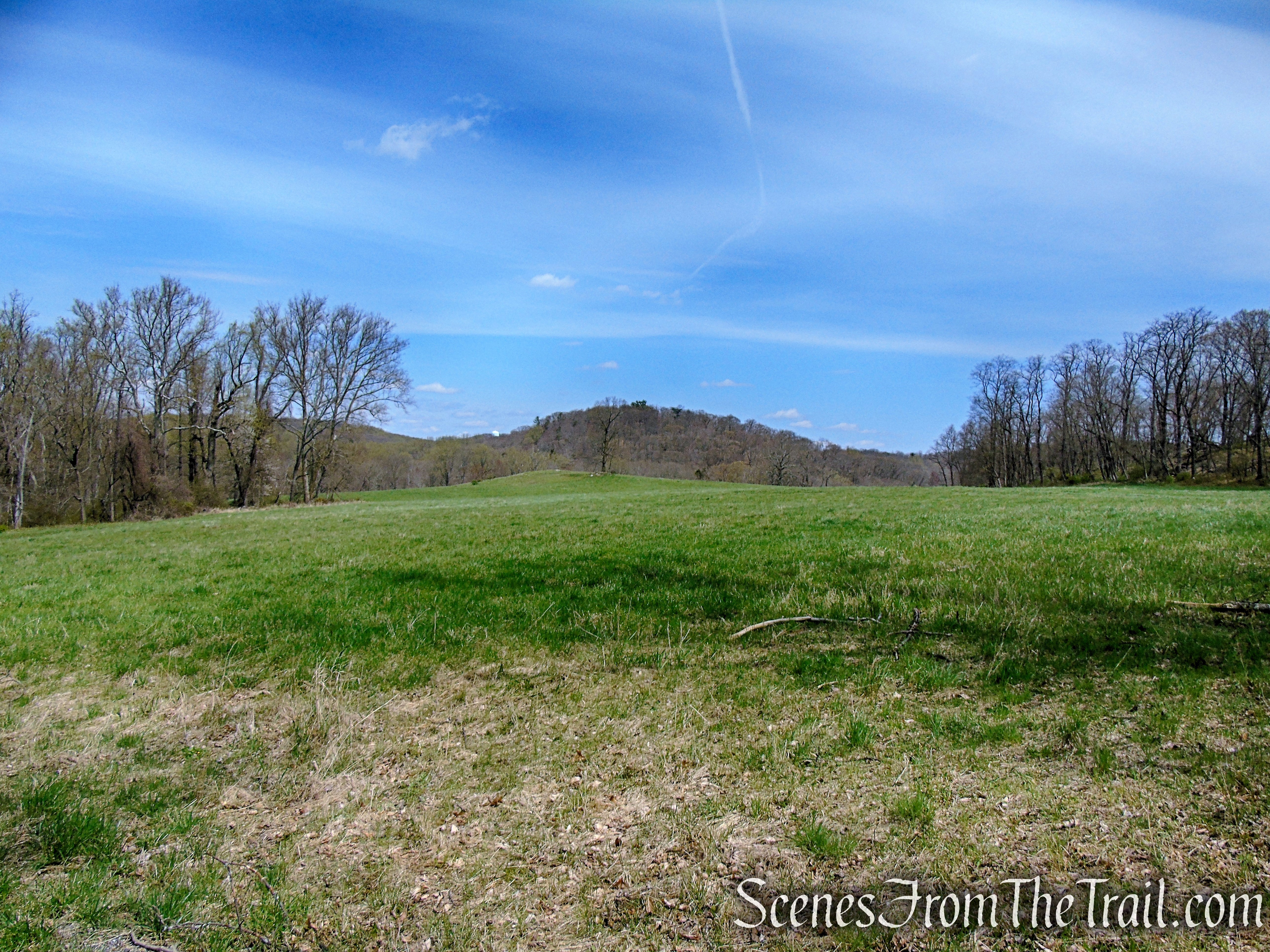
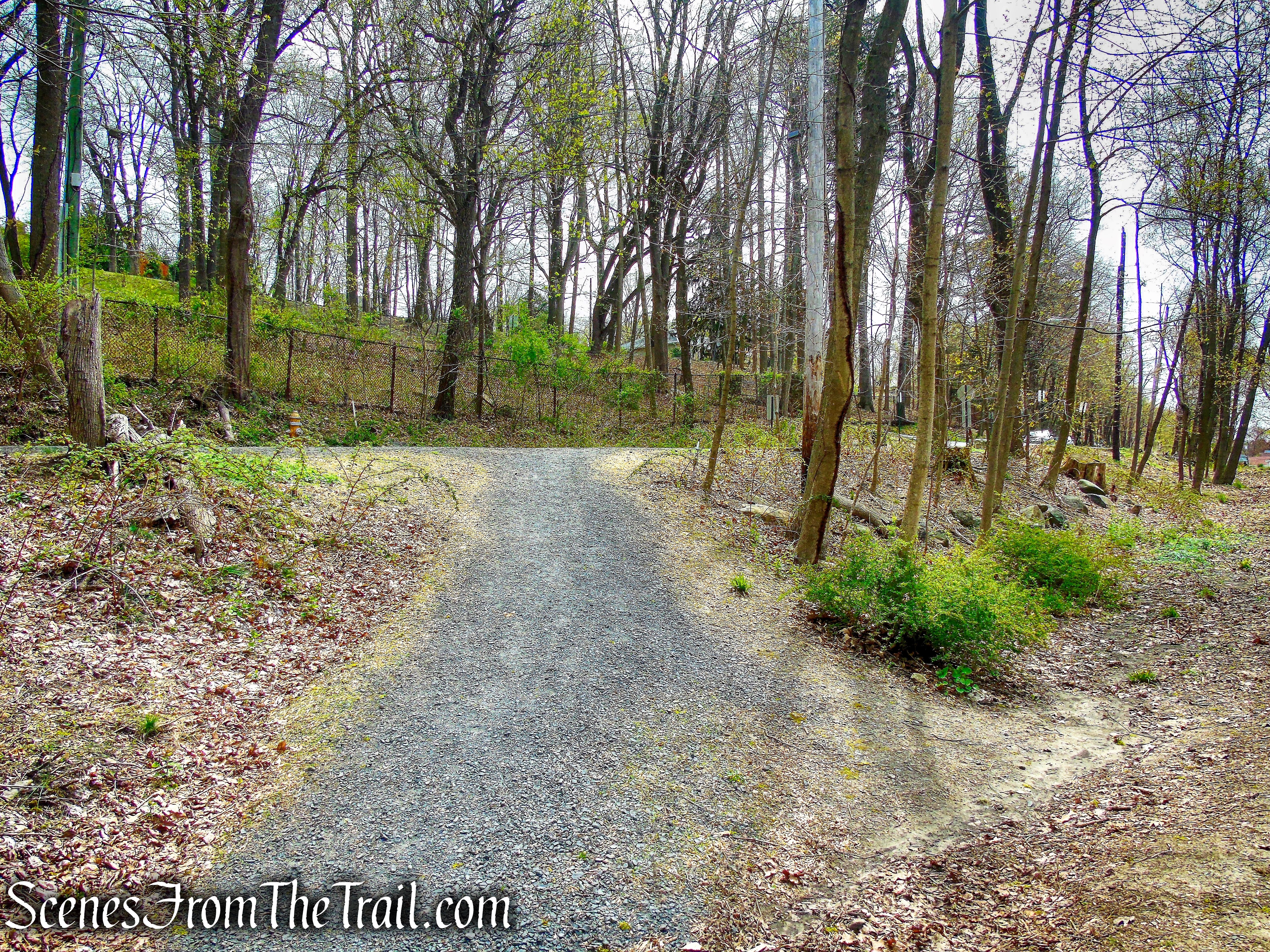
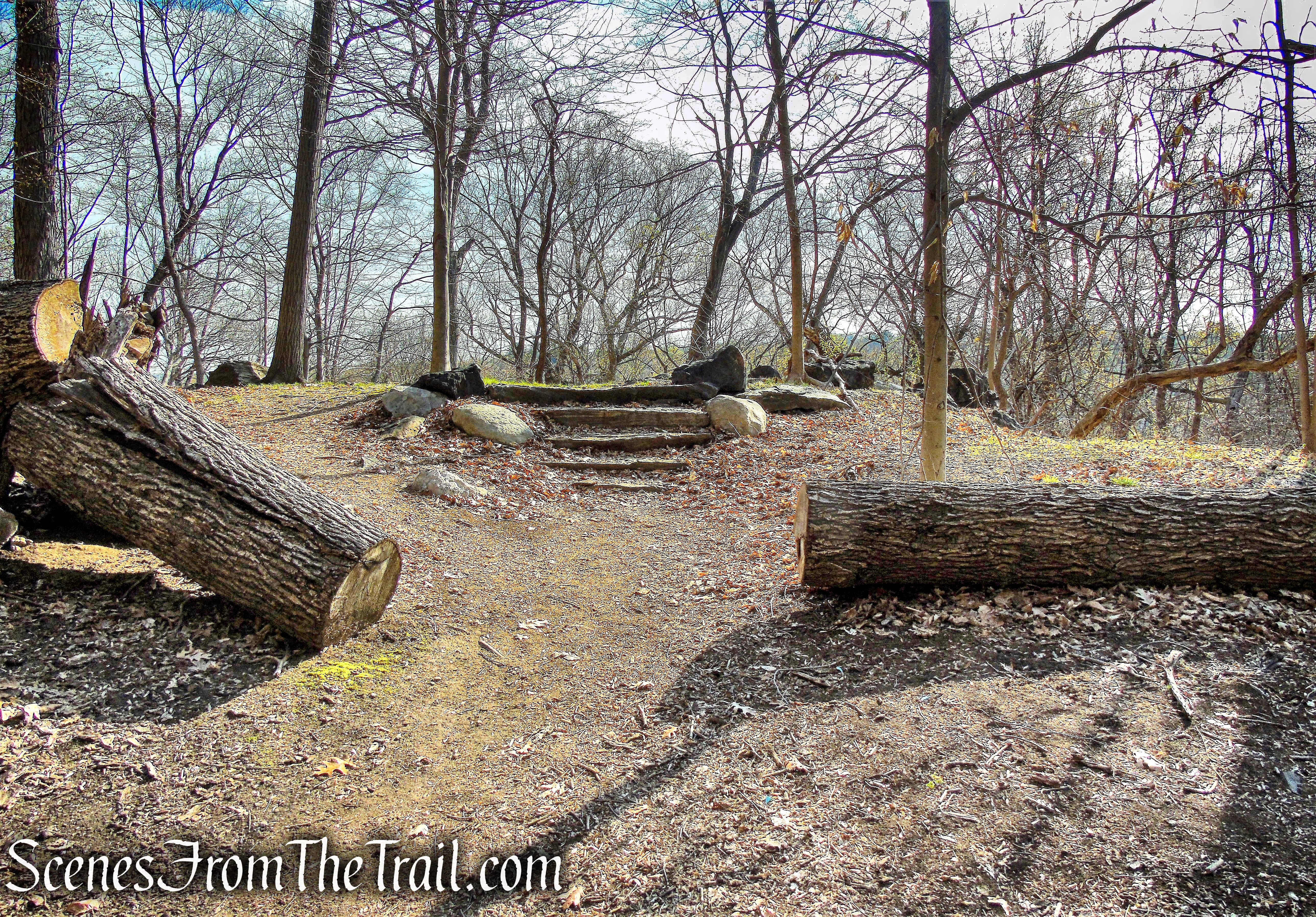
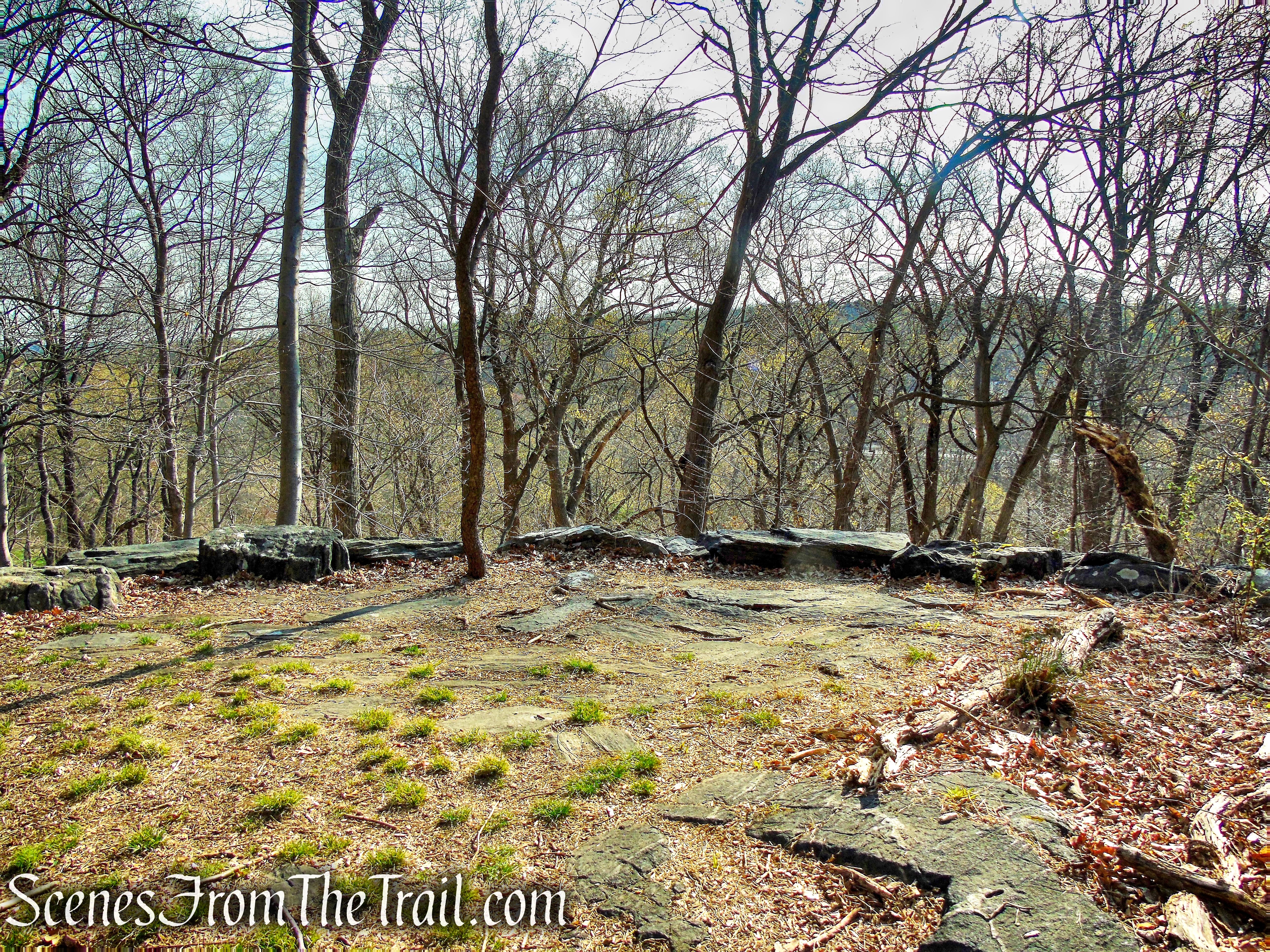
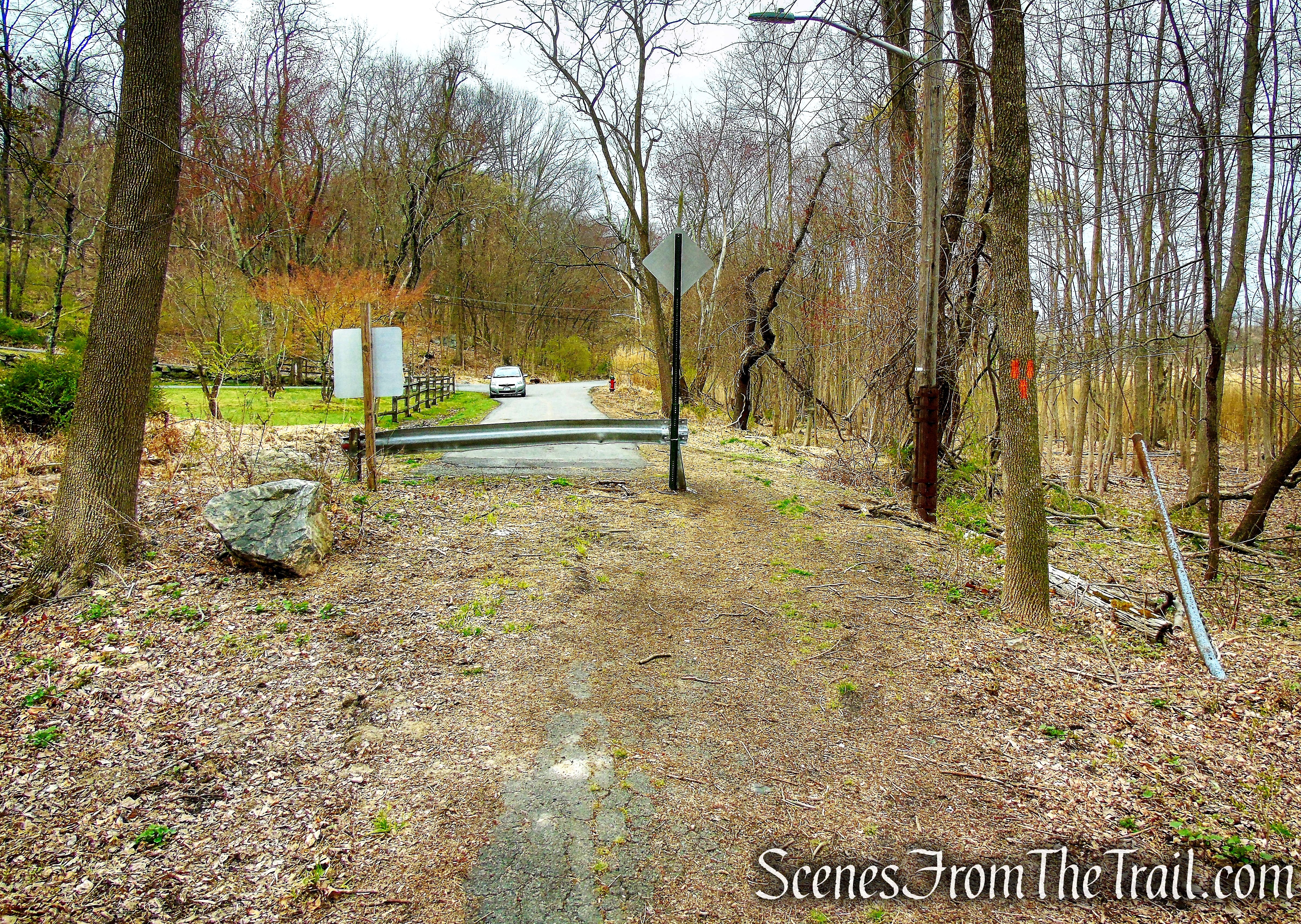
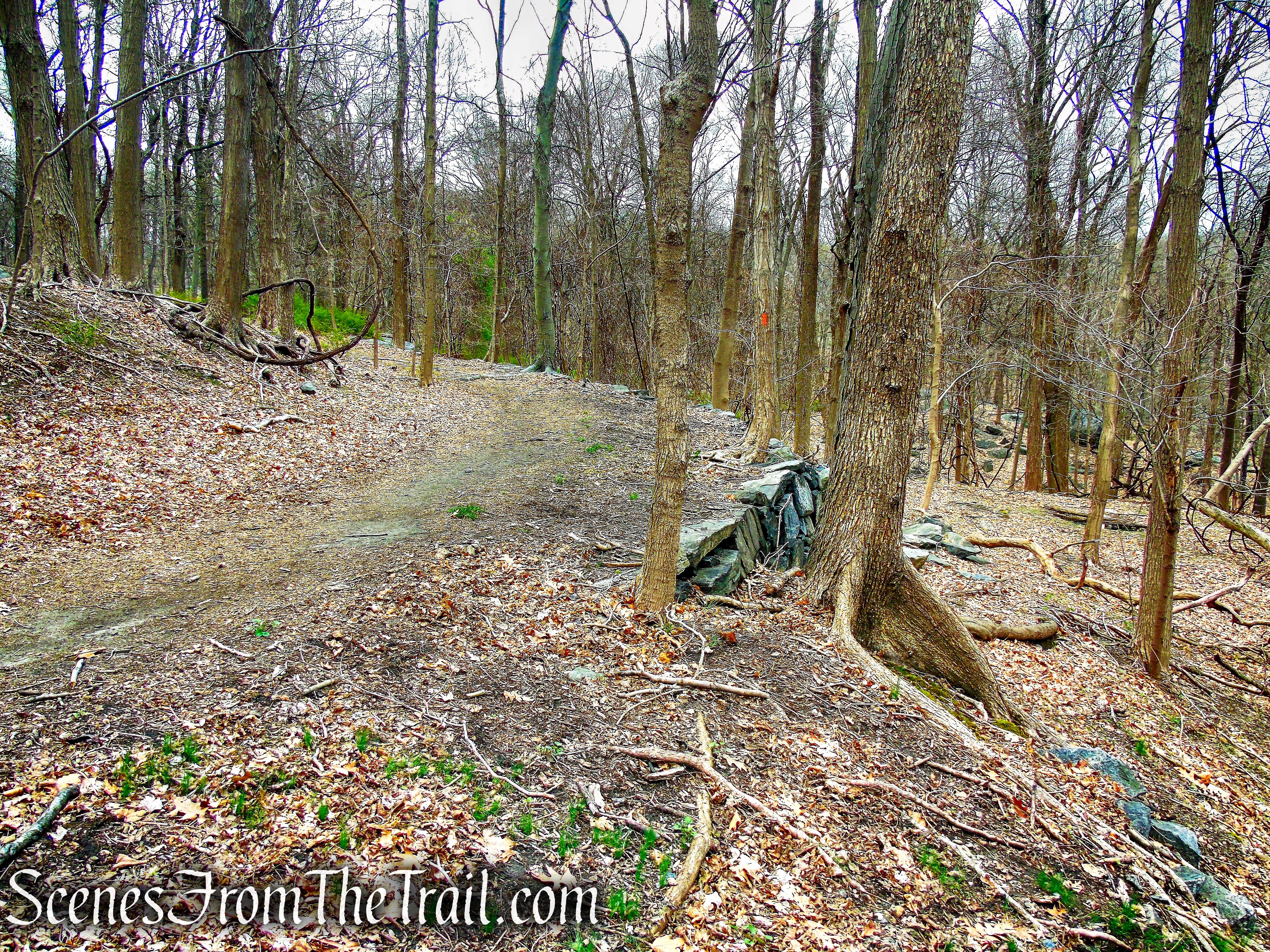
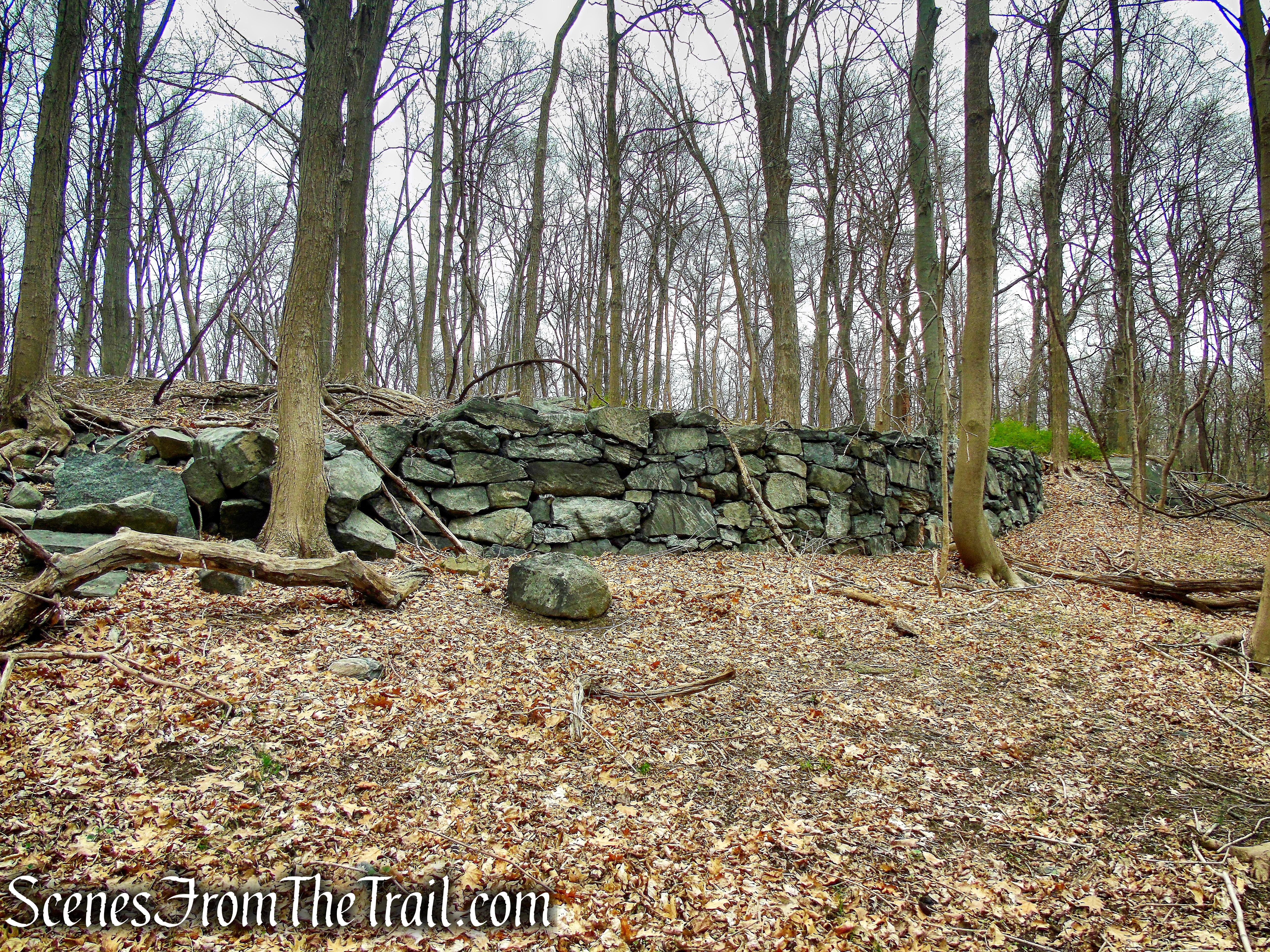
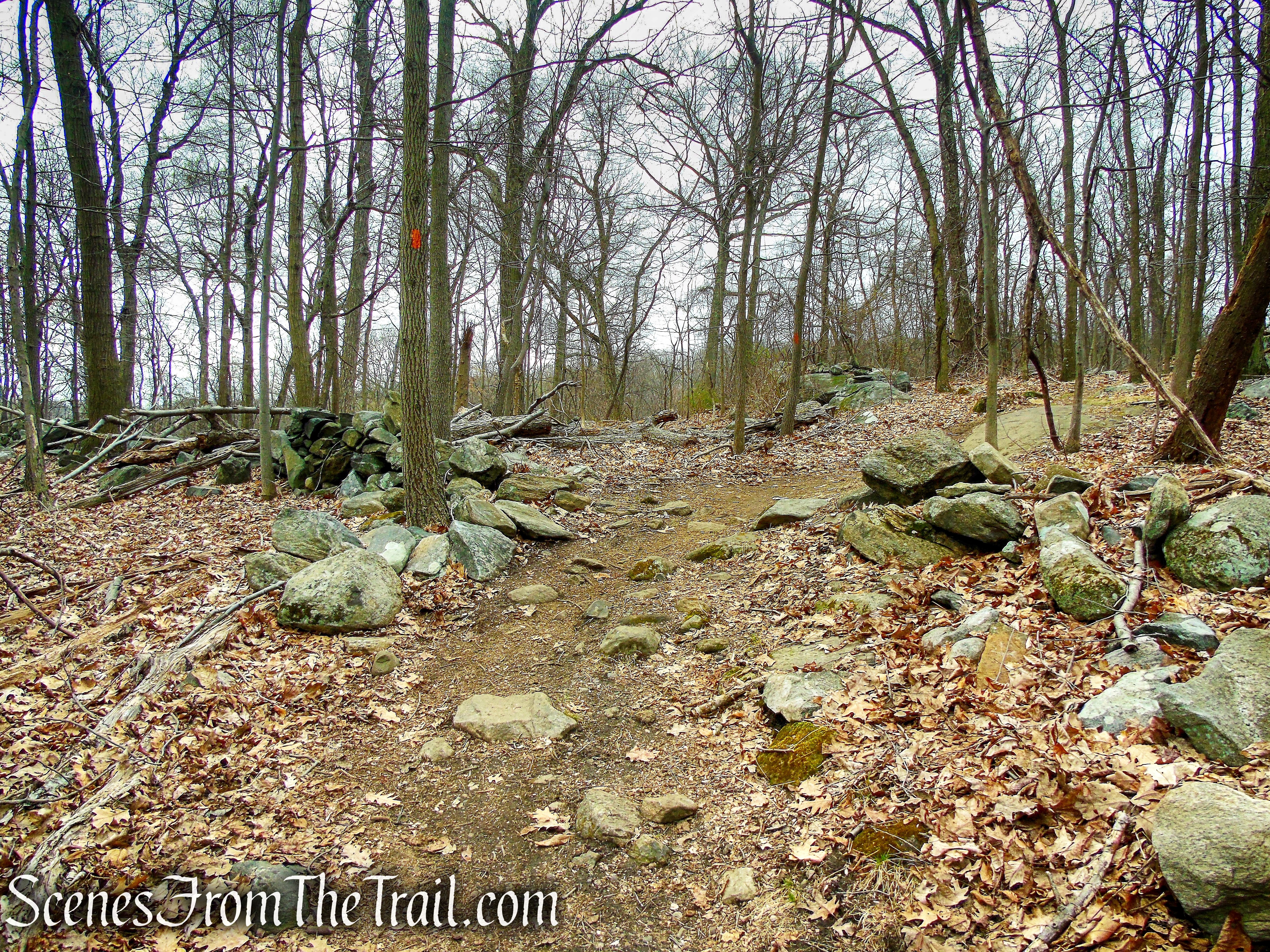
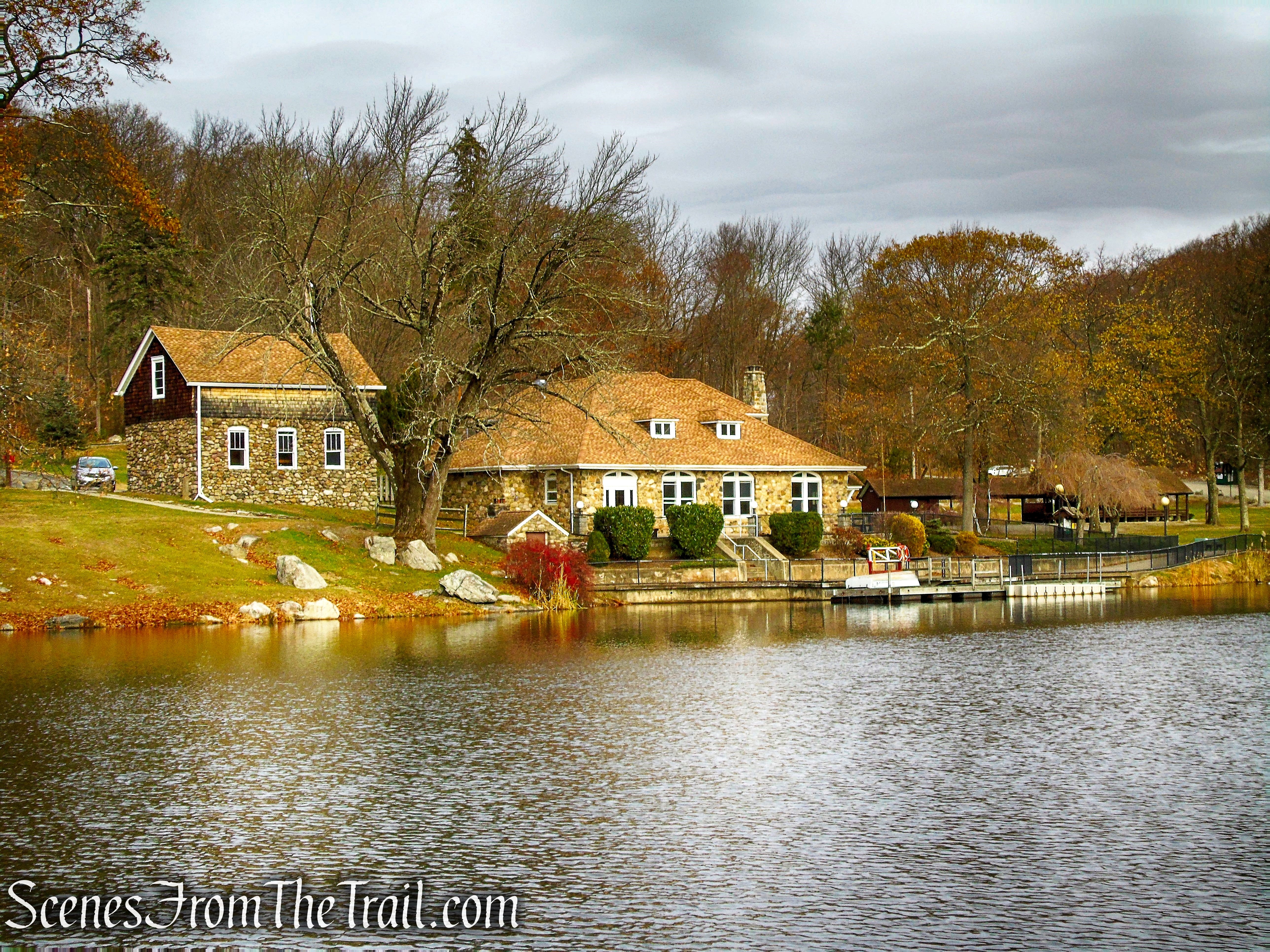
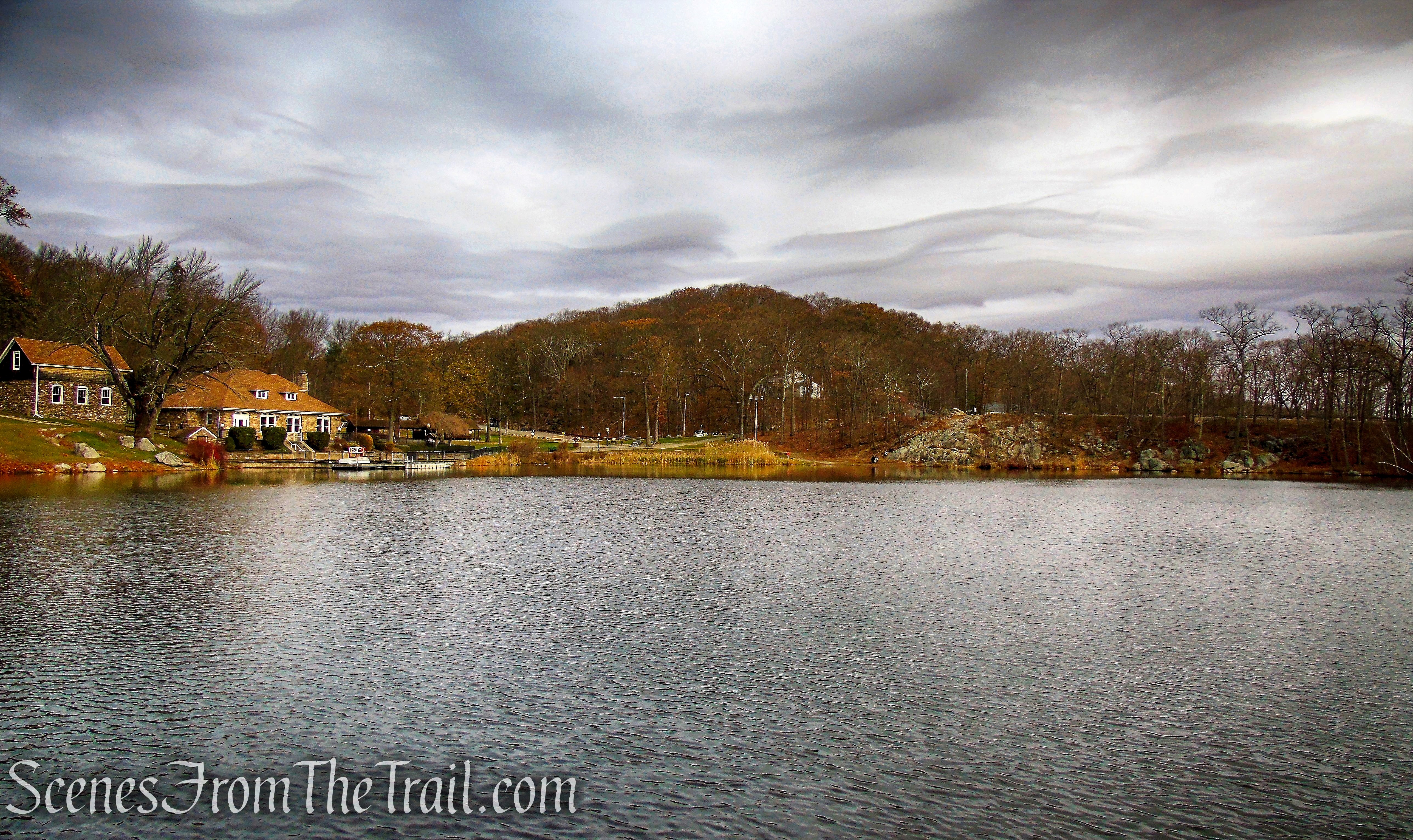
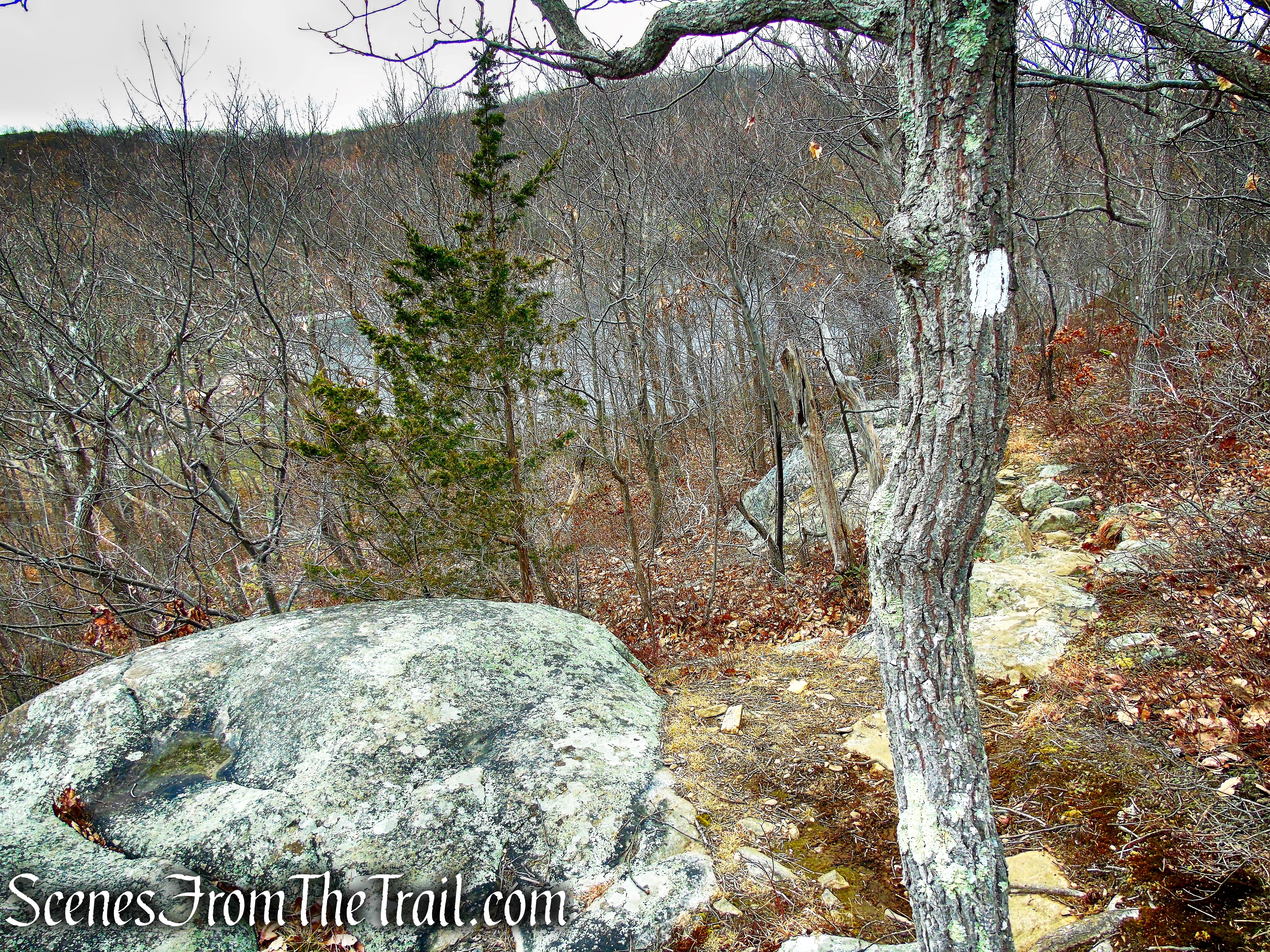
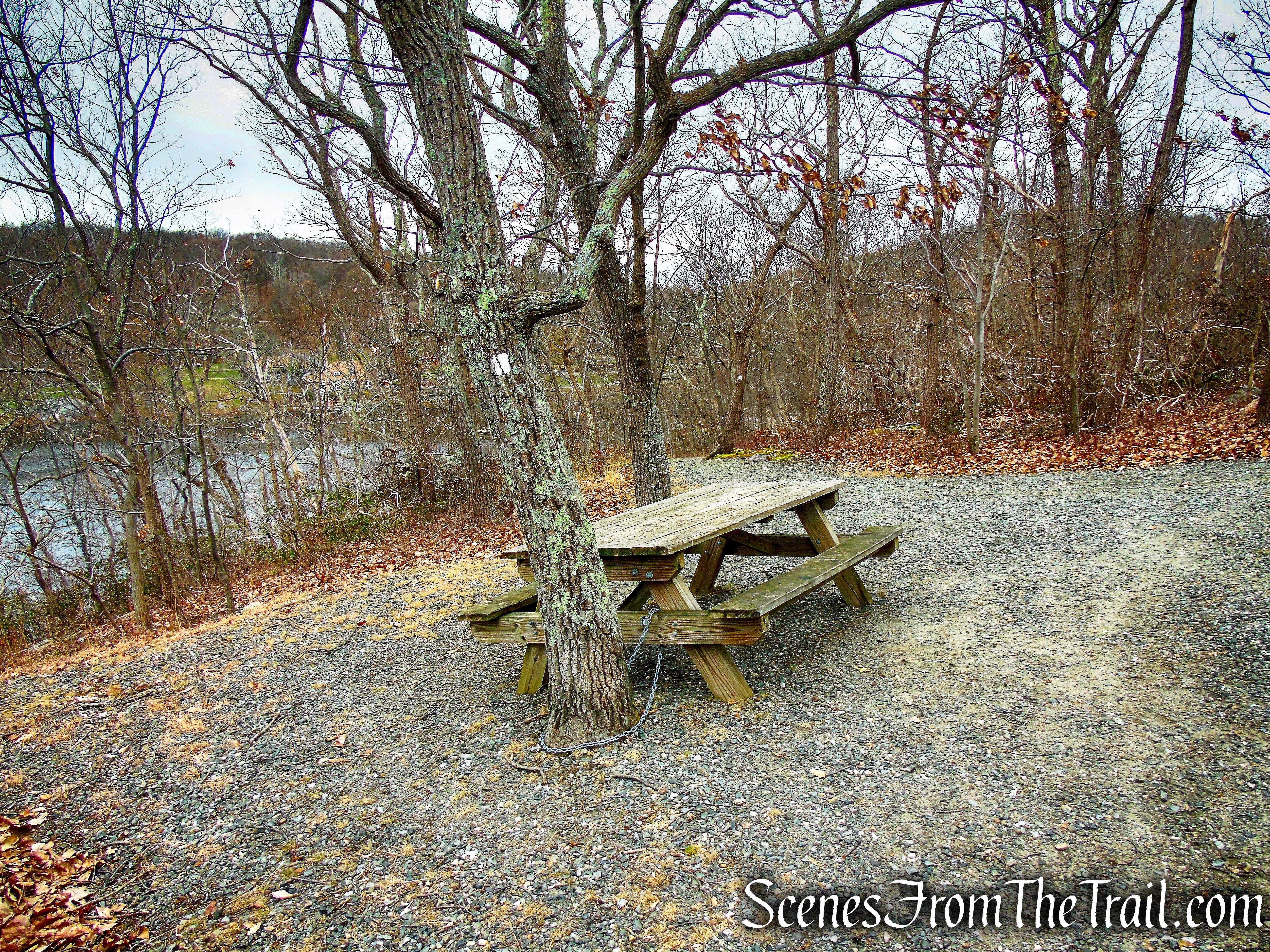
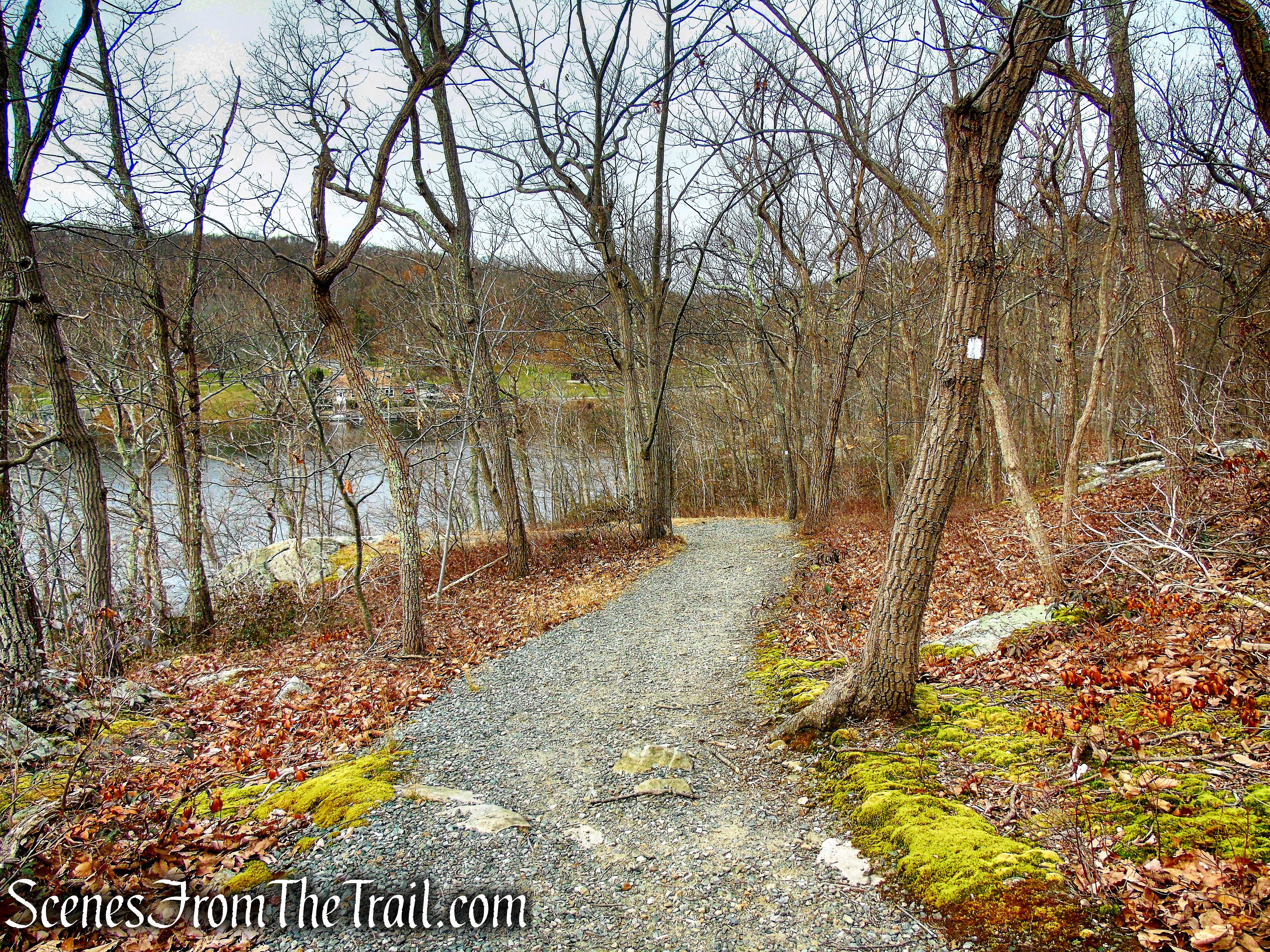
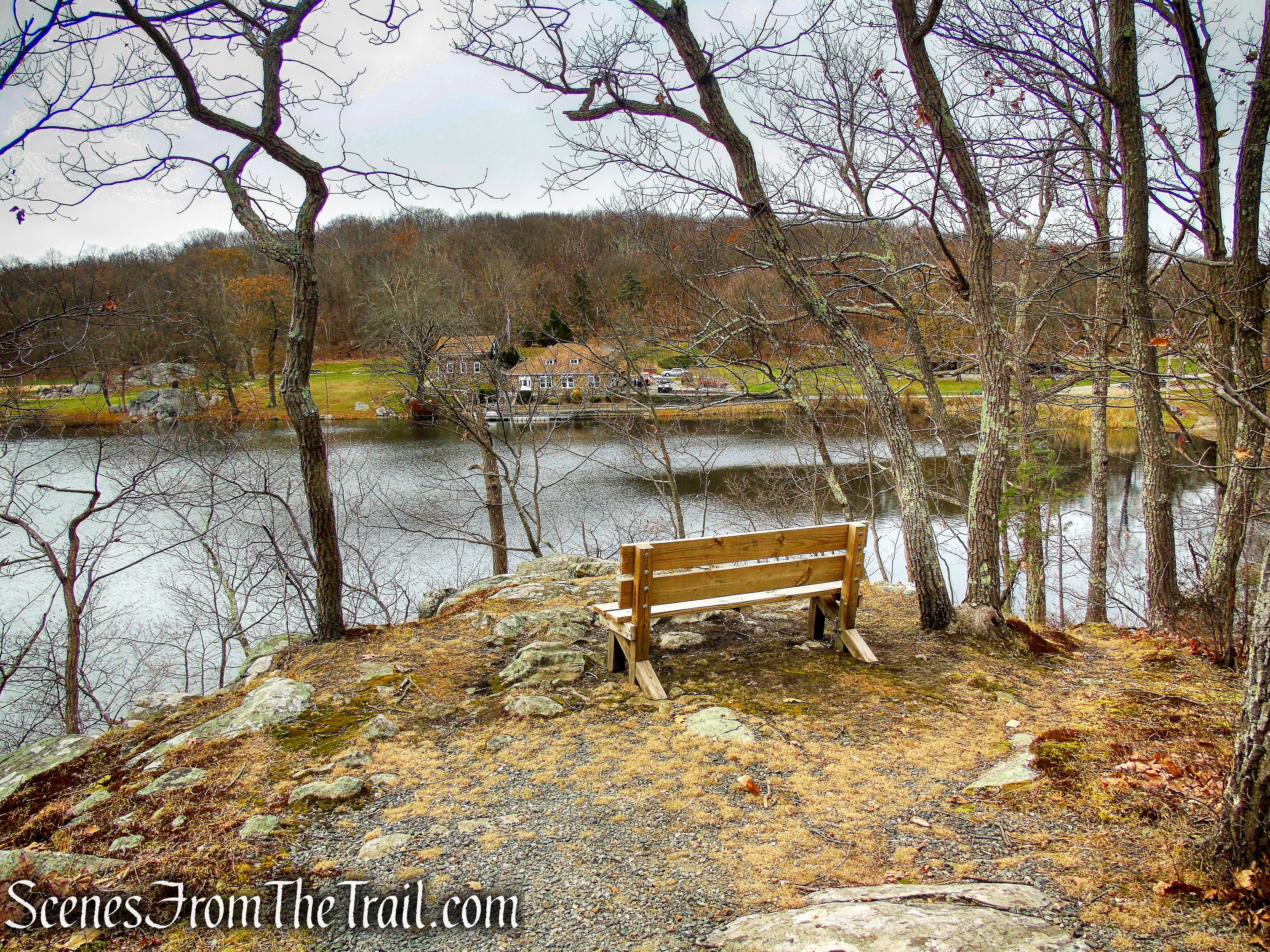
Lenoir Preserve is a 40-acre nature preserve comprising woodlands and field habitats. It is located in northwest Yonkers, NY. and is adjacent to the Old Croton Aqueduct on slopes overlooking the Hudson River. The property was formerly home to two Hudson River estates, only one of which stands today.

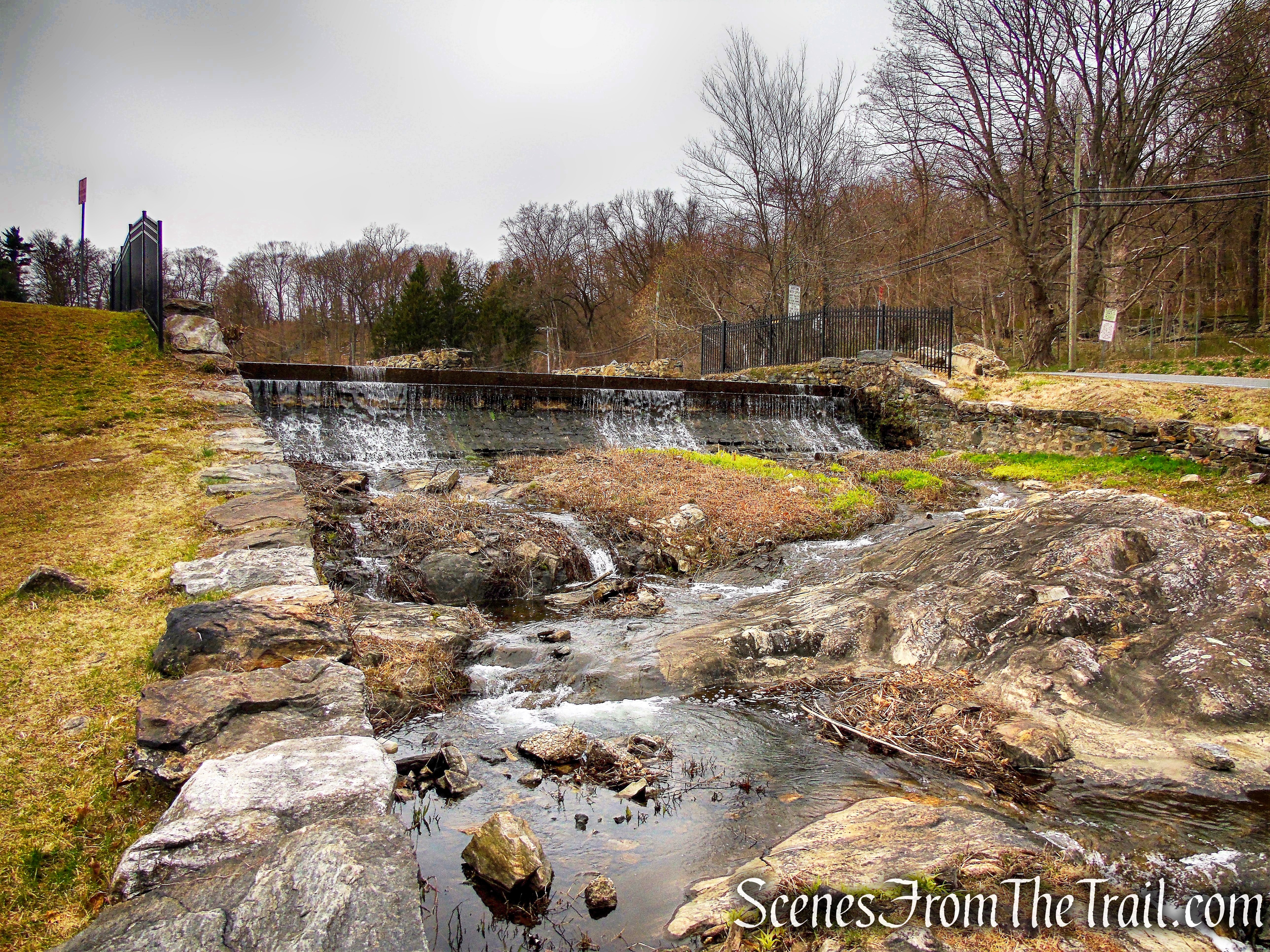
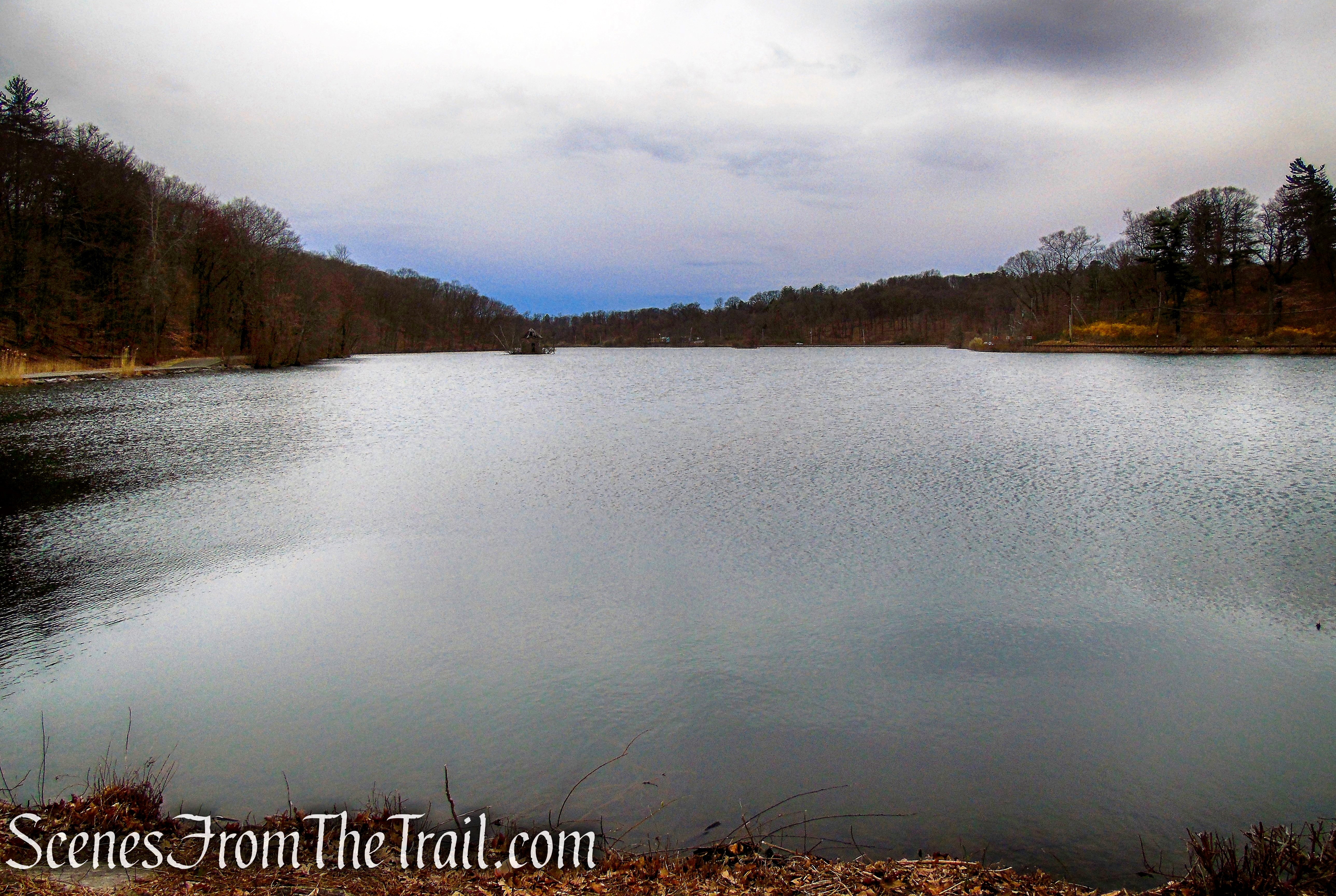
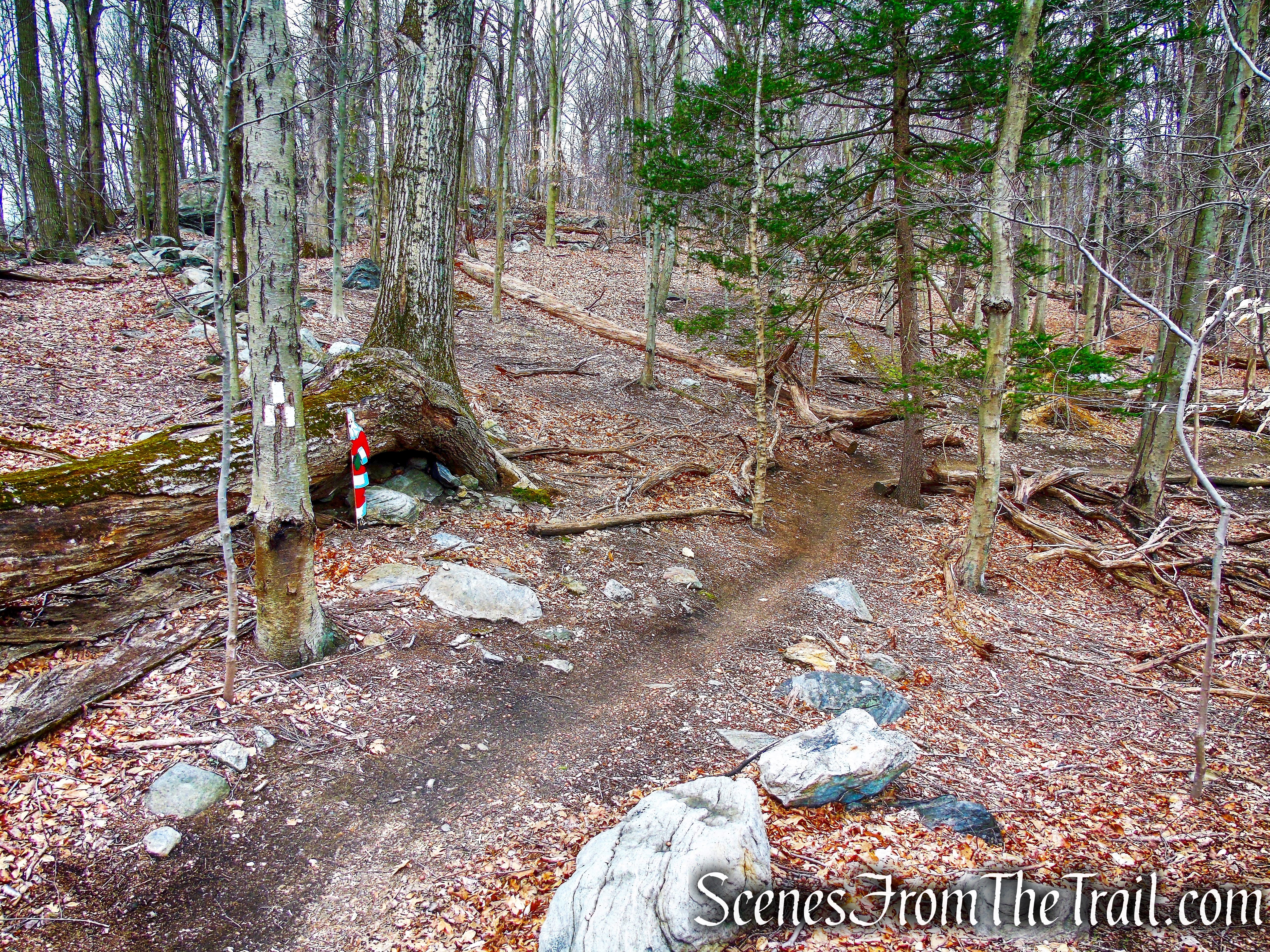
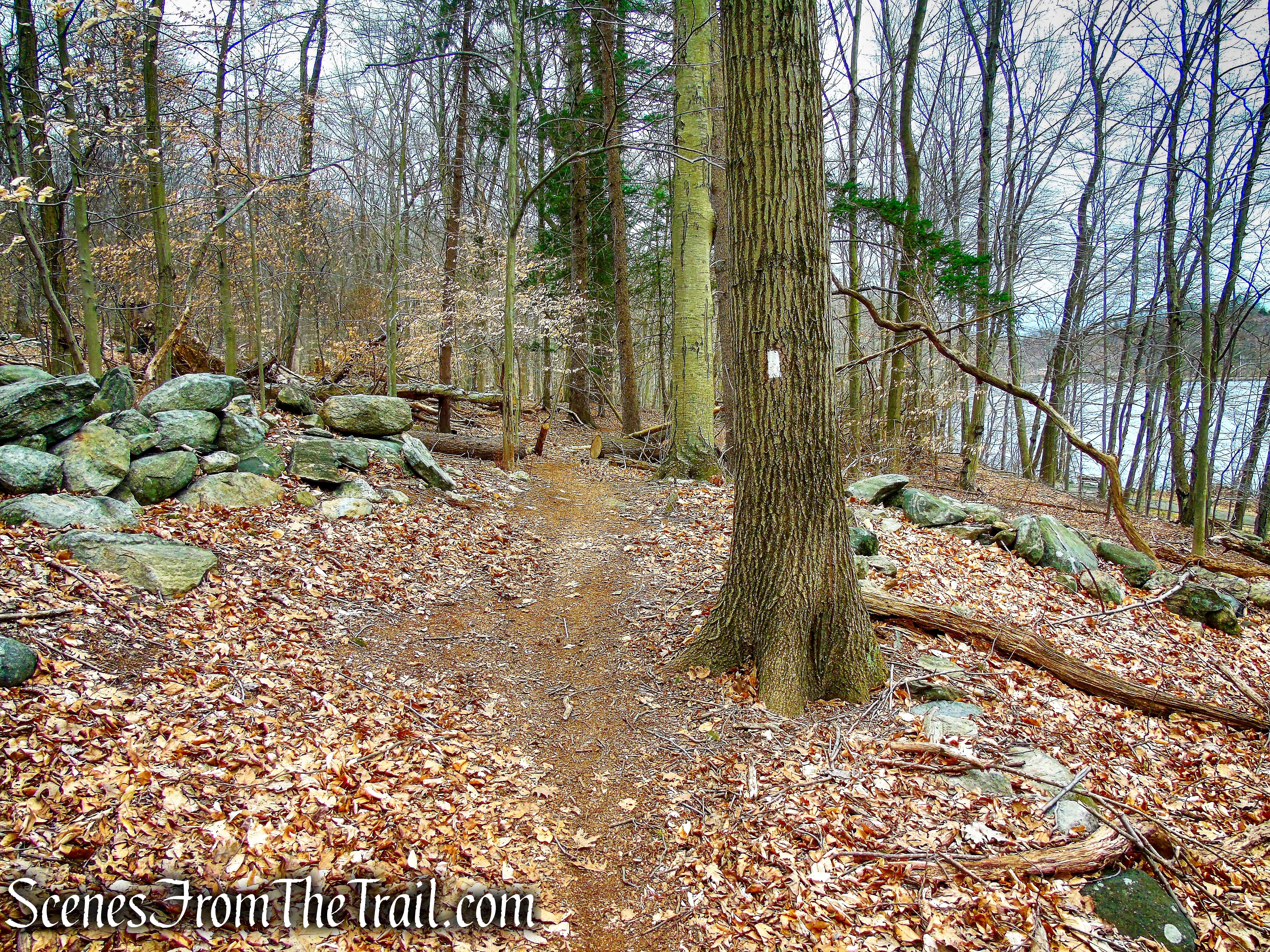
Lenoir Preserve

Lenoir Preserve

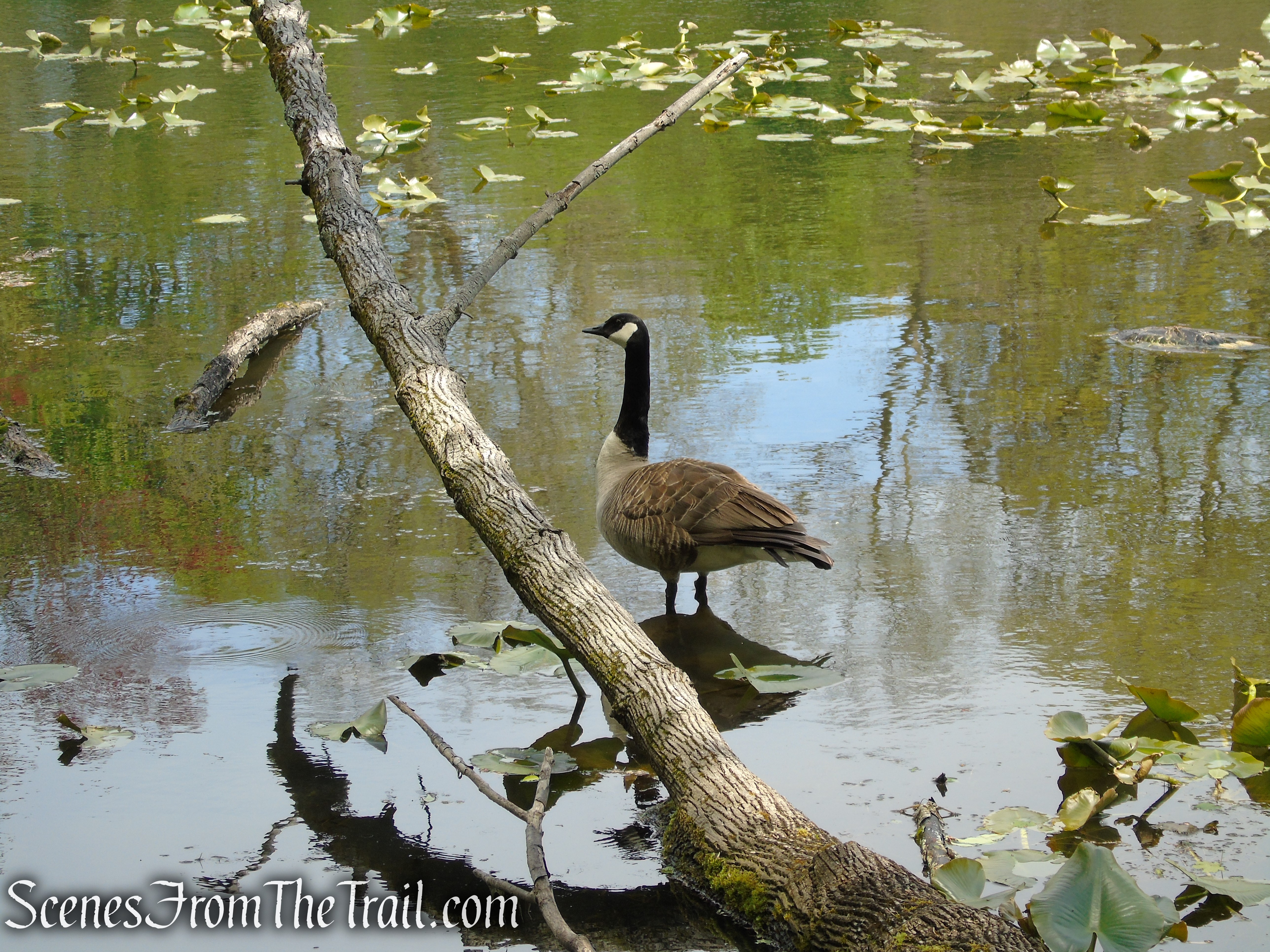
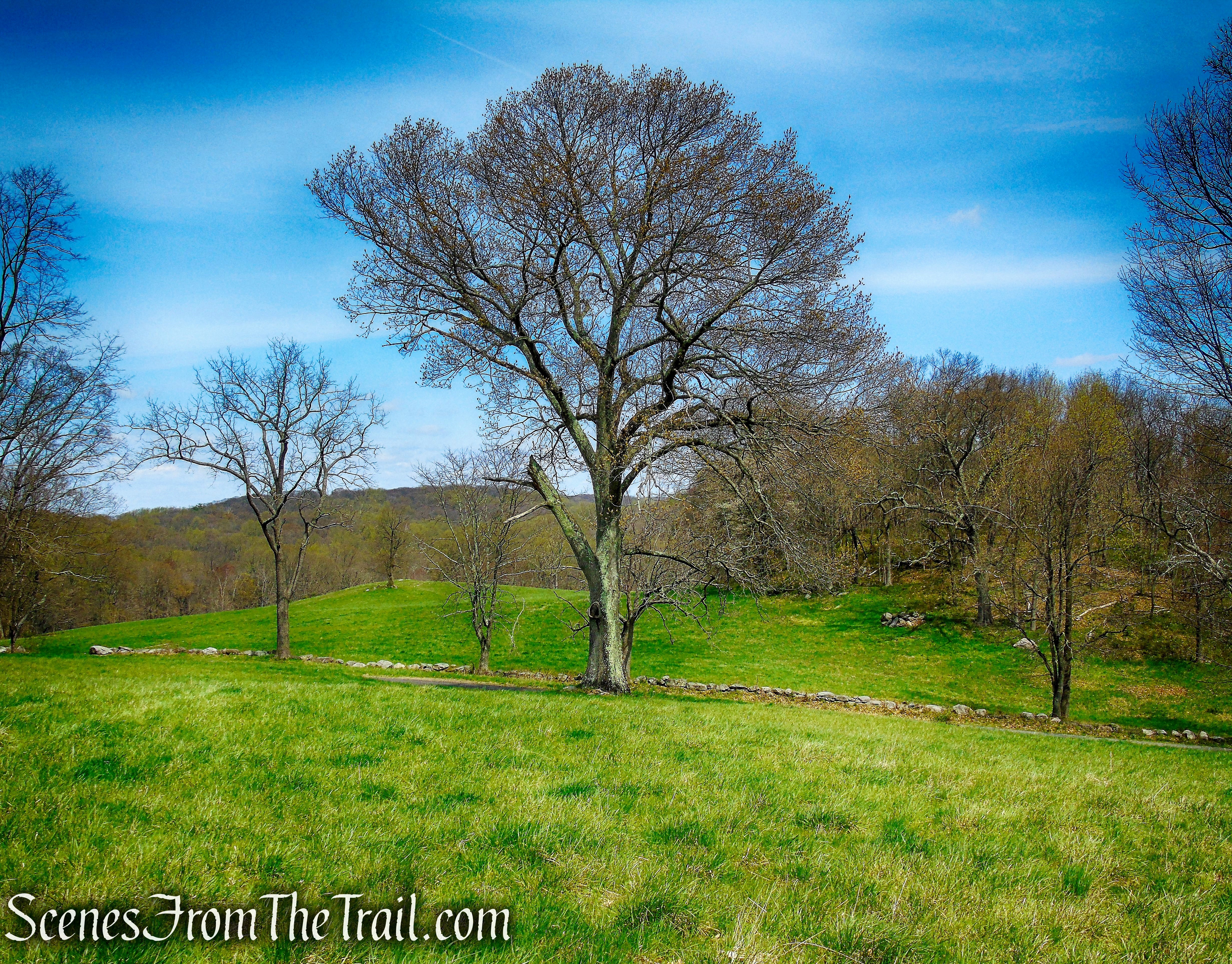
The preserve boasts a number of unusual specimen trees and shrubs imported from around the world. Among them are some magnificent copper beeches from Europe, gingko trees from Asia and Douglas firs from the Pacific Northwest. These imports join native sugar maples, red oaks, hemlocks, pines and tulip trees in providing shelter for many kinds of wildlife including woodpeckers, owls and bats.

Lenoir Preserve

Lenoir Preserve

Every spring and autumn, bird watchers gather to observe major hawk migrations. Nature enthusiasts can learn about raptor identification markings, such as flight patterns and silhouettes, and can take part in official tracking counts of raptors.

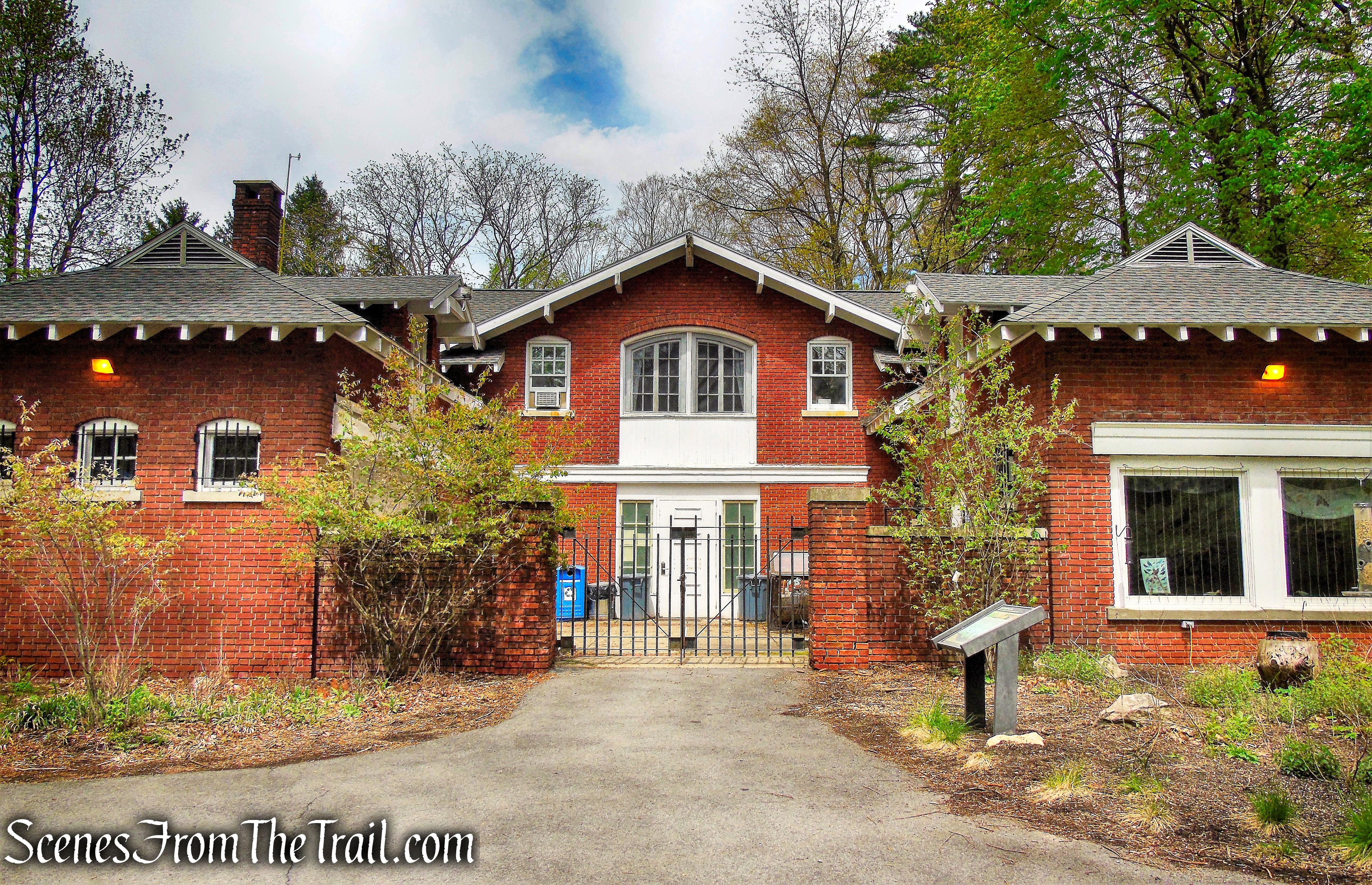
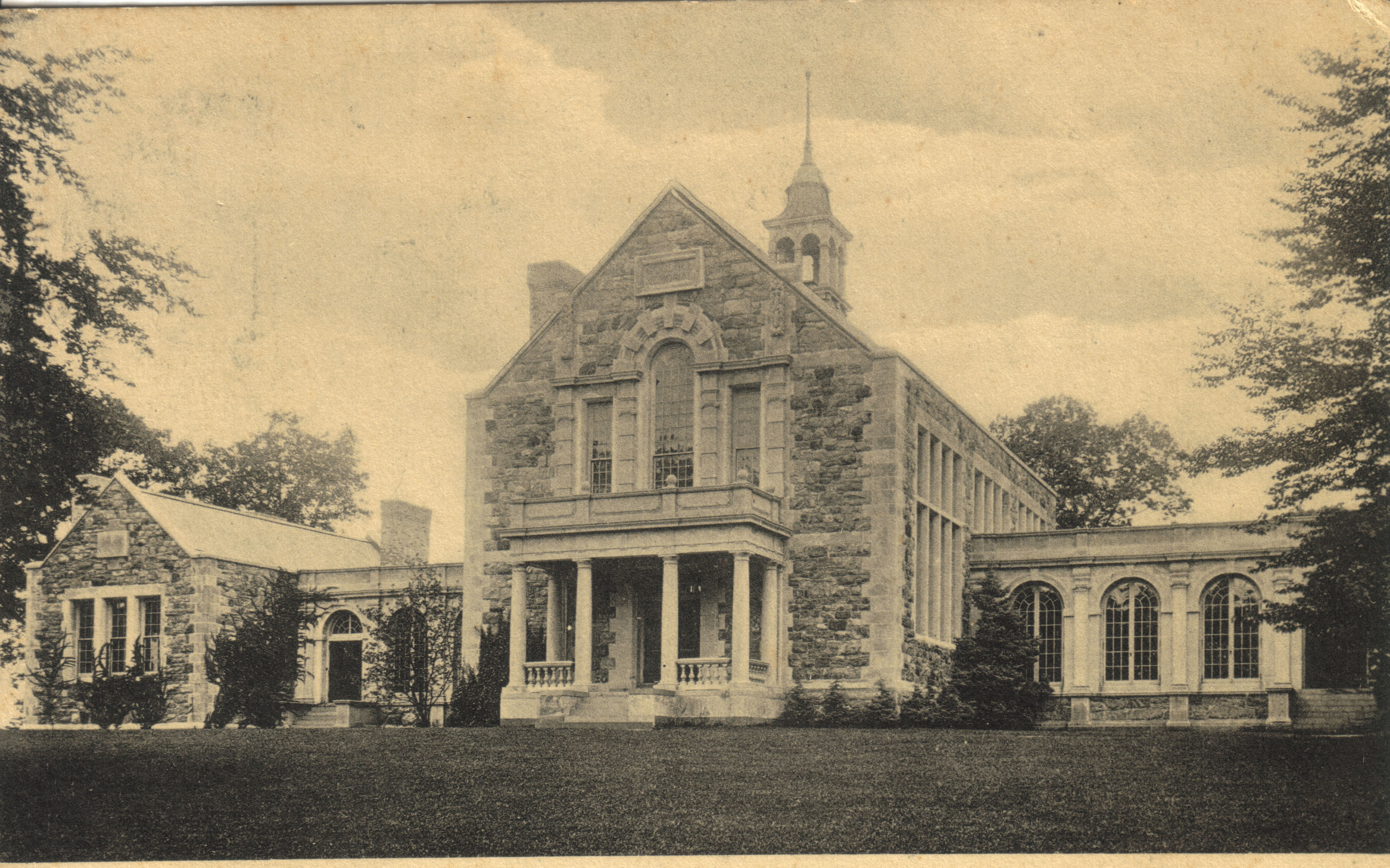
The Nature Center houses many different nature exhibits. Nature center hours: September to June, Tuesday through Saturday from 9 a.m. to 4 p.m.; July and August, Monday through Friday from 9 a.m. to 4 p.m. The 40-acre Lenoir Nature Preserve opened in 1978 and is owned and operated by the County of Westchester.

Lenoir Preserve Nature Center

Lenoir Preserve Nature Center

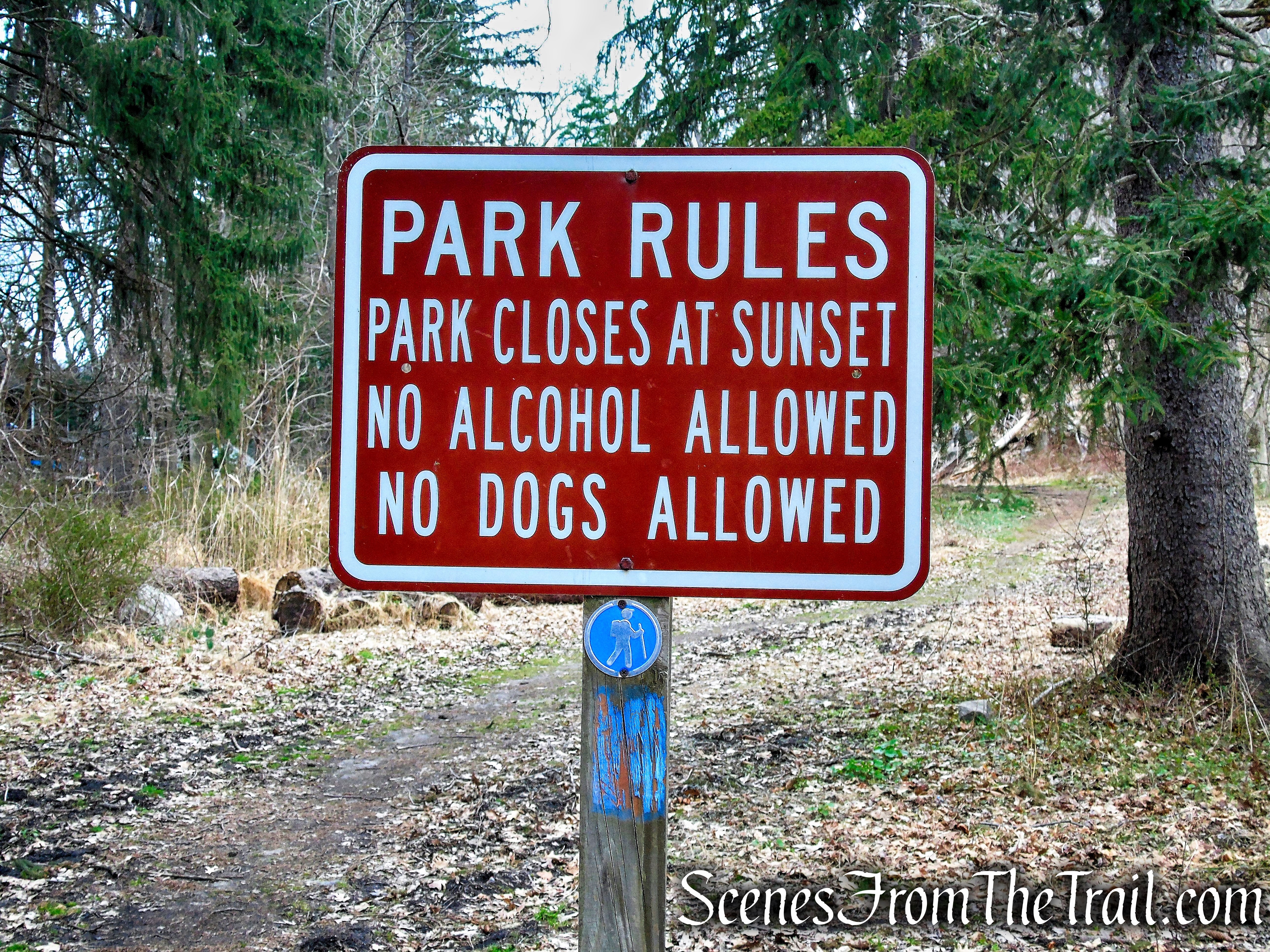
Trails are open every day dawn to dusk. Maps are available at the kiosk near the Nature Center.

Lenoir Preserve

Lenoir Preserve

History:

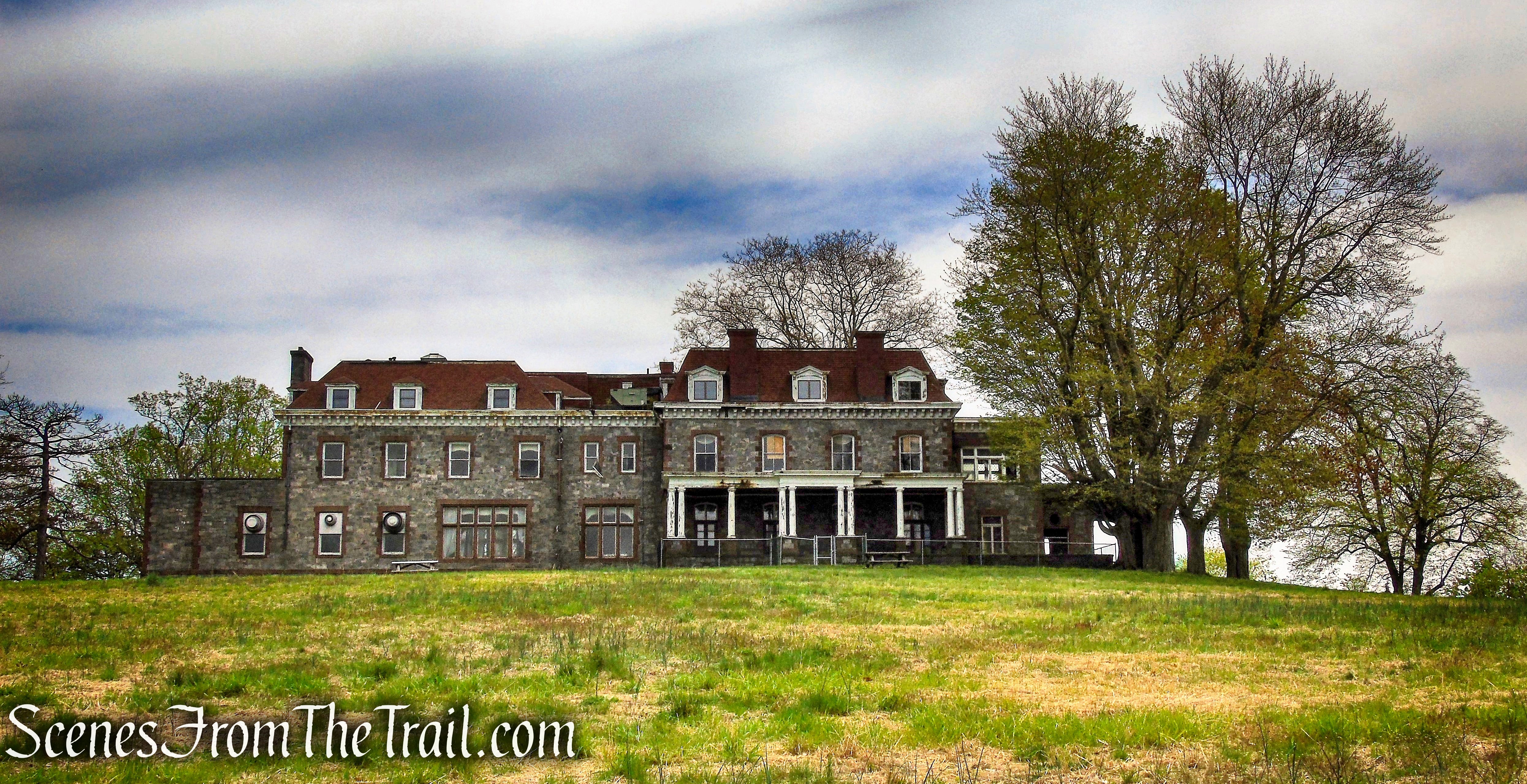
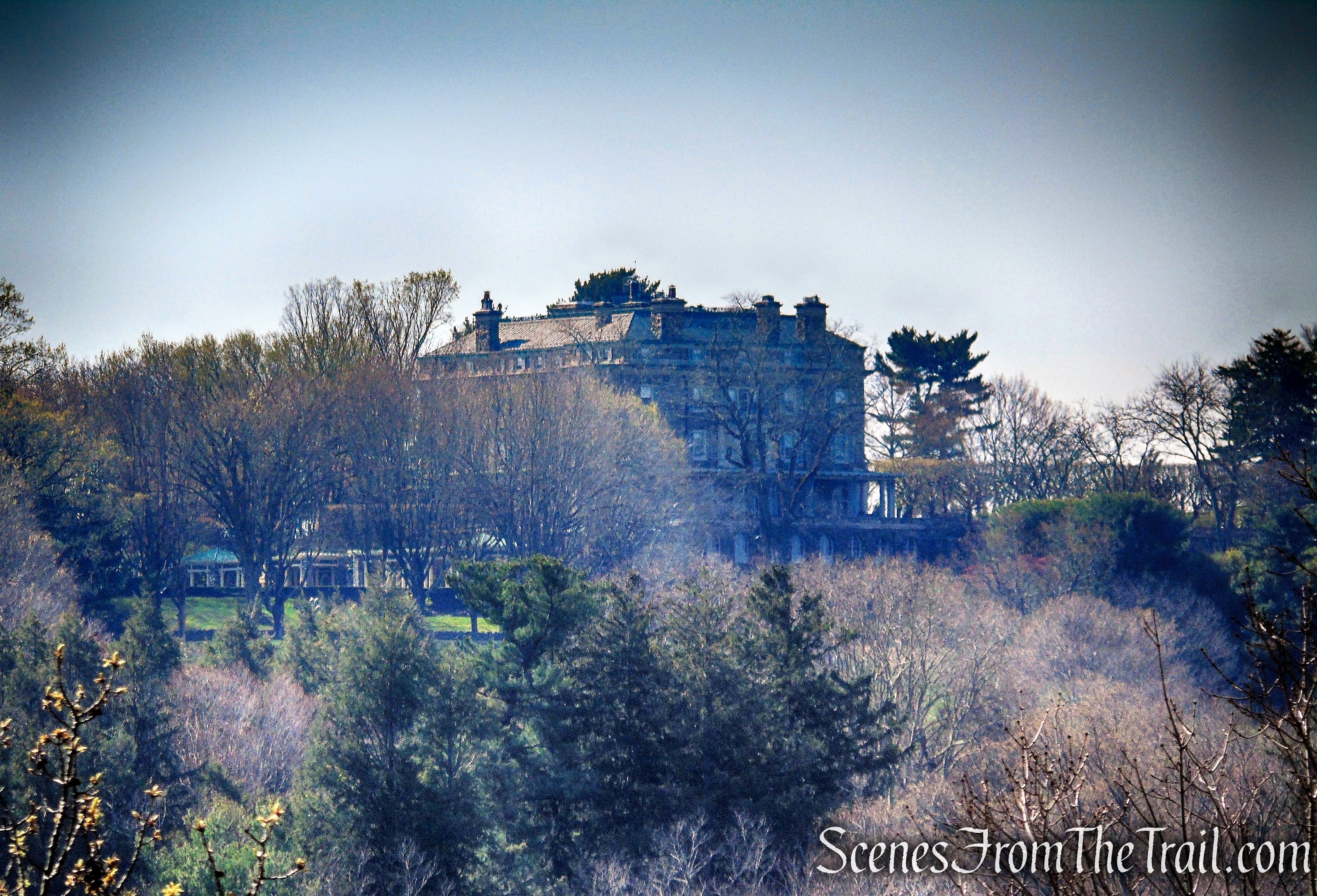
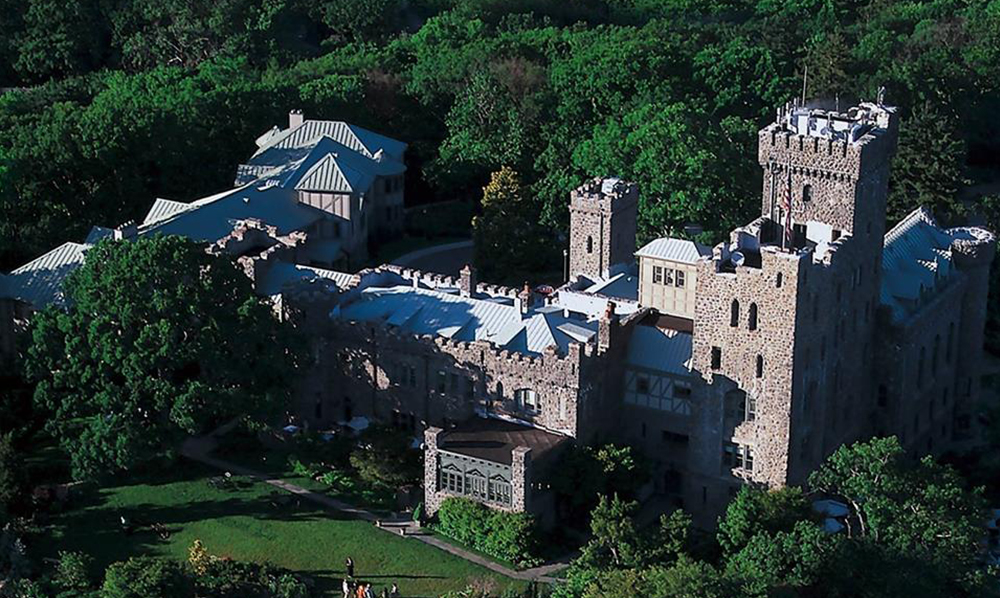
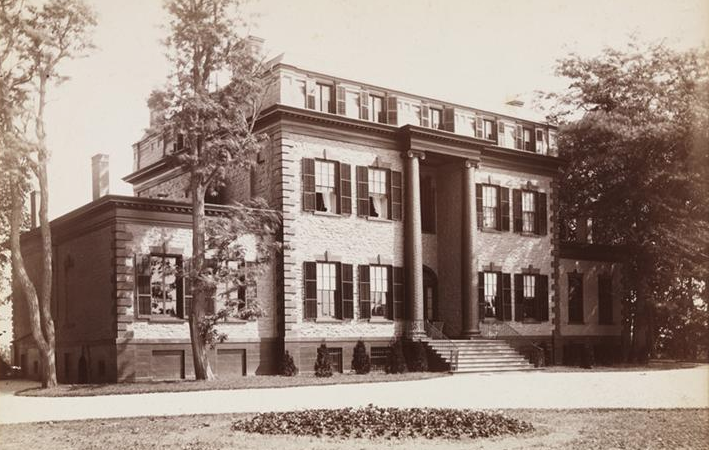
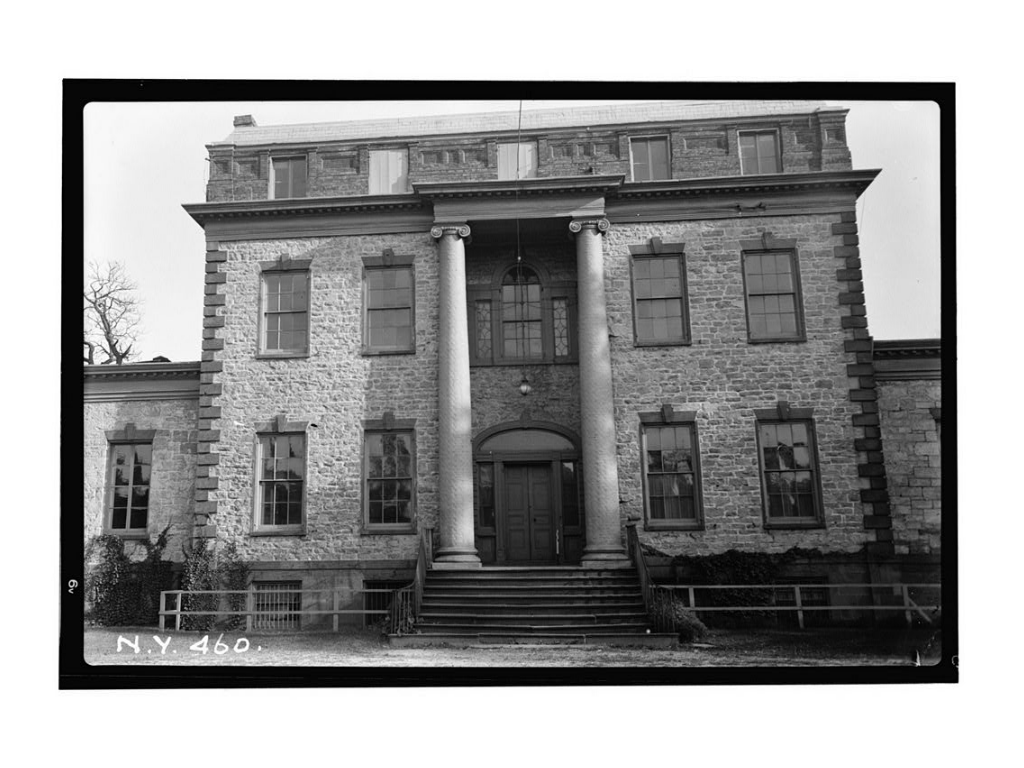
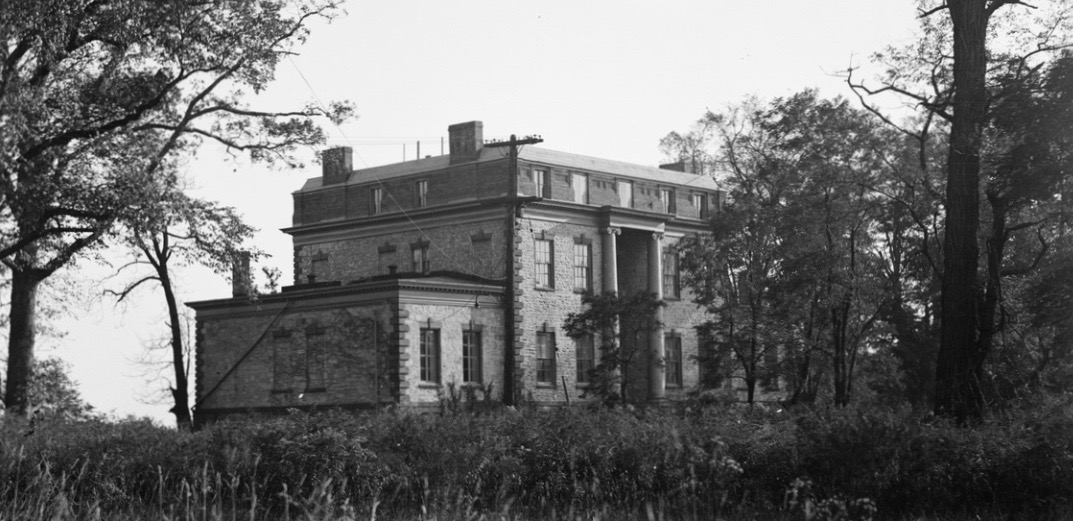
At the southeast end of the preserve, the Lenoir Mansion stands atop the hill overlooking the meadow. The Lenoir Mansion was built between 1850 and 1870 for future presidential candidate Samuel J. Tilden and was built from granite quarried on the estate. The two wings were added around 1907 by C.C. Dula where he named the mansion after Lenoir, North Carolina, where he grew up. C. C. Dula’s niece, Purl Parker, inherited the estate in 1939 where she lived with her husband, Dr. Orrin Wightman until 1965 when Dr. Wightman died.

Lenoir Mansion - Green Trail

Lenoir Mansion – Green Trail

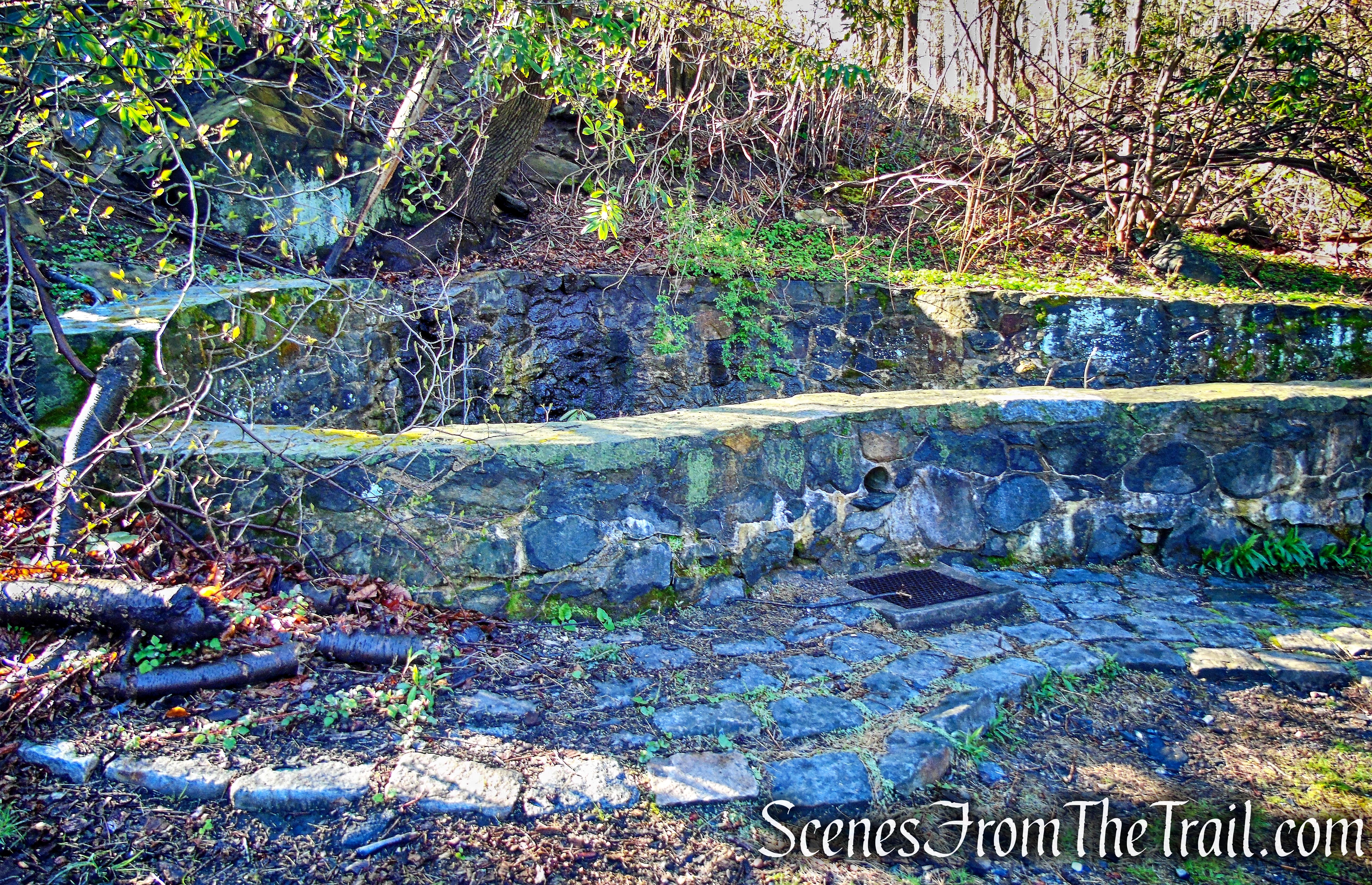
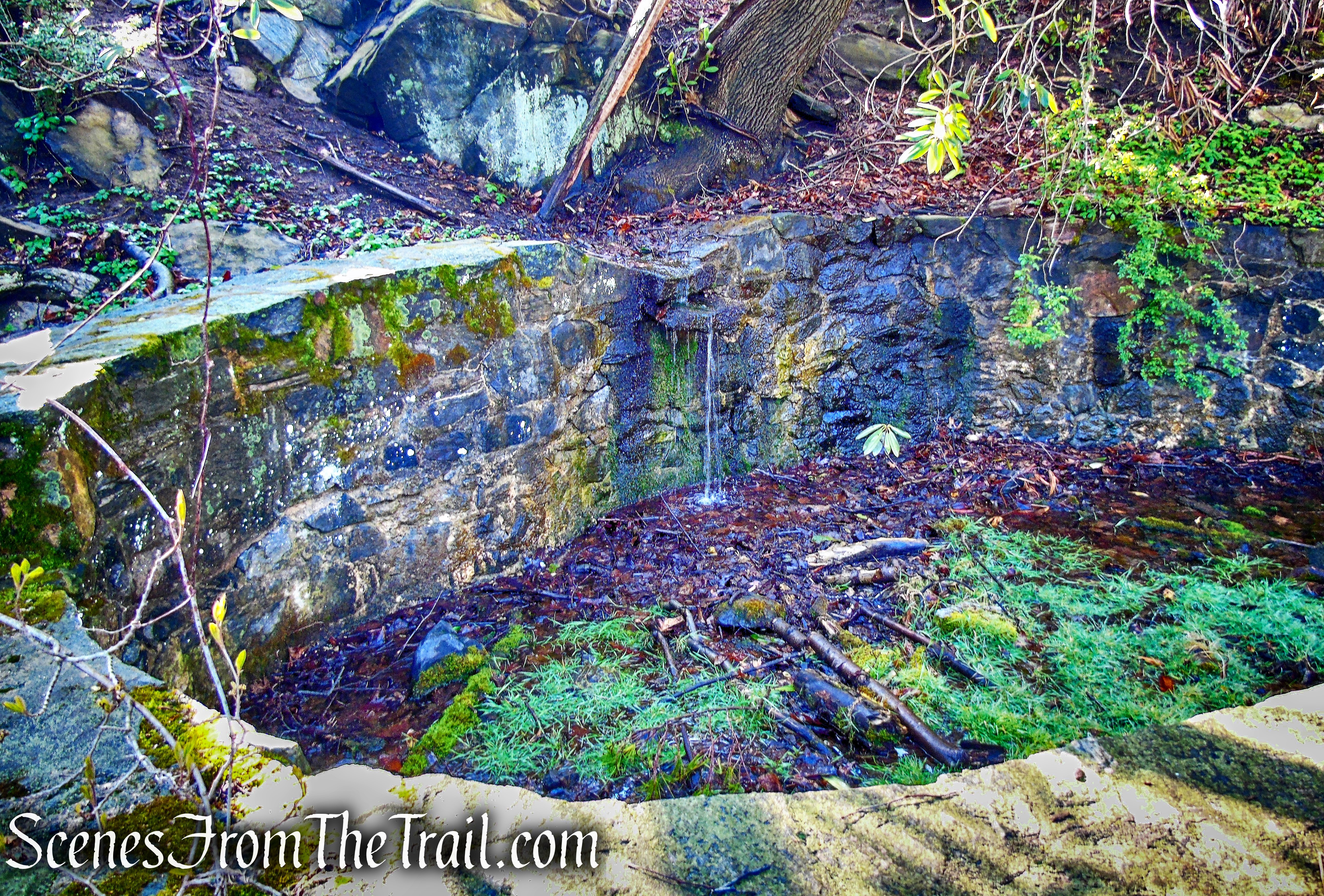
Lenoir Mansion

Lenoir Mansion

Lenoir Preserve History

Lenoir Preserve History

Lenoir Preserve History

Lenoir Preserve History

Lenoir Preserve History

Lenoir Preserve History

Lenoir Preserve History

Lenoir Preserve History

Trails Overview:

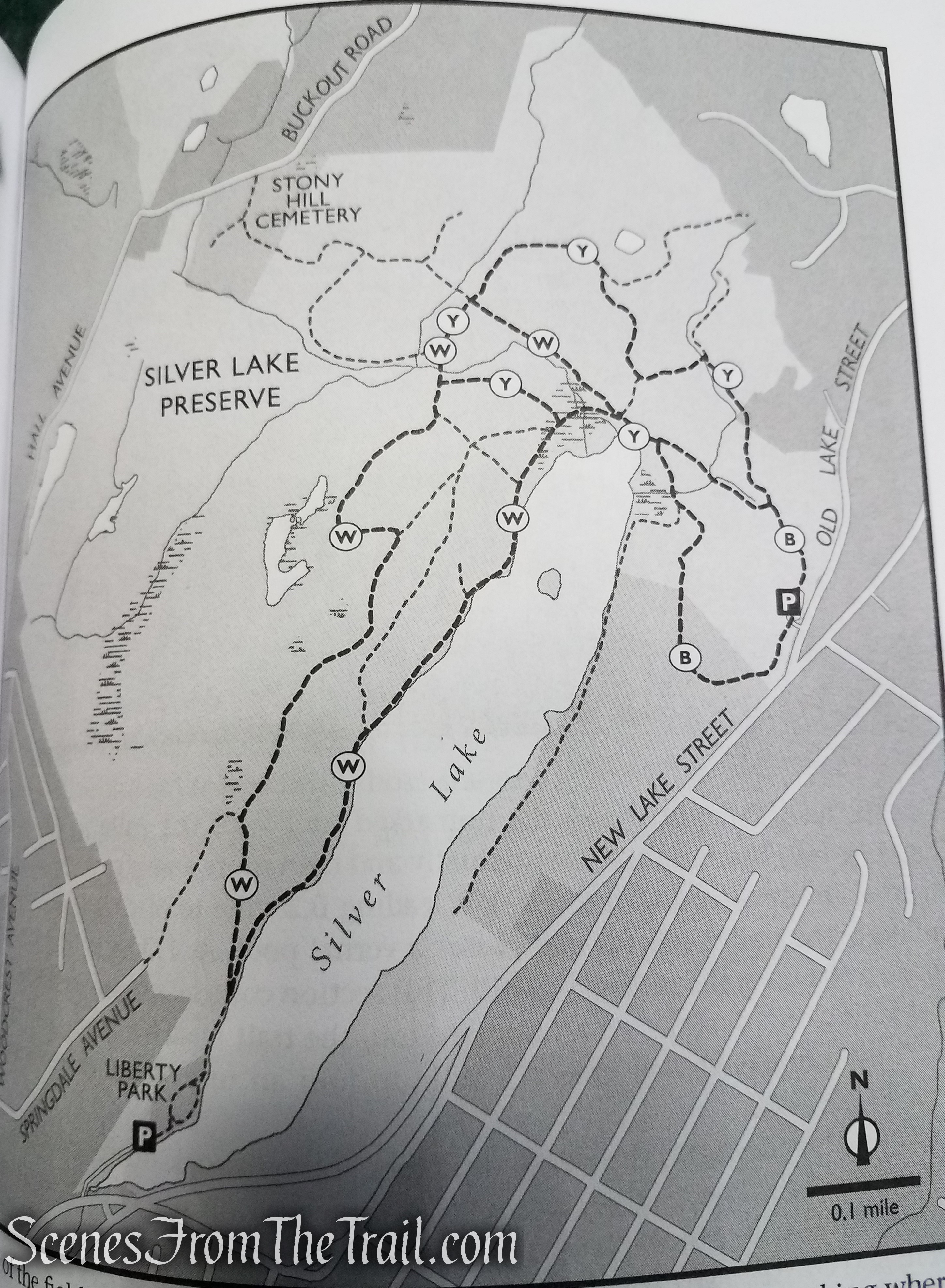
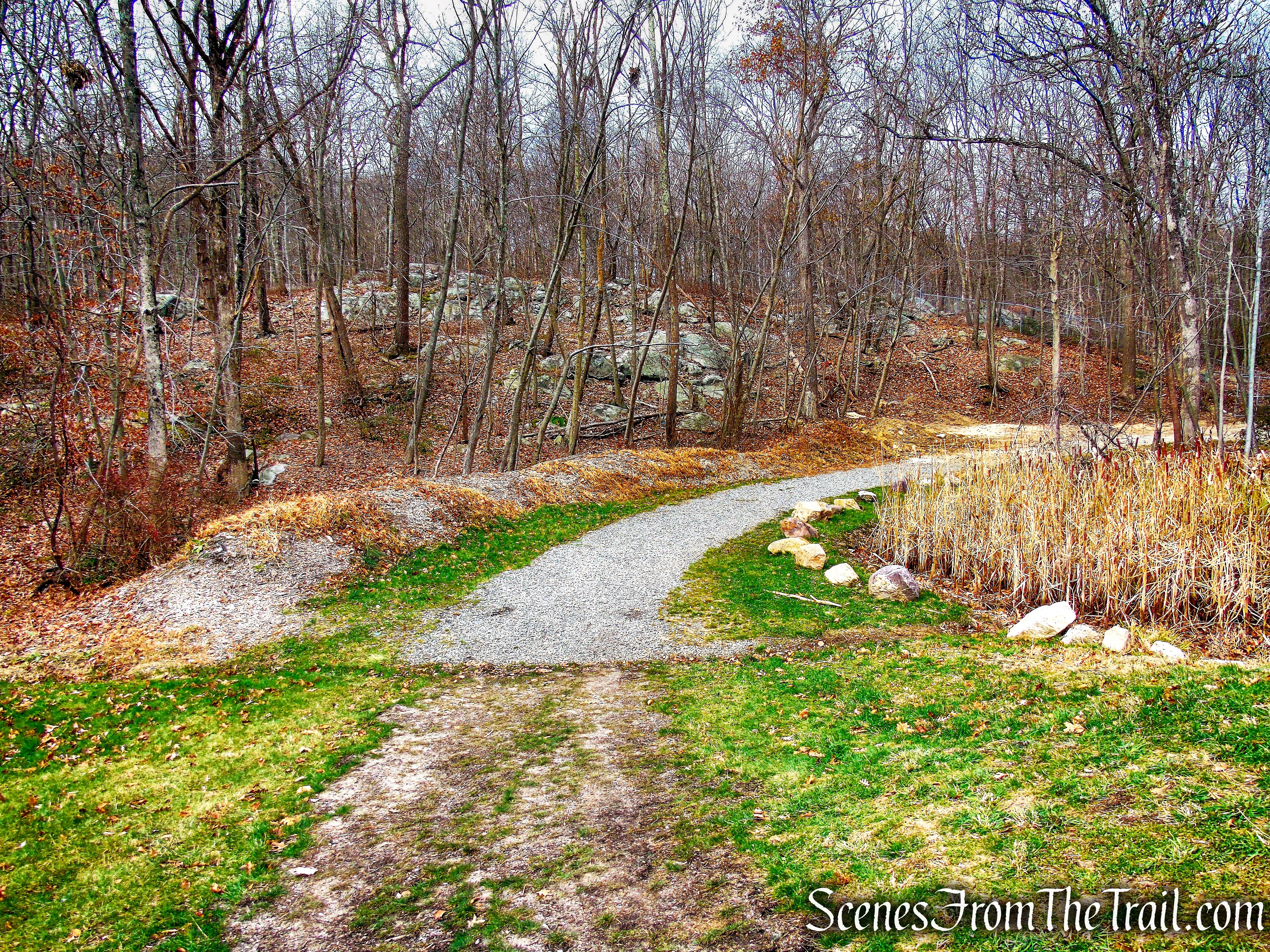
Lenoir Preserve has a combination of traditional trails and paved footpaths that total about 2 miles. There is also a trail that connects to the Old Croton Aqueduct which in turn connects to nearby Untermyer Park and Gardens. Trail maps are available at the preserve.

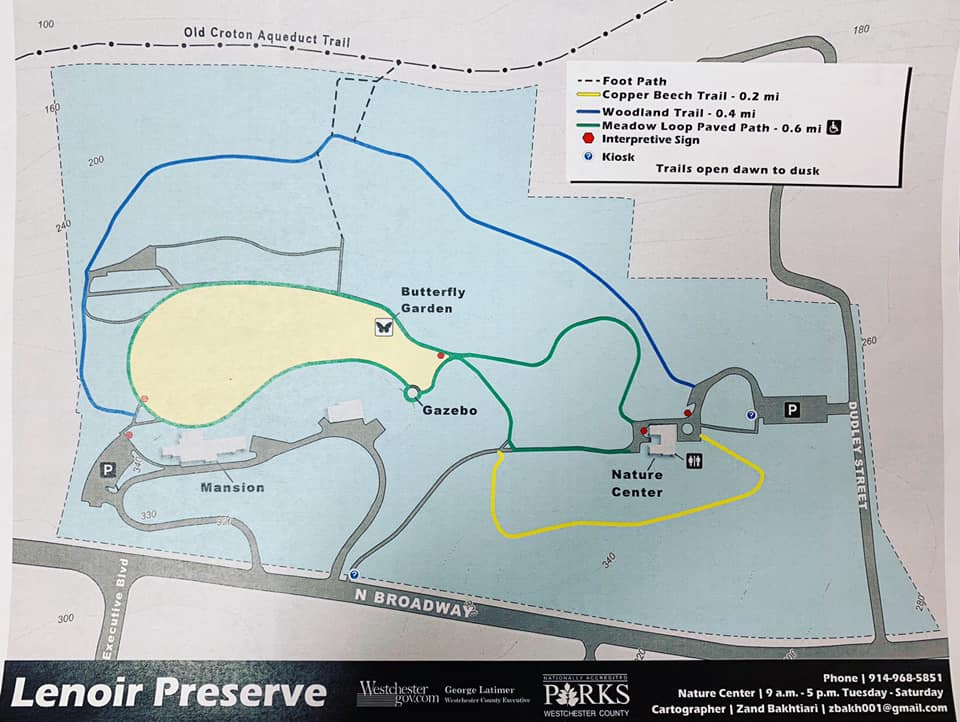
Lenoir Nature Preserve Map

Lenoir Nature Preserve Map

  • Blue Trail:

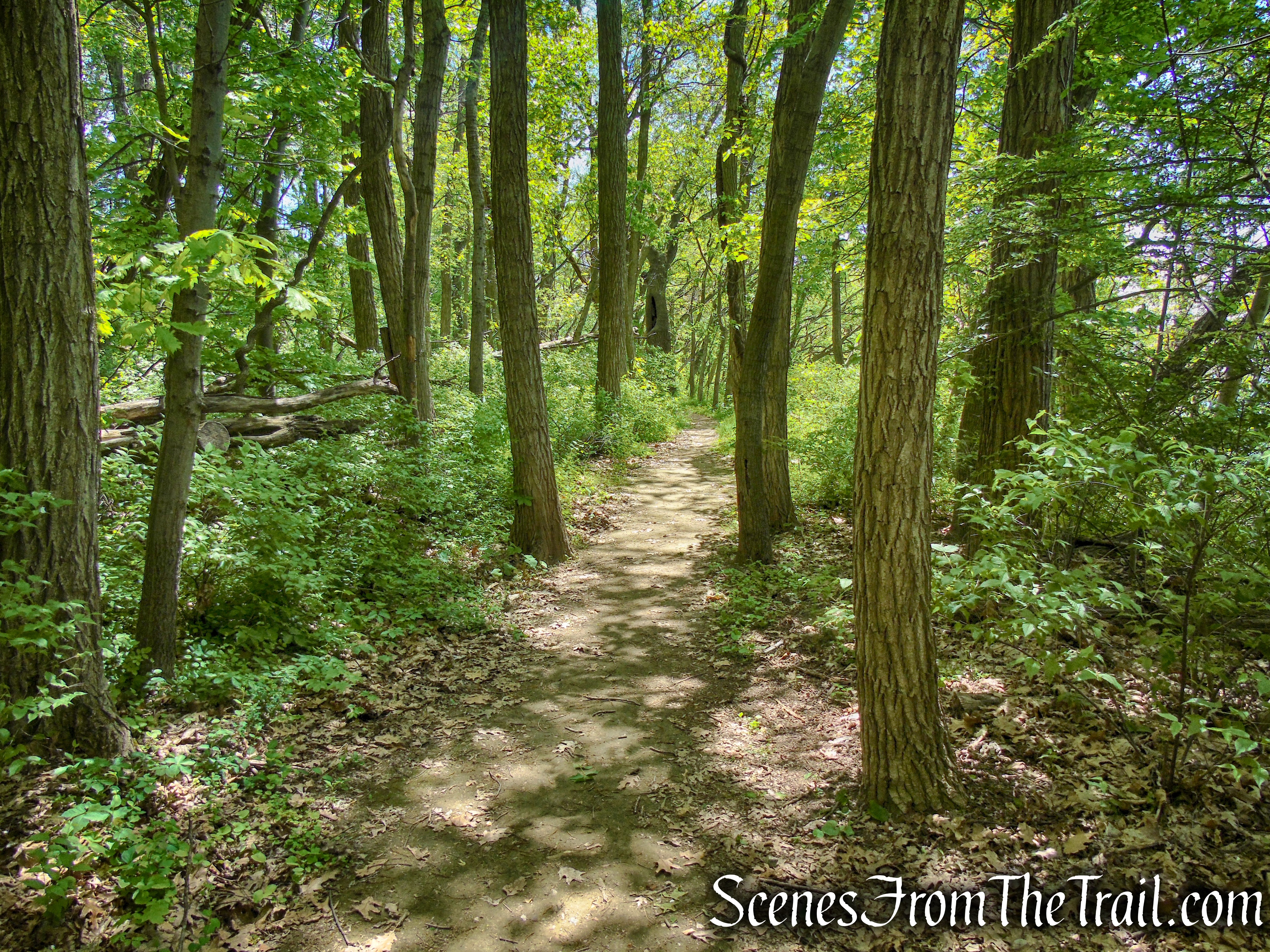
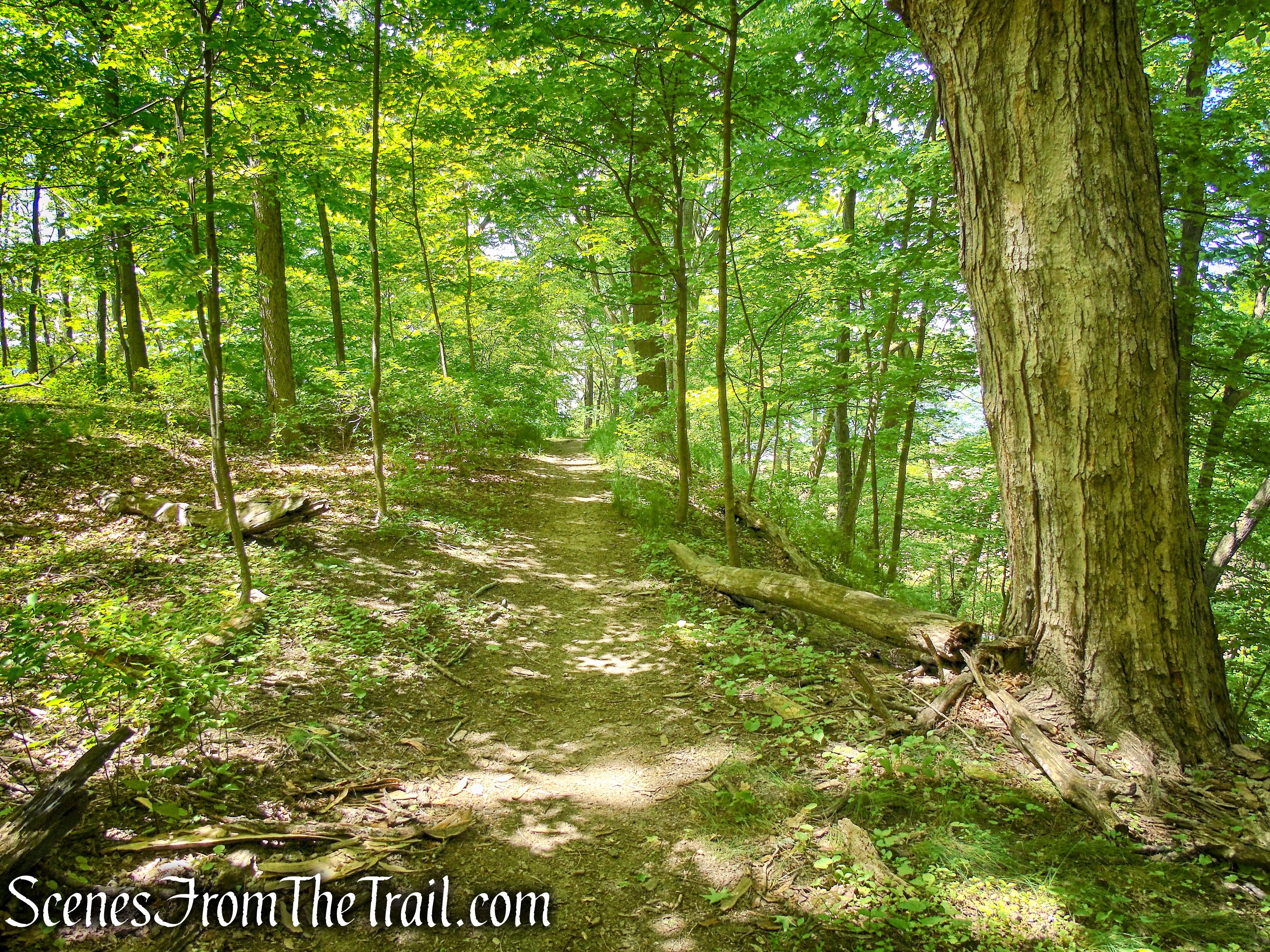
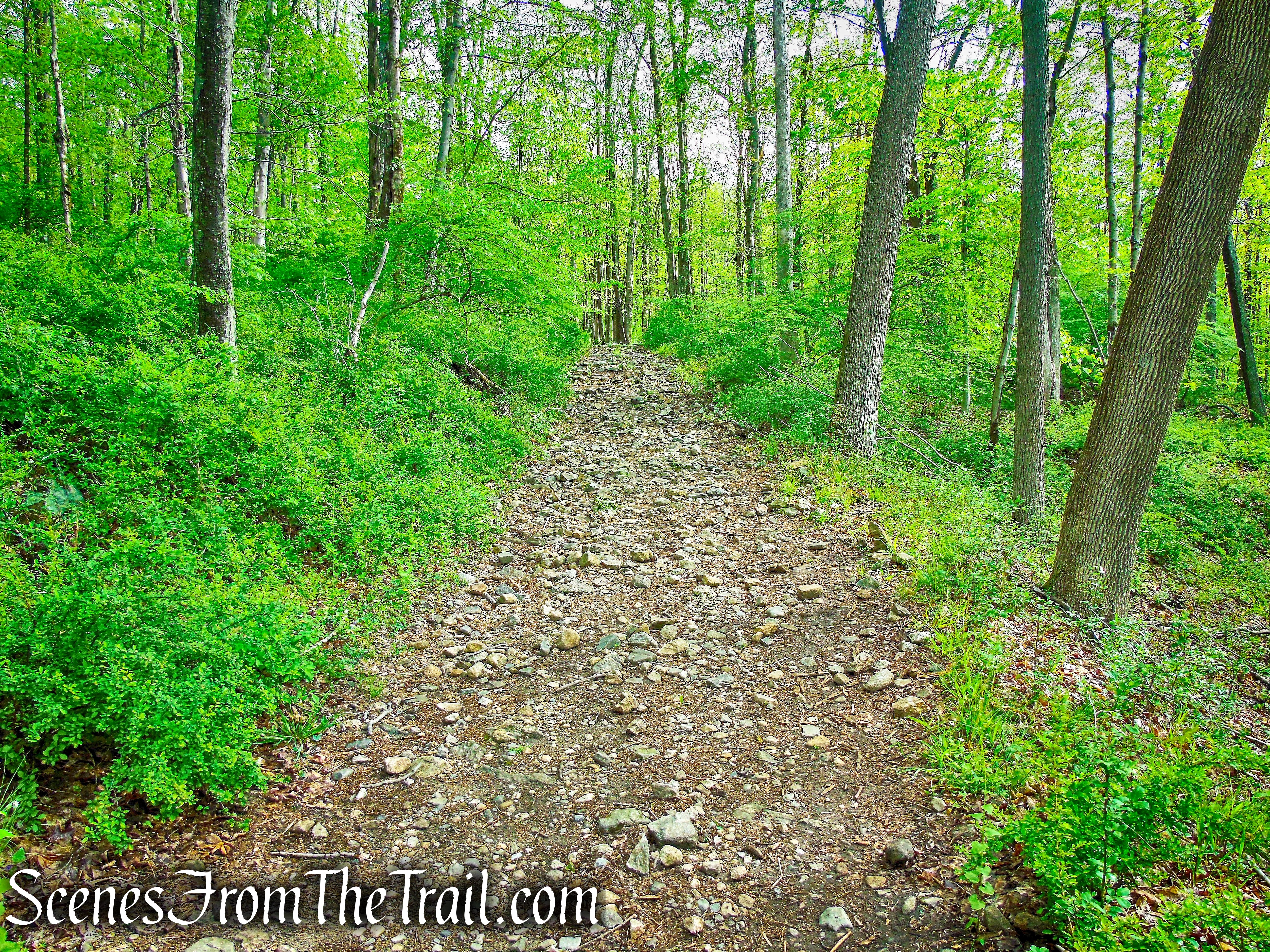
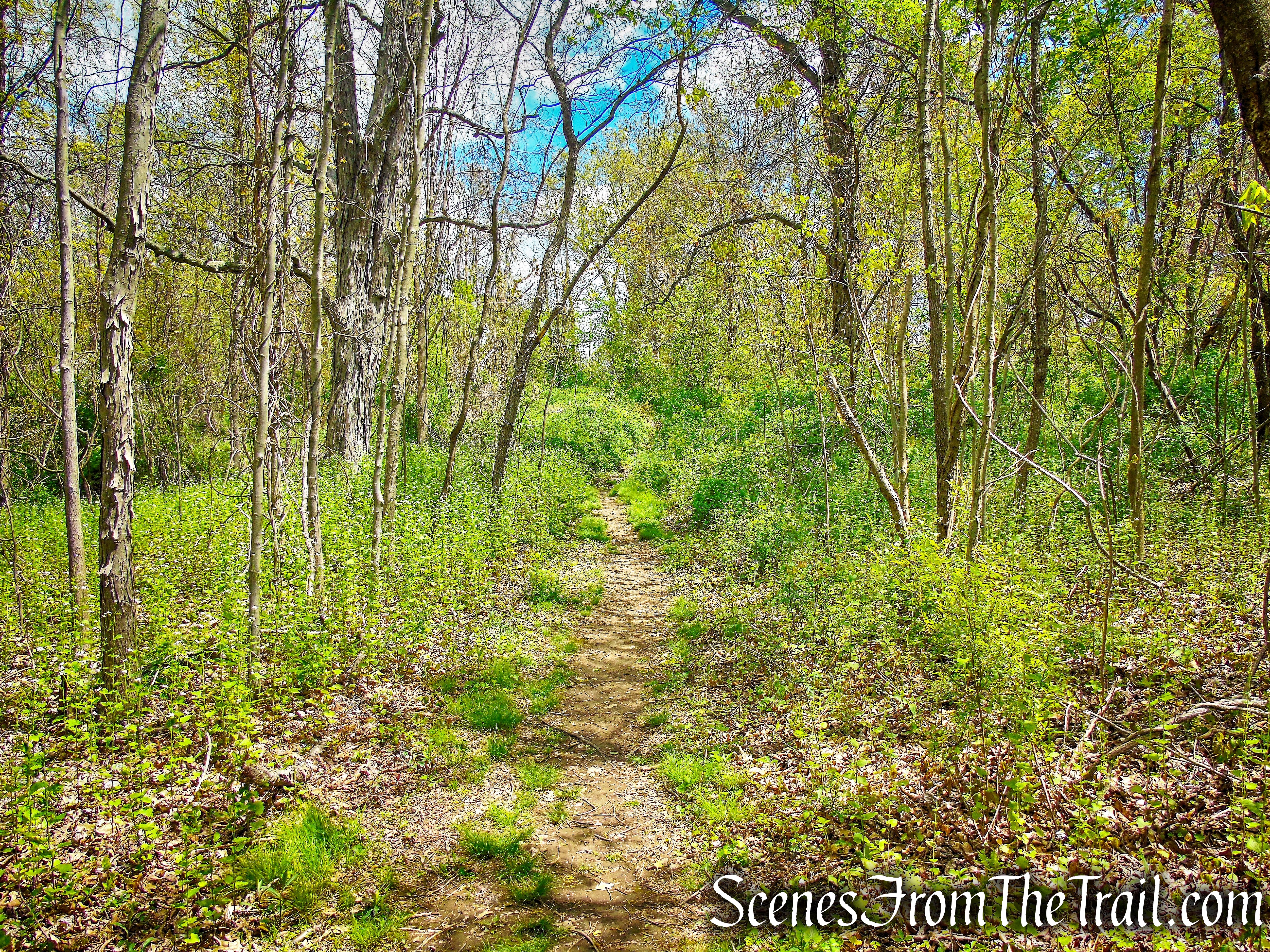
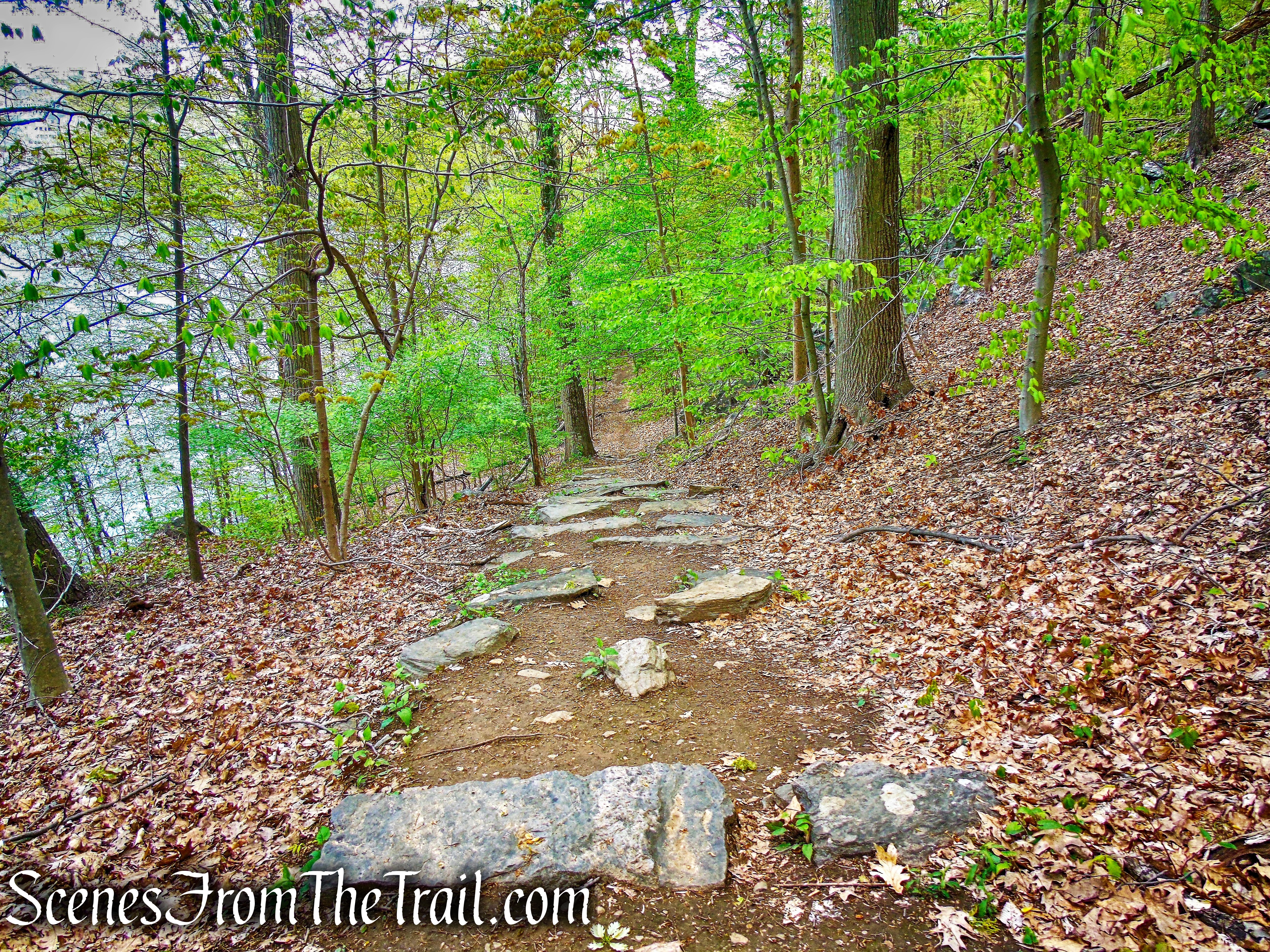
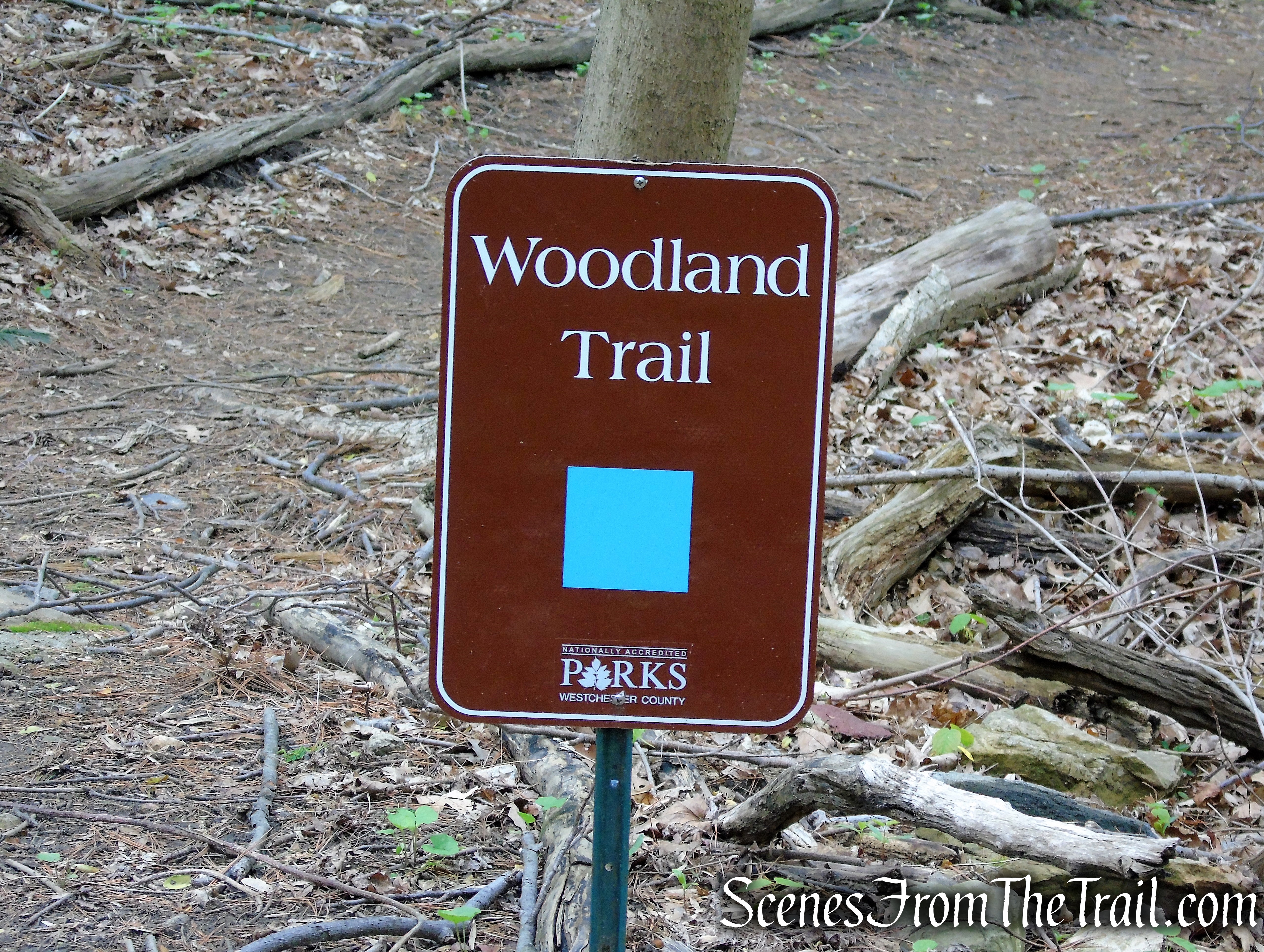
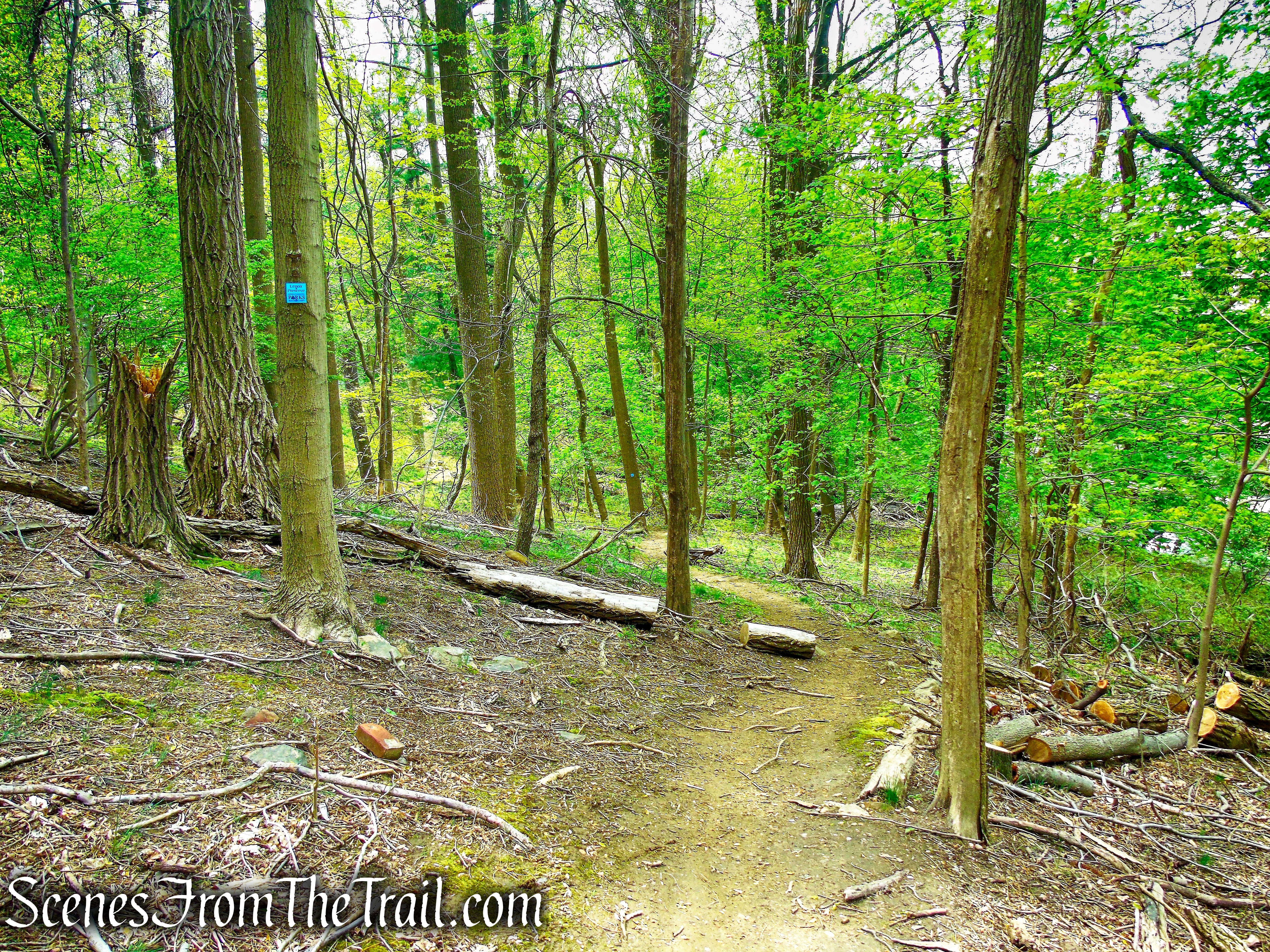
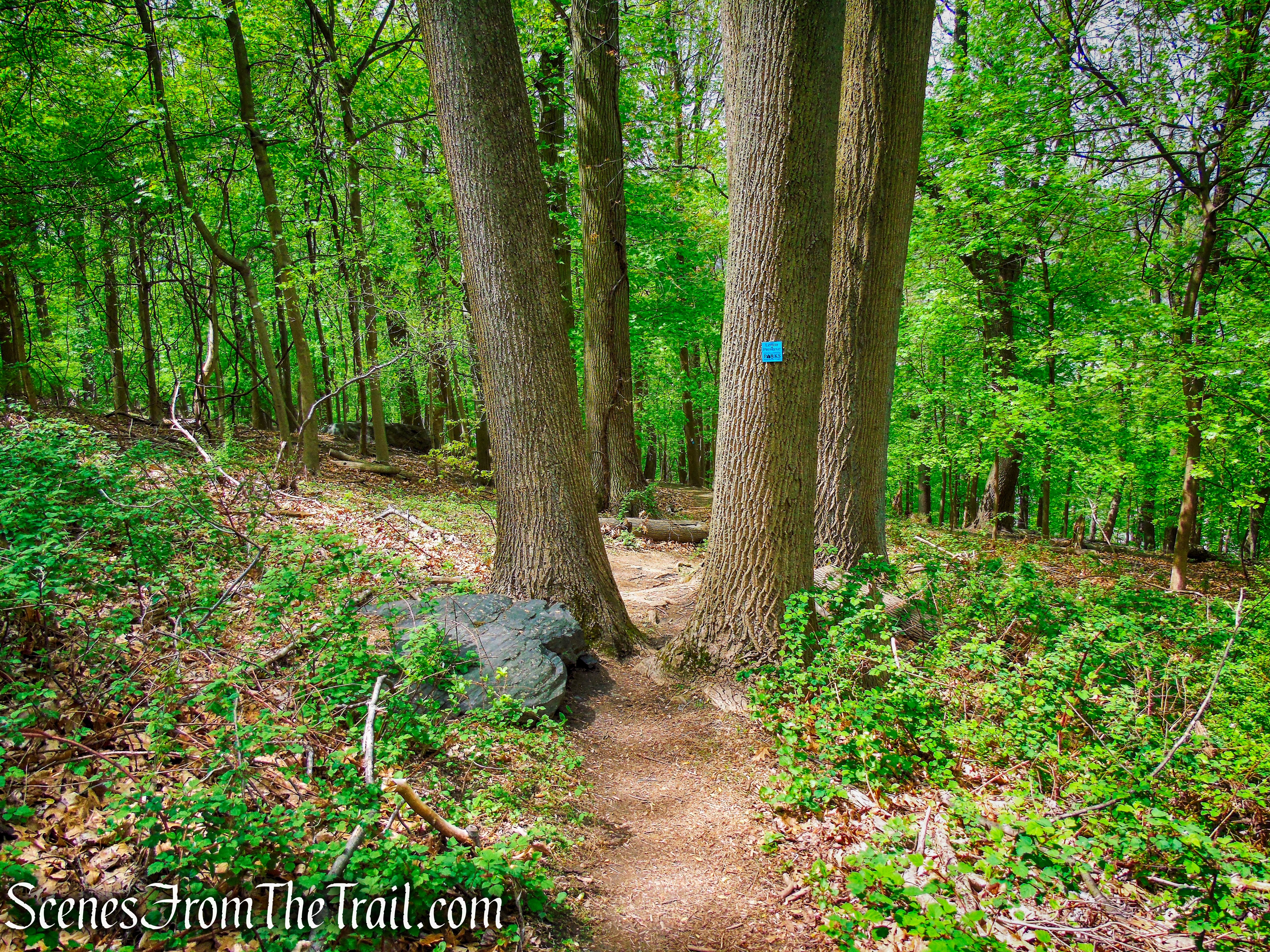
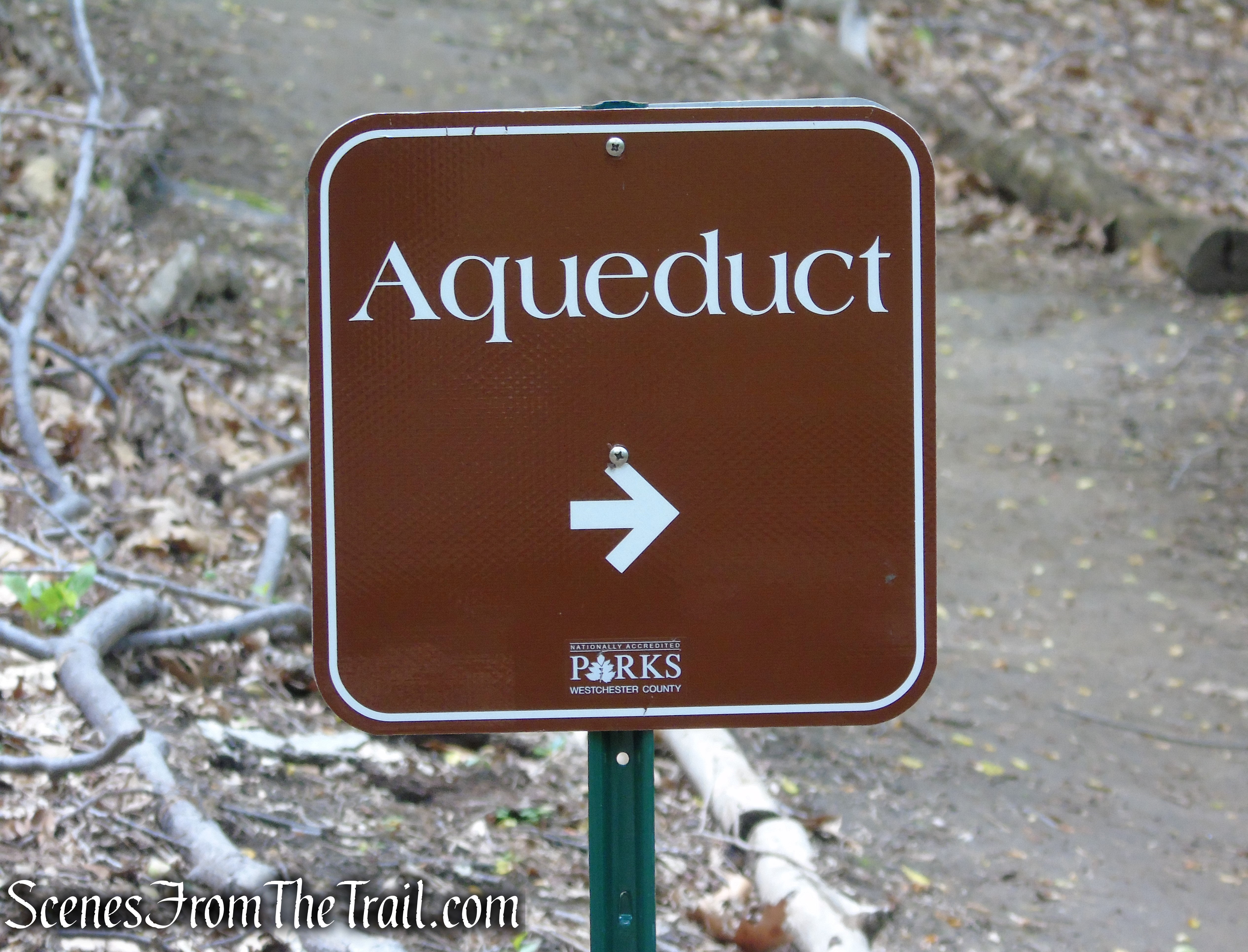
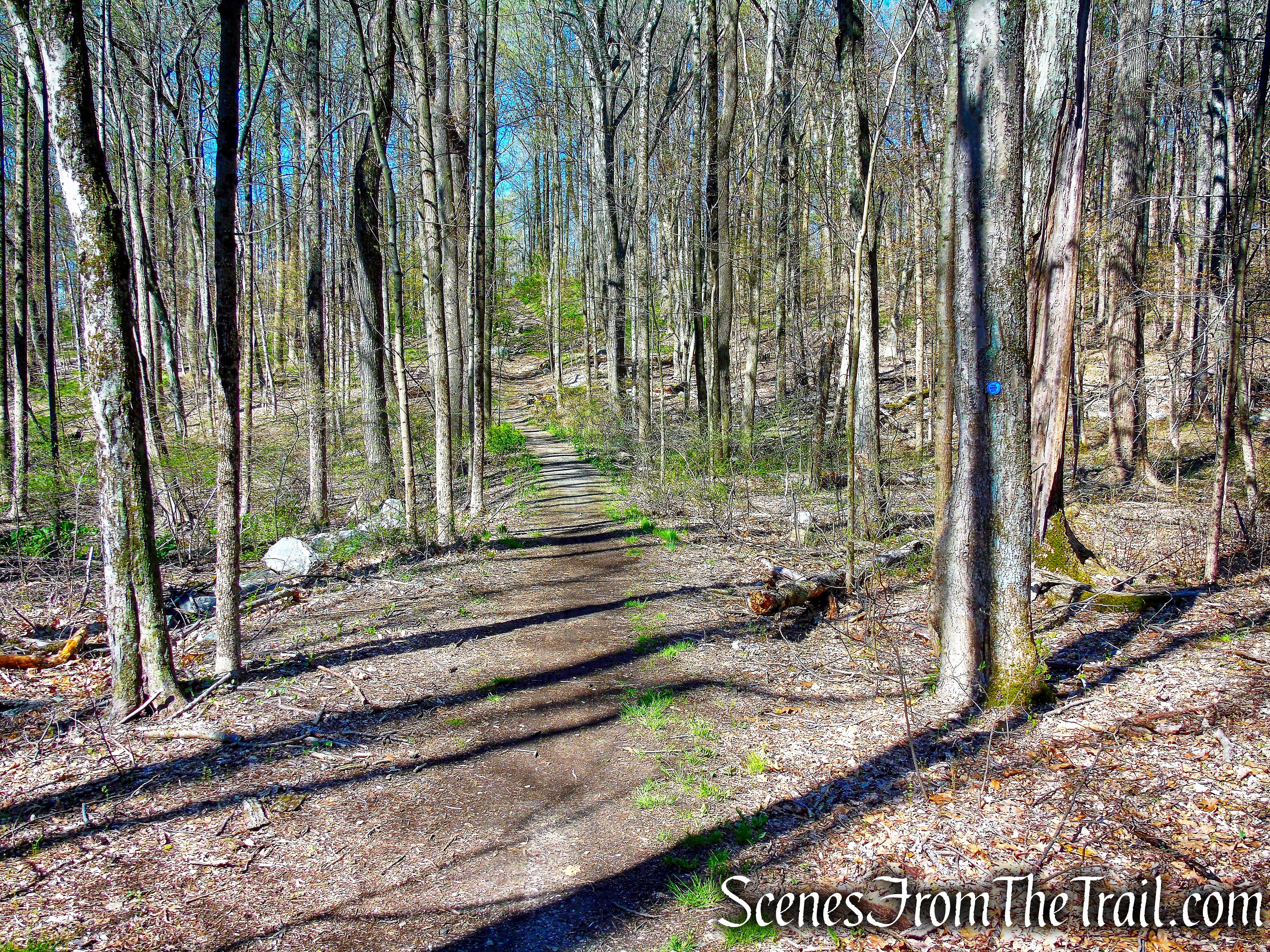
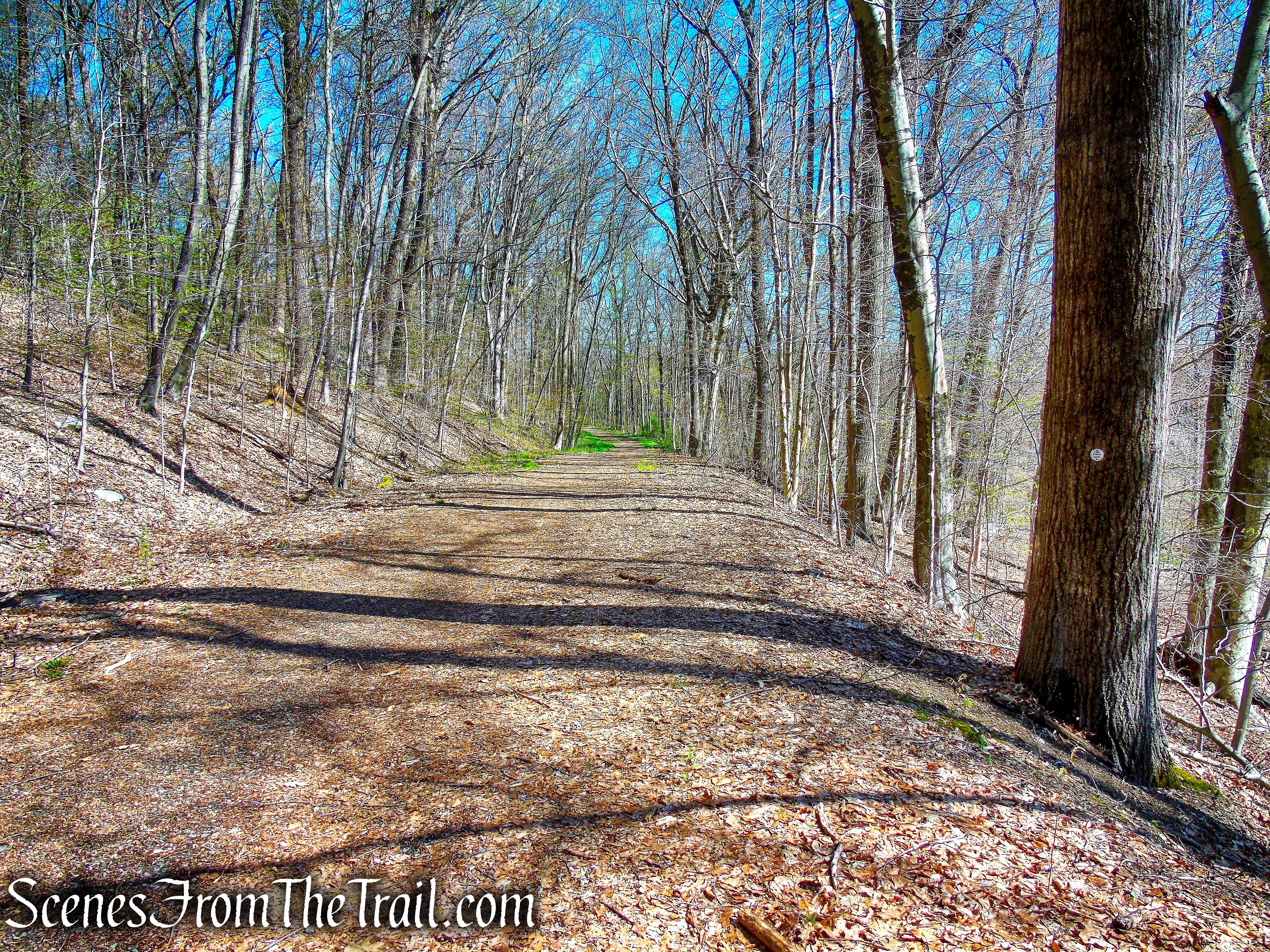
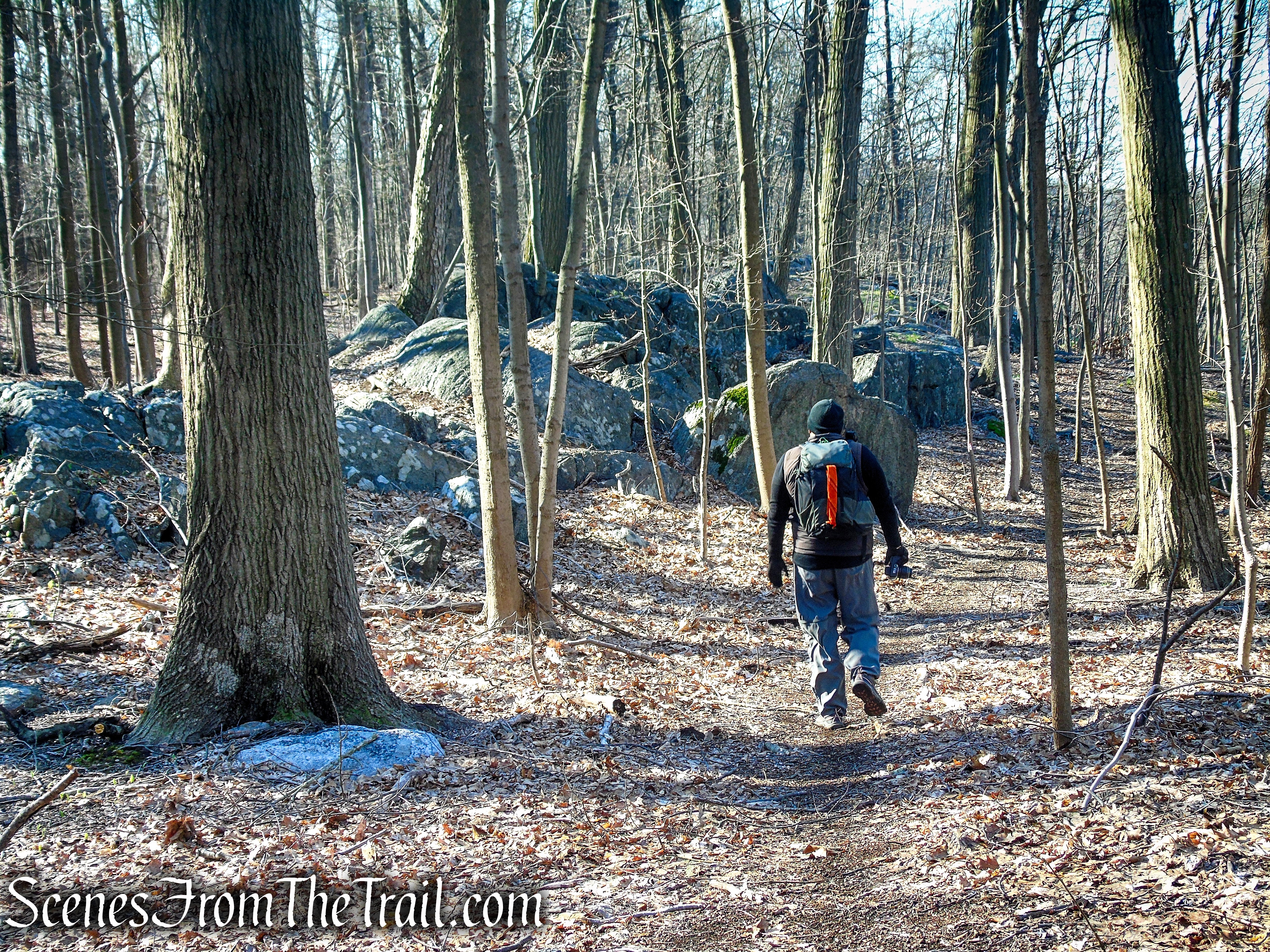
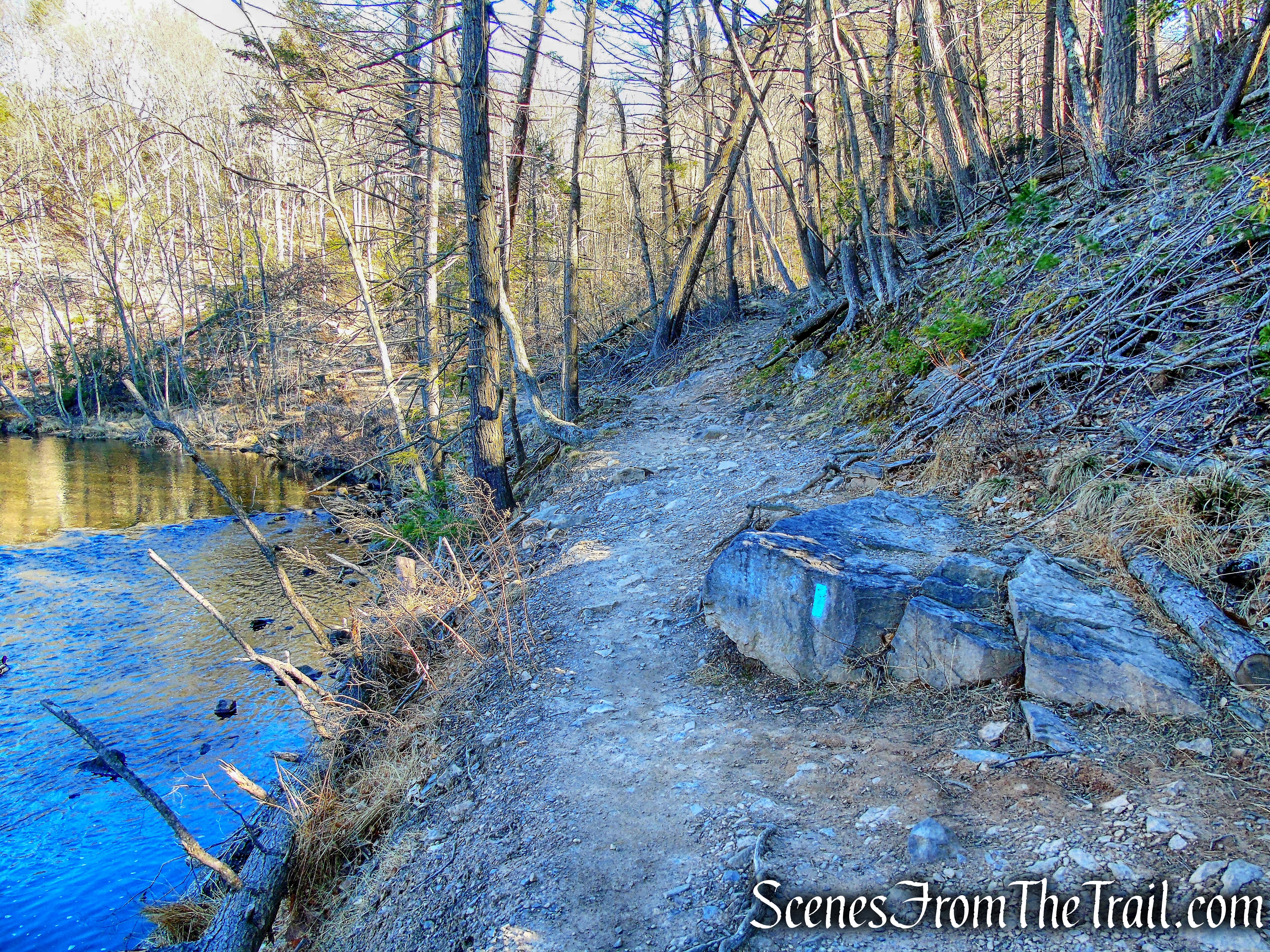
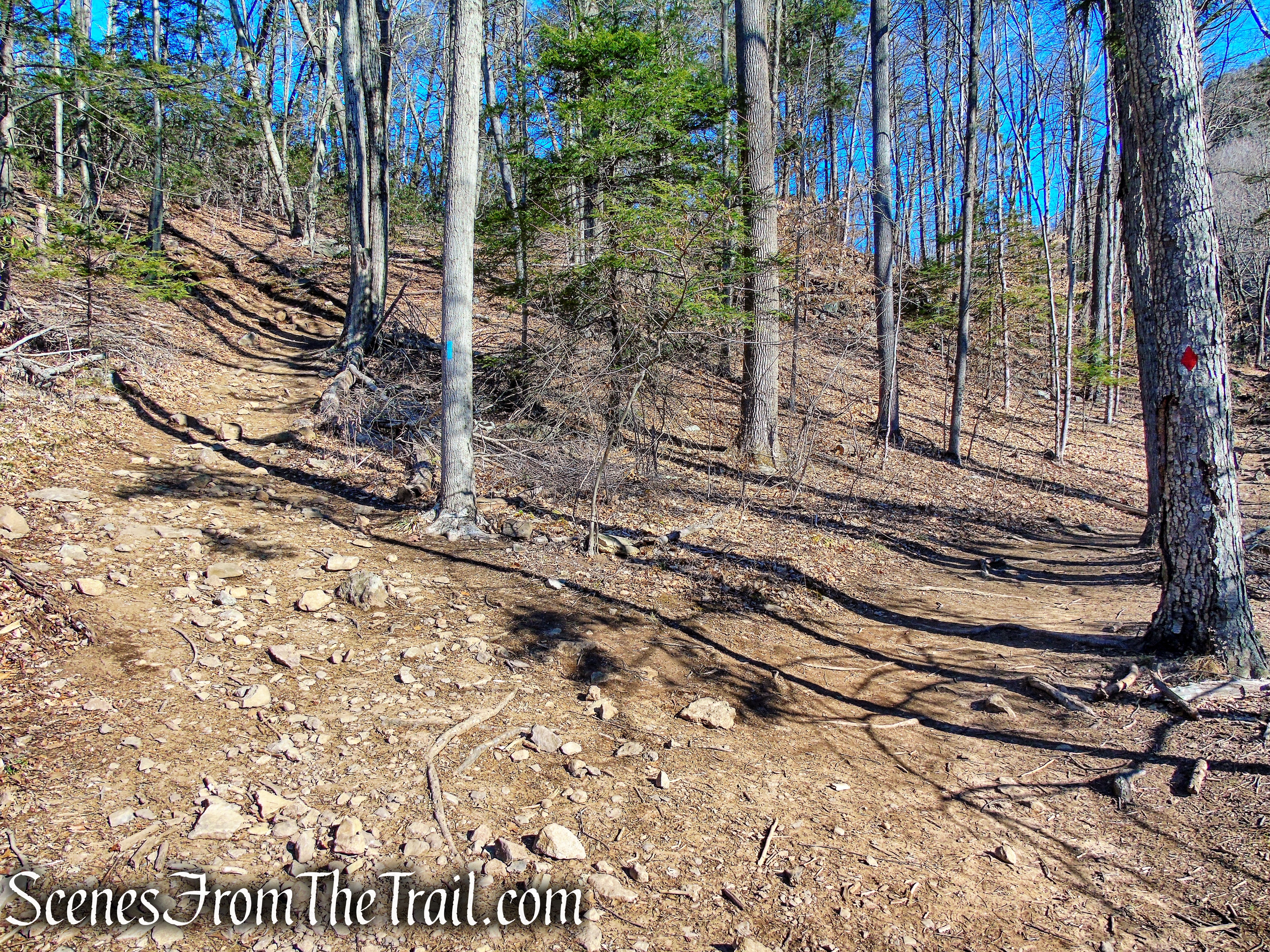
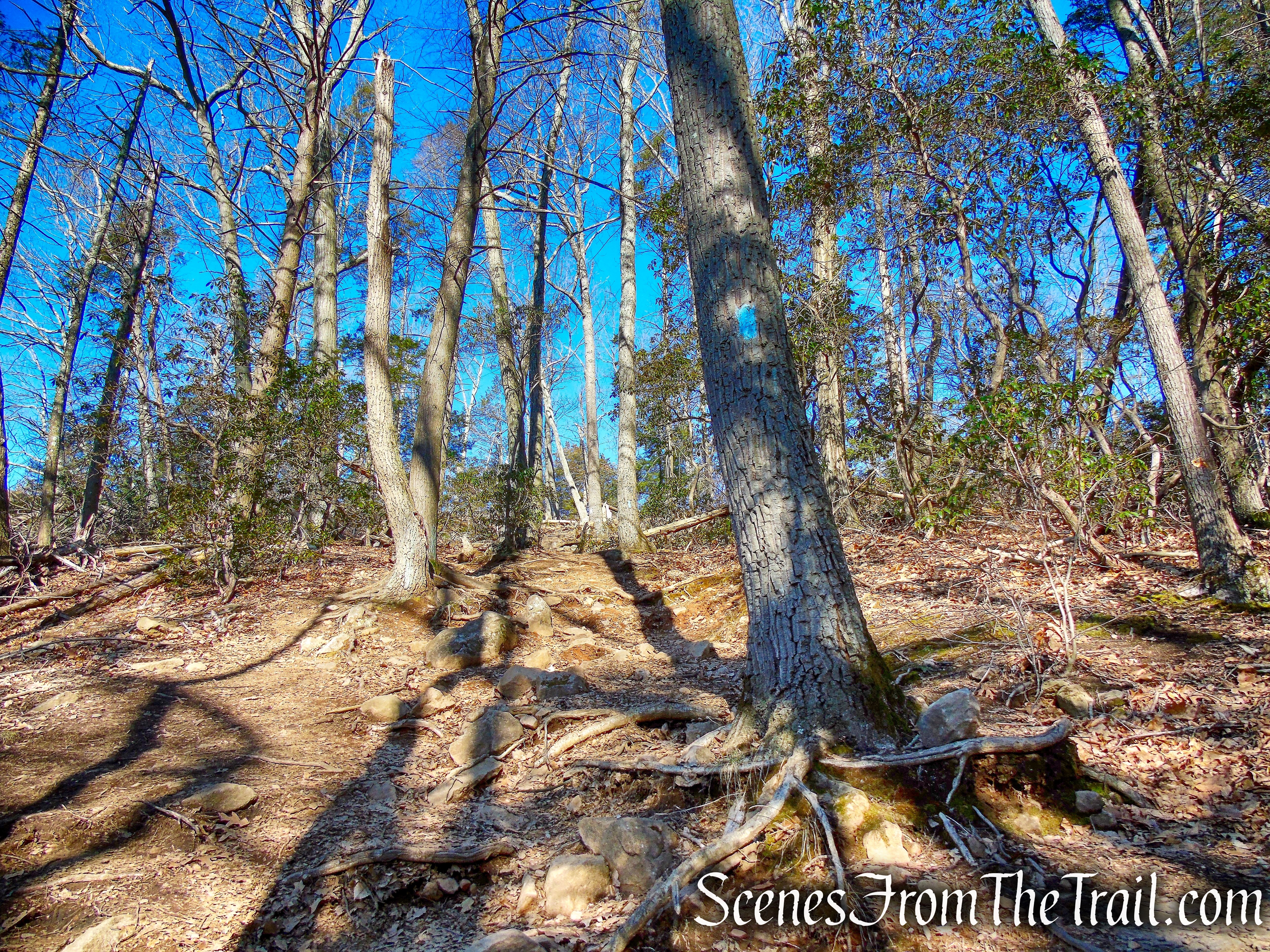
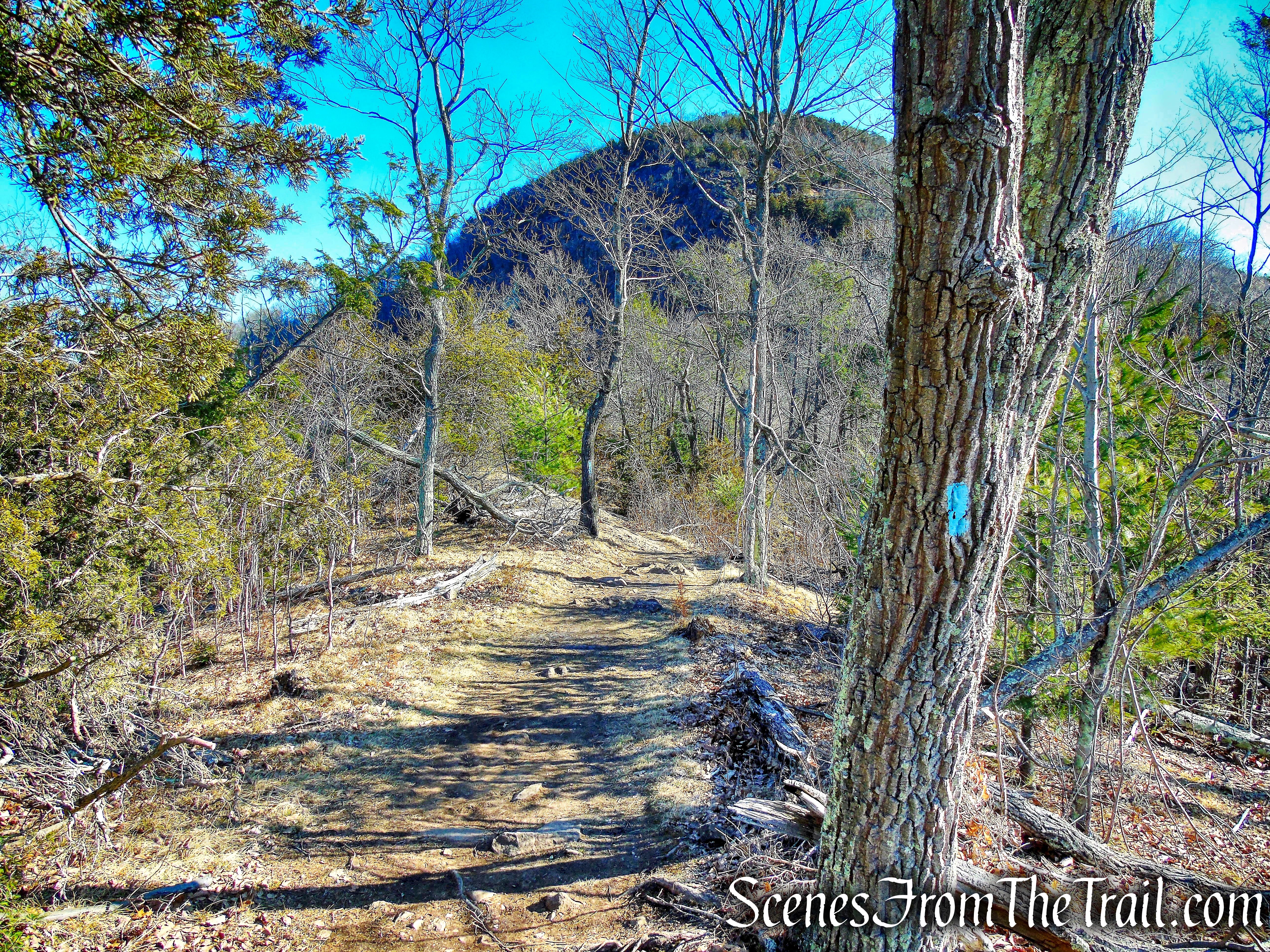
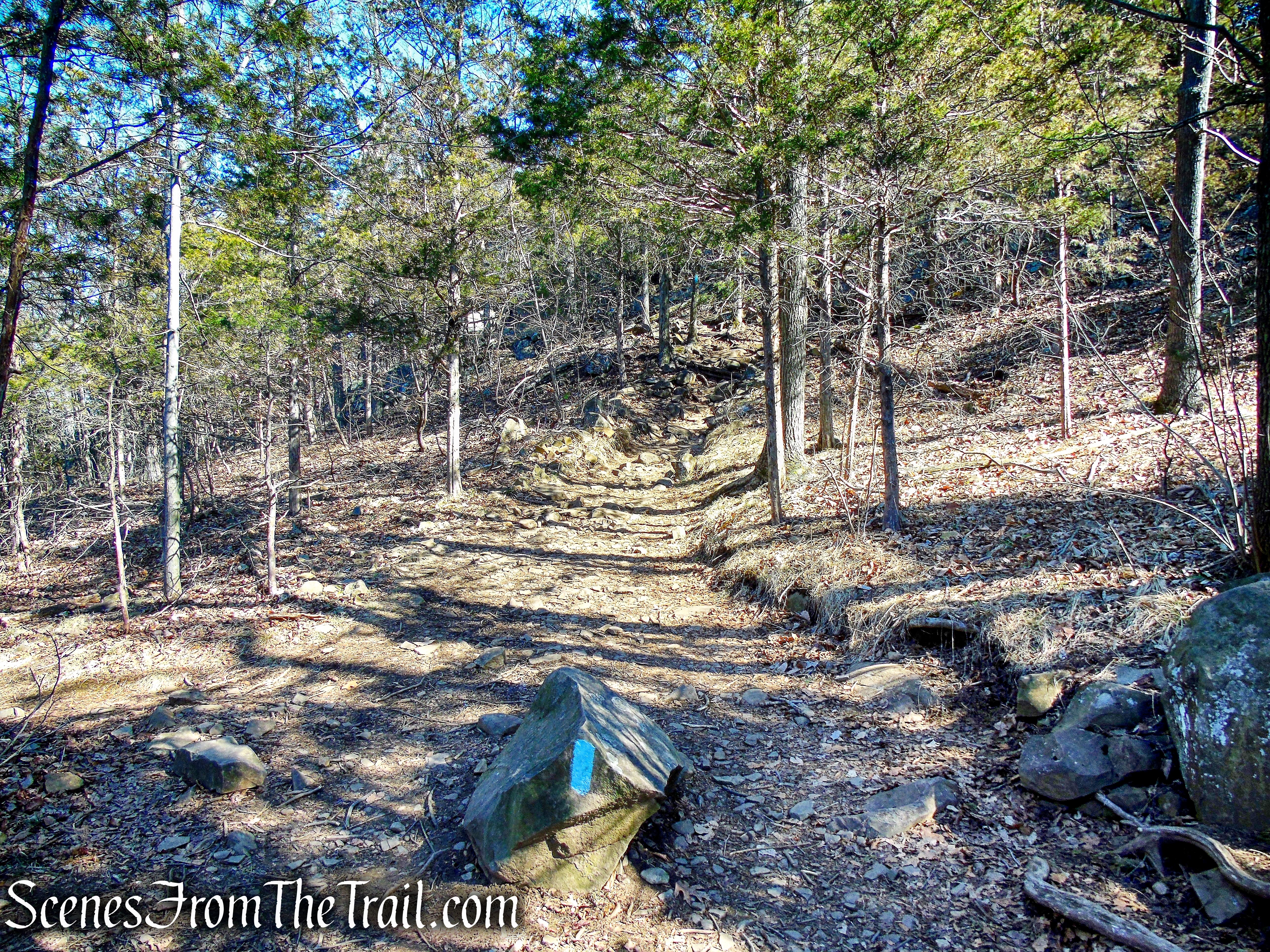
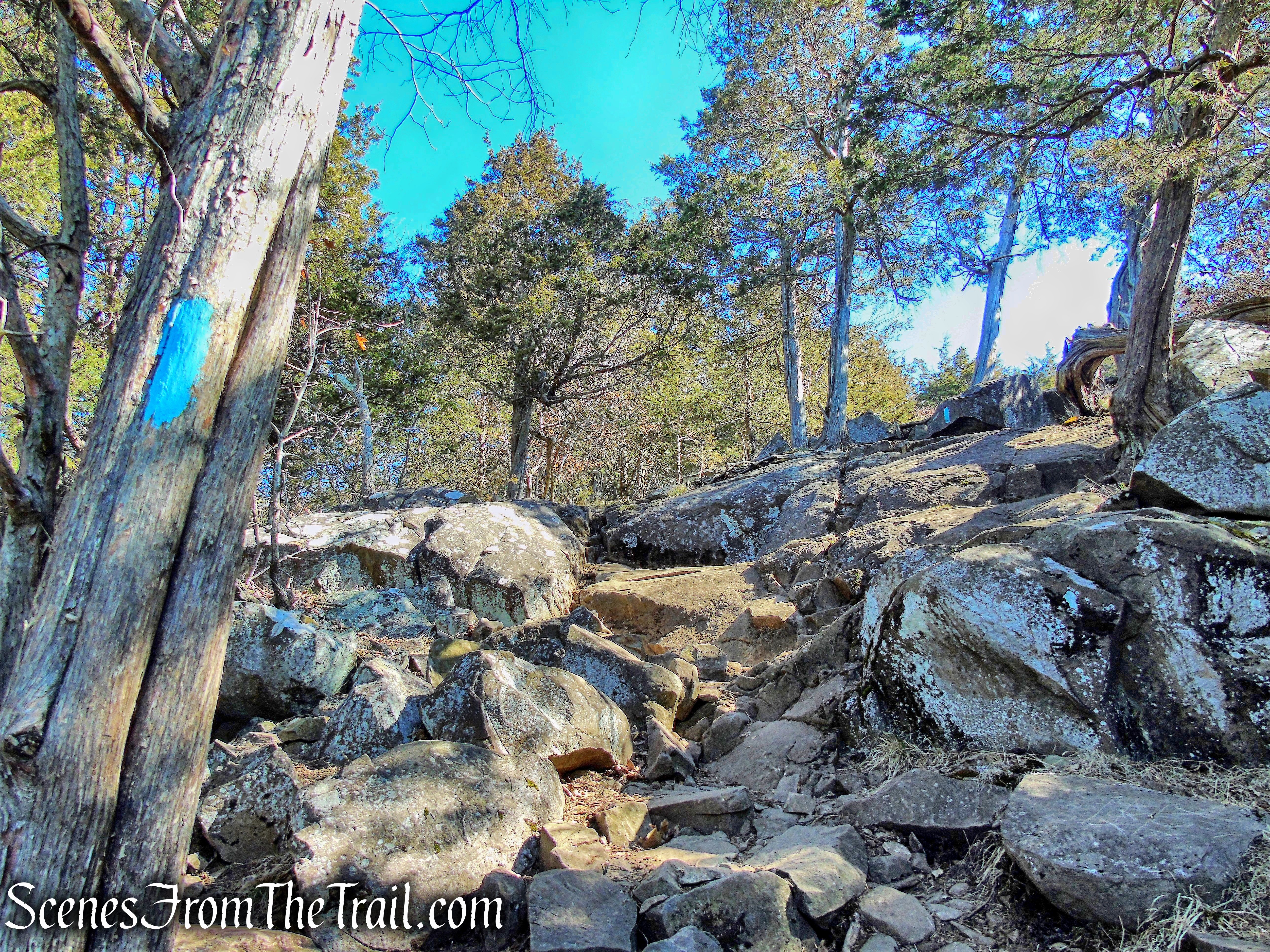
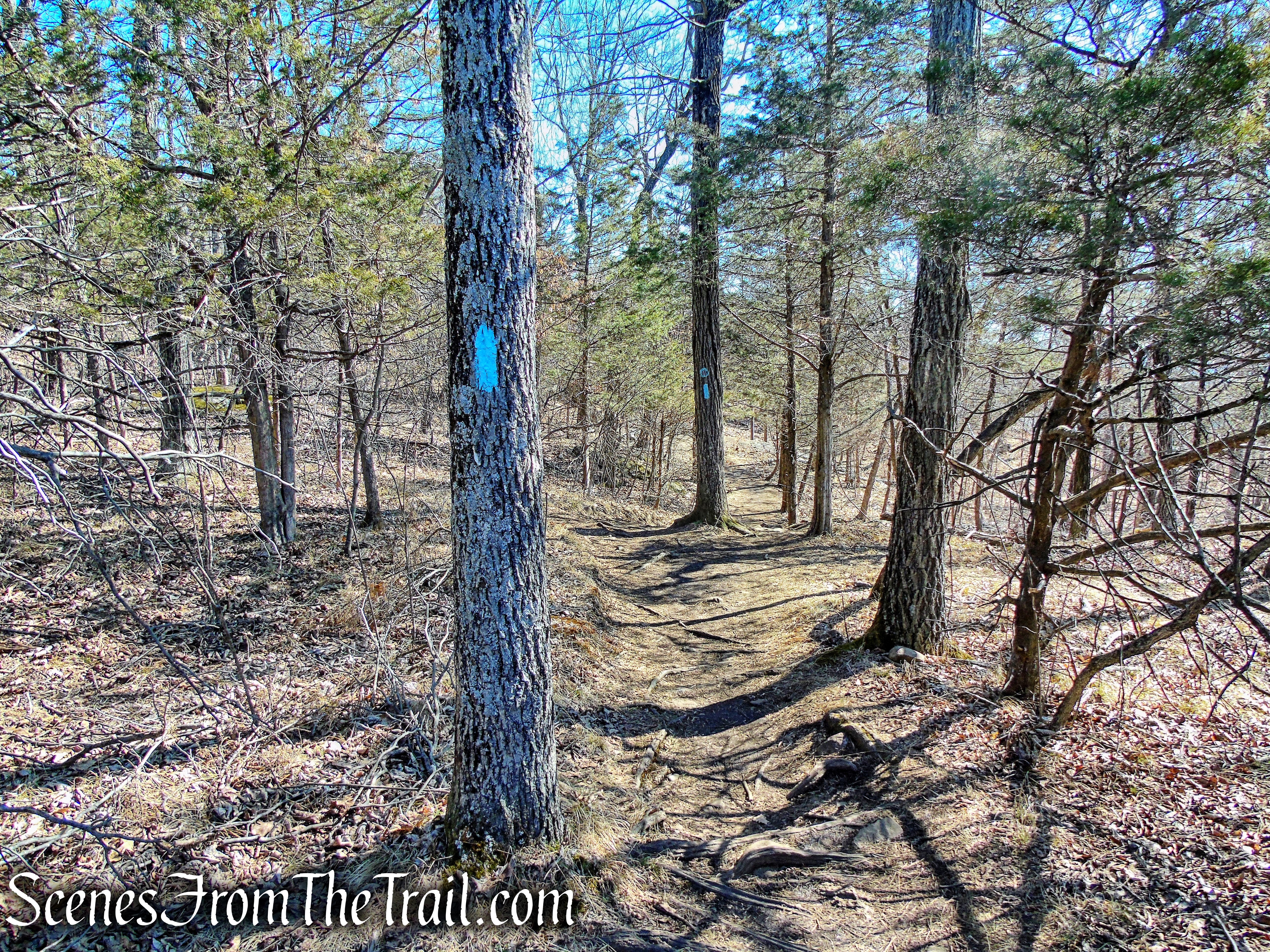
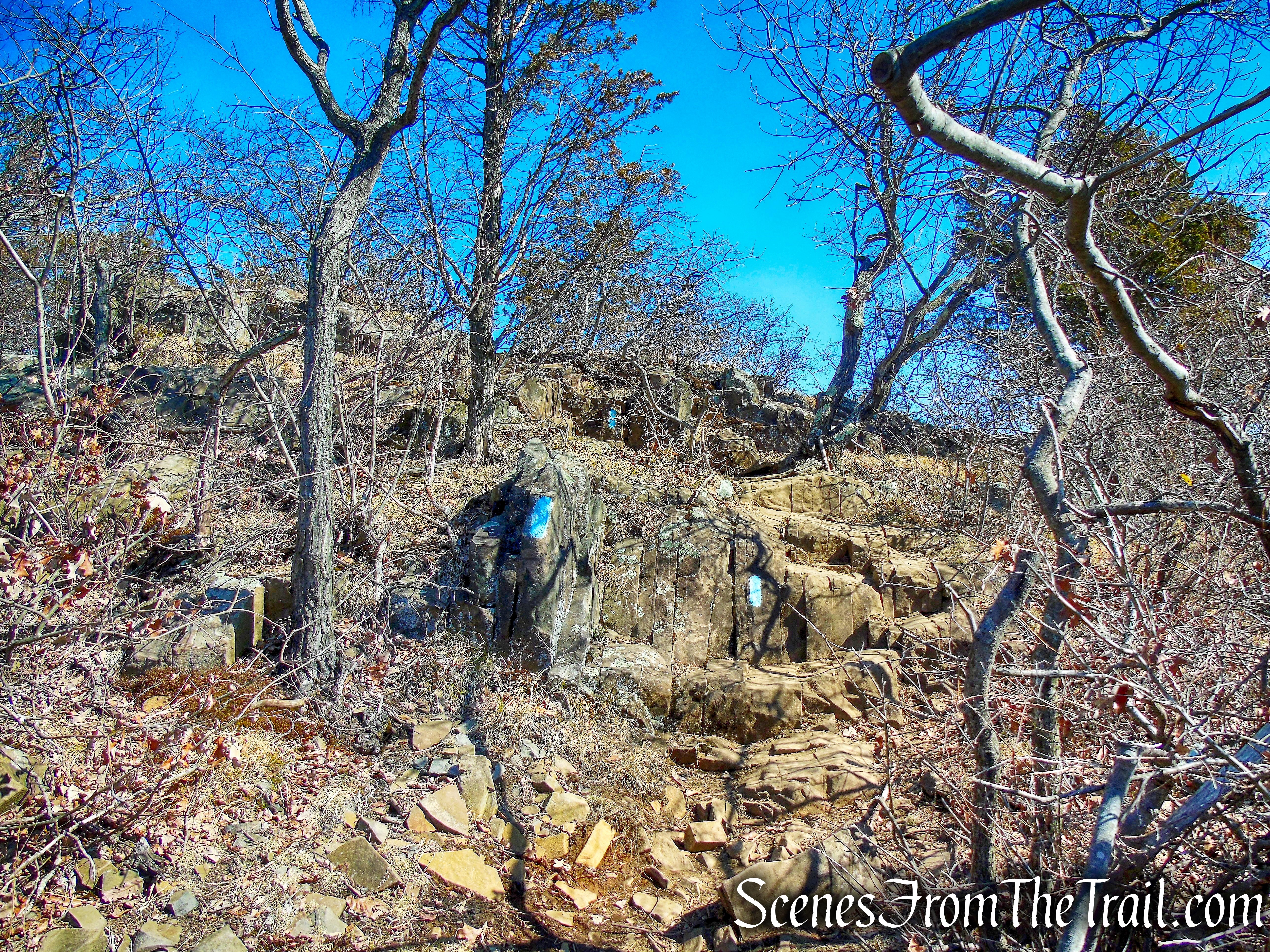
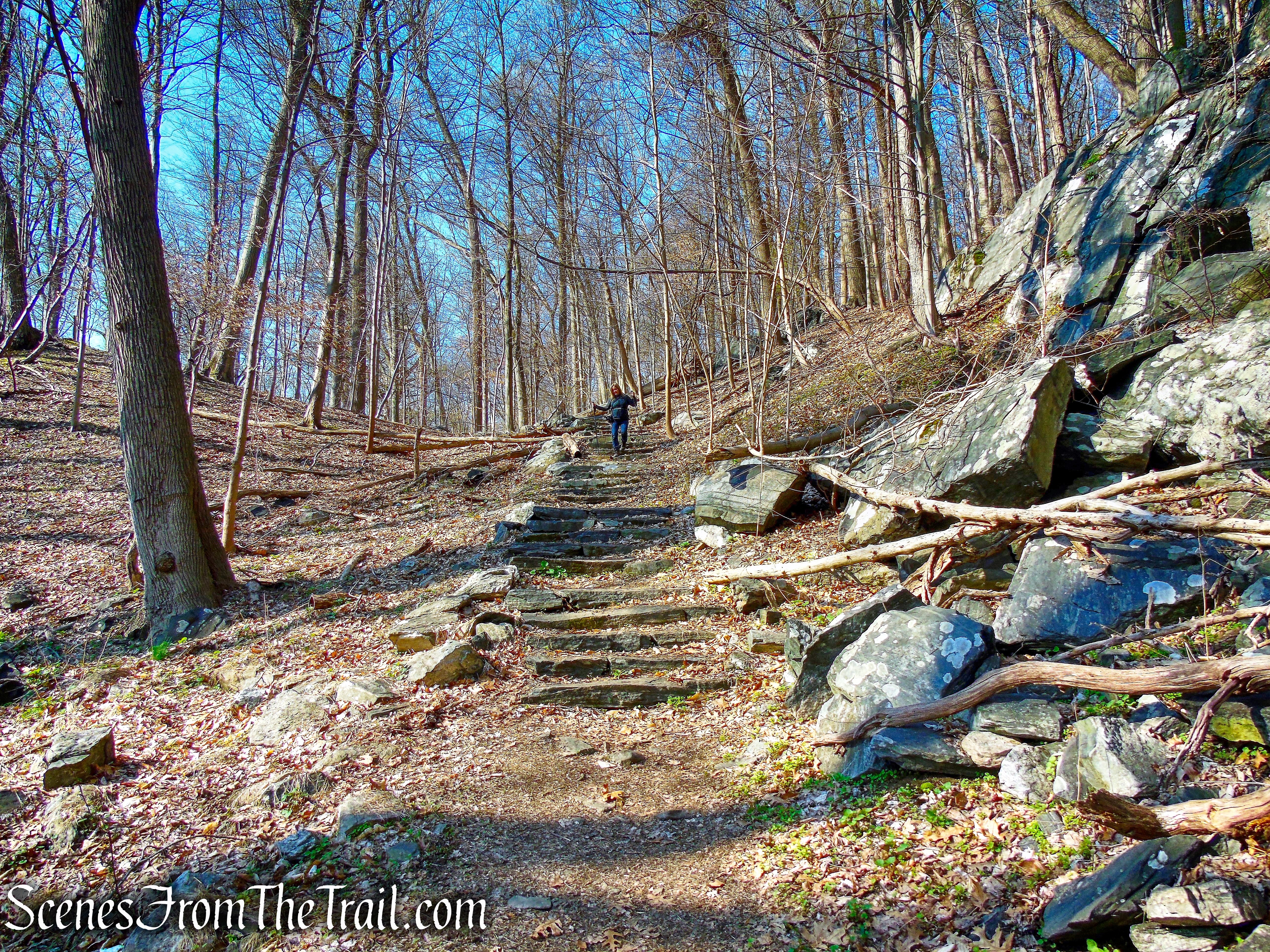
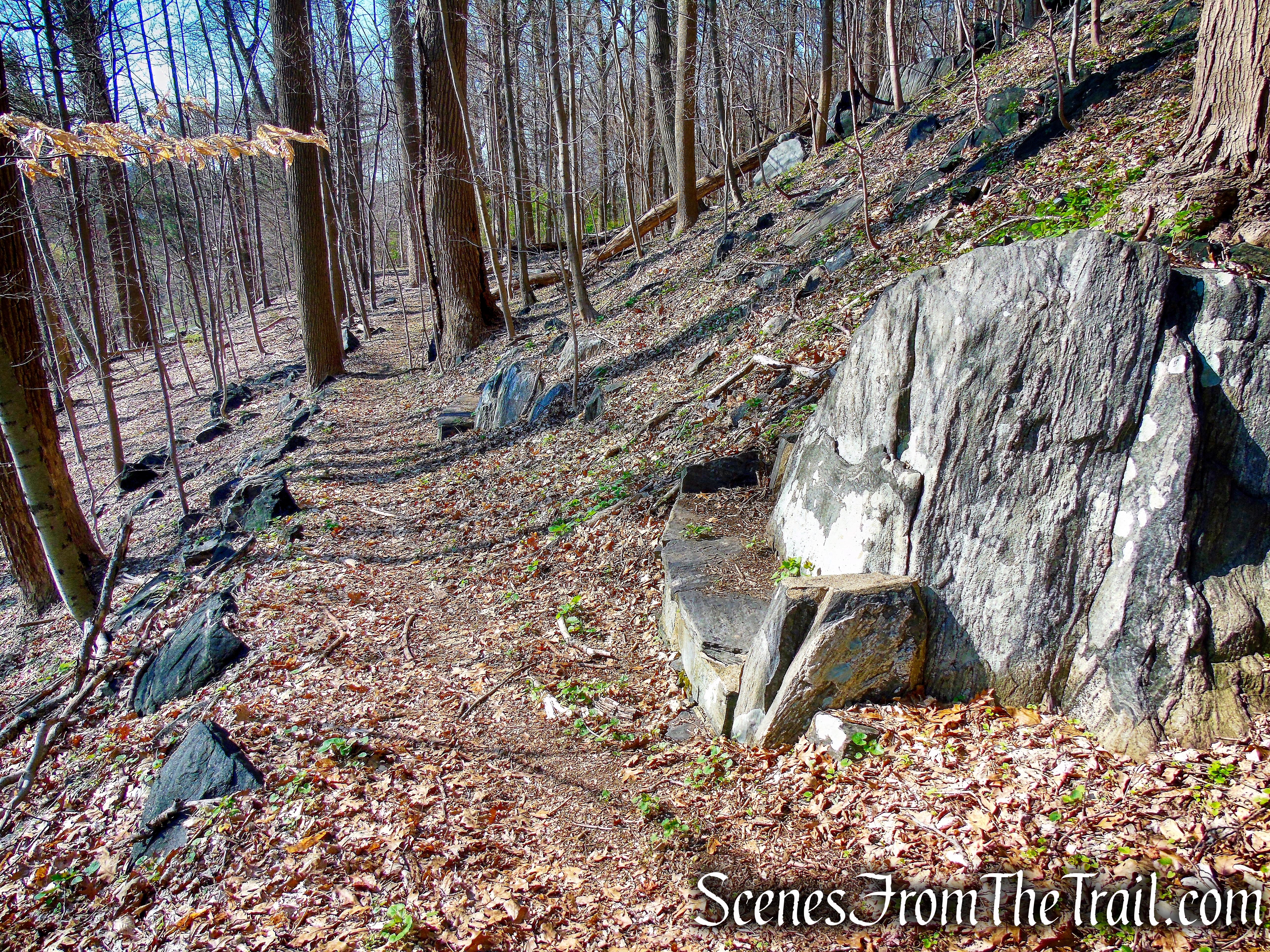
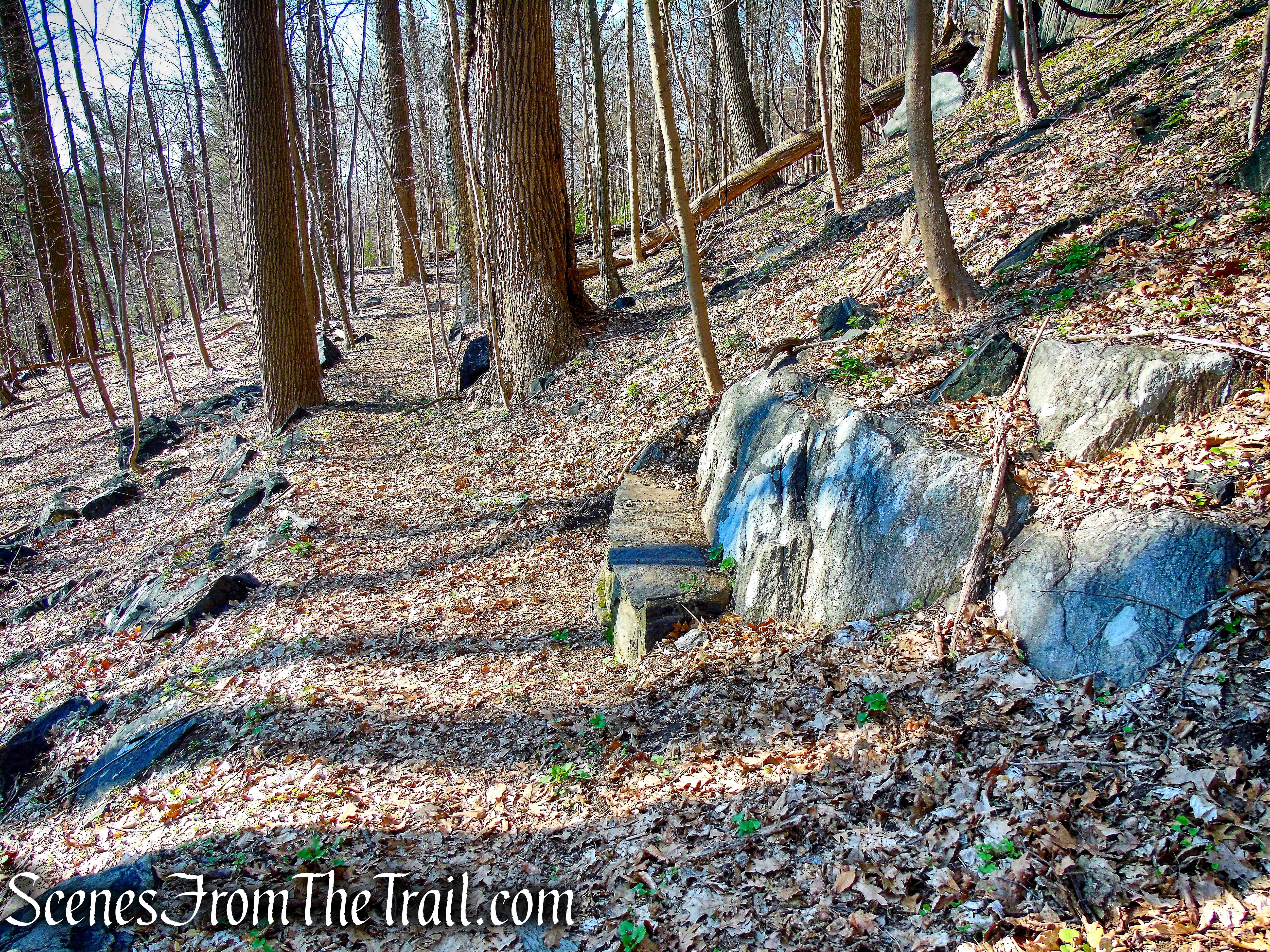
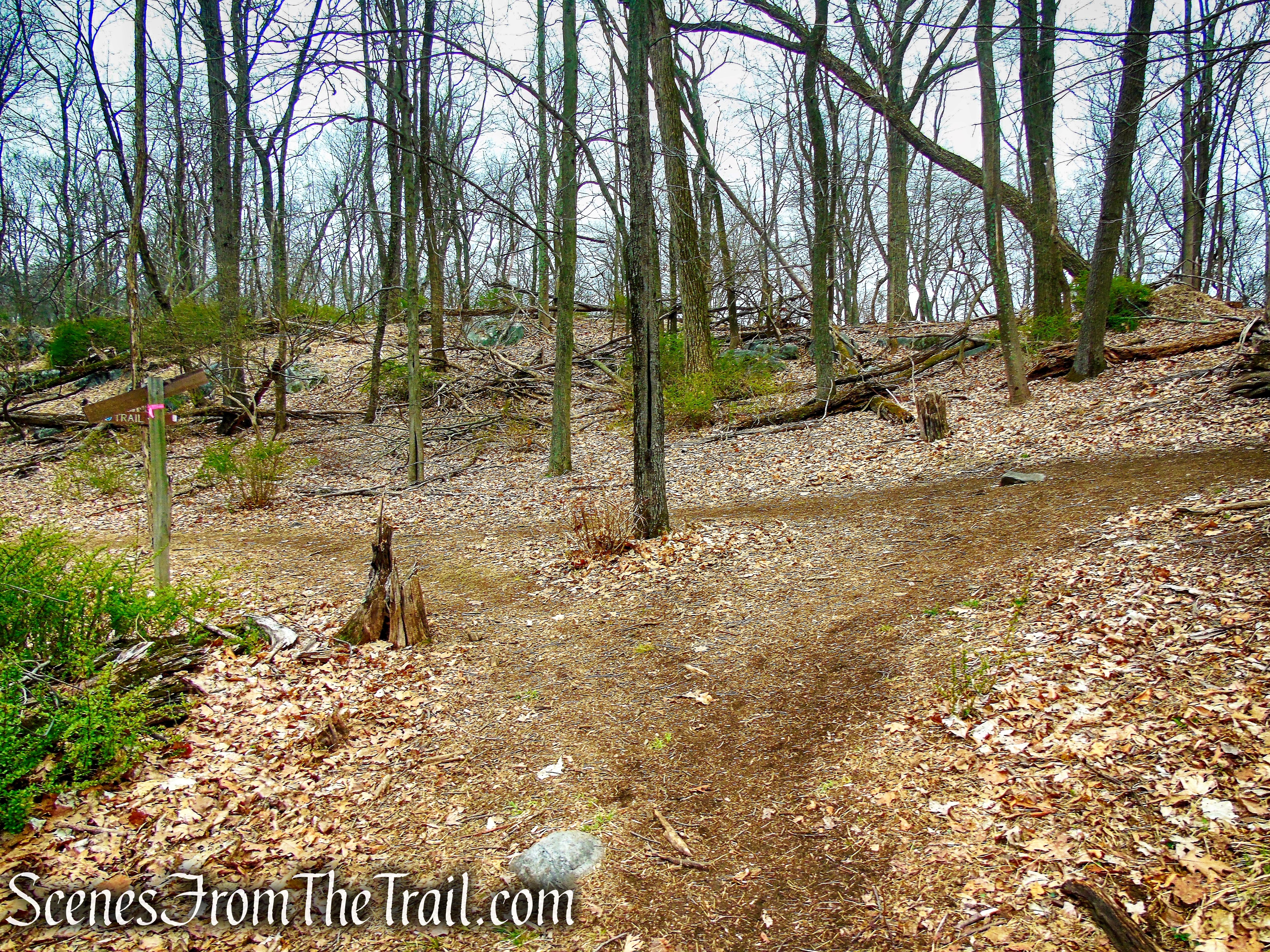
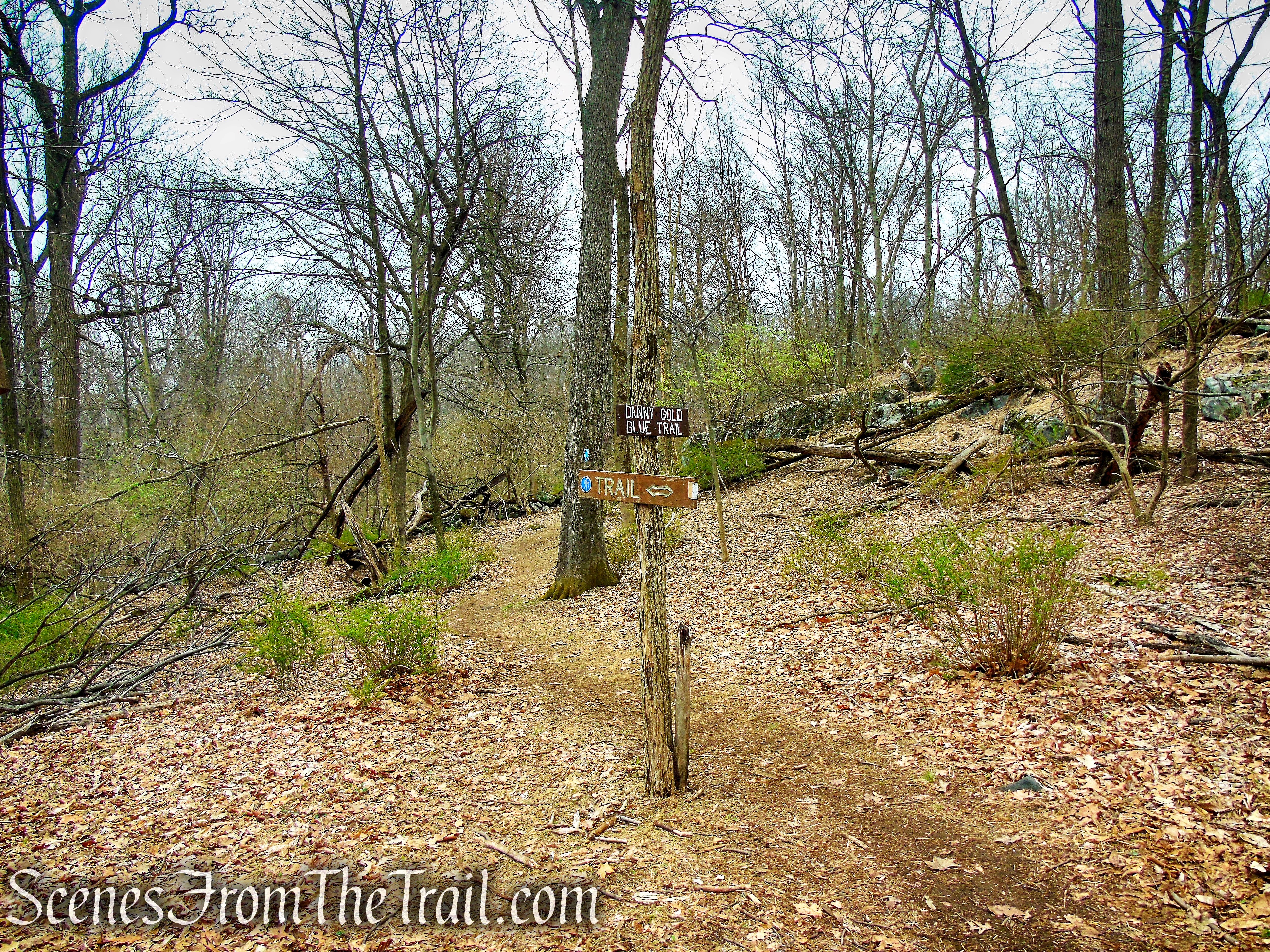
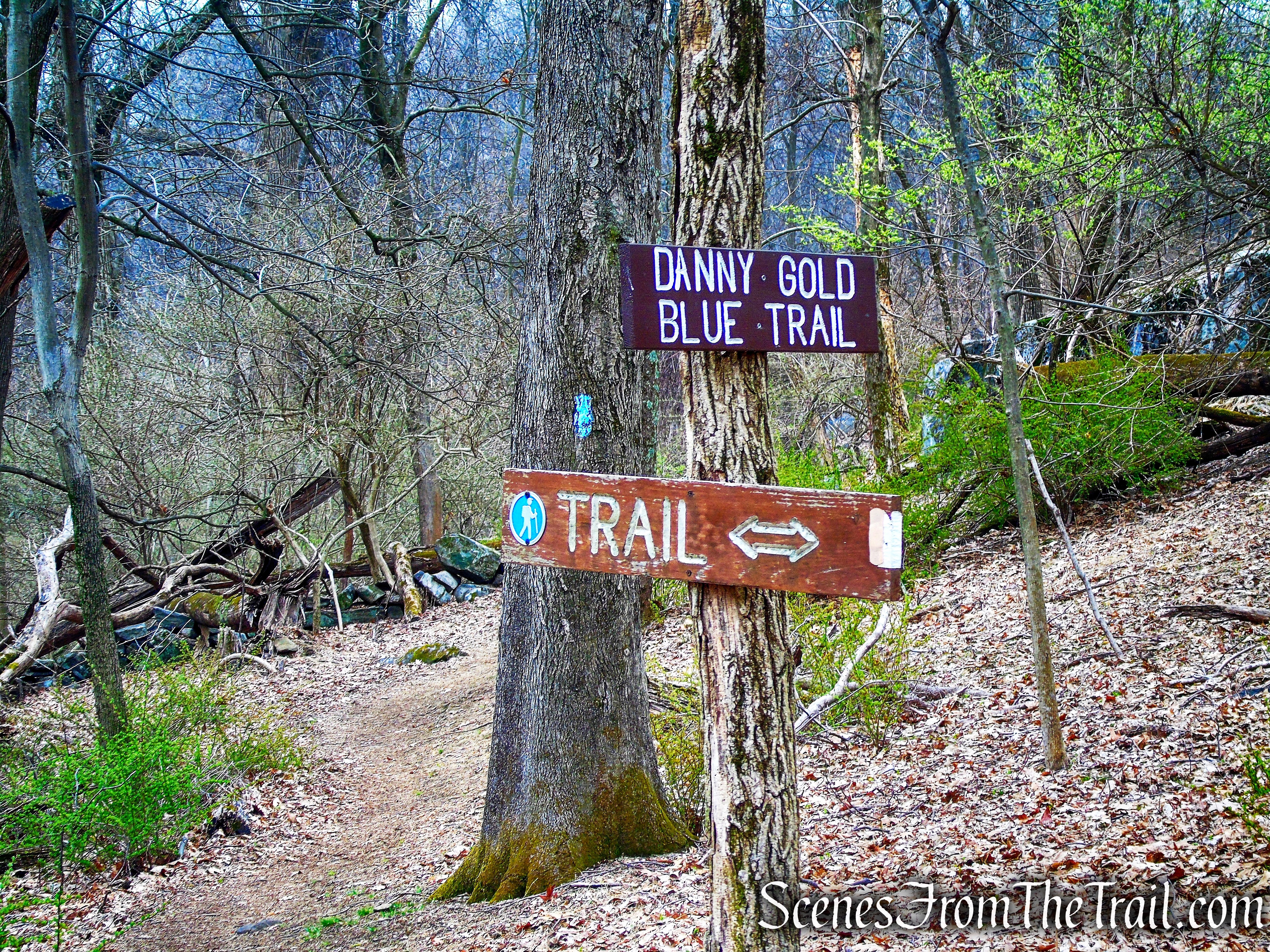
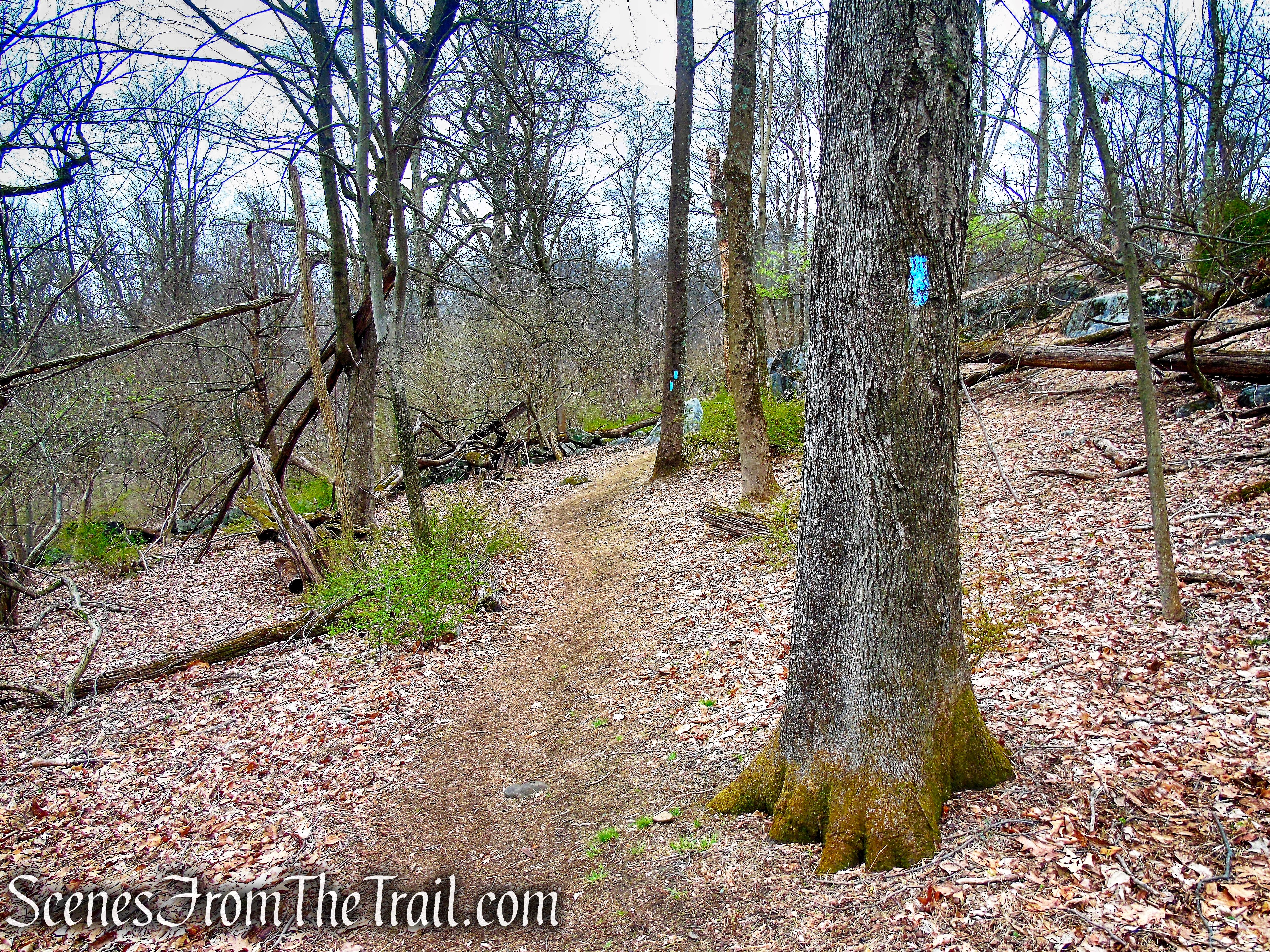
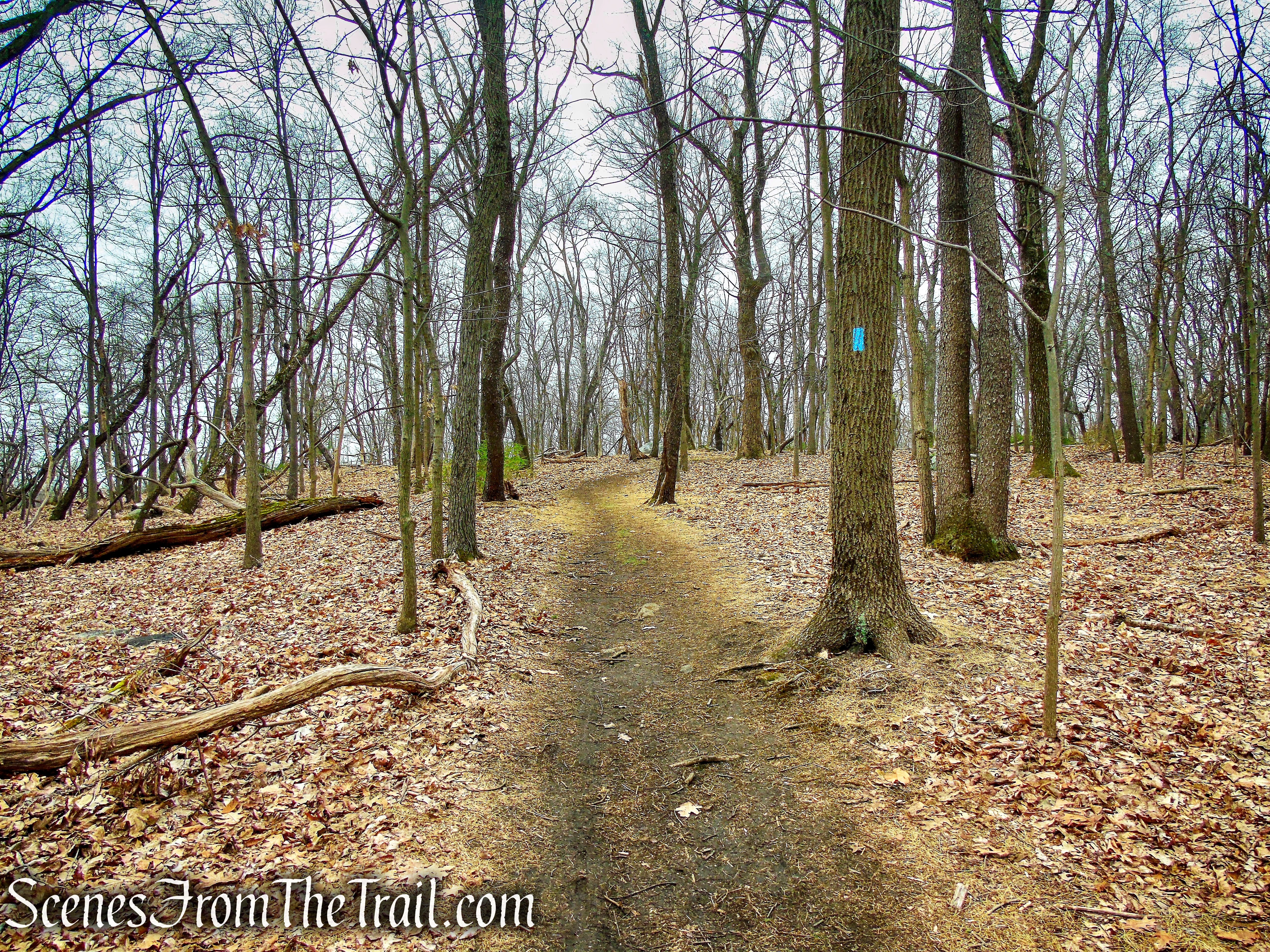
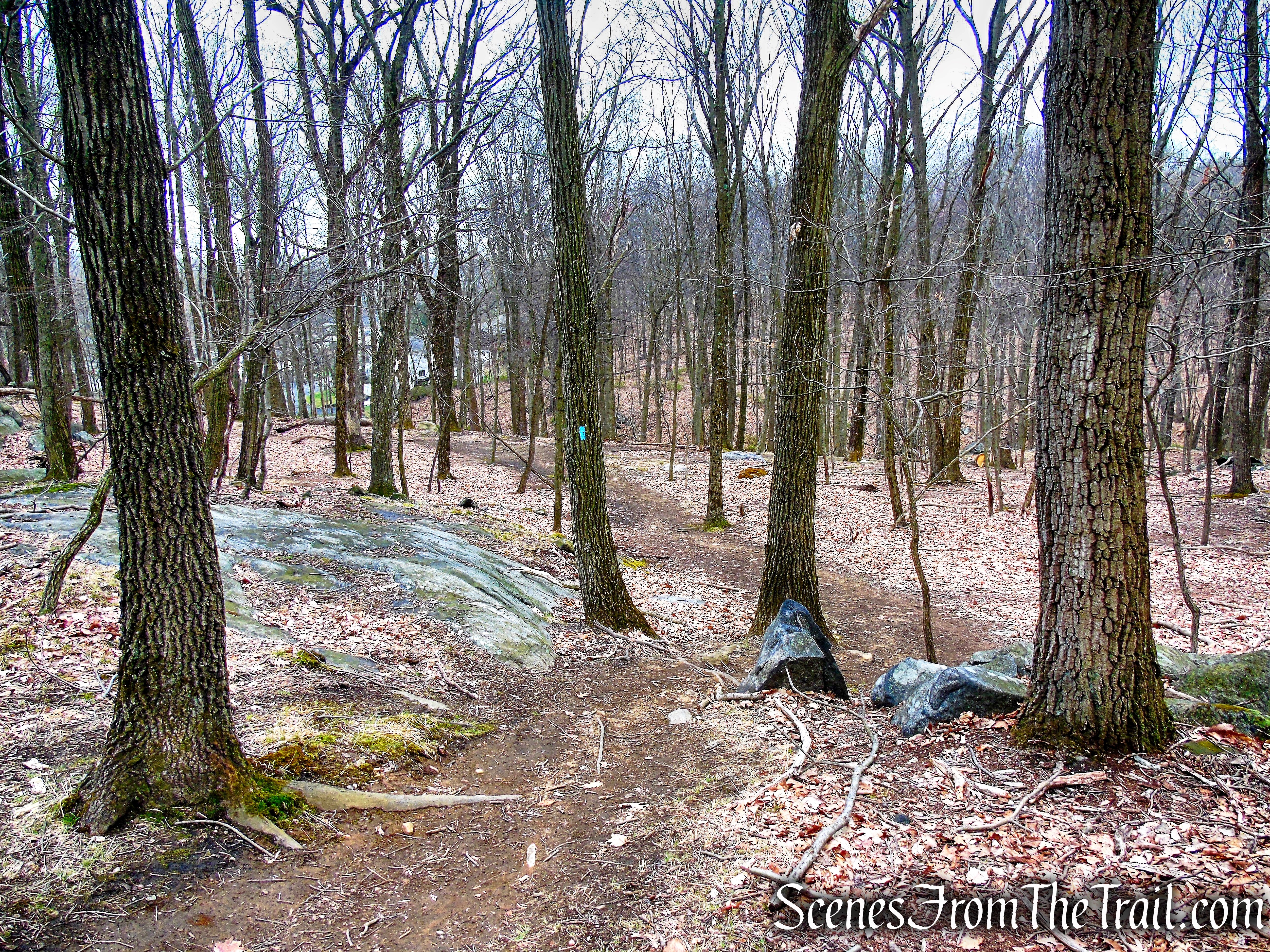
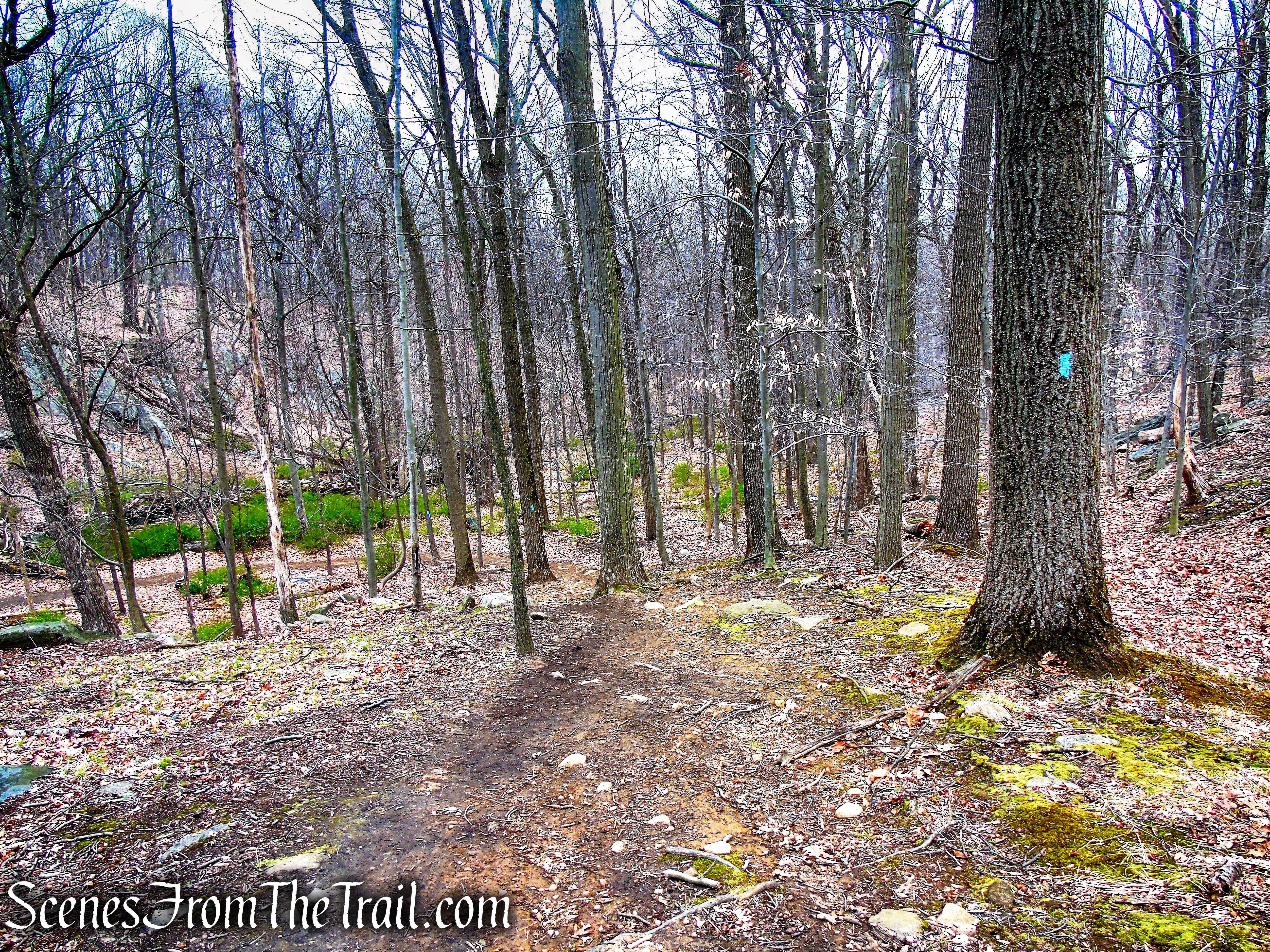
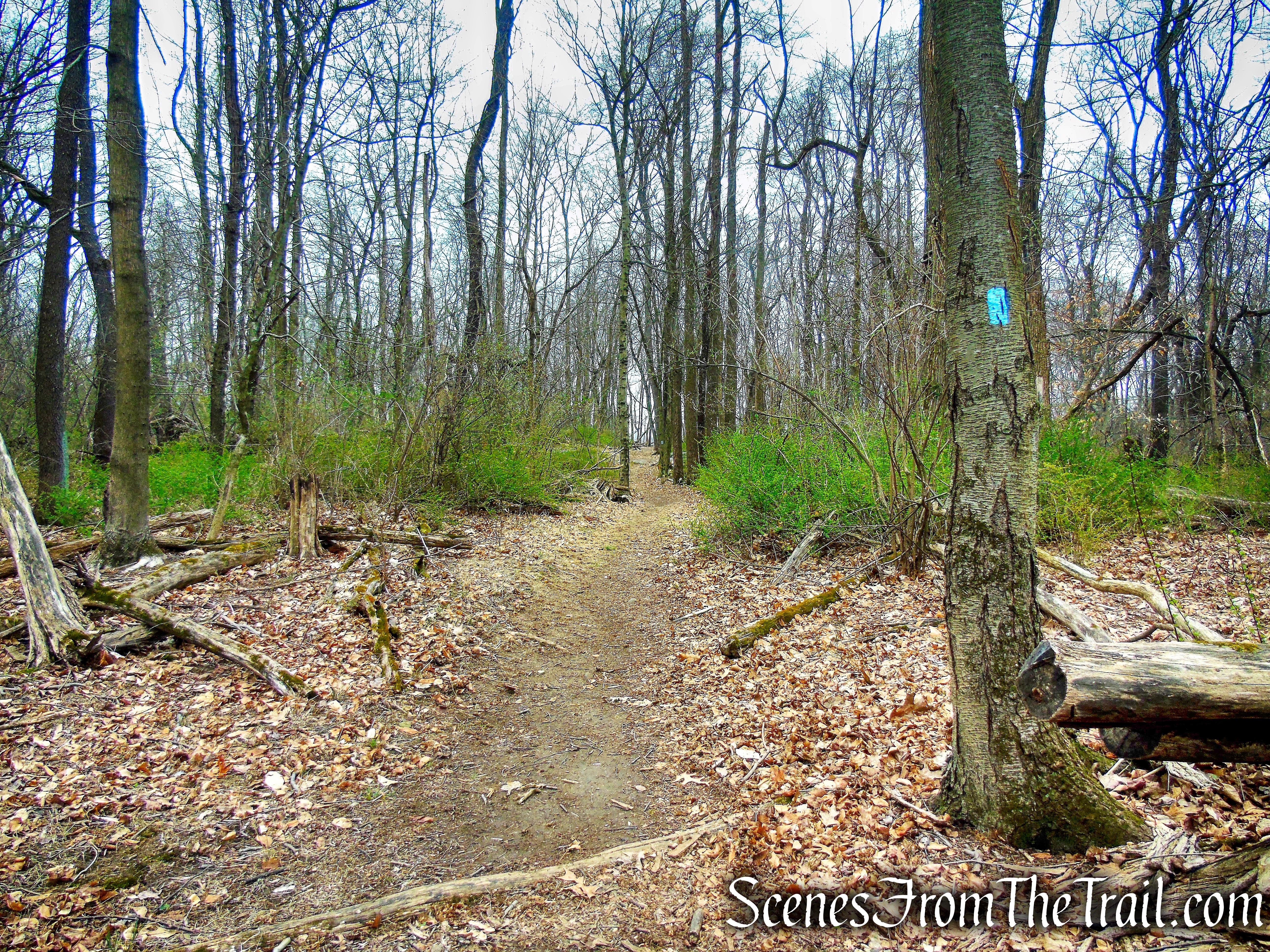
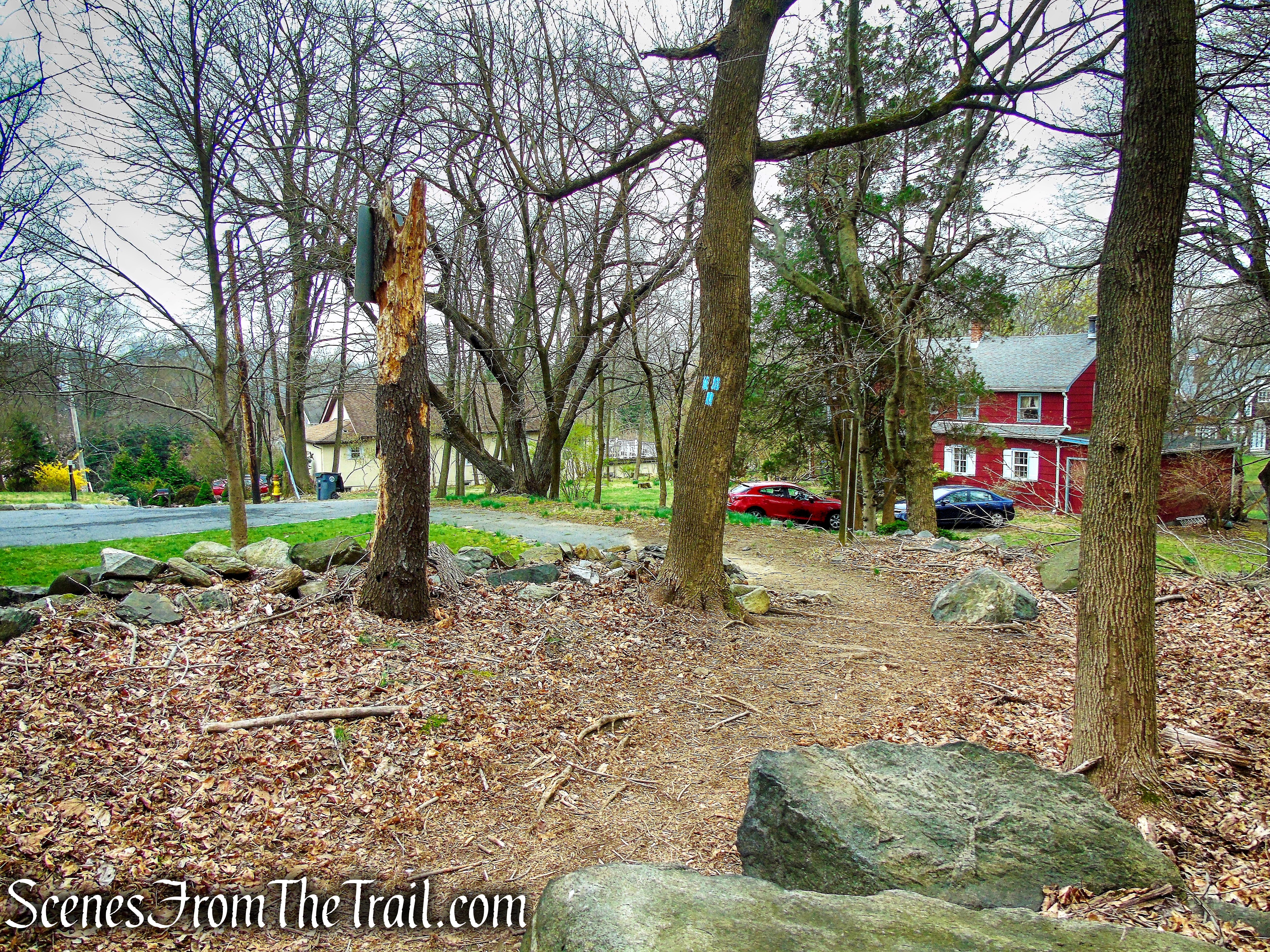
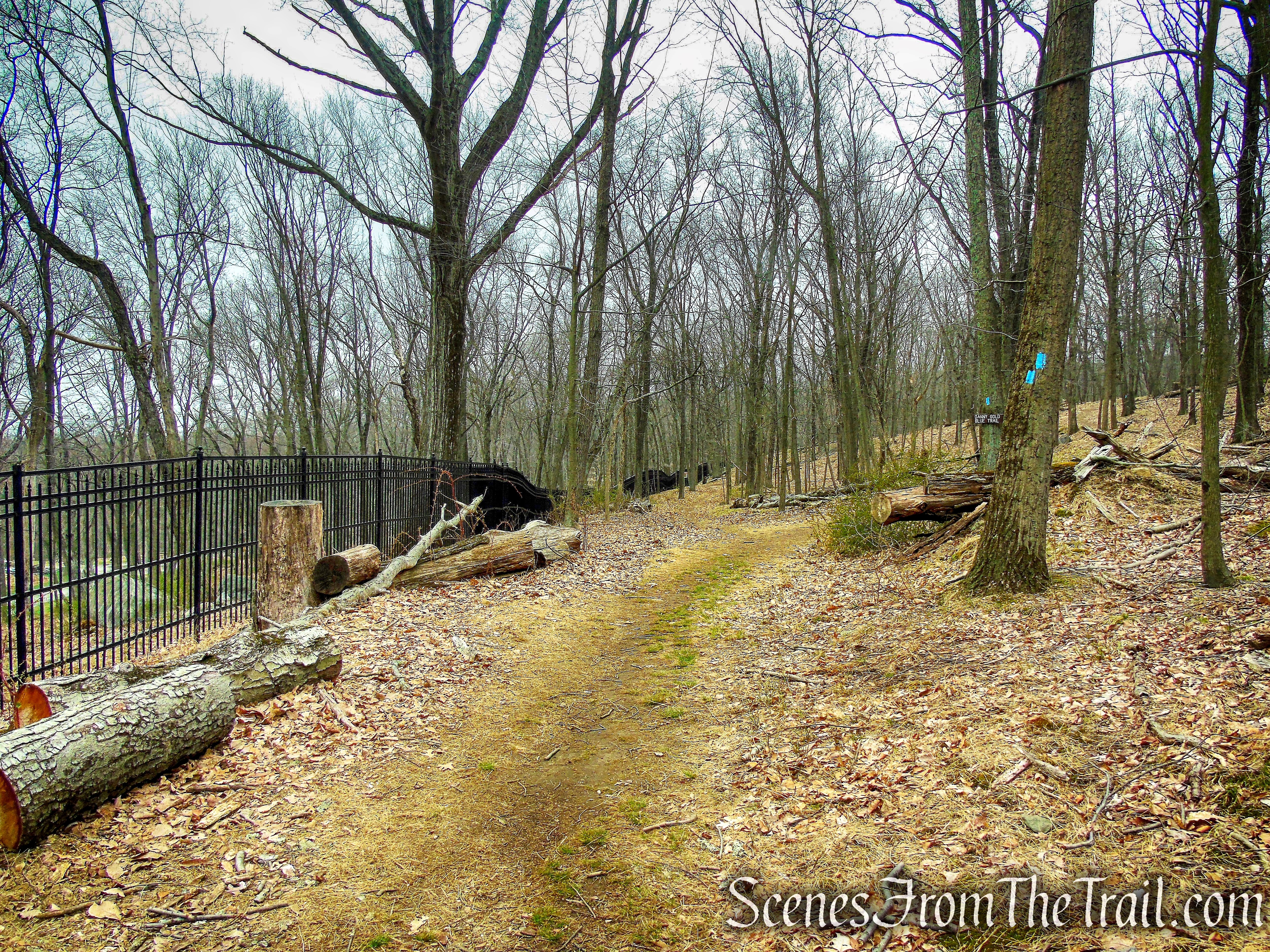
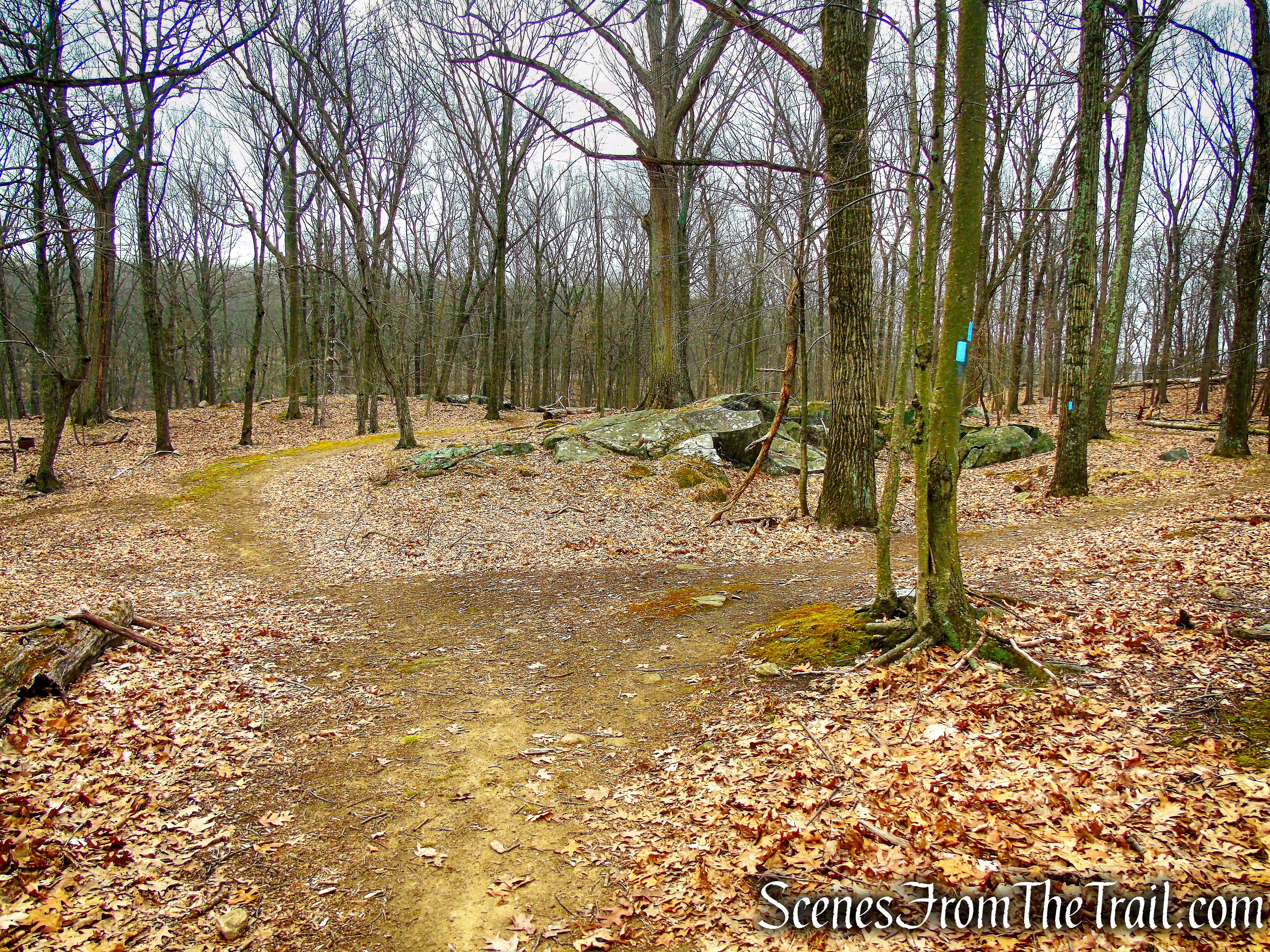
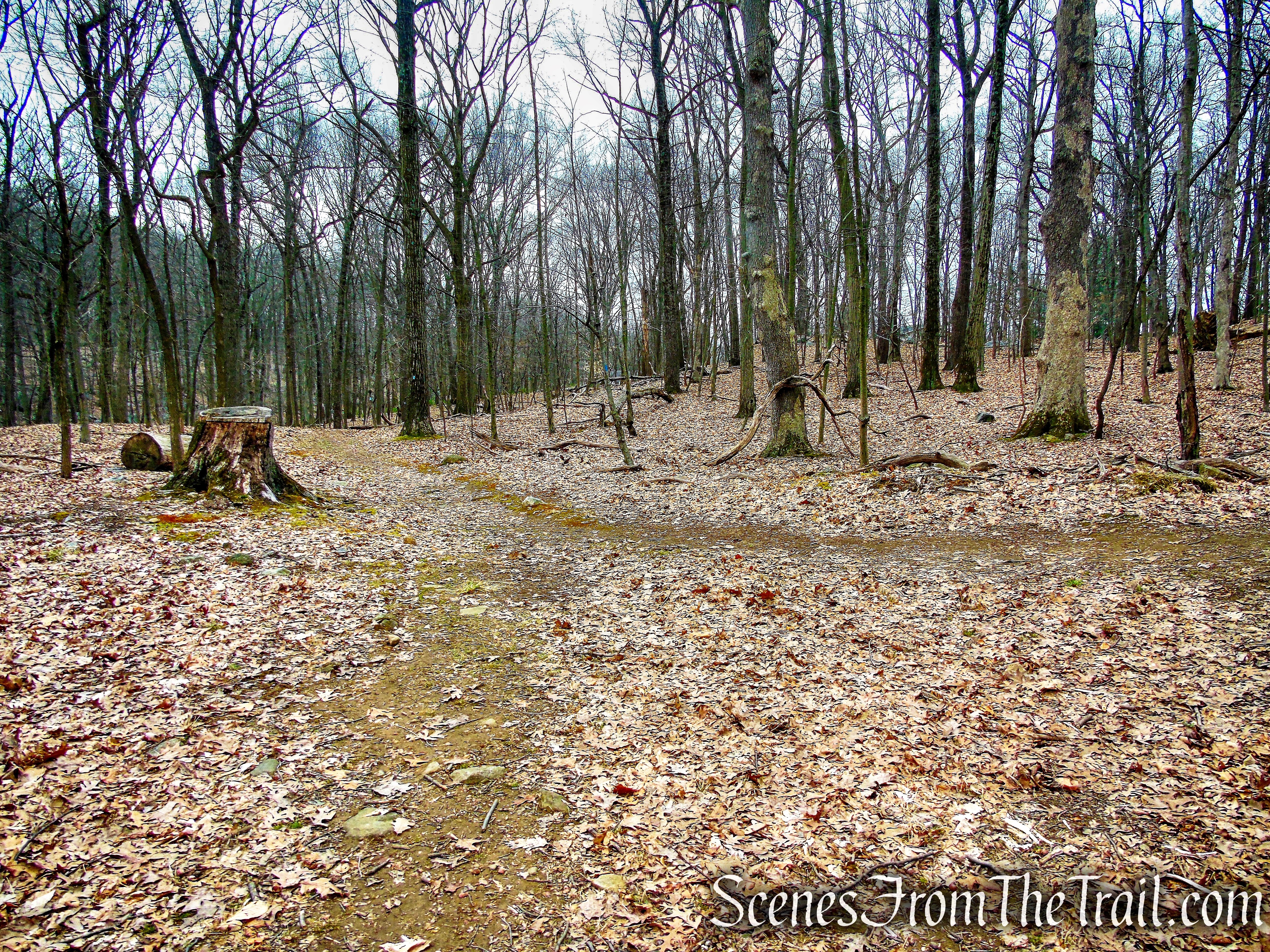
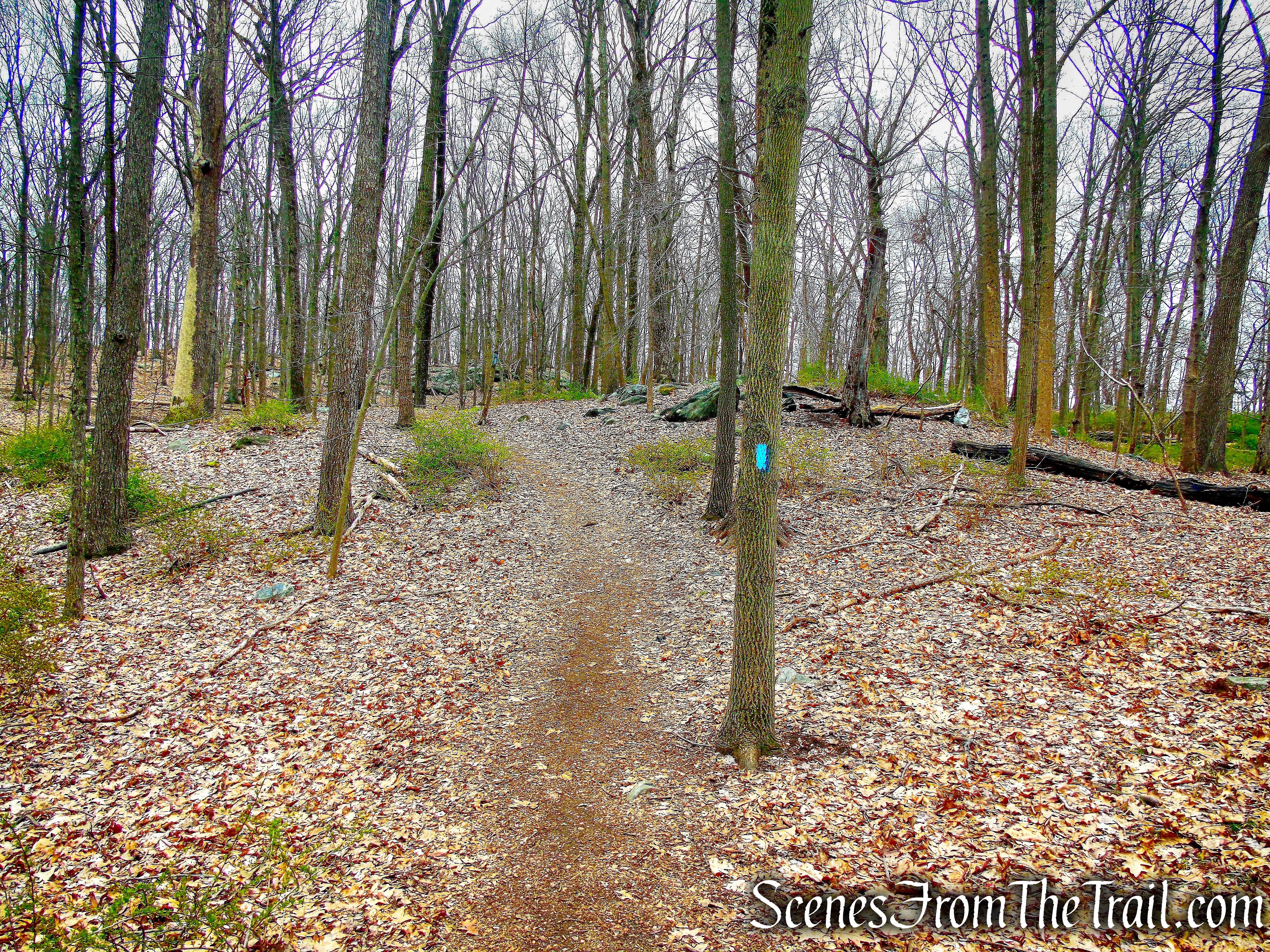
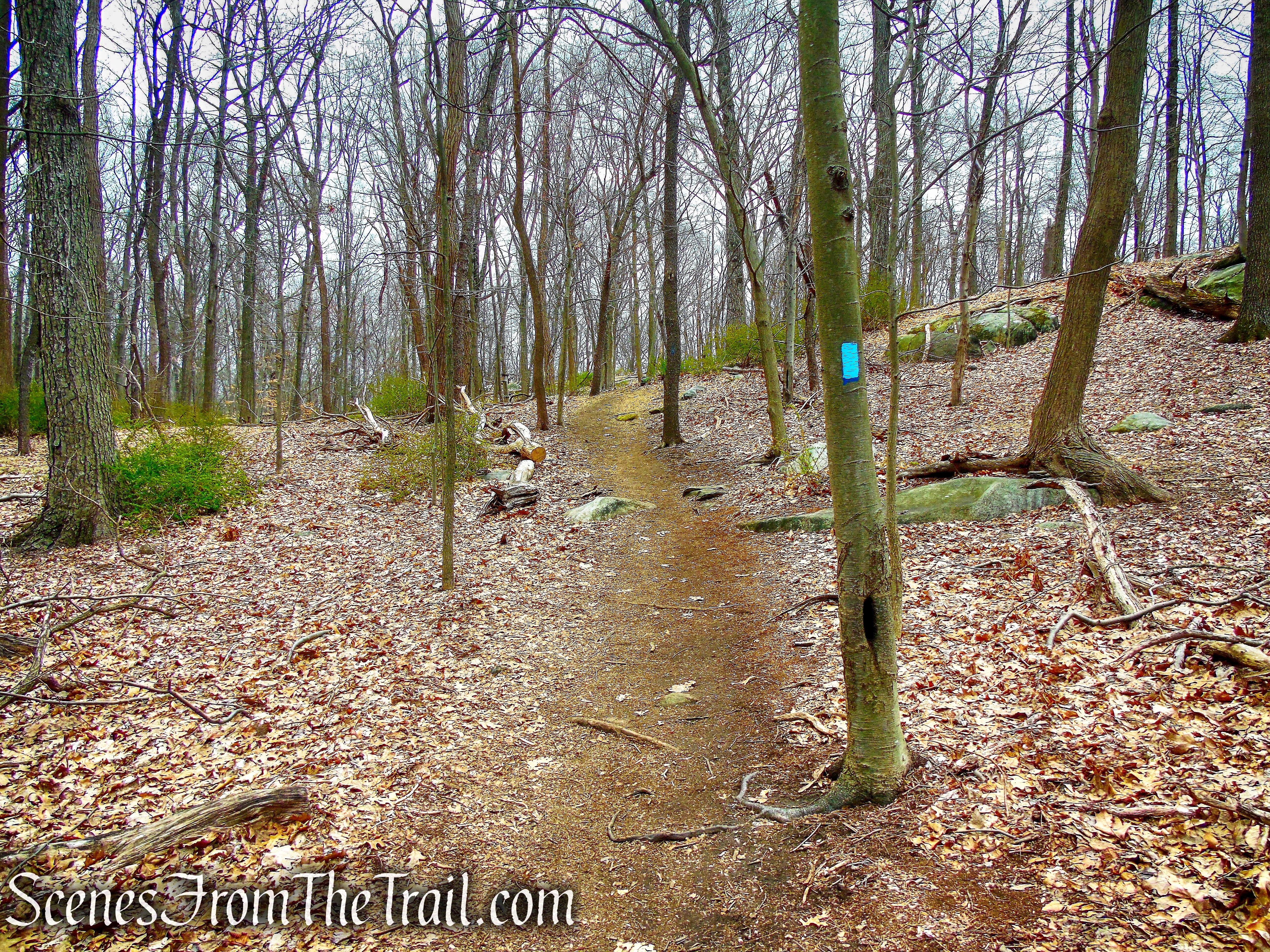
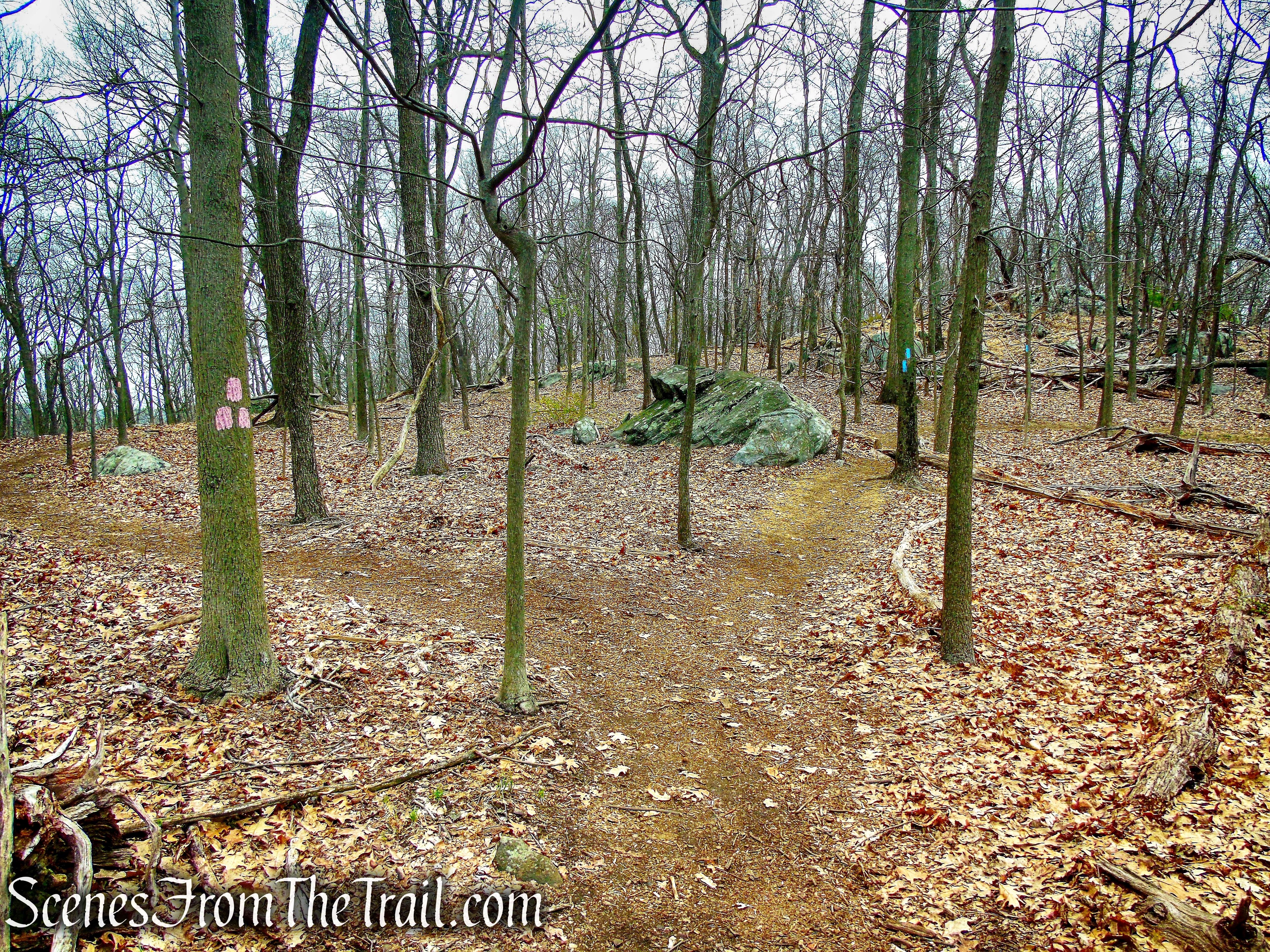
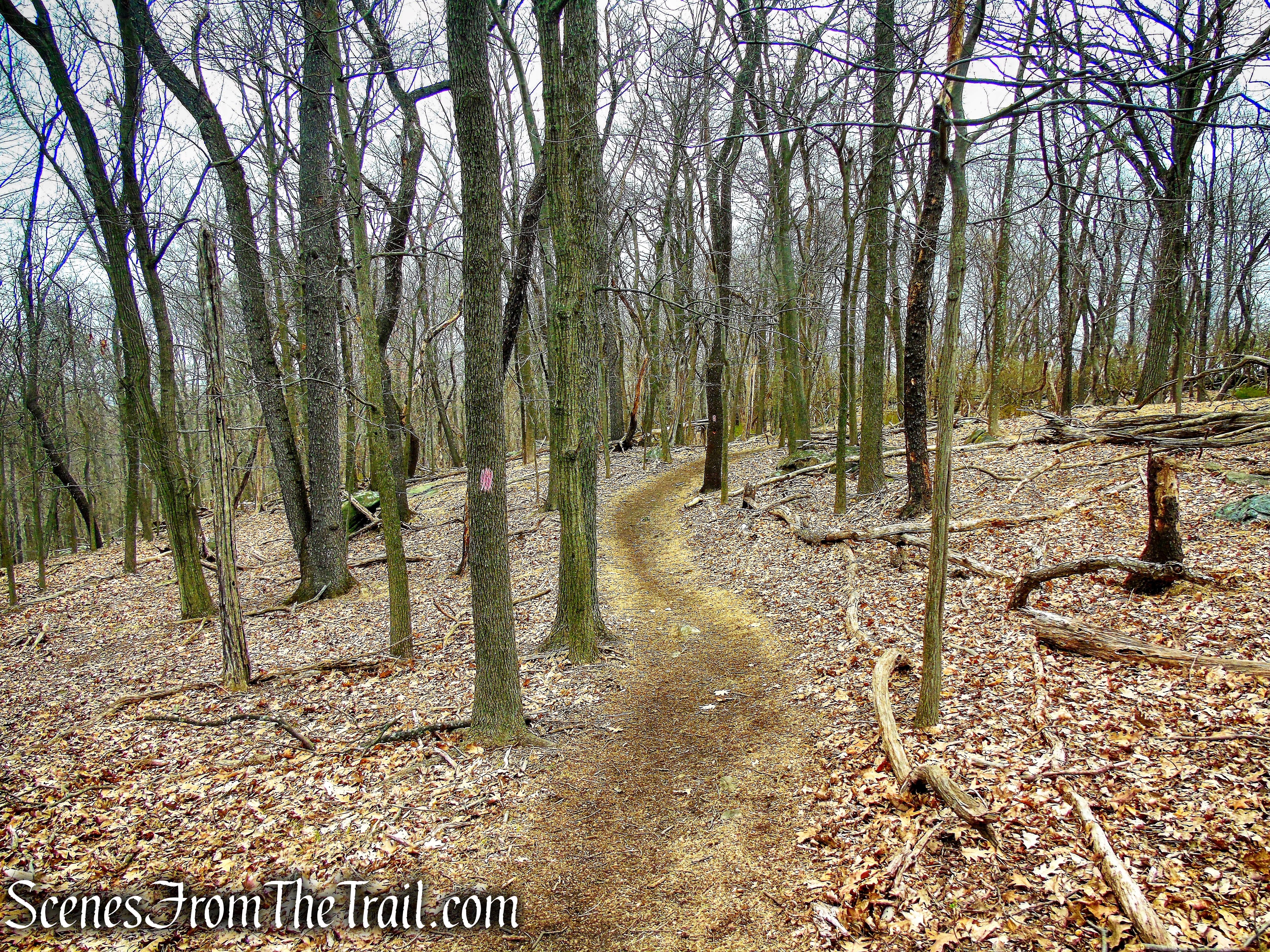
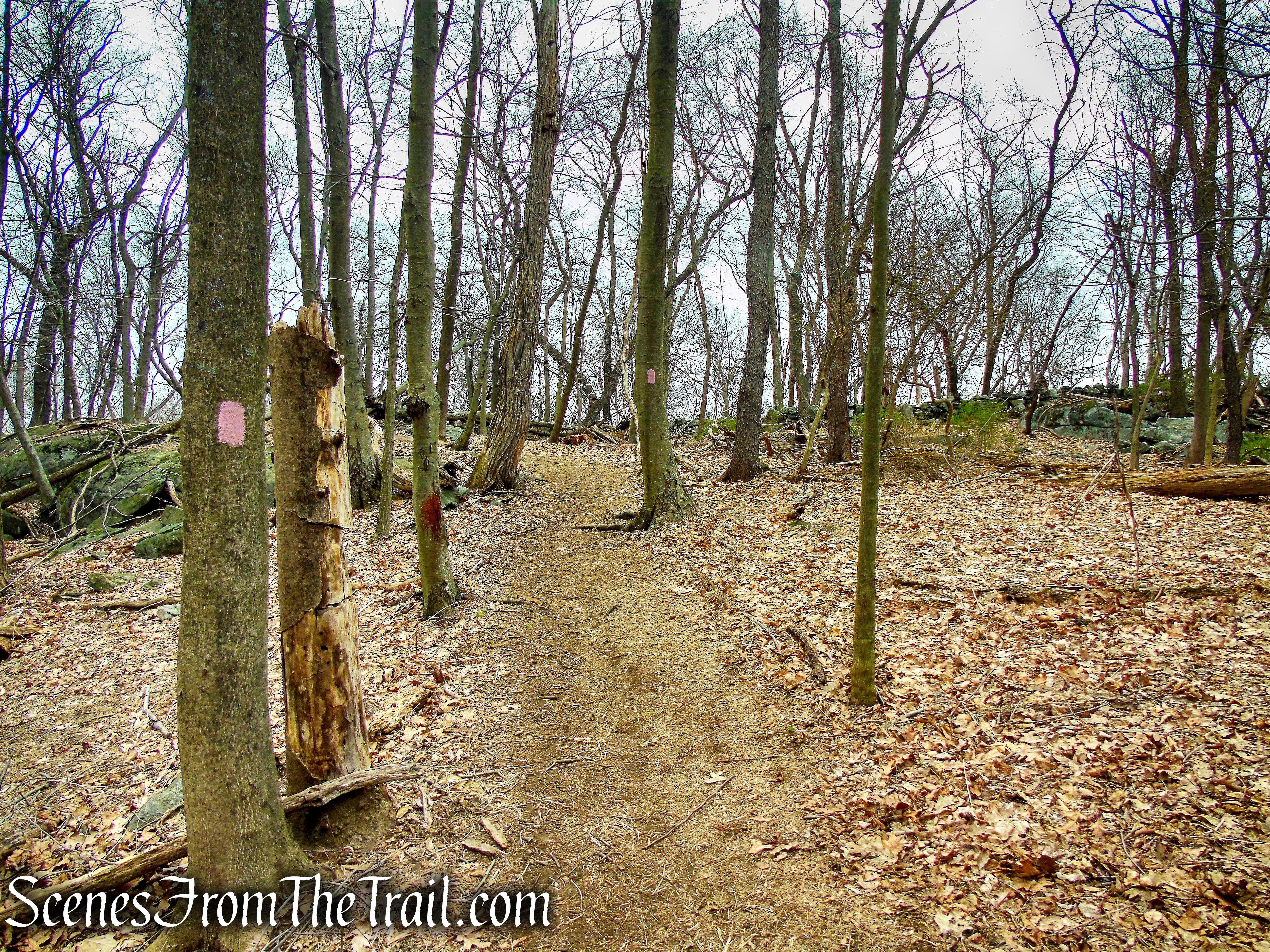
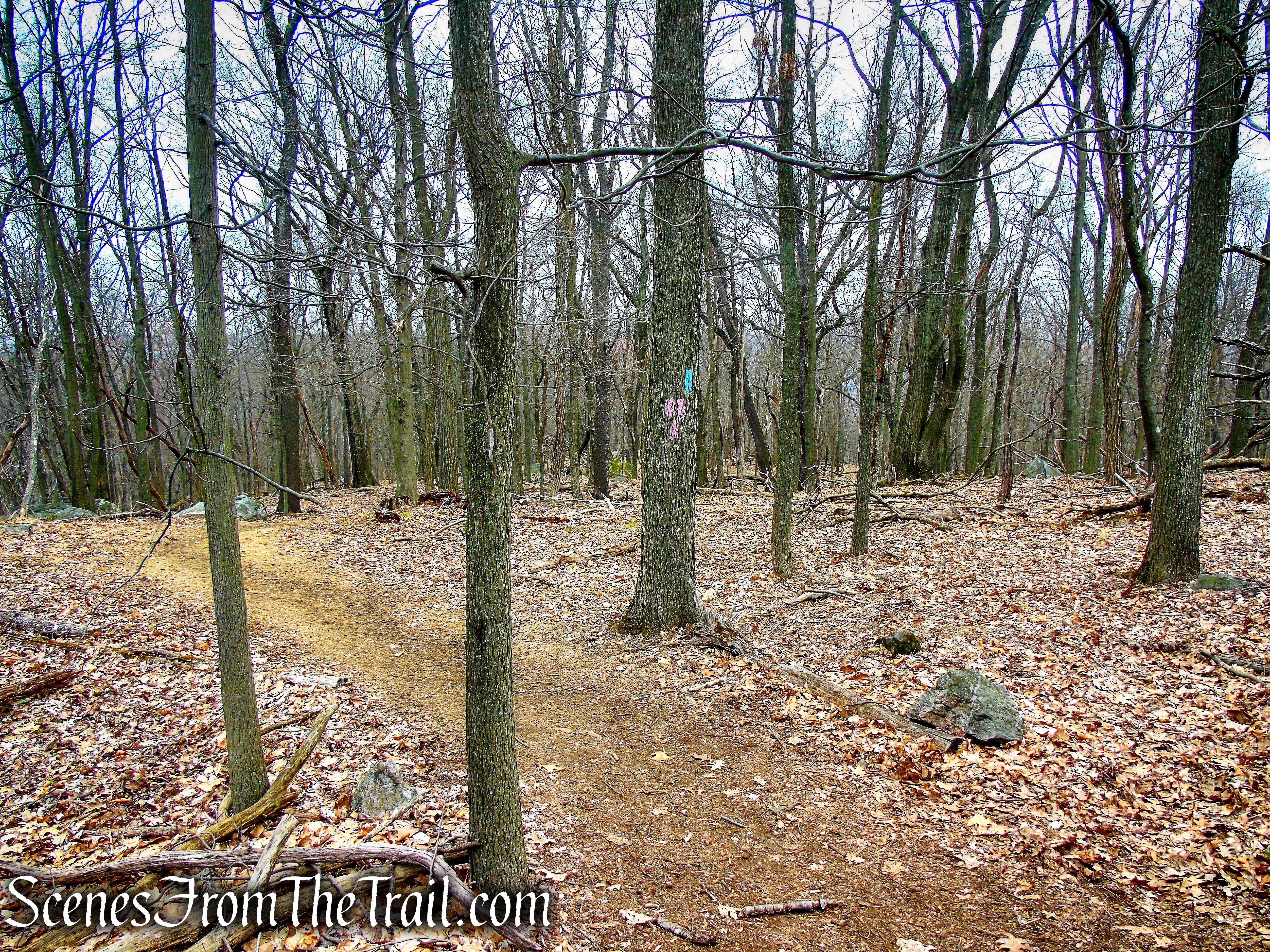
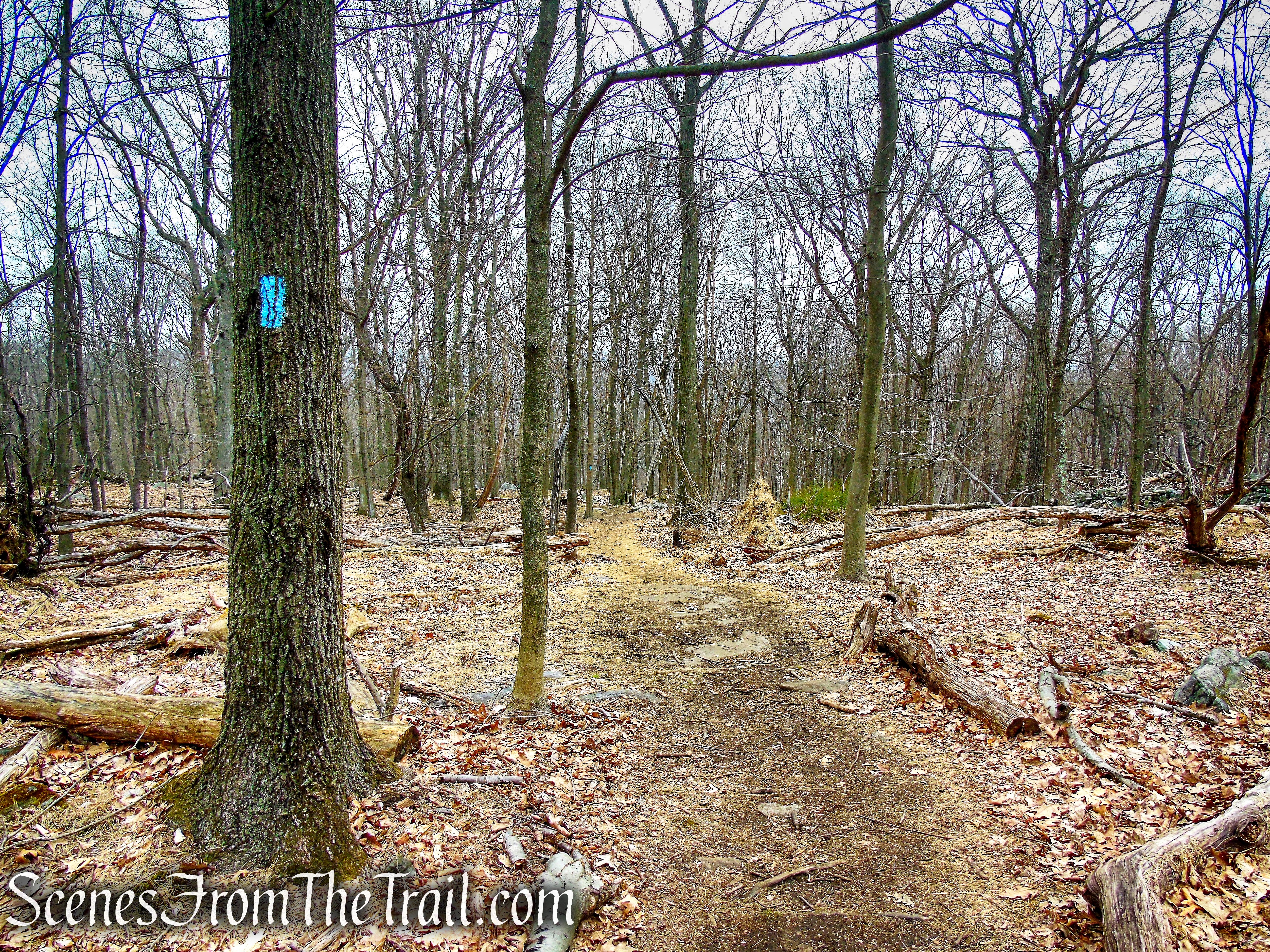
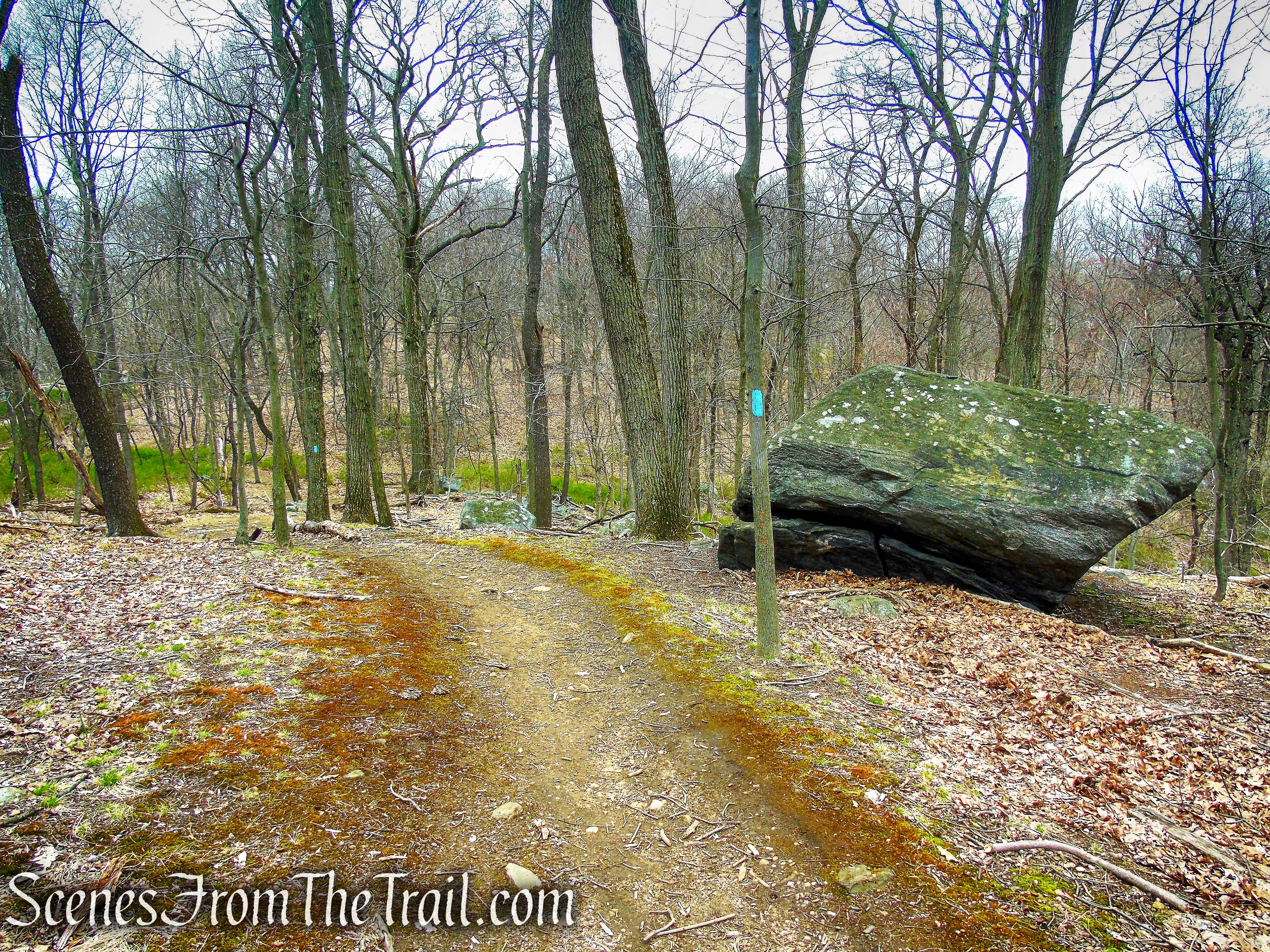
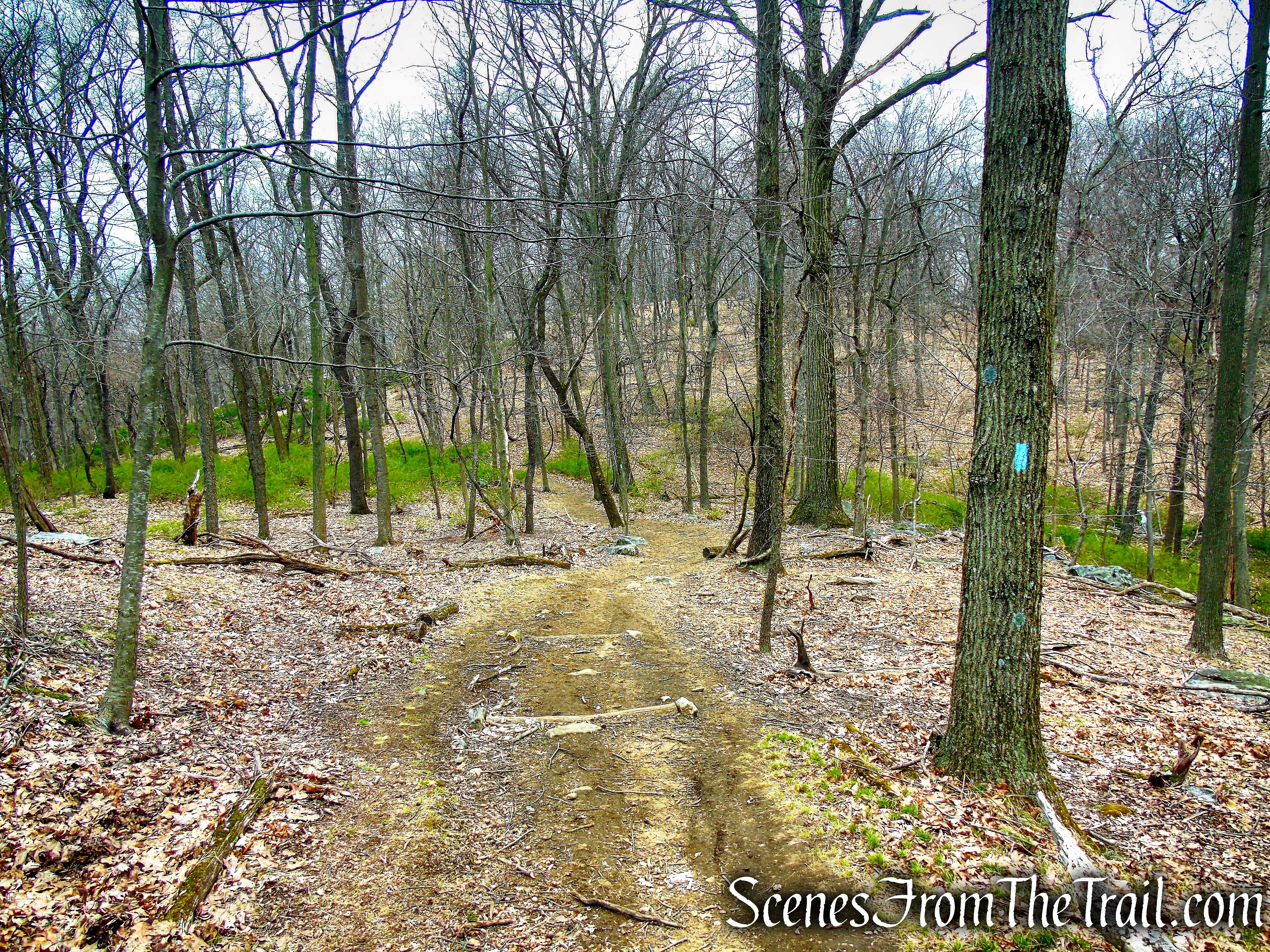
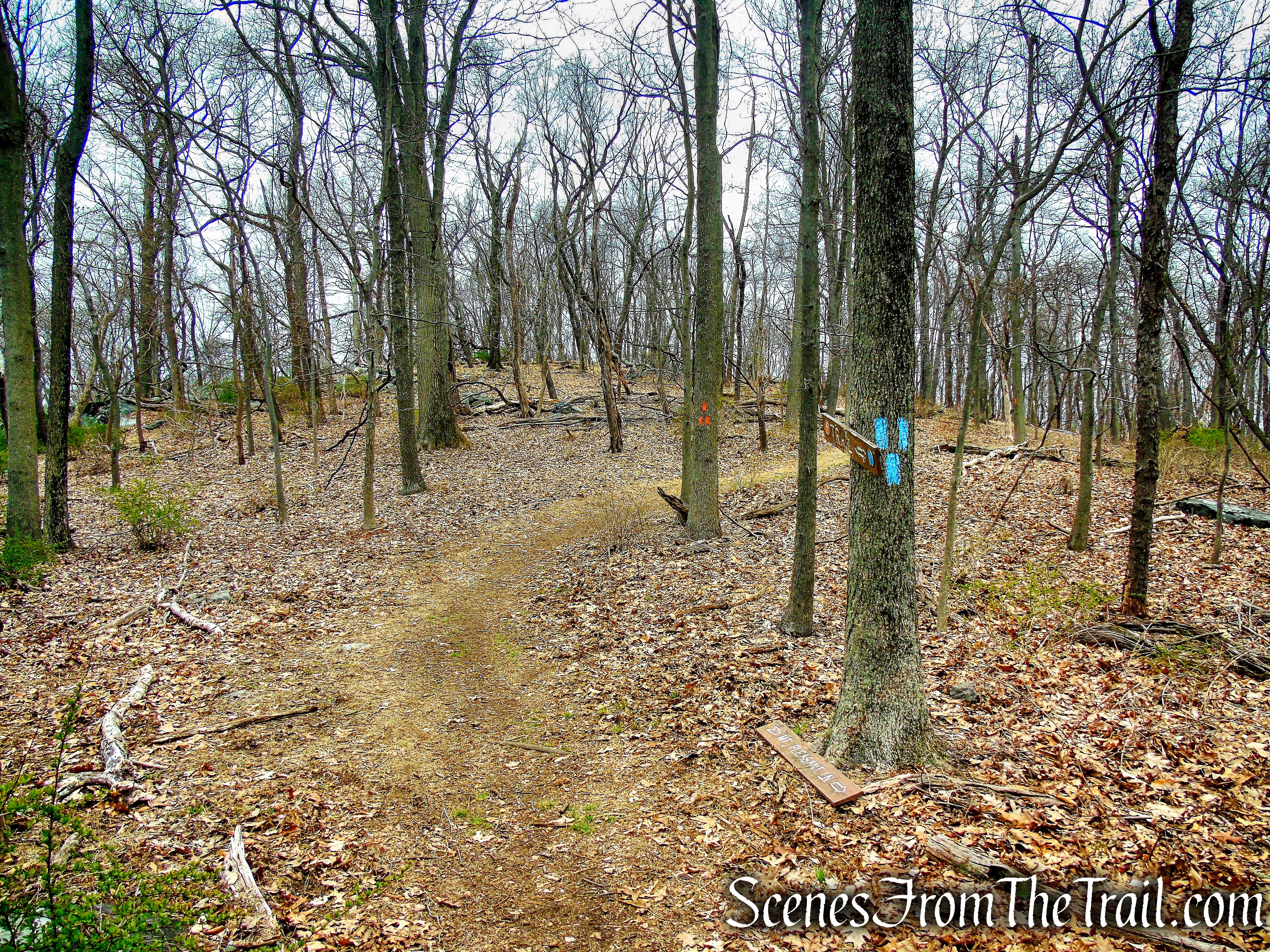
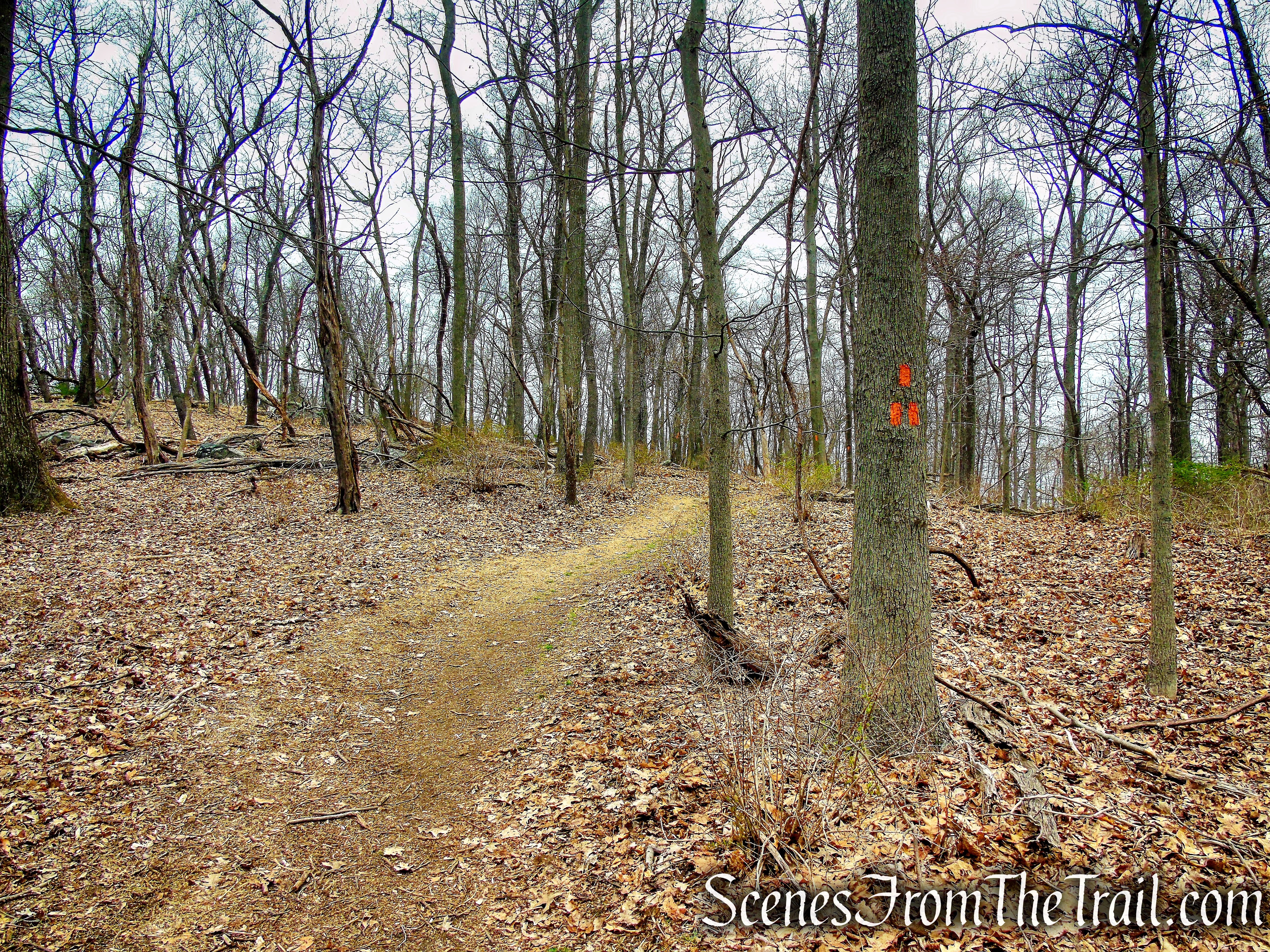
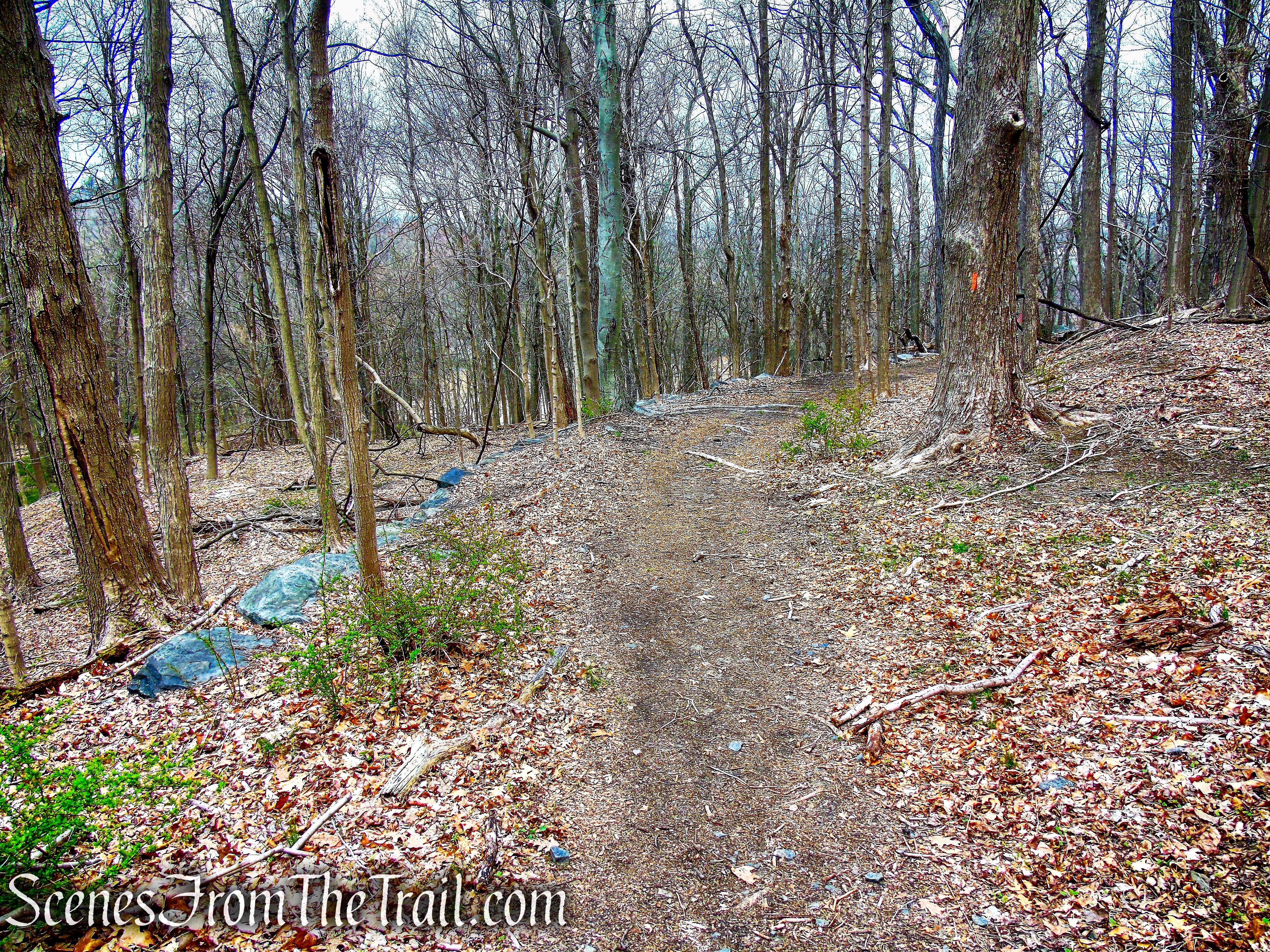
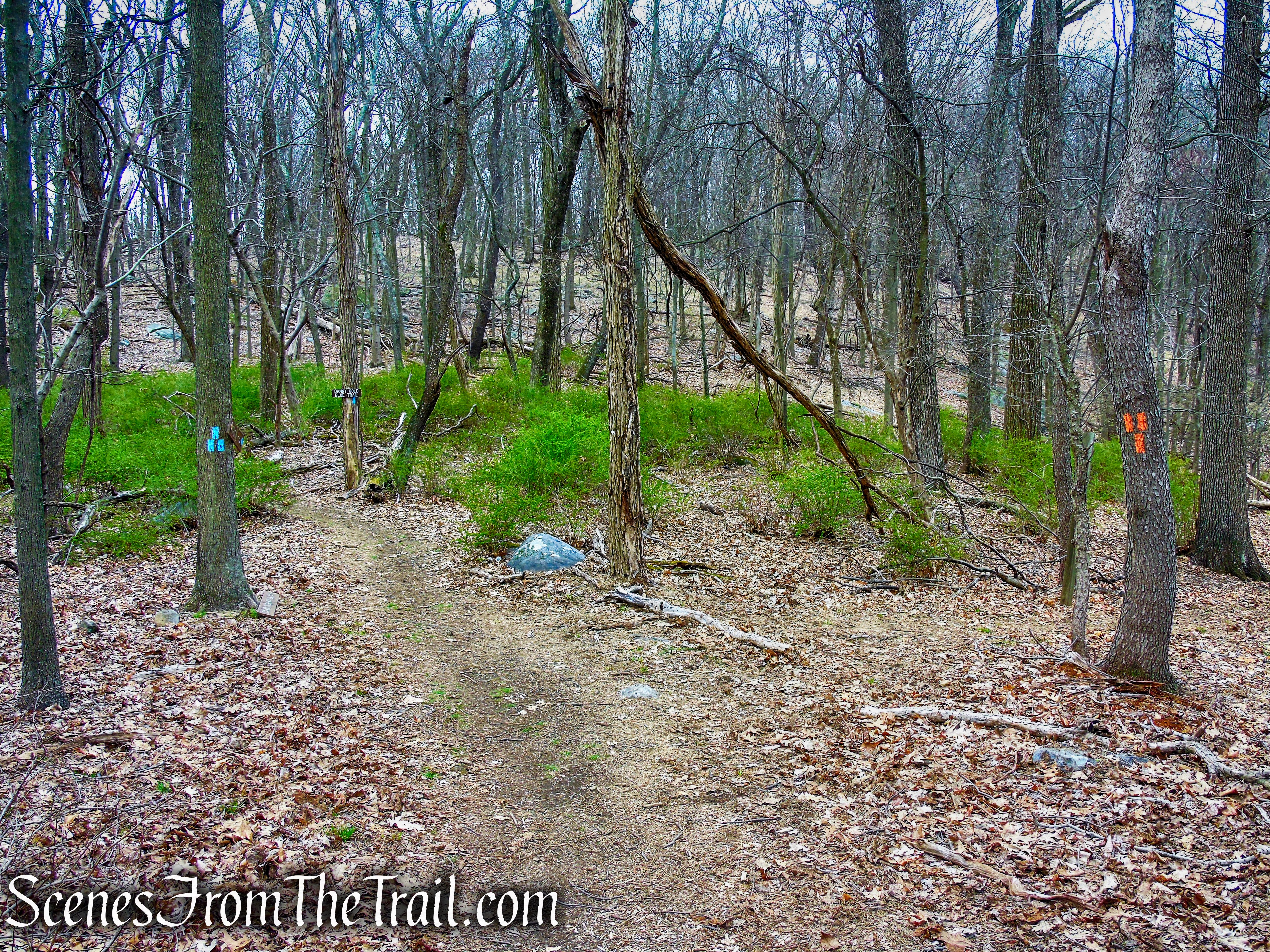
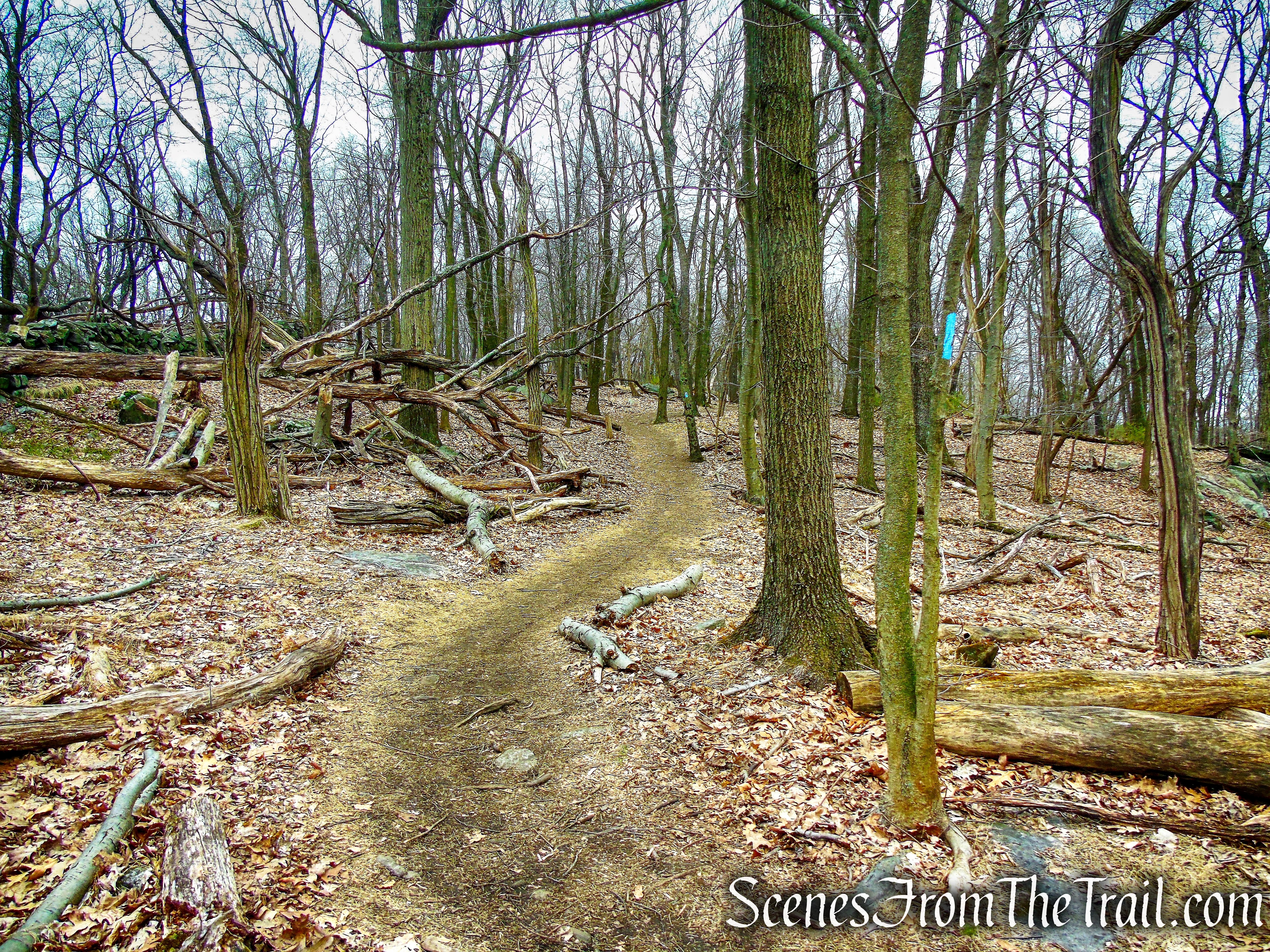
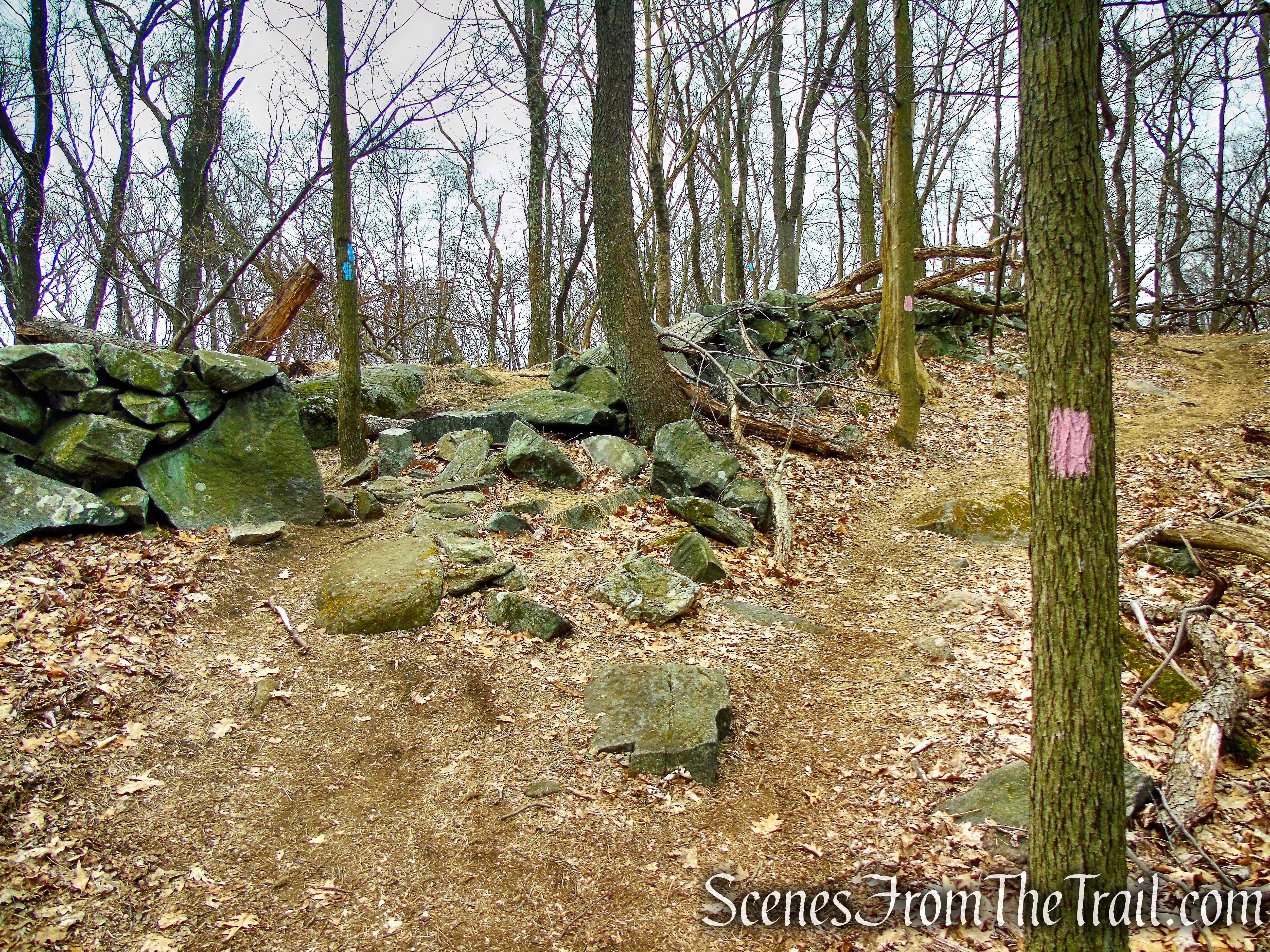
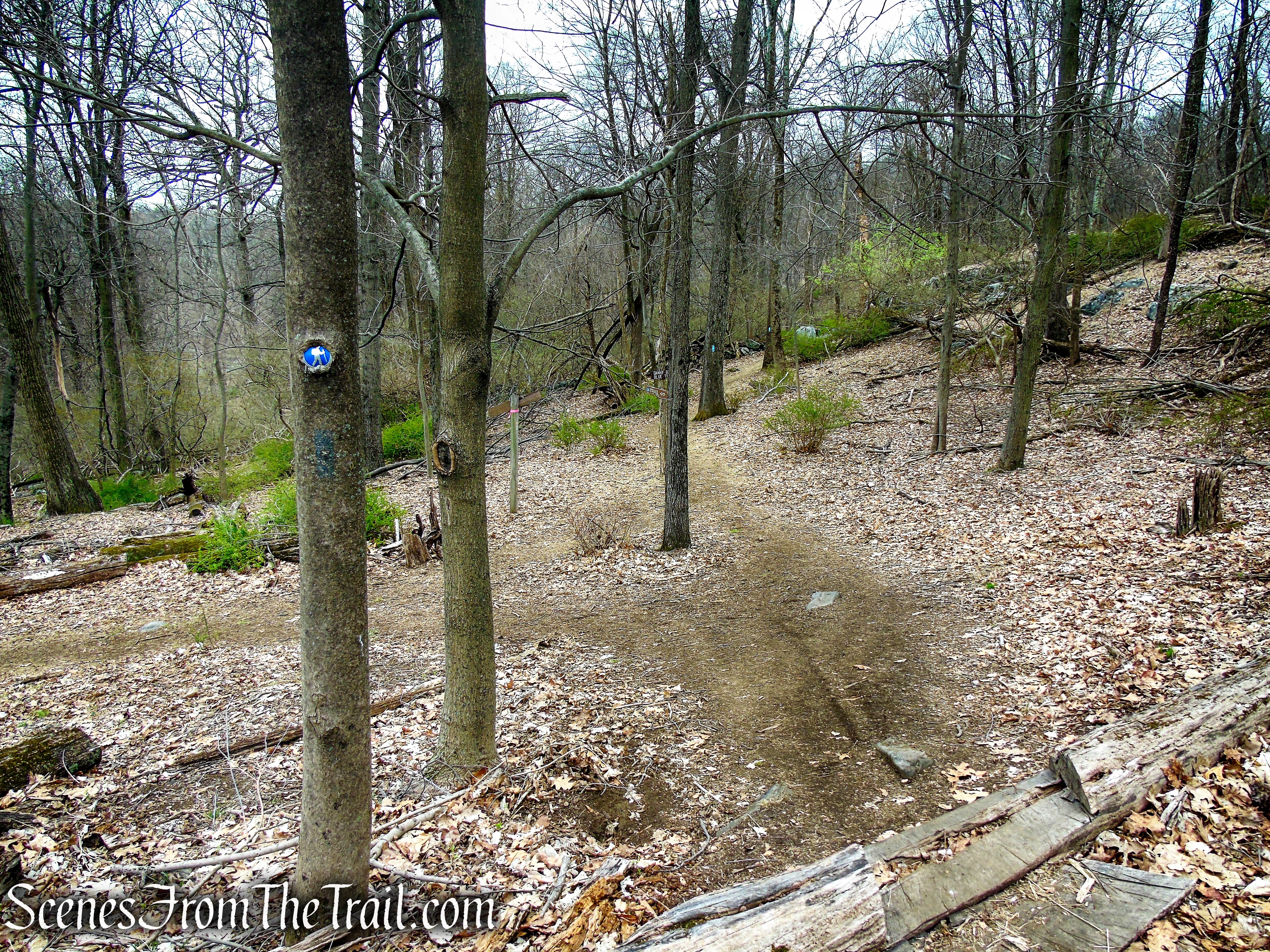
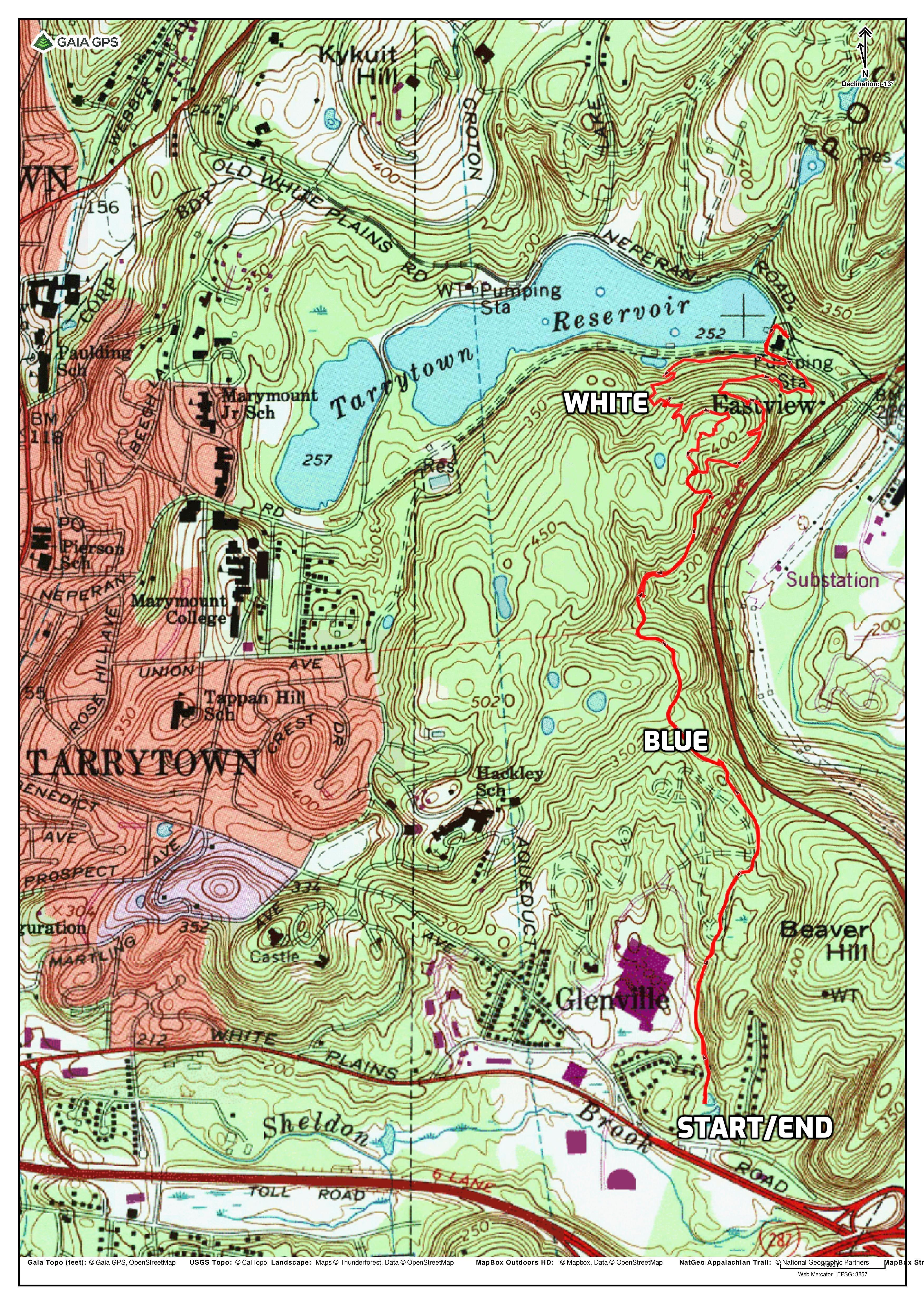
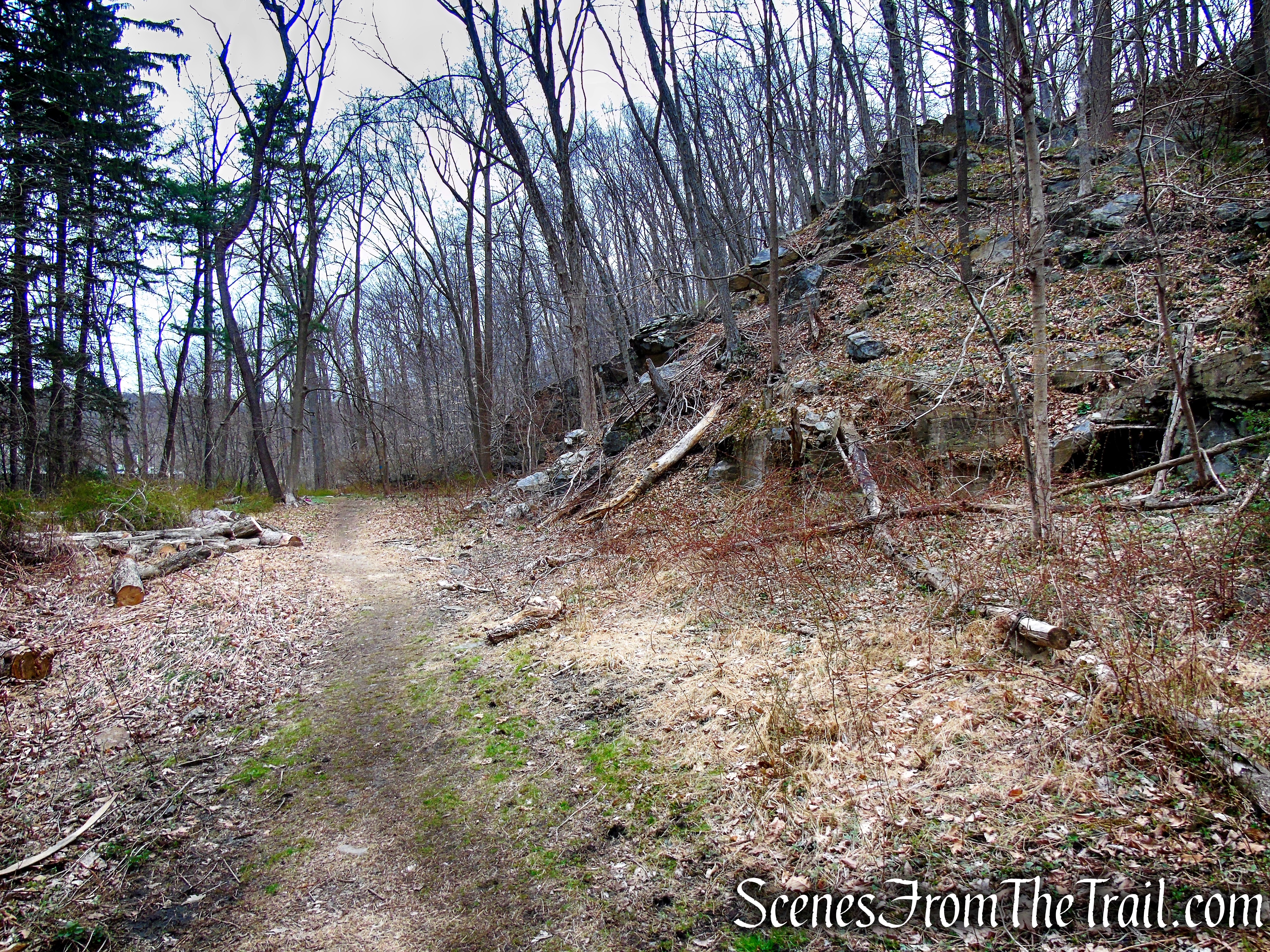
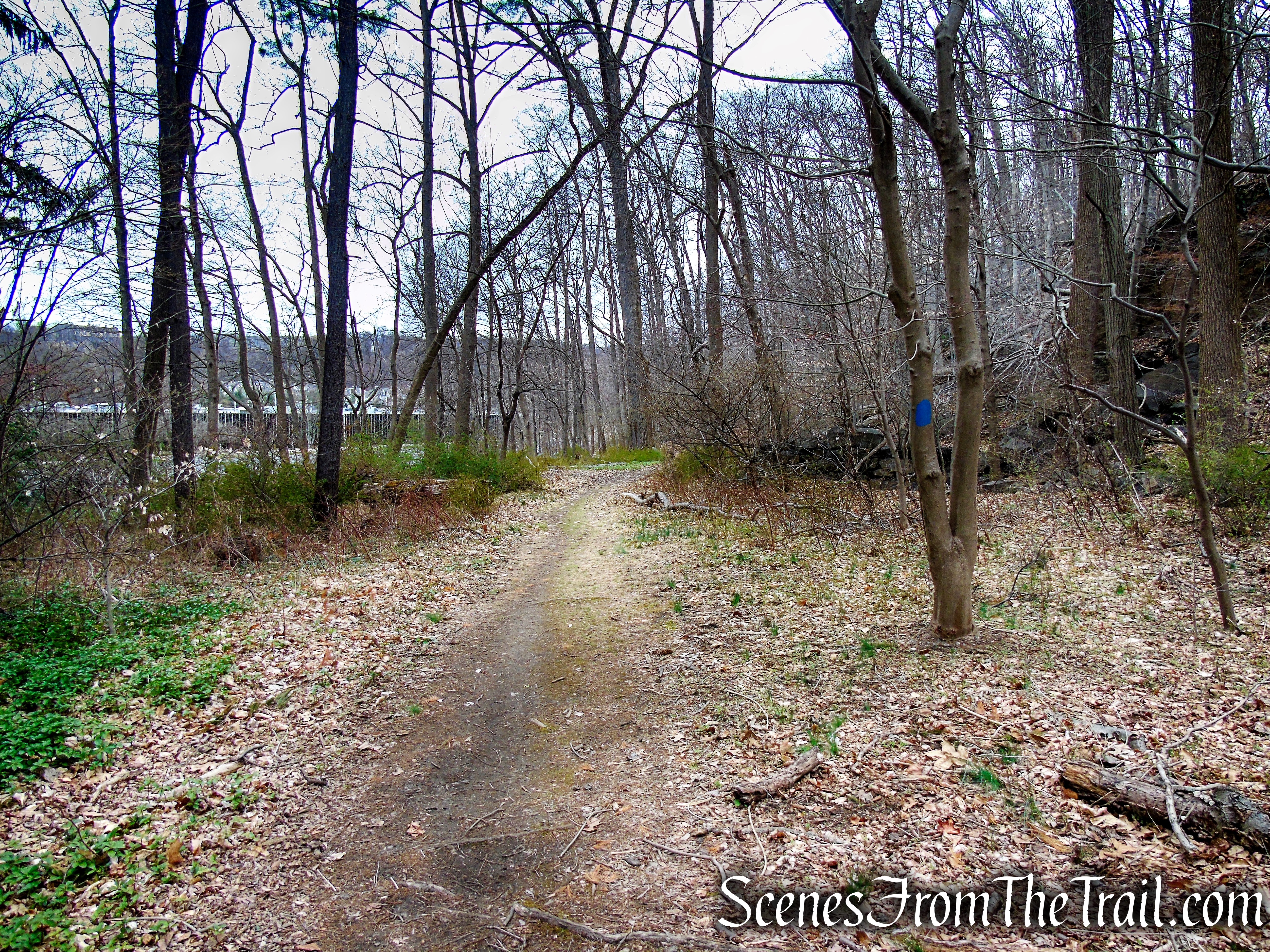
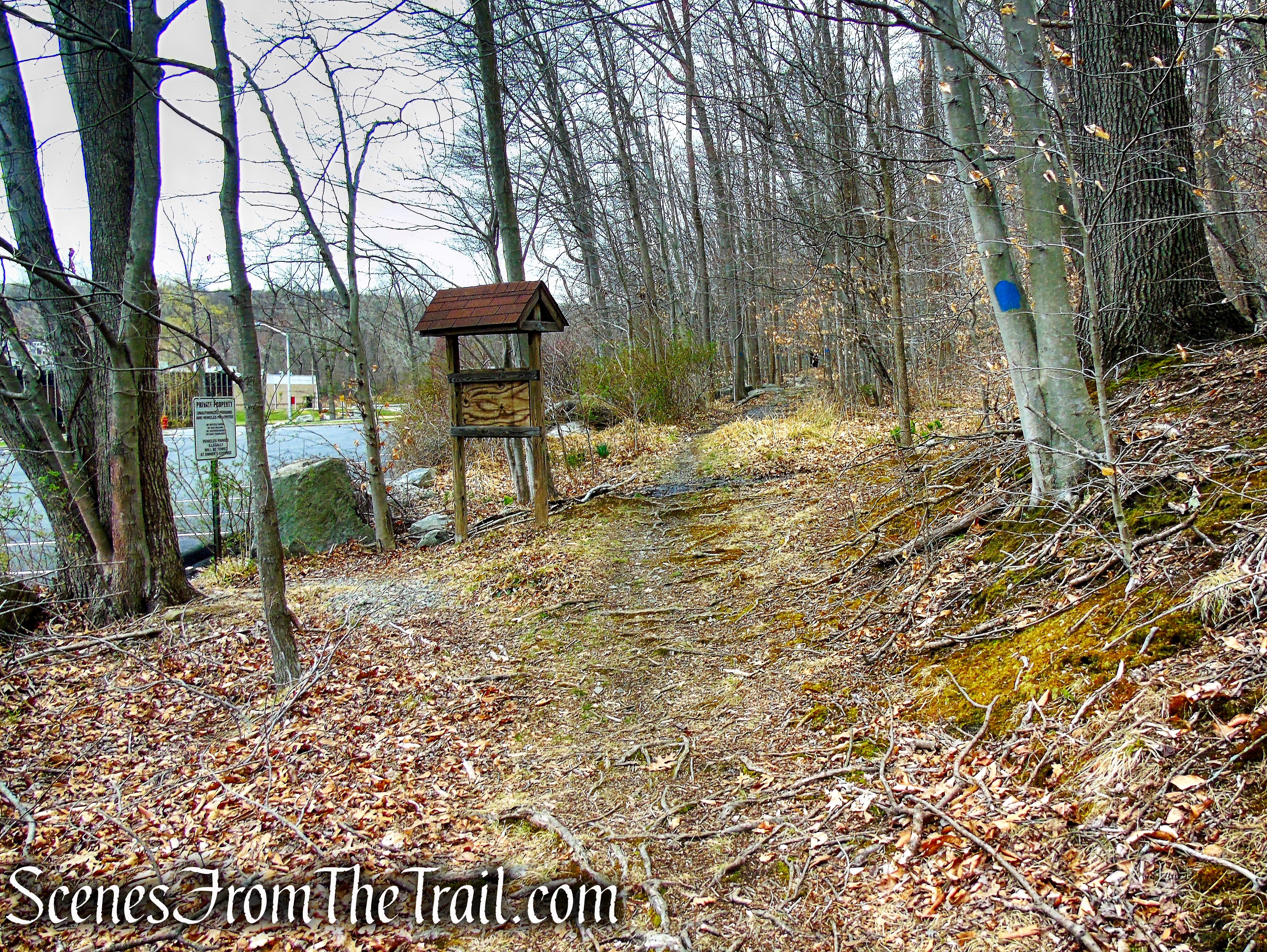
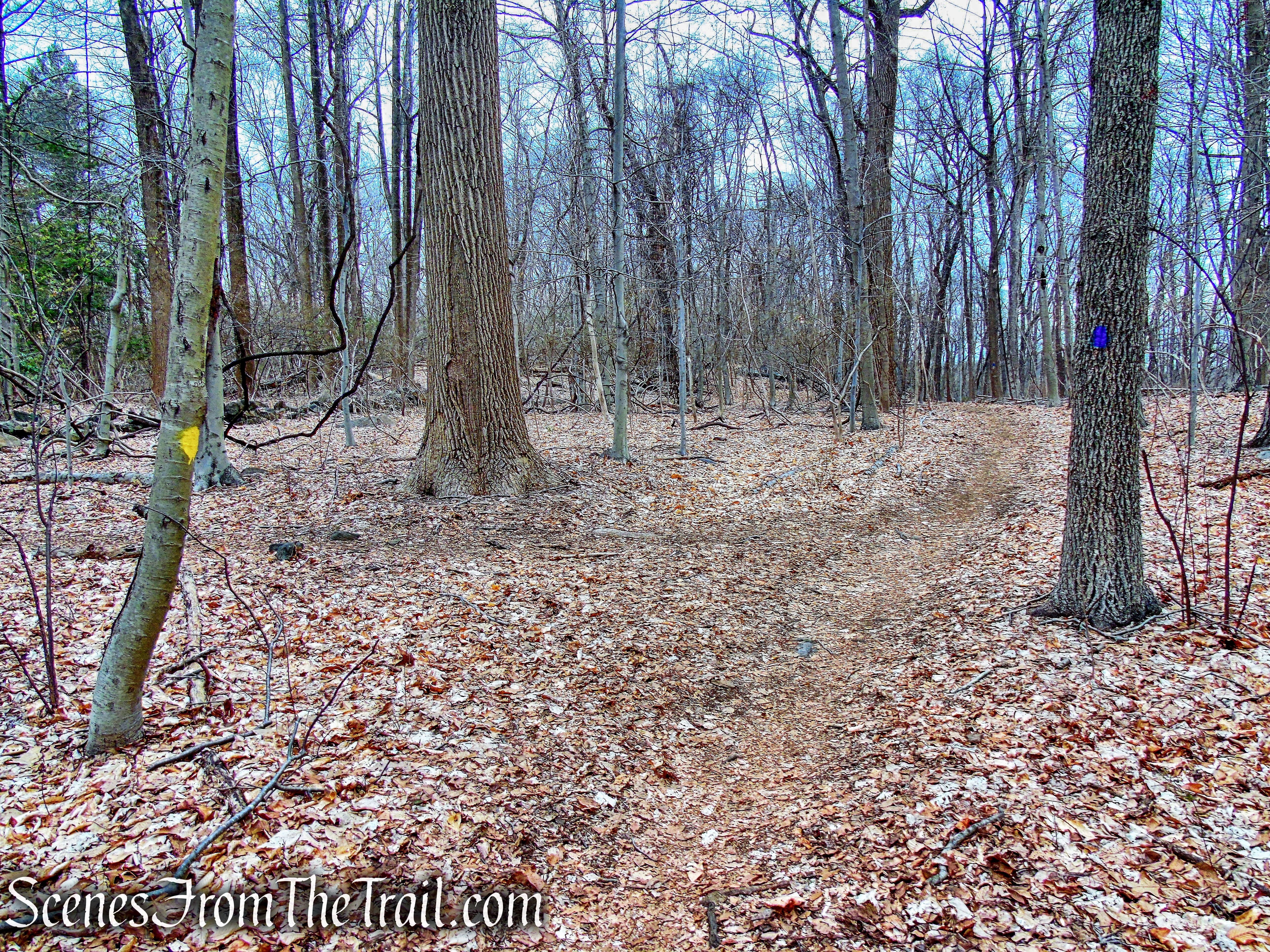
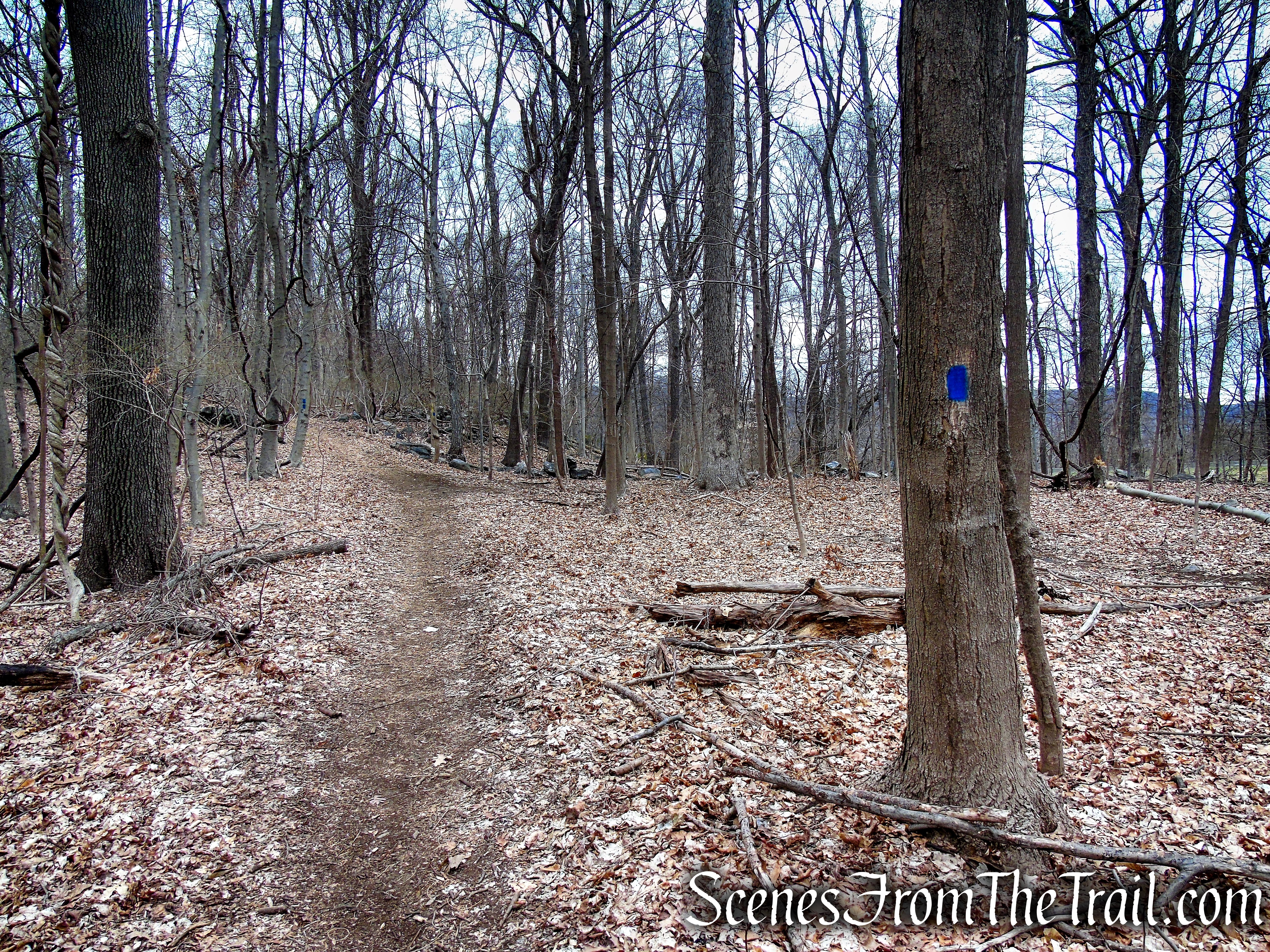
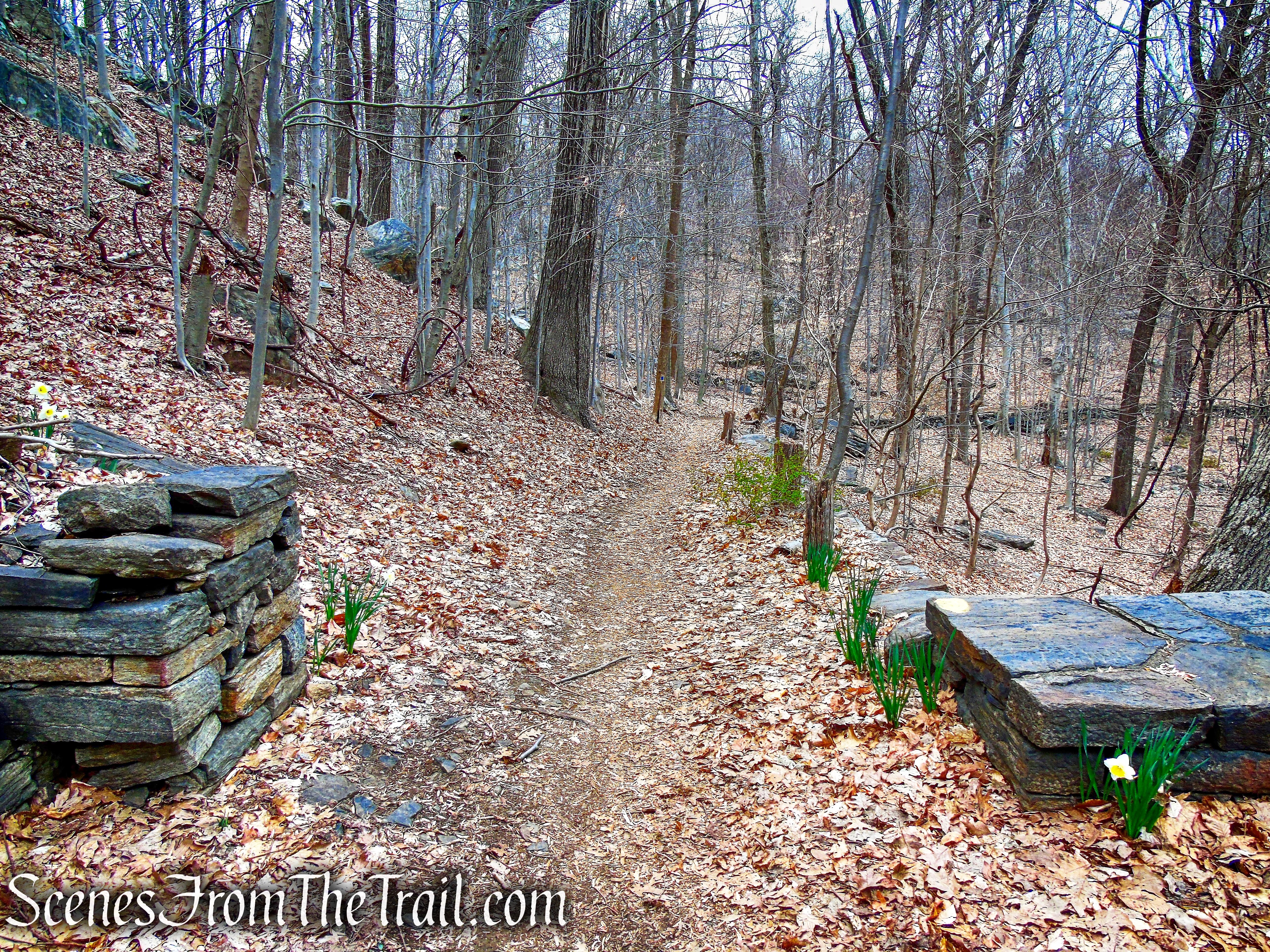
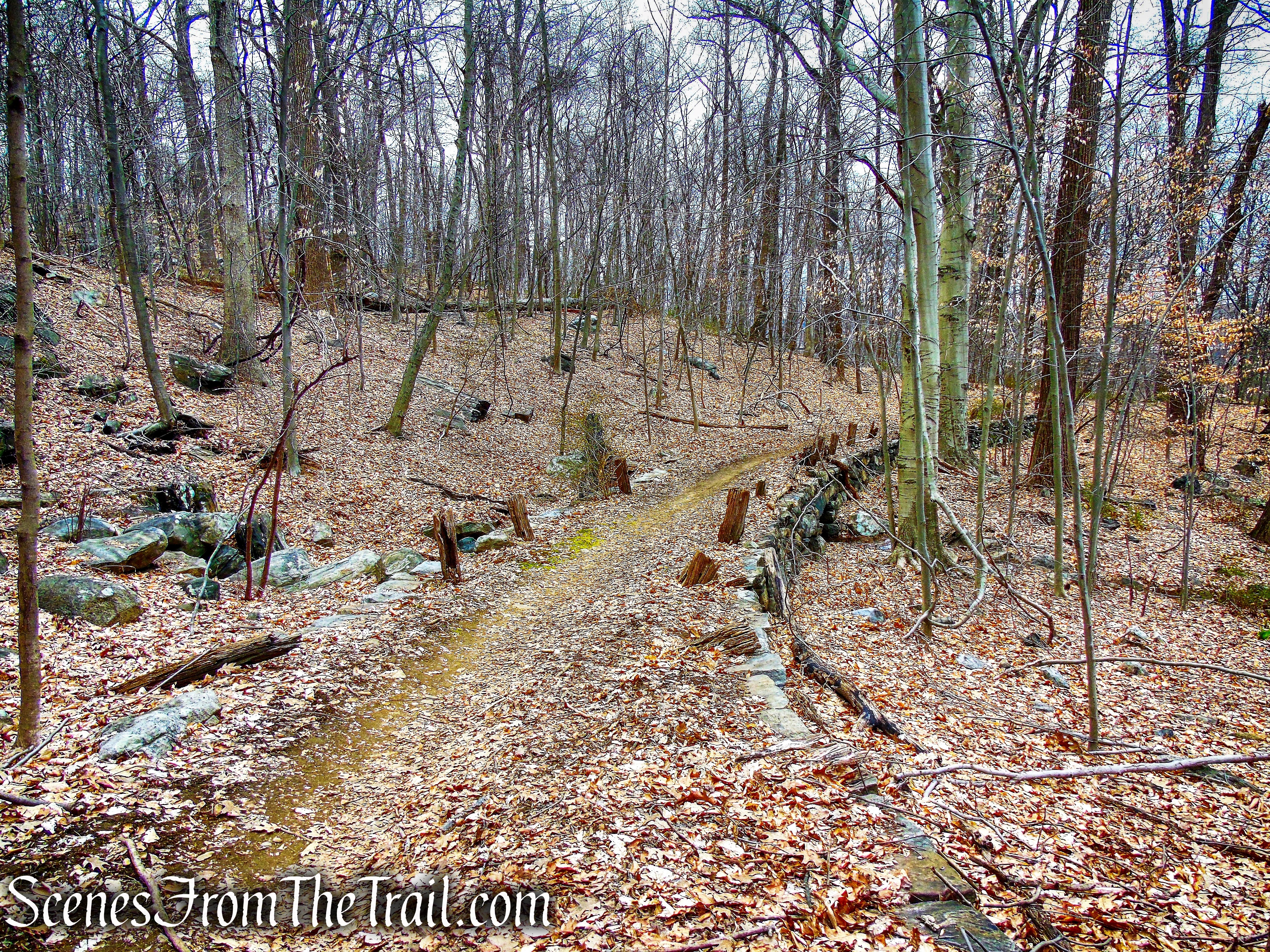
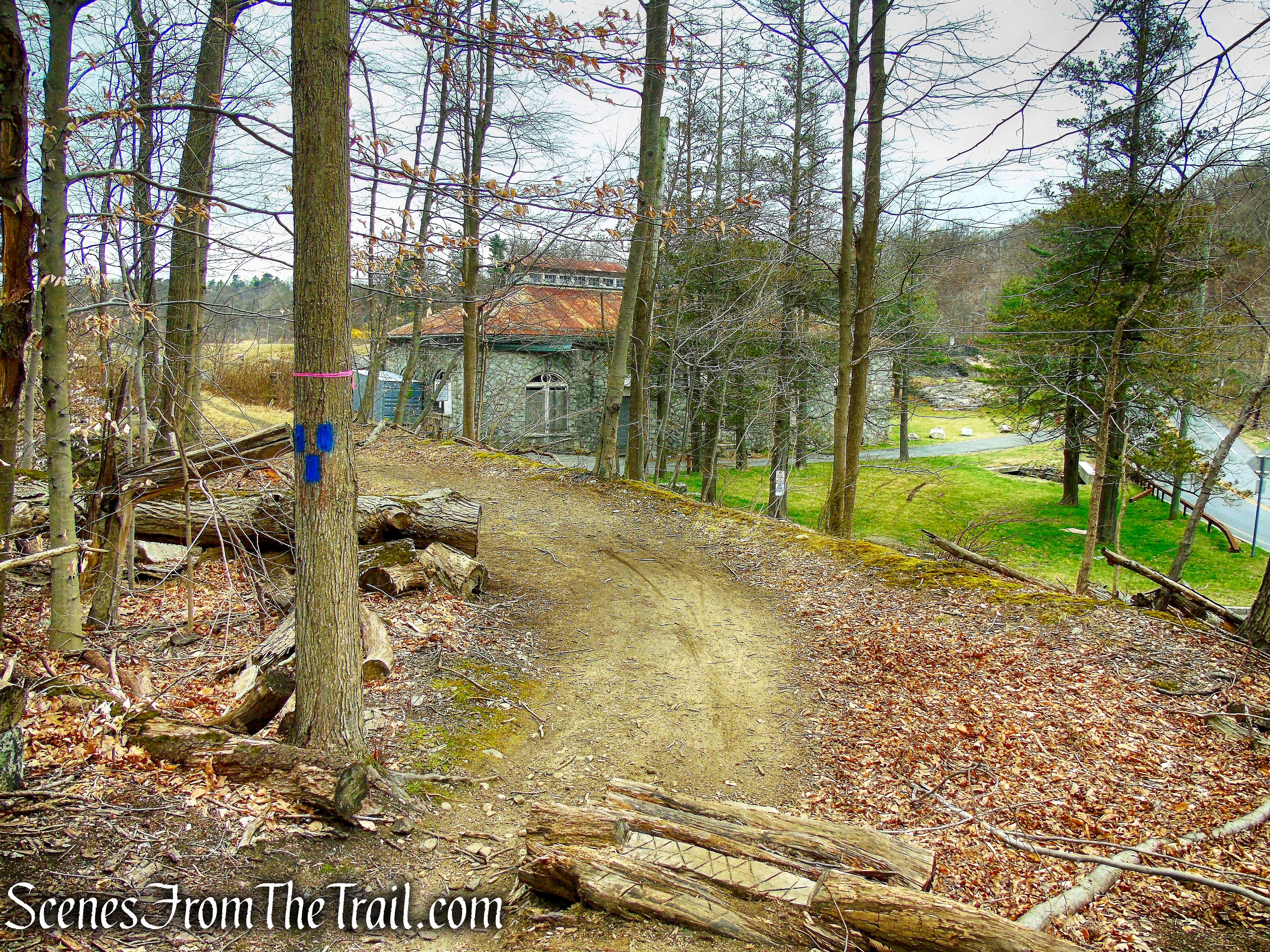
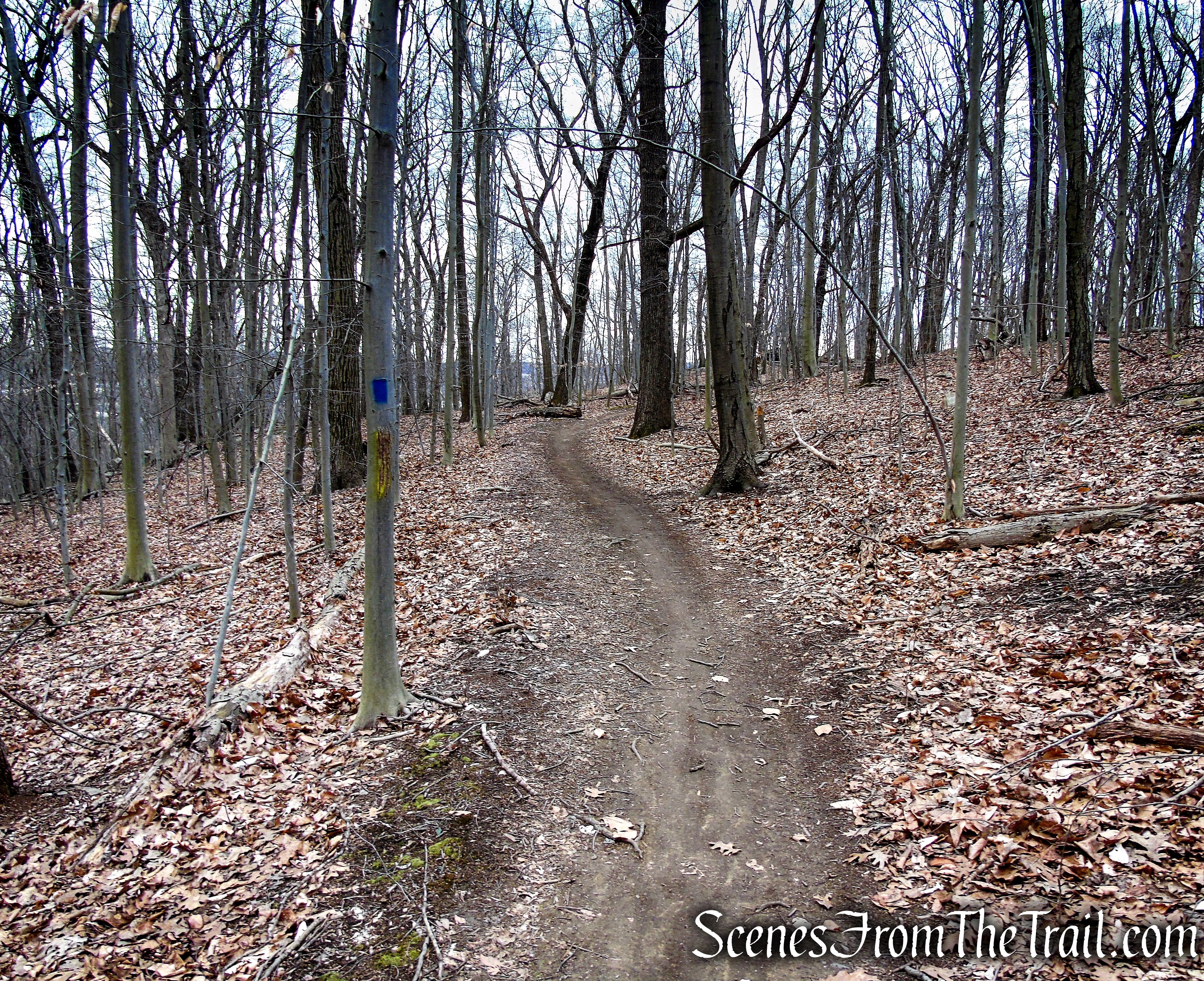
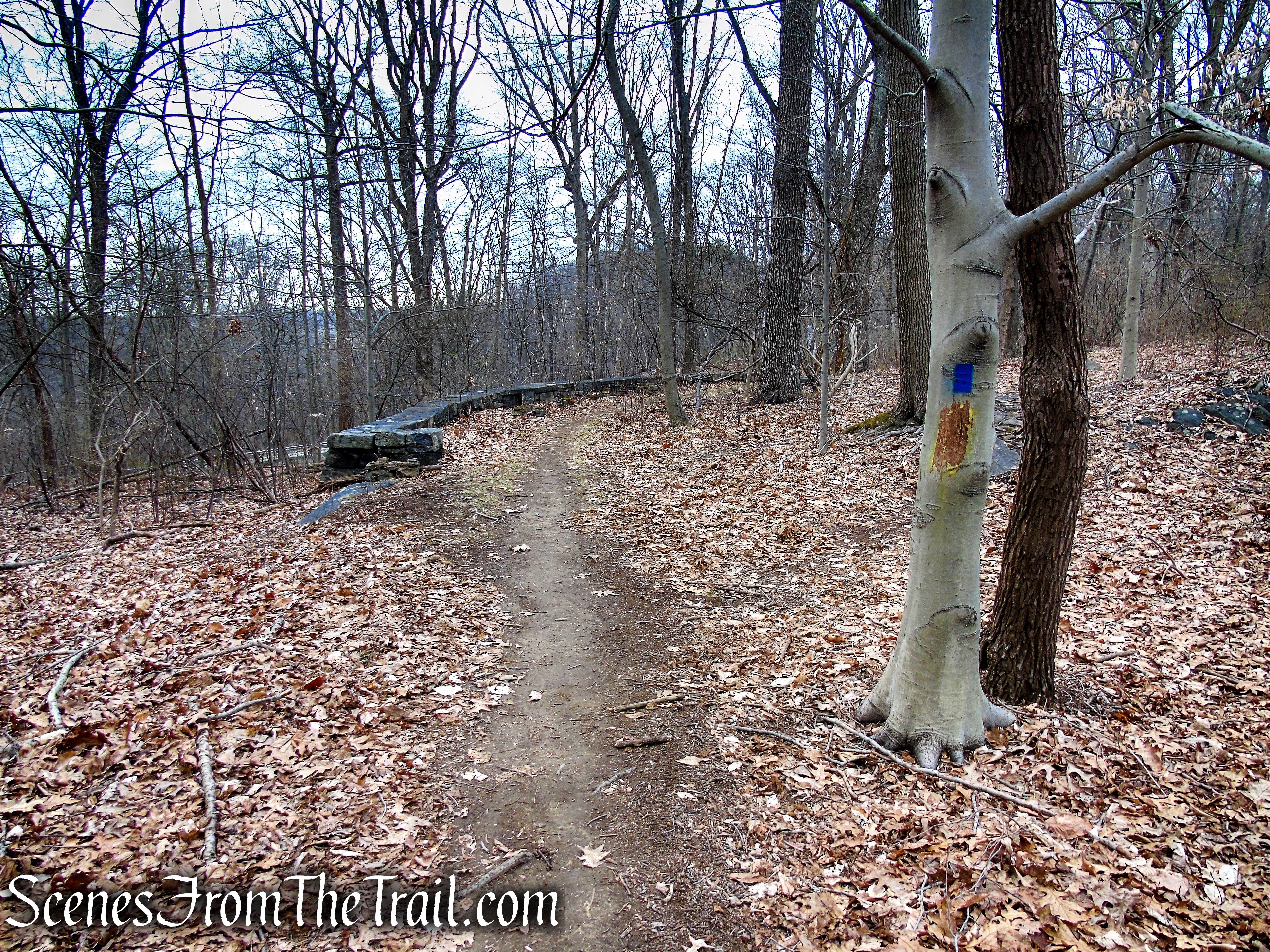
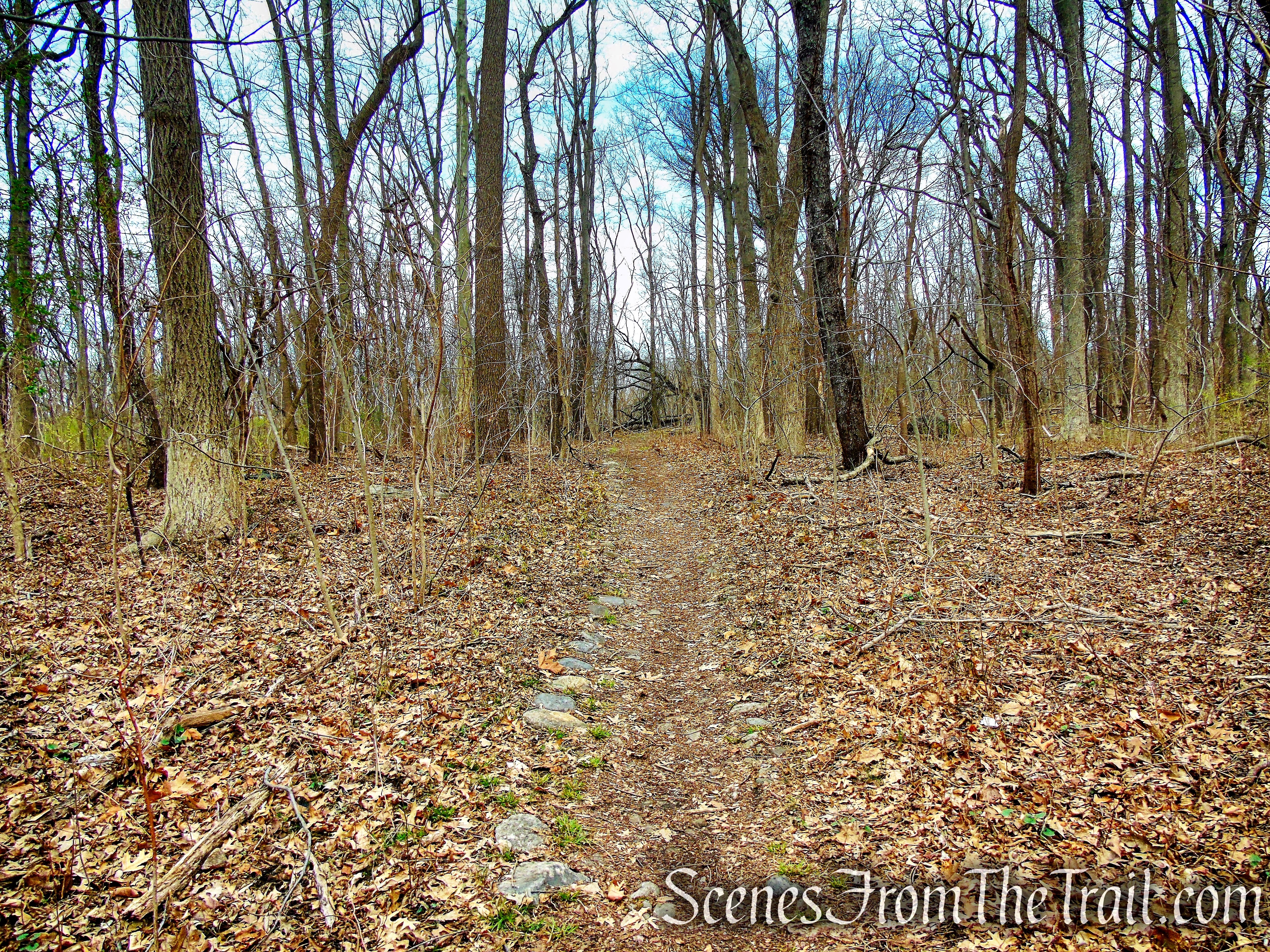
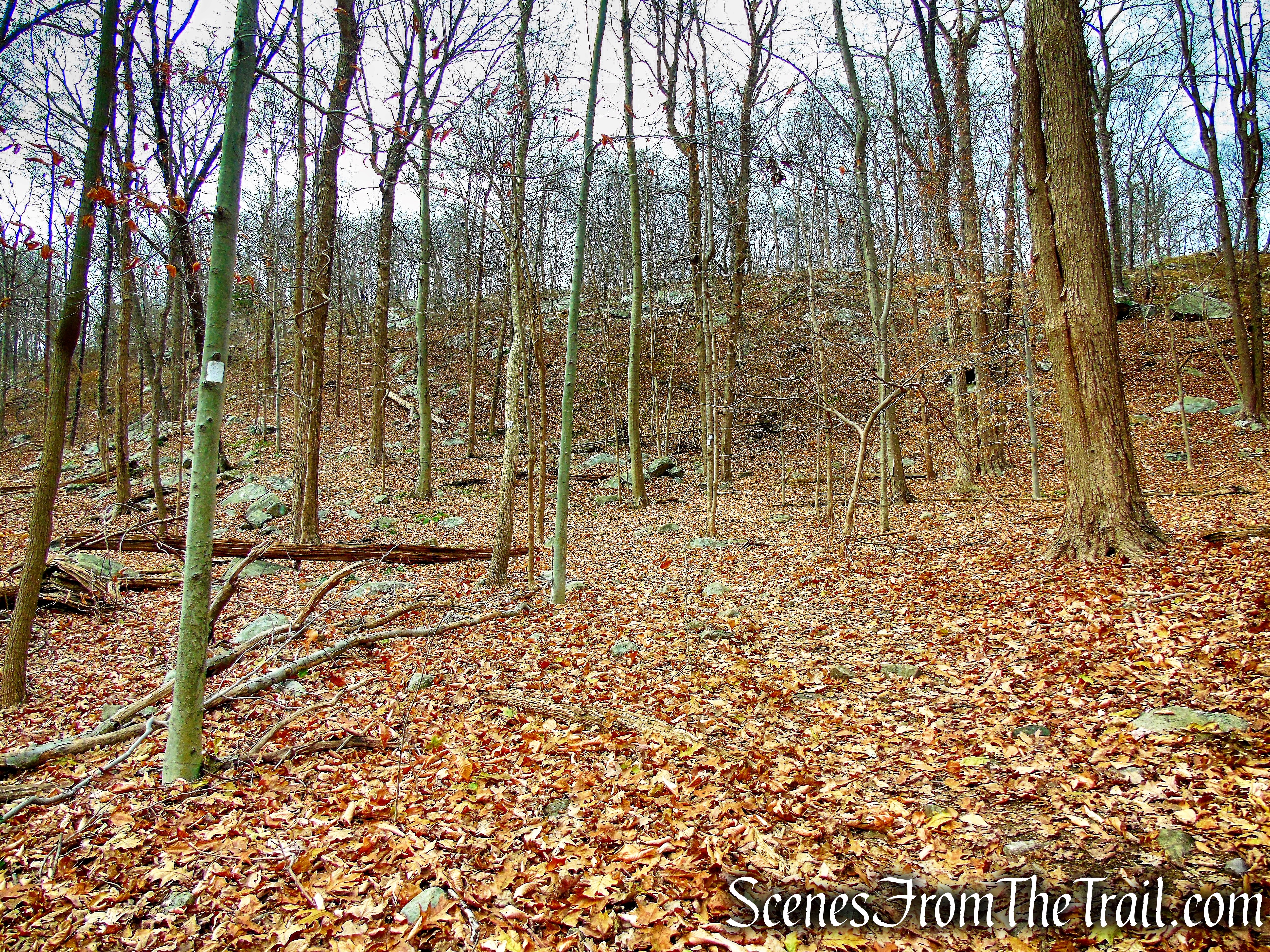
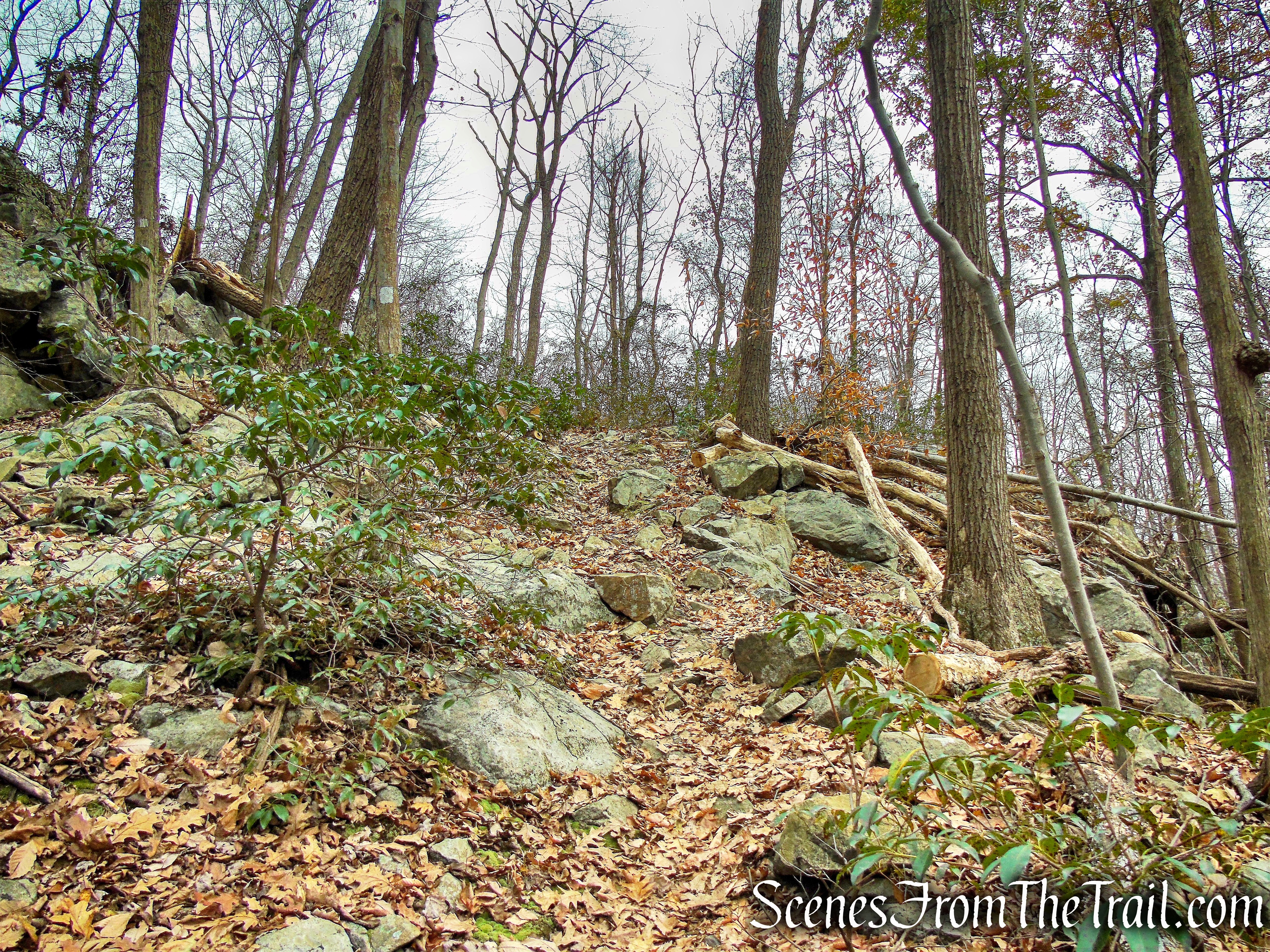
The Blue Trail traverses the property from north to south, along the hillside, just above the Old Croton Aqueduct (OCA), then climbs the hillside (east) along the property’s southern border. The trail begins near the “Sugar Shack” descends a little then proceeds along the hillside. There are several unmarked footpaths that branch off it, including one that descends to the OCA. When it reaches the southern end of the preserve, it ascends steeply and runs along the preserve boundary, ending near a parking lot by the mansion.

Blue Trail - Lenoir Preserve

Blue Trail – Lenoir Preserve

Blue Trail - Lenoir Preserve

Blue Trail – Lenoir Preserve

Blue Trail - Lenoir Preserve

Blue Trail – Lenoir Preserve

Blue Trail - Lenoir Preserve

Blue Trail – Lenoir Preserve

Blue Trail - Lenoir Preserve

Blue Trail – Lenoir Preserve

Blue Trail - Lenoir Preserve

Blue Trail – Lenoir Preserve

Blue Trail - Lenoir Preserve

Blue Trail – Lenoir Preserve

Blue Trail - Lenoir Preserve

Blue Trail – Lenoir Preserve

  • Unmarked Side Trail:

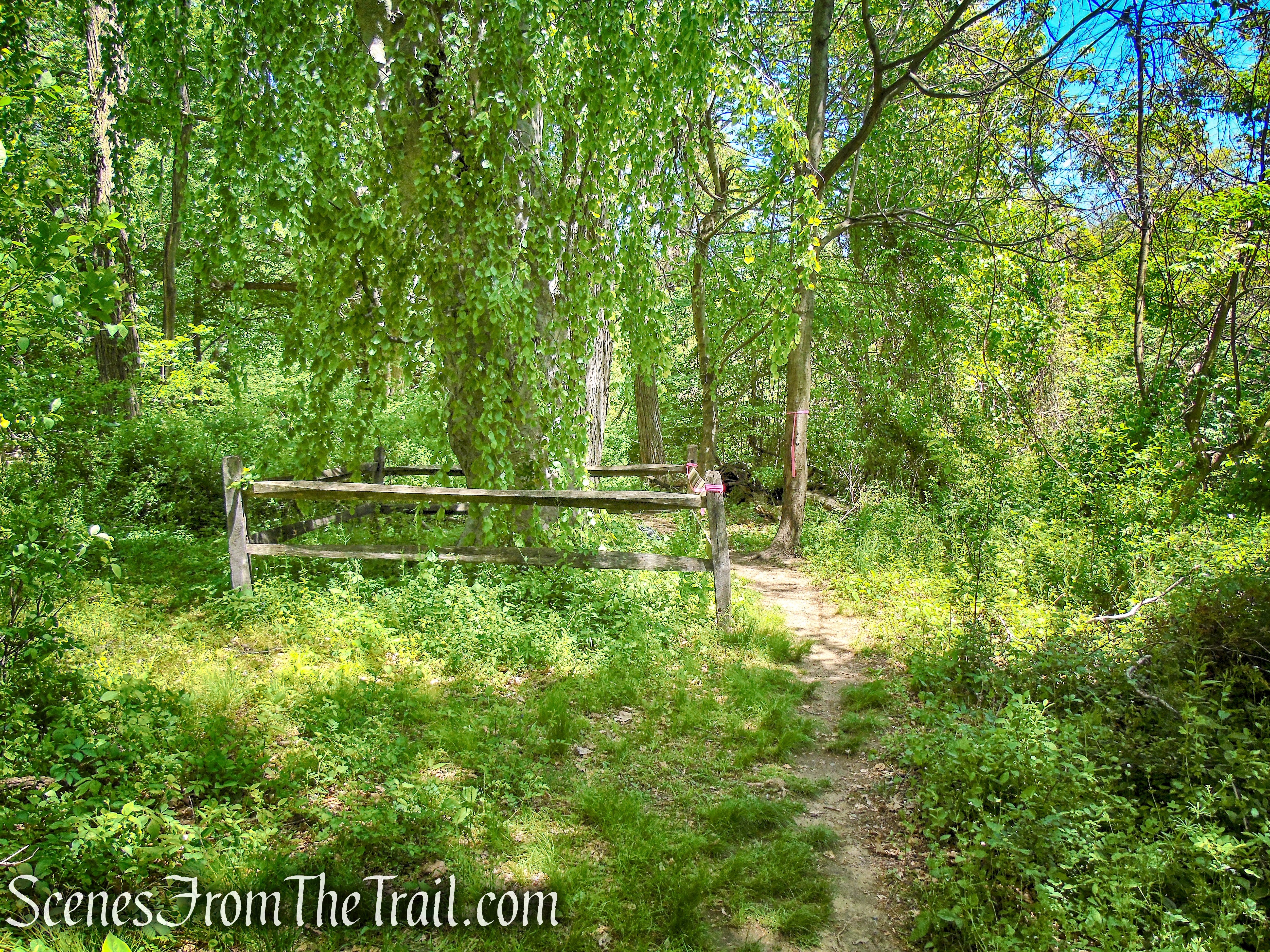
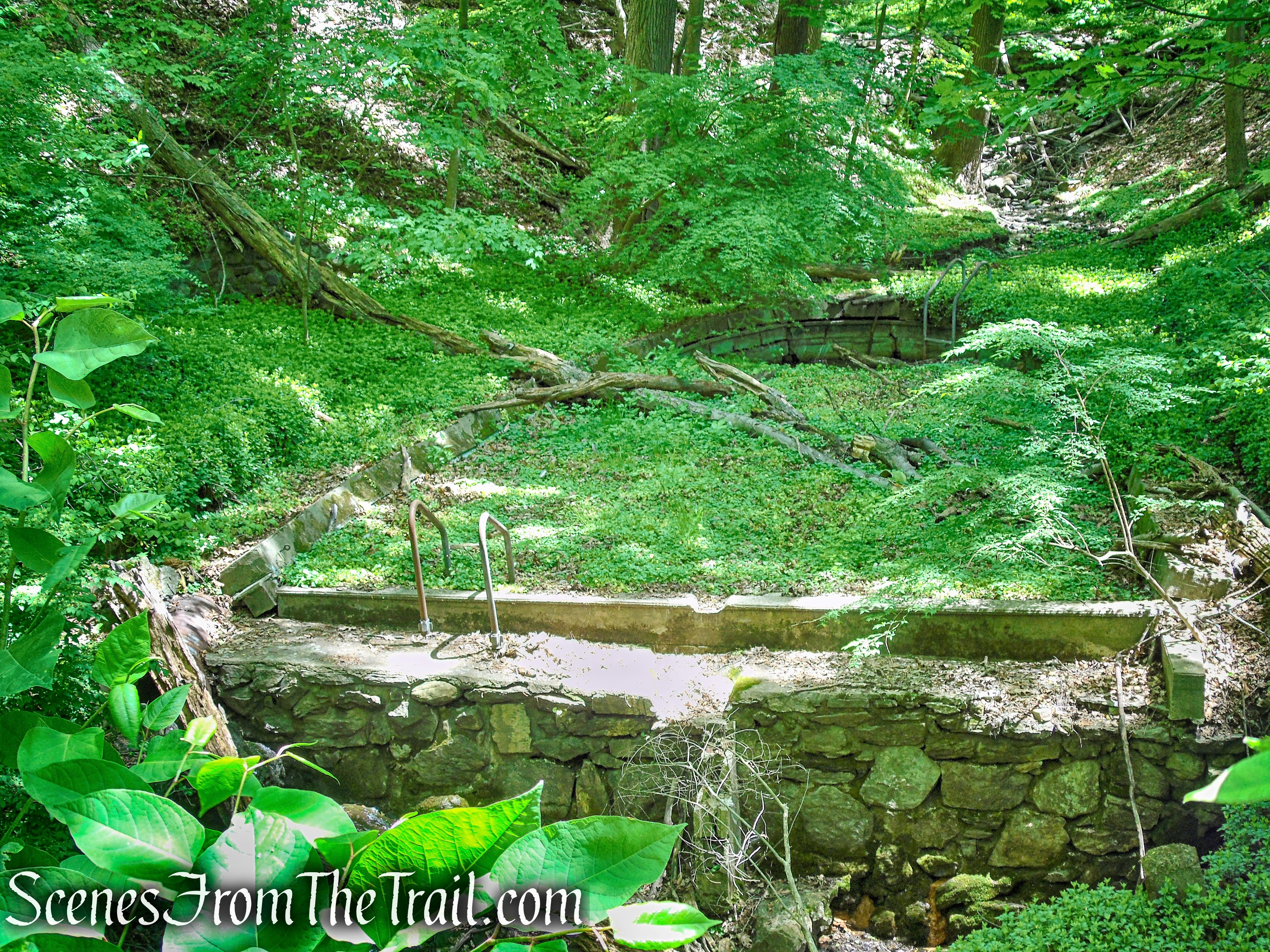
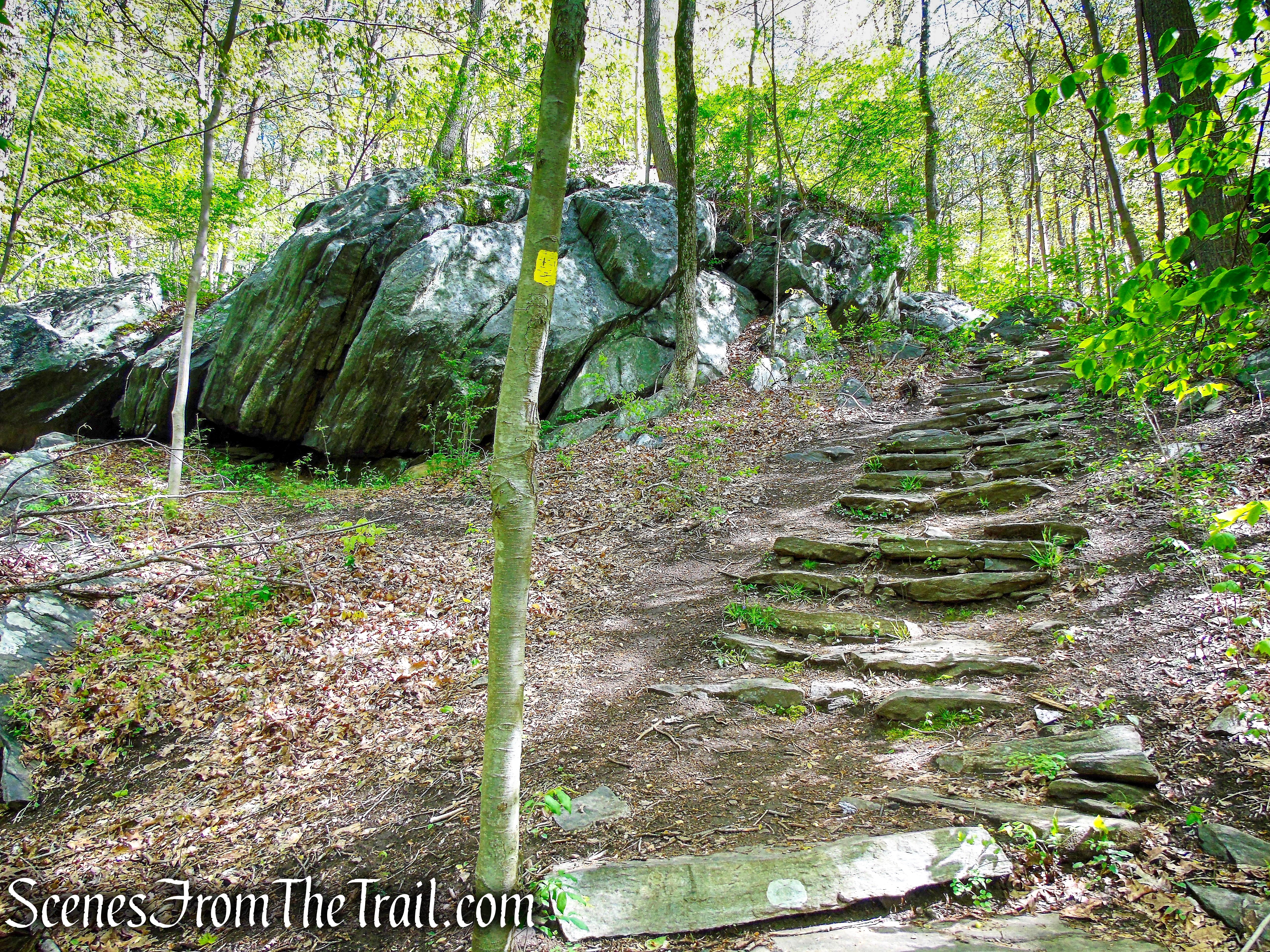
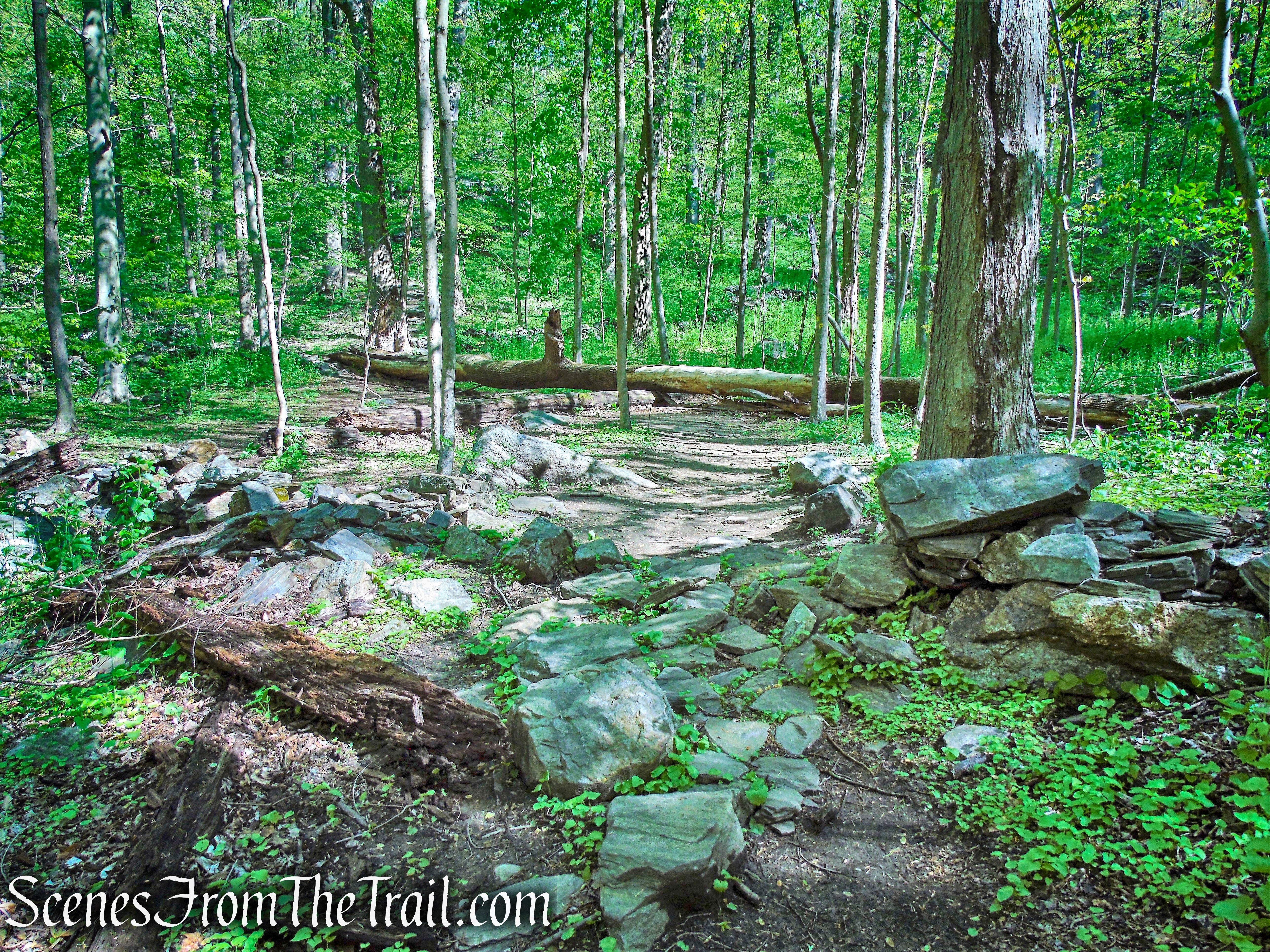
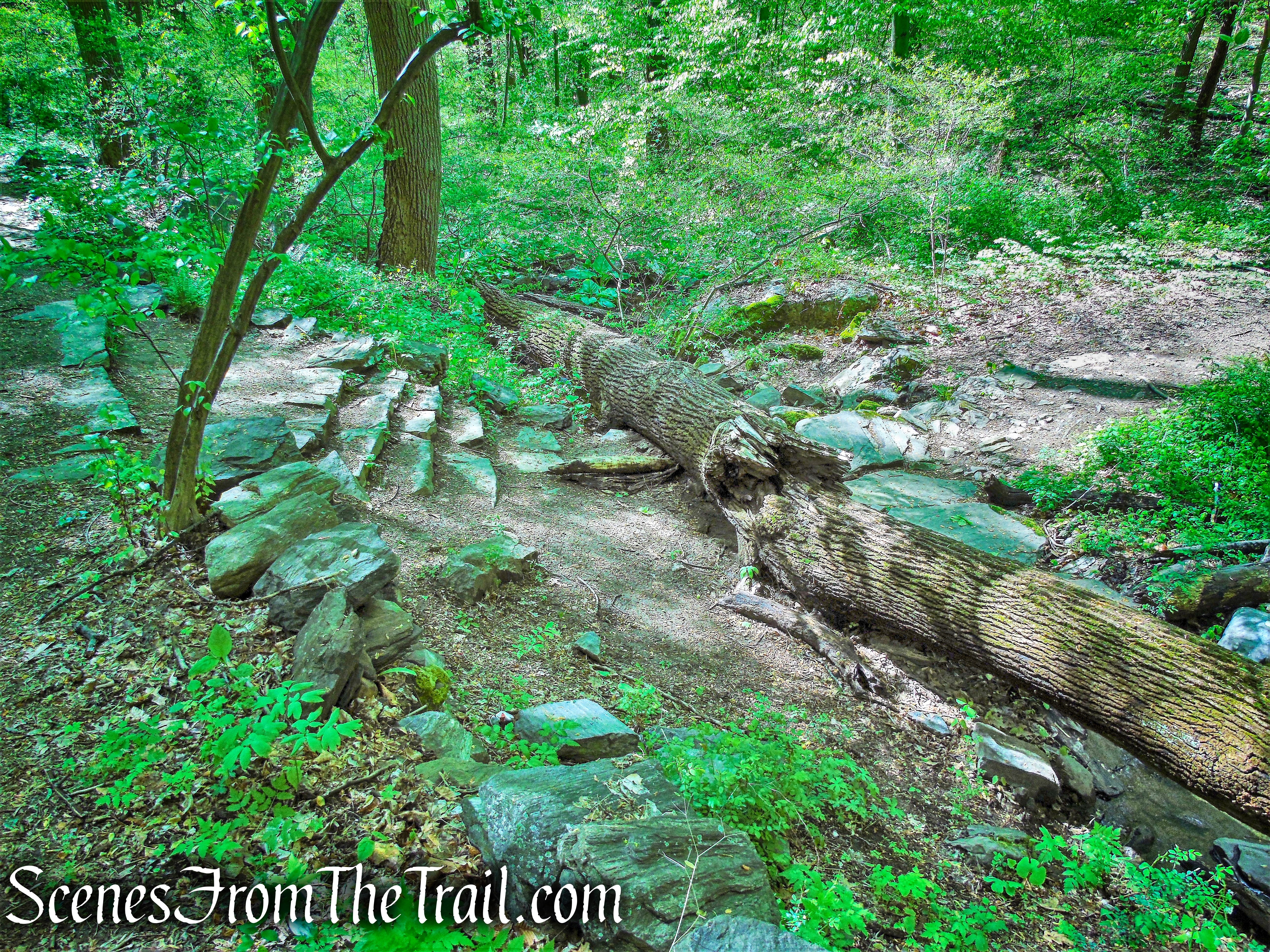
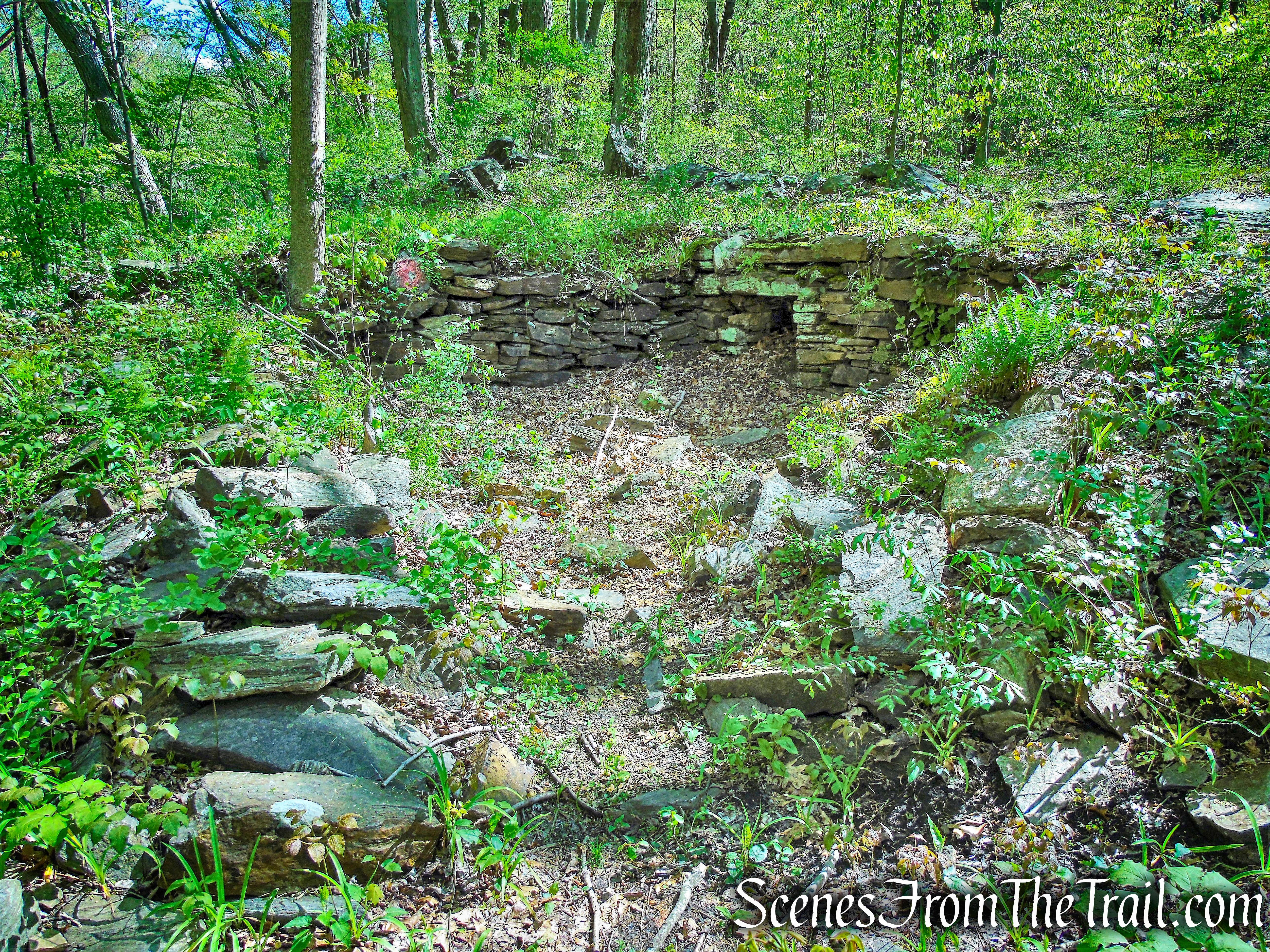
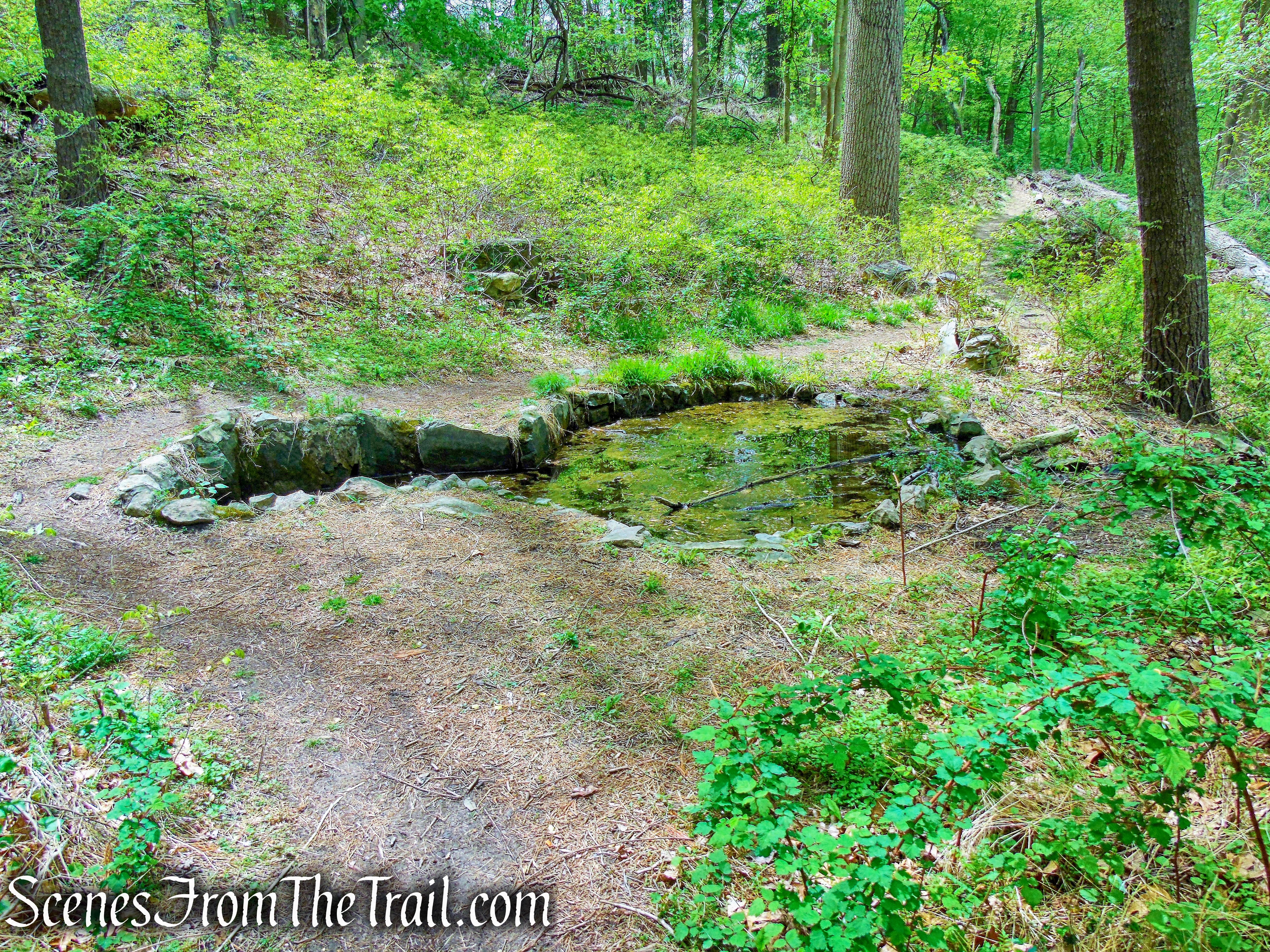
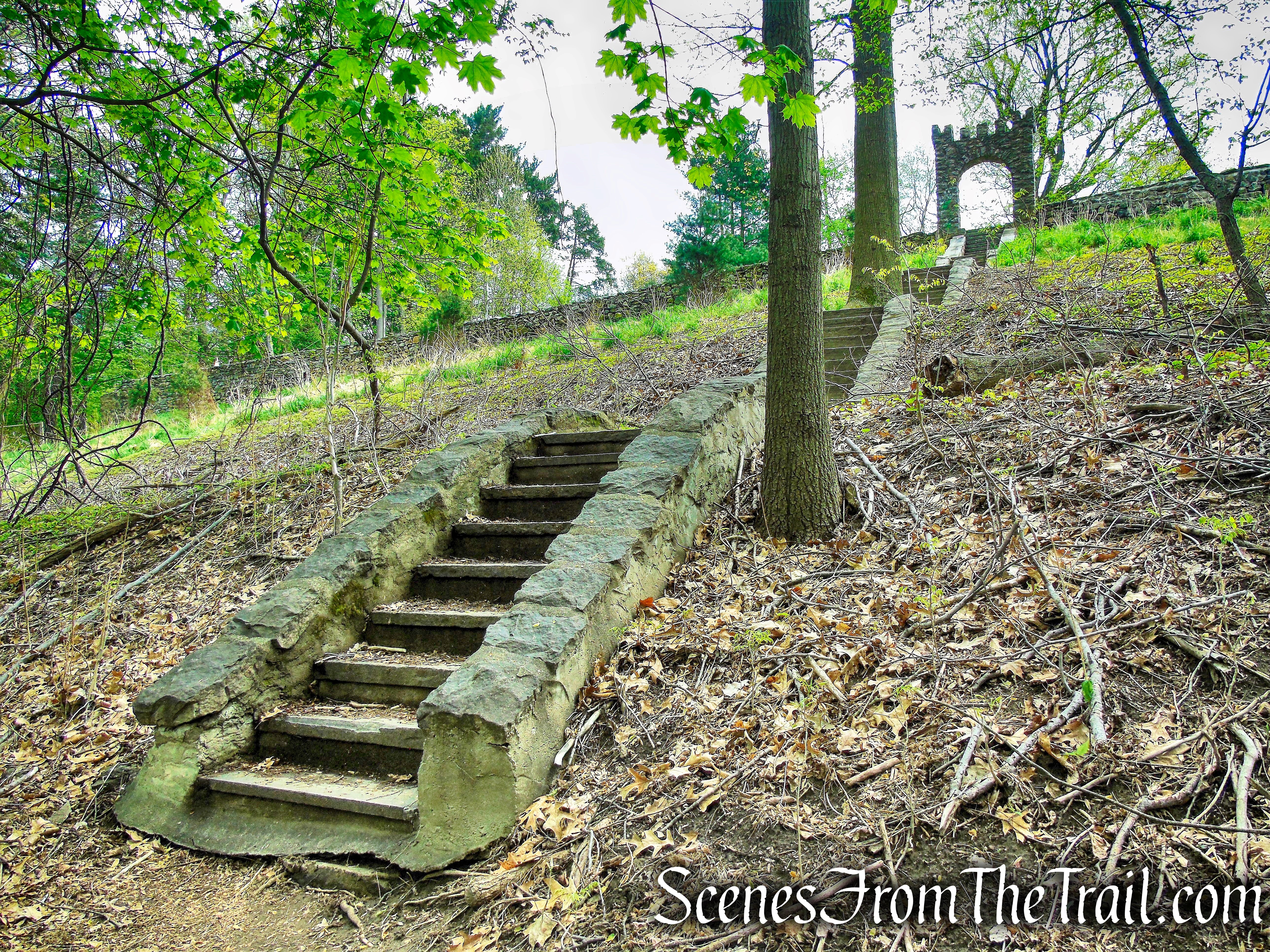
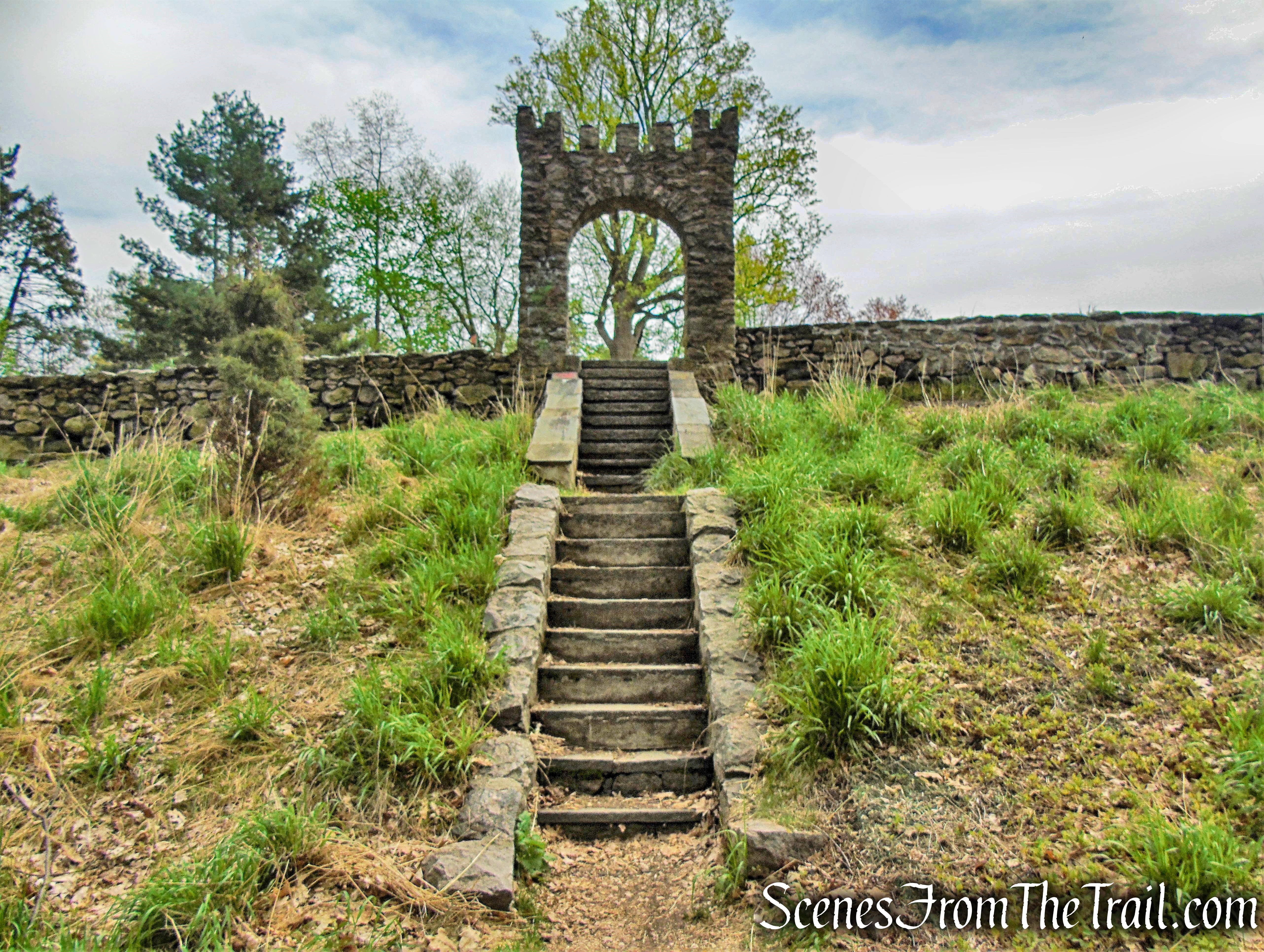
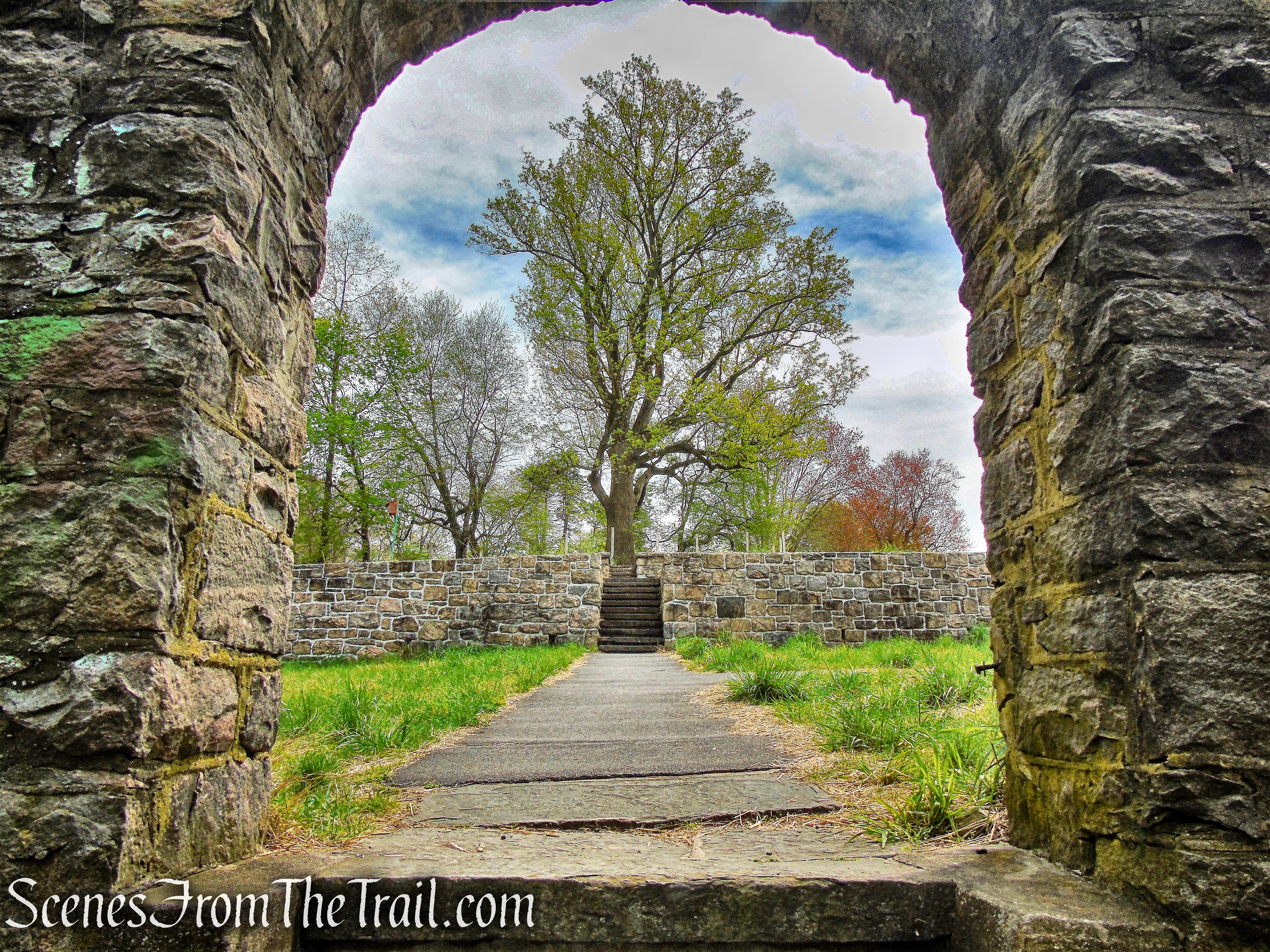
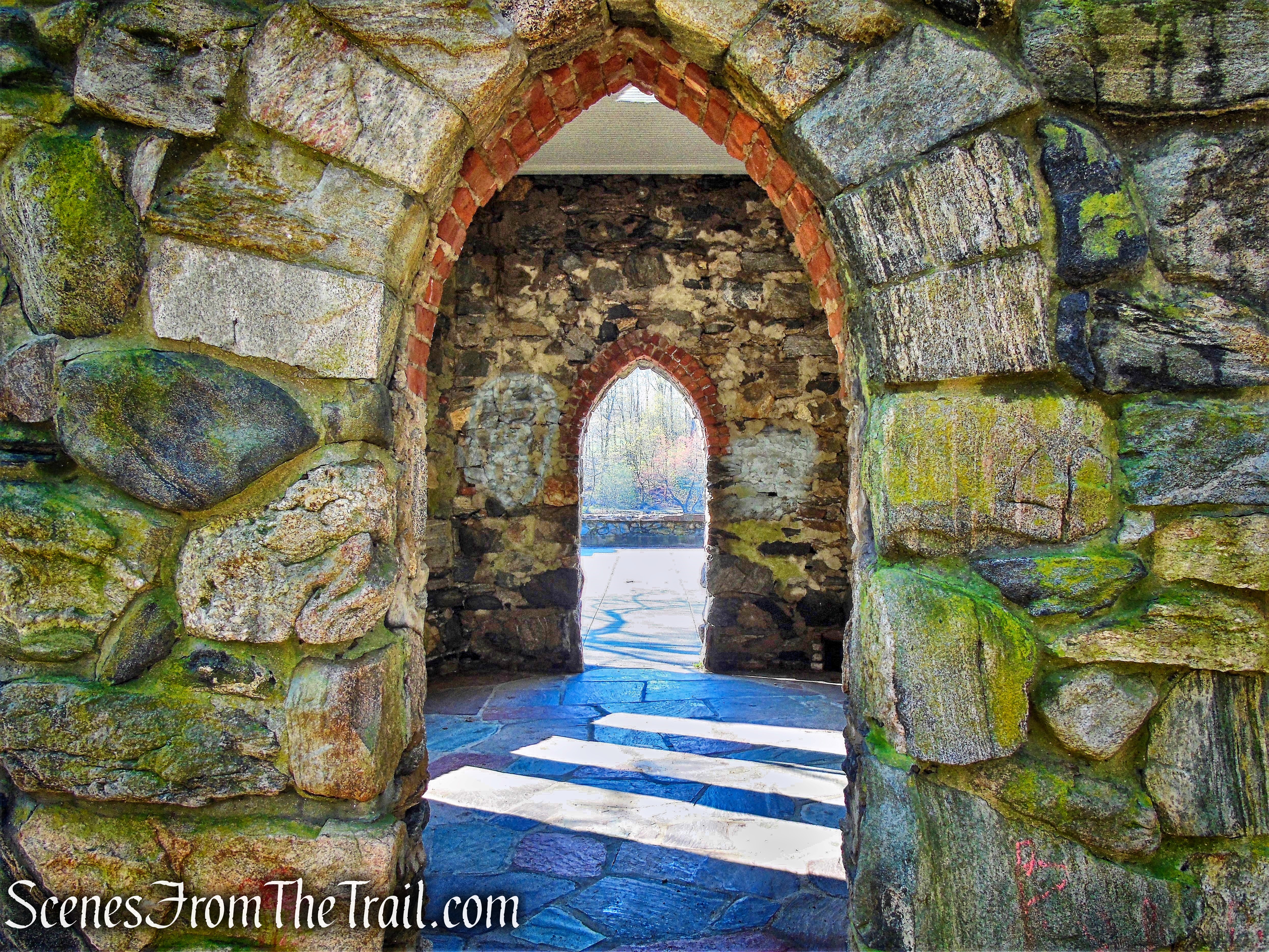
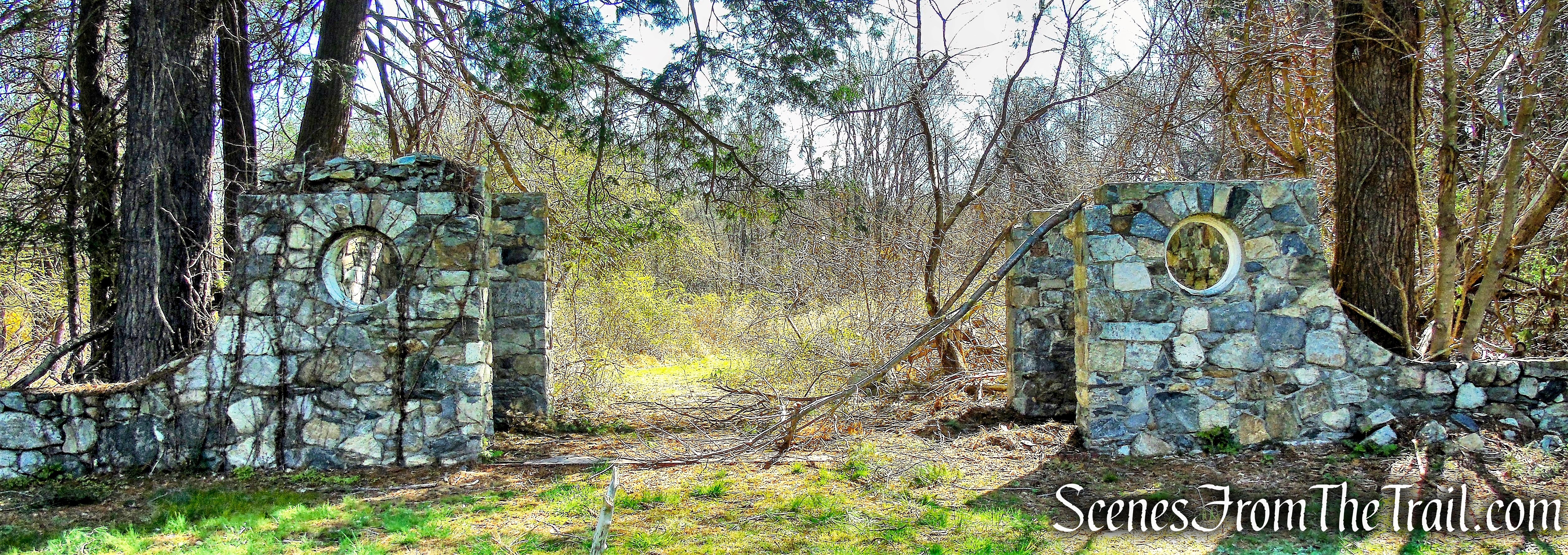
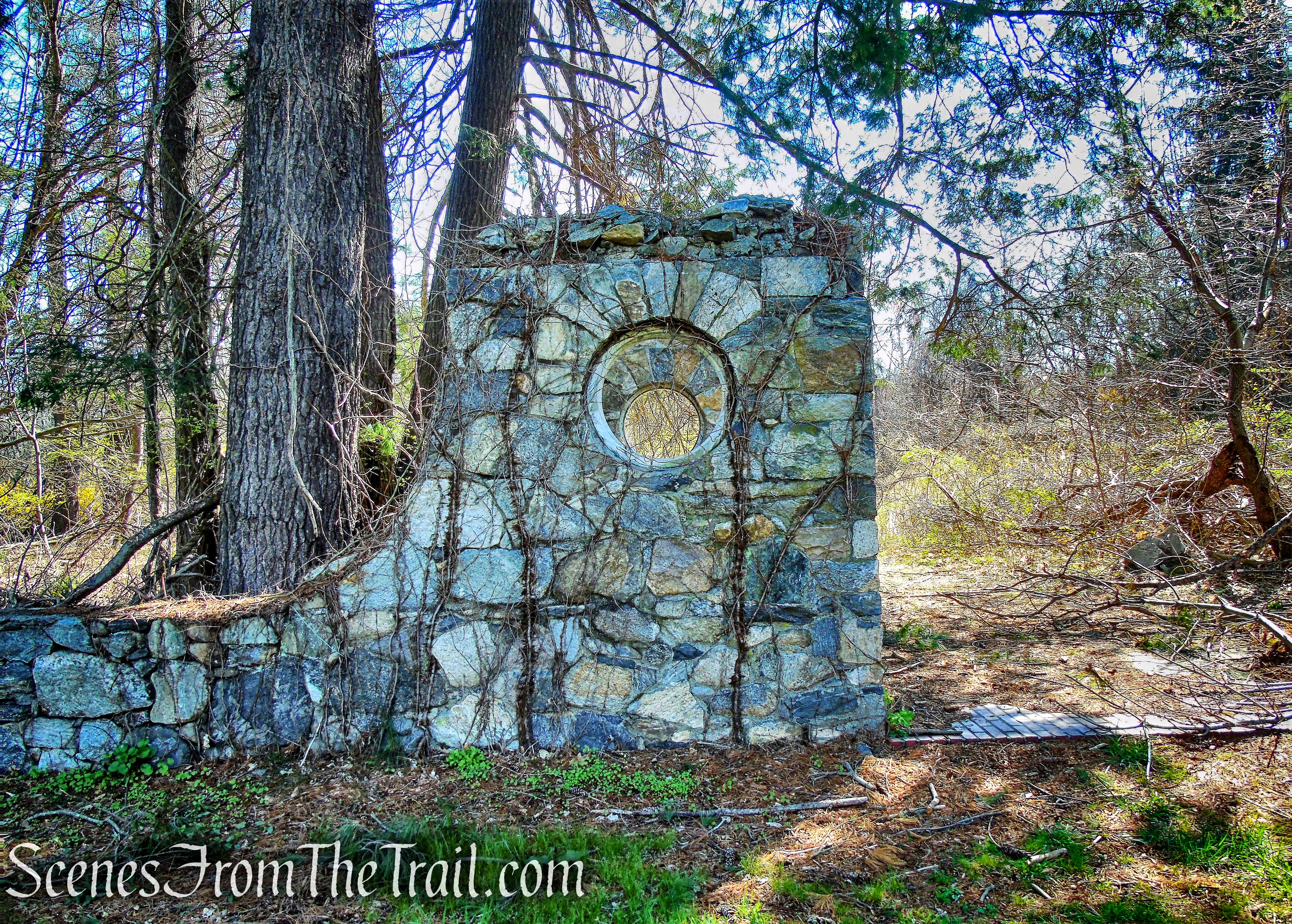
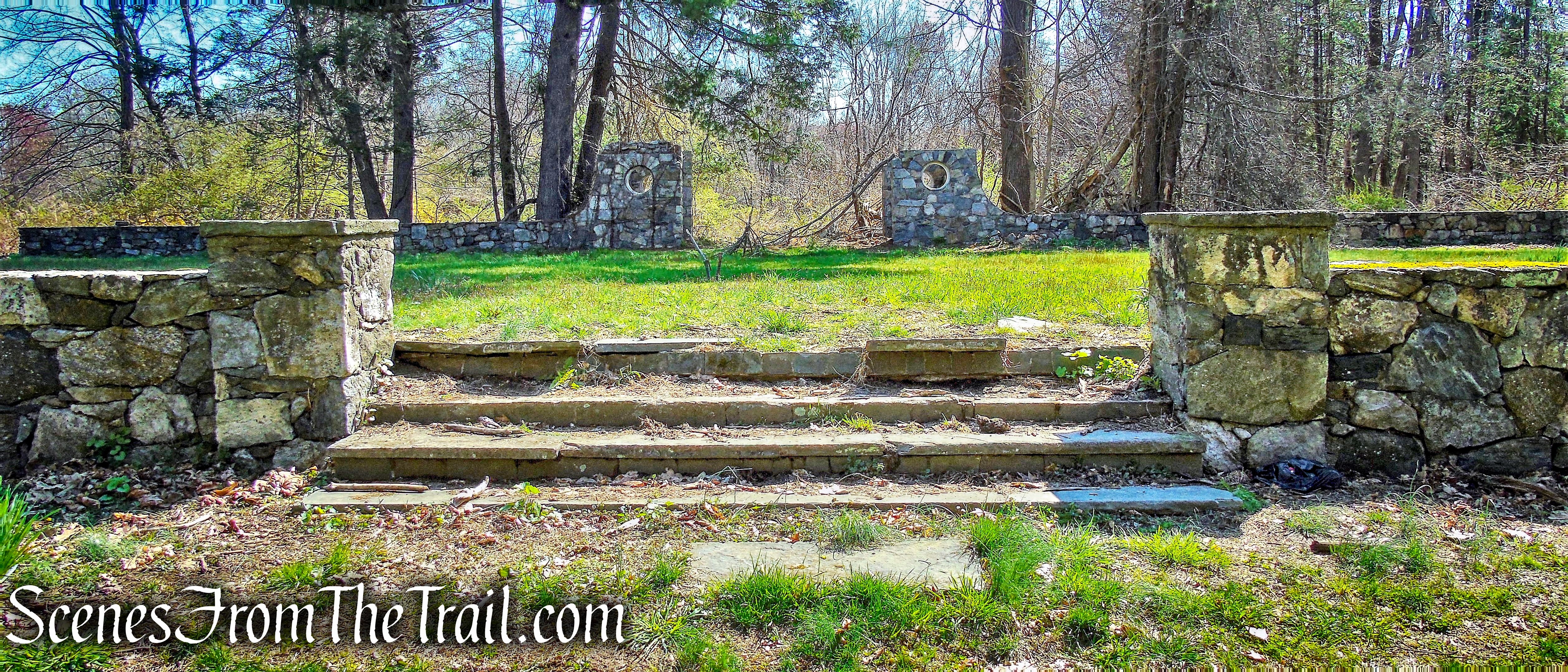
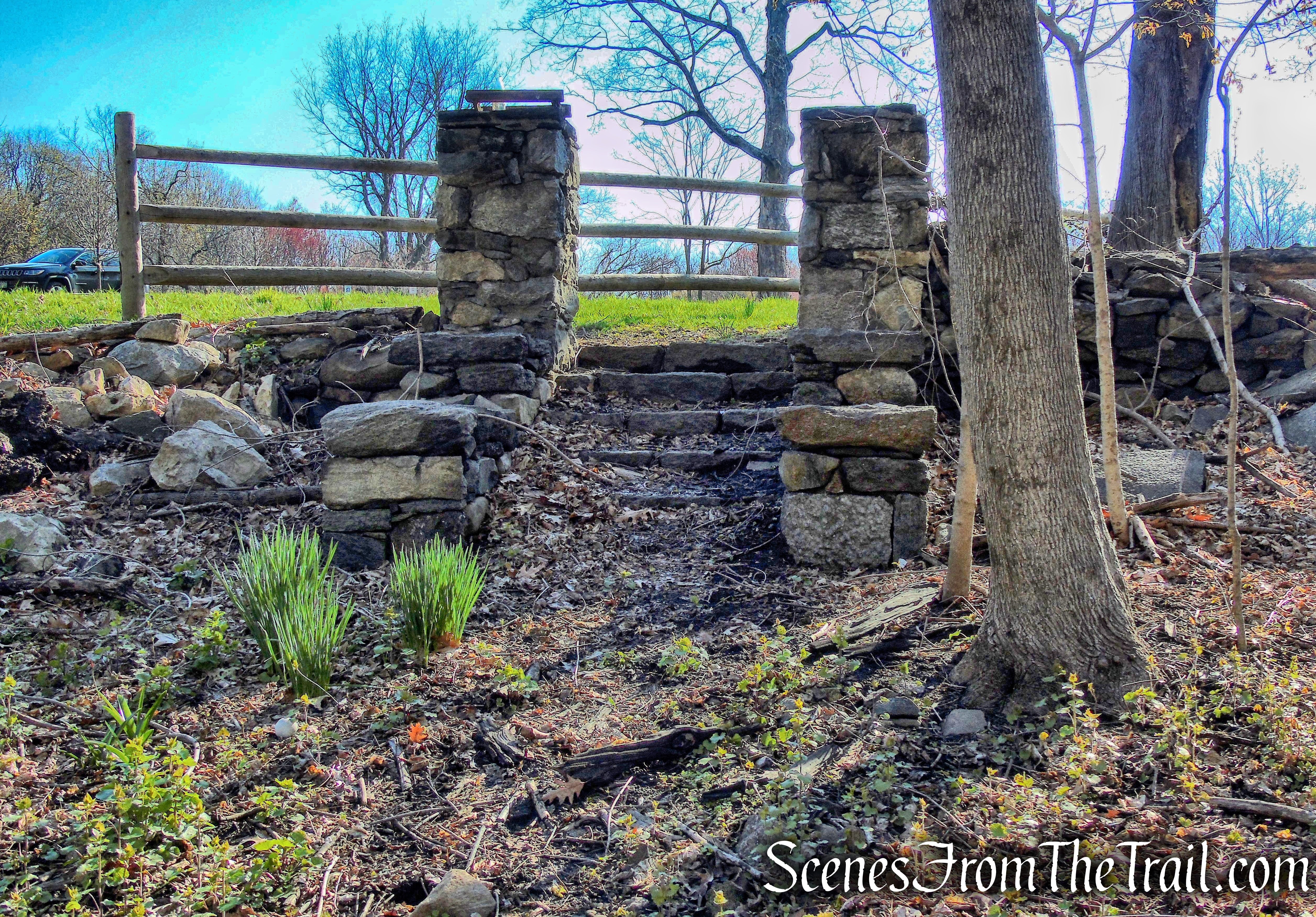
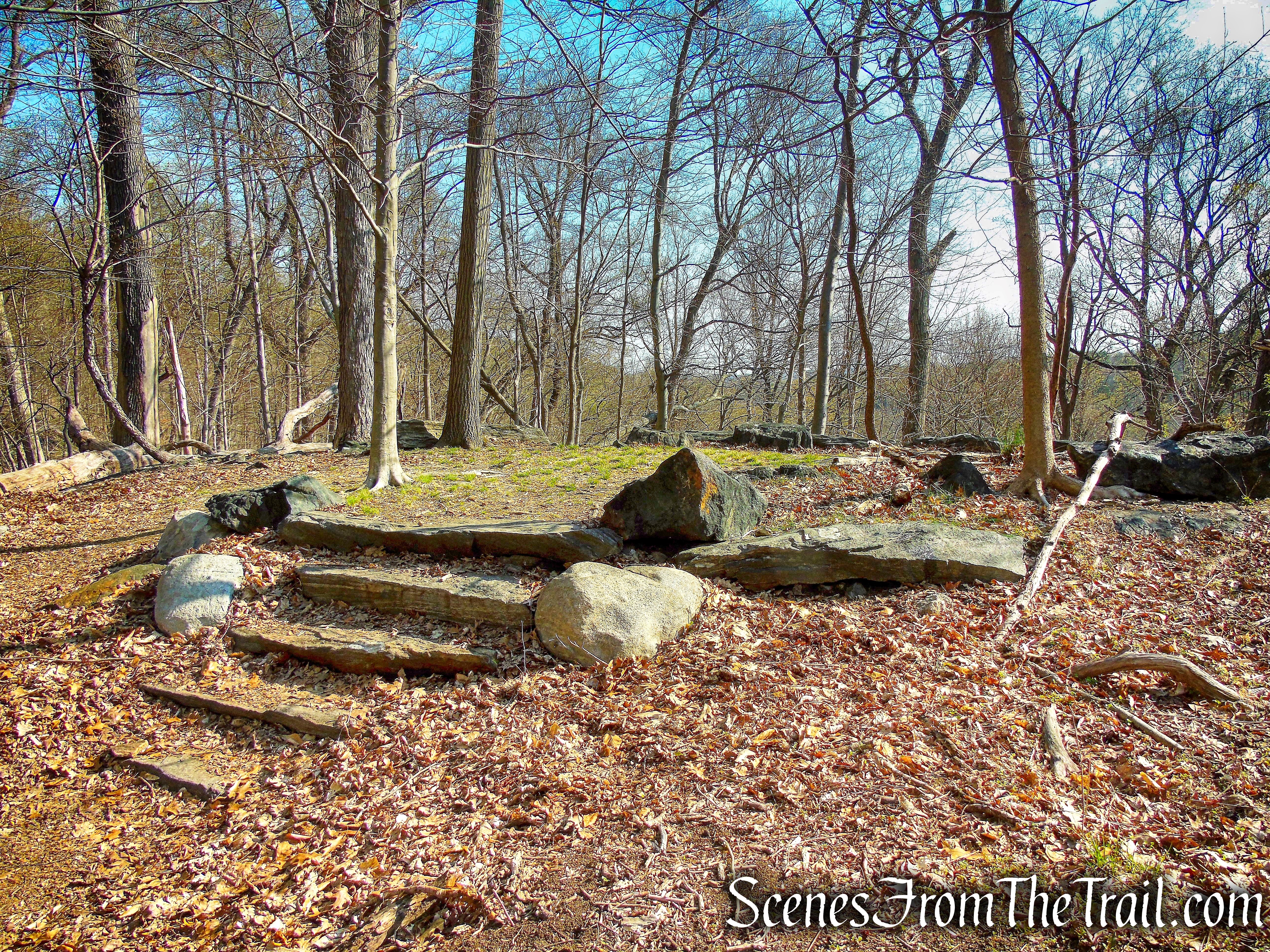
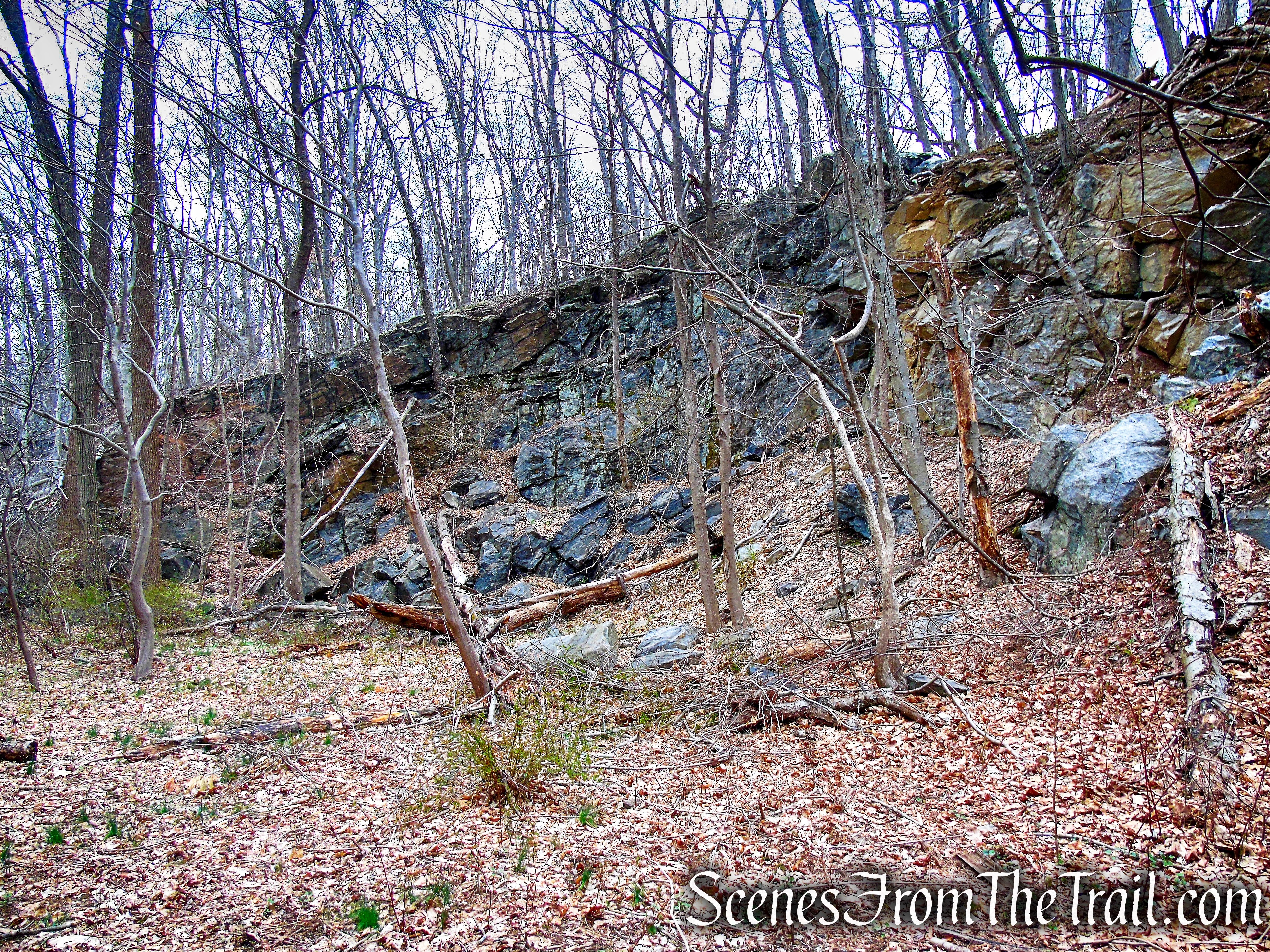
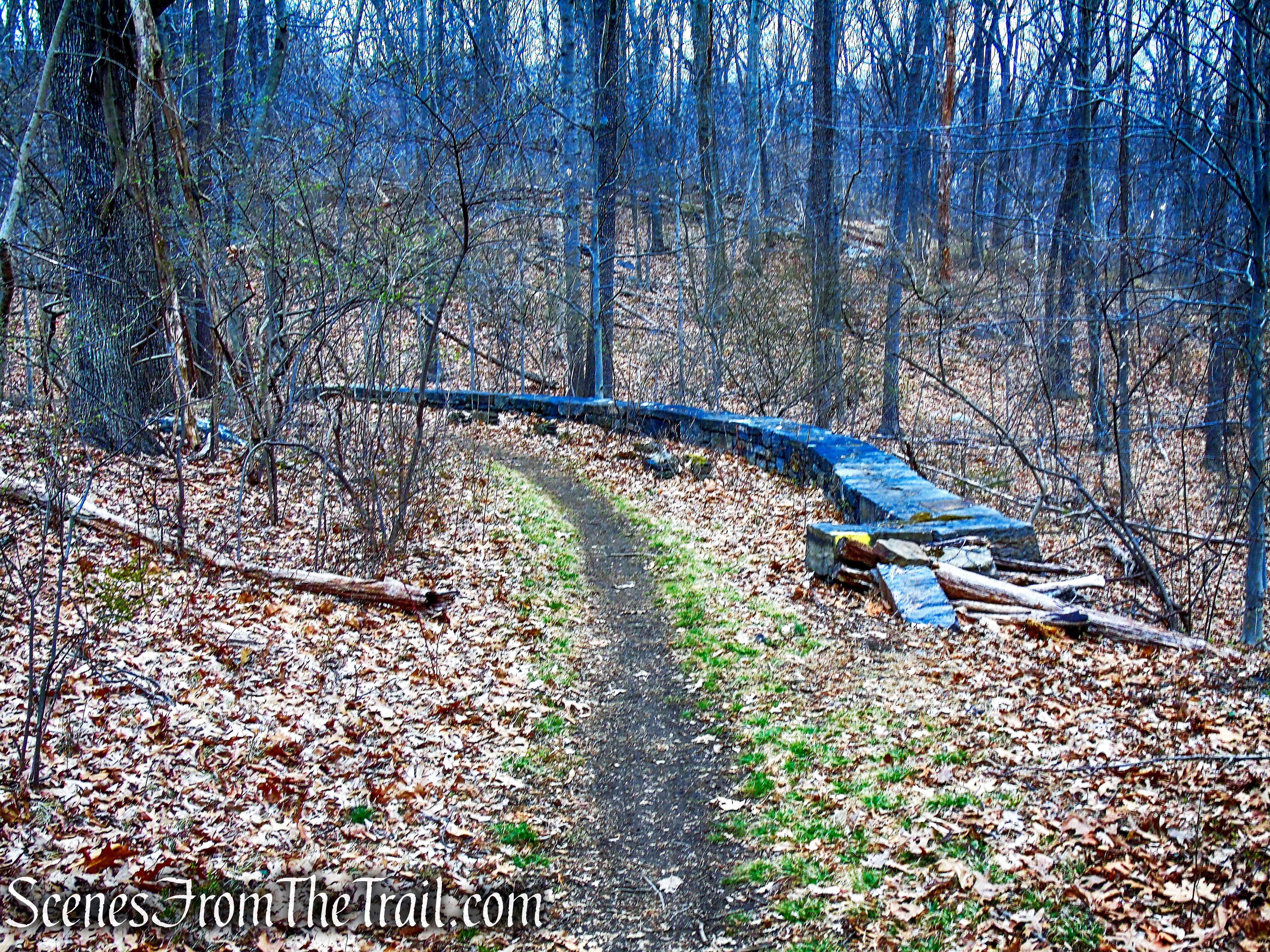
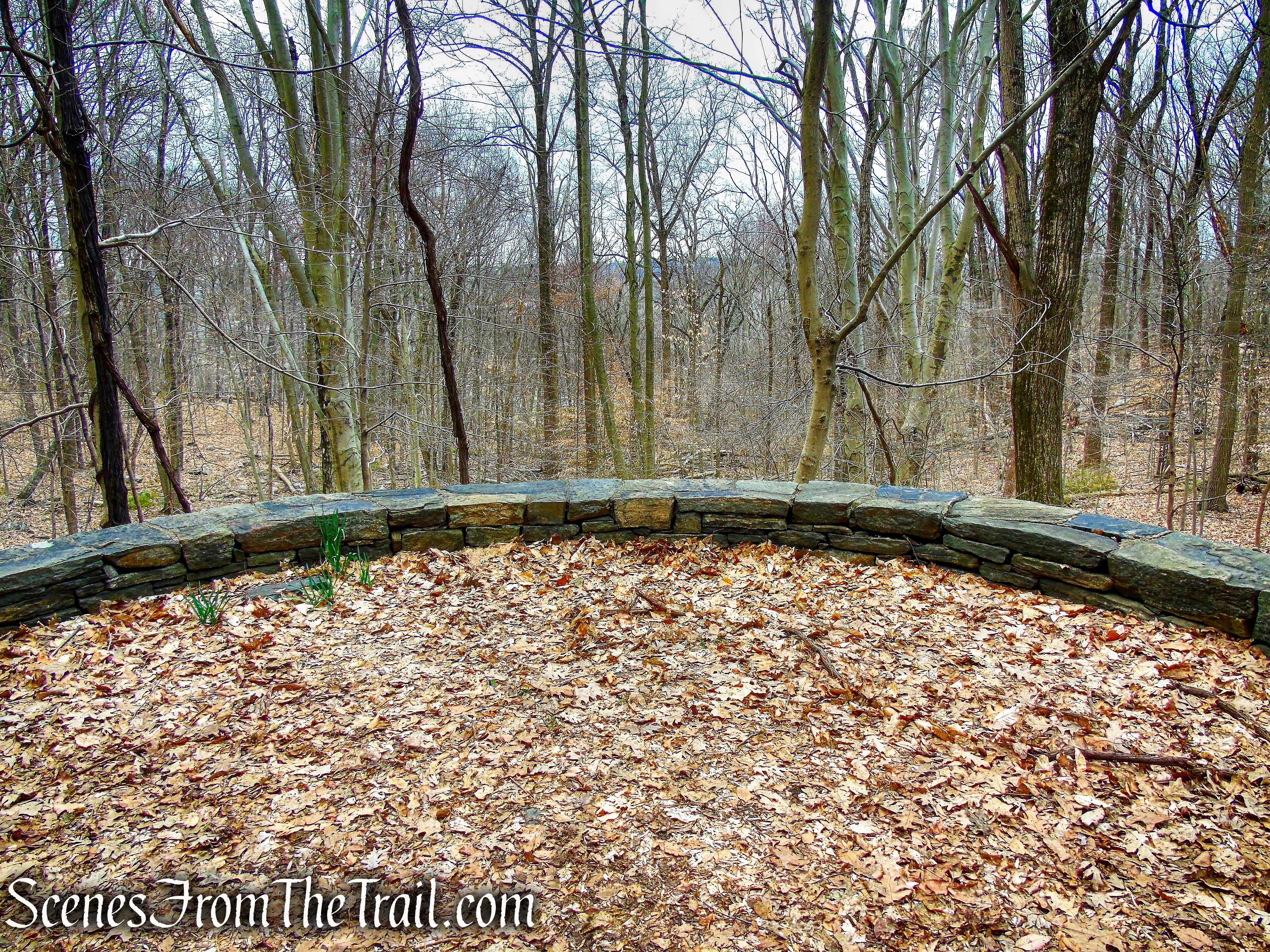
An unmarked trail branches off the Blue Trail and climbs steeply to a stone staircase and through a stone arch on one of the terraces.

stone staircase - Lenoir Preserve

stone staircase – Lenoir Preserve

stone staircase - Lenoir Preserve

stone staircase – Lenoir Preserve

stone arch - Lenoir Preserve

stone arch – Lenoir Preserve

stone arch - Lenoir Preserve

stone arch – Lenoir Preserve

  • Yellow Trail:

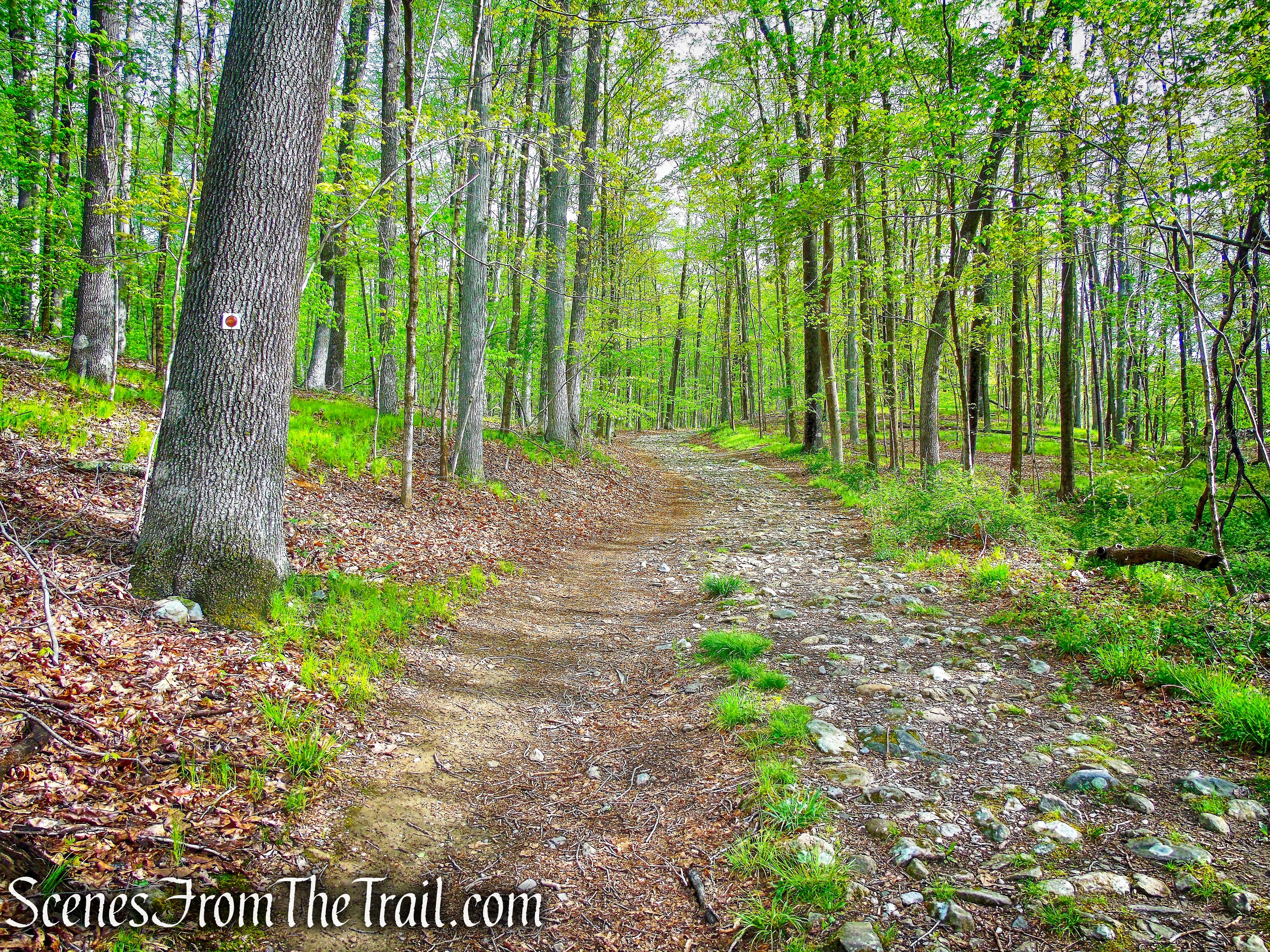
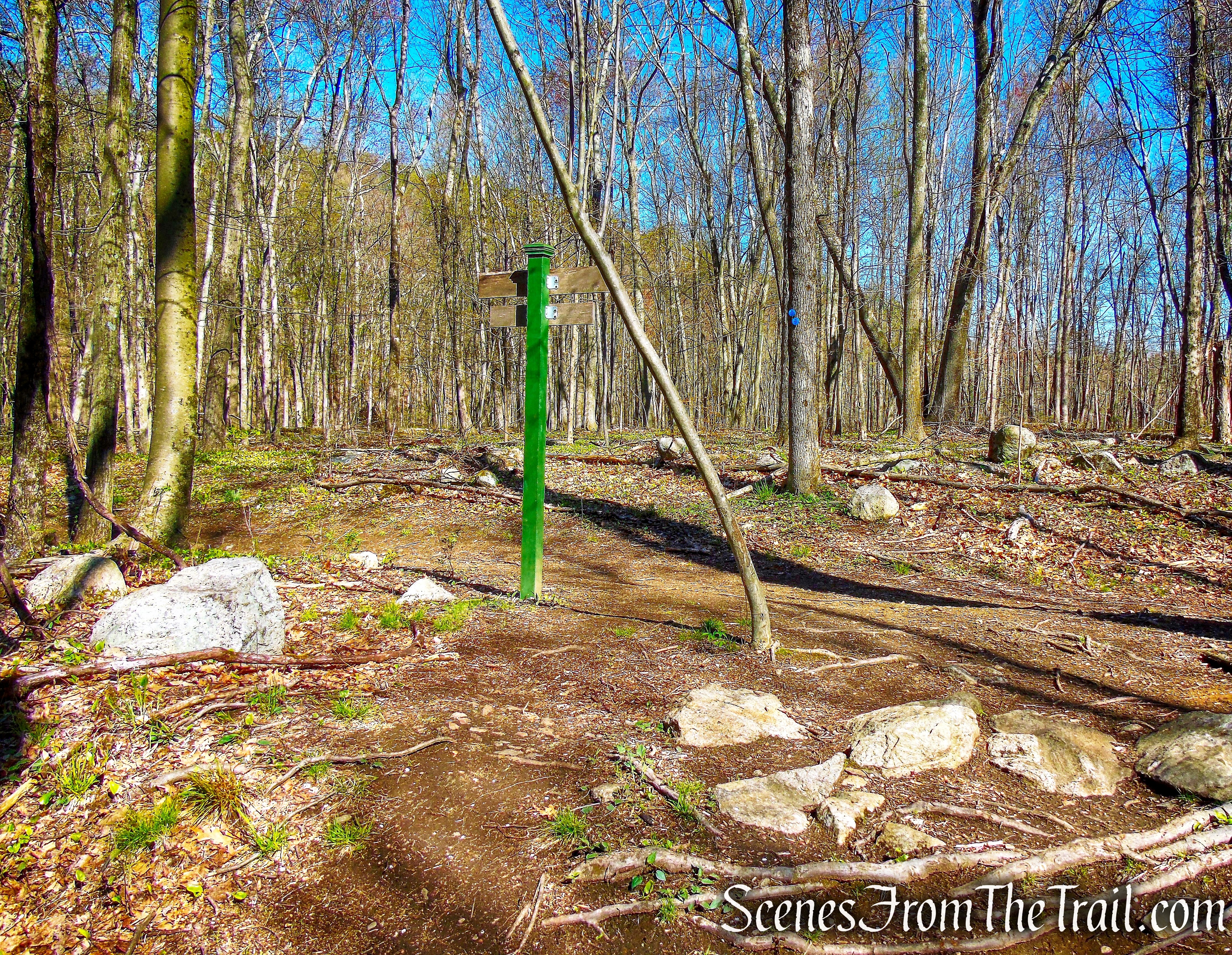
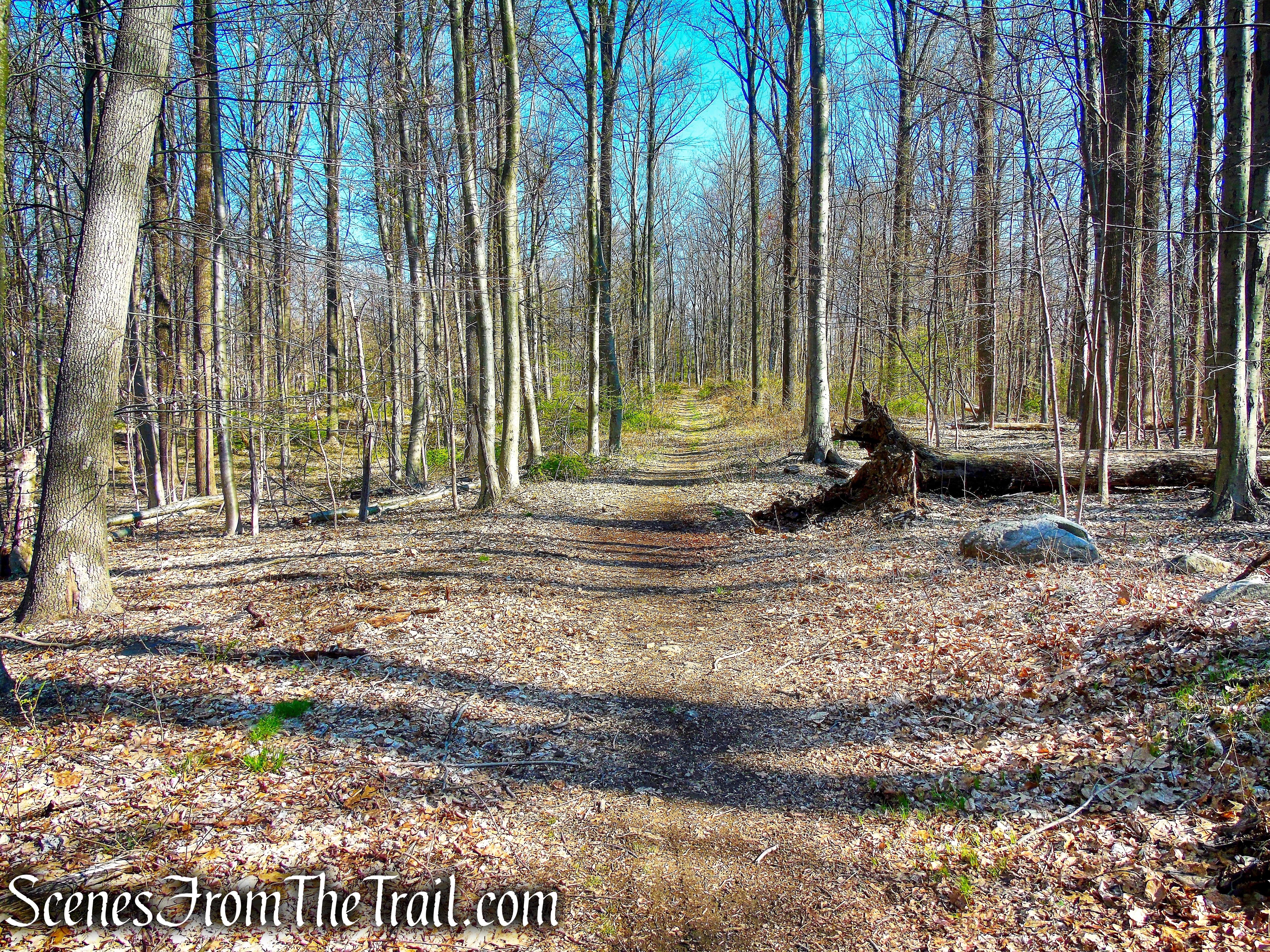
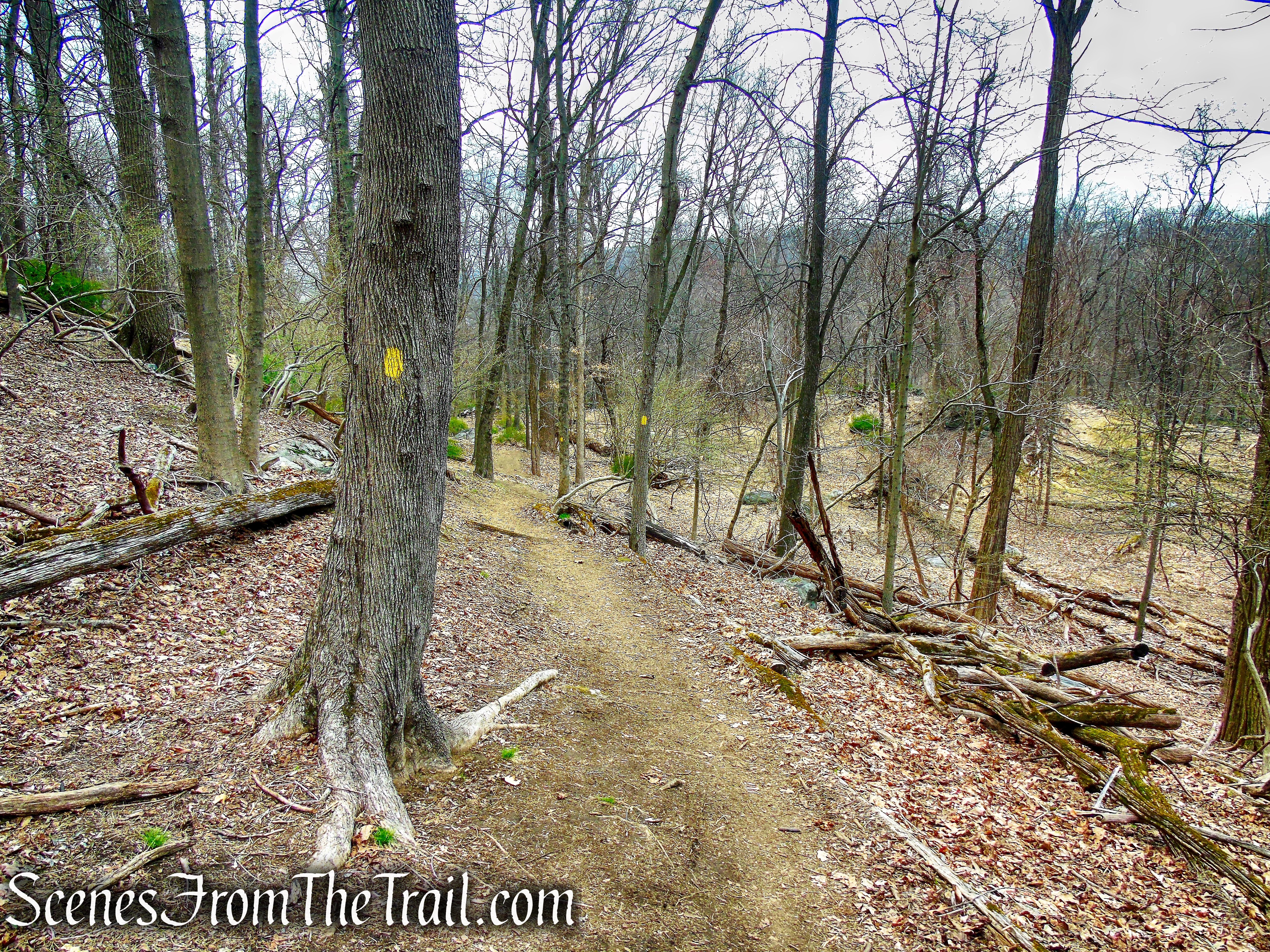
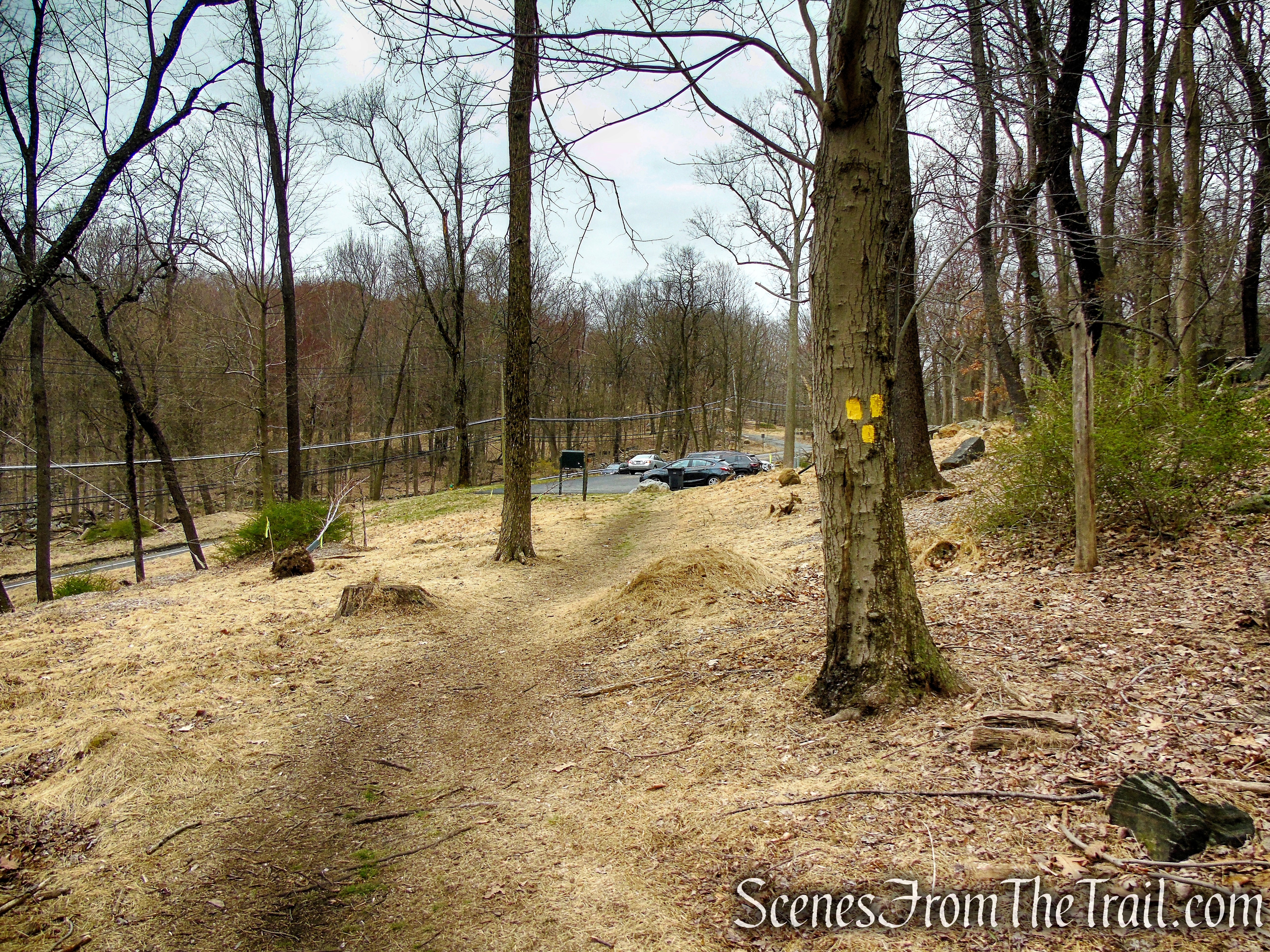
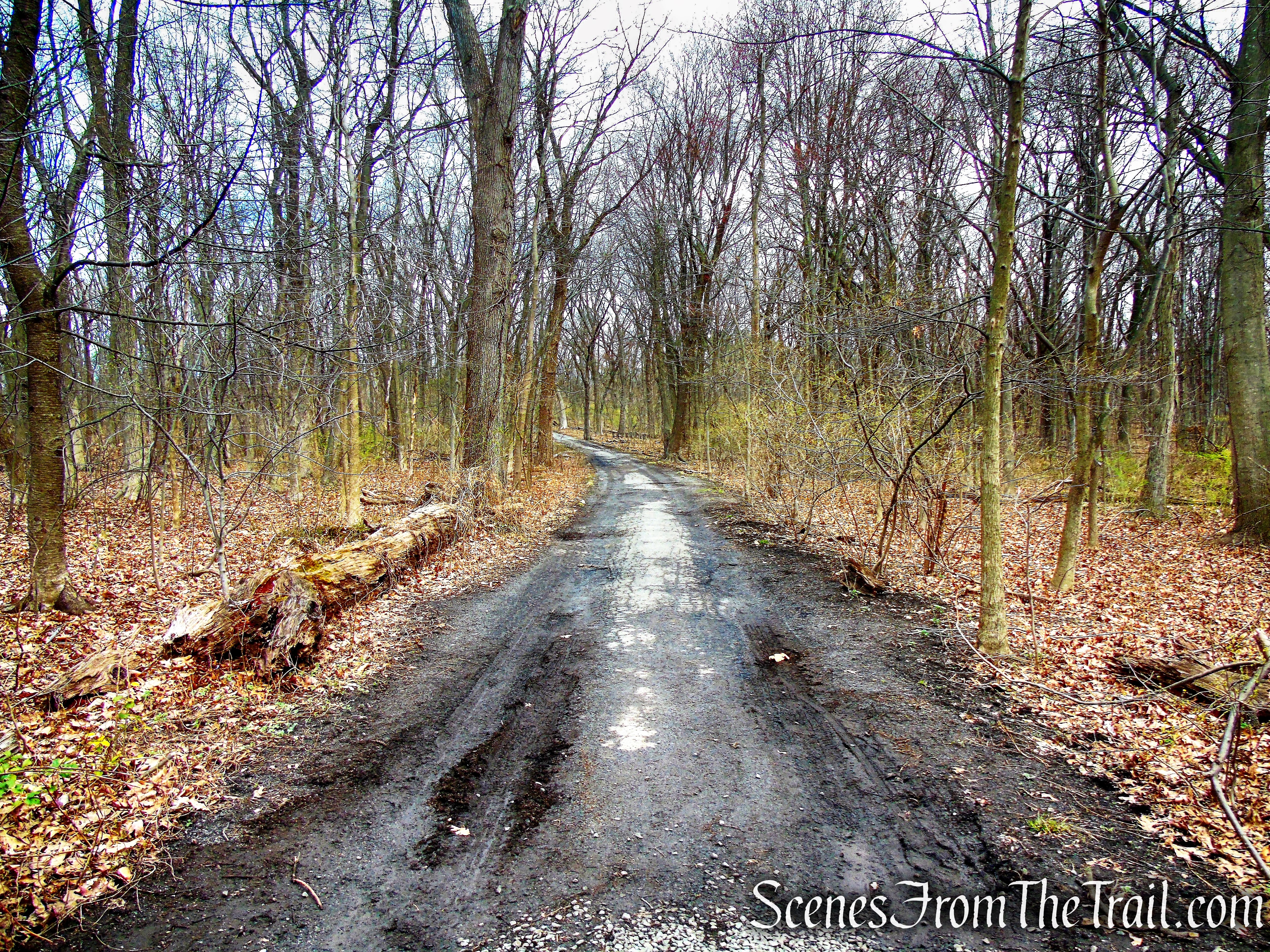
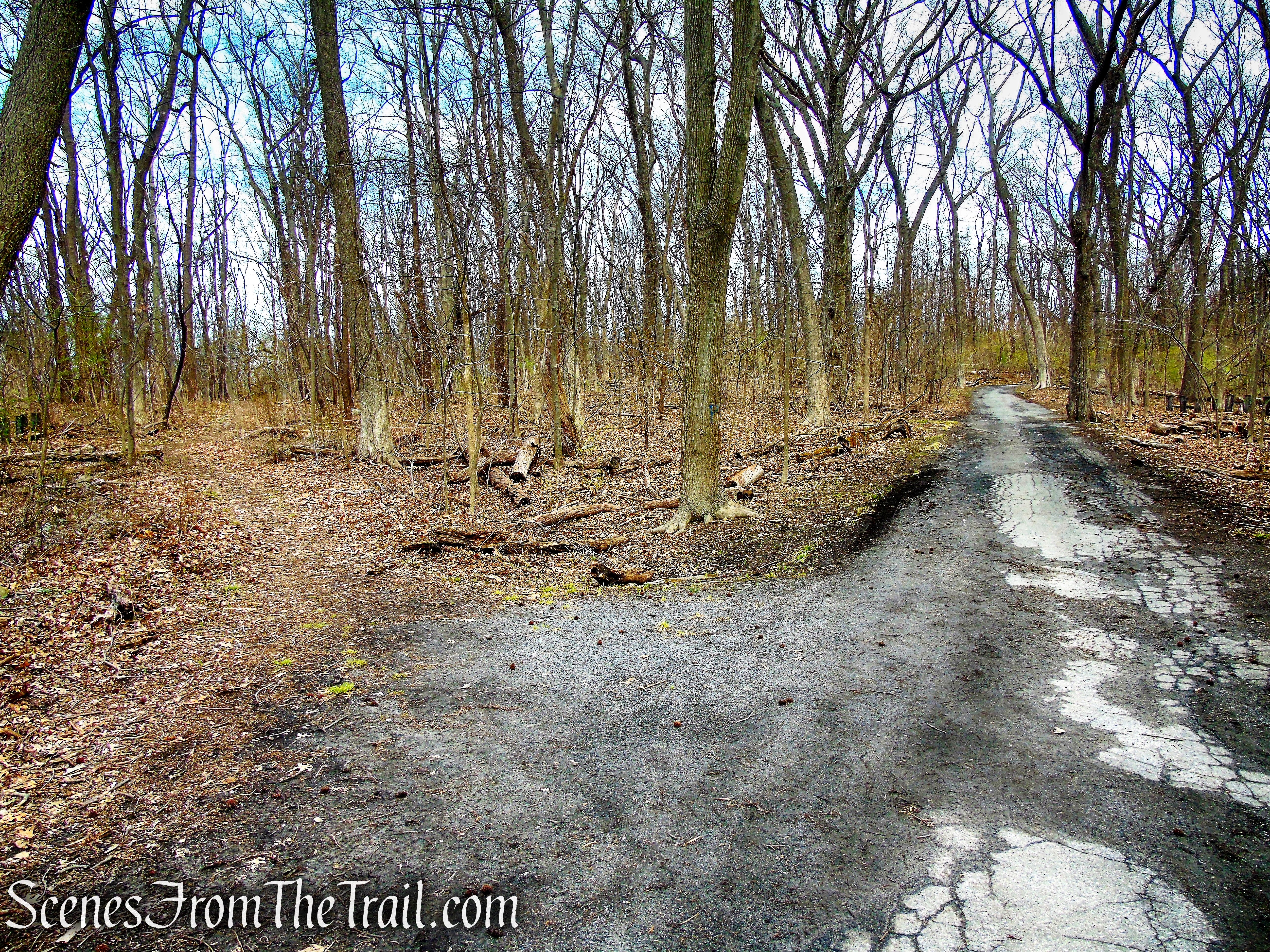
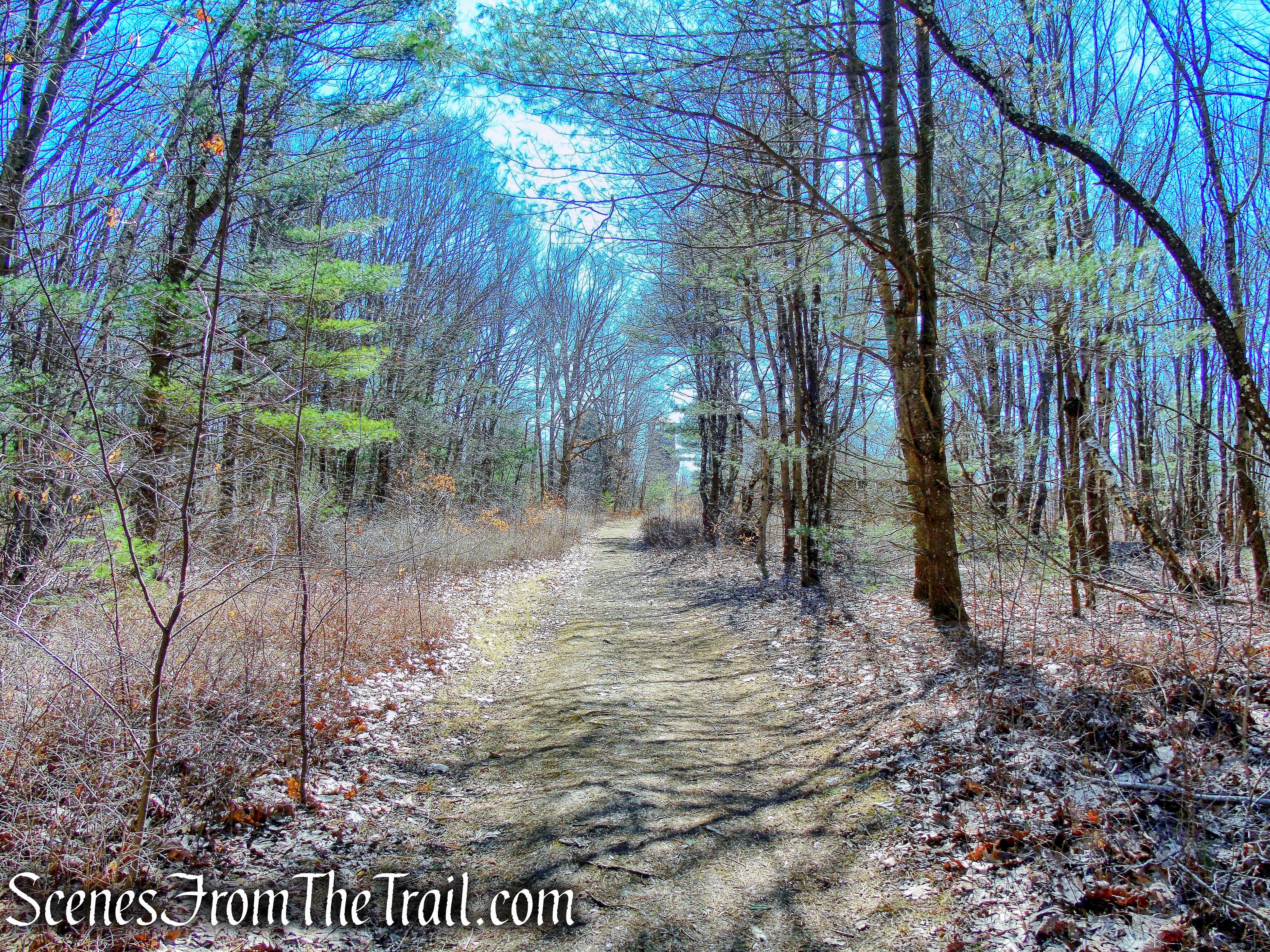
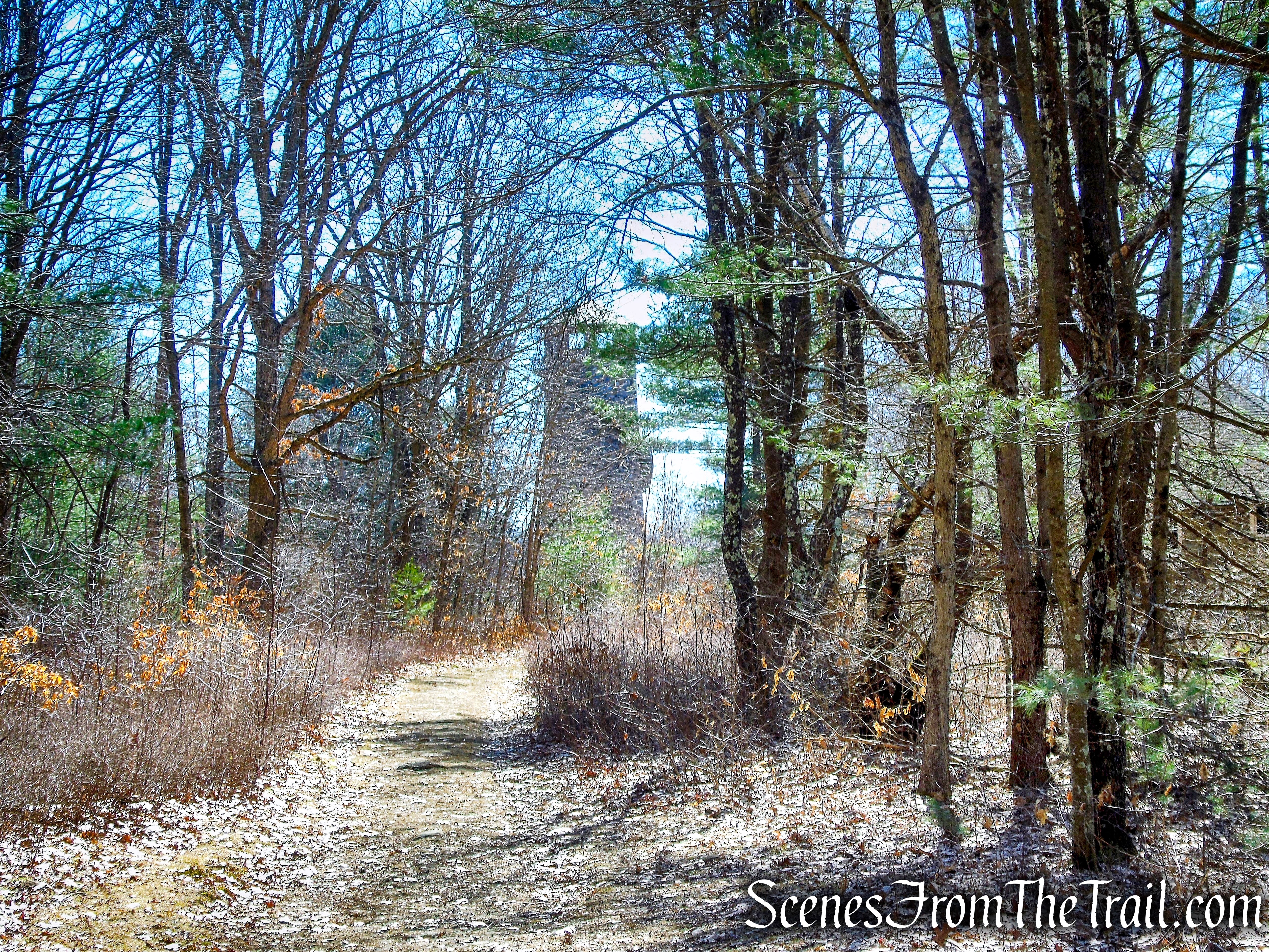
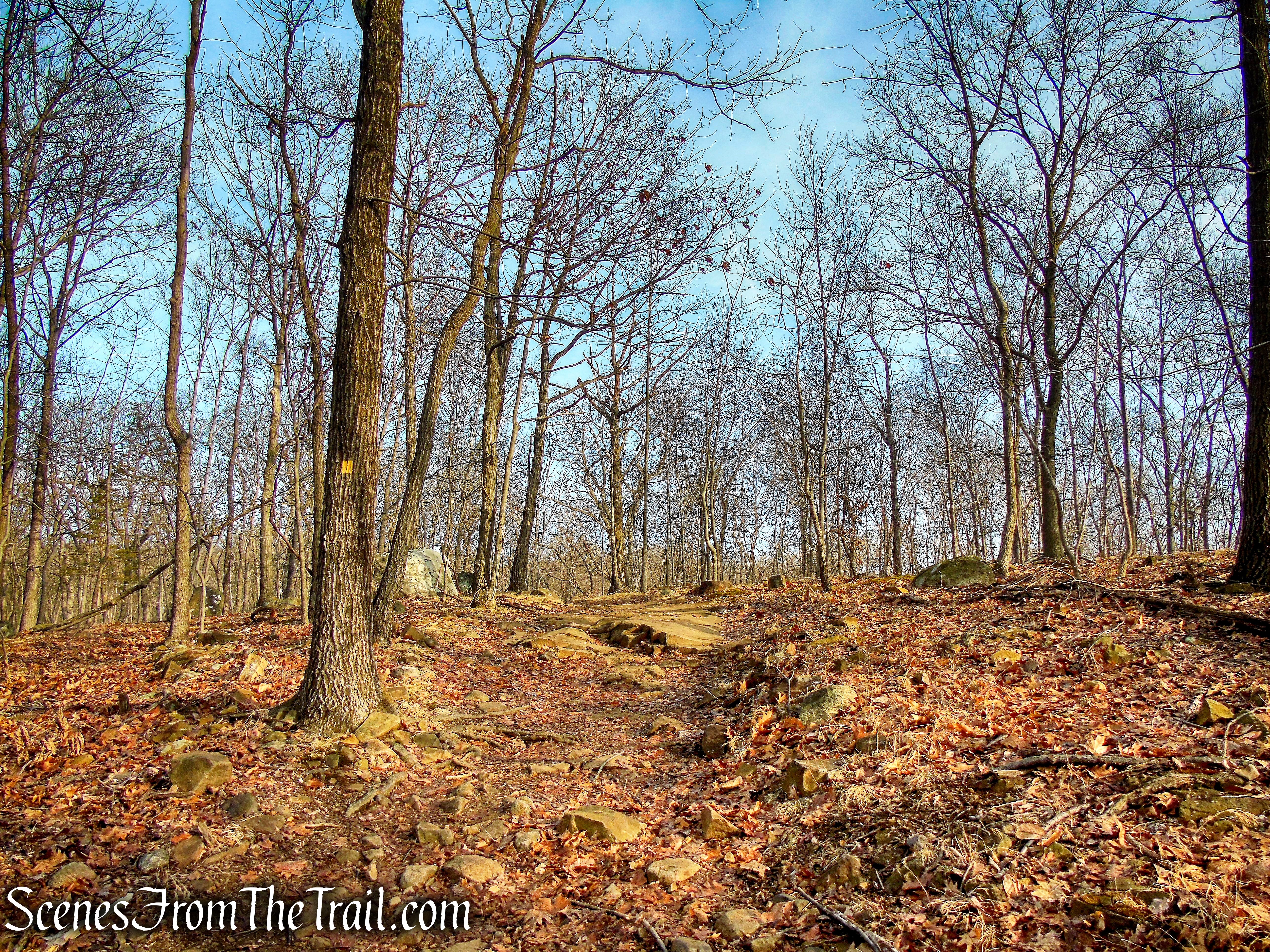
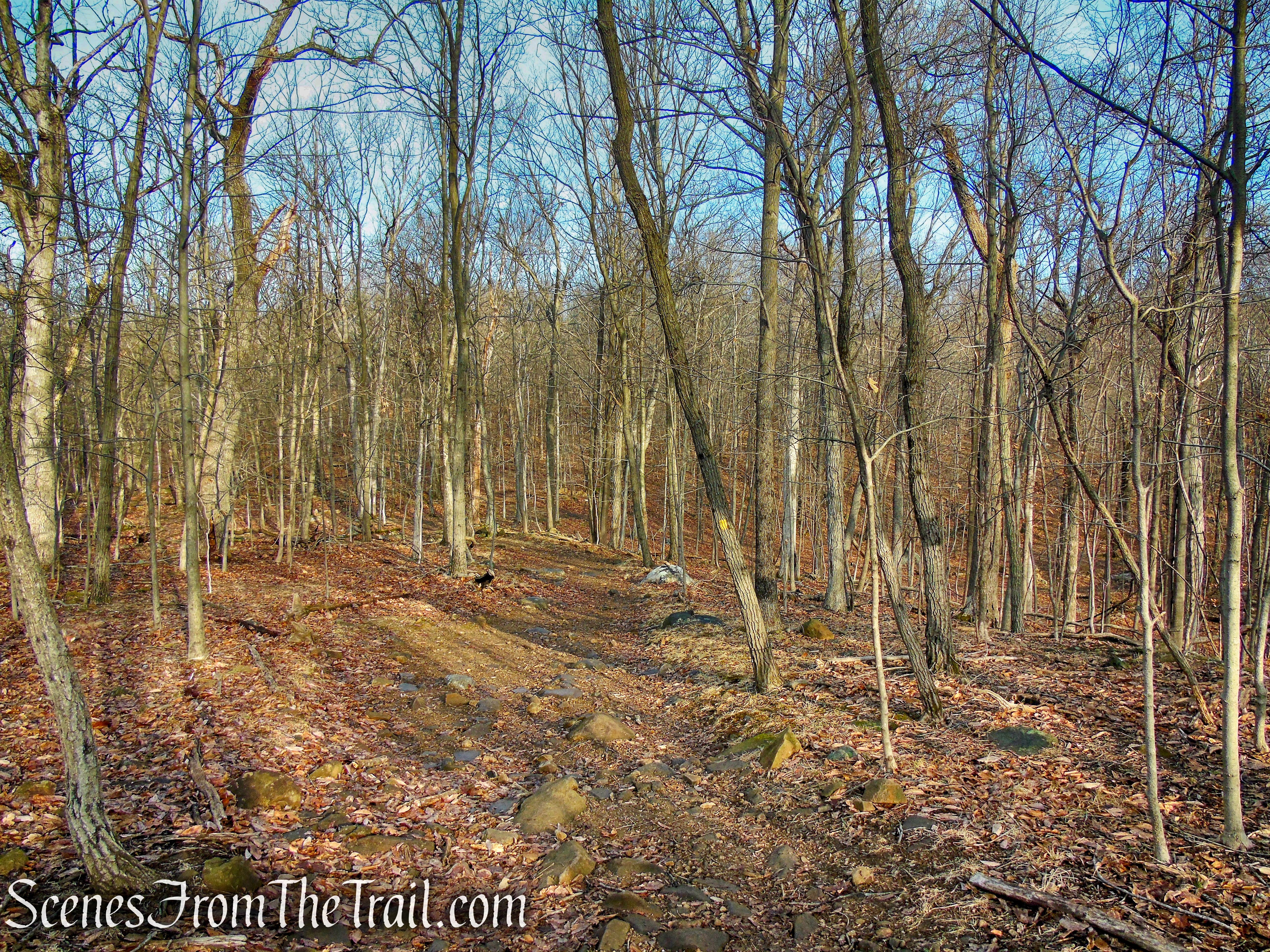
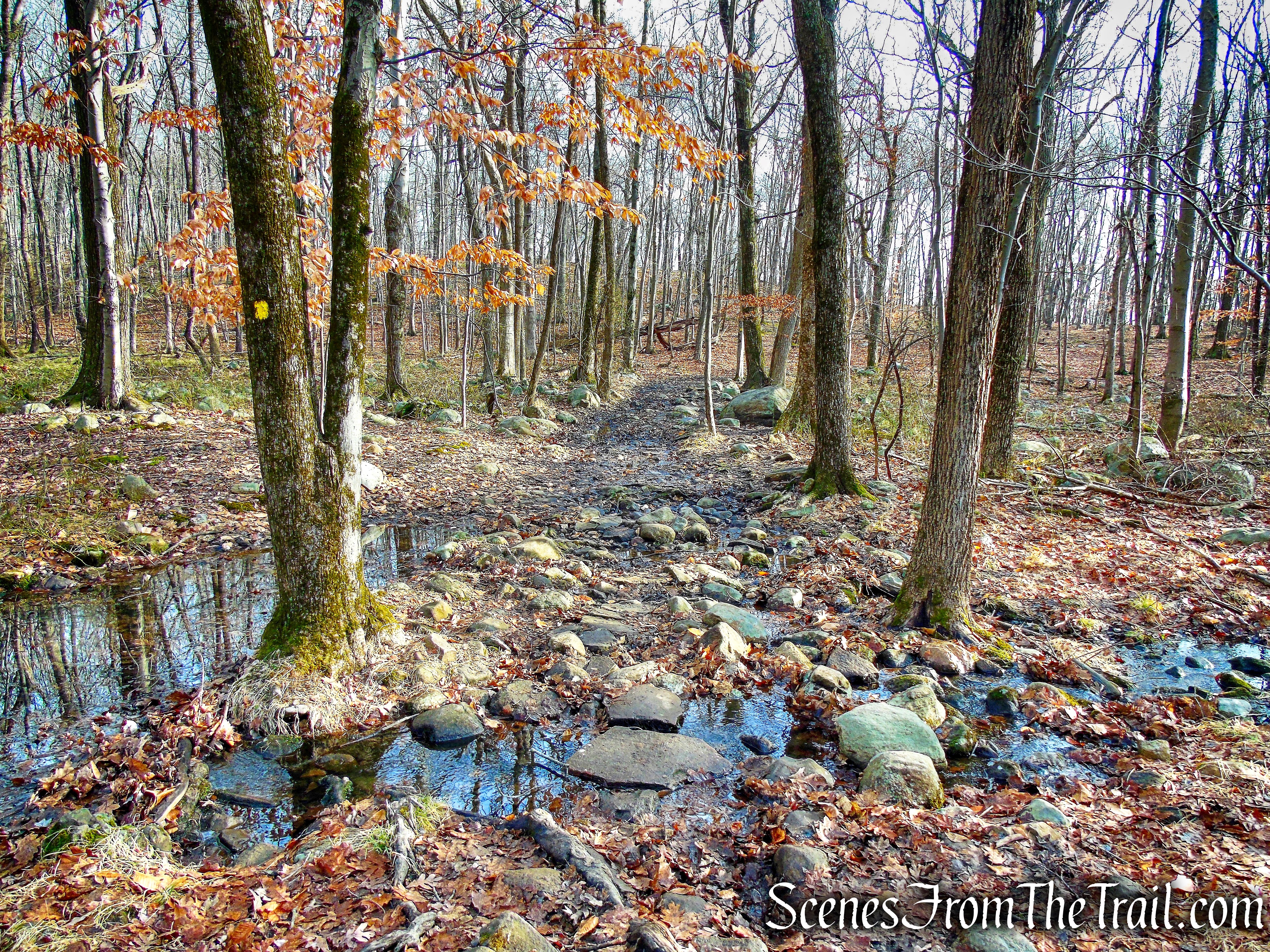
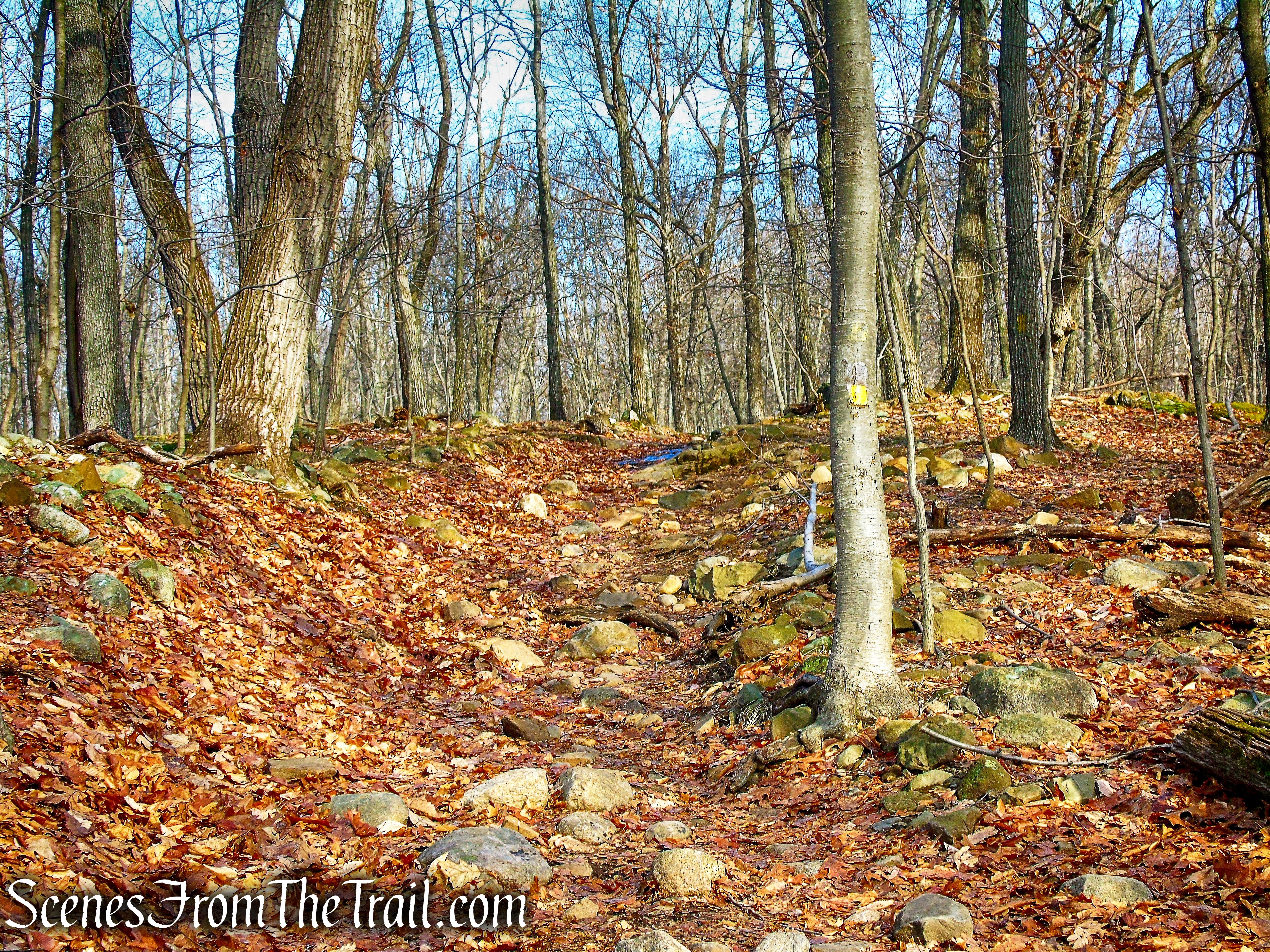
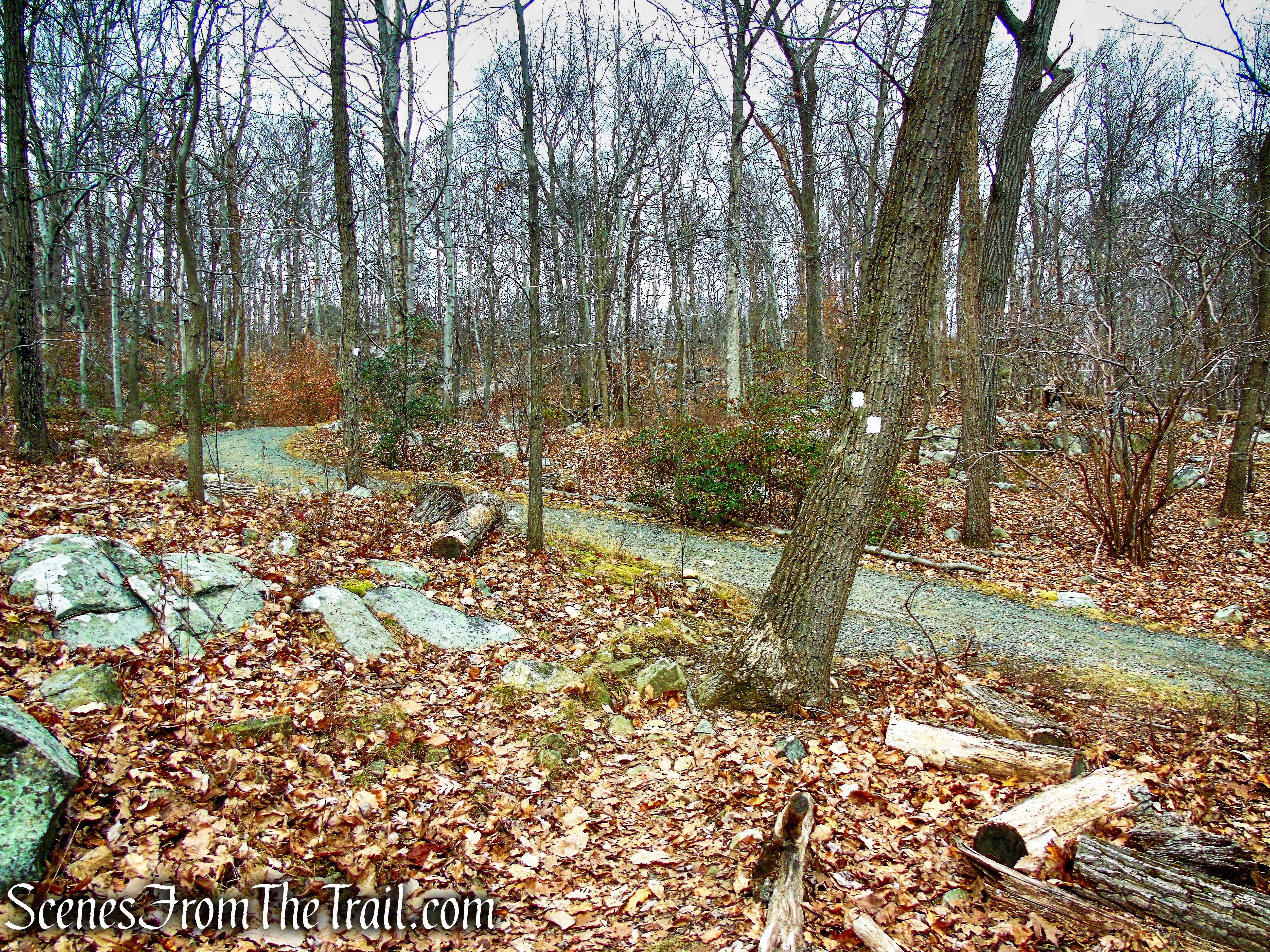
The Yellow Trail starts near the Nature Center on a woods road heading northeast then makes a sharp right and heads south, passing just above the Nature Center, terminating at a junction with the paved Green Trail.

Yellow Trail

Yellow Trail

Yellow Trail

Yellow Trail

  • Green Trail:

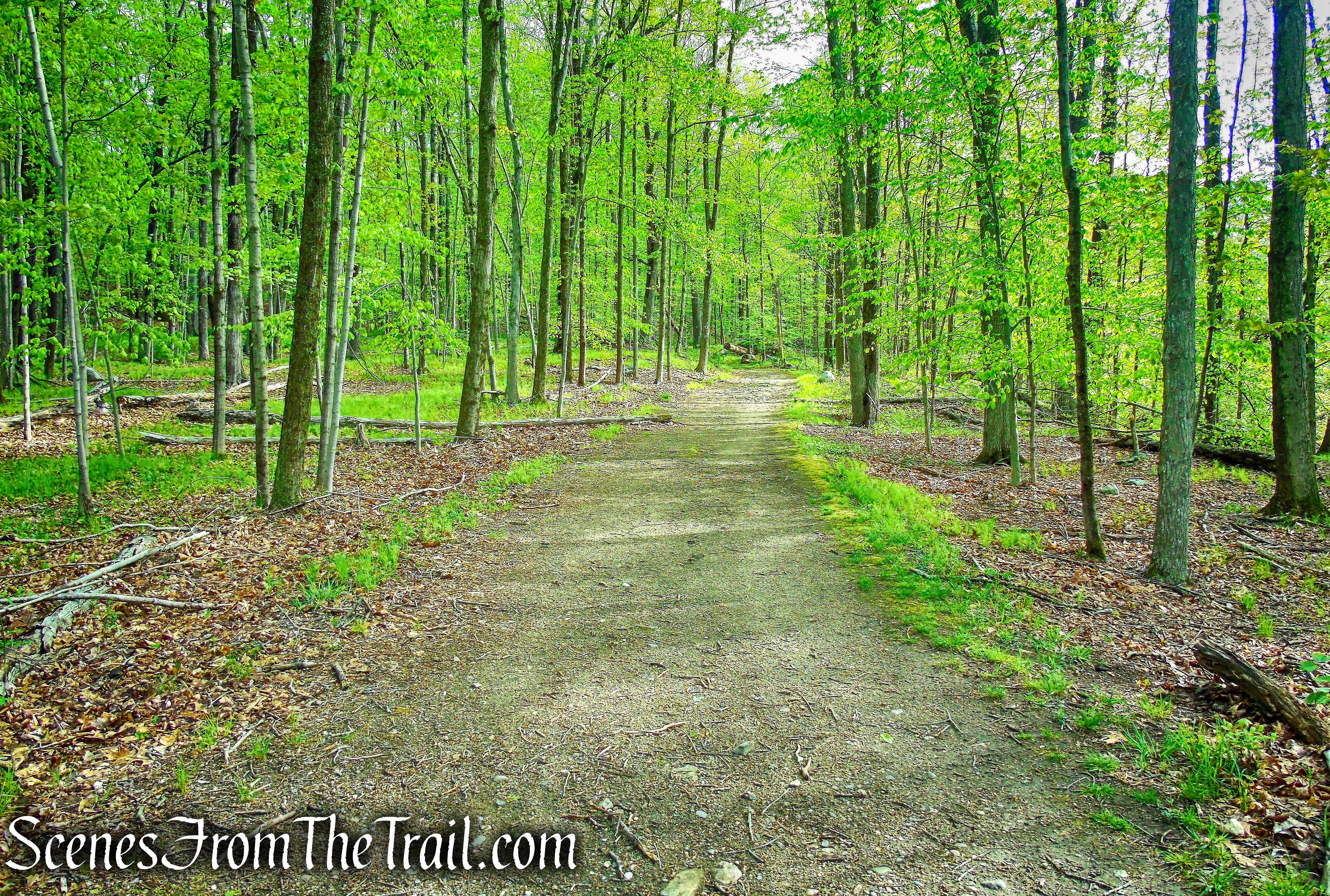
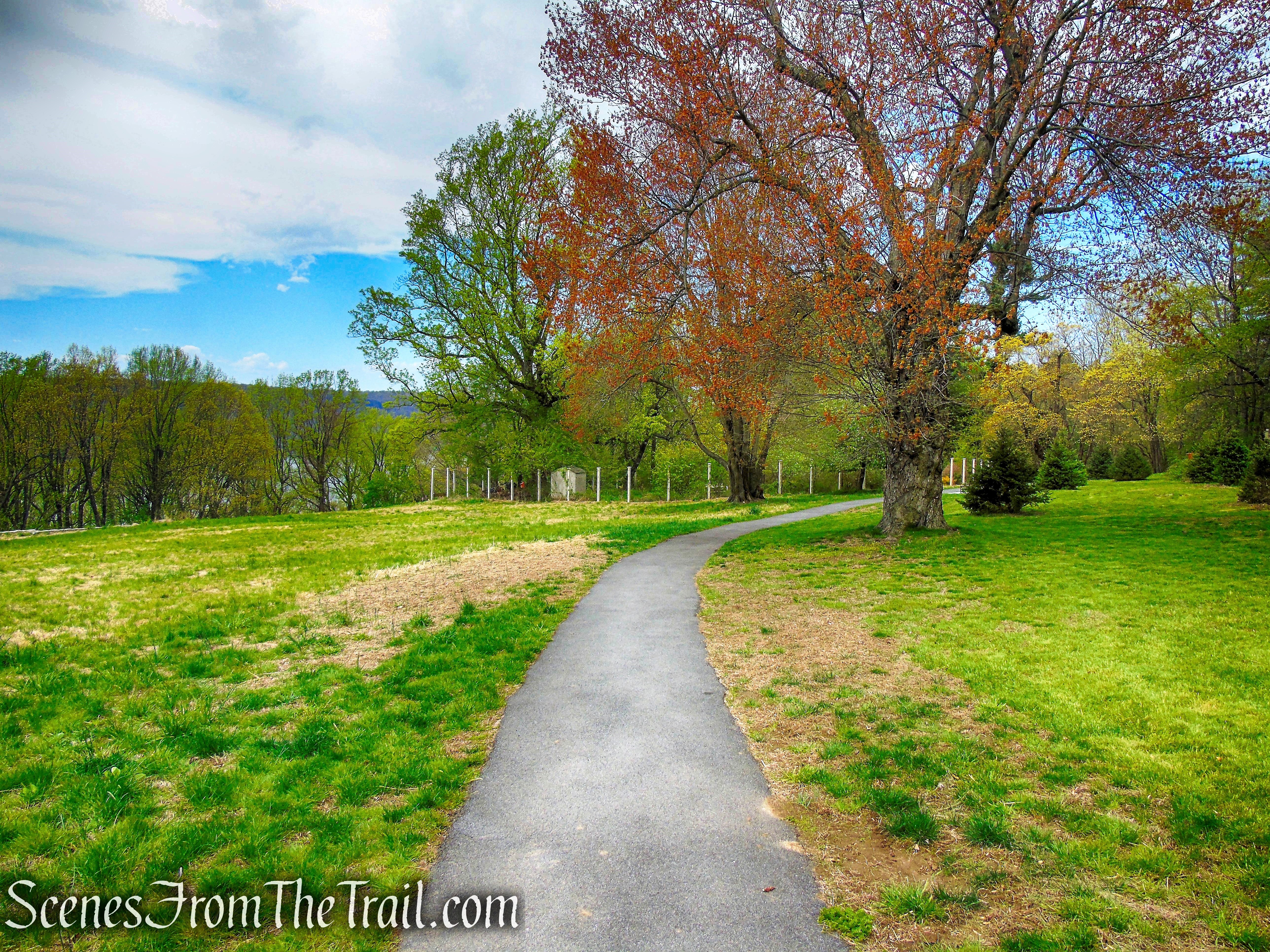
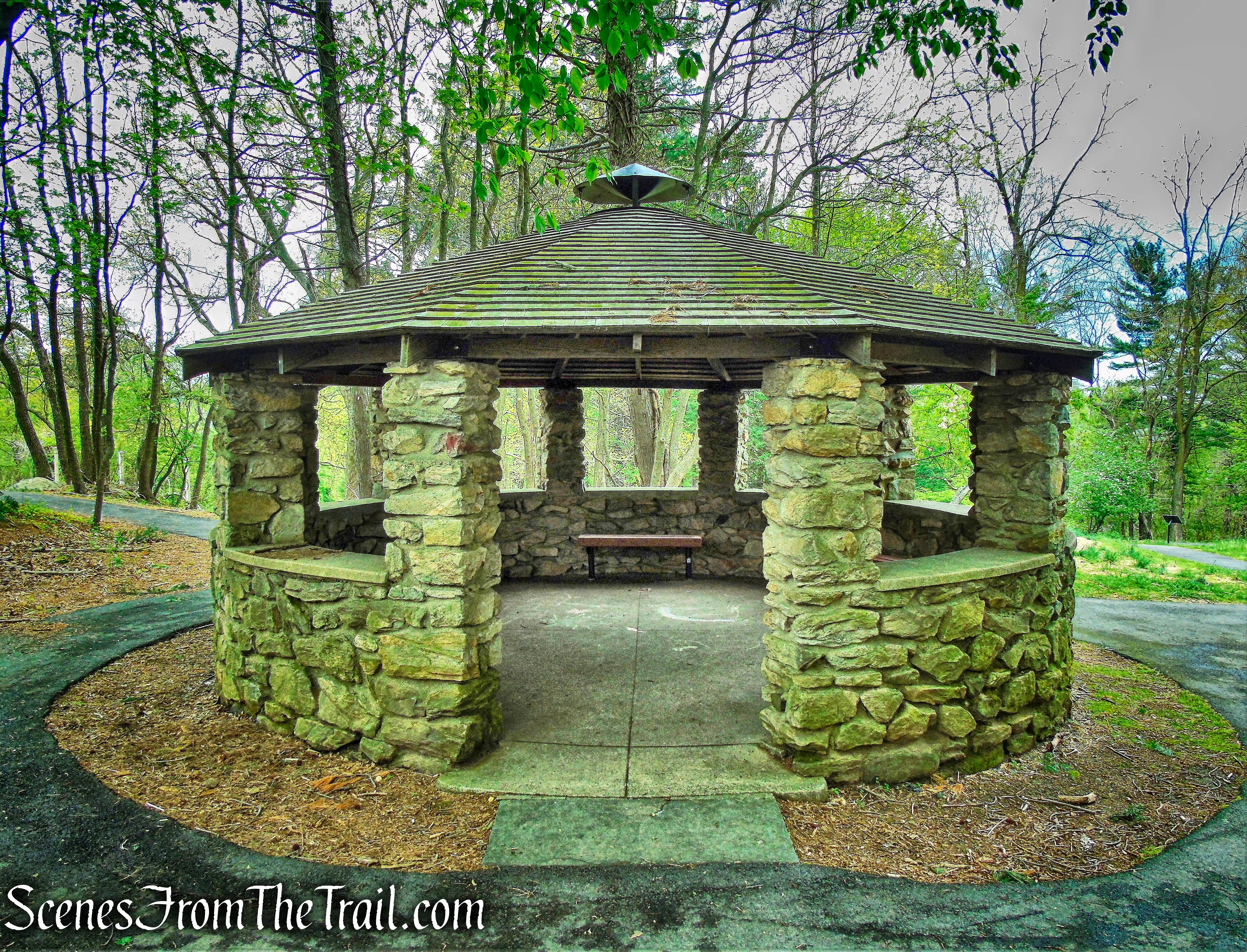
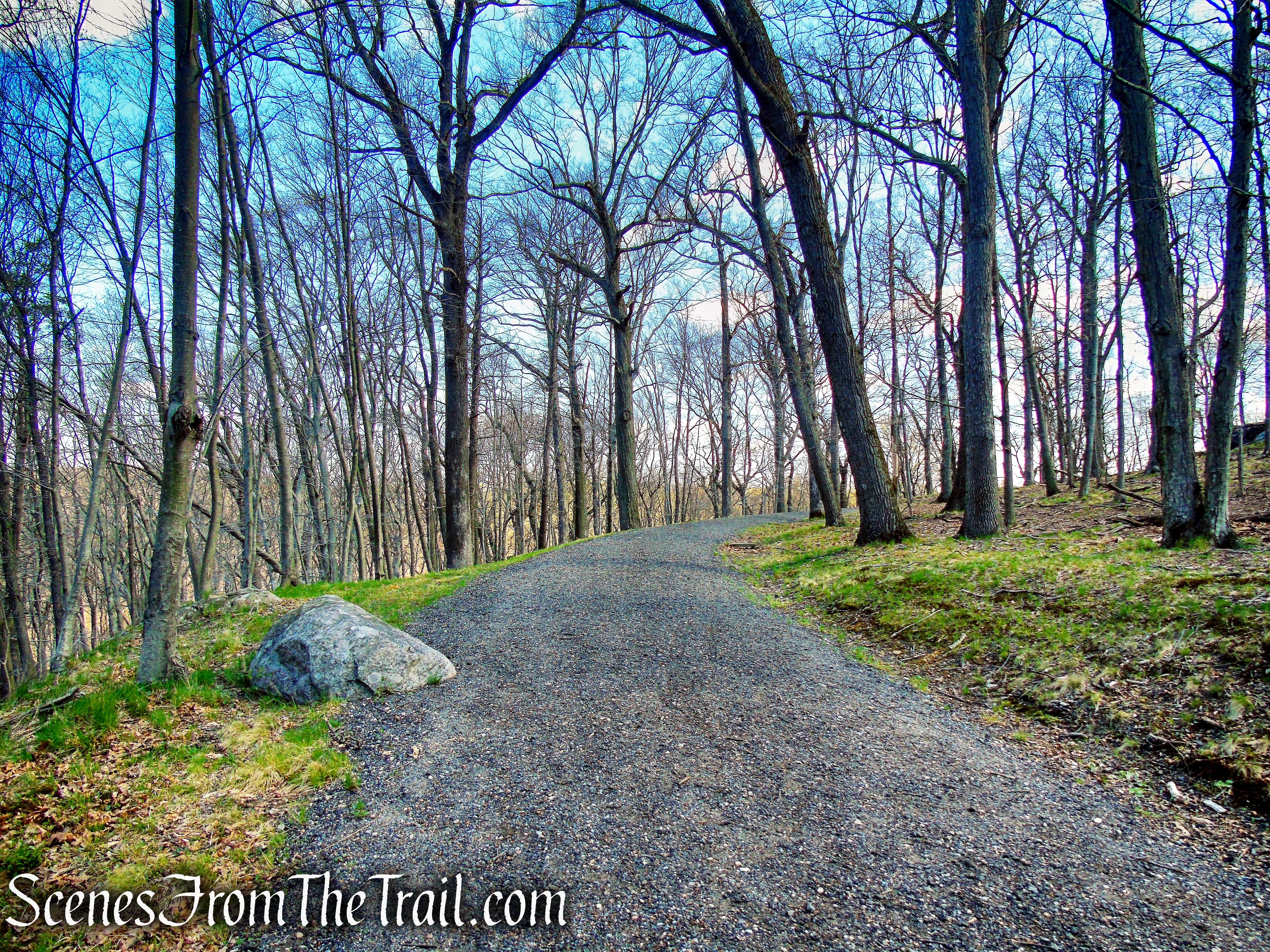
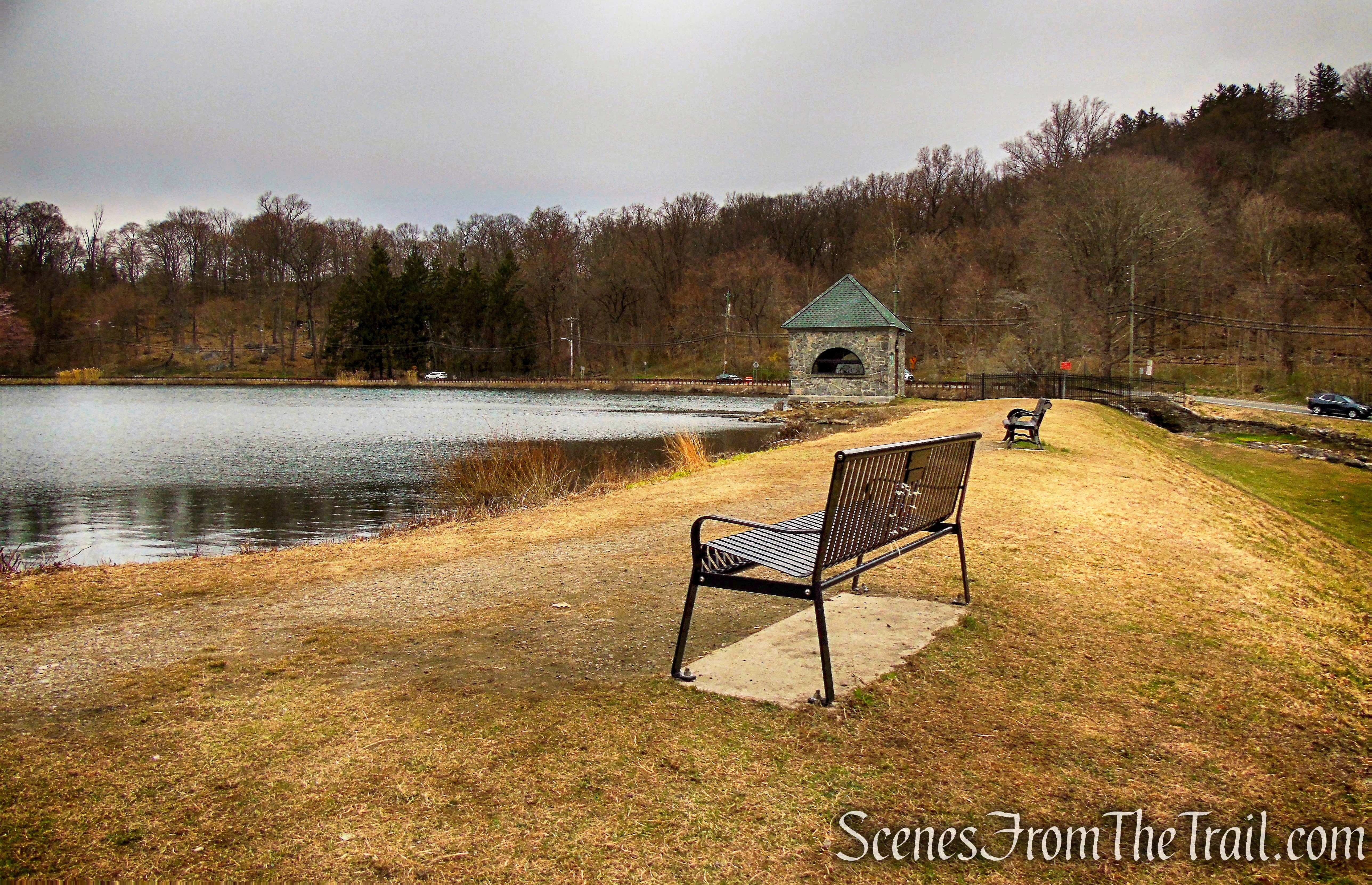
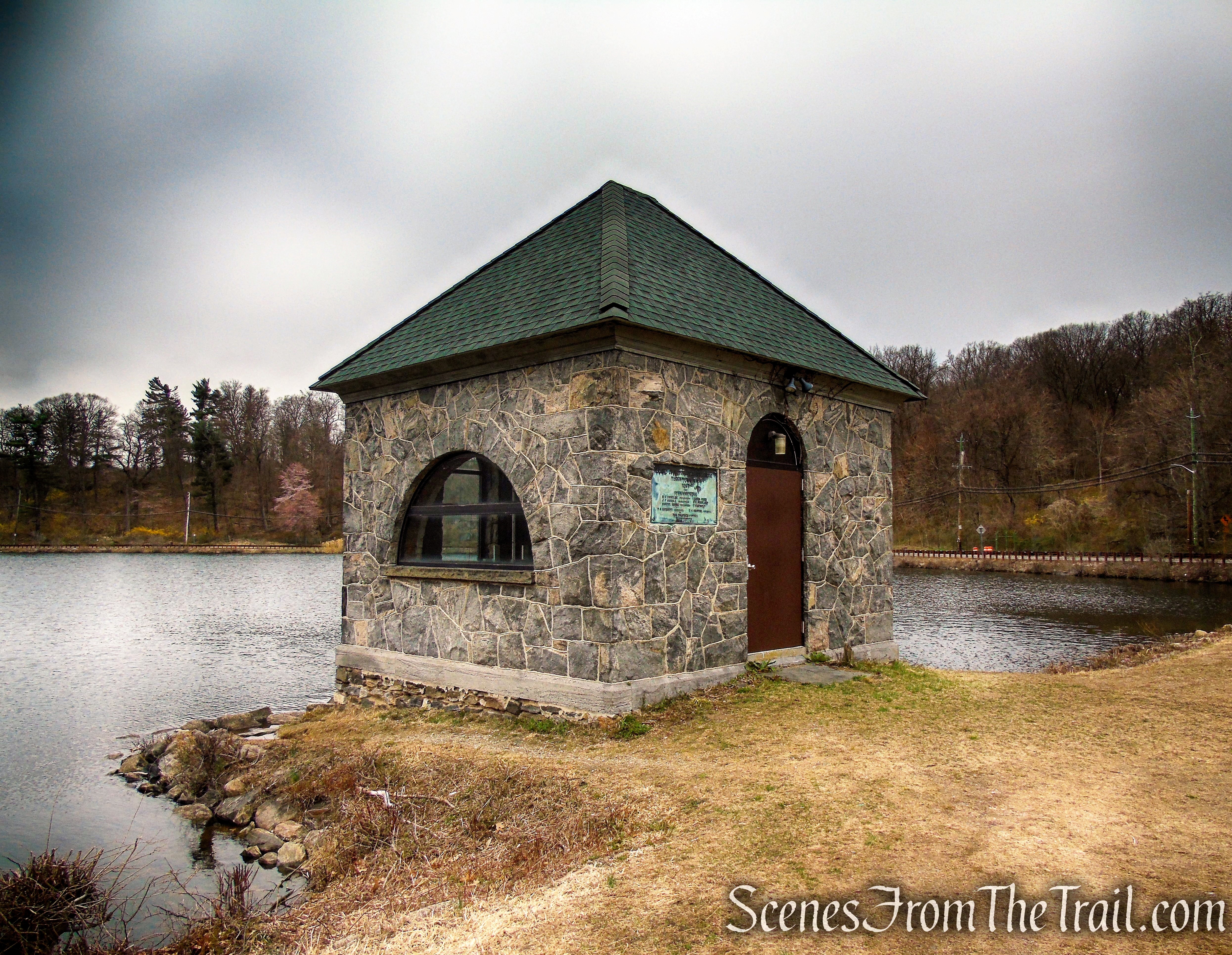
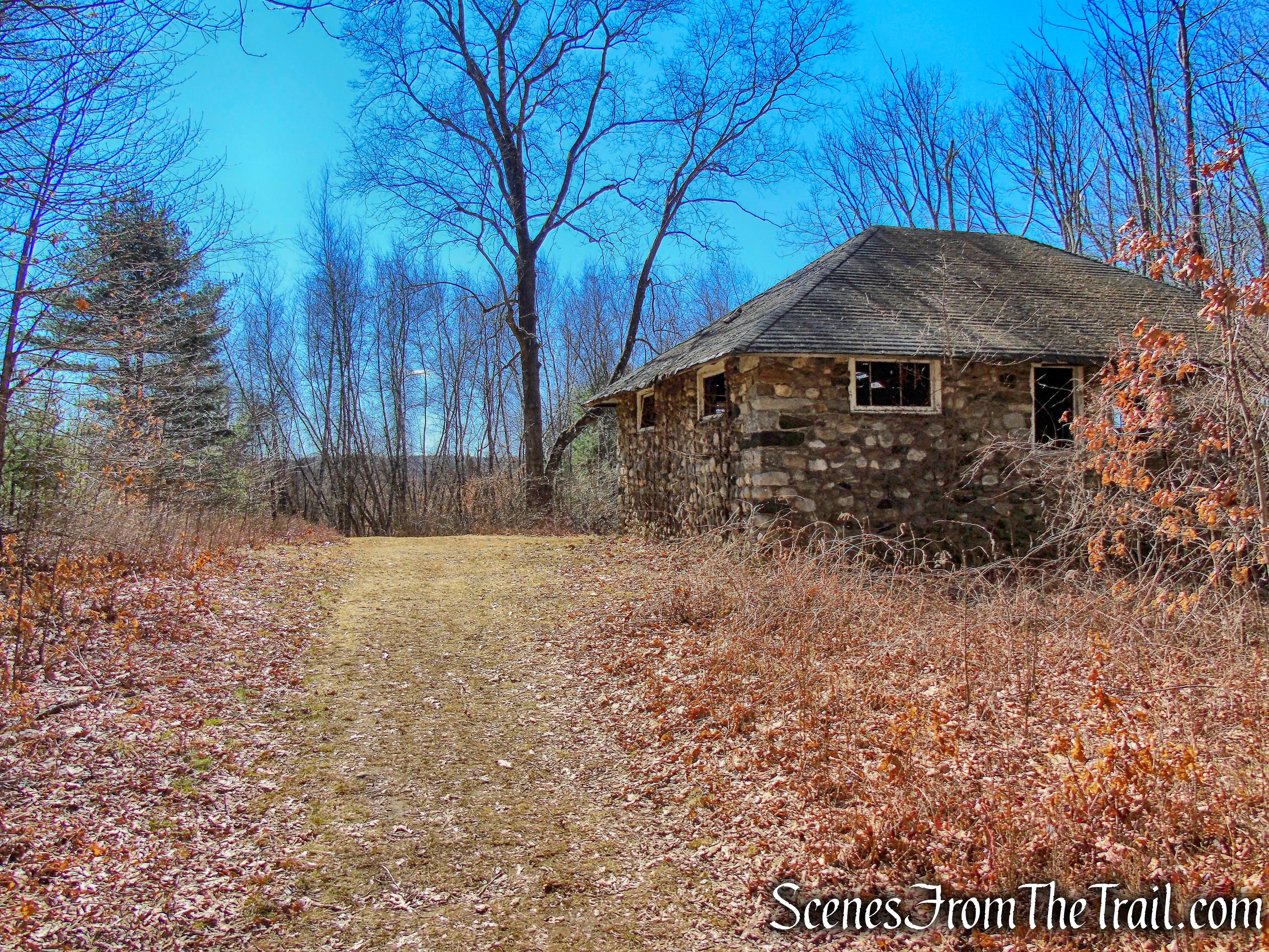
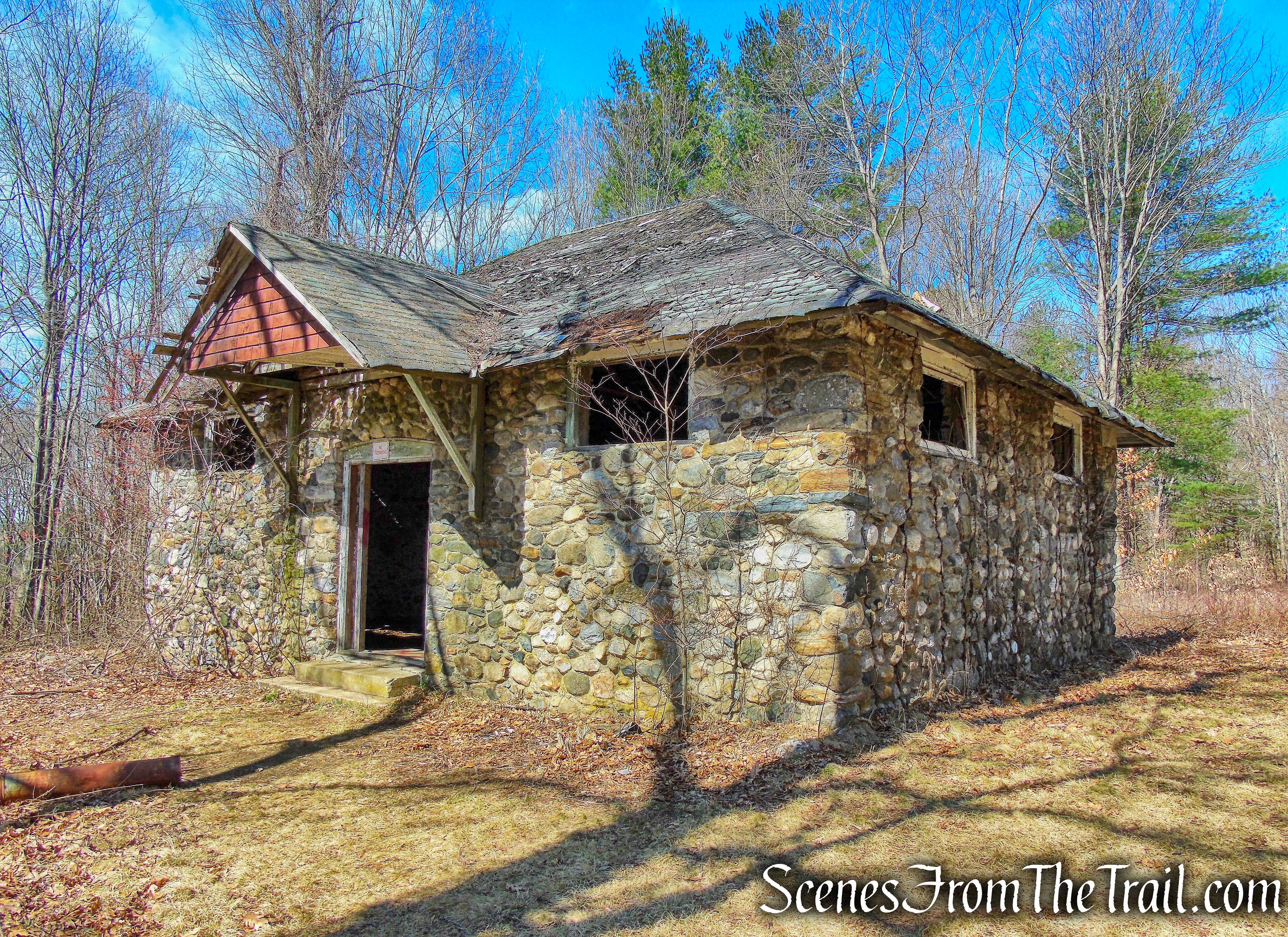
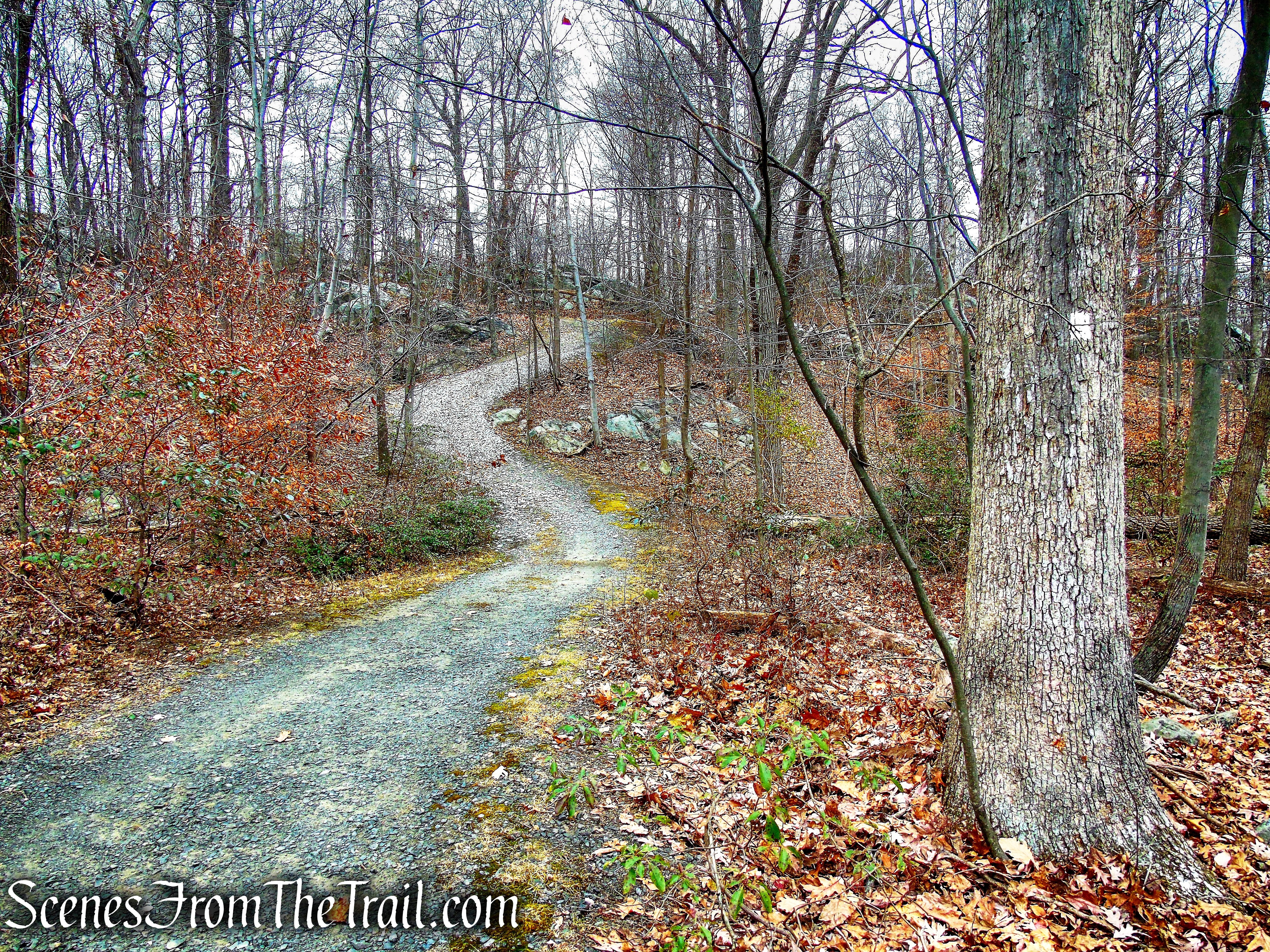
The paved Green Trail starts behind the Nature Center and loops around the interior of the preserve in a Figure-8. It passes by the Butterfly Garden, the Terraces and loops around the meadow, passing by the mansion and the stone gazebo, as it makes its way back to the Nature Center.

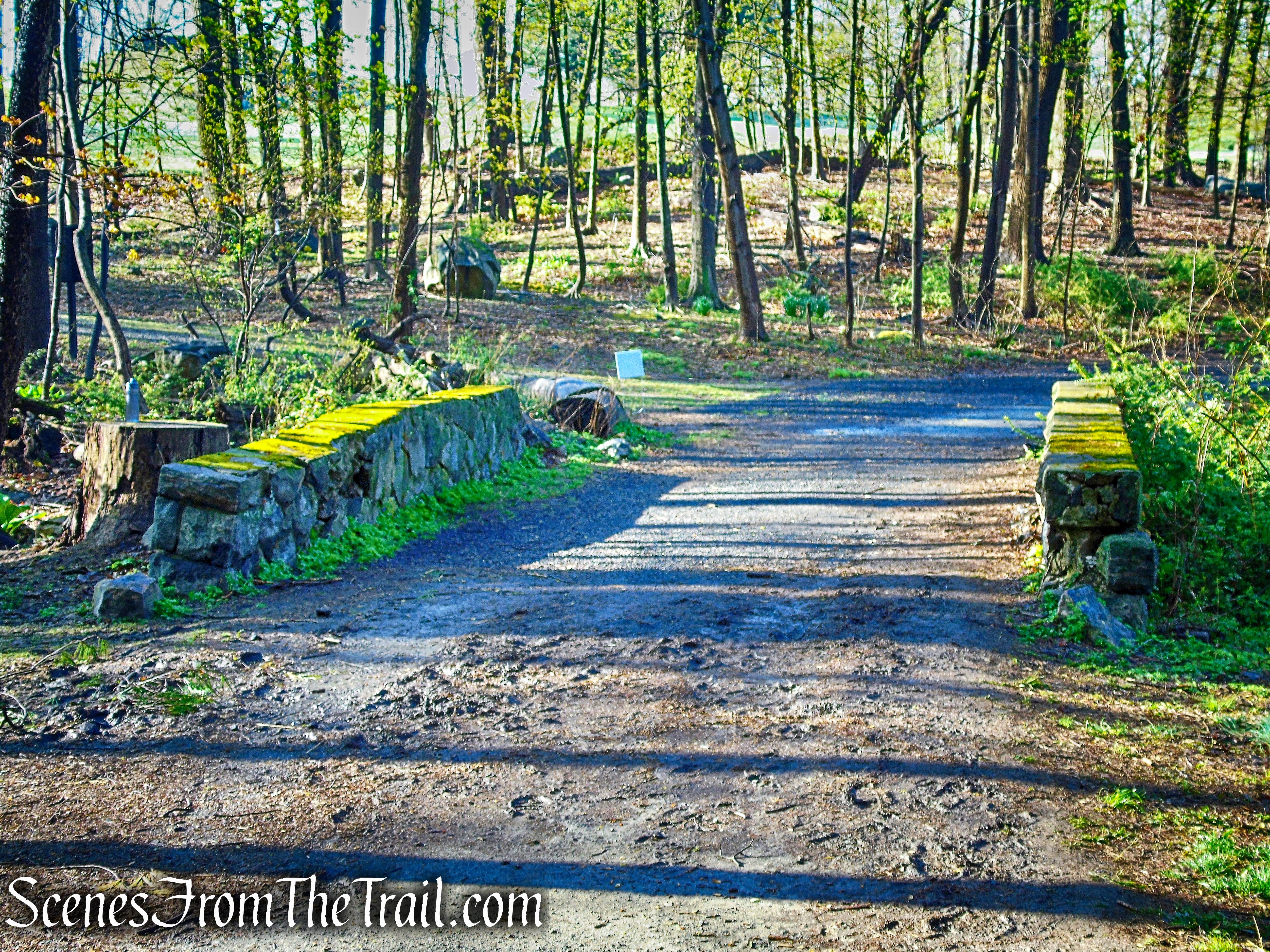
Green Trail - Lenoir Preserve

Green Trail – Lenoir Preserve

Lenoir Mansion - Green Trail

Lenoir Mansion – Green Trail

Upper Meadow - Green Trail

Upper Meadow – Green Trail

Lenoir Mansion - Green Trail

Lenoir Mansion – Green Trail

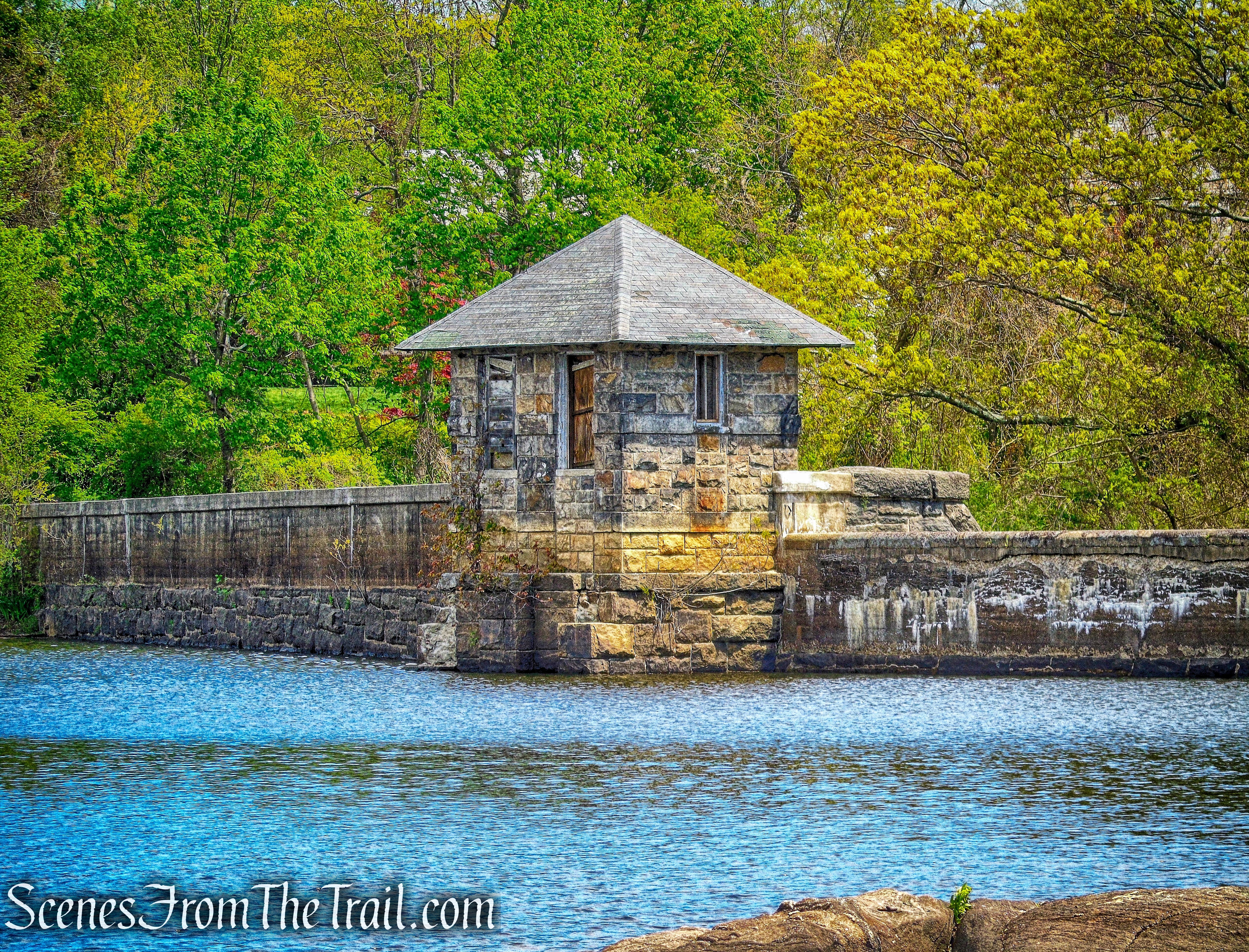
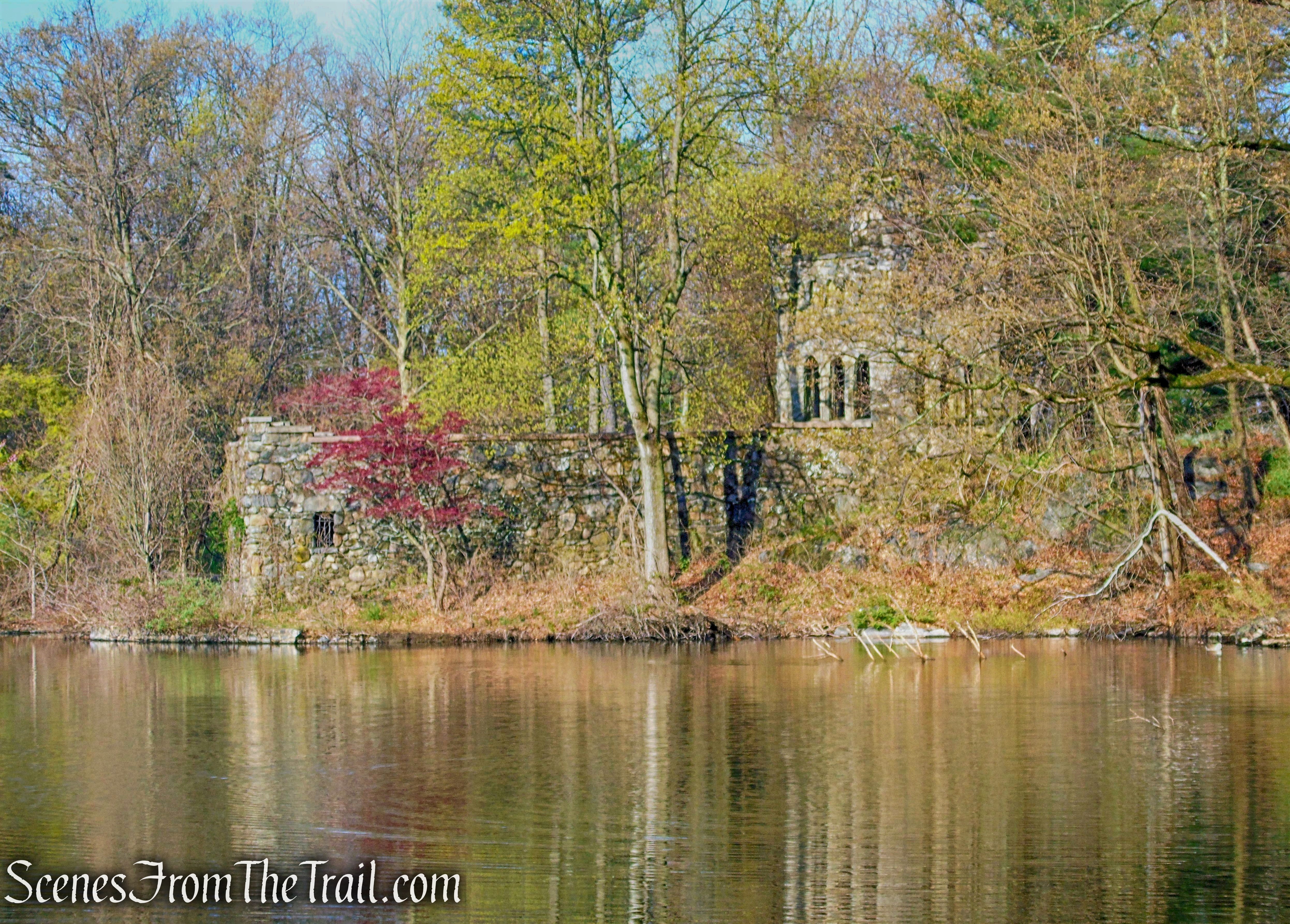
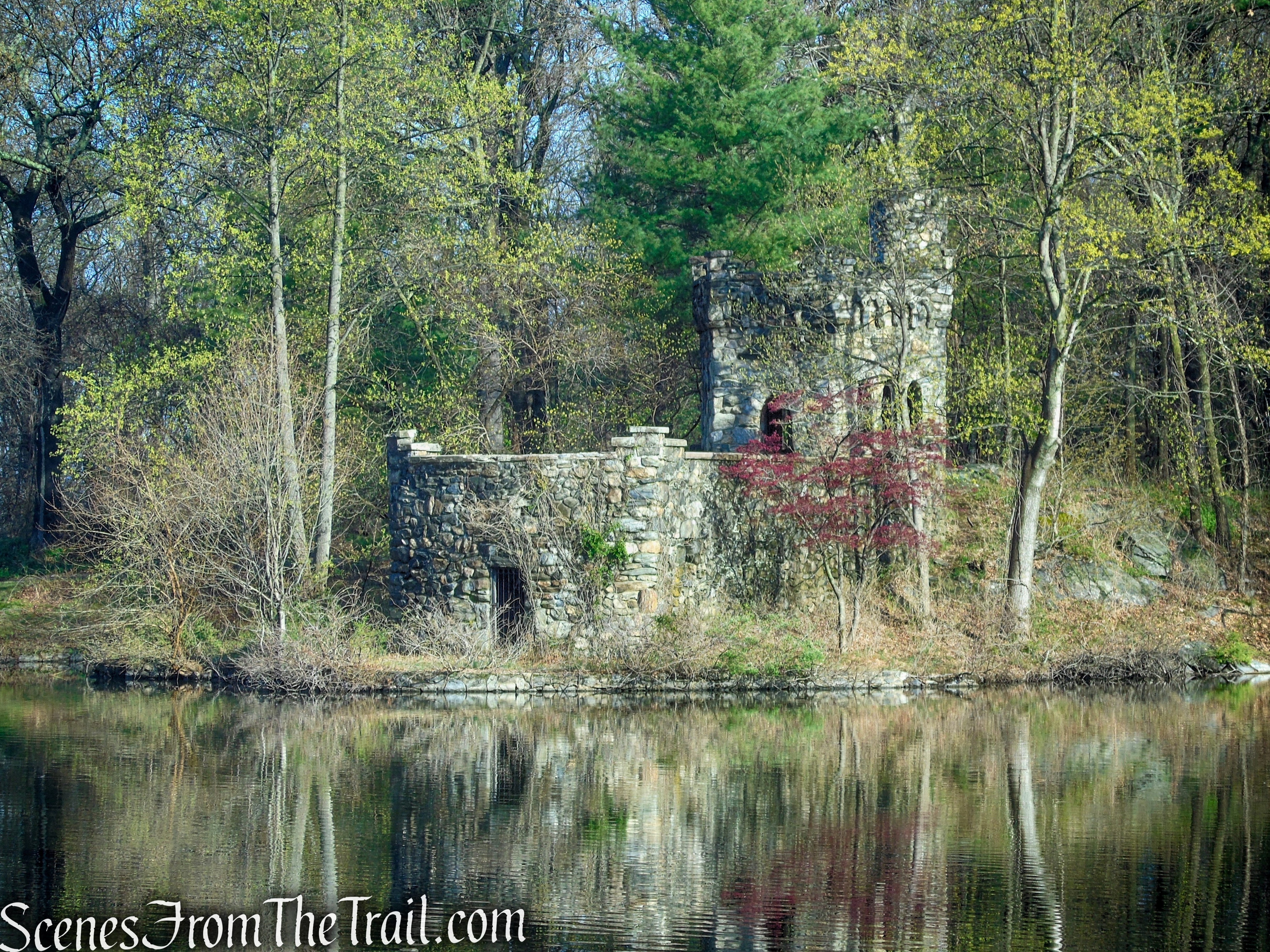
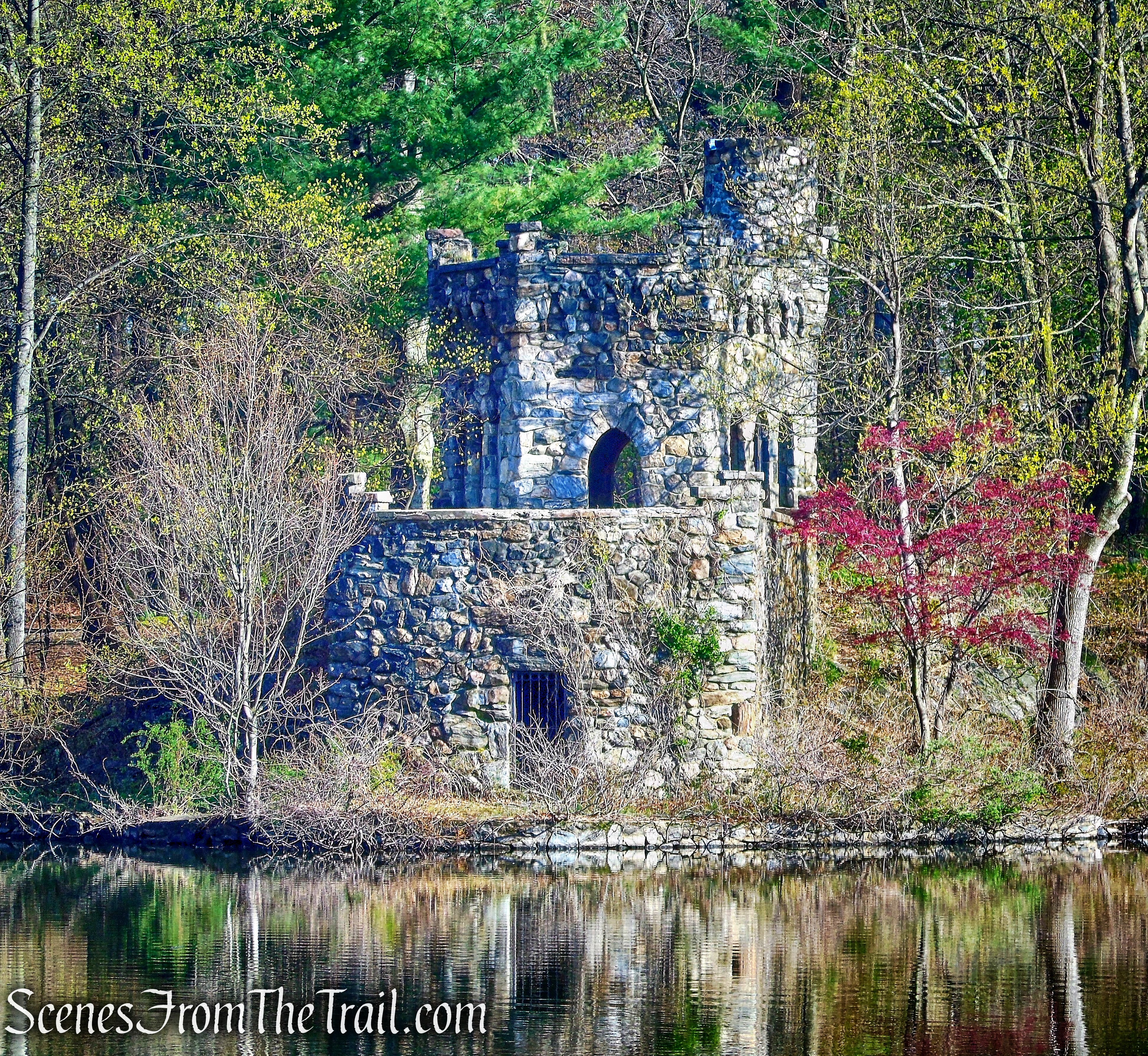
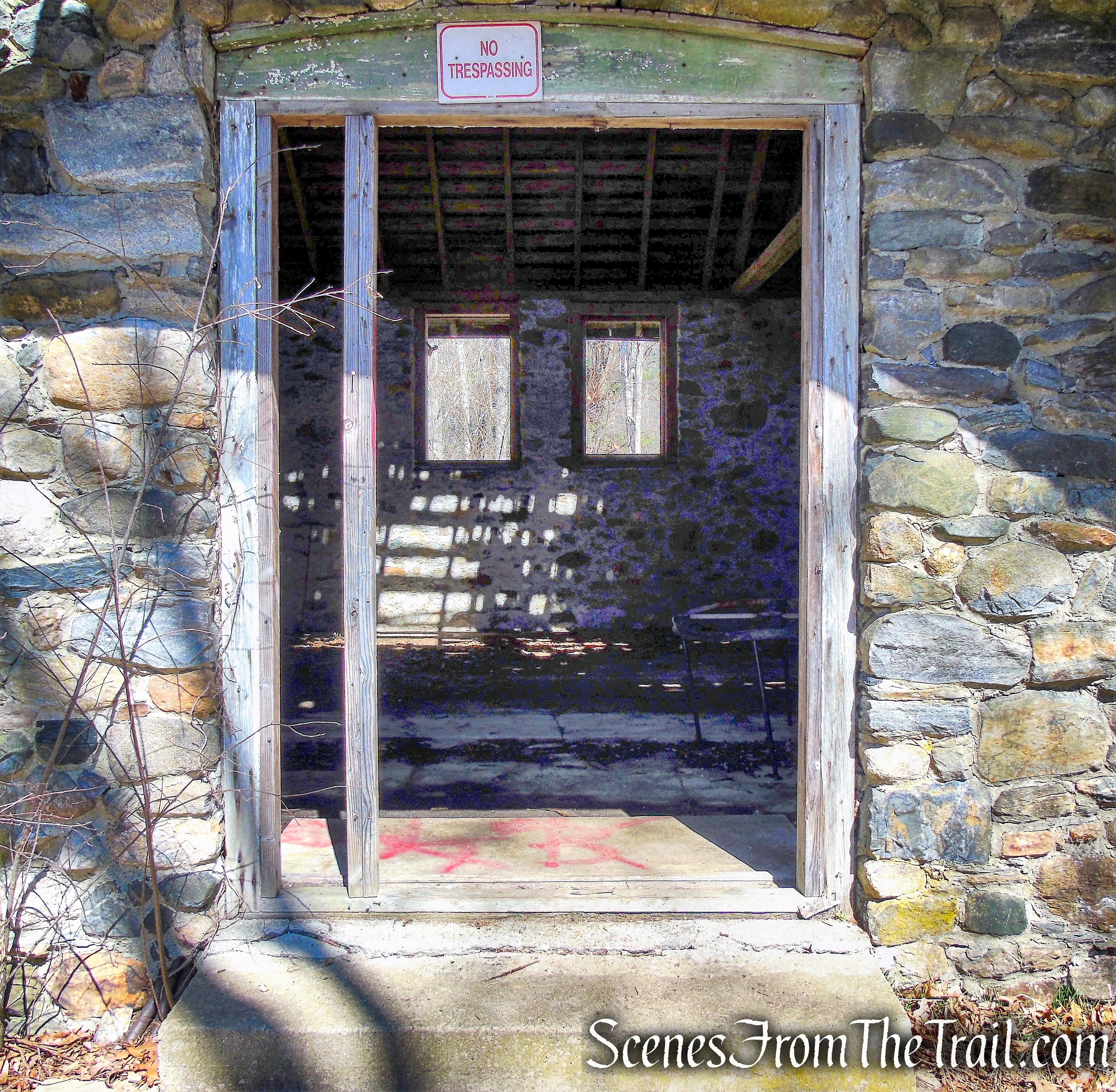
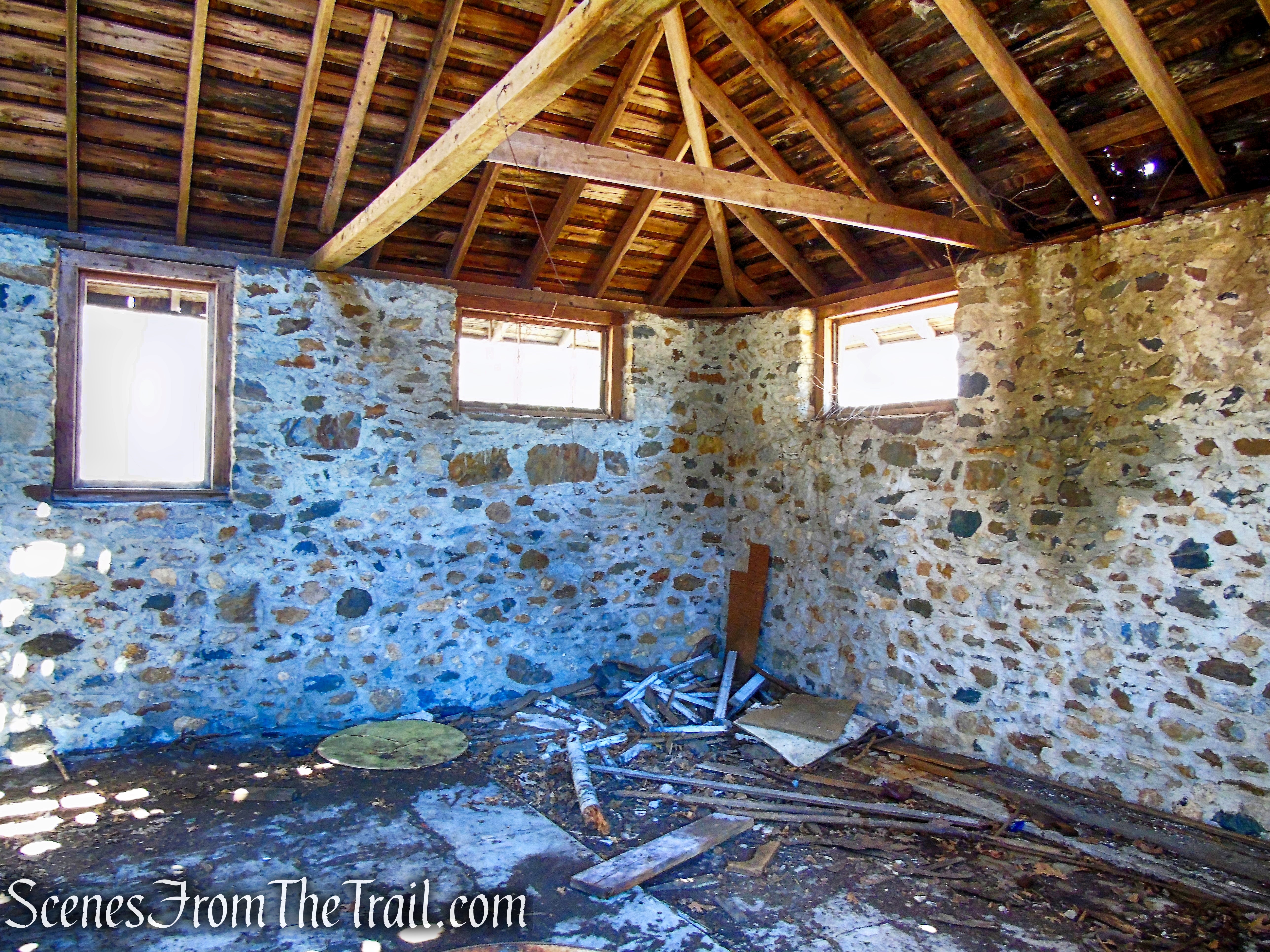
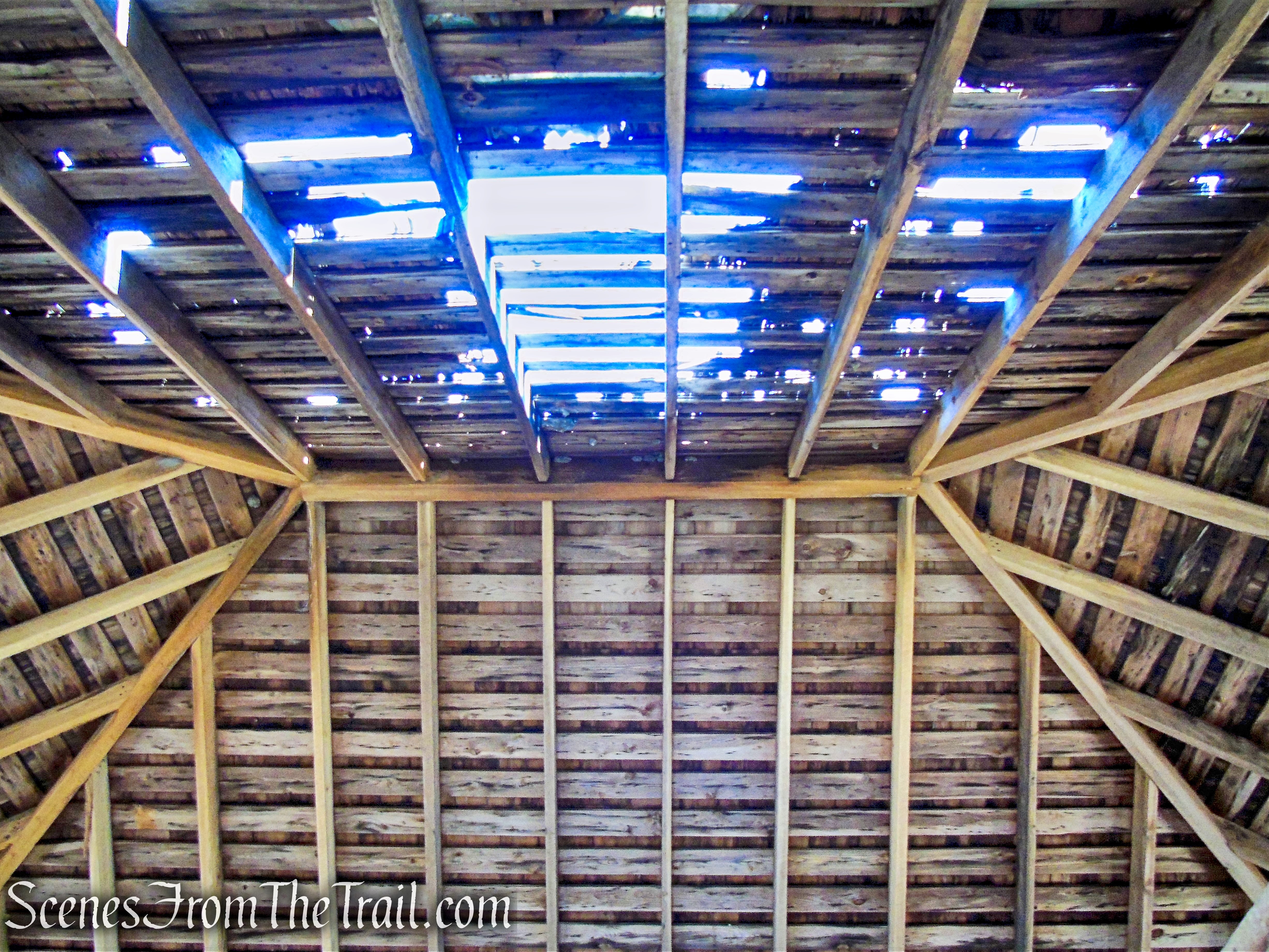
stone gazebo - Lenoir Preserve

stone gazebo – Lenoir Preserve

Nature Center - Lenoir Preserve

Nature Center – Lenoir Preserve

Review:

A really nice place to go for a walk and avoid the crowds. The grounds are well kept these days compared to several years ago when the place was severely overgrown. The adjacent Old Croton Aqueduct allows visitors to extend their walk towards South Yonkers and the Bronx, or north towards Dobbs Ferry.

Pros:

Historical features, Lenoir Mansion, stone walls and terraces, gothic arch, lots of bird activity.

Cons:

None

Take a walk!

Sources:


Franklin D. Roosevelt State Park

May 2, 2020 – Yorktown Heights, NY

Difficulty: Easy

Length: Approximately 4 miles

Max elevation: 543 ft. – total elevation gain: approximately 157 ft.

Route type: Lollipop Loop

Free Maps: Franklin D. Roosevelt State Park Trail MapFranklin D. Roosevelt State Park Map provided by the Trail Conference

Trailhead parking: FDR State Park pool parking lot – Yorktown Heights, NY 10598

Park Overview:

Franklin D. Roosevelt State Park is a 960-acre state park in Westchester County, NY. It is situated in Yorktown, approximately 40 miles from New York City. FDR State Park is a large multi-use facility with picnic tables, board rentals, playing fields, and a swimming pool. In season and weekends, picnickers arrive by the carful and busload, filling the park with sounds of people enjoying the outdoors and smells wafting from grills. On weekdays and off season weekends, local residents walk, jog, or bike along the park roads in relative isolation.

FDR State Park

FDR State Park

Franklin D. Roosevelt State Park encompasses two water bodies, Mohansic Lake and Crom Pond, which provide recreational boating and are home to many native fishes, including largemouth bass, yellow perch, and bluegill. The park is operated and managed by the New York State Office of Parks, Recreation and Historic Preservation.

Mohansic Lake - FDR State Park

Mohansic Lake – FDR State Park

History:

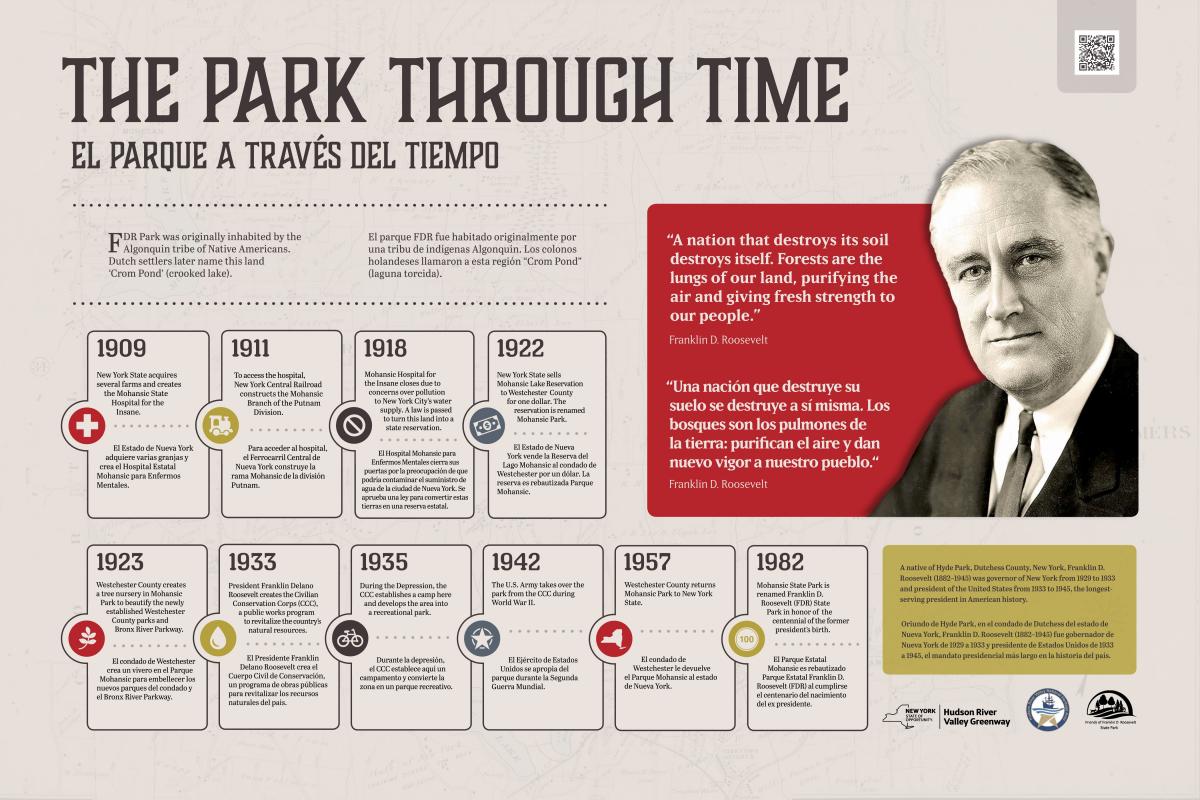
Formerly known as Mohansic Park and Mohansic State Park, the park was created in 1922 on the former site of the Mohansic State Hospital. It was renamed Franklin D. Roosevelt State Park in 1982.

Mohansic State Hospital

Mohansic State Hospital

Franklin D. Roosevelt State Park

Franklin D. Roosevelt State Park

More history of FDR State Park

Trails Overview:

The trails at FDR are blazed, mostly on wide woods roads which have minimal elevation changes. On the easternmost part of the park, a road built by the Civilian Conservation Corps provides a quiet place to walk under tall trees. A paved path essentially paralleling the park road to the swimming area is handicapped accessible. In 2016, thanks to an Eagle Scout project, a bridge now crosses the inlet stream of Crom Pond. In 2017 a bridge was built across the outlet stream, which now connects the park to the Mohansic Trailway, an abandoned rail bed.

Hike Overview:

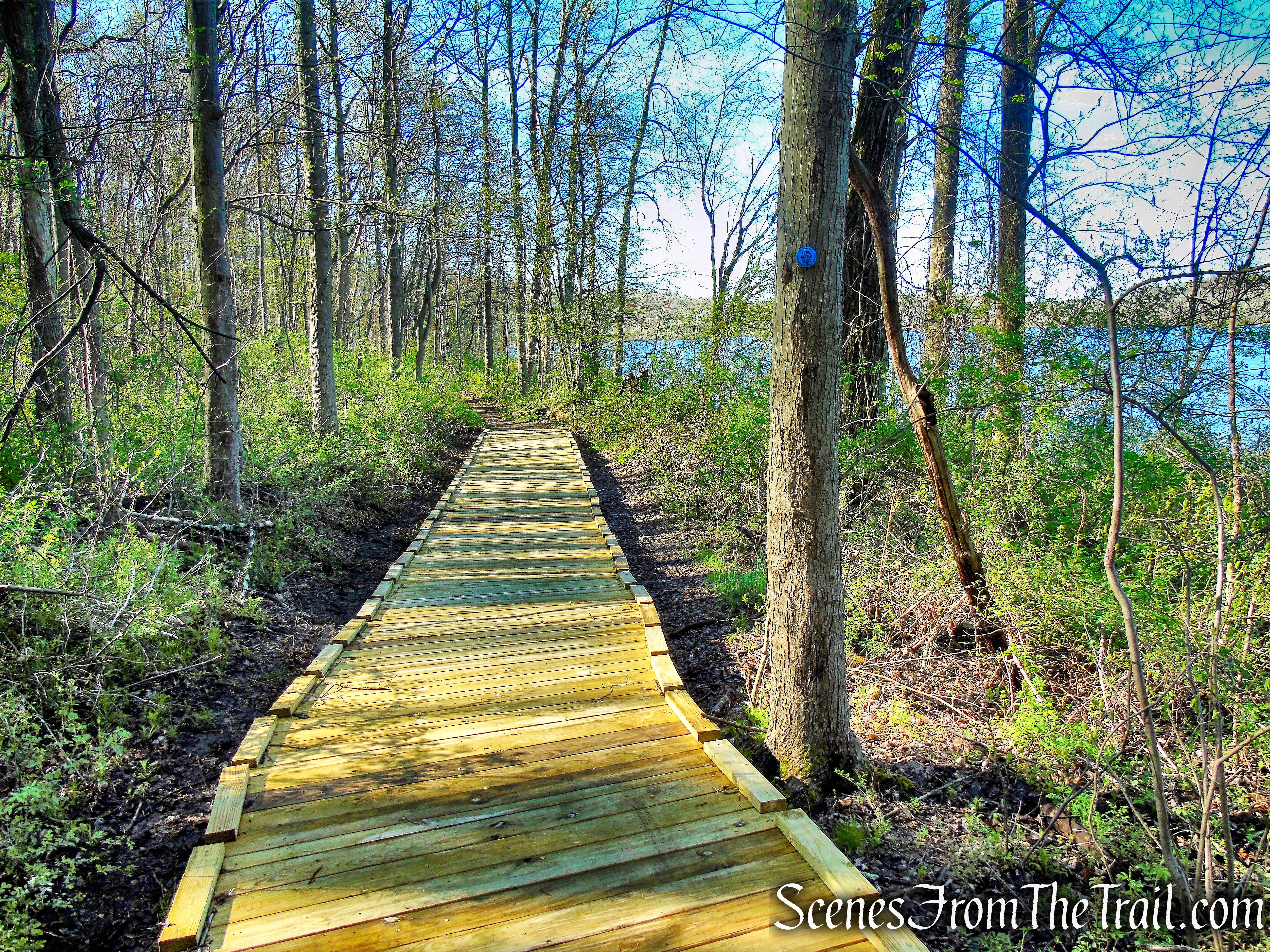
This hike follows the blue-blazed Crom Pond Trail over newly built boardwalks and bridges alongside Crom Pond to its terminus with the Mohansic Trailway. Returning the same way, then turning right on the white-blazed Forested Loop Trail. The final stretch is on the yellow-blazed Mid Park Loop Trail and back to the pool parking lot.

FDR State Park hike

FDR State Park hike

The Hike:

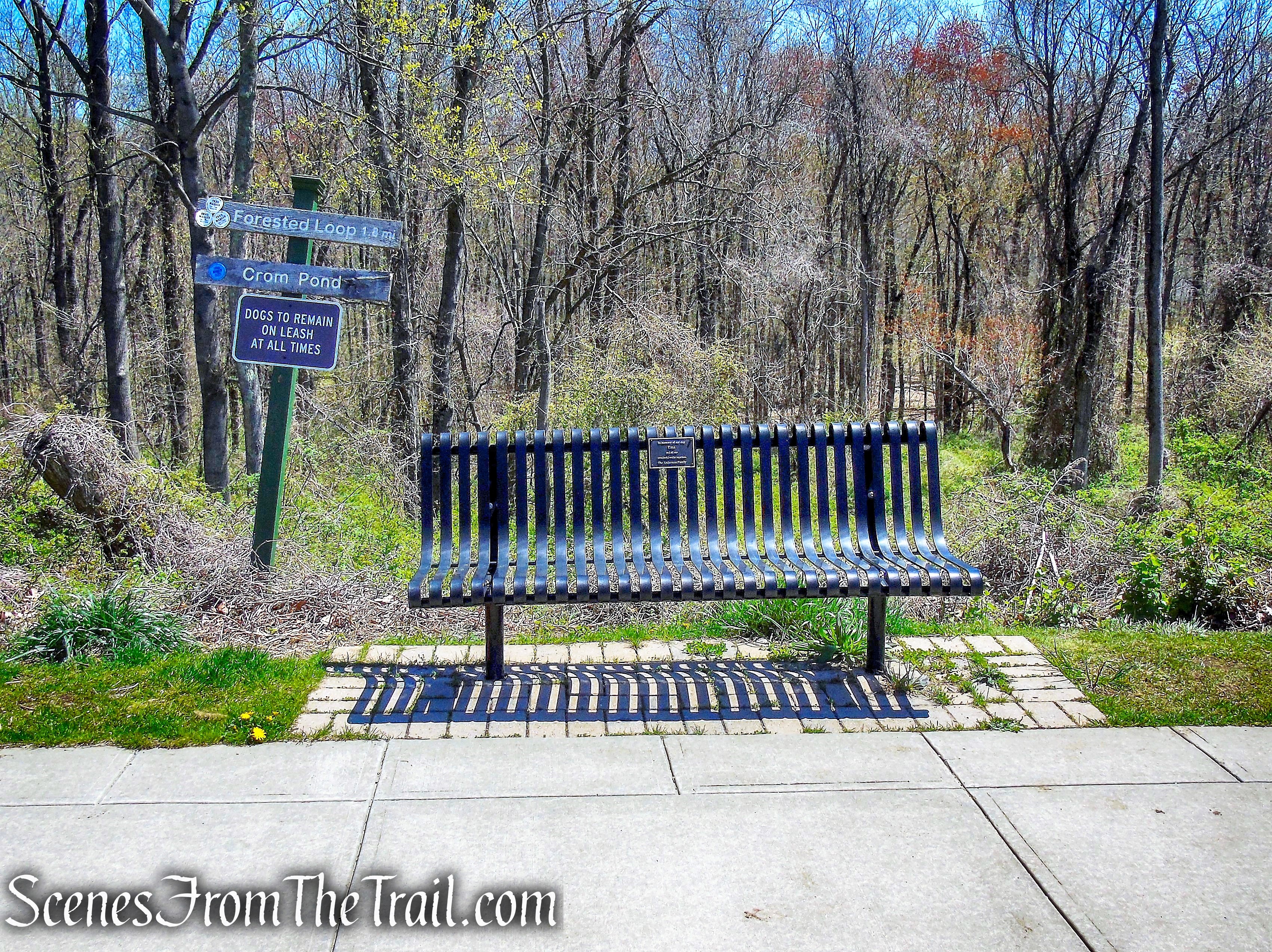
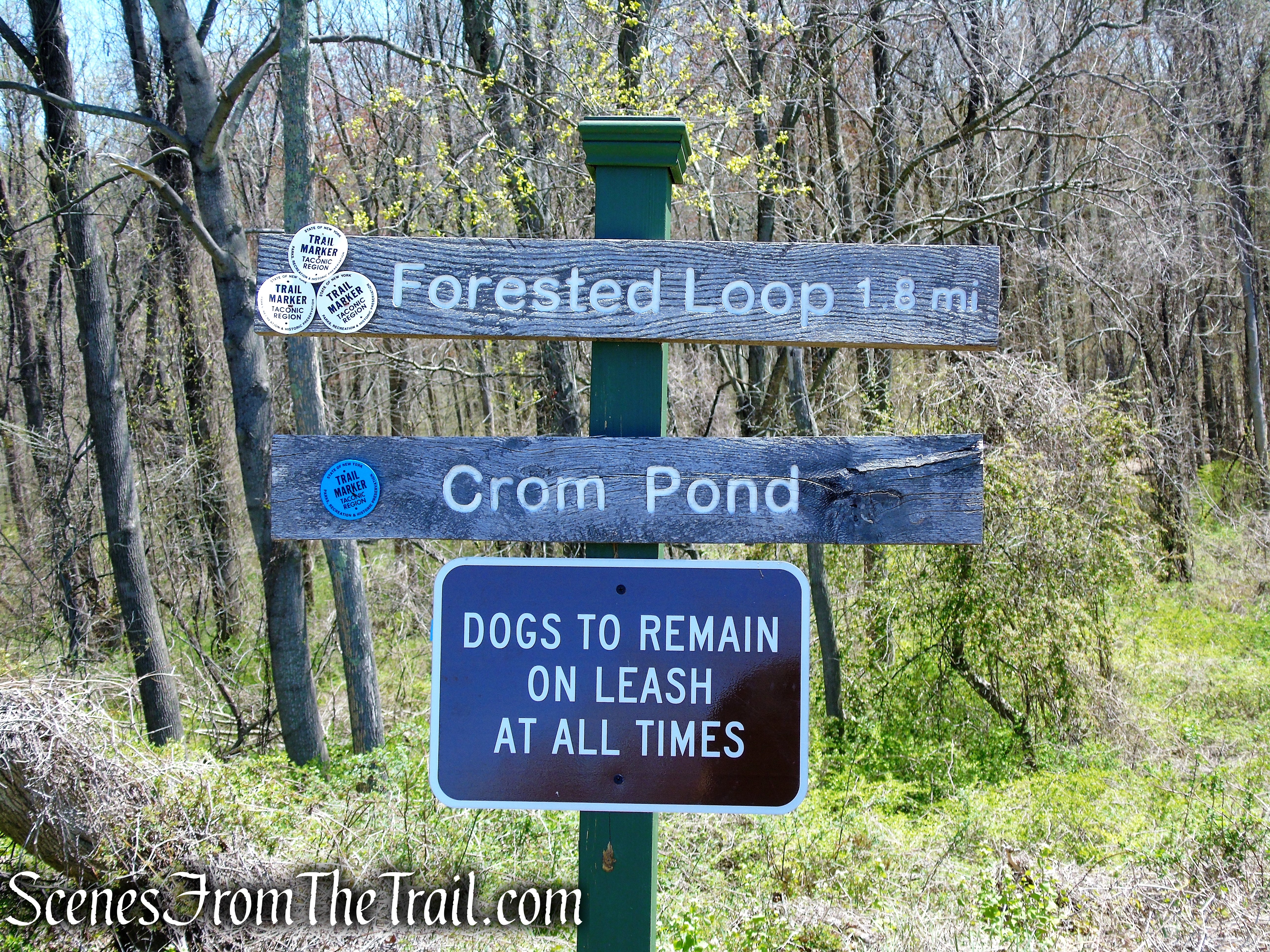
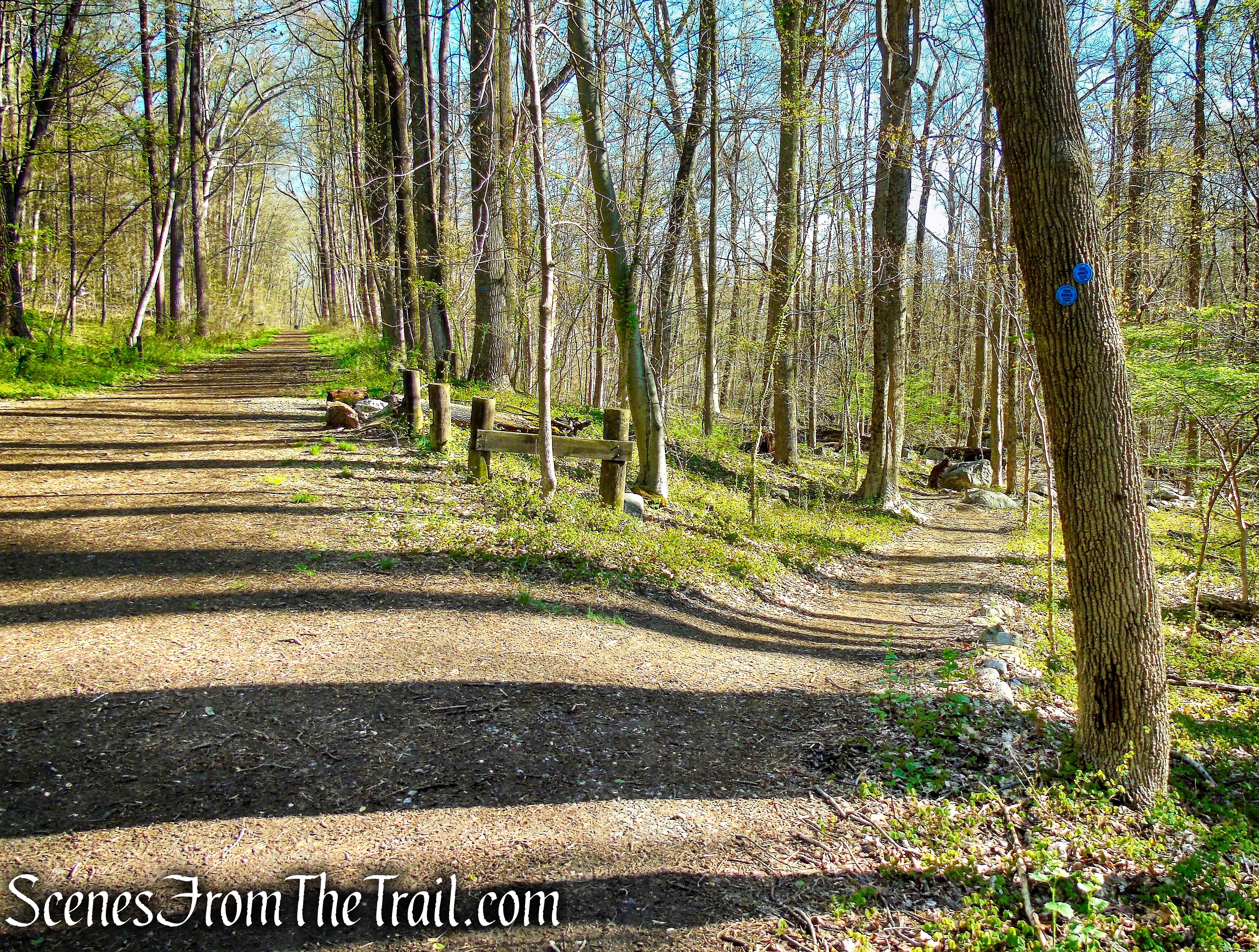
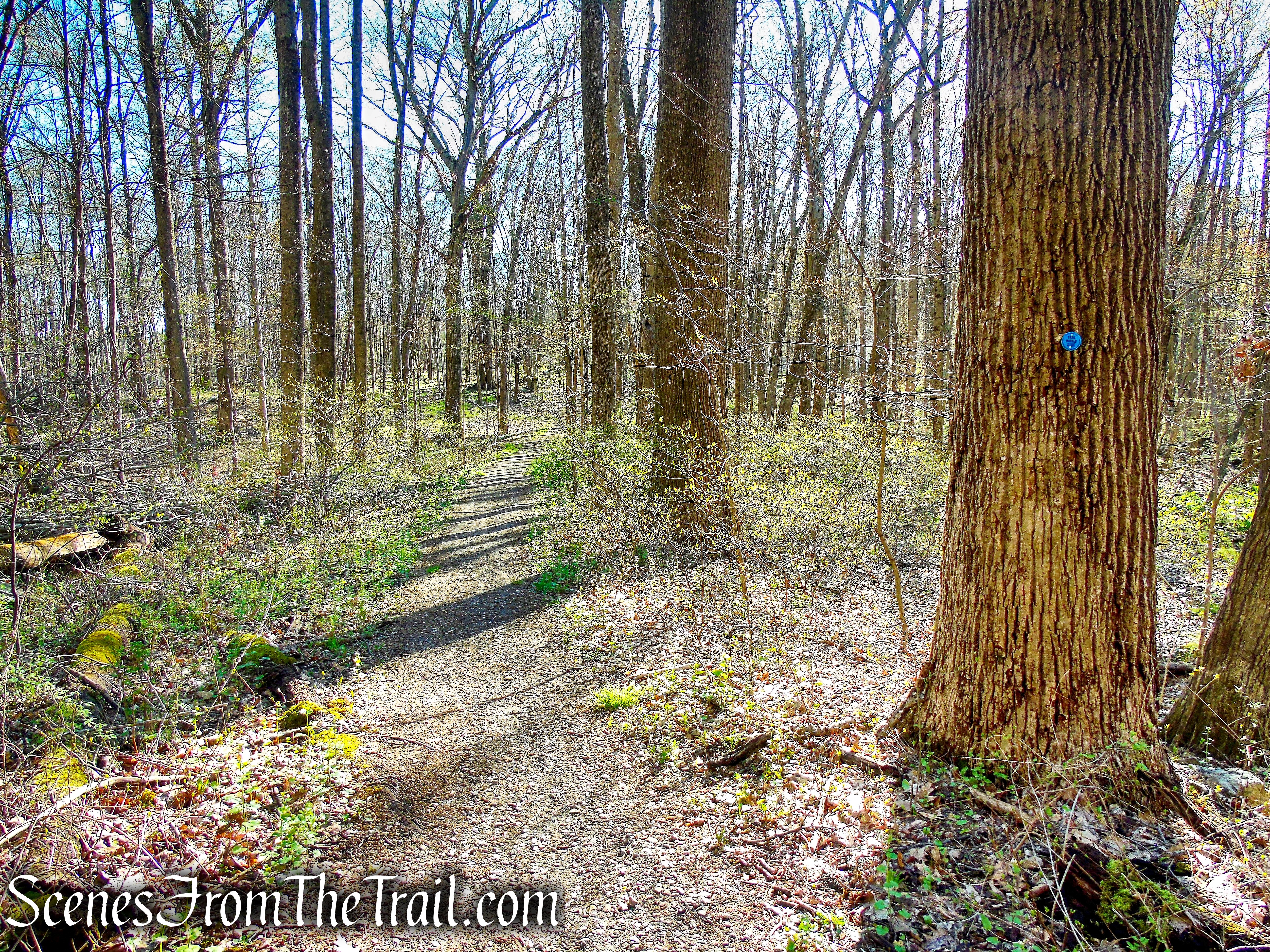
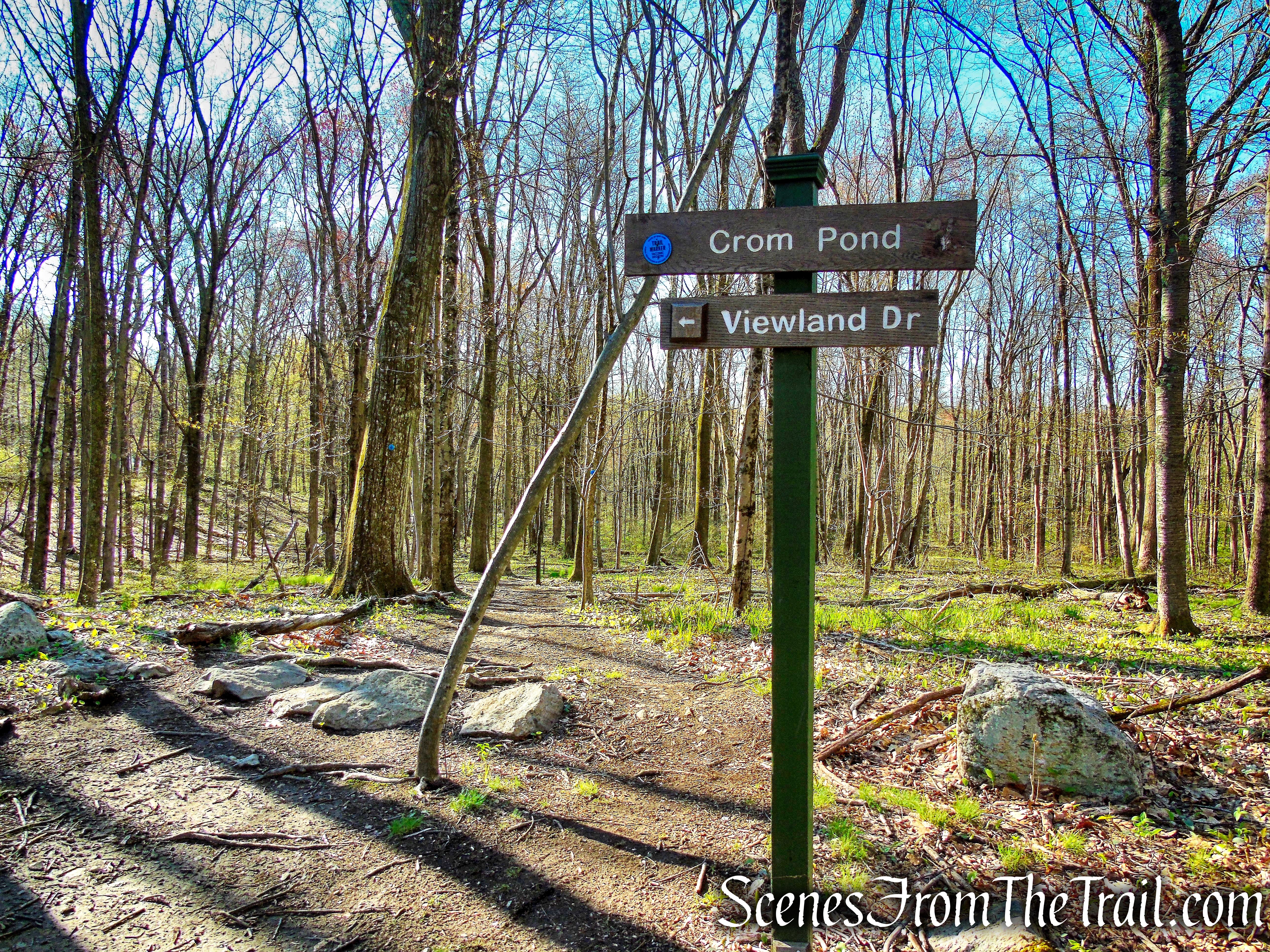
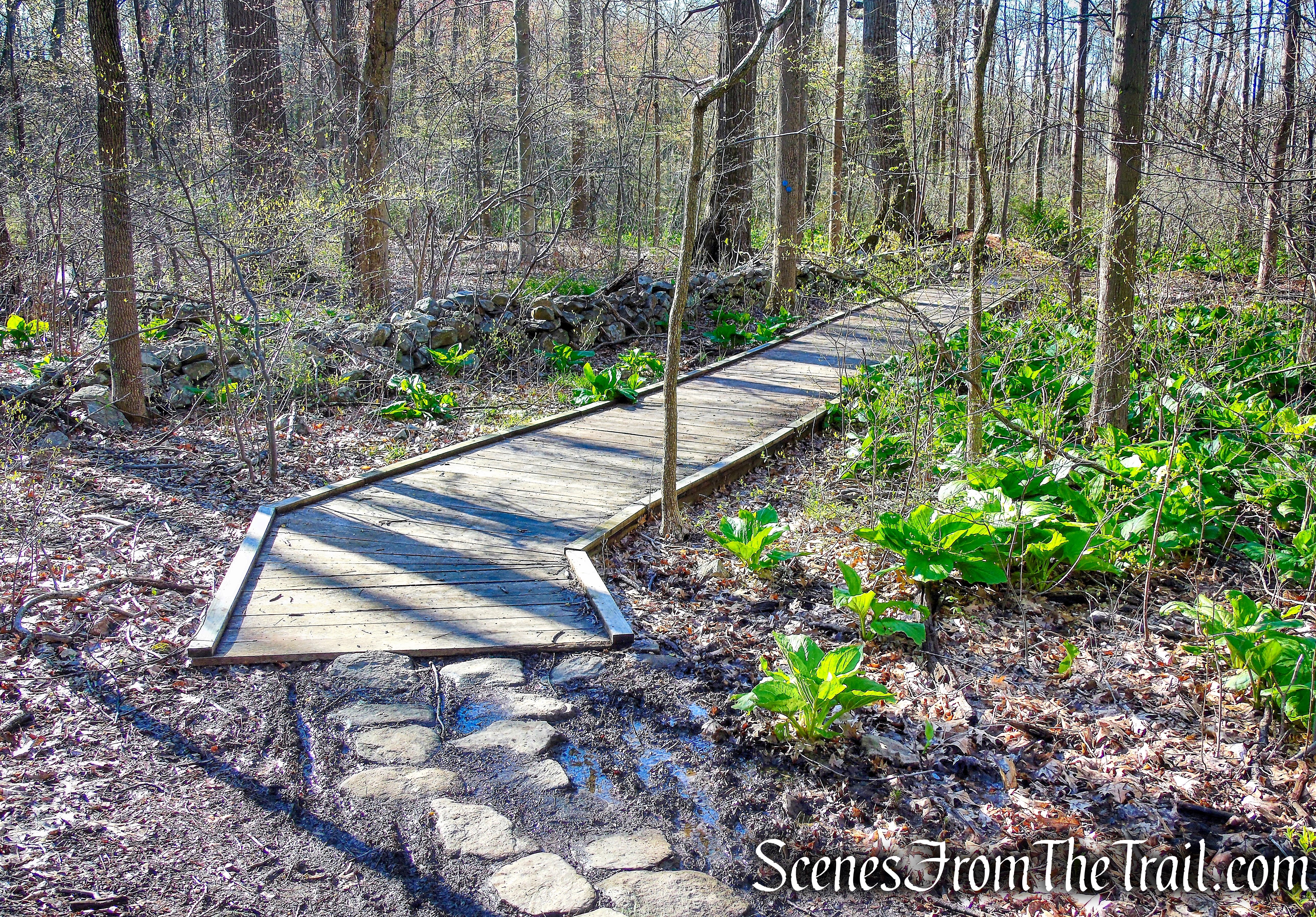
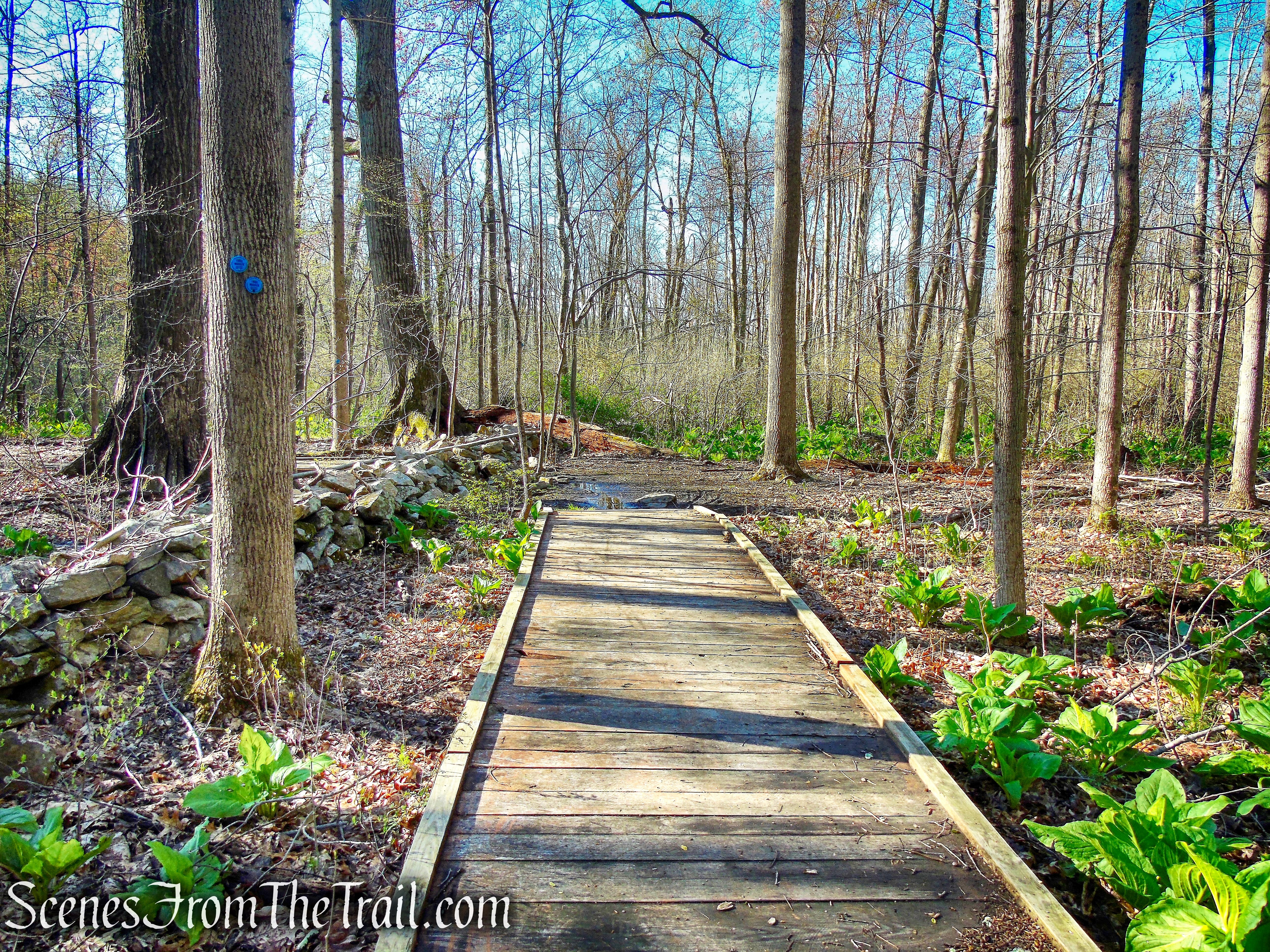
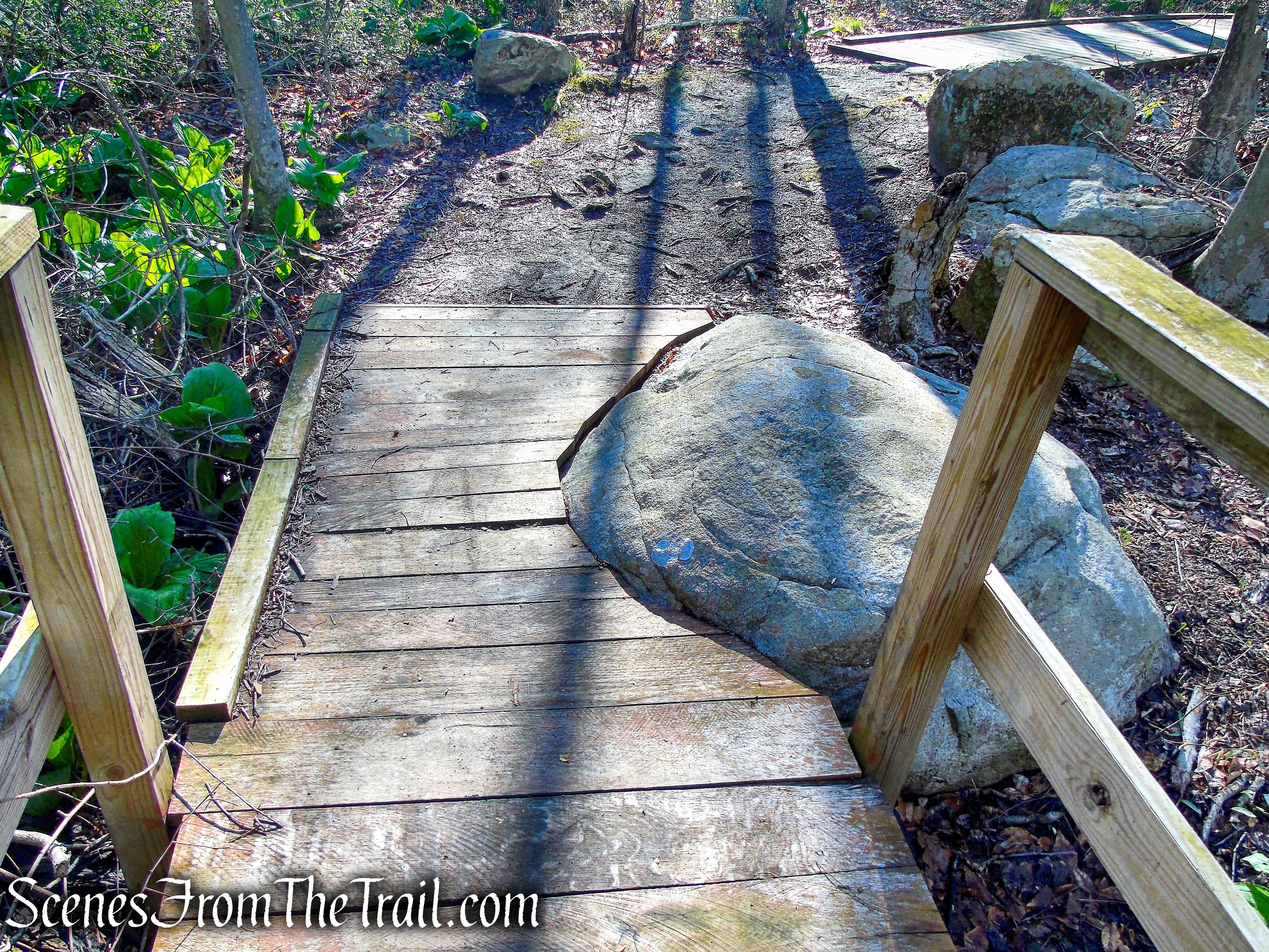
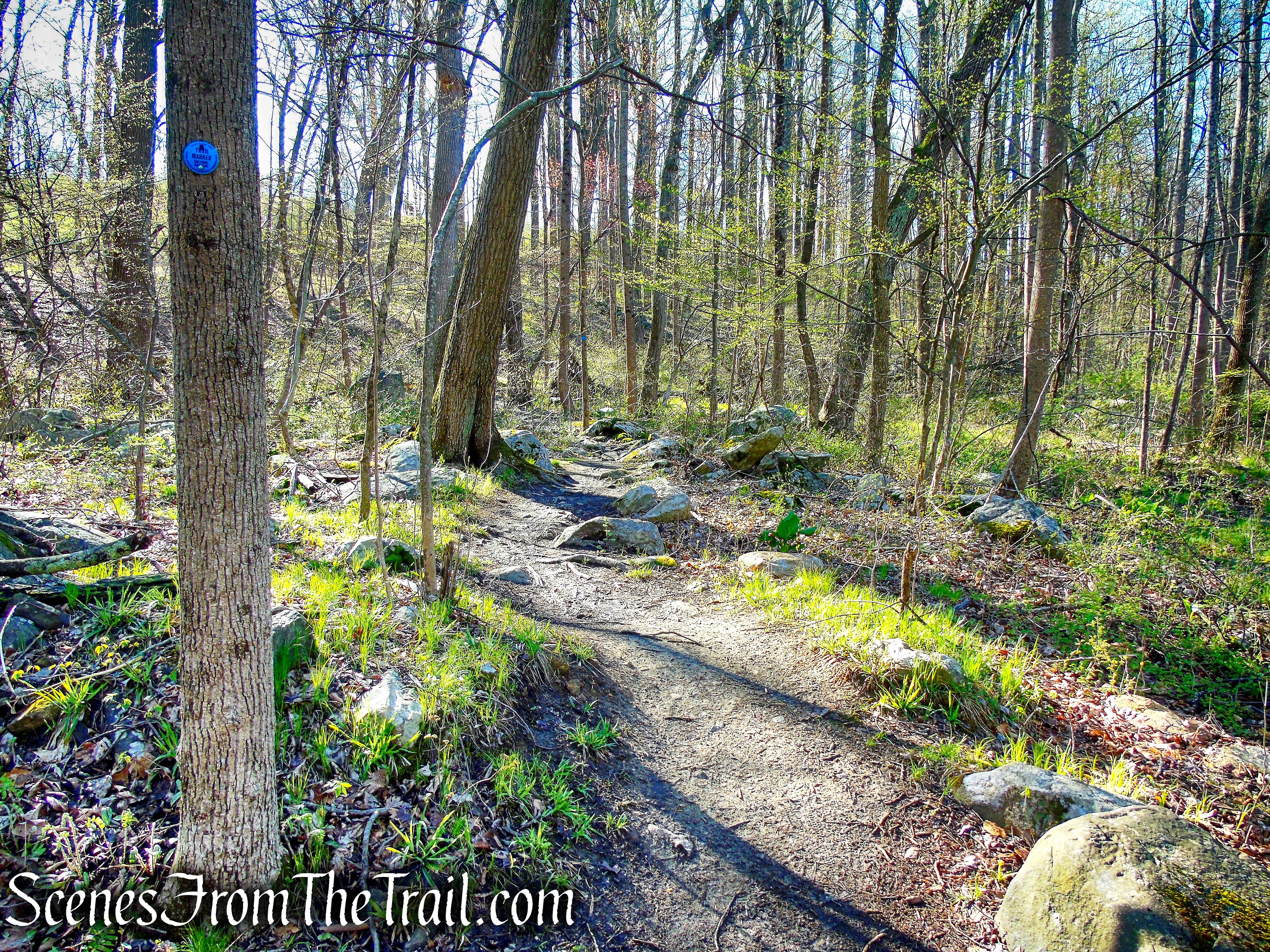
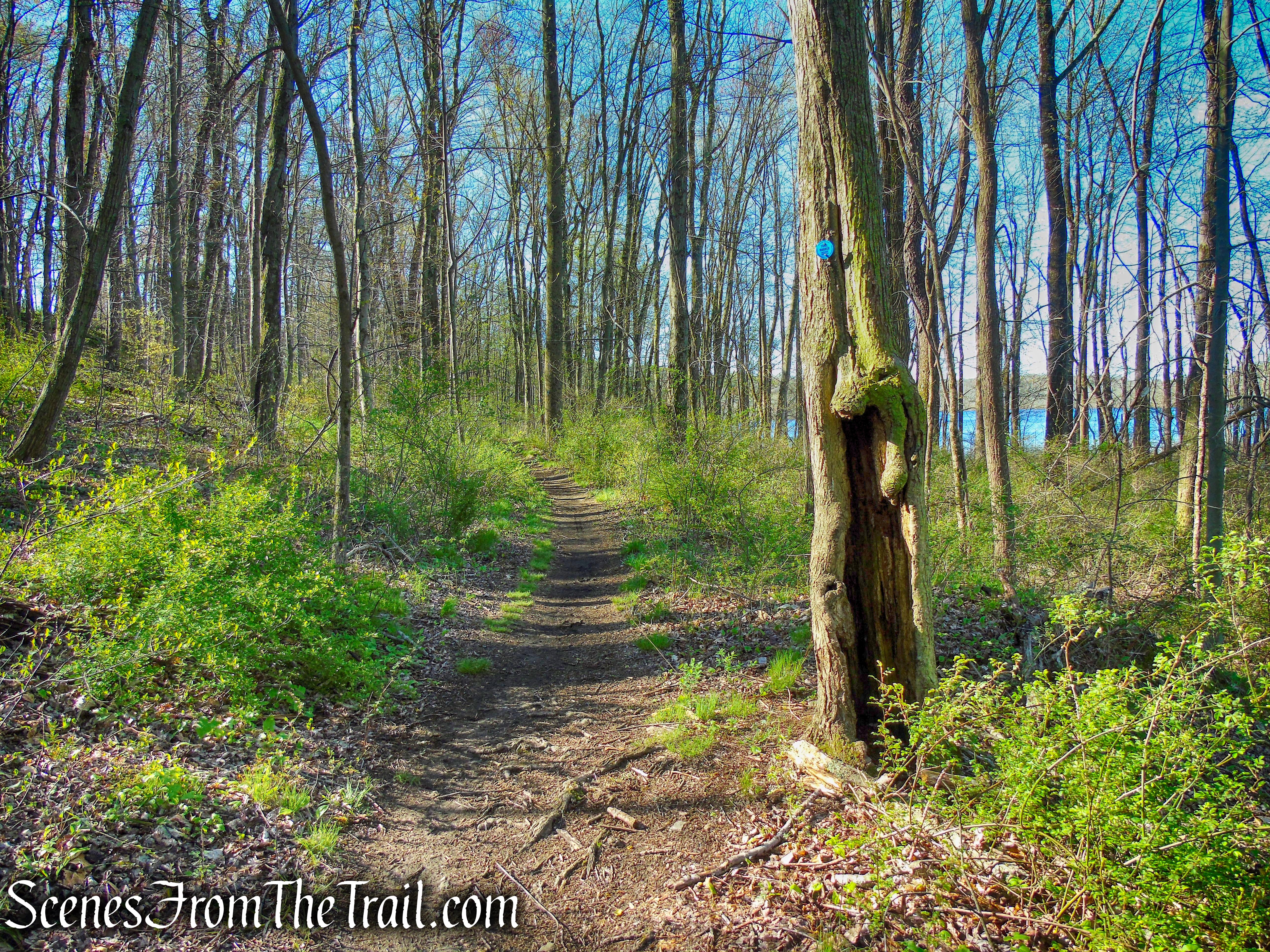
From FDR State Park’s swimming pool parking lot, look for a bench on the east side, near a post with white tag blazes. Walk down the woods road and at a broad intersection in 0.2 mile, turn right onto the Crom Pond Trail. Crom means crooked in Dutch. Head down the stone steps. In 0.3 mile, turn right onto a narrow path. Cross a 70′ long board walk in the wetlands, turn left to cross a stone wall and a short board walk. The path reaches a bridge built thanks to an Eagle project and east side of the bridge has a ramp that hugs the side of a large rock.

Forested Loop Trail - FDR State Park

Forested Loop Trail – FDR State Park

Forested Loop Trail - FDR State Park

Forested Loop Trail – FDR State Park

Forested Loop Trail - FDR State Park

Forested Loop Trail – FDR State Park

turn right on Crom Pond Trail

turn right on Crom Pond Trail

Crom Pond Trail - FDR State Park

Crom Pond Trail – FDR State Park

Crom Pond Trail - FDR State Park

Crom Pond Trail – FDR State Park

Crom Pond Trail - FDR State Park

Crom Pond Trail – FDR State Park

Crom Pond Trail - FDR State Park

Crom Pond Trail – FDR State Park

Crom Pond Trail - FDR State Park

Crom Pond Trail – FDR State Park

Crom Pond Trail - FDR State Park

Crom Pond Trail – FDR State Park

Crom Pond Trail - FDR State Park

Crom Pond Trail – FDR State Park

inlet stream - Crom Pond Trail

inlet stream – Crom Pond Trail

Crom Pond Trail - FDR State Park

Crom Pond Trail – FDR State Park

In 0.5 mile, turn right onto a woods road. Continue along the woods road and bear right to head towards Crom Pond at 0.7 mile. The views over Crom Pond and its adjacent wetlands make you think you are much further away from New York City than you actually are except that you can hear some traffic noise from the Taconic State Parkway. The animal paths down to the shore allow you to take a closer look at Crom Pond.

Crom Pond Trail - FDR State Park

Crom Pond Trail – FDR State Park

Crom Pond Trail - FDR State Park

Crom Pond Trail – FDR State Park

Crom Pond Trail - FDR State Park

Crom Pond Trail – FDR State Park

Crom Pond Trail - FDR State Park

Crom Pond Trail – FDR State Park

Crom Pond Trail - FDR State Park

Crom Pond Trail – FDR State Park

Crom Pond - FDR State Park

Crom Pond – FDR State Park

The path turns left to go away from the water. At 0.8 mile, the trail crosses a 108-foot long boardwalk that lets you keep your feet dry. Turning right, the trail parallels a wetland. It reaches a 50-foot long boardwalk that spans the flood plain of the outlet stream of Crom Pond and connects to the bridge over the stream. At first glance the bridge seems really long. But, it is only 32 feet spanning the stream and then reaches a narrow piece of land which provides a foundation for board walk on the south side. You have walked 0.9 mile when you reach the south side of the bridge.

Crom Pond Trail - FDR State Park

Crom Pond Trail – FDR State Park

Crom Pond Trail - FDR State Park

Crom Pond Trail – FDR State Park

Crom Pond Trail - FDR State Park

Crom Pond Trail – FDR State Park

Crom Pond Trail - FDR State Park

Crom Pond Trail – FDR State Park

Crom Pond Trail - FDR State Park

Crom Pond Trail – FDR State Park

Crom Pond Trail - FDR State Park

Crom Pond Trail – FDR State Park

Crom Pond Trail - FDR State Park

Crom Pond Trail – FDR State Park

Crom Pond Trail - FDR State Park

Crom Pond Trail – FDR State Park

Crom Pond Trail - FDR State Park

Crom Pond Trail – FDR State Park

After crossing the bridge, continue to follow the blue blazes on a woods road that soon turns right and leads toward the edge of Crom Pond then turns left. In about another 400 yards, the blue-blazed Crom Pond Trail, leaves the woods road and turns left at a junction with the Yellow Connector Trail and soon ends at the abandoned rail bed, the route of the orange-blazed Mohansic Trailway.

Crom Pond Trail - FDR State Park

Crom Pond Trail – FDR State Park

Crom Pond Trail - FDR State Park

Crom Pond Trail – FDR State Park

Crom Pond Trail - FDR State Park

Crom Pond Trail – FDR State Park

Crom Pond Trail - FDR State Park

Crom Pond Trail – FDR State Park

Crom Pond Trail turns left

Crom Pond Trail turns left

Turn right on the abandoned rail bed and walk a few feet to the junction with the Yellow Connector Trail and turn right. Follow the yellow blazes for a short distance to its terminus at the junction with the blue-blazed Crom Pond Trail which you passed a few minutes earlier.

Mohansic Trailway

Mohansic Trailway

turn right on Yellow Connector Trail

turn right on Yellow Connector Trail

Yellow Connector Trail - FDR State Park

Yellow Connector Trail – FDR State Park

Yellow Connector Trail - FDR State Park

Yellow Connector Trail – FDR State Park

terminus of Yellow Connector Trail

terminus of Yellow Connector Trail

Continue straight on the Crom Pond Trail, now retracing your steps. Recross the wooden footbridge that spans the outlet stream and continue back the way you came.

Crom Pond Trail - FDR State Park

Crom Pond Trail – FDR State Park

Crom Pond Trail - FDR State Park

Crom Pond Trail – FDR State Park

Crom Pond Trail - FDR State Park

Crom Pond Trail – FDR State Park

Crom Pond Trail - FDR State Park

Crom Pond Trail – FDR State Park

Crom Pond Trail - FDR State Park

Crom Pond Trail – FDR State Park

Crom Pond Trail - FDR State Park

Crom Pond Trail – FDR State Park

Crom Pond - FDR State Park

Crom Pond – FDR State Park

Crom Pond Trail - FDR State Park

Crom Pond Trail – FDR State Park

Crom Pond Trail - FDR State Park

Crom Pond Trail – FDR State Park

Crom Pond Trail - FDR State Park

Crom Pond Trail – FDR State Park

Crom Pond Trail - FDR State Park

Crom Pond Trail – FDR State Park

Crom Pond Trail - FDR State Park

Crom Pond Trail – FDR State Park

Crom Pond Trail - FDR State Park

Crom Pond Trail – FDR State Park

Crom Pond Trail - FDR State Park

Crom Pond Trail – FDR State Park

When the Crom Pond Trail comes to a T-intersection with a woods road, make sure to turn left and follow the blue blazes back to the broad intersection with the white-blazed Forested Loop Trail.

Crom Pond Trail - FDR State Park

Crom Pond Trail – FDR State Park

Crom Pond Trail - FDR State Park

Crom Pond Trail – FDR State Park

You have a few options here. You can continue straight on blue a short distance to its terminus, turn left and return to the parking lot. You can turn left and retrace your steps on white back to the parking lot (that would make the hike about 2.3 miles total), or you can turn right on white to extend the hike. We turned right.

turn right on Forested Loop Trail

turn right on Forested Loop Trail

The white-blazed Forested Loop Trail follows a wide woods road north. In about 0.6 mile, the trail reaches Downing Park (no trails), turns left and skirts its boundary along a wooden fence. The trail then heads west, passing the green-blazed CCC Camp Trail (another option), then comes to a pair of benches with an informational sign and turns left, now heading south.

Forested Loop Trail - FDR State Park

Forested Loop Trail – FDR State Park

Forested Loop Trail - FDR State Park

Forested Loop Trail – FDR State Park

Downing Park

Downing Park

Downing Park

Downing Park

Forested Loop Trail - FDR State Park

Forested Loop Trail – FDR State Park

This section of the trail is paved and you may encounter walkers and kids on bikes. To avoid this paved section, you can walk a few feet farther and turn left on the yellow-blazed Mid Park Loop Trail, or do as we did and just cut through the woods to it.

Forested Loop Trail - FDR State Park

Forested Loop Trail – FDR State Park

The Mid Park Loop Trail runs parallel to, and just below the white trail. You can see the people and hear them, but if you prefer a dirt path to pavement, this trail works. In just over a 1/2 mile, as the yellow trail starts to veer right, there is a short footpath that leads back to the paved white trail near a kiosk where the green, white and blue trails meet.

Mid Park Loop Trail - FDR State Park

Mid Park Loop Trail – FDR State Park

Mid Park Loop Trail - FDR State Park

Mid Park Loop Trail – FDR State Park

Continue south past the kiosk and back to the pool parking lot, where the hike began.

Forested Loop Trail - FDR State Park

Forested Loop Trail – FDR State Park

pool parking lot - FDR State Park

pool parking lot – FDR State Park

Review:

A nice, mostly level walk in the woods, but nothing really exciting about it. The bridges and boardwalks are cool and the Crom Pond Trail itself is worth hiking. There aren’t any real open views of Crom Pond and you have to maneuver in order to get a decent photograph. The Crom Pond Trail has a lot of wet and muddy sections where there aren’t any boardwalks, although our visit was after it rained the previous day. We got there before 8:30 am and there were already quite a few people in the lower areas of the park. We only encountered several hikers on the Crom Pond Trail, but quite a few more on the Forested Loop Trail, especially the paved section. If nothing else, this is a decent hike to stretch your legs while social distancing and staying local.

Pros:

Crom Pond Trail with its boardwalks and bridges, mostly lesser traveled area, huge parking lot.

Cons:

No real good views of Crom Pond. Besides the Crom Pond Trail, not much to see on the other trails except people.

Take a hike!

Franklin D. Roosevelt State Park

Franklin D. Roosevelt State Park

Sources:

Great Hunger Memorial Park at V.E. Macy

April 25, 2020 – Ardsley, NY

Difficulty: Easy

Trailhead parking: Saw Mill River Parkway – Irvington, NY 10533

Please Note:

Great Hunger Memorial Park at V.E. Macy can only be entered by heading north on the Saw Mill River Parkway and then turning right when you reach the Great Hunger Memorial Park sign.

Great Hunger Memorial Park at V.E. Macy

Great Hunger Memorial Park at V.E. Macy

Park Overview:

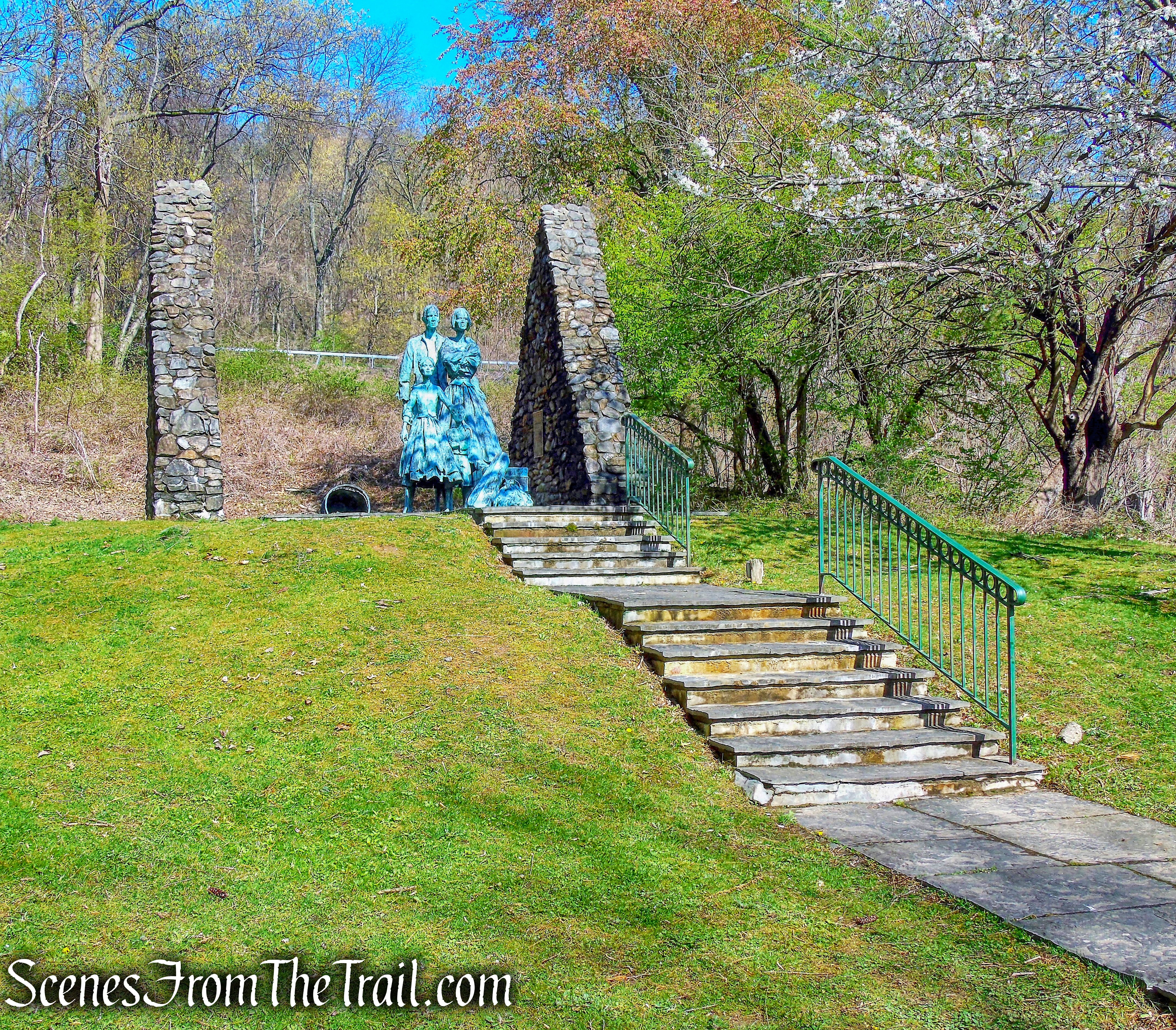
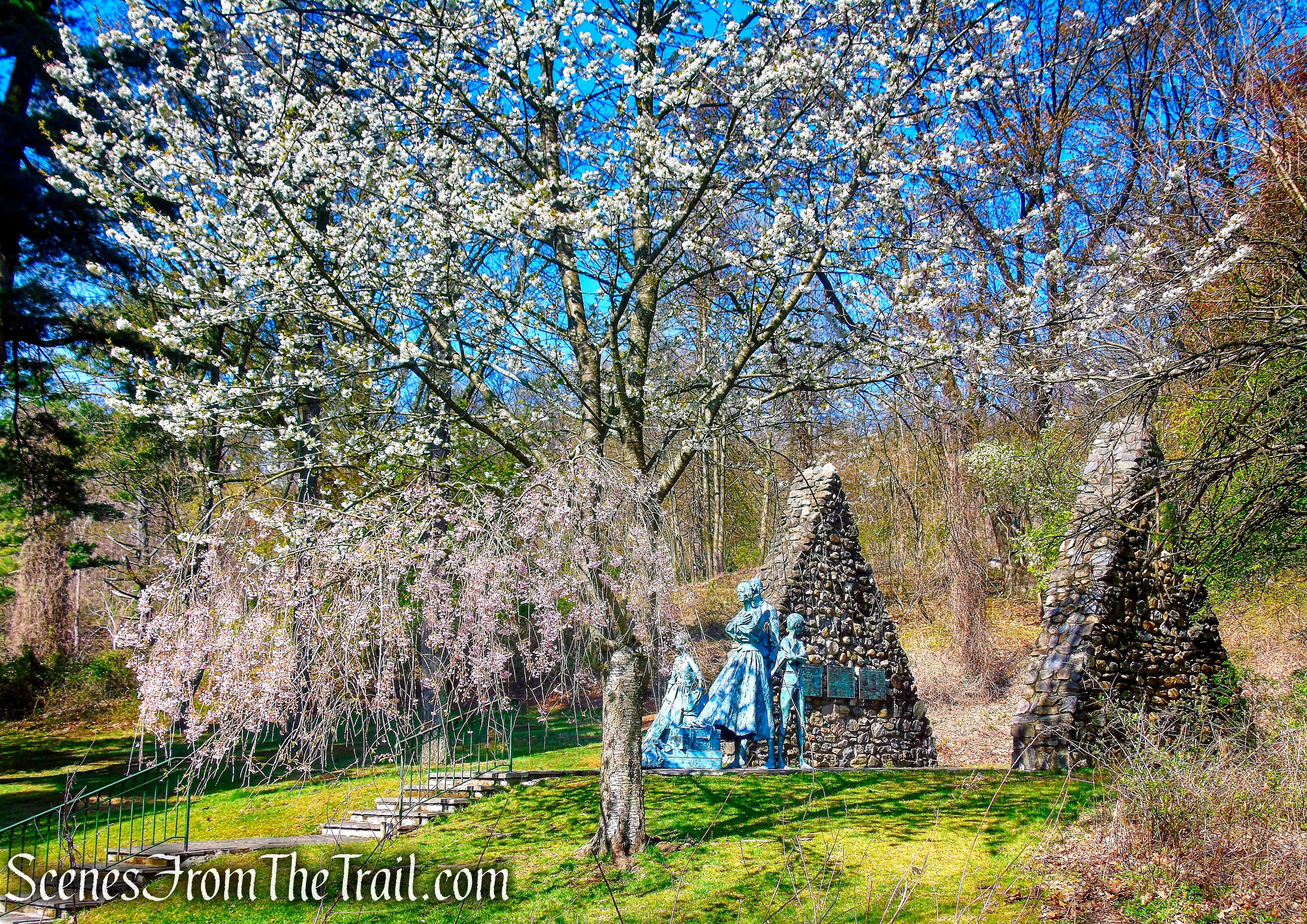
The Great Hunger Memorial was unveiled on June 24, 2001 at V.E. Macy Park in Ardsley to commemorate the suffering of millions of Irish peasants who died from the potato famine or were forced to leave their country.

Great Hunger Memorial

Great Hunger Memorial

Great Hunger Memorial

Great Hunger Memorial

The monument’s sculptor, Eamonn O’Doherty of Ireland, describes the memorial as comprising three related elements.

Great Hunger Memorial

Great Hunger Memorial

The first represents five members of an Irish family group.

Great Hunger Memorial

Great Hunger Memorial

Great Hunger Memorial

Great Hunger Memorial

The second element depicts the deserted shell of the homestead they were forced to leave.

Great Hunger Memorial

Great Hunger Memorial

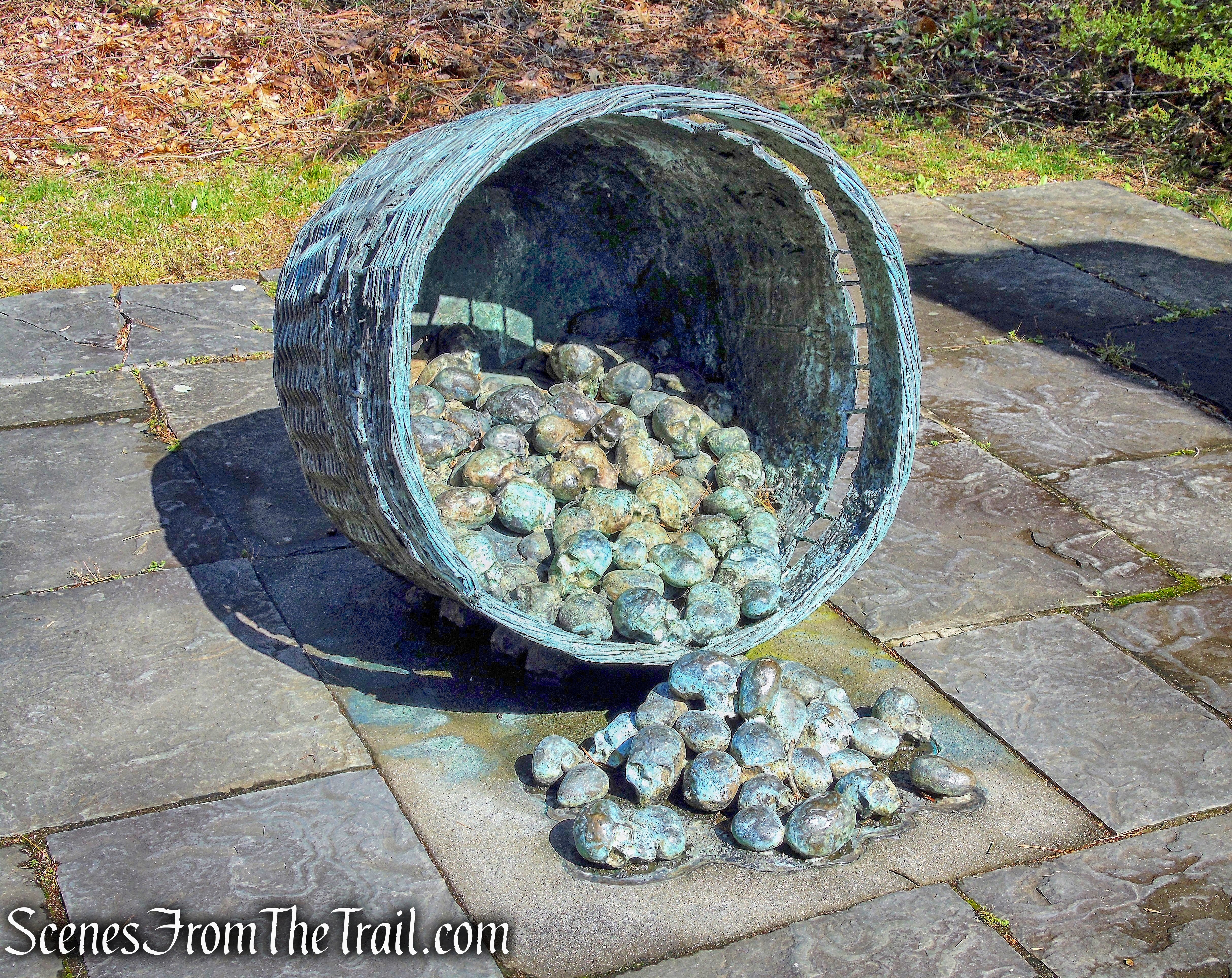
The third element refers to the potato blight and consists of an overturned basket from which potatoes, as they spill onto the ground, metamorphose into skulls.

Great Hunger Memorial

Great Hunger Memorial

After its dedication in June 2001 the monument received widespread critical praise and won several awards, including American Institute of Architects’ community recognition as Most Outstanding Work of Public Art.

Great Hunger Memorial

Great Hunger Memorial

Great Hunger Memorial

Great Hunger Memorial

V.E. Macy Park History:

The Woodlands Lake area was originally owned by Frederick Philipse, a royalist, and was part of Philipse Manor. After the American Revolution, victorious patriot forces confiscated the land. In 1816, Joseph Howland purchased 100-acre tract along with the saw mill that was located there, and for many years afterward the property became known as Howland’s Mill and Howland’s Mill Pond (now Woodlands Lake). Mr. Howland lived in a mansion near the pond.

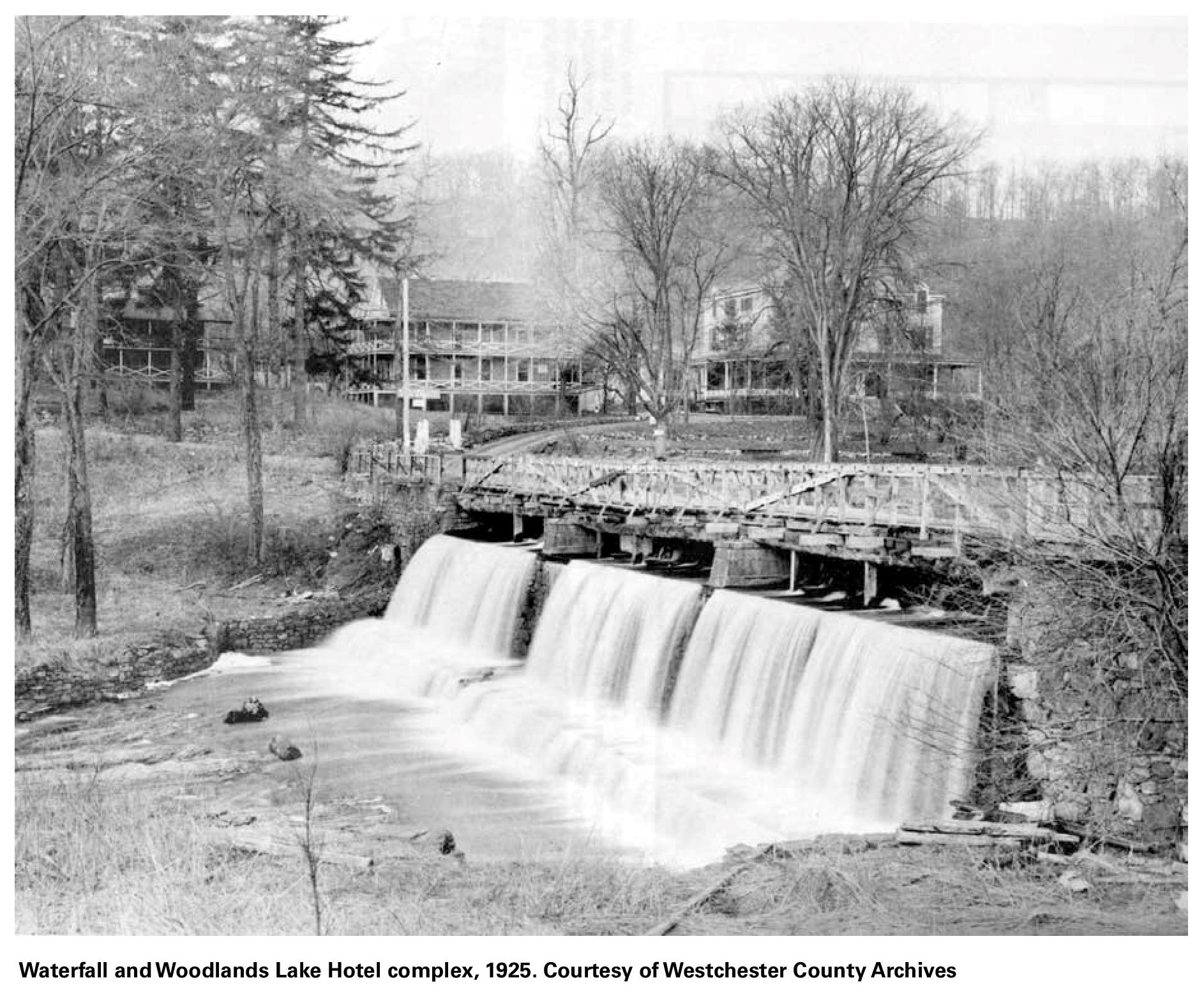
The waterfall was created by building a dam across the Saw Mill River. In the past, the water power created by this waterfall successfully powered saw mills and grist mills along the Saw Mill River during the latter part of the 18th Century and throughout all of the 19th Century.

Woodlands Lake Waterfall

Woodlands Lake Waterfall

During the late 1800’s and early 1900’s, Woodlands Lake Waterfall and its surrounding area, served as a popular resort. The original wooden bridge that crossed the waterfall acted as an access road connecting Saw Mill River Road to the Woodlands Lake Waterfall resorts area.

Woodlands Lake Waterfall

Woodlands Lake Waterfall

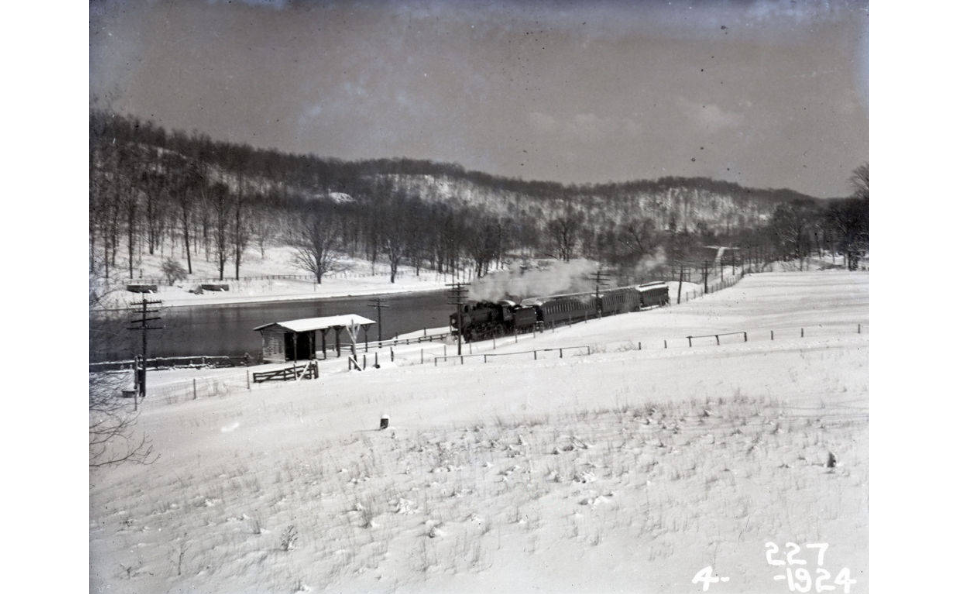
For those vacationers living far away, the “Put” Railroad Woodlands Station made arriving at the Woodlands Lake Waterfall resort areas easy. For the travelers coming from the city, they would simply disembark at the Woodlands Station and then use the original wooden bridge that crossed over the waterfall to arrive at the resort hotels and areas.

Woodlands Lake Station

Woodlands Lake Station

Woodlands Lake Station

Woodlands Lake Station

In the 1930’s when the Saw Mill River Parkway was constructed, a more substantial concrete and steel bridge replaced the original wooden bridge that crossed the waterfall. This new bridge now made it possible for automobiles to cross over the waterfall. This concrete bridge was used until 1950 when The New York Thruway construction cut off the road and the bridge thereafter saw only fishermen and strollers. Today it is used to connect Great Hunger Memorial Park to the South County Trailway.

Woodlands Lake Falls and Bridge

Woodlands Lake Falls and Bridge

In 1923, Westchester County purchased the Woodlands Lake Waterfall area and park, comprising of approximately 212 acres, for $157,000 from J.P. Morgan. It was originally called Woodlands Lake Park, but was renamed for Valentine Everit Macy, Sr., the first Commissioner of Public Welfare. In fact, he was the first Westchester County Commissioner of any kind. He later served as chairman of the County Parks Commission from 1926-1929. The park is located in the villages of Irvington, Ardsley, and Dobbs Ferry, in the town of Greenburgh, Westchester County, N.Y.

V.E. Macy Park

V.E. Macy Park

In the 1920’s, the Woodlands Lake area was a place of fun: it hosted the circus when it came to town; it provided picnic areas where ladies and gentlemen could go for an outing and a barbecue; and it had a place where families could park their cars in the shade while they had a family picnic and had the accessibility of having a food van nearby to provide the food they could not supply for themselves. There was also a place where a baseball game could be played and watched.

Woodlands Park

Woodlands Park

Woodlands Park

Woodlands Park

Then there was the wooden bridge over the waterfall from which bathers could dive into the cooling waters or show off the latest bathing suit fashions.

Woodlands Park

Woodlands Park

With the construction of the Saw Mill River Parkway (1930) and the NY State Thruway (1955), V.E. Macy park is now divided into three distinct areas. One section, east of the NYS Thruway, features ballfields, a playground, comfort stations and picnic pavilion. The Woodlands Lake section, sandwiched between the Saw Mill River Parkway to the west and the NYS Thruway to the east, is an excellent spot for short strolls and birdwatching, provides access to the South County Trailway. This section (that is the subject of this post) has been renamed Great Hunger Memorial Park at V.E. Macy. For nature-lovers fond of hiking and hill climbing, the rugged, heavily wooded hillside west of the Saw Mill River Parkway (lies within the Irvington Woods trailway system), is especially attractive.

Woodlands Lake

Woodlands Lake

In the 1930’s, Howland’s mansion was demolished when the Saw Mill River Parkway was constructed. It was at this time that the Woodlands Lake Hotel complex and the Reinhardt Hotel replaced the resorts in the Woodlands Lake Waterfall area. Eventually, the hotels were torn down. Later, the Woodlands Lake Waterfalls area was occupied by a number of restaurants including Leighton’s Restaurant and then La Cantina.

Cantina Restaurant

Cantina Restaurant

The restaurants have long since been closed down, but the structures are still standing near the Woodlands Lake Waterfall.

Cantina Restaurant 2020

Cantina Restaurant 2020

Today, Woodlands Lake, its waterfall and the surrounding park areas can still be enjoyed. V.E. Macy Park is now 172-acres, the Great Hunger Memorial Park section is only accessible by car via the northbound lanes of the Saw Mill River Parkway or by the South County Trailway on foot or bicycle.

Woodlands Lake

Woodlands Lake

A short walking path along the west side of the Saw Mill River, allows visitors to view wildlife, although some road noise from the nearby parkway and thruway can be heard.

Great Hunger Memorial at V.E. Macy Park

Great Hunger Memorial at V.E. Macy Park

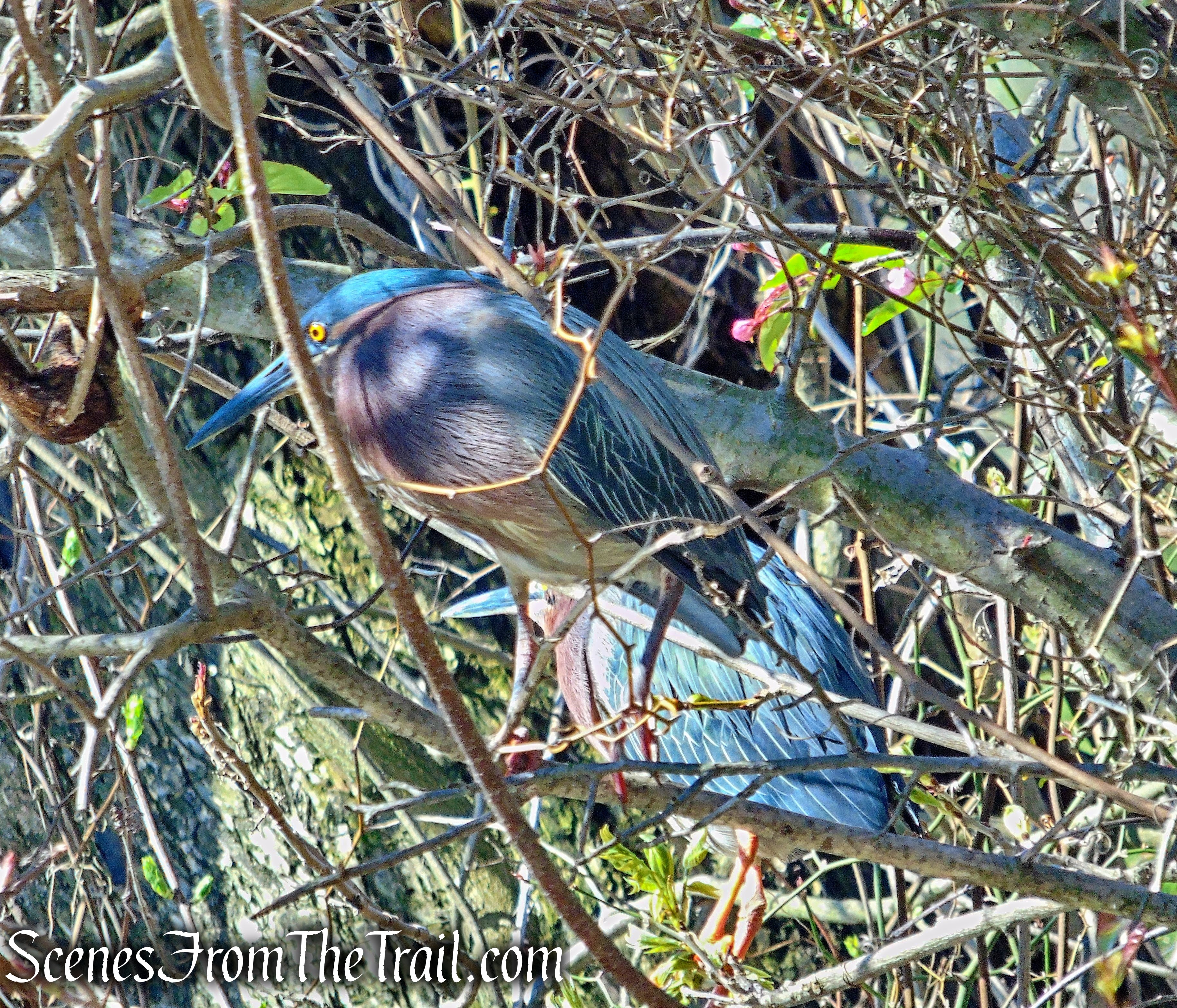
Green Heron - Great Hunger Memorial at V.E. Macy Park

Green Heron – Great Hunger Memorial at V.E. Macy Park

There are some benches along the lake for those that choose to just sit and enjoy the scenery.

Great Hunger Memorial at V.E. Macy Park

Great Hunger Memorial at V.E. Macy Park

Woodlands Lake

Woodlands Lake

Great Hunger Memorial at V.E. Macy Park

Great Hunger Memorial at V.E. Macy Park

Great Hunger Memorial at V.E. Macy

Great Hunger Memorial at V.E. Macy

The “Old Put” railroad line is now the South County Trailway which is a bicycle and foot path that travels along the Old Put’s railroad tracks, now paved over. The South County Trailway starts in the Bronx at Van Cortland Park and passes right by the eastern side of the Woodlands Lake, pretty much where the Woodlands Station used to be located. You can gain access to the South County Trailway by simply crossing over the Woodlands Lake Waterfall bridge. You can then either go south towards the Bronx or north where you can then connect with the North County Trailway at Eastview.

Great Hunger Memorial at V.E. Macy Park

Great Hunger Memorial at V.E. Macy Park

Woodlands Lake

Woodlands Lake

Saw Mill River

Saw Mill River

South County Trailway

South County Trailway

Review:

This section of the park, which includes the Great Hunger Memorial, Saw Mill River, Woodlands Lake and waterfall, is a nice place to stop to take a break, a walk or have a picnic lunch (no grills). This is also a good place to park if wishing to connect to the South County Trailway. Definitely worth a visit if in the area.

Pros:

Historical features, Great Hunger Memorial, waterfall, Woodlands Lake, Saw Mill River, access to South County Trailway.

Cons:

Road noise from the Saw Mill River Parkway and NYS Thruway.


Take a walk!

Sources:


Halsey Pond Park

April 25, 2020 – Irvington, NY

Difficulty: Easy

Length: Approximately 1 mile

Max elevation: 311 ft. – total elevation gain: approximately 27 ft.

Route type: Circuit

Map: None available

Trailhead parking: Havemeyer Rd, Irvington, NY 10533

Please Note: Halsey Pond Park is open to Village of Irvington residents only.


Park Overview:

Halsey Pond Park is a 30-acre scenic and tranquil area that is located in Irvington, NY. Nestled between a golf course and private residences, it’s a peaceful oasis drawing families and dog walkers alike. The park is touted as Irvington’s best kept secret. Halsey Pond Park is open to village residents for passive recreation activities. New York State fishing license required for fishing (catch & release). Halsey Pond Park is open from dawn to dusk. The park is managed by the Irvington Recreation & Parks Department.

Halsey Pond Park

Halsey Pond Park

A wide 1/2 mile long crushed stone path circles the scenic pond, passing old stone walls, a dam, and the Beltzhoover Teahouse that overlooks the pond. A haven for birdwatchers, on any given day, you may see ducks, geese, herons, cormorants, warblers or even an Osprey.

Beltzhoover Teahouse - Halsey Pond Park

Beltzhoover Teahouse – Halsey Pond Park

History:

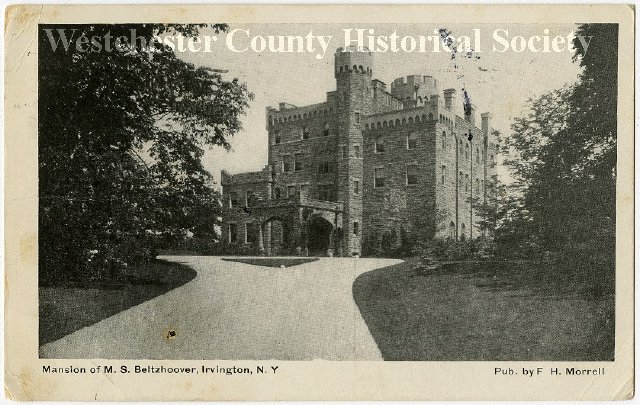
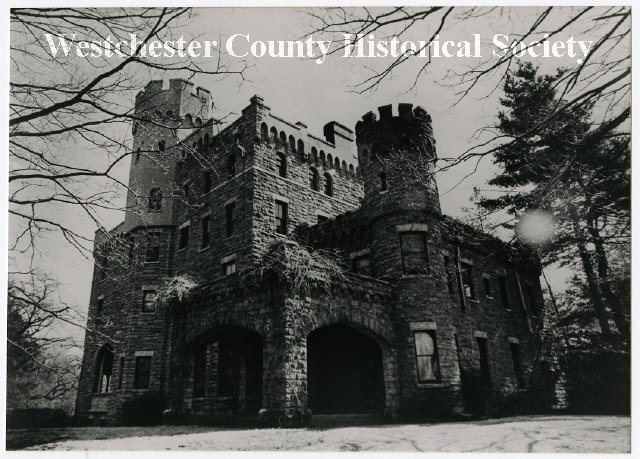
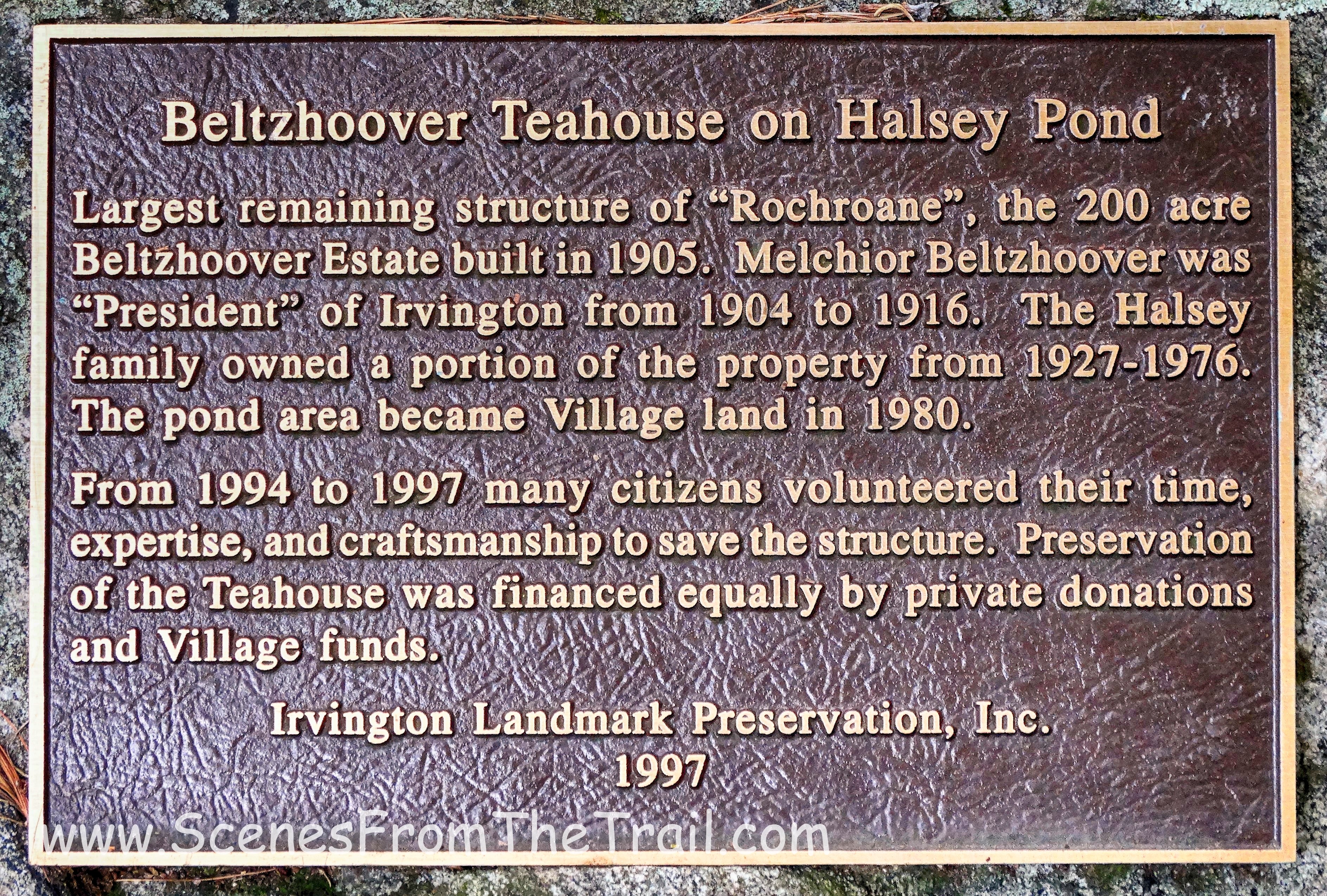
Rochroane castle was built between 1902 and 1905 for Melchior S. Beltzhoover, an oil and cotton magnate from Natchez, Missisippi. The 44 room stone castle, once part of a 200-acre estate overlooking the Hudson River, was designed by Arthur. J. Manning, a New York City architect who also lived in Irvington. The stone was quarried from the land upon which it was built. This “Rhine castle” featured a spectacular stained-glass window by Louis Comfort Tiffany that depicted the Hudson River view as seen from the castle.

Beltzhoover Mansion

Beltzhoover Mansion

Benjamin Halsey bought Rochroane castle in 1927, and renamed it “Grey Towers.” After Halsey’s death in 1956, his widow began donating portions of the estate to the Immaculate Conception Church, ending with the mansion itself in 1976. Gutted by fire a few months later, the mansion and 38 acres were sold to a developer who, in 1980, deeded Halsey Pond and its folly, sometimes called Halsey Teahouse, to the Village of Irvington in exchange for permission to remove Rochroane/Grey Towers and subdivide the rest of the property.

Grey Towers

Grey Towers

The castle’s Tiffany stained glass window, which portrays a Hudson River view from the window in which it was set, is on exhibit at the Corning Glass Museum in Corning, N.Y.

Tiffany window - Rochroane castle

Tiffany window – Rochroane castle

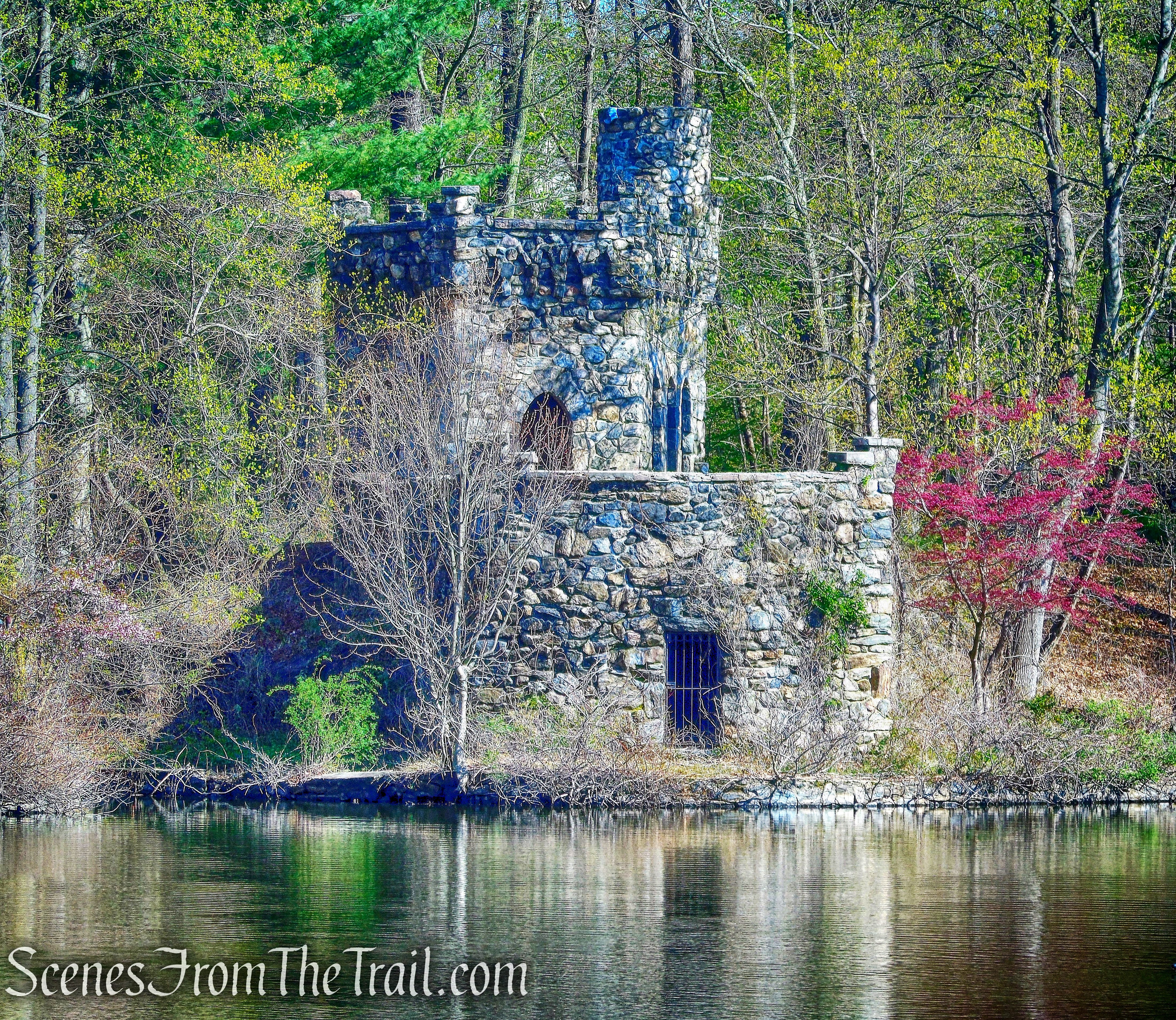
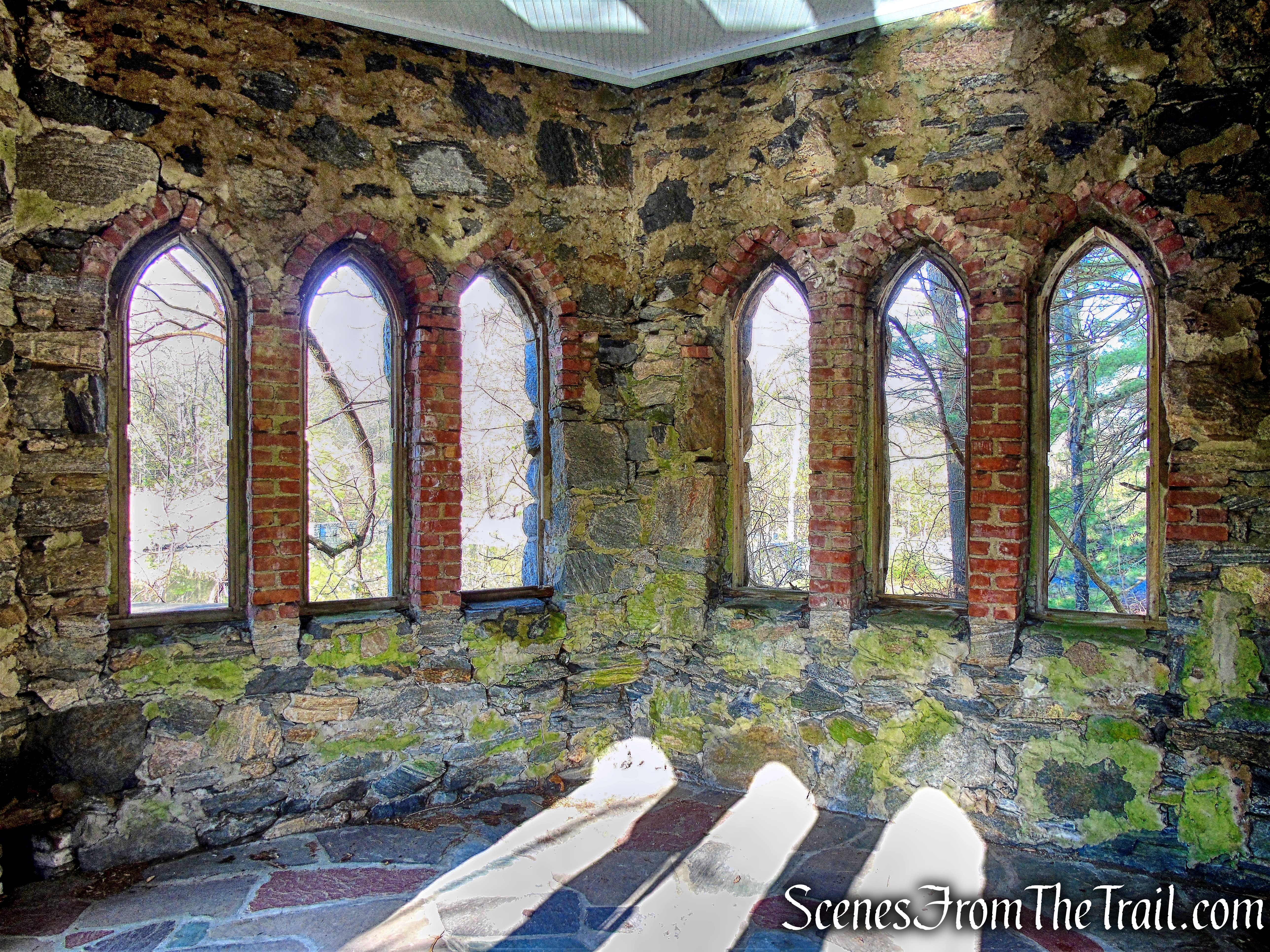
Beltzhoover Teahouse, the last remaining structure of the once-grand estate, is a little turn-of-the-century castle, with an open hexagonal tower featuring gothic arched windows and a roof terrace overlooking Halsey Pond.

Beltzhoover Teahouse - Halsey Pond Park

Beltzhoover Teahouse – Halsey Pond Park

Neglect and years of deterioration threatened the survival of this rare historic architectural resource. Beltzhoover Teahouse was preserved through the initiative and support of concerned citizens, the Village of Irvington Trustees and Irvington Landmarks Preservation, Inc.

Beltzhoover Teahouse on Halsey Pond

Beltzhoover Teahouse on Halsey Pond

The Walk:

There is designated roadside parking on Havemeyer Road, with room for about 8 cars.

Halsey Pond Park

Halsey Pond Park

A wide dirt path leads from the cul-de-sac, a short distance to the edge of Halsey Pond, with the Beltzhoover Teahouse directly across the pond.

Halsey Pond Park

Halsey Pond Park

Halsey Pond Park

Halsey Pond Park

Halsey Pond is a 6-acre man-made impoundment built before 1835 and is rimmed by stonework, including a controlled outlet at its western end and a channeled inflow to the east.

Halsey Pond

Halsey Pond

Beltzhoover Teahouse - Halsey Pond Park

Beltzhoover Teahouse – Halsey Pond Park

Turning left, the wide crushed stone path circles around the pond, passing over the newly renovated stone dam.

Halsey Pond Park

Halsey Pond Park

Halsey Pond Dam

Halsey Pond Dam

Halsey Pond Dam is a composite masonry and earth structure about 25 feet high, 20 feet wide and 160 feet long, located on a tributary to Barney Brook. It was built in the early 1900’s as part of the estate. The dam and spillway were renovated in 2018.

Halsey Pond Dam

Halsey Pond Dam

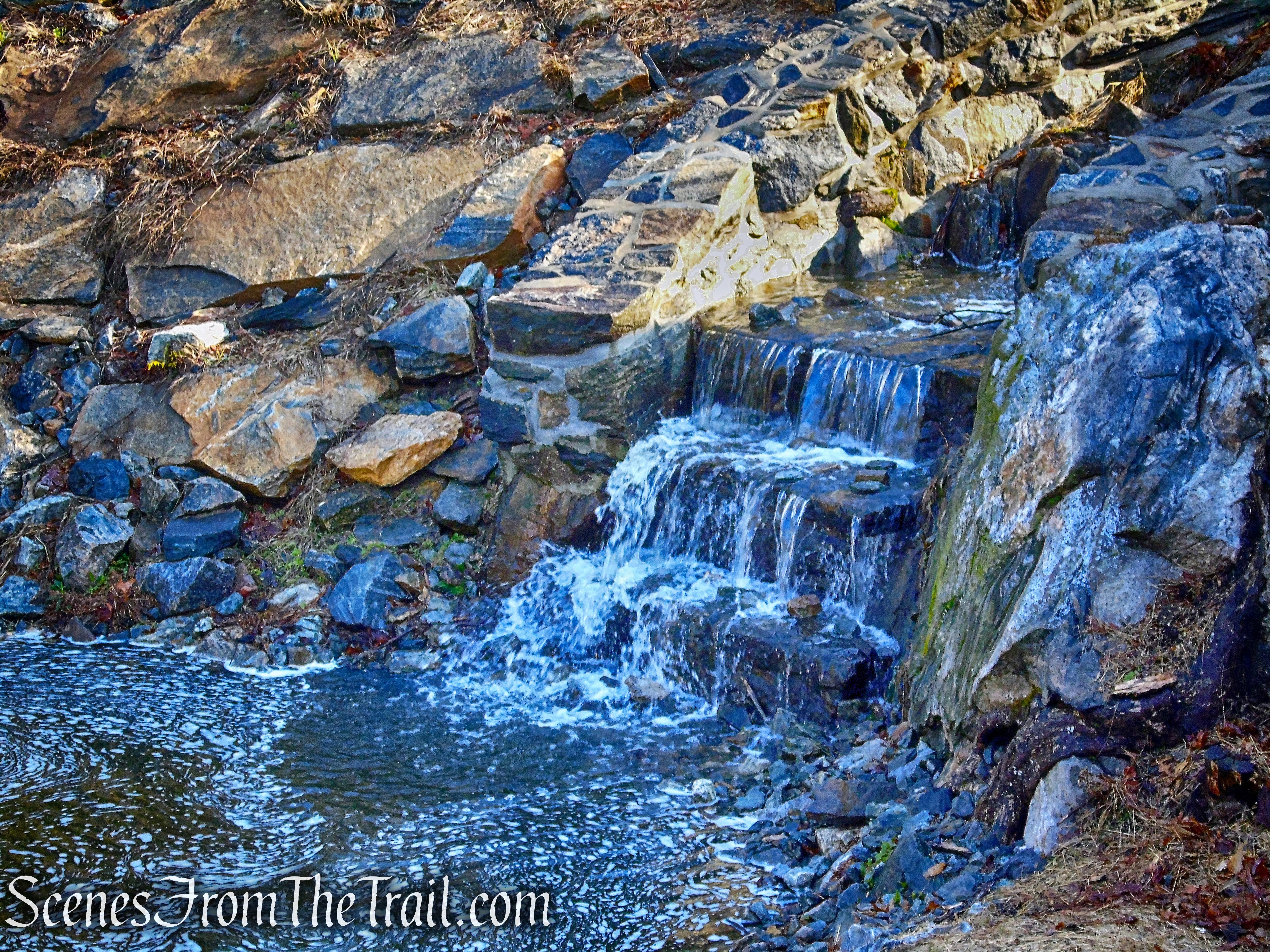
Halsey Pond Dam spillway

Halsey Pond Dam spillway

Soon after crossing the dam, the Beltzhoover Teahouse is on the right overlooking Halsey Pond. You may want to take some time to explore this awe-inspiring creation.

Beltzhoover Teahouse - Halsey Pond Park

Beltzhoover Teahouse – Halsey Pond Park

Beltzhoover Teahouse - Halsey Pond Park

Beltzhoover Teahouse – Halsey Pond Park

Beltzhoover Teahouse - Halsey Pond Park

Beltzhoover Teahouse – Halsey Pond Park

Beltzhoover Teahouse - Halsey Pond Park

Beltzhoover Teahouse – Halsey Pond Park

Beltzhoover Teahouse - Halsey Pond Park

Beltzhoover Teahouse – Halsey Pond Park

Beltzhoover Teahouse - Halsey Pond Park

Beltzhoover Teahouse – Halsey Pond Park

The terrace looks out over the pond and affords a scenic view of the park and gives visitors a chance to spot many different types of birds that inhabit the area.

Beltzhoover Teahouse - Halsey Pond Park

Beltzhoover Teahouse – Halsey Pond Park

Beltzhoover Teahouse - Halsey Pond Park

Beltzhoover Teahouse – Halsey Pond Park

Halsey Pond

Halsey Pond

Geese - Halsey Pond Park

Geese – Halsey Pond Park

Common Grackle - Halsey Pond Park

Common Grackle – Halsey Pond Park

Grey Warbler - Halsey Pond Park

Grey Warbler – Halsey Pond Park

Beltzhoover Teahouse - Halsey Pond Park

Beltzhoover Teahouse – Halsey Pond Park

Beltzhoover Teahouse - Halsey Pond Park

Beltzhoover Teahouse – Halsey Pond Park

Beltzhoover Teahouse - Halsey Pond Park

Beltzhoover Teahouse – Halsey Pond Park

Beltzhoover Teahouse - Halsey Pond Park

Beltzhoover Teahouse – Halsey Pond Park

Keep an eye towards the small man-made island for Green Herons. You may spot one or two sitting in a tree. If you’re lucky, one of them may make an appearance.

Halsey Pond

Halsey Pond

Green Herons - Halsey Pond Park

Green Herons – Halsey Pond Park

Green Heron - Halsey Pond Park

Green Heron – Halsey Pond Park

The path continues around the pond, passing old stone walls of the former estate with open views of Halsey Pond and different angles of the Beltzhoover Teahouse.

Halsey Pond Park

Halsey Pond Park

Halsey Pond

Halsey Pond

Halsey Pond Park

Halsey Pond Park

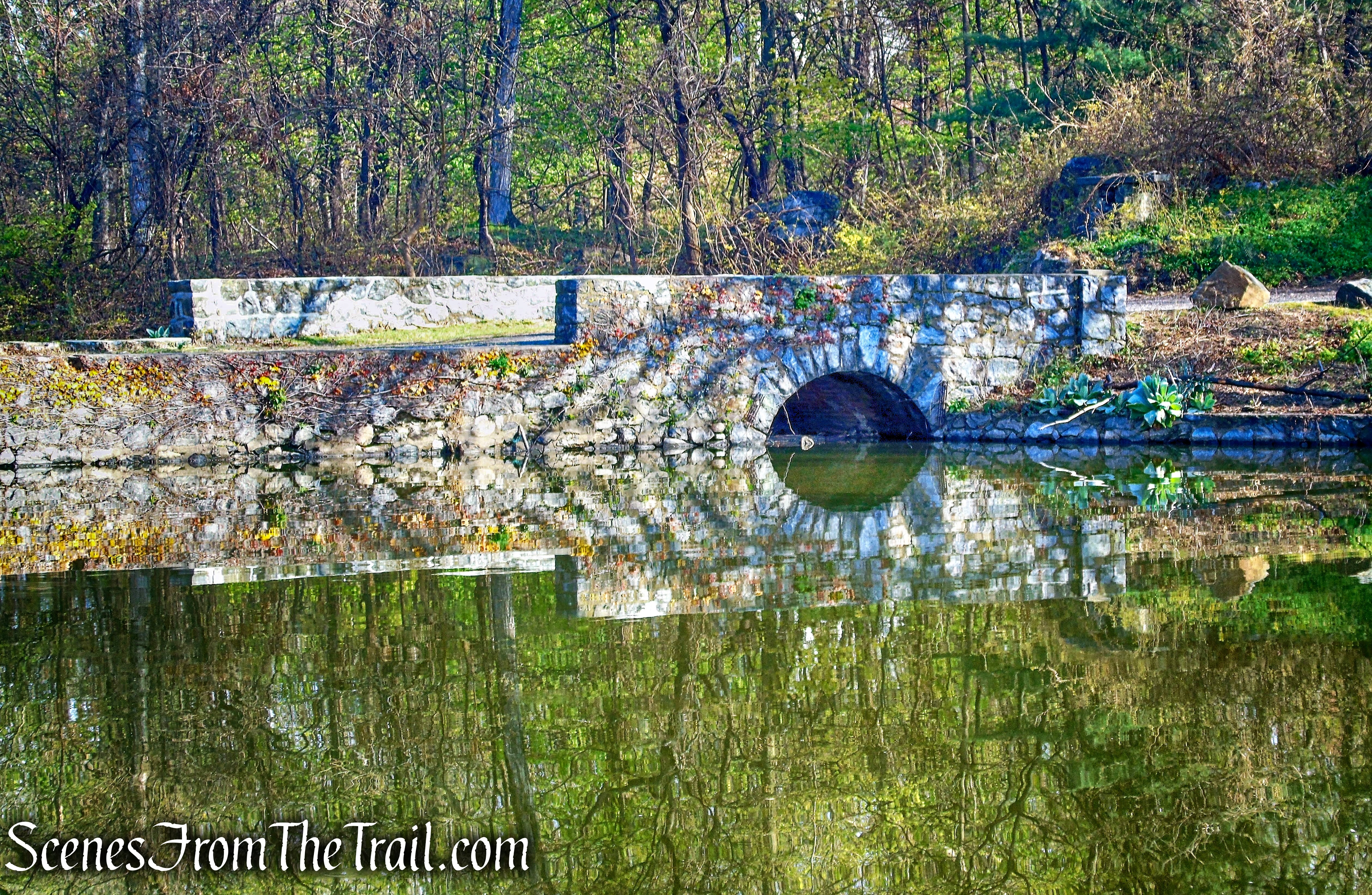
The road crosses an old stone bridge that spans the inlet of the pond.

Halsey Pond Park

Halsey Pond Park

Benches allow visitors to relax and enjoy the scenery on a lovely day.

Halsey Pond Park

Halsey Pond Park

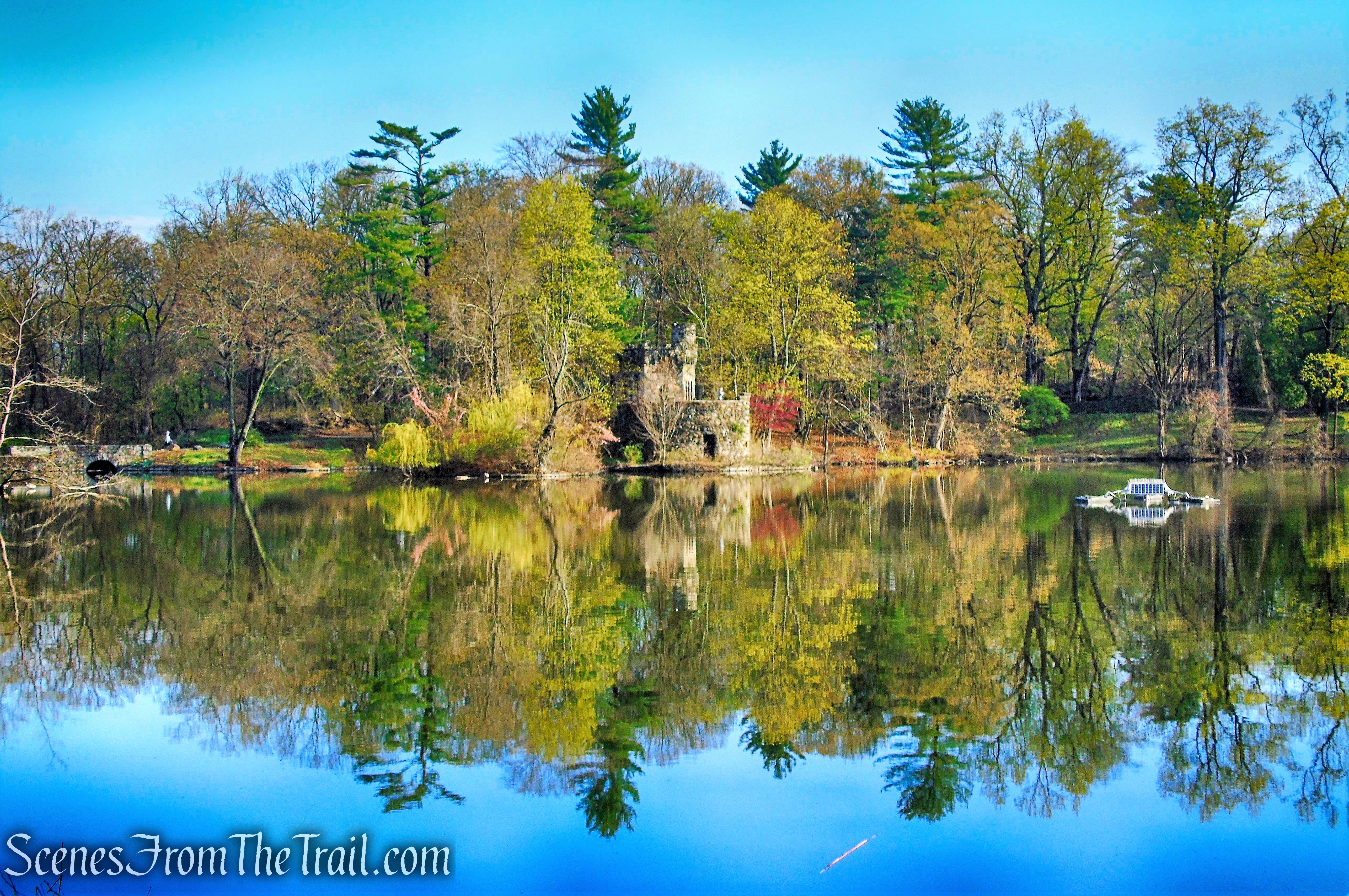
The reflections on the still pond makes this a charming place for a walk.

Halsey Pond

Halsey Pond

Always in view while walking around the pond is the Beltzhoover Teahouse.

Halsey Pond Park

Halsey Pond Park

Halsey Pond Park

Halsey Pond Park

A stone fountain near the southern end of the pond.

stone fountain - Halsey Pond Park

stone fountain – Halsey Pond Park

stone fountain - Halsey Pond Park

stone fountain – Halsey Pond Park

Halsey Pond

Halsey Pond

After a walk around the pond, retrace your steps back to your vehicle on Havemeyer Road or walk around the pond again.

Halsey Pond Park

Halsey Pond Park

Review:

This is a gorgeous place for a pleasant walk around an extremely scenic pond. This park makes up for its lack of size with the history behind it and picturesque landscape. A lovely place to spend some time on a sunny day.

Pros:

Historical features, Beltzhoover Teahouse, Halsey Pond, scenic area, lots of bird activity.

Cons:

Park is for village residents only.


Take a walk!

Sources:


Pocantico Lake County Park

April 19, 2020 – Pleasantville, NY

Difficulty: Easy

Length: Approximately 2 miles

Max elevation: 245 ft. – total elevation gain: approximately 53 ft.

Route type: Out and back

Map: Westchester Trails Map

Trailhead parking: Old Sleepy Hollow Rd, Pleasantville, NY 10570


Park Overview:

Pocantico Lake County Park is a 164-acre parcel of land that features the 69-acre Pocantico Lake, which formerly provided a population of 26,000 with drinking water. The property, situated mostly in the town of Mount Pleasant, is adjacent to Rockefeller State Park Preserve. The park which does not appear on Westchester County’s list of parks, is undeveloped and dedicated for passive park use only, including hiking, fishing, horseback riding and nature study.

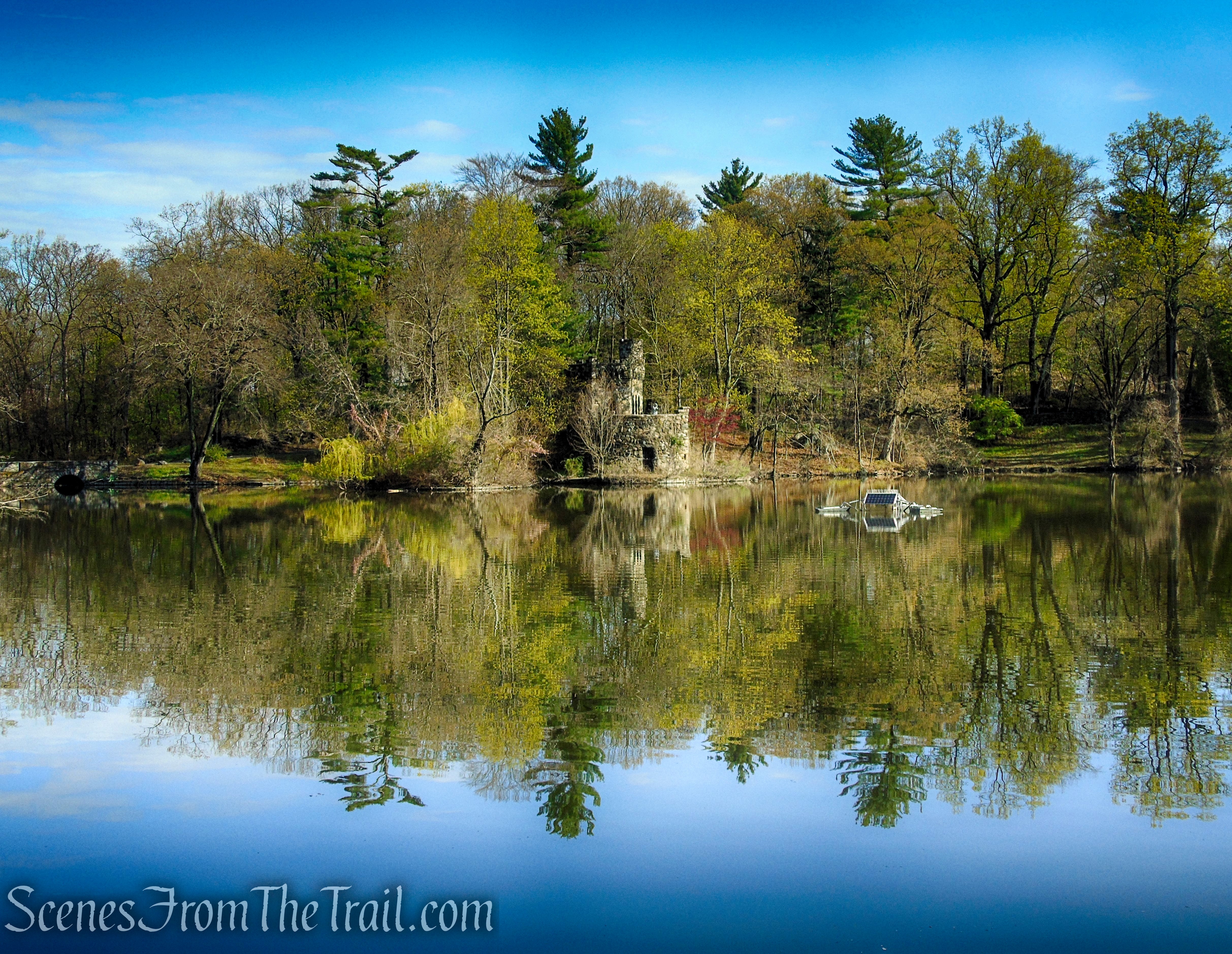
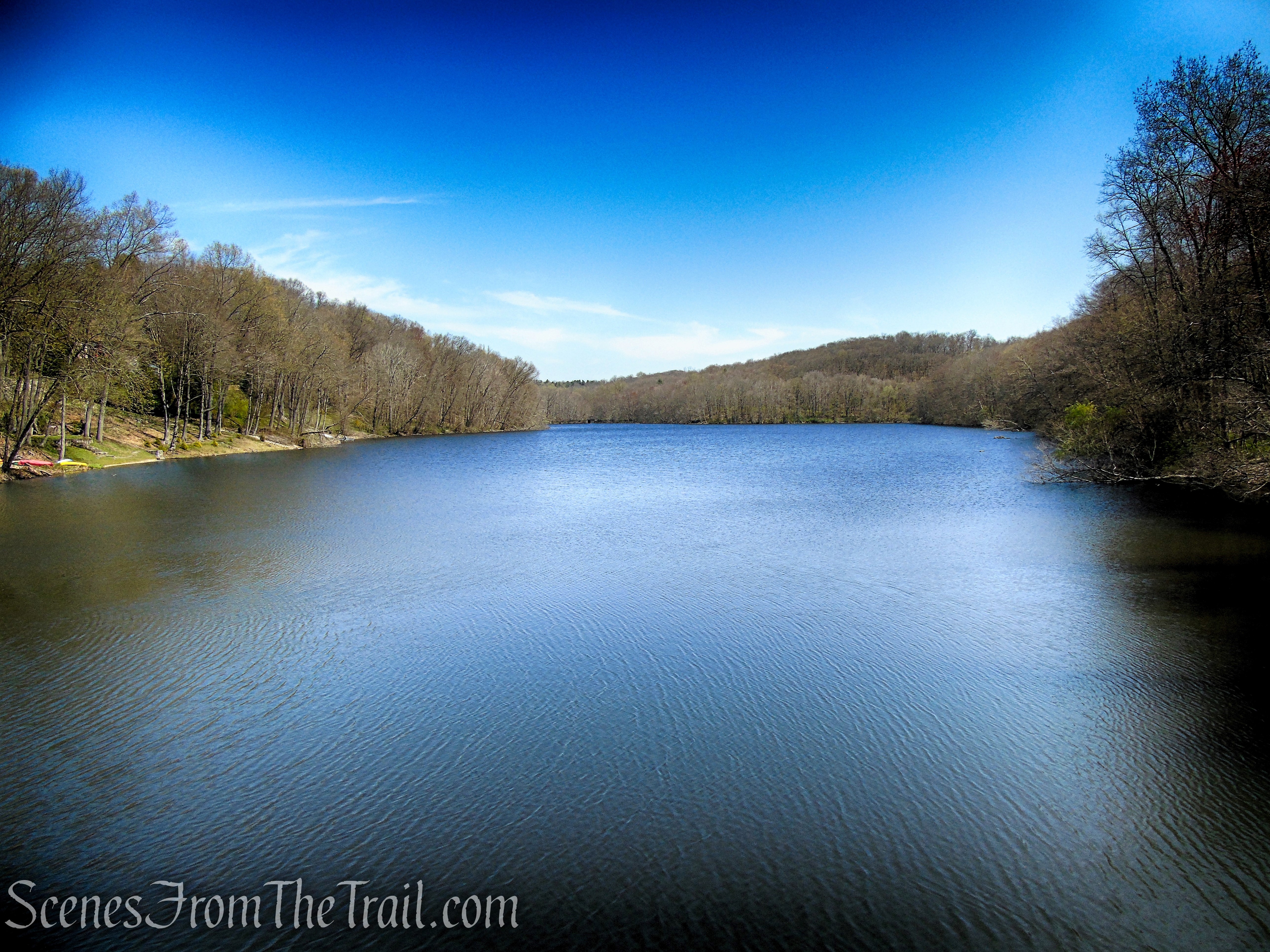
Pocantico Lake

Pocantico Lake

There are three access points to the park, at the junction of Sleepy Hollow Rd and Old Sleepy Hollow Rd, in Pleasantville; from Pocantico Lake Rd, also in Pleasantville; and from Old Sleepy Hollow Rd in Briarcliff Manor.

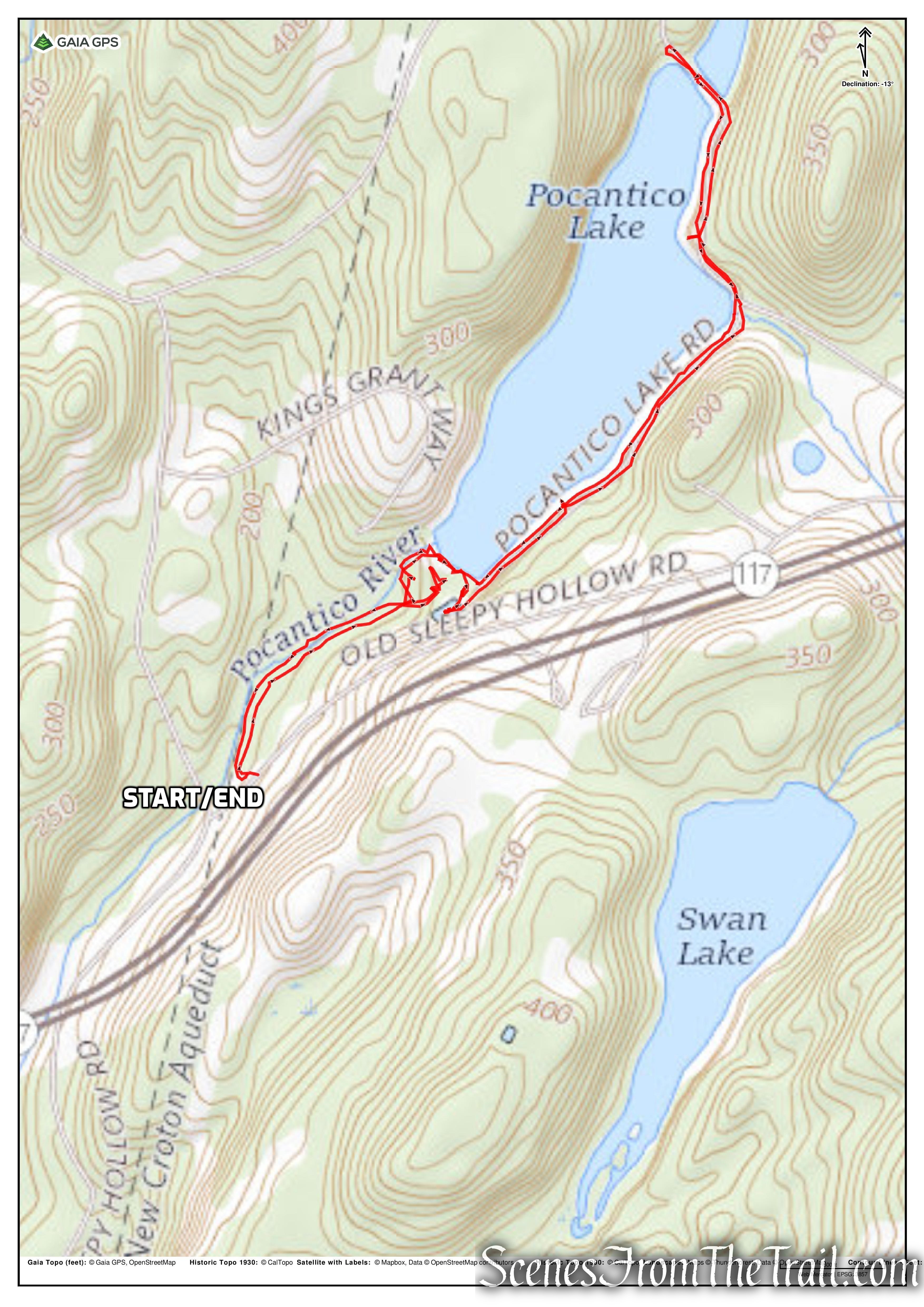
There are no marked trails at Pocantico Lake County Park, just an abandoned section of Pocantico Lake Road that follows the contour of the lake along its eastern shore. The road does not loop around the lake, beginning at the southern end by the dam and ending at its northern point in Briarcliff Manor.

Pocantico Lakes County Park

Pocantico Lake County Park


History:

The Pocantico River and Pocantico Lake traverse the park from north to south where they empty into the Hudson River at Kingsland Point Park in Sleepy Hollow (North Tarrytown until 1996). The river was once called by the English as “the Mill river,” while the Native Americans called it Pocanteco, a derivative of the Algonquin term Pockóhantès, meaning a “run between two hills.”

The original dam and reservoir were built around 1888 by the Pocantico Water-Works Company to supply water to North Tarrytown and neighboring municipalities. Later it was owned and operated by the Consolidated Water Company of Suburban New York (circa 1910) and at some point after 1920, it was transferred to the the New Rochelle Water Company which operated it until about 1977 when the use of the facility as a water supply was abandoned.

Pocantico Water-Works Company

Pocantico Water-Works Company

The Pocantico Lake site was operated as a water supply until 1977, when it was considered more economical to buy water from the New York City reservoir system. In the early 1980’s, the site was sold to private interests and was expected to be used for residential development.

In 1992 Westchester County bought the 164-acre parcel, including the 69-acre Pocantico Lake, from a Pennsylvania developer for $3.7 million. After being classified by NYSDEC as “high-hazard,” the demolition and reconstruction of the Pocantico Lake Dam was completed in 2013.


Hike Overview:

This hike is an out and back along the paved service road that begins at the gate on Old Sleepy Hollow Road.

Pocantico Lakes County Park

Pocantico Lakes County Park


The Hike:

Proceed past the gate and walk along the paved road which parallels the Pocantico River on the left. In a short distance the road comes to the ruins of an old stone pumphouse near the base of the dam.

Pocantico Lakes County Park

Pocantico Lakes County Park

Pocantico Lakes County Park

Pocantico Lakes County Park

Pocantico River

Pocantico River

stone pump house - Pocantico Lakes County Park

stone pump house – Pocantico Lakes County Park

stone pump house - Pocantico Lakes County Park

stone pump house – Pocantico Lakes County Park

stone pump house - Pocantico Lakes County Park

stone pump house – Pocantico Lakes County Park

stone pump house - Pocantico Lakes County Park

stone pump house – Pocantico Lakes County Park

stone pump house - Pocantico Lakes County Park

stone pump house – Pocantico Lakes County Park

stone pump house - Pocantico Lakes County Park

stone pump house – Pocantico Lakes County Park

Walk along the left side of the building and follow the footpath to the top of the dam, along the spillway.

Pocantico Lake Dam spillway

Pocantico Lake Dam spillway

The spillway Is constructed on bedrock and discharges through a bedrock channel down to the Pocantico River.

Pocantico Lake Dam spillway

Pocantico Lake Dam spillway

Pocantico Lake, a reservoir was formed by the construction of a concrete and earth dam across the river. The dam was raised in 1916 and completely rebuilt in 2013.

Pocantico Lake Dam

Pocantico Lake Dam

Walk across to the other side of the dam and on the left you will see a woods road. This is an abandoned section of Pocantico Lake Road, which you will be following. You may want to take a moment to check out the abandoned structure that sits opposite the road.

Pocantico Lake Dam

Pocantico Lake Dam

Pocantico Lake Dam

Pocantico Lake Dam

Pocantico Lake

Pocantico Lake

The large stone building at the base of the dam served as a filtration plant and pumphouse.

stone pump house - Pocantico Lakes County Park

stone pump house – Pocantico Lakes County Park

New Rochelle Water Company ruins

New Rochelle Water Company ruins

Concrete water settling/treatment pools (coagulation basins) are now abandoned. From an intake shaft located near this dam, the water flows by gravity to a coagulating basin in the form of a steel stand pipe located below the dam. The suction lines of the pumps are led from this stand pipe.

New Rochelle Water Company ruins

New Rochelle Water Company ruins

New Rochelle Water Company ruins

New Rochelle Water Company ruins

New Rochelle Water Company ruins

New Rochelle Water Company ruins

When you are ready to proceed walk along Pocantico Lakes Road taking time to stop along the viewpoints at the edge of the lake.

Pocantico Lake Road

Pocantico Lake Road

Pocantico Lake Road

Pocantico Lake Road

Pocantico Lake

Pocantico Lake

Pocantico Lake Road

Pocantico Lake Road

Pocantico Lake Road

Pocantico Lake Road

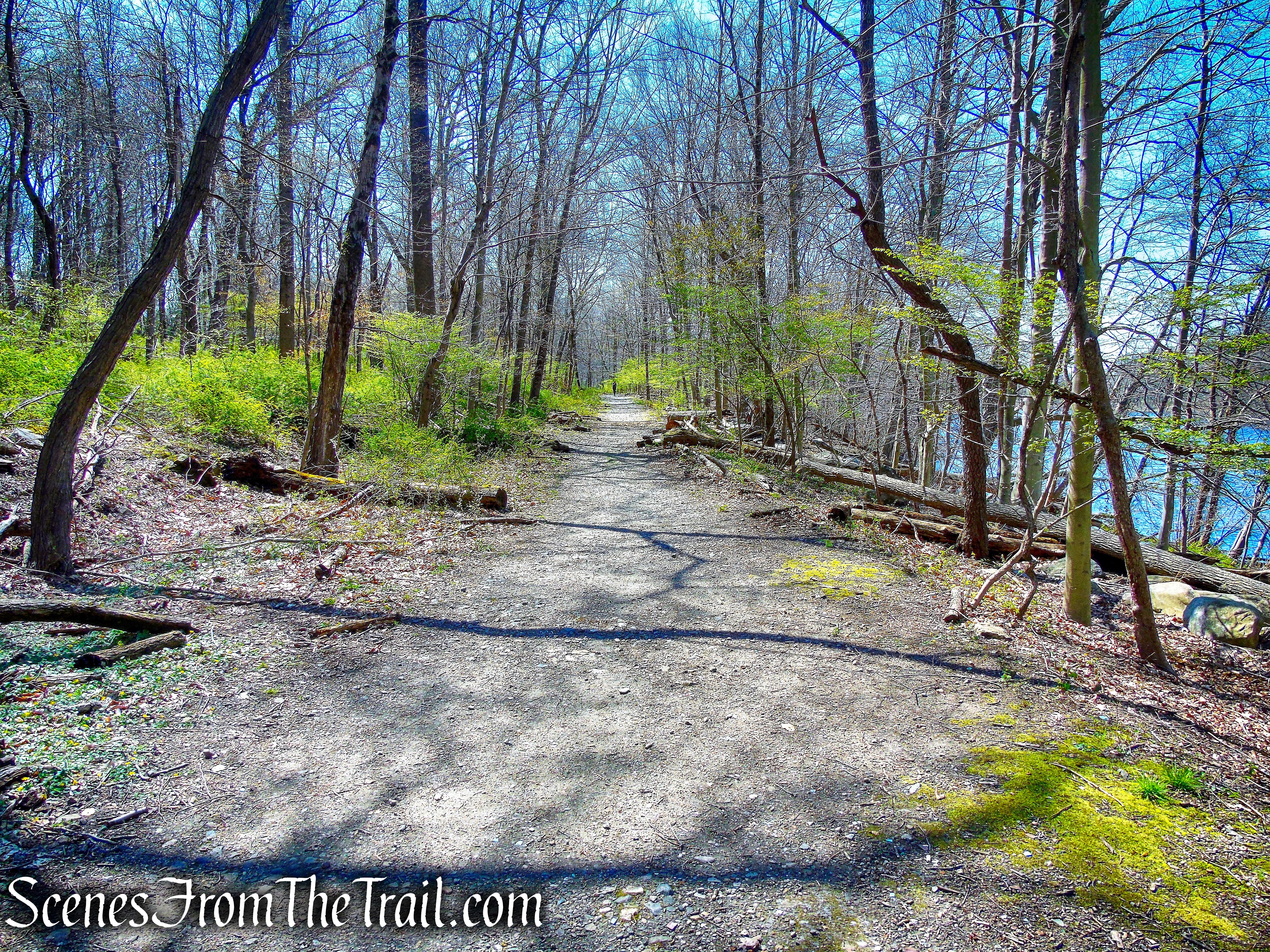
In about 0.3 mile the road reaches a footbridge at the Pocantico Lakes Road Trailhead. Continue past the bridge and boulders that block vehicle access on the other side. You are now walking on the Pocantico Lake Trail.

Pocantico Lake Road Trailhead

Pocantico Lake Road Trailhead

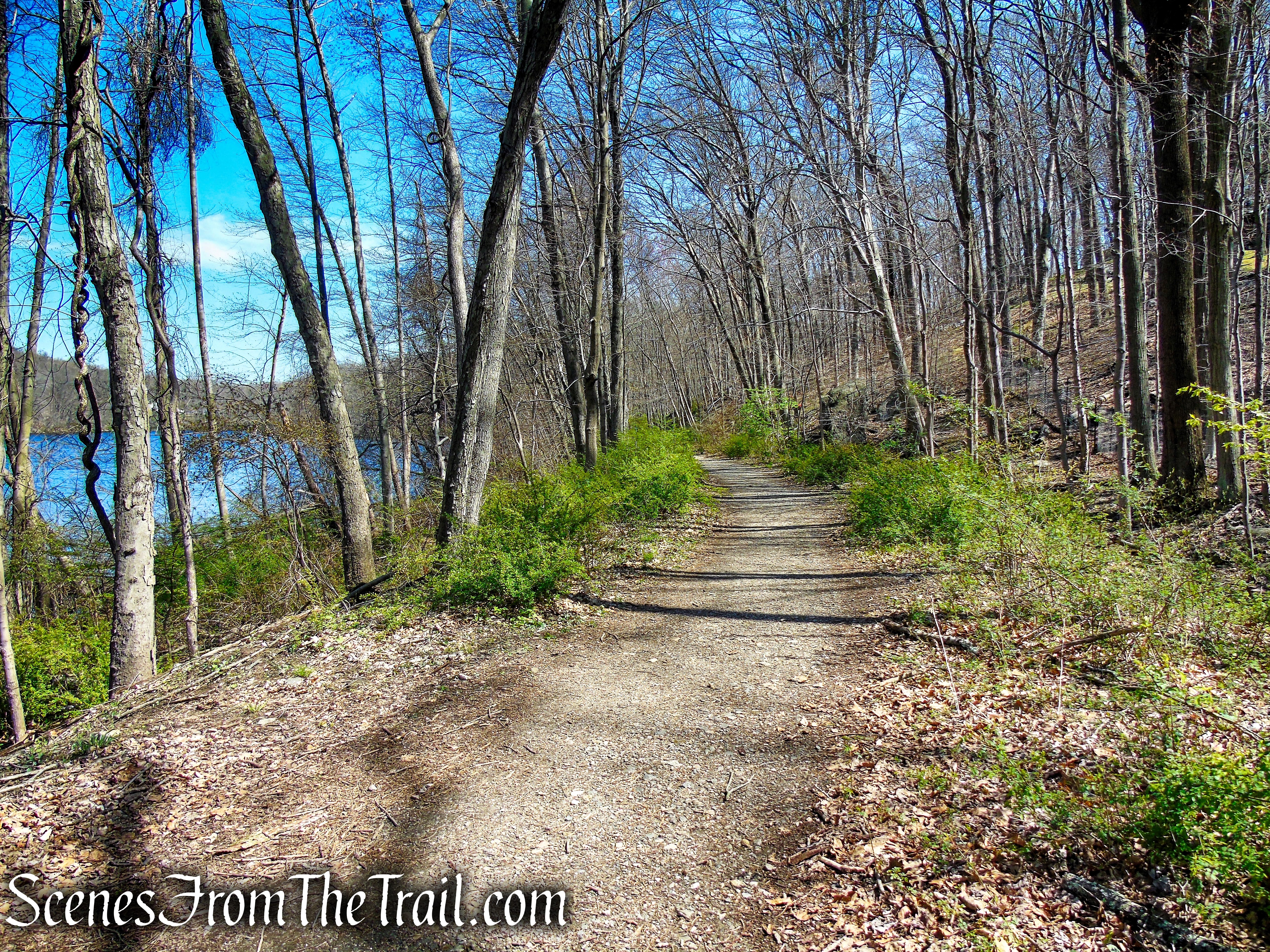
Pocantico Lake Trail

Pocantico Lake Trail

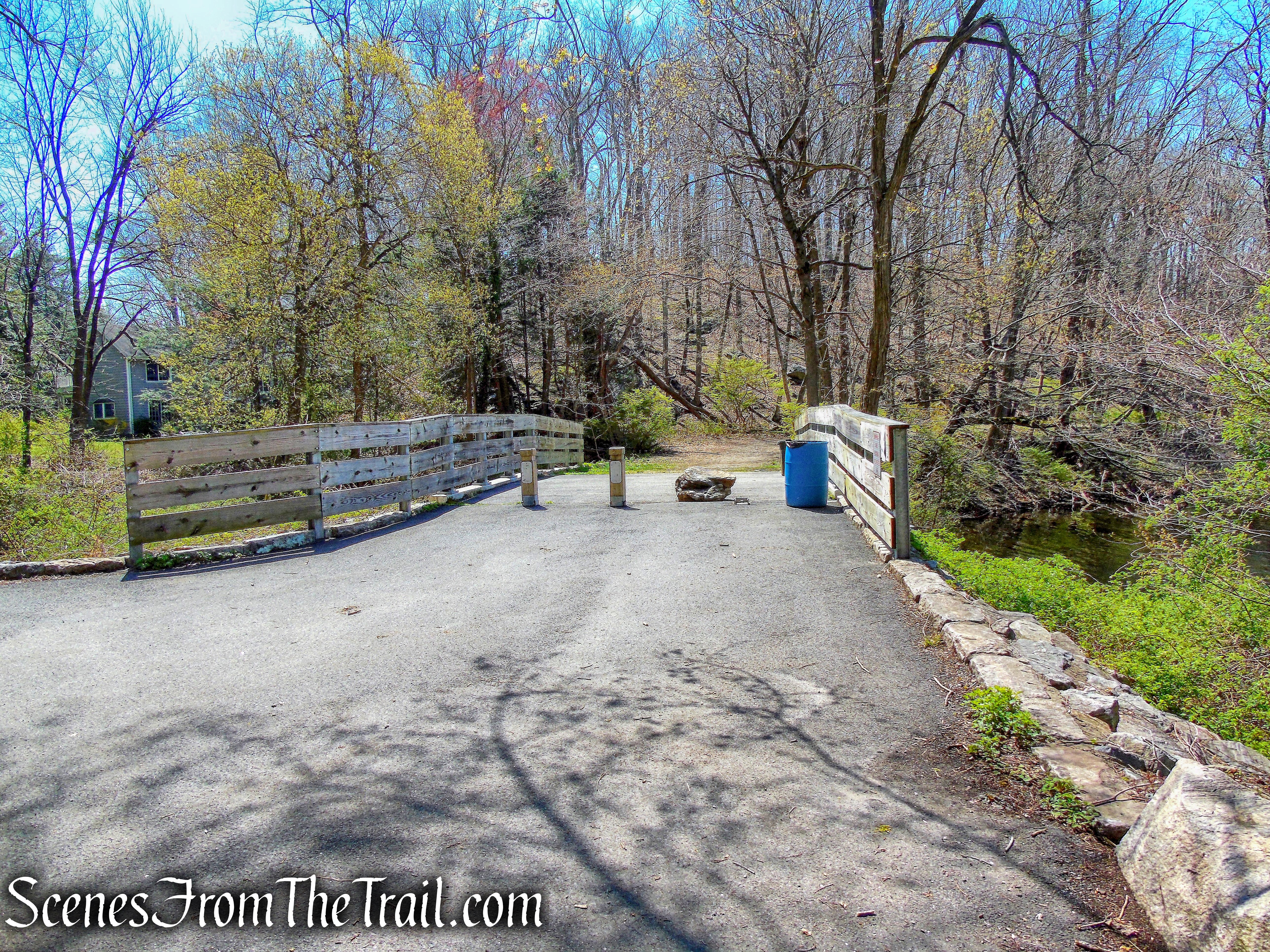
The Pocantico Lake Trail crosses an old bridge at the northern end of the lake, with a view south towards the dam.

Pocantico Lake Trail

Pocantico Lake Trail

Pocantico Lake

Pocantico Lake

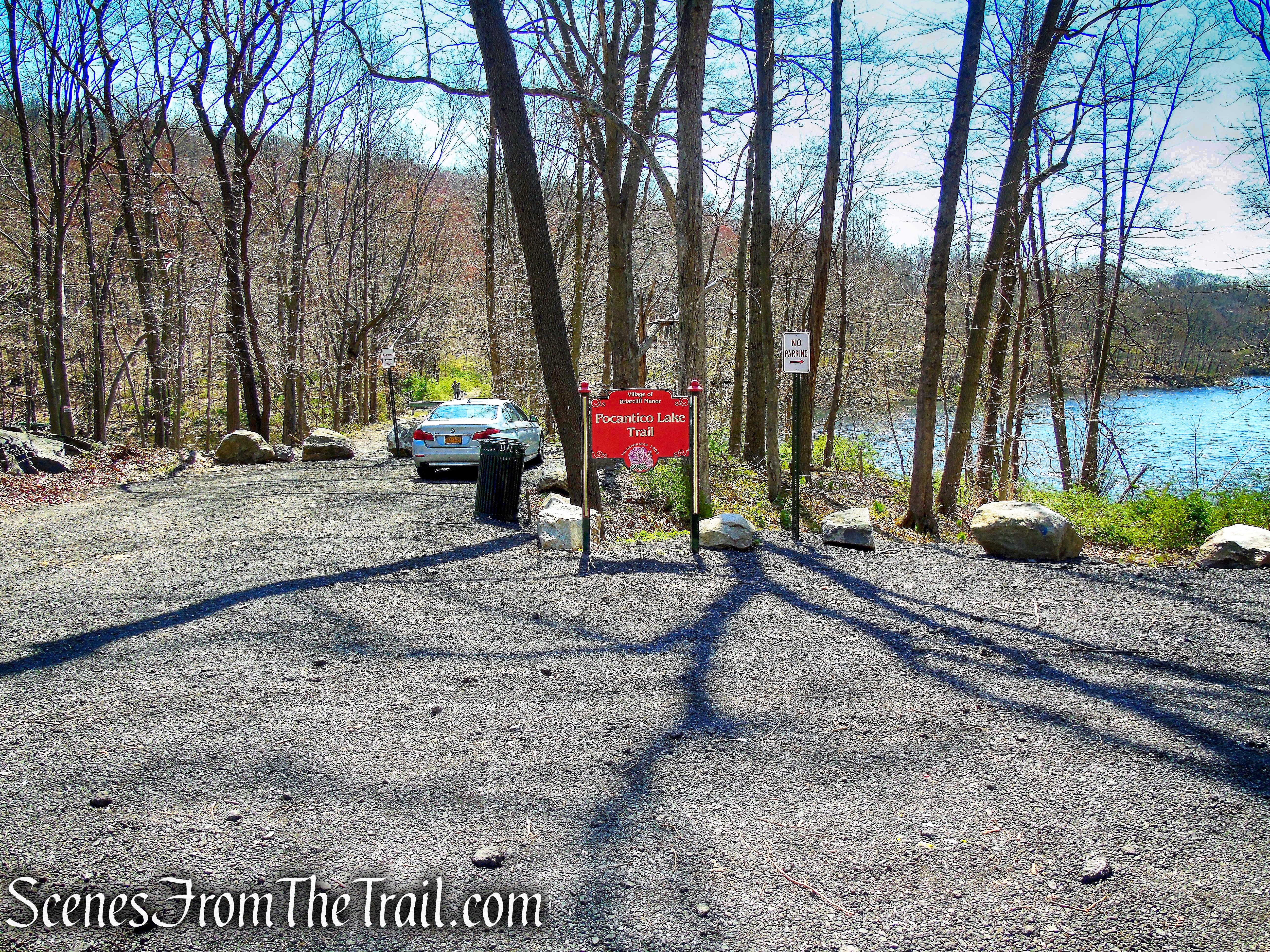
This is the Briarcliff Manor Trailhead which allows parking on either side of the sign.

Pocantico Lake Trail parking area

Pocantico Lake Trail parking area

Pocantico Lake Trail parking area

Pocantico Lake Trail parking area

Now retrace your steps and follow the road back the way you came.

Pocantico Lake Trail

Pocantico Lake Trail

Pocantico Lake Road Trailhead

Pocantico Lake Road Trailhead

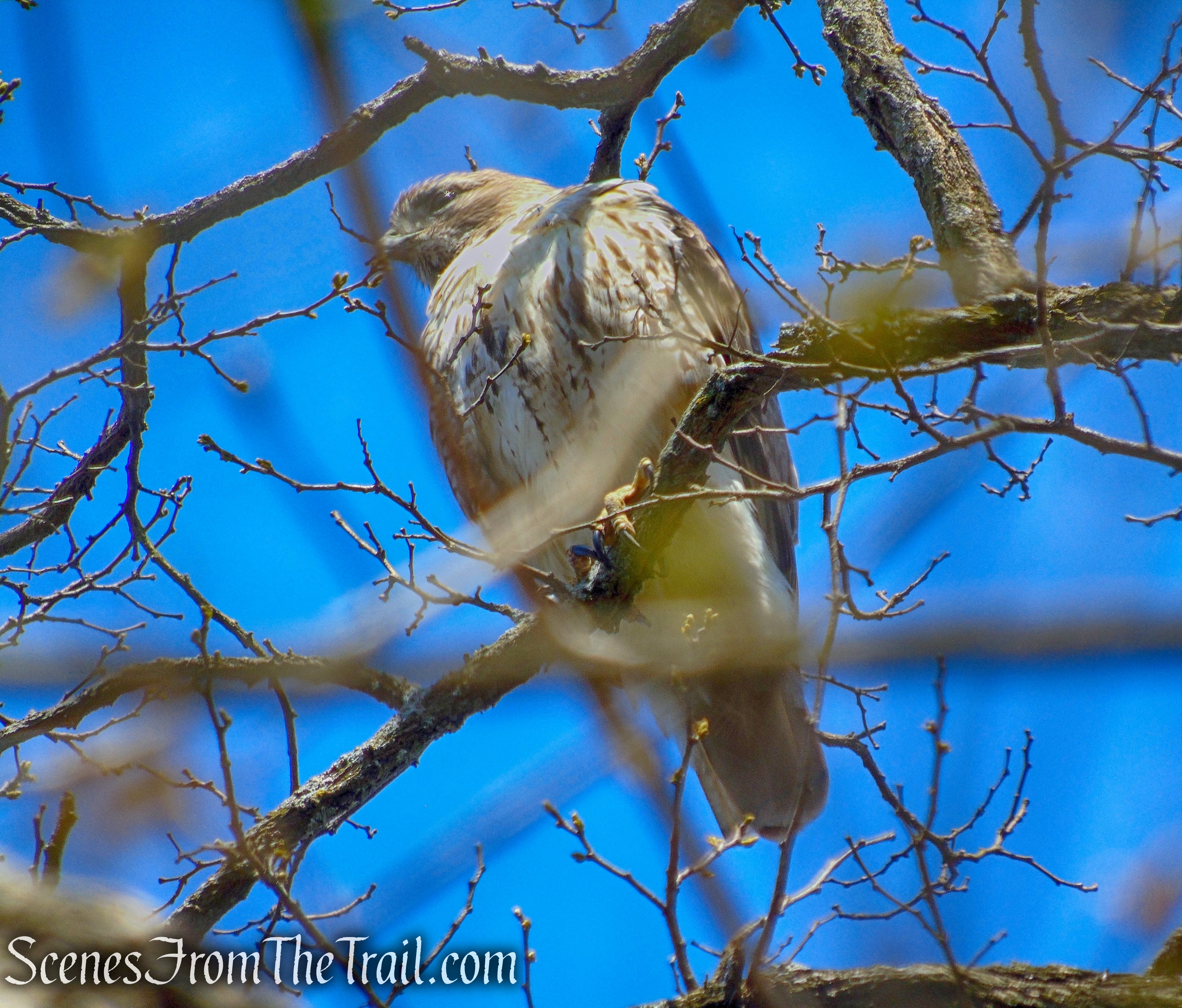
Be on the lookout for birds that are active in this area. We saw several Turkey Vultures and a Red-tailed Hawk.

Red-tailed Hawk - Pocantico Lakes County Park

Red-tailed Hawk – Pocantico Lakes County Park

Recross the dam, walk along the paved service road and back to the parking area, where the hike began.

Pocantico Lake Dam

Pocantico Lake Dam

Pocantico Lakes County Park

Pocantico Lakes County Park

Pocantico Lakes County Park

Pocantico Lakes County Park


Review:

A very pleasant walk along the lake, with some interesting ruins to view. The roadside parking area on Old Sleepy Hollow/Sleepy Hollow Roads is usually lined with cars, but most are entering Rockefeller State Park Preserve. We visited at about 11:00 am on a Sunday for about an hour or so (during social distancing) and there were relatively few people there. A nice place to visit if you’re trying to avoid the masses.

Pros:

Pocantico Lake, New Rochelle Water Company ruins, lightly trafficked, lots of bird activity.

Cons:

N/A


Take a hike!

Pocantico Lakes County Park

Pocantico Lakes County Park


Sources:


Donald J. Trump State Park – French Hill Section

April 19, 2020 – Yorktown Heights, NY

Difficulty: Easy

Length: Approximately 3 miles

Max elevation: 562 ft. – total elevation gain: approximately 128 ft.

Route type: Circuit

Map: None available

Trailhead parking: Old Baldwin Rd, Yorktown Heights, NY


Park Overview:

There are two sections of Donald J. Trump State Park, the French Hill Section and the Indian Hill Section. Both are adjacent to the Taconic State Parkway, but are almost 7 miles apart with separate entrances.

The 154-acre French Hill Section is located in southern Yorktown Heights, just south of FDR State Park in Westchester County. The park features a mix of continuous forest, open meadows, and several large wetlands. Headwaters for two streams, French Hill Brook and Dogwood Creek, are located within the French Hill section of the park. The entire park is located within the New York City Watershed Area and is easily accessible from the Taconic State Parkway.

Donald J. Trump State Park - French Hill Section

Donald J. Trump State Park – French Hill Section

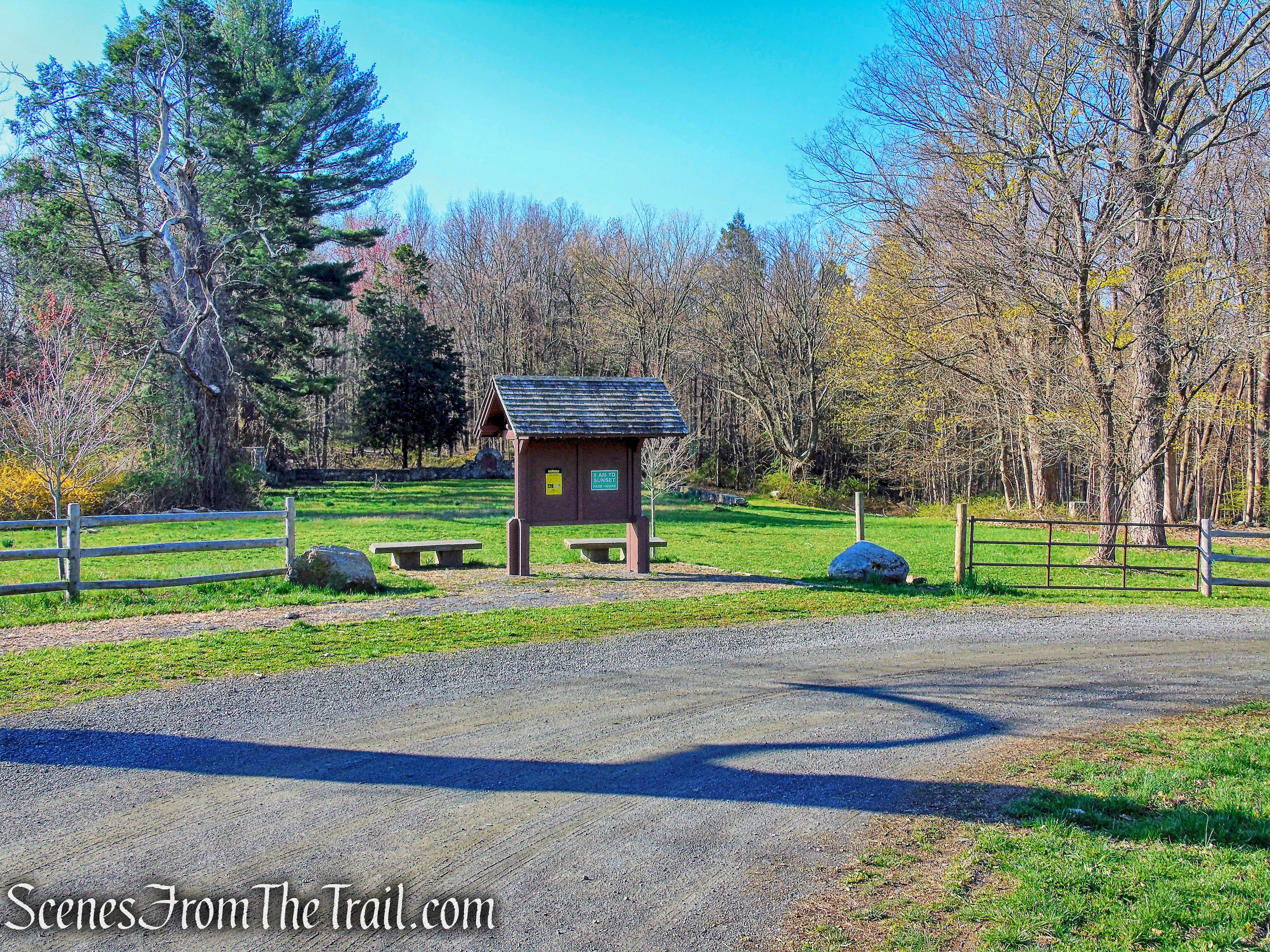
It has a gravel parking lot and a kiosk with two benches, but no restrooms. The property has never been developed into a full-fledged park. It was briefly closed along with other parks in 2010 during a NY State cash flow crisis and has remained largely undeveloped since. While the park remains officially open, it isn’t listed on the official NY State Parks website. It is managed as an undeveloped, passive park to preserve open space and provide low-impact recreation such as hiking and birdwatching. For someone who loves exploring, the French Hill Section provides opportunities for walking on unmarked woods roads and footpaths.

Donald J. Trump State Park - French Hill Section

Donald J. Trump State Park – French Hill Section

History:

The French Army encamped twice on and around what is now French Hill in Yorktown. Once before the Battle of Yorktown, Virginia in 1781, then on their march back in 1782. They would make French Hill and Crompond their longest encampment on their return march in 1782. On October 21st, the French broke camp and marched out of Crompond never to return. Without their help the Continental Army could not have defeated the British and secured the independence of the United States of America.

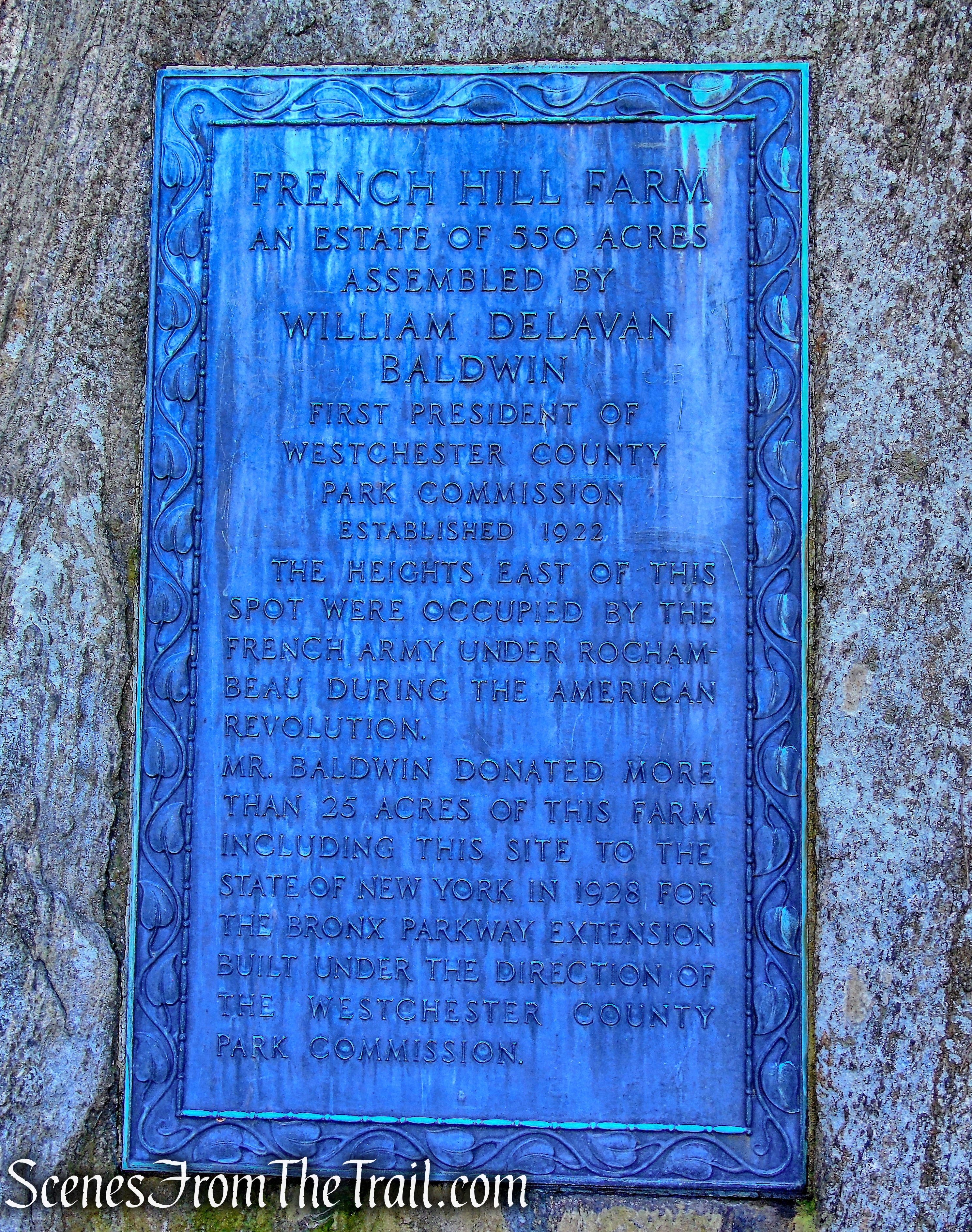
William Delavan Baldwin (1856-1930) was the first President of the Otis Elevator Company in Yonkers. He was also the first President of the Westchester County Park Commission from 1922-1925. Baldwin owned 550-acres here and called his estate “French Hill Farm.” In 1928 he donated more than 25 acres of his estate for the construction of the Bronx River Parkway Extension, now the Taconic State Parkway. A brass tablet is affixed to a large boulder that overlooks the Taconic State Parkway, memorializes Mr. Baldwin’s  gift of his land that the parkway cuts through.

William Delavan Baldwin Plaque

William Delavan Baldwin Plaque

In 1998 Donald Trump bought the first parcel, 282 acres known as Indian Hill that straddle Westchester and Putnam counties, from an estate sale for $1.75 million. He also bought 154 acres in Westchester County known as French Hill, also part of an estate sale, for $750,000. In 2000, he bought 58 acres of a nearby “surplus” stretch of the Taconic State Parkway from the New York State Department of Transportation for $250,000.

By 2002, local authorities had rejected his plans for two 18-hole championship golf courses on Indian Hill and French Hill, on the grounds that the courses would drain the area’s water supply as well as affect the water supply of New York City downstream.

In 2006 Donald Trump donated the two parcels in Westchester and Putnam counties that became New York’s 174th state park. As part of the deal, New York State agreed that Trump’s name “will be prominently displayed at least at each entrance to each property.”

In 2010, a budget crisis leads to closings at 58 parks and historic sites across the state, Donald J. Trump State Park, still mostly wetlands and forest, is included on the chopping block. The park eventually reopened and remains open to present day.

In April 2020, at the time of this writing, the park remains open with some maintenance evident, such as grass mowing, downed trees cut and cleared.

Donald J. Trump State Park - French Hill Section

Donald J. Trump State Park – French Hill Section

Trails Overview:

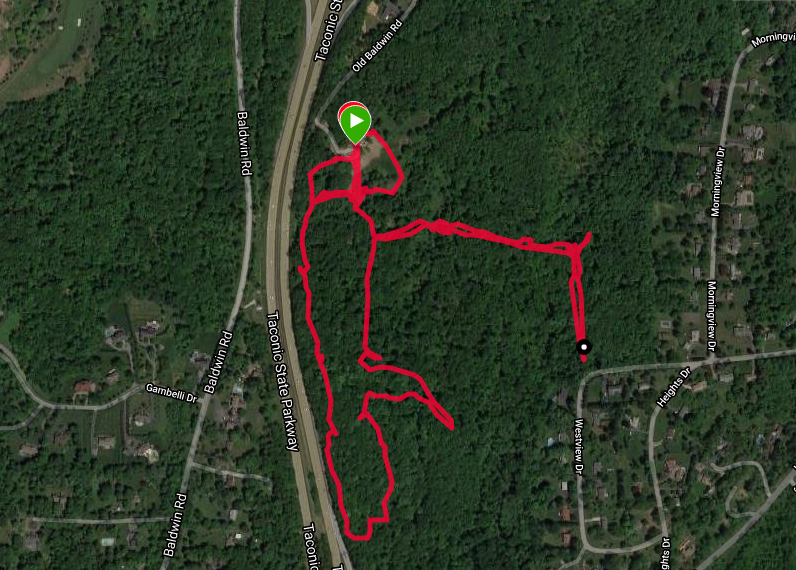
There are no marked trails in the park, but there is a footpath that travels from north to south overlooking the Taconic State Parkway. It continues south until it reaches private property near Underhill Avenue. Along the way it passes the William Delavan Baldwin plaque that overlooks the parkway. There is one main woods road that traverses the park north-south, plus another woods road that leads east. They can be combined to form about a 3-4 mile loop. This hike also includes a little off trail exploration as well.

Donald J. Trump State Park - French Hill Section

Donald J. Trump State Park – French Hill Section

The Hike:

From the parking lot, proceed south past the kiosk and into the open field. Just ahead are some interesting stone ruins that you may want to check out.

Donald J. Trump State Park - French Hill Section

Donald J. Trump State Park – French Hill Section

Donald J. Trump State Park - French Hill Section

Donald J. Trump State Park – French Hill Section

fountain ruins - French Hill Section

fountain ruins – French Hill Section

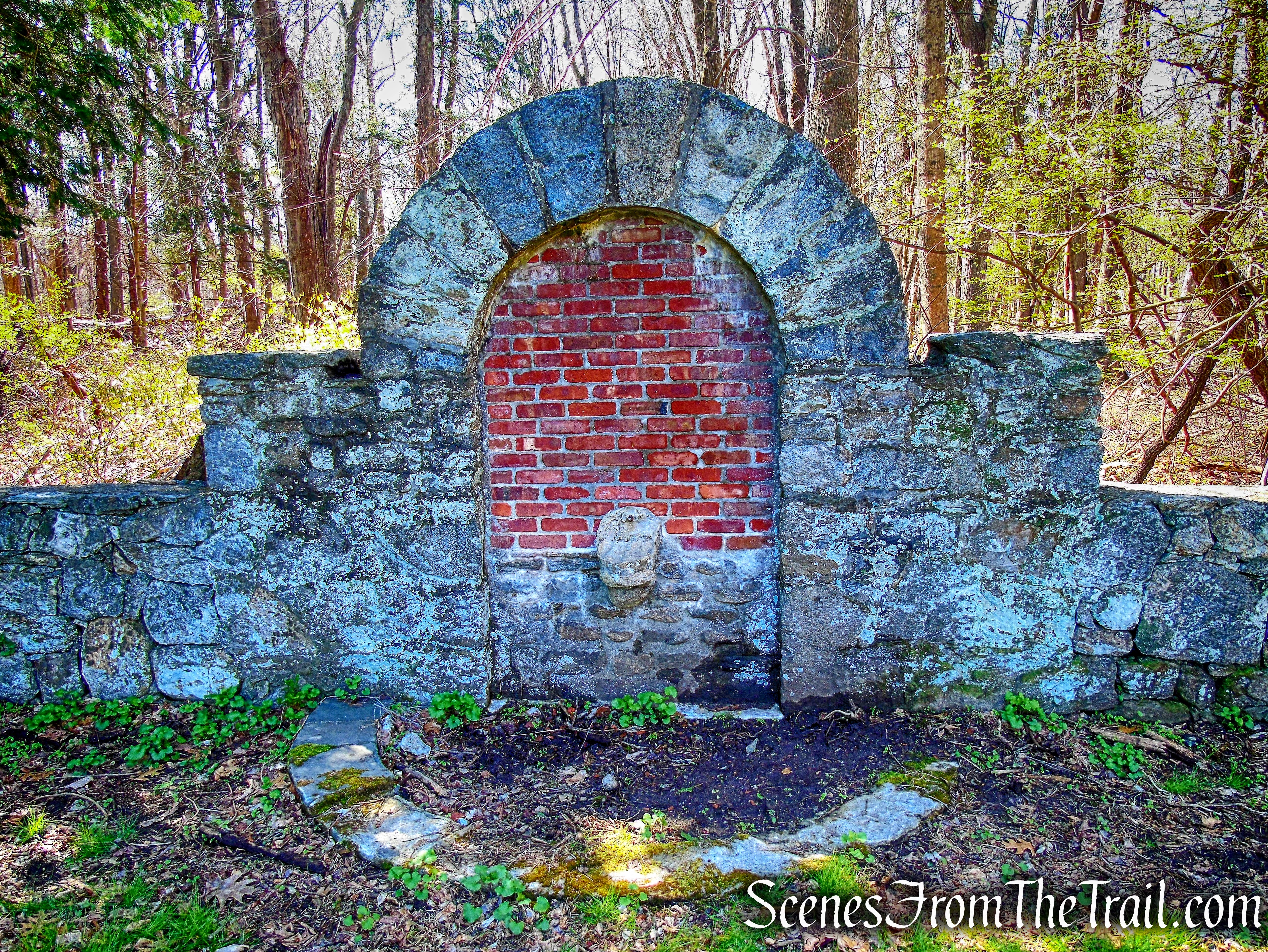
This appears to be what’s left of a fountain.

fountain ruins - French Hill Section

fountain ruins – French Hill Section

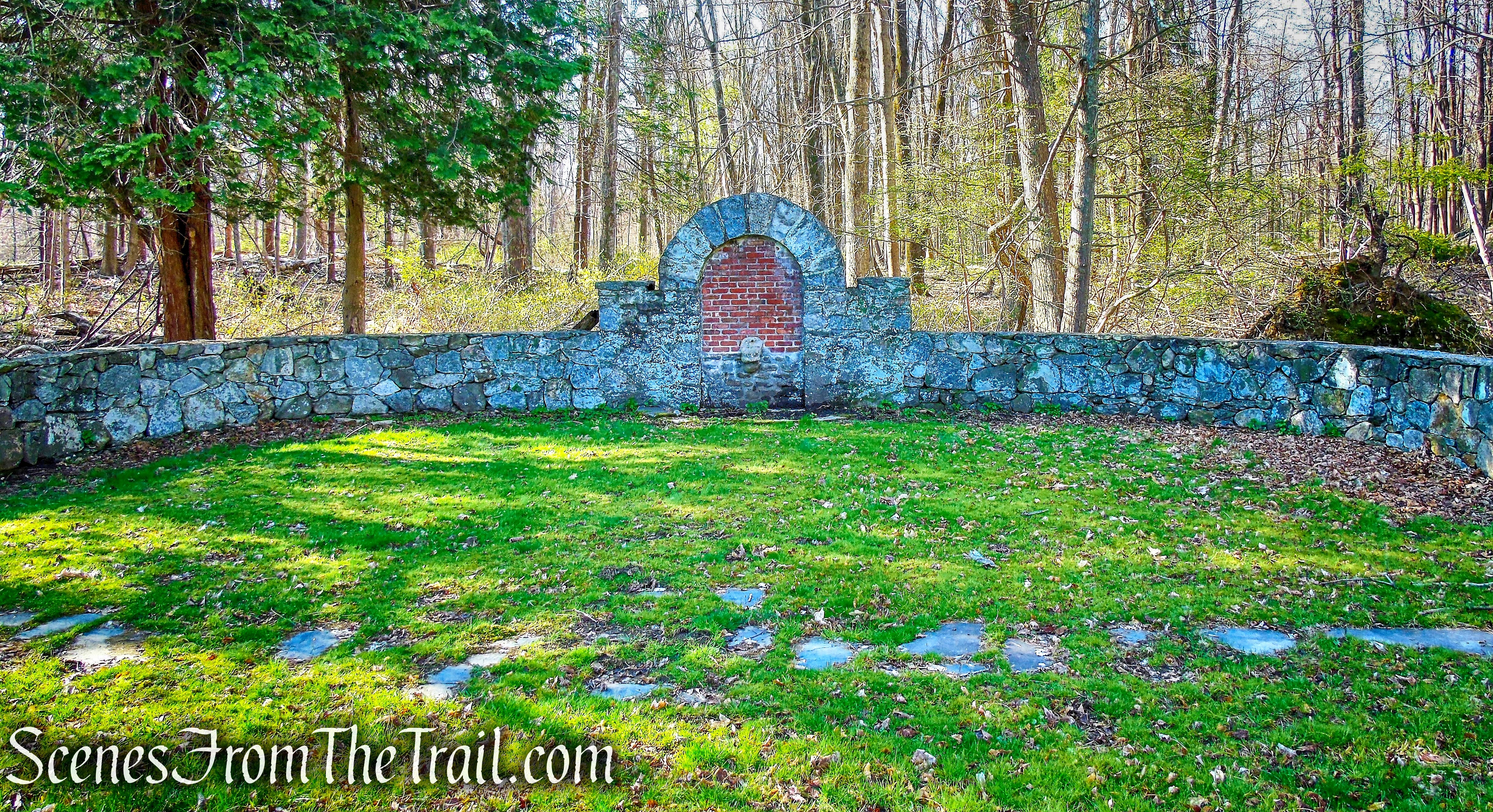
This may have been changing rooms for the tennis court which is just beyond. The grassy area surrounded by the stone wall may have been used for volleyball.

changing rooms ruins - French Hill Section

changing rooms ruins – French Hill Section

changing rooms ruins - French Hill Section

changing rooms ruins – French Hill Section

changing rooms ruins - French Hill Section

changing rooms ruins – French Hill Section

stone ruins - French Hill Section

stone ruins – French Hill Section

Continue through the changing room ruins and past the tennis court. Turn left and walk through the open field between the tennis court and parking lot. Walk west towards the parkway and follow the split rail fence to where there are two stone columns with stone steps, near the northwest area of the park.

tennis court - French Hill Section

tennis court – French Hill Section

Donald J. Trump State Park - French Hill Section

Donald J. Trump State Park – French Hill Section

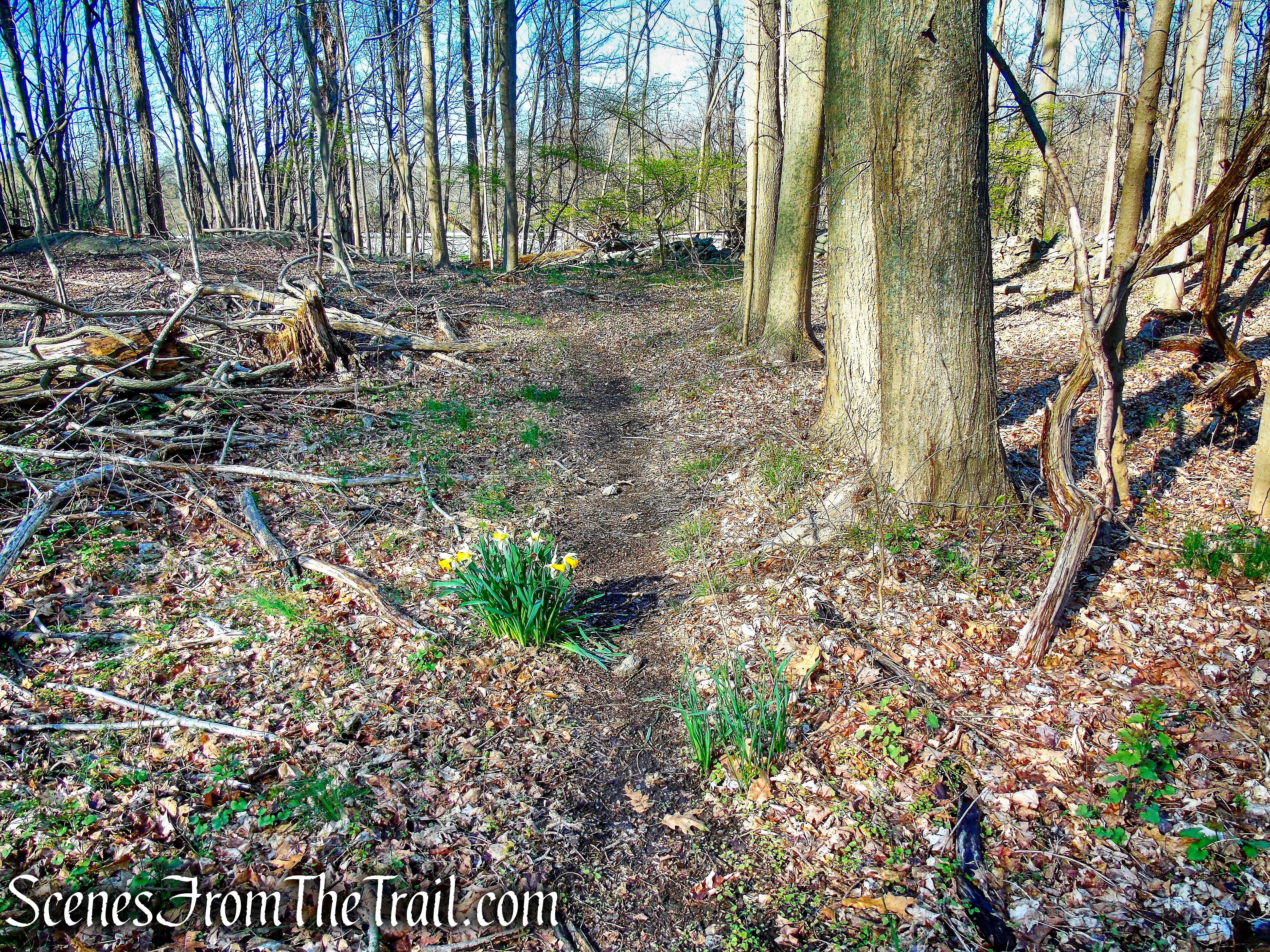
This is the start of the unmarked footpath that leads south through the woods with the Taconic State Parkway visible below to the right.

unmarked trail - French Hill Section

unmarked trail – French Hill Section

Looking back at the steps.

Looking back towards the steps

Looking back towards the steps

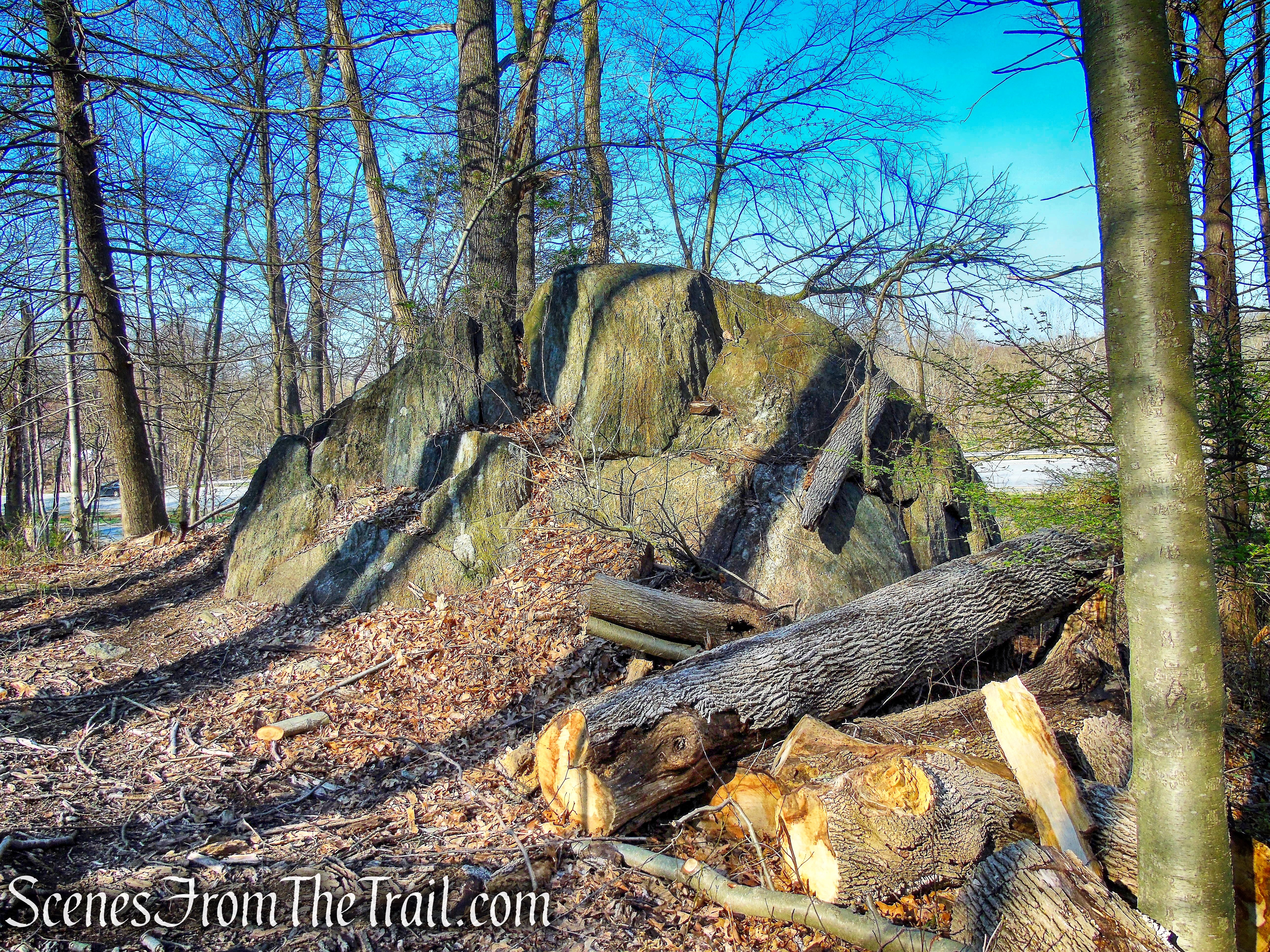
Follow the unmarked, but discernible footpath south. In a short distance, the trail comes to a huge boulder on the right. Walk around to the other side of the boulder and view the William Delavan Baldwin bronze tablet that is embedded on the side that faces the parkway.

unmarked trail - French Hill Section

unmarked trail – French Hill Section

unmarked trail - French Hill Section

unmarked trail – French Hill Section

William Delavan Baldwin plaque

William Delavan Baldwin plaque

William Delavan Baldwin Plaque

William Delavan Baldwin Plaque

William Delavan Baldwin plaque that overlooks the Taconic State Parkway.

William Delavan Baldwin Plaque

William Delavan Baldwin Plaque

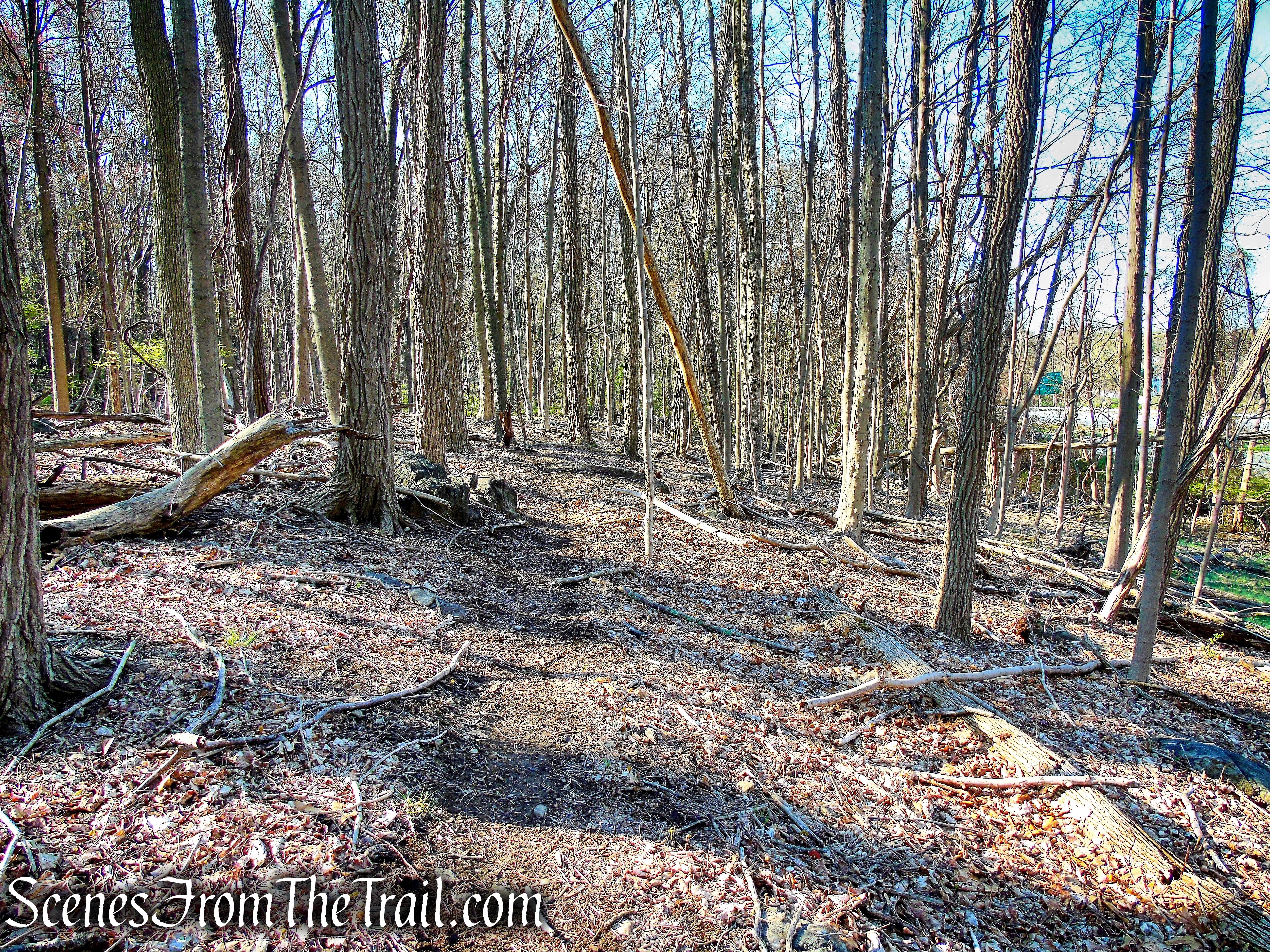
Continue south along the trail, soon passing some interesting rock formations.

unmarked trail - French Hill Section

unmarked trail – French Hill Section

unmarked trail - French Hill Section

unmarked trail – French Hill Section

unmarked trail - French Hill Section

unmarked trail – French Hill Section

The trail then goes through a wet area and ascends slightly. Soon the trail comes to a point where the Taconic State Parkway and Underhill Avenue are visible below. If you continue on the trail, it descends towards Underhill Avenue.

unmarked trail - French Hill Section

unmarked trail – French Hill Section

unmarked trail - French Hill Section

unmarked trail – French Hill Section

Turn left and bushwack towards a stone wall with a break in it. There is a woods road on the other side of the wall that heads north.

Donald J. Trump State Park - French Hill Section

Donald J. Trump State Park – French Hill Section

north-south woods road - French Hill Section

north-south woods road – French Hill Section

This woods road is a straight shot back to area of the ruins. We left the trail briefly to explore the woods a little, but found nothing of interest.

north-south woods road - French Hill Section

north-south woods road – French Hill Section

There is another woods road on the right that heads east through the wetland area.

east-west woods road - French Hill Section

east-west woods road – French Hill Section

east-west woods road - French Hill Section

east-west woods road – French Hill Section

stone ruins - French Hill Section

stone ruins – French Hill Section

wetlands - French Hill Section

wetlands – French Hill Section

At a stone wall, the road turns right and climbs to end at Westview Drive, a public street.

woods road continues south to Westview Drive

woods road continues south to Westview Drive

To the left, a wide path goes through several stone walls as it climbs the eastern side of the French Hill Section. I didn’t go too far in thinking that I was entering private property, but upon doing research for this post, have determined that this was still state property.

trail left continues north to French Hill

trail left continues north to French Hill

We retraced our steps on the woods road through the wetland area, turned right on the main woods road and came out by where the ruins are located.

Donald J. Trump State Park - French Hill Section

Donald J. Trump State Park – French Hill Section

Review:

A nice area to spend some alone time in the woods. Not much foot traffic in this park and it is very quiet, road noise from the TSP aside. Not much in way of trails, but a nice walk in the woods with some interesting stone ruins. A nice place to visit if you’re in the area and want to take a quick hike.

Pros:

Quiet park that is off the beaten path, historical features, interesting stone ruins.

Cons:

Road noise from the Taconic State Parkway.


Take a hike!

Donald J. Trump State Park - French Hill Section

Donald J. Trump State Park – French Hill Section


Rockefeller State Park Preserve via Gory Brook Road

April 17, 2020 – Sleepy Hollow, NY

Difficulty: Easy – Moderate (distance)

Length: approximately 6.5 miles

Max elevation: 314 ft. – total elevation gain: approximately 590 ft.

Route type: Circuit

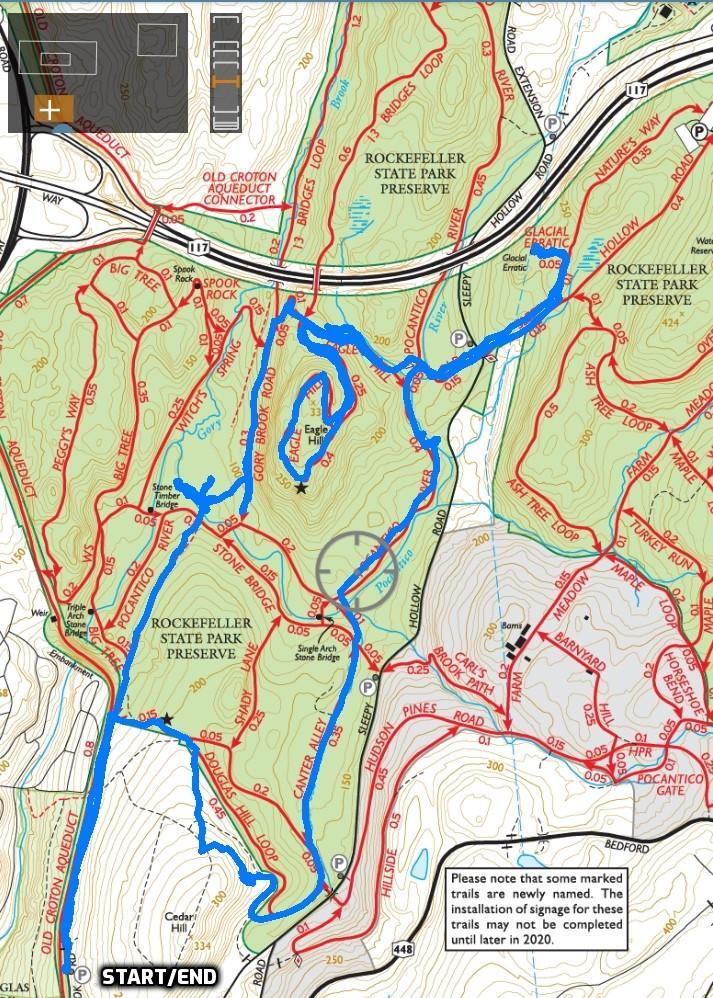
Map: 2020 Westchester Trails MapRockefeller State Park Preserve Free Map

Trailhead parking: Gory Brook Rd, Sleepy Hollow, NY 10591


Park Overview:

Rockefeller State Park Preserve offers quiet countryside walks of all lengths through forested hills and valleys surrounding sunlit pastoral fields. Managed by New York State Office of Parks, Recreation, and Historic Preservation, the Preserve is open to the public year-round, sunrise to sunset. The trails of the Preserve are crushed stone carriage roads laid out by John D. Rockefeller Sr. and Jr. in the first half of the 20th century. Designed to compliment the landscape, the 55 miles of scenic carriage roads are wide and easy to walk. Popular for walking, riding, jogging, and carriage driving, combinations of trails lead through varied landscapes and past natural and historical features, such as Swan Lake, the Pocantico River with its wood and stone bridges, gurgling streams, colonial stone walls and rock outcroppings. The carriage roads are the constant feature in what is otherwise a diverse and complex natural landscape of seemingly innumerable characteristics.

Rockefeller State Park Preserve

Rockefeller State Park Preserve

History:

In 1886, William Rockefeller bought the 200-acre estate and castle, Rockwood, from the heirs of William Henry Aspinwall. Seven years later, John D. Rockefeller bought land in 1893 at Pocantico Hills.

Rockwood Hall

Rockwood Hall

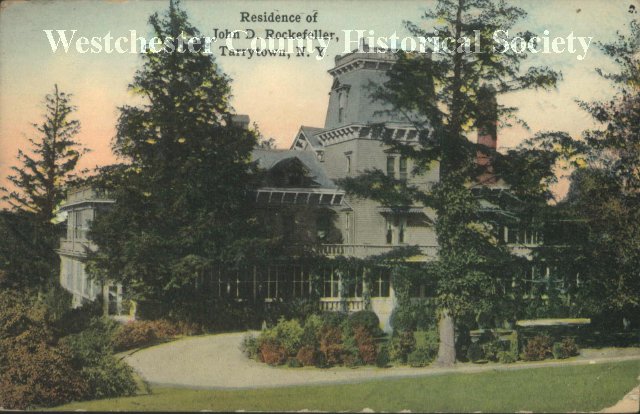
That same year, John D. Rockefeller Sr. and Jr. started purchasing land immediately around the family home, Kykuit, forming an enclosed estate of approximately 300 acres. Gradually, more than 3,000 acres of the surrounding rolling farmlands and woods were also acquired. During the summer of 1902, the first Rockefeller home at Kykuit, the Parsons-Wentworth House, burned down.

Parsons-Wentworth House

Parsons-Wentworth House

Kykuit, derived from the Dutch word Kijkuit meaning “lookout,” is situated on the highest point in Pocantico Hills, overlooking the Hudson River. The family estate was rebuilt and completed in 1913 in its present four-story Classical Revival Georgian form. The imposing structure, of local stone topped with the Rockefeller emblem, is located centrally in a 250-acres inner compound (referred to as “the Park”) within the larger Rockefeller family estate. This gated compound is guarded at all times. Save family residences, the rest of the estate (known as the open space) is open to the public for recreational purposes, as it always has been.

Kykuit

Kykuit

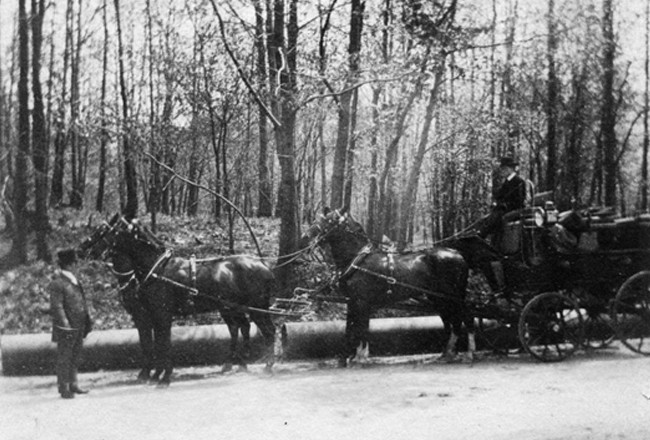
Beginning in 1910, John D. Rockefeller Sr. and Jr. worked together to lay out a system of broken stone roads surrounding Kykuit. As the system of carriage roads extended into outlying family properties, Junior assumed the lead role in overseeing their construction. Junior made a commitment to a social compact by ensuring that the roads were open to the public for walking, riding, and carriage driving as soon as they were built.

John D. Rockefeller Sr.

John D. Rockefeller Sr.

Rockefeller State Park Preserve has been made possible by the farsighted and generous gift of the Rockefeller family. Since 1983, over 1,600 acres have been deeded over to the State of New York to protect the scenic and natural beauty of the area for the public to enjoy.


Trails Overview:

Rockefeller State Park Preserve’s network of carriage roads are not blazed. There are signposts with trail names at most major junctions. This can be a little confusing at times and even though I have been there numerous times, I have taken a wrong turn on occasion.

My advice is to print out the trail map and download the Avenza Maps app (FREE). You can then download the free Rockefeller State Park Preserve map through the app or purchase the NY-NJ Trail Conference Westchester Trails Map for Avenza (more detailed), which can be purchased as a bundle ($11.95) or just a single map ($3.99). This will tell you exactly where you are on the trail and you can record your track and mileage.

Hike Overview:

With all the social distancing and parks being overcrowded lately, it’s put a damper on my hiking plans. Trying to stay local, recently I’ve been hitting some places that I would normally reserve for cold weather and/or when there is snow on the ground.

Growing up in the area, I have been hiking the Rockefeller woods since I was a kid. We didn’t call it hiking back then, we would just say “let’s go for a walk in the woods” or “let’s go up to Rockefeller’s.” We spent many a day exploring these woods without hiking boots, maps or carrying water. We sipped from the streams and only headed home when we were hungry. Even as a young adult, we had plenty of keg parties and bonfires in those woods, Gory Brook Road being our favorite point of entry. We used to drive down that road, evading potholes along the way and drinking warm and foamy beer along the banks of Gory Brook and the Pocantico River.

This hike revisits some of the areas that I explored in my youth and at the same time avoids some of the more heavily trafficked areas of the preserve. We started out on Gory Brook Road with no real plan and just improvised.

Rockefeller State Park Preserve via Gory Brook Road

Rockefeller State Park Preserve via Gory Brook Road

The Hike:

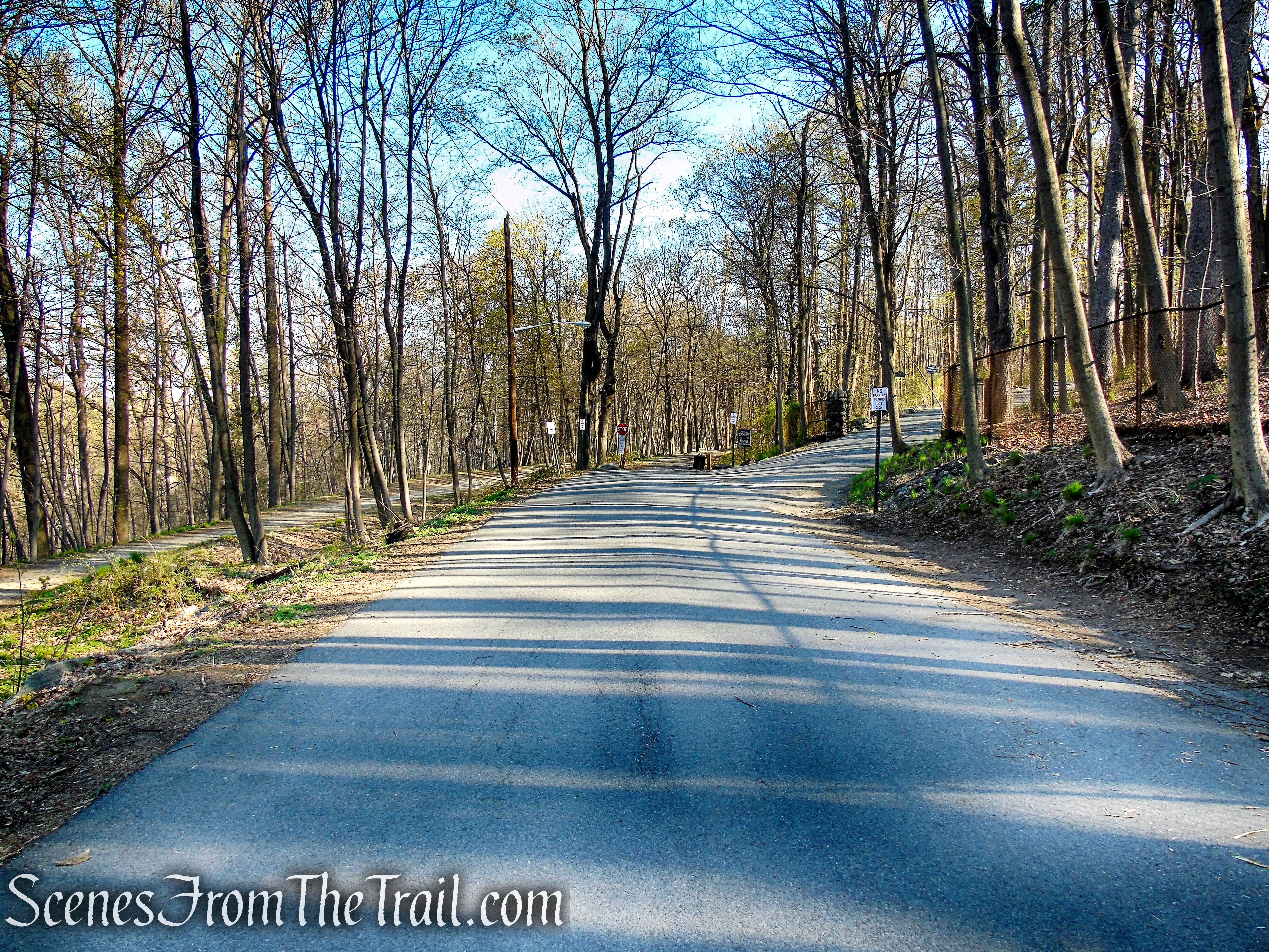
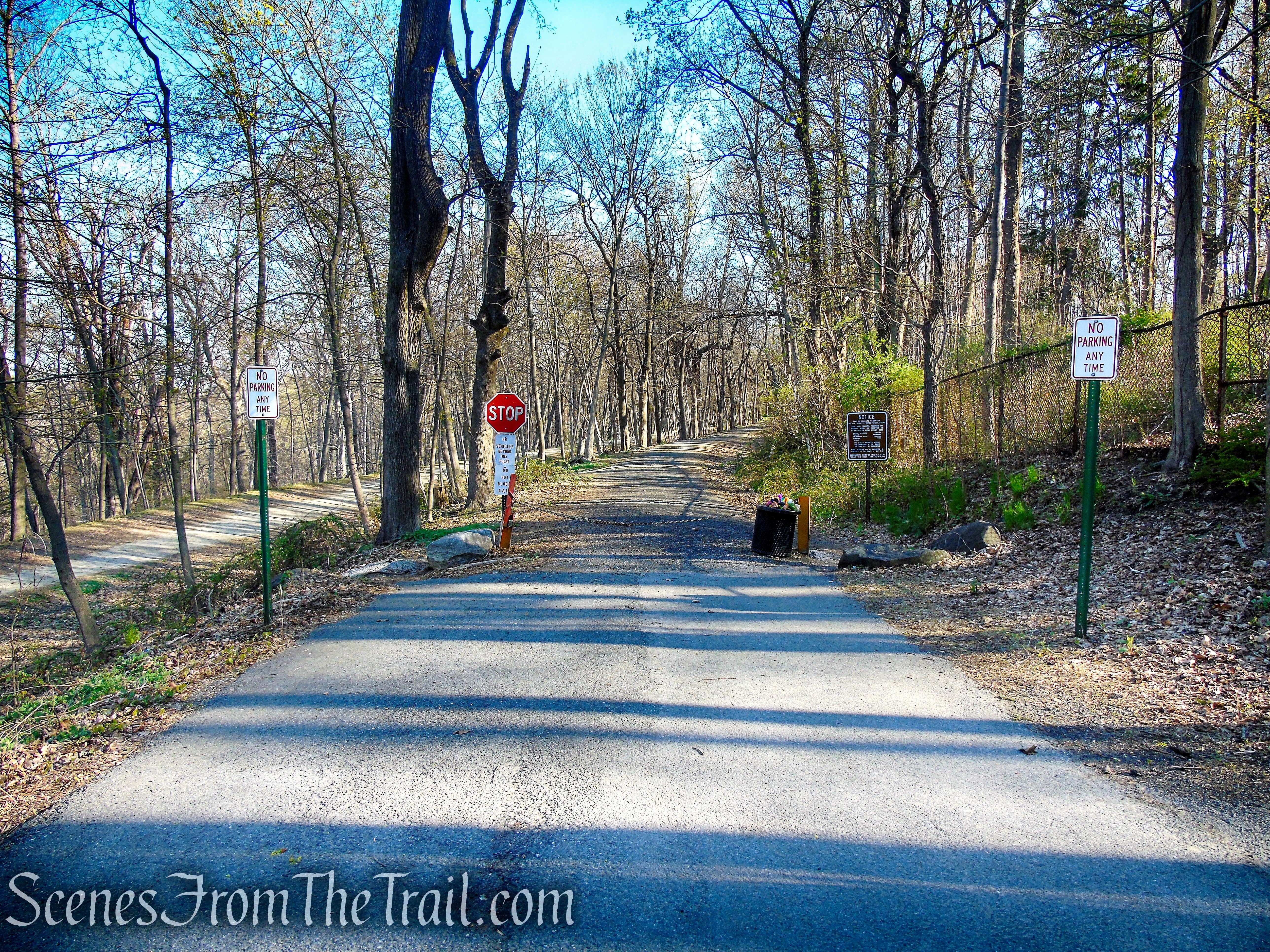
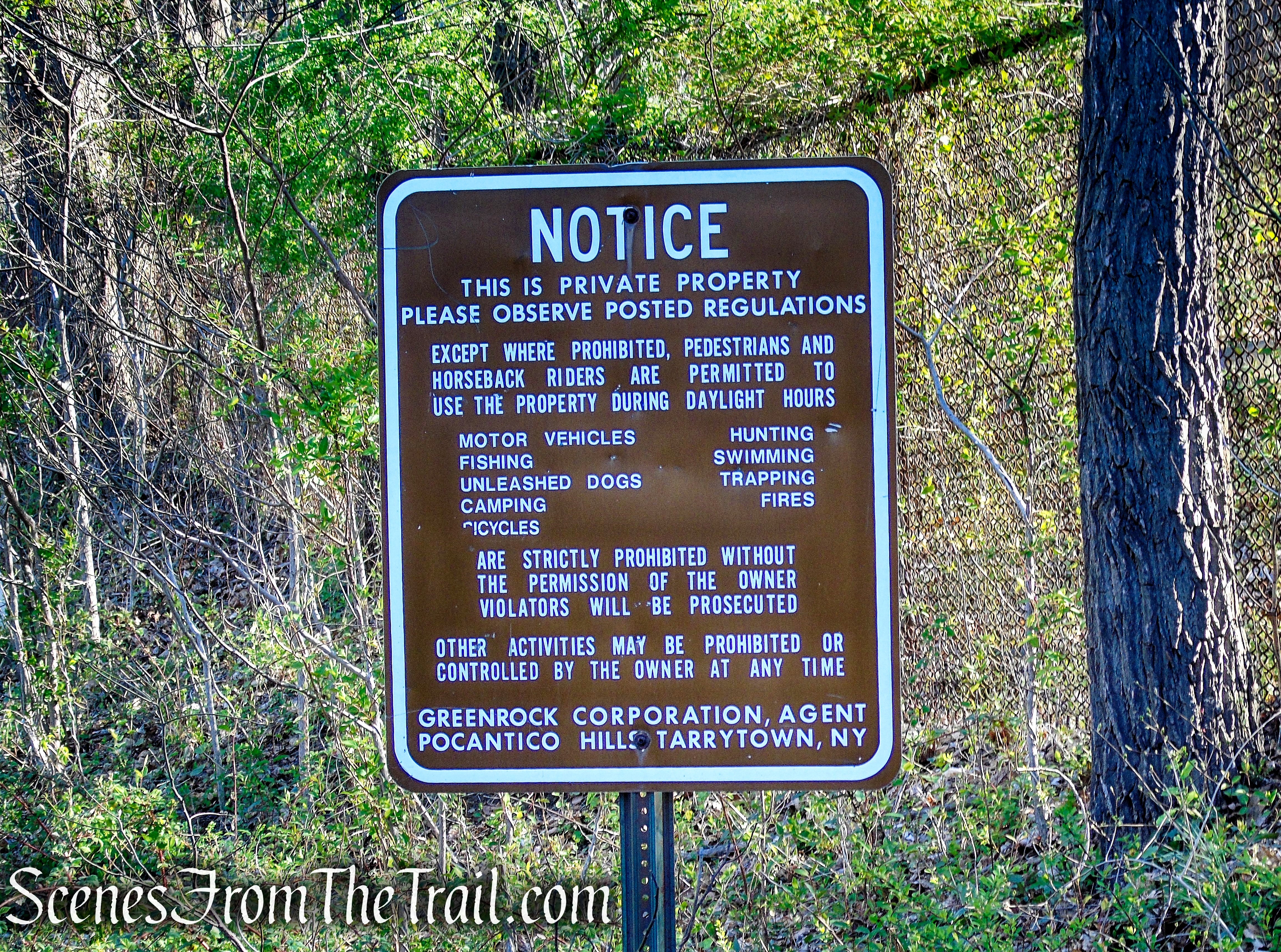
Wanting to take a walk down memory lane, we started at the end of the paved section of Gory Brook Road. We started at about 8:45 am on a Friday morning and there were no cars when we arrived. We walked past the chain strung across the road, leaving the pavement and began walking on the gravel road which closely parallels the Old Croton Aqueduct, which would be our return route.

Gory Brook Road

Gory Brook Road

Gory Brook Road

Gory Brook Road

Gory Brook Road

Gory Brook Road

The chained off section of Gory Brook Road is an abandoned Village-owned roadbed that runs north from the main built area of Sleepy Hollow through the Rockefeller State Park Preserve to Sleepy Hollow Road in the Town of Mount Pleasant. This informal trail links the Village of Sleepy Hollow (North Tarrytown until 1996) with the network of Trails in the Rockefeller State Park Preserve.

Gory Brook Road

Gory Brook Road

Gory Brook Road

Gory Brook Road

This stone entranceway used to lead to Long View, the thirty-eight-acre estate of Henry L. Douglas, that stood on Cedar Hill east of the Old Croton Aqueduct. Douglas first came to this area in 1868. Douglas Park was named for stockbroker John Douglas (d. 1883). John Douglas was the brother of Henry L. Douglas, who owned the adjoining land in the 1880’s. The Douglas mansion stood on the hill above the park. Henry L. Douglas occupied the mansion from the 1880’s until about 1900.

Gory Brook Road

Gory Brook Road

Black Squirrel - Gory Brook Road

Black Squirrel – Gory Brook Road

When the gravel road turns left (Big Tree Trail) we continued ahead to remain on Gory Brook Road.

continue straight on Gory Brook Road

continue straight on Gory Brook Road

Gory Brook Road

Gory Brook Road

After about 0.8 mile, Gory Brook Road crosses the Pocantico River Trail. Just ahead is the Gory Brook Road Bridge that carries the old road over the Gory Brook.

Gory Brook Road

Gory Brook Road

Gory Brook Road

Gory Brook Road

Gory Brook – Three theories are offered for this brook’s name: (1) local bloody encounters during the Revolution; (2) hogs were once butchered nearby; (3) the name has been shortened from the name Gregory. Take your pick. Gory Brook runs south into the Pocantico River near Gory Brook Road, four-tenths of a mile from Route 9.

Gory Brook

Gory Brook

Gory Brook Road Bridge

Gory Brook Road Bridge

White-tailed deer - Rockefeller State Park Preserve

White-tailed deer – Rockefeller State Park Preserve

White-tailed deer - Rockefeller State Park Preserve

White-tailed deer – Rockefeller State Park Preserve

We spent a little time exploring this area that we used to frequent as kids.

Gory Brook

Gory Brook

Gory Brook

Gory Brook

Old Gory Brook Road becomes hard to follow after the bridge so we bushwacked across the field to the Gory Brook Road Trail, a carriage road. It runs just above the old road which becomes discernible at times just below this carriage road. We followed this carriage road past the junction with the Witch’s Spring Trail and just before reaching Rt. 117 that runs overhead, we turned right towards the Eagle Hill Trail.

Gory Brook Road Trail

Gory Brook Road Trail

Eagle Hill:

The carriage road ascends to a three way junction where the Eagle Hill Trail splits. Stay right at the junction and follow it uphill. In a short distance, the road comes to a fork. Either way is fine because the Eagle Hill Trail loops around and comes back to that spot.

Eagle Hill Trail - Rockefeller State Park Preserve

Eagle Hill Trail – Rockefeller State Park Preserve

Eagle Hill Trail - Rockefeller State Park Preserve

Eagle Hill Trail – Rockefeller State Park Preserve

At the top of the rise you will have arrived at the summit of Eagle Hill. Us locals always called it Eagle Mountain and I never heard it referred to as Eagle Hill until they installed the trail signs. To the southeast on the highest point, is Kykuit, the Rockefeller family estate.

Eagle Hill Trail - Rockefeller State Park Preserve

Eagle Hill Trail – Rockefeller State Park Preserve

You may need binoculars or a decent zoom lens to get a better view of it.

Eagle Hill Trail - Rockefeller State Park Preserve

Eagle Hill Trail – Rockefeller State Park Preserve

As you continue along the road, there are openings in the trees where you can see the Hudson River and the Tappan Zee Bridge.

Eagle Hill Trail - Rockefeller State Park Preserve

Eagle Hill Trail – Rockefeller State Park Preserve

The Eagle Hill Trail curves around the summit, descends to the fork, turns left and returns to the 3-way junction. Turn right at the junction to continue following the Eagle Hill Trail. The trail heads downhill and soon ends at a T-intersection with the Pocantico River Trail. Turn left and almost immediately turn right on the Old Sleepy Hollow Trail.

Eagle Hill Trail - Rockefeller State Park Preserve

Eagle Hill Trail – Rockefeller State Park Preserve

Eagle Hill Trail - Rockefeller State Park Preserve

Eagle Hill Trail – Rockefeller State Park Preserve

Glacial Erratic:

Follow the Old Sleepy Hollow Trail as it crosses the Pocantico River on a footbridge and ascends to crosses Sleepy Hollow Road. This is a busy road at times so take care crossing.

Old Sleepy Hollow Trail - Rockefeller State Park Preserve

Old Sleepy Hollow Trail – Rockefeller State Park Preserve

Pocantico River upstream - Rockefeller State Park Preserve

Pocantico River upstream – Rockefeller State Park Preserve

Pocantico River downstream - Rockefeller State Park Preserve

Pocantico River downstream – Rockefeller State Park Preserve

Old Sleepy Hollow Trail - Rockefeller State Park Preserve

Old Sleepy Hollow Trail – Rockefeller State Park Preserve

Continued to follow the Old Sleepy Hollow Trail as it ascends more steeply. In about 250 yards, look for the Nature’s Way Trail that begins on the left. Follow this trail for about 160 yards then turn left on the Glacial Erratic Trail.

Old Sleepy Hollow Trail - Rockefeller State Park Preserve

Old Sleepy Hollow Trail – Rockefeller State Park Preserve

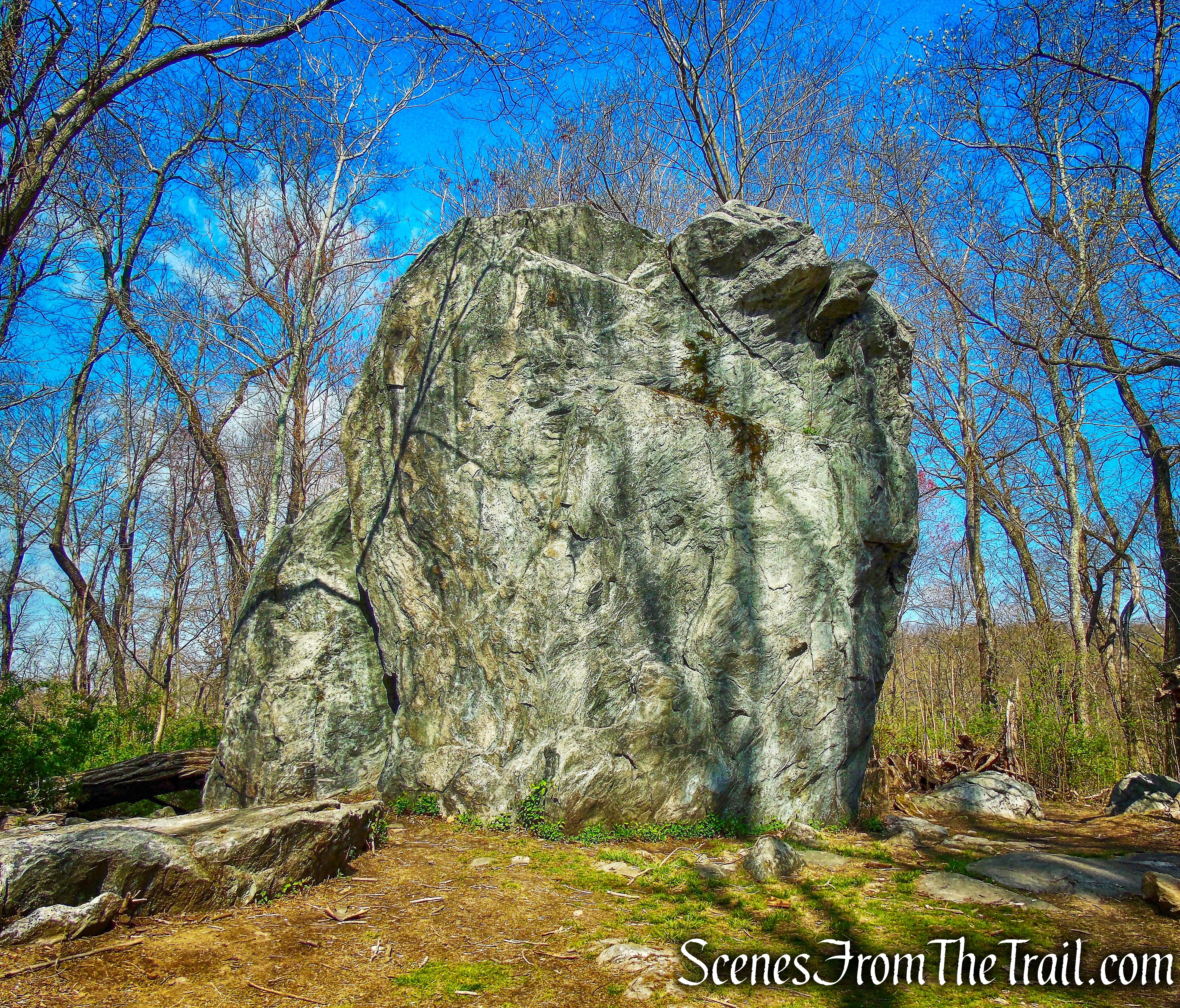
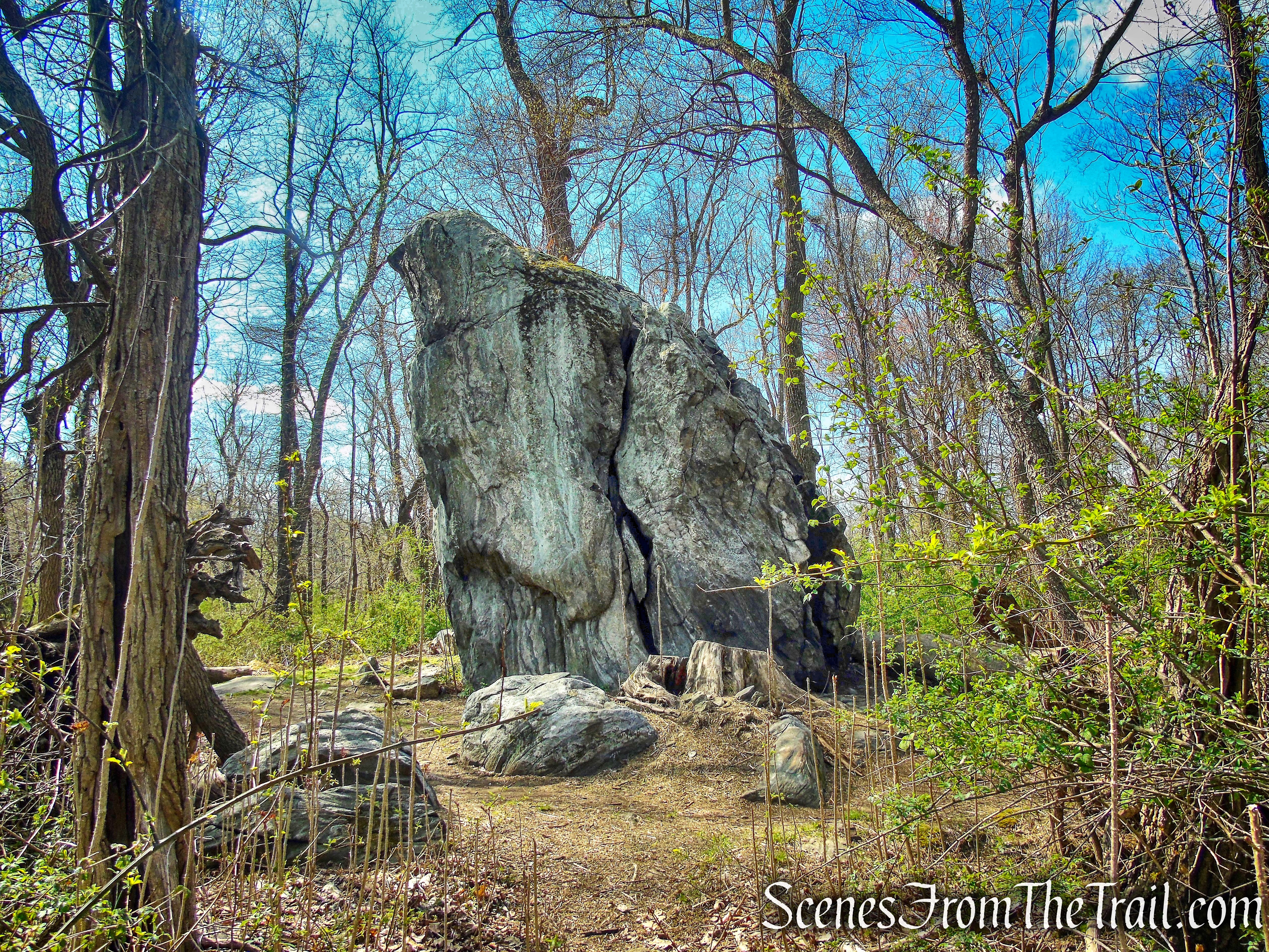
At almost 20 feet high and 65 feet in circumference, it is probably the largest glacial erratic to be found anywhere in Westchester County.

Glacial Erratic - Rockefeller State Park Preserve

Glacial Erratic – Rockefeller State Park Preserve

There is a good article about its discovery in 1987 in the New York Times. It is 600 million years old and was carried and dropped here by the Late Wisconsin continental glacier from some mountaintop in the Hudson Highlands.

Glacial Erratic - Rockefeller State Park Preserve

Glacial Erratic – Rockefeller State Park Preserve

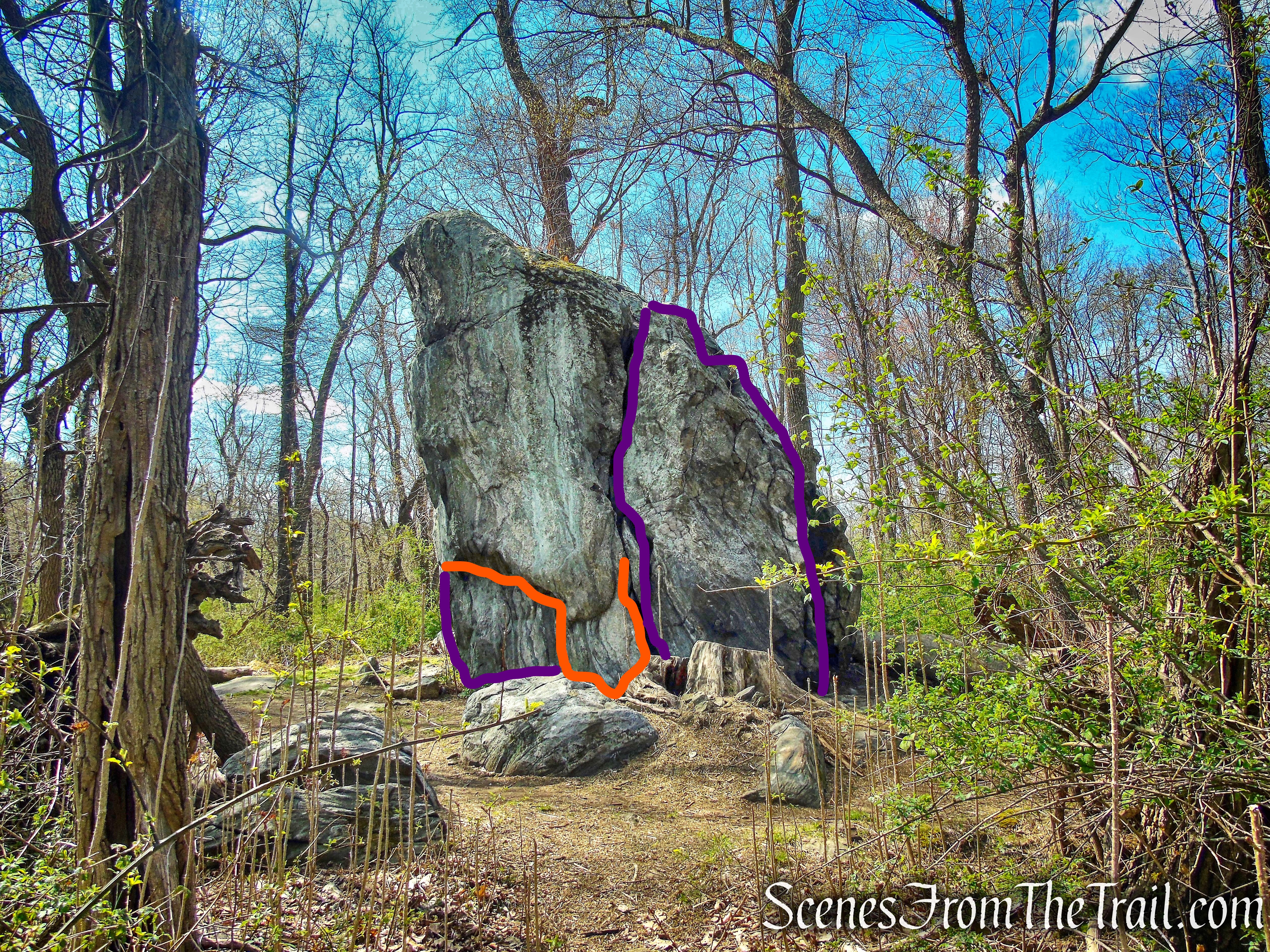
A side view of this massive boulder resembles a hawk, in my opinion.

Glacial Erratic - Rockefeller State Park Preserve

Glacial Erratic – Rockefeller State Park Preserve

Here’s how I see it. The orange line traces around the lower body and tail. The purple lines shows its wings partially spread as it’s about to take off.

Glacial Erratic - Rockefeller State Park Preserve

Glacial Erratic – Rockefeller State Park Preserve

Pocantico River Trail:

When you are done marveling at the massive boulder, retrace your steps back to the footbridge (don’t forget to look both ways before crossing the road!) and turn left after crossing the bridge.

Old Sleepy Hollow Trail - Rockefeller State Park Preserve

Old Sleepy Hollow Trail – Rockefeller State Park Preserve

You are now following the Pocantico River Trail which winds along the edge of the Pocantico River. Take time to enjoy the stroll along this carriage road, stopping to view the cascades as they tumble over the rocks.

Pocantico River Trail - Rockefeller State Park Preserve

Pocantico River Trail – Rockefeller State Park Preserve

Pocantico River Trail - Rockefeller State Park Preserve

Pocantico River Trail – Rockefeller State Park Preserve

Pocantico River Trail - Rockefeller State Park Preserve

Pocantico River Trail – Rockefeller State Park Preserve

Pocantico River Trail - Rockefeller State Park Preserve

Pocantico River Trail – Rockefeller State Park Preserve

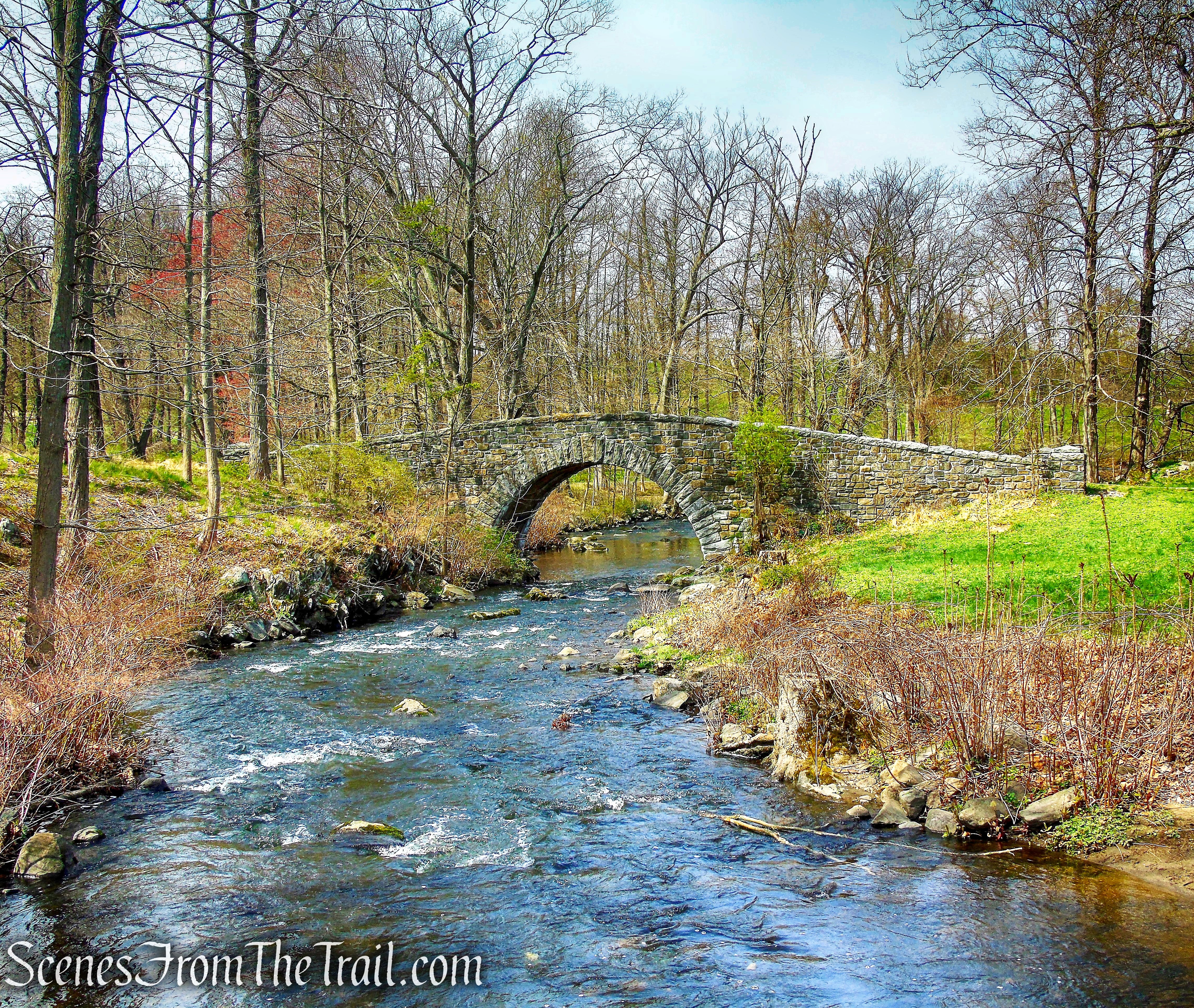
Just ahead is a single arch stone bridge. There are several ways to go here. We stayed left and crossed a small footbridge that connects to the Canter Alley Trail.

Pocantico River Trail - Rockefeller State Park Preserve

Pocantico River Trail – Rockefeller State Park Preserve

Canter Alley Trail:

The view of the stone bridge and the Pocantico River is nice from the simple footbridge.

Canter Alley Trail - Rockefeller State Park Preserve

Canter Alley Trail – Rockefeller State Park Preserve

The Canter Alley Trail parallels Sleepy Hollow Road (the road that you crossed earlier) and a small stream, and crosses several footbridges. Soon it passes open fields that are lined with trees.

Canter Alley Trail - Rockefeller State Park Preserve

Canter Alley Trail – Rockefeller State Park Preserve

Canter Alley Trail - Rockefeller State Park Preserve

Canter Alley Trail – Rockefeller State Park Preserve

View west from the Canter Alley Trail.

Canter Alley Trail - Rockefeller State Park Preserve

Canter Alley Trail – Rockefeller State Park Preserve

The trail heads south and you may encounter walkers or runners as the trail runs fairly close to Sleepy Hollow Road and several access points.

Canter Alley Trail - Rockefeller State Park Preserve

Canter Alley Trail – Rockefeller State Park Preserve

View west from the Canter Alley Trail.

Canter Alley Trail - Rockefeller State Park Preserve

Canter Alley Trail – Rockefeller State Park Preserve

Turning around, Eagle Hill is visible to the north.

Canter Alley Trail - Rockefeller State Park Preserve

Canter Alley Trail – Rockefeller State Park Preserve

The Canter Alley Trail ends at a T-intersection with the Douglas Hill Loop Trail. Turn left and continue in a southerly direction. A short distance later the trail comes to a fork, bear right to stay on the Douglas Hill Loop Trail. The trail that goes under the bridge, leads to Stone Barns.

Douglas Hill Loop Trail - Rockefeller State Park Preserve

Douglas Hill Loop Trail – Rockefeller State Park Preserve

Cedar Hill:

This section is not technically part of Rockefeller State Park Preserve, but I eyed a lovely lunch spot from afar and decided to make a slight detour. This carriage road is just above the Douglas Hill Loop Trail and offers some fine views of the area we just traveled through.

Cedar Hill - Rockefeller State Park Preserve

Cedar Hill – Rockefeller State Park Preserve

Cedar Hill - Rockefeller State Park Preserve

Cedar Hill – Rockefeller State Park Preserve

The carriage road climbs Cedar Hill and we veered off it to a nice rock formation near the summit that overlooks the fields below.

Cedar Hill - Rockefeller State Park Preserve

Cedar Hill – Rockefeller State Park Preserve

We sat here and enjoyed a nice roast beef wedge from the Tarrytown Deli, they make their own roast beef and it’s delicious.

Cedar Hill - Rockefeller State Park Preserve

Cedar Hill – Rockefeller State Park Preserve

When we were done with lunch, we walked to the west side of Cedar Hill and were welcomed with a decent view of the Hudson River.

Cedar Hill - Rockefeller State Park Preserve

Cedar Hill – Rockefeller State Park Preserve

Since we weren’t sure if we were allowed to be there (no signs), we cut across the field and rejoined the Douglas Hill Loop Trail, just north of Cedar Hill.

Cedar Hill - Rockefeller State Park Preserve

Cedar Hill – Rockefeller State Park Preserve

Douglas Hill Loop Trail - Rockefeller State Park Preserve

Douglas Hill Loop Trail – Rockefeller State Park Preserve

On the way down there is a north-facing view across a field, with Eagle Hill visible in the distance.

Douglas Hill Loop Trail - Rockefeller State Park Preserve

Douglas Hill Loop Trail – Rockefeller State Park Preserve

Old Croton Aqueduct:

The Douglas Hill Loop Trail ends at Gory Brook Road. We crossed the road and walked a few feet to The Aqueduct and turned left. I didn’t feel like returning on the same road, plus I was searching for an engraved stone along The Aqueduct.

Old Croton Aqueduct

Old Croton Aqueduct

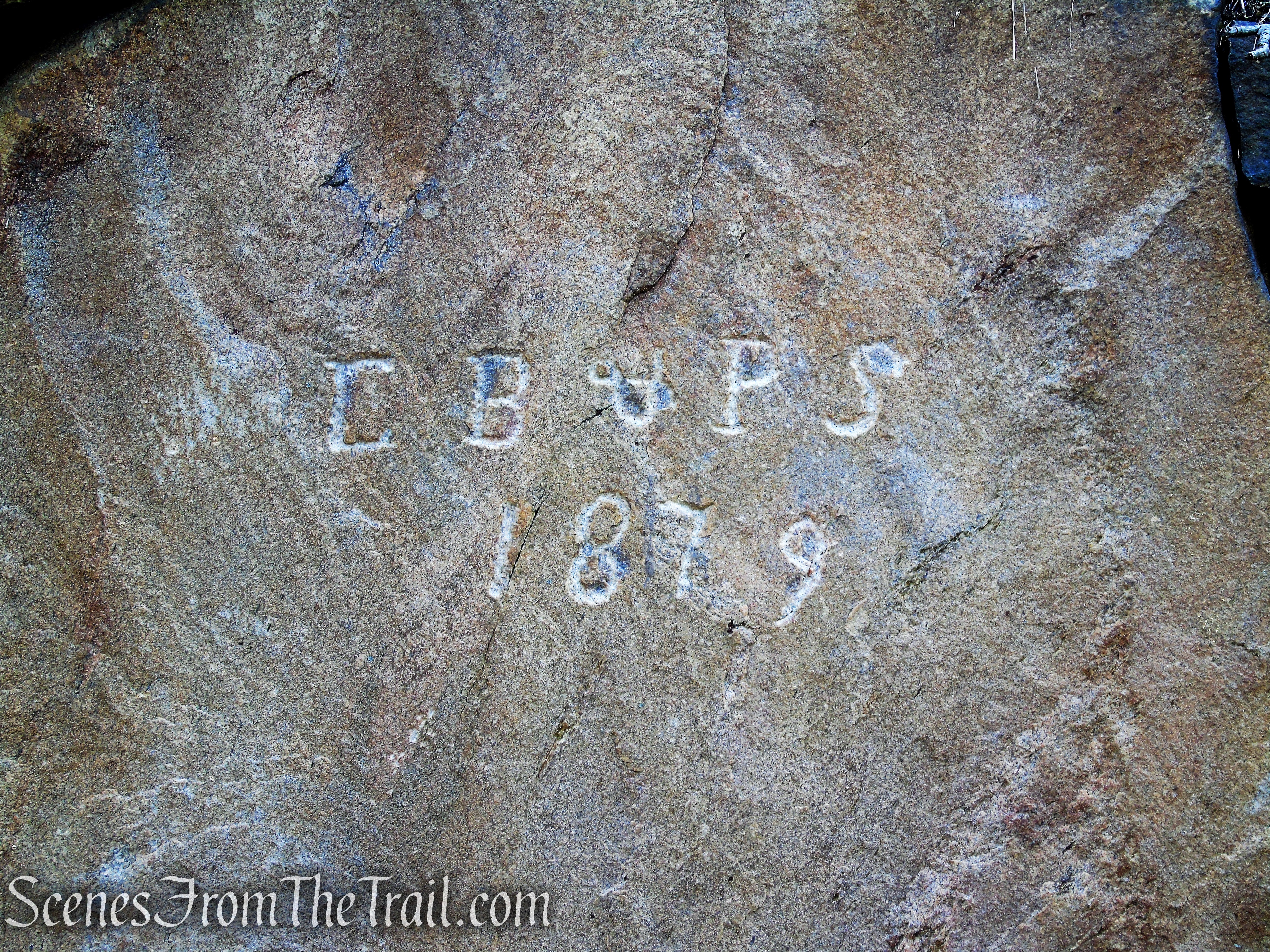
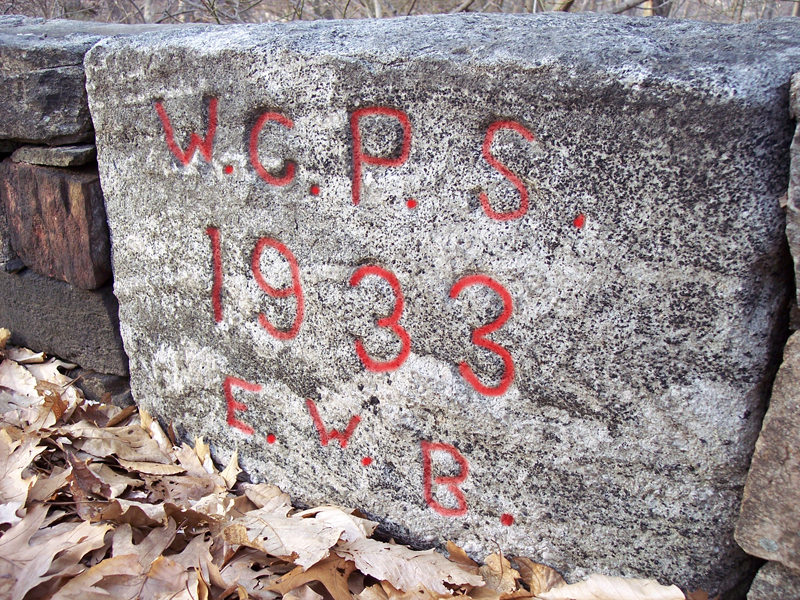
This stone engraved with initials and the year 1879, I have seen in the past and always wondered about it. Someone inquired about it recently so I did some digging. I am not sure if my findings are correct, but here goes. The thirty-eight-acre estate of Henry L. Douglas, stood on Cedar Hill just east of this spot. We passed the stone entrance-way at the start of the hike and it is close by. This stone retaining wall holds up Gory Brook Road. That tells me that this section of Gory Brook Road was either built or improved in 1879 and the initials probably belong to the worker(s). Henry L. Douglas occupied the mansion on Cedar Hill from the 1880’s until about 1900. Makes sense to me, but I could be wrong.

Old Croton Aqueduct

Old Croton Aqueduct

Old Croton Aqueduct

Old Croton Aqueduct

Old Croton Aqueduct

Old Croton Aqueduct

Old Croton Aqueduct

Old Croton Aqueduct

Review:

The allure of Rockefeller State Park Preserve comes from the carriage roads that take you through the diverse landscapes. Whether it be the meadows, streams, stone walls or rock formations, this park is scenic throughout. Walking along these historical carriage roads give you a sense of being out in the country. Most visitors have no idea that they are in a designed environment, which attests to the genius of John D. Rockefeller, Jr’s design and insight as a landscape architect and naturalist. Perfect for a tranquil walk in all seasons.

Pros:

Historical features, glacial erratic, Gory Brook, Pocantico River, scenic landscape.

Cons:

Highly trafficked near parking areas.


Take a hike!

Rockefeller State Park Preserve via Gory Brook Road

Rockefeller State Park Preserve via Gory Brook Road

Sources:


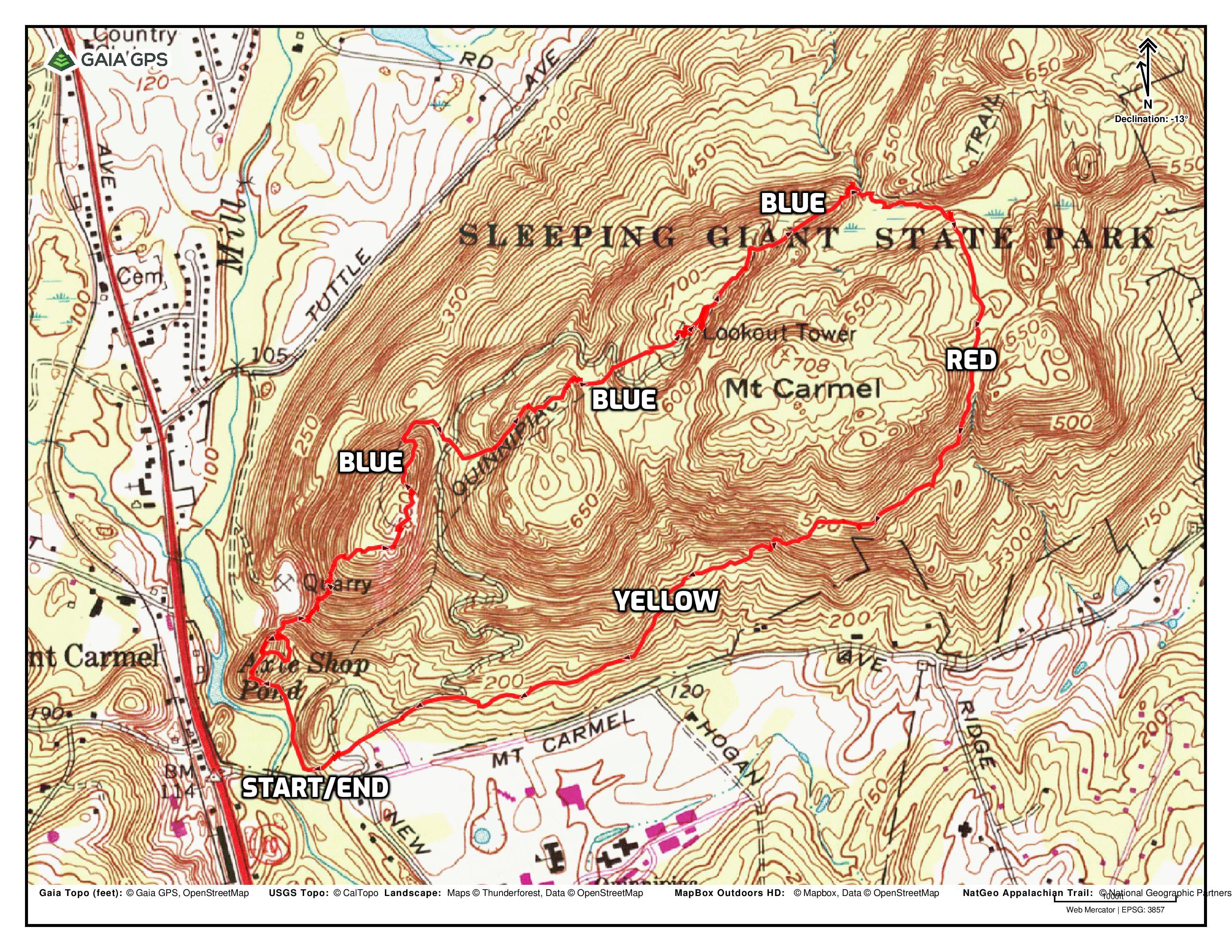
Tower Loop via the Quinnipiac Trail – Sleeping Giant State Park

March 16, 2020 – Hamden, Connecticut

Difficulty: Strenuous

Length: Approximately 4 miles

Max elevation: 713 ft.– total elevation gain approximately 904 ft.

Route type: Circuit

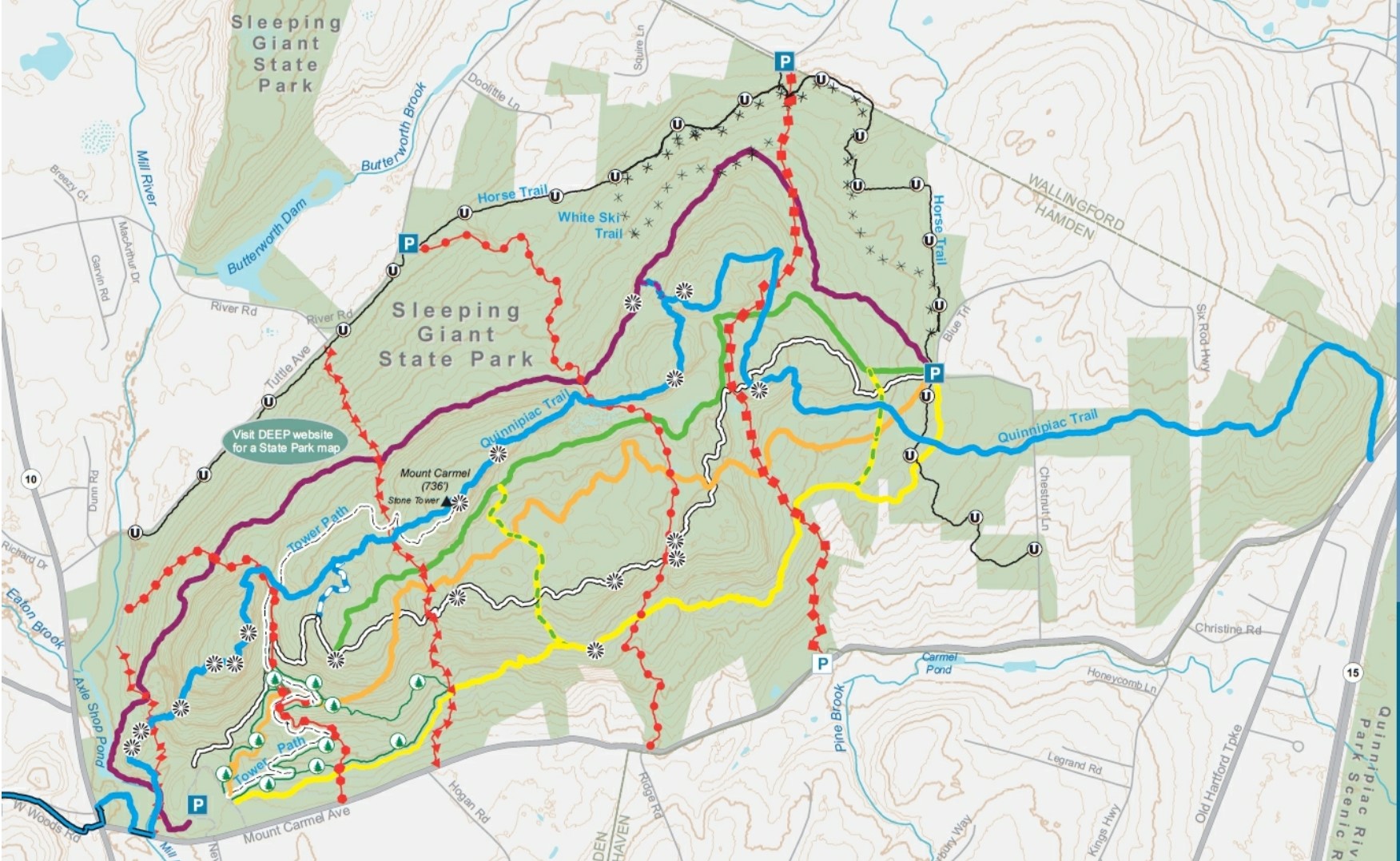
Maps: Sleeping Giant State Park Maps & GuidesSleeping Giant State Park DEEP Map

Trailhead parking: Mt Carmel Ave – Hamden, CT 06518


Park Overview:

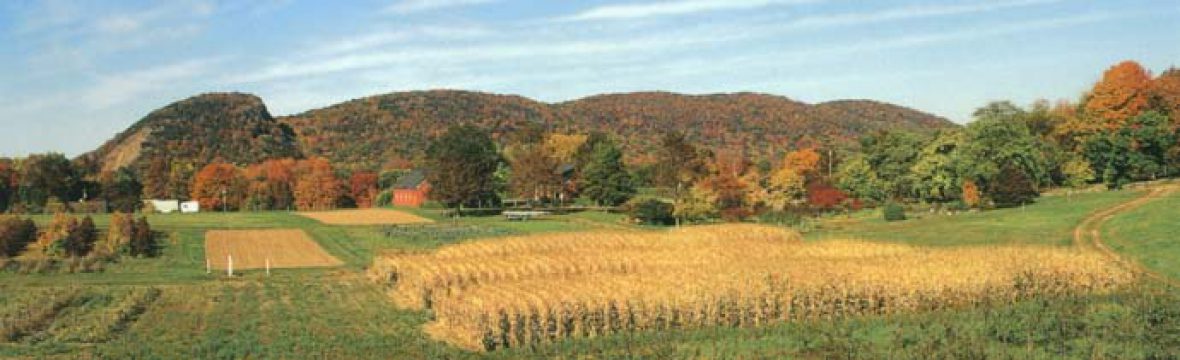
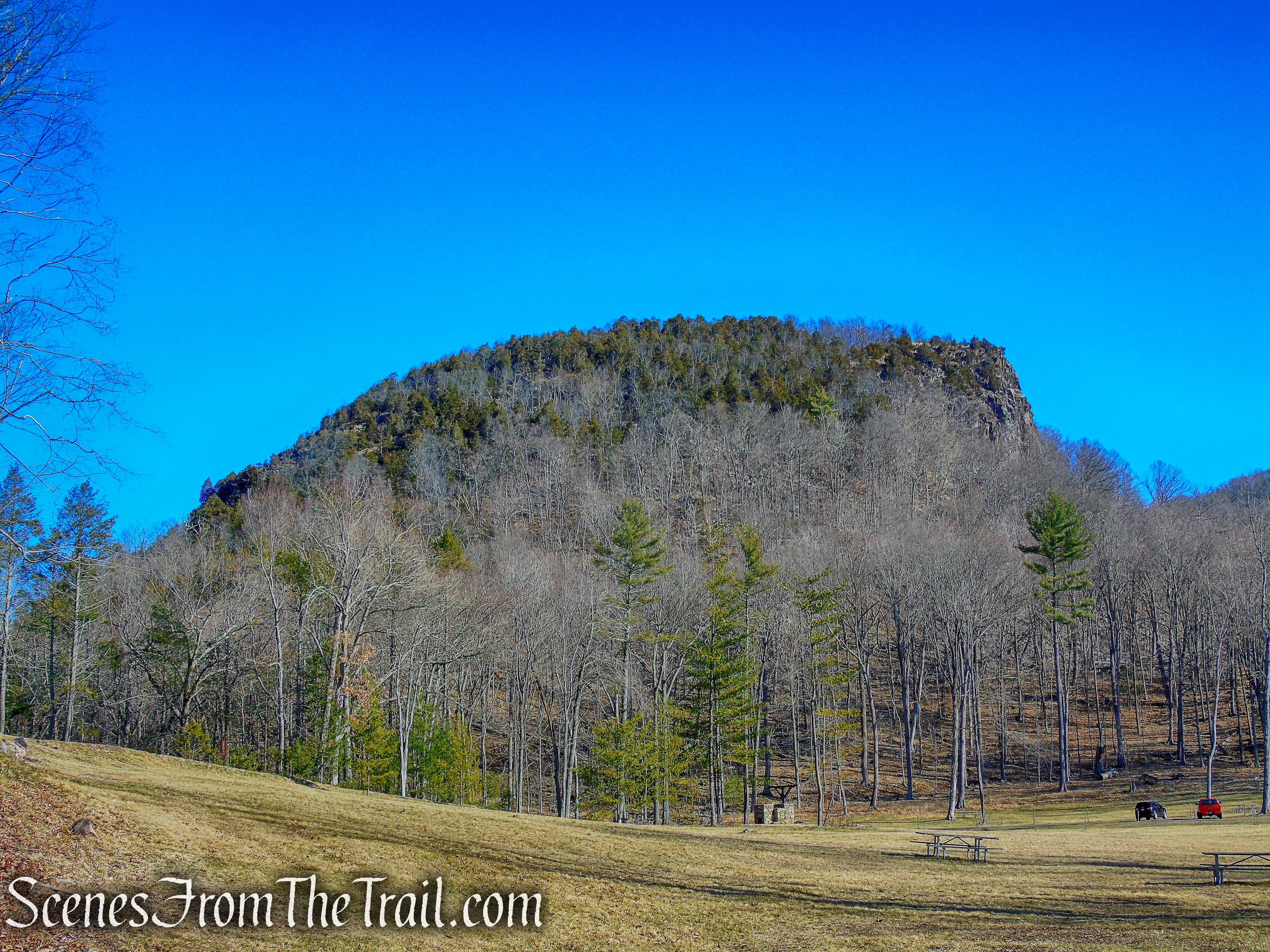
Sleeping Giant (also known as Mount Carmel) is a rugged traprock mountain with a high point of 739 feet, located in northern Hamden, Connecticut. A prominent landscape feature visible for miles, the Sleeping Giant receives its name from its resemblance to a slumbering human figure as seen from either the north or south. The Giant is known for its expansive clifftop vistas, rugged topography, and microclimate ecosystems. Most of the Giant is located within Sleeping Giant State Park with approximately 1,650-acres. The mountain is a popular recreation site with over 30 miles of hiking trails that traverse it, including 5 miles of the 23-mile Quinnipiac Trail.

Sleeping Giant State Park

Sleeping Giant State Park

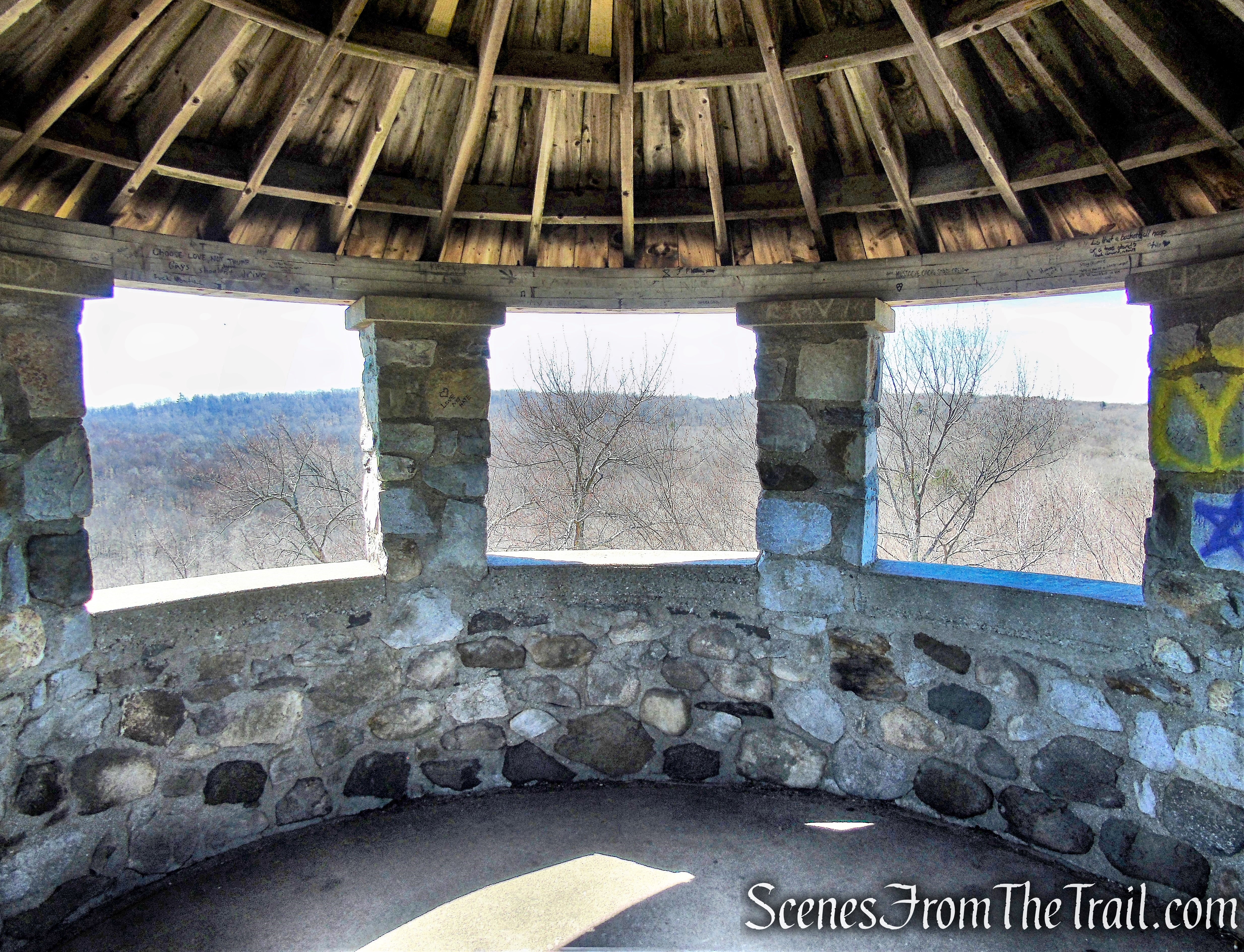
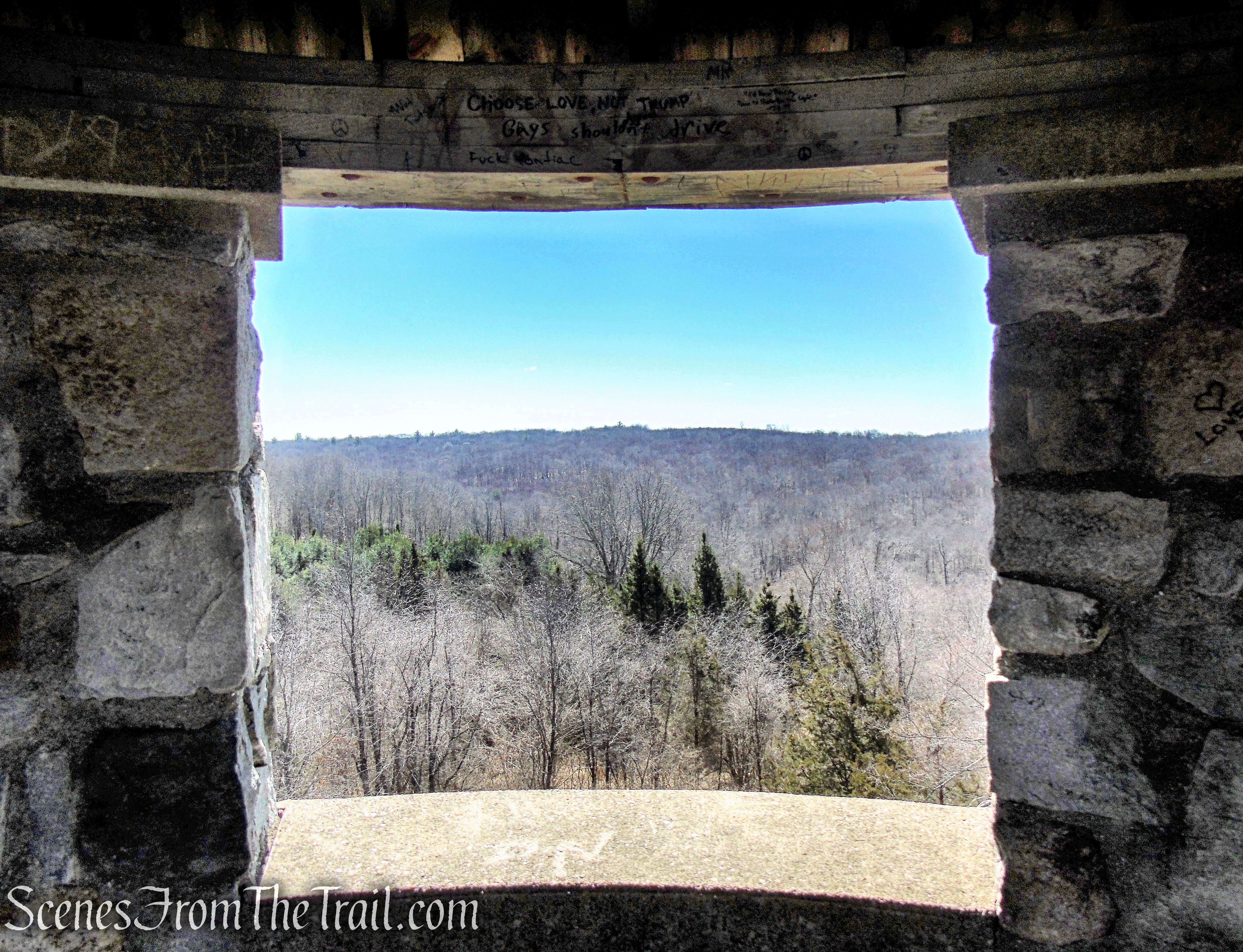
The Sleeping Giant, 2.75 miles long by 1.75 miles wide, is located in Hamden with its eastern edge falling into Wallingford. The Giant’s profile features distinct “head,” “chin,” “chest,” “hip,” “knee,” and “feet” sections topographically represented by traprock outcrops and ridge crests. The highest point is the Left Hip at 739 ft. above sea level, where there is a stone observation tower that offers 360° views of the surrounding Mill and Quinnipiac River valleys. It is part of the narrow, linear Metacomet Ridge that extends from Long Island Sound north through the Connecticut River Valley of Massachusetts to the Vermont border.

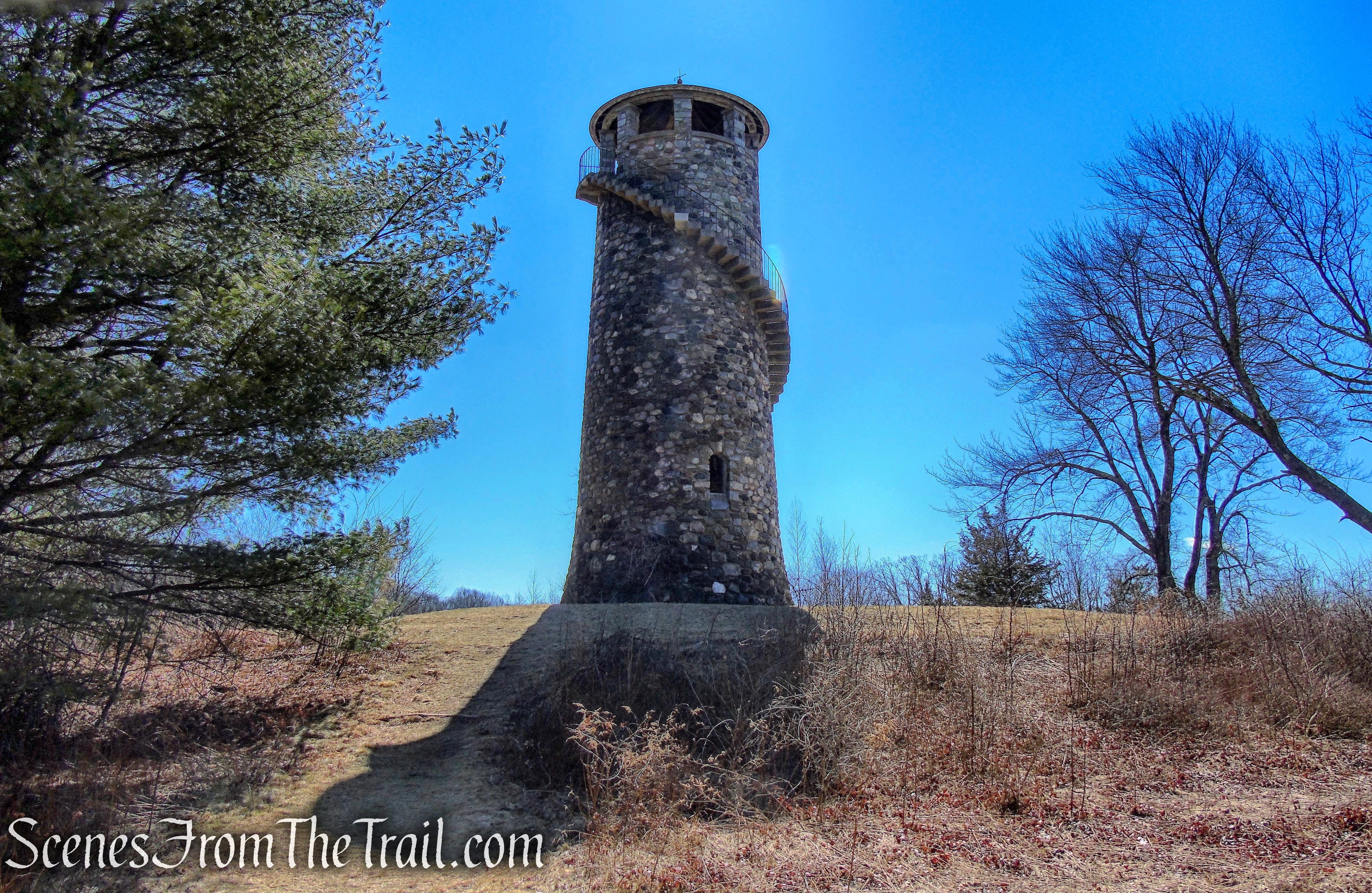
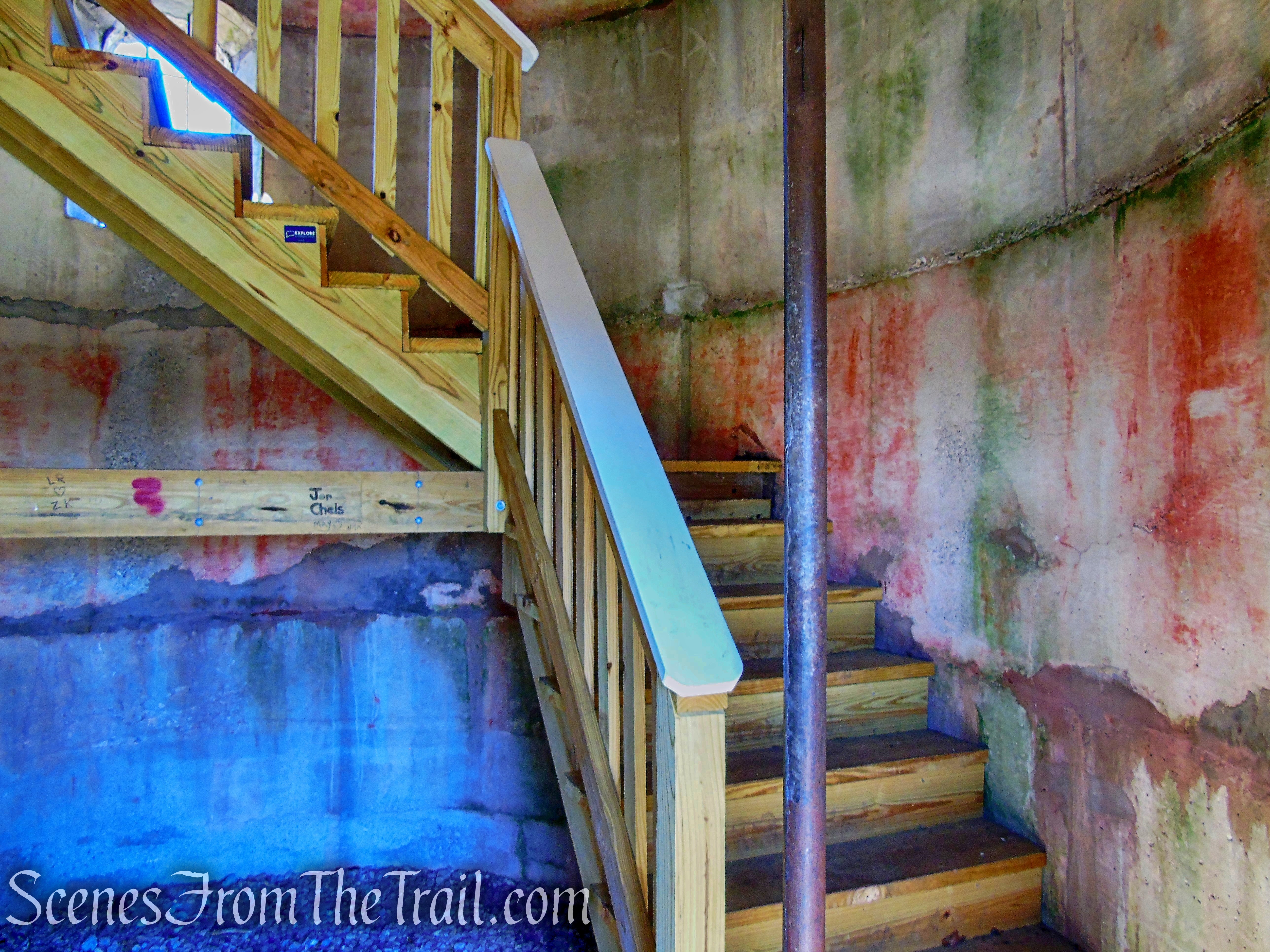
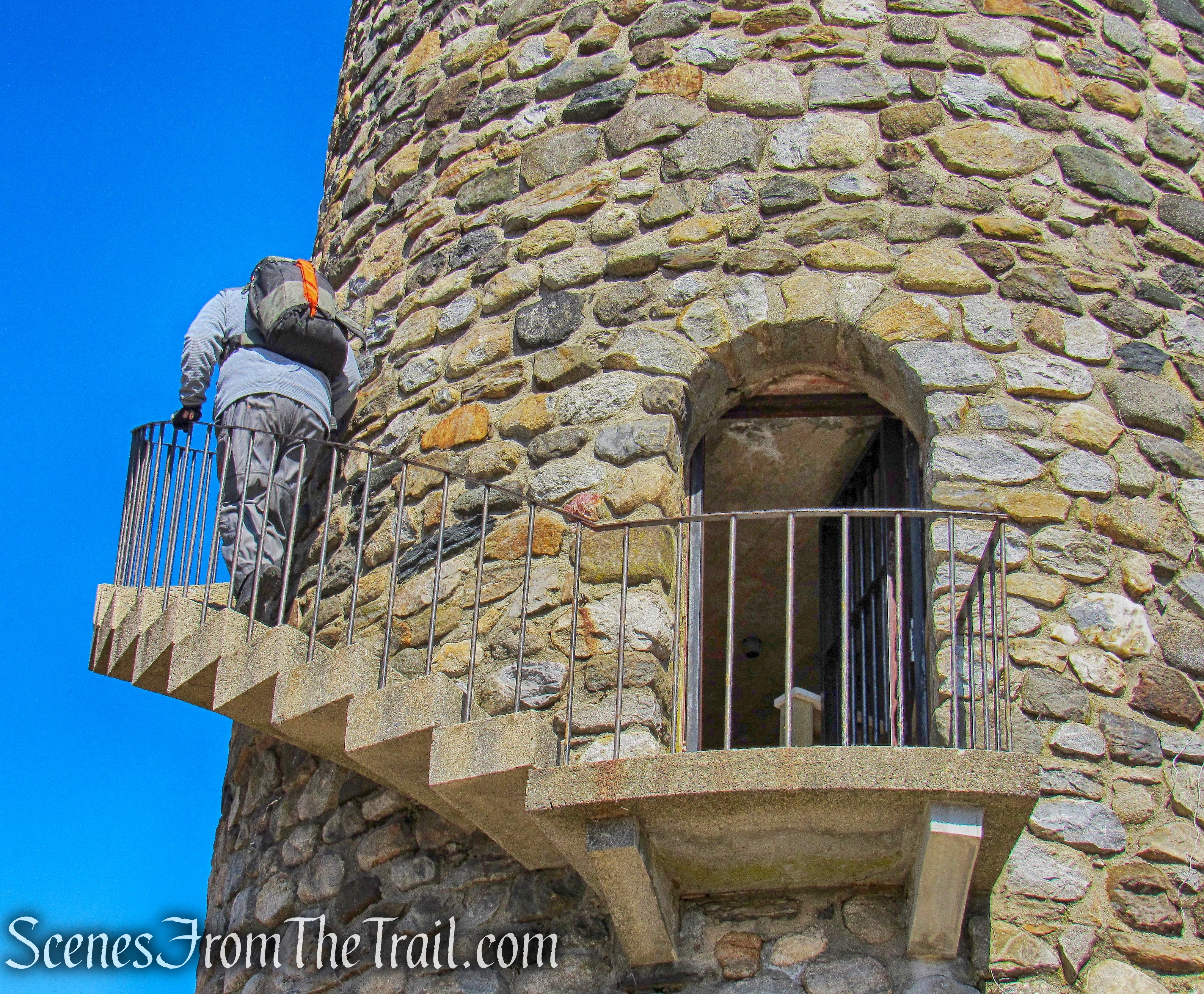
observation tower - Sleeping Giant State Park

observation tower – Sleeping Giant State Park

History:

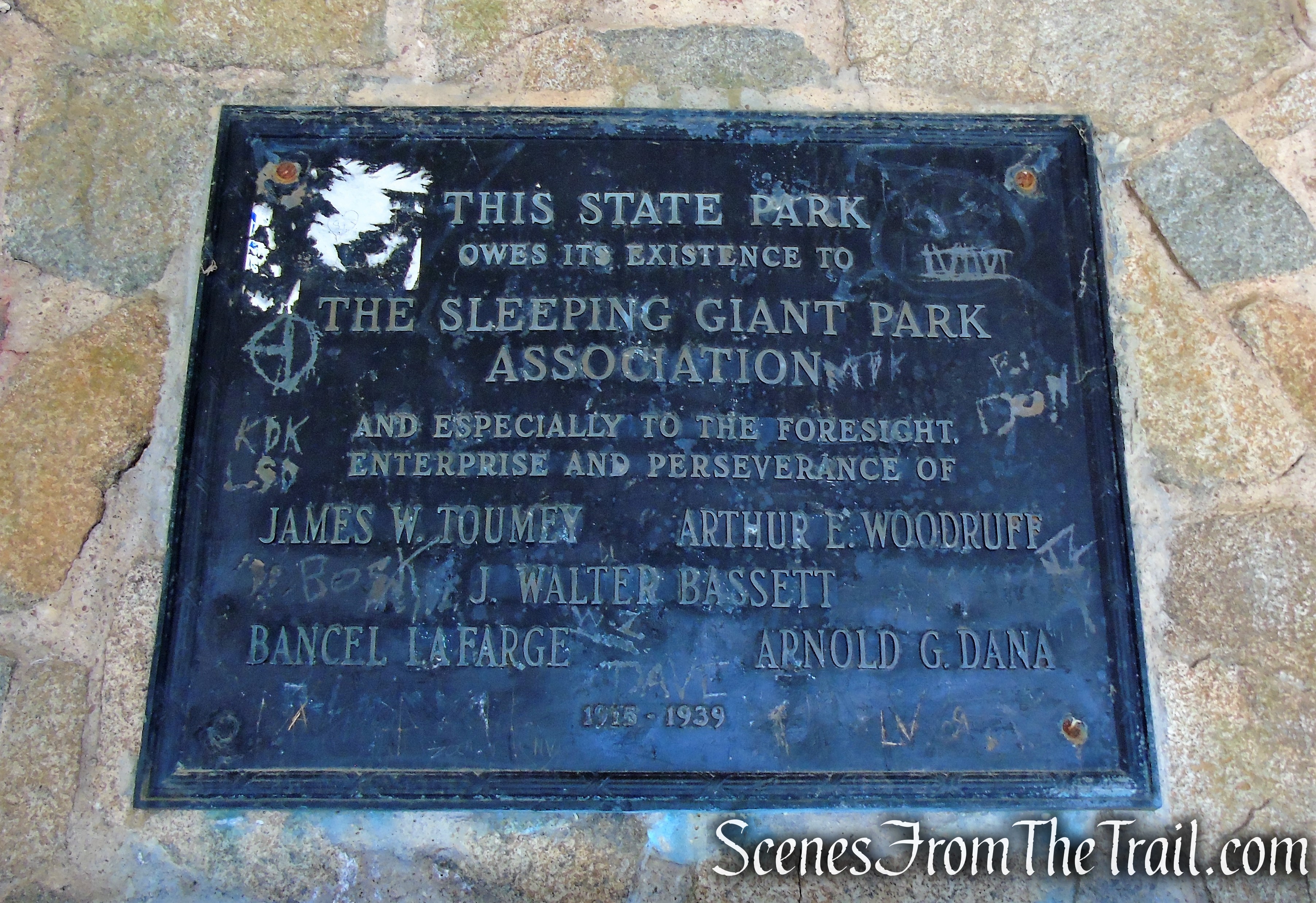
Conservation of the Giant began in 1924 with the creation of the Sleeping Giant Park Association (SGPA) by a group of local residents concerned with ongoing traprock quarrying on the Giant’s head. The property was purchased by the SGPA in 1933, during the Great Depression, for $30,000; the money was raised through private donations and the property became the Sleeping Giant State Park.

Sleeping Giant received its name thanks to local Native American creation stories, which are part of a complex belief system about the beginnings of the cosmos and human beings. The giant rock formation embodied Hobbomock, an evil spirit who became angry at the neglect of his people. In his rage, Hobbomock stamped his foot near the current location of Middletown, which caused the course of the Connecticut River to change. A good spirit named Keihtan is said to have cast a spell on Hobbomock that caused him to sleep forever, preventing any further damage to the area.

During the mid-1800’s, as New Englanders took to the mountains searching for a respite from the era of industrialization, many cottages appeared on the ridges of Sleeping Giant. Judge Willis Cook built one of these cottages on a part of the ridge known as the giant’s “head.” By 1911, however, vandals had become such a problem that Cook decided to lease the land to the Mount Carmel Traprock Company for quarrying.

Local residents objected to the continuous blasting and the damage that quarrying did to the area. In 1924, they formed the Sleeping Giant Park Association in order to acquire, preserve, and maintain the land around Sleeping Giant. The organization raised tens of thousands of dollars and eventually bought the rights to land, ending quarrying there by 1933.

In subsequent decades, the Association managed to halt plans for an oil pipeline across Sleeping Giant and defeated proposals for the installment of nearby television and telephone antennas. Today, Sleeping Giant State Park affords visitors in an otherwise urban area a natural refuge that offers miles of hiking trails and spectacular views of Long Island Sound and the New Haven area.


Trails Overview:

The Sleeping Giant Park Association maintains the extensive trail system within the park. The trails offer distant views from rocky crags, remote quiet woods, pleasant pine groves, and mountain brooks with mossy cascades. The trail map makes note of at least 28 different viewpoints.

The 5-mile section of the blue-blazed Quinnipiac Trail in Sleeping Giant State Park is crisscrossed by myriad color-coded park trails.

Six east/west trails traverse the park, with the White Trail and blue-blazed Quinnipiac Trail being the most strenuous.

Five north/south trails connect Mount Carmel Avenue on the south with Tuttle Avenue or Mansion Road on the north, crossing all the east/west trails. These five red-blazed trails are frequently used as feeders or crossovers to other trails.

Trails used on this loop hike are as follows:

  • Violet Trail 
  • Blue Trail (Quinnipiac Trail)
  • Circle Trail (Red)
  • Yellow Trail
Sleeping Giant State Park

Sleeping Giant State Park

Hike Overview:

This hike begins at the southwest corner of the parking area, near the ranger station and follows the Violet Trail in a northerly direction a short distance along the Mill River. When the blue-blazed Quinnipiac Trail joins in from the left, we began following the blue blazes east as it climbs the “head” of The Giant. We followed the Blue Trail all the way to the stone tower and beyond, turning right on the red-blazed Circle Trail and heading south, then turning right on the Yellow Trail, heading west and back to the parking area, where the hike began. This hike was done clockwise.

Tower Loop via the Quinnipiac Trail - Sleeping Giant State Park

Tower Loop via the Quinnipiac Trail – Sleeping Giant State Park

The Hike:

A look up at the head of The Giant before we began the hike.

the "Head" - Sleeping Giant State Park

the “Head” – Sleeping Giant State Park

From the southwest corner of the parking area, follow the Violet Trail as it heads in a northerly direction along the Mill River. In just over 200 yards, the blue-blazed Quinnipiac Trail comes in from the left along with the Red Diamond Trail. In another 100 feet, both the Blue and Red Trails leave to the right. Turn right, leaving the Violet Trail and follow the co-aligned Blue/Red trails. In another 150 feet, the two trails split. Veer left and follow the Blue Trail.

Quinnipiac Trail - Sleeping Giant State Park

Quinnipiac Trail – Sleeping Giant State Park

Quinnipiac Trail - Sleeping Giant State Park

Quinnipiac Trail – Sleeping Giant State Park

veer left on Quinnipiac Trail

veer left on Quinnipiac Trail

The Blue Trail climbs steeply and then levels off a bit as it travels along the rim of the quarry, with the Giant’s head looming just beyond. As the trail comes out on open rock, there are views west over the town of Hamden and beyond.

Quinnipiac Trail - Sleeping Giant State Park

Quinnipiac Trail – Sleeping Giant State Park

Quinnipiac Trail - Sleeping Giant State Park

Quinnipiac Trail – Sleeping Giant State Park

Quinnipiac Trail - Sleeping Giant State Park

Quinnipiac Trail – Sleeping Giant State Park

Quinnipiac Trail - Sleeping Giant State Park

Quinnipiac Trail – Sleeping Giant State Park

The Blue Trail continues heading northeast and soon comes to a short steep descent. It’s almost straight down with the hand and footholds far apart.

Quinnipiac Trail - Sleeping Giant State Park

Quinnipiac Trail – Sleeping Giant State Park

This spot can be avoided by taking the Red Diamond Trail when the Blue/Red trails split. The Red Diamond Trail crosses just below this spot.

Quinnipiac Trail - Sleeping Giant State Park

Quinnipiac Trail – Sleeping Giant State Park

The Blue Trail now begins an earnest climb of the head. The loose rock and steep dropoff down to the quarry makes this area especially hazardous if the ground is wet. It is not recommended to hike this section during times of rain or ice.

Quinnipiac Trail - Sleeping Giant State Park

Quinnipiac Trail – Sleeping Giant State Park

Quinnipiac Trail - Sleeping Giant State Park

Quinnipiac Trail – Sleeping Giant State Park

Quinnipiac Trail - Sleeping Giant State Park

Quinnipiac Trail – Sleeping Giant State Park

Quinnipiac Trail - Sleeping Giant State Park

Quinnipiac Trail – Sleeping Giant State Park

Quinnipiac Trail - Sleeping Giant State Park

Quinnipiac Trail – Sleeping Giant State Park

There isn’t much shade along the way so if you find some, you may want to take a break and enjoy the view.

Quinnipiac Trail - Sleeping Giant State Park

Quinnipiac Trail – Sleeping Giant State Park

Quinnipiac Trail - Sleeping Giant State Park

Quinnipiac Trail – Sleeping Giant State Park

Quinnipiac Trail - Sleeping Giant State Park

Quinnipiac Trail – Sleeping Giant State Park

Quinnipiac Trail - Sleeping Giant State Park

Quinnipiac Trail – Sleeping Giant State Park

As the trail climbs the head, it becomes even more steep, but the craggy traprock makes the footing much better.

Quinnipiac Trail - Sleeping Giant State Park

Quinnipiac Trail – Sleeping Giant State Park

Quinnipiac Trail – Sleeping Giant State Park

Quinnipiac Trail – Sleeping Giant State Park

Quinnipiac Trail - Sleeping Giant State Park

Quinnipiac Trail – Sleeping Giant State Park

Looking northwest from the trail, gives you a good idea of the steepness.

Quinnipiac Trail - Sleeping Giant State Park

Quinnipiac Trail – Sleeping Giant State Park

As the steep climb continues, there are views to the south and southeast.

Quinnipiac Trail - Sleeping Giant State Park

Quinnipiac Trail – Sleeping Giant State Park

Quinnipiac Trail – Sleeping Giant State Park

Quinnipiac Trail – Sleeping Giant State Park

Quinnipiac Trail – Sleeping Giant State Park

Quinnipiac Trail – Sleeping Giant State Park

As the trail goes over the head, it levels off briefly then resumes its climb.

Quinnipiac Trail – Sleeping Giant State Park

Quinnipiac Trail – Sleeping Giant State Park

Quinnipiac Trail – Sleeping Giant State Park

Quinnipiac Trail – Sleeping Giant State Park

The trail levels off again as it travels across the head, then climbs again as it reaches the chin, with views southeast towards the chest of The Giant.

Quinnipiac Trail – Sleeping Giant State Park

Quinnipiac Trail – Sleeping Giant State Park

Quinnipiac Trail – Sleeping Giant State Park

Quinnipiac Trail – Sleeping Giant State Park

After 0.7 mile from the start of the hike and over 500 feet of elevation gain, this is a good spot to take a break and soak in the view.

Quinnipiac Trail – Sleeping Giant State Park

Quinnipiac Trail – Sleeping Giant State Park

Quinnipiac Trail – Sleeping Giant State Park

Quinnipiac Trail – Sleeping Giant State Park

The trail continues along the edge of the chin and climbs a rock ledge before descending steeply.

Quinnipiac Trail – Sleeping Giant State Park

Quinnipiac Trail – Sleeping Giant State Park

Quinnipiac Trail – Sleeping Giant State Park

Quinnipiac Trail – Sleeping Giant State Park

Quinnipiac Trail – Sleeping Giant State Park

Quinnipiac Trail – Sleeping Giant State Park

Quinnipiac Trail – Sleeping Giant State Park

Quinnipiac Trail – Sleeping Giant State Park

Quinnipiac Trail – Sleeping Giant State Park

Quinnipiac Trail – Sleeping Giant State Park

At the base of the descent, the trail turns right and crosses the Red Hexagon Trail then the Tower Trail (gravel road) a short distance later. The Blue Trail passes to the left of the chest, heading in an easterly direction. It soon descends then climbs again, crossing the Tower Trail for a second time. A short distance later, it reaches the stone observation tower. You have now hiked about 1.5 miles.

Quinnipiac Trail – Sleeping Giant State Park

Quinnipiac Trail – Sleeping Giant State Park

Quinnipiac Trail – Sleeping Giant State Park

Quinnipiac Trail – Sleeping Giant State Park

Quinnipiac Trail – Sleeping Giant State Park

Quinnipiac Trail – Sleeping Giant State Park

Quinnipiac Trail – Sleeping Giant State Park

Quinnipiac Trail – Sleeping Giant State Park

On The Giant’s left hip is a large open-air fieldstone building 739 feet above mean sea level, the highest point of the 1,500-acre park. The square four-story tower was built in the Romanesque-style between 1936 and 1939 by 60 workers through the Works Progress Administration, as a Depression-era relief and recovery project.

observation tower – Sleeping Giant State Park

observation tower – Sleeping Giant State Park

Henry Webb helped build a gradual ascent to the Tower and installed ramps, rather than steps, inside the castle-like tower. Stone material from the 1900 Park house, the first house built on the third ridge, was used to construct the tower.

observation tower – Sleeping Giant State Park

observation tower – Sleeping Giant State Park

Restrooms used to be in the one-story flat roofed section but were bricked off in the 1960’s and the fixtures were removed in the 1990’s. The rooms are now open to the public for exploration. While both rooms have window and door holes, one still has a bench with cemented-over toilets. There are marks on the room’s walls where partitions used to exist. A closet-sized room was used for restroom supplies.

observation tower – Sleeping Giant State Park

observation tower – Sleeping Giant State Park

On the first floor, there is a large room with two fireplaces.

observation tower – Sleeping Giant State Park

observation tower – Sleeping Giant State Park

The Sleeping Giant Park Association (SGPA) celebrated the tower’s opening in 1939 with a plaque dedicated to the pioneers who tirelessly worked to get the property designated as a state park in 1924.

observation tower – Sleeping Giant State Park

observation tower – Sleeping Giant State Park

The 50’x50′ tower with a 30′ high observation deck was added to the National Register of Historic Places in 1986.

observation tower – Sleeping Giant State Park

observation tower – Sleeping Giant State Park

A spider web and a spider were installed in the third floor window, a feature added to all structures built by Webb. The spider has since gone missing. The monogram “CSP,” which stands for Connecticut State Parks, was constructed in the second floor window.

observation tower – Sleeping Giant State Park

observation tower – Sleeping Giant State Park

According to the SGPA, “during World War II, the tower was ‘manned’ and there was a telephone installed to notify authorities in the event that any ‘enemy planes’ were spotted.”

observation tower – Sleeping Giant State Park

observation tower – Sleeping Giant State Park

While there are observation windows on the tower’s second and third levels, the best views are at the top, on the fourth level.

observation tower – Sleeping Giant State Park

observation tower – Sleeping Giant State Park

To the south, the Long Island Sound is visible in the distance on a clear day.

observation tower – Sleeping Giant State Park

observation tower – Sleeping Giant State Park

If you are worn out by this point, you can simply walk about 1.6 miles downhill on the Tower Trail, which is a gravel road.

The Blue Trail continues northeast along the ridge, with south-facing views from rock ledges, to the right of the trail.

Quinnipiac Trail – Sleeping Giant State Park

Quinnipiac Trail – Sleeping Giant State Park

Quinnipiac Trail – Sleeping Giant State Park

Quinnipiac Trail – Sleeping Giant State Park

Quinnipiac Trail – Sleeping Giant State Park

Quinnipiac Trail – Sleeping Giant State Park

The Red Circle Trail descends the south slope of the Giant, beginning at the left leg, skirting a wet area. The trail is rugged and rocky, and at times you have to scramble over boulders. After crossing a stream the trail soon joins a woods road and heads south. The Red Circle Trail crosses intersections with the Green and Orange trails as it continues its descent. Between the right knee (left) and right leg (right), the Red Circle Trail crosses the White Trail and veers to the west.

turn right on Red Circle Trail

turn right on Red Circle Trail

Red Circle Trail – Sleeping Giant State Park

Red Circle Trail – Sleeping Giant State Park

Red Circle Trail – Sleeping Giant State Park

Red Circle Trail – Sleeping Giant State Park

Red Circle Trail – Sleeping Giant State Park

Red Circle Trail – Sleeping Giant State Park

After 0.6 mile, the Red Circle Trail comes to a junction with the Yellow Trail. Turn right on the Yellow Trail which runs along the southern half of the ridge, beginning about halfway up. Follow the yellow blazes as they descend gradually for about 0.9 mile. The Yellow Trail makes a good return trip west from the Red Circle Trail. This trail is mostly shady, with outlooks from two rocky spots. Short, steep switchbacks lead down to ancient hemlocks at the Hexagon Trail intersection.

The Yellow Trail ends at a gravel road, the route of the Tower Trail. Follow the gravel road down towards the parking area and walk to the southwest corner of the parking lot, where the hike began.

Yellow Trail – Sleeping Giant State Park

Yellow Trail – Sleeping Giant State Park

Review:

This is an excellent hike that is both rewarding and challenging. The rock scrambles on the Blue Trail over the head of The Giant is the highlight of the hike. The views of the surrounding Mill and Quinnipiac River valleys are exceptional. Only saw a handful of people (pre-pandemic) until we got to the tower and several others after the tower. The tower is the easiest and most popular destination in the park. The crushed stone path, switchbacks uphill for about 1.6 miles and can be completed by anyone, so expect crowds. This is one of the better hikes in the area and Sleeping Giant State Park is a popular hiking spot. Don’t expect solitude unless you start out really early.

Pros:

Quinnipiac Trail, Red Circle Trail, rock scrambles, scenic views, well marked trails, large parking lot (also means more people).

Cons:

Popular hiking spot and does draw crowds.


Take a hike!

Tower Loop via the Quinnipiac Trail – Sleeping Giant State Park

Tower Loop via the Quinnipiac Trail – Sleeping Giant State Park

Sources:


Irvington Woods – Full Perimeter Loop

April 12, 2020 – Irvington, NY

Difficulty: Moderate

Length: Approximately 5 miles

Max elevation: 474 ft. – total elevation gain: approximately 650 ft.

Route type: Circuit

Map: Irvington Woods Trail MapFull Perimeter Loop Map

Trailhead parking: Cyrus Field Rd, Irvington, NY 10533


Park Overview:

The Irvington Woods is home to the O’Hara Nature Center, the Peter K. Oley Trail Network and the Irvington Reservoir.

O’Hara Nature Center

O’Hara Nature Center

At 400 Acres, the Irvington Woods is one of the largest forested areas in Southern Westchester and possesses tremendous ecological value. As part of one of the largest continuous corridors of open space in the New York City Metropolitan area, it provides sanctuary for diverse wildlife, and includes the largest fresh water wetlands in Southern Westchester County.

Marshall Pond

Marshall Pond

It’s extensive trail way system is accessible from several trailheads for hiking and biking. The trails in the Irvington Woods provide for everything from leisurely strolls to moderate hikes. The Irvington Woods Trails are open dawn to dusk.

Cyrus Field Road Trailhead

Cyrus Field Road Trailhead

The Irvington Reservoir (also called the Harriman Road Reservoir) is a 12.4-acre man-made water body that was completed in 1900 to provide drinking water for village residents. The reservoir, now a backup water supply, is home to a wide variety of migratory and all-season birds, including Red-tailed Hawks, Loons, and Great Blue Herons.

Irvington Reservoir

Irvington Reservoir

History:

Parcels of land from several 18th and 19th century estates can be found in the Irvington Woods. They include the homes of Cyrus W. Field, a successful businessman and financier who created the Atlantic Telegraph Company and laid the first telegraph cable across the Atlantic Ocean in 1858; Philip Schuyler, a Revolutionary War general and kinsman of Alexander Hamilton; and Isaac Stern, one of three brothers who founded Stern Brothers Department Store in 1868 in New York City. Throughout the woods are remnants from these estates, including stone terraces, benches, steps and walls. Several of the trails within the system were initially carriage roads for these estates.

In the late 1970’s, some of the property was originally slated for development as a residential subdivision, but due to the poor economic conditions in the early 1980’s, it was donated to the Village of Irvington. Subsequent land purchases with significant funding from the County of Westchester, Scenic Hudson and the Open Space Institute, was joined with other Village lands and property owned by Westchester County, to form the largest such preserve south of I-287 in Westchester.

Trails Overview:

The Peter Oley Trailways System is a marked system of trails In Irvington Woods. The red numbers on the map correspond to numbered trail markers at junctions within the woods. Village emergency services uses the number system on the map to identify locations. There are a number of marked trails accessible from several trailheads.

Irvington Woods Trails

Irvington Woods Trails

The trails are well groomed, but navigating them is at times confusing. They are absent of markers in critical areas and some of the wooden posts at junctions are missing or have been removed and tossed aside, away from the trail.

Irvington Woods Trails

Irvington Woods Trails

There are countless unmarked trails and woods roads on the Irvington Woods property. There are numerous junctions that don’t have the numbered wooden posts or blazes. At times the blazes don’t appear until some distance past the junction. During our hike, we ran into a couple that was lost and needed a little help. I also spoke to several hikers near the trailhead and they mentioned that they got lost on their previous visit. On my first visit here several years ago, I had a little difficulty trying to navigate the route I had planned.

Irvington Woods is bordered by the Irvington Reservoir and Cyrus Field Road to the west, the Saw Mill River Parkway to the east, and Mountain Road (also called Peter Bont Road) to the north. This helps with trying to navigate the trails. This is a good place to practice your navigational skills using a map and compass.

Hike Overview:

This hike begins at the South Parking Lot on Cyrus Field Road, by the Irvington Reservoir. It can also be done by starting at the O’Hara Nature Center as well. We did one of their suggested hikes that is listed on their website, the “Full Perimeter Route.” They have this listed as 3 miles with about 200 feet of elevation gain. I found this to be inaccurate. Although we did several short detours (as is suggested), my GPS mapped it as approximately 5 miles with about 650 ft. of elevation gain.

Cyrus Field Road Trailhead

Cyrus Field Road Trailhead

First off download a copy of both maps from the links supplied at the top of this page. The full trail map has the red numbers on it that indicate the junctions. The route map for this hike does not, but it has the route that you will take highlighted in red.

Irvington Woods - Full Perimeter Loop

Irvington Woods – Full Perimeter Loop

I consulted both maps constantly throughout this hike before making any turns at junctions where I was unsure. Looking at the red number on the main map and the red line on the route map. I didn’t make any wrong turns, but there were times when I didn’t know that until I was some distance past the junction and a blaze appeared on a tree. You shouldn’t feel hesitant about doing this hike as you will probably run into others along the trails and you are never that far away from civilization. This is a beautiful place to explore and on your return visit you will probably help others find their way.

The Hike:

From the Cyrus Field Road Trailhead, the NS Trail (North-South Trail) heads uphill. At a woods road it turns left and at 0.2 mile joins a woods road and turns left again. The SN Trail (Sunset Rock Trail) crosses it and leads uphill. The ML Trail (Monument Loop Trail) begins to the right and also heads uphill. If you choose to bypass Sunset Rock, turn right on the ML trail, otherwise follow the SN Trail up towards Sunset Rock.

Cyrus Field Road Trailhead

Cyrus Field Road Trailhead

Cyrus Field Road Trailhead

Cyrus Field Road Trailhead

cross the road and take the SN Trail uphill

cross the road and take the SN Trail uphill

SN Trail

SN Trail

From their website: “This site at the top of a ridge is named for its striking sunset views of the Hudson River. Early birds will appreciate its wondrous sunrises overlooking the Saw Mill River Valley.”

Sunset Rock

Sunset Rock

There are no views west from this spot, as the image below demonstrates, but still a worthwhile stop if only to hit a point of interest on the map and lengthen the hike slightly.

Sunset Rock

Sunset Rock

Sunset Rock

Sunset Rock

A Pileated Woodpecker a short distance away, making quite a racket in the morning.

Pileated Woodpecker

Pileated Woodpecker

The Terrace:

Retrace your steps from Sunset Rock and turn left at about the point you reach the wide woods road you crossed earlier. The ML Trail is well defined, but you may not see a trail marker right away. Follow the ML Trail as it climbs to the top of the ridge, levels off then comes to a T-intersection at post #21. Turn right here and follow the trail as it descends.

ML Trail – post #21

ML Trail – post #21

ML Trail – post #21

ML Trail – post #21

When the ML Trail reaches post #23 and the trail turns left, walk past the wooden post and up the five stone steps to “The Terrace.”

ML Trail - post #23

ML Trail – post #23

The Terrace

The Terrace

There are no views here either, but one can imagine the view over the Saw Mill River Valley when this terrace was first built. If the leaves are down you can see the Saw Mill River Parkway down below. If possible, look down below for a large granite rock, slightly to the left of the terrace. That is where the Macy Monument is located.

The Terrace

The Terrace

The Terrace

The Terrace

The Steps:

Retrace your steps back to the ML Trail and turn right, descending the stone steps.

The Steps

The Steps

Macy Monument:

At the base of the stone steps is post #24. Take the unmarked woods road that travels below the terrace as it heads in a southerly direction. Macy Monument is located just below this road, but you should follow this road a short distance to see the stone benches. Once you pass the second stone bench, turn around and begin retracing your steps, looking for the large granite rock which is just below.

ML Trail – post #24

ML Trail – post #24

White-Tailed Deer

White-Tailed Deer

stone bench

stone bench

stone bench

stone bench

There may be a faint path visible that descends a little right by a large tree that is laying across the road.

retrace steps to fallen tree

retrace steps to fallen tree

A walkway leads to a large granite rock with a plaque honoring V. Everit Macy, 1871-1930. V. E. Macy was the first Commissioner of Public Welfare and President of the Westchester County Park Commission. A portion of the 172-acre Macy Park, bisected by the Saw River Parkway and NY State Thruway, lies within the Irvington Woods trailway system.

Macy Monument - Irvington Woods

Macy Monument – Irvington Woods

The bronze plaque measures 5′ 9.75″ x 2′ 9.25″ and the memorial was completed in June of 1933.

The plaque reads: “V. Everit Macy was a great citizen of Westchester County. He gave generously not only of his wealth, but of himself. His Countless private benefactions and deeds of kindness were never heralded, but his constructive achievement as Superintendent of the Poor, Commissioner of Public Welfare, and Preseident of the Westchester County Park Commission were widely known. In recognition of these services this park had been named for him and this tablet erected by his friends. MDCCCLXXI – MCMXXX”

Macy Monument - Irvington Woods

Macy Monument – Irvington Woods

The path continues past the monument and climbs the hillside back to to the road right behind post #24. Turn right and continue heading north on the ML Trail.

Macy Monument Trail - Irvington Woods

Macy Monument Trail – Irvington Woods

More Stone Benches:

The ML Trail proceeds north, parallel to the Saw Mill River Parkway and utilizes drywall roads to cross wet areas and benches, which have been cut out of the huge boulders.

stone benches - Irvington Woods

stone benches – Irvington Woods

stone benches - Irvington Woods

stone benches – Irvington Woods

stone benches - Irvington Woods

stone benches – Irvington Woods

ML Trail - Irvington Woods

ML Trail – Irvington Woods

Abandoned Sam Mill River Parkway Exit:

Just before the trail veers away from the parkway, ahead on the right is a massive stone retaining wall. which supports the abandoned section of the concrete road. The trail turns left, continues uphill and reaches post #25, where you’ll turn right on the HG Trail (Hermit’s Grave Trail).

ML Trail – post #25

ML Trail – post #25

A few steps in you will see a concrete curb across the trail. Turn right, leaving the trail and walk along the concrete road as it descends down to the parkway. This abandoned road was built in 1928 and was possibly an exit that was to lead into the park.

Abandoned Sam Mill River Parkway Exit

Abandoned Sam Mill River Parkway Exit

Abandoned Sam Mill River Parkway Exit

Abandoned Sam Mill River Parkway Exit

Hermit’s Grave:

Retrace your steps from the abandoned road, turn right and follow the HG Trail up a short steep hill to the Hermit’s Grave.

HG Trail – post #26

HG Trail – post #26

Hermit's Grave - Irvington Woods

Hermit’s Grave – Irvington Woods

In 1810 Johann Wilhelm Stolting was born in Heligoland (Germany) in the North Sea. He was well educated and spoke German, Greek, French and Hebrew. Although he was a teacher, linguist, scientist and landowner; at the end of his days he became a recluse, making buttons on a homemade lathe to support his few needs. The eccentric Stolting roamed the streets and woods and bathed in the Saw Mill and Hudson Rivers. In a small shed on his land overlooking the Saw Mill River valley, he slept in his own coffin made of local chestnut wood. Stolting was a fascinating figure, and became known as the Hermit of Irvington.

Hermit's Grave - Irvington Woods

Hermit’s Grave – Irvington Woods

He died in Irvington on January 10, 1888. His is the only marked grave in the village.

Hermit's Grave - Irvington Woods

Hermit’s Grave – Irvington Woods

perched boulder - Hermit's Grave Trail

perched boulder – Hermit’s Grave Trail

Hermit’s Wetlands:

Retrace your steps back to post #25 and walk past it, now following the co-aligned ML/HG Trails. Follow this trail uphill to post #20, where the trails split. Turn right and follow the HG Trail north as it continues uphill.

co-aligned Monument Loop/Hermit's Grave Trails

co-aligned Monument Loop/Hermit’s Grave Trails

co-aligned Monument Loop/Hermit's Grave Trails

co-aligned Monument Loop/Hermit’s Grave Trails

post #20

post #20

At post #17A, in front of a massive rock formation, turn left and follow the trail as it wraps around the rock formation then turns left again. At post #17 turn right (turning left leads to Sunset Rock) and in a short distance you’ll cross a small wooden footbridge. At the next junction (post #16 is missing) bear right on the HW Trail (Hermit Wetland Trail) (you’ll have to walk a little to see the first blaze) as the HG Trail leaves to the left.

turn left at post #17A

turn left at post #17A

rock formation on HG Trail

rock formation on HG Trail

HG Trail - Irvington Woods

HG Trail – Irvington Woods

There is an unmarked footpath that leads deeper into the Hermit’s Wetlands to the right, we bypassed it. The largest remaining wetlands in southern Westchester, this area is home to many migratory and all-season resident birds, as well as a variety of turtles, reptiles and other water creatures

Hermit's Wetlands - Irvington Woods

Hermit’s Wetlands – Irvington Woods

Split Rock:

Soon you will come to a confusing junction (post #9 is missing) where you should bear left. We were confused because of the lack of blazes and no signage at this junction, but I happened to see Split Rock through the trees a short distance away. We left the trail and bushwacked to the glacial erratic.

HW and NS Trails junction

HW and NS Trails junction

This striking glacial erratic was carried miles to its present resting place by a glacier. It is said that writer Washington Irving composed some of his works here.

Split Rock - Irvington Woods

Split Rock – Irvington Woods

Split Rock - Irvington Woods

Split Rock – Irvington Woods

Ice Pond:

We bushwacked back to the trail, crossing a small stream near an attractive rock formation. Now following the NS Trail (North-South Trail) which leads to the O’Hara Nature Center. As the NS Trail turns right towards the nature center, the IP Trail (Ice Pond Trail) continues ahead (post #6 was missing).

rock formation - Irvington Woods

rock formation – Irvington Woods

The IP Trail soon crosses a gravel access road (post #5 was laying on the ground to the left after crossing the road), descends and turns left onto a woods road. It then turns left, leaving the woods road, descending more steeply then turning left again, rejoining the woods road. It parallels a stone wall and soon reaches the Ice Pond which is on the right.

post #5

post #5

post #5 - Irvington Woods

post #5 – Irvington Woods

IP Trail - Irvington Woods

IP Trail – Irvington Woods

IP Trail - Irvington Woods

IP Trail – Irvington Woods

This man made pond is a part of the Barney Brook watershed. Ice Pond was used to harvest ice for storage in the icehouses on the nearby estates. Before refrigeration, the ice was needed to preserve perishable foods.

Ice Pond - Irvington Woods

Ice Pond – Irvington Woods

Marshall Pond:

A short distance away, at a T-intersection, the IP Trail turns right and passes post #2. Soon after, it comes to Marshall Pond.

post #2 - Irvington Woods

post #2 – Irvington Woods

This man-made pond is a part of the Barney Brook watershed.

Marshall Pond - Irvington Woods

Marshall Pond – Irvington Woods

You may want to walk to the far end which borders Irvington High School property, for a nice view of the pond.

Marshall Pond - Irvington Woods

Marshall Pond – Irvington Woods

Jenkin’s Rock at Irvington Reservoir:

Retrace your steps past post #2 and continue ahead on the woods road past the junction that leads to the Ice Pond. You will walk past post #3, and are now following the WL Trail (Water Line Trail). At the next junction (post #4 was missing), bear right and head in a southerly direction. This section of the trail had no blazes and looks like a service road. Follow the road, crossing a small wooden footbridge and soon the BB Trail (Barney Brook Trail) leaves to the right.

post #3 - Irvington Woods

post #3 – Irvington Woods

WL Trail - Irvington Woods

WL Trail – Irvington Woods

WL Trail - Irvington Woods

WL Trail – Irvington Woods

Turn right onto this trail which descends and parallels Barney Brook. The trail ends at a concrete bridge at the northern end of the Irvington Reservoir. Turn right and cross the bridge and you will have arrived at Jenkin’s Rock.

turn right on BB Trail

turn right on BB Trail

BB Trail - Irvington Woods

BB Trail – Irvington Woods

On the northern shore of the reservoir is a beautiful rock dedicated in 1984 to the Rev. Dr. Frederick Jenkins. While Pastor of the Irvington Presbyterian church from 1959-1984, he held Easter Sunday sunrise services overlooking the reservoir.

Jenkins Rock - Irvington Reservoir

Jenkins Rock – Irvington Reservoir

The stone gatehouse was constructed circa 1900.

stone gatehouse - Irvington Reservoir

stone gatehouse – Irvington Reservoir

Jenkins Rock - Irvington Reservoir

Jenkins Rock – Irvington Reservoir

Jenkins Rock - Irvington Reservoir

Jenkins Rock – Irvington Reservoir

Completing the Loop:

Recross the concrete bridge and proceed ahead on the HG Trail. Almost immediately you’ll pass the stone ruins of an old structure on the left. Proceed ahead on the HG Trail as it heads east with the reservoir visible through the trees on the right. When you come to a T-intersection, turn right as the trail now heads south.

stone ruins - HG Trail

stone ruins – HG Trail

HG Trail - Irvington Woods

HG Trail – Irvington Woods

bear right at T-intersection

bear right at T-intersection

When you reach post #14, continue ahead on the SN Trail on the fairly level woods road (DO NOT turn left and go uphill). A short distance later you will return to the Cyrus Field Road Trailhead, where the hike began.

continue past post #14

continue past post #14

Cyrus Field Road Trailhead

Cyrus Field Road Trailhead

Review:

A really good hike for locals that offers more than just a walk in the woods. The numerous points of interest give the hiker something to look forward to while navigating the sometimes confusing trails. The trails are mostly woods roads or old ATV trails, but the landscape is rugged and quite scenic, giving one an almost deep woods experience. There is some road noise along the ML Trail when it parallels the parkway, but otherwise an overall good hike.

Pros:

Scenic landscape, historical features, glacial erratics, well groomed trails, many points of interests.

Cons:

Wooden posts and blazes missing at some junctions, making trails somewhat confusing.

Take a hike!

Irvington Woods - Full Perimeter Loop

Irvington Woods – Full Perimeter Loop

Sources:


Taxter Ridge Park Preserve

April 5, 2020 – Irvington, NY

Rehiked: November 16, 2025

Difficulty: Moderate

Length: Approximately 5.5 miles

Max elevation: 528 ft. – total elevation gain: approximately 763 ft.

Route type: Out and Back

Map: Taxter Ridge Park Preserve Trail Map

Trailhead parking: Taxter Ridge Preserve Parking – Irvington, NY 10533


Update:

I rehiked the preserve on November 16, 2025, and noticed that the trails are no longer well-marked. Many of the blazes have faded and could use some fresh paint. Since I’ve been here before, I’m familiar with the layout and didn’t have much difficulty navigating.


Park Overview:

The unique horseshoe shaped park is located south of Interstate 287 on the Tarrytown-Irvington border and is the largest tract of undeveloped land in Westchester County. Considered the “Gateway to Westchester,” the 199-acre property has a stunning topography. The ridge, a natural rock ledge, is a prominent geographical feature in the land that is protected as open space. Taxter Ridge Park Preserve’s landscape features rock ledges, woodlands, streams, wetlands and old growth forest. Previously considered for development, the site links 400 acres of existing municipal parkland and another 45 acres in the Town of Irvington.

Taxter Ridge Park Preserve is operated and managed by the Town of Greenburgh.

Taxter Ridge Park Preserve

Taxter Ridge Park Preserve


History:

On the northern section of the property was Helen Gould’s (1868-1938) “Woody Crest” (sometimes spelled Woodycrest), a charming old colonial place near her own country home at Lyndhurst. The first-born daughter of Jay Gould, she was involved in numerous philanthropic works during her lifetime. Woody Crest was a collection of fields and orchards, set aside by the young heiress as a Fresh Air Farm for crippled children. There she cared for the little ones year round.

Woody Crest

Woody Crest

From July 1st to October 1st it received for two weeks, children sent by various missions, hospitals, societies, etc. of New York City. From October to July it received convalescent crippled children for longer periods as they may require. Capacity was 17 beds in summer and 15 beds in winter.

Woody Crest Boulder

Woody Crest Boulder

Woody Crest stood on the crest of a wooded hill about two miles from the Hudson River to the west and the Saw Mill River to the east. The front porch overlooked a tract of low-lying land green with grass and springing wheat, and shaded by groves. In the distance was the flow of the Hudson River with dark mountains for a background. Miss Gould bought the house, with thirteen acres of land surrounding it in 1893 and operated Woody Crest from about 1900 to about 1920.

Woody Crest

Woody Crest

Taxter Ridge was once part of the hundreds of acres owned by Rev. Sun Myung Moon’s Unification Church. In 2004, the Trust for Public Land (TPL) negotiated the purchase agreement among New York State, Westchester County and the Town of Greenburgh, with each contributing one-third of the purchase price. The Village of Tarrytown also acquired a 17-acre portion as part of the agreement. The state’s share of the total $10.9 million purchase was $3.6 million, which was provided through the State’s Environmental Protection Fund (EPF). This is the largest acquisition of open space in Greenburgh history. The purchase of Taxter Ridge was the culmination of a three-year effort that included lobbying by a group of area citizens, the Committee to Preserve Taxter Ridge, that fought to preserve the land.


Trails Overview:

There are three official access points to Taxter Ridge Park Preserve. The newly built parking lot on Taxter Road (2017), Sheldon Avenue and Mt. Pleasant Lane.

There are four blazed trails in the preserve that meander their way through the hilly terrain and old growth forest. Some interesting features include: deep ravines, glacial rock formations, wetlands, stone walls and several brick walls and foundations.

When the Yellow Trail ends at the junction with the Blue Trail, The Blue Trail goes both left and right, it is somewhat misleading. It gives the impression that the Blue Trail is a loop. It is not. There are two legs to the Blue Trail if coming from the Taxter Road Trailhead. The left leg ends at Mt. Pleasant Lane and the right leg runs for about a 1/4 mile, then abruptly ends where the Orange Trail begins. In my opinion, the right leg of the Blue Trail should be reblazed in orange to better distinguish that it is not a loop trail.

The Yellow Trail (0.2 mile) is accessible from Taxter Road Trailhead parking lot (7 spaces) and is used to connect to the Blue Trail.

Taxter Road Trailhead

Taxter Road Trailhead

From Mt. Pleasant Lane (street parking) follow the Blue Trail (Danny Gold Trail) through the woods for 1.5 miles. The trail passes by a 250 year-old oak tree and a deep ravine. From this direction, the Blue Trail passes junctions with the Pink Trail and the Yellow Trail, ending at the Orange Trail.

Mt. Pleasant Lane Trailhead

Mt. Pleasant Lane Trailhead

From the end of Sheldon Avenue (dead end street) in Tarrytown, the Orange Trail (1 mile) meanders up and down hills. Initially it is on a graded woods road. A bit after it becomes a single track, until it meets the blue-blazed trail from Mt Pleasant Lane. Sections away from the NYS Thruway are quiet.

Sheldon Avenue Trailhead

Sheldon Avenue Trailhead

The Pink Trail (0.2 mile) serves as a connector between two sections of the Blue Trail at the top of the ridge near Taxter Road. The Pink Trail is not shown on the current trail map.

Pink Trail

Pink Trail


Hike Overview:

Since the property is horseshoe shaped, the only way to do a true loop hike is to utilize public streets. I wanted to remain in the preserve and hit every marked trail. So from the Taxter Road Trailhead, we took the short Yellow Trail uphill to the ridge to the T-intersection with the Danny Gold Blue Trail. Here the Blue Trail goes both left and right. We hiked the left leg first, taking it all the way to Mt. Pleasant Lane then retracing our steps back on Blue, turning left on the Pink Trail, then Left on Blue. We then took the Blue Trail until it meets the Orange Trail and took that all the way to Sheldon Avenue. From there we retraced our steps on Orange to Blue and then left on Yellow returning to the parking area. This hike also includes some off trail exploration.

Taxter Ridge Park Preserve

Taxter Ridge Park Preserve


The Hike:

This hike begins at the Taxter Road Trailhead. The parking lot has 6 spaces plus 1 handicapped spot.

Taxter Road Trailhead

Taxter Road Trailhead

At the far end of the parking area, walk between a rock and the kiosk. You may want to take a look at the faded map at the kiosk and photograph it for later reference, but it does not include the Pink Trail and where the Blue and Orange Trails connect may be slightly off. Walk along the grass and look for three yellow blazes on a tree at the edge of the woods. Follow the yellow blazes as they head downhill briefly then climbs on switchbacks towards the top of the ridge.

Taxter Road Trailhead

Taxter Road Trailhead

Yellow Trail - Taxter Ridge Park Preserve

Yellow Trail – Taxter Ridge Park Preserve

Yellow Trail - Taxter Ridge Park Preserve

Yellow Trail – Taxter Ridge Park Preserve

Yellow Trail - Taxter Ridge Park Preserve

Yellow Trail – Taxter Ridge Park Preserve

In about 0.2 mile, the Yellow Trail ends at a T-intersection with the Blue Trail. Turn left, now following the blue blazes as they head southwest just below the ridge. You will be following the blue blazes for approximately the next two miles (there and back). In a short distance the Blue Trail turns right and goes around a rock ledge, ascending to the top of the ridge.

terminus of Yellow Trail

terminus of Yellow Trail

turn left on Blue Trail

turn left on Blue Trail

Blue Trail - Taxter Ridge Park Preserve

Blue Trail – Taxter Ridge Park Preserve

Blue Trail - Taxter Ridge Park Preserve

Blue Trail – Taxter Ridge Park Preserve

Blue Trail - Taxter Ridge Park Preserve

Blue Trail – Taxter Ridge Park Preserve

Blue Trail - Taxter Ridge Park Preserve

Blue Trail – Taxter Ridge Park Preserve

The Blue Trail continues southwest, passing a split boulder with a tree sticking out of it then the junction with the Pink Trail. Continue following the blue blazes as the trail snakes its way through the woods. Soon the trail descends a little, turns right then descends more steeply into a ravine. At the base of the descent there is a wet area just below the rock face that the trail descended from.

Blue Trail - Taxter Ridge Park Preserve

Blue Trail – Taxter Ridge Park Preserve

Blue Trail - Taxter Ridge Park Preserve

Blue Trail – Taxter Ridge Park Preserve

Blue Trail - Taxter Ridge Park Preserve

Blue Trail – Taxter Ridge Park Preserve

Blue Trail - Taxter Ridge Park Preserve

Blue Trail – Taxter Ridge Park Preserve

Blue Trail - Taxter Ridge Park Preserve

Blue Trail – Taxter Ridge Park Preserve

Blue Trail - Taxter Ridge Park Preserve

Blue Trail – Taxter Ridge Park Preserve

The Blue Trail passes through a stone wall with houses visible in the distance to the left. The trail then climbs slightly, levels off then descends slightly and borders private property. The luxury homes that can be seen on the other side of the black fence are in the Greystone On Hudson development. The trail soon veers left and heads south, ending at Mt. Pleasant Lane.

Blue Trail - Taxter Ridge Park Preserve

Blue Trail – Taxter Ridge Park Preserve

Mt Pleasant Lane Trailhead

Mt Pleasant Lane Trailhead

Now retracing our steps on Blue, we turned left on the paved road and made a short detour up to the water tower. As we neared the water tower an Opossum crossed the paved road in front of us and scurried into the woods. We then walked back down the paved road and returned to the Blue Trail, once again retracing our steps.

village of Tarrytown water tank

village of Tarrytown water tank

The four million gallon high-service water tank has been a reservoir for the needs of village of Tarrytown residents and businesses for about 50 years.

village of Tarrytown water tank

village of Tarrytown water tank

Blue Trail - Taxter Ridge Park Preserve

Blue Trail – Taxter Ridge Park Preserve

Blue Trail - Taxter Ridge Park Preserve

Blue Trail – Taxter Ridge Park Preserve

Blue Trail - Taxter Ridge Park Preserve

Blue Trail – Taxter Ridge Park Preserve

After the trail descends to the wet area and ascends steeply around the large rock face, it continues to climb more gradually. A short distance later, in the woods to the right (south), I spotted some ruined structures and we left the trail to take a look.

Blue Trail - Taxter Ridge Park Preserve

Blue Trail – Taxter Ridge Park Preserve

off trail ruins - Taxter Ridge Park Preserve

off trail ruins – Taxter Ridge Park Preserve

off trail ruins - Taxter Ridge Park Preserve

off trail ruins – Taxter Ridge Park Preserve

off trail ruins - Taxter Ridge Park Preserve

off trail ruins – Taxter Ridge Park Preserve

off trail ruins - Taxter Ridge Park Preserve

off trail ruins – Taxter Ridge Park Preserve

off trail ruins - Taxter Ridge Park Preserve

off trail ruins – Taxter Ridge Park Preserve

Returning to the Blue Trail, we continued retracing our steps until we came to the Y-intersection with the Pink Trail and turned left. The Pink Trail parallels the Blue Trail, but a little farther down the west side of the hill. In about 0.2 mile, The Pink Trail ends at a T-intersection with the Blue Trail, near a stone wall. Turning left, now following the blue blazes.

Blue Trail - Taxter Ridge Park Preserve

Blue Trail – Taxter Ridge Park Preserve

Blue Trail - Taxter Ridge Park Preserve

Blue Trail – Taxter Ridge Park Preserve

turn left on Pink Trail

turn left on Pink Trail

Pink Trail - Taxter Ridge Park Preserve

Pink Trail – Taxter Ridge Park Preserve

Pink Trail - Taxter Ridge Park Preserve

Pink Trail – Taxter Ridge Park Preserve

terminus of Pink Trail

terminus of Pink Trail

The Blue Trail descends gradually at first, then more steeply into a valley. At the base of the descent, the Blue Trail ends and the Orange Trail begins.

Blue Trail - Taxter Ridge Park Preserve

Blue Trail – Taxter Ridge Park Preserve

Blue Trail - Taxter Ridge Park Preserve

Blue Trail – Taxter Ridge Park Preserve

Blue Trail - Taxter Ridge Park Preserve

Blue Trail – Taxter Ridge Park Preserve

terminus of Blue Trail

terminus of Blue Trail

The Orange Trail climbs out of the valley, levels off then climbs again and goes around some large rock formations. As the trail levels off again, it becomes a well graded dirt road and just to the right of the trail is a brick chimney.

Orange Trail - Taxter Ridge Park Preserve

Orange Trail – Taxter Ridge Park Preserve

Orange Trail - Taxter Ridge Park Preserve

Orange Trail – Taxter Ridge Park Preserve

Orange Trail - Taxter Ridge Park Preserve

Orange Trail – Taxter Ridge Park Preserve

Orange Trail - Taxter Ridge Park Preserve

Orange Trail – Taxter Ridge Park Preserve

Orange Trail - Taxter Ridge Park Preserve

Orange Trail – Taxter Ridge Park Preserve

Take a closer look in the vicinity of this sign, and you may discover remnants of Woody Crest quietly scattered throughout the woods.

Woody Crest sign

Woody Crest sign

Orange Trail - Taxter Ridge Park Preserve

Orange Trail – Taxter Ridge Park Preserve

This is what’s left of “Woody Crest,” Helen Gould’s home for handicapped children from about 1900 to about 1920. You may want to take a little time to explore the area.

Woody Crest ruins - Taxter Ridge Park Preserve

Woody Crest ruins – Taxter Ridge Park Preserve

Just below the road (south) is a brick structure.

Woody Crest ruins - Taxter Ridge Park Preserve

Woody Crest ruins – Taxter Ridge Park Preserve

You can see the chimney in the background in the center of the image below.

Woody Crest ruins - Taxter Ridge Park Preserve

Woody Crest ruins – Taxter Ridge Park Preserve

There are what appear to be some old and rusted wash basins resting among the bricks.

Woody Crest ruins - Taxter Ridge Park Preserve

Woody Crest ruins – Taxter Ridge Park Preserve

An old stone lined well that is nearby.

Woody Crest ruins - Taxter Ridge Park Preserve

Woody Crest ruins – Taxter Ridge Park Preserve

When you are ready to proceed, continue following the orange blazes on the graded road, keeping your eyes open for remnants of the former home on either side of the trail.

Orange Trail - Taxter Ridge Park Preserve

Orange Trail – Taxter Ridge Park Preserve

Orange Trail - Taxter Ridge Park Preserve

Orange Trail – Taxter Ridge Park Preserve

“The Boulder” is depicted in a photograph from 1905 (see History section above) with Miss Gould and the children posing alongside it.

The Boulder - Taxter Ridge Park Preserve

The Boulder – Taxter Ridge Park Preserve

A stone and brick foundation nearby.

Woody Crest ruins - Taxter Ridge Park Preserve

Woody Crest ruins – Taxter Ridge Park Preserve

Woody Crest ruins - Taxter Ridge Park Preserve

Woody Crest ruins – Taxter Ridge Park Preserve

Woody Crest ruins - Taxter Ridge Park Preserve

Woody Crest ruins – Taxter Ridge Park Preserve

The Orange Trail continues downhill along the road that was once the entrance to Woody Crest. The big looping switchbacks were created to reduce the steepness of the road in order to make it easier for vehicles and/or carriages to ascend and descend the hill.

Orange Trail - Taxter Ridge Park Preserve

Orange Trail – Taxter Ridge Park Preserve

Orange Trail - Taxter Ridge Park Preserve

Orange Trail – Taxter Ridge Park Preserve

The Boulder rests precariously up above.

Orange Trail - Taxter Ridge Park Preserve

Orange Trail – Taxter Ridge Park Preserve

As the Orange Trail loops around, it heads north towards Interstate 287, passing wetlands on the left. The trail turns left as it approaches the thruway and heads in a westerly direction until its terminus at Sheldon Avenue.

Orange Trail - Taxter Ridge Park Preserve

Orange Trail – Taxter Ridge Park Preserve

terminus of Orange Trail at Sheldon Ave.

terminus of Orange Trail at Sheldon Ave.

Retracing steps back up towards Woody Crest and continued on the Orange Trail until its terminus at the Blue Trail. Following the Blue Trail back up the hill, past the junction with the Pink Trail, through a stone wall. There the Blue Trail turns right and crosses another stone wall. In a short distance the Blue Trail comes to the junction with the Yellow Trail, turning left there and following the yellow blazes.

Orange Trail - Taxter Ridge Park Preserve

Orange Trail – Taxter Ridge Park Preserve

Orange Trail - Taxter Ridge Park Preserve

Orange Trail – Taxter Ridge Park Preserve

Orange Trail - Taxter Ridge Park Preserve

Orange Trail – Taxter Ridge Park Preserve

terminus of Orange Trail - Taxter Ridge Park Preserve

terminus of Orange Trail – Taxter Ridge Park Preserve

Blue Trail - Taxter Ridge Park Preserve

Blue Trail – Taxter Ridge Park Preserve

Blue Trail - Taxter Ridge Park Preserve

Blue Trail – Taxter Ridge Park Preserve

Blue Trail - Taxter Ridge Park Preserve

Blue Trail – Taxter Ridge Park Preserve

Blue Trail - Taxter Ridge Park Preserve

Blue Trail – Taxter Ridge Park Preserve

The Yellow Trail heads downhill and in 0.2 miles returns to the Taxter Road Trailhead, where the hike began.

Yellow Trail - Taxter Ridge Park Preserve

Yellow Trail – Taxter Ridge Park Preserve

terminus of Yellow Trail - Taxter Ridge Park Preserve

terminus of Yellow Trail – Taxter Ridge Park Preserve

Taxter Road Trailhead

Taxter Road Trailhead


Review:

A truly enjoyable hike through some beautiful woods. Despite being surrounded by civilization and highways, it was surprisingly peaceful and quiet. Only encountered several people as we were finishing up our hike. The ruins are not that spectacular, but the historical nature made them interesting to explore. Definitely worth a visit.

Wildlife seen:

Opossum, Black Squirrels, Chipmunks, numerous Blue Jays, heard a hawk, but did not see it, lots of bird activity.

Pros:

Historical features, Woody Crest ruins, rock formations, well blazed trails, well groomed trails, quiet and peaceful place to hike.

Cons:

No views.


Take a hike!

Taxter Ridge Park Preserve

Taxter Ridge Park Preserve


Sources:


Glenville Woods Park Preserve & Buttermilk Ridge County Park

March 28, 2020 – Tarrytown, NY

Difficulty: Easy – moderate

Length: Approximately 5 miles

Max elevation: 420 ft. – total elevation gain: approximately 600 ft.

Route type: Lollipop Loop

Map: None available

Trailhead parking: 629 Old White Plains Rd, Tarrytown, NY 10591


Park Overview:

Although Glenville Woods Park Preserve and Buttermilk Ridge County Park are connected, they are quite different. Glenville Woods is a former quarry and nursery that was saved from development and Buttermilk Ridge is a linear path on a ridge that parallels the Saw Mill River Parkway.

Glenville Woods Park Preserve consists of 44.7 acres of woods, wetlands, steep slopes and rock escarpments, nestled in the Saw Mill River valley in Greenburgh, NY. It is home to nearly 100 species of birds, 26 reptile species, 43 plant species and 63 different types of trees. The land is part of a 580-acre strip of unbroken forest. The existing trail system affords access to the North County Trailway and the Tarrytown Lakes Trails.

Glenville Woods Park Preserve

Glenville Woods Park Preserve

Adjacent to the parking area at Glenville Woods Park Preserve, there is a small playground, a lovely pond and a wooden footbridge.

Glenville Woods Park Preserve

Glenville Woods Park Preserve

Glenville Woods Park Preserve

Glenville Woods Park Preserve

Connecting to Glenville Woods is the long and narrow Buttermilk Ridge County Park. The park was established in 1924 and stretches from Elmsford to Eastview, but there is no mention of it online as an existing park in the present day, but the book “Walkable Westchester” describes it as 114-acres. At some point some of Buttermilk Ridge may have been absorbed by Glenville Woods and/or Tarrytown Lakes Park. It is designated “open space.” The term “open space” is generally synonymous with undeveloped land. There is a built-to-grade road/trail that runs north to south that has extensive stone retaining walls along the steep hillside. This work was done in the early 1930’s by the Emergency Work Bureau of Westchester County during The Great Depression.

Buttermilk Ridge County Park

Buttermilk Ridge County Park

Below is a diagram of the park boundaries from 2016. Number 1 is Glenville Woods and Number 2 is Buttermilk Ridge, with the Tarrytown Lakes pictured at the top.

Glenville Woods - Buttermilk Ridge

Glenville Woods – Buttermilk Ridge

History:

During the mid nineteenth century, workers at the S.J. Sackett quarries established the hamlet of Glenville in the area just north of Route 119. At its peak, there were 97 dwellings and 103 households. Glenville, a wild upheaval of ridges, ravines and woods that took its name from the beautiful glen in which it lay, reaches from Hackley Hill, at the eastern edge of Tarrytown, to the western limits of Elmsford. The hamlet was wedged between White Plains Road (Route 119) and Benedict Ave.

At that time, several granite quarries were located on a ridge leading from Hackley Hill in Tarrytown eastward toward the village of Elmsford. Many of the stones from these quarries were used for walls along White Plains Road (Route 119) and at the entrances to many local estates.

  • At Carrollcliff (later Axe Castle, now The Castle Spa), much of the stone used in the building was quarried from the site itself and from Sackett’s Quarry.
The Castle

The Castle

  • Hackley School’s Goodhue Memorial Hall was one of the first two buildings constructed at Hackley (completed in 1902), funded by Mrs. Frances Hackley’s good friend and fellow philanthropist Sarah Goodhue and designed by the Boston architectural firm of Wheelwright and Haven. The stones were quarried locally in Sackett’s Quarry and hauled to Hackley by oxcart.
Goodhue Memorial Hall

Goodhue Memorial Hall

By 1900, Julian Detmer, a wealthy industrialist, purchased extensive acreage to construct an arboretum. He called his grounds “Evergreens” and constructed miles of paved roads for visitors to view the extensive plantings, which represented various flora from around the world. The property eventually became a nursery, catering to estates in the area, but its driveways were accessible to the public. Much of what was once “Evergreens” is now part of Glenville Woods.

The stone quarry at Glenville known as Sackett’s Quarry was sold to Milo Hastings of NYC in 1923. Mr. Hastings, an American inventor, author, and nutritionist, intended to open a summer camp there. There were 4-acres in the plot.

In 2001, after an eight-year protection effort, the Open Space Institute (OSI) and the Trust for Public Land (TPL) partnered with the Town of Greenburgh and Westchester County to protect 44 acres of critical forested and wetland habitat from development, creating the Glenville Woods Park & Preserve. In 2016 OSI’s donation of its 18.3-acre portion gave the town complete management and ownership of the entire preserve.

Trails Overview:

Please note: The trails are maintained by the mountain bikers (non-motorized) that use these trails. The trails are very well kept and litter free. Let’s help to keep it that way. The bikers that we encountered on this hike were very courteous and stopped to allow us to pass.

Although presently there are no up-to-date maps available, there is a map located on a kiosk at the entrance to the park. This map is not accurate and some of the trails have been reblazed different colors and rerouted in certain areas. With that being said, the trails are well blazed and easy to follow.

This hike follows the Blue Trail all the way to its terminus at the old Eastview Pumping Station, at the eastern end of the Tarrytown Reservoir. After a brief stop by the Tarrytown Lakes, We made our return on the White Trail, which begins right by the end of the Blue Trail, to its terminus alongside a huge boulder, where it connects to the Blue Trail. From there it’s just a matter of retracing steps back to the parking area. There is a Yellow Trail that leads west towards Hackley School and a Green Trail that serves as a connector between the Blue and White Trails near Eastview, as well as several unmarked footpaths throughout the area that one can explore, but we stuck to the Blue and White Trails.

Glenville Woods Park Preserve

Glenville Woods Park Preserve

The Hike:

From the back of the parking area, proceed past the pond and cross the Glenville Woods Bridge. Continue ahead, veering right along a gravel road, soon coming to a gate across the road. On the tree just before the gate, you may notice a faded blue marker. Just past the gate is a wooden signpost with more blue markers. This is the start of the Blue Trail. You will be following the blue blazes for the first 2 miles of this hike.

Glenville Woods Park Preserve

Glenville Woods Park Preserve

Glenville Woods Park Preserve

Glenville Woods Park Preserve

Glenville Woods Park Preserve

Glenville Woods Park Preserve

Blue Trail - Glenville Woods Park Preserve

Blue Trail – Glenville Woods Park Preserve

Blue Trail - Glenville Woods Park Preserve

Blue Trail – Glenville Woods Park Preserve

In a short distance, the Blue Trail travels through the old Sackett Quarry site. The scarred rock faces stand as a testament to its past. There are more remnants of the old quarry operations on either side of the trail. Soon the trail passes a kiosk by the parking lot of Siemens Healthcare Diagnostics. The entrance and parking area at this location is for employees only. The Blue Trail begins a gradual ascent as it veers away from the Siemens property and passes by a concrete gunpowder shack that was used to store explosives when the quarry was operational.

Blue Trail - Glenville Woods Park Preserve

Blue Trail – Glenville Woods Park Preserve

Blue Trail - Glenville Woods Park Preserve

Blue Trail – Glenville Woods Park Preserve

Blue Trail - Glenville Woods Park Preserve

Blue Trail – Glenville Woods Park Preserve

Blue Trail - Glenville Woods Park Preserve

Blue Trail – Glenville Woods Park Preserve

Blue Trail - Glenville Woods Park Preserve

Blue Trail – Glenville Woods Park Preserve

Blue Trail - Glenville Woods Park Preserve

Blue Trail – Glenville Woods Park Preserve

Blue Trail - Glenville Woods Park Preserve

Blue Trail – Glenville Woods Park Preserve

Blue Trail - Glenville Woods Park Preserve

Blue Trail – Glenville Woods Park Preserve

After crossing a stream on a culvert, the Blue Trail begins to head in a northeasterly direction uphill through the former nursery, on an old paved road. Soon the trail turns right and then immediately left, joining a dirt road that comes in from the right. It is at this point that the trail leaves Glenville Woods and enters Buttermilk Ridge County Park. The Blue Trail passes a junction with a yellow-blazed trail that begins on the left as it heads in a northerly direction.

Blue Trail - Glenville Woods Park Preserve

Blue Trail – Glenville Woods Park Preserve

Blue Trail - Glenville Woods Park Preserve

Blue Trail – Glenville Woods Park Preserve

Blue Trail - Glenville Woods Park Preserve

Blue Trail – Glenville Woods Park Preserve

Blue Trail - Buttermilk Ridge County Park

Blue Trail – Buttermilk Ridge County Park

Continue following the blue blazes along a well graded dirt road. In a short distance, the trail reaches a short stone wall that curves around the hillside on the graded road bed.

Blue Trail - Buttermilk Ridge County Park

Blue Trail – Buttermilk Ridge County Park

Blue Trail - Buttermilk Ridge County Park

Blue Trail – Buttermilk Ridge County Park

At the center of the wall is a faded engraving with “WCPS 1933” (Westchester County Park System). To the left and right of the center stone are two stones carved with groups of faded initials.

Blue Trail - Buttermilk Ridge County Park

Blue Trail – Buttermilk Ridge County Park

The engraving on the stone, highlighted in red.

Blue Trail - Buttermilk Ridge County Park

Blue Trail – Buttermilk Ridge County Park

This work was performed by the Emergency Work Bureau of Westchester County, which was created by an act of the NYS legislature in 1931 (commonly called the Wick’s Law) to provide relief for thousands of newly unemployed workers in every city & county in the state during The Great Depression. This curved stone wall served as an overlook when it was first built.

Blue Trail - Buttermilk Ridge County Park

Blue Trail – Buttermilk Ridge County Park

The same overlook as it appeared after construction in 1933.

stone overlook - Buttermilk Ridge County Park

stone overlook – Buttermilk Ridge County Park

The Blue Trail continues in a northerly direction and on another well graded section of the trail, there are stone & wood guardrails, with some of the wood having rotted away. Here there is a more ornate overlook.

Blue Trail - Buttermilk Ridge County Park

Blue Trail – Buttermilk Ridge County Park

Blue Trail - Buttermilk Ridge County Park

Blue Trail – Buttermilk Ridge County Park

Blue Trail - Buttermilk Ridge County Park

Blue Trail – Buttermilk Ridge County Park

The stone overlook as it appeared after construction in 1933.

stone overlook - Buttermilk Ridge County Park

stone overlook – Buttermilk Ridge County Park

Blue Trail - Buttermilk Ridge County Park

Blue Trail – Buttermilk Ridge County Park

The Saw Mill Parkway started construction in 1926. By 1930, it had reached Route 119 in Elmsford. Possibly this was built to overlook the newly built parkway which is just below.

Blue Trail - Buttermilk Ridge County Park

Blue Trail – Buttermilk Ridge County Park

The Blue Trail descends along the well graded road bed and soon travels over twin culverts with a lovely cascade that flows beneath the road, as it reaches Eastview.

Blue Trail - Buttermilk Ridge County Park

Blue Trail – Buttermilk Ridge County Park

Blue Trail - Buttermilk Ridge County Park

Blue Trail – Buttermilk Ridge County Park

Blue Trail - Buttermilk Ridge County Park

Blue Trail – Buttermilk Ridge County Park

Blue Trail - Buttermilk Ridge County Park

Blue Trail – Buttermilk Ridge County Park

Twin culverts shortly after construction in 1933.

twin culverts - Buttermilk Ridge County Park

twin culverts – Buttermilk Ridge County Park

The Blue Trail climbs gradually, and soon turns left and ascends around and over a rock ledge. A short distance later, the Blue Trail comes to a Y-intersection with the White Trail at a large boulder. The White Trail is your return route, for now, bear right and continue following the blue blazes. You have now hiked approximately 2 miles.

Blue Trail - Buttermilk Ridge County Park

Blue Trail – Buttermilk Ridge County Park

Blue Trail - Buttermilk Ridge County Park

Blue Trail – Buttermilk Ridge County Park

Blue Trail - Buttermilk Ridge County Park

Blue Trail – Buttermilk Ridge County Park

The Blue Trail snakes its way through the woods, coming close to the Saw Mill River Parkway which is to the east, and some road noise may be audible. As the trail bends west, The Tarrytown Reservoir may be visible through the trees (when the leaves are down). A fallen tree that has been carved out into a bench is a good place to take a break.

Blue Trail - Buttermilk Ridge County Park

Blue Trail – Buttermilk Ridge County Park

Blue Trail - Buttermilk Ridge County Park

Blue Trail – Buttermilk Ridge County Park

Blue Trail - Buttermilk Ridge County Park

Blue Trail – Buttermilk Ridge County Park

Blue Trail - Buttermilk Ridge County Park

Blue Trail – Buttermilk Ridge County Park

The trail continues in a westerly direction and soon passes a rock cut to the right of the trail (east). This rock cut was the departure point of the 80-foot-high trestle bridge that ran across the valley, about where the Tarrytown Lakes Dam is now.

Blue Trail - Buttermilk Ridge County Park

Blue Trail – Buttermilk Ridge County Park

Blue Trail - Buttermilk Ridge County Park

Blue Trail – Buttermilk Ridge County Park

The railroad’s initial path in the area, then known as Swampy Brook Valley, went over a wobbly 80-foot-high trestle bridge at East View, which so frightened passengers that a portion of the rail line was relocated closer to Rockefeller’s estate in Pocantico Hills. Because of the dangers of crossing the trestle, which often required that trains slow down to a crawl, the line was rerouted west around that valley in 1881. The trestle was torn down in 1883 and the valley became the Tarrytown Reservoir.

East View Trestle

East View Trestle

A short distance past the rock cut, the Blue Trail ends just before reaching a gate by the old Eastview Pumping Station, at the eastern end of the Tarrytown Reservoir.

Blue Trail - Buttermilk Ridge County Park

Blue Trail – Buttermilk Ridge County Park

terminus of Blue Trail - Buttermilk Ridge County Park

terminus of Blue Trail – Buttermilk Ridge County Park

You may want to take in the view on a bench along the dam of the Tarrytown Lakes. The Tarrytown Lakes Dam is of earthen construction and approximately 18 feet in height and 315 feet in length.

Tarrytown Reservoir - Lower Lake

Tarrytown Reservoir – Lower Lake

The 18×16-ft. stone masonry gatehouse that sits atop the dam.

gatehouse - Tarrytown Reservoir

gatehouse – Tarrytown Reservoir

The village created the Tarrytown Lakes in 1897 as drinking water reservoirs for Tarrytown. As Tarrytown villagers required more water than the lakes provided, they were decommissioned as a drinking water source in 1993. Now this area, together with the 60-acres surrounding it, comprise the Tarrytown Lakes Park.

gatehouse - Tarrytown Reservoir

gatehouse – Tarrytown Reservoir

The park encompasses two man-made reservoirs, the large Lower Lake (pictured below) and smaller Upper Lake. They once provided water to the village, but the lakes are “retired” now, and serve as habitat for flora and fauna, and a place for accessible recreation.

gatehouse - Tarrytown Reservoir

gatehouse – Tarrytown Reservoir

The Eastview Pumping Station, which was built around 1897, stands on the eastern-most point of Tarrytown. It was used until 1993 to clean and move the vil­lage’s drinking water. Today Tarrytown relies solely on the New York City Catskill and Croton Aque­ducts for its drinking water.

old Eastview Pumping Station

old Eastview Pumping Station

old Eastview Pumping Station

old Eastview Pumping Station

Tarrytown Waterworks Dam Spillway.

Tarrytown Waterworks Dam Spillway

Tarrytown Waterworks Dam Spillway

A view of the Tarrytown Reservoir from the Tarrytown Waterworks Dam. Two large lakes were created when the Tarrytown Reservoir was constructed. The water covered portions of the farms and roads in the small valley.

Tarrytown Reservoir - Lower Lake

Tarrytown Reservoir – Lower Lake

When you are ready to continue, retrace your steps back towards the gate, where you left the Blue Trail. Look for three white blazes on a tree to the right. Turn right and follow the white blazes as they first head west parallel to the lake, then climb the hillside on big sweeping switchbacks.

start of White Trail

start of White Trail

White Trail

White Trail

White Trail

White Trail

White Trail

White Trail

The trail borders Hackley School property as it climbs the hillside.

White Trail

White Trail

White Trail

White Trail

In about 0.7 mile, the White Trail ends by the boulder at the junction with the Blue Trail. Continue ahead, now following the blue blazes and retracing your steps from earlier in the hike.

terminus of White Trail

terminus of White Trail

Blue Trail - Glenville Woods Park Preserve

Blue Trail – Glenville Woods Park Preserve

Blue Trail - Glenville Woods Park Preserve

Blue Trail – Glenville Woods Park Preserve

Blue Trail - Glenville Woods Park Preserve

Blue Trail – Glenville Woods Park Preserve

Blue Trail - Glenville Woods Park Preserve

Blue Trail – Glenville Woods Park Preserve

Blue Trail - Glenville Woods Park Preserve

Blue Trail – Glenville Woods Park Preserve

Blue Trail - Glenville Woods Park Preserve

Blue Trail – Glenville Woods Park Preserve

In about two miles from the junction with the White Trail, the Blue Trail ends by the gate. Walk around the gate, through the small grassy field along the pond, cross the wooden footbridge and return back to the parking area where the hike began.

Glenville Woods Park Preserve

Glenville Woods Park Preserve

Glenville Woods Park Preserve

Glenville Woods Park Preserve

Review:

This is a really nice hike for locals that just want to spend a few hours in the woods. The marked trails have plenty of blazes and are well groomed. There are other unmarked footpaths for one to explore, if so inclined as well. The undulating terrain is manageable by most adults and children alike. At Eastview, one can connect to the Tarrytown Lakes Trails, the North County Trailway or even Rockefeller State Park Preserve, for a longer hike.

Pros:

Well blazed trails, well groomed trails, lesser traveled area, scenic landscape, historical features.

Cons:

No ridgetop views.

Take a hike!

Sources:


Hunter Island Outer Loop – Pelham Bay Park

March 21, 2020 – Bronx, NY

Difficulty: Easy

Length: Approximately 5 miles

Max elevation: 87 ft. – total elevation gain: approximately 147 ft.

Route type: Circuit

Map: Pelham Bay Park Map

Trailhead parking: Orchard Beach Parking lot – Bronx, NY 10464

Please Note: During the beach season, parking is $8.00 on Mondays through Fridays for cars and vans, and $10.00 on weekends and holidays. Parking is $13 on weekdays, weekends, and holidays for buses, trucks, and commercial vehicles. A senior citizen discount is available on weekdays for patrons aged 65 and older, please bring a valid ID and inquire at the parking lot toll booths. Once the beaches have closed for the year, parking is free.

Park Overview:

Hunter Island (also Hunters Island or Hunter’s Island) is a 166-acre peninsula and former island in the Bronx, NY. It is situated on the western end of Long Island Sound, along the sound’s northwestern shore, and is part of Pelham Bay Park in the northeastern part of the Bronx. Hunter Island initially covered 215 acres and was one of the Pelham Islands, the historical name for a group of islands in western Long Island Sound that once belonged to Thomas Pell. The island is connected to another former island, Twin Island, on the northeast.

Hunter Island - Pelham Bay Park

Hunter Island – Pelham Bay Park

The Lagoon and the Twin Islands Salt Marsh, offer a wide array of vegetation and wildlife such as ducks, geese, and small crustaceans. The Gray Mare and Mishow are two large boulders that were important during rituals and ceremonies to the Siwanoy, a group of the local Lenape who inhabited this area up until the European arrival in the 17th century.

Grey Mare - Hunter Island

Grey Mare – Hunter Island

Hunter Island is located within the northeastern part of the 2,764-acre Pelham Bay Park, in the northeast Bronx, near New York City’s northern border. The island’s flora largely consists of tracts of old-growth forest that existed prior to the settlement of the New York City area, as well as plants introduced by John Hunter in the 19th century. Some of the plants found on Hunter Island are seldom found in other New York City parks. The island contains the Hunter Island Marine Zoology and Geology Sanctuary, established in 1967, and the Kazimiroff Nature Trail and Orchard Beach Environmental Center, which opened in 1986.

The park is operated by the New York City Department of Parks and Recreation (NYC Parks).

Geology – Bedrock and Boulders

Pelham Bay Park has a fascinating geology with many surprising features facing Long Island Sound. The Park is home to stunning “glacial erratics,” large boulders deposited some 20,000 years ago by the flow of the Wisconsin Glacier. The massive ice sheet also carved and scoured the underlying rock substrate or bedrock. The park’s bedrock is a complex mix of rocks comprised of both Fordham gneiss and Hartland schist. The rocky coastline around Hunter Island and Twin Island is the southernmost tip of the Hartland Formation, the bedrock that runs along the New England coastline as far north as Maine.

Hunter Island - Pelham Bay Park

Hunter Island – Pelham Bay Park

History:

This island is named for John Hunter (d. 1852), whose family owned the land for nearly 50 years. The Siwanoy Indians, who originally occupied the island, called it Lap-Haa-Waach King, meaning “place of stringing beads,” after the shells they strung together and used for ceremony and currency. In 1654, they sold the land to Thomas Pell (c.1610-1669), for whom Pelham Bay Park is named, and it was called Pell’s Island, and then Pelican Island, until 1804 when John Hunter bought the island for $40,000. He cultivated the land, creating a magnificent garden and mansion. Built in the English Georgian style, the Hunter Mansion held a large collection of fine wines and valuable art. Hunter entertained guests from around the world, including Napoleon Bonaparte’s brother, Joseph of Spain, and President Martin Van Buren (1782-1862).

The home was situated at the highest point on the island, 90 feet above sea level, and had views of Long Island Sound to the east and the hills and woodlands of the Town of Pelham to the north.

Hunter Island Mansion 1882

Hunter Island Mansion 1882

Hunter died in 1852 and left his entire estate to his son Elias. When Elias died in 1865, his son, John III, inherited the land and sold Hunter Island to former New York City Mayor Ambrose Kingsland (1804-1878) for $127,501. Hunter Island was owned by several other people until 1889, when the City of New York purchased the land for $324,000. Once the city acquired the land, the Society of Little Mothers used the Hunter Mansion as a children’s welfare house.

Hunter Island Mansion 1936

Hunter Island Mansion 1936

In 1937, Parks Commissioner Robert Moses (1888-1981) decided to dredge the sand of the Rockaways to fill LeRoy’s Bay during the construction of Orchard Beach. The Hunter Mansion, which had fallen into disrepair, was also destroyed during construction. When the $8 million project was finished, Hunter Island was connected to Rodman’s Neck, becoming part of Pelham Bay Park, originally designated parkland in 1888.

Hunter Island Mansion 1936

Hunter Island Mansion 1936

Trails Overview:

The Kazimiroff Nature Trail reveals much of the natural beauty of Hunter Island. One can see trees such as the tall Norway spruce and the white pines that provide a habitat for great horned owls. The remnants of the Hunter Mansion garden, as well as fragments of the mansion house foundation and stone walls, are reminders of the large estates that once dotted the park’s shoreline.

Kazimiroff Nature Trail - Hunter Island

Kazimiroff Nature Trail – Hunter Island

The Kazimiroff Nature Trail, named for the noted Bronx naturalist Dr. Theodore Kazimiroff, winds through Hunter Island, one of the most beautiful sections of the 2,764-acre Pelham Bay Park. The trail is not well blazed and with the myriad of trails that criss-cross the island, some of which are wide woods roads that were part of John Hunter’s estate, it can get a little confusing. Hunter Island is surrounded by the Long Island Sound, Orchard Beach, Orchard Beach parking lot and the Lagoon which serve as landmarks to help navigate through the area.

Kazimiroff Nature Trail - Hunter Island

Kazimiroff Nature Trail – Hunter Island

Hike Overview:

This hike encompasses the outer perimeter of Hunter Island going clockwise. It’s easy to follow and the key is to always stay close to the water. Upon leaving Hunter Island and reaching the Orchard Beach promenade, we turned left and then left again at the Orchard Beach Nature Center. Now on Twin Islands, we followed the trail to Two Trees Island, back to Twin and looped around, coming back to the promenade, reentering Hunter Island and taking an unmarked trail back towards the parking lot.

Hunter Island Outer Loop

Hunter Island Outer Loop

The Hike:

At the northeast end of the parking lot, look for a paved road that traverses a picnic area and heads towards the woods. Walk along the paved road, passing the “Hunter Island” sign and two metal gate posts. Proceed ahead on the paved road until you see an unmarked footpath that leaves to the left.

Hunter Island - Pelham Bay Park

Hunter Island – Pelham Bay Park

Hunter Island - Pelham Bay Park

Hunter Island – Pelham Bay Park

Hunter Island - Pelham Bay Park

Hunter Island – Pelham Bay Park

Hunter Island - Pelham Bay Park

Hunter Island – Pelham Bay Park

Follow this footpath downhill, staying left as you pass other trails that leave to the right. In about 450 yards the trail reaches the lagoon along the southwest border of Hunter Island. Directly across the lagoon, is Bartow-Pell Woods and Shore Road with Pelham Bay and Split Rock Golf Courses just beyond. The high-rise buildings to the left is Co-op City in the Baychester section of the Bronx.

Hunter Island - Pelham Bay Park

Hunter Island – Pelham Bay Park

Lagoon - Hunter Island

Lagoon – Hunter Island

Continue north along the dirt road, keeping the lagoon on your left. As you near a mass of land that juts out from the road you are following, look for a footpath that cuts through some high grass. Follow this footpath through a wet area that soon leads to a rock outcrop at the edge of the lagoon.

Hunter Island - Pelham Bay Park

Hunter Island – Pelham Bay Park

Hunter Island - Pelham Bay Park

Hunter Island – Pelham Bay Park

This spot is the shortest distance across the lagoon from Hunter Island to the mainland. It was in this area that a causeway once existed connecting the two.

Lagoon - Hunter Island

Lagoon – Hunter Island

The only entrance to John Hunter’s Island was marked by two tall granite pillars. In 1905 a wooden bridge was constructed, and the old causeway removed, to prevent the channel from filling and in the hope that the tides may eventually wash out the mud.

Hunter Island causeway 1905

Hunter Island causeway 1905

The lagoon was the site of the 1964 Olympic Rowing trials.

Lagoon - Hunter Island

Lagoon – Hunter Island

Looking north towards where the lagoon meets the Long Island Sound.

Lagoon - Hunter Island

Lagoon – Hunter Island

Follow the footpath in a northerly direction until it widens to a woods road. This was the original road from the mainland. As the road turns right, continue ahead a short distance to a large rock outcrop with a 180-degree view of the Long Island Sound.

Hunter Island - Pelham Bay Park

Hunter Island – Pelham Bay Park

Hunter Island - Pelham Bay Park

Hunter Island – Pelham Bay Park

This is the northernmost point of Hunter Island, and southern Westchester County can be easily viewed from this spot.

Hunter Island - Pelham Bay Park

Hunter Island – Pelham Bay Park

The red roofed structure across the sound to the left is the New York Athletic Club at Travers Island, in Pelham, NY.

Hunter Island - Pelham Bay Park

Hunter Island – Pelham Bay Park

Slightly northeast, the castles (there are two) of Glen Island Park in New Rochelle are visible in the distance.

Glen Island as viewed from Hunter Island

Glen Island as viewed from Hunter Island

Looking northwest across the tidal flats toward Pelham, NY.

Tidal Flats - Hunter Island

Tidal Flats – Hunter Island

Grey Mare, a glacial erratic resembling a horse, sits on marshy land at the northwest point of Hunter Island, near the border with Westchester County. Native Americans reportedly believed that their God or guardian intentionally placed the Grey Mare at that spot and it was a very important Siwanoy ritual site.

Grey Mare - Hunter Island

Grey Mare – Hunter Island

When you are ready to proceed, retrace your steps back to the woods road and almost immediately turn left. Follow the road as it skirts the shoreline with views back to the rock outcrop that you just left. Look for another footpath to the left that leads to a wooden plank walkway across a salt marsh.

turn left on woods road

turn left on woods road

looking back towards Tidal Flats

looking back towards Tidal Flats

Taking the trek across this path of planks, brings hikers to an awesome geological area including rocky coast and glacial erratics combined with marshland and tidal pools of the Long Island Sound.

Salt Marsh - Hunter Island

Salt Marsh – Hunter Island

Hunter Island - Pelham Bay Park

Hunter Island – Pelham Bay Park

A small offshore island with an arrangement of fractured boulders left by a glacier (sometimes called the Stonehenge of The Bronx) is one of the nicest seascapes in the region. Tilly’s Rock, the largest of the boulders seen here, may have been given its name by campers, after someone called Matilda. The tiny rock island is accessible via a sandbar during low tide.

Stonehenge of The Bronx - Hunter Island

Stonehenge of The Bronx – Hunter Island

Stonehenge of The Bronx - Hunter Island

Stonehenge of The Bronx – Hunter Island

To the northeast is David’s Island.

Looking northeast towards Davids Island

Looking northeast towards Davids Island

Retrace your steps across the planks and return to the woods road, turning left. You may start to see red and/or blue blazes of the Kazimiroff Nature Trail at this point. Follow the blazes or just stay on the road closest to the water, exploring any side trails that lead towards the water.

Salt Marsh - Hunter Island

Salt Marsh – Hunter Island

Salt Marsh - Hunter Island

Salt Marsh – Hunter Island

looking southeast towards Twin Island

looking southeast towards Twin Island

In the distance, just left of center is Danny Hat Island with Two Tree Island on the far right.

looking east with Two Tree Island on the right

looking east with Two Tree Island on the right

Looking northeast towards Tilly’s Rock (center), with David’s Island beyond (far right).

looking northeast towards David's Island

looking northeast towards David’s Island

Two Tree Island across the way.

Two Tree Island

Two Tree Island

Columbia Island, which is part of New Rochelle, was owned by CBS in the 1940’s to 1960’s Exactly how large Columbia Island is depends on when measurements are taken. It grows and shrinks with the tide. A small sandy beach beyond the 14-foot sea wall disappears when the tide comes in and reappears, inch by inch, when it goes out. Now a private residence, in June 2019, Columbia Island and nearby Pea island were jointly put on sale with a list price of $13 million.

Columbia Island

Columbia Island

Return to the woods road and turn left, now the blazes appear more often. Bear left at the fork to remain on the  Kazimiroff Nature Trail. Look for a wooden post with blazes and a #17 on it. Turn left onto this footpath which leads to a viewpoint from a cliff, over the area you just left.

Kazimiroff Nature Trail- Hunter Island

Kazimiroff Nature Trail- Hunter Island

bear left on Kazimiroff Nature Trail

bear left on Kazimiroff Nature Trail

bear left on Kazimiroff Nature Trail

bear left on Kazimiroff Nature Trail

viewpoint - Kazimiroff Nature Trail

viewpoint – Kazimiroff Nature Trail

viewpoint looking northeast - Kazimiroff Nature Trail

viewpoint looking northeast – Kazimiroff Nature Trail

To the northeast off in the distance is Execution Rocks Lighthouse.

Execution Rocks Lighthouse

Execution Rocks Lighthouse

Return to the road, turn left and continue heading south. Soon you’ll cross two wooden footbridges and shortly thereafter come to another rock outcrop to the left with more views.

looking towards Two Tree Island from a rock outcrop off of the Kazimiroff Nature Trail

looking towards Two Tree Island from a rock outcrop off of the Kazimiroff Nature Trail

looking north towards David's Island

looking north towards David’s Island

As you continue south along the road, you’ll come to another wooden post with a #2 painted on it. Walk out to a view over the ruins of the man-made stone bridge that used to connect Hunter Island with West Twin Island.

man-made stone bridge ruins - Hunter Island

man-made stone bridge ruins – Hunter Island

view northeast with Two Tree Island center and Twin Island right

view northeast with Two Tree Island center and Twin Island right

Continue south along the road and in a short distance you will pass through two metal fence posts on either side of the trail. This is the terminus of the Kazimiroff Nature Trail. Proceed ahead and turn left on the Orchard Beach Promenade. Walk along the promenade, turn left just before the nature center by the Orchard Beach kiosk and onto West Twin Island.

Kazimiroff Nature Trail - Hunter Island

Kazimiroff Nature Trail – Hunter Island

turn left on Orchard Beach Promenade

turn left on Orchard Beach Promenade

Follow this crushed stone path as it heads northeast along West Twin Island. Soon you’ll come to the other end of the man-made stone bridge and the salt marsh just ahead, with a close-up view of Two Tree Island.

West Twin Island

West Twin Island

man-made stone bridge ruins - West Twin Island

man-made stone bridge ruins – West Twin Island

Salt Marsh - West Twin Island

Salt Marsh – West Twin Island

view of Two Tree Island

view of Two Tree Island

A footpath to the right connects West Twin and East Twin Islands. At times the water is too high to safely ford the crossing without getting wet. If this is the case, retrace your steps back out to the promenade, turn left and walk a short distance to East Twin Island.

flooded trail from West to East Twin Islands

flooded trail from West to East Twin Islands

Just past the Twin Island Preserve sign and before the informational sign that is just beyond, there is a footpath that leaves to the left. The paved road is your return route. Turn left onto the footpath and follow it down to the sandy beach of East Twin.

East Twin Island

East Twin Island

East Twin Island

East Twin Island

East Twin Island

East Twin Island

Walk along the shoreline until you reach Two Tree Island which is connected to East Twin Island via a thin mudflat landbridge which is submerged at high tide.

walking to Two Tree Island from East Twin Island

walking to Two Tree Island from East Twin Island

Be aware of rising tides in this area. Authorities rescued a man in 2018 after he became stranded on Two Tree Island due to high tide.

walking to Two Tree Island from East Twin Island

walking to Two Tree Island from East Twin Island

Two Tree Island

Two Tree Island

Two Tree Island

Two Tree Island

View northeast from Two Tree Island with David’s Island in the distance.

view northeast from Two Tree Island

view northeast from Two Tree Island

Columbia Island as viewed from Two Tree Island.

Columbia Island from Two Tree Island

Columbia Island from Two Tree Island

Looking east from Two Tree Island, Execution Rocks Lighthouse is visible far off in the distance.

Execution Rocks Lighthouse from Two Tree Island

Execution Rocks Lighthouse from Two Tree Island

Looking back at East Twin Island.

East Twin Island from Two Tree Island

East Twin Island from Two Tree Island

Return to East Twin Island and turn left along its rocky shoreline, looking out to the Long Island Sound.

view northeast from East Twin Island

view northeast from East Twin Island

Don’t forget to peer back at Two Tree Island from your new vantage point.

Two Tree Island from East Twin Island

Two Tree Island from East Twin Island

Gulls

Gulls

Perched on the northeastern edge of East Twin Island is the glacial erratic known as Sphinx Rock. A section of the boulder once balanced on top, but broke away and now sits on the ground beside it. An early Parks Department brochure, indicates that the boulder was also known by the name of Lion Rock and may have been a Siwanoy Indian ceremonial site.

Sphinx Rock - East Twin Island

Sphinx Rock – East Twin Island

From there follow the paved road back out to the Orchard Beach Promenade, turn right and retrace your steps to the Kazimiroff Nature Trail. Almost immediately turn left on an unmarked woods road. Follow this woods road west until you come to the paved road from the beginning of the hike. Turn left on the paved road and follow it back to the Orchard Beach parking lot, where the hike began.

unmarked trail - Hunter Island

unmarked trail – Hunter Island

paved road - Hunter Island

paved road – Hunter Island

Review:

An extremely scenic hike along the shoreline of Hunter Island, with stops at Twin and Two Tree Islands. The views are never ending and a good zoom lens or binoculars are recommended for this hike. Hunter Island is truly one of the jewels of the NYC Parks system.

Wildlife:

I have been here numerous times and have seen countless shore birds along with some owls and hawks. On this particular visit, we observed White-tailed Deer, A Great Blue Heron, a hawk and many ducks and geese.

Pros:

Scenic landscape, historical features, wildlife, Long Island Sound.

Cons:

Busy area during beach weather.

Take a hike!

Sources:

Camp Columbia State Park

March 14, 2020 – Morris, Connecticut

Difficulty: Easy

Length: Approximately 1 mile

Max elevation: 1,052 ft.– total elevation gain approximately 60 ft.

Route type: Out and back

Maps: Camp Columbia State Park Trail Map

Trailhead parking: CT-109 (West St.), Morris, CT 06763


Park Overview:

Camp Columbia State Park/State Forest is a public recreation area and state forest located in the town of Morris in Litchfield County, Connecticut. The 600-acre site was once the rural campus of Columbia University’s Engineering Department. The majority of the property has been designated as a state forest; the acreage designated as a state historic park includes the frontage on Bantam Lake and the site of the former university buildings.

It is managed by the Connecticut Department of Energy and Environmental Protection. The first DEEP trail system was established in October 2008, and is used for hiking, mountain biking, cross-country skiing and snowshoeing, dog walking, and horseback riding. There are 3.2 miles of recreational trails currently open to the public.

Camp Columbia State Forest and State Historic Park were purchased from Columbia University in 2000 and dedicated as Camp Columbia State Forest (CCSF) and State Historic Park (SHP) in 2004.

Camp Columbia State Park

Camp Columbia State Park

History:

Although Columbia University purchased much of the property in 1903, the University had maintained a summer field camp to teach surveying in nearby Litchfield since 1884. Known as Camp Columbia to generations of engineering students, it is the earliest field camp in a permanent location established for the purpose of providing practical experience to engineering students, primarily in surveying techniques. It operated on this site from 1891 to 1965 in that capacity.

Columbia University Summer School of Surveying

Columbia University Summer School of Surveying

Columbia began the lease of 120 acres of land, south of Bantam Lake. The property included a farmhouse, two barns, several farm support buildings, and large fields previously used for agriculture. Students who used the camp in these early years lived in thirty-five tents surrounding the main farmhouse.

Camp Columbia tents

Camp Columbia tents

During World War I, Camp Columbia served a temporary war-time purpose. The property was used in 1917 and 1918 for combat training of college students that planned to apply for commissions as officers. Students were trained to march, drill, dig trenches, and fight in simulated warfare that included real gunfire and explosives. Even today, eroded remnants of trenches dug during the training are still evident on the property.

Camp Columbia trench 1917

Camp Columbia trench 1917

After the war, in the years between 1930 and 1950, the now 591-acre Camp continued to develop. In 1935, on the 51st anniversary of the founding of the Camp, a spacious fieldstone Dining Hall was built. The existing wooden water tower was replaced with a stone tower in 1942 as a gift from the Class of 1906.

Camp Columbia YMCA and tower

Camp Columbia YMCA and tower

In 1948, Dwight D. Eisenhower became president of Columbia University. A great football enthusiast, he encouraged the creation of a miniature football field and sports program at Camp Columbia. The university football team also practiced here, and Eisenhower is one of the dignitaries who reportedly hunted on the property.

Camp Columbia Aerial

Camp Columbia Aerial

By the 1950’s, summer class attendance at Camp Columbia was mandatory for students of the Engineering Department. But the 1960’s and 1970’s brought both declining interest in the “camp” environment and changes to the School of Engineering curriculum. The facility lost attendance dramatically, and while the Camp was populated by students until 1983, Columbia University decided at last to close it and attempt to sell the land.

Following the camp closure in the 1983, the University pursued forest management on the property, which included commercial timber harvests and planting Christmas trees. Spruce trees were planted where the football field once was.

In 1989, with the land still unsold, the Morris Fire Department declared some of the buildings had fallen into such disrepair that they had become a public hazard. The Morris Fire Department used several buildings as training structures in controlled fire management drills. The 1914 boathouse on Bantam Lake, instrument house and the unique stone water tower that now serves as an observation tower, were left as a result of recommendations at a site review by The State Historic Preservation Office.

Camp Columbia

Camp Columbia

Finally in 2000, the State of Connecticut Department of Environmental Protection was able to acquire the 591 acre Camp property through a Recreation and Natural Heritage Trust Fund Grant. It was dedicated as an historic state park in 2004. A public parking area was constructed on Route 109 in 2007 for public access to a developing trail system on the large main parcel of the property. The first DEEP trail system was established in October 2008.

Today Camp Columbia State Historic Park is one of Connecticut DEEP’s most recent park acquisitions. As such its public access and recreational opportunities are still being developed.


Hike Overview:

We had just completed a short hike at Mount Tom State Park a short distance away. We hiked to the stone observation tower at the summit and decided to visit the tower at Camp Columbia as well. Although there are 3 miles of trails in Camp Columbia State Park, we only hiked to the tower and back. It’s a short easy hike on a woods road with minimal elevation gain, but definitely worth a visit. The dirt lot along CT-109 is easy to miss. Be alert for the shield shaped sign on a wooden post along the road. The parking area is almost directly across the road from Camp Awosting.


Camp Columbia State Park

Camp Columbia State Park

The Hike:

Walk past the wooden barriers at the rear of the parking lot. Follow the woods road as it heads into the forest. The road soon dips and traverses a culvert, ascends and then levels off.

trailhead - Camp Columbia State Park

trailhead – Camp Columbia State Park

woods road - Camp Columbia State Park

woods road – Camp Columbia State Park

woods road - Camp Columbia State Park

woods road – Camp Columbia State Park

woods road - Camp Columbia State Park

woods road – Camp Columbia State Park

woods road - Camp Columbia State Park

woods road – Camp Columbia State Park

In a short distance, the tower may be visible through the trees straight ahead. To the right of the woods road is a stone building.

woods road - Camp Columbia State Park

woods road – Camp Columbia State Park

instrument house - Camp Columbia State Park

instrument house – Camp Columbia State Park

The instrument house is one of only 3 remaining buildings at Camp Columbia. The tower and the 1914 Boathouse (located across CT-109) being the others.

instrument house - Camp Columbia State Park

instrument house – Camp Columbia State Park

instrument house - Camp Columbia State Park

instrument house – Camp Columbia State Park

instrument house - Camp Columbia State Park

instrument house – Camp Columbia State Park

instrument house - Camp Columbia State Park

instrument house – Camp Columbia State Park

It’s a short walk, past the ruined stone building to the site of the tower

Class of 1906 Observation Tower

Class of 1906 Observation Tower

In 1942, the central feature of the camp, a 60 foot cylindrical water tower with an observation platform made of local stone, was presented to the camp by the Class of 1906. A 1952 Columbia University press release describes the tower as a “land-locked lighthouse, or the battlement of a feudal castle.”

Class of 1906 Tower

Class of 1906 Tower

The tower was repaired in 2017 and reopened to the public for the first time in years.

Class of 1906 Tower

Class of 1906 Tower

Class of 1906 Tower

Class of 1906 Tower

Class of 1906 Tower

Class of 1906 Tower

There are concrete steps that circle the outside of the tower which lead to the observation deck.

Class of 1906 Tower

Class of 1906 Tower

Class of 1906 Tower

Class of 1906 Tower

Class of 1906 Tower

Class of 1906 Tower

This gorgeous stone tower overlooks the former campus of Camp Columbia.

Class of 1906 Tower

Class of 1906 Tower

The hollow circle near the top of the tower, was where the Columbia University seal was located.

Class of 1906 Tower

Class of 1906 Tower

Class of 1906 Tower

Class of 1906 Tower

Class of 1906 Tower

Class of 1906 Tower

The tower is accessible and one can walk the wooden steps up to the next level. Then step outside and walk along the outer staircase to the observation deck.

Class of 1906 Tower

Class of 1906 Tower

Class of 1906 Tower

Class of 1906 Tower

Class of 1906 Tower

Class of 1906 Tower

Class of 1906 Tower

Class of 1906 Tower

Class of 1906 Tower

Class of 1906 Tower

Class of 1906 Tower

Class of 1906 Tower

Class of 1906 Tower

Class of 1906 Tower

Class of 1906 Tower

Class of 1906 Tower

When you are done, you can explore the rest of the trails on the property or retrace your steps back to the parking area.

Class of 1906 Tower

Class of 1906 Tower

Review:

Although the trails are not much to speak of, mostly woods roads, it is totally worth a visit. The tower is spectacular and fun to explore on its own. This is a good place to visit in conjunction with Mount Tom State Park, which is 6.5 miles (11 minute drive) away. If you happen to be in the area or on a day trip, stop by and check it out.

Pros:

Class of 1906 Tower, historical features, decent view from the tower, quiet area, ample parking.

Cons:

Trails are nondescript.


Take a hike!

Class of 1906 Tower - Camp Columbia State Park

Class of 1906 Tower – Camp Columbia State Park

Sources:


Tower Trail Loop – Mount Tom State Park

March 14, 2020 – Washington Depot, Connecticut

Difficulty: Moderate

Length: Approximately 1.5 miles

Max elevation: 1,325 ft.– total elevation gain approximately 393 ft.

Route type: Circuit

Maps: Mount Tom State Park Trail Map

Trailhead parking: Mt Tom State Park – Washington Depot, CT 06794

Fees: There are separate weekend/holiday parking fees for non-residents at Mount Tom State Park.

The park is open from 8 am to sunset.


Park Overview:

Mount Tom State Park is a public recreation area lying south of US Route 202 in the towns of Washington, Litchfield, and Morris, Connecticut. The state park occupies 231 acres on the southwest shore of Mount Tom Pond and is home to the Mount Tom Tower, which was listed on the National Register of Historic Places in 1993. It is managed by the Connecticut Department of Energy and Environmental Protection.

Mount Tom Pond - Mount Tom State Park

Mount Tom Pond – Mount Tom State Park

The park offers fishing, swimming, and canoeing on 56-acre Mount Tom Pond, hiking on the nearly 1.5-mile-long loop trail that ascends Mount Tom to the stone observation tower, and picnicking with charcoal grills.

small beach - Mount Tom State Park

small beach – Mount Tom State Park

Mount Tom State Park

Mount Tom State Park

History:

The park is one of the oldest in the Connecticut state park system, having been among the 15 created between 1913 and 1918 by Connecticut’s first State Park Commission. The park’s land had been donated in 1911 for use as a state park by Charles H. Senff. Following Senff’s death, his widow, Gustavia A. Senff, saw the transfer of the property through to completion. In 1915 it was established as a state park.

Mount Tom State Park

Mount Tom State Park

A condition of the Senff gift was that a permanent observation tower be maintained at the summit of Mount Tom. The State Park Commission recommended that a stone tower be built to replace a wooden structure that had stood at the spot since 1888. The commission’s secretary, Alfred M. Turner, drew up plans which were not closely followed. The present structure was completed in 1921, using stone (black gneiss) from the site. The needed cement, water, sand, and lumber had to be hauled up the mountain. The tower stands 34 feet high and 15 feet in diameter and marks the highest point in Mount Tom State Park, at 1,325 feet above sea level. Visitors can climb to the top for views that extend to Mount Everett in Massachusetts, the Catskills in New York, and Long Island Sound. 

Mount Tom Tower

Mount Tom Tower

Hike Overview: 

This hike follows the yellow-blazed Tower Trail along an old woods road to the site of a stone observation tower, with 360° views. The trail is well blazed and easy to follow. The route up is steep with an approximate 400 ft. of elevation gain. The return route is slightly more gradual as it descends the mountain. This hike can be done in either direction, but we tackled the steep section first, which is a quicker route to the tower. Going clockwise (the route we took) makes for a rockier ascent, but the return is more of a dirt road, which makes the descent more pleasant. 

Tower Trail Loop - Mount Tom State Park

Tower Trail Loop – Mount Tom State Park

The Hike:

We arrived at the park just before 9:30 am and it was empty. We drove around a little bit trying to find the trailhead. We parked in a small dirt lot, just above the main lot on the lower park road. There is a wooden post with a sign directing hikers to the trail. 

Mount Tom State Park

Mount Tom State Park

Walk across the grassy area, ascend some stone steps and cross a park road. Across the road, the yellow blazes of the Tower Trail come into view.

Mount Tom State Park

Mount Tom State Park

The yellow-blazed Tower Trail ascends steeply on an old, eroded woods road. In a short distance, the trail passes a foundation and a massive fireplace and chimney. The trail then turns right and ascends more steeply. 

Tower Trail - Mount Tom State Park

Tower Trail – Mount Tom State Park

Tower Trail - Mount Tom State Park

Tower Trail – Mount Tom State Park

Tower Trail - Mount Tom State Park

Tower Trail – Mount Tom State Park

Tower Trail - Mount Tom State Park

Tower Trail – Mount Tom State Park

Tower Trail - Mount Tom State Park

Tower Trail – Mount Tom State Park

The trail soon reaches a level, swampy area where the yellow blazes split. Stay left and continue heading uphill. You will return to this junction on the way back. The trail soon curves to the left and a short, unmarked spur trail leads to a south-facing viewpoint.

Tower Trail - Mount Tom State Park

Tower Trail – Mount Tom State Park

Tower Trail - Mount Tom State Park

Tower Trail – Mount Tom State Park

Tower Trail - Mount Tom State Park

Tower Trail – Mount Tom State Park

viewpoint off of Tower Trail

viewpoint off of Tower Trail

viewpoint off of Tower Trail

viewpoint off of Tower Trail

Return to the yellow trail and continue a short distance uphill to the site of the Mount Tom Tower. 

Tower Trail - Mount Tom State Park

Tower Trail – Mount Tom State Park

The 34 ft. high tower which was completed in 1921, marks the highest point in Mount Tom State Park, at 1,325 feet above sea level. The tower is in the Town of Morris, abutting the Morris/Washington line, as delineated on a 1932 survey.

Mount Tom Tower

Mount Tom Tower

There are views over Mount Tom Pond from the base of the tower if you choose not to climb it. 

view from the base of Mount Tom Tower

view from the base of Mount Tom Tower

For the 360° views of the surrounding area and beyond, climb the wooden stairs to the top. 

Mount Tom Tower

Mount Tom Tower

Mount Tom Tower

Mount Tom Tower

The observation platform is open. Its floor is concrete, with a diameter of 10 feet, 2 inches and a parapet of 3 feet, 3 inches. The view extends on a clear day to Mount Everett in Massachusetts, the Catskills, and Long Island Sound.

view north from Mount Tom Tower

view north from Mount Tom Tower

view south from Mount Tom Tower

view south from Mount Tom Tower

view east from Mount Tom Tower

view east from Mount Tom Tower

view over Mount Tom Pond from Mount Tom Tower

view over Mount Tom Pond from Mount Tom Tower

When you are done enjoying the view, head back down the tower and take a peek out of the windows on your way down. You may want to take a break and enjoy the historical significance and beauty of this stone tower.

Mount Tom Tower

Mount Tom Tower

Mount Tom Tower

Mount Tom Tower

Mount Tom Tower is significant historically because of its early contribution to the formation of the State of Connecticut park system. Its land was the first to be offered to the state for a park. The structure is significant architecturally because it is an example of a plain lookout tower. A more sophisticated plan for the tower, which was not executed, influenced the design for the Haystack Mountain Tower.

Mount Tom Tower

Mount Tom Tower

When you are ready to continue, retrace your steps along the yellow-blazed Tower Trail. At the level, swampy area that you crossed earlier, bear left and follow the yellow blazes as they head southwest. Soon the trail turns into a pleasant dirt road which descends gradually through the woods. 

Tower Trail - Mount Tom State Park

Tower Trail – Mount Tom State Park

Tower Trail - Mount Tom State Park

Tower Trail – Mount Tom State Park

Tower Trail - Mount Tom State Park

Tower Trail – Mount Tom State Park

As the trail nears the base of Mount Tom, it becomes a gravel road. A short distance later it reaches a wooden gate across the trail. 

Tower Trail - Mount Tom State Park

Tower Trail – Mount Tom State Park

This is the sign on the other side of the wooden gate. You will see the back of the sign on your way down if you do the hike clockwise. From here you can continue down to the paved park road, turn right and walk the paved road back to your vehicle. 

Tower Trail - Mount Tom State Park

Tower Trail – Mount Tom State Park

You can also turn right on the Forest Road (as marked on the trail map) and head northeast until the Fire Road reaches an unmarked footpath, which then reaches the yellow-blazed Tower Trail. Turn left here and retrace your steps from the beginning of the hike, crossing the paved park road, across the grassy field and back to the parking area, where the hike began.

Forest Road - Mount Tom State Park

Forest Road – Mount Tom State Park

Tower Trail - Mount Tom State Park

Tower Trail – Mount Tom State Park

Tower Trail - Mount Tom State Park

Tower Trail – Mount Tom State Park

Tower Trail - Mount Tom State Park

Tower Trail – Mount Tom State Park

Tower Trail - Mount Tom State Park

Tower Trail – Mount Tom State Park

Review:

This is a really nice short hike with 360° views from the tower. The steep ascent up the rocky and eroded woods road is manageable by most, with the stone tower and views being the payoff. The descent (if done clockwise), is a very pleasant walk through the woods. On the day that we visited, we were the first in the park on a Saturday morning (approximately 9:15 am), and didn’t see anyone until we were almost at the bottom, near the completion of the hike. Keep in mind that Mount Tom State Park has a beach, picnic tables and grills. In warmer weather it could get crowded. Nevertheless, truly worth the visit. When you are done, take an 11 minute drive (6.5 miles) to Camp Columbia State Park and take a short walk to another stone tower.

Pros:

Mount Tom Tower, 360° views, well blazed trail, Mount Tom Pond.

Cons:

Only one marked trail which is rather short (Tower Trail), Place attracts crowds in warm weather.

Take a hike!

Tower Trail Loop - Mount Tom State Park

Tower Trail Loop – Mount Tom State Park

Sources:


Quarry Park – Rocky Hill

February 16, 2020 – Rocky Hill, Connecticut

Difficulty: Easy

Length: Approximately 3 miles

Max elevation: 170 ft.– total elevation gain approximately 173 ft.

Route type: Circuit

Maps: Quarry Park Trail Map & Brochure

Trailhead parking: (Adjacent to) 262 Old Main St, Rocky Hill, CT 06067


Park Overview:

Quarry Park is a state owned, town managed park. It is made up of 84 acres with views of Hartford, Glastonbury and the Connecticut River. The park offers passive and active recreational opportunities to the public such as hiking and bird watching.

Quarry Park

Quarry Park

It is located in northeast Rocky Hill on a former trap rock quarry that was worked from the 1901 – 1957. The quarry floor is on several levels, and the highest rock face near the north end is about 60 feet high.

Quarry Park

Quarry Park

It is bound by Old Main street to the west, an abandoned railroad property to the east, and residential properties to the south and north. Entrances are located on Old Main Street, across from Parsonage Street, or from the parking lot on Old Main Street on the corner of Matteson Avenue across from Marshall Road.

Quarry Park

Quarry Park

History:

Quarry Park, the basalt (traprock) ridge that gave Rocky Hill its name, was formed 200 million years ago when the Connecticut countryside was populated with dinosaurs. Pre-historic artifacts uncovered from the Lone Pine Site in the Quarry show that Native Americans lived here as far back as 6,300 BC.

The Quarry began operating as the Rocky Hill Stone Company in 1901 shortly after the Connecticut Valley Railroad was built in 1871. The stripping of the top ledge was initially done by hand, with dump carts moving traprock along tracks to be crushed and loaded on to trains.

Rocky Hill Stone Company

Rocky Hill Stone Company

Later work was done using steam, then air, to drill holes to set 3/4-inch sticks of dynamite. Steam shovels, dump trucks and bulldozers loaded traprock on to trucks that furnished the river side of the dikes around Hartford and trucked rock across CT, New York and Massachusetts. The Quarry operation stopped in 1957, but from 1925-1944 over a million and a half tons of traprock was sold from this Quarry.

Looking North in the early days at the top and the second level (sometime between 1902 -1908)

Rocky Hill Stone Company

Rocky Hill Stone Company

A concrete batching plant, an asphalt plant, a blacksmith shop, the CT Gun Guild, the Rocky Hill Vault Co. and the Town Garage also operated on these premises.

AC Mack dump truck under the crusher on bottom level – 1938

Rocky Hill Stone Company

Rocky Hill Stone Company

During WWII an airplane spotter station was constructed on Liberty Hill at the south end of Quarry and a U.S. Army encampment in 1942 was also stationed here. The soldiers maintained searchlights and listening devices to protect from possible air raids on Pratt & Whitney Aircraft or Colt’s Patent Firearm plants in the Hartford area.

airplane spotter station on Liberty Hill

airplane spotter station on Liberty Hill

In 1948 the Wethersfield Ski Club used the northern most hill in the Quarry to ski. The remains of the 1936 Buick which powered the rope tow, rests as a reminder, on top of the hill.

1936 Buick - Quarry Park

1936 Buick – Quarry Park

A 1986 development proposal to build 30 single housing units and 441 multi housing units on this land was defeated by the Rocky Hill Neighborhood Association. In 1991, their plan to Save the Rocky Hill, led to the purchase of this land for a State Park by the Town and State for 1.3 million dollars under the Recreation and Natural Heritage Act.

Quarry Park, officially opened in 1991, is historic land with majestic views of the Connecticut river valley and the Great Meadows. Ruins of the Quarry operation past are scattered throughout this land which is being reclaimed by nature. A coniferous and deciduous forest, along with ponds and streams support frogs, turtles, rabbits, deer, coyotes, foxes, bob cats, vultures, herons, eagles and humans.

Quarry Park

Quarry Park

Hike Overview:

There are three blazed trails at Quarry Park. They are not laid out very skillfully, but are well blazed. 

On our visit, we only hiked the Blue and Yellow trails. These two trails are relatively easy and there are only several sections with steep inclines, but they are short lived. Most of the points of interest are on the two trails that we hiked. The hike was done sort of counter clockwise.

Quarry Park

Quarry Park

The Hike:

At the southeast end of the parking area, look for a triple blaze on a tree. This is the start of the Blue Trail which you will be following for much of the hike. There is a trail map in a wooden frame and you may want to capture an image of it with your phone. Proceed ahead, following the blue blazes as they cross the paved Matteson Ave. and proceed uphill on a dirt road.

Blue Trail - Quarry Park

Blue Trail – Quarry Park

Blue Trail - Quarry Park

Blue Trail – Quarry Park

Blue Trail - Quarry Park

Blue Trail – Quarry Park

Blue Trail - Quarry Park

Blue Trail – Quarry Park

In a short distance, you will come to a junction with the White Trail which leaves to the left. Following the Blue Trail, you are proceeding along an old roadway into the quarry. On this trail you will find the rusty remains of an old 1936 Buick that had been set-up to run a ski tow. The club that used it was organized in 1948, at which time the hillside was devoid of trees.

Blue Trail - Quarry Park

Blue Trail – Quarry Park

1936 Buick - Blue Trail - Quarry Park

1936 Buick – Blue Trail – Quarry Park

Blue Trail - Quarry Park

Blue Trail – Quarry Park

As you continue along the Blue Trail, bear right when the trail splits. Continue uphill until you reach the Quarry Park lookout. When you do, you will have passed the location where a small U.S. Army encampment had been in 1942 at the start of WW II. Stationed here, the soldiers maintained searchlights and listening devices to protect from possible air raids on Pratt & Whitney Aircraft or Colt’s Patent Firearm plants in the Hartford area.

veer right on Blue Trail - Quarry Park

veer right on Blue Trail – Quarry Park

viewpoint - Blue Trail - Quarry Park

viewpoint – Blue Trail – Quarry Park

This location is one of the Northern most areas of the Quarry. Elevated and largely unobstructed by trees, it provides an excellent view of the area, including Glastonbury and the Meadows. Looking down into the Quarry from the ridge, you can see a large pond that is filling in with the invasive species Phragmites. Before they arrived, the pond had been inhabited by many animals, as cattails grew on the banks and provided a ready food source. Next to this pond, is a smaller, deeper pond that served as a swimming area. Before being tested and found polluted, it had a makeshift diving board to take advantage of its depth.

viewpoint - Blue Trail - Quarry Park

viewpoint – Blue Trail – Quarry Park

The Blue Trail continues to the left and descends the ridge rather steeply. Soon the Blue Trail splits again. Take the right leg of the Blue Trail, keeping the pond on your left with the cliff on your right. 

Blue Trail - Quarry Park

Blue Trail – Quarry Park

Blue Trail - Quarry Park

Blue Trail – Quarry Park

Blue Trail - Quarry Park

Blue Trail – Quarry Park

turn right on Blue Trail - Quarry Park

turn right on Blue Trail – Quarry Park

Blue Trail - Quarry Park

Blue Trail – Quarry Park

At the base of the ridge just below the the Quarry Lookout, the Connecticut Gun Guild had a target range in the late 1940’s. Here, they fired a variety of firearms using the rock wall as an effective backstop for any fired rounds.

Quarry Park

Quarry Park

pond - Blue Trail - Quarry Park

pond – Blue Trail – Quarry Park

Continuing south on the Blue Trail, and a short way beyond the pond on your left, there are some low cement pilings. In this area there had once been a forge and blacksmith shop, in addition to a water tower. On the high ridge at the south end of the quarry excavation area is where the aircraft-spotting tower was located during World War II. Maintained by citizens of both Rocky Hill and Wethersfield, it watched for possible enemy aircraft 24-hours a day.

Blue Trail - Quarry Park

Blue Trail – Quarry Park

blacksmith shop - Rocky Hill Stone Company

blacksmith shop – Rocky Hill Stone Company

Blue Trail - Quarry Park

Blue Trail – Quarry Park

Several unmarked side trails lead to spots that overlook the quarry pit. Exercise caution in these areas as there are steep drop offs and the ground is unstable.

unmarked trail - Quarry Park

unmarked trail – Quarry Park

above the concrete cave - Quarry Park

above the concrete cave – Quarry Park

Turn left on the Yellow Trail and follow it as it runs along the rim of the quarry pit. It soon descends along a pond and crosses a stream on a log bridge. Turn left here, leaving the Yellow Trail and follow the blue blazes a short distance and look for a footpath on the left. 

turn left on Yellow Trail - Quarry Park

turn left on Yellow Trail – Quarry Park

Yellow Trail - Quarry Park

Yellow Trail – Quarry Park

turn left on Blue Trail - Quarry Park

turn left on Blue Trail – Quarry Park

Up the steep hillside are what is shown on the map as a vista. It’s worth the effort to check out, but the loose rock and sand make the footing unstable in this area. 

Rocky Hill Stone Company ruins

Rocky Hill Stone Company ruins

Rocky Hill Stone Company ruins

Rocky Hill Stone Company ruins

According to Edward Chiucarello, President of the Rocky Hill Historical Society, “I think there was a pulley inside that cave and a cable ran through it then below towards the pond. It must have been used to transport stone. The cable as you probably are aware is laying on the ground below the cave.”

Concrete Cave - Quarry Park

Concrete Cave – Quarry Park

Rocky Hill Stone Company ruins

Rocky Hill Stone Company ruins

When you are done checking out this interesting feature, retrace your steps back to the Yellow Trail (do not recross the log bridge). Continue ahead a short distance and bear right where there is another log bridge. Cross this log bridge and immediately you will come to the Rocky Hill Stone Company ruins.

Yellow Trail - Quarry Park

Yellow Trail – Quarry Park

Yellow Trail - Quarry Park

Yellow Trail – Quarry Park

The Compressor House was used in the 1930’s and perhaps the late 1920’s. This location was used as the housing for air compressors. Running the pressurized air iron pipes, these compressors were used to power the drills up top, in order to quarry the stone. It was taken apart in the 1950’s, when the quarry closed.

Old Compressor House - Rocky Hill Stone Company

Old Compressor House – Rocky Hill Stone Company

Old Compressor House - Rocky Hill Stone Company

Old Compressor House – Rocky Hill Stone Company

Old Compressor House - Rocky Hill Stone Company

Old Compressor House – Rocky Hill Stone Company

This is the Secondary Crusher, of the other locations, this is the largest. Encompassing both the concrete structure at the base of the hill and the pillars farther down the trail, it would further crush up the quarried rock. From there, it would load up the pulverized stone onto the nearby trains, then distributed to buyers.

Yellow Trail – Quarry Park

Yellow Trail – Quarry Park

Secondary Crusher - Rocky Hill Stone Company

Secondary Crusher – Rocky Hill Stone Company

Yellow Trail – Quarry Park

Yellow Trail – Quarry Park

Quarry ruins - Yellow Trail

Quarry ruins – Yellow Trail

Quarry ruins - Yellow Trail

Quarry ruins – Yellow Trail

Quarry ruins - Yellow Trail

Quarry ruins – Yellow Trail

Quarry ruins - Yellow Trail

Quarry ruins – Yellow Trail

Quarry ruins - Yellow Trail

Quarry ruins – Yellow Trail

Quarry ruins - Yellow Trail

Quarry ruins – Yellow Trail

Quarry ruins - Yellow Trail

Quarry ruins – Yellow Trail

A little farther down the trail there are more remnants of the former quarry operations. 

Yellow Trail – Quarry Park

Yellow Trail – Quarry Park

Quarry ruins - Yellow Trail

Quarry ruins – Yellow Trail

Quarry ruins - Yellow Trail

Quarry ruins – Yellow Trail

Quarry ruins - Yellow Trail

Quarry ruins – Yellow Trail

Quarry ruins - Yellow Trail

Quarry ruins – Yellow Trail

Quarry ruins - Yellow Trail

Quarry ruins – Yellow Trail

When you are ready to continue, proceed along the Yellow Trail a short distance. As the trail curves to the right, private residences on Esther Road can be seen to the left. The Yellow Trail ends at a T-intersection with the Blue Trail which comes in from the left, off of Esther Road. Turn right onto the Blue Trail which soon comes to a Y-intersection.

Yellow Trail – Quarry Park

Yellow Trail – Quarry Park

Yellow Trail – Quarry Park

Yellow Trail – Quarry Park

At the Y-intersection, take the right fork of the Blue Trail. Which climbs slightly just above the quarry ruins which may be visible through the trees down below on the right. 

veer right on Blue Trail

veer right on Blue Trail

Blue Trail – Quarry Park

Blue Trail – Quarry Park

The Blue Trail comes to the log bridge that you crossed earlier. Cross the log bridge, turn left and follow the blue blazes as they pass by the “cave” area and continue in a northerly direction. The Blue Trail goes through an open area and is soon joined by the White Trail which comes in from the right. 

turn left to remain on Blue Trail

turn left to remain on Blue Trail

Blue Trail – Quarry Park

Blue Trail – Quarry Park

Blue Trail – Quarry Park

Blue Trail – Quarry Park

Blue Trail – Quarry Park

Blue Trail – Quarry Park

As the white blazes leave to the right, continue to follow the blue blazes as they lead around the pond. The trail climbs steeply to the ridge and turns left, now retracing your steps from earlier in the hike along the top of the cliff.

Blue Trail – Quarry Park

Blue Trail – Quarry Park

Blue Trail – Quarry Park

Blue Trail – Quarry Park

Blue Trail – Quarry Park

Blue Trail – Quarry Park

You may want to take a moment to take in the view one last time before you go.

Lookout Point - Quarry Park

Lookout Point – Quarry Park

Retrace your steps on the dirt road, still following the blue blazes, passing the 1936 Buick, crossing the paved Matteson Ave. and back to the parking area, where the hike began.

Blue Trail – Quarry Park

Blue Trail – Quarry Park

Blue Trail – Quarry Park

Blue Trail – Quarry Park

parking area - Quarry Park

parking area – Quarry Park

Review:

This is a really nice park for a short easy hike. It has enough distinctive features to keep anyone’s interest. The view at the beginning rivals those seen on any trail in the area. The extensive ruins are compelling and fun to explore. The trails although well blazed, could use a better layout, possibly making the spur trails different colors. For example, the Blue Trail has many offshoots that could be different colors to avoid confusion. Nevertheless Quarry Park is small enough that it is difficult to get lost in. Overall a nice relaxing walk on fairly level trails with several payoffs that make it worth the visit.

Pros:

Scenic view, historical features, Rocky Hill Stone Company ruins, quiet area.

Cons:

Trails can be confusing.


Take a hike!

Quarry Park

Quarry Park

Sources:


Pyramid Mountain Loop – Pyramid Mountain Natural Historic Area

A newer version of this hike (2026) with the updated trail system can be found here:

Pyramid Mountain Natural Historic Area

January 11, 2020 – Montville, NJ

Difficulty: Moderate

Length: Approximately 5 miles

Max elevation: 934 ft.– total elevation gain approximately 700 ft.

Route type: Circuit

Map: Jersey Highlands Trails Map #125 (Central North Region) – Morris County Park Commission Trail Map

Please Note: Park-wide re-blazing of Pyramid Mountain Natural Historic Area trails is complete as of March 17, 2021. Trail colors have changed and it is strongly suggested that hikers photograph or print both trail maps below for easy reference during your outing.


Park Overview:

Pyramid Mountain Natural Historic Area encompasses Pyramid and Turkey mountains in Kinnelon, Boonton and Montville. Its features include unusual glacial erratics, dramatic rock outcrops, extensive wetlands and waterfalls.

Pyramid Mountain Natural Historic Area

Pyramid Mountain Natural Historic Area

The two most remarkable erratics in the area are Bear Rock, one of the largest in the state, and Tripod Rock, a 160-ton boulder perched atop three smaller boulders.

Tripod Rock - Pyramid Mountain Natural Historic Area

Tripod Rock – Pyramid Mountain Natural Historic Area

  • This area of 1,675 acres offers rugged trails, fields, forests, rock outcroppings, and wetlands. The highest point in the park is 934 feet with a view of the Manhattan skyline. Pyramid Mountain trails are open daily Sunrise to Sunset throughout the year.
  • The Visitors Center is open 7 days a week, 9 a.m. – 4:30 p.m. throughout the year.
  • The forested property is managed by the Morris County Park Commission.
  • The trails are maintained by the New York-New Jersey Trail Conference.
Pyramid Mountain Natural Historic Area

Pyramid Mountain Natural Historic Area

History:

  • For over ten thousand years, this natural area provided shelter and served as a hunting, fishing, and gathering site for the Lenape Indians. Over three hundred years ago, the Lenape Indians experienced their first encounter with European colonizers.
  • Many of the first explorers and traders who discovered this corner of old Pequannock were of Dutch extraction. Surveyor stones and enduring stone walls still mark their homestead farms and woodlot boundaries.
  • Pyramid Mountain was established in 1989, after a lengthy grassroots efforts to preserve the area from development. The first parcel was funded through support from the Mennen Company in 1989 and the Visitors Center was dedicated in 1993.

Trails Overview:

The nearly 30 miles of marked trails provide opportunities to experience expansive views from flat-topped ridges, visit glacial erratics, see waterfalls and observe wetlands. The Visitors Center is a starting point for loop hikes. There are more than a dozen trails in Pyramid Mountain and (just across Boonton Ave, County 511) in Turkey Mountain, ranging from 0.7 to 7.3 miles. Several new trails were added to the park in 2008/09, including a 1.2-mile white-blazed trail, plus a black-dot trail and yellow-blazed trail, with a combined length of 2.8 miles. The longer of these two runs from Powerville Road in Boonton Township to Bear Rock at Pyramid Mountain.

Hike Overview:

This loop hike covers most of the points of interest in the Pyramid Mountain section of the park. This is a good hike to do if its your first time visiting. Please be advised that this is a popular hiking destination and in nice weather, does get crowded. A good hike to do on a weekday, in cold weather or early mornings.

This hike begins at the Visitor Center parking area and is done counter clockwise. This hike covers numerous trails and should not be attempted without having a trail map on your person. 

Pyramid Mountain Natural Historic Area

Pyramid Mountain Natural Historic Area

The Hike:

From the southern end of the parking area, follow the Blue Trail, which starts just north of a kiosk and immediately passes a memorial plaque for Stephen Klein, Jr. After crossing a woods road, the Blue Trail crosses Stony Brook on a wooden footbridge. In another 125 feet, the Yellow Trail begins on the right. Turn right and follow the Yellow Trail, which crosses under power lines and heads north on a nearly level footpath, with huge boulders above on the left and a camp recreation area (with a grassy ballfield, a picnic area and a small pond) below on the right.

Blue Trail - Pyramid Mountain Natural Historic Area

Blue Trail – Pyramid Mountain Natural Historic Area

Blue Trail - Pyramid Mountain Natural Historic Area

Blue Trail – Pyramid Mountain Natural Historic Area

Blue Trail - Pyramid Mountain Natural Historic Area

Blue Trail – Pyramid Mountain Natural Historic Area

Blue Trail - Pyramid Mountain Natural Historic Area

Blue Trail – Pyramid Mountain Natural Historic Area

Blue Trail - Pyramid Mountain Natural Historic Area

Blue Trail – Pyramid Mountain Natural Historic Area

Yellow Trail - Pyramid Mountain Natural Historic Area

Yellow Trail – Pyramid Mountain Natural Historic Area

Yellow Trail - Pyramid Mountain Natural Historic Area

Yellow Trail – Pyramid Mountain Natural Historic Area

Yellow Trail - Pyramid Mountain Natural Historic Area

Yellow Trail – Pyramid Mountain Natural Historic Area

In a quarter mile, the Orange Trail leaves to the right. Continue along the Yellow Trail, which soon bears left and begins to climb rather steeply. At the top of the climb, there is a limited viewpoint over Turkey Mountain to the east. The trail now heads back into the woods, bears right and descends slightly.

Yellow Trail - Pyramid Mountain Natural Historic Area

Yellow Trail – Pyramid Mountain Natural Historic Area

Yellow Trail - Pyramid Mountain Natural Historic Area

Yellow Trail – Pyramid Mountain Natural Historic Area

Yellow Trail - Pyramid Mountain Natural Historic Area

Yellow Trail – Pyramid Mountain Natural Historic Area

Yellow Trail - Pyramid Mountain Natural Historic Area

Yellow Trail – Pyramid Mountain Natural Historic Area

Yellow Trail - Pyramid Mountain Natural Historic Area

Yellow Trail – Pyramid Mountain Natural Historic Area

Yellow Trail - Pyramid Mountain Natural Historic Area

Yellow Trail – Pyramid Mountain Natural Historic Area

Yellow Trail - Pyramid Mountain Natural Historic Area

Yellow Trail – Pyramid Mountain Natural Historic Area

Yellow Trail - Pyramid Mountain Natural Historic Area

Yellow Trail – Pyramid Mountain Natural Historic Area

Yellow Trail - Pyramid Mountain Natural Historic Area

Yellow Trail – Pyramid Mountain Natural Historic Area

Yellow Trail - Pyramid Mountain Natural Historic Area

Yellow Trail – Pyramid Mountain Natural Historic Area

Almost a mile from the start, you’ll again reach the Blue Trail. Turn right here and follow the joint Blue and Yellow Trails through thick stands of mountain laurel. After a short distance, the Yellow Trail leaves to the left. Keep to the right here, and continue along the Blue Trail. 

turn right on joint Blue/Yellow Trails

turn right on joint Blue/Yellow Trails

joint Blue/Yellow Trails

joint Blue/Yellow Trails

turn right on Blue Trail

turn right on Blue Trail

Blue Trail - Pyramid Mountain Natural Historic Area

Blue Trail – Pyramid Mountain Natural Historic Area

In 250 feet, a blue-and-white side trail goes off to the left. Follow this trail, which leads in a short distance to Lucy’s Overlook, a west-facing viewpoint from open rocks, named for Lucy Meyer, the leader of the fight to save this mountain. Continue ahead on the blue-and-white trail to its terminus on the Blue Trail.

turn left on blue-and-white trail

turn left on blue-and-white trail

Lucy's Overlook Trail - Pyramid Mountain Natural Historic Area

Lucy’s Overlook Trail – Pyramid Mountain Natural Historic Area

Lucy's Overlook Trail - Pyramid Mountain Natural Historic Area

Lucy’s Overlook Trail – Pyramid Mountain Natural Historic Area

Lucy's Overlook Trail - Pyramid Mountain Natural Historic Area

Lucy’s Overlook Trail – Pyramid Mountain Natural Historic Area

Lucy's Overlook Trail - Pyramid Mountain Natural Historic Area

Lucy’s Overlook Trail – Pyramid Mountain Natural Historic Area

Turn left onto the Blue Trail. In a short distance, you”ll arrive at a junction with the White Trail. Continue straight ahead (north) here, leaving the Blue Trail, and now following the White Trail. 

turn left on Blue Trail

turn left on Blue Trail

Blue Trail - Pyramid Mountain Natural Historic Area

Blue Trail – Pyramid Mountain Natural Historic Area

Blue Trail - Pyramid Mountain Natural Historic Area

Blue Trail – Pyramid Mountain Natural Historic Area

White Trail - Pyramid Mountain Natural Historic Area

White Trail – Pyramid Mountain Natural Historic Area

White Trail - Pyramid Mountain Natural Historic Area

White Trail – Pyramid Mountain Natural Historic Area

In about 500 feet, you’ll come to Tripod Rock – a huge boulder, perched on three smaller stones. Geologists explain that this boulder was deposited here by glacial action, although some believe that it may be a Native American calendar site. This unusual feature helped galvanize public support to preserve the mountain when it was threatened by development. This is a good place to take a break.

Tripod Rock - Pyramid Mountain Natural Historic Area

Tripod Rock – Pyramid Mountain Natural Historic Area

When you’re ready to continue, follow the white trail north for 0.4 mile to a junction (marked with a cairn) with the Red-on-White Trail.

White Trail - Pyramid Mountain Natural Historic Area

White Trail – Pyramid Mountain Natural Historic Area

turn left on Red-on-White Trail

turn left on Red-on-White Trail

Turn left onto this trail, which goes through interesting, remote and rugged mountain scenery. In about a third of a mile, you will see a house directly ahead. Here the trail turns sharply left and climbs to the top of Eagle Cliff. After passing a huge balanced rock on the left, a glacial erratic known as Whale Head Rock, the trail bears left and begins a steep, rocky descent through mountain laurel thickets.

Red-on-White Trail - Pyramid Mountain Natural Historic Area

Red-on-White Trail – Pyramid Mountain Natural Historic Area

Red-on-White Trail - Pyramid Mountain Natural Historic Area

Red-on-White Trail – Pyramid Mountain Natural Historic Area

Red-on-White Trail - Pyramid Mountain Natural Historic Area

Red-on-White Trail – Pyramid Mountain Natural Historic Area

Red-on-White Trail - Pyramid Mountain Natural Historic Area

Red-on-White Trail – Pyramid Mountain Natural Historic Area

Whale Head Rock - Pyramid Mountain Natural Historic Area

Whale Head Rock – Pyramid Mountain Natural Historic Area

Red-on-White Trail - Pyramid Mountain Natural Historic Area

Red-on-White Trail – Pyramid Mountain Natural Historic Area

Red-on-White Trail - Pyramid Mountain Natural Historic Area

Red-on-White Trail – Pyramid Mountain Natural Historic Area

At the base of the descent, the trail turns right and heads north for about 0.2 mile. It then bears left, crosses a branch of Bear House Brook and reaches a junction with the Blue Trail. Turn left onto the Blue Trail and cross Bear House Brook on a wooden footbridge. The Blue Trail continues south, paralleling Bear House Brook, which runs through the valley below on the left and eventually widens to form Bear Swamp.

Red-on-White Trail - Pyramid Mountain Natural Historic Area

Red-on-White Trail – Pyramid Mountain Natural Historic Area

terminus of Red-on-White Trail

terminus of Red-on-White Trail

turn left on Blue Trail

turn left on Blue Trail

Blue Trail - Pyramid Mountain Natural Historic Area

Blue Trail – Pyramid Mountain Natural Historic Area

Blue Trail - Pyramid Mountain Natural Historic Area

Blue Trail – Pyramid Mountain Natural Historic Area

In another half mile, you’ll reach the huge Bear Rock. This massive glacial erratic, which can be said to resemble a giant bear, has been a local landmark for centuries. It was probably used as a shelter by Native Americans, and today it marks the boundary between Kinnelon Borough and Montville Township.

Bear Rock - Pyramid Mountain Natural Historic Area

Bear Rock – Pyramid Mountain Natural Historic Area

Bear Rock - Pyramid Mountain Natural Historic Area

Bear Rock – Pyramid Mountain Natural Historic Area

Bear Rock - Pyramid Mountain Natural Historic Area

Bear Rock – Pyramid Mountain Natural Historic Area

From Bear Rock, turn left and follow the Yellow, Blue and White Trails across Bear House Brook on a wooden footbridge. A short distance beyond, at a fork, the Blue and White Trails bear left, but you should bear right, following the Yellow Trail, which begins a gradual climb. After a level section, the trail bears left and climbs more steeply to the ridge of Pyramid Mountain, where it reaches a junction with the Blue Trail.

Yellow Trail - Pyramid Mountain Natural Historic Area

Yellow Trail – Pyramid Mountain Natural Historic Area

turn right on Yellow Trail

turn right on Yellow Trail

Yellow Trail - Pyramid Mountain Natural Historic Area

Yellow Trail – Pyramid Mountain Natural Historic Area

Yellow Trail - Pyramid Mountain Natural Historic Area

Yellow Trail – Pyramid Mountain Natural Historic Area

Yellow Trail - Pyramid Mountain Natural Historic Area

Yellow Trail – Pyramid Mountain Natural Historic Area

Yellow Trail - Pyramid Mountain Natural Historic Area

Yellow Trail – Pyramid Mountain Natural Historic Area

Yellow Trail - Pyramid Mountain Natural Historic Area

Yellow Trail – Pyramid Mountain Natural Historic Area

Turn right, briefly retracing your steps along the joint Yellow and Blue Trails. A short distance ahead, the Yellow Trail leaves to the left, but you should continue ahead on the Blue Trail, which gradually climbs to the highest elevation on the Pyramid Mountain ridge (934 feet), marked by a cairn. 

continue ahead on the Blue Trail

continue ahead on the Blue Trail

Blue Trail - Pyramid Mountain Natural Historic Area

Blue Trail – Pyramid Mountain Natural Historic Area

Here, a double blue blaze indicates that the trail turns right, but first bear left and head to an east-facing overlook from open rocks, with the New York City skyline visible on the horizon on a clear day.

Blue Trail - Pyramid Mountain Natural Historic Area

Blue Trail – Pyramid Mountain Natural Historic Area

Blue Trail - Pyramid Mountain Natural Historic Area

Blue Trail – Pyramid Mountain Natural Historic Area

Viewpoint #1 - Blue Trail

Viewpoint #1 – Blue Trail

Viewpoint #1 - Blue Trail

Viewpoint #1 – Blue Trail

Viewpoint #2 - Blue Trail

Viewpoint #2 – Blue Trail

After taking in the view, return to the Blue Trail and follow it as it gradually descends the southwest face of the mountain on switchbacks. On the way down, the Red Trail begins on the right. Then, near the base of the descent, the White Trail begins on the right at a large cairn. The Blue Trail turns left, climbs a little, then continues to descend gradually, soon crossing under the power lines. At the next intersection, where the Yellow Trail begins to the left, bear right, continuing along the Blue Trail, which crosses a footbridge over Stony Brook and proceeds ahead to the parking area where the hike began.

Blue Trail - Pyramid Mountain Natural Historic Area

Blue Trail – Pyramid Mountain Natural Historic Area

Blue Trail - Pyramid Mountain Natural Historic Area

Blue Trail – Pyramid Mountain Natural Historic Area

Blue Trail - Pyramid Mountain Natural Historic Area

Blue Trail – Pyramid Mountain Natural Historic Area

Blue Trail - Pyramid Mountain Natural Historic Area

Blue Trail – Pyramid Mountain Natural Historic Area

Review:

This is a great hike through a very scenic landscape, but the views are unimpressive. The powerlines mar the views throughout this hike. The trails are surprisingly rugged and slightly challenging. There are several sections of trails that are real ankle breakers which keep you focused. The area is littered with glacial erratics and interesting rock formations. The trails are well blazed as are the junctions (most have cairns). This hike covers numerous trails with many turns and it is advisable that you carry a paper map and a compass to avoid making a wrong turn. The Avenza Maps App is a good resource for a hike like this and this particular map is free. Towards the end of the hike (early afternoon), we began seeing a lot of foot traffic. Overall this is a really good hike that I would recommend. 

Pros: 

Glacial Erratics, rugged trails, scenic landscape, well blazed trails.

Cons:

Views are not that good, popular hiking destination that gets crowded in nice weather.

Take a hike!

Pyramid Mountain Loop – Pyramid Mountain Natural Historic Area

Pyramid Mountain Loop – Pyramid Mountain Natural Historic Area

Sources:

Van Slyke Castle Loop – Ramapo Mountain State Forest

January 5, 2020 – Oakland, NJ

Difficulty: Moderate

Length: Approximately 4.2 miles

Max elevation: 869 ft.– total elevation gain approximately 671 ft.

Route type: Circuit

Map: North Jersey Trails Map #115Ramapo Mountain State Forest Trail MapRamapo Mountain State Forest Trails Brochure

Trailhead parking: Upper Parking Lot – 265 Skyline Drive, Oakland, NJ 07436

Please Note: An updated version of this hike is available here: Castle Loop Trail.


Park Overview:

A rugged 4,269-acre area, Ramapo Mountain State Forest, with elevations ranging from about 200 to 1,100 feet, is a sanctuary for wildlife. Birders are attracted to the forest for its ponds, streams, marshes and one fairly large lake that provide the perfect habitat for bird and other wildlife species. The Ramapo Mountain State Forest, which includes wild lands in the municipalities of Oakland (Bergen County), Pompton Lakes, Ringwood and Wanaque, borders Ringwood State Park and the Ramapo Valley County Reservation, a part of the Bergen County Park System.

Ramapo Mountain State Forest

Ramapo Mountain State Forest

The 1,417-acre Ramapo Lake Natural Area within the park, offers spectacular views from numerous rock outcroppings and ledges, and rewards those who accept the challenge of the winding hiking trails and rocky terrain that comprise most of the site. A 120-acre clearwater mountain lake provides an excellent spot for fishing and birdwatching. There is no swimming permitted in Ramapo Lake. The area is open every day from 8 am to 8 pm.

Ramapo Lake

Ramapo Lake

History:

In 1910 stock broker William Porter built the colossal granite mansion “Foxcroft” on the top of Fox Hill, selected for the commanding views it afforded. In 1911, while traveling back to New York after a weekend at Foxcroft, Porter was killed in an automobile accident. He was survived by his wife Ruth Halliwell Porter, who was returning from a European vacation aboard the Lusitania at the time of the crash.

In 1913, Ruth married Warren Van Slyke and renamed their part-time retreat the Van Slyke Castle. When Warren died in 1925, Ruth moved to the castle permanently and remained there until her death in 1940. On March 1, 1949, the Castle was purchased by Celeste and Robin MacFadden, who subsequently sold to Suzanne S. Christie on July 2, 1951. Between 1951 and 1962, Suzanne S. Christie was to become Suzanne S. O’Sullivan then Suzanne Noyes Brussel. As strange as it may seem, Suzanne (who was the sole owner) abandoned the mansion between husbands, and left it to the mercy of the elements. In 1959, the magnificent structure was reduced to ruins in a fire of undetermined origin.

On August 18, 1978, Suzanne Brussel sold the ruins to Bruce Ademski of the Ademski and Van Saun Home Improvement Company. Ademski then subdivided the 15.9 acre parcel into three 5 acre lots. On February 22, 1980 the State of New Jersey filed a “Declaration of Taking;” which informed Ademski that his lots would soon be seized by the NJDEP at a non-negotiable price. Shortly after the receipt of this document, Ademski’s lots became part of Ramapo Mountain State Forest.

In the early part of the 20th century, Clifford MacEvoy purchased about 2600-acres of what would become Ramapo Mountain State Forest. In 1976 the area became state lands using Green Acres and federal funds. The majority of Park acreage was conveyed by the trustee of the Clifford MacEvoy estate to the State of New Jersey to be included as part of the existing Ramapo State Forest.

Trails Overview:

The state forest built a network of hiking trails with the help of the New Jersey Youth Conservation Corps in 1978, some of which are still in use today. The forest was unfortunately sliced in two by the controversial extension of Route 287 in the early 1990’s by the NJ Department of Transportation. A footbridge was built over the highway along the Cannonball Trail to mitigate this issue.

Ramapo Mountain State Forest includes 14 official trails, totaling more than 28 miles. Trails vary in length from less than 1 mile to 10 miles and many trails continue beyond Ramapo Mountain State Forest into adjacent County and State lands. Many multi-use trails are suitable for hiking, mountain biking, horseback riding, and cross-country skiing. Please obey all designated uses of the trails posted at trailheads and trail crossings.

Please Note: As of July 20, 2020, several trail improvements, which aim to make the trails easier to follow, are in progress throughout Ramapo Mountain State Forest. The improvements will include changing blaze colors and creating new trails.

The changes being made to the trail system In Ramapo Mountain State Forest were sparked by a rise in visitation, which has been accompanied by a rise in lost hikers, leading to a persistent need for the services of local search and rescue.

The improved trail options at this very popular day-hike destination will consist of the white-blazed Castle Loop, the purple-blazed Tamarack Loop, the blue-blazed Ramapo Lake Loop, and the green-blazed Todd Loop.

Please see: Trail Improvements in Ramapo Mountain State Forest for more info and updated trail map.

Hike Overview:

There are two parking areas on Skyline Drive. This hike begins from the upper parking lot, located between Rye Cliff and Tamarack Roads. This hike was done clockwise and begins directly across the road after crossing Skyline Drive.

Van Slyke Castle Loop - Ramapo Mountain State Forest

Van Slyke Castle Loop – Ramapo Mountain State Forest

The Hike:

Cross to the east side of Skyline Drive, where a triple-white blaze on a telephone pole opposite the parking area marks the start of the Todd Trail. Follow this white-blazed trail as it winds downhill on a rocky footpath and then ascends from a shallow ravine. In half a mile, the trail turns right onto a woods road. Follow the white blazes as they bear left onto another woods road, soon passing the trailhead for the Yellow Trail on the left, and then turn right into the woods. The Todd Trail ascends to a grassy knoll, which affords a panoramic view over Oakland (on the left), with Crystal Lake in the foreground.

Skyline Drive

Skyline Drive


Todd Trail

Todd Trail


Todd Trail

Todd Trail


Todd Trail

Todd Trail


Todd Trail

Todd Trail


Todd Trail

Todd Trail


Todd Trail

Todd Trail


Todd Trail

Todd Trail


Todd Trail

Todd Trail


Todd Trail

Todd Trail


NYC view - Todd Trail

NYC view – Todd Trail

From the viewpoint, the trail turns sharply right, makes a short, steep descent and follows along the side of a hill. After descending and crossing an old paved road, the trail turns left onto a woods road. Continue to follow the white blazes as the trail passes several intersecting woods roads, then turns left, leaving the road, and climbs to cross Skyline Drive, a mile and a half from the start of the hike.

Todd Trail

Todd Trail


Todd Trail

Todd Trail


Todd Trail

Todd Trail


Todd Trail

Todd Trail


Todd Trail

Todd Trail

On the other side of Skyline Drive, the Todd Trail crosses a wooden footbridge and ascends a knoll, then descends through a mountain-laurel thicket. After a level stretch, the Todd Trail ends at a junction with the blue-blazed MacEvoy Trail. Turn right, cross a stream, and follow the blue blazes along a wide woods road towards Ramapo Lake. Soon, the yellow-blazed Hoeferlin Memorial Trail joins from the right. Continue ahead, now following both blue and yellow blazes.

Todd Trail

Todd Trail


Todd Trail

Todd Trail


Todd Trail

Todd Trail


Todd Trail

Todd Trail


Todd Trail

Todd Trail


stream crossing - MacEvoy Trail

stream crossing – MacEvoy Trail


MacEvoy Trail

MacEvoy Trail


MacEvoy Trail

MacEvoy Trail

Soon, the trail bears left and descends a short pitch to the dam of Ramapo Lake (just to the left). Here, the yellow-blazed Hoeferlin Memorial Trail turns left, crossing the dam, but you should continue ahead onto North Shore Drive, following the blue blazes of the MacEvoy Trail. The MacEvoy Trail follows a gravel road along the northeast shore of the lake, passing a private home on the right and then crossing a small stream on a stone-arch bridge, with an attractive cascade to the right.

turn right on MacEvoy Trail

turn right on MacEvoy Trail


Ramapo Lake

Ramapo Lake


Ramapo Lake Natural Area

Ramapo Lake Natural Area


Ramapo Lake

Ramapo Lake


MacEvoy Trail

MacEvoy Trail


MacEvoy Trail

MacEvoy Trail

A short distance beyond, you’ll come to a rock ledge on the left that overlooks the lake. This is a good place to take a break. Once known as Rotten Pond, and later as Lake LeGrande, Ramapo Lake is the centerpiece of Ramapo Mountain State Forest. It was formerly surrounded by private property, but most of the land around the lake was acquired by the state in the 1970’s.

Ramapo Lake

Ramapo Lake


Ramapo Lake

Ramapo Lake


abandoned stone building - Ramapo Lake

abandoned stone building – Ramapo Lake

Just beyond, the trail reaches the northern tip of Ramapo Lake. Here, a triple-white blaze marks the start of the Castle Point Trail. Bear right at the fork in the road, now following both white and blue blazes, and pass between two concrete pillars. A short distance ahead, the blue-blazed MacEvoy Trail leaves to the left, but you should continue ahead on the road, now following only the white blazes of the Castle Point Trail. Just beyond, as the road curves sharply to the right, turn left, leaving the road, and follow the white-blazed trail as it climbs steadily and rather steeply.

Bear right at the fork in the road

Bear right at the fork in the road


Castle Point Trail

Castle Point Trail


Castle Point Trail

Castle Point Trail


Castle Point Trail

Castle Point Trail


Castle Point Trail

Castle Point Trail


Castle Point Trail

Castle Point Trail


Castle Point Trail

Castle Point Trail


Castle Point Trail

Castle Point Trail


Castle Point Trail

Castle Point Trail

As you approach the top of the climb, bear left onto a rock ledge that offers a spectacular view. Directly below you is Ramapo Lake, with the Wanaque Reservoir to the right (west). On a clear day, you can see the New York City skyline on the horizon to the left. You’ll want to pause here to rest from the steep climb and enjoy the view.

view of Ramapo Lake

view of Ramapo Lake


NYC view from Castle Point Trail

NYC view from Castle Point Trail

When you’re ready to continue, follow the white trail uphill. After climbing over a stone wall on a step-stile, you’ll reach the ruins of a mansion. Known as Foxcroft, it was built around 1910 by William Porter, a stockbroker. His widow occupied it until her death in 1940, and it fell into ruin in the late 1950’s. Use caution if you wish to explore the remains of this once-elegant stone structure.

Castle Point Trail

Castle Point Trail


Van Slyke Castle

Van Slyke Castle


Van Slyke Castle

Van Slyke Castle


Van Slyke Castle

Van Slyke Castle


Van Slyke Castle

Van Slyke Castle


Van Slyke Castle

Van Slyke Castle


Van Slyke Castle

Van Slyke Castle


Van Slyke Castle

Van Slyke Castle


Van Slyke Castle

Van Slyke Castle


Van Slyke Castle

Van Slyke Castle


Van Slyke Castle

Van Slyke Castle

The trail continues to the north, passing the remains of a concrete swimming pool. Just beyond, the trail bears left and soon reaches an unobstructed west-facing viewpoint over the Wanaque Reservoir and the Wyanokie Mountains. 

pool - Castle Point Trail

pool – Castle Point Trail


pool - Castle Point Trail

pool – Castle Point Trail


view west - Castle Point Trail

view west – Castle Point Trail

Continue on the white trail, which climbs to a stone tower. Contrary to what one might think at first glance, this was not a lookout tower; rather, it held a cistern that supplied water to the mansion (note the rusted pipes adjacent to the tower). Just beyond, there is another view from an open rock ledge to the left of the trail over the Wanaque Reservoir to the west. The trail now begins to descend.

Castle Point Trail

Castle Point Trail


cistern - Castle Point Trail

cistern – Castle Point Trail


cistern - Castle Point Trail

cistern – Castle Point Trail


view west - Castle Point Trail

view west – Castle Point Trail


Castle Point Trail

Castle Point Trail


Castle Point Trail

Castle Point Trail

Watch carefully as the Castle Point Trail briefly turns left onto a woods road, then immediately turns right before reaching the route of a gas pipeline. It turns right again onto a woods road, turns left onto a footpath before reaching a wide gravel road, then turns right and follows the gas pipeline for 350 feet. After turning right and leaving the pipeline, the trail crosses a stream and climbs, first gradually, then rather steeply through mountain laurel, to a rock ledge with a broad view. From the ledge, you may be able to see the stone tower you passed about half a mile back.

Castle Point Trail

Castle Point Trail


Castle Point Trail

Castle Point Trail


Castle Point Trail

Castle Point Trail


Castle Point Trail

Castle Point Trail


Castle Point Trail

Castle Point Trail

A short distance beyond, the Castle Point Trail reaches a paved road, with Skyline Drive just to the left. Here, the Castle Point Trail ends, and you turn right to continue along the Cannonball Trail (white-“C”-on-red blazes). The trail follows the road for 200 feet, then turns left onto a footpath through the woods. Soon, you’ll reach a junction where the red/white-blazed Skyline Connector Trail begins on the left. Turn left and follow this red/white trail along a footpath roughly parallel to Skyline Drive until you reach the parking area where the hike began.

terminus of Castle Point Trail

terminus of Castle Point Trail


Cannonball Trail

Cannonball Trail


Cannonball Trail

Cannonball Trail


Skyline Connector Trail

Skyline Connector Trail


Skyline Connector Trail

Skyline Connector Trail


terminus of Skyline Connector Trail

terminus of Skyline Connector Trail


Upper Parking Lot Trailhead

Upper Parking Lot Trailhead

Review:

The highlight of this hike is the Van Slyke Castle ruins, but the trails are enjoyable as well. Slightly challenging, but doable by the average hiker. On a cold windy day, the trails were mostly deserted except for the area around the lake and at the castle ruins. The first view on the Todd Trail and the last view on the Castle Point Trail are not that impressive, but the other views are quite nice. There are several stream crossings on this hike that are fun and in times of high water, could be a little challenging. Overall, a very good hike that I would recommend. 

Although the trails are well marked, there are a significant amount of blazes painted on rock slabs in areas that are devoid of trees. This may cause a problem when there is snow cover.

Pros: 

Van Slyke Castle ruins, Ramapo Lake, scenic views, scenic landscape, well blazed trails.

Cons:

Crossing Skyline Drive.

Take a hike!

Van Slyke Castle Loop - Ramapo Mountain State Forest

Van Slyke Castle Loop – Ramapo Mountain State Forest

Sources:

Anthony’s Nose from Route 9D

January 1, 2020 – Garrison, NY

Difficulty: Moderate

Length: Approximately 3 miles

Max elevation: 910 ft. – total elevation gain: approximately 808 ft.

Route type: Out and back

Map: East Hudson Trails Map #101

Trailhead parking: Anthony’s Nose Trailhead – 171-143 Bear Mountain-Beacon Hwy, Garrison, NY 10524

Please Note: Parking is along the side of Route 9D, which at times is very busy. Please make sure that you park with all four tires off the pavement or you may get ticketed. Use caution while walking alongside the road to and from the trailhead.


Details on hikes to Anthony’s Nose via different routes:


Overview:

Anthony’s Nose is a peak along the Hudson River at the north end of Westchester County, New York. Together with Dunderberg Mountain, it comprises the South Gate of the Hudson Highlands. The 910 ft. peak has been known as Anthony’s Nose since at least 1697, when the name appears on a grant patent. Pierre Van Cortlandt, who owned this mountain, said it was named for a pre-Revolutionary War sea captain, Anthony Hogan. This captain was reputed to have a Cyrano de Bergerac type nose.

Anthony’s Nose as viewed from Bear Mountain

Anthony’s Nose as viewed from Bear Mountain

Anthony’s Nose is one of the more popular hikes in the Hudson Valley and on weekends the cars are lined up along Route 9D as a testament to its popularity. The short, but steep hike to the summit offers some spectacular views up and down the Hudson River. There are several approaches to the summit with varying degrees of difficulty, but none are easy due to the sometimes rough terrain and/or sudden elevation gain. Due to the crowds, this is a hike better done on weekdays.


Hike Overview:

Although there are several routes that one could take to reach the summit of Anthony’s Nose, this one seems to be the most popular. This is a straightforward out and back hike using the Appalachian Trail and the Camp Smith Trail. Both trails are well marked and easy to follow. The spectacular Hudson River Valley views is what makes this hike so popular and it is a good idea to get an early start if you don’t want to share the summit with hordes of people.

Anthony’s Nose from Route 9D

Anthony’s Nose from Route 9D

elevation graph - Anthony's Nose

elevation graph – Anthony’s Nose


The Hike:

The trailhead for this hike is right near the green Putnam County sign on the mountain side of the road. Proceed past the wooden kiosk and begin following the white blazes of the Appalachian Trail (AT). The trail immediately starts its steep ascent of Anthony’s Nose. Pay attention to the white blazes as there are several unmarked footpaths that branch off of the AT.

Route 9D trailhead - Anthony's Nose

Route 9D trailhead – Anthony’s Nose

Appalachian Trail - Anthony’s Nose

Appalachian Trail – Anthony’s Nose

Appalachian Trail - Anthony’s Nose

Appalachian Trail – Anthony’s Nose

Appalachian Trail - Anthony’s Nose

Appalachian Trail – Anthony’s Nose

Appalachian Trail - Anthony’s Nose

Appalachian Trail – Anthony’s Nose

Appalachian Trail - Anthony’s Nose

Appalachian Trail – Anthony’s Nose

The rocky footpath heads northeast up the mountain with occasional stone steps to make the footing a little easier. As the AT continues to climb steeply, it threads its way through a boulder field.

Appalachian Trail - Anthony’s Nose

Appalachian Trail – Anthony’s Nose

Appalachian Trail - Anthony’s Nose

Appalachian Trail – Anthony’s Nose

Appalachian Trail - Anthony’s Nose

Appalachian Trail – Anthony’s Nose

Appalachian Trail - Anthony’s Nose

Appalachian Trail – Anthony’s Nose

Appalachian Trail - Anthony’s Nose

Appalachian Trail – Anthony’s Nose

Appalachian Trail - Anthony’s Nose

Appalachian Trail – Anthony’s Nose

In about 0.4 mile from Route 9D and almost 400 feet of elevation gain, the white blazes of the Appalachian Trail turn left on a woods road and the Camp Smith Trail begins on the right. Turn RIGHT on the woods road, now following the blue blazes of the Camp Smith Trail.

turn right onto Camp Smith Trail

turn right onto Camp Smith Trail

The blue-blazed Camp Smith Trail continues to climb, but on a more moderate grade. Continue along this woods road following the blue blazes, now heading southwest. In about 0.2 mile you’ll pass a small pond on the left. 

Camp Smith Trail - Anthony’s Nose

Camp Smith Trail – Anthony’s Nose

Camp Smith Trail - Anthony’s Nose

Camp Smith Trail – Anthony’s Nose

Camp Smith Trail - Anthony’s Nose

Camp Smith Trail – Anthony’s Nose

Camp Smith Trail - Anthony’s Nose

Camp Smith Trail – Anthony’s Nose

Camp Smith Trail - Anthony’s Nose

Camp Smith Trail – Anthony’s Nose

In just over a 1/2 a mile from the junction with the AT, the Camp Smith Trail turns left. There is a short spur trail on the right that is blazed blue as well. Turn right and follow the trail to a large rock outcrop, marked by a flagpole, with expansive views over the Hudson River.

turn right towards the summit of Anthony’s Nose

turn right towards the summit of Anthony’s Nose

Update: A sign is now in place at this junction, pointing the way to the overlook.

turn right to Anthony’s Nose Overlook

turn right to Anthony’s Nose Overlook

Directly across the Hudson River is Bear Mountain with Hessian Lake visible at its base. 

Anthony’s Nose - East Hudson Highlands

Anthony’s Nose – East Hudson Highlands

To the South, Iona Island can be seen down below with Dunderberg, Bald, The Timp and West Mountains just beyond.

Anthony’s Nose - East Hudson Highlands

Anthony’s Nose – East Hudson Highlands

A memorial for the fallen at the base of the flagpole.

Anthony’s Nose - East Hudson Highlands

Anthony’s Nose – East Hudson Highlands

The Bear Mountain Bridge just below to the right.

Anthony’s Nose - East Hudson Highlands

Anthony’s Nose – East Hudson Highlands

A more southward view of the Hudson River with Dunderberg Mountain seemingly jutting out of the river.

Anthony’s Nose - East Hudson Highlands

Anthony’s Nose – East Hudson Highlands

When you are done enjoying the Hudson River Valley views, retrace your steps to the Camp Smith Trail. Proceed ahead towards the large rock formation in front of you. Follow the blue blazes as they climb to the true summit of Anthony’s Nose.

Camp Smith Trail – Anthony’s Nose

Camp Smith Trail – Anthony’s Nose

Camp Smith Trail – Anthony’s Nose

Camp Smith Trail – Anthony’s Nose

There is a south-facing view from the summit, albeit not as good as from the lookout, but you can see past Dunderberg Mountain farther down the Hudson River.

Camp Smith Trail – Anthony’s Nose

Camp Smith Trail – Anthony’s Nose

When you are done checking out this view, retrace your steps back towards the first lookout, but turn right on the woods road (Camp Smith Trail), now heading northeast. In about 400 feet or so, look for an unmarked footpath on the left. This trail leads to the site of an old Airway Beacon that once stood guard on Anthony’s Nose. The concrete footings along with two survey markers are still there.

Air Beacon Trail - Anthony’s Nose

Air Beacon Trail – Anthony’s Nose

Air Beacon Trail - Anthony’s Nose

Air Beacon Trail – Anthony’s Nose

Air Beacon Trail - Anthony’s Nose

Air Beacon Trail – Anthony’s Nose

survey marker - Anthony’s Nose

survey marker – Anthony’s Nose

Proceed past the concrete footings a short distance to a large slanted rock slab, with views to the north of the Hudson River.

north-facing viewpoint - Anthony’s Nose

north-facing viewpoint – Anthony’s Nose

north-facing viewpoint - Anthony’s Nose

north-facing viewpoint – Anthony’s Nose

The third survey marker.

survey marker – Anthony’s Nose

survey marker – Anthony’s Nose

When you are ready to proceed, retrace your steps along the unmarked footpath, back to the blue-blazed Camp Smith Trail and turn left. Follow the woods road as it descends, now retracing your steps. 

Air Beacon Trail – Anthony’s Nose

Air Beacon Trail – Anthony’s Nose

Camp Smith Trail - Anthony’s Nose

Camp Smith Trail – Anthony’s Nose

Follow the blue blazes for about another 1/2 mile, where the Camp Smith Trail ends at the junction with the Appalachian Trail. TURN LEFT and follow the white blazes of the AT as they lead steeply downhill. If you find yourself walking uphill on the woods road, you have missed the turn. Keep an eye out for this turn otherwise you will continue going north on the AT and wind up on South Mountain Pass Road, far from where you parked your vehicle. 

turn left on Appalachian Trail

turn left on Appalachian Trail

Follow the white blazes as they lead steeply downhill back to Route 9D, where the hike began.

Appalachian Trail - Anthony’s Nose

Appalachian Trail – Anthony’s Nose


Review:

This is a fun hike to do, with outstanding views of the Hudson River Valley as the payoff. The flagpole area at the summit is a popular spot for hikers, so if you’re looking for solitude, this may not be the hike for you. This hike is best done on a weekday when there are less people on the trails. Nevertheless it’s worth the time and effort. For a slightly longer hike, you can park near Hessian Lake in Bear Mountain and follow the Appalachian Trail as it winds it’s way through the Trailside Museums & Zoo, across the Bear Mountain Bridge, to Anthony’s Nose.

Pros:

Anthony’s Nose, American Flag, Hudson Valley views, Hudson River.

Cons:

Popular spot that does get crowded.


Take a hike!

Anthony’s Nose from Route 9D

Anthony’s Nose from Route 9D

Summit/Woodland Trails Loop – High Mountain Park Preserve

December 28, 2019 – Wayne, NJ

Difficulty: Moderate

Length: Approximately 4.5 miles

Max elevation: 880 ft.– total elevation gain approximately 472 ft.

Route type: Circuit

Map: Jersey Highlands Trails Map (Central North Region) #128High Mountain Park Preserve Trail Map

Trailhead parking: Red Trail Parking Lot, University Dr, Wayne, NJ 07470


Park Overview:

High Mountain Park Preserve is a protected area of the Preakness Range of the Watchung Mountains in Wayne, New Jersey. Established in 1993, it is comprised of 1,260 acres of woodlands and wetlands owned and managed by Wayne Township, The Nature Conservancy and the State of New Jersey.

High Mountain Park Preserve

High Mountain Park Preserve

A natural oasis amid urban sprawl, unique High Mountain Park Preserve with its rolling and often steep terrain, provides 12.3 miles of often-challenging hiking trails. Panoramic vistas include stunning views from High Mountain’s summit, where you can see New York City and much of northern New Jersey.

High Mountain as viewed from Franklin Lakes Nature Preserve

High Mountain as viewed from Franklin Lakes Nature Preserve


History:

Several rock shelters in the Franklin Clove section of the nature preserve have been determined to be sites of prehistoric human habitation. Native Americans of the Lenape tribe wintered in the Clove during the 1600’s.

It is also said that when Henry Hudson sailed to America in 1609, the first land he sighted above the horizon as he approached New York Harbor was the summit of High Mountain. During the American Revolution, when General Washington was headquartered nearby, colonial troops reportedly used High Mountain’s summit to monitor British troop movements in and around New York Harbor.


Trails Overview:

High Mountain has been a popular hiking destination for more than a century. The New York-New Jersey Trail Conference has been active at High Mountain since the 1940’s, creating and maintaining the trails.

The park preserve has five trails (12.3 total trail miles) ranging from 1.80 to 2.59 miles, plus a short Waterfall Spur. The trail network, which can be viewed by using the Web Map link on this site, facilitates planning loop or lollipop hikes.

  • The Woodland Trail [red blaze; 2.23 miles] begins at a trailhead on the campus of William Paterson University [see Directions to Trailhead]. It is also accessible at its northern end from Franklin Lakes Nature Preserve, identified as “Haledon Reservoir” on the trail map, where a 0.3-mile segment along Reservoir Road connects the two parks.
  • The Summit Trail [yellow blaze; 2.54 miles], which branches off the Woodland Trail, features views from High Mountain.

Please Note: There are numerous unmarked woods roads and footpaths that branch off of the main trails. It is important to pay attention to the blazes to avoid getting lost.


Hike Overview:

This lollipop loop hike follows the the red-blazed Woodland Trail to the junction of the yellow-blazed Summit Trail, which climbs to views of North Jersey and the Manhattan skyline (on a clear day). After descending the summit on the Yellow Trail, turn left on the Woodlands Trail (red) and head south along the old woods road and back to the parking area.

This lollipop loop was done counter-clockwise from the College Road Trailhead which has room for 13 cars.

High Mountain Park Preserve

High Mountain Park Preserve

The Hike:

From the kiosk near the entrance to the parking lot, follow a gravel path across an open area that heads northeast, parallel to University Drive. At the edge of the woods, you will notice a double red blaze on a fallen tree, which marks the start of the red-blazed Woodland Trail. Follow the trail into the woods. The trail soon reaches a T-intersection, where it turns left onto a woods road. At a huge boulder on the left, the Red Trail turns left onto another woods road.

College Road Trailhead

College Road Trailhead


gravel path - College Road Trailhead

gravel path – College Road Trailhead


Woodland Trail - High Mountain Park Preserve

Woodland Trail – High Mountain Park Preserve


bear left on Woodland Trail - High Mountain Park Preserve

bear left on Woodland Trail – High Mountain Park Preserve


Woodland Trail - High Mountain Park Preserve

Woodland Trail – High Mountain Park Preserve


Woodland Trail - High Mountain Park Preserve

Woodland Trail – High Mountain Park Preserve


Woodland Trail - High Mountain Park Preserve

Woodland Trail – High Mountain Park Preserve


Woodland Trail - High Mountain Park Preserve

Woodland Trail – High Mountain Park Preserve

In another half a mile, you’ll reach a high point on the trail where a triple-yellow blaze on a tree marks the start of the Summit Trail (this point is also marked by a green sign as Location 2). Turn right onto the Yellow Trail, which descends to cross a small stream on rocks. The trail turns left at a sign for Location 3 and heads north, passing just west of the low ridge known as Mt. Cecchino. 

Woodland Trail - High Mountain Park Preserve

Woodland Trail – High Mountain Park Preserve


turn right on Summit Trail

turn right on Summit Trail


turn right on Summit Trail

turn right on Summit Trail


Summit Trail - High Mountain Park Preserve

Summit Trail – High Mountain Park Preserve


Summit Trail - High Mountain Park Preserve

Summit Trail – High Mountain Park Preserve


Summit Trail - High Mountain Park Preserve

Summit Trail – High Mountain Park Preserve


Summit Trail - High Mountain Park Preserve

Summit Trail – High Mountain Park Preserve


Summit Trail - High Mountain Park Preserve

Summit Trail – High Mountain Park Preserve


Summit Trail - High Mountain Park Preserve

Summit Trail – High Mountain Park Preserve

In about two-thirds of a mile along the Yellow Trail, the trail crosses a small stream and begins a steady climb to the summit of High Mountain along a rocky woods road. Near the top, the trail bears left onto a footpath, bypassing an eroded section of the road.

Summit Trail - High Mountain Park Preserve

Summit Trail – High Mountain Park Preserve


Summit Trail - High Mountain Park Preserve

Summit Trail – High Mountain Park Preserve


Summit Trail - High Mountain Park Preserve

Summit Trail – High Mountain Park Preserve


Summit Trail - High Mountain Park Preserve

Summit Trail – High Mountain Park Preserve


Summit Trail - High Mountain Park Preserve

Summit Trail – High Mountain Park Preserve

Just below the summit, the footpath rejoins the woods road. Here, on the right, there is a panoramic east-facing viewpoint. On the horizon, beyond the suburban sprawl of northeastern New Jersey, you can see the New York City skyline, the Verrazano-Narrows Bridge and even a corner of the Atlantic Ocean.

Summit Trail - High Mountain Park Preserve

Summit Trail – High Mountain Park Preserve


Summit Trail - High Mountain Park Preserve

Summit Trail – High Mountain Park Preserve

Continue up to the summit, which resembles a grassy southern bald, with a few large exposures of basaltic bedrock. From the summit, both the New York City skyline to the east and the eastern end of the ridge of the Watchung Mountains to the south are visible.

Summit Trail - High Mountain Park Preserve

Summit Trail – High Mountain Park Preserve


Summit Trail - High Mountain Park Preserve

Summit Trail – High Mountain Park Preserve


Summit Trail - High Mountain Park Preserve

Summit Trail – High Mountain Park Preserve


Summit Trail - High Mountain Park Preserve

Summit Trail – High Mountain Park Preserve


Summit Trail - High Mountain Park Preserve

Summit Trail – High Mountain Park Preserve

When you’re ready to continue, head northwest across the broad summit, following the yellow blazes on rocks, and continue downhill on the Yellow Trail. Be sure to follow the yellow blazes, as several paths and woods roads lead down the mountain. The Yellow Trail crosses a secondary summit, levels off, and then descends steeply on an eroded woods road.

Summit Trail - High Mountain Park Preserve

Summit Trail – High Mountain Park Preserve


Summit Trail - High Mountain Park Preserve

Summit Trail – High Mountain Park Preserve


Summit Trail - High Mountain Park Preserve

Summit Trail – High Mountain Park Preserve


Summit Trail - High Mountain Park Preserve

Summit Trail – High Mountain Park Preserve


Summit Trail - High Mountain Park Preserve

Summit Trail – High Mountain Park Preserve


Summit Trail - High Mountain Park Preserve

Summit Trail – High Mountain Park Preserve


Summit Trail - High Mountain Park Preserve

Summit Trail – High Mountain Park Preserve

Near the base of the descent, be alert for a sharp left turn (Location 7) where the yellow blazes leave the woods road and enter the woods on a footpath. Continue along the Yellow Trail, which descends to a stream, bears left to parallel it, and then crosses it. 

Summit Trail - High Mountain Park Preserve

Summit Trail – High Mountain Park Preserve


Summit Trail - High Mountain Park Preserve

Summit Trail – High Mountain Park Preserve


Summit Trail - High Mountain Park Preserve

Summit Trail – High Mountain Park Preserve

About 250 feet beyond the stream crossing, you’ll reach a woods road (with a green sign marking Location 8). Turn left onto the road, the route of the Red Trail, and head south. You’ll pass through an area which is often wet, but after a woods road branches off to the left, the trail route becomes drier. Further down the road, the trail passes several clusters of cedar trees, and it descends over slabs of exposed basalt. 

turn left on Woodland Trail

turn left on Woodland Trail


turn left on Woodland Trail

turn left on Woodland Trail


turn left on Woodland Trail

turn left on Woodland Trail


Woodland Trail - High Mountain Park Preserve

Woodland Trail – High Mountain Park Preserve


Woodland Trail - High Mountain Park Preserve

Woodland Trail – High Mountain Park Preserve


Woodland Trail - High Mountain Park Preserve

Woodland Trail – High Mountain Park Preserve


Woodland Trail - High Mountain Park Preserve

Woodland Trail – High Mountain Park Preserve

After about a mile on the Red Trail, the White Trail begins to the right at Location 12, but proceed ahead on the Red Trail. Then, in another 500 feet, you’ll reach the junction with the Yellow Trail that you encountered earlier in the hike. Continue ahead on the Red Trail (now retracing your steps) and follow it back to the parking lot where the hike began.

College Road Trailhead

College Road Trailhead

If interested, before exiting the woods onto the gravel path, you can make a slight detour through the woods, to the site of an abandoned car. It sits near the edge of the woods and is visible from the trailhead (when the leaves are down). It is less than 300 feet west from the trail and appears to be a 1964 Chevy II (Nova). 

abandoned car - High Mountain Park Preserve

abandoned car – High Mountain Park Preserve

Review:

A truly enjoyable loop hike with several stream crossings and views of the Manhattan skyline. The American flag, painted on the rock slab at the summit, makes for a worthwhile destination to have lunch and relax. The trails were mostly deserted on the day of our hike, but with warmer weather, school in session (William Paterson University) and ease of access, this area probably sees more foot traffic. 

Pros: 

Stream crossings, NYC views, quiet area to hike, not much foot traffic, trails and junctions are mostly well blazed.

Cons:

Summit Trail can use some more yellow blazes in certain locations. 


Take a hike!

Summit/Woodland Trails Loop – High Mountain Park Preserve

Summit/Woodland Trails Loop – High Mountain Park Preserve

Sources:


Kakiat County Park Loop

December 15, 2019 – Montebello, NY

Difficulty: Moderate

Length: approximately 3.6 miles

Max elevation: 978 ft.– total elevation gain approximately 732 ft.

Route type: Circuit

Map: Harriman-Bear Mountain Trails Map #118Kakiat Park Free Map

Trailhead parking: Kakiat Park – 668 Haverstraw Rd, Montebello, NY 10901

Rest Rooms: Yes


Park Overview:

Adjacent to the southeastern side of Harriman State Park, Kakiat Park is a minimally developed Rockland County park with a diverse topography, from flat wetlands to rolling hills, to steep mountainside. The Mahwah River flows southwesterly the length of the park approximately 2,500 feet. Times of heavy rains flood large areas along the river. The Ramapo fault runs through the park. Trees include Willow, Apple, Poplar, White Pine, Hemlock, Beech, Maple, White Ash, Oaks, and Dogwood.

Located off of Route 202 across from Viola School, this 376-acre park has approximately 3 miles of marked trails plus a network of unmarked woods roads that criss-cross the park. Kakiat is part of the Rockland County system of park and recreation facilities.

Kakiat County Park

Kakiat County Park

Activities that are allowed in the park include:
Hiking (the Kakiat Trail starting from near the parking area passes through Harriman State Park and into Dater Mountain County Park), horseback riding, picnicking, and scenic lookouts. An off-leash dog area is located near the parking lot. A footbridge crosses the Mahwah River, which is stocked annually with trout; a picnic pavilion can be found near the river. Numerous winter activities exist along with active wildlife and forestry conservation projects. Guided tours are available by the Park Rangers.

Mahwah River - Kakiat County Park

Mahwah River – Kakiat County Park

Please note: During the spring and summer months, be observant when hiking. Both Timber Rattlesnakes and Copperheads are known to inhabit the area. Also, ticks are common and they may carry Lyme Disease.

Kakiat County Park

Kakiat County Park

History:

Kakiat, in the original Algonquin tongue, means a neck of land between two hills. It was originally spelled Kackyacktaweke, but shortened for obvious reasons. Kakiat Park is part of the Harris patent, one of the original land patents from the King of England. Also known as Kakiat Farm, the home of the Blauvelt family who owned and farmed the land for over two hundred years, growing apples, peaches and cherries.

Also the site of the Blauvelt Mill, the foundation of which still remains. Originally the farm included over 1,800-acres. An 1854 map shows the present park property as the “Blauvelt works” which was a foundry and a saw mill.

Blauvelt Mill ruins - Kakiat Park

Blauvelt Mill ruins – Kakiat Park

This region, once known as Kakiat, was later named New Hempstead by settlers from Long Island. Eventually it became the Town of Ramapo.

A log cabin constructed in 1922 stands as a mute reminder of the simple life of 100 years ago.

1922 Log Cabin - Kakiat Park

1922 Log Cabin – Kakiat Park

The National Recreation Association in 1961 recommended its purchase to the County Board of Supervisors. As a result a formally appointed Park Commission was installed and the process of acquiring land for park purposes began. The property officially became county parkland in 1972.


Trails Overview:

The Kakiat Trail (white 1.1 miles in Kakiat Park) begins just northwest of the parking area and climbs the escarpment, where it enters Harriman State Park, on its way to Dater Mountain Nature Park and Tuxedo.

Kakiat Trail - Kakiat County Park

Kakiat Trail – Kakiat County Park

There are two other short trails in the park: the Old Mill Trail (blue 0.5 mile), which runs along the Mahwah River to the ruins of the Blauvelt Mill,

Old Mill Trail - Kakiat County Park

Old Mill Trail – Kakiat County Park

and the Mountain Trail (orange 1.1 miles), which ascends the escarpment to a panoramic viewpoint from where the Manhattan skyline is visible.

Mountain Trail - Kakiat County Park

Mountain Trail – Kakiat County Park

A short section of the Suffern-Bear Mountain Trail (yellow) crosses the western portion of Kakiat County Park. There are a number of unmarked woods roads that  criss-cross the park which are not on the NY-NJ Trail Conference map, but are shown on the free web map. Several utility easements traverse the park as well.

Kakiat County Park

Kakiat County Park

Hike Overview:

There is ample parking and restrooms available on site. This hike covers most if not all of the points of interest in the park. The blazed trails that climb the escarpment are a combination of rocky footpaths and eroded woods roads that after heavy or prolonged rain, have standing or running water on them. Apart from the section nearest the parking area, the park does not seem to be heavily used. We encountered a lone hiker with their dog at the first viewpoint and no one else on any of the trails until we stopped by the river, near the end of the hike.

Kakiat County Park

Kakiat County Park

The Hike:

At the northeast end of the parking lot, between a kiosk and the dog park, there is an old woods road. Follow the unmarked road which runs alongside the Mahwah River for about 300 feet, a log cabin that was built in 1922, sits just uphill from the road. When you are done checking out this historic cabin, return to the woods road and retrace your steps back to the parking lot.

Kakiat County Park

Kakiat County Park

unmarked woods road - Kakiat County Park

unmarked woods road – Kakiat County Park

walk uphill to the 1922 Log Cabin - Kakiat Park

walk uphill to the 1922 Log Cabin – Kakiat Park

1922 Log Cabin - Kakiat Park

1922 Log Cabin – Kakiat Park

1922 Log Cabin - Kakiat Park

1922 Log Cabin – Kakiat Park

Kakiat County Park

Kakiat County Park

Walk across the parking lot towards the entrance road. Turn right onto a park road with a decorative metal gate. Walk around the gate and proceed ahead on the paved park road, soon crossing a footbridge over the Mahwah River. In a short distance, turn right on the first gravel road. 

bear right at the southwest end of the parking lot

bear right at the southwest end of the parking lot

Proceed on the paved walk past the metal gate

Proceed on the paved walk past the metal gate

Kakiat County Park

Kakiat County Park

cross the footbridge over the Mahwah River

cross the footbridge over the Mahwah River

Mahwah River - Kakiat Park

Mahwah River – Kakiat Park

turn right on the Old Mill Trail

turn right on the Old Mill Trail

This is the start of the blue-blazed Old Mill Trail. Follow the blue blazes along the gravel road which run parallel to the river. Soon the gravel road ends and the trail becomes a dirt road. The trail curves along the contour of the river, turns right approaching the river then turns left, hugging the shoreline and crosses a stream that flows into the Mahwah River.

Old Mill Trail - Kakiat Park

Old Mill Trail – Kakiat Park

Old Mill Trail - Kakiat Park

Old Mill Trail – Kakiat Park

Old Mill Trail - Kakiat Park

Old Mill Trail – Kakiat Park

Old Mill Trail - Kakiat Park

Old Mill Trail – Kakiat Park

Old Mill Trail - Kakiat Park

Old Mill Trail – Kakiat Park

In about 500 feet, the trail passes by the Blauvelt Mill Ruins. This was the site of a foundry and a saw mill. You may want to take a little time to explore these interesting ruins.

Blauvelt Mill Ruins - Kakiat Park

Blauvelt Mill Ruins – Kakiat Park

Blauvelt Mill Ruins - Kakiat Park

Blauvelt Mill Ruins – Kakiat Park

Blauvelt Mill Ruins - Kakiat Park

Blauvelt Mill Ruins – Kakiat Park

Blauvelt Mill Ruins - Kakiat Park

Blauvelt Mill Ruins – Kakiat Park

Blauvelt Mill Ruins - Kakiat Park

Blauvelt Mill Ruins – Kakiat Park

Blauvelt Mill Ruins - Kakiat Park

Blauvelt Mill Ruins – Kakiat Park

When you are ready to continue, proceed ahead on Old Mill Trail as it heads away from the river and then turns left. The trail now heads southwest and crosses a wooden footbridge recrossing the same stream from earlier. Just ahead, the blue-blazed Old Mill Trail ends as the white-blazed Kakiat Trail comes in from the right. 

Old Mill Trail - Kakiat County Park

Old Mill Trail – Kakiat County Park

Old Mill Trail - Kakiat County Park

Old Mill Trail – Kakiat County Park

Old Mill Trail - Kakiat County Park

Old Mill Trail – Kakiat County Park

terminus of Old Mill Trail

terminus of Old Mill Trail

Continue straight ahead on the level woods road, now following the white blazes. In about 375 yards, the white-blazed Kakiat Trail ends at a T-intersection with a gravel park road, also the route of the orange-blazed Mountain Trail. Turn right here, now following the orange blazes as they head in a westerly direction.

Kakiat Trail - Kakiat County Park

Kakiat Trail – Kakiat County Park

terminus of Kakiat Trail

terminus of Kakiat Trail

Keep your eyes on the orange blazes as there are several woods roads that branch off the main trail. In about 365 yards, the orange-blazed Mountain Trail crosses a Gasline Connection Road, climbs several stone steps and begins a steep and rocky ascent.

Mountain Trail - Kakiat County Park

Mountain Trail – Kakiat County Park

Mountain Trail - Kakiat County Park

Mountain Trail – Kakiat County Park

Mountain Trail - Kakiat County Park

Mountain Trail – Kakiat County Park

Mountain Trail - Kakiat County Park

Mountain Trail – Kakiat County Park

Mountain Trail - Kakiat County Park

Mountain Trail – Kakiat County Park

The trail climbs steeply over rocky terrain and soon passes a large cliff face on the right. As the trail passes the cliff, the orange blazes turn left. Turn right here, leaving the trail and ascending to the top of the cliff face you just passed. You have just gained about 350 ft. of elevation in less than 1/4 of a mile. This is a good spot to take a break and enjoy the view.

Mountain Trail - Kakiat County Park

Mountain Trail – Kakiat County Park

Mountain Trail - Kakiat County Park

Mountain Trail – Kakiat County Park

unmarked trail to viewpoint - Kakiat County Park

unmarked trail to viewpoint – Kakiat County Park

first viewpoint just off the Mountain Trail

first viewpoint just off the Mountain Trail

first viewpoint just off the Mountain Trail

first viewpoint just off the Mountain Trail

When you are ready to continue, head back to the Mountain Trail and follow the orange blazes as the trail levels off briefly. The Mountain Trail soon turns right and continues its steep ascent of Kakiat Mountain, at times climbing over rock formations. As the trail nears the top of the ridge, views of the surrounding area start to open up.

Mountain Trail - Kakiat County Park

Mountain Trail – Kakiat County Park

Mountain Trail - Kakiat County Park

Mountain Trail – Kakiat County Park

Mountain Trail - Kakiat County Park

Mountain Trail – Kakiat County Park

Mountain Trail - Kakiat County Park

Mountain Trail – Kakiat County Park

Mountain Trail - Kakiat County Park

Mountain Trail – Kakiat County Park

Mountain Trail - Kakiat County Park

Mountain Trail – Kakiat County Park

large estate on Haverstraw Rd (Route 202)

large estate on Haverstraw Rd (Route 202)

Mountain Trail - Kakiat County Park

Mountain Trail – Kakiat County Park

Mountain Trail - Kakiat County Park

Mountain Trail – Kakiat County Park

Mountain Trail - Kakiat County Park

Mountain Trail – Kakiat County Park

When the Mountain Trail reaches the top of the rise, there is a large boulder in an open area with spectacular views. This is a great spot to catch your breath and take in the views.

Mountain Trail - Kakiat County Park

Mountain Trail – Kakiat County Park

The view east over Rockland and Westchester counties.

Mountain Trail - Kakiat County Park

Mountain Trail – Kakiat County Park

To the south, the Manhattan skyline can be seen on a clear day.

Mountain Trail - Kakiat County Park

Mountain Trail – Kakiat County Park

Looking northeast, Cobus Mountain, in Harriman State Park, is the peak on the left.

Mountain Trail - Kakiat County Park

Mountain Trail – Kakiat County Park

The orange-blazed Mountain Trail continues to climb, now more gradually. The trail then briefly leaves Kakiat County Park and enters Harriman State Park, crossing under some power lines. The Mountain Trail now descends on a power line service road. Keep your eyes open for the orange blazes as the Mountain Trail turns right on a gas pipeline right of way and immediately turns left, continuing on the service road. 

Mountain Trail - Kakiat County Park

Mountain Trail – Kakiat County Park

Mountain Trail - Kakiat County Park

Mountain Trail – Kakiat County Park

Mountain Trail - Kakiat County Park

Mountain Trail – Kakiat County Park

Mountain Trail - Kakiat County Park

Mountain Trail – Kakiat County Park

Mountain Trail - Kakiat County Park

Mountain Trail – Kakiat County Park

Mountain Trail - Kakiat County Park

Mountain Trail – Kakiat County Park

Mountain Trail - Kakiat County Park

Mountain Trail – Kakiat County Park

In another 500 feet, the Mountain Trail ends at a junction with the white-blazed Kakiat Trail, once again entering Harriman State Park. Turn right and follow the white blazes as they lead downhill. After crossing under the power line, the trail descends more steeply, then enters and leaves Kakiat County Park. 

terminus of Mountain Trail - Kakiat County Park

terminus of Mountain Trail – Kakiat County Park

turn right on Kakiat Trail

turn right on Kakiat Trail

Kakiat Trail - Kakiat County Park

Kakiat Trail – Kakiat County Park

Kakiat Trail - Kakiat County Park

Kakiat Trail – Kakiat County Park

The trail approaches a small stream, turns right and follows that stream, with some lovely cascades, down the mountain, once again entering Kakiat County Park.

Kakiat Trail - Kakiat County Park

Kakiat Trail – Kakiat County Park

Kakiat Trail - Kakiat County Park

Kakiat Trail – Kakiat County Park

Kakiat Trail - Kakiat County Park

Kakiat Trail – Kakiat County Park

Kakiat Trail - Kakiat County Park

Kakiat Trail – Kakiat County Park

Kakiat Trail - Kakiat County Park

Kakiat Trail – Kakiat County Park

The Kakiat Trail continues downhill on an old woods road and crosses a stream. 

Kakiat Trail - Kakiat County Park

Kakiat Trail – Kakiat County Park

Kakiat Trail - Kakiat County Park

Kakiat Trail – Kakiat County Park

Kakiat Trail - Kakiat County Park

Kakiat Trail – Kakiat County Park

The Kakiat Trail turns right onto a gas pipeline and almost immediately turns left (look carefully here for the blazes). 

Kakiat Trail - Kakiat County Park

Kakiat Trail – Kakiat County Park

Kakiat Trail - Kakiat County Park

Kakiat Trail – Kakiat County Park

The Kakiat Trail now follows a footpath and after almost a mile from when you first started following the white blazes, the trail turns right onto the woods road at the junction with the Old Mill Trail. Turn right and follow the white blazes on the same woods road that you walked earlier in the hike. 

Kakiat Trail - Kakiat County Park

Kakiat Trail – Kakiat County Park

Kakiat Trail - Kakiat County Park

Kakiat Trail – Kakiat County Park

In another 375 yards the Kakiat Trail ends at a T-intersection with a gravel park road, also the route of the orange-blazed Mountain Trail. Turn left here and follow the gravel road southeast, crossing the footbridge over the Mahwah River, past the metal gate and back to the parking lot, where the hike began.

terminus of Kakiat Trail - Kakiat County Park

terminus of Kakiat Trail – Kakiat County Park

terminus of Mountain Trail - Kakiat County Park

terminus of Mountain Trail – Kakiat County Park

bridge over the Mahwah River - Kakiat County Park

bridge over the Mahwah River – Kakiat County Park

Kakiat County Park

Kakiat County Park

Kakiat County Park

Kakiat County Park

Review:

A good mix of woods roads and rugged trails over rocky terrain. The views from the Mountain Trail are worth the steep climb. The trails are well blazed except for some sections in the area of the power lines, where there are no trees. There, the blazes are painted on the occasional boulder or on the ground. These may be difficult to see when there is snow. The Kakiat Trail was wet in some sections, but that could be a seasonal issue. The Blauvelt Mill Ruins are quite interesting and should not be missed. Only saw one hiker at the first viewpoint and none after that, until the end of the hike, near the Mahwah River. 

Pros:

Historical features, Blauvelt Mill Ruins, 1922 cabin, scenic views, well blazed trails, lesser traveled area, rugged landscape.

Cons:

Area near the Mahwah River attracts crowds.


Take a hike!

Kakiat County Park

Kakiat County Park

Sources:


Doodletown Short Loop – Bear Mountain State Park

November 28, 2019 – Stony Point, NY

Difficulty: Easy – Moderate

Length: approximately 3.7 miles

Max elevation: 431 ft.– total elevation gain approximately 593 ft.

Route type: Circuit

Map: Harriman-Bear Mountain Trails Map #119

Trailhead parking: Doodletown Trailhead – Route 9W – Tomkins Cove, NY 10986


Park Overview:

Bear Mountain State Park is situated in rugged mountains rising from the west bank of the Hudson River. The park features a large play field, shaded picnic groves, lake and river fishing access, a swimming pool, Trailside Museums and Zoo, hiking, biking and cross-country ski trails.

Bear Mountain State Park

Bear Mountain State Park

Although they adjoin each other and both are part of the Palisades Interstate Park system, Bear Mountain and Harriman State Parks are technically separate entities. For historical reasons, Bear Mountain State Park extends south from Brooks Lake in Fort Montgomery, and includes Popolopen Torne, Bear Mountain, West Mountain, Iona Island and Dunderberg Mountain. It contains 5,205 acres. In November 1923, the Palisades Interstate Park Commission decided that “all of the Park lying west of Bear Mountain [later, west of West Mountain] shall be designated Harriman State Park.” That park now contains 47,106 acres.

Harriman State Park is contiguous to Bear Mountain State Park. The boundary between the two parks is not marked on the ground; the two parks are managed as one unit and are generally thought of by the public as a single park. Together, they constitute 52,000 acres of parkland, with over 235 miles of marked trails.


History:

Doodletown, the name is said to derive from the Dutch “Dood Tal,” for “dead valley,” with the “town” suffix added later by English-speaking settlers. It is part of Bear Mountain State Park.

Doodletown – Bear Mountain State Park

Doodletown – Bear Mountain State Park

Doodletown, once a small hamlet tucked in a valley between the Hudson River and the summits of five mountains of the Hudson Highlands (Bald, Bear, Dunderberg, The Timp, and West mountains), less than fifty miles from New York City, today has the atmosphere of a ghost town. The scattered remains of two main, now crumbling roads, walkways leading to front yards returning to their natural state, stone foundations without buildings and interpretive signage about the people and landscape make it a popular destination for hikers.

Doodletown – Bear Mountain State Park

Doodletown – Bear Mountain State Park

Doodletown survived as a small, isolated community for about 200 years and would have been part of the Town of Stony Point in Rockland County today. The area was settled in the 1760’s by loggers and miners, and at one time included a church, a school, several small businesses and two cemeteries in addition to 70 houses and 300 residents (at its peak in 1945). The seven square mile hamlet was ultimately abandoned in the mid-1960’s after a long period of land acquisition by the Palisades Interstate Parks Commission. The Commission had planned to create a cross-country ski network in Doodletown but was never able to start the project. However, at least one community practice dating back to the colonial period survives; burial plots in the cemeteries are still available for former residents and their relatives. It is an “active” ghost town.

Doodletown – Bear Mountain State Park

Doodletown – Bear Mountain State Park

Worth finding and reading: “Doodletown: Hiking Through History in a Vanished Hamlet on the Hudson,” by Elizabeth “Perk” Stalter, a former resident of the village. The book is still available inexpensively at the bookstore along the Palisades Parkway going to Bear Mountain. Expensive used copies appear sporadically for sale by popular on-line booksellers.


Hike Overview:

I was looking for a relatively short hike to do on Thanksgiving morning before getting in the kitchen to cook. This hike took about 2-1/4 hours of moving time, going at a casual pace. The hike can be extended or shortened using any one of the trails or woods roads that intersect this route. 

This hike only includes a small section of Doodletown and there is more to see there if one wants to extend the hike. Our time was limited and this hike was perfect for what we had in mind.

This hike was done clockwise from the pull-off parking area on Route 9W.

Doodletown Short Loop – Bear Mountain State Park

Doodletown Short Loop – Bear Mountain State Park

The Hike:

From the parking area, cross the road and head towards Doodletown Brook, which flows under the road. A short footpath leads to the brook and affords a nice view of an attractive cascade. You may want to stop here to capture an image or two.

Doodletown Brook – Bear Mountain State Park

Doodletown Brook – Bear Mountain State Park

Return to the road, turn right (south) and cross the concrete bridge that spans the brook. Look for the blue blazes painted on the bridge and the back of the sign. Immediately after crossing the bridge, turn right onto a footpath that parallels Doodletown Brook. The blue-blazed Cornell Mine Trail heads uphill on a footpath, climbing rather steeply, then levels off. It soon begins to climb again, with cascades visible through the trees in the brook below, to the right.

Cornell Mine Trail – Bear Mountain State Park

Cornell Mine Trail – Bear Mountain State Park

Cornell Mine Trail – Bear Mountain State Park

Cornell Mine Trail – Bear Mountain State Park

Cornell Mine Trail – Bear Mountain State Park

Cornell Mine Trail – Bear Mountain State Park

Cornell Mine Trail – Bear Mountain State Park

Cornell Mine Trail – Bear Mountain State Park

Cornell Mine Trail – Bear Mountain State Park

Cornell Mine Trail – Bear Mountain State Park

Cornell Mine Trail – Bear Mountain State Park

Cornell Mine Trail – Bear Mountain State Park

Cornell Mine Trail – Bear Mountain State Park

Cornell Mine Trail – Bear Mountain State Park

Cornell Mine Trail – Bear Mountain State Park

Cornell Mine Trail – Bear Mountain State Park

After about 540 yards from the start of the hike, The Cornell Mine Trail comes to a Y-intersection with an unmarked footpath. Take the unmarked footpath as it leads towards the brook. Doodletown Brook Falls can be seen a short distance upstream as you get close to the brook. As the trail heads upstream along the brook, it becomes harder to follow. Fallen trees in recent years has obscured a small section of it. You may have to head uphill slightly to get around the blow downs, but soon the path becomes discernible again. 

veer right onto unmarked footpath

veer right onto unmarked footpath

unmarked footpath - Doodletown

unmarked footpath – Doodletown

unmarked footpath - Doodletown

unmarked footpath – Doodletown

unmarked footpath - Doodletown

unmarked footpath – Doodletown

unmarked footpath - Doodletown

unmarked footpath – Doodletown

unmarked footpath - Doodletown

unmarked footpath – Doodletown

Follow the footpath upstream until you reach Doodletown Brook Falls. A short steep descent will bring you to the base of the falls. You may want to take a moment here and enjoy the beauty of your surroundings.

unmarked footpath - Doodletown

unmarked footpath – Doodletown

Doodletown Brook Falls – Bear Mountain State Park

Doodletown Brook Falls – Bear Mountain State Park

Doodletown Brook – Bear Mountain State Park

Doodletown Brook – Bear Mountain State Park

When you are ready to continue, climb the hill and turn right on the unmarked footpath. In a short distance, the footpath ends at the Doodletown Bridle Path (shown on the NY-NJ Trail Conference map as a ski trail). Turn left onto the Bridle Path which travels gradually uphill. 

turn left on Doodletown Bridle Path - Bear Mountain State Park

turn left on Doodletown Bridle Path – Bear Mountain State Park

The Bridle Path was built during 1934-35 by workmen from New York City supplied by the Temporary Emergency Relief Administration (TERA). It was opened to the public on Sunday, May 5, 1935. It was intended for use as a ski trail as well as for horses.

Doodletown Bridle Path - Bear Mountain State Park

Doodletown Bridle Path – Bear Mountain State Park

In a short distance, with the dam of the Doodletown Reservoir immediately to the right, the Bridle Path reaches a junction with the abandoned Old Caldwell Turnpike (a dirt road), which goes off to the left. Continue southwest along the Bridle Path for another 750 feet, and scan the hillside to your left, looking for the telltale sign of the mine, a pile of mine tailings located about 100 feet up the hillside to the east of the Bridle Path.

Doodletown Bridle Path - Bear Mountain State Park

Doodletown Bridle Path – Bear Mountain State Park

Doodletown Bridle Path - Bear Mountain State Park

Doodletown Bridle Path – Bear Mountain State Park

junction with Old Caldwell Turnpike - Bear Mountain State Park

junction with Old Caldwell Turnpike – Bear Mountain State Park

Doodletown Reservoir – Bear Mountain State Park

Doodletown Reservoir – Bear Mountain State Park

Doodletown Bridle Path - Bear Mountain State Park

Doodletown Bridle Path – Bear Mountain State Park

mine tailings located about 100 feet up the hillside

mine tailings located about 100 feet up the hillside

The Edison Mine consists of a downward-sloping shaft that extends thirty-six feet in a northeasterly direction. The shaft opening at the surface measures eighteen feet by eleven feet and the maximum vertical depth is ten feet. Piles of mine rock are present on the north and west sides of the shaft.

Edison Mine - Bear Mountain State Park

Edison Mine – Bear Mountain State Park

Several drill holes are visible on the rock walls inside the mine shaft. The physical evidence at the site indicates that this mine was an exploratory venture and was not operated commercially.

Edison Mine - Bear Mountain State Park

Edison Mine – Bear Mountain State Park

After viewing the Edison Mine, return to the Doodletown Bridle Path and turn left (south). The road soon begins to curve to the right (west) and passes near the foot of Bald Mountain and the northern slope of West Mountain. The Doodletown Bridle Path soon descends to cross Timp Brook. 

Doodletown Bridle Path - Bear Mountain State Park

Doodletown Bridle Path – Bear Mountain State Park

Timp Brook - Bear Mountain State Park

Timp Brook – Bear Mountain State Park

The Bridle Path then climbs again and soon reaches a junction with Pleasant Valley Road, also the route of the 1777 Trail. The 1777 Trail marks the route taken by British troops under Sir Henry Clinton on October 6, 1777 from Stony Point to attack the American forces at Fort Clinton and Fort Montgomery. Turn right on Pleasant Valley Road as it heads north. The 1777 Trail is marked with white circular blazes with a red “1777.”

Doodletown Bridle Path - Bear Mountain State Park

Doodletown Bridle Path – Bear Mountain State Park

turn right on Pleasant Valley Road

turn right on Pleasant Valley Road

Pleasant Valley Road – Bear Mountain State Park

Pleasant Valley Road – Bear Mountain State Park

Soon you’ll see the remains of the structures along the road. Some have informational sign posts. 

site of the Thomas home - Doodletown

site of the Thomas home – Doodletown

site of the Thomas home - Doodletown

site of the Thomas home – Doodletown

This 200 plus year-old Oak Tree could have witnessed the town’s entire history.

Ancient Oak - Doodletown

Ancient Oak – Doodletown

Pleasant Valley Road – Bear Mountain State Park

Pleasant Valley Road – Bear Mountain State Park

Soon the trail reaches the point where the British forces divided into two columns. The east column turned to the right to attack Fort Clinton (where the Trailside Museum is located now). The west column went northwest, up an old road which brought them to Queensboro and the road there to Fort Montgomery. 

Turn right at this junction.

veer right at the junction

veer right at the junction

Continue on Pleasant Valley Road as it leads gently downhill past the ruins of numerous homes, with not much left but overgrown lots, foundations and stone steps.

Pleasant Valley Road – Bear Mountain State Park

Pleasant Valley Road – Bear Mountain State Park

Soon you’ll reach a T-intersection, where Pleasant Valley Road ends. Turn right, now following Doodletown Road.

junction of Pleasant Valley Road and Doodletown Road

junction of Pleasant Valley Road and Doodletown Road

junction of Pleasant Valley Road and Doodletown Road

junction of Pleasant Valley Road and Doodletown Road

At the next intersection bear right and follow another woods road east, as it leads to June Cemetery. It sits on a wooded bluff, overlooking the South side of Doodletown Reservoir. Please be respectful if you do enter the cemetery.

Doodletown Road – Bear Mountain State Park

Doodletown Road – Bear Mountain State Park

turn right towards June Cemetery

turn right towards June Cemetery

June Cemetery – Bear Mountain State Park

June Cemetery – Bear Mountain State Park

Doodletown Reservoir – Bear Mountain State Park

Doodletown Reservoir – Bear Mountain State Park

June Cemetery – Bear Mountain State Park

June Cemetery – Bear Mountain State Park

June Cemetery – Bear Mountain State Park

June Cemetery – Bear Mountain State Park

Retrace your steps back to the junction and turn right, passing alongside the Doodletown Reservoir. Built in 1975, it was designed to supply drinking water to Iona Island and to serve as a backup to the Bear Mountain supply. You may want to take a moment here to relax and take a break.

Doodletown Road – Bear Mountain State Park

Doodletown Road – Bear Mountain State Park

Doodletown Reservoir – Bear Mountain State Park

Doodletown Reservoir – Bear Mountain State Park

Doodletown Reservoir – Bear Mountain State Park

Doodletown Reservoir – Bear Mountain State Park

Continue following Doodletown Road past the Doodletown Waterworks. Situated just below the dam is a filtration plant, the source of water to the installations on Iona Island.

Doodletown Waterworks – Bear Mountain State Park

Doodletown Waterworks – Bear Mountain State Park

Doodletown Waterworks – Bear Mountain State Park

Doodletown Waterworks – Bear Mountain State Park

Doodletown Waterworks – Bear Mountain State Park

Doodletown Waterworks – Bear Mountain State Park

Doodletown Waterworks – Bear Mountain State Park

Doodletown Waterworks – Bear Mountain State Park

A short distance beyond, after passing the stone walls of a former garage on the left, you’ll notice a marker to the right. Here, a woods road (part of the Doodletown Bridle Path) leads down to Doodletown Brook Falls. Just ahead, the 1777E Trail leaves to the left, but you should continue along the road (now unmarked), which begins a steady descent.

bear right on Doodletown Road

bear right on Doodletown Road

Soon, the blue-blazed Cornell Mine Trail joins from the left. Continue to follow the road downhill as it makes a sharp right turn and narrows to a footpath. After descending wooden steps, the trail ends at Route 9W, just north of the parking area where the hike began.

Cornell Mine Trail – Bear Mountain State Park

Cornell Mine Trail – Bear Mountain State Park

Cornell Mine Trail as it reaches Route 9W

Cornell Mine Trail as it reaches Route 9W

From Route 9W Anthony’s Nose is visible across the Hudson River.

Looking towards Anthony's Nose from Route 9W

Looking towards Anthony’s Nose from Route 9W

Review:

A nice quiet hike on mostly woods roads through a relatively lesser used area of the park. There isn’t much left of Doodletown, but it is part of the history of the area and worth a visit. With all the intersecting woods roads and trails, one can form a longer or shorter hike if so desired. Definitely worth a visit. 

Pros:

Quiet area to hike, Edison Mine, Doodletown Brook Falls, historical features.

Cons:

N/A


Take a hike!

Doodletown Short Loop – Bear Mountain State Park

Doodletown Short Loop – Bear Mountain State Park

Sources:

  • Doodletown
  • Myles, William J.. Harriman Trails: A Guide and History . New York – New Jersey Trail Conference. Kindle Edition.
  • Lenik, Edward J.. Iron Mine Trails . New York – New Jersey Trail Conference. Kindle Edition.


Silas Condict County Park

November 17, 2019 – Kinnelon, NJ

Difficulty: Moderate

Length: Approximately 4.5 miles

Max elevation: 1,058 ft.– total elevation gain approximately 636 ft.

Route type: Circuit

Map: Morris County Highlands Trails Map #125 – 2022Silas Condict County Park Trail Map (2022)

Trailhead parking: 100 Kinnelon Road, Kinnelon, NJ 07405

Park Overview:

Silas Condict County Park is a general purpose park comprised of 1,513 acres with 12 miles of trails and woods roads. These trails meander through the Park, connecting several scenic overlooks. Digital trail maps are available online. Silas Condict County Park is open daily Sunrise to Sunset throughout the year. Located in Kinnelon, NJ, the park is managed by the Morris County Parks Department.

Silas Condict County Park

Silas Condict County Park

This park offers seasonal recreational opportunities, including hiking, fishing, horseback riding, paddle boating, cross-country skiing, and sledding. There are reservable picnic sites with grills, tents, and a shelter, and an athletic field to complement your outing. What makes this park so appealing is the picturesque seven-acre lake partially lined with weeping cherry trees. 

Canty Lake - Silas Condict County Park

Canty Lake – Silas Condict County Park

On any day, you can hike, jog, or take a leisurely walk along the trails that connect to several scenic overlooks. Fishing is enjoyed by many along the Canty Lake, and with advanced reservations, paddle boats are available for rental to compliment reservations from Memorial Day through Labor Day. Enjoy hosting a special event at the renowned site, The Casino.

The Casino - Silas Condict County Park

The Casino – Silas Condict County Park

History:

In June 1963, the Morris County Park Commission acquired its first parcel of land that would become Silas Condict County Park. The Park was dedicated in September 1964.

The Park was named for the Revolutionary War Patriot, Silas Condict, a farmer, surveyor, and politician who lived in Morris County. Silas Condict’s political career began in 1775 when the Freeholders elected him as a delegate to the Provincial Legislature. He was a member of the committee that drafted New Jersey’s first Constitution and was appointed President of the Committee of Safety. Silas Condict also served as a member of the Continental Congress, and was appointed Deputy Surveyor of the lands of the Eastern Division of New Jersey. He was elected to the New Jersey House of Assembly and served as its speaker in 1792-94 and again in 1797.

The original acres of the Park were occupied by various families throughout the 1800’s to the mid-1900’s. In 1926, during Prohibition, John Canty Sr. purchased the property and built a much larger dam, creating the present day seven-acre lake. Canty razed a barn and constructed the stone speakeasy in 1933, which is now The Casino. The property was known as Canty Farm. It was learned from a local man present at the time of the speakeasy that “the Casino was constructed as a private club for the use and entertainment of all the selected bootleggers, racketeers, beer barons, and special friends.” The speakeasy closed in 1938, five years after the repeal of prohibition.

Hike Overview:

The trails in the park go to three different unnamed peaks, 883 feet, 990 feet and the other at 1058 feet. These hills are a part of the Ramapo Mountains. The Free Map (dated 2011 and shown below), only denotes the White Trail as blazed and does not show the Yellow Trail, which runs below the the southwest section of the White Trail. The Red and Blue Trails are shown as unmarked woods roads although they are now well blazed. The Jersey Highlands Trails Map (2016) shows all the blazed trails, but the Yellow Trail is shown as Blue on the map. 

The Blue and Red Trails are woods roads and the White and Yellow Trails are footpaths. The Blue Trail has a nice viewpoint that is worth checking out. The map shows a viewpoint just off the Red Trail, from a large rock formation, but it is blocked by trees. We did not hike the Yellow Trail because if doing a loop, one would have to retrace steps on either White or Yellow to complete the loop. 

The White Trail is the best trail in the park and the most enjoyable with all the ups and downs and several views. If only doing one trail, the White Trail is the one that you should hike. 

Silas Condict County Park

Silas Condict County Park

The Hike:

The Blue Trail:

From the northernmost parking area, look for three blazes on a tree. This is the start of the Blue Trail. Follow the blue blazes as they head gradually uphill on a gravel road. Soon the grade steepens and after approximately 0.3 mile, the Blue Trail reaches a northwest-facing overlook with a bench.

Blue Trail - Silas Condict County Park

Blue Trail – Silas Condict County Park


Blue Trail - Silas Condict County Park

Blue Trail – Silas Condict County Park


Blue Trail - Silas Condict County Park

Blue Trail – Silas Condict County Park


Blue Trail - Silas Condict County Park

Blue Trail – Silas Condict County Park


Blue Trail - Silas Condict County Park

Blue Trail – Silas Condict County Park


Blue Trail Overlook - Silas Condict County Park

Blue Trail Overlook – Silas Condict County Park


Blue Trail Overlook - Silas Condict County Park

Blue Trail Overlook – Silas Condict County Park


Blue Trail Overlook - Silas Condict County Park

Blue Trail Overlook – Silas Condict County Park

Retrace your steps on the Blue Trail and turn right when you reach the parking area. 

Blue Trail - Silas Condict County Park

Blue Trail – Silas Condict County Park

The Red Trail:

Look for three red blazes on a tree. That marks the start of the Red Trail. The Red Trail ascends gradually on another gravel road with several benches along the way. Follow the red blazes as they head northwest then curves to the south. At the top of the rise there is a bench on the left. A few feet past the bench there is an unmarked footpath that leads to a rock formation that is marked with a star on the map. Although there is no view, that rock formation is the summit of the hill at 990 feet.

Red Trail - Silas Condict County Park

Red Trail – Silas Condict County Park


Red Trail - Silas Condict County Park

Red Trail – Silas Condict County Park


Red Trail - Silas Condict County Park

Red Trail – Silas Condict County Park


rock outcrop above Red Trail - Silas Condict County Park

rock outcrop above Red Trail – Silas Condict County Park

The trail now descends gradually on the gravel road, passing more benches along the way. After about 0.6 miles, the Red Trail ends at the edge of a softball field. Turn right and head towards the lake. You’ll see another gravel road, which leads to the White Trail or you can walk along the southwest edge of the lake towards the recently completed new dam for views of the lake.

Red Trail - Silas Condict County Park

Red Trail – Silas Condict County Park


terminus of Red Trail - Silas Condict County Park

terminus of Red Trail – Silas Condict County Park


Canty Lake - Silas Condict County Park

Canty Lake – Silas Condict County Park


Canty Lake - Silas Condict County Park

Canty Lake – Silas Condict County Park


Canty Lake - Silas Condict County Park

Canty Lake – Silas Condict County Park

The stone building across the lake was renovated in the fall of 1993 and named “The Casino.” The extensive work included the interior of the casino to preserve the murals that are rich with local history.

The Casino - Silas Condict County Park

The Casino – Silas Condict County Park


Canty Lake - Silas Condict County Park

Canty Lake – Silas Condict County Park

In 2017, a $1.1 million dam replacement project was completed and the spillway widened on Canty Lake. A new benefit as part of the dam replacement, is pedestrian access to the dam side of the lake for fishing and hiking. Previously the dam could not be crossed or used for recreational purposes.

Canty Lake Dam - Silas Condict County Park

Canty Lake Dam – Silas Condict County Park

The new dam now provides a broad viewpoint over Canty Lake.

Canty Lake - Silas Condict County Park

Canty Lake – Silas Condict County Park

From the dam, proceed northwest on a gravel road through an open gate in a chain-link fence across the road. Look on the left for three white blazes on a tree with a kiosk nearby.

Silas Condict County Park

Silas Condict County Park

The White Trail:

You’ll notice a triple-white blaze on a tree to the left, along with a kiosk. This marks the start of the White Trail, which will be your route for the next 2.5 miles. 

White Trail - Silas Condict County Park

White Trail – Silas Condict County Park

Follow the White Trail into the woods as it climbs to the edge of an escarpment, descends a little, then resumes a steady climb. Be alert for a sharp turn to the right. Just ahead, the trail switches back to the left and begins a steeper climb. At the crest of the rise, the trail comes out on a rock outcrop, with a panoramic east-facing view. A wooden bench has been placed here to permit you to rest and enjoy the view.

White Trail - Silas Condict County Park

White Trail – Silas Condict County Park


White Trail - Silas Condict County Park

White Trail – Silas Condict County Park


White Trail - Silas Condict County Park

White Trail – Silas Condict County Park


White Trail - Silas Condict County Park

White Trail – Silas Condict County Park


White Trail - Silas Condict County Park

White Trail – Silas Condict County Park


White Trail - Silas Condict County Park

White Trail – Silas Condict County Park


White Trail - Silas Condict County Park

White Trail – Silas Condict County Park


White Trail - Silas Condict County Park

White Trail – Silas Condict County Park

Just ahead, the trail begins a steady descent, passing interesting rock outcrops on the way down. At the base of the descent, the Yellow Trail begins on the right. The White Trail climbs again, first gradually, then more steeply through mountain laurel thickets. At the top, the trail turns sharply left. Here, a rock outcrop just ahead on the ridge, with pitch pines and mountain laurel, offers a broad view to the west.

White Trail - Silas Condict County Park

White Trail – Silas Condict County Park


White Trail - Silas Condict County Park

White Trail – Silas Condict County Park


White Trail - Silas Condict County Park

White Trail – Silas Condict County Park


White Trail - Silas Condict County Park

White Trail – Silas Condict County Park


White Trail - Silas Condict County Park

White Trail – Silas Condict County Park


White Trail - Silas Condict County Park

White Trail – Silas Condict County Park


White Trail - Silas Condict County Park

White Trail – Silas Condict County Park


White Trail - Silas Condict County Park

White Trail – Silas Condict County Park


White Trail - Silas Condict County Park

White Trail – Silas Condict County Park


White Trail - Silas Condict County Park

White Trail – Silas Condict County Park

After taking in the view, backtrack for about 25 feet, turn right and continue through dense mountain laurel thickets. The trail soon climbs back to the ridge and heads south, with several short but steep ups-and-downs, and limited views to the west through the trees. Towards the end of the ridge, the trail descends a little, then comes out onto a broad southwest-facing viewpoint from a rock ledge to the right of the trail.

White Trail - Silas Condict County Park

White Trail – Silas Condict County Park


White Trail - Silas Condict County Park

White Trail – Silas Condict County Park


White Trail - Silas Condict County Park

White Trail – Silas Condict County Park


White Trail - Silas Condict County Park

White Trail – Silas Condict County Park


White Trail - Silas Condict County Park

White Trail – Silas Condict County Park


White Trail - Silas Condict County Park

White Trail – Silas Condict County Park


White Trail - Silas Condict County Park

White Trail – Silas Condict County Park


Scenic Overlook - White Trail - Silas Condict County Park

Scenic Overlook – White Trail – Silas Condict County Park


Scenic Overlook - White Trail - Silas Condict County Park

Scenic Overlook – White Trail – Silas Condict County Park

The trail levels off, then climbs to pass a balanced boulder on the right. It descends a rocky slope, turns right, and continues to descend. After passing a fractured rock outcrop on the right, the trail begins a short ascent. At the top of the climb, it turns right and goes through a tunnel under massive boulders. It now climbs past a huge rock outcrop and again starts to descend.

White Trail - Silas Condict County Park

White Trail – Silas Condict County Park


White Trail - Silas Condict County Park

White Trail – Silas Condict County Park


White Trail - Silas Condict County Park

White Trail – Silas Condict County Park


White Trail - Silas Condict County Park

White Trail – Silas Condict County Park


White Trail - Silas Condict County Park

White Trail – Silas Condict County Park


White Trail - Silas Condict County Park

White Trail – Silas Condict County Park


White Trail - Silas Condict County Park

White Trail – Silas Condict County Park


Cave Tunnel - White Trail - Silas Condict County Park

Cave Tunnel – White Trail – Silas Condict County Park


Cave Tunnel - White Trail - Silas Condict County Park

Cave Tunnel – White Trail – Silas Condict County Park


White Trail - Silas Condict County Park

White Trail – Silas Condict County Park


White Trail - Silas Condict County Park

White Trail – Silas Condict County Park


White Trail - Silas Condict County Park

White Trail – Silas Condict County Park

At a limited seasonal viewpoint to the east (with the Kakeout Reservoir visible in the distance during leaf-off season), the trail turns left, passes a huge overhanging boulder on the right and levels off. It soon reaches a kiosk that marks the terminus of the Yellow Trail, which comes in from the right. Just ahead, the trail begins a gradual descent. After crossing a small stream, it makes a short climb. The trail passes a massive rock outcrop on the left, then descends more steeply. It goes over another rise and descends to cross a tributary stream on a wooden bridge.

White Trail - Silas Condict County Park

White Trail – Silas Condict County Park


White Trail - Silas Condict County Park

White Trail – Silas Condict County Park


White Trail - Silas Condict County Park

White Trail – Silas Condict County Park


White Trail - Silas Condict County Park

White Trail – Silas Condict County Park


White Trail - Silas Condict County Park

White Trail – Silas Condict County Park


White Trail - Silas Condict County Park

White Trail – Silas Condict County Park


White Trail - Silas Condict County Park

White Trail – Silas Condict County Park


White Trail - Silas Condict County Park

White Trail – Silas Condict County Park


White Trail - Silas Condict County Park

White Trail – Silas Condict County Park


White Trail - Silas Condict County Park

White Trail – Silas Condict County Park

After crossing the main stream on another wooden bridge, the trail steeply climbs around a cliff, turns left onto a gravel road, and continues to climb rather steeply, passing a wooden bench along the way. It reaches an open area at the crest of the rise, where it bears left, leaving the gravel road, and continues on a footpath. Soon, you’ll pass rock outcrops on the left that offer a west-facing view overlooking the ridge that you followed at the start of the hike.

White Trail - Silas Condict County Park

White Trail – Silas Condict County Park


White Trail - Silas Condict County Park

White Trail – Silas Condict County Park


White Trail - Silas Condict County Park

White Trail – Silas Condict County Park


White Trail - Silas Condict County Park

White Trail – Silas Condict County Park


White Trail - Silas Condict County Park

White Trail – Silas Condict County Park


White Trail - Silas Condict County Park

White Trail – Silas Condict County Park


White Trail - Silas Condict County Park

White Trail – Silas Condict County Park

The trail now descends, twice briefly joining dead-end branches of the gravel road that it followed up the rise. It continues on a footpath to end at the second parking area of Silas Condict County Park. Turn left to return to the third parking area, where the hike began.

White Trail - Silas Condict County Park

White Trail – Silas Condict County Park


White Trail - Silas Condict County Park

White Trail – Silas Condict County Park


White Trail - Silas Condict County Park

White Trail – Silas Condict County Park


White Trail - Silas Condict County Park

White Trail – Silas Condict County Park


White Trail - Silas Condict County Park

White Trail – Silas Condict County Park


Silas Condict County Park

Silas Condict County Park


Canty Lake - Silas Condict County Park

Canty Lake – Silas Condict County Park


Canty Lake - Silas Condict County Park

Canty Lake – Silas Condict County Park

Review:

The highlight of this hike is the White Trail. It is surprisingly rugged, with numerous ups and downs and its interesting rock formations. The views are nice, but the rocky footpath will pique your interest. We encountered several pairs of hikers going in the opposite direction while on the White Trail, but mostly it was very quiet. The Blue Trail is worth the walk up to the view, but the Red Trail is more of a connector to the lake and/or White Trail or just to lengthen the hike. 

Pros:

White Trail, rock formations, Cave Tunnel, Canty Lake, scenic landscape, quiet area.

Cons:

Trail map needs updating.

Take a hike!

Silas Condict County Park

Silas Condict County Park

Sources:

Prospect Rock from Cascade Lake Park

November 3, 2019 – Warwick, NY

Difficulty: Moderate

Length: Approximately 3.5 miles

Max elevation: 1,433 ft. – total elevation gain: approximately 538 ft.

Route type: Out and back

Map: Cascade Lake Park Trail Map (2010)North Jersey Trails Map #116

Trailhead parking: Cascade Lake Rd, Warwick, NY 10990


Overview:

Prospect Rock is a rock outcrop that overlooks Greenwood Lake atop Bellvale Mountain, in Orange County, NY. It is about 0.4 mile from the New York/New Jersey State line. The famed Appalachian Trail (AT), which winds its way almost 2,200 miles from Springer Mountain, Georgia all the way to Mount Katahdin, Maine and cuts through 38 miles of Orange County (nearly 7 miles in Warwick), first enters New York at the Warwick border with New Jersey. An American flag flaps in the breeze at Prospect Rock, marking the highest point on the AT in New York at 1,433 feet.

Prospect Rock - Appalachian Trail

Prospect Rock – Appalachian Trail

Bellvale Mountain is a mountain range located near Bellvale in Orange County, New York. It is a continuation of Bearfort Mountain in New Jersey. The Appalachian Trail is located along the ridge of the mountain. Puddingstone of the Skunnemunk Conglomerate is visible along the ridge.

Appalachian Trail - Bellvale Mountain

Appalachian Trail – Bellvale Mountain

Cascade Lake Park is located at the end of a rural residential neighborhood on Cascade Lake Road, in the southern section of the Town of Warwick, near the New York/New Jersey border. The mostly undeveloped park is comprised of 504-acres and is used for passive enjoyment of a natural environment. There is ample parking in the paved lot and the park has several benches, but no picnic tables or trash receptacles. This park has been identified as a Natural Resource Area under the NRPA classification guidelines. Cascade Lake Park is owned and maintained by the Town of Warwick.

Cascade Lake Park

Cascade Lake Park

Cascade Lake Park was named for the 5-acre man-made reservoir that was formed by damming Longhouse Creek in order to harness water power. Cascade Lake allows non-motorized boating and fishing. There is access to the water for the launching of a rowboat, canoe or kayak.

Cascade Lake

Cascade Lake

Trails Overview:

The park is criss-crossed with numerous woods roads and although some of them are blazed (some sporadically and/or faded), they may be a little confusing. Unfortunately there is a history of illegal ATV activity in the park so one needs to be vigilant while hiking the trails.

The Blue Trail, also known as the Zig-Zag Trail, has gotten some fresh paint and is well marked. This blue-blazed trail heads in a southeasterly direction from the parking area on a woods road that climbs steadily towards the ridge of Bellvale Mountain. It eventually turns left onto a footpath, leaving the road, where it continues to climb, ending at a junction with the Appalachian Trail, just north of Prospect Rock.

Hike Overview:

We were looking to do a moderate hike with some good views and different options. With all the trails in Cascade Lake Park and almost 2,200 miles of the AT on Bellvale Mountain, our options were plenty. I hiked the eastern slope of Bellvale Mountain via the State Line Trail in 2018 and that was steep. I was looking for a slightly gentler option to get to those views of Greenwood Lake. This hike fit the bill perfectly.

We took the blue-blazed Zig-Zag Trail all the way to the Bellvale Mountain ridge, turned right, walked a short distance to Prospect Rock and hung out there for a bit. We then headed south on the AT for about 0.4 mile, to the NY-NJ border. We then retraced our steps along the AT and descended via the Blue Trail, back to the parking lot. A simple and easy to follow hike that is perfect for a cool day.

We took a left on the lower leg of the Pink Trail just to add some length to the hike, but it comes to a dead end where the trail is washed out by a swamp and there is no way to get around it without submerging your feet. I marked it on the track below.

Prospect Rock from Cascade Lake Park

Prospect Rock from Cascade Lake Park

The Hike:

From the southern end of the parking area, proceed past the steel barrier, marked with three blue blazes. This is the start of the blue-blazed Zig-Zag Trail, which you will be following for the first mile of the hike. Follow the blue blazes as they head in a southerly direction on a wide woods road, passing alongside Cascade Lake and a short distance later, the dam waterfall, which cascades and flows into Longhouse Creek.

Blue Trail - Cascade Lake Park

Blue Trail – Cascade Lake Park

Blue Trail - Cascade Lake Park

Blue Trail – Cascade Lake Park

Blue Trail - Cascade Lake Park

Blue Trail – Cascade Lake Park

Blue Trail - Cascade Lake Park

Blue Trail – Cascade Lake Park

Blue Trail - Cascade Lake Park

Blue Trail – Cascade Lake Park

The Blue Trail starts to curve to the east and soon reaches a four-way intersection. Continue straight through the intersection, then continue straight through a second intersection. At a third intersection, the trail veers to the right and uphill along a washed out, eroded section of the road. Follow the blue blazes as the eroded woods road continues uphill on a moderate grade. At the top of the hill you’ll reach a fourth and fifth intersection of woods roads. Keep an eye on the blue blazes as they turn left into the woods on a footpath, leaving the woods road, at the fifth intersection.

Blue Trail - Cascade Lake Park

Blue Trail – Cascade Lake Park

Blue Trail - Cascade Lake Park

Blue Trail – Cascade Lake Park

Blue Trail - Cascade Lake Park

Blue Trail – Cascade Lake Park

Blue Trail - Cascade Lake Park

Blue Trail – Cascade Lake Park

The narrow footpath now enters the woods and soon crosses a sixth intersection with another woods road and continues uphill, sometimes steeply. The blue blazes turn left at a large rock outcrop and climbs through the rocks to where the Blue Trail ends at the ridge of Bellvale Mountain, where the Appalachian Trail crosses.

Blue Trail - Cascade Lake Park

Blue Trail – Cascade Lake Park

Blue Trail - Cascade Lake Park

Blue Trail – Cascade Lake Park

Blue Trail - Cascade Lake Park

Blue Trail – Cascade Lake Park

Blue Trail - Cascade Lake Park

Blue Trail – Cascade Lake Park

Blue Trail - Cascade Lake Park

Blue Trail – Cascade Lake Park

Blue Trail - Cascade Lake Park

Blue Trail – Cascade Lake Park

Blue Trail - Cascade Lake Park

Blue Trail – Cascade Lake Park

Blue Trail - Cascade Lake Park

Blue Trail – Cascade Lake Park

Blue Trail - Cascade Lake Park

Blue Trail – Cascade Lake Park

Turn right (south) on the Appalachian Trail which now climbs steeply on puddingstone conglomerate slabs to Prospect Rock, marked by an American Flag. This is an outstanding vantage point over Greenwood Lake, with the hills of Sterling Forest beyond. This is a good spot to take a break and enjoy the view.

Appalachian Trail - Bellvale Mountain

Appalachian Trail – Bellvale Mountain

Appalachian Trail - Bellvale Mountain

Appalachian Trail – Bellvale Mountain

Appalachian Trail - Bellvale Mountain

Appalachian Trail – Bellvale Mountain

Appalachian Trail - Bellvale Mountain

Appalachian Trail – Bellvale Mountain

Appalachian Trail - Bellvale Mountain

Appalachian Trail – Bellvale Mountain

Prospect Rock - Appalachian Trail - Bellvale Mountain

Prospect Rock – Appalachian Trail – Bellvale Mountain

Prospect Rock is the highest point of the Appalachian Trail in New York State, at 1,433 feet above sea level.

Prospect Rock - Appalachian Trail - Bellvale Mountain

Prospect Rock – Appalachian Trail – Bellvale Mountain

From Prospect Rock, the trail descends on a grassy woods road, interrupted by various rock outcrops. After passing through a dense growth of pitch pines, the trail arrives at the New York-New Jersey state line, marked by initials painted on the bedrock.

Appalachian Trail - Bellvale Mountain

Appalachian Trail – Bellvale Mountain

Appalachian Trail - Bellvale Mountain

Appalachian Trail – Bellvale Mountain

Appalachian Trail - Bellvale Mountain

Appalachian Trail – Bellvale Mountain

Appalachian Trail - Bellvale Mountain

Appalachian Trail – Bellvale Mountain

Appalachian Trail - Bellvale Mountain

Appalachian Trail – Bellvale Mountain

This is the turnaround spot of the hike.

Appalachian Trail - Bellvale Mountain

Appalachian Trail – Bellvale Mountain

Now retrace your steps on the Appalachian Trail (north), passing Prospect Rock and turning left on the blue-blazed Zig-Zag Trail. Follow the blue blazes through the woods as they descend and turn right when the Blue Trail joins the woods road.

Appalachian Trail - Bellvale Mountain

Appalachian Trail – Bellvale Mountain

Appalachian Trail - Bellvale Mountain

Appalachian Trail – Bellvale Mountain

Prospect Rock - Appalachian Trail

Prospect Rock – Appalachian Trail

Appalachian Trail - Bellvale Mountain

Appalachian Trail – Bellvale Mountain

Appalachian Trail - Bellvale Mountain

Appalachian Trail – Bellvale Mountain

Appalachian Trail - Bellvale Mountain

Appalachian Trail – Bellvale Mountain

Appalachian Trail - Bellvale Mountain

Appalachian Trail – Bellvale Mountain

Blue Trail – Cascade Lake Park

Blue Trail – Cascade Lake Park

Blue Trail – Cascade Lake Park

Blue Trail – Cascade Lake Park

Blue Trail – Cascade Lake Park

Blue Trail – Cascade Lake Park

Blue Trail – Cascade Lake Park

Blue Trail – Cascade Lake Park

Follow the Blue Trail as it heads downhill on the eroded woods road, past the dam waterfall, Cascade Lake and back to the parking lot, where the hike began.

Blue Trail – Cascade Lake Park

Blue Trail – Cascade Lake Park

Blue Trail – Cascade Lake Park

Blue Trail – Cascade Lake Park

Cascade Lake

Cascade Lake

Cascade Lake

Cascade Lake

Blue Trail – Cascade Lake Park

Blue Trail – Cascade Lake Park

Review:

A great hike with some outstanding views. This is probably one of the easier ways to get to the ridge of Bellvale Mountain. We were the only ones on the trail and at the ridge during our hike. We spent some time up there soaking in the November sun and enjoying the view. A good hike to do on cooler days because the wide woods road and the mostly exposed ridge-line doesn’t offer much protection from the sun. By doing this hike you can brag to your friends that you hiked from New York, all the way to New Jersey.

Pros:

Scenic views, Appalachian Trail, Bellvale Mountain ridge, well blazed trails.

Cons:

Although we didn’t see any ATVs, there is evidence of their use in Cascade Lake Park.


Take a hike!

Prospect Rock from Cascade Lake Park

Prospect Rock from Cascade Lake Park


Lake Askoti Loop – Harriman State Park

October 26, 2019 – Southfields, NY

Difficulty: Moderate

Length: Approximately 3.5 miles

Max elevation: 1,149 ft.– total elevation gain approximately 560 ft.

Route type: Circuit

Map: Harriman-Bear Mountain Trails Map #119

Trailhead parking: Lake Skannatati Parking – Southfields, NY 10975

Park Overview:

Harriman State Park, located in Rockland and Orange counties, is the second-largest park in the NYS parks system, with 31 lakes and reservoirs, 200 miles of hiking trails, two beaches, two public camping areas, a network of group camps, miles of streams and scenic roads, and scores of wildlife species, vistas and vantage points.

Harriman State Park

Harriman State Park

Besides the marked hiking trails, Harriman-Bear Mountain State Parks feature an extensive network of woods roads. There are over 50 miles of woods roads. Some are maintained by the Park as fire roads, while others are not formally maintained. Except for the Horn Hill Bike Trail (and several other roads which are used for part of their length by marked hiking trails), these woods roads are not blazed. They can, however, be readily followed by hikers equipped with a map, and they may be combined with the marked trails to form interesting and varied loop hikes.


Hike Overview:

This short loop hike follows both marked trails and an unblazed woods road around Lake Askoti, with a short bushwack to a viewpoint from Pine Swamp Mountain. The parking area at Lake Skannatati does fill up quickly on nice days, but the route of this hike does not see much foot traffic. This hike was done clockwise beginning on the Arden-Surebridge (A-SB) Trail.

Lake Askoti Loop - Harriman State Park

Lake Askoti Loop – Harriman State Park

Helpful Hint: My advice is to print out the trail map (always carry a paper map) and download the Avenza Maps app (FREE). You can then download the free Harriman-Bear Mountain Trails Map through the app or purchase the NY-NJ Trail Conference Map for Avenza (more detailed), which can be purchased as a set or just a single map. This will tell you exactly where you are on the trail and you can record your track and mileage. I have found that this is a great resource when hiking on unmarked trails by avoiding wrong turns and missing points of interest.


The Hike:

At the northwest corner of the parking area, you will see three inverted-red-triangle-on-white blazes that mark the start of the Arden-Surebridge (A-SB) Trail. Follow this trail as it begins a rather steep climb of Pine Swamp Mountain. After a very steep pitch near the top of the climb, the trail levels off.

Arden-Surebridge Trailhead - Lake Skannatati

Arden-Surebridge Trailhead – Lake Skannatati

Arden-Surebridge Trail - Harriman State Park

Arden-Surebridge Trail – Harriman State Park

Arden-Surebridge Trail - Harriman State Park

Arden-Surebridge Trail – Harriman State Park

After about 300 yards from the start, turn left, leaving the trail and bushwack in a westerly direction. You should run into a footpath that leads to a rock ledge with an outstanding view. If you don’t see the footpath, continue in a westerly direction towards the escarpment and turn right and follow along the escarpment until you come to the rock outcrop with views over Lake Skannatati and Lake Kanawauke.

bushwack - Pine Swamp Mountain

bushwack – Pine Swamp Mountain

bushwack - Pine Swamp Mountain

bushwack – Pine Swamp Mountain

At the southwest facing viewpoint, Lake Skanatati (foreground) and Lake Kanawauke (background) can be seen from the summit of Pine Swamp Mountain. In December of 2014 the trail was rerouted from the summit, to the shoulder of Pine Swamp Mountain to alleviate erosion and ongoing impacts to sensitive habitats. The trail no longer passes this rock outcrop at the summit with a great view. Keep your eyes open for Rattlesnakes in this area.

viewpoint - Pine Swamp Mountain

viewpoint – Pine Swamp Mountain

Whe you are done enjoying the view, bushwack east, back to the Arden-Surebridge Trail and turn left.

bushwack - Pine Swamp Mountain

bushwack – Pine Swamp Mountain

Just ahead, to the right, you’ll see a triple red-cross-on-white blaze. This marks the start of the Red Cross Trail, turn right here and follow the trail downhill as the Red Cross Trail descends to Seven Lakes Drive, which it crosses.

Arden-Surebridge Trail - Pine Swamp Mountain

Arden-Surebridge Trail – Pine Swamp Mountain

turn right on Red Cross Trail

turn right on Red Cross Trail

Red Cross Trail - Pine Swamp Mountain

Red Cross Trail – Pine Swamp Mountain

Red Cross Trail crosses Seven Lakes Drive

Red Cross Trail crosses Seven Lakes Drive

On the other side of the paved road, the trail crosses the inlet stream of Lake Askoti. Leave the trail and head towards Lake Askoti to a rock outcrop with views south over the lake.

Red Cross Trail - Harriman State Park

Red Cross Trail – Harriman State Park

Lake Askoti - Harriman State Park

Lake Askoti – Harriman State Park

Lake Askoti - Harriman State Park

Lake Askoti – Harriman State Park

When you are ready to proceed, continue on the Red Cross Trail that begins a steady climb through dense mountain laurel, with views over the lake through the trees to the right. Soon, the trail bends sharply to the left and continues to climb gradually. At the top of the ascent, a rock outcrop to the left offers views of Fingerboard Mountain, to the northwest.

Red Cross Trail - Harriman State Park

Red Cross Trail – Harriman State Park

Red Cross Trail - Harriman State Park

Red Cross Trail – Harriman State Park

Red Cross Trail - Harriman State Park

Red Cross Trail – Harriman State Park

Red Cross Trail - Harriman State Park

Red Cross Trail – Harriman State Park

Red Cross Trail - Harriman State Park

Red Cross Trail – Harriman State Park

Red Cross Trail - Harriman State Park

Red Cross Trail – Harriman State Park

Red Cross Trail - Harriman State Park

Red Cross Trail – Harriman State Park

Red Cross Trail - Harriman State Park

Red Cross Trail – Harriman State Park

The Red Cross Trail now levels off and passes under a power line. Soon, the trail bears right and begins to descend on an old woods road. After crossing a wooden bridge over a stream, the trail turns left onto a wider woods road.

Red Cross Trail - Harriman State Park

Red Cross Trail – Harriman State Park

Red Cross Trail - Harriman State Park

Red Cross Trail – Harriman State Park

Red Cross Trail - Harriman State Park

Red Cross Trail – Harriman State Park

Red Cross Trail - Harriman State Park

Red Cross Trail – Harriman State Park

Red Cross Trail - Harriman State Park

Red Cross Trail – Harriman State Park

Red Cross Trail - Harriman State Park

Red Cross Trail – Harriman State Park

After crossing the small wooden footbridge, leave the Red Cross Trail and turn right onto an old woods road. This old road was once the route of the Red Cross Trail and more or less follows the county line.

turn right on woods road after crossing footbridge

turn right on woods road after crossing footbridge

This old woods road is mostly a footpath from the Red Cross Trail to the junction (0.35 mile) with the Rockhouse Mountain Trail. After that it opens up to look more like a woods road until it reaches the Long Path, about 0.8 mile to Seven Lakes Drive at the southern end of Lake Askoti.

woods road - Rockhouse Mountain

woods road – Rockhouse Mountain

woods road - Rockhouse Mountain

woods road – Rockhouse Mountain

In about 0.5 mile from the wooden footbridge, the woods road comes to a fork. Take the left fork and continue heading southwest. The right fork leads towards Lake Askoti, but according to the map, ends just shy of the lake. We did not walk down that way.

veer left at fork

veer left at fork

In another 0.35 mile, the woods road reaches a power line service road, turns left and almost immediately turns right and heads down to the shore of Lake Askoti, with open views of the lake.

woods road - Rockhouse Mountain

woods road – Rockhouse Mountain

power line road - Lake Askoti

power line road – Lake Askoti

woods road - Lake Askoti

woods road – Lake Askoti

Looking west towards Pine Swamp Mountain.

Lake Askoti - Harriman State Park

Lake Askoti – Harriman State Park

Looking southwest.

Lake Askoti - Harriman State Park

Lake Askoti – Harriman State Park

Continue southwest on the woods road as it hugs the shoreline. Soon the woods road joins the power line service road and as the road nears Seven Lakes Drive, the Long Path comes in from the left.

woods road - Lake Askoti

woods road – Lake Askoti

Follow the road (aqua-blazed Long Path now) until it reaches Seven Lakes Drive, carefully cross the road, climb over the guard rail where you see the aqua blazes and follow the blazes a short distance to the Lake Skannatati parking area, where the hike began.

Long Path - Lake Askoti

Long Path – Lake Askoti

Long Path - Lake Skannatati

Long Path – Lake Skannatati

Lake Skannatati Parking

Lake Skannatati Parking

Lake Skannatati - Harriman State Park

Lake Skannatati – Harriman State Park

Lake Skannatati - Harriman State Park

Lake Skannatati – Harriman State Park


Review:

A really good short loop hike if you’re looking to spend several hours in the woods. Although the Lake Skannatati parking area tends to fill up early in the day, an early start will help to avoid the crowds that tend to stay near the area of the lake. We started the hike at approximately 8:45 am on a Saturday morning in October and did not run into any people until we returned to the parking area. The parking area was just about at capacity at 11:50 am when we returned. The view on Pine Swamp Mountain is one of the best in the park. Lake Skannatati and Lake Askoti are quite picturesque and worth a visit. Hiking at a leisurely pace, stopping frequently to snap some photos and enjoy the scenery, this hike took about 3 hours.

Pros:

Lake Askoti, Lake Skannatati, Pine Swamp Mountain view, less traveled trails, scenic landscape.

Cons:

Lake Skannatati parking area is very popular and fills up early.


Take a hike!

Lake Askoti Loop - Harriman State Park

Lake Askoti Loop – Harriman State Park


Source:


Gertrude’s Nose Loop – Minnewaska State Park Preserve

October‎ 19, 2019 – Kerhonkson, NY

Difficulty: Strenuous

Length: Approximately 7.3 miles

Max elevation: 1,812 ft.– total elevation gain approximately 1,147 ft.

Route type: Circuit

Map: Shawangunk Trails #104

Fee: $10.00 per vehicle – Empire Pass Accepted

Trailhead parking: Upper Awosting Lot 5281 Route 44-55, Kerhonkson, NY 12446


Park Overview:

Located in Ulster County, NY Minnewaska State Park Preserve is situated on the dramatic Shawangunk Mountain ridge, which rises more than 2,000 feet above sea level and is surrounded by rugged, rocky terrain. The park features numerous waterfalls, three crystalline sky lakes, dense hardwood forests, incising sheer cliffs and ledges opening to beautiful views, clear streams cut into valleys, 35 miles of carriage roads and 50 miles of footpaths on which to bike, walk, hike and simply enjoy. And, all this within an hour and a half drive from New York City.

Minnewaska State Park Preserve

Minnewaska State Park Preserve

History:

Arguably the most picturesque vista in the Shawangunks, Gertrude’s Nose is a geologic snapshot of the destructive natural forces that are slowly ripping apart the Shawangunk conglomerate and leaving behind some of its most intriguing features. Gertrude’s Nose is a prominent cliff escarpment that projects outward, like a nose high above the Palmaghatt Ravine. “The Nose” itself is shaped like the prow of a great stone ship, because of the near-45° angle that affords great views to the east and south. The spectacular cliffs that lead to this distinctive promontory, are littered with glacial erratics and intricate joint cracks that widen into deep crevices, with massive blocks of conglomerate lying at random angles below.

Gertrude's Nose - Minnewaska State Park Preserve

Gertrude’s Nose – Minnewaska State Park Preserve

Local traditions link the name to Gertrude Bruyn, a settler of Dutch descent, who settled on the west bank of the Shawangunk Kill, directly opposite of this unique geographical feature. Gertrude Bruyn’s deed for this land is dated January 24, 1682 and she was an important local figure in her day. It has been said that the mountain was named “from the fancied resemblance of the shadows of some of the massive rocks that stand on its brow, to the nose of Gertrude Bruyn.”

Gertrude Bruyn

Gertrude Bruyn

Hike Overview:

This is one of the more popular and scenic hikes in the Hudson Valley. Even with the length and level of difficulty, people flock to Gertrude’s Nose on a nice day. Most hike descriptions that I have seen online are in a counterclockwise fashion, which is the route most people take. That means taking the carriage roads in the beginning and then doing the more difficult Millbrook Mountain Footpath at the end. I prefer to do the more difficult sections at the start and save the easier sections for the end, when I am beginning to tire. This is a sound strategy, but it is a longer route to get to “The Nose.” It is approximately 3.75 miles to reach the “The Nose” when doing the loop clockwise and 2.8 miles counterclockwise. The elevation gain is nearly identical in both directions. 

By doing the hike clockwise, you can avoid the early crowds and mostly anyone you encounter will be going in the opposite direction. The drawback is that by the time you get to “The Nose,” there are huge crowds camped out at the main spot already. I felt a little overwhelmed when we got there as I have never seen so many people in one spot during a hike. It almost felt like Jones Beach on the 4th of July weekend. In all fairness it was also the last week of peak fall foliage. Speaking to a Trail Steward at Gertrude’s Nose, he said that this was the busiest day of the season. The park opens at 9 am which means that you can’t really get an early jump. Once past Gertrude’s Nose, we passed so many hikers going in the opposite direction, that at times there were log jams on the more narrower sections of the trail. 

Now don’t get me wrong, this is a great hike, but the huge crowds did diminish the enjoyment somewhat. In retrospect, this is a hike that is better done on a weekday and if I ever return, I will take the carriage road up at the start just so I can get to Gertrude’s Nose before everyone else.

Trails Used: 

Please note: The distances shown in parentheses are the approximate distances traveled during this hike and not necessarily the total length of the actual trails.

Lake Minnewaska Carriage Road – red-diamond-blazed (1.8 miles) – This old road loops around the lake, with moderate changes in elevation. On a nice day there is a lot of foot traffic on this road.

Millbrook Mountain Footpath – red-blazed (1.2 miles) – This interior trail accessed from the end of Lake Minnewaska, leads to scenic views from the summit of Millbrook Mountain. This trail is used by many in conjunction with the Gertrude’s Nose Footpath to create a popular, although tough loop hike.

Gertrudes Nose Footpath – red-blazed (2.7 miles) – This popular trail begins on Millbrook Mountain Carriage Road, at a point 2.1 miles from the parking area at Lake Minnewaska.

Millbrook Mountain Carriage Road – yellow-diamond-blazed (1.2 miles) – This old road leaves the end of Lake Minnewaska, passes by Hamilton Point Carriage Road as well as the Gertrudes Nose Trail and continuing back to Lake Minnewaska as the Millbrook Mountain Footpath. Many use this old road as a loop hike to Gertrude’s Nose.

Gertrude's Nose Loop - Minnewaska State Park Preserve

Gertrude’s Nose Loop – Minnewaska State Park Preserve

The Hike:

From the end of the parking area, bear left on a dirt road, then turn left on the red-diamond-blazed Lake Minnewaska Carriage Road that encircles Lake Minnewaska. As the road gently descends, there is a rock outcrop to the right, with views overlooking the lake.

Lake Minnewaska Carriage Road

Lake Minnewaska Carriage Road

The 34-acre “sky lake” is approximately one mile long by one-quarter mile wide at its widest point. A sky lake is a pristine and often unusually clear lake that is fed only from rain water.

Lake Minnewaska

Lake Minnewaska

The carriage road climbs gradually along the eastern side of the lake. Soon the carriage road comes to a fork with another gravel road. You may want to follow this road towards the lake to a nice viewpoint from the cliffs. The cliffs to the right is where the hike began.

Lake Minnewaska Carriage Road

Lake Minnewaska Carriage Road

Lake Minnewaska Carriage Road

Lake Minnewaska Carriage Road

gravel road near cliffs - Minnewaska State Park Preserve

gravel road near cliffs – Minnewaska State Park Preserve

Lake Minnewaska

Lake Minnewaska

Lake Minnewaska

Lake Minnewaska

Lake Minnewaska

Lake Minnewaska

Continue past a park building and look for a narrow footpath that leads back toward the Lake Minnewaska Carriage Road and walk over a picturesque wooden footbridge, known as the “Dry Bridge.” Continuing uphill, the road leads up to the former site of the Cliff House, now a picnic area, that overlooks the lake. Opened in 1879 at an elevation greater than that of the Lake Mohonk Mountain House, Cliff House boasted even more expansive valley and mountain views.

Dry Bridge - Minnewaska State Park Preserve

Dry Bridge – Minnewaska State Park Preserve

Lake Minnewaska Carriage Road

Lake Minnewaska Carriage Road

Summer House - Minnewaska State Park Preserve

Summer House – Minnewaska State Park Preserve

Lake Minnewaska Carriage Road - Minnewaska State Park Preserve

Lake Minnewaska Carriage Road – Minnewaska State Park Preserve

Continue on the Lake Minnewaska Carriage Road as it heads south and gently descends. Just before the trail turns sharp right, there is panoramic east-facing view from a rock ledge to the left of the trail.

Lake Minnewaska Carriage Road - Minnewaska State Park Preserve

Lake Minnewaska Carriage Road – Minnewaska State Park Preserve

viewpoint off of Lake Minnewaska Carriage Road

viewpoint off of Lake Minnewaska Carriage Road

viewpoint off of Lake Minnewaska Carriage Road

viewpoint off of Lake Minnewaska Carriage Road

The Lake Minnewaska Carriage Road continues downhill to the southern end of Lake Minnewaska. Just to the left is the start of the red-blazed Millbrook Mountain Footpath. It is a 1.2 mile long somewhat rugged trail.

Lake Minnewaska Carriage Road

Lake Minnewaska Carriage Road

Lake Minnewaska

Lake Minnewaska

The Millbrook Mountain Footpath is marked with red blazes and connects Lake Minnewaska with Millbrook Mountain. Although it is the shortest route between these two popular locations, it is not the easiest one. The trail descends approximately 372 vertical feet in 1/2 a mile, then regains the elevation lost as it climbs Millbrook Mountain.

Millbrook Mountain Footpath - Minnewaska State Park Preserve

Millbrook Mountain Footpath – Minnewaska State Park Preserve

The trail leads down over a mass of boulders and descends steadily into the valley of the Coxing Kill. This section of the trail is usually wet and you should be alert for slippery spots. As the trail passes through an open area, you’ll pass a broad viewpoint to the north, with the Sky Top Tower dominating the horizon.

Millbrook Mountain Footpath - Minnewaska State Park Preserve

Millbrook Mountain Footpath – Minnewaska State Park Preserve

Millbrook Mountain Footpath - Minnewaska State Park Preserve

Millbrook Mountain Footpath – Minnewaska State Park Preserve

Millbrook Mountain Footpath - Minnewaska State Park Preserve

Millbrook Mountain Footpath – Minnewaska State Park Preserve

Millbrook Mountain Footpath - Minnewaska State Park Preserve

Millbrook Mountain Footpath – Minnewaska State Park Preserve

Millbrook Mountain Footpath - Minnewaska State Park Preserve

Millbrook Mountain Footpath – Minnewaska State Park Preserve

The trail levels off briefly, then continues to descend. At the base of the descent, you’ll cross the scenic Coxing Kill. After rock hopping the stream, the trail enters the Mohonk Preserve, but it is not necessary to obtain a day-use permit from the Preserve to continue the hike.

Millbrook Mountain Footpath - Minnewaska State Park Preserve

Millbrook Mountain Footpath – Minnewaska State Park Preserve

Millbrook Mountain Footpath - Minnewaska State Park Preserve

Millbrook Mountain Footpath – Minnewaska State Park Preserve

Coxing Kill - Millbrook Mountain Footpath

Coxing Kill – Millbrook Mountain Footpath

Beyond this point, the trail is often very wet, and at times resembles a stream. You should exercise caution to avoid slipping on the wet rocks. The trail begins a steady climb of Millbrook Mountain for the next 0.7 mile. You’ll pass a junction with the blue-blazed Coxing Trail, which begins on the left, but you should continue ahead on the red-blazed Millbrook Mountain Footpath. The trail ends just beneath the summit of Millbrook Mountain. 

Millbrook Mountain Footpath - Minnewaska State Park Preserve

Millbrook Mountain Footpath – Minnewaska State Park Preserve

Millbrook Mountain Footpath - Minnewaska State Park Preserve

Millbrook Mountain Footpath – Minnewaska State Park Preserve

When you reach the end of the trail, continue ahead a few feet to the summit of Millbrook Mountain. At the top of the rock ledges, there are outstanding views to the north and east, with the Sky Top Tower visible on the ridge to the north.

summit of Millbrook Mountain - Minnewaska State Park Preserve

summit of Millbrook Mountain – Minnewaska State Park Preserve

summit of Millbrook Mountain - Minnewaska State Park Preserve

summit of Millbrook Mountain – Minnewaska State Park Preserve

Turn right and continue along the ridge, now following the red blazes of the Gertrude’s Nose Footpath. You’ll notice that the Millbrook Mountain Carriage Road parallels the trail just to the right, then veers away. The Gertrude’s Nose Footpath continues along the edge of the cliffs with open views to your left. After a relatively level stretch, you’ll emerge onto an area where pitch pines grow out of long expanses of bedrock.

Gertrude's Nose Footpath - Minnewaska State Park Preserve

Gertrude’s Nose Footpath – Minnewaska State Park Preserve

Gertrude's Nose Footpath - Minnewaska State Park Preserve

Gertrude’s Nose Footpath – Minnewaska State Park Preserve

Gertrude's Nose Footpath - Minnewaska State Park Preserve

Gertrude’s Nose Footpath – Minnewaska State Park Preserve

Gertrude's Nose Footpath - Minnewaska State Park Preserve

Gertrude’s Nose Footpath – Minnewaska State Park Preserve

Gertrude's Nose Footpath - Minnewaska State Park Preserve

Gertrude’s Nose Footpath – Minnewaska State Park Preserve

Gertrude's Nose Footpath - Minnewaska State Park Preserve

Gertrude’s Nose Footpath – Minnewaska State Park Preserve

In about 3/4 of a mile, the Gertrude’s Nose Footpath descends steeply. A short distance ahead, you’ll notice an unmarked trail on the left. Follow this trail a short distance to a deep crevice in the rock. You can feel the cool air escaping from this crevice, quite refreshing on a hot day!

Gertrude's Nose Footpath - Minnewaska State Park Preserve

Gertrude’s Nose Footpath – Minnewaska State Park Preserve

Return to the main trail and turn left. The Gertrude’s Nose Footpath now begins a steady climb and crosses beneath a power line. At the top of the rise, the trail now passes through a relatively flat section with a number of good viewpoints over the Wallkill Valley to the east from rocks to the left of the trail.

Gertrude's Nose Footpath - Minnewaska State Park Preserve

Gertrude’s Nose Footpath – Minnewaska State Park Preserve

Gertrude's Nose Footpath - Minnewaska State Park Preserve

Gertrude’s Nose Footpath – Minnewaska State Park Preserve

Gertrude's Nose Footpath - Minnewaska State Park Preserve

Gertrude’s Nose Footpath – Minnewaska State Park Preserve

Gertrude's Nose Footpath - Minnewaska State Park Preserve

Gertrude’s Nose Footpath – Minnewaska State Park Preserve

Continue to follow the red blazes and you’ll eventually come out at Gertrude’s Nose, the southern tip of the ridge, which features broad views to the east and south. On a nice day expect to see a fair amount of people milling about in this area.  

Gertrude's Nose Footpath - Minnewaska State Park Preserve

Gertrude’s Nose Footpath – Minnewaska State Park Preserve

Gertrude's Nose Footpath - Minnewaska State Park Preserve

Gertrude’s Nose Footpath – Minnewaska State Park Preserve

You have now hiked approximately 3.75 miles up to this point and may want to take a break and enjoy the views. 

Gertrude's Nose - Minnewaska State Park Preserve

Gertrude’s Nose – Minnewaska State Park Preserve

Gertrude's Nose Footpath - Minnewaska State Park Preserve

Gertrude’s Nose Footpath – Minnewaska State Park Preserve

Gertrude's Nose Footpath - Minnewaska State Park Preserve

Gertrude’s Nose Footpath – Minnewaska State Park Preserve

Gertrude's Nose Footpath - Minnewaska State Park Preserve

Gertrude’s Nose Footpath – Minnewaska State Park Preserve

The peak in the distance, near the center of this image is Sam’s Point.

Gertrude's Nose Footpath - Minnewaska State Park Preserve

Gertrude’s Nose Footpath – Minnewaska State Park Preserve

Gertrude's Nose Footpath - Minnewaska State Park Preserve

Gertrude’s Nose Footpath – Minnewaska State Park Preserve

Gertrude's Nose Footpath - Minnewaska State Park Preserve

Gertrude’s Nose Footpath – Minnewaska State Park Preserve

Gertrude's Nose Footpath - Minnewaska State Park Preserve

Gertrude’s Nose Footpath – Minnewaska State Park Preserve

Across the Palmaghatt Ravine are the cliffs of Hamilton Point with Castle Point just above.

Gertrude's Nose Footpath - Minnewaska State Park Preserve

Gertrude’s Nose Footpath – Minnewaska State Park Preserve

Gertrude's Nose Footpath - Minnewaska State Park Preserve

Gertrude’s Nose Footpath – Minnewaska State Park Preserve

The trail now travels along bare rock ledges, with sheer drops of several hundred feet just to the left of the trail. This trail section is one of the most scenic in the entire Shawangunks, with many views over the Palmaghatt Ravine to the west. Glacial erratics perched near the cliff edges, deep crevices in the rock, and the pitch pines growing out of these crevices make the hike even more interesting. The trail is sometimes a little difficult to follow (most of the blazes are painted on the rocks), and it detours away from the edge and heads through the woods in a few places. You’ll want to take some time to savor the beauty of this magnificent area. Keep in mind, though, that the unprotected cliff edge can be dangerous (children should be kept well away from the edge). This hike is not recommended for those who are fearful of heights!

Gertrude's Nose Footpath - Minnewaska State Park Preserve

Gertrude’s Nose Footpath – Minnewaska State Park Preserve

Gertrude's Nose Footpath - Minnewaska State Park Preserve

Gertrude’s Nose Footpath – Minnewaska State Park Preserve

Gertrude's Nose Footpath - Minnewaska State Park Preserve

Gertrude’s Nose Footpath – Minnewaska State Park Preserve

Gertrude's Nose Footpath - Minnewaska State Park Preserve

Gertrude’s Nose Footpath – Minnewaska State Park Preserve

Gertrude's Nose Footpath - Minnewaska State Park Preserve

Gertrude’s Nose Footpath – Minnewaska State Park Preserve

Gertrude's Nose Footpath - Minnewaska State Park Preserve

Gertrude’s Nose Footpath – Minnewaska State Park Preserve

Gertrude's Nose Footpath - Minnewaska State Park Preserve

Gertrude’s Nose Footpath – Minnewaska State Park Preserve

Gertrude's Nose Footpath - Minnewaska State Park Preserve

Gertrude’s Nose Footpath – Minnewaska State Park Preserve

Gertrude's Nose Footpath - Minnewaska State Park Preserve

Gertrude’s Nose Footpath – Minnewaska State Park Preserve

Gertrude's Nose Footpath - Minnewaska State Park Preserve

Gertrude’s Nose Footpath – Minnewaska State Park Preserve

Gertrude's Nose Footpath - Minnewaska State Park Preserve

Gertrude’s Nose Footpath – Minnewaska State Park Preserve

Gertrude's Nose Footpath - Minnewaska State Park Preserve

Gertrude’s Nose Footpath – Minnewaska State Park Preserve

Gertrude's Nose Footpath - Minnewaska State Park Preserve

Gertrude’s Nose Footpath – Minnewaska State Park Preserve

After about 1/2 a mile from “The Nose,” the trail leaves the ridge and enters the woods as it descends and crosses a stream under a power line. After crossing the stream on rocks, the Gertrude’s Nose Footpath ascends steeply through a dense evergreen forest to reach another west-facing viewpoint over the Palmaghatt Ravine.

Gertrude's Nose Footpath - Minnewaska State Park Preserve

Gertrude’s Nose Footpath – Minnewaska State Park Preserve

Gertrude's Nose Footpath - Minnewaska State Park Preserve

Gertrude’s Nose Footpath – Minnewaska State Park Preserve

Gertrude's Nose Footpath - Minnewaska State Park Preserve

Gertrude’s Nose Footpath – Minnewaska State Park Preserve

Gertrude's Nose Footpath - Minnewaska State Park Preserve

Gertrude’s Nose Footpath – Minnewaska State Park Preserve

Gertrude's Nose Footpath - Minnewaska State Park Preserve

Gertrude’s Nose Footpath – Minnewaska State Park Preserve

Gertrude's Nose Footpath - Minnewaska State Park Preserve

Gertrude’s Nose Footpath – Minnewaska State Park Preserve

Soon after the viewpoint, the Gertrude’s Nose Footpath ends at a junction with the yellow-diamond-blazed Millbrook Mountain Carriage Road. Turn left and follow this easy walking carriage road. Views soon begin to open up in this area with many ledges to the left of the road.

Millbrook Mountain Carriage Road - Minnewaska State Park Preserve

Millbrook Mountain Carriage Road – Minnewaska State Park Preserve

Millbrook Mountain Carriage Road - Minnewaska State Park Preserve

Millbrook Mountain Carriage Road – Minnewaska State Park Preserve

Millbrook Mountain Carriage Road - Minnewaska State Park Preserve

Millbrook Mountain Carriage Road – Minnewaska State Park Preserve

Millbrook Mountain Carriage Road - Minnewaska State Park Preserve

Millbrook Mountain Carriage Road – Minnewaska State Park Preserve

In just under 1/2 a mile, the Millbrook Mountain Carriage Road reaches one of the interesting geologic features at the park, Patterson’s Pellet, a large glacial erratic perched atop the cliffs above Palmaghatt Ravine.

Patterson's Pellet - Millbrook Mountain Carriage Road

Patterson’s Pellet – Millbrook Mountain Carriage Road

Patterson's Pellet - Millbrook Mountain Carriage Road

Patterson’s Pellet – Millbrook Mountain Carriage Road

Continue down the Millbrook Mountain Carriage Road, staying right at a Y-intersection with the Hamilton Point Carriage Road. A short distance later, turn left at a T-intersection with the red-blazed Lake Minnewaska Carriage Road. Follow this carriage road which now begins to descend, with views of Lake Minnewaska visible through the trees. Soon the carriage road reaches a beach area with expansive views of the lake and cliffs on the opposite side.

Millbrook Mountain Carriage Road - Minnewaska State Park Preserve

Millbrook Mountain Carriage Road – Minnewaska State Park Preserve

Lake Minnewaska

Lake Minnewaska

Lake Minnewaska

Lake Minnewaska

The Lake Minnewaska Carriage Road then climbs towards the northern end of the lake. Turn left on the dirt road that leads back to the parking area, where the hike began.

Lake Minnewaska

Lake Minnewaska

Review:

The hike to Gertrude’s Nose offers some of the best views and dramatic cliffs in The Gunks. This is definitely one of the Hudson Valley’s “must do” hikes. It is also a hike better done on a weekday to avoid the huge crowds. It is long and challenging, but the scenic landscape along with the outstanding views make it worth the effort. 

Pros:

Scenic landscape, outstanding views, The Gunks, easy to follow trails. 

Cons:

Crowds at Gertrude’s Nose.

Take a hike!

Gertrude’s Nose Loop – Minnewaska State Park Preserve

Gertrude’s Nose Loop – Minnewaska State Park Preserve

Sources:

  • New York-New Jersey Trail Conference
  • Shawangunk Place-Names by Marc B. Fried
  • Scenes & Walks in the Northern Shawangunks by Jack Fagan


Lake Awosting via Stony Kill Carriage Road – Minnewaska State Park Preserve

October‎ ‎13, 2019 – Wawarsing, NY

Difficulty: Moderate (1 steep ascent on stone steps and back down the same way)

Length: Approximately 6 miles

Max elevation: 1,926 ft.– total elevation gain approximately 879 ft.

Route type: Out and back

Map: Shawangunk Trails #104

Trailhead parking: Shaft 2A Road – Wawarsing, NY 12446


Park Overview:

Located in Ulster County, NY Minnewaska State Park Preserve is situated on the dramatic Shawangunk Mountain ridge, which rises more than 2,000 feet above sea level and is surrounded by rugged, rocky terrain. The park features numerous waterfalls, three crystalline sky lakes, dense hardwood forests, incising sheer cliffs and ledges opening to beautiful views, clear streams cut into valleys, 35 miles of carriage roads and 50 miles of footpaths on which to bike, walk, hike and simply enjoy. And, all this within an hour and a half drive from New York City.

Minnewaska State Park Preserve

Minnewaska State Park Preserve

Lake Awosting, roughly three times larger than Lake Minnewaska and the largest lake on the Shawangunk Ridge, is one of five glacially-formed, rain-fed “skylakes” running from north to south: Mohonk Lake, Lake Minnewaska, Lake Awosting, Mud Pond, and Lake Maratanza. Four of the five sky lakes on the Shawangunk Ridge lie within Minnewaska State Park Preserve. Mohonk Lake, is on the property of the Mohonk Mountain House to the north of Minnewaska.

Lake Awosting - Minnewaska State Park Preserve

Lake Awosting – Minnewaska State Park Preserve

History:

Lake Awosting was originally known as Long Pond. Once acquired by Alfred Smiley and renamed, it became an appealing destination for guests of the Minnewaska Mountain Houses, some three miles to the north. The Lake Awosting Carriage Road was built to allow carriages to reach and circle the lake. In 1903, a camp for boys, known as Camp Awosting, was established on the west side of the lake. For many years, the camp prospered; it was succeeded by Camp Laurel, which operated from 1949 to 1965.

~Historic Roads and Trails
The historic landscape of Lake Minnewaska and vicinity was laced with an extensive network of horse-drawn carriageways and pedestrian paths. Typically, they measured 8-12 feet in width and were paved with crushed shale. Traditionally, they provided the means for vehicular (i.e. carriage) touring, and the linking of Lake Minnewaska with other places such as Lake Awosting, local communities, scenic escarpments and the Mohonk Mountain House. Many of these historical routes remain in use today. They provide a very important means of touring the Minnewaska landscape for a variety of users including hikers, cyclists, equestrians, snowshoe users and cross-country skiers. The Preserve landscape was also crisscrossed by a network of footpaths. These routes led to scenic viewpoints and other more remote areas of the landscape. Like the carriageways, many of these historic routes still remain in use today.

Access:

Unlike the area around Lake Minnewaska, the Lake Awosting area is relatively remote. The lake itself is over three miles by foot or bicycle from the Lake Minnewaska parking areas. Once at Lake Awosting, it is possible to circumnavigate the lake on the Awosting Lake Shore Road, also known as the Lake Awosting Carriage Road, marked with black diamonds. This should not be undertaken lightly however, because the loop around the lake is approximately 3.5 miles long, which must be added to the 6 mile round trip to and from the lake. 

In 2017, the Stony Kill Area Trail Project at Minnewaska State Park Preserve, created a formal, sustainable hiking trail to provide safe access and views of the Stony Kill Waterfall. The trail includes two footbridges, multiple stone steps through a boulder field and a sustainable route up the steep slope to access the upper falls. The Stony Kill Falls Trail ends at a junction with the Stony Kill Carriage Road, which runs south for 1.5 miles until its terminus, at a T-intersection with the Smiley Carriage Road. This is now possibly the shortest route to the Lake Awosting area.

The Old Smiley Carriage Road, which was built around 1900, used to bring travelers disembarking from the O&W train station at Ellenville up to the hotels on the lake at Minnewaska. The historic broken stone road system, which was developed by the Smiley brothers, was subject to continual use for over a century and many sections of roads fell into disrepair. The Open Space Institute (OSI) in 2019 completed the $1.9 million restoration of a 4.5-mile section of the Smiley Carriage Road at Minnewaska State Park, from Lake Awosting to the High Point Carriage Road Intersection in the Napanoch Point Area. Now visitors are able to enjoy this part of the park like never before.

Hike Overview:

This hike follows the Stony Kill Falls Trail for about a 1/2 mile, past the lower and upper Stony Kill Falls, to the junction with the Stony Kill Carriage Road. The Stony Kill Carriage Road travels south, gradually uphill, gaining about 550 feet in elevation. Turning left on the Smiley Carriage Road, and continuing south, again gradually uphill to the northern side of Lake Awosting. 

This is a scenic hike, but there are limited views of the lake between the trees, in the area traveled on this hike. The hike can be extended around the lake for better views, but keep in mind that from this point, back to the parking lot, is about 3 miles mostly downhill.

Trails Used: 

Please note: The distances shown in parentheses are approximately the distances traveled during this hike and not necessarily the total length of the actual trails.

  • Stony Kill Footpath –  red blazes (1 mile) – This footpath leads to the base of Stony Kill Falls, which drops 87 feet over quartz conglomerate cliffs. Beginning with an easy walk along a shale footpath, before crossing two footbridges that span the Stony Kill. The trail then climbs stone steps to a viewing platform. The trail then ascends steeply on rock steps which includes a short scramble with anchored hand holds. The trail then passes by the upper falls area, parallels the Stony Kill and ends at a junction with the Stony Kill Carriage Road.
  • Stony Kill Carriage Road – not blazed (3 miles) – This old road, which is not maintained and eroded in places, is at the end of the Stony Kill Footpath. This old road, which for most of its length is no wider than a footpath, ascends gradually to the south, ending at a T-intersection with the Smiley Carriage Road.
  • Smiley Carriage Road – not blazed (1.7 miles) – This newly refurbished carriage road travels south then southeast, uphill, ending at a T-intersection with the Lake Awosting Carriage Road, just before reaching Lake Awosting.
  • Lake Awosting Carriage Road – marked by black diamonds (0.4 mile) – This rough carriage road provides access around Lake Awosting.

This is a pretty straightforward out and back hike that is perfect during the fall foliage season.

Lake Awosting via Stony Kill Carriage Road - Minnewaska State Park Preserve

Lake Awosting via Stony Kill Carriage Road – Minnewaska State Park Preserve

The new parking area opens at 9:00 am, or thereabouts. We arrived just shortly after 9 am as a park worker was unlocking the gate. There is roadside parking for several cars just outside the gate, but do not block the gate. It is encouraged that visitors park in the new lot. 

The Hike: 

The Stony Kill Falls Footpath begins at the southern end of the parking area just past an access gate. The trail is marked with red blazes and soon leaves the open area and ducks into the woods. The trail continues on a crushed stone tread, constructed of shale, from the piles quarried from the Aqueduct shafts. The path is packed down so firm, that it resembles blacktop.

Stony Kill Footpath - Minnewaska State Park Preserve

Stony Kill Footpath – Minnewaska State Park Preserve

Stony Kill Footpath - Minnewaska State Park Preserve

Stony Kill Footpath – Minnewaska State Park Preserve

Stony Kill Footpath - Minnewaska State Park Preserve

Stony Kill Footpath – Minnewaska State Park Preserve

In a short distance, the trail crosses the Stony Kill on rustic timber footbridges, built by Tahawus Trails LLC in 2017. The bridges are constructed with Black Locust railings and decking. The first bridge is 30 ft. long and is framed with Galvanized I-beams. The second bridge is 19 ft. long and framed with Pressure Treated Pine.

Stony Kill Footpath - Minnewaska State Park Preserve

Stony Kill Footpath – Minnewaska State Park Preserve

a dry Stony Kill - Stony Kill Footpath - Minnewaska State Park Preserve

a dry Stony Kill – Stony Kill Footpath – Minnewaska State Park Preserve

Stony Kill Footpath - Minnewaska State Park Preserve

Stony Kill Footpath – Minnewaska State Park Preserve

The trail now ascends stone steps. The Jolly Rovers Trail Crew built the 35 step stone staircase leading to the stone paved viewing platform, overlooking the falls. The stone paved 12′ by 12′ viewing platform with a keyhole view of Stony Kill Falls was constructed as a collaborative effort with Tahawus Trails LLC and the Rovers.
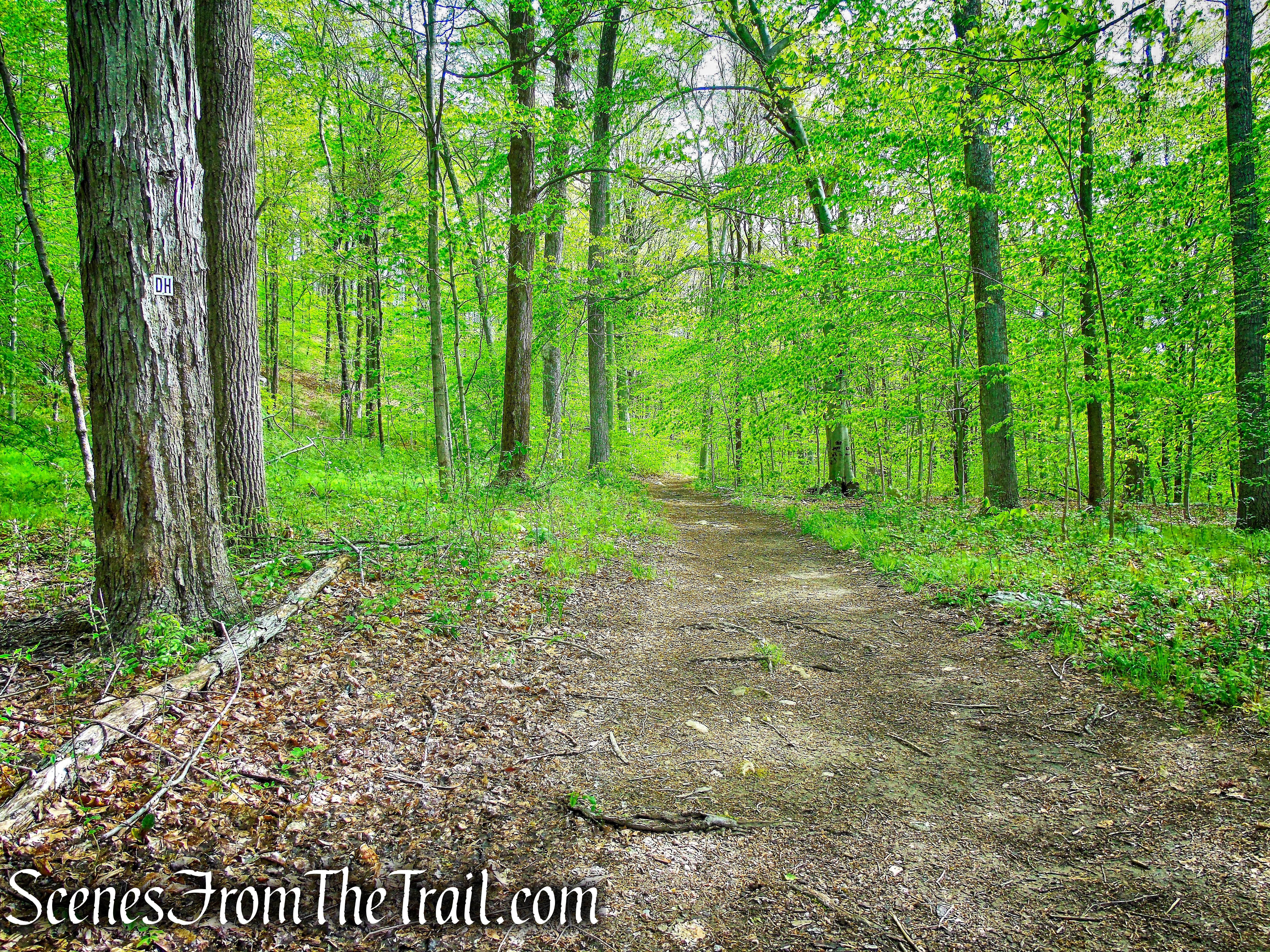
Stony Kill Footpath - Minnewaska State Park Preserve

Stony Kill Footpath – Minnewaska State Park Preserve

Stony Kill Falls viewing platform - Stony Kill Footpath - Minnewaska State Park Preserve

Stony Kill Falls viewing platform – Stony Kill Footpath – Minnewaska State Park Preserve

Normally a sight to behold, on the day of our visit, the falls were dry. A disappointment no doubt, but after an extended dry spell, it was expected.

a dry Stony Kill Falls - Minnewaska State Park Preserve

a dry Stony Kill Falls – Minnewaska State Park Preserve

Below are images from previous visits. 

Stony Kill Falls - August‎ ‎18, 2018 - Minnewaska State Park Preserve

Stony Kill Falls – August‎ ‎18, 2018 – Minnewaska State Park Preserve

Stony Kill Falls - April 18, 2015 - Minnewaska State Park Preserve

Stony Kill Falls – April 18, 2015 – Minnewaska State Park Preserve

From the viewing platform, Tahawus Trails LLC constructed the remaining ascent up the steep bedrock ledge to the summit of the Falls. The trail switchbacks using stone steps and paved landings. The trail includes 140 linear feet of Stone Paved Tread Surface. In total, Tahawus Trails installed 230 steps, shaped from stone on site.

Stony Kill Footpath - Minnewaska State Park Preserve

Stony Kill Footpath – Minnewaska State Park Preserve

Stony Kill Footpath - Minnewaska State Park Preserve

Stony Kill Footpath – Minnewaska State Park Preserve

The stone steps seem to disappear into the hillside.

Stony Kill Footpath - Minnewaska State Park Preserve

Stony Kill Footpath – Minnewaska State Park Preserve

There are 6 Iron Rungs to help navigate a short steep section, along with 70 linear feet of Barrier Railings.

Stony Kill Footpath - Minnewaska State Park Preserve

Stony Kill Footpath – Minnewaska State Park Preserve

The trail then turns right and heads southwest above the gorge. A 9-foot plank bridge is bolted down and secure over a wet area.

Stony Kill Footpath - Minnewaska State Park Preserve

Stony Kill Footpath – Minnewaska State Park Preserve

The trail reaches the top of the falls, where normally there is a 30-foot cascade. 

Stony Kill Footpath - Minnewaska State Park Preserve

Stony Kill Footpath – Minnewaska State Park Preserve

Stony Kill Footpath - Minnewaska State Park Preserve

Stony Kill Footpath – Minnewaska State Park Preserve

Below is an image from a previous visit when the Stony Kill cascades down the staircase-like rock formation before it plummets 87 feet off the cliff..

upper falls – Stony Kill Footpath - August‎ ‎18, 2018

upper falls – Stony Kill Footpath – August‎ ‎18, 2018

The trail heads upstream along the Stony Kill (mostly dry on this day), which flows northeast from Minnewaska State Park to Rondout Creek.

Stony Kill Footpath – Minnewaska State Park Preserve

Stony Kill Footpath – Minnewaska State Park Preserve

The Stony Kill Falls Footpath ends at the northern end of the Stony Kill Falls Carriage Road, where we turned right. A short distance away is the “nudist pool,” that is lined with smooth rock slabs. Beyond the pool, the Stony Kill can be followed upstream for several miles, where the hiker will come across many pools and small cascades, as it flows from Minnewaska State Park.

terminus of Stony Kill Footpath – Minnewaska State Park Preserve

terminus of Stony Kill Footpath – Minnewaska State Park Preserve

nudist pool – Stony Kill

nudist pool – Stony Kill

Retracing our steps, we walked past the junction with with Stony Kill Footpath and proceeded ahead on the Stony Kill Carriage Road. The unmarked Stony Kill Carriage Road is easy to follow as it runs south for 1.5 miles and ends at a junction with the Smiley Carriage Road, just north of Lake Awosting.

Stony Kill Carriage Road - Minnewaska State Park Preserve

Stony Kill Carriage Road – Minnewaska State Park Preserve

The Stony Kill Carriage Road ascends gradually, starting out as a wide woods road then eventually narrowing to a footpath.

Stony Kill Carriage Road - Minnewaska State Park Preserve

Stony Kill Carriage Road – Minnewaska State Park Preserve

Stony Kill Carriage Road - Minnewaska State Park Preserve

Stony Kill Carriage Road – Minnewaska State Park Preserve

Stony Kill Carriage Road - Minnewaska State Park Preserve

Stony Kill Carriage Road – Minnewaska State Park Preserve

Stony Kill Carriage Road - Minnewaska State Park Preserve

Stony Kill Carriage Road – Minnewaska State Park Preserve

After 1.5 miles, the Stony Kill Carriage Road ends at a T-intersection with the Smiley Carriage Road, where we turned left, crossing the new  bridge that spans Fly Brook.

terminus of Stony Kill Carriage Road - Minnewaska State Park Preserve

terminus of Stony Kill Carriage Road – Minnewaska State Park Preserve

Smiley Carriage Road - Minnewaska State Park Preserve

Smiley Carriage Road – Minnewaska State Park Preserve

bridge over Fly Brook on the Smiley Carriage Road - Minnewaska State Park Preserve

bridge over Fly Brook on the Smiley Carriage Road – Minnewaska State Park Preserve

Looking back after crossing the bridge, it looks like a postcard. After approximately 2 miles and 550 feet of elevation gain, this makes for a good spot for a break.

Smiley Carriage Road - Minnewaska State Park Preserve

Smiley Carriage Road – Minnewaska State Park Preserve

The Smiley Carriage Road snakes its way uphill, gradually gaining elevation as it heads south, then veers southeast as it descends to its terminus near Lake Awosting (approximately 0.7 mile from the junction with the Stony Kill Carriage Road).

Smiley Carriage Road - Minnewaska State Park Preserve

Smiley Carriage Road – Minnewaska State Park Preserve

Smiley Carriage Road - Minnewaska State Park Preserve

Smiley Carriage Road – Minnewaska State Park Preserve

Smiley Carriage Road - Minnewaska State Park Preserve

Smiley Carriage Road – Minnewaska State Park Preserve

Smiley Carriage Road - Minnewaska State Park Preserve

Smiley Carriage Road – Minnewaska State Park Preserve

Smiley Carriage Road - Minnewaska State Park Preserve

Smiley Carriage Road – Minnewaska State Park Preserve

At the T-intersection with the Lake Awosting Carriage Road we turned left and walked a short distance to the abandoned Ranger Cabin for another short break.

Old Ranger Cabin - Lake Awosting Carriage Road

Old Ranger Cabin – Lake Awosting Carriage Road

We then headed west on the Lake Awosting Carriage Road searching for views of the lake. Sadly, the only views are between the breaks in the trees. We walked about 350 yards and from the look of things there weren’t any expansive views to be had.

Lake Awosting Carriage Road - Minnewaska State Park Preserve

Lake Awosting Carriage Road – Minnewaska State Park Preserve

Lake Awosting Carriage Road - Minnewaska State Park Preserve

Lake Awosting Carriage Road – Minnewaska State Park Preserve

Lake Awosting - Minnewaska State Park Preserve

Lake Awosting – Minnewaska State Park Preserve

cliffs above Lake Awosting - Minnewaska State Park Preserve

cliffs above Lake Awosting – Minnewaska State Park Preserve

We turned around and headed back towards the Ranger Cabin and as it turns out, the best views over the lake are from there. Unless of course, if one hikes to the other side of the lake. Something we didn’t feel like doing.

Lake Awosting Carriage Road - Minnewaska State Park Preserve

Lake Awosting Carriage Road – Minnewaska State Park Preserve

Lake Awosting Carriage Road - Minnewaska State Park Preserve

Lake Awosting Carriage Road – Minnewaska State Park Preserve

Lake Awosting Carriage Road - Minnewaska State Park Preserve

Lake Awosting Carriage Road – Minnewaska State Park Preserve

Lake Awosting - Minnewaska State Park Preserve

Lake Awosting – Minnewaska State Park Preserve

Lake Awosting - Minnewaska State Park Preserve

Lake Awosting – Minnewaska State Park Preserve

Lake Awosting - Minnewaska State Park Preserve

Lake Awosting – Minnewaska State Park Preserve

We spotted a young Timber Rattler by the steps of the Ranger Cabin. It had a tiny rattle segment called a “button,” signifying its young age. The tip of the tail of a new born Rattlesnake ends in a smooth rounded, slightly pear-shaped, “button,” which is the first segment of the future rattle. As the young snake grows, it sheds its skin. Each time shedding occurs, a new, loosely overlapped and interlocked segment to the rattle is added.

Timber Rattlesnake - Lake Awosting Carriage Road - Minnewaska State Park Preserve

Timber Rattlesnake – Lake Awosting Carriage Road – Minnewaska State Park Preserve

We then returned to the junction with the Smiley Carriage Road and began retracing our steps. The road climbs gradually and once at the top of the rise, it’s all downhill the rest of the way.

Smiley Carriage Road - Minnewaska State Park Preserve

Smiley Carriage Road – Minnewaska State Park Preserve

Smiley Carriage Road - Minnewaska State Park Preserve

Smiley Carriage Road – Minnewaska State Park Preserve

Smiley Carriage Road - Minnewaska State Park Preserve

Smiley Carriage Road – Minnewaska State Park Preserve

Smiley Carriage Road - Minnewaska State Park Preserve

Smiley Carriage Road – Minnewaska State Park Preserve

Smiley Carriage Road - Minnewaska State Park Preserve

Smiley Carriage Road – Minnewaska State Park Preserve

Smiley Carriage Road - Minnewaska State Park Preserve

Smiley Carriage Road – Minnewaska State Park Preserve

After crossing the bridge over Fly Brook, we immediately turned right onto the Stony Kill Carriage Road. 

turn right on Stony Kill Carriage Road - Minnewaska State Park Preserve

turn right on Stony Kill Carriage Road – Minnewaska State Park Preserve

Stony Kill Carriage Road - Minnewaska State Park Preserve

Stony Kill Carriage Road – Minnewaska State Park Preserve

Stony Kill Carriage Road - Minnewaska State Park Preserve

Stony Kill Carriage Road – Minnewaska State Park Preserve

Stony Kill Carriage Road - Minnewaska State Park Preserve

Stony Kill Carriage Road – Minnewaska State Park Preserve

Stony Kill Carriage Road - Minnewaska State Park Preserve

Stony Kill Carriage Road – Minnewaska State Park Preserve

Stony Kill Carriage Road - Minnewaska State Park Preserve

Stony Kill Carriage Road – Minnewaska State Park Preserve

Stony Kill Carriage Road - Minnewaska State Park Preserve

Stony Kill Carriage Road – Minnewaska State Park Preserve

After 1.5 miles, we turned right onto the Stony Kill Footpath, past the dry falls, scrambling down the steep path and crossing the footbridges over the Stony Kill.

turn right on Stony Kill Footpath - Minnewaska State Park Preserve

turn right on Stony Kill Footpath – Minnewaska State Park Preserve

Stony Kill Footpath - Minnewaska State Park Preserve

Stony Kill Footpath – Minnewaska State Park Preserve

In about 1/2 mile, we returned back to the parking area, where the hike began. 

Stony Kill Footpath - Minnewaska State Park Preserve

Stony Kill Footpath – Minnewaska State Park Preserve

The most colorful foliage that we saw throughout the hike was right by the parking lot. When we returned to the parking area at about 2:30 pm, the lot was mostly filled, with cars coming and going.

Stony Kill Falls Trailhead - Minnewaska State Park Preserve

Stony Kill Falls Trailhead – Minnewaska State Park Preserve

Review: 

A truly nice and peaceful hike through a gorgeous area of Minnewaska State Park. The area around Stony Kill Falls attracts crowds. We were the first ones in so we didn’t see anyone until our return. We did not encounter any other hikers on either the Stony Kill Carriage Road or the Smiley Carriage Road, although we saw several bikers on Smiley. We also saw bear scat on both the Stony Kill Carriage Road and the Smiley Carriage Road. The area around Lake Awosting was quiet, with only several hikers and bikers passing by during the time we were there. This is a hike better done in Autumn when the leaves are at or near peak and Stony Kill Falls has some water flowing over it.

Pros:

The Stony Kill Footpath and the Smiley Carriage Road are two of the most attractive trails that I have hiked on, Stony Kill Falls, easy to follow trails, lesser traveled area, scenic landscape, great fall colors.

Cons:

In times of low water Stony Kill Falls can be dry, area around the falls can get crowded.

Take a hike!

Lake Awosting via Stony Kill Carriage Road - Minnewaska State Park Preserve

Lake Awosting via Stony Kill Carriage Road – Minnewaska State Park Preserve


Ice Caves and Lake Maratanza Loop – Sam’s Point Preserve

October 5, 2019 – Cragsmoor, NY

Difficulty: Easy – Moderate

Length: Approximately 5.2 miles

Max elevation: 2,273 ft.– total elevation gain approximately 603 ft.

Route type: Circuit

Map: Shawangunk Trails #104 

Fee: $10.00 per vehicle – Empire Pass Accepted

Trailhead parking: 400 Sam’s Point Road – Cragsmoor, NY 12420

Please Note: The vehicle use fee is $10 per car. Sam’s Point has a small parking facility, with room for 64 cars and 2 buses.

As of April 2022Reservations are required weekends and holidays ONLY, from May 1st through October 31st for the Sam’s Point Area of Minnewaska State Park Preserve.

Reservations are for Day Pass ONLY, and required for a morning session starting at 9AM to end at 2PM or afternoon session starting at 2PM to end at posted park closing time. All morning reservations must arrive between 9 AM and 11 AM. Reservations may be purchased up to 14 days before a visit and up to 8 am on the day of a visit for an AM reservation and 1 pm for a PM reservation. There is a limit of 65 permits issued per session. The vehicle use fee is $10 per car and the reservation fee is 95 cents. If you hold a current Empire Pass, Lifetime Liberty Pass or Access Pass there is no fee to make a reservation. If you have any difficulty making a reservation, call the reserve America call center at 1-800-456-CAMP (2267). Click HERE to make an online reservation.


Synopsis:

This loop hike follows a wide carriage road as it climbs Sam’s Point to spectacular views. It leaves the road and follows a narrow path through the crevices of the Ice Caves, and continues on a carriage road around Lake Maratanza and past the ruins of berry pickers shacks before it returns to the parking area.


Park Overview:

The Sam’s Point Preserve, located on the highest section of the Shawangunk Mountains, is the most southerly section of Minnewaska State Park Preserve. The area is comprised of approximately 5,400 acres, and is considered to be the most biologically unique area of the entire ridge, and of all the protected natural areas of the Shawangunks, is the least fragmented by hiking trails and carriage roads.

The landscape at Sam’s Point is defined by the dramatic cliffs, talus and slab rock that are all part of the high flat plateau that makes up the Preserve. The top of the plateau is dominated by unique dwarf pitch pine barrens, and is considered one of the world’s best examples of this globally rare plant community.

In addition to the unique pine barrens, Sam’s Point Preserve is well-known for the presence of ice caves on the property. Crevice caves, located generally in the talus slopes below the cliffs, retain ice and snow into the late spring and early summer months and are a cool and popular destination for hikers. One set of these caves on the east side of the Preserve are easily accessed by foot on a trail including boardwalks and reached by carriage roads.

Sam’s Point Preserve is open to the public year round for passive recreation including hiking, educational activities, show-shoeing and skiing.

Formerly managed by The Nature Conservancy, Sam’s Point Preserve became a part of Minnewaska State Park Preserve in 2015. It is now owned and operated by the New York State Office of Parks, Recreation and Historic Preservation.

Minnewaska State Park Preserve - Sam's Point Area

Minnewaska State Park Preserve – Sam’s Point Area

Sam’s Point contains a bounty of natural splendor. It is home to Lake Maratanza, one of the five Shawangunk sky lakes; ice cave crevices that you can explore; cliffs and numerous scenic vistas. Verkeerder Kill Falls, is a spectacular 187 foot high waterfall located on private property, please respect the use of private property and remain on the trail.

Lake Maratanza - Sam's Point Preserve

Lake Maratanza – Sam’s Point Preserve

Ice Caves Trail - Sam's Point Preserve

Ice Caves Trail – Sam’s Point Preserve

Scenic Vista - Sam's Point Preserve

Scenic Vista – Sam’s Point Preserve


History:

Human use of Sam’s Point can be dated back some 8,000 years and there are abundant locations on the property that likely served as rock shelters. Sam’s Point is named for an early European settler named Sam Gonzales who is fabled to have jumped off the cliff escarpment while being pursued by Native Americans.

Sam’s Point was the location of two small resort hotels developed in the mid-1800’s, that were eventually destroyed by fire. At the turn of the century, the property was promoted as “Sam’s Point Park” for swimming, fishing, boating, photography and walking. Roadways were constructed to access the hotel on the shore of Lake Maratanza. In the 1930’s, the Civilian Conservation Corps built a road to the High Point Lookout to access a fire tower there.

From the mid to late 1800’s until the 1960’s locals and visitors would populate seasonal camps on the property to pick huckleberries and blueberries, creating a significant local industry. This industry passed away with the advent of blueberry cultivation in the New Jersey pine barrens and changes in the local economy after World War Two. Berry pickers were known to set fires on the preserve to enhance berry production. Remains of berry picker shacks are still in evidence on the Preserve, and are considered an important part of the cultural history of the Preserve.

The Village of Ellenville acquired ownership of the property to protect the watershed of Lake Maratanza, which served as a water supply for the community. The lake was dredged and dammed in the 1950’s, converting it from the smallest lake in the Shawangunks to the second largest, after Lake Awosting. In 1967 the property was leased out and developed as a tourist attraction known as “Ellenville Ice Caves Mountain.” An interpretive path through the ice caves talus area was created and serves as the route still visited by many today.

In 1996, the Open Space Institute (OSI) acquired Ice Caves Mountain Incorporated from the Village of Ellenville. In 2006, 3,799 acres of the Preserve were transferred to the Palisades Interstate Park Commission, and is now under the same ownership as Minnewaska State Park Preserve.


Trails Overview:

Sam’s Point Preserve is the highest and wildest part of the Shawangunks, with approximately 16-mile network of old roads and footpaths that can be formed into any number of loop hikes, ranging from easy to strenuous. The Preserve offers inviting destinations for hikers relatively close to the main parking area and Sam’s Point Visitor Center: Sam’s Point, with its spectacular views; the Ice Caves, with its own 0.5 mile mini-loop trail, where ice and snow can be seen even in the summer; and Lake Maratanza, the highest of the “Sky Lakes.” Further away are 187-foot Verkeerder Kill Falls, the highest waterfall in the Shawangunks; Indian Rock, a large fractured boulder perched near the top of a cliff and balanced on a smaller boulder; and High Point, the highest point in the area at 2,240 feet.

Trails:

~The Indian Rock Footpath is CLOSED until further notice.

~Please Note: The Ice Caves are only open to the public from April to October.

  • Right Fork on Loop Road— to Sam’s Point, the Ice Caves and Verkeerder Kills Falls: From the parking area, walk around the gate and take the right fork of the Loop Road to follow the Long Path (aqua blaze) heading southeast at this point. This branch leads to Sam’s Point, then passes by a side trail to the Ice Caves at 1.0 mile (a must to take) and reaches Verkeerder Kill Falls in 3.0 miles.
    ~Note: From this point, the Long Path no longer heads east towards Mud Pond. It now follows the High Point Trail (red) heading north to Berrypicker Trail (blue). Then from Smiley Carriage Road north, the LP follows the Mine Hole Trail. Click for an updated description of this section of the Long Path.
  • Left Fork on Loop Road — to Indian Rock and High Point: From the parking area, walk around the gate and take the left fork of the Loop Road heading northwest, which is briefly co-aligned with the Long Path (aqua blaze). When the Long Path leaves to the left, remain straight on the Loop Road; it will eventually reach the level of Lake Maratanza, which can be glimpsed from the road on the right. Near the most distant point of the Loop Road, as it begins to circle back around the lake, is High Point Carriage Road. Both Indian Rock and High Point are accessible from side trails along this road.

Hike Overview:

Sam’s Point is a popular destination and it is advisable to get there early to assure that you will gain entry. We arrived at about 8:30 am (the preserve opens at 9:00 am) and there was a line of about 10 cars just outside the gate already. More cars were lined up behind us by the time the gates opened. When we were leaving at about 1:30 pm, there was a long line of cars waiting to get in.

Sam's Point Area - Minnewaska State Park Preserve

Sam’s Point Area – Minnewaska State Park Preserve

This hike takes the Right Fork on Loop Road and ascends on the carriage road to several viewpoints. It then leaves Loop Road and follows Ice Caves Road (a gravel road) as it descends to the Ice Caves Trail. After emerging from the Ice Caves Trail, retracing steps back to Loop Road and turning right. The hike continues on Loop Road as it makes its way around Lake Maratanza, past the remains of Berry Pickers shacks and back to the parking area. 

This hike was done in a counterclockwise manner.

Ice Caves & Lake Maratanza Loop - Sam's Point

Ice Caves & Lake Maratanza Loop – Sam’s Point


The Hike:

From the parking area, walk around the gate and take the right fork of the Loop Road (a gravel road, closed to private vehicles). Follow the road uphill on switchbacks through a deciduous forest. In about half a mile, you’ll pass dramatic cliffs of Shawangunk Conglomerate on the left, with excellent views from rock outcrops on the right. Just beyond, you’ll see a wide dirt road that goes off to the left. Turn left and follow this road, which leads in a short distance to the top of Sam’s Point, with even more spectacular views to the south along the Shawangunk Ridge and to the east over the Wallkill Valley. This is a good spot to take a break.

Loop Road - Sam's Point Preserve

Loop Road – Sam’s Point Preserve

Loop Road - Sam's Point Preserve

Loop Road – Sam’s Point Preserve

Loop Road - Sam's Point Preserve

Loop Road – Sam’s Point Preserve

As of march 2022, the Lenape Steps are officially open. Jolly Rovers has more information on the 3 year long project.

Lenape Steps under construction - Loop Road

Lenape Steps under construction – Loop Road

Loop Road - Sam's Point Preserve

Loop Road – Sam’s Point Preserve

Loop Road - Sam's Point Preserve

Loop Road – Sam’s Point Preserve

Loop Road - Sam's Point Preserve

Loop Road – Sam’s Point Preserve

Loop Road - Sam's Point Preserve

Loop Road – Sam’s Point Preserve

turn left towards Sam's Point Overlook

turn left towards Sam’s Point Overlook

Sam's Point Overlook

Sam’s Point Overlook

Sam's Point Overlook

Sam’s Point Overlook

Sam's Point Overlook

Sam’s Point Overlook

Sam's Point Overlook

Sam’s Point Overlook

Sam's Point parking lot

Sam’s Point parking lot

Sam's Point Overlook

Sam’s Point Overlook

Sam's Point Overlook

Sam’s Point Overlook

After taking in the views, return to the Loop Road (now paved) and turn left. The road levels off, and the vegetation changes dramatically. The deciduous forest that you have encountered up to here is replaced by a ridgetop dwarf pitch pine forest, with a thick understory of blueberries and huckleberries. Most of the pitch pines grow only about three-to-six feet high – not much higher than the blueberries in the understory!

Loop Road - Sam's Point Preserve

Loop Road – Sam’s Point Preserve

Continue along the road for another half a mile until you reach a junction where a gravel road descends to the right. Note this junction as you will return here as the continuation of the hike will bring you back to this spot. Turn right, following a sign to Ice Caves Road. In a short distance, you’ll notice a sign marking the start of the Verkeerderkill Falls Trail to the left. Continue ahead along Ice Caves Road. As the road descends, it curves to the north, with views ahead over the northern part of the Shawangunk Ridge, including Castle Point and Gertrude’s Nose in Minnewaska State Park.

turn right on Ice Caves Road

turn right on Ice Caves Road

turn right on Ice Caves Road

turn right on Ice Caves Road

Ice Caves Road - Sam's Point Preserve

Ice Caves Road – Sam’s Point Preserve

continue past the junction and stay on Ice Caves Road

continue past the junction and stay on Ice Caves Road

Ice Caves Road - Sam's Point Preserve

Ice Caves Road – Sam’s Point Preserve

At the end of the road, you’ll come to a large open area that formerly was used for parking when the road was open to vehicular traffic. Towards the end of the open area, a sign marks the start of the Ice Caves Loop Trail. Developed as a commercial tourist attraction by a private individual in 1967, the Ice Caves were closed in 1996 when the property was acquired by The Nature Conservancy. In 2002, they reopened, but some artificial features (such as colored lights) have been eliminated.

Ice Caves Loop Trail - Sam's Point Preserve

Ice Caves Loop Trail – Sam’s Point Preserve

Ice Caves Loop Trail - Sam's Point Preserve

Ice Caves Loop Trail – Sam’s Point Preserve

Turn right and descend on a winding footpath, with wooden guardrails, steeply in places. Soon, you’ll descend stone steps into a crevice in the rock, passing underneath a rock wedged overhead. The difference in temperature is quite noticeable! After turning left and passing through a narrower crevice, the trail emerges into the open. Follow the white blazes, which cross several wooden bridges and lead along the base of cliffs on the left, passing beneath overhanging rock ledges. At one point, you’ll have to climb a short wooden ladder.

Ice Caves Loop Trail - Sam's Point Preserve

Ice Caves Loop Trail – Sam’s Point Preserve

Ice Caves Loop Trail - Sam's Point Preserve

Ice Caves Loop Trail – Sam’s Point Preserve

Ice Caves Loop Trail - Sam's Point Preserve

Ice Caves Loop Trail – Sam’s Point Preserve

Ice Caves Loop Trail - Sam's Point Preserve

Ice Caves Loop Trail – Sam’s Point Preserve

Ice Caves Loop Trail - Sam's Point Preserve

Ice Caves Loop Trail – Sam’s Point Preserve

Ice Caves Loop Trail - Sam's Point Preserve

Ice Caves Loop Trail – Sam’s Point Preserve

Ice Caves Loop Trail - Sam's Point Preserve

Ice Caves Loop Trail – Sam’s Point Preserve

Ice Caves Loop Trail - Sam's Point Preserve

Ice Caves Loop Trail – Sam’s Point Preserve

Ice Caves Loop Trail - Sam's Point Preserve

Ice Caves Loop Trail – Sam’s Point Preserve

Ice Caves Loop Trail - Sam's Point Preserve

Ice Caves Loop Trail – Sam’s Point Preserve

Soon, the trail turns left and continues through a rock crevice deep below the surface. Motion-sensitive lighting has been installed to illuminate your passage through this cool, dark area. When you leave this crevice and again emerge into the open, you’ll descend wooden steps, climb stone steps and a wooden ladder, and continue past more dramatic cliffs and under overhanging rock ledges.

Ice Caves Loop Trail - Sam's Point Preserve

Ice Caves Loop Trail – Sam’s Point Preserve

Ice Caves Loop Trail - Sam's Point Preserve

Ice Caves Loop Trail – Sam’s Point Preserve

Ice Caves Loop Trail - Sam's Point Preserve

Ice Caves Loop Trail – Sam’s Point Preserve

Ice Caves Loop Trail - Sam's Point Preserve

Ice Caves Loop Trail – Sam’s Point Preserve

Ice Caves Loop Trail - Sam's Point Preserve

Ice Caves Loop Trail – Sam’s Point Preserve

Ice Caves Loop Trail - Sam's Point Preserve

Ice Caves Loop Trail – Sam’s Point Preserve

A short distance ahead, the trail bears left and goes through another narrow crevice on a raised boardwalk. The Ice Caves are named for this spot, where ice and snow can usually be seen even in late summer!

Ice Caves Loop Trail - Sam's Point Preserve

Ice Caves Loop Trail – Sam’s Point Preserve

Ice Caves Loop Trail - Sam's Point Preserve

Ice Caves Loop Trail – Sam’s Point Preserve

Ice Caves Loop Trail - Sam's Point Preserve

Ice Caves Loop Trail – Sam’s Point Preserve

Ice Caves Loop Trail - Sam's Point Preserve

Ice Caves Loop Trail – Sam’s Point Preserve

Ice Caves Loop Trail - Sam's Point Preserve

Ice Caves Loop Trail – Sam’s Point Preserve

Ice Caves Loop Trail - Sam's Point Preserve

Ice Caves Loop Trail – Sam’s Point Preserve

Ice Caves Loop Trail - Sam's Point Preserve

Ice Caves Loop Trail – Sam’s Point Preserve

Leaving this rock crevice, you’ll climb a wooden ladder and emerge on a open rock outcrop where a solar panel has been installed to provide power to the lighting in the caves. This marks the end of your spectacular trip through the Ice Caves. Here, the white-blazed trail turns right and returns to the start of the loop. Before following this trail, turn left and proceed a short distance to exposed rock outcrops, with excellent views to the north and east.

Ice Caves Loop Trail - Sam's Point Preserve

Ice Caves Loop Trail – Sam’s Point Preserve

Scenic Vista - Ice Caves Loop Trail - Sam's Point Preserve

Scenic Vista – Ice Caves Loop Trail – Sam’s Point Preserve

Scenic Vista - Ice Caves Loop Trail - Sam's Point Preserve

Scenic Vista – Ice Caves Loop Trail – Sam’s Point Preserve

Scenic Vista - Ice Caves Loop Trail - Sam's Point Preserve

Scenic Vista – Ice Caves Loop Trail – Sam’s Point Preserve

After enjoying the views, continue ahead on the white-blazed trail and follow it back to the open area where you started the descent into the Ice Caves.

Ice Caves Loop Trail - Sam's Point Preserve

Ice Caves Loop Trail – Sam’s Point Preserve

Ice Caves Loop Trail - Sam's Point Preserve

Ice Caves Loop Trail – Sam’s Point Preserve

Ice Caves Loop Trail - Sam's Point Preserve

Ice Caves Loop Trail – Sam’s Point Preserve

terminus of Ice Caves Loop Trail - Sam's Point Preserve

terminus of Ice Caves Loop Trail – Sam’s Point Preserve

Now retrace your steps up the gravel road, past the junction with the Verkeerderkill Falls Trail, to the junction with Loop Road. Turn right at the T-intersection and follow the carriage road as it heads northeast, a short distance towards Lake Maratanza.

Ice Caves Road - Sam's Point Preserve

Ice Caves Road – Sam’s Point Preserve

Ice Caves Road - Sam's Point Preserve

Ice Caves Road – Sam’s Point Preserve

turn right on Loop Road

turn right on Loop Road

Loop Road - Sam's Point Preserve

Loop Road – Sam’s Point Preserve

Lake Maratanza is the highest of the five “Sky Lakes” (the others are Mohonk Lake, Lake Minnewaska, Lake Awosting and Mud Pond) on the Shawangunk Ridge at 2,245 feet above sea level. It receives its water only from rainfall, both directly and as a runoff from the very low slopes around its perimeter.

Lake Maratanza - Sam's Point Preserve

Lake Maratanza – Sam’s Point Preserve

In 1902, LeGrand Botsford constructed a hotel next to Lake Maratanza. LeGrand’s hotel burned down within just two years.

Lake Maratanza - Sam's Point Preserve

Lake Maratanza – Sam’s Point Preserve

After taking a break at the shore of the lake, continue to follow Loop Road as it makes its way around the perimeter of the lake. The road then passes a junction with High Point Carriage Road marked by a wooden sign. Continue ahead on Loop Road as it passes by several radio towers on the right. In a short distance, an unmarked side trail begins on the left (opposite a road on the right that leads to one of the towers). Follow this side trail a short distance down to the scenic Lake Maratanza.

Loop Road - Sam's Point Preserve

Loop Road – Sam’s Point Preserve

Lake Maratanza - Sam's Point Preserve

Lake Maratanza – Sam’s Point Preserve

Loop Road - Sam's Point Preserve

Loop Road – Sam’s Point Preserve

Loop Road - Sam's Point Preserve

Loop Road – Sam’s Point Preserve

unmarked footpath - Sam's Point Preserve

unmarked footpath – Sam’s Point Preserve

Lake Maratanza - Sam's Point Preserve

Lake Maratanza – Sam’s Point Preserve

Lake Maratanza - Sam's Point Preserve

Lake Maratanza – Sam’s Point Preserve

After taking a break at the shore of the lake, return to Loop Road and turn left. Follow the road downhill, passing the remains of shacks on the right, built to house the “berry pickers” who lived there seasonally while harvesting the blueberries and huckleberries which are found in abundance in the area.

Loop Road - Sam's Point Preserve

Loop Road – Sam’s Point Preserve

Loop Road - Sam's Point Preserve

Loop Road – Sam’s Point Preserve

Berry Picker Cabins - Sam's Point Preserve

Berry Picker Cabins – Sam’s Point Preserve

Berry Picker Cabins - Sam's Point Preserve

Berry Picker Cabins – Sam’s Point Preserve

Berry Picker Cabins - Sam's Point Preserve

Berry Picker Cabins – Sam’s Point Preserve

Berry Picker Cabins - Sam's Point Preserve

Berry Picker Cabins – Sam’s Point Preserve

Berry Picker Cabins - Sam's Point Preserve

Berry Picker Cabins – Sam’s Point Preserve

Loop Road continues downhill and passes several dilapidated berry pickers shacks on the right. The berry pickers were a group of working-class men and women who began to inhabit the Shawangunk Ridge seasonally in the middle of the nineteenth century. At some point, the berry pickers began to establish seasonal and/or semi permanent camps within what is now the Preserve and the adjacent lands.

Loop Road - Sam's Point Preserve

Loop Road – Sam’s Point Preserve

Berry Picker Cabins - Sam's Point Preserve

Berry Picker Cabins – Sam’s Point Preserve

Loop Road - Sam's Point Preserve

Loop Road – Sam’s Point Preserve

Berry Picker Cabin - Sam's Point Preserve

Berry Picker Cabin – Sam’s Point Preserve

Berry Picker Cabin - Sam's Point Preserve

Berry Picker Cabin – Sam’s Point Preserve

Soon, Loop Road makes its way back to the parking area, where the hike began.

Loop Road - Sam's Point Preserve

Loop Road – Sam’s Point Preserve


Review:

A wonderful hiking experience that has a lot to offer. The views are breathtaking and the Ice Caves are a must if visiting. This place fills up early and is best visited on a weekday to avoid the crowds. The carriage roads are easy walking with the footpaths a little more rugged. The Ice Caves Loop Trail is slightly challenging, but very rewarding. Worth the trip to explore this area with its unique scenic landscape.
~Please Note: The Ice Caves are only open to the public from April to October.

Pros: Scenic views, Ice Caves, Lake Maratanza, The Gunks, historical features.

Cons: Gets extremely crowded on weekends.


Take a hike!

Ice Caves and Lake Maratanza Loop – Sam’s Point Preserve

Ice Caves and Lake Maratanza Loop – Sam’s Point Preserve


Sources: