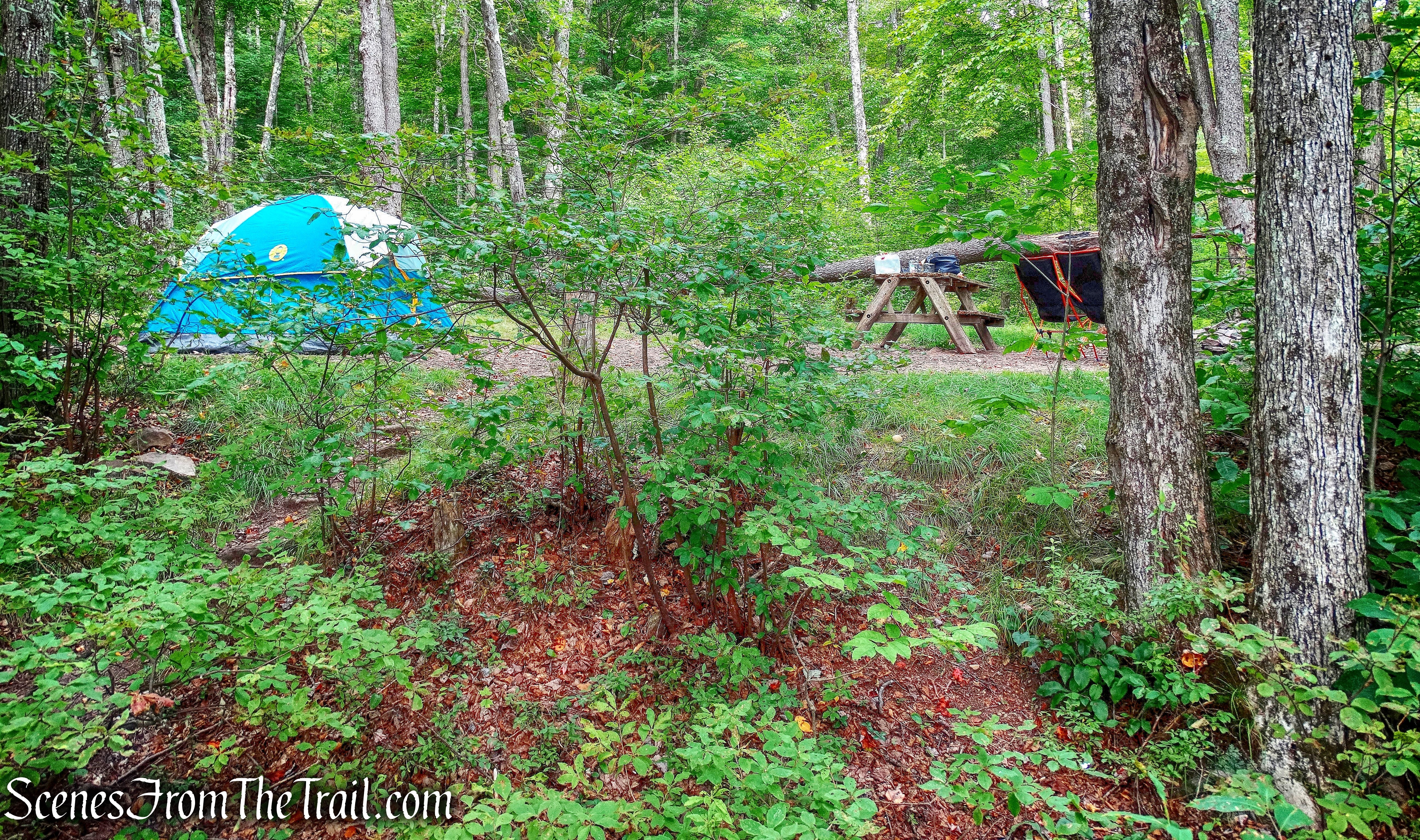
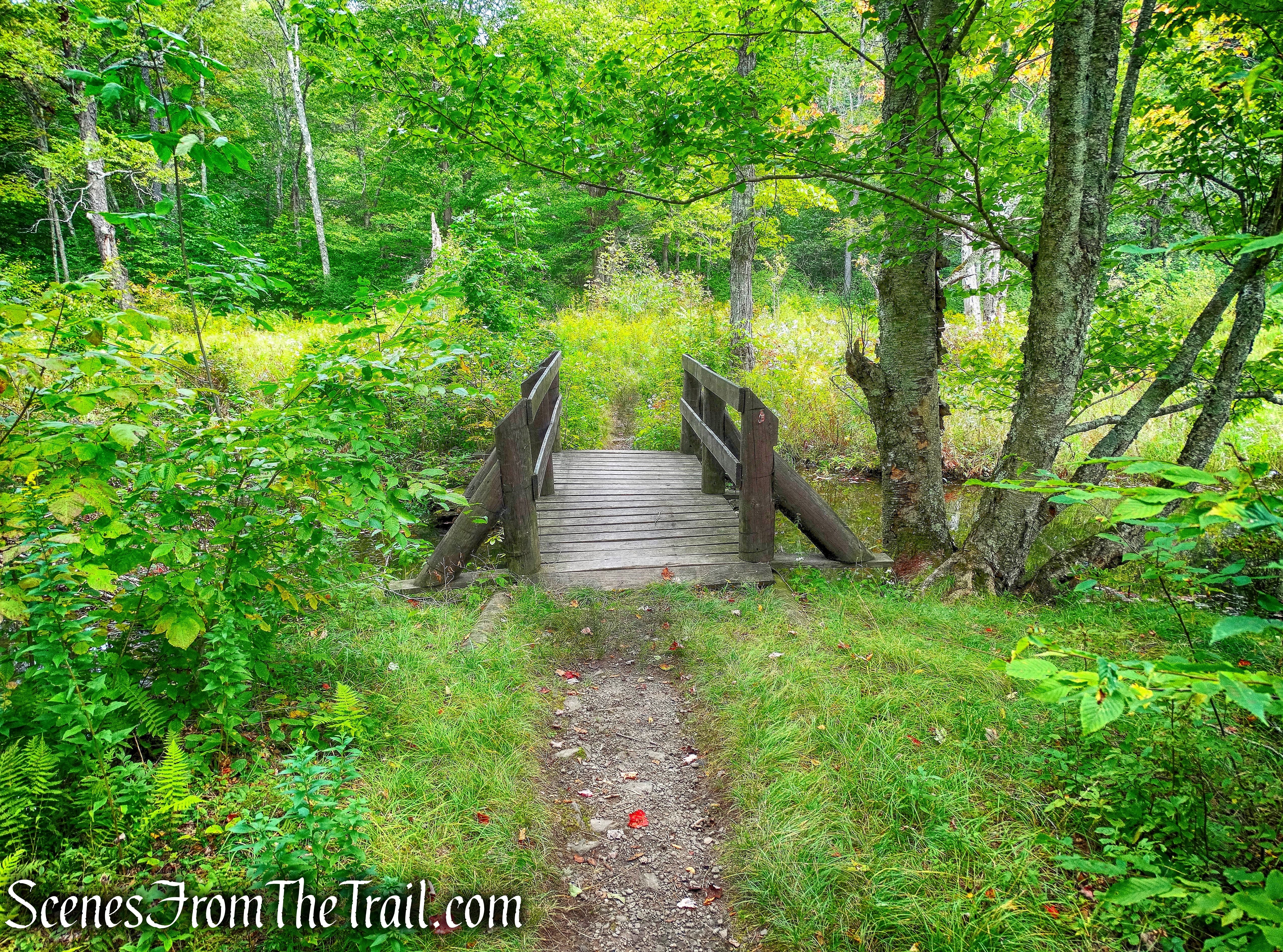
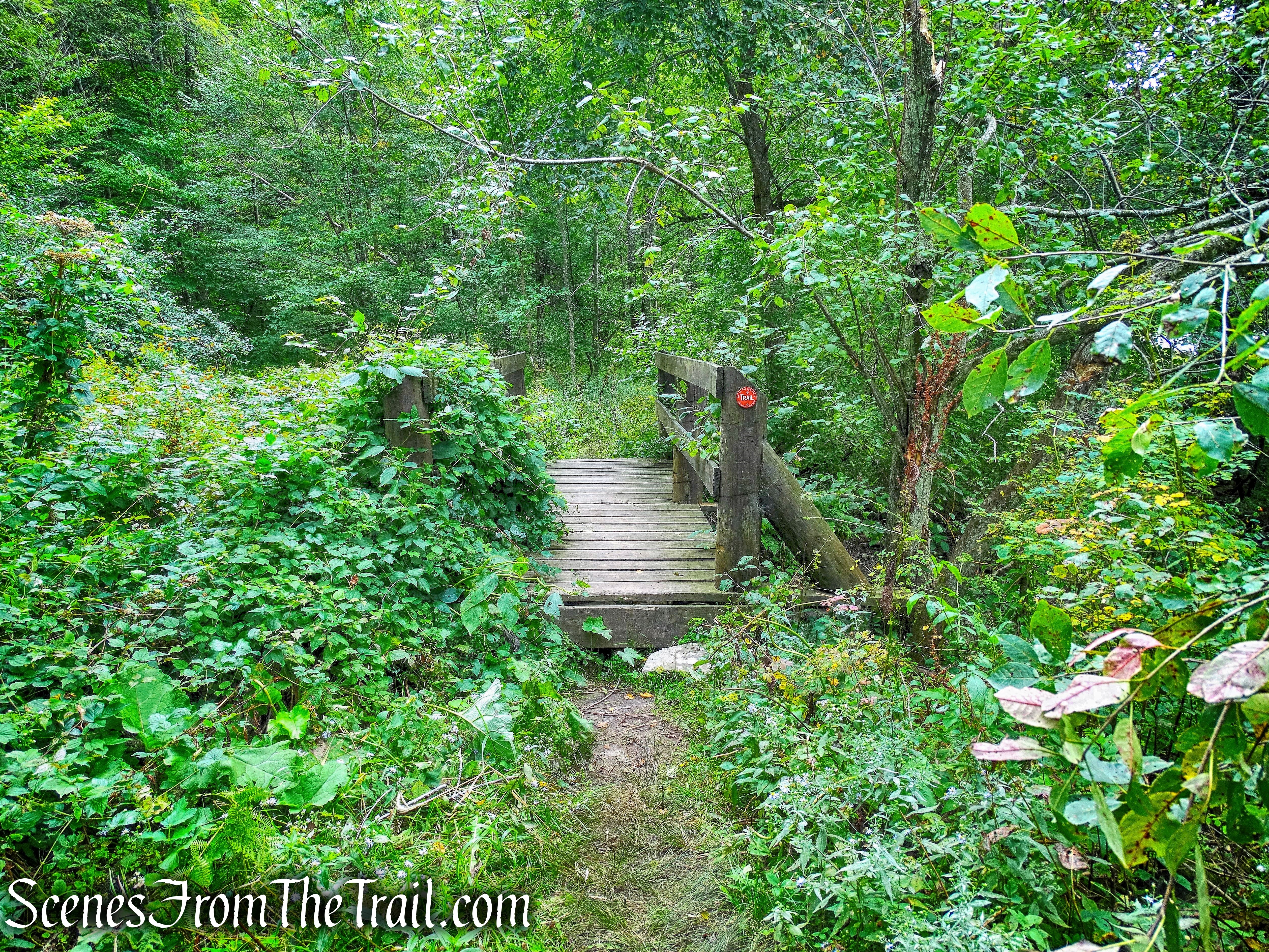
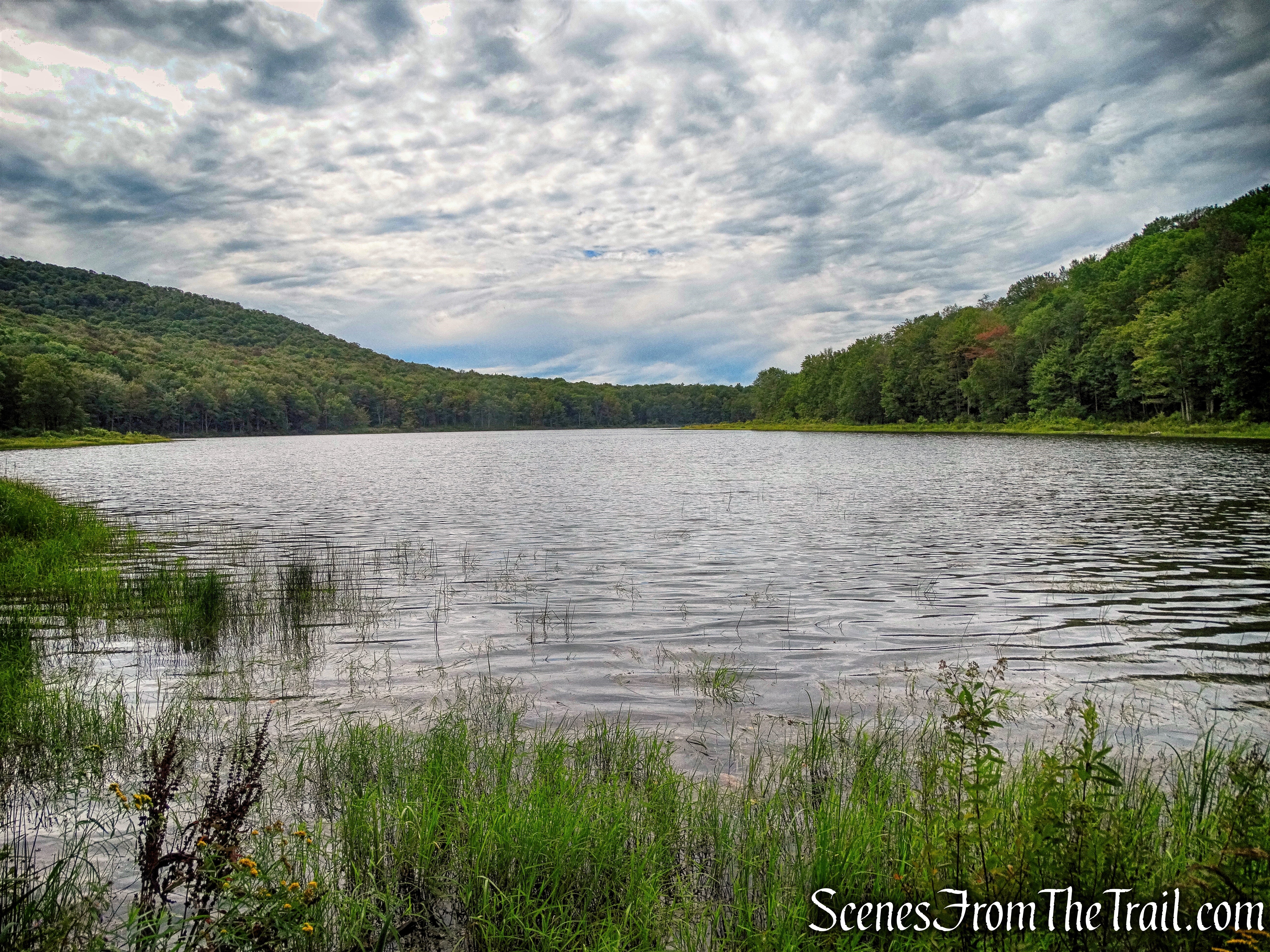
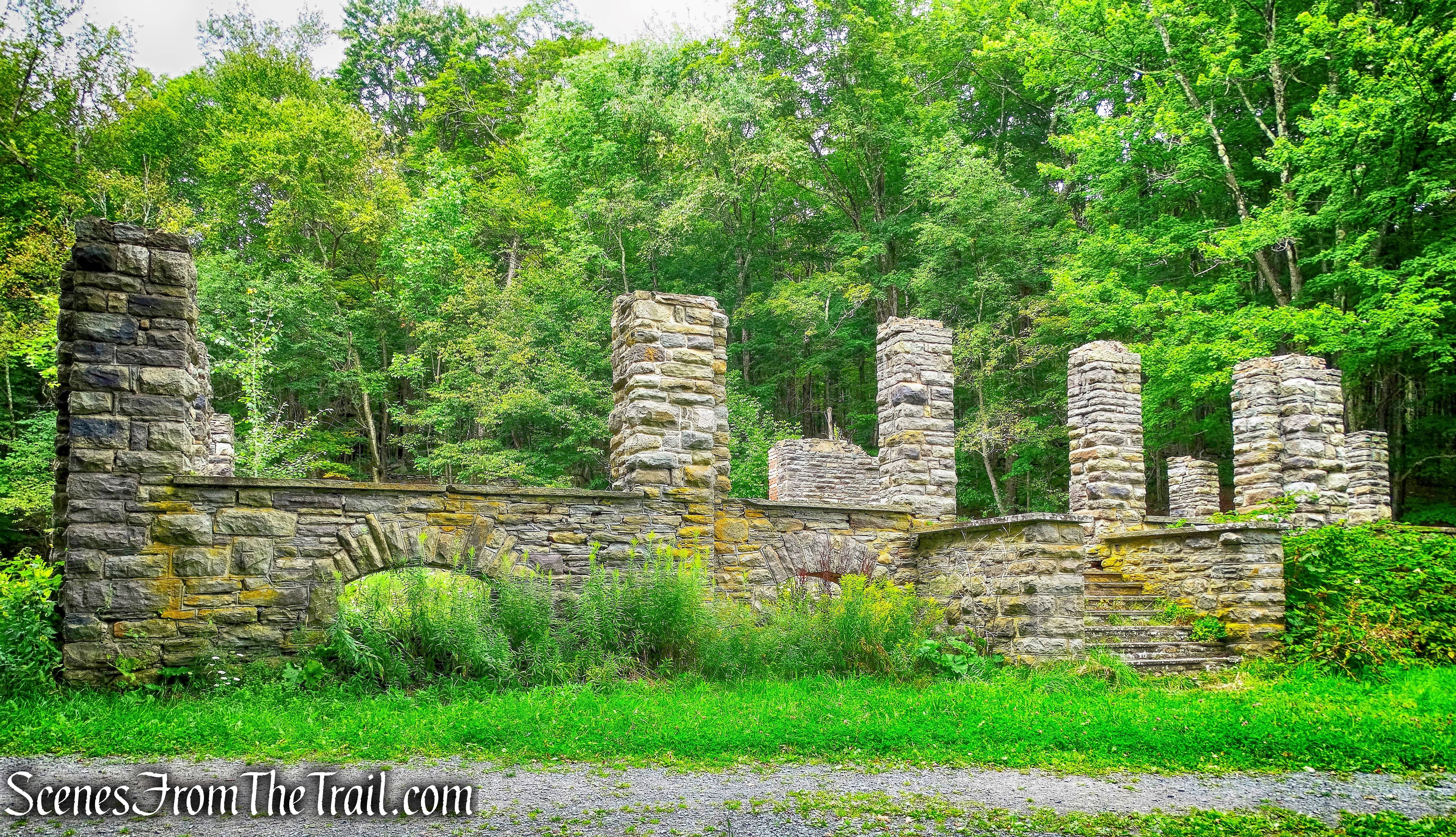
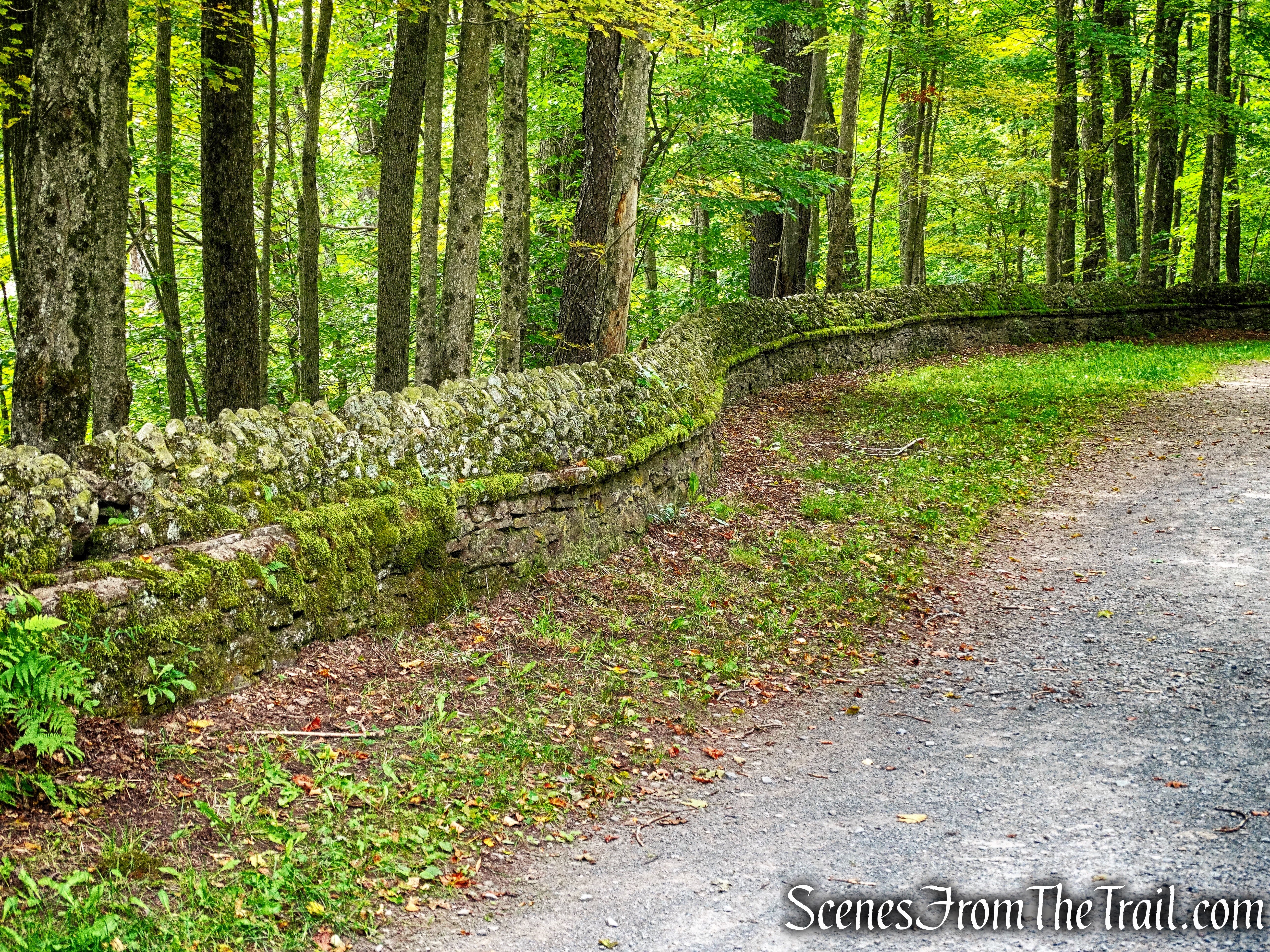
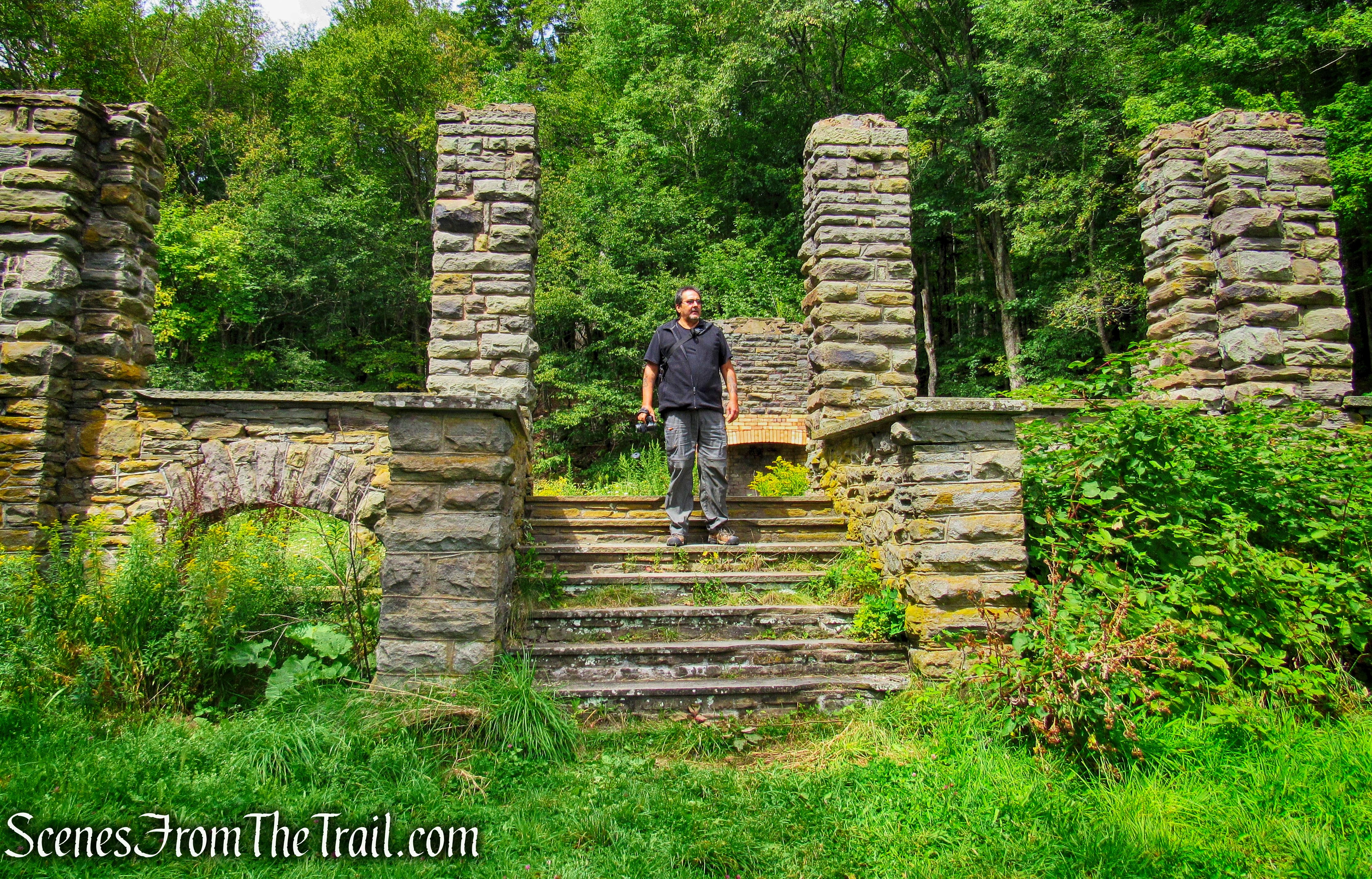
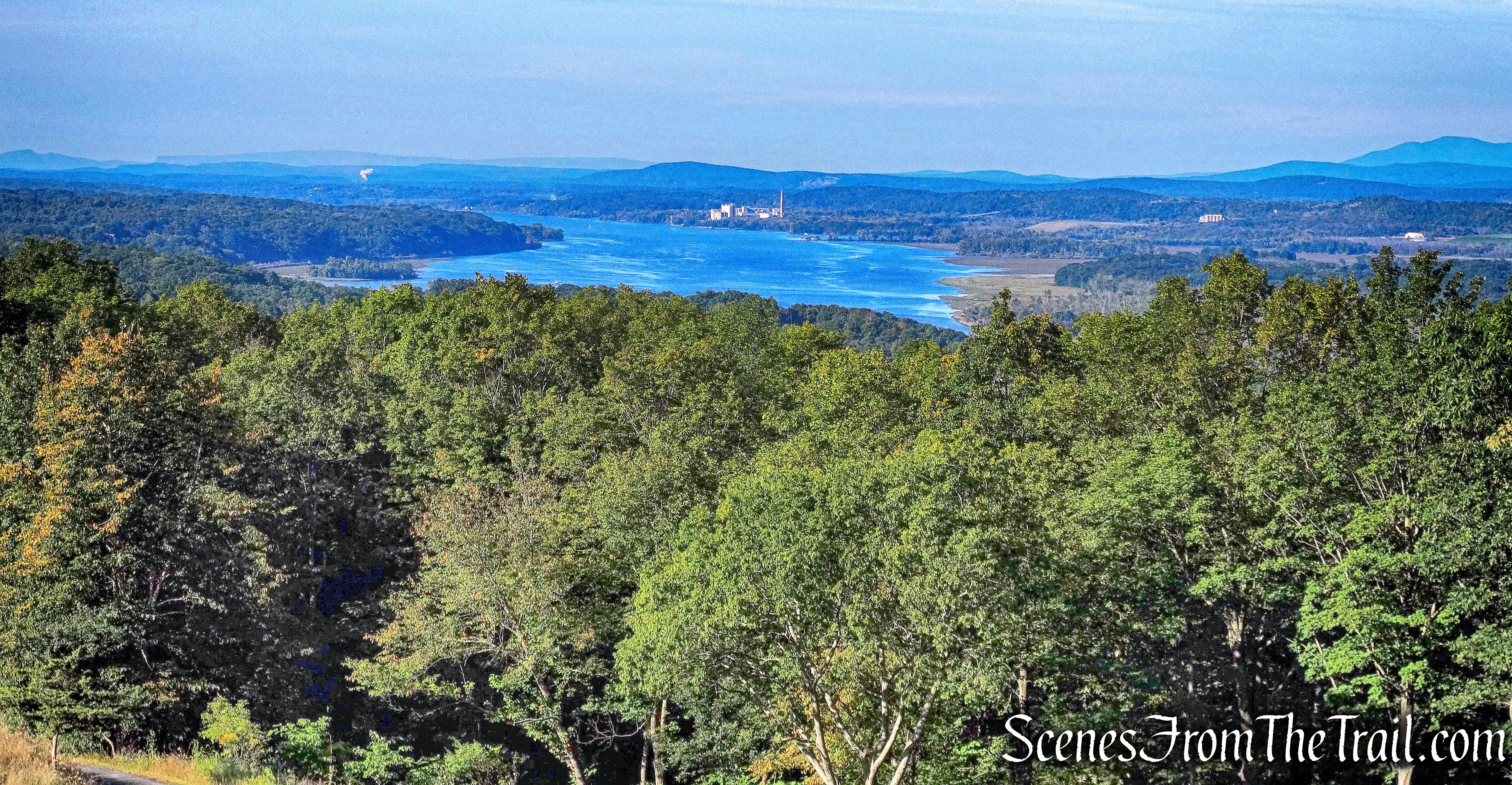
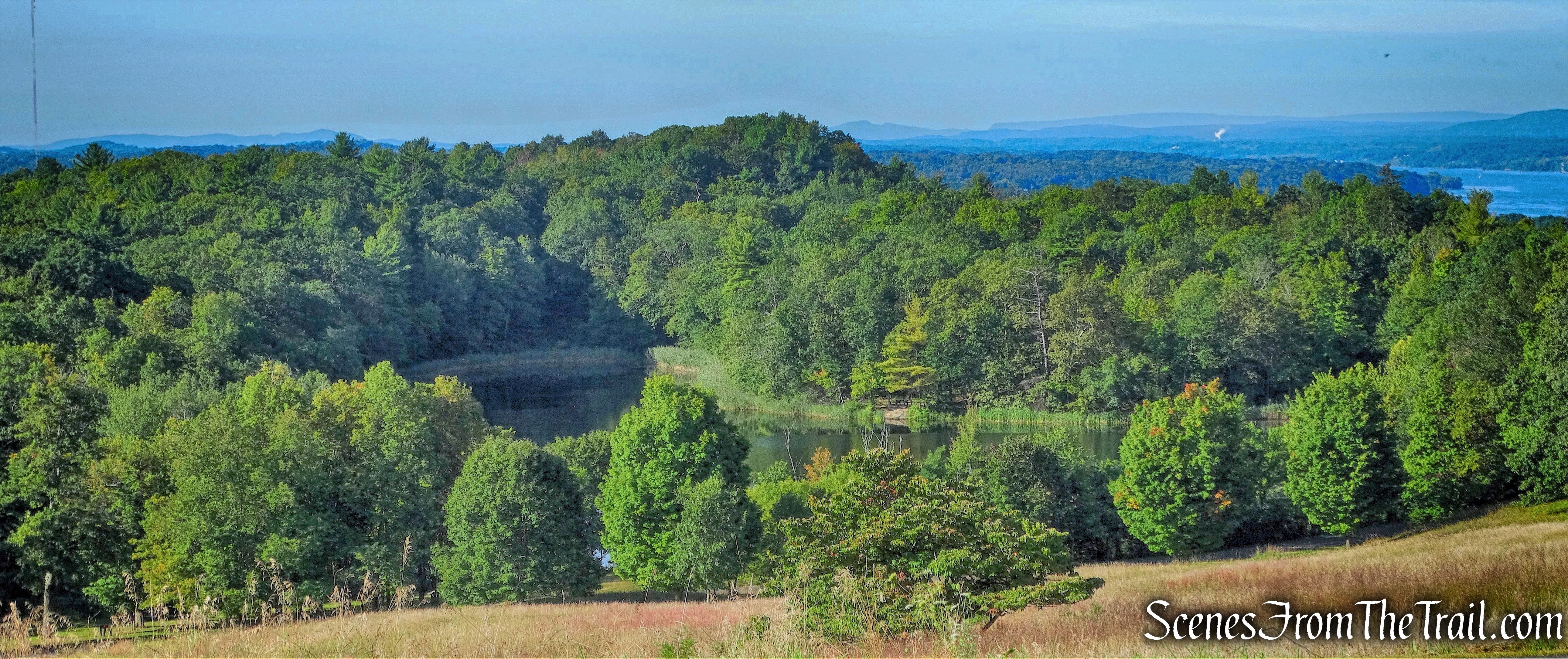
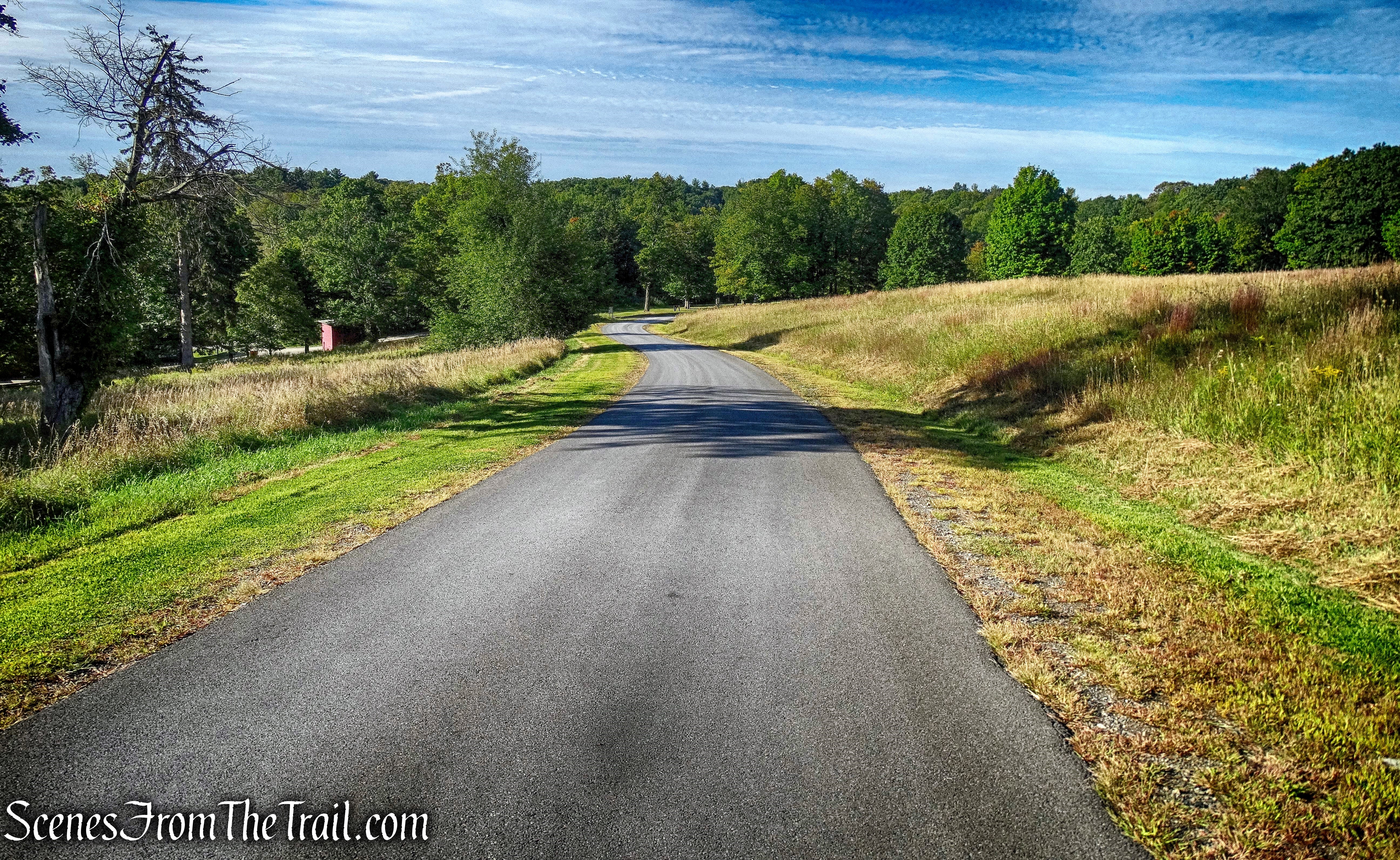
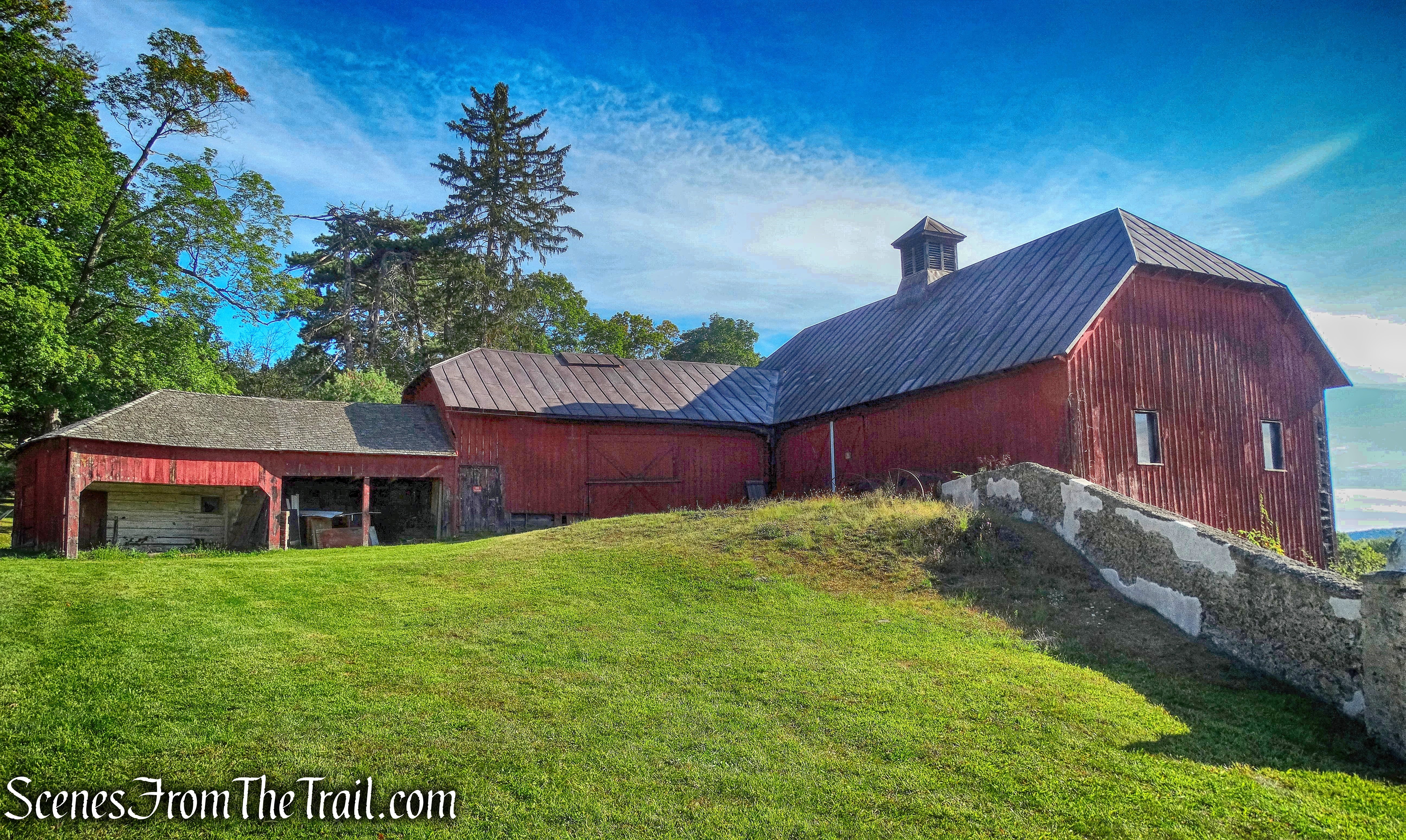
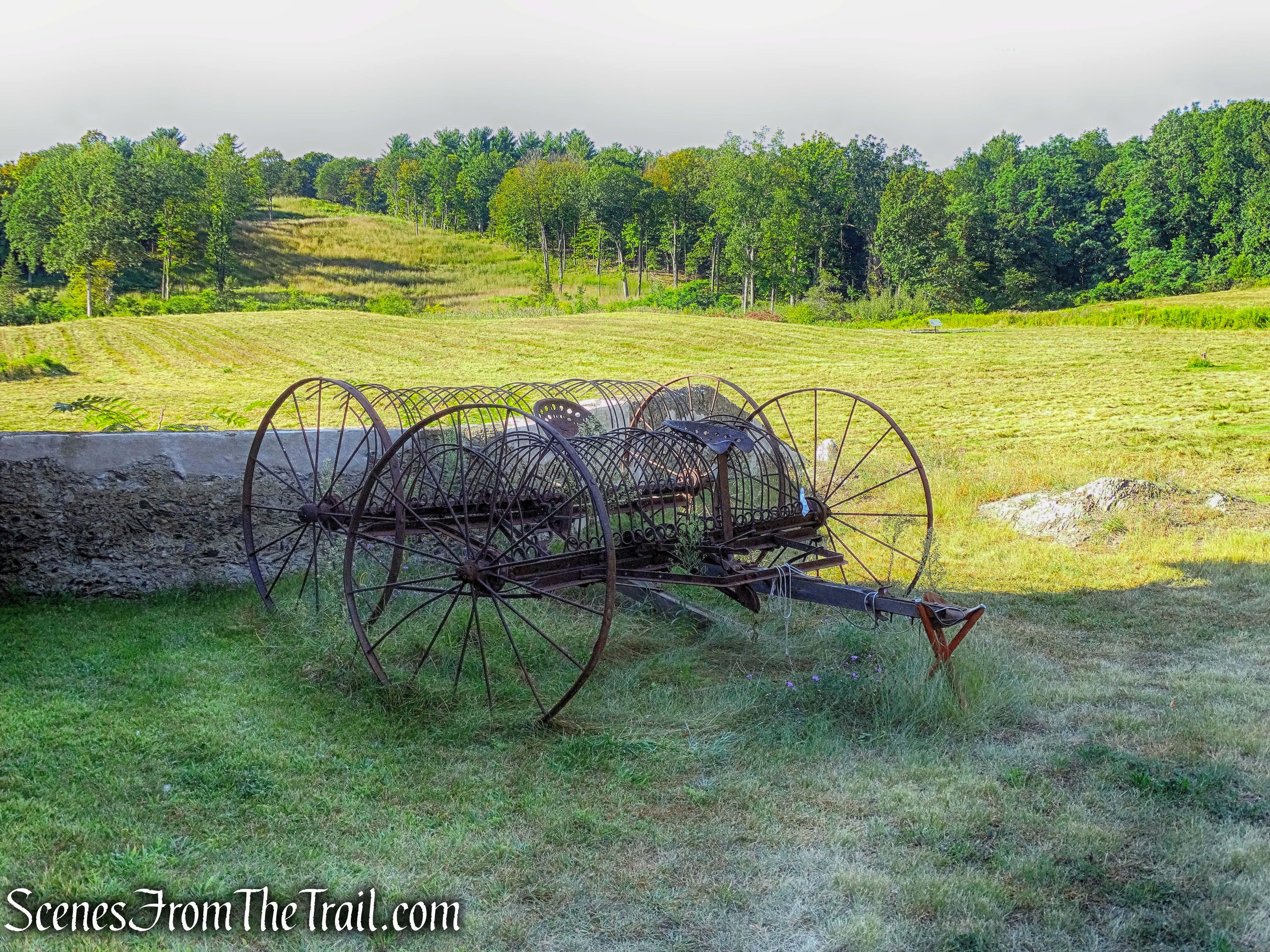
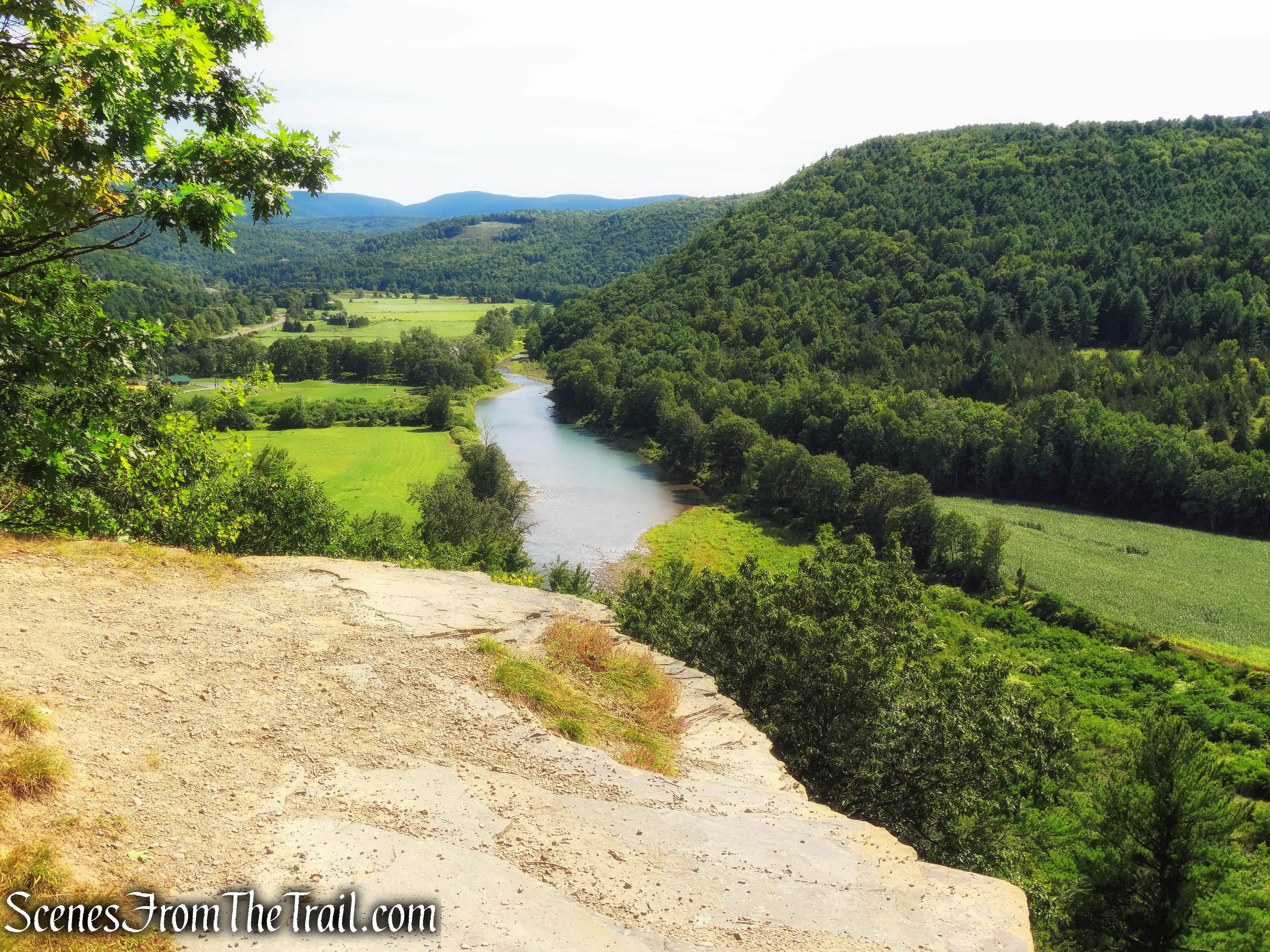
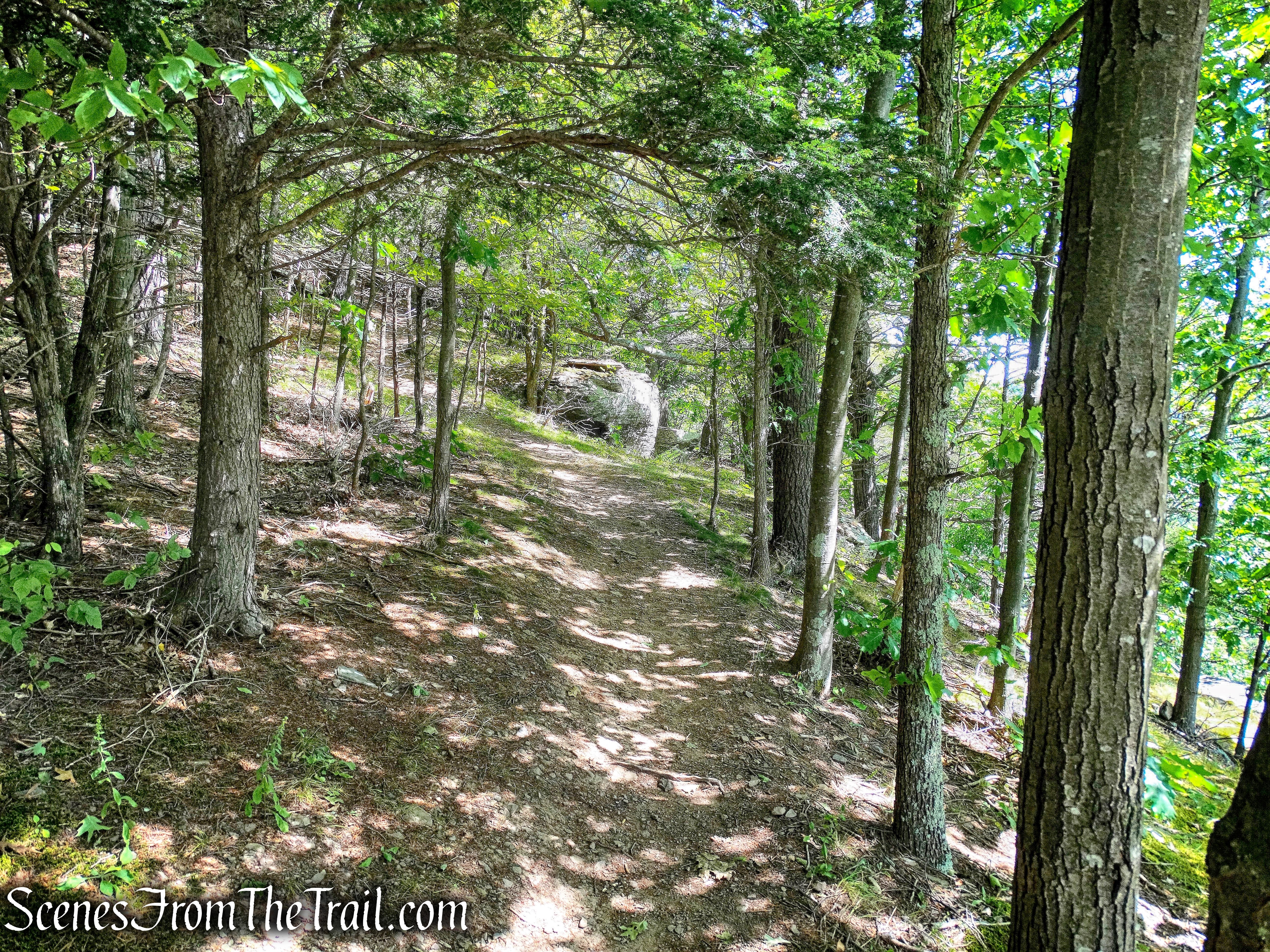
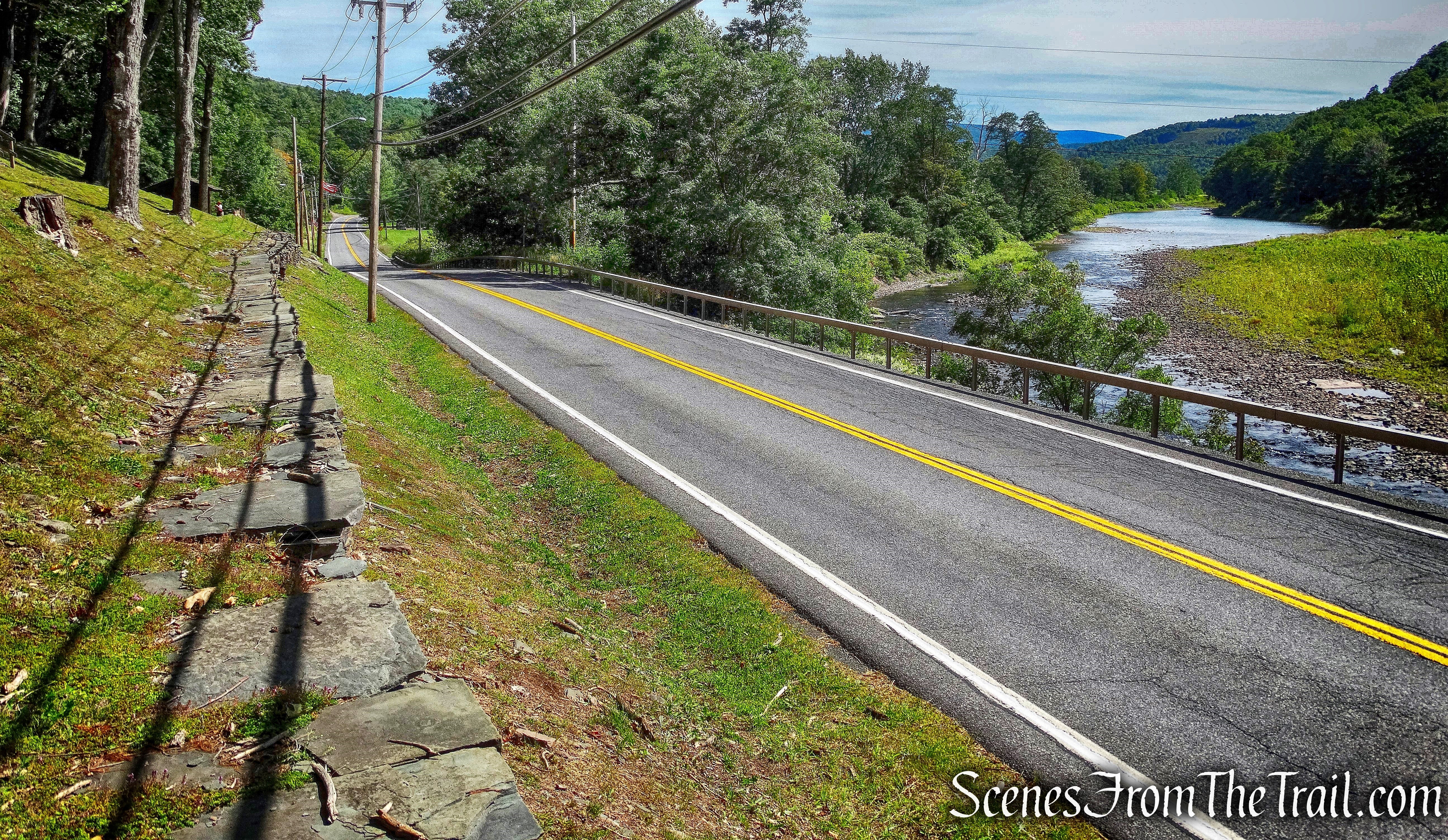
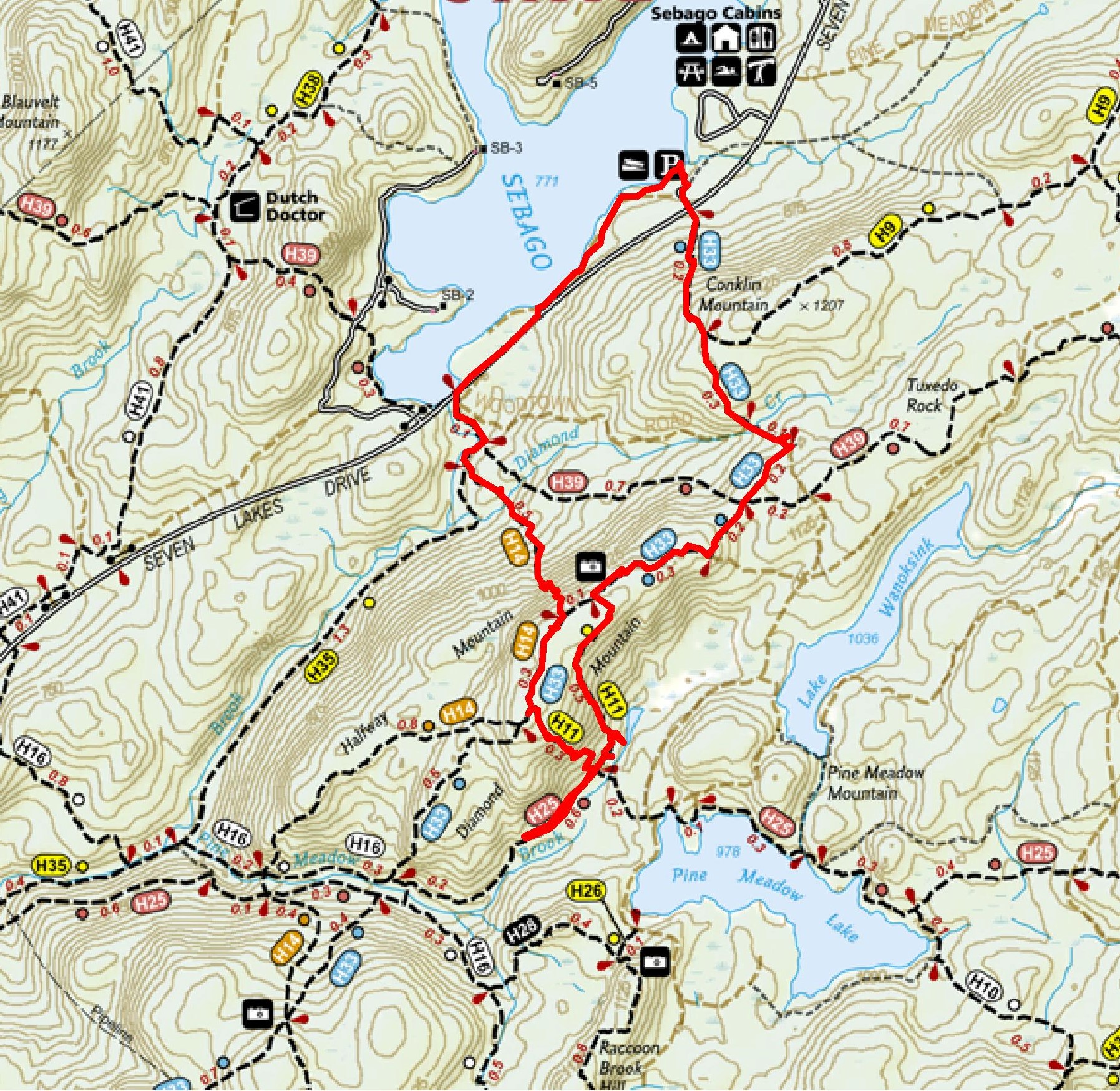
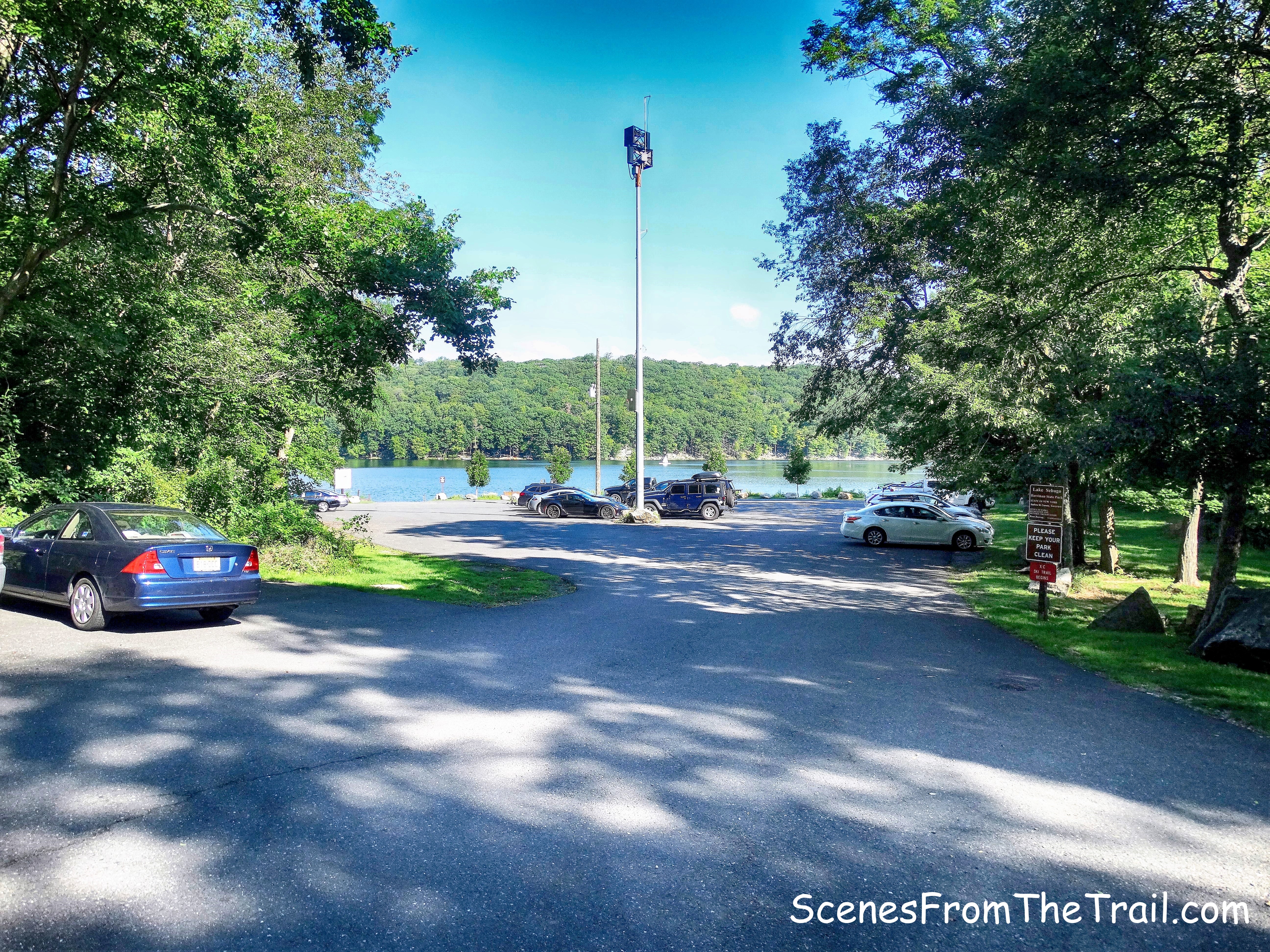
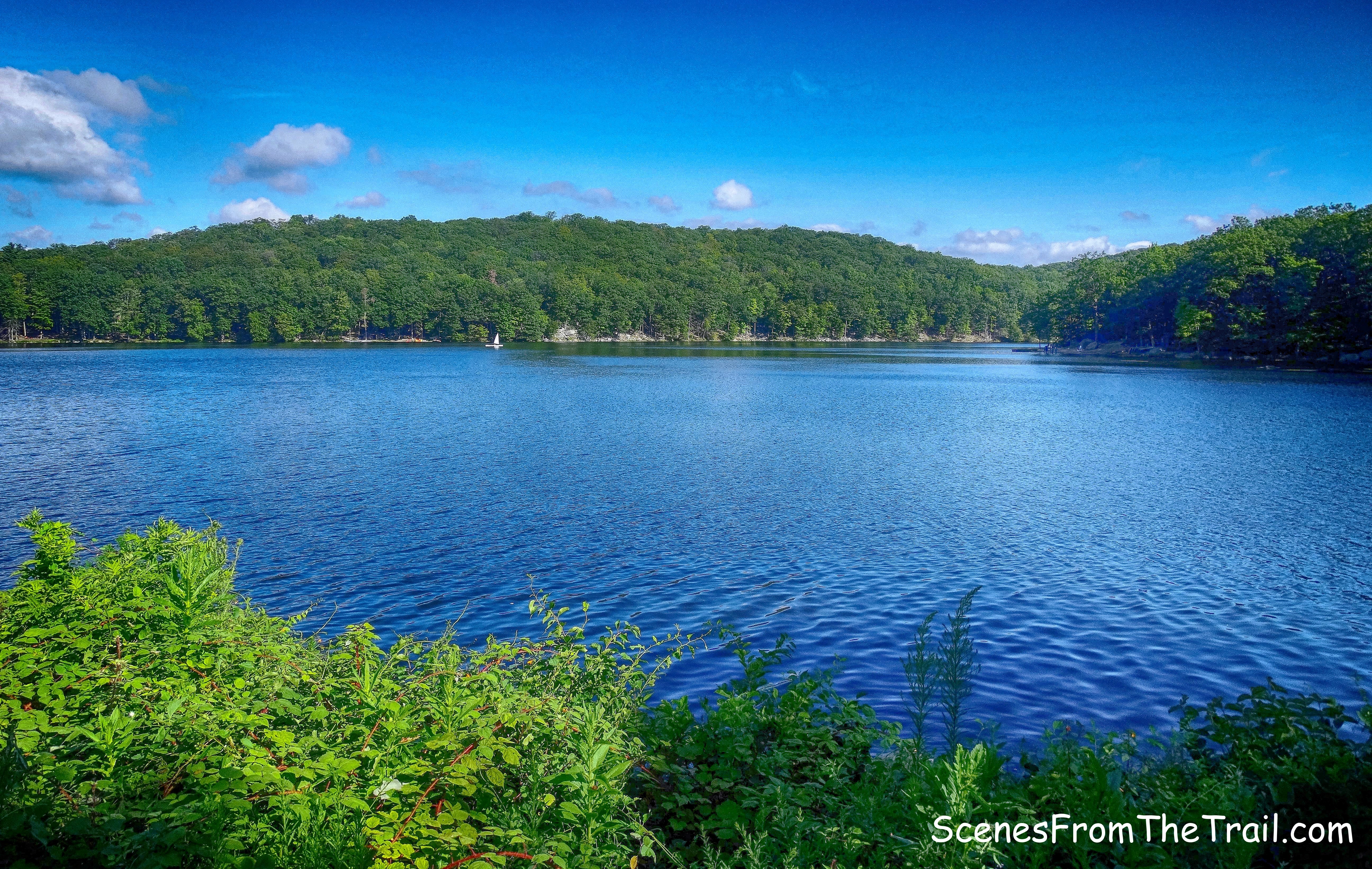
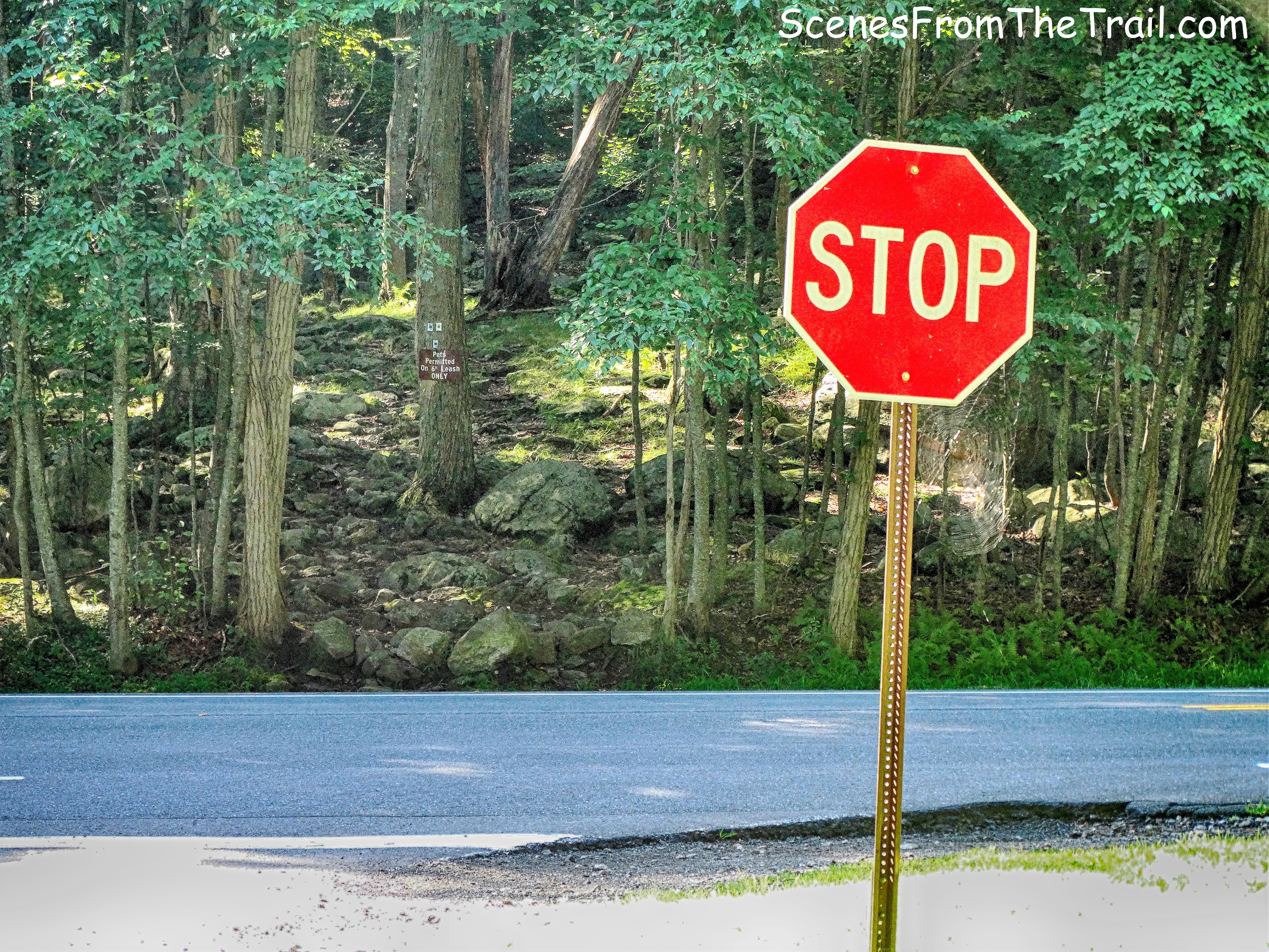
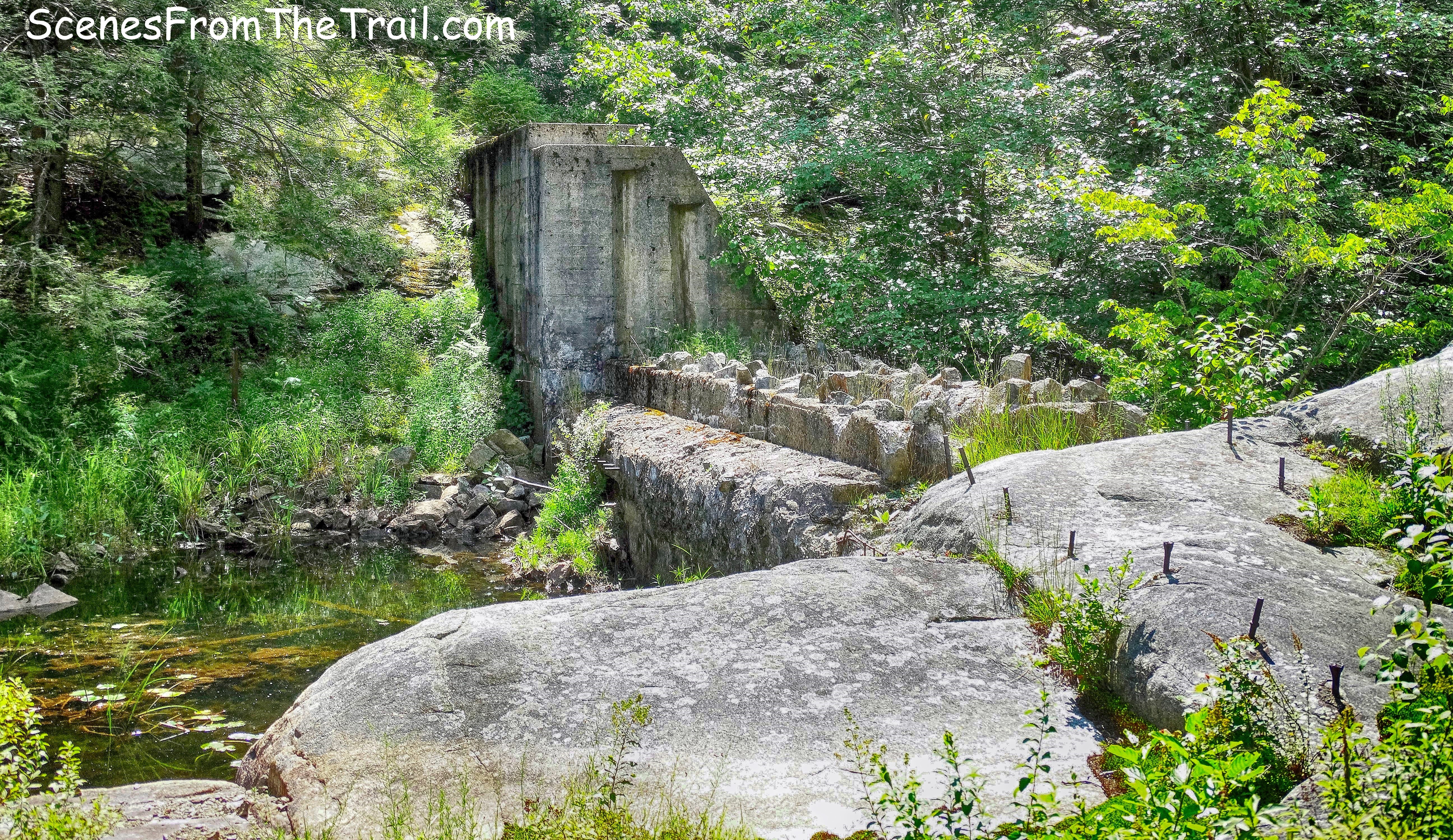
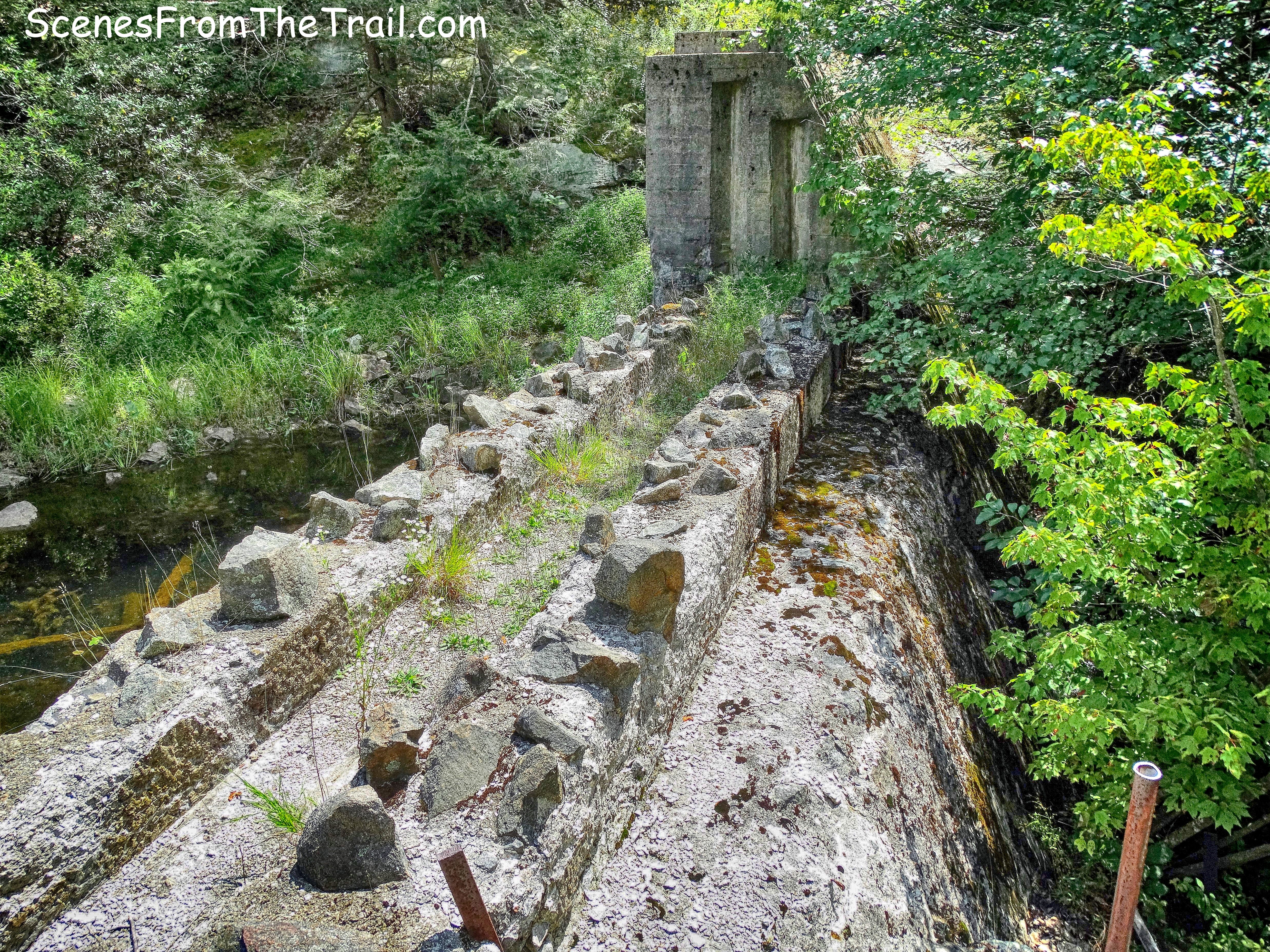
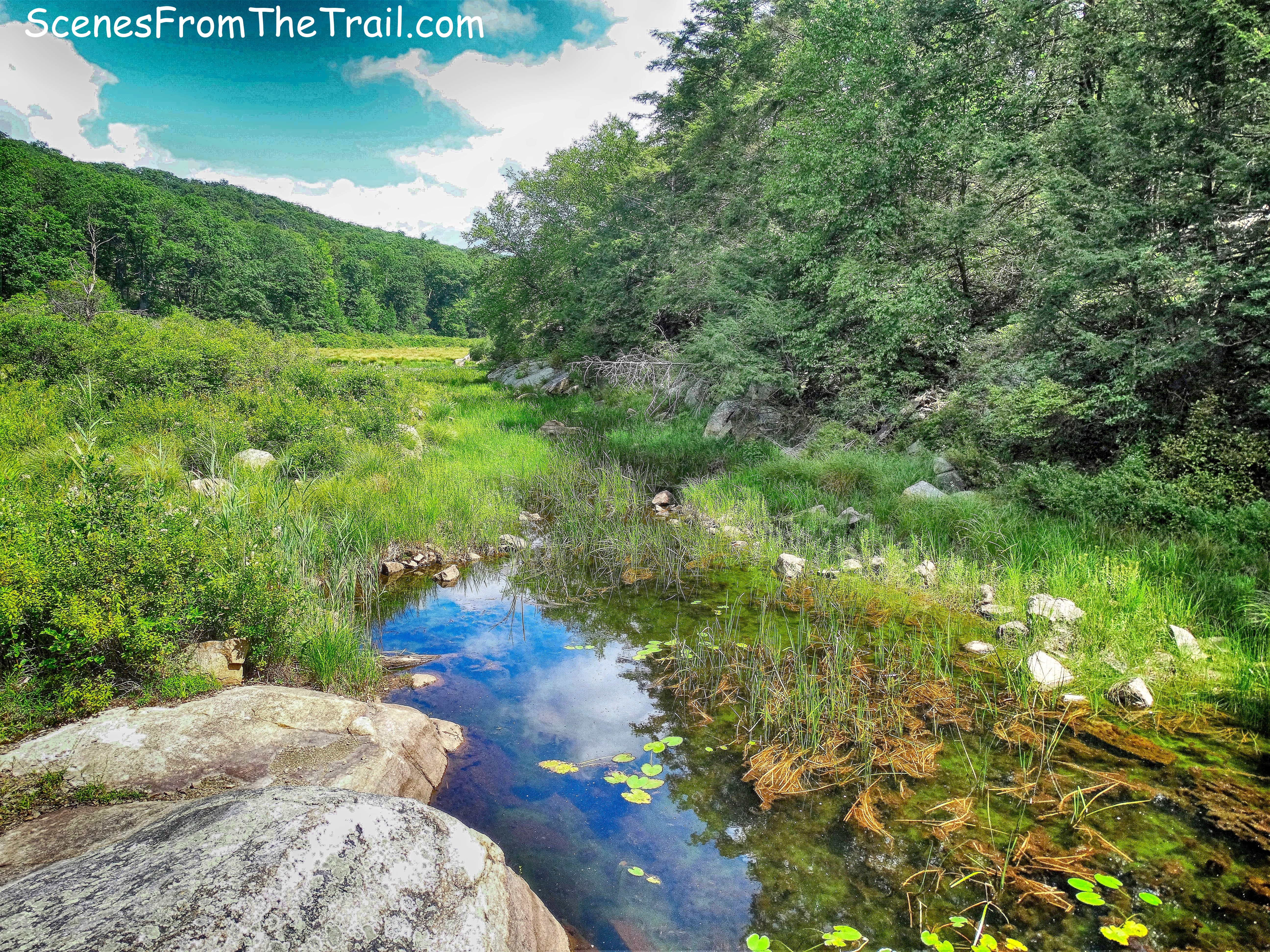
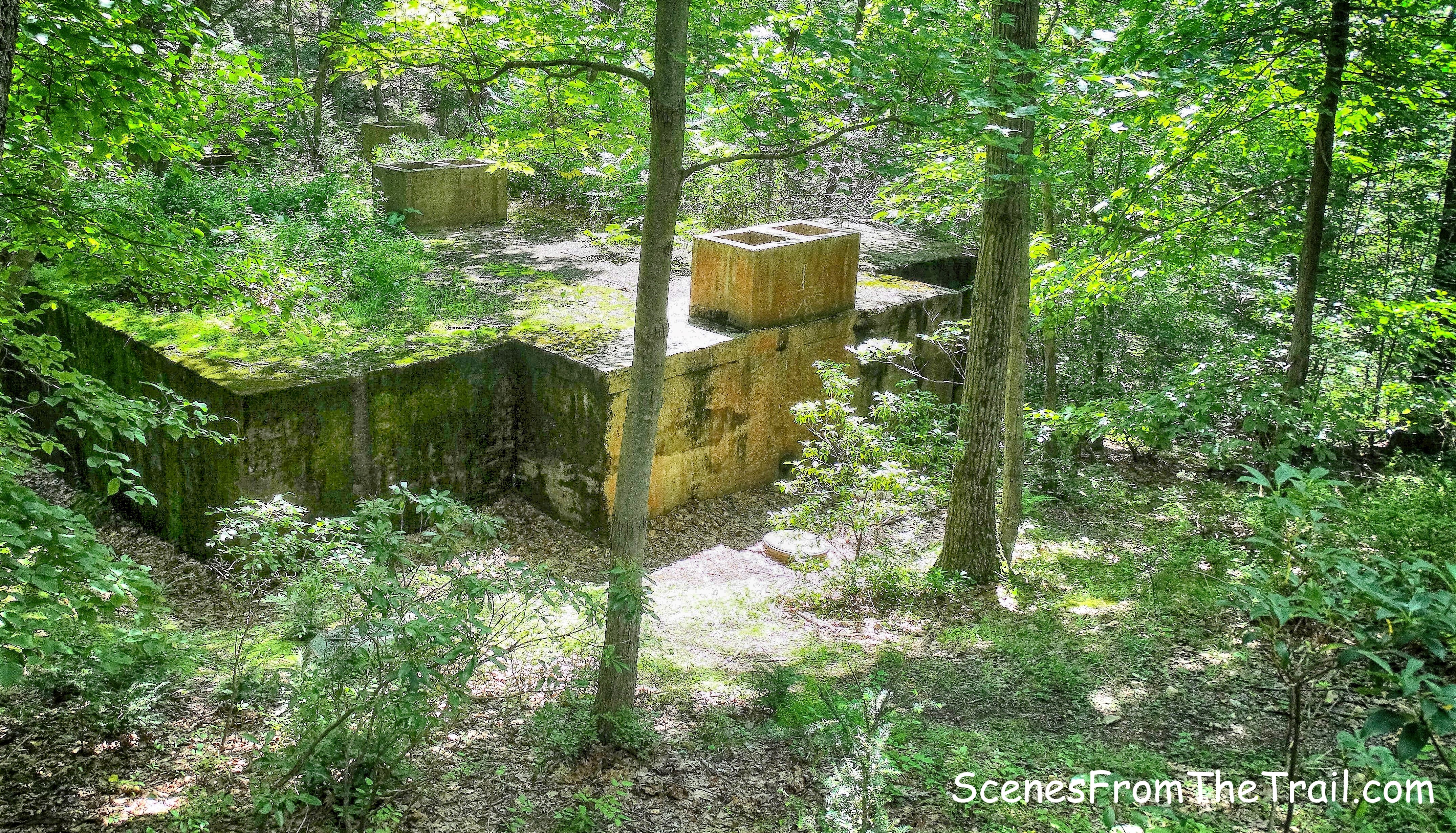
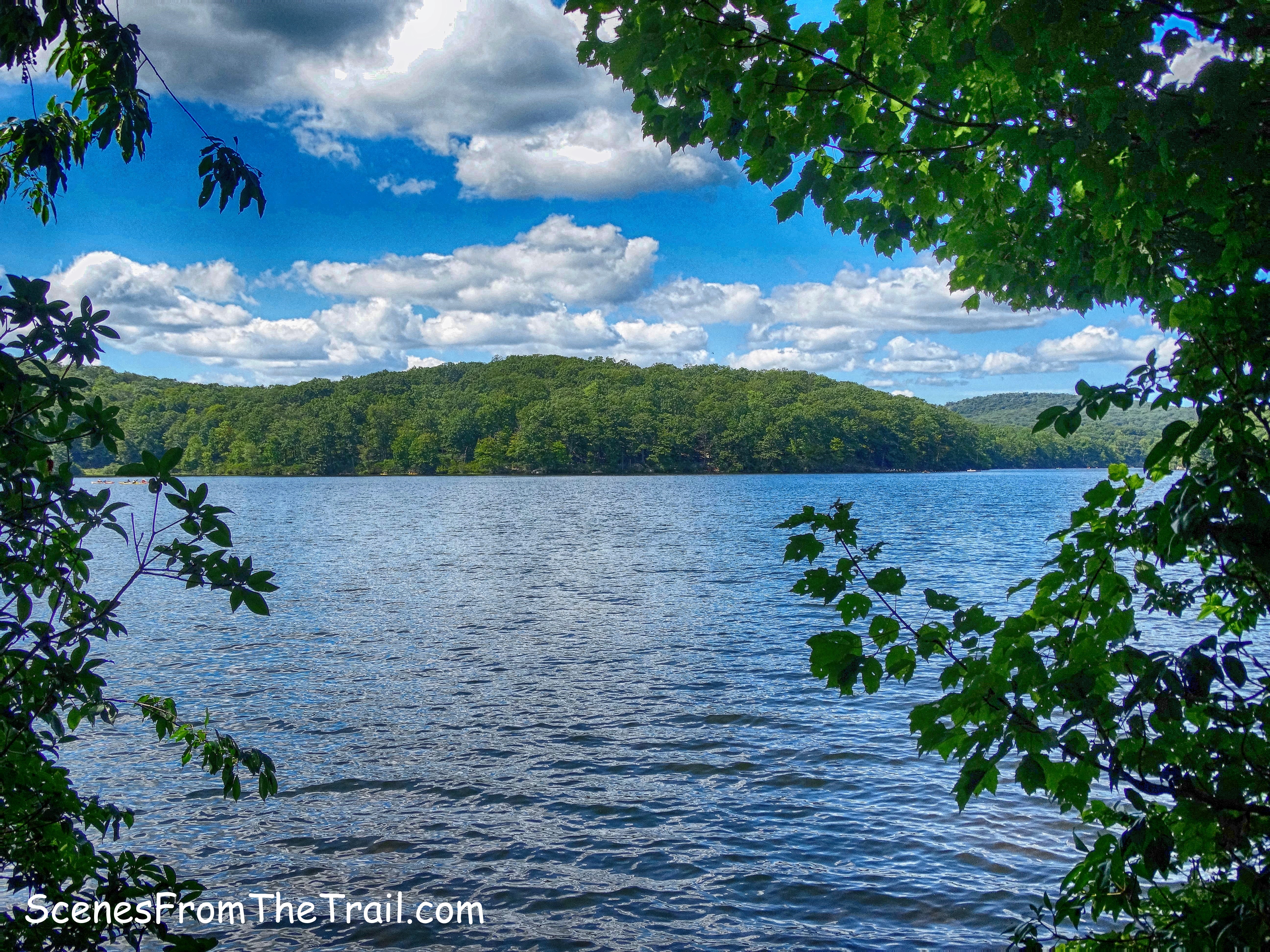
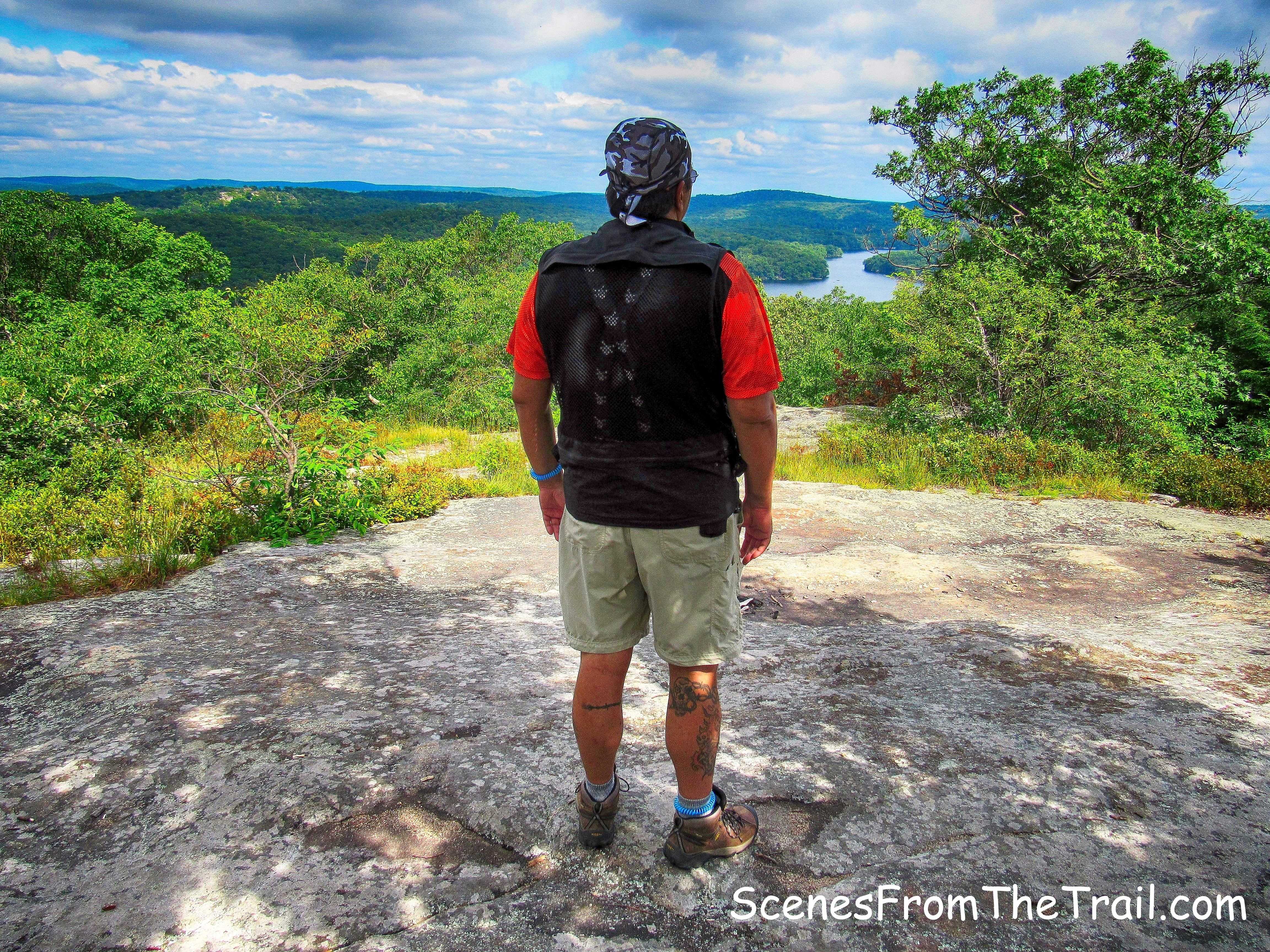
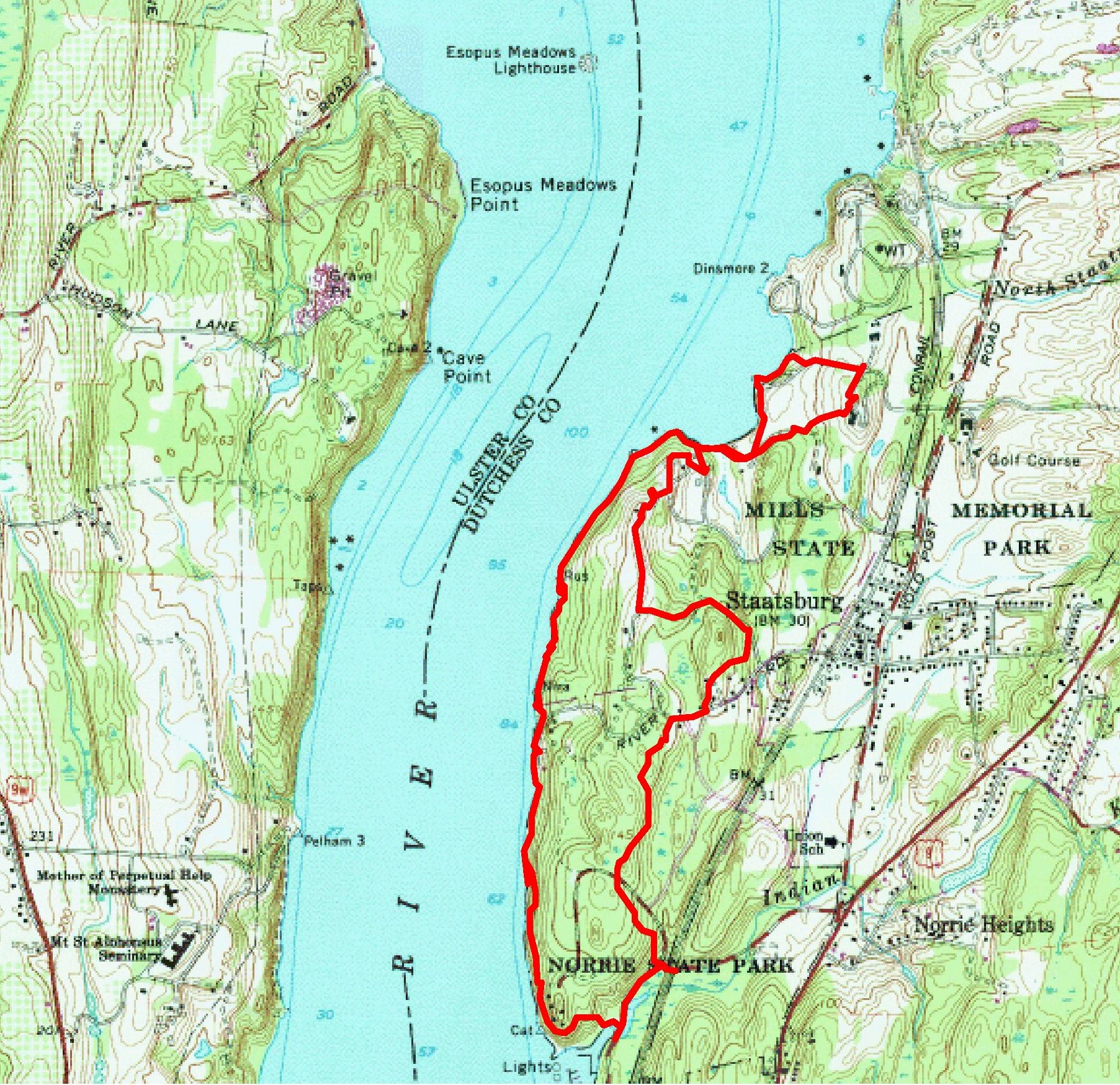
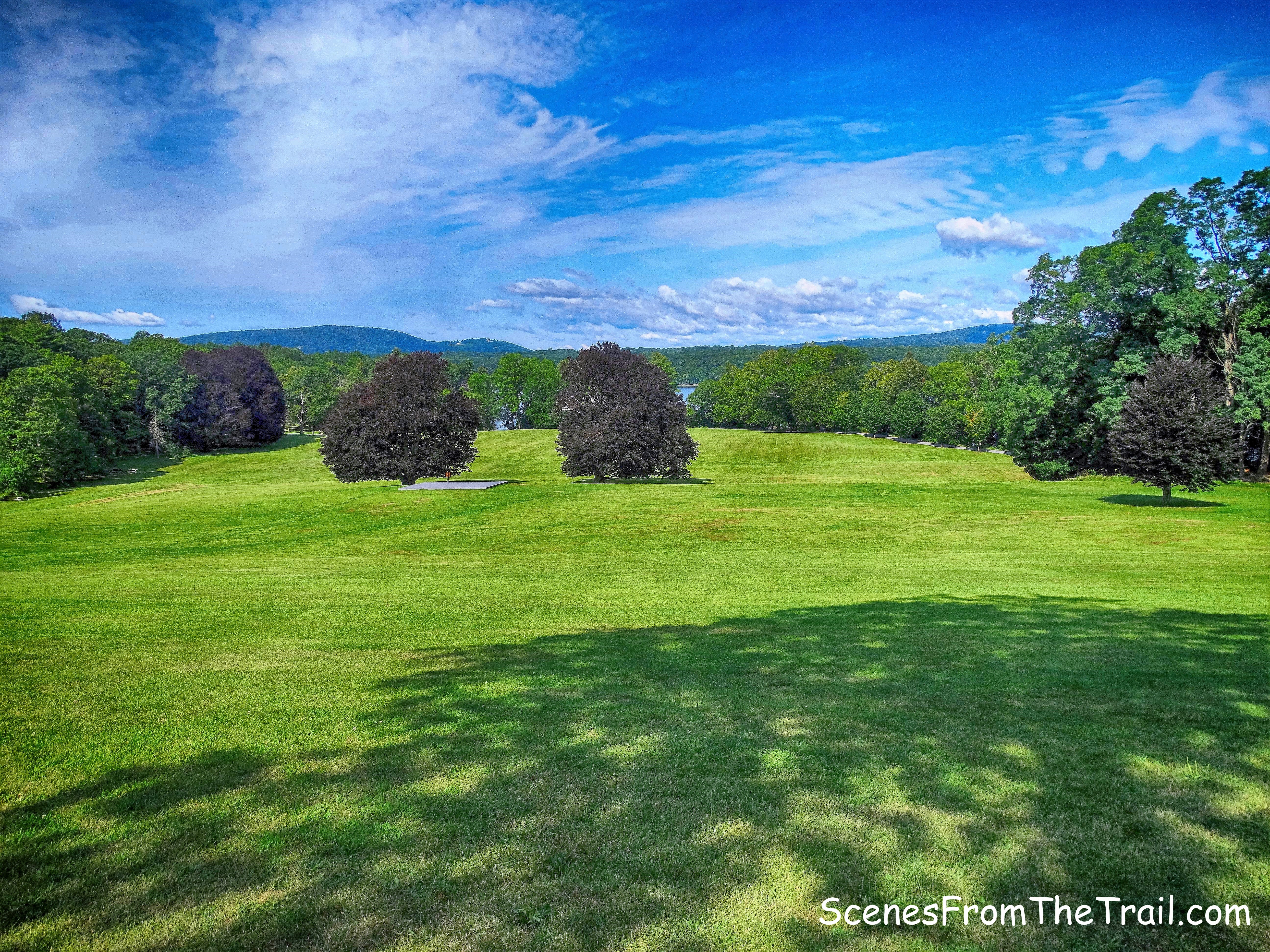
Cobey Pond Trail – State Game Lands #316

October 1, 2017 – Masthope, Pennsylvania

Difficulty: Easy

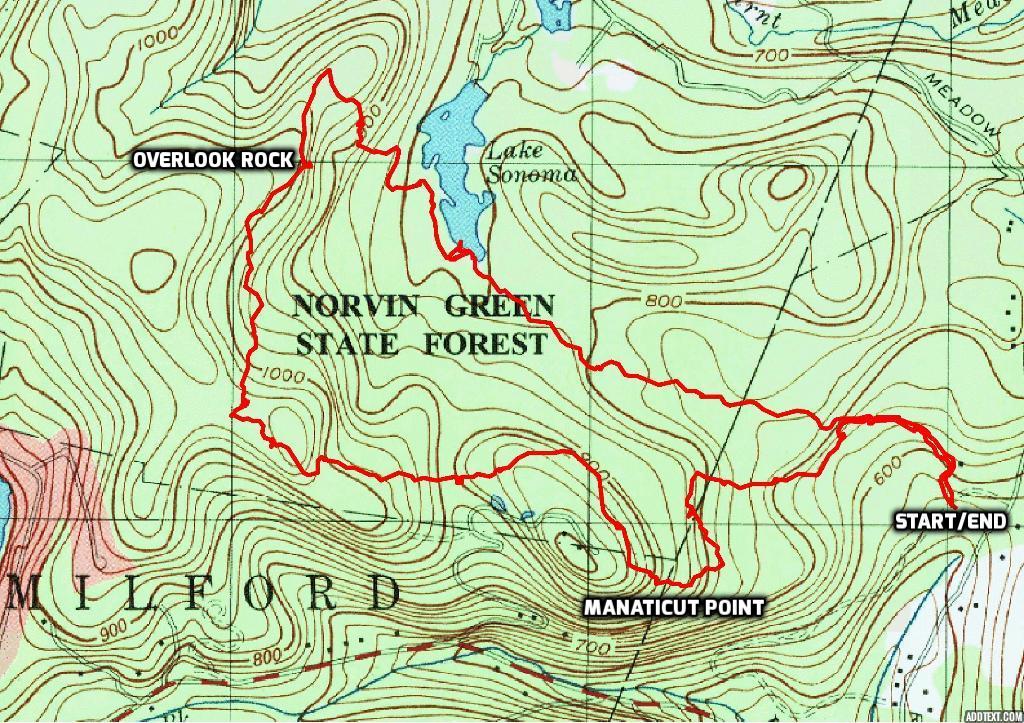
Length: Approximately 2.3 miles

Max elevation: 1,177 ft.– total elevation gain approximately 159 ft.

Route type: Circuit

Map: Trails of the Upper Delaware River Valley

Additional maps: State Game Lands 316 Map – SGL 316 Map

Trailhead parking: Masthope Plank Road, Hawley, PA 18428


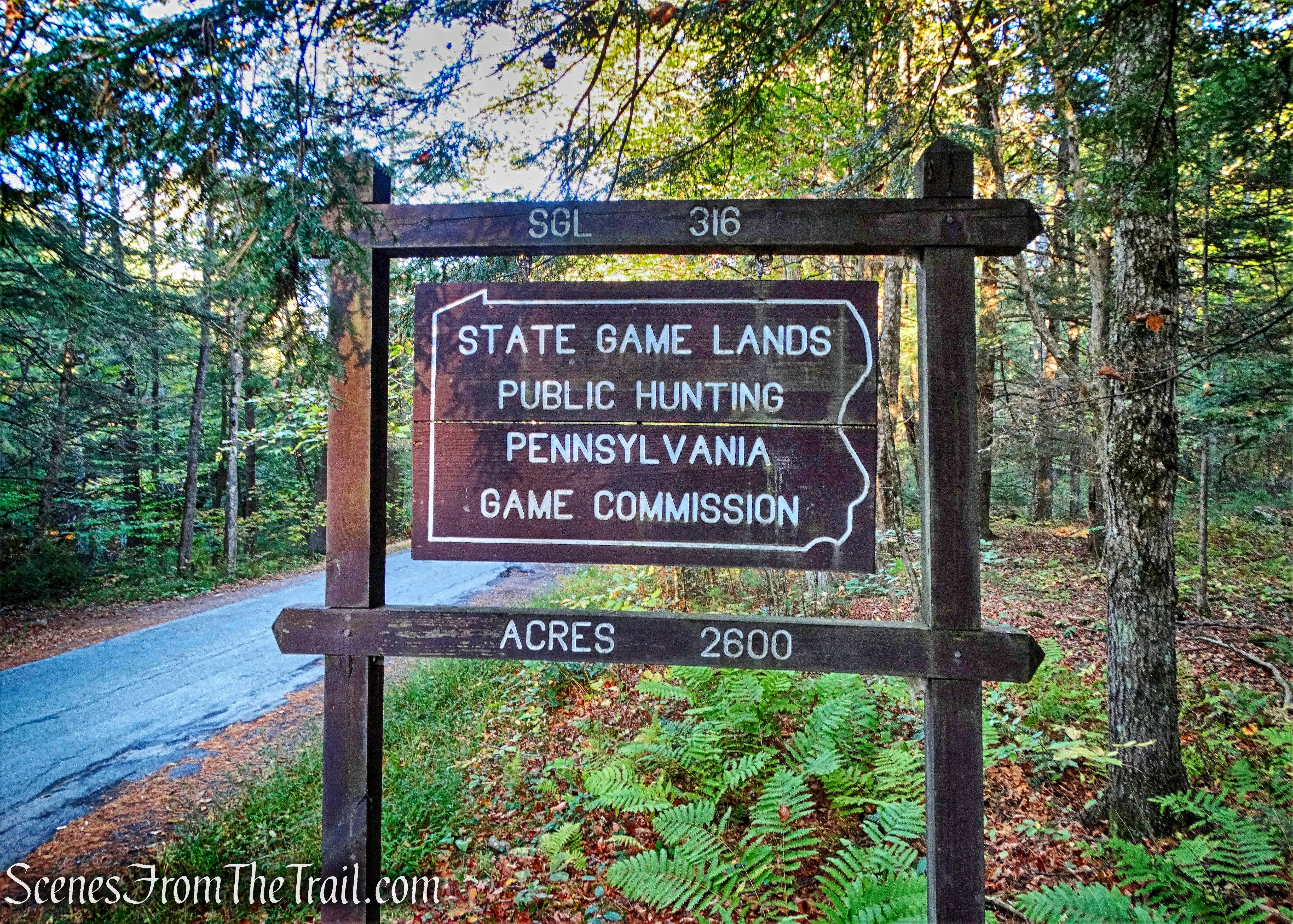
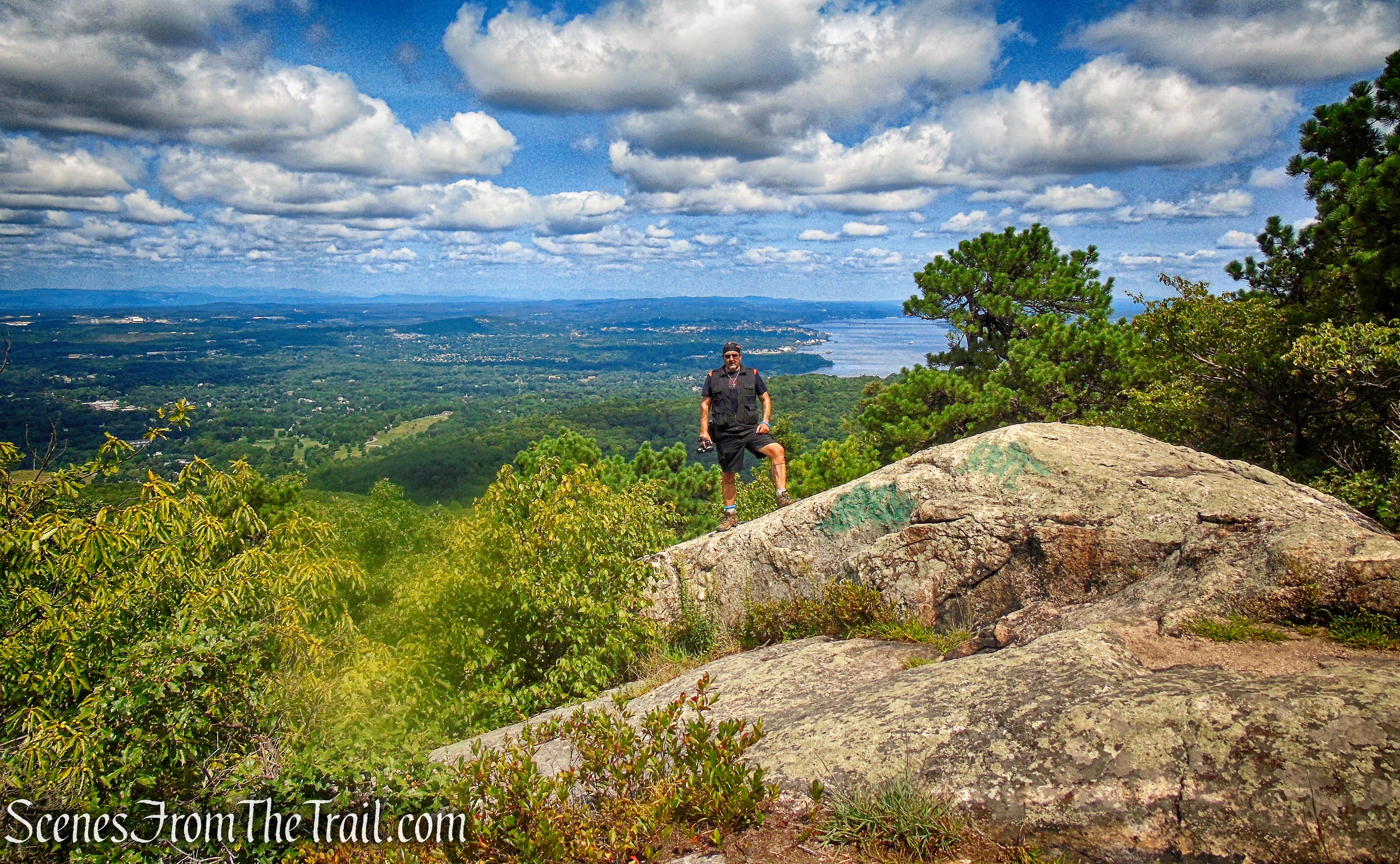
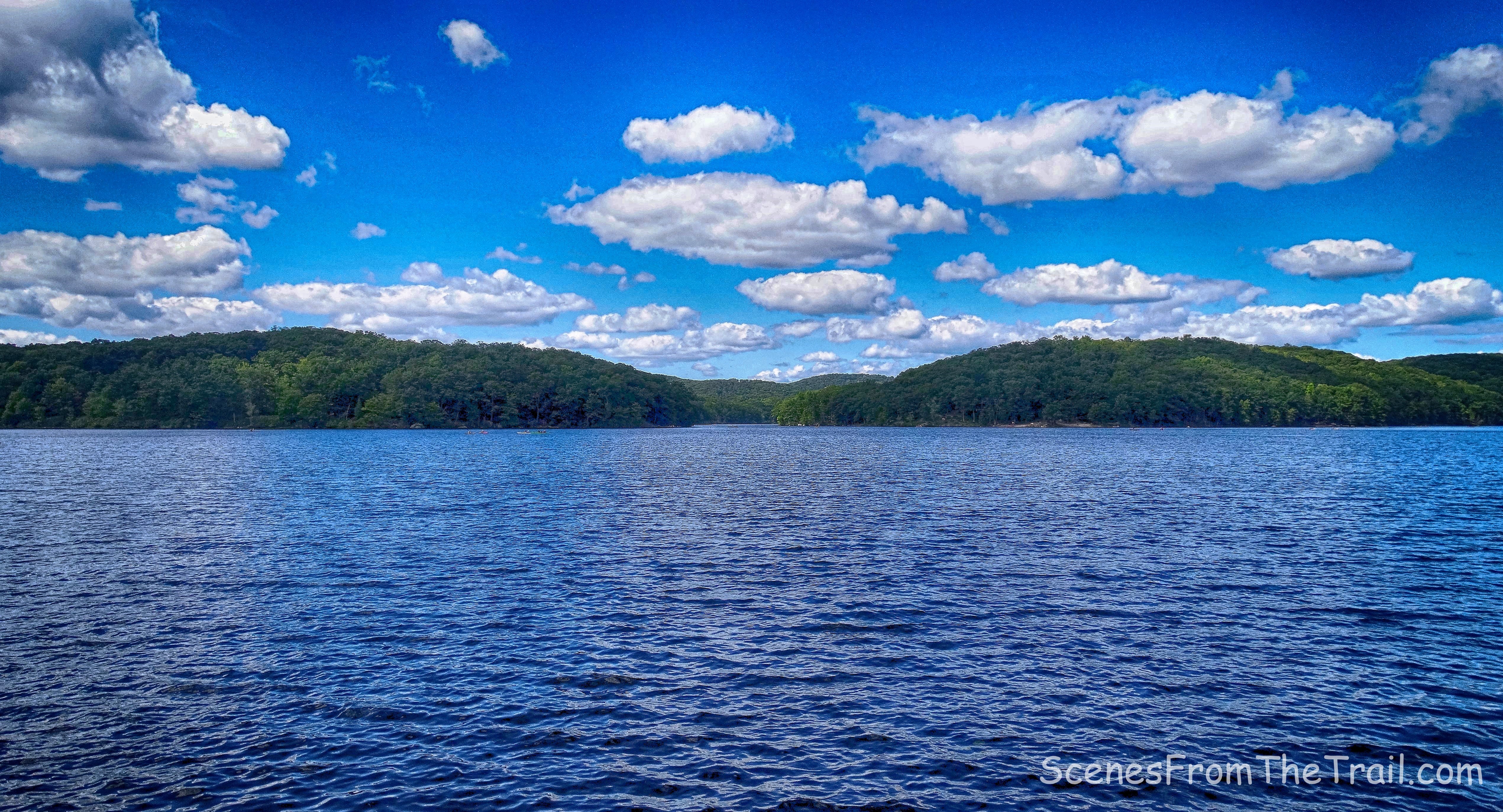
State Game Lands No. 316, consists of 2,600 acres and is located in Pike County near Masthope. The terrain is predominantly forested with 46-acre Cobey Pond and 2-1/2 miles of trout streams located on the tract. The most prevalent wildlife species are deer, turkey, grouse and bear.

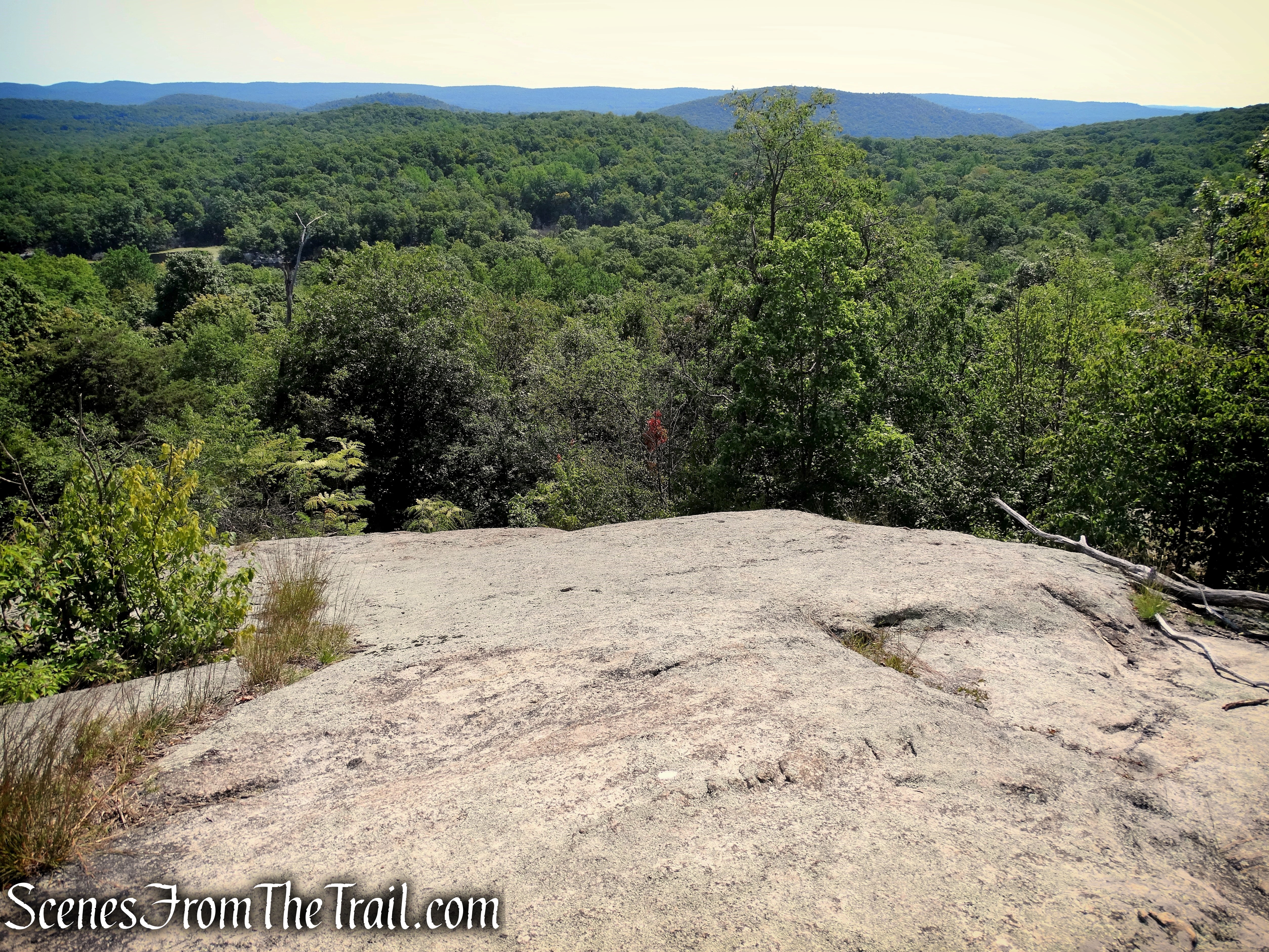
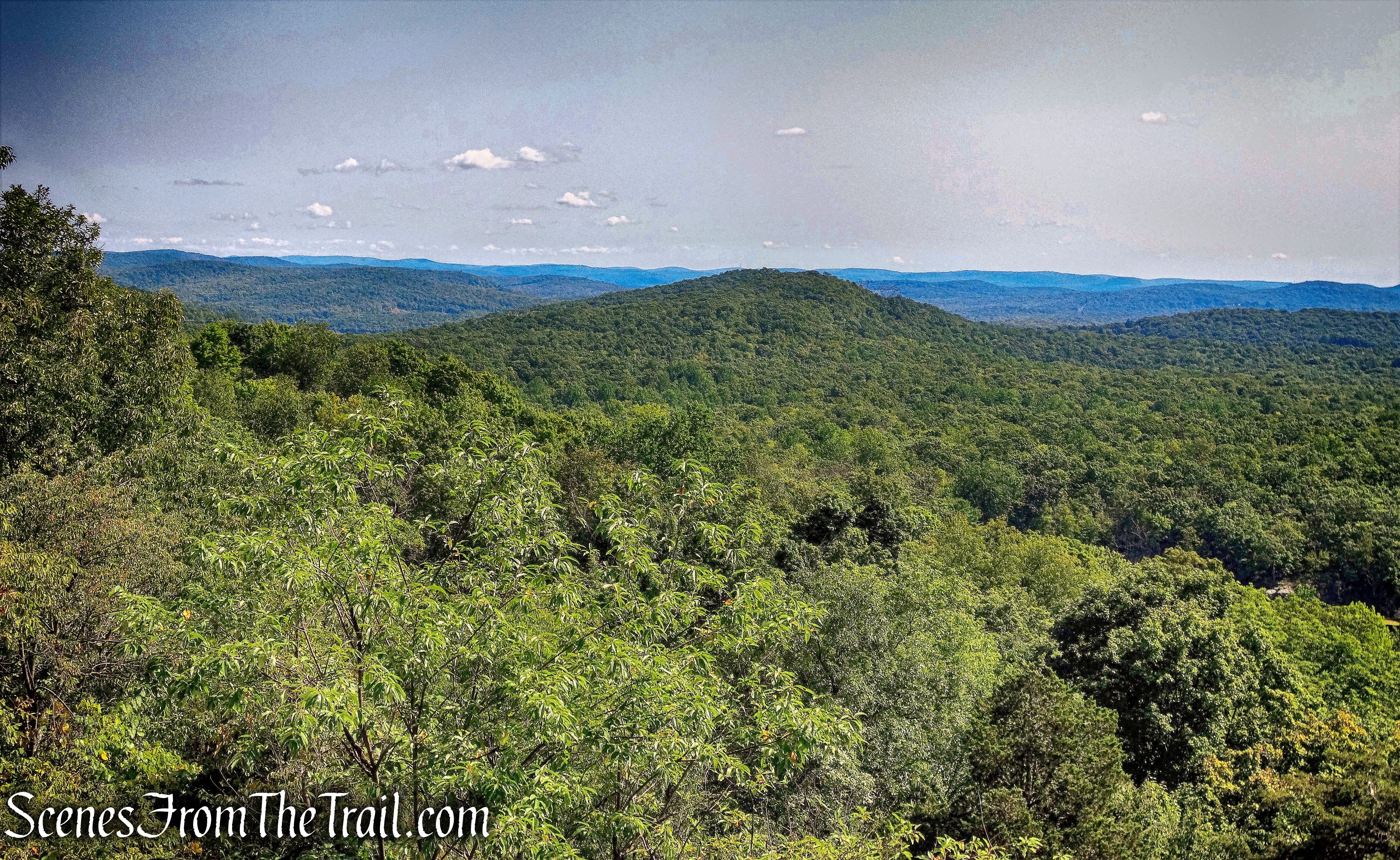
State Game Lands 316

State Game Lands 316

The Cobey Pond Trail is one of six trails featured in the “Take a Hike!” brochure, which gives names, locations, descriptions, and difficulty levels of trails in the Upper Delaware River Valley. It also provides a checklist to keep track of the trails you’ve hiked which can be turned in upon completion for a “Take a Hike!” patch.

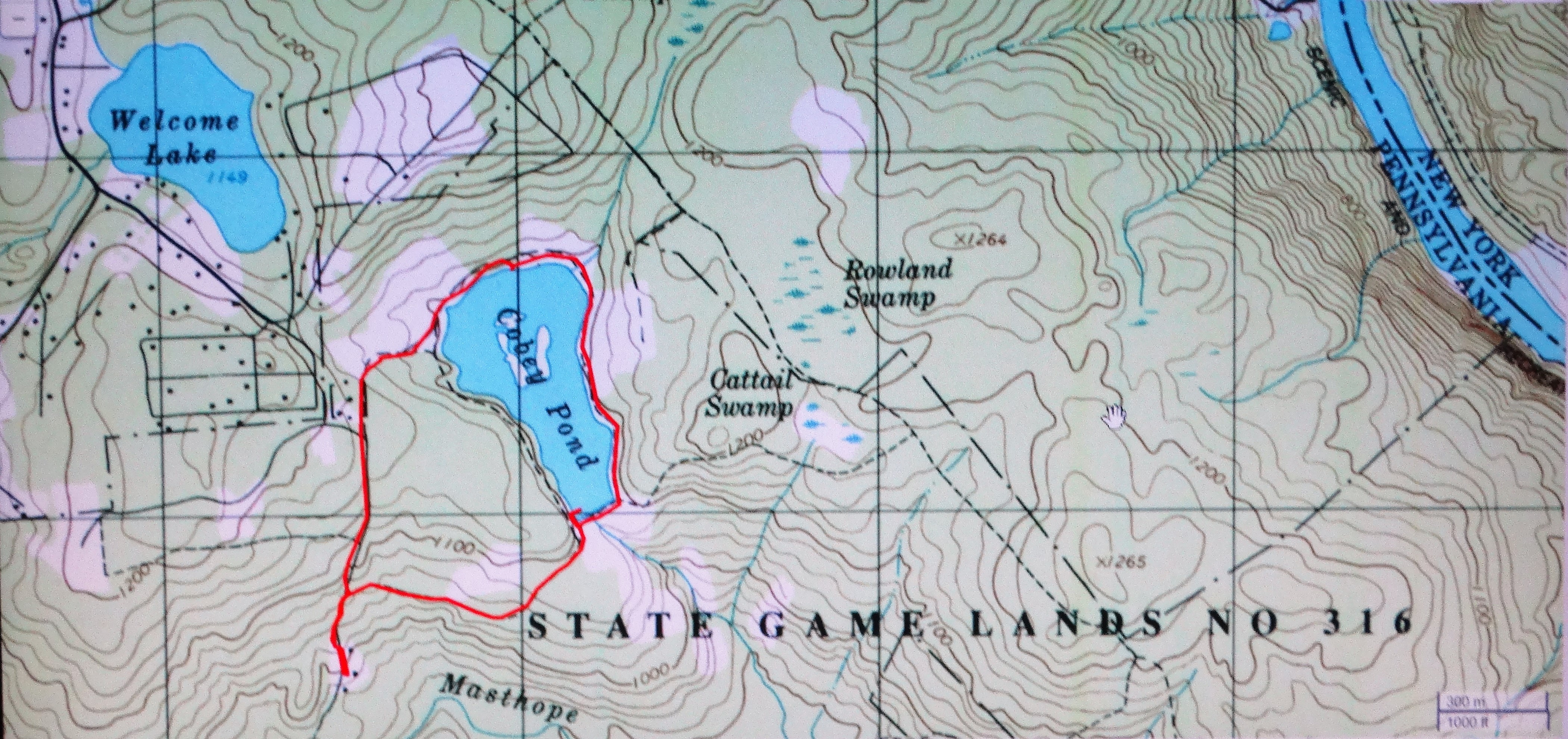
Having just completed the Bouchoux Trail and the Damascus Forest Trail, we were now on to hike #3 on the list. Cell phone service was nonexistent in this area and a GPS signal was hard to come by. My recommendation is to print the directions from one trailhead to the other to avoid wasting time waiting for a signal while driving aimlessly. Since we got a late start in the morning, we didn’t arrive at the parking area for the Cobey Pond Trail until shortly before 4:30 pm. The National Park Service lists this trail as 3 miles long, but it is actually more like 2.3 miles. They also list it as a moderate hike, but with minimal elevation gain, I disagree and rated it as easy. We did this hike counter-clockwise.

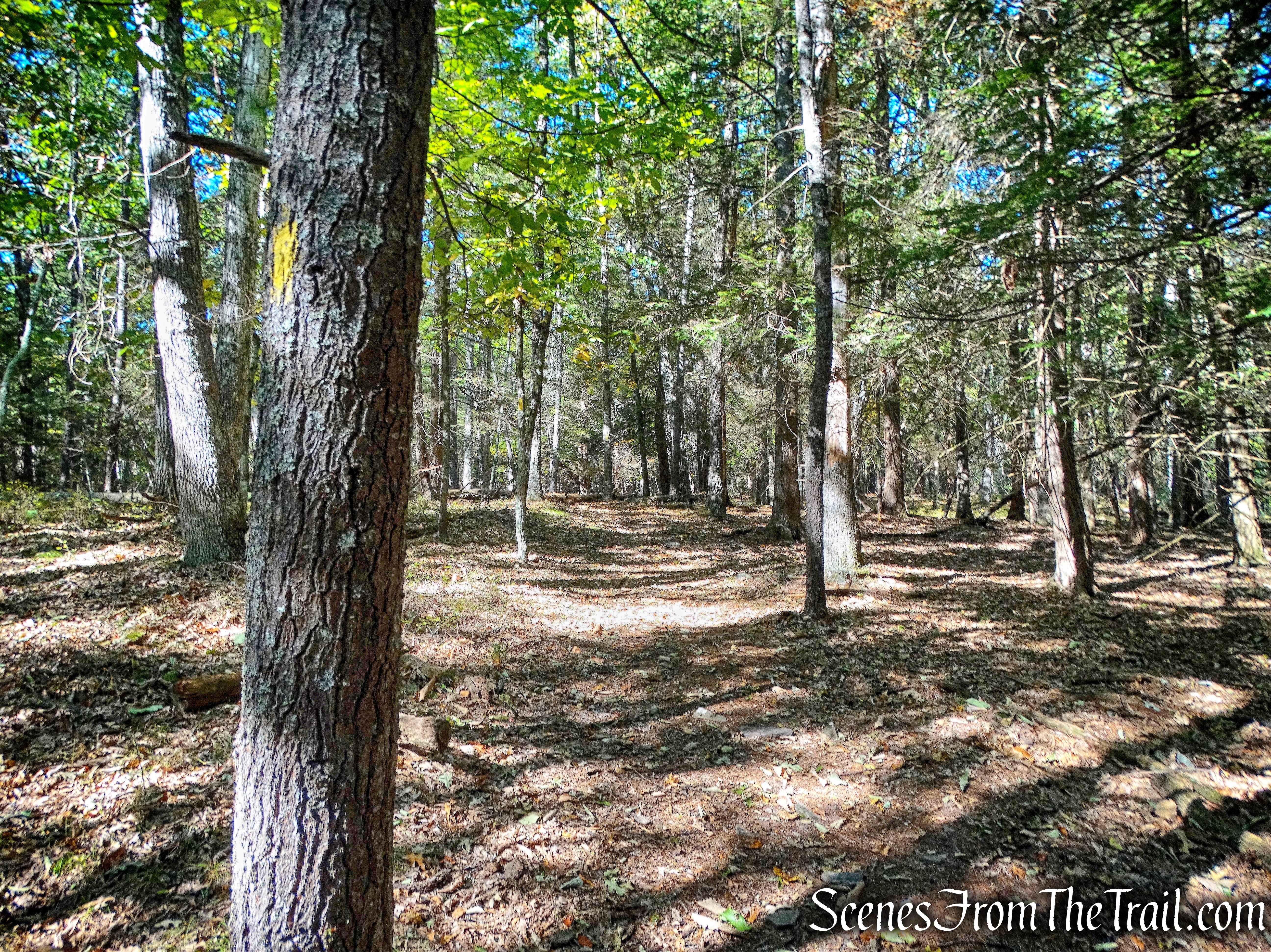
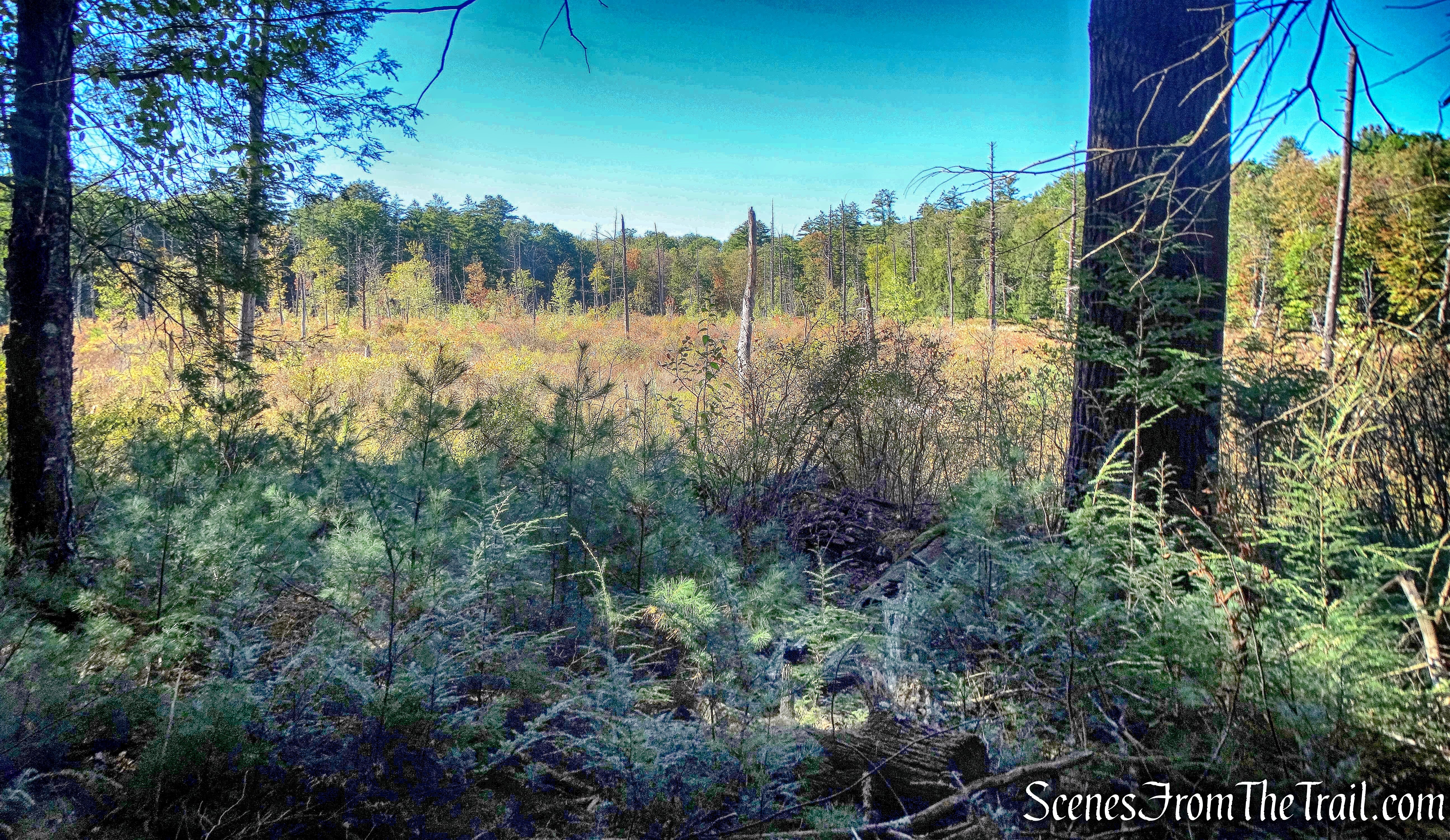
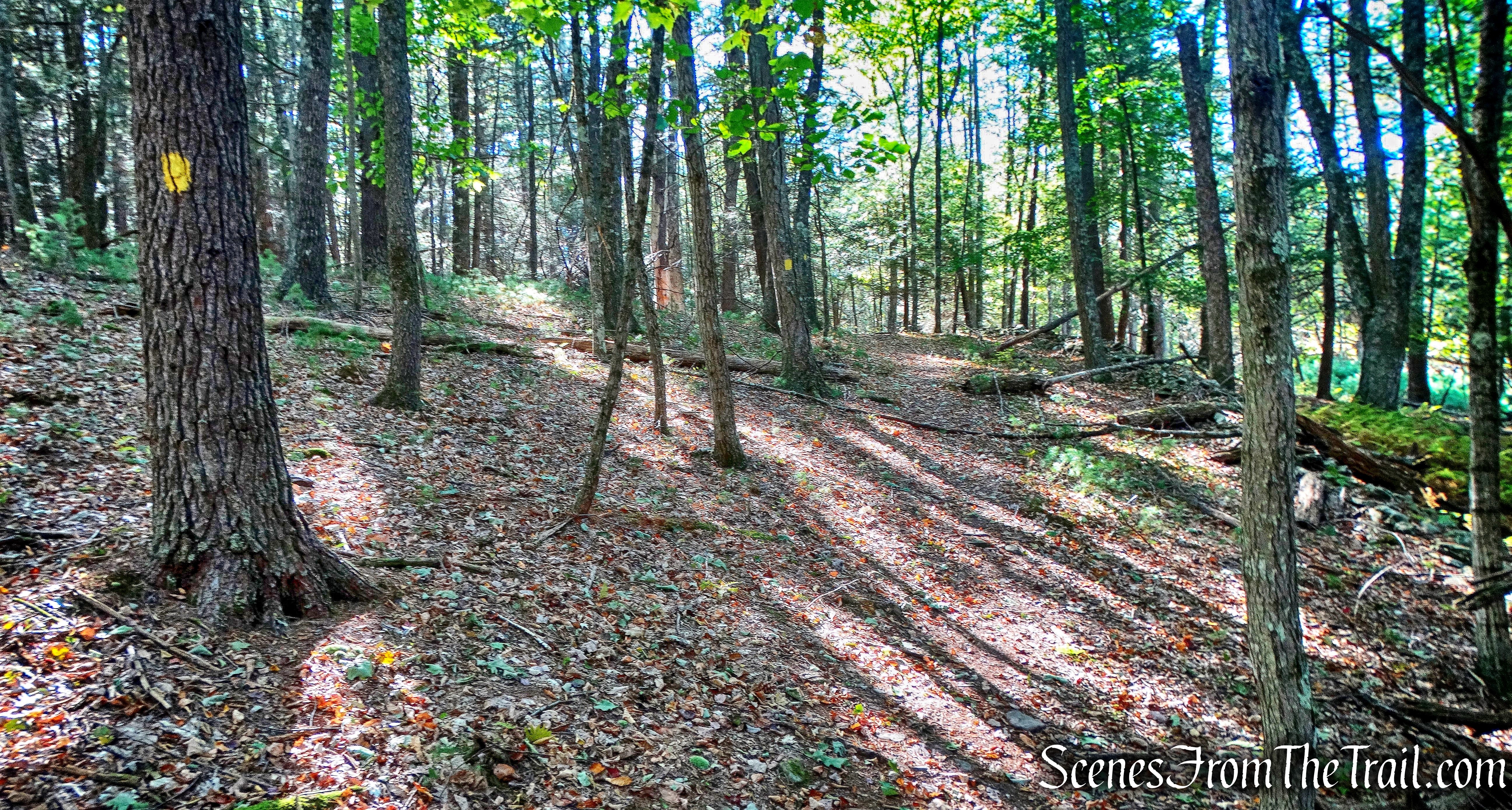
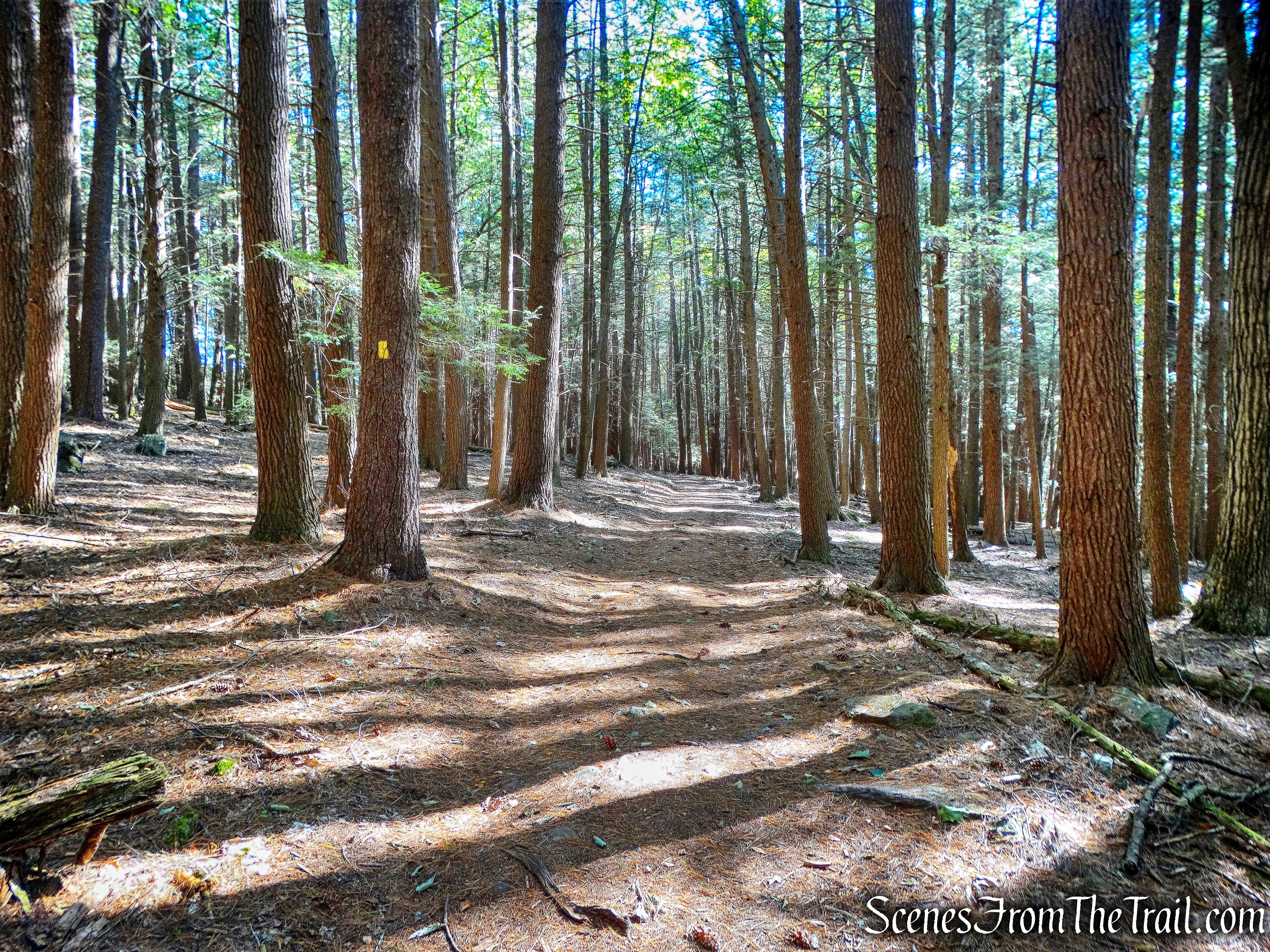
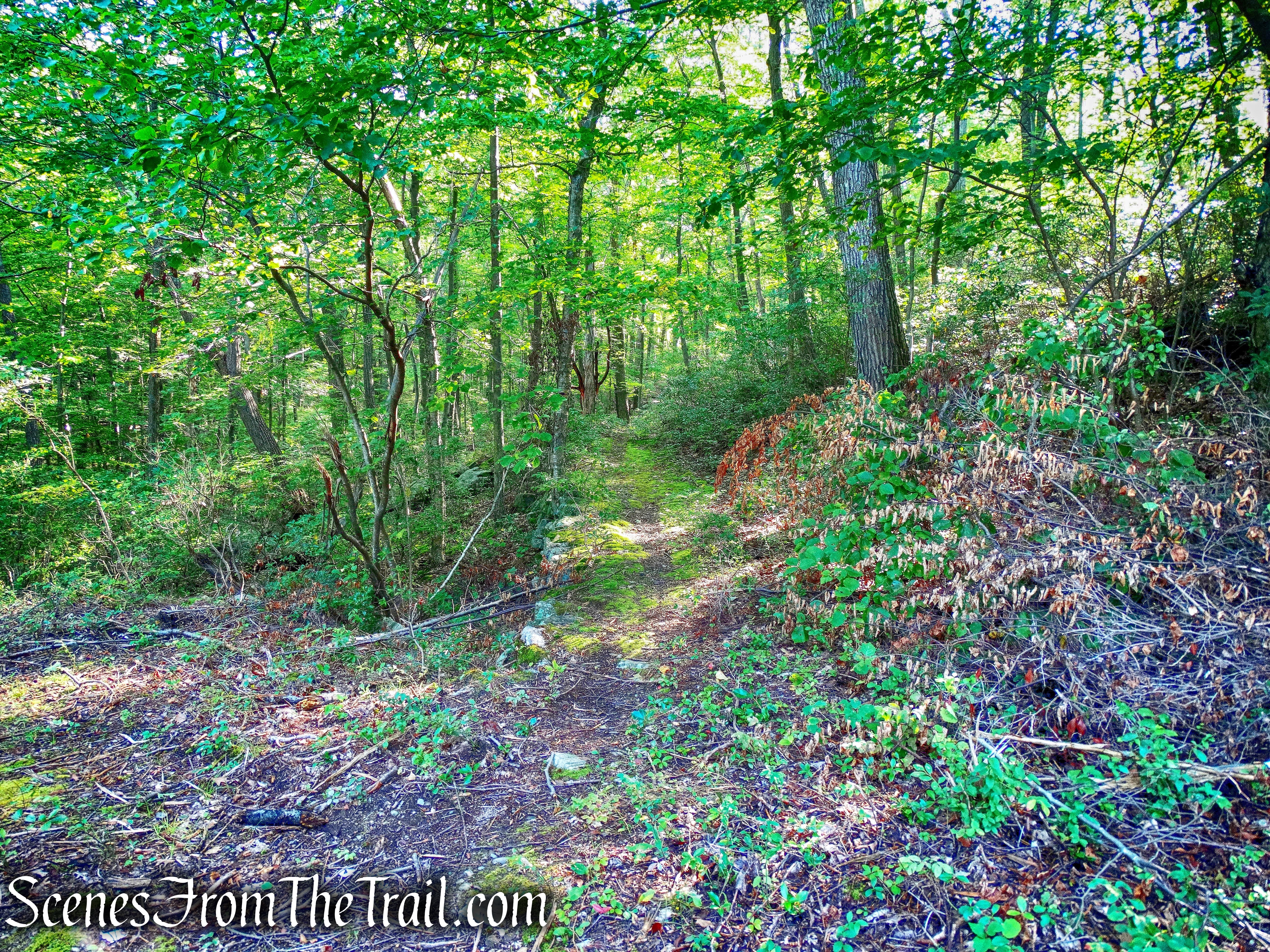
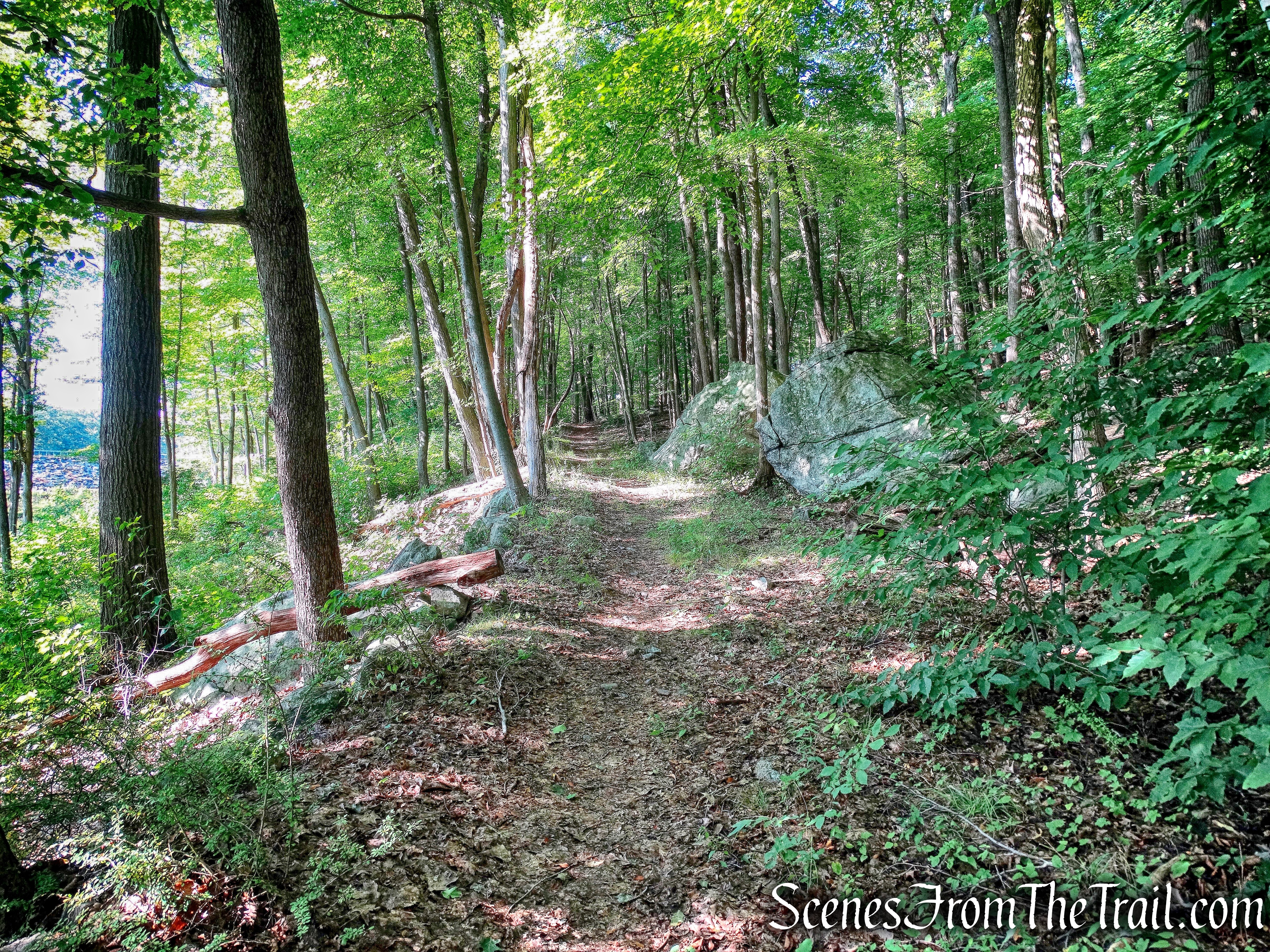
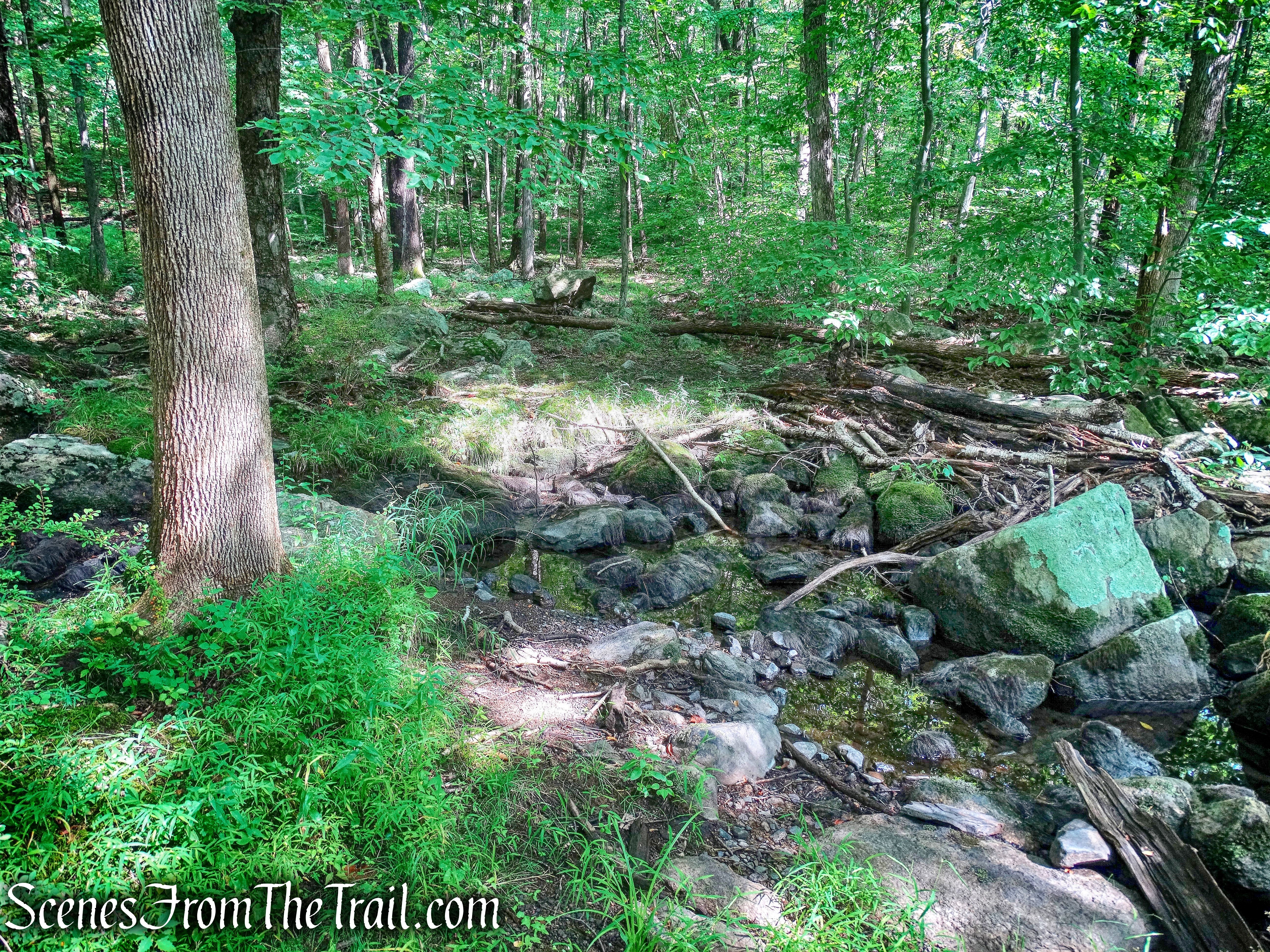
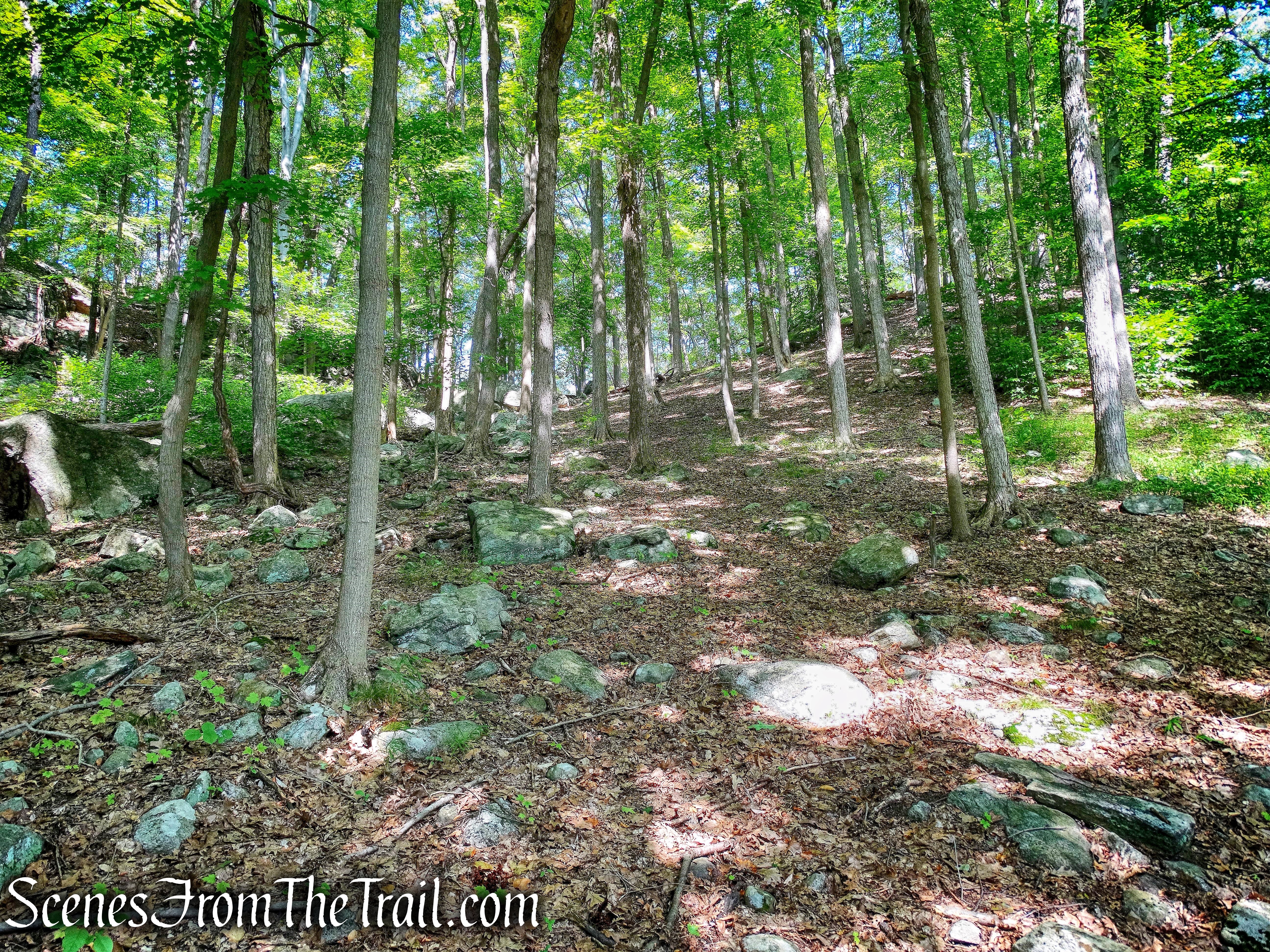
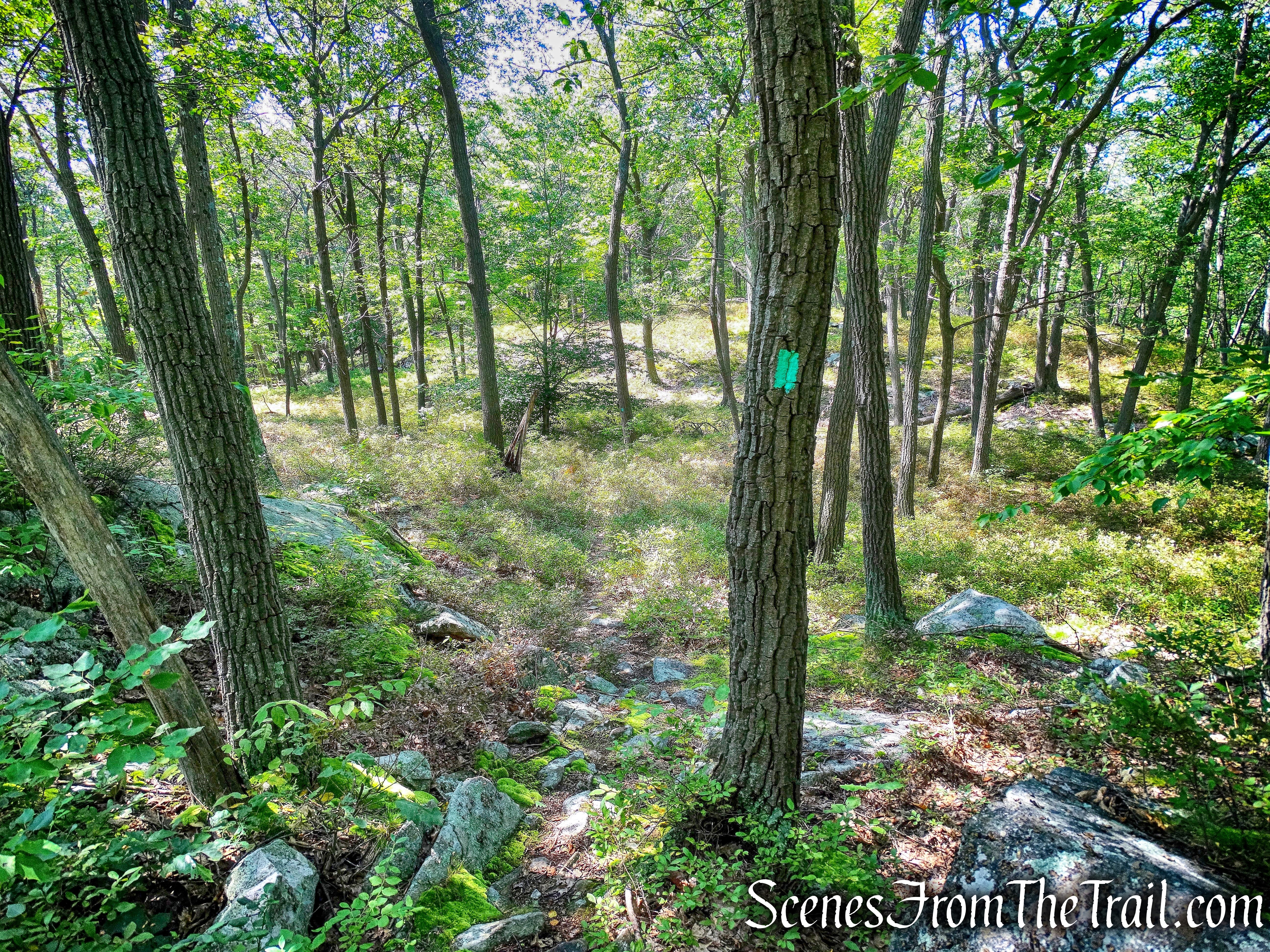
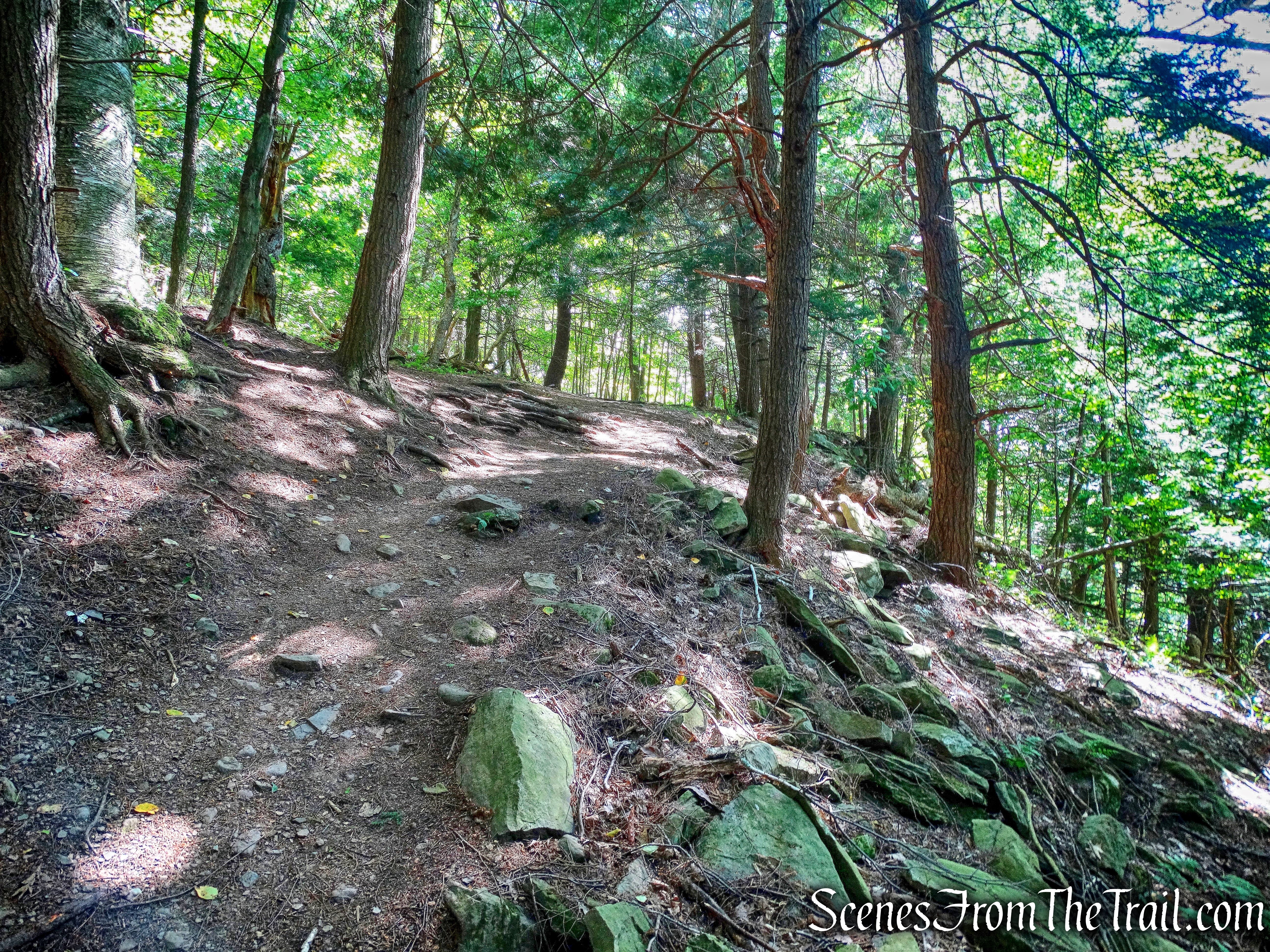
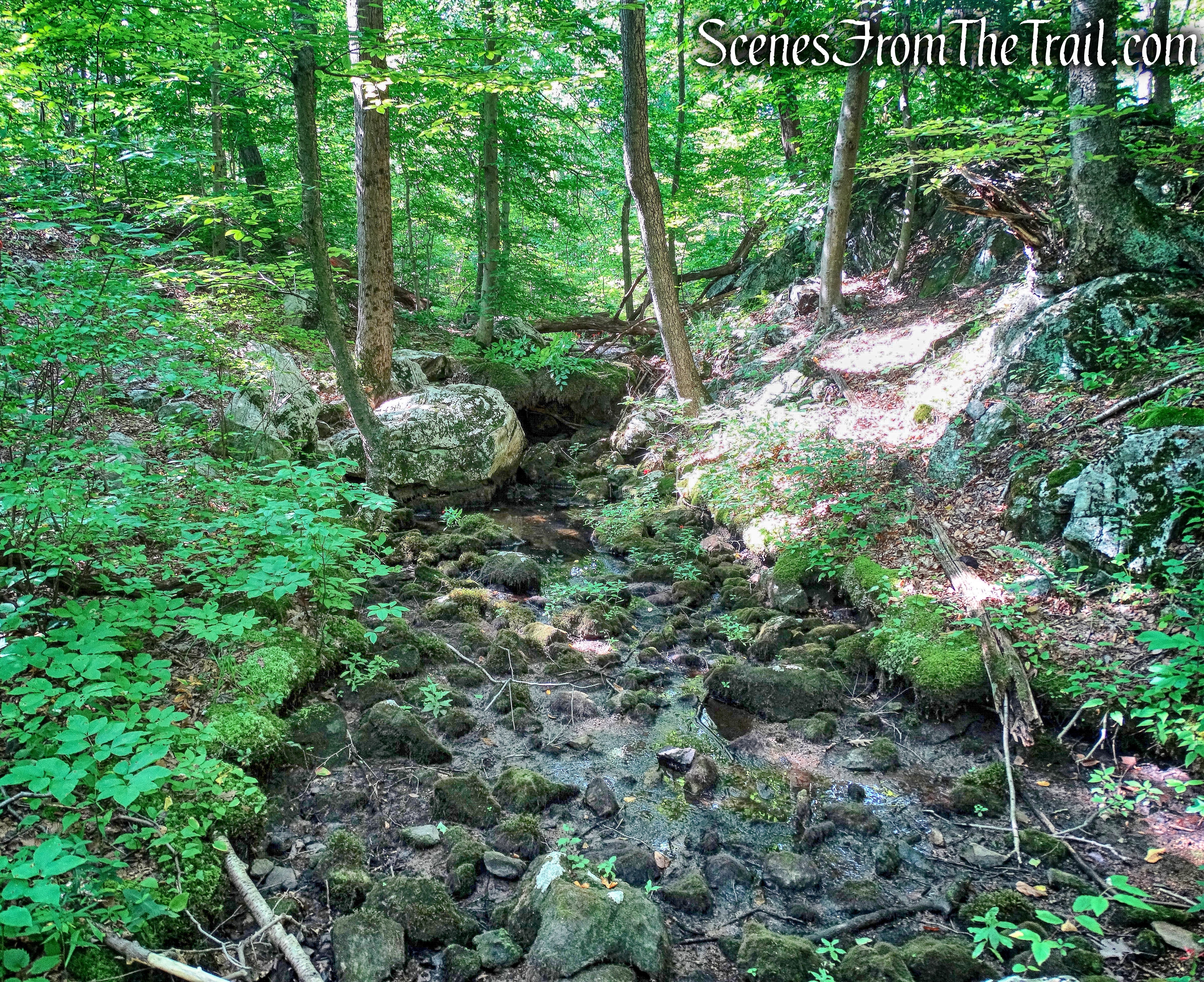
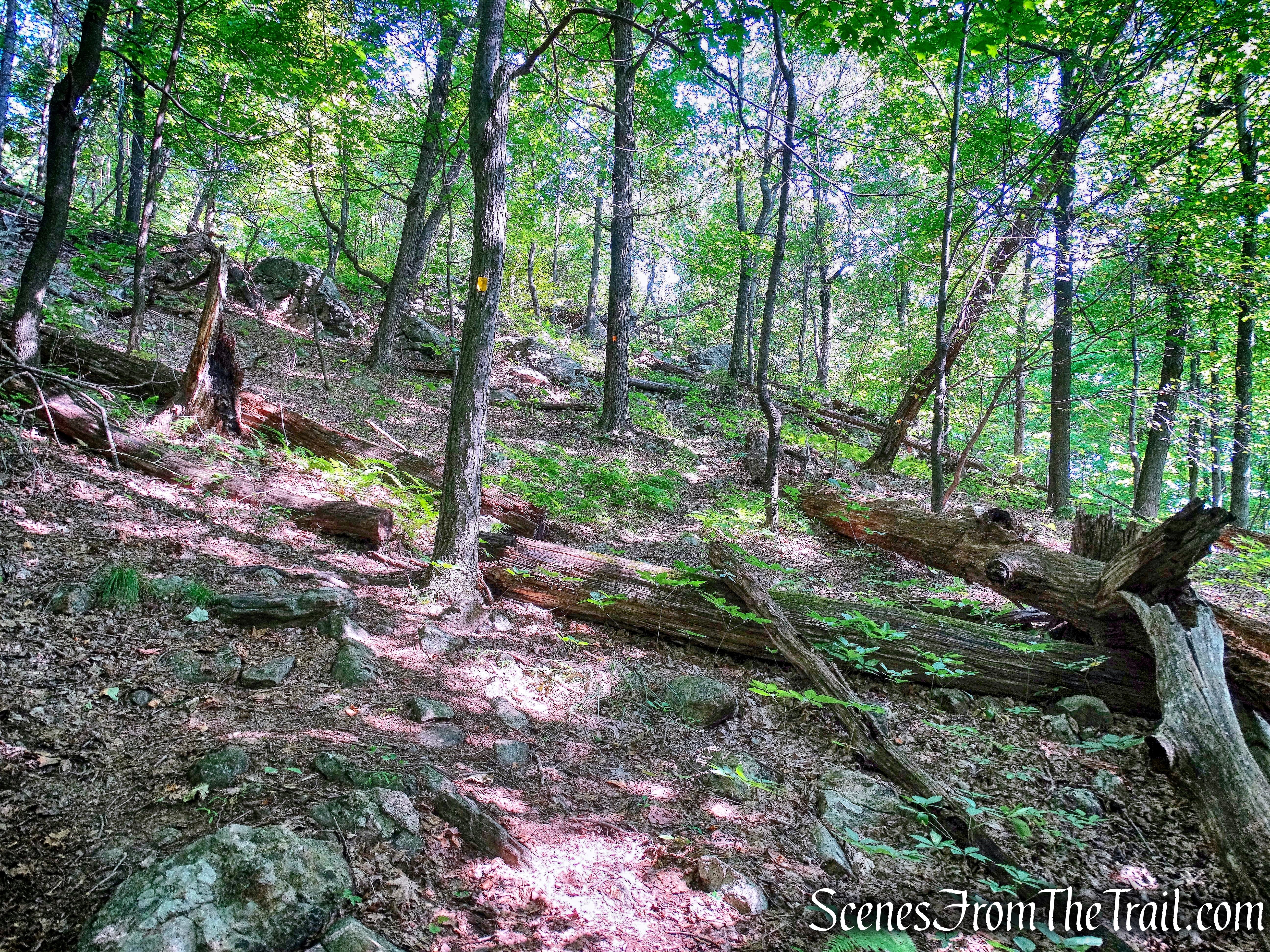
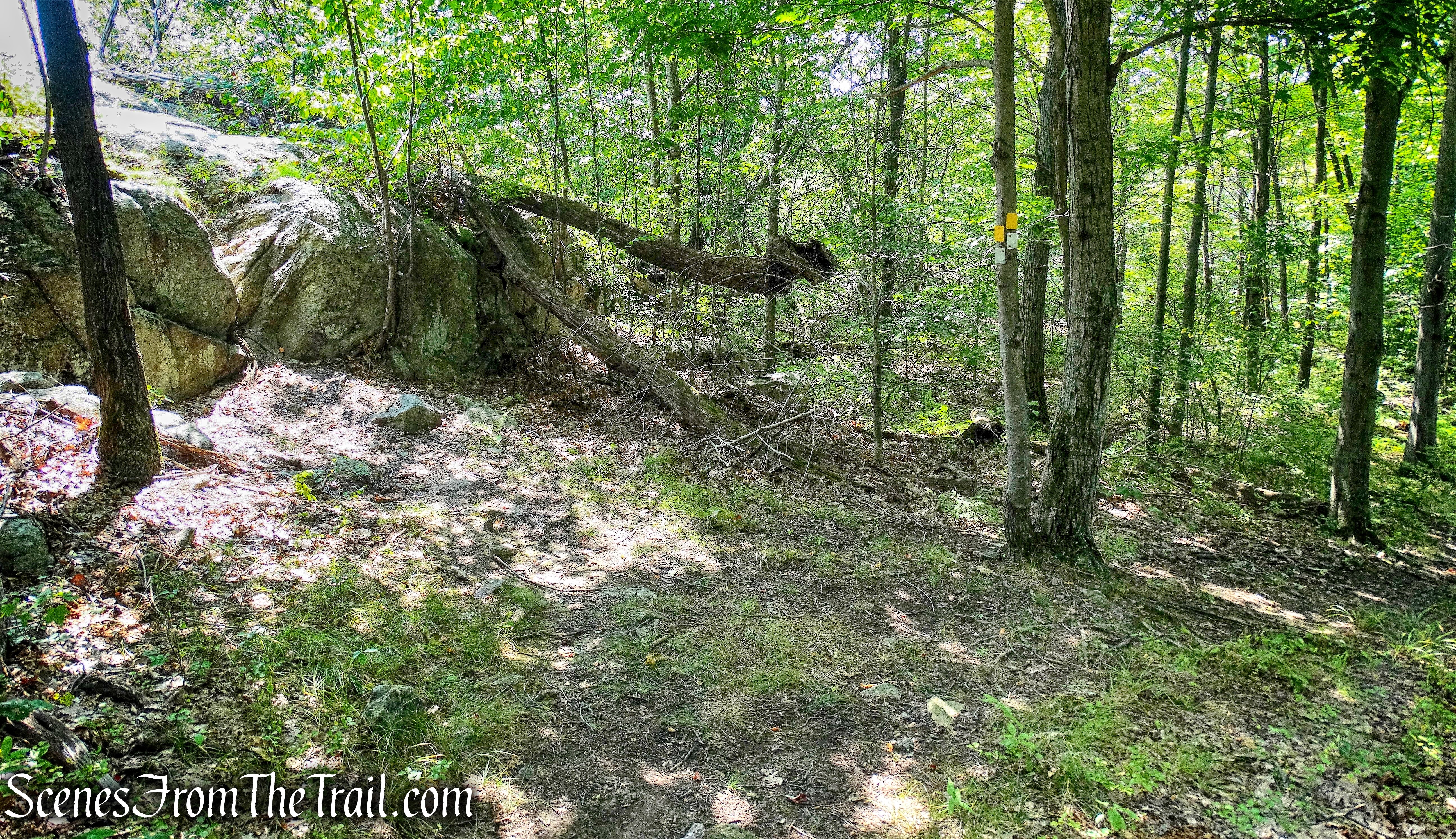
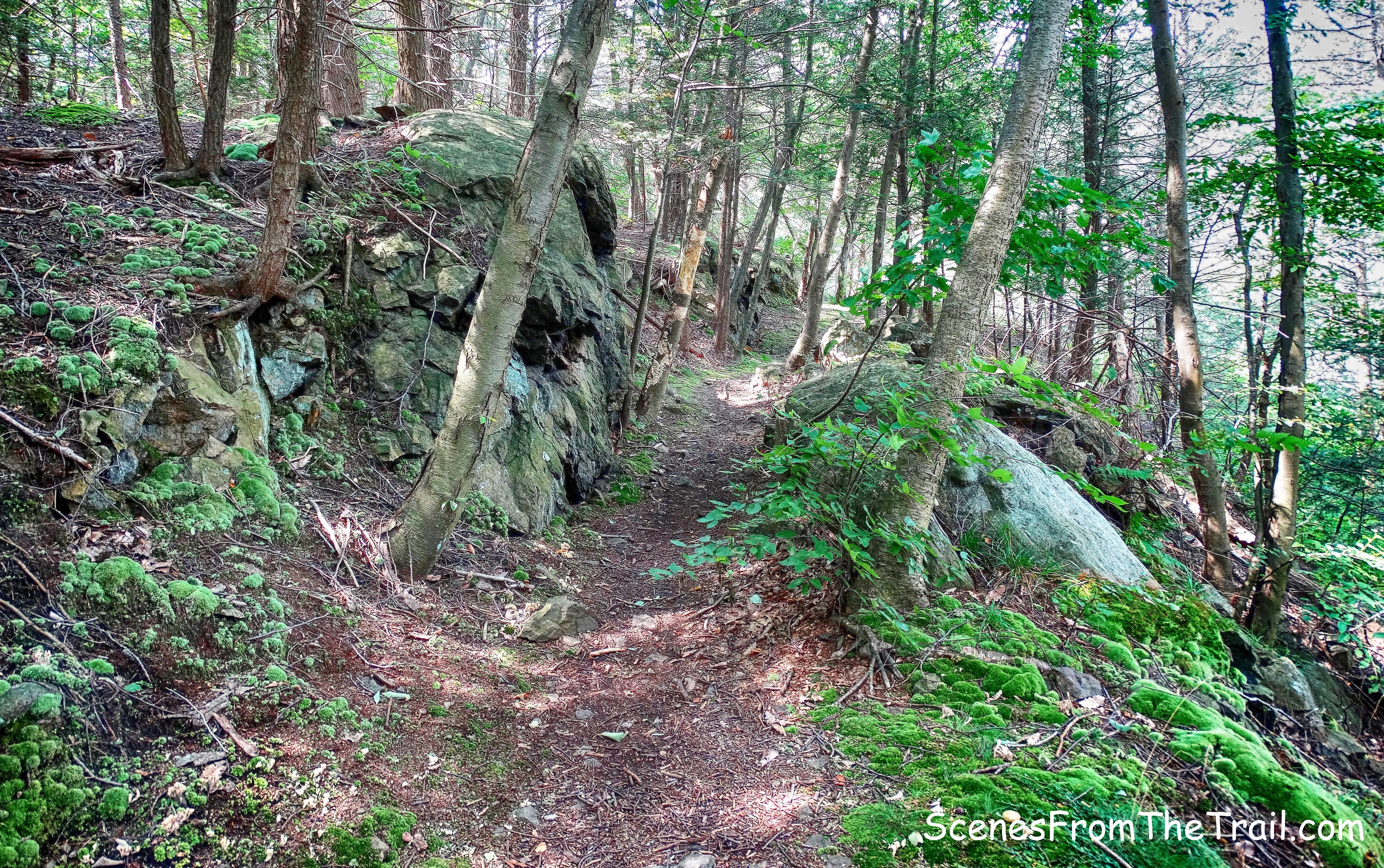
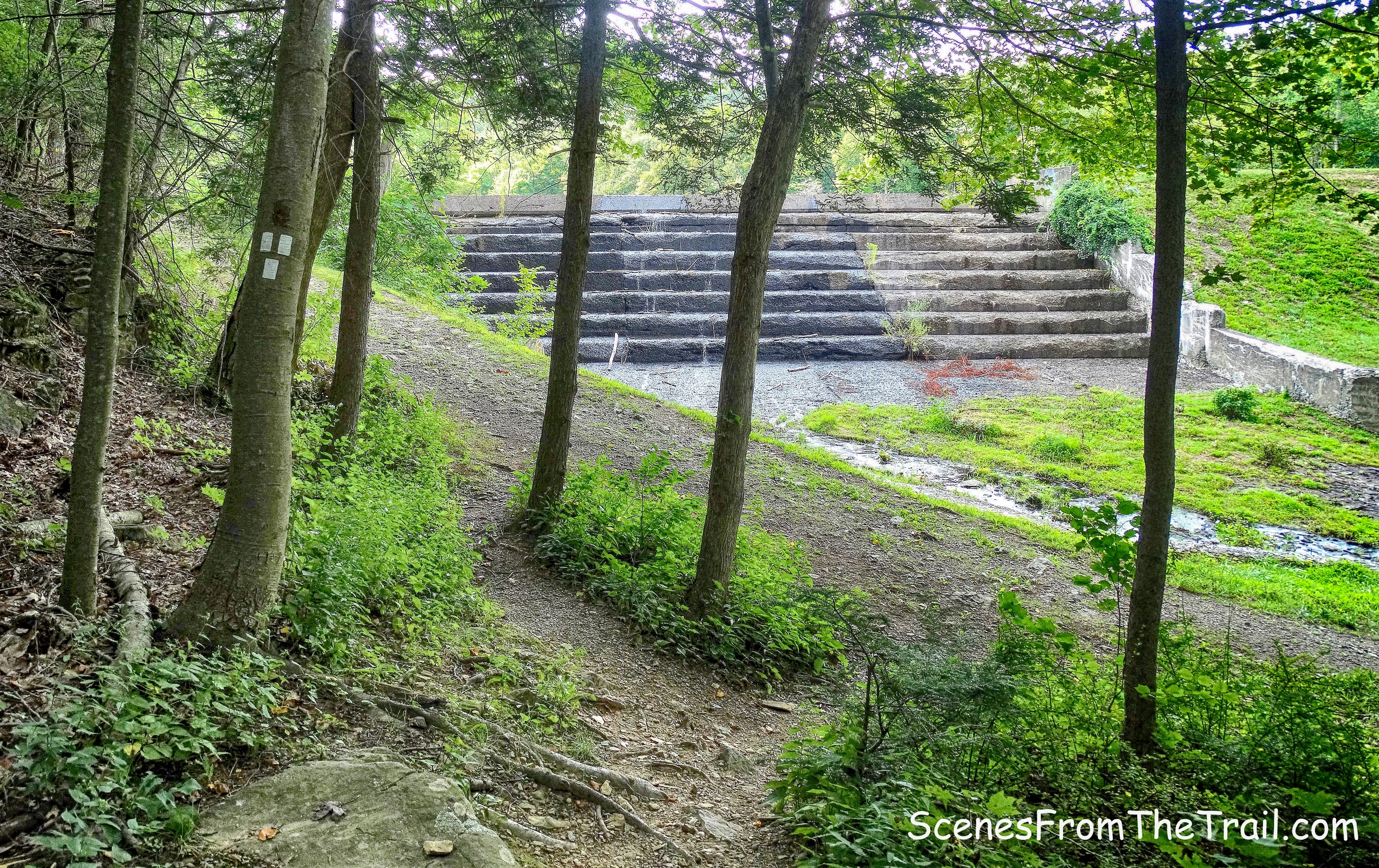
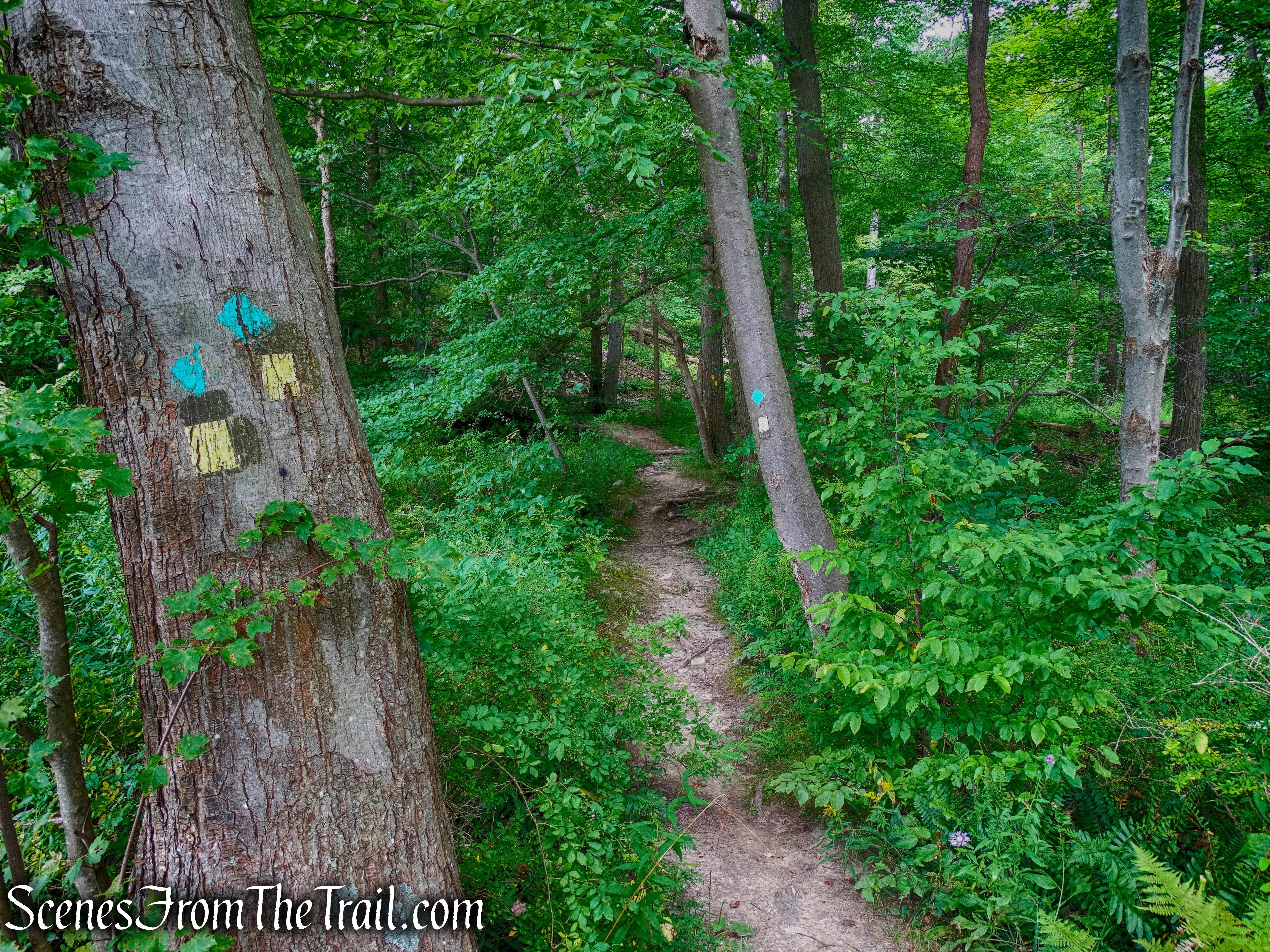
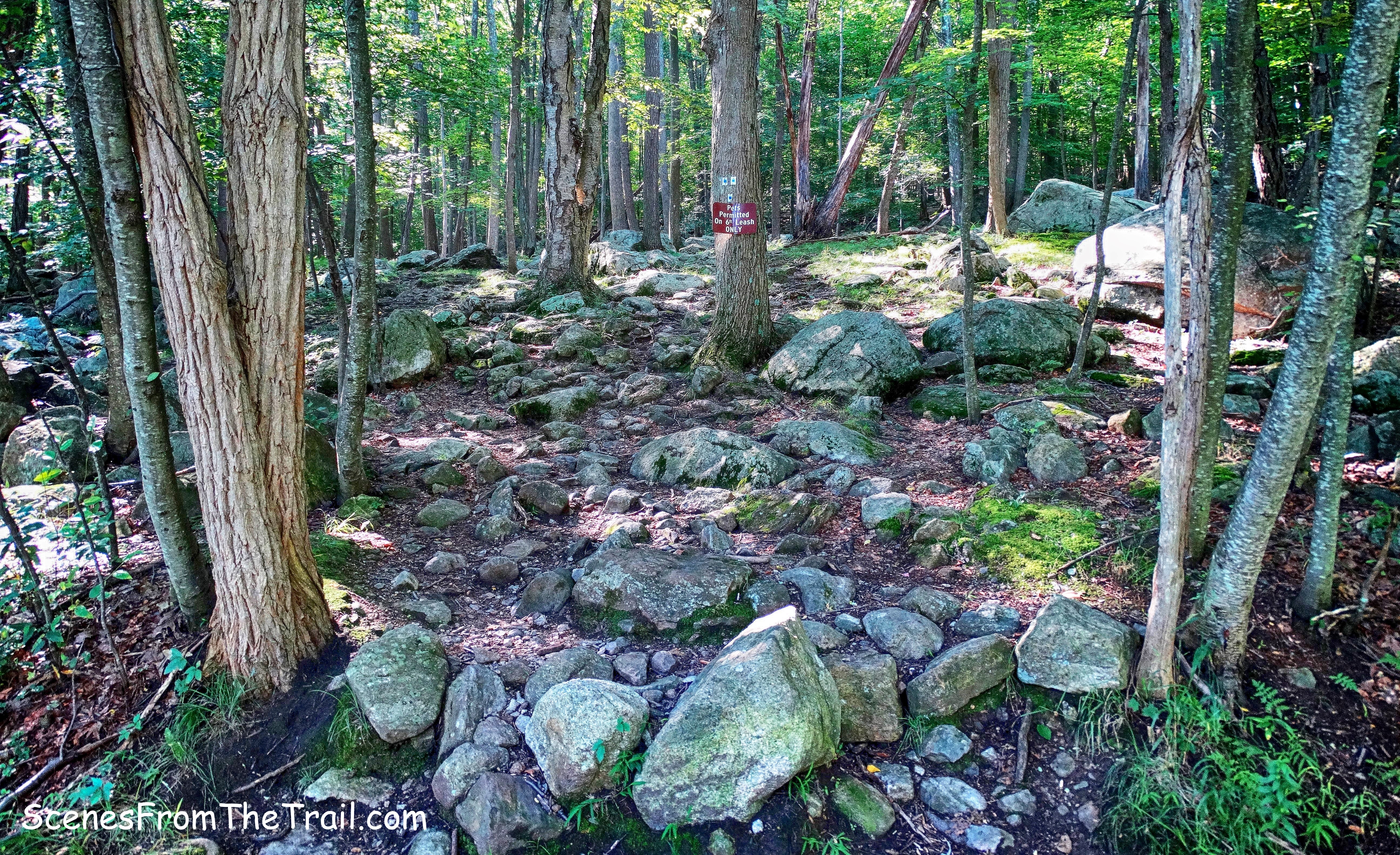
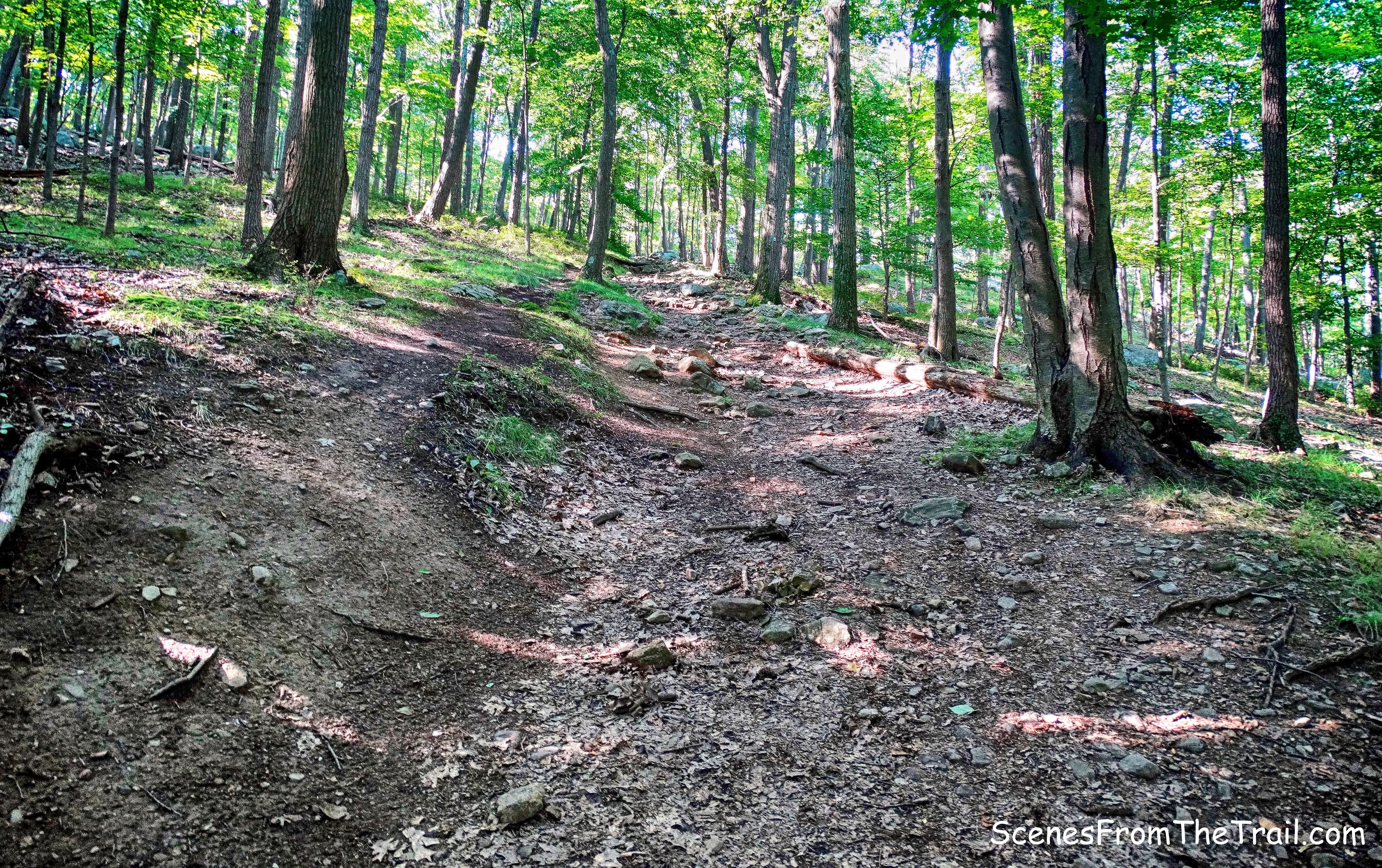
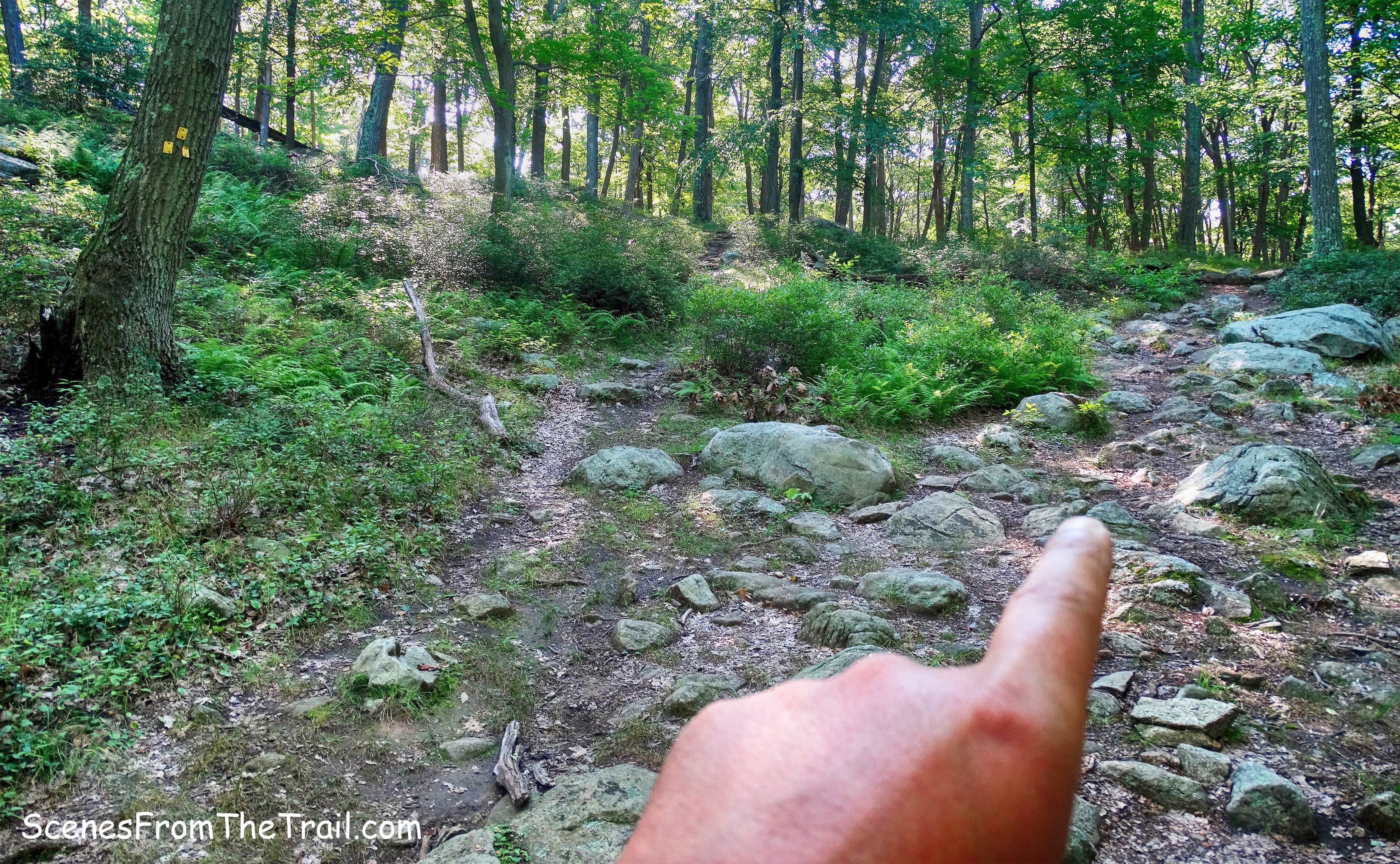
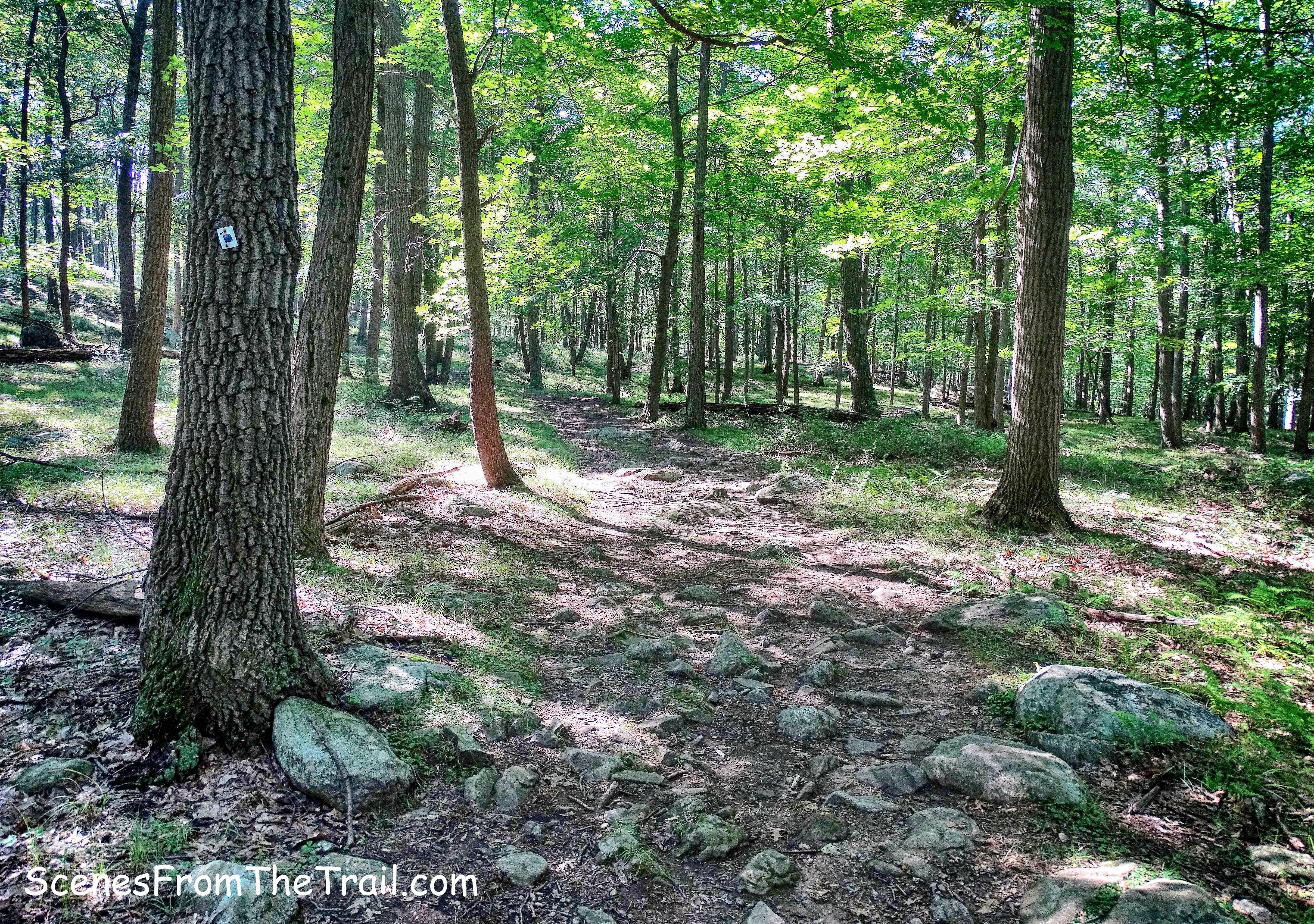
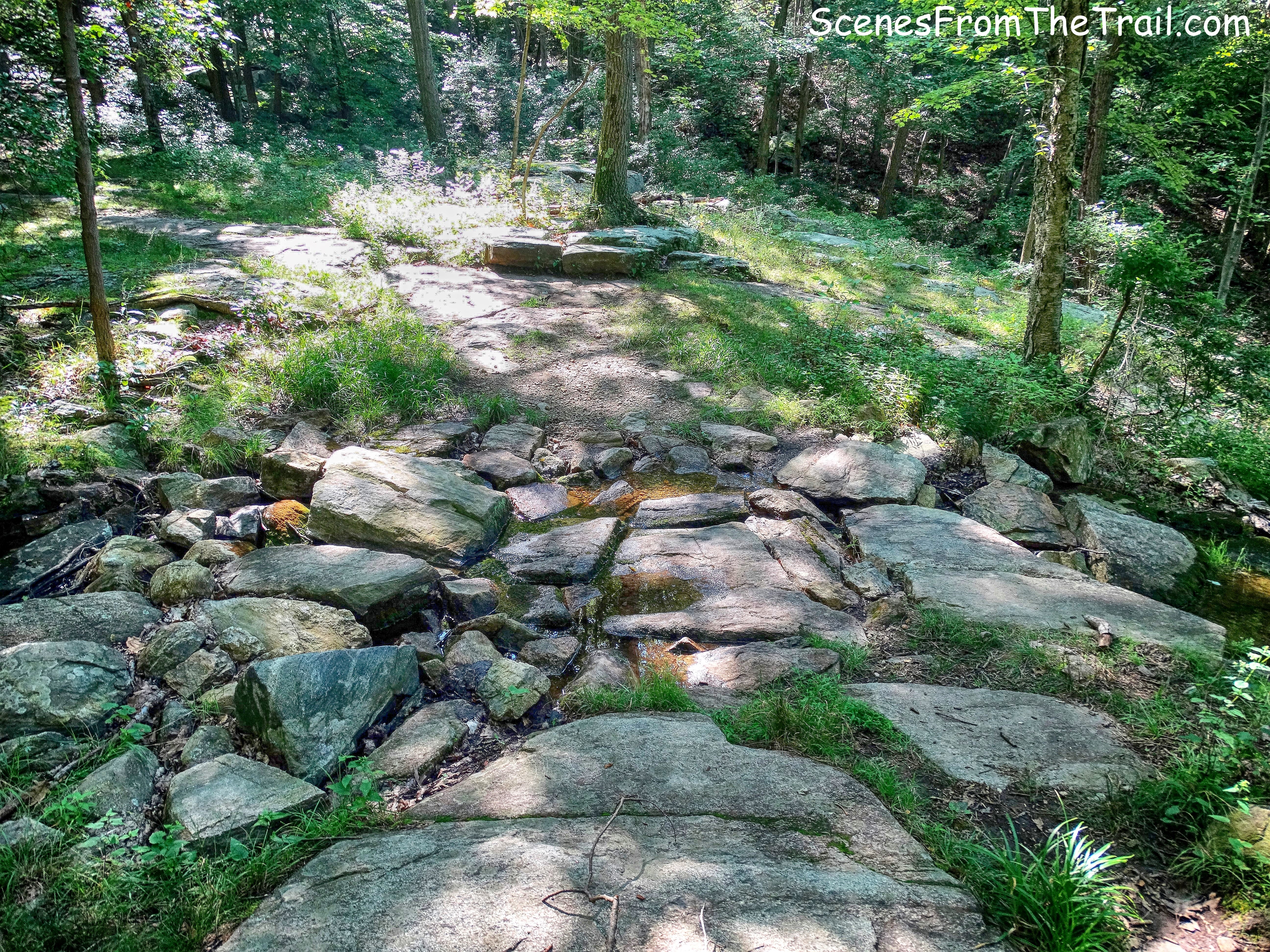
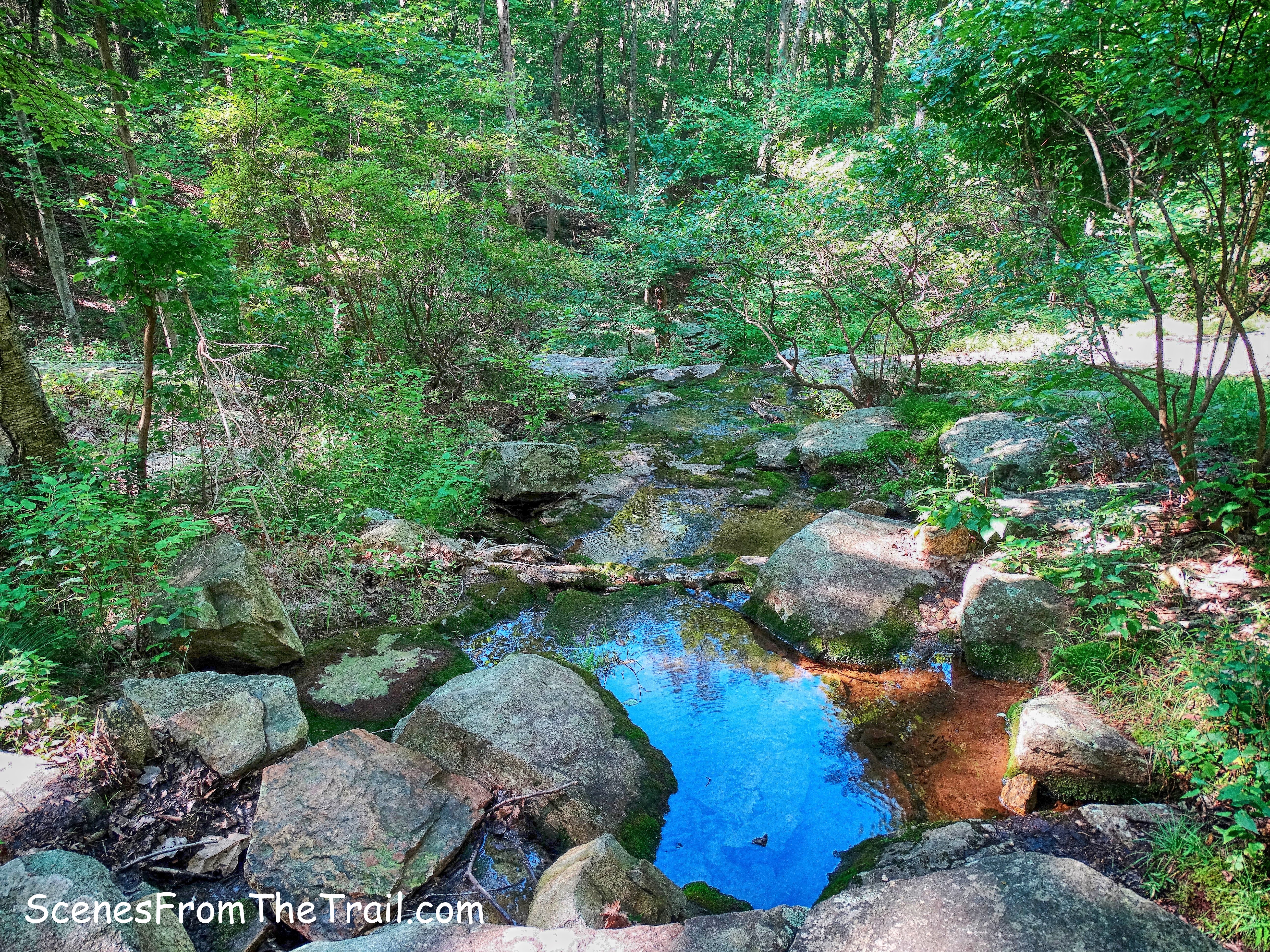
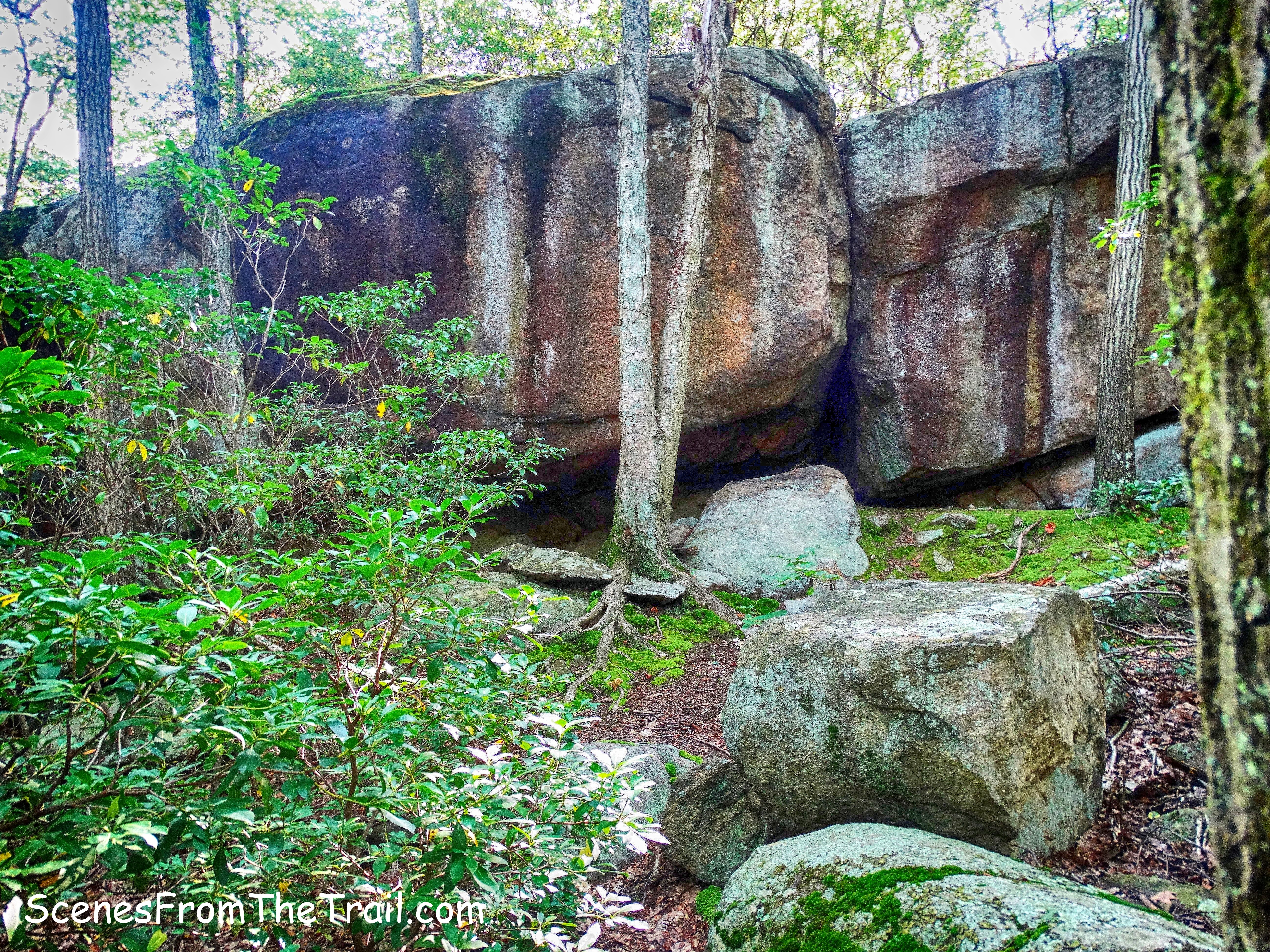
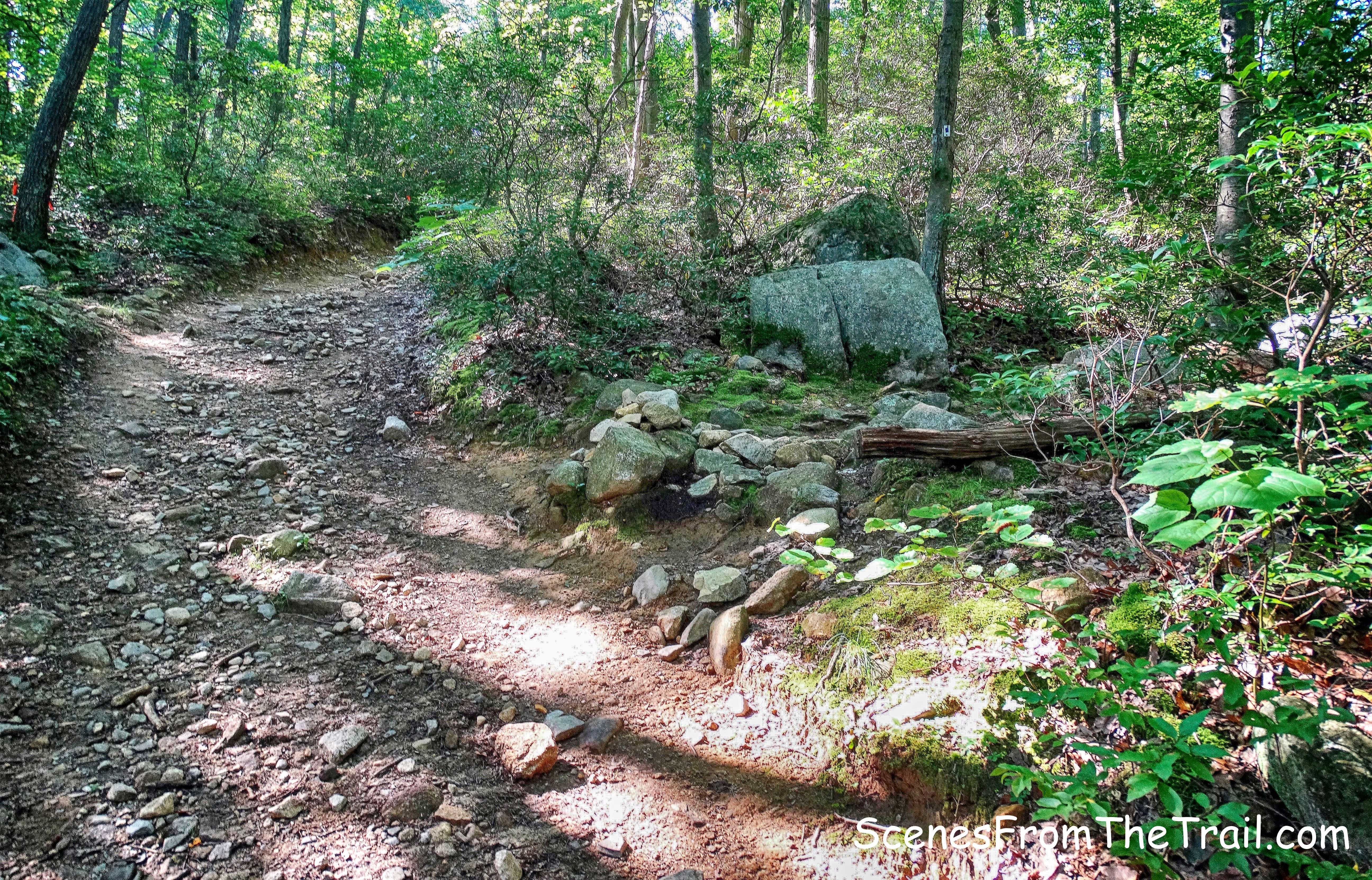
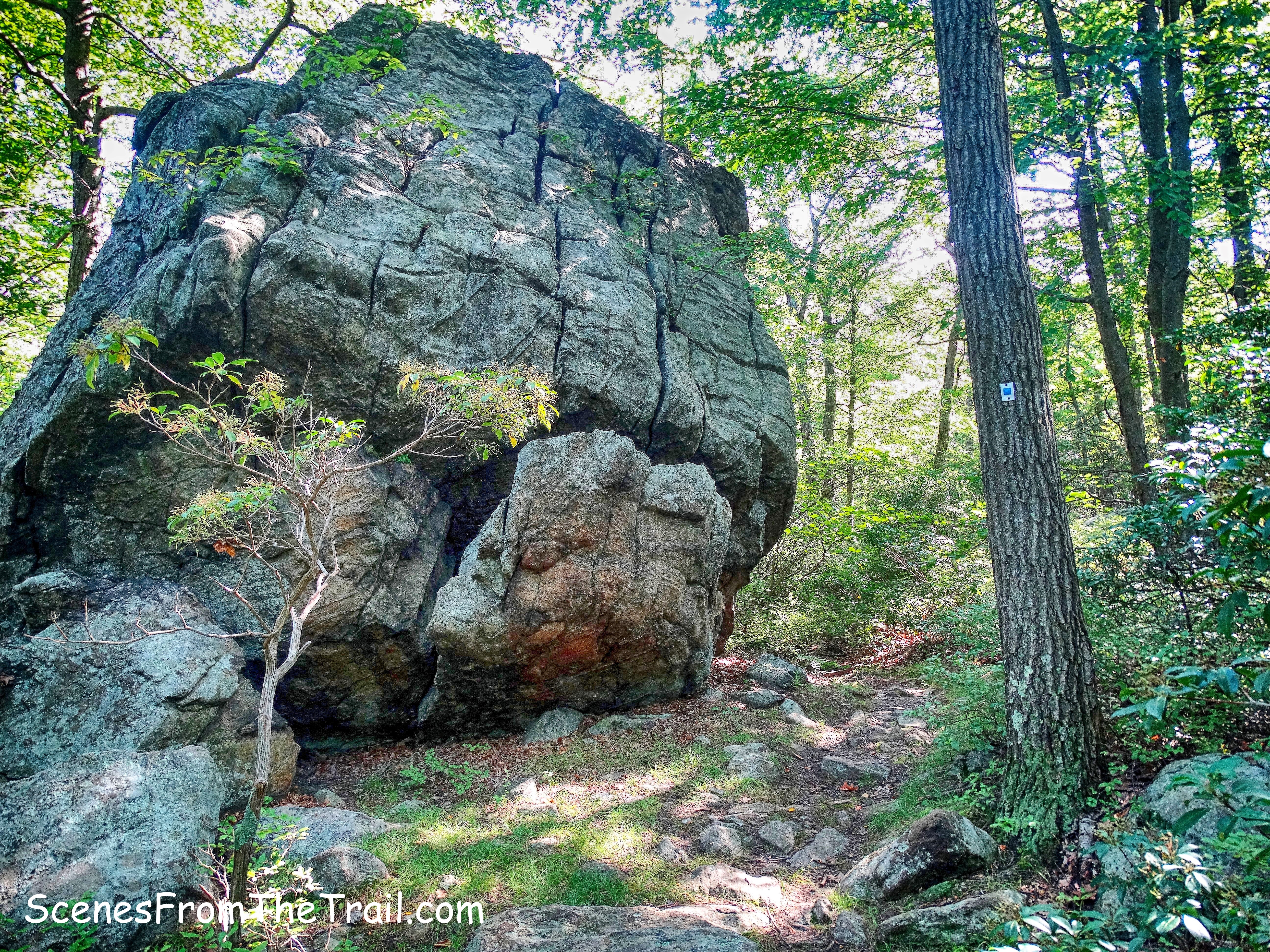
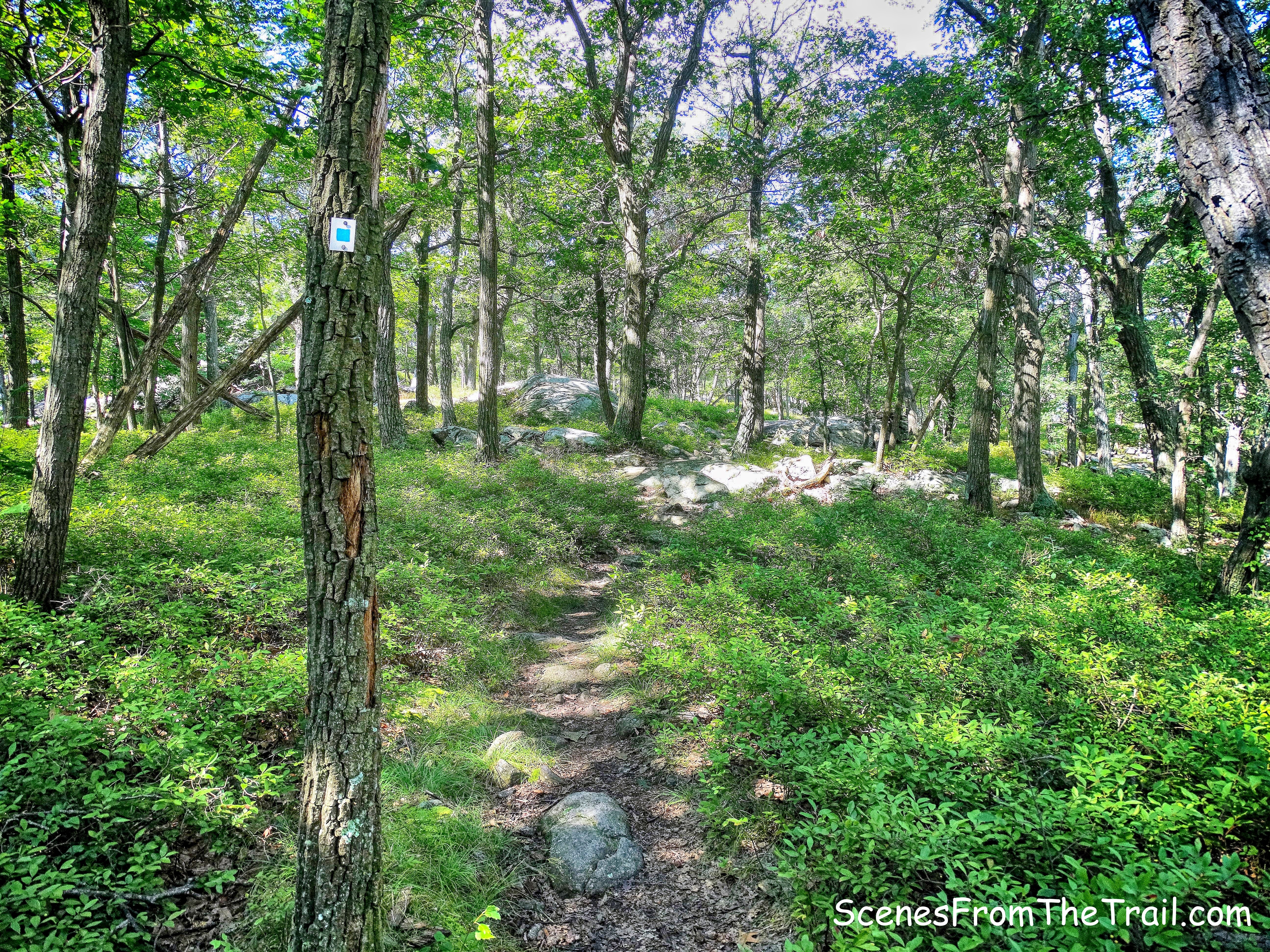
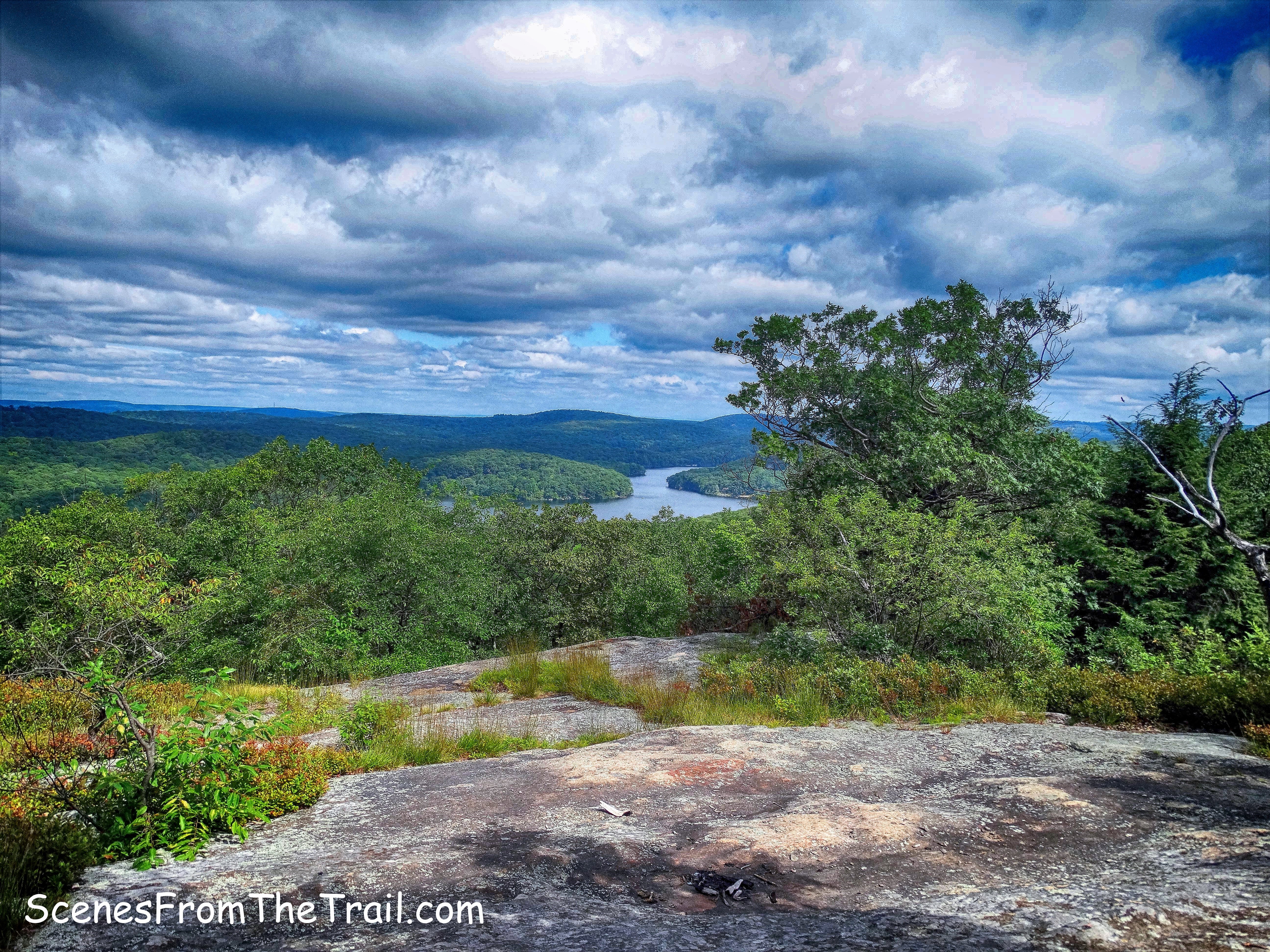
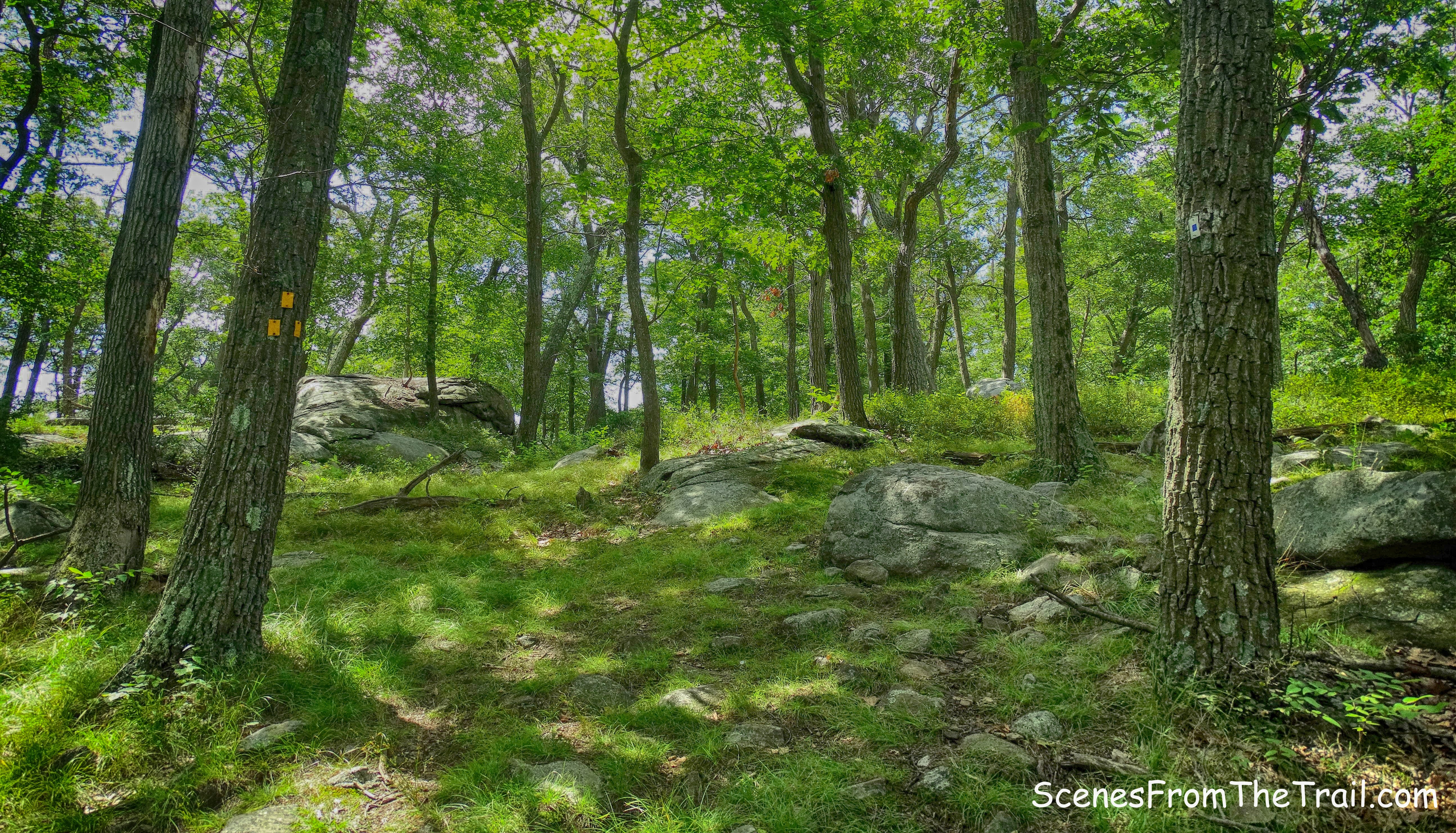
Cobey Pond Trail

Cobey Pond Trail

A new feature that I have added is the Google Earth Fly-Through. It follows the path that we hiked and it gives you a good idea of the terrain, layout, amount of parking etc. Check it out, it’s pretty cool.


View the Google Earth Fly-Through video of the hike below.

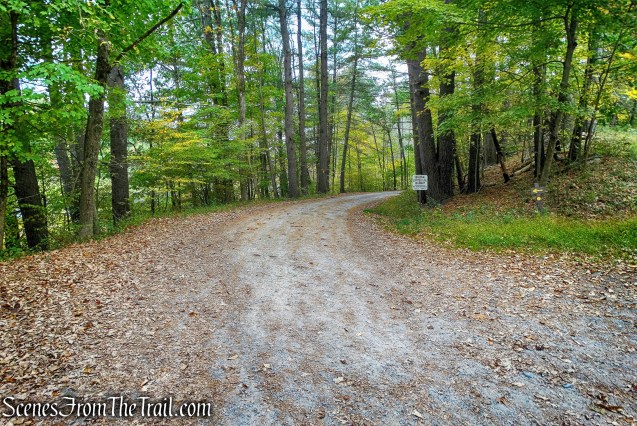
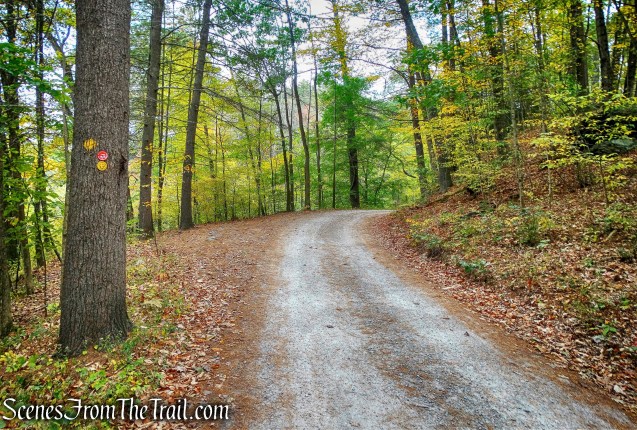
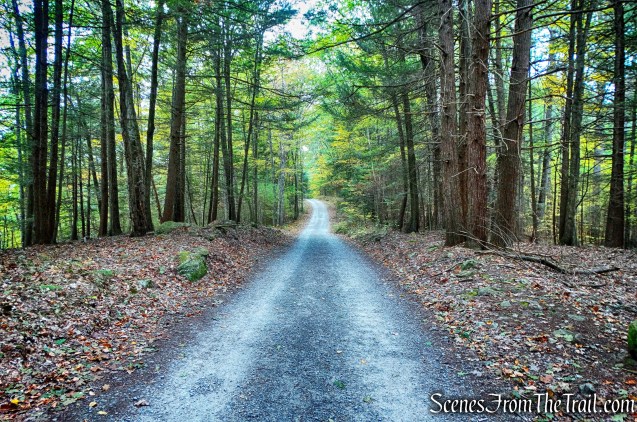
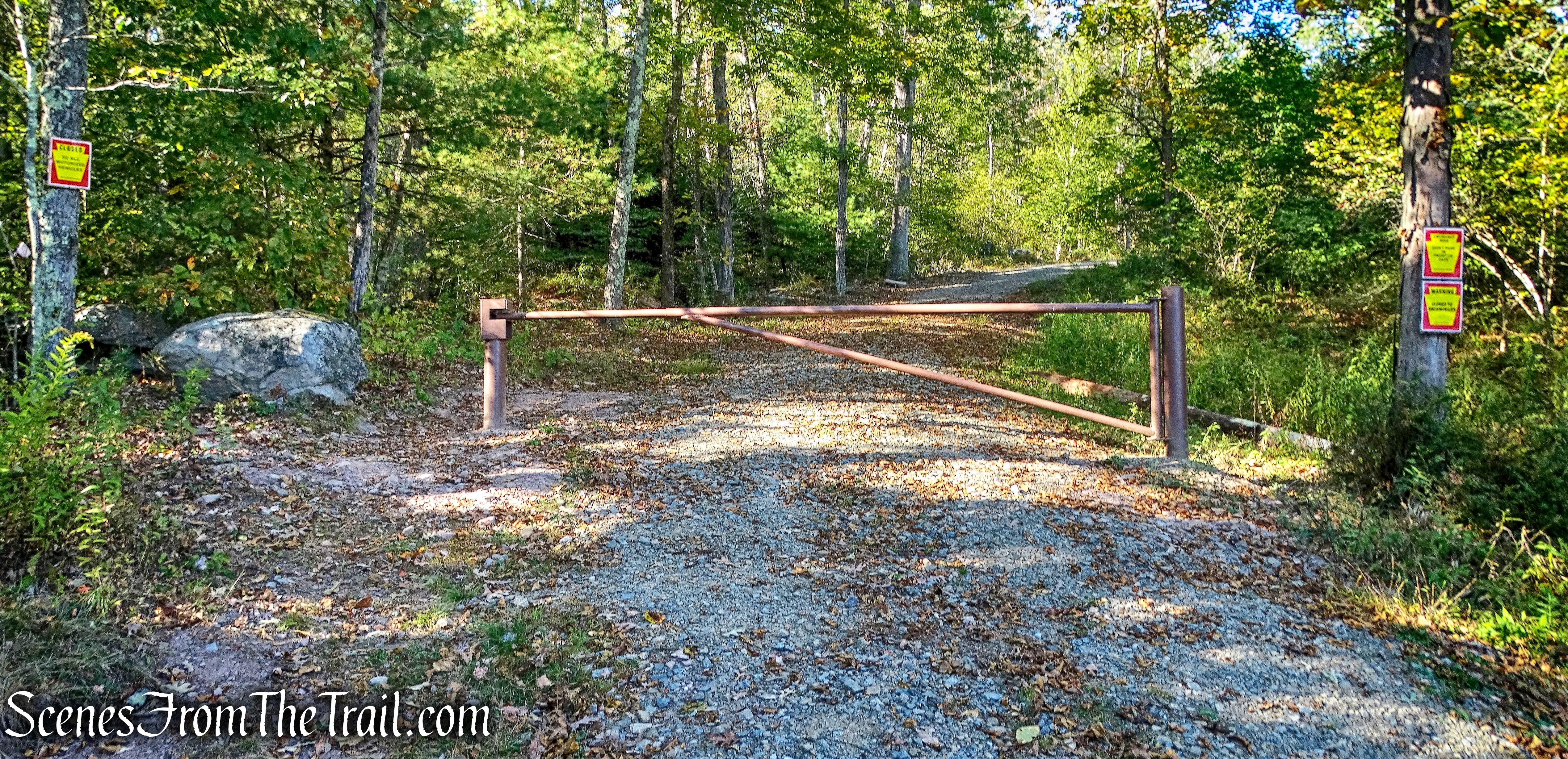
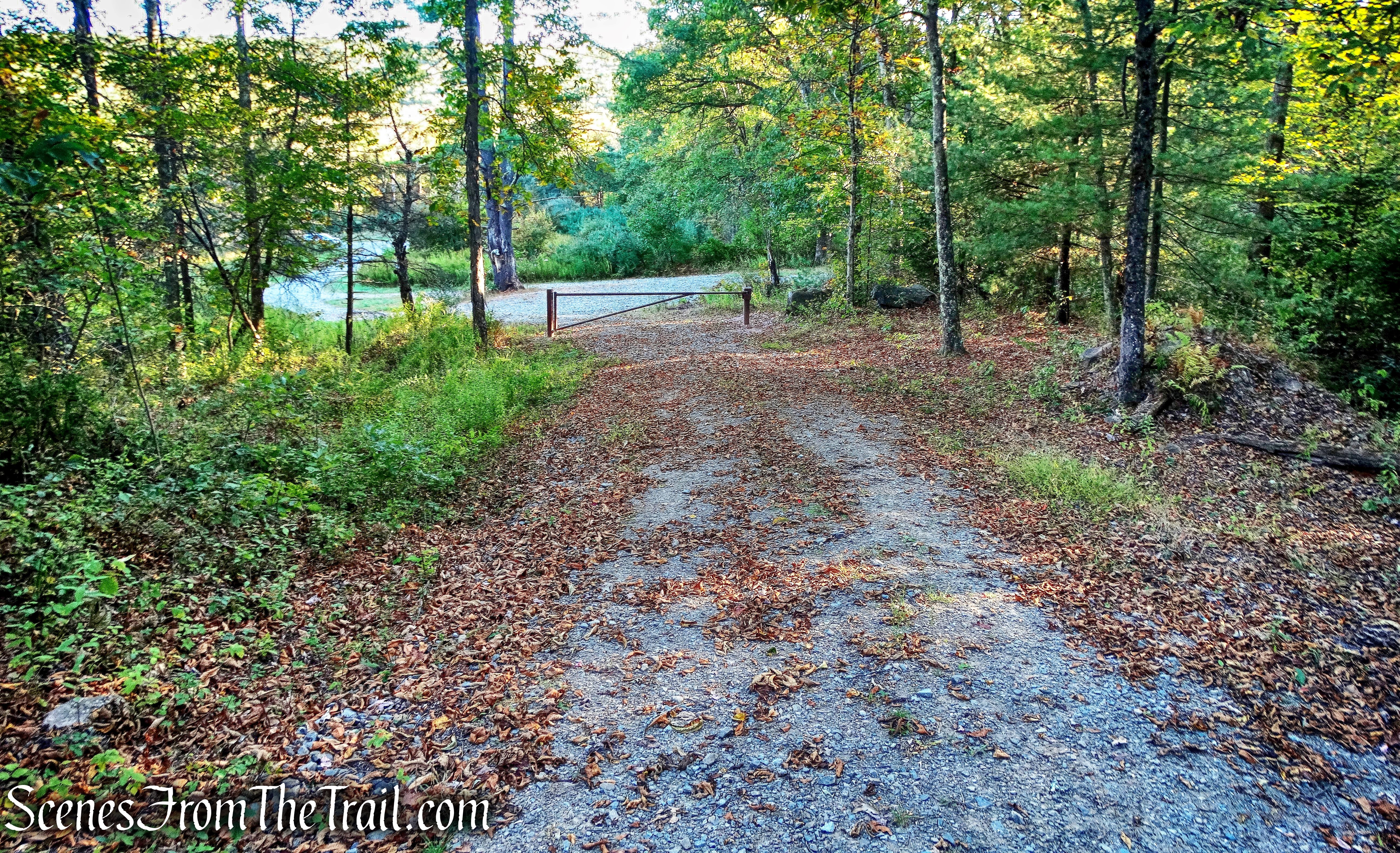
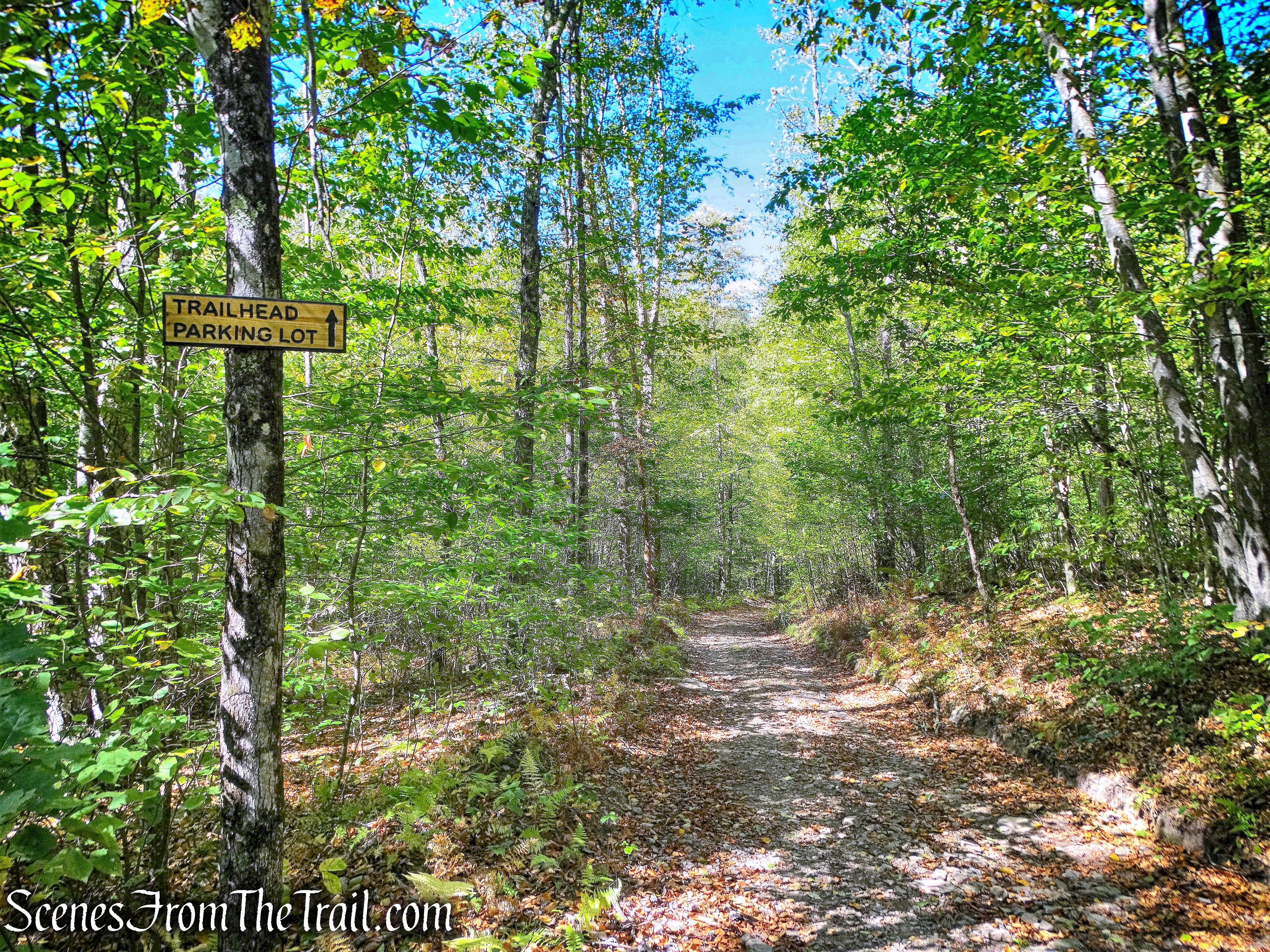
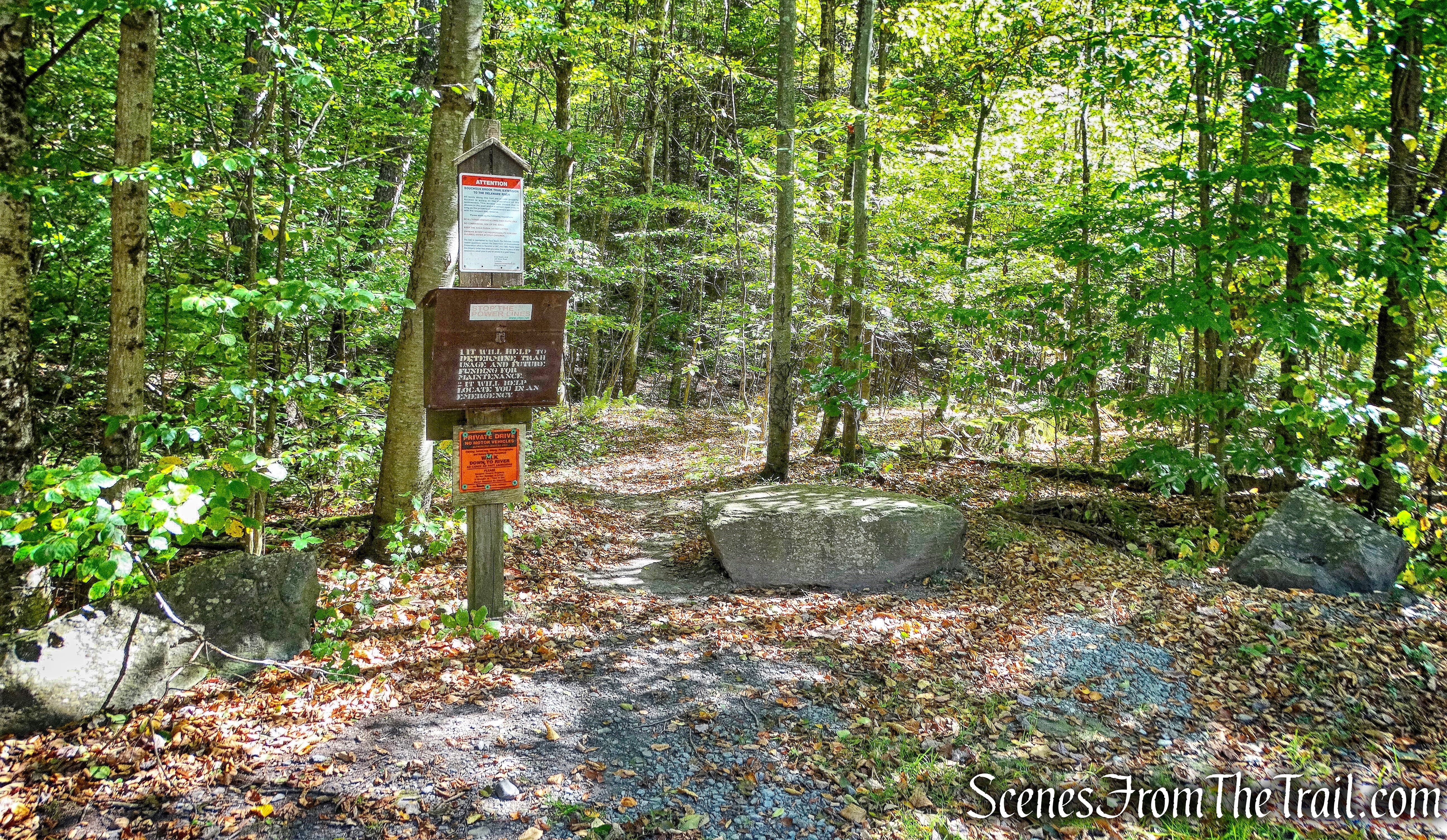
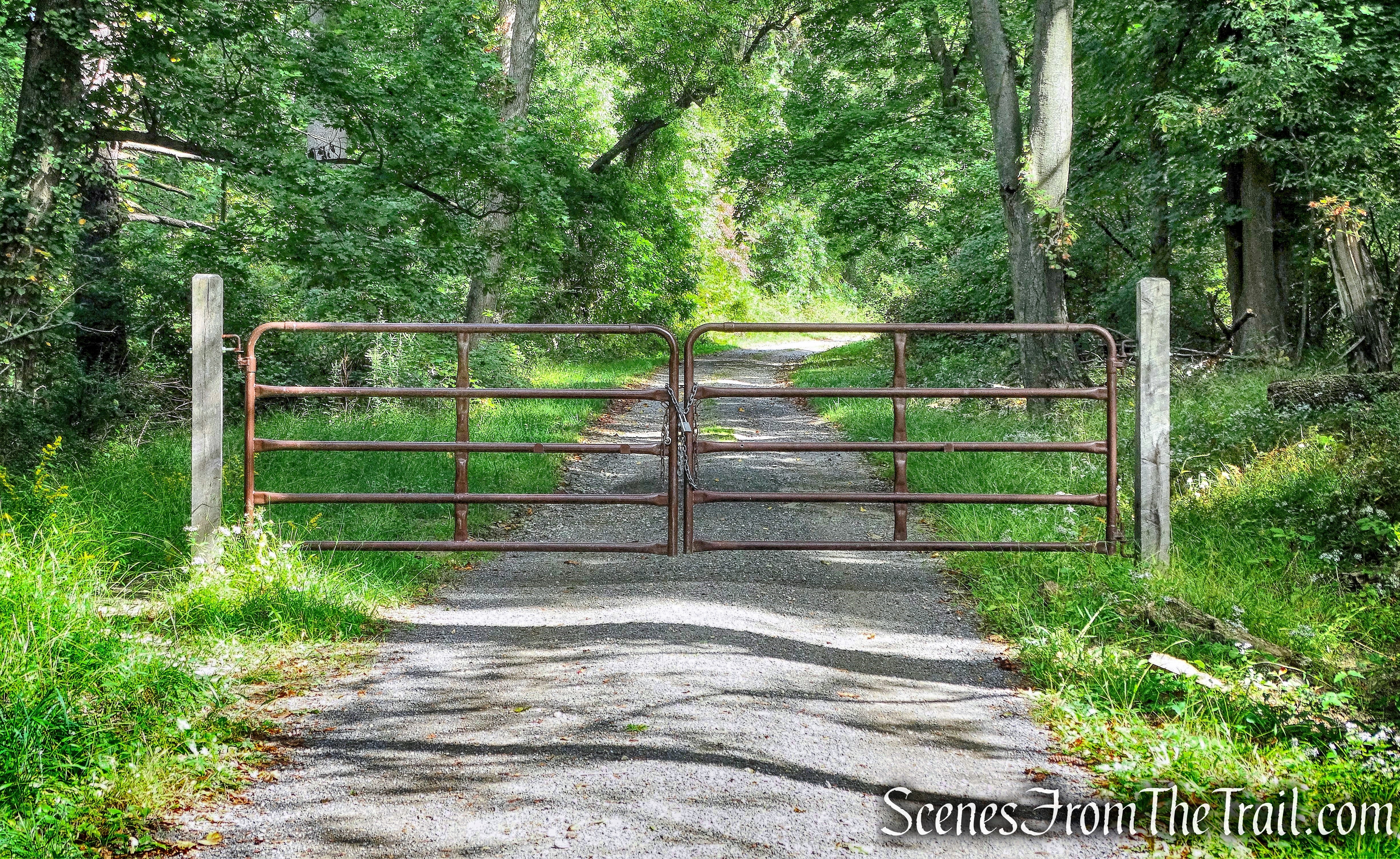
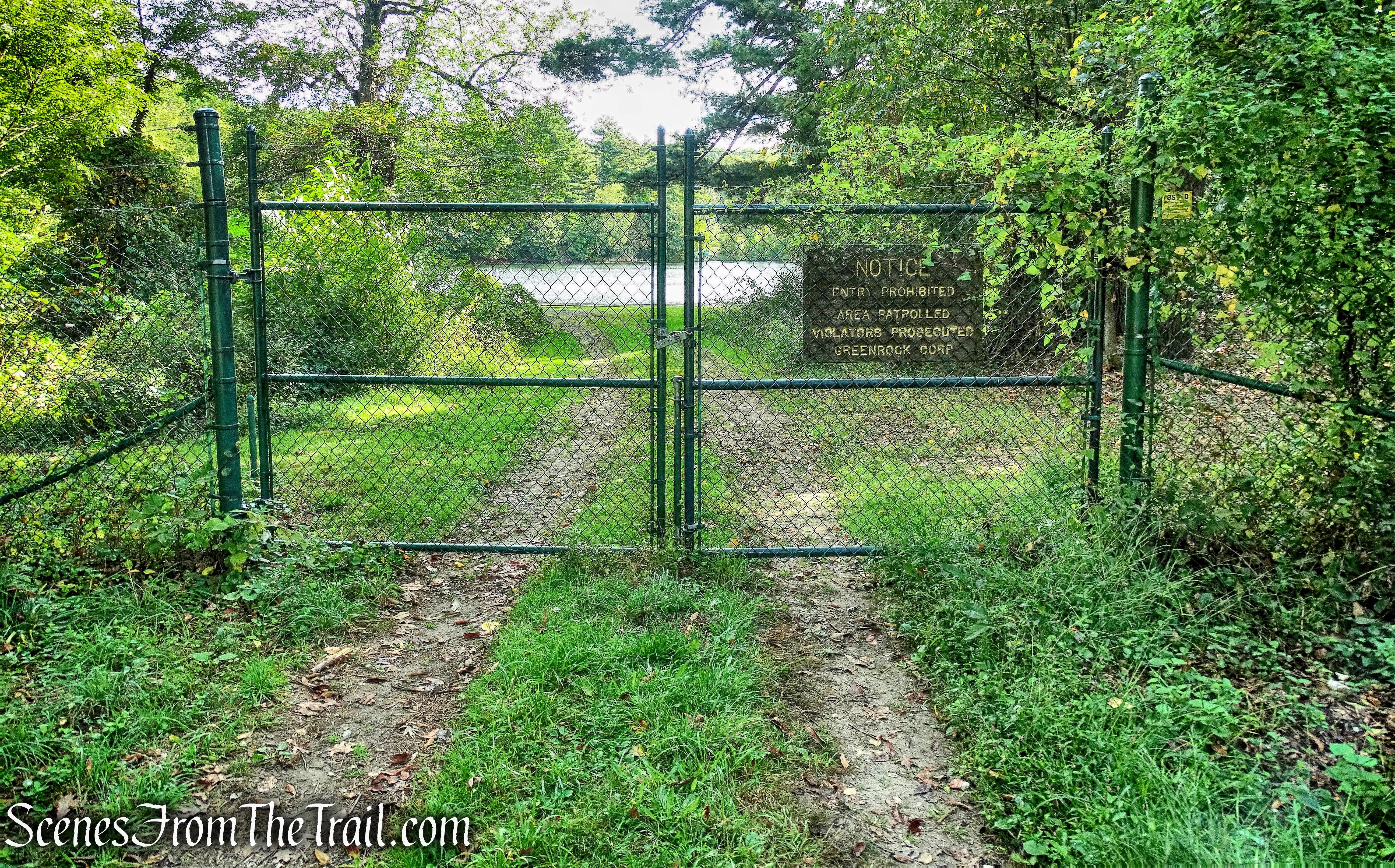
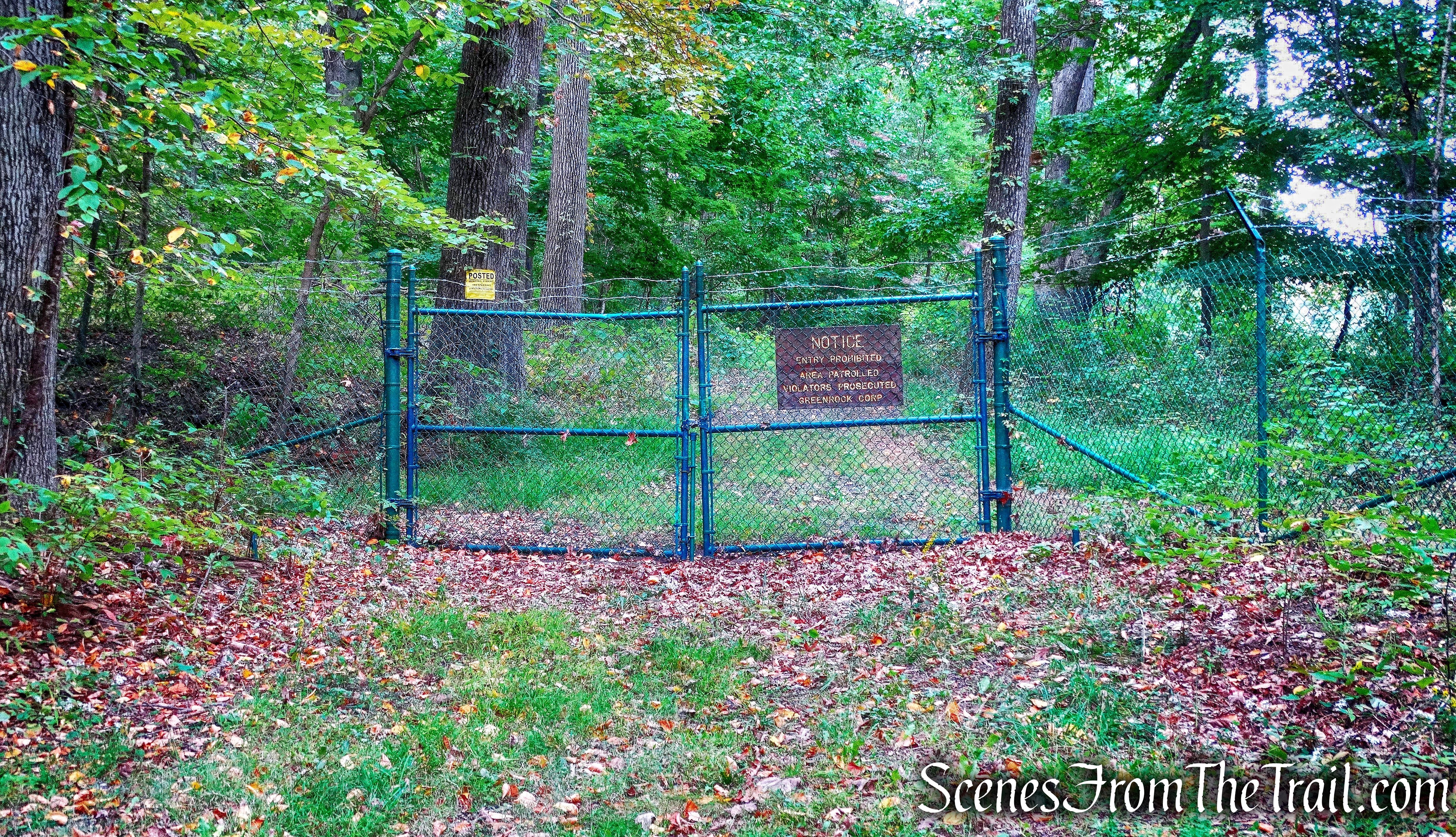
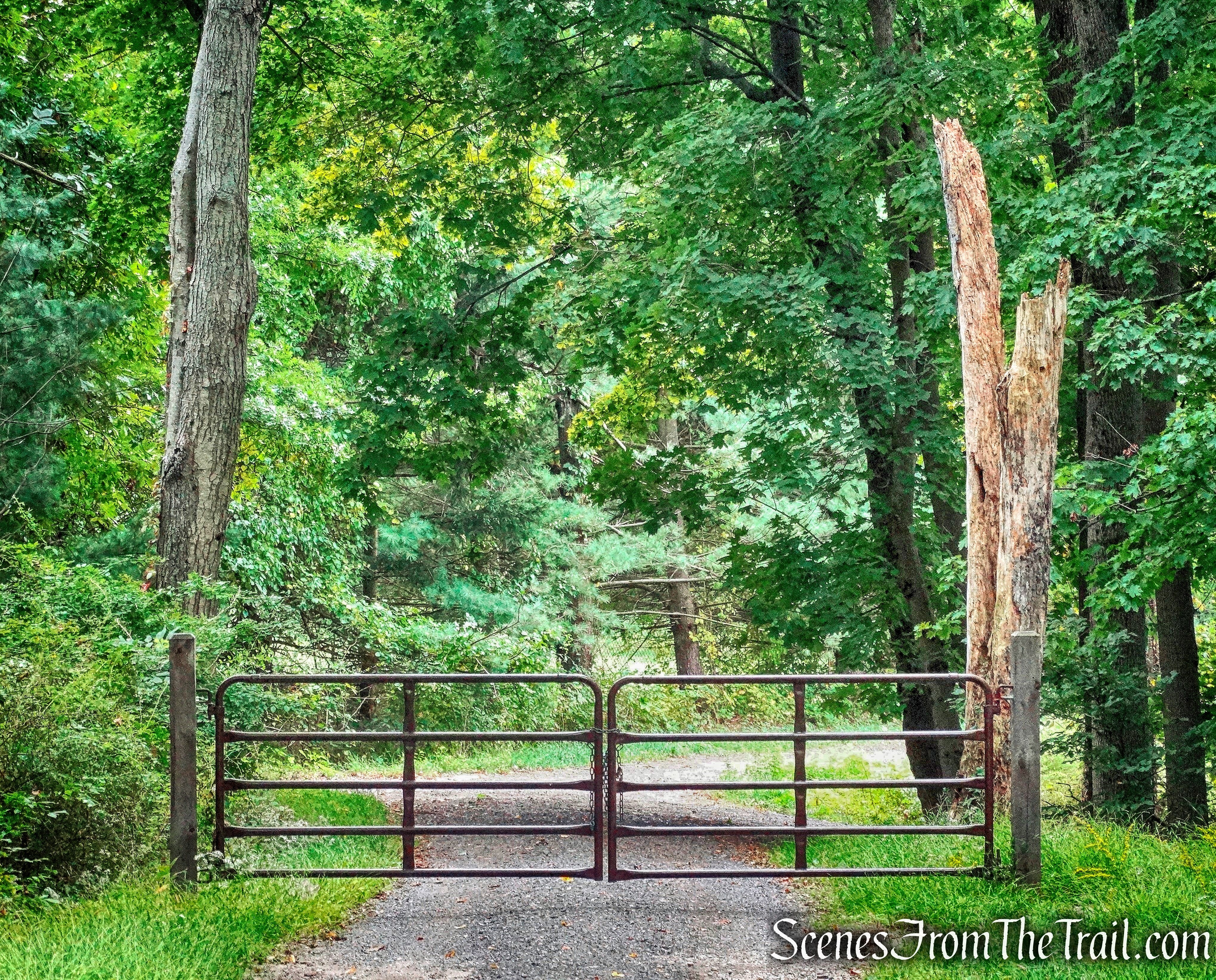
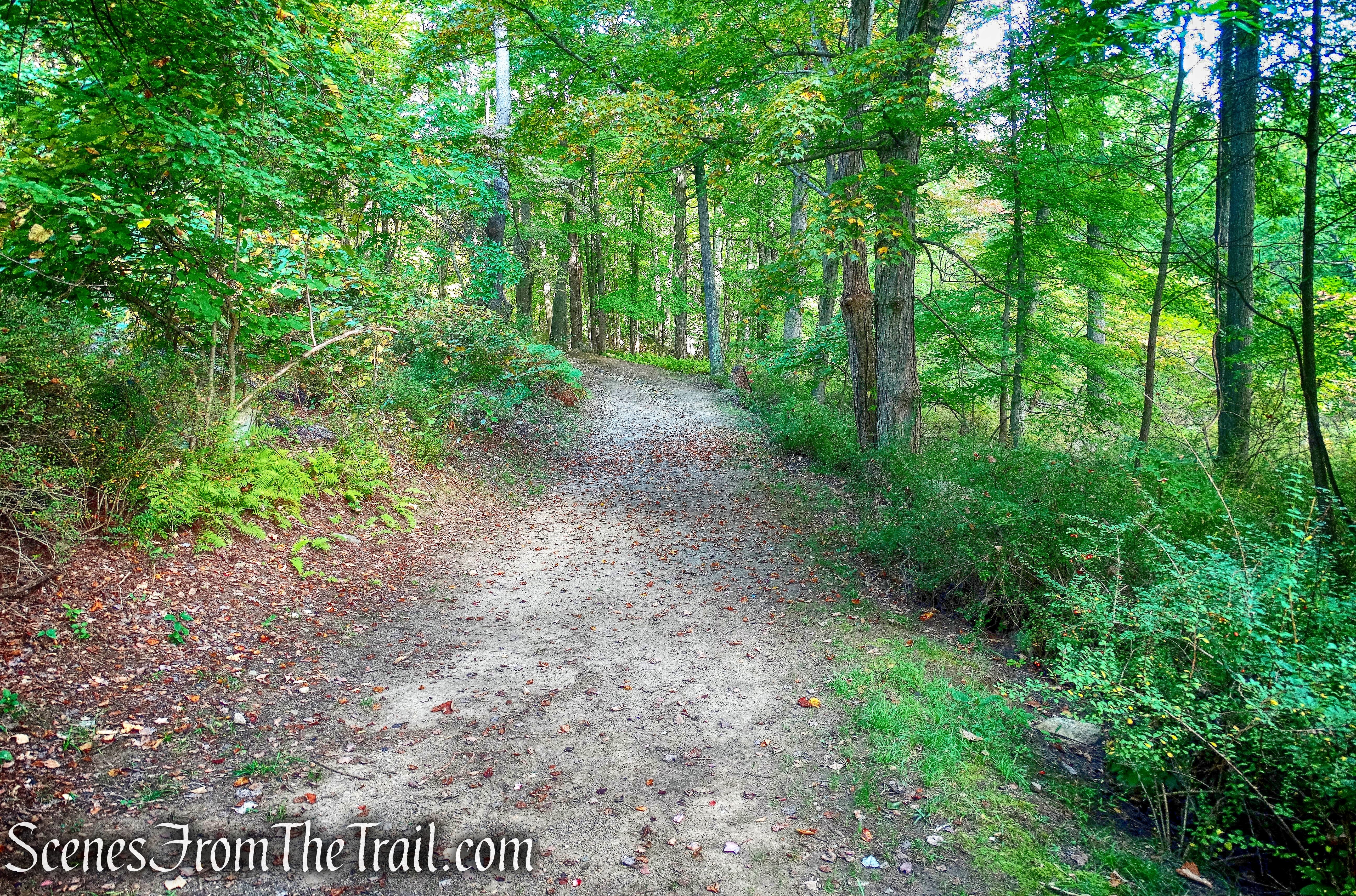
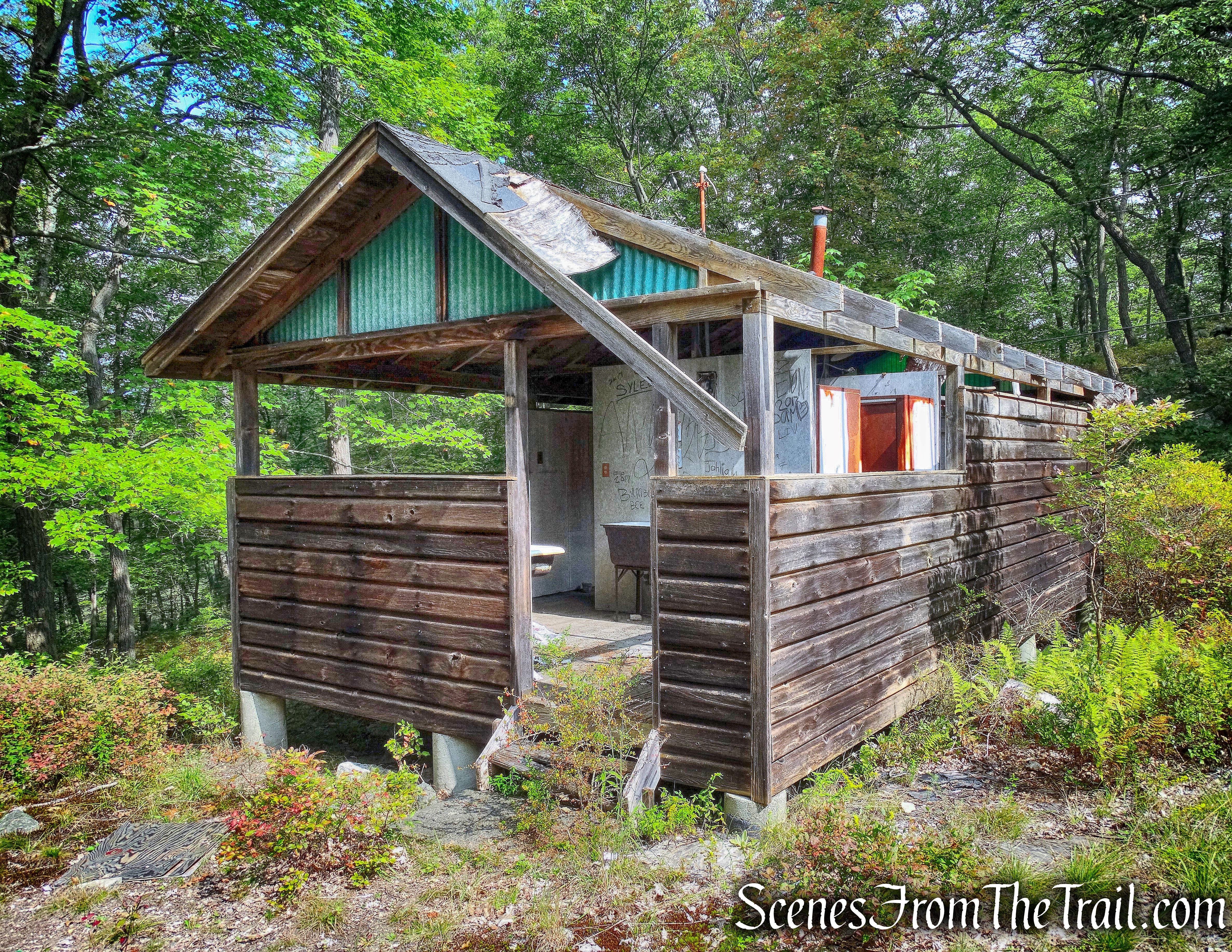
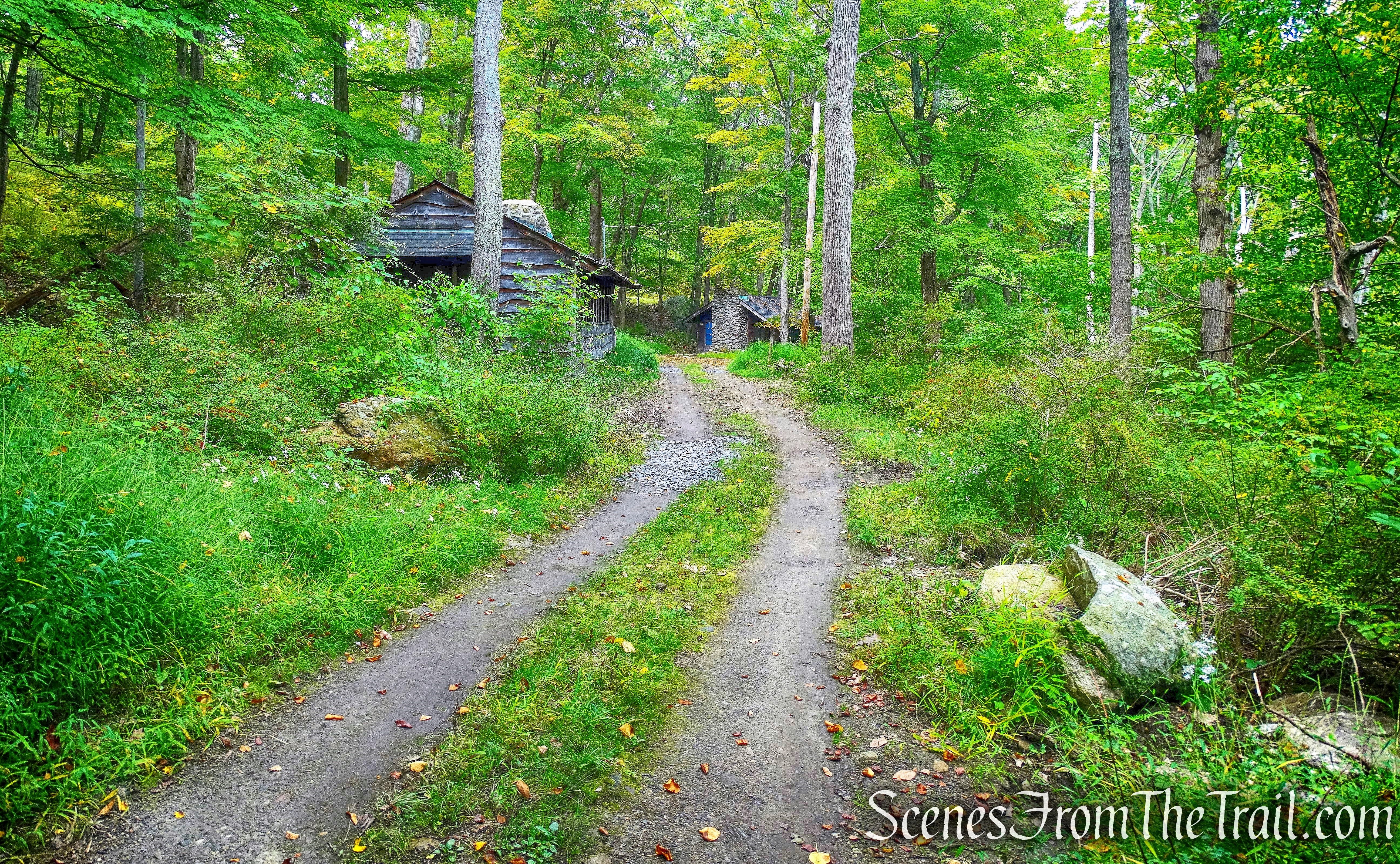
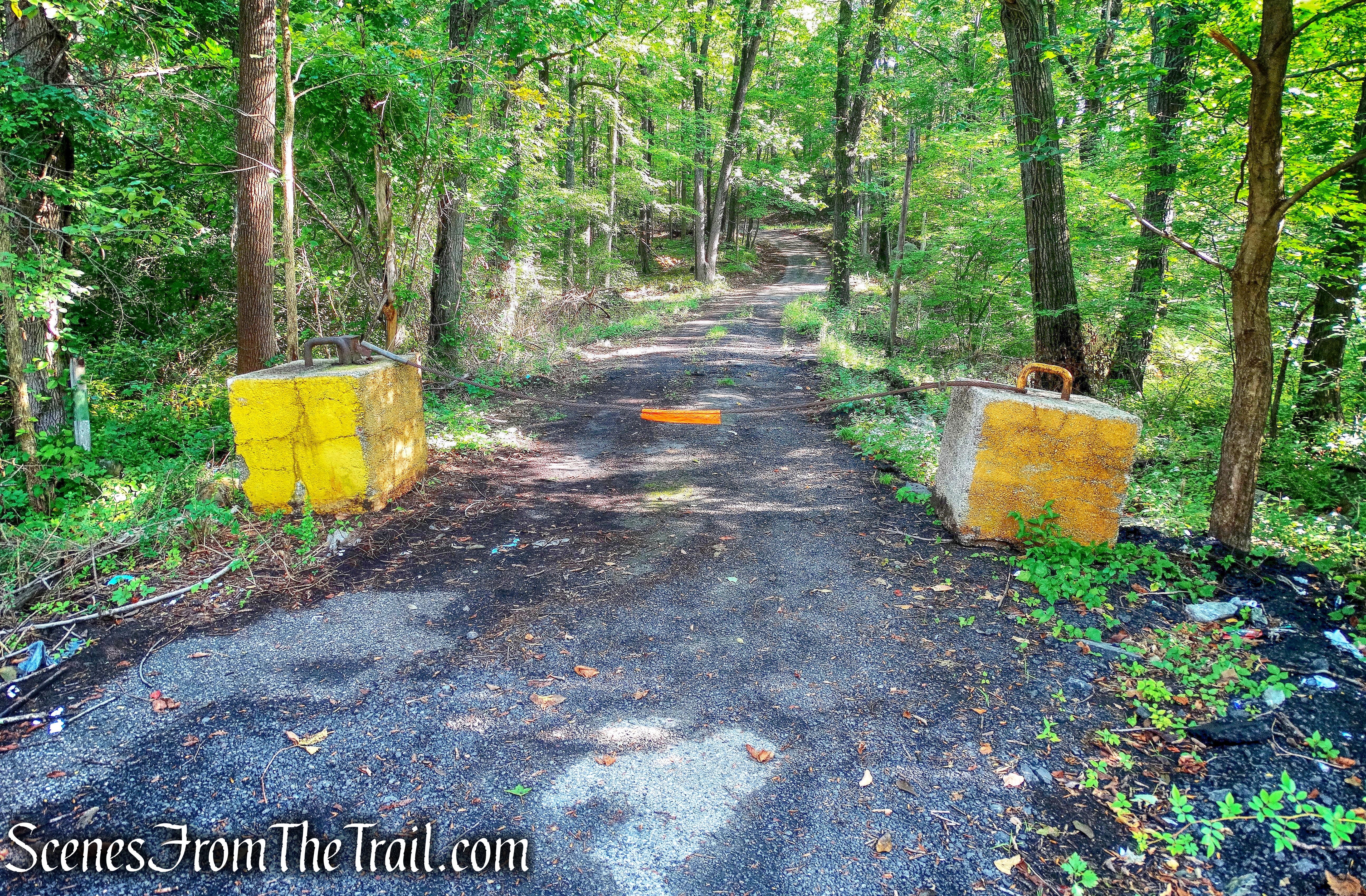
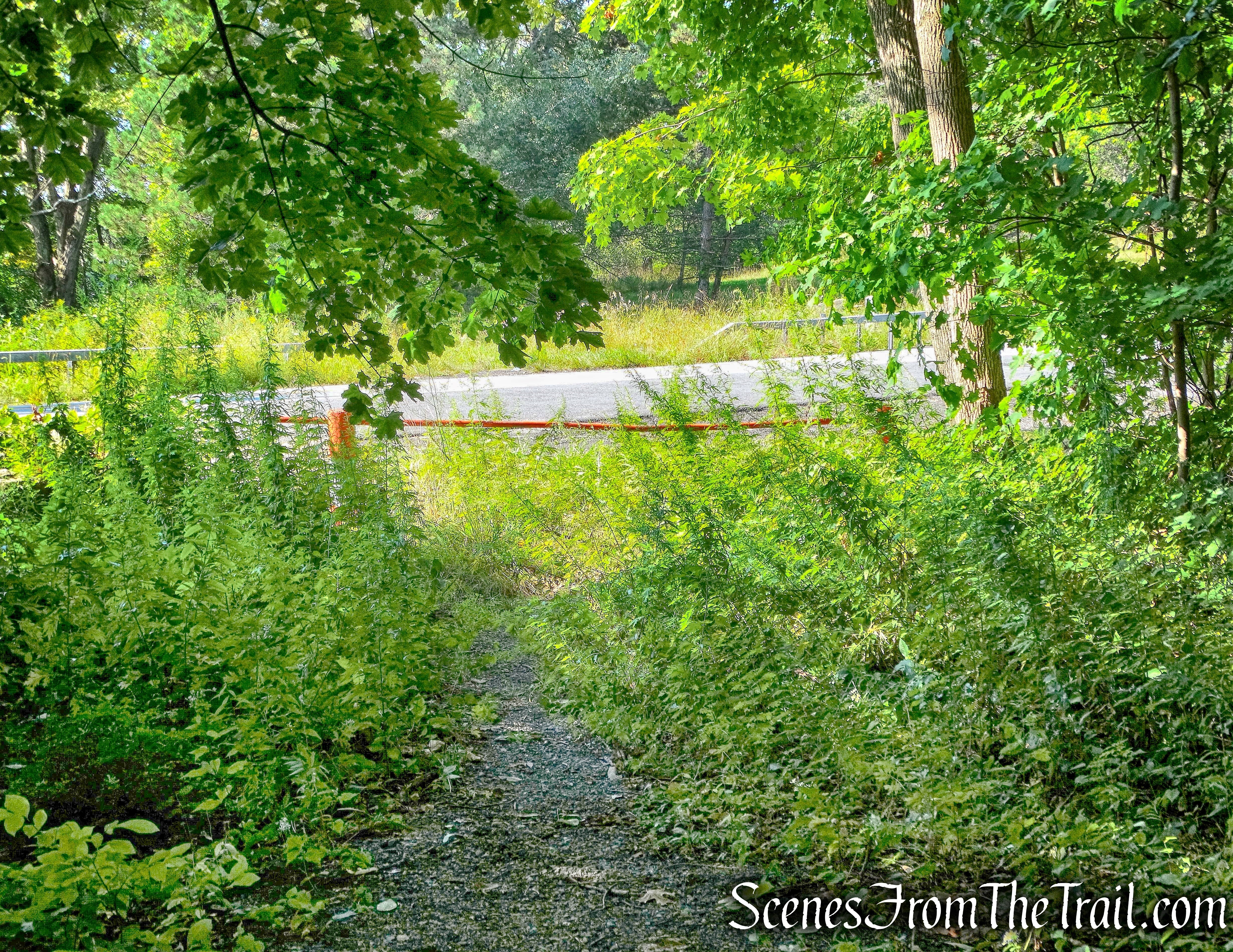
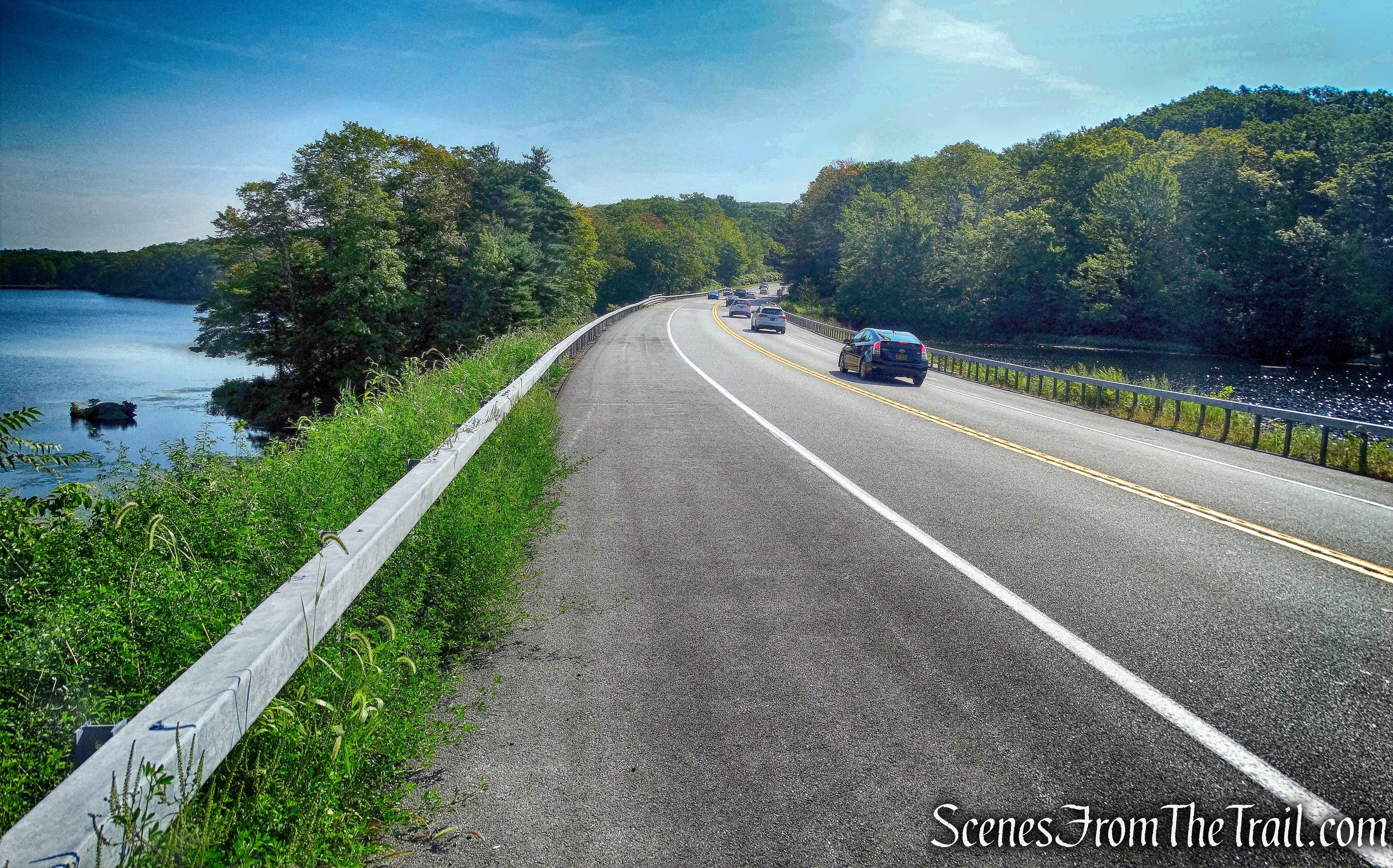
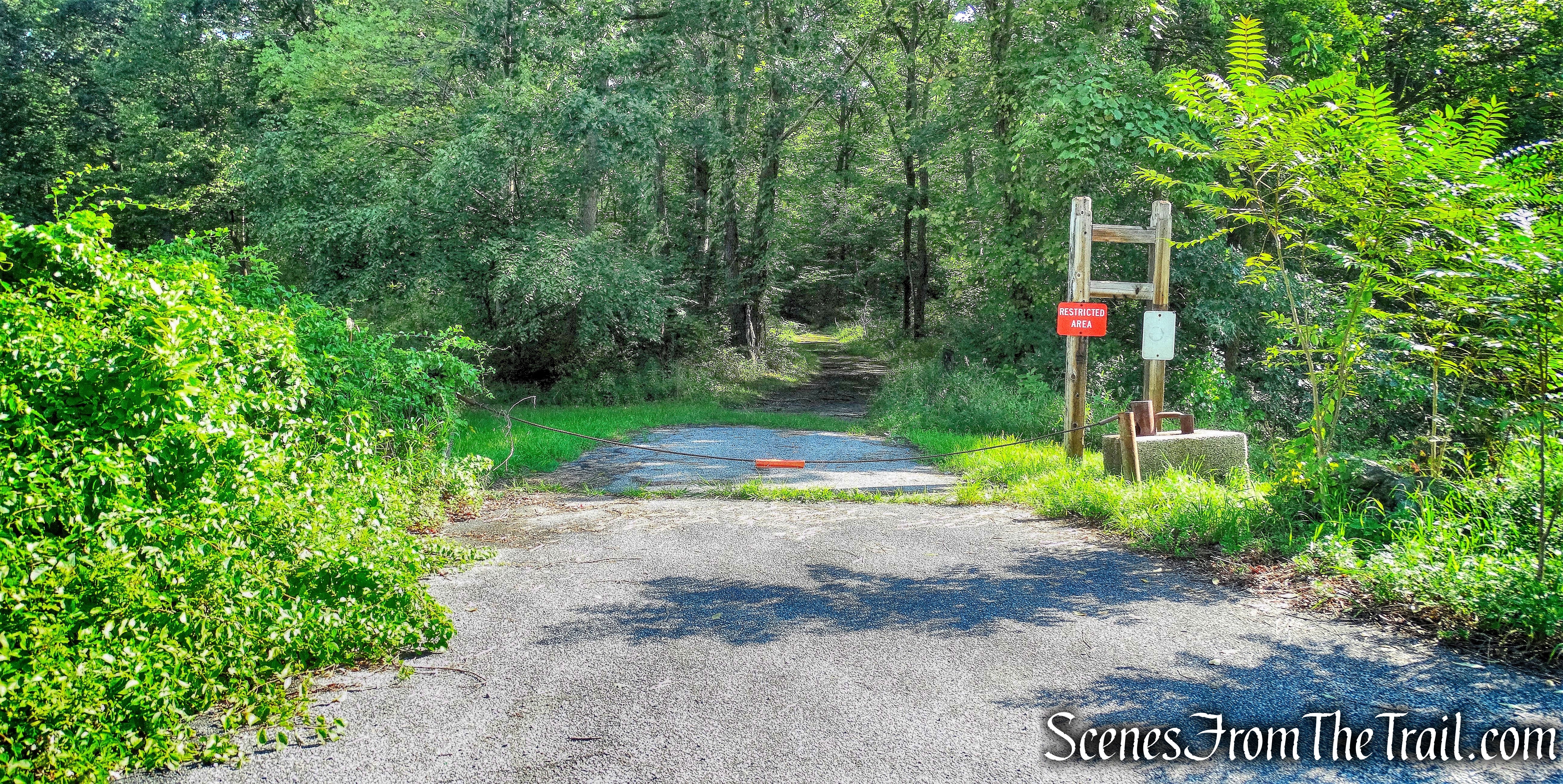
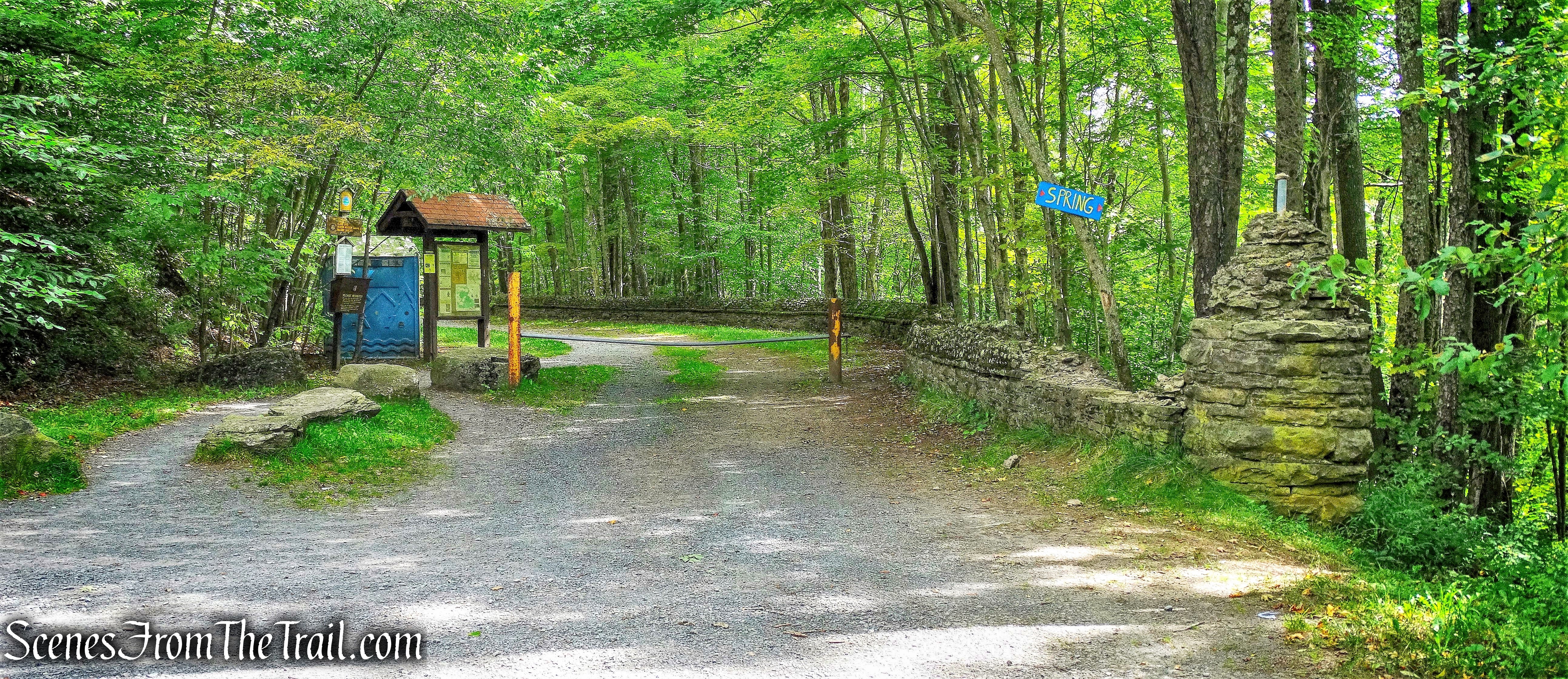
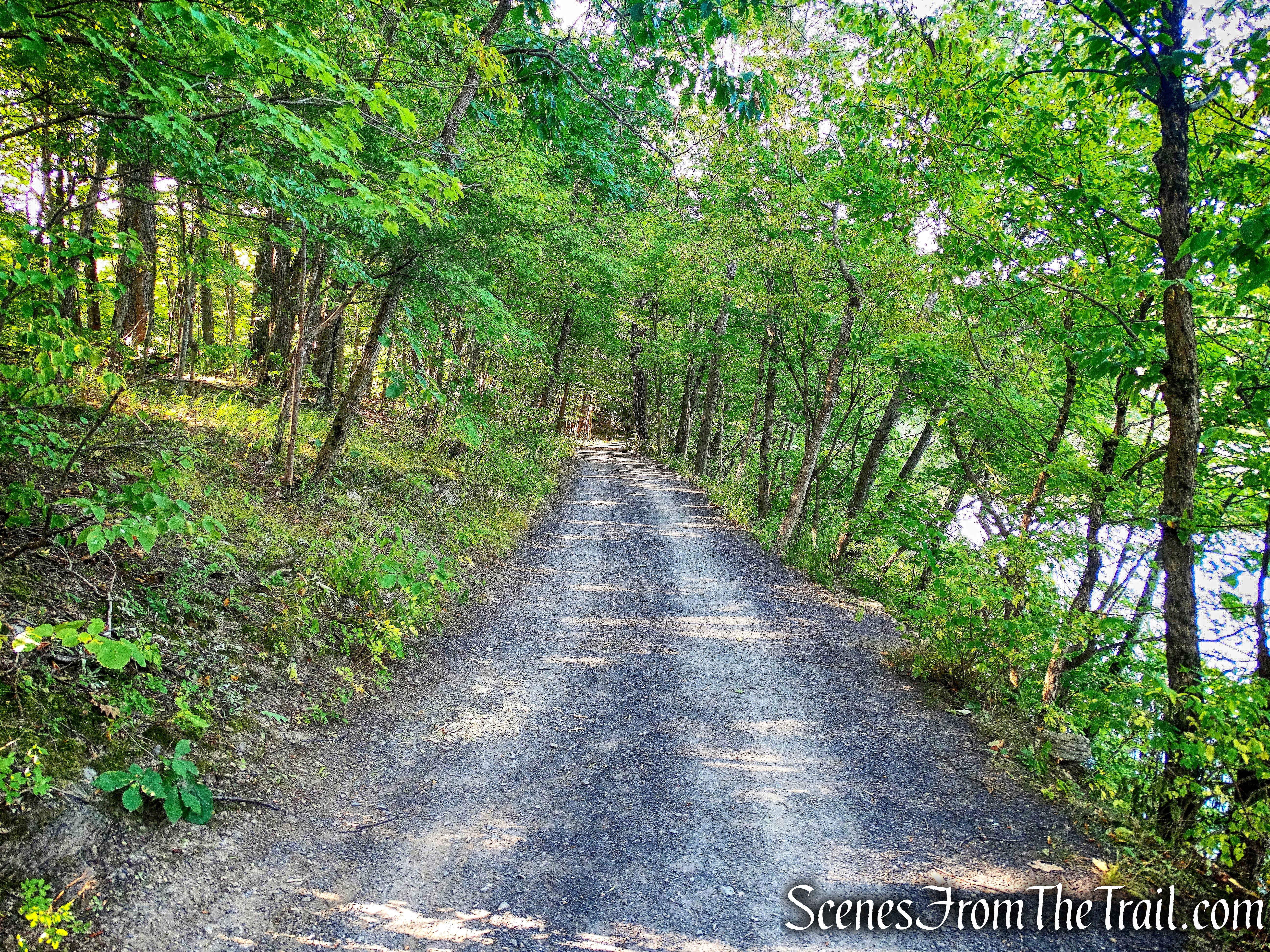
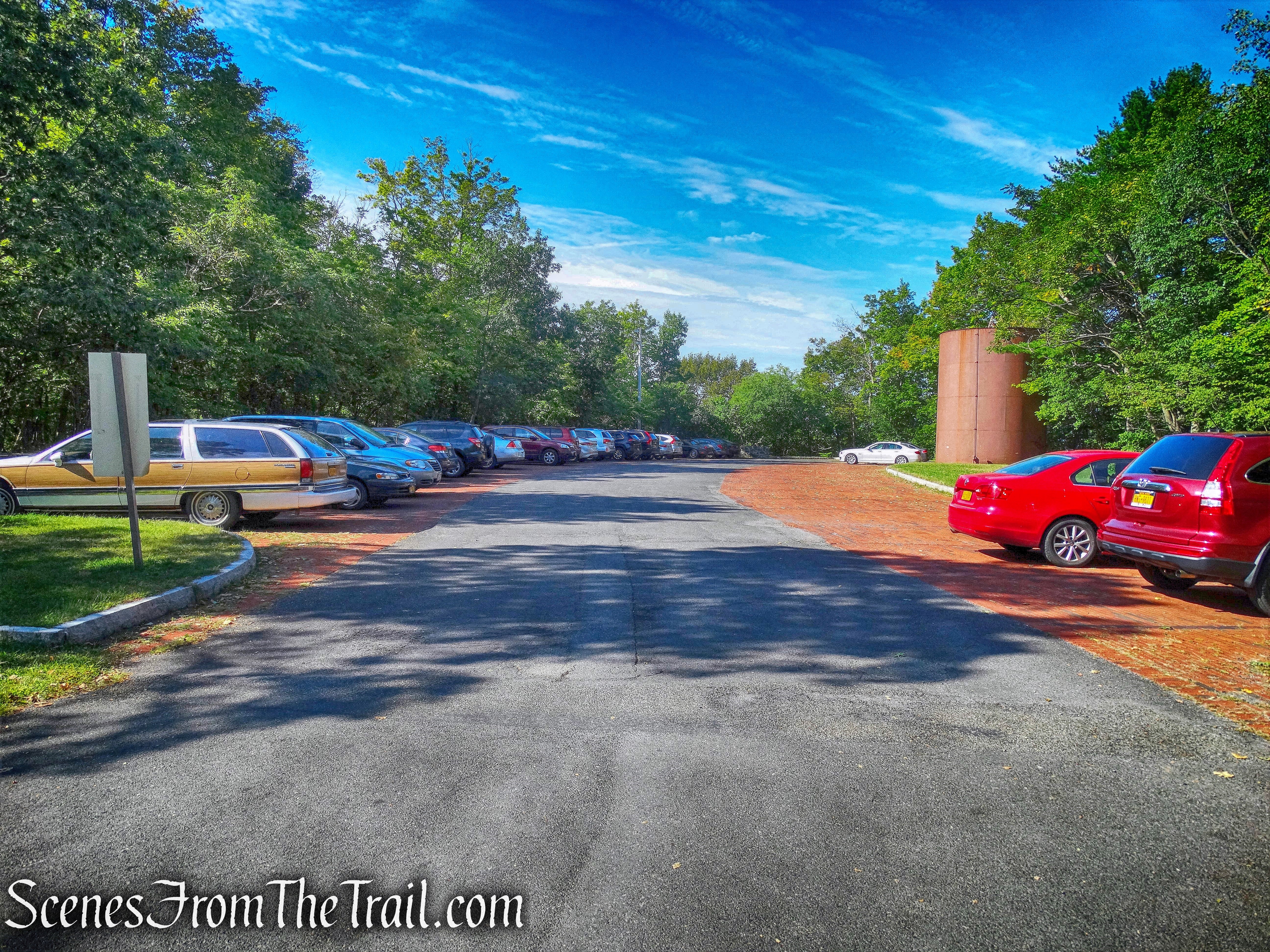
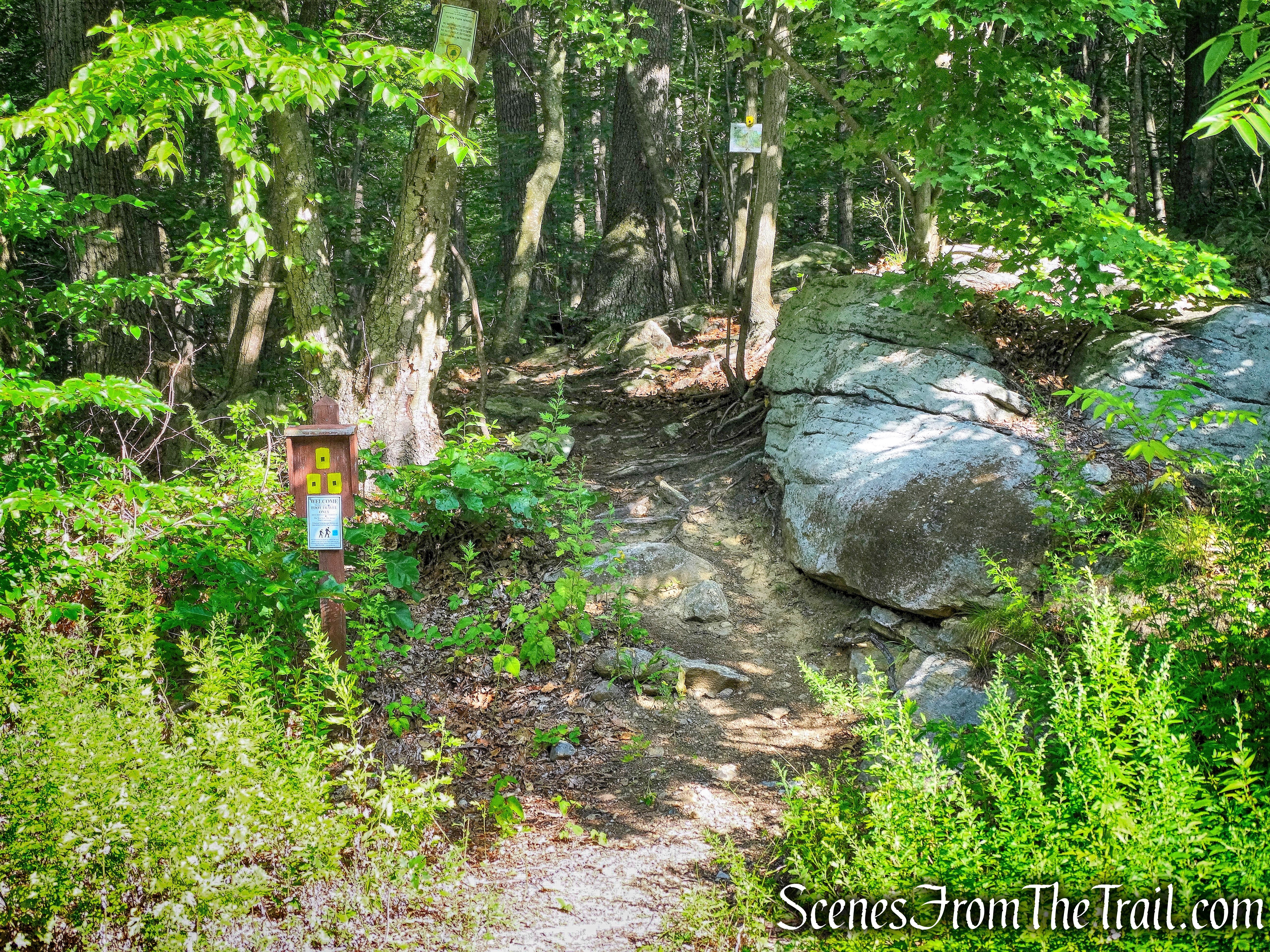
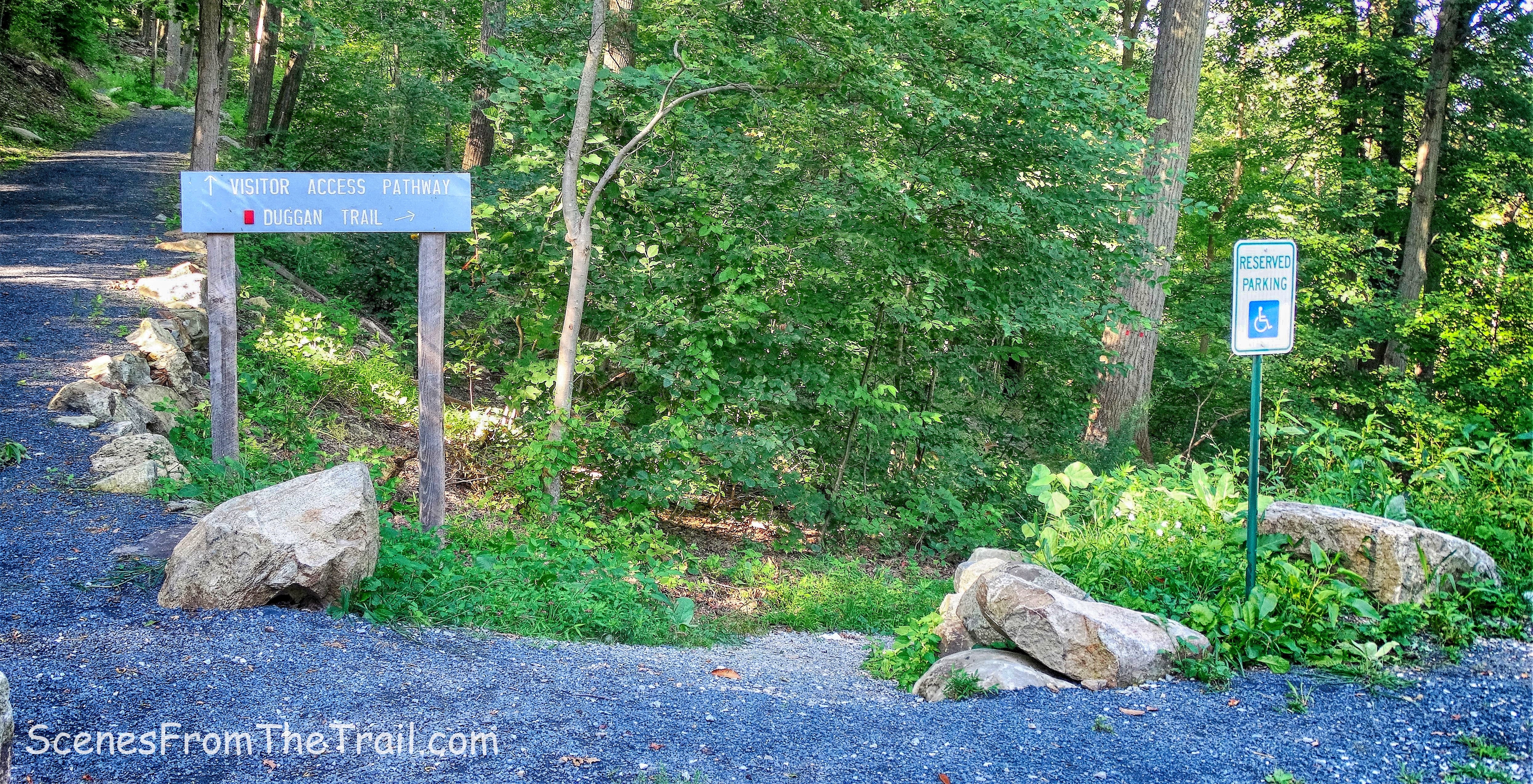
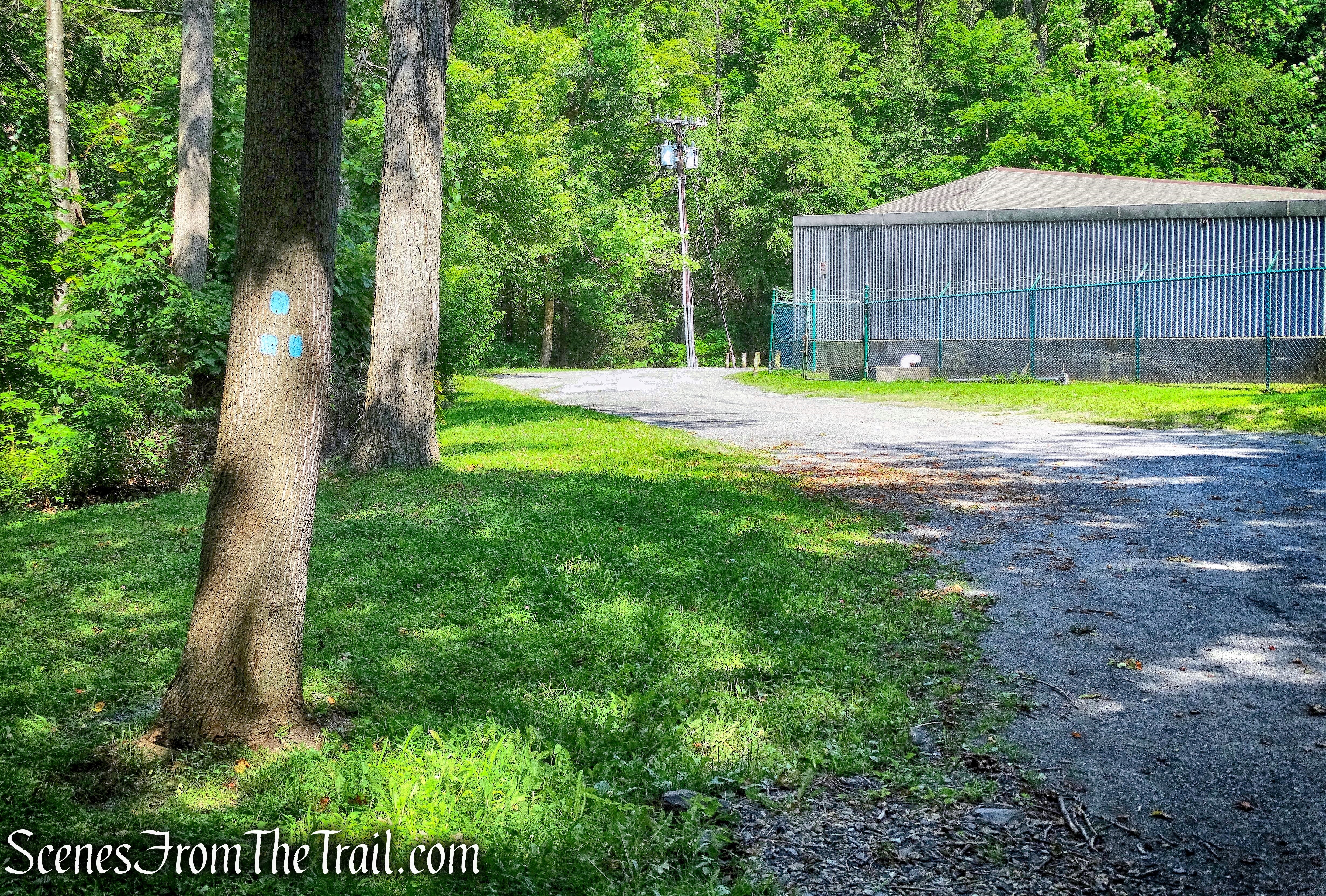
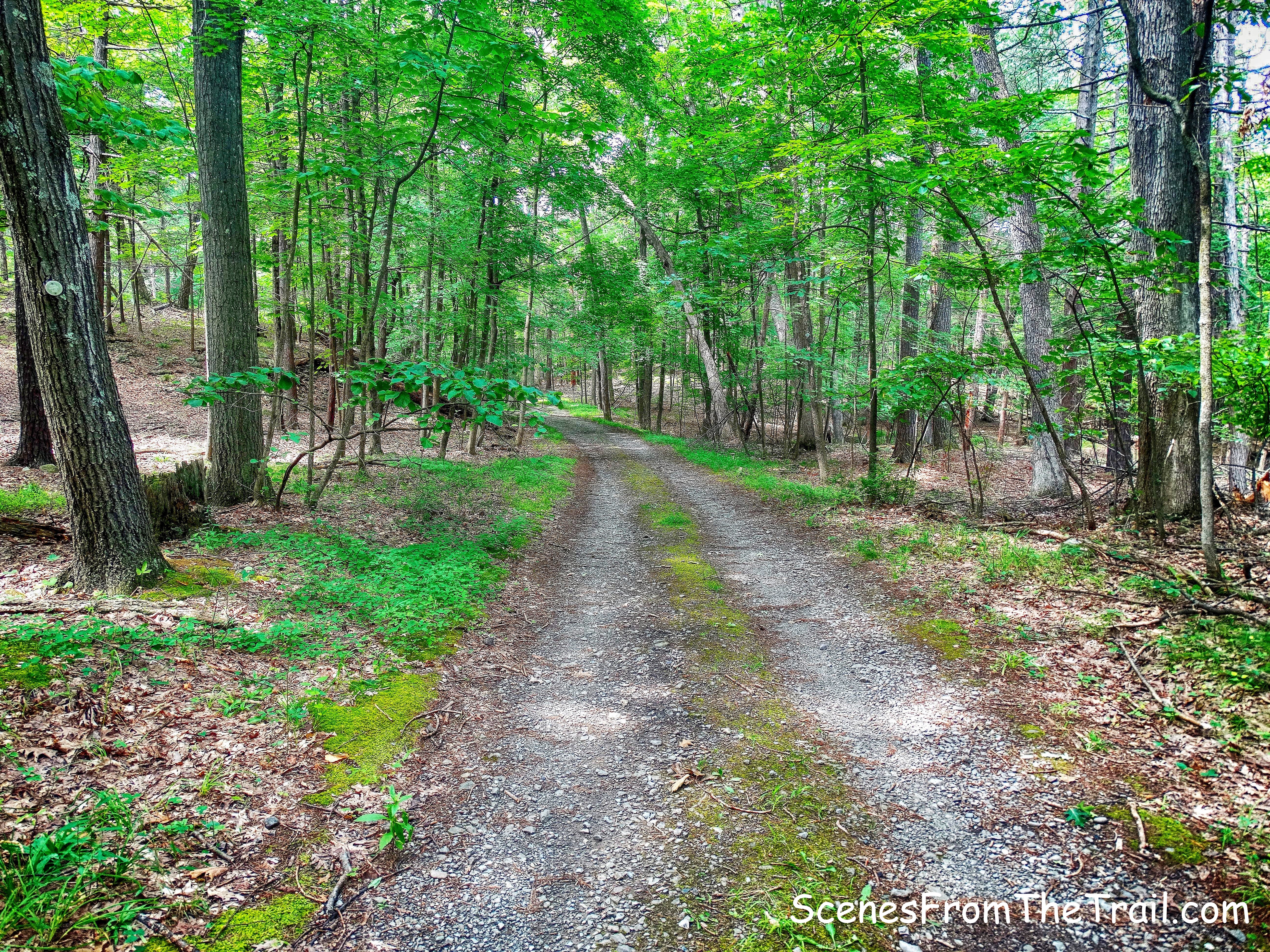
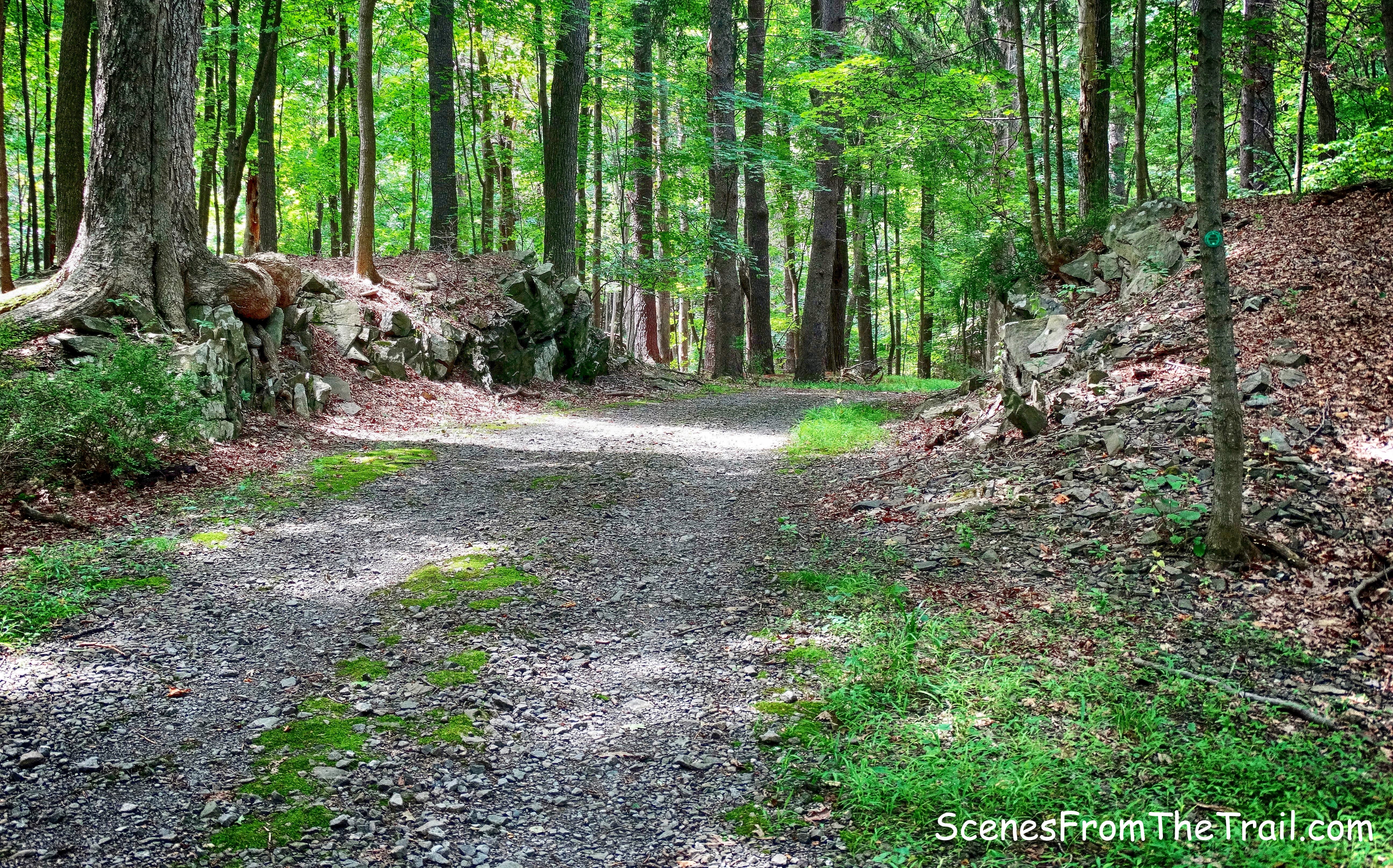
From the research I did prior to to doing this hike, I learned that after entering the parking area, not to park in the first lot. Instead, I followed the gravel road up the hill for about 1/4 mile and parked in upper lot. The trail begins on the other side of the gated road at the northern end of the parking area.

Cobey Pond Trail

Cobey Pond Trail

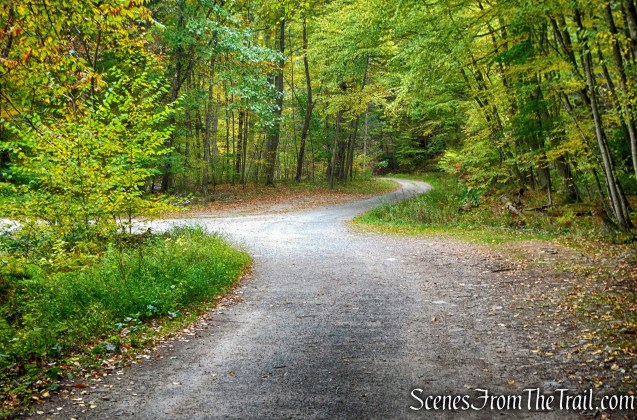
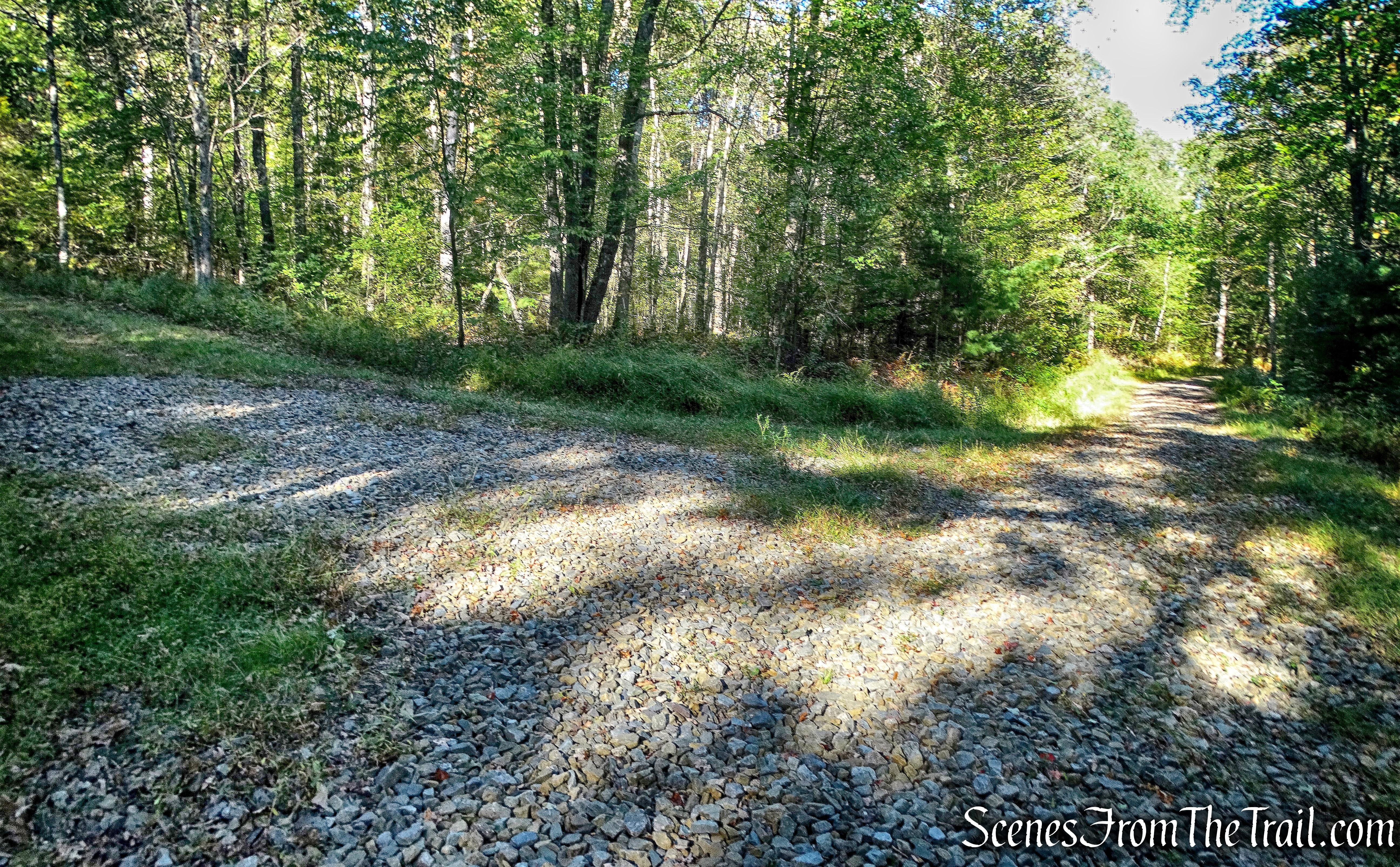
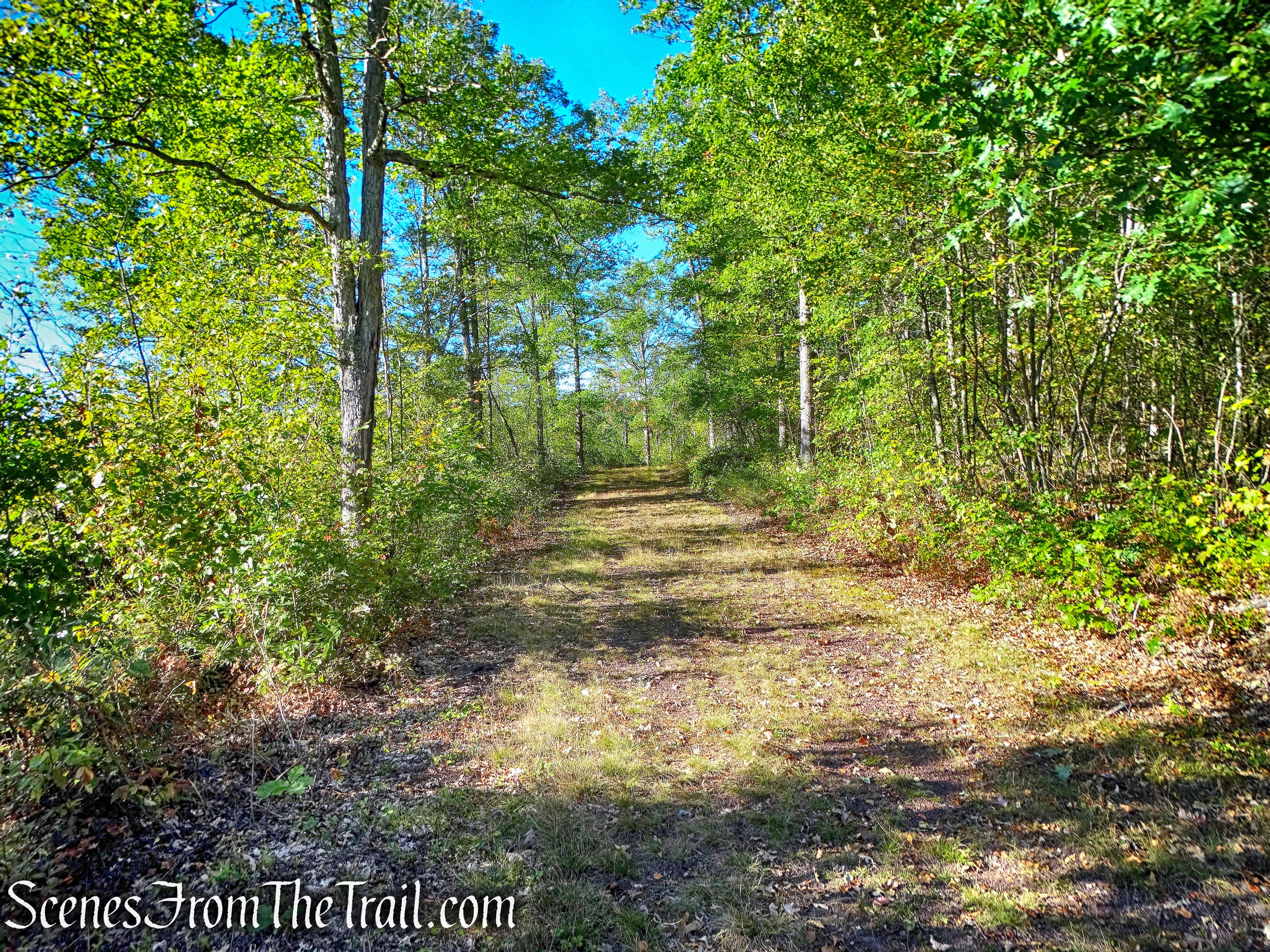
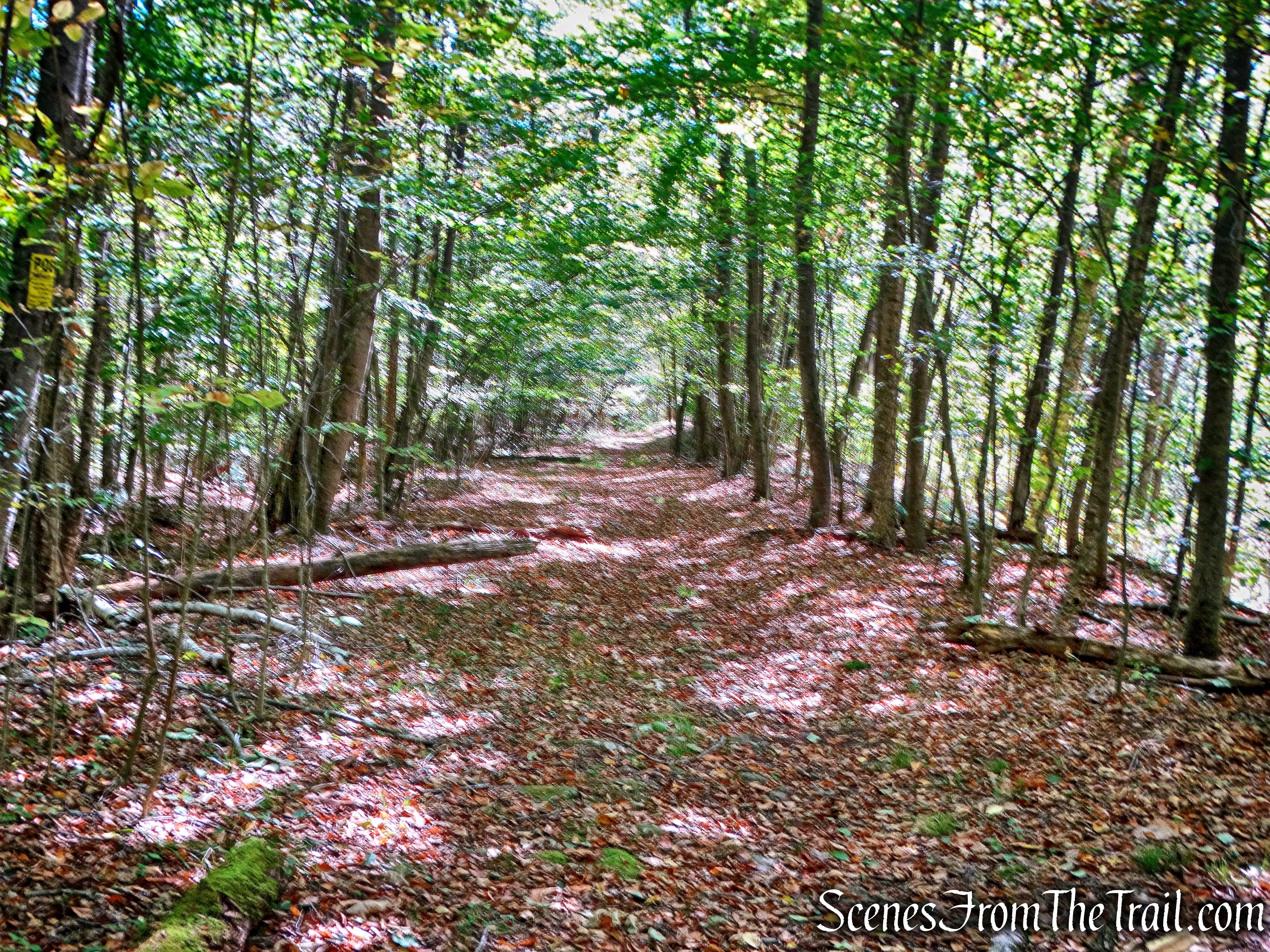
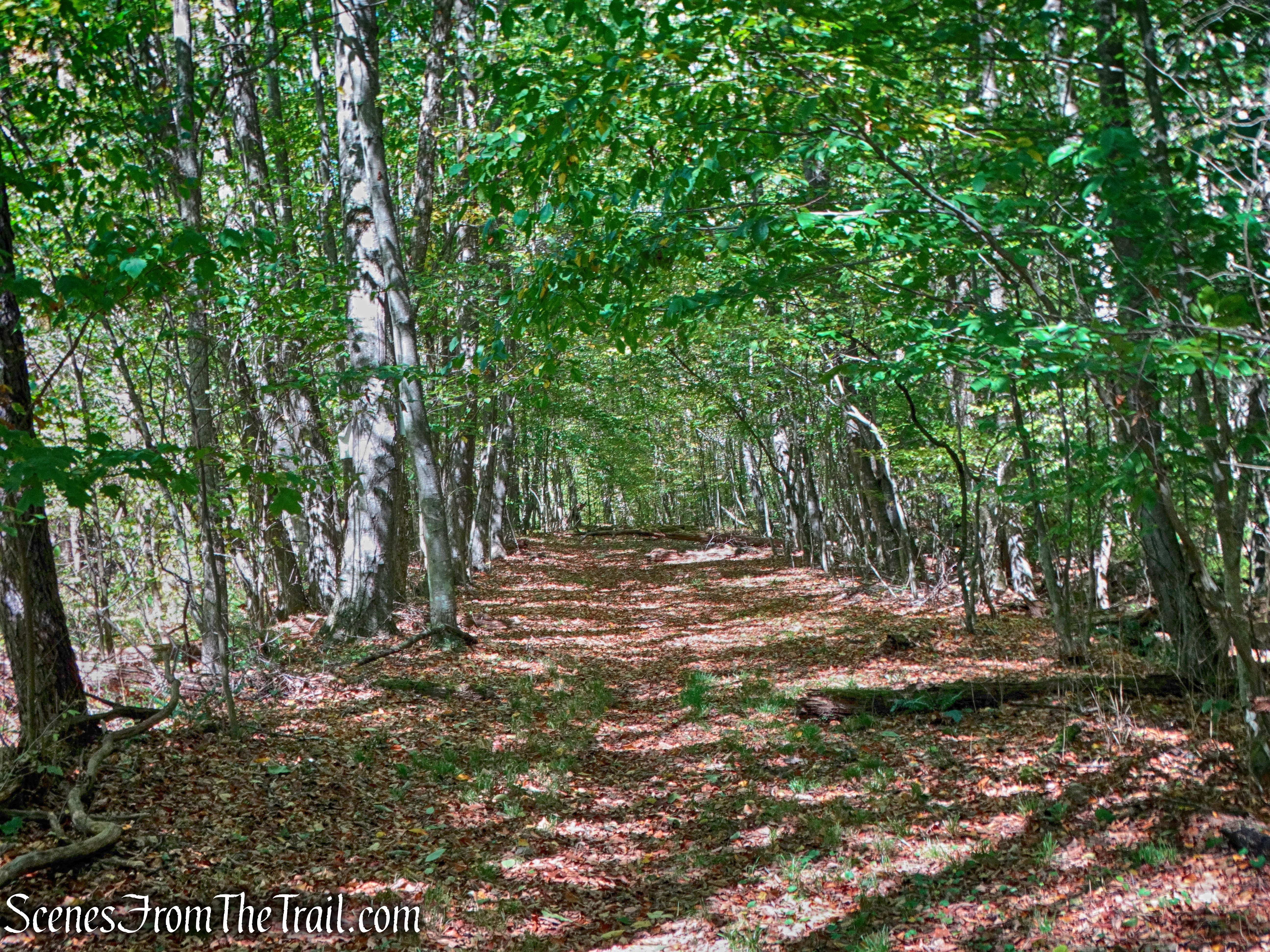
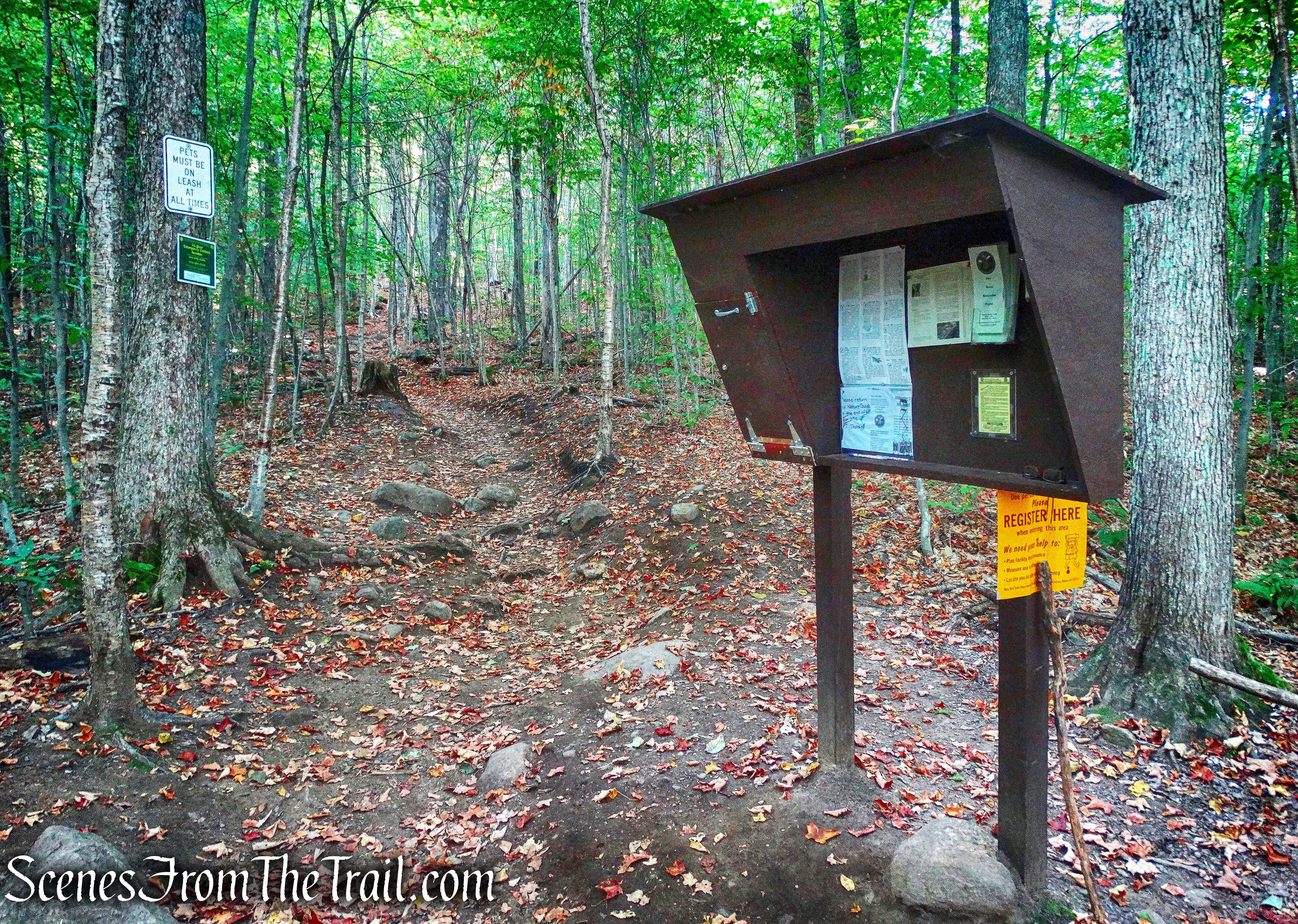
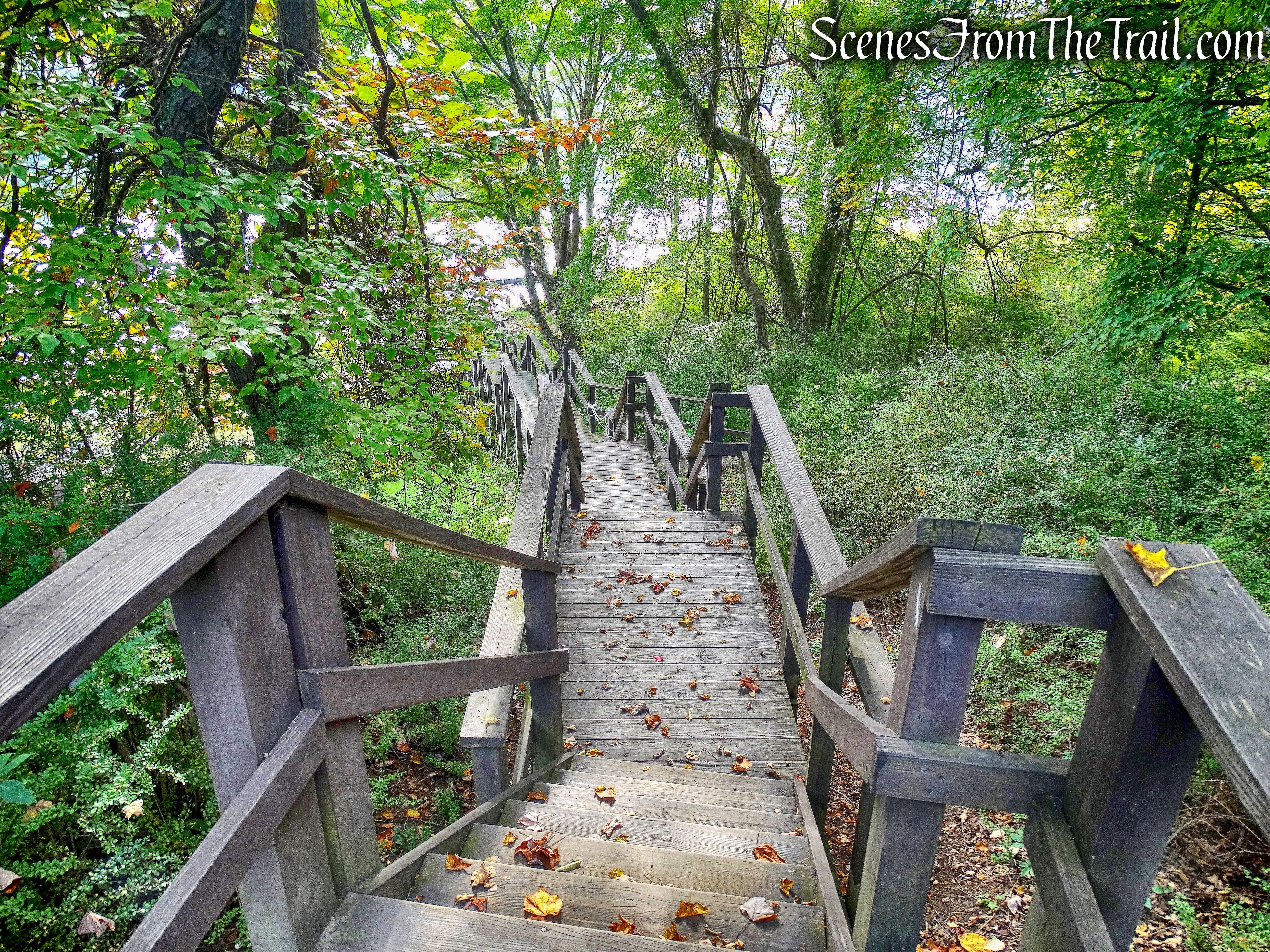
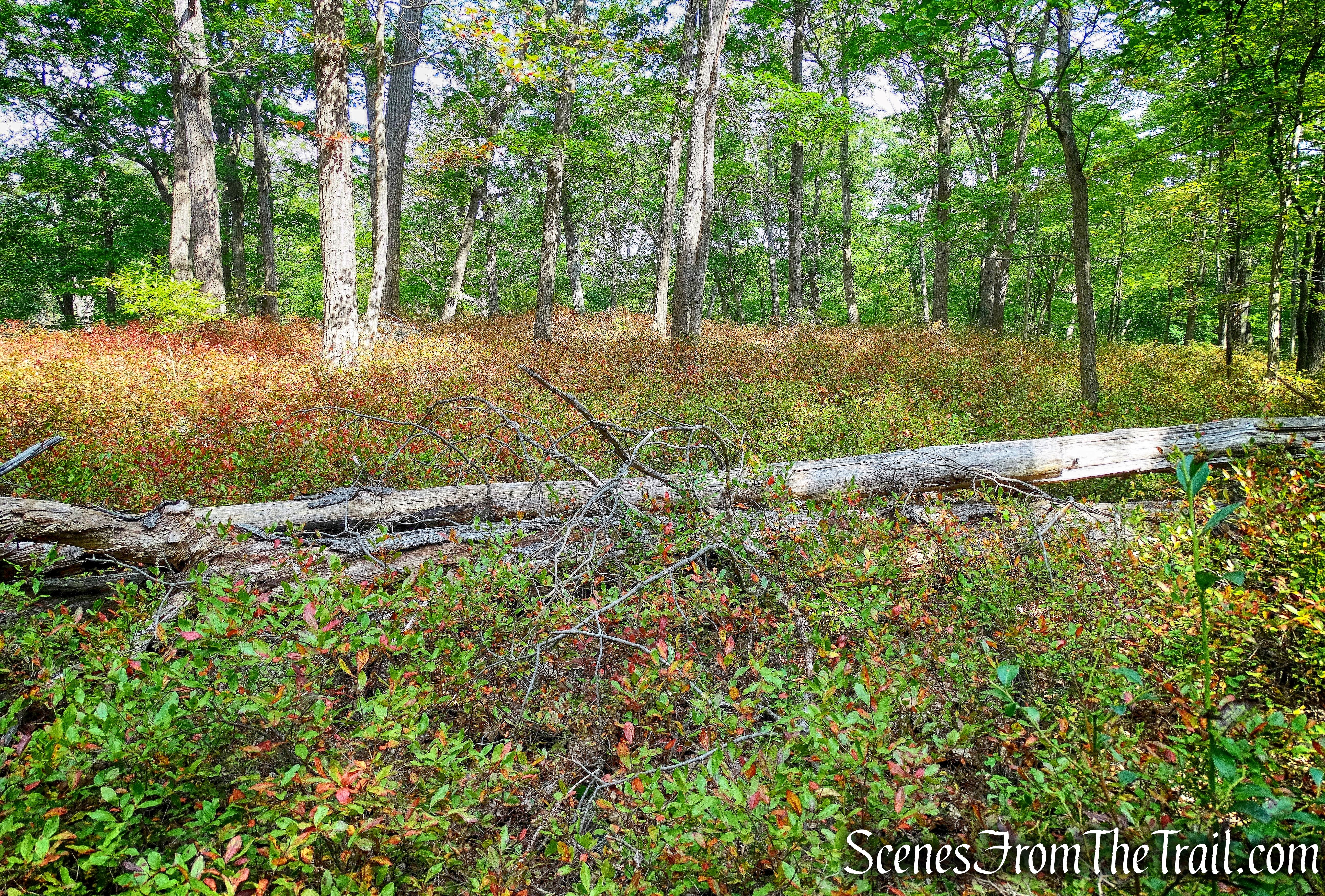
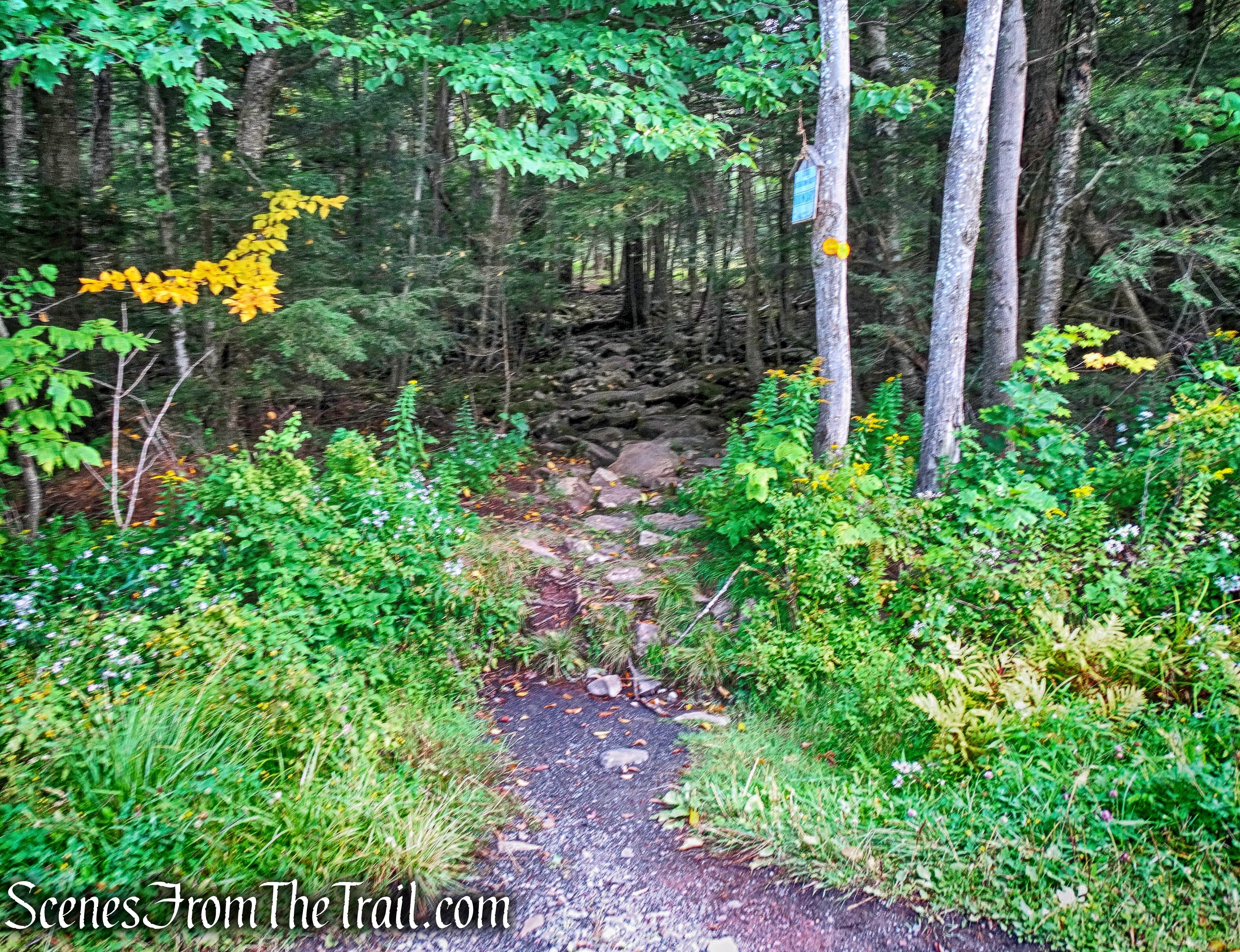
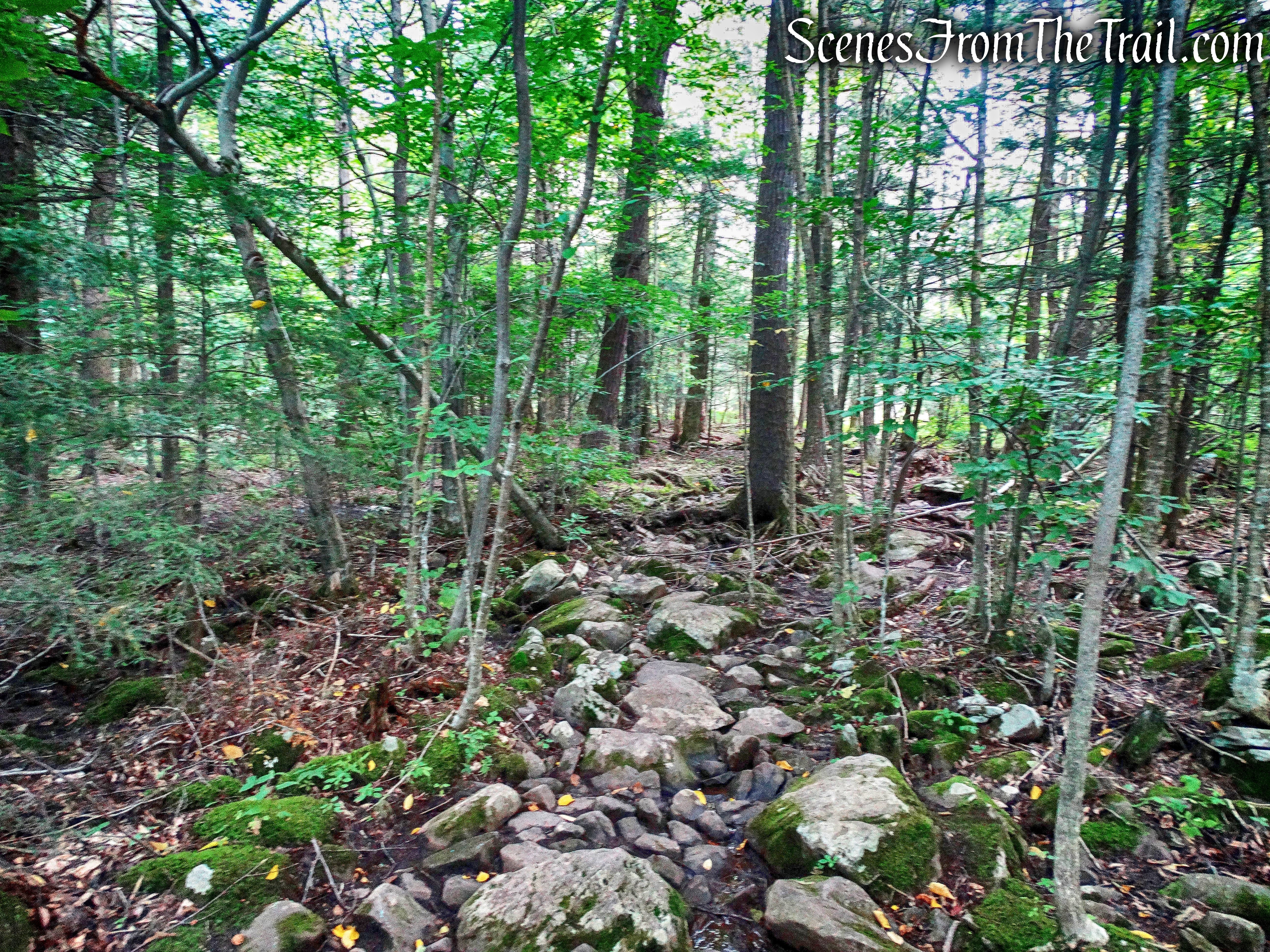
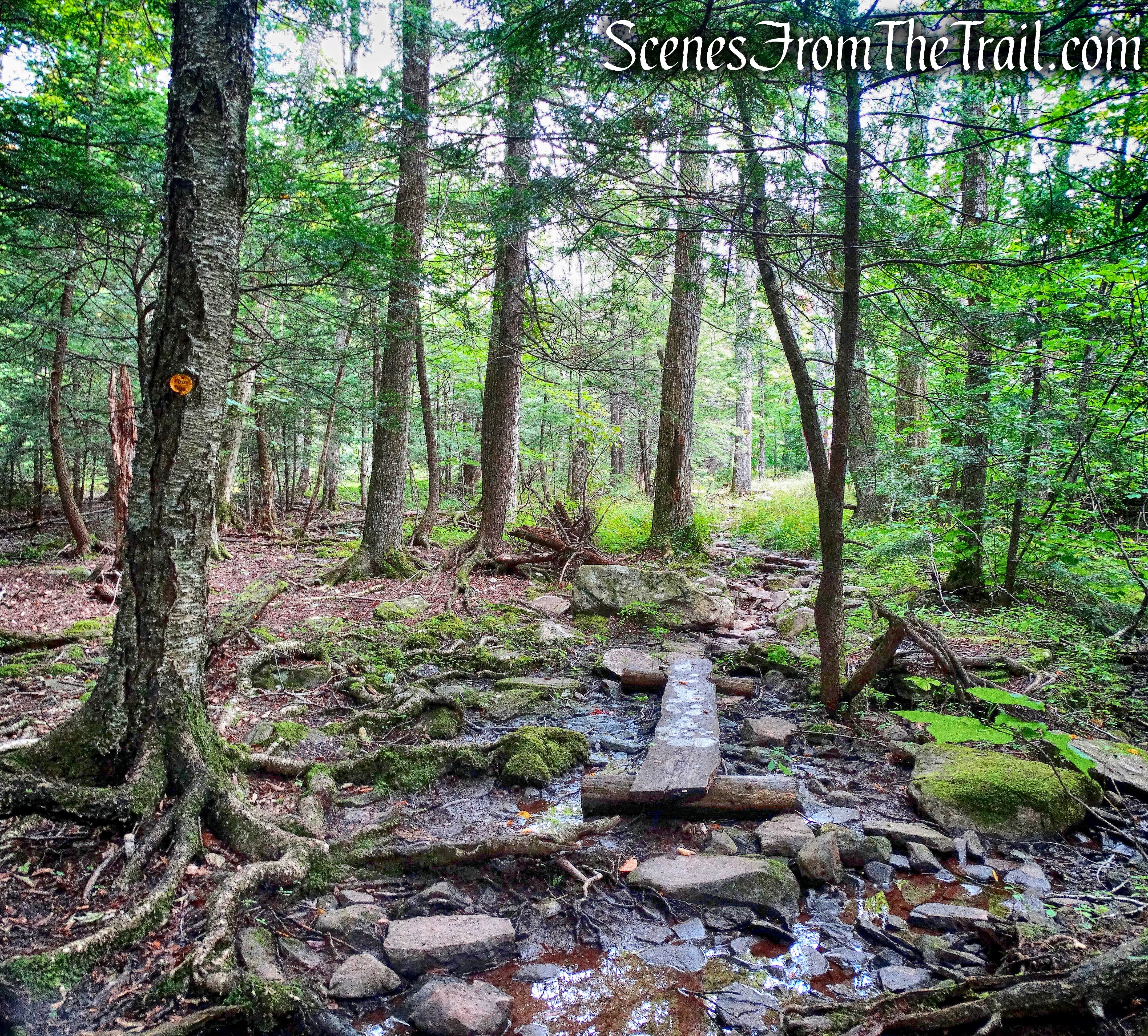
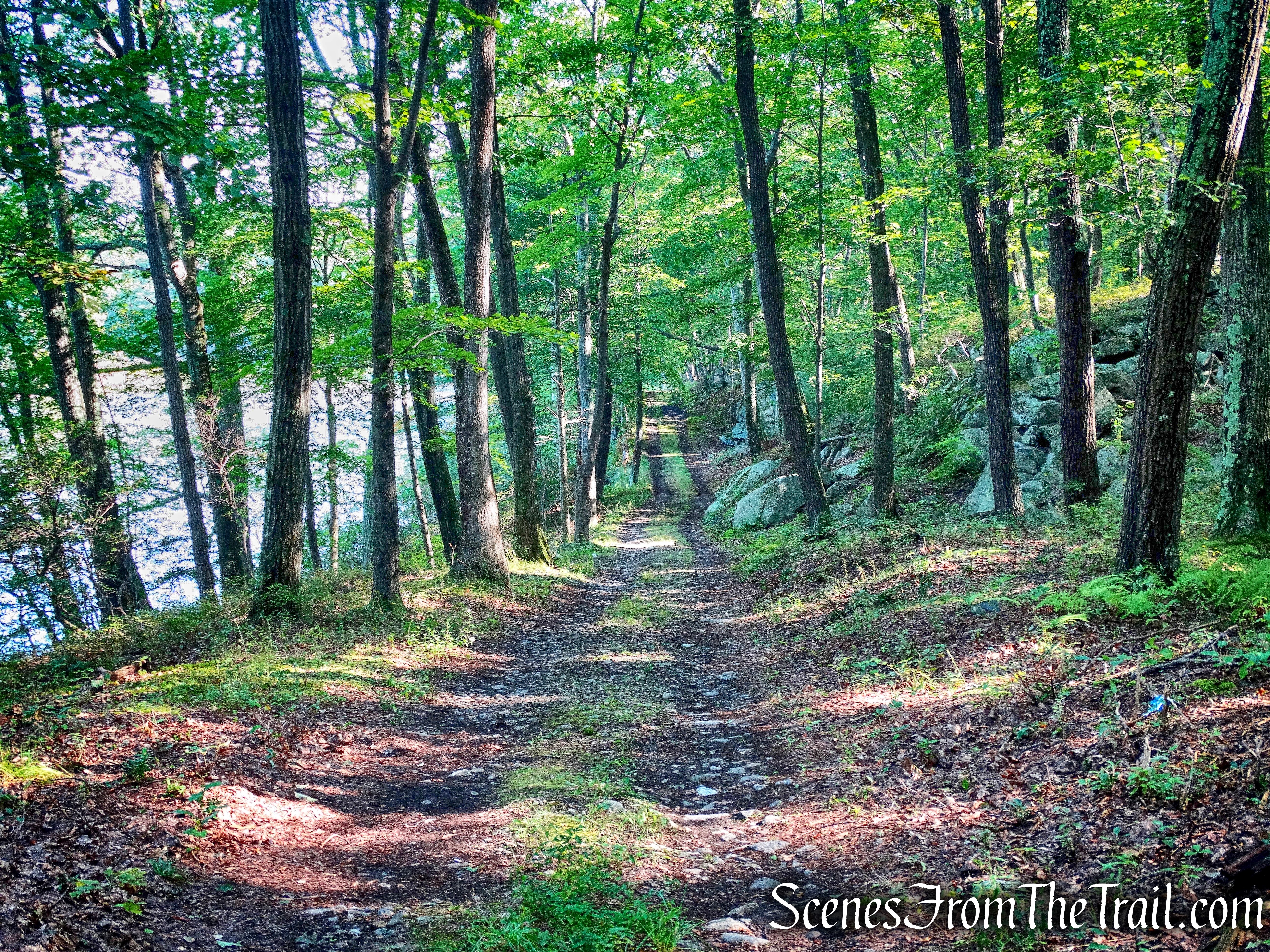
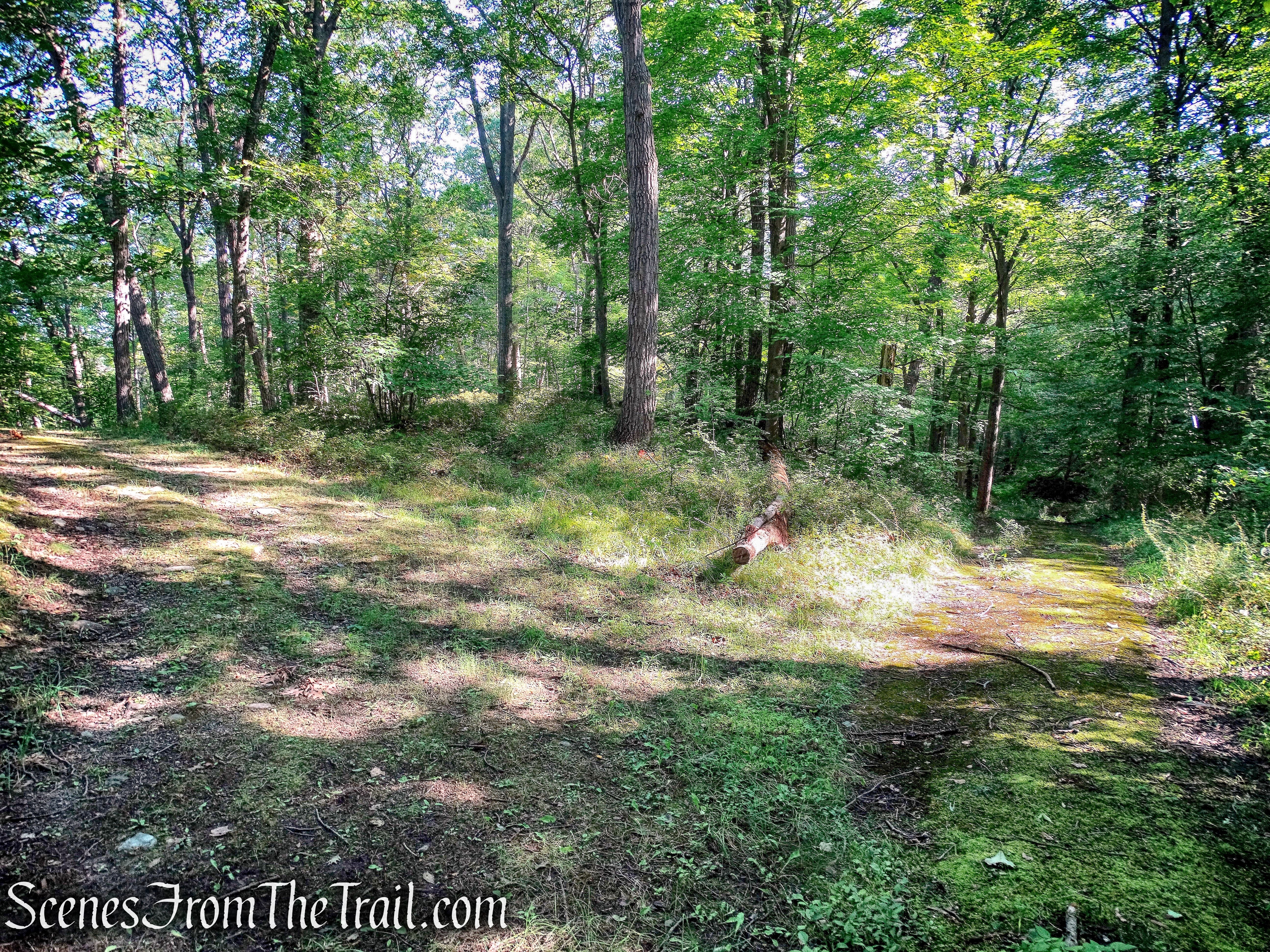
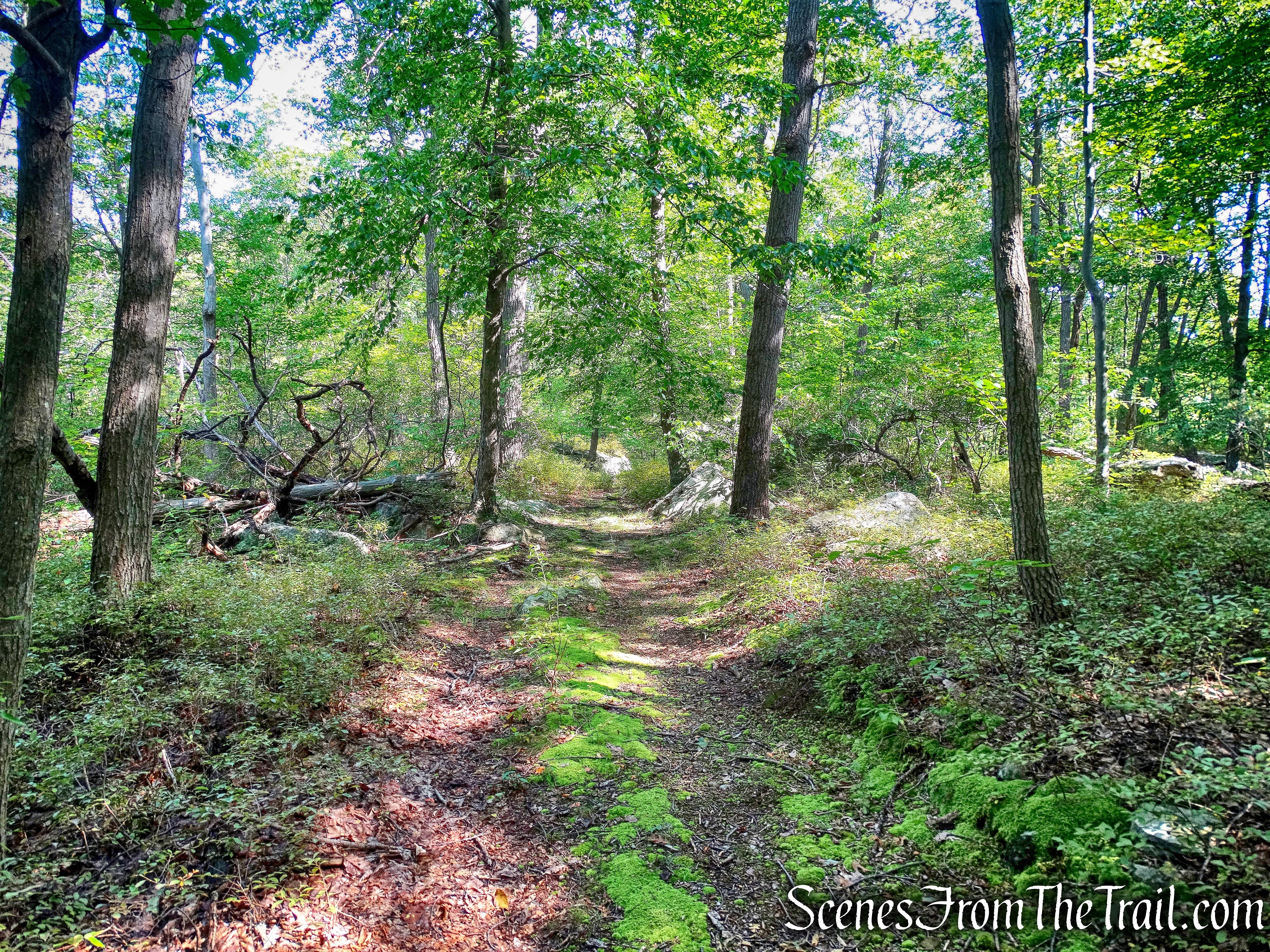
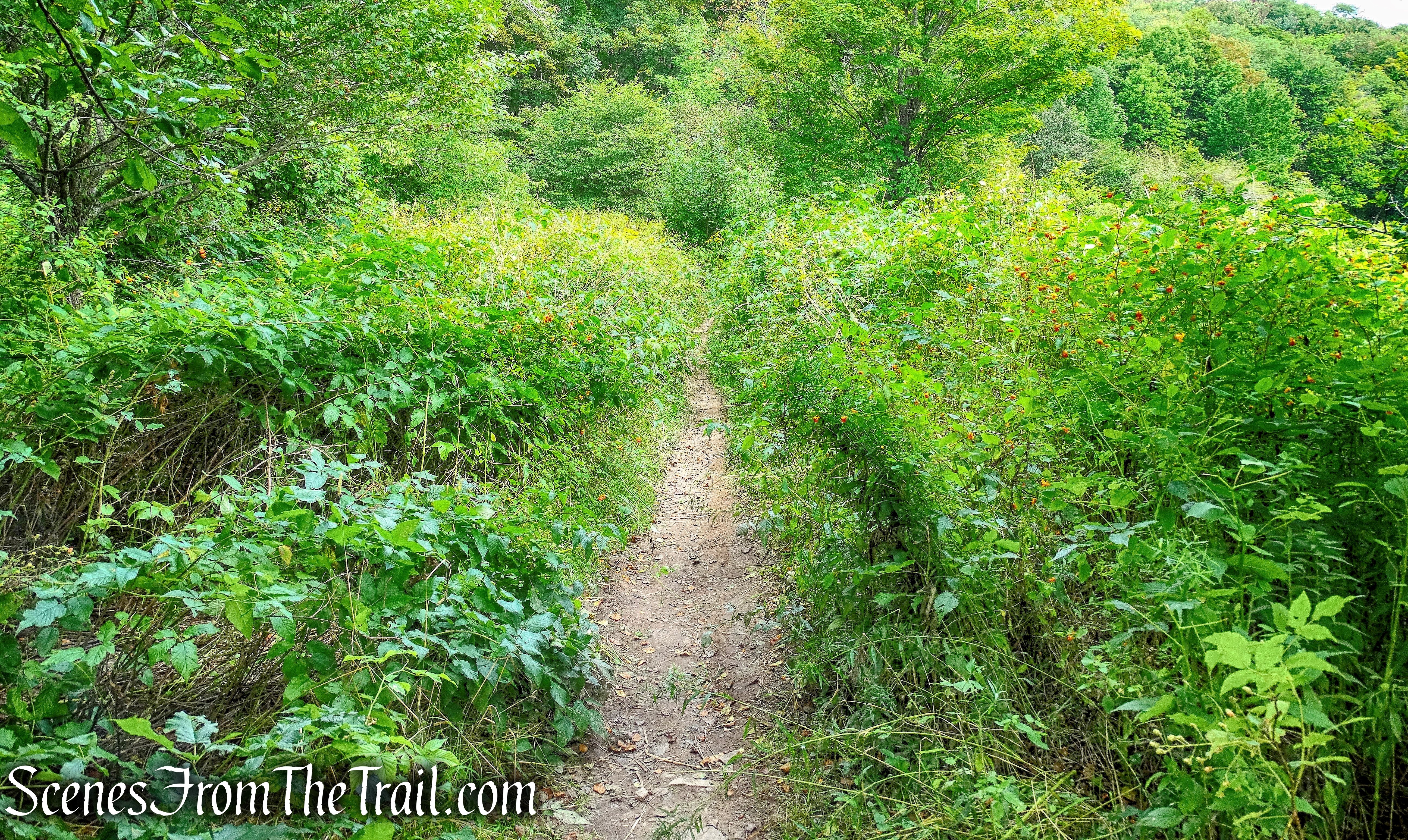
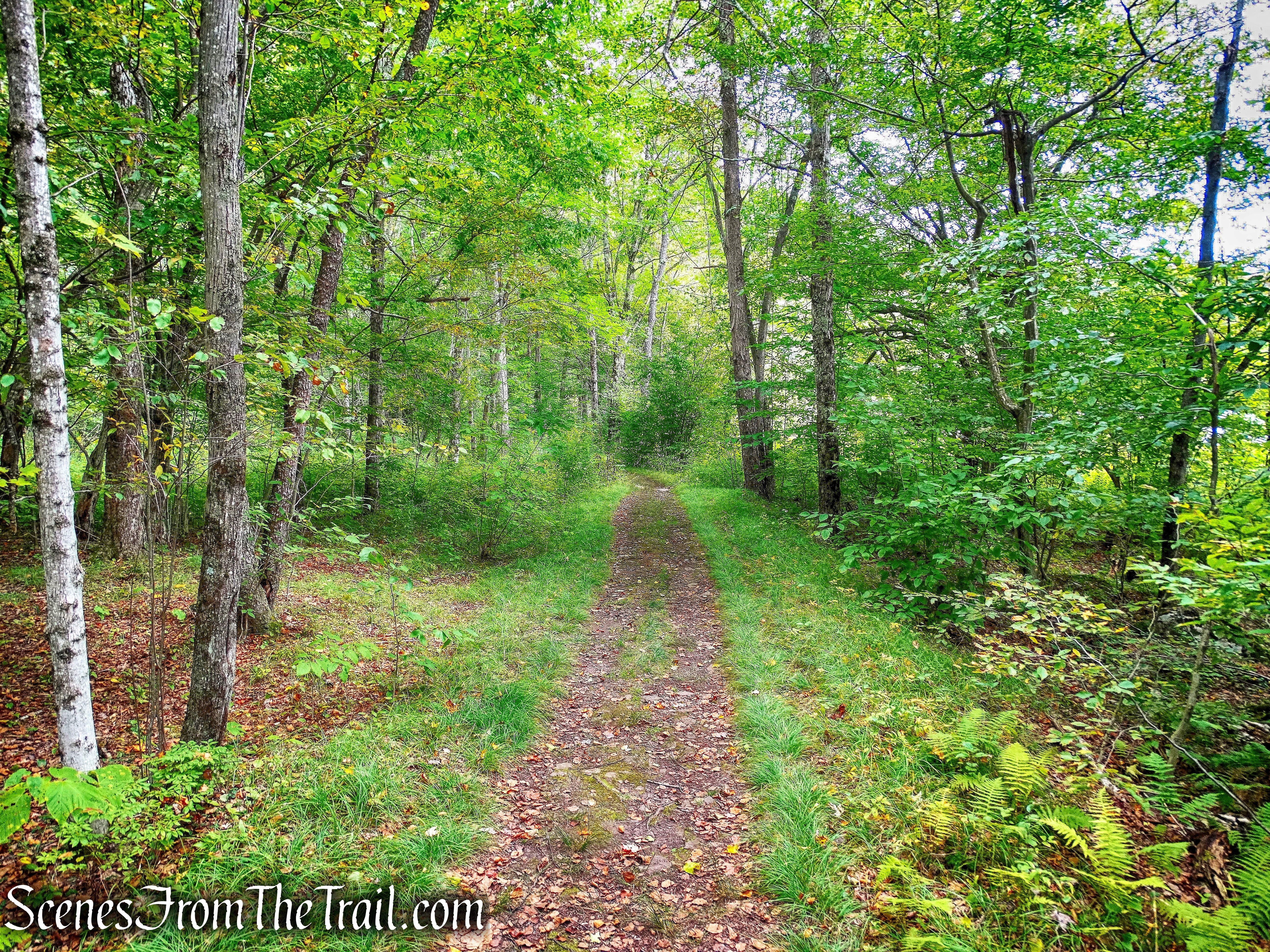
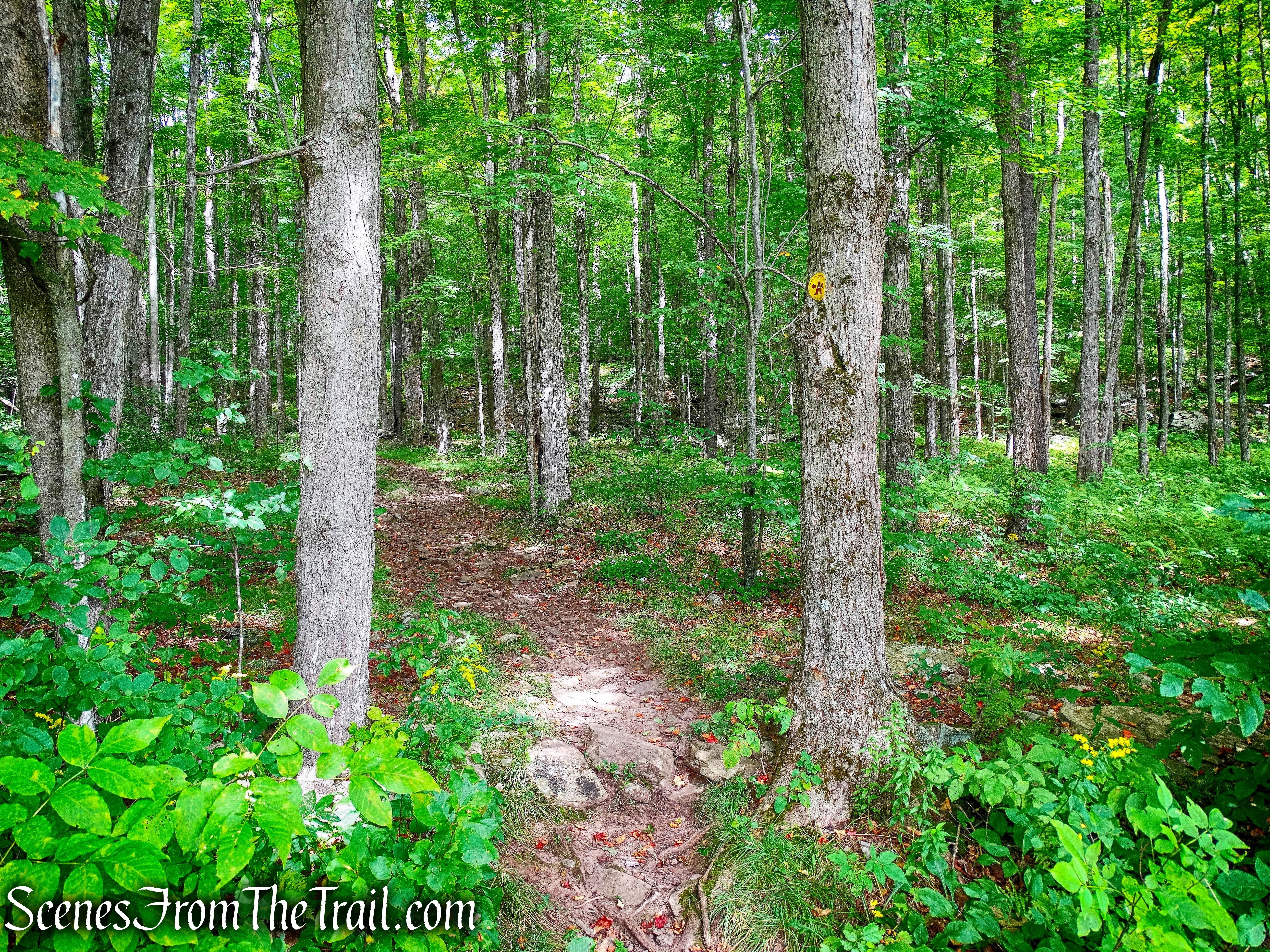
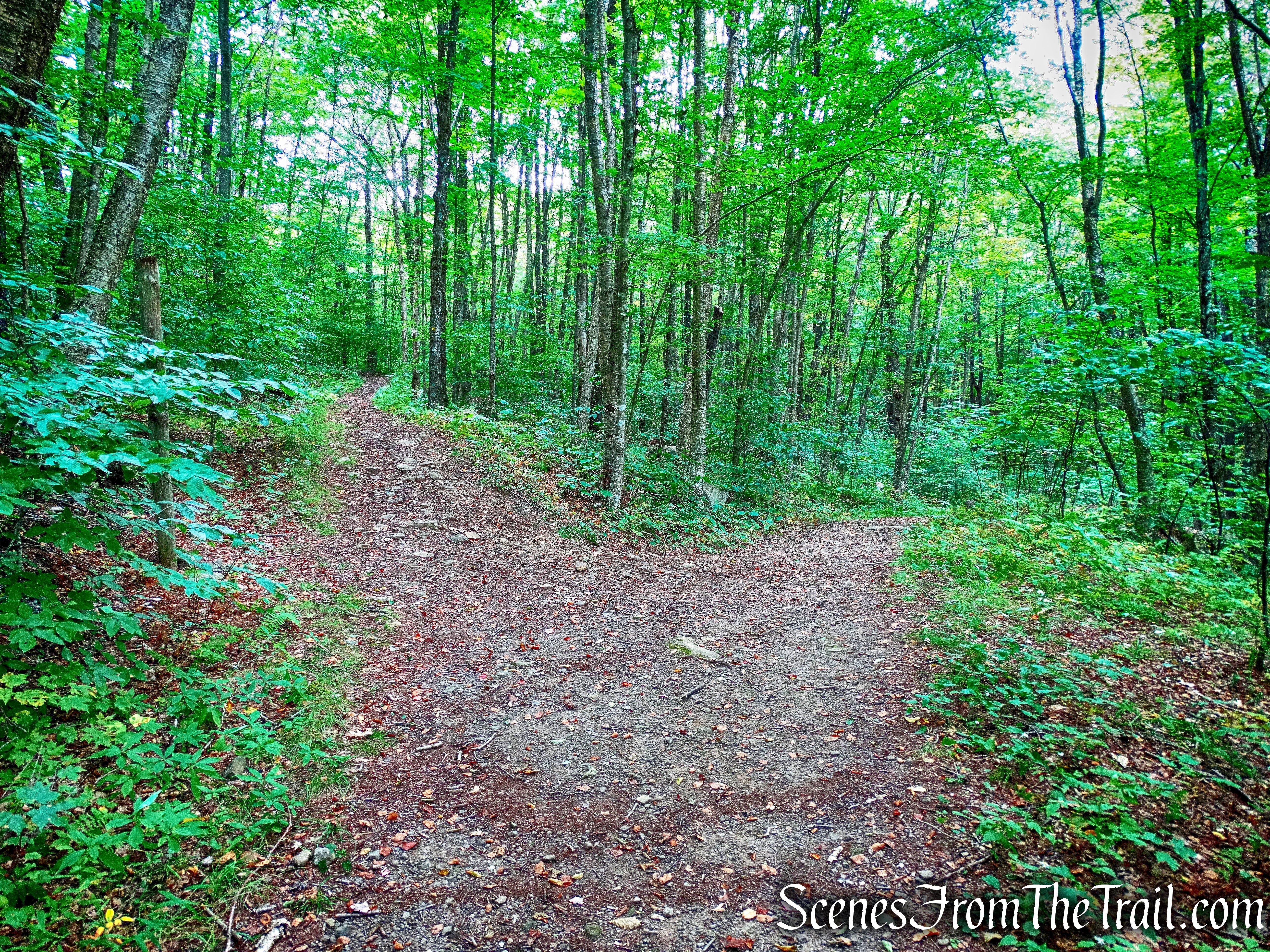
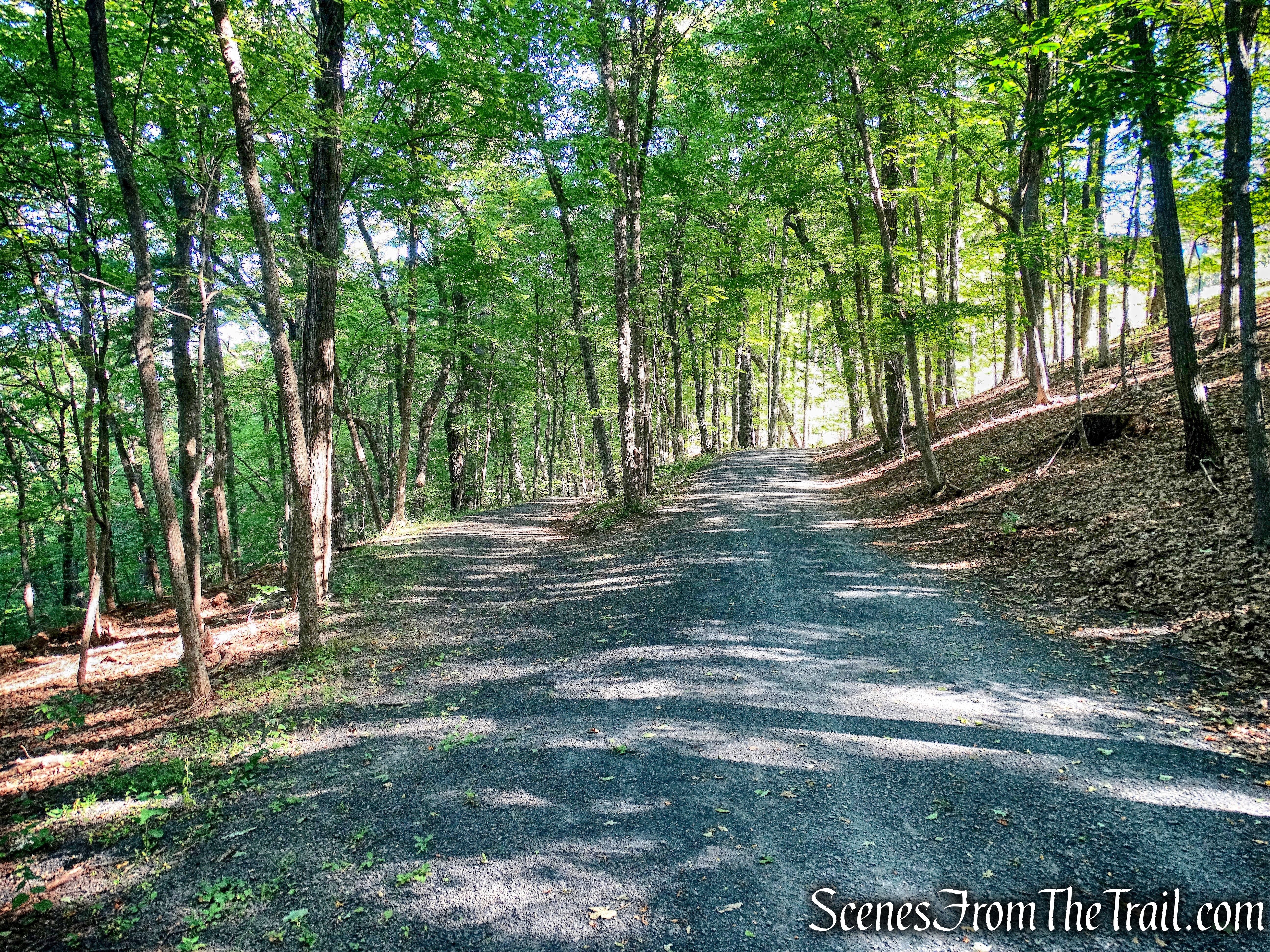
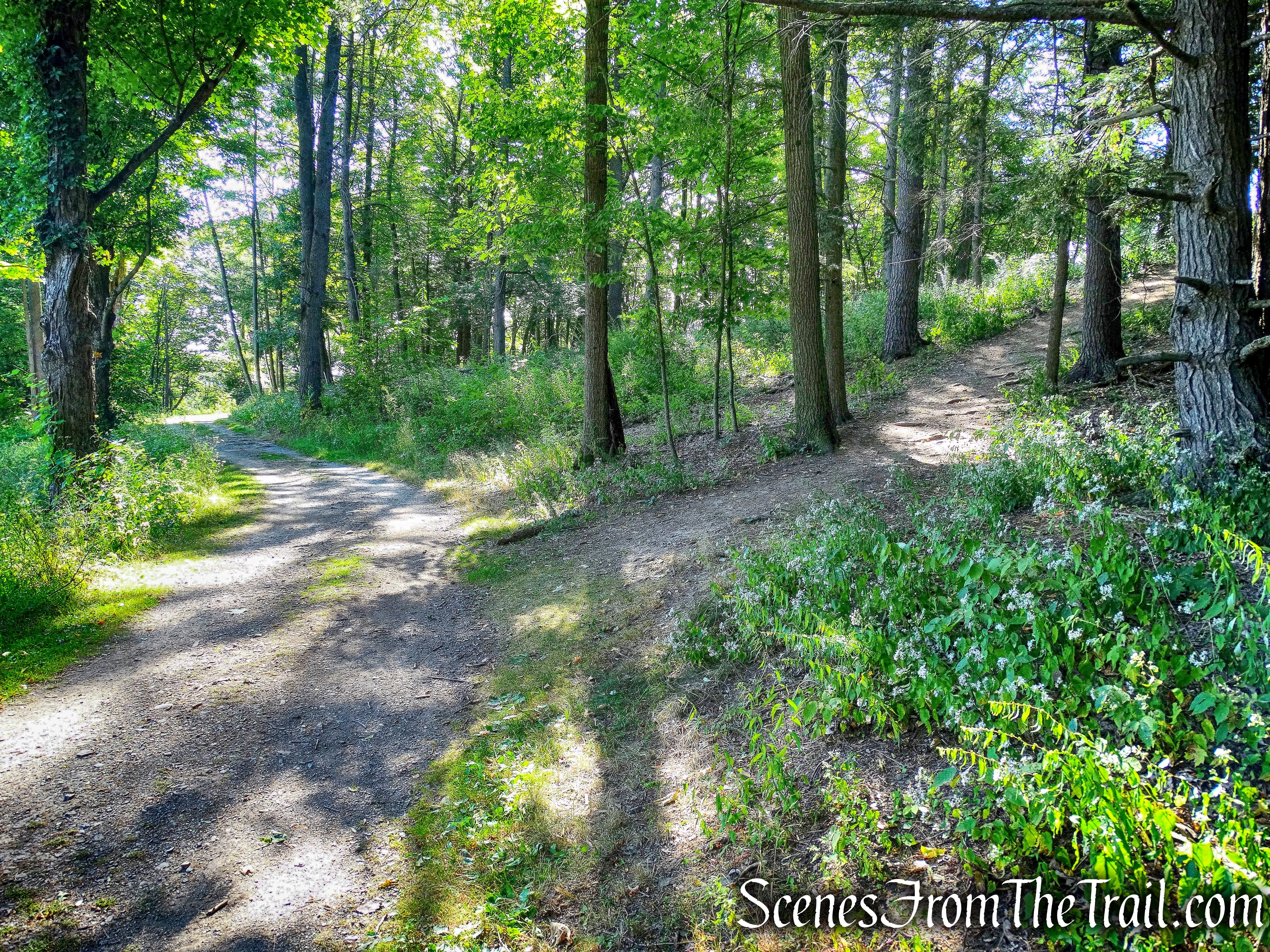
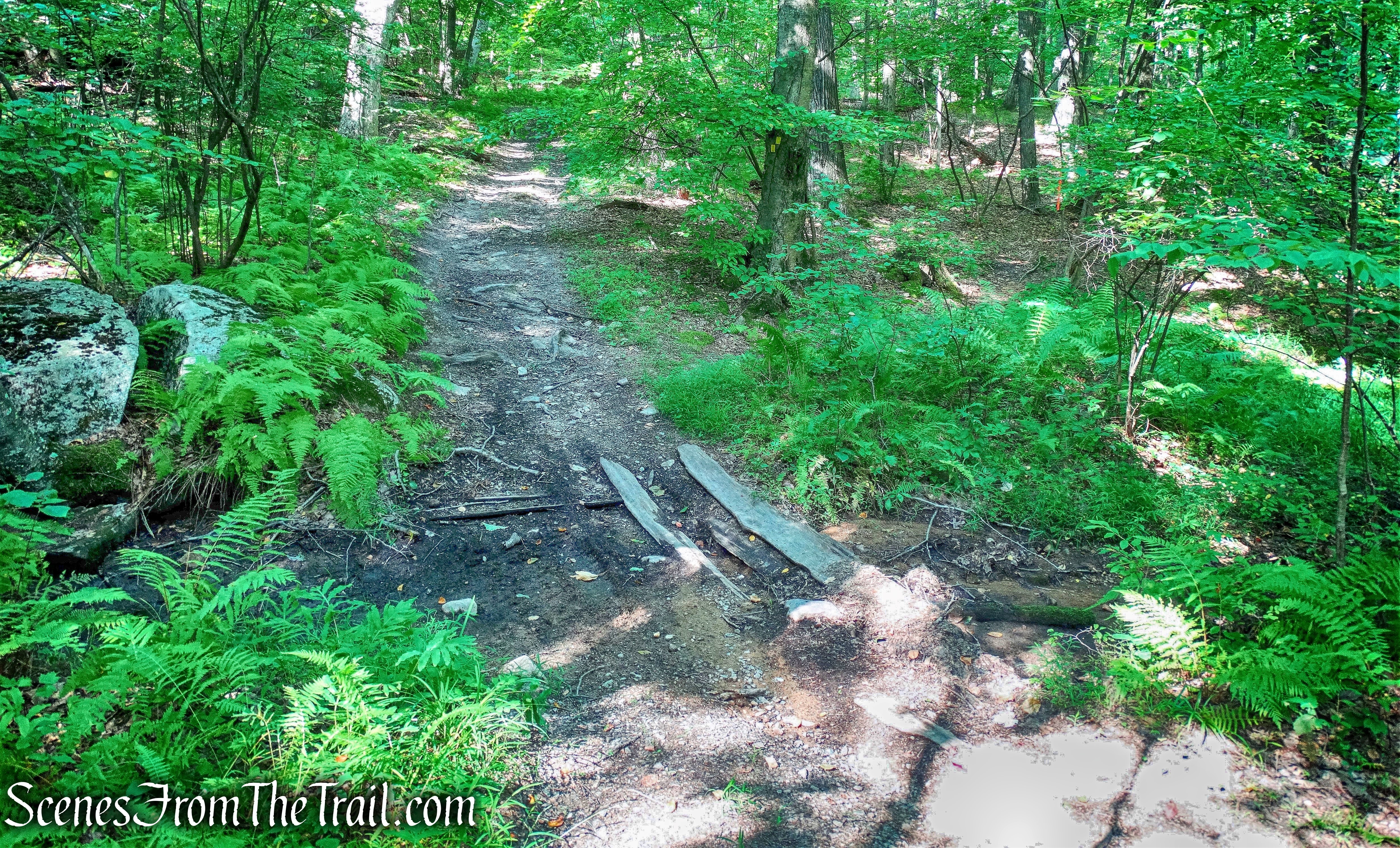
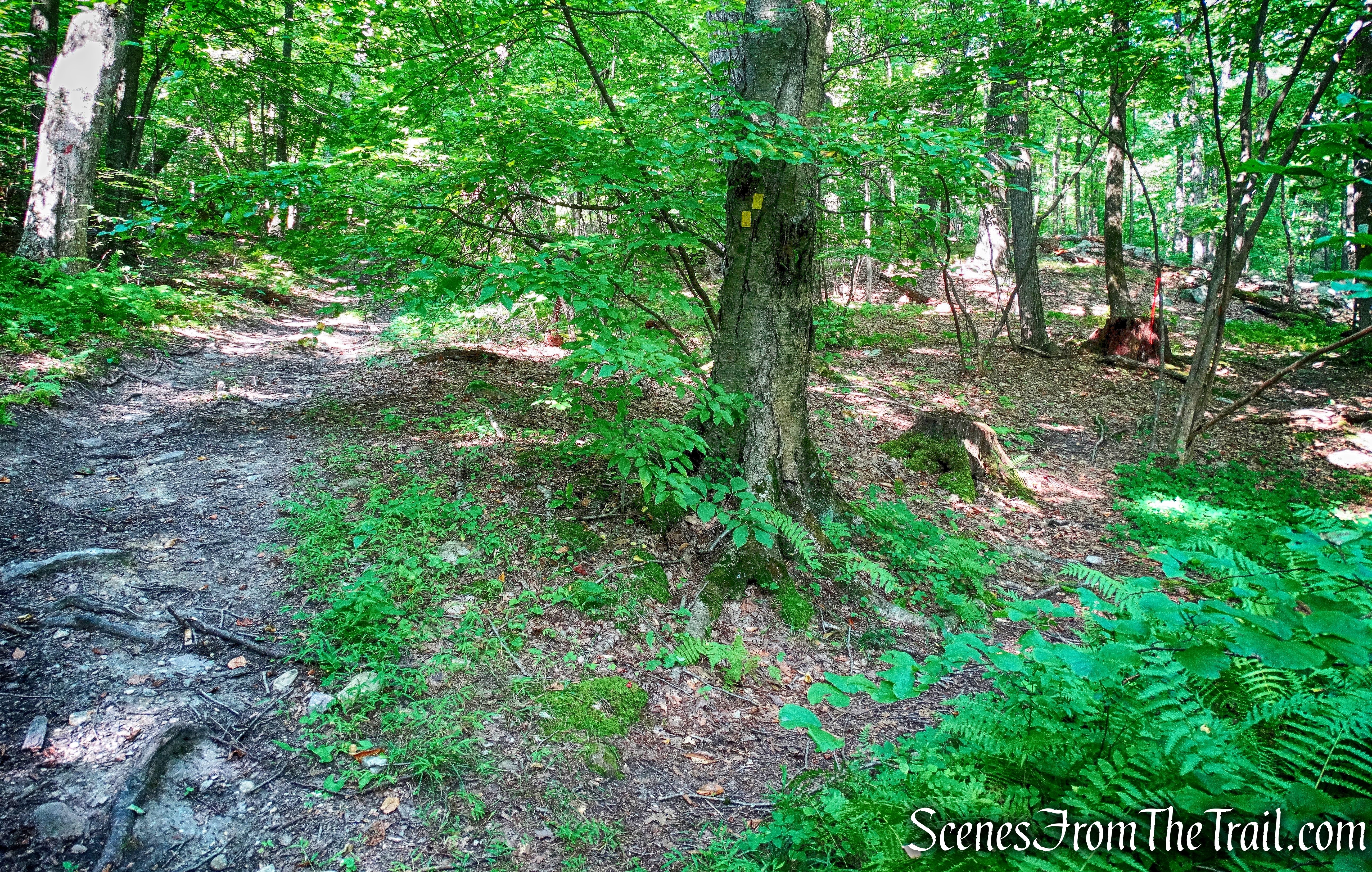
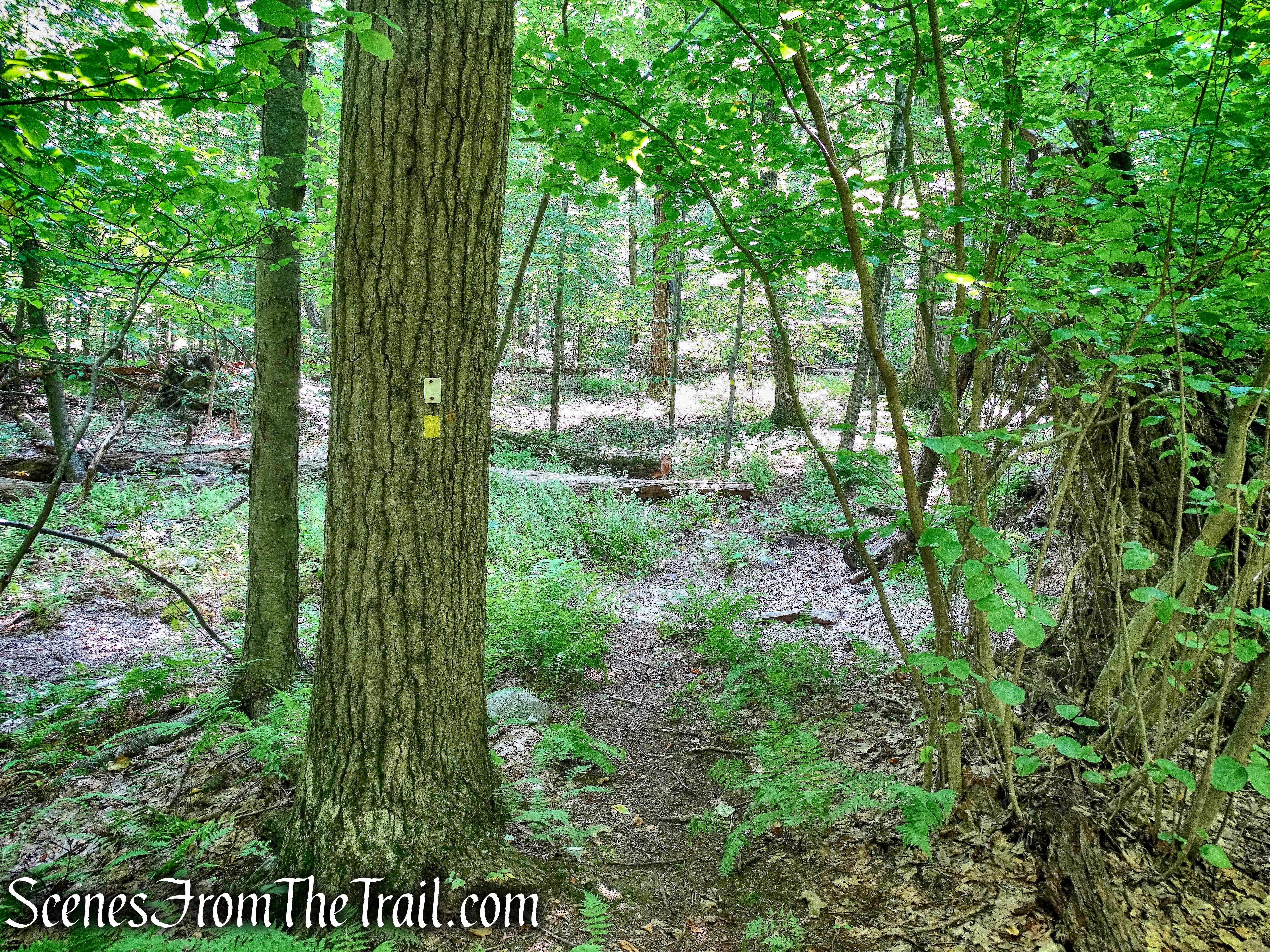
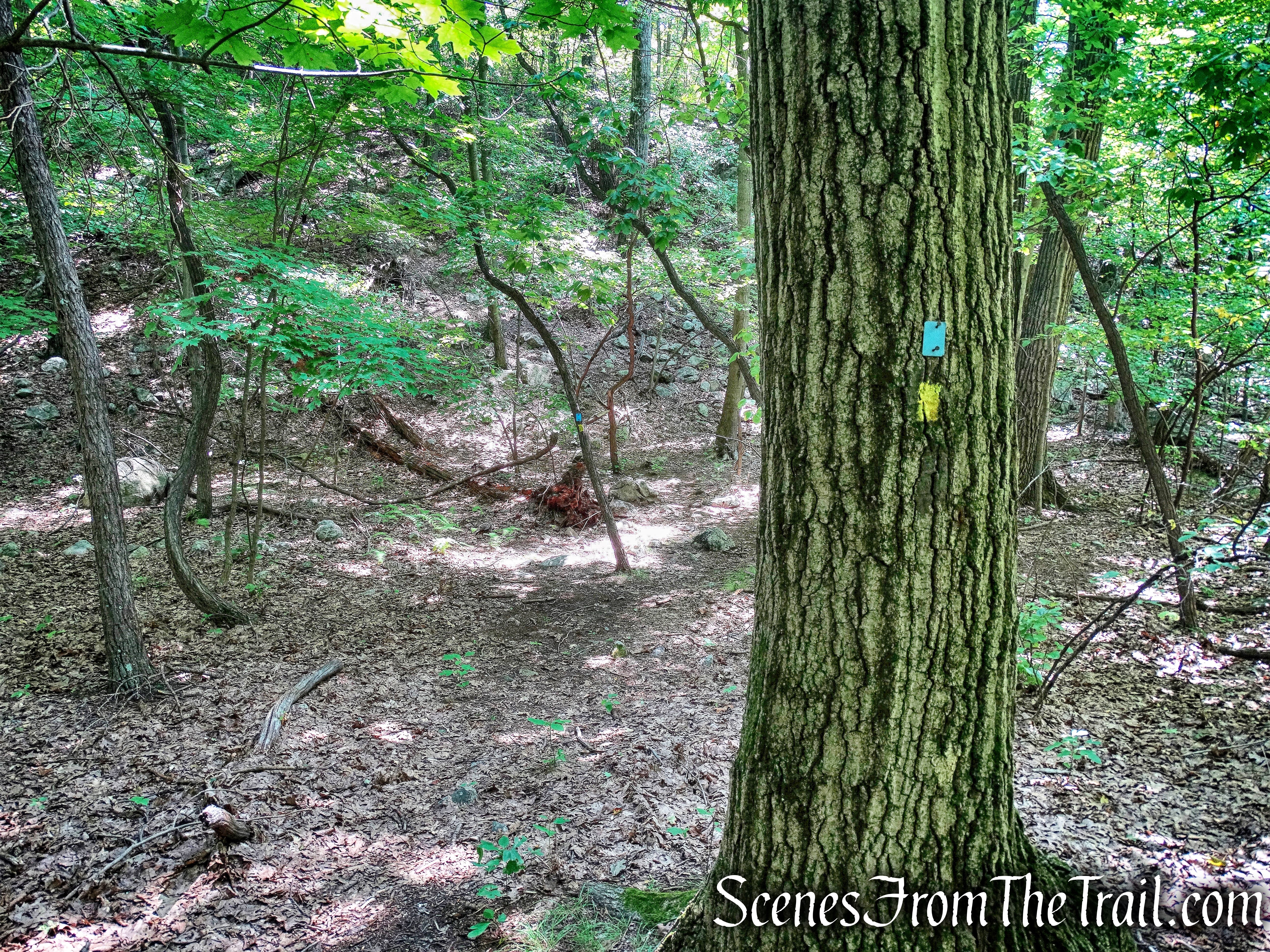
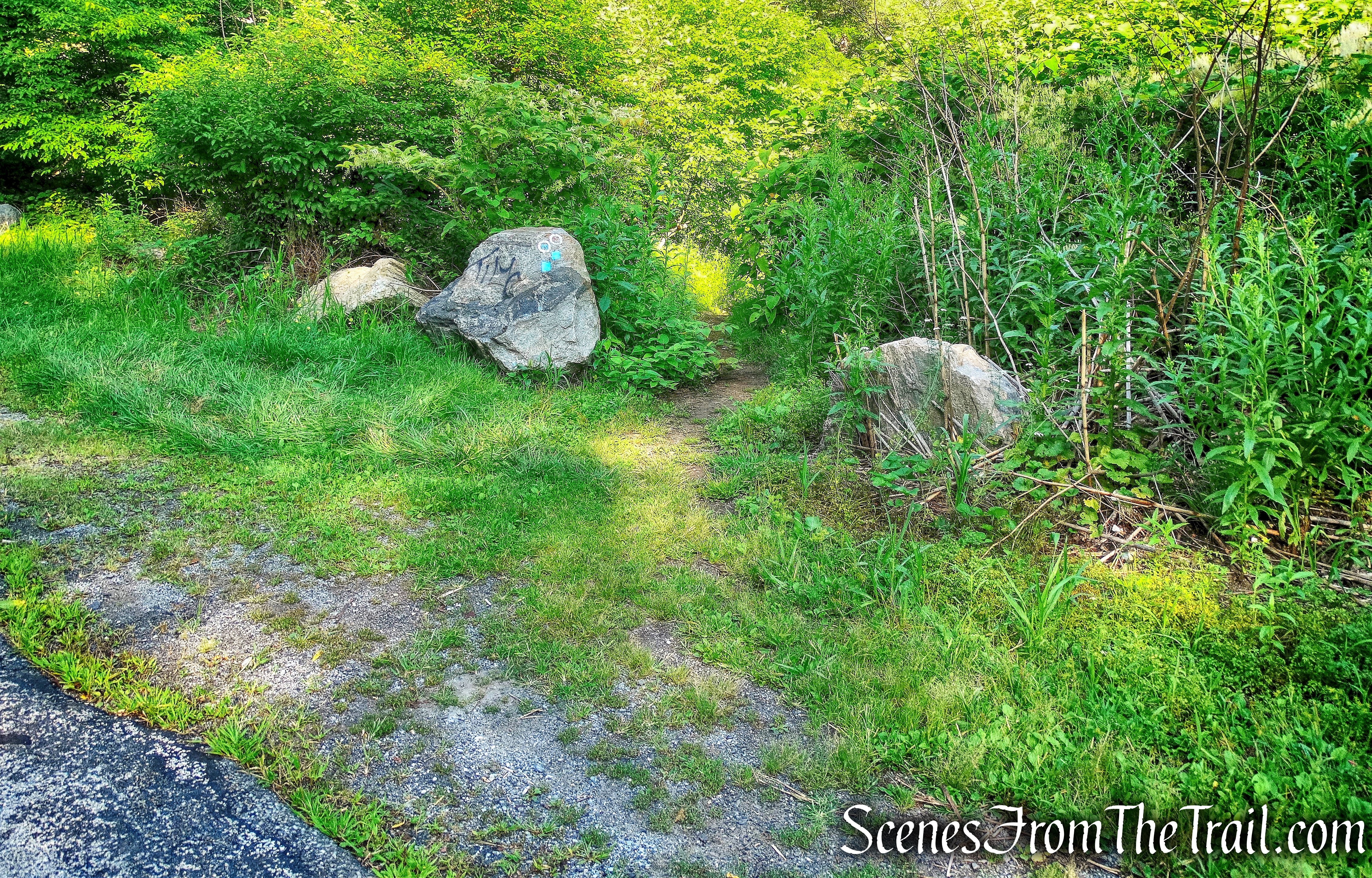
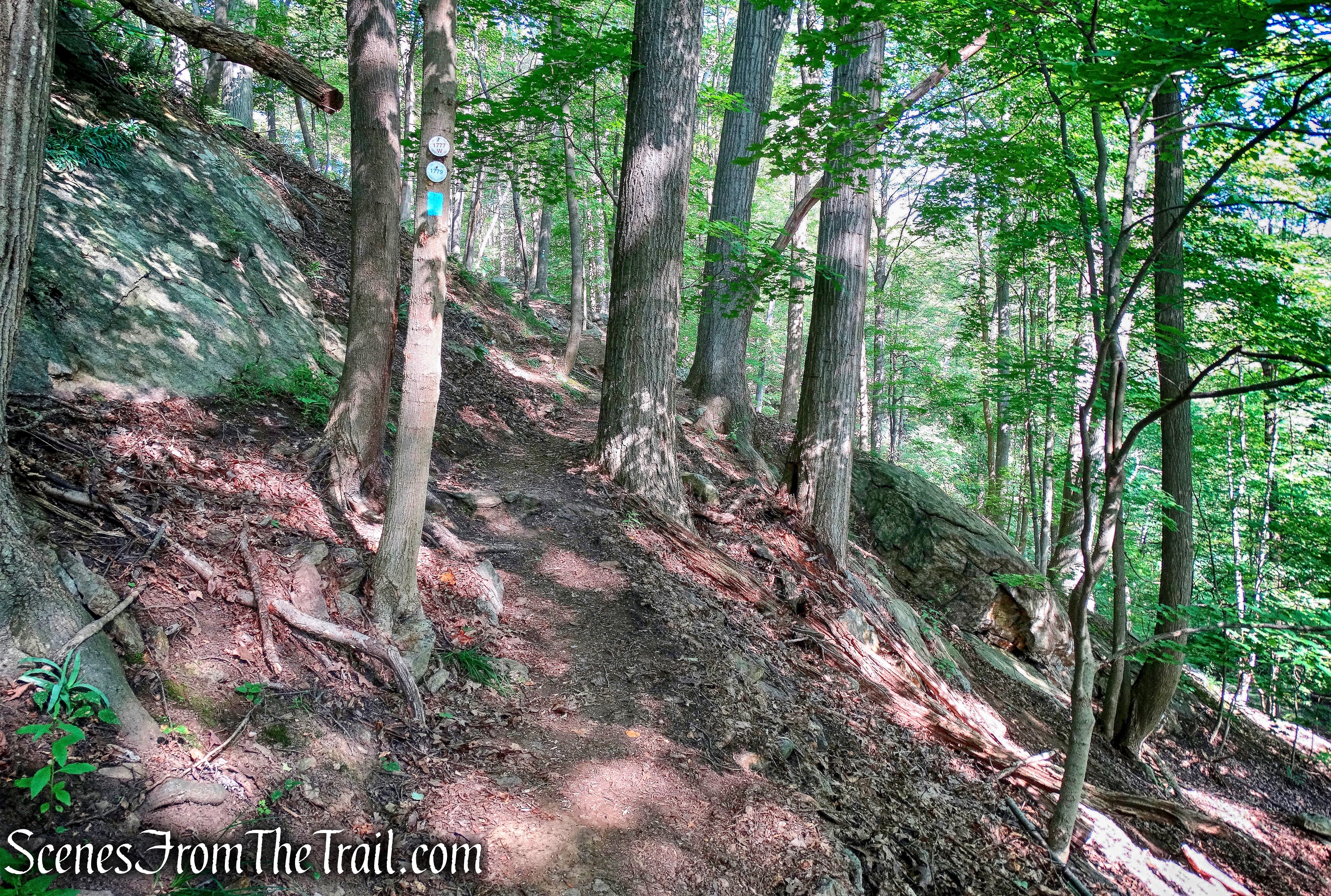
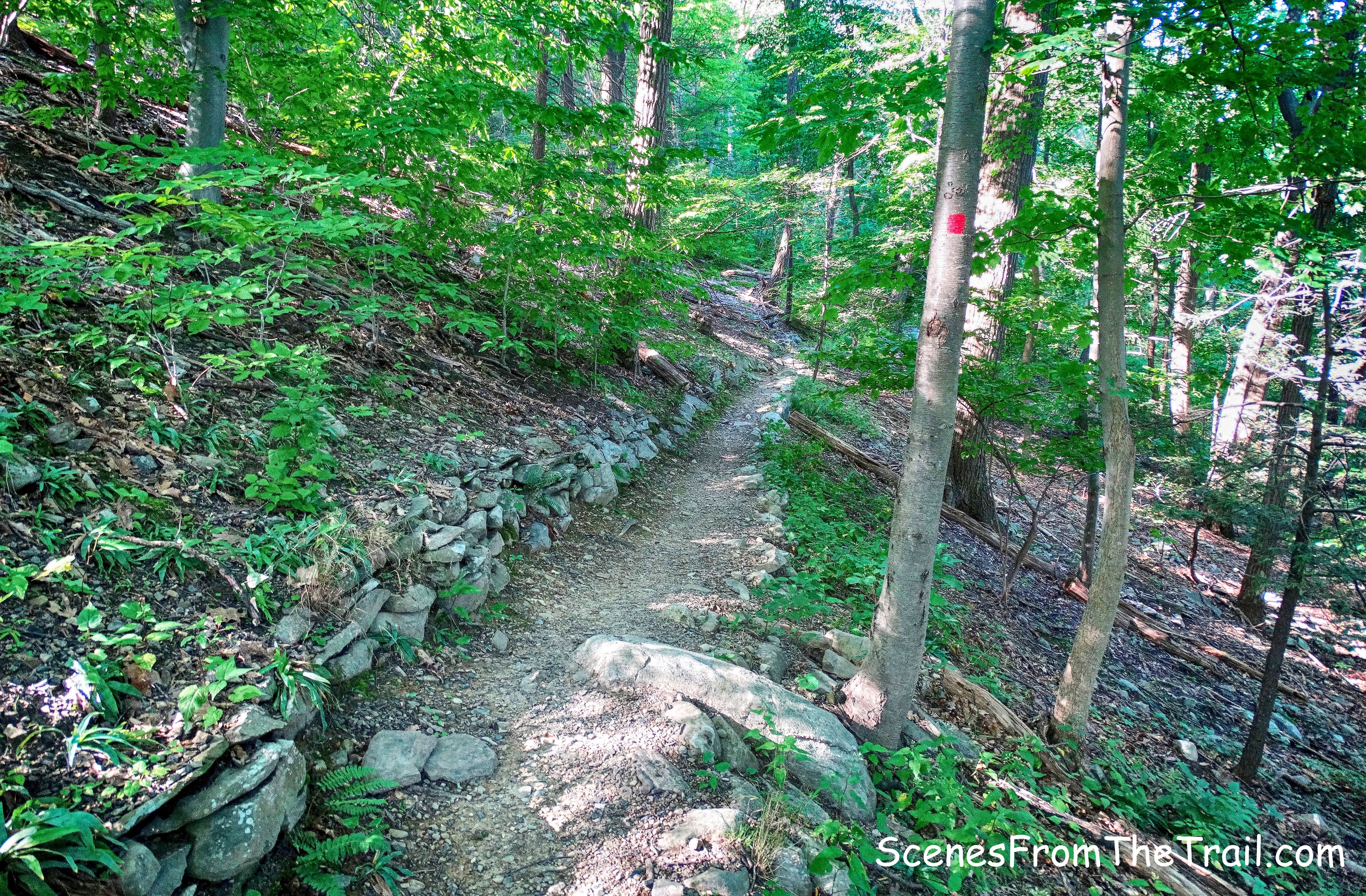
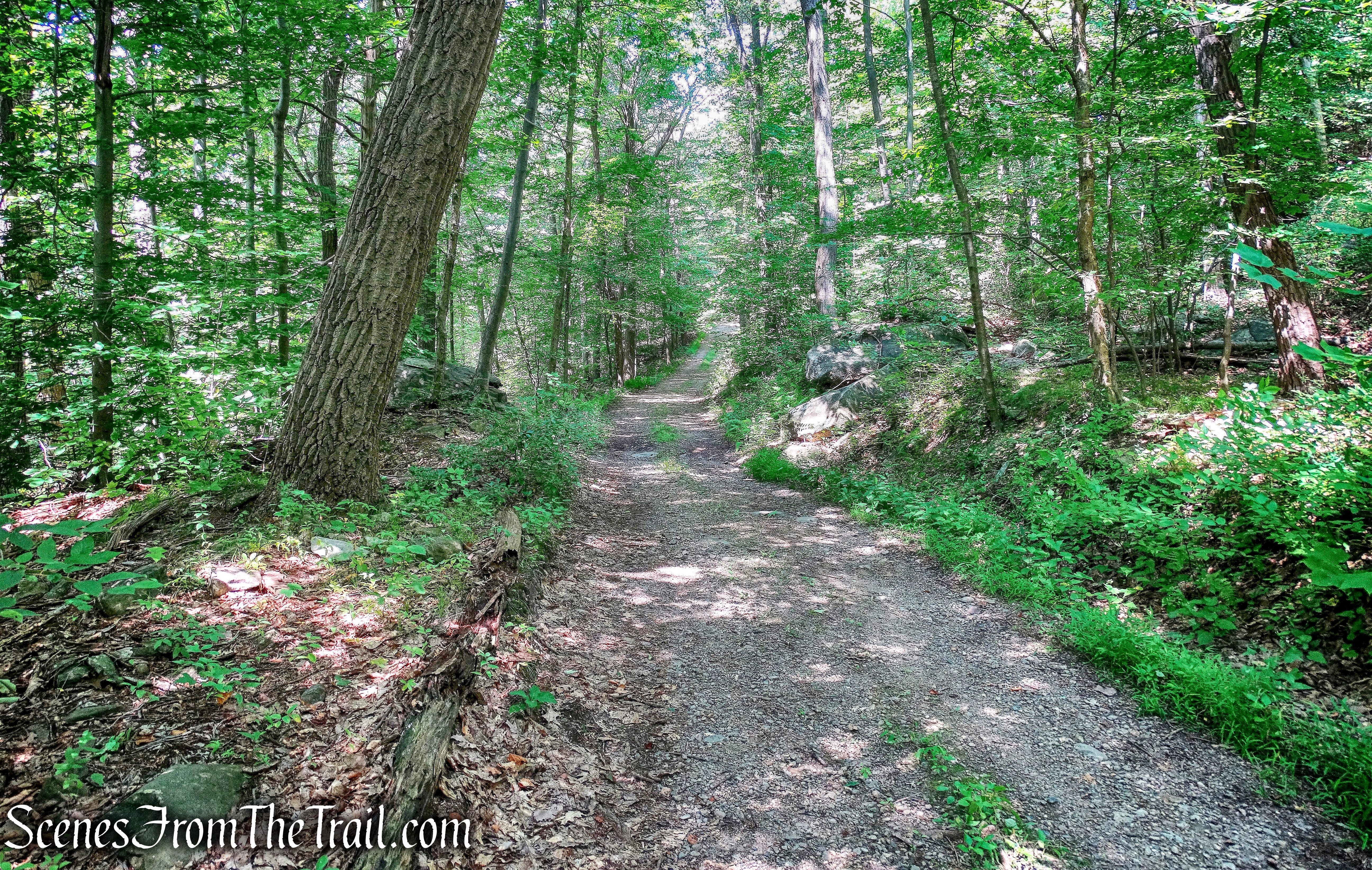
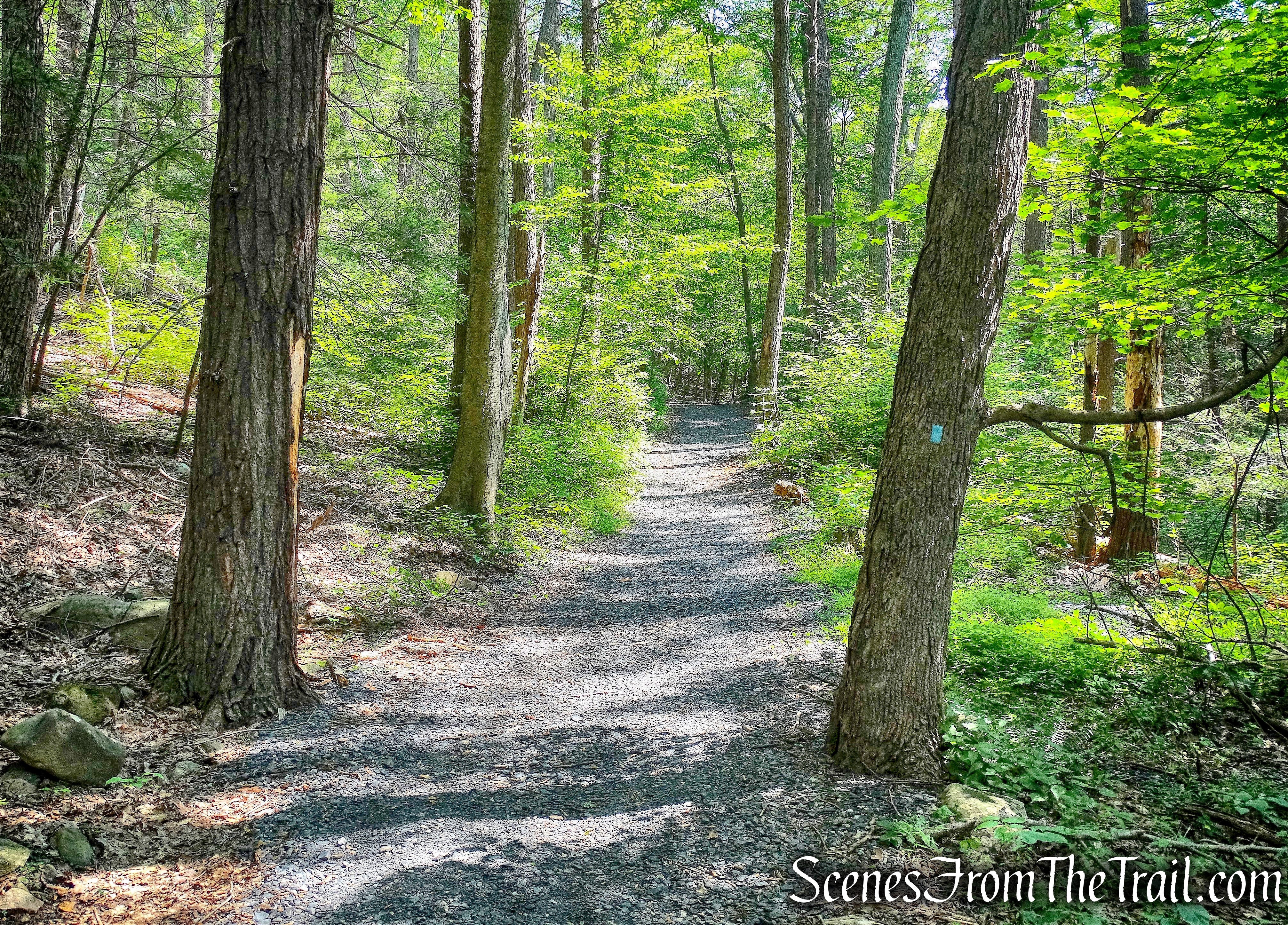
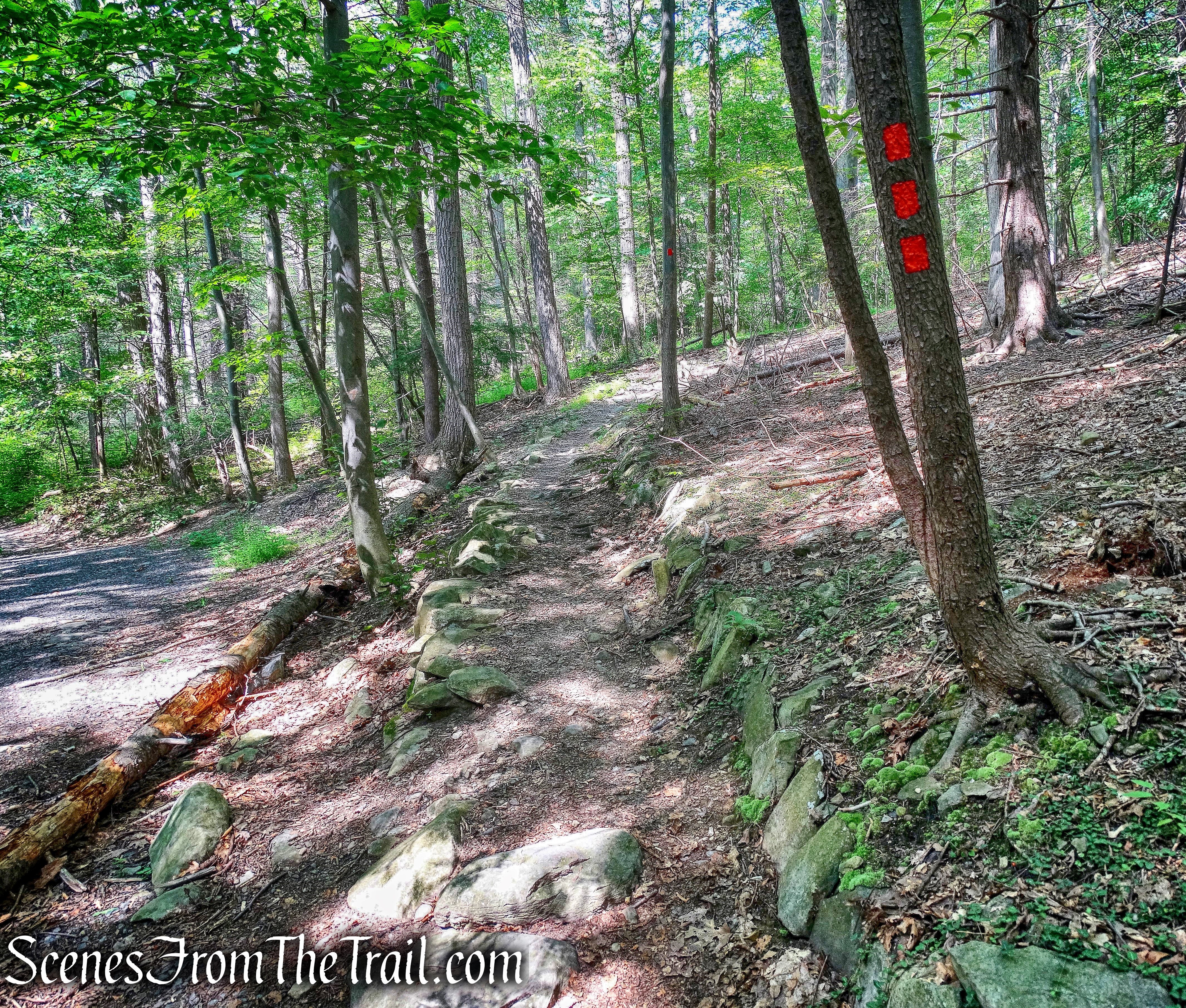
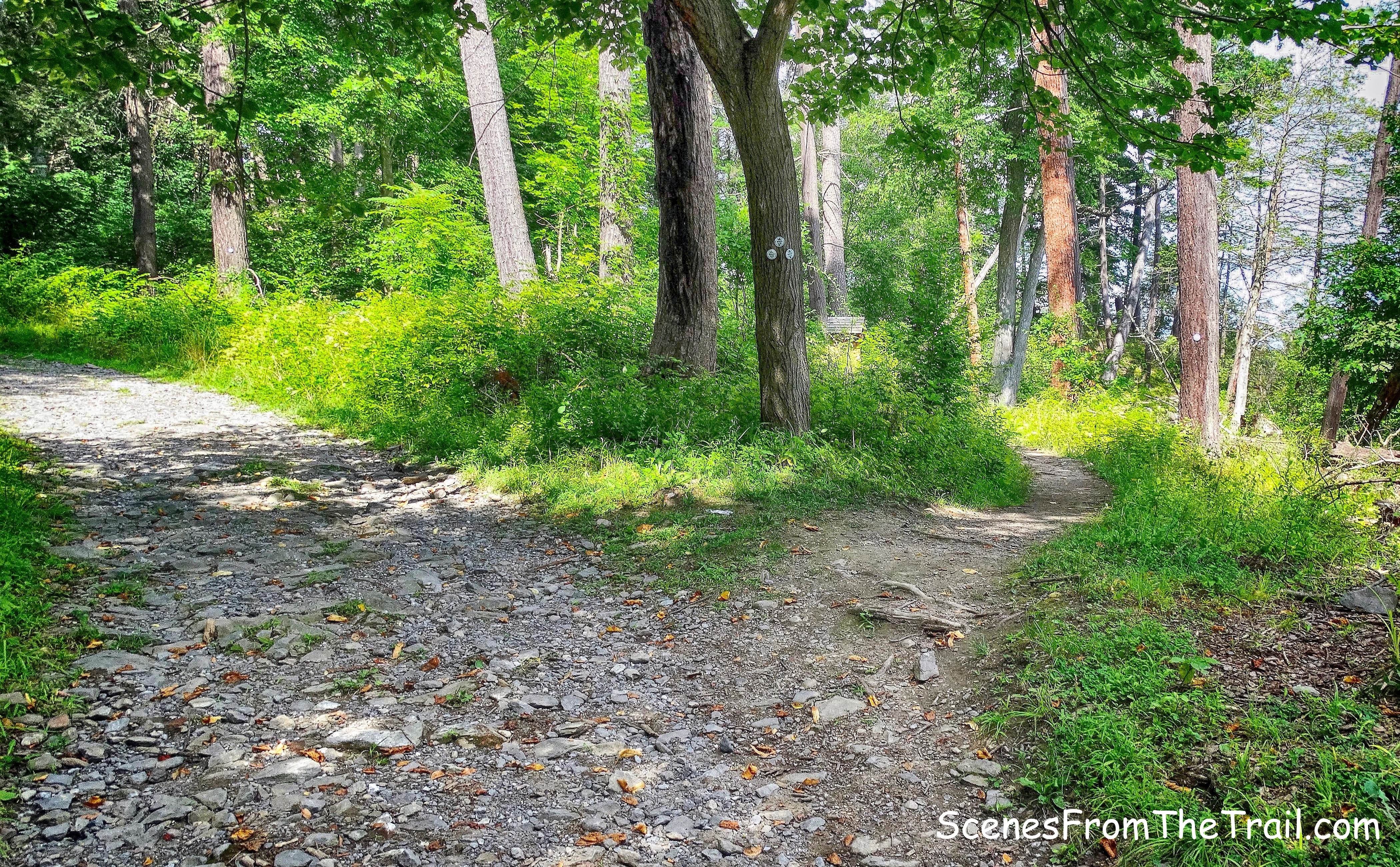
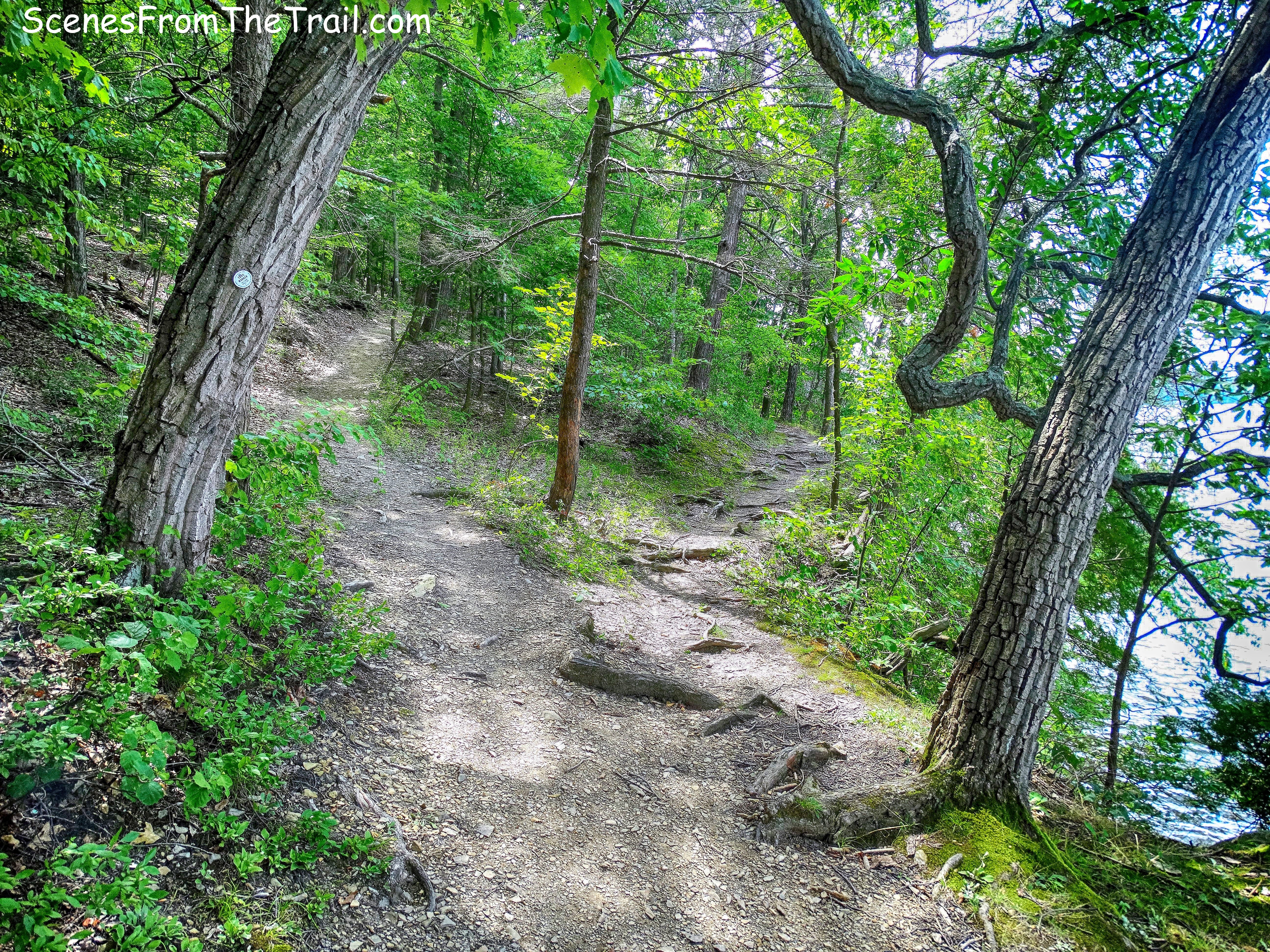
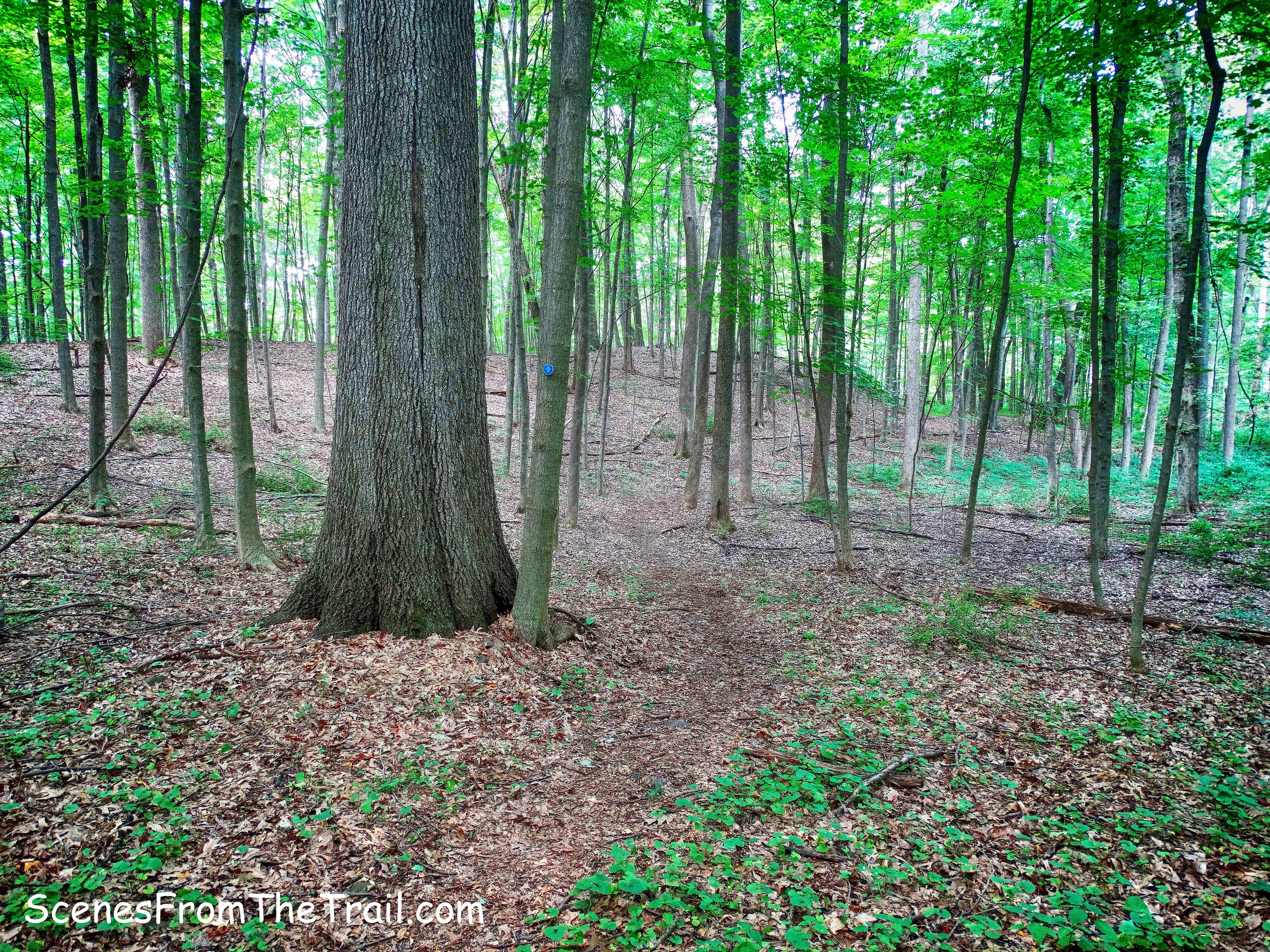
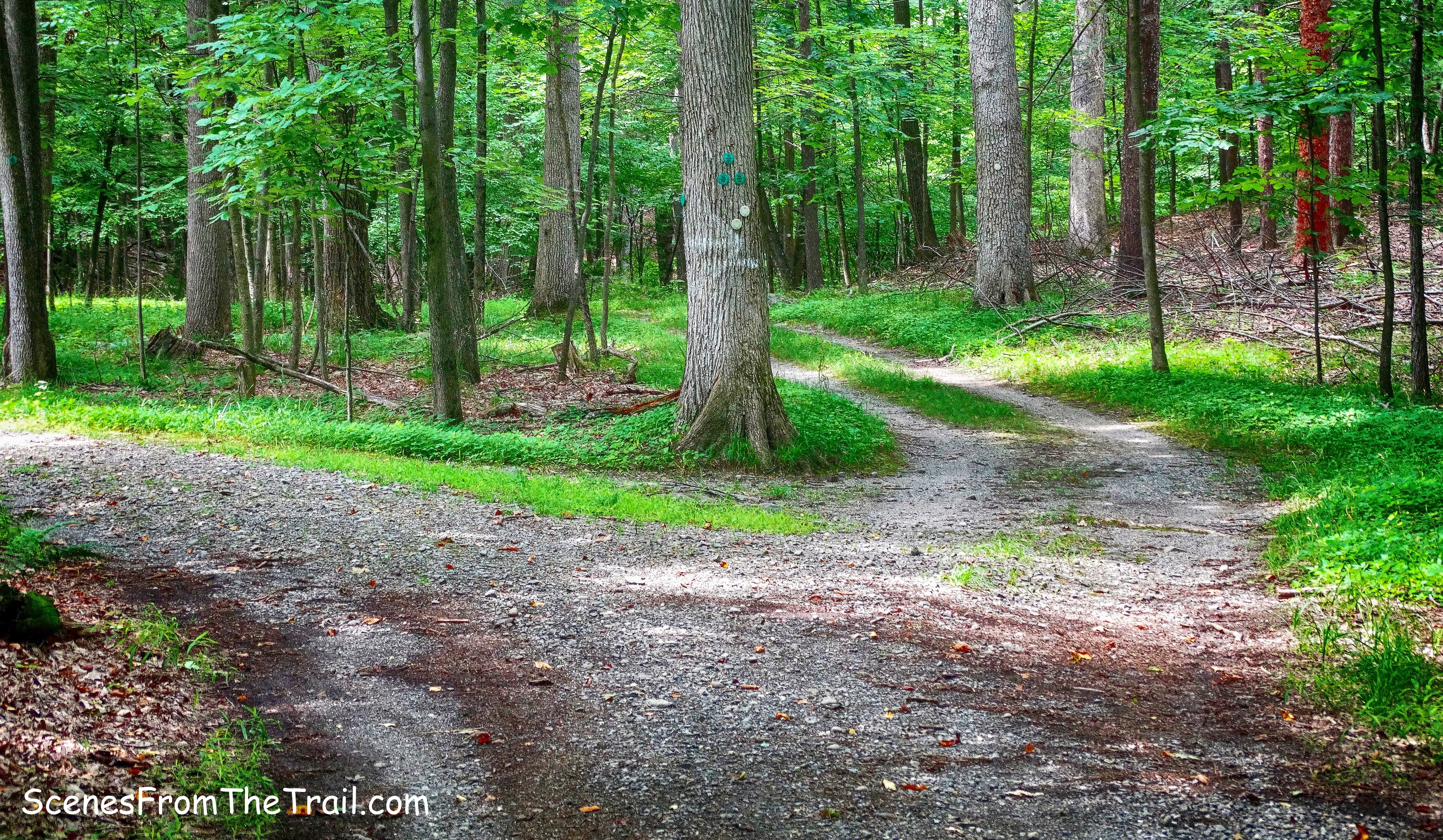
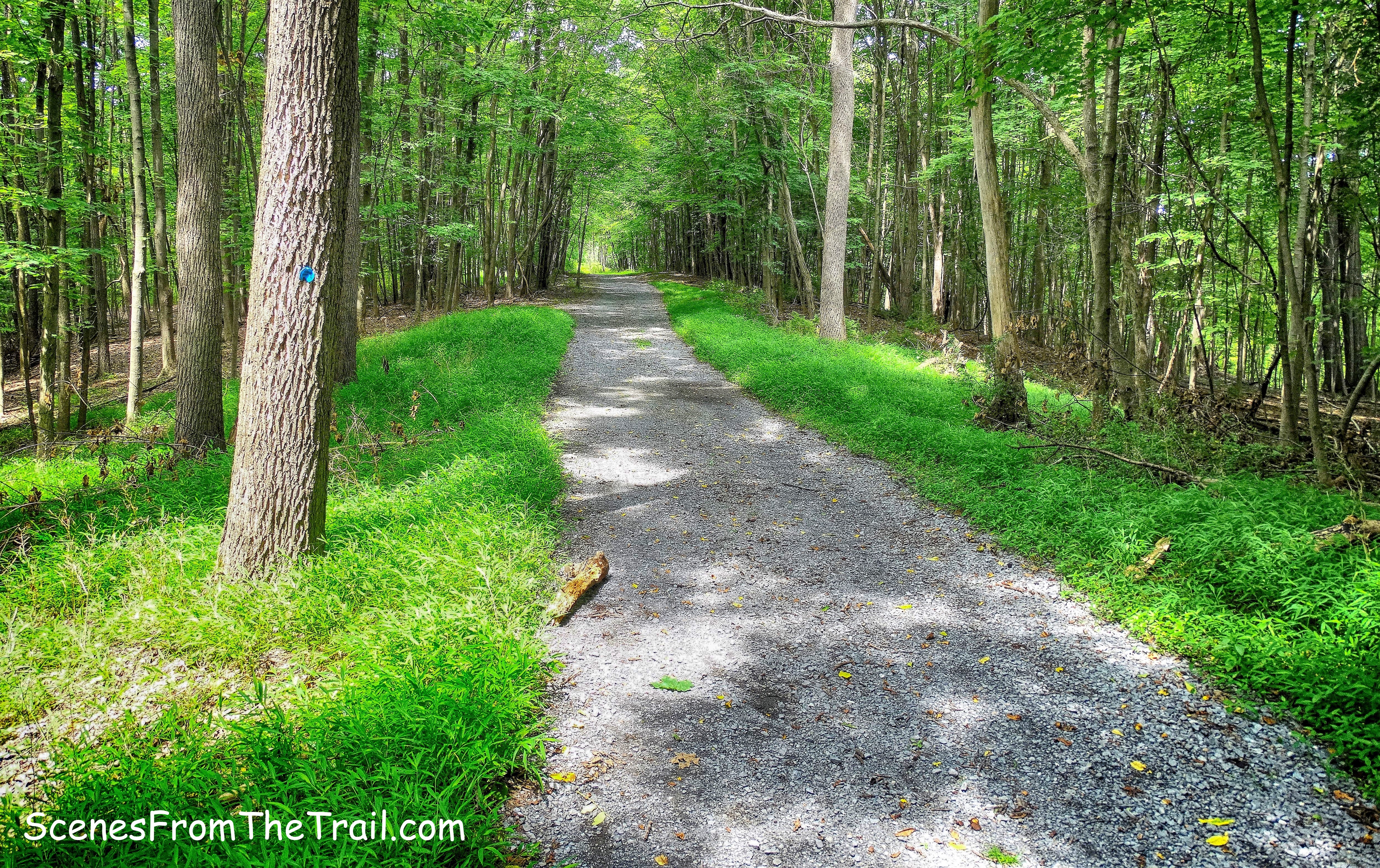
The trail is not marked, but easy to follow. A short distance after the gate, the trail comes to a fork. Either way gets you to Cobey Pond, but we took the right fork because it was less steep and returned via the left fork, downhill.

Stay right at the fork - Cobey Pond Trail

Stay right at the fork – Cobey Pond Trail

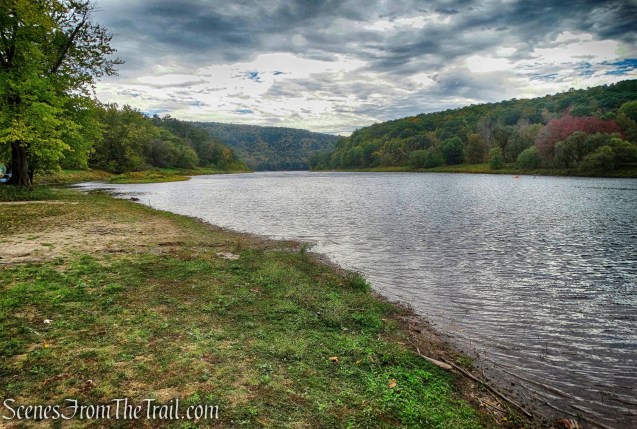
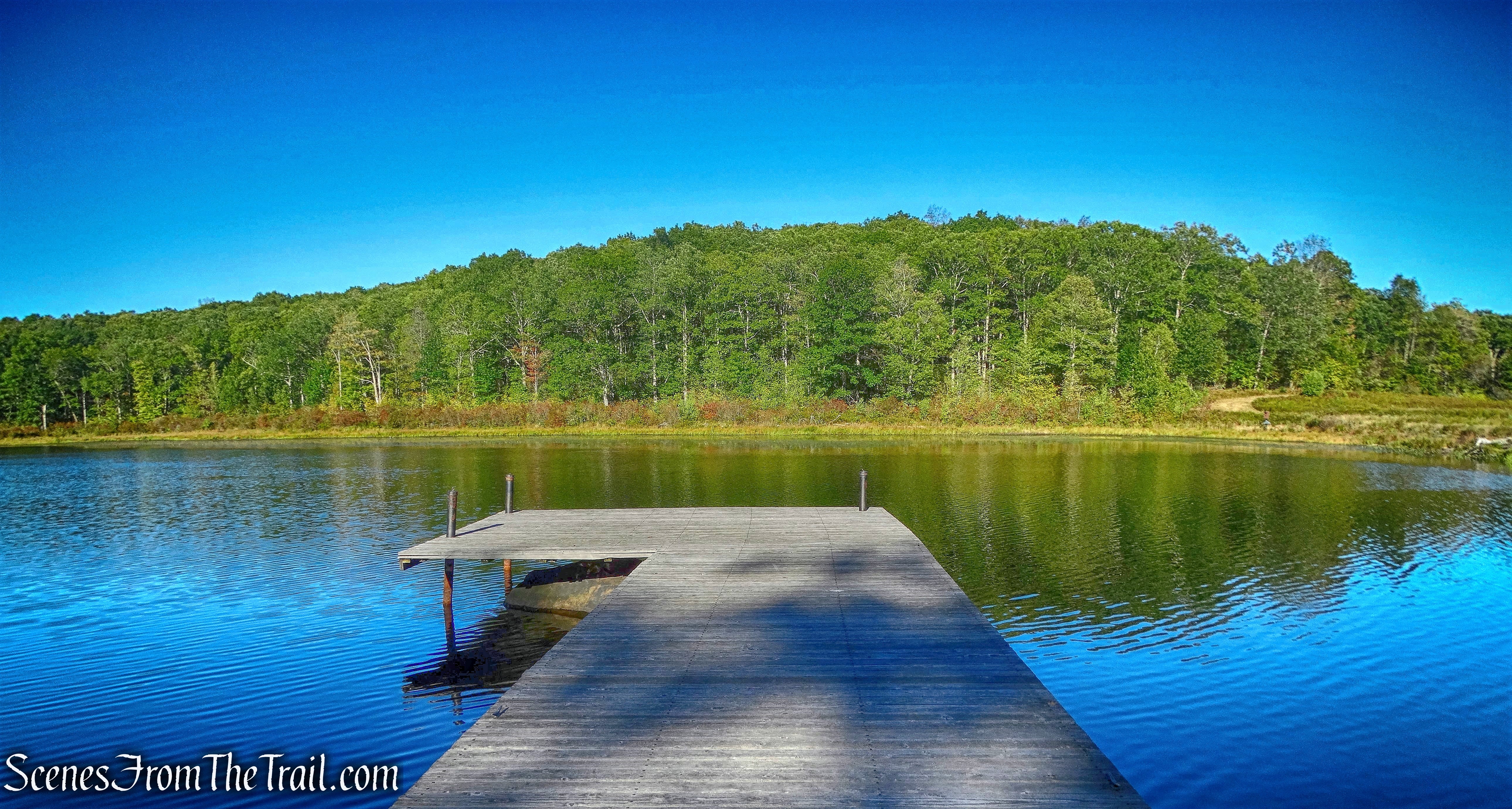
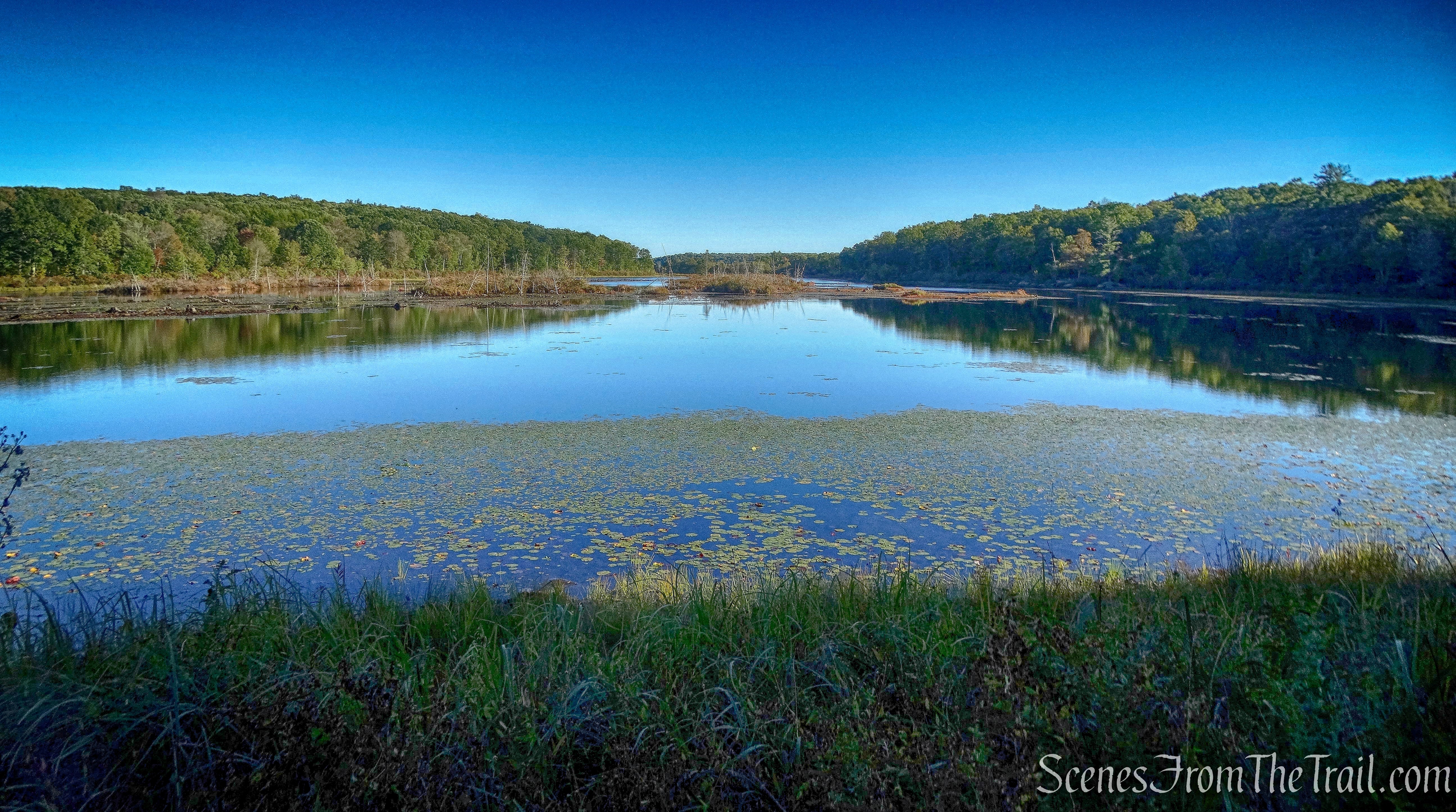
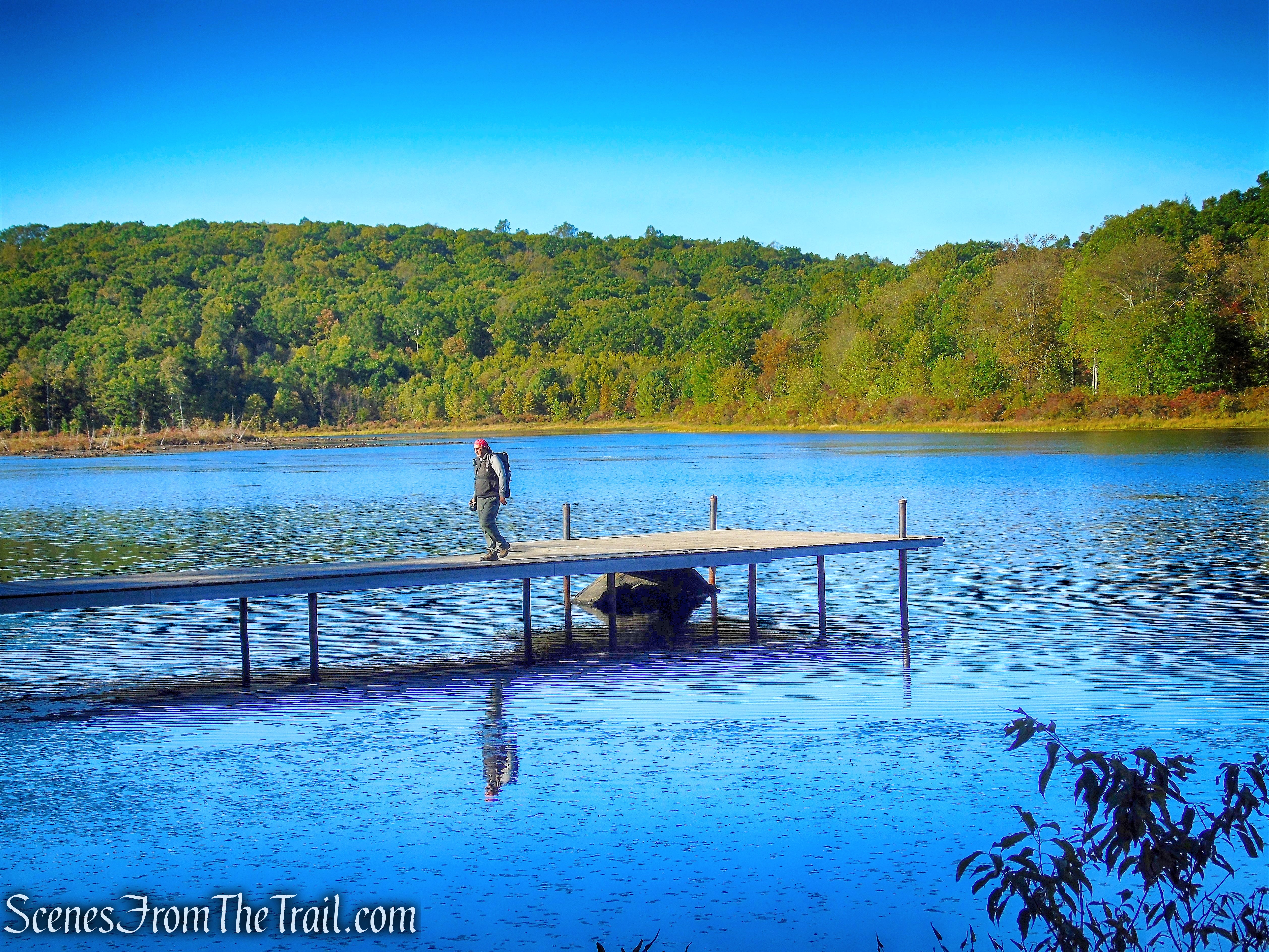
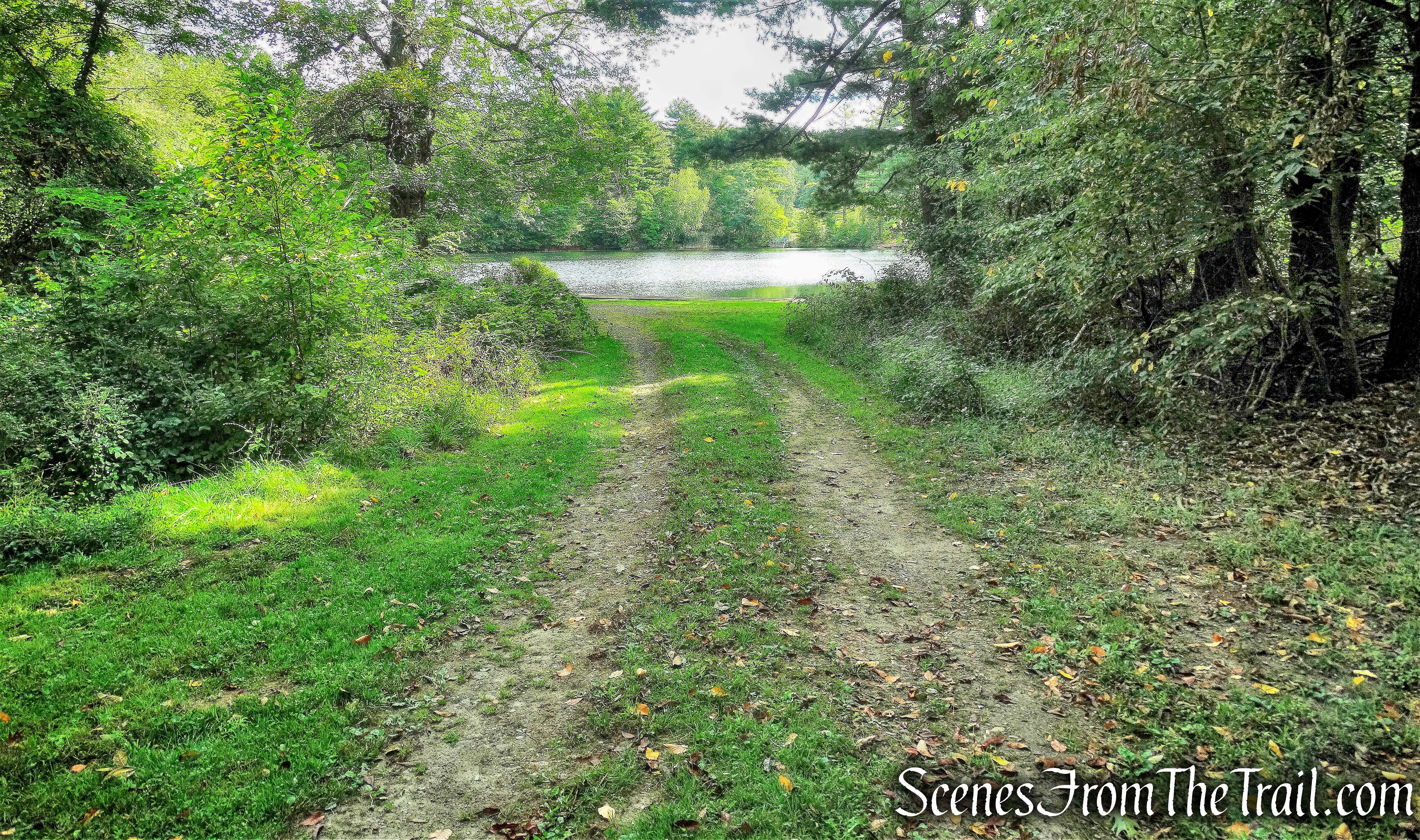
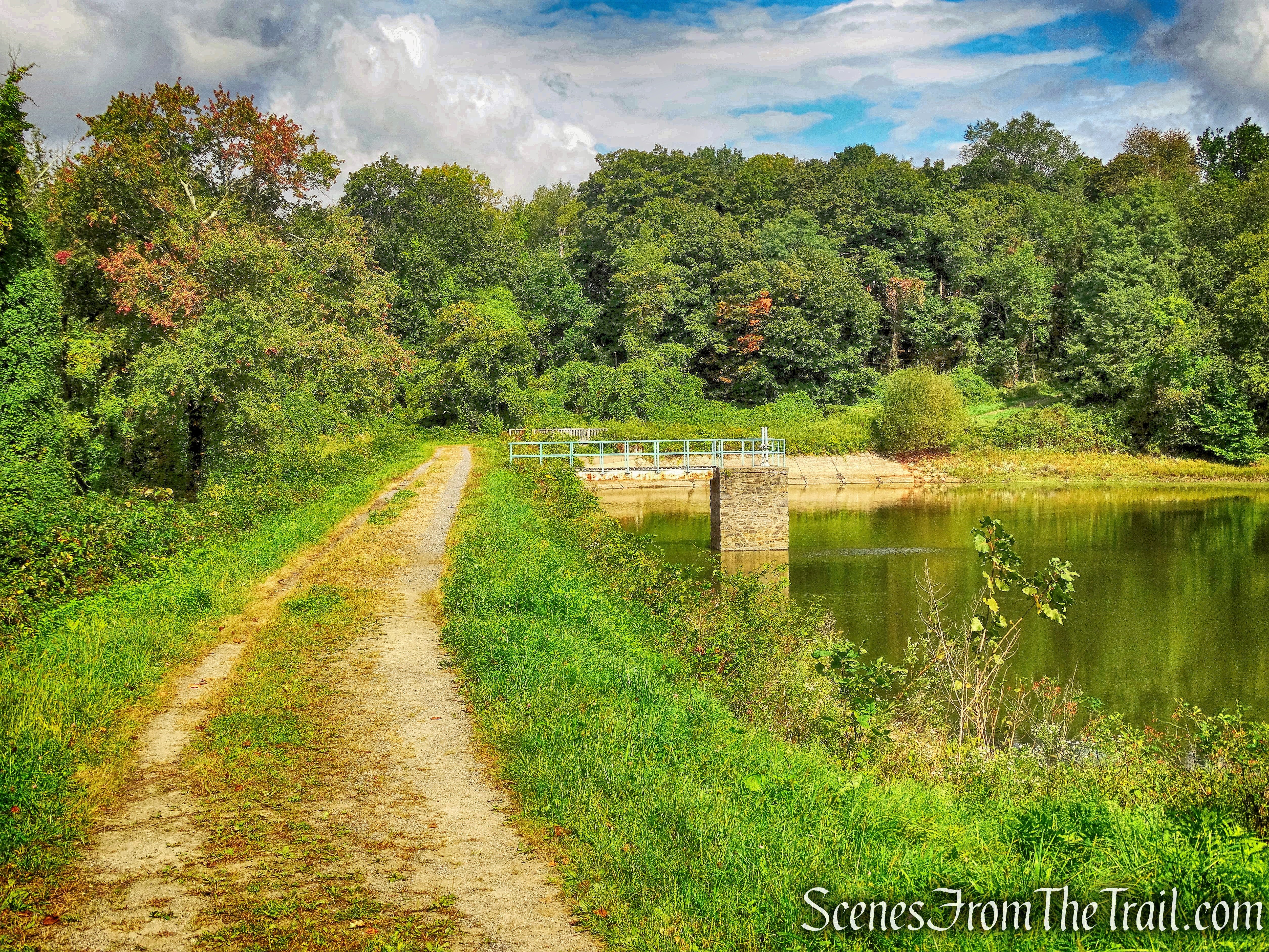
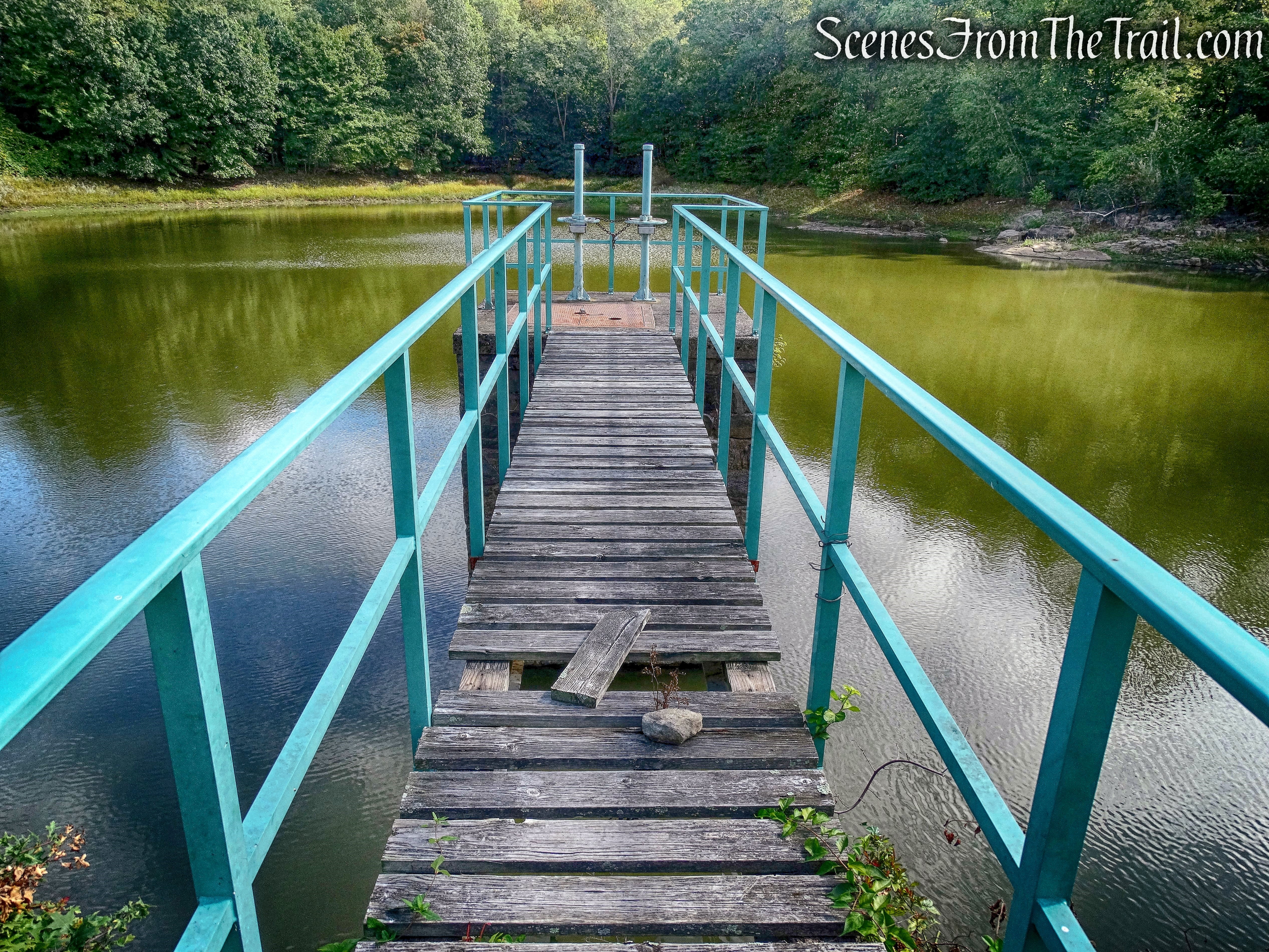
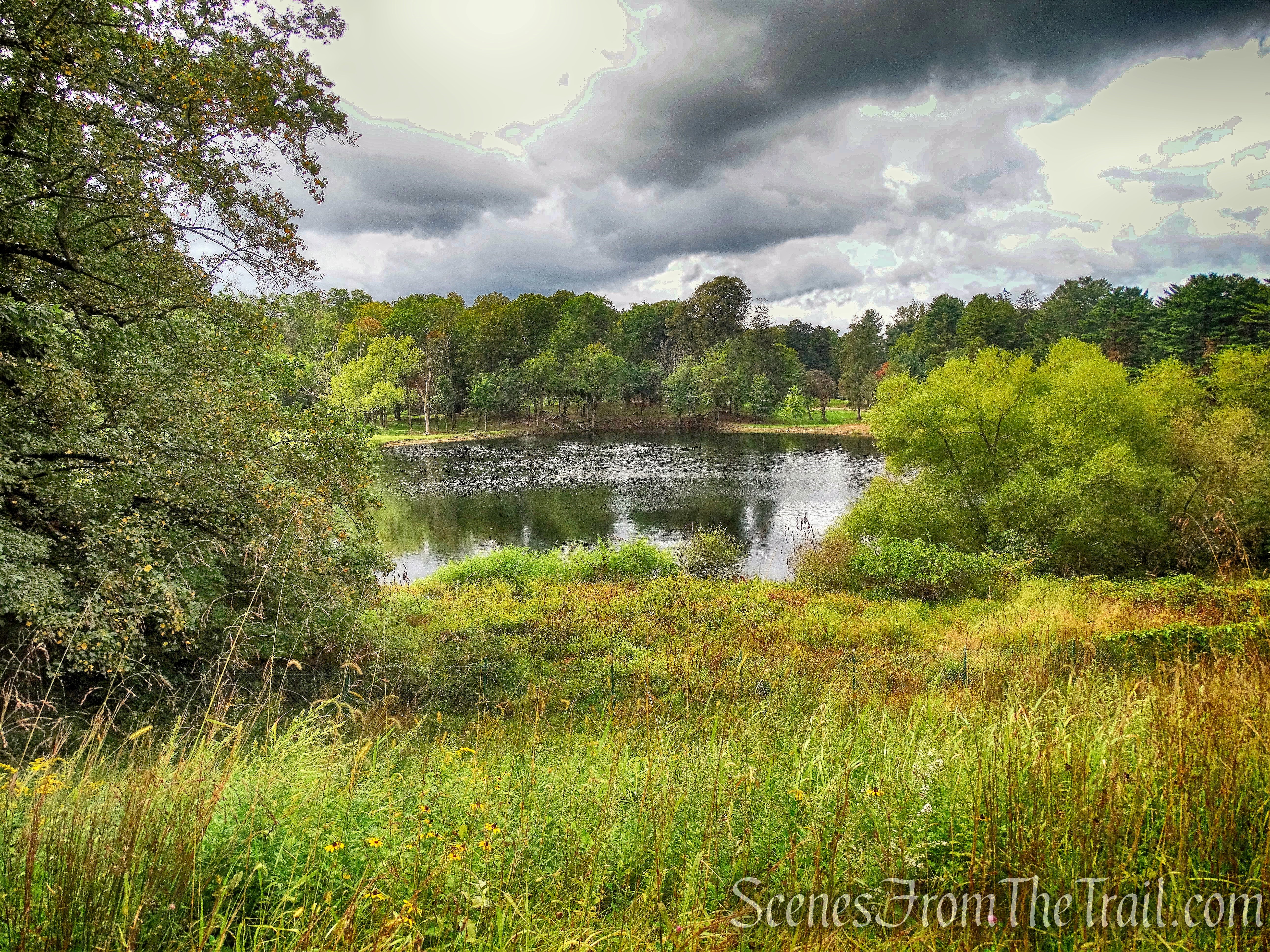
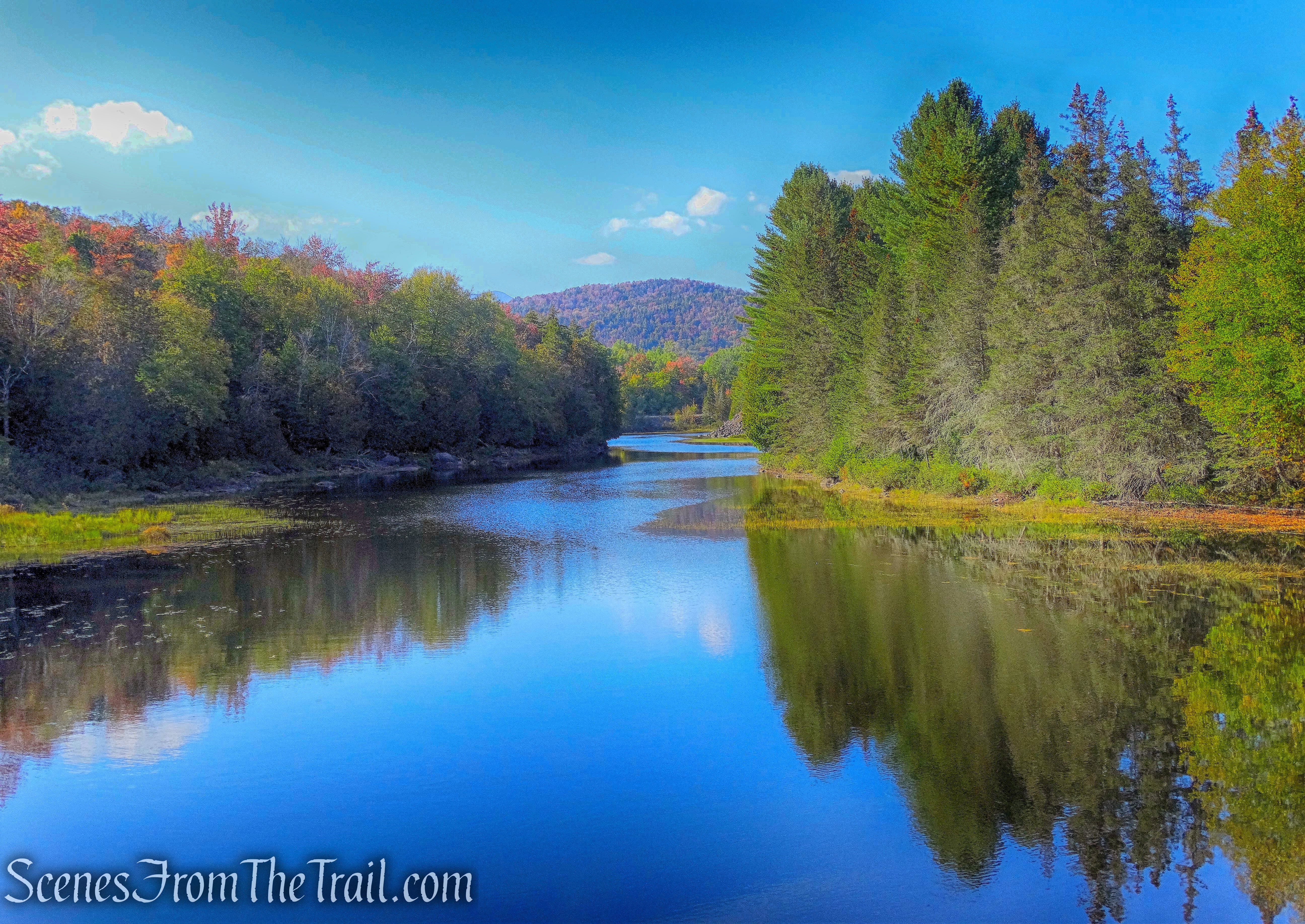
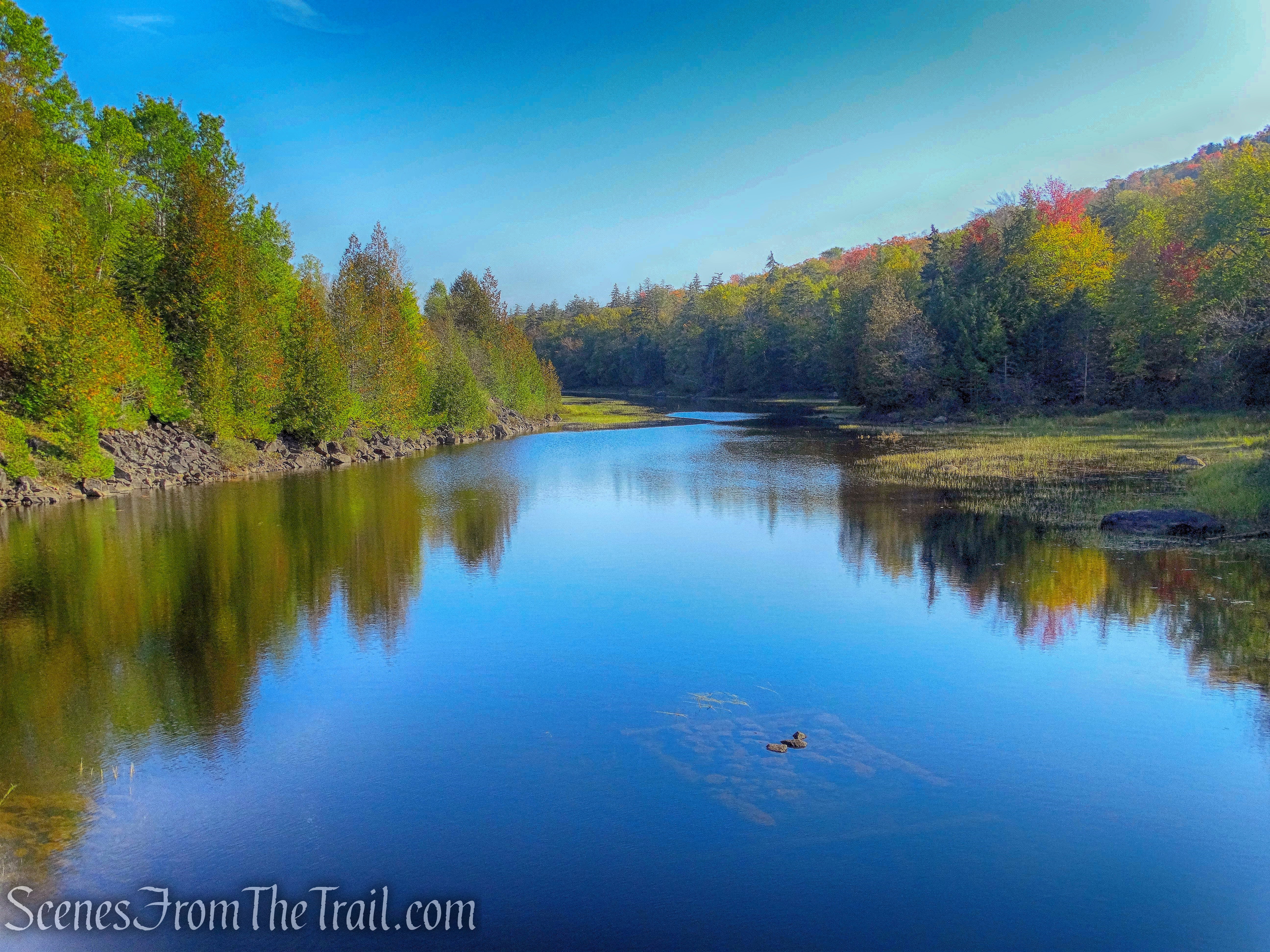
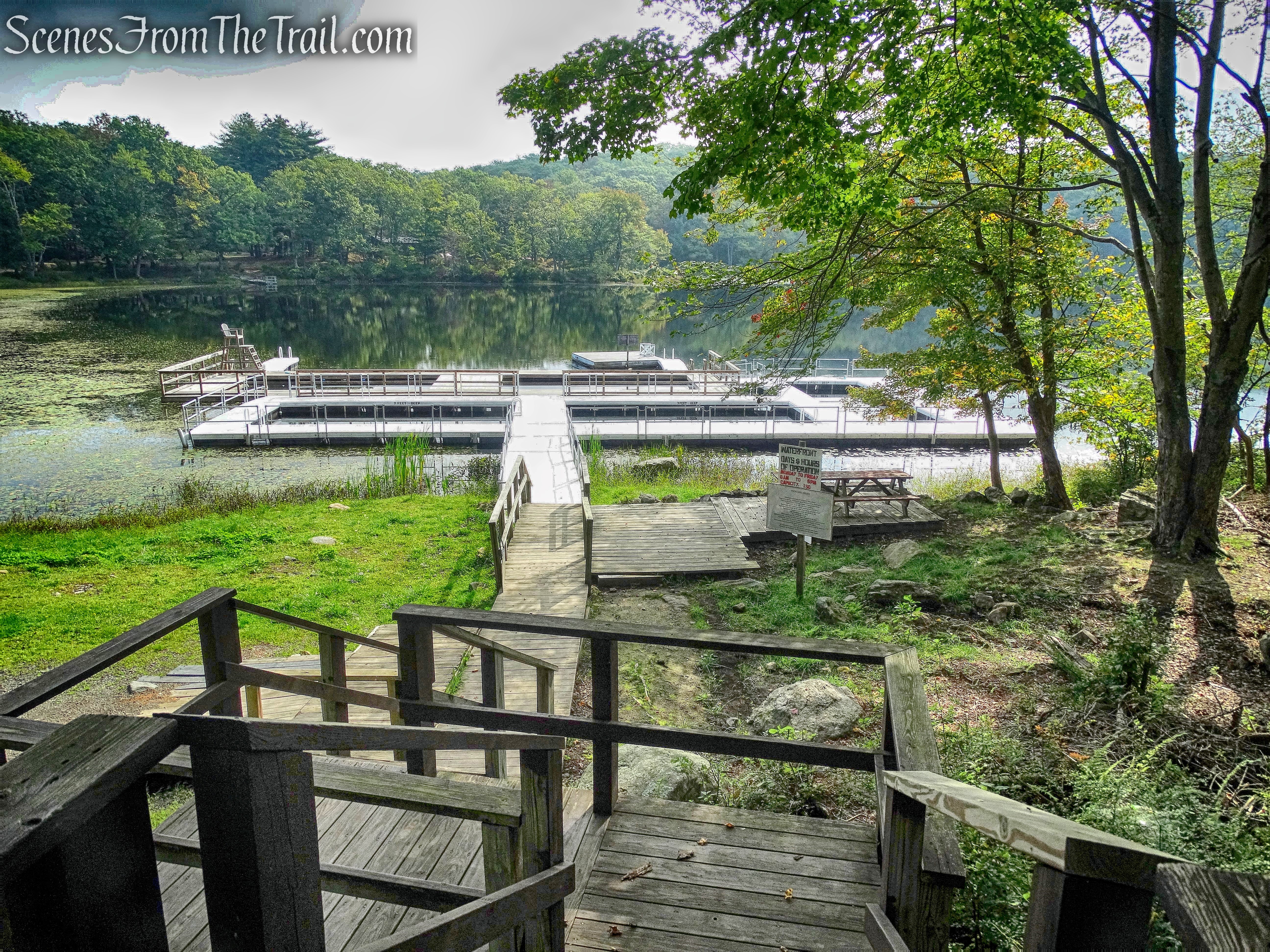
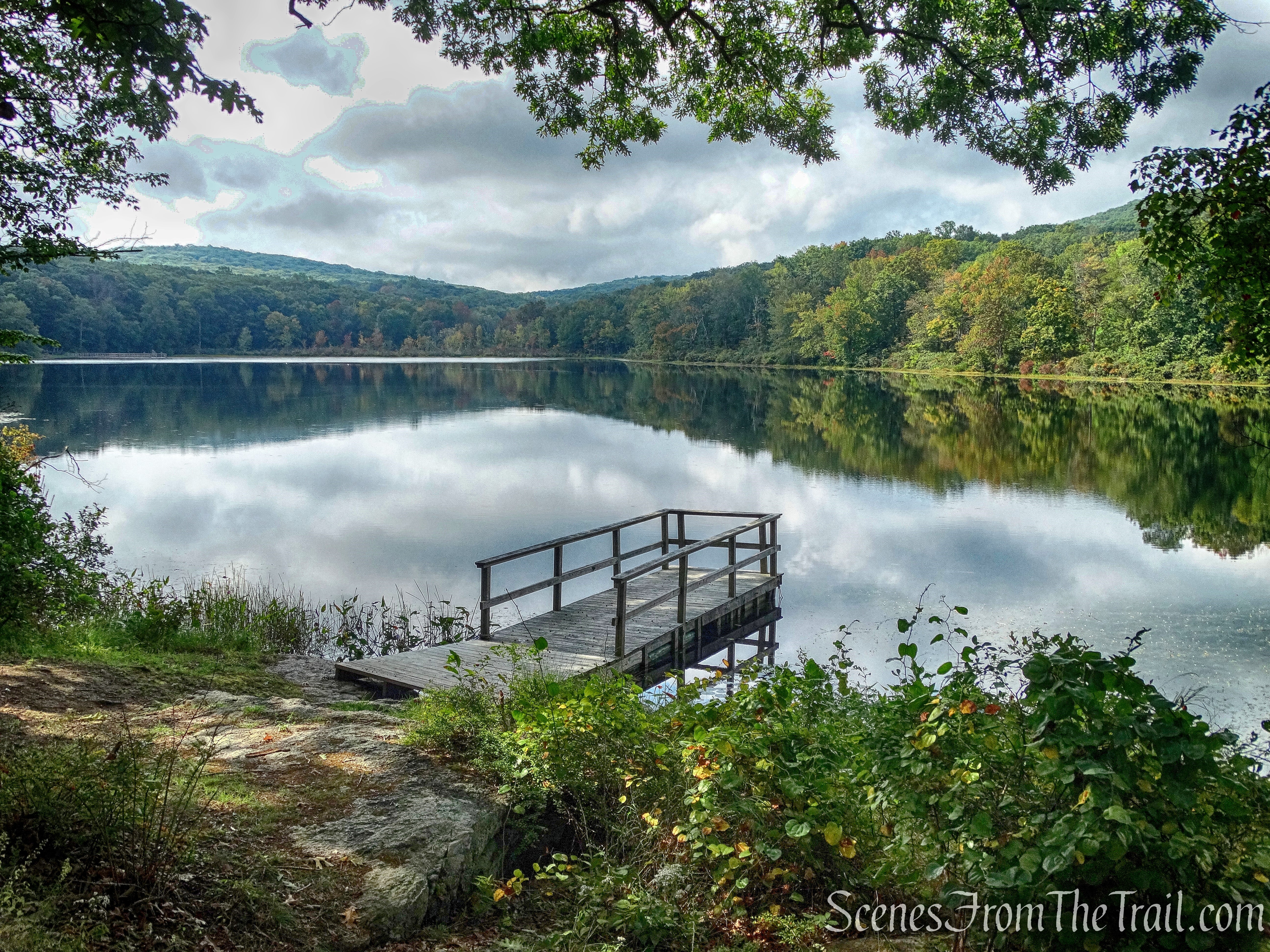
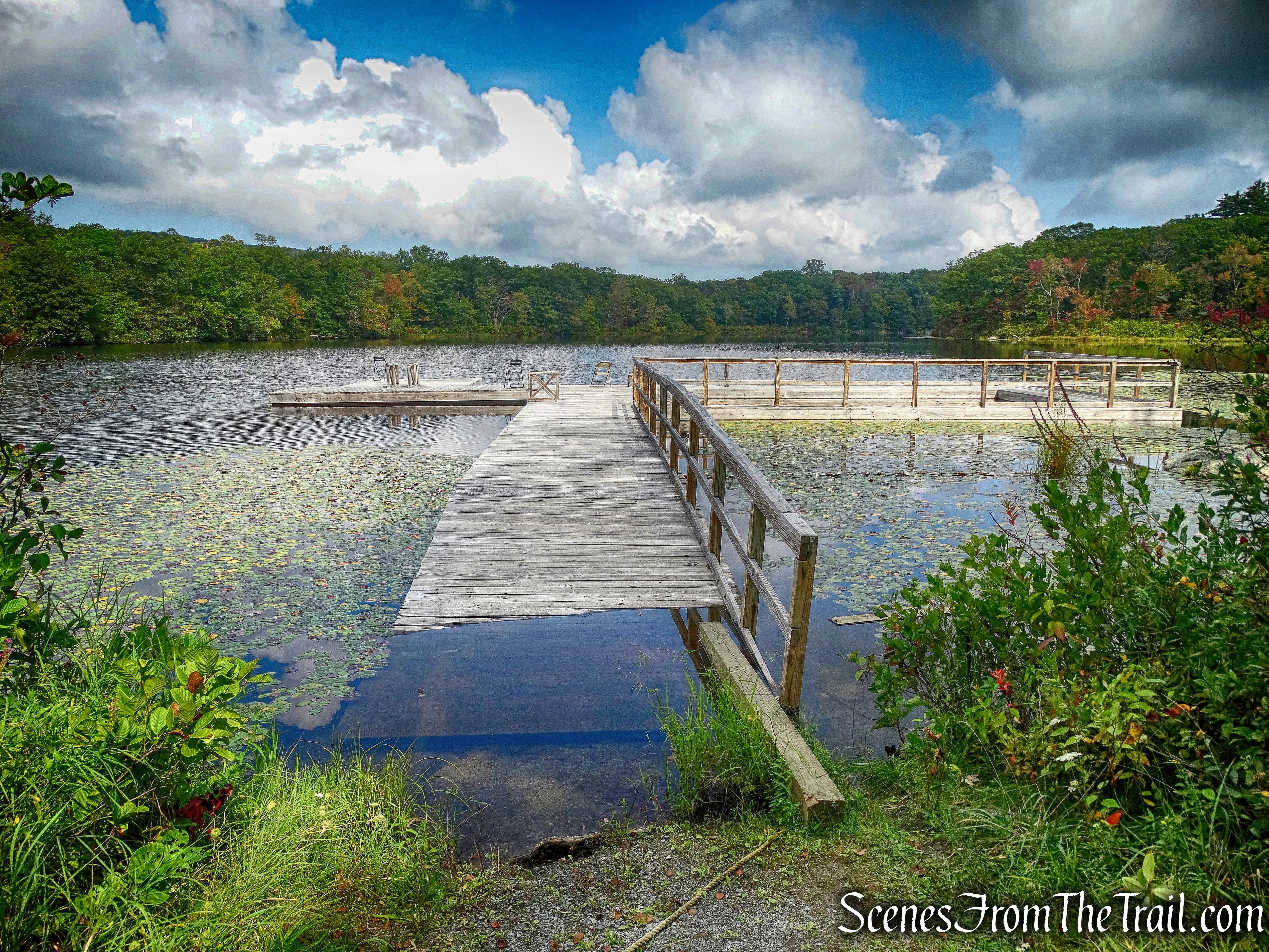
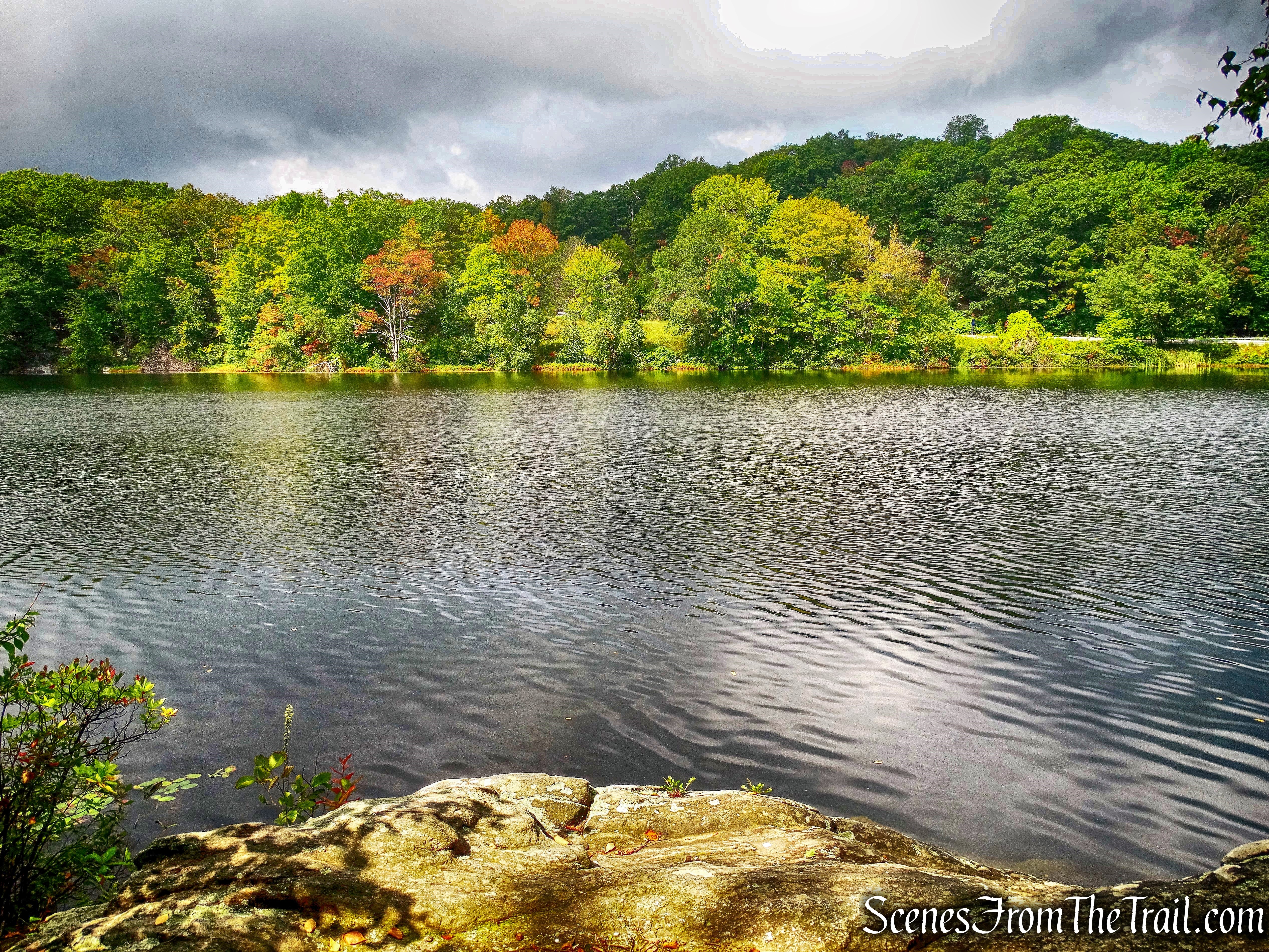
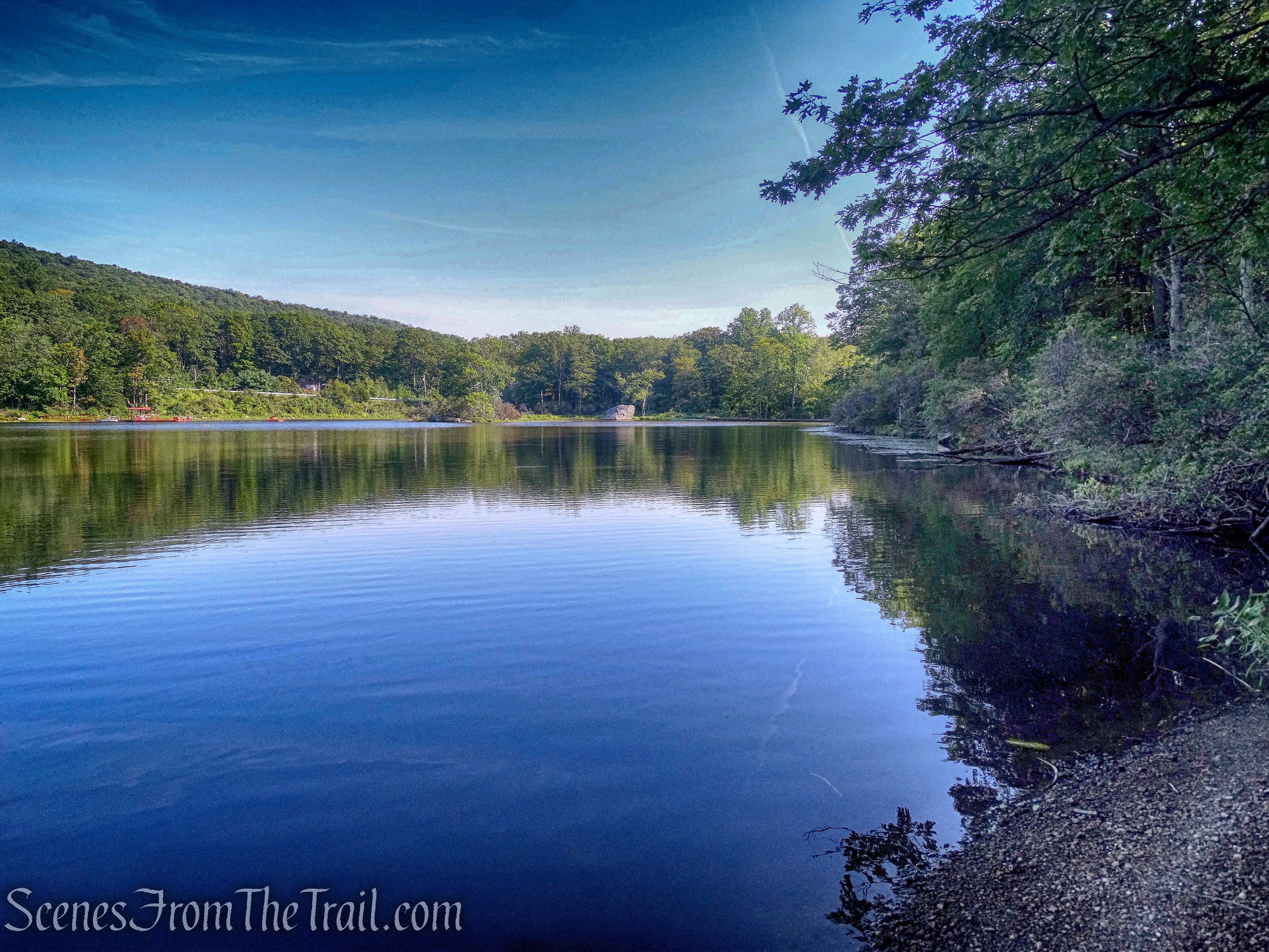
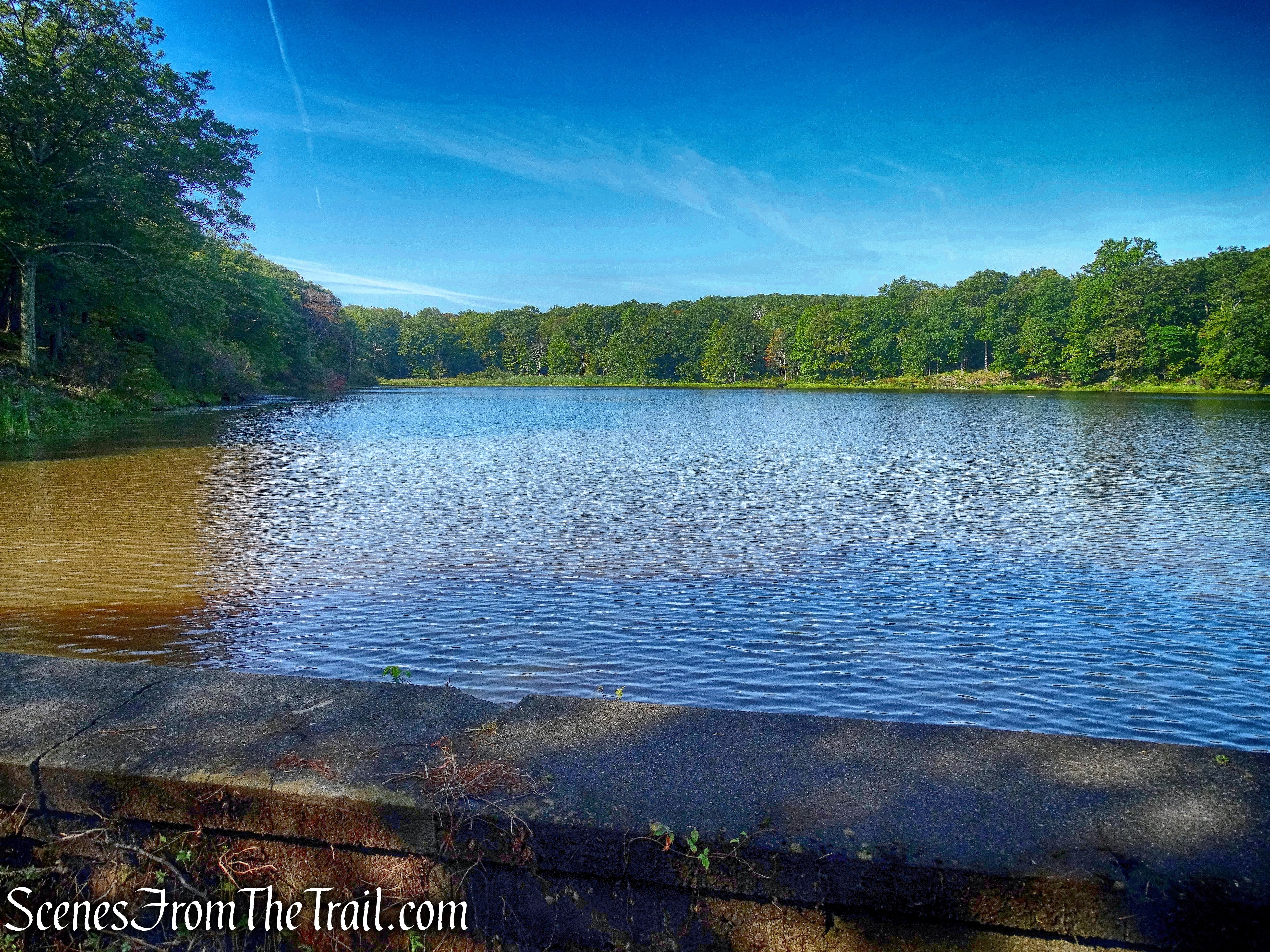
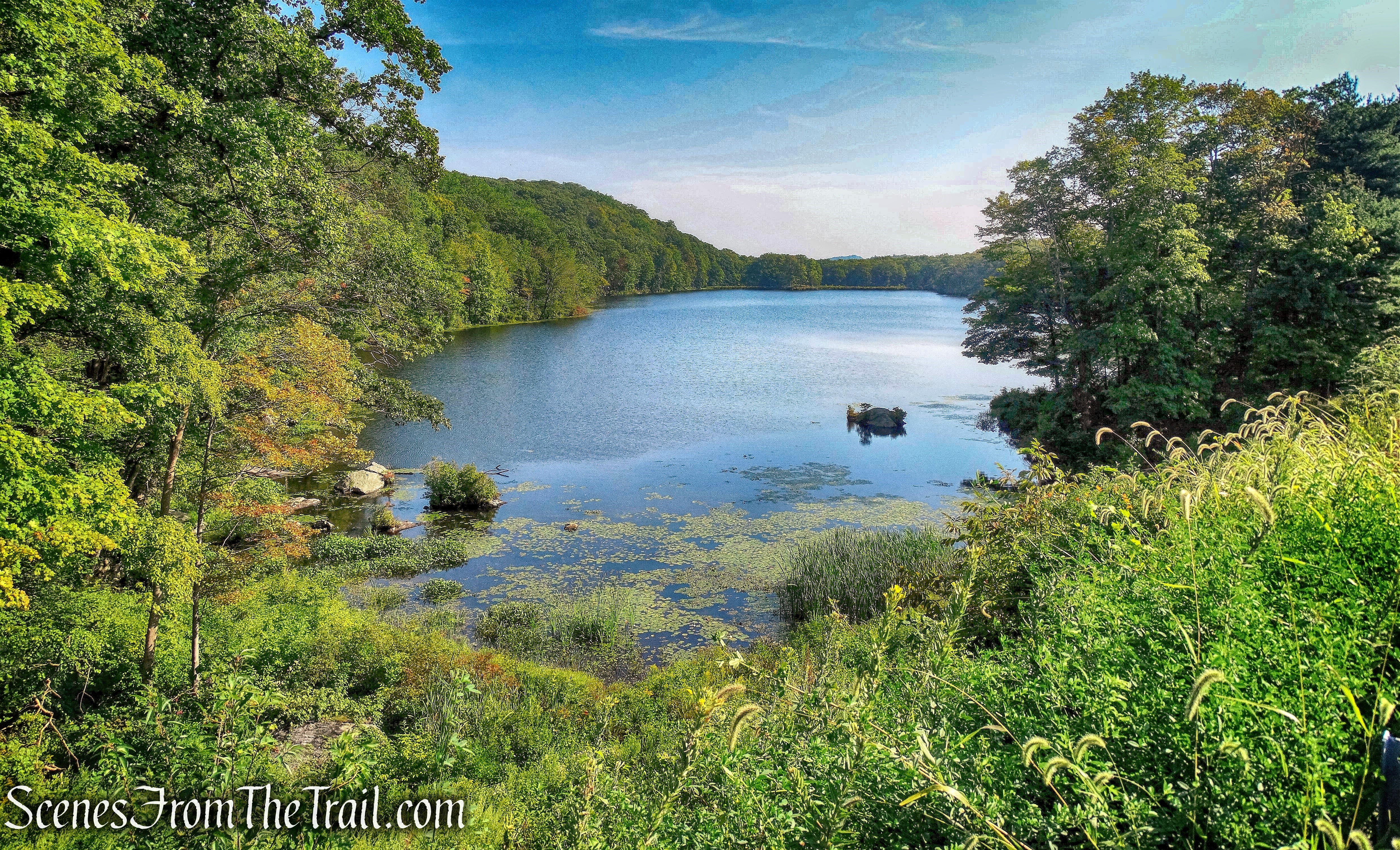
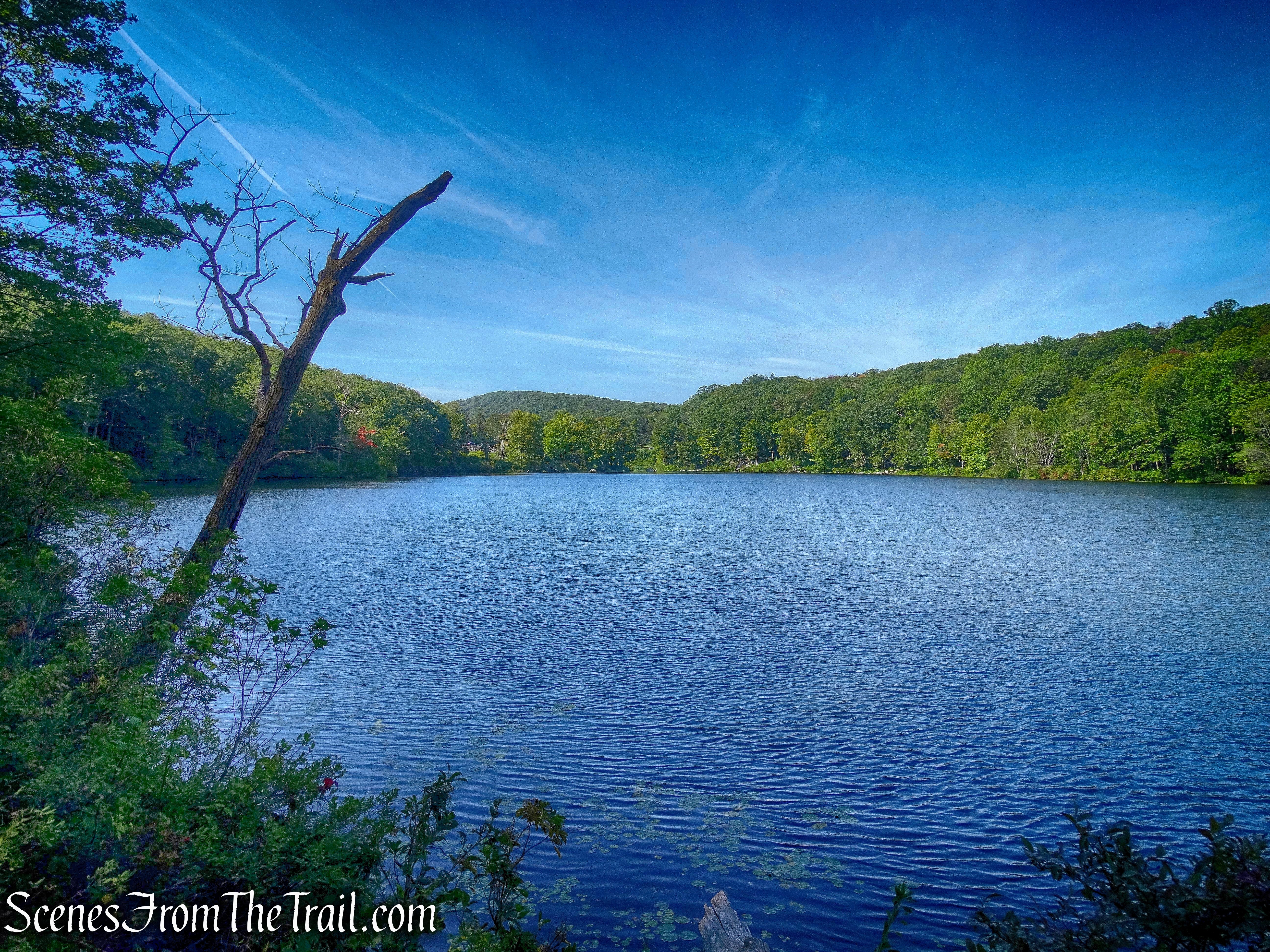
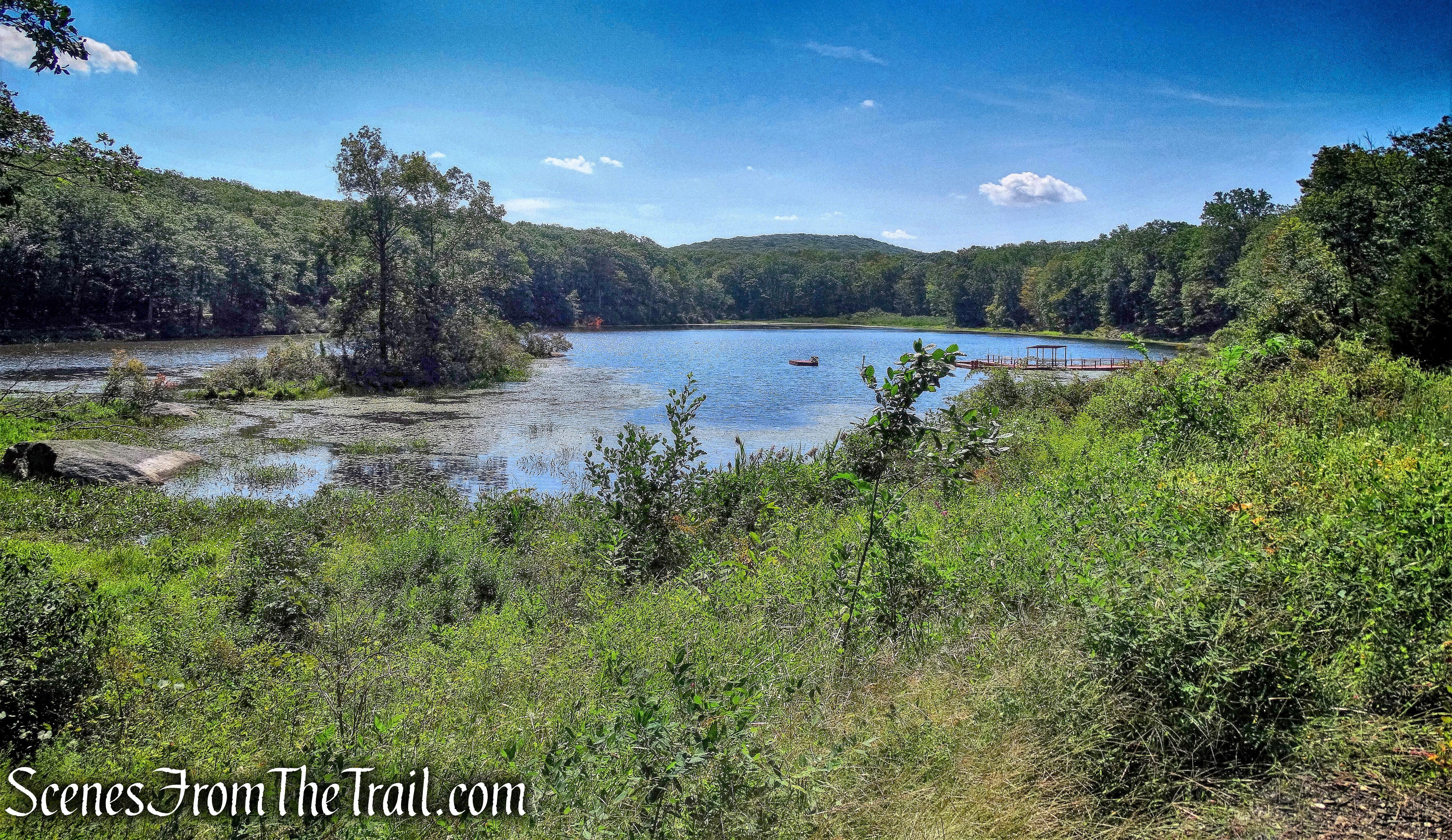
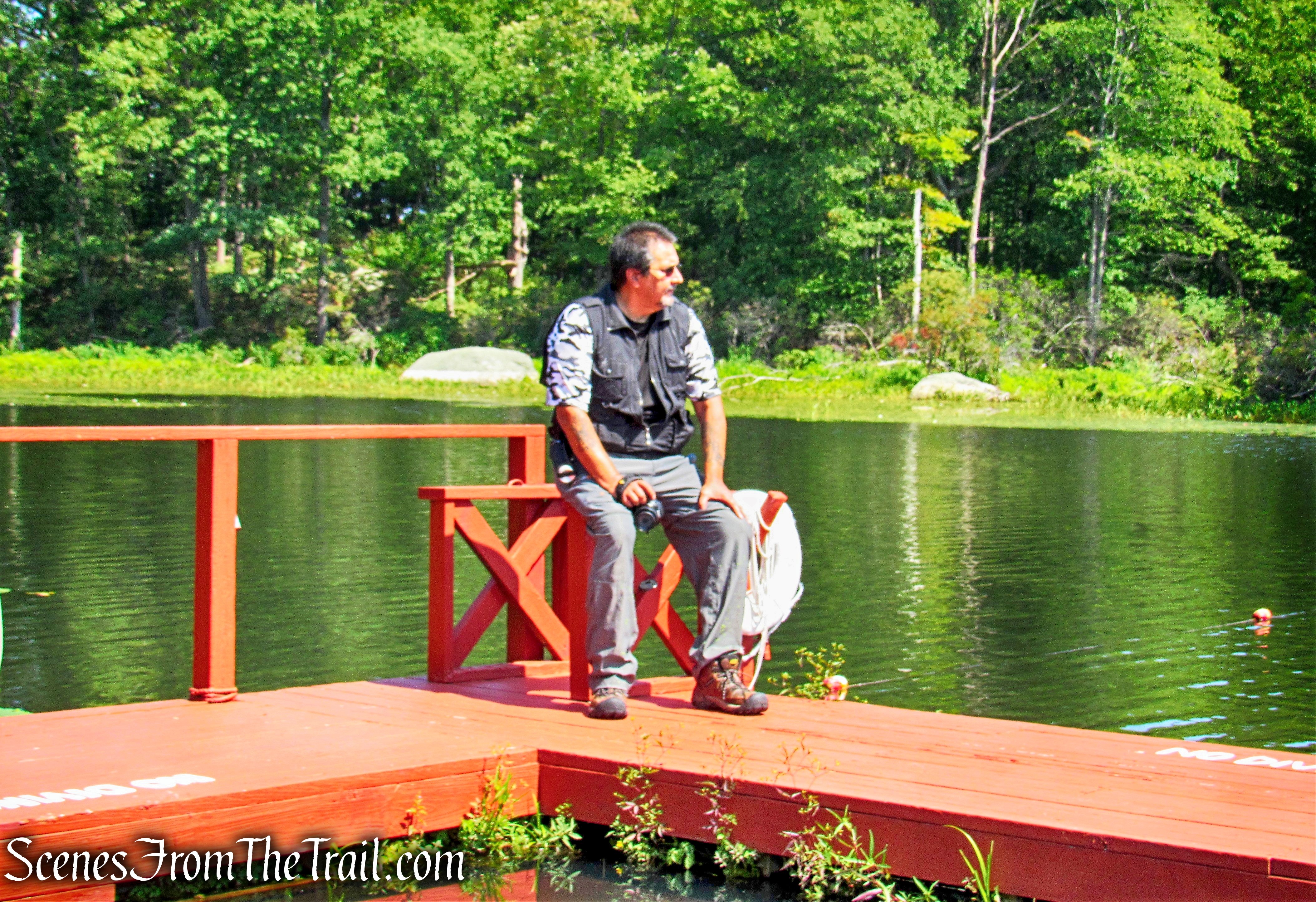
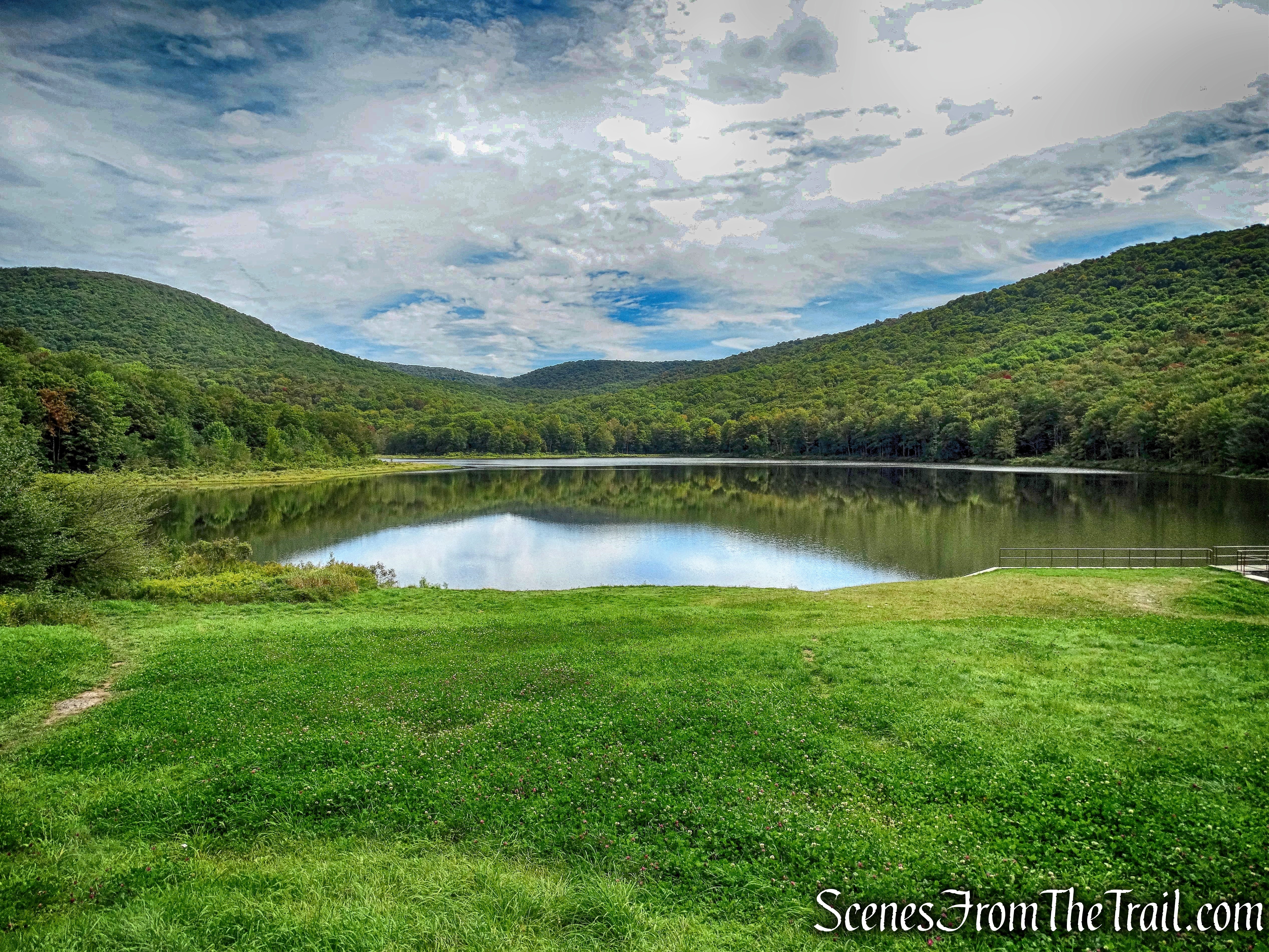
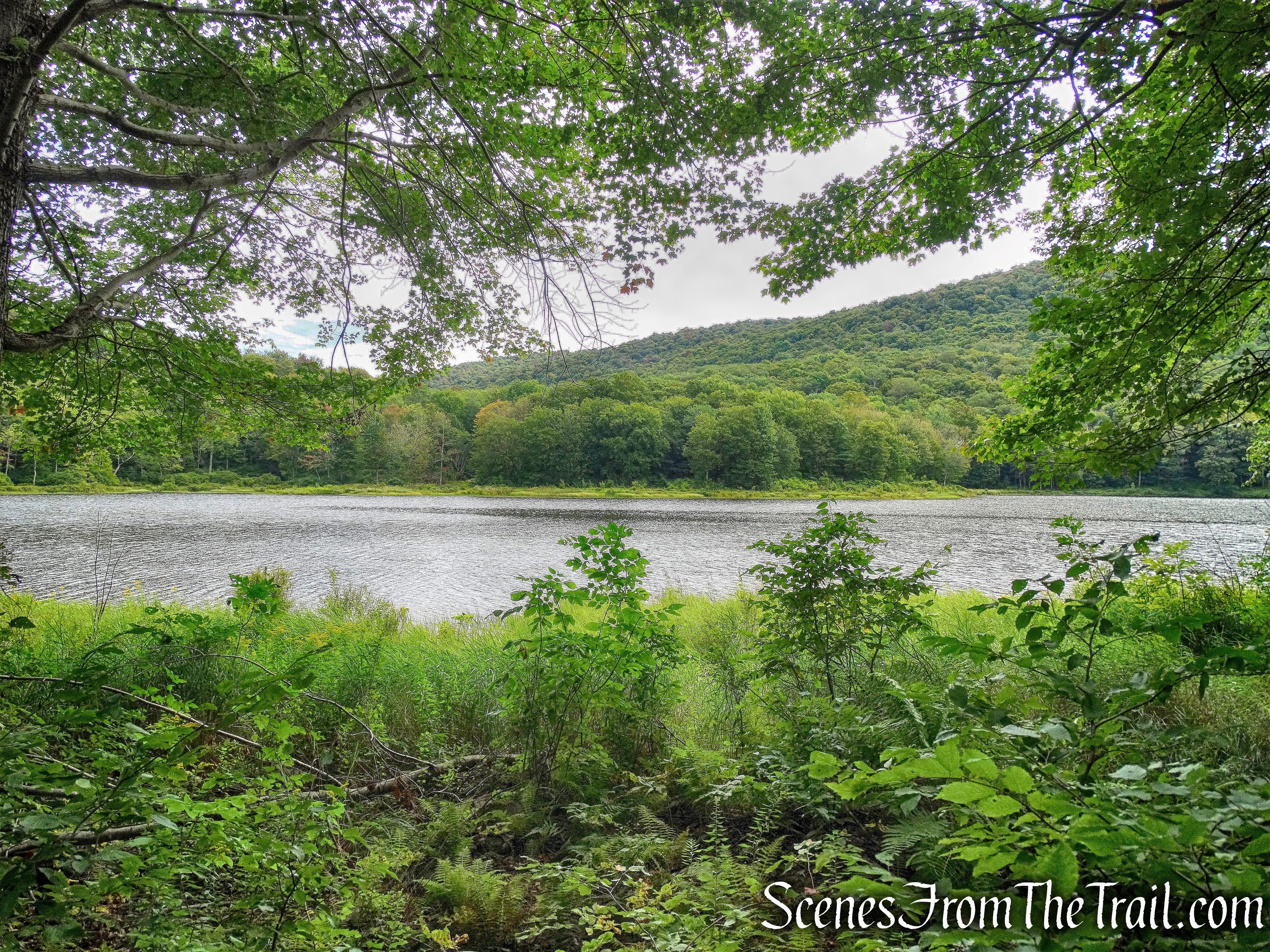
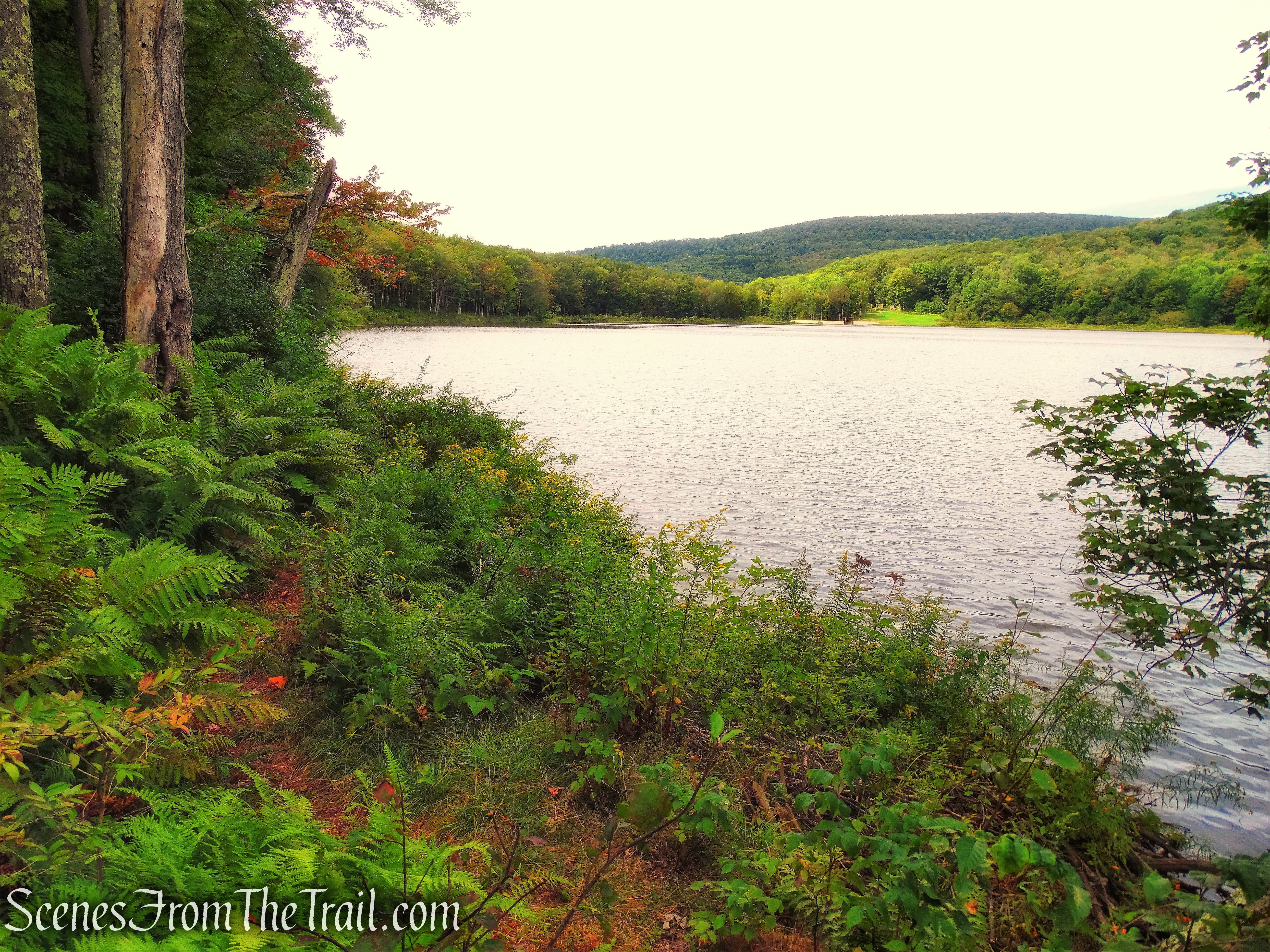
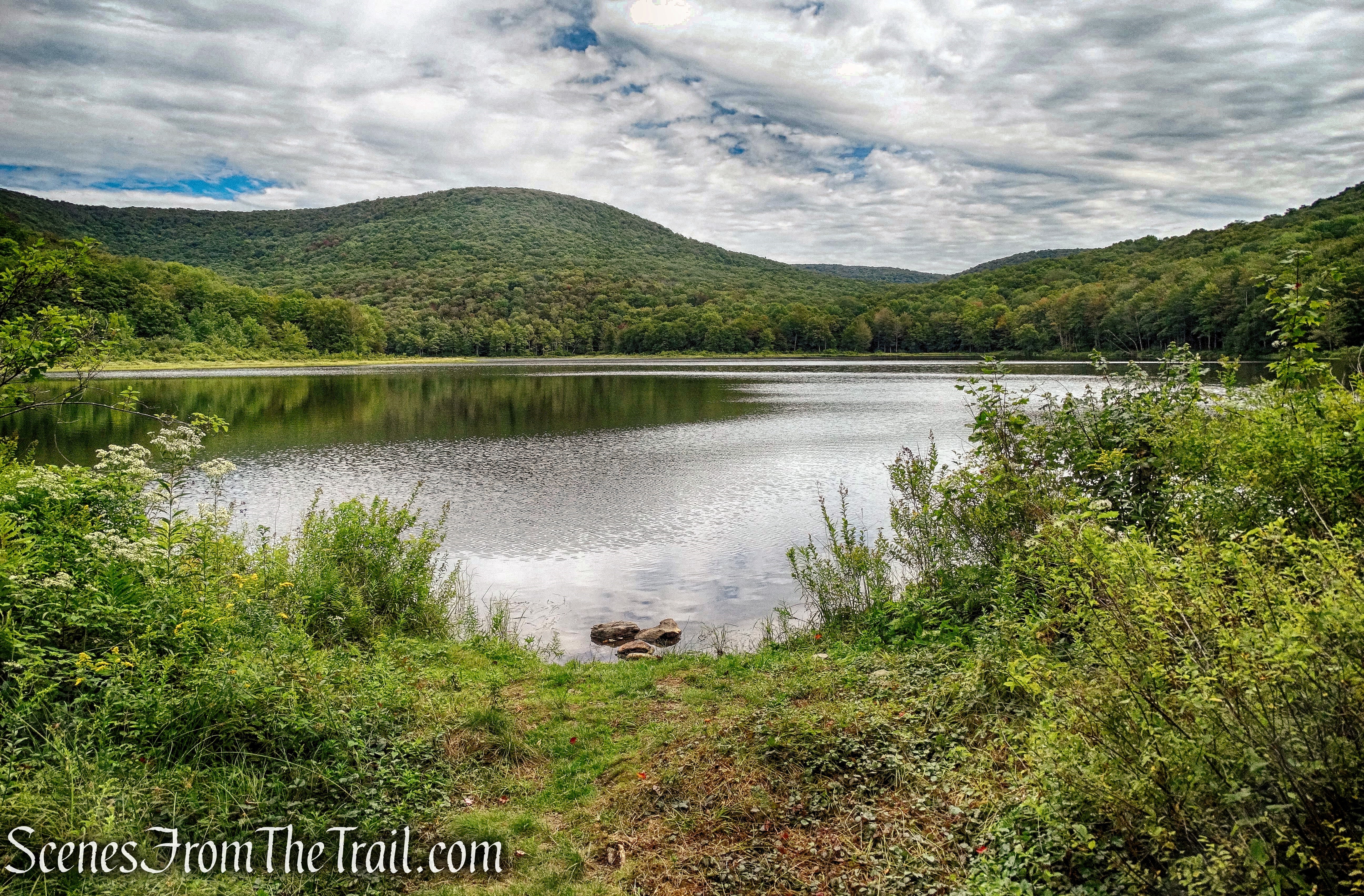
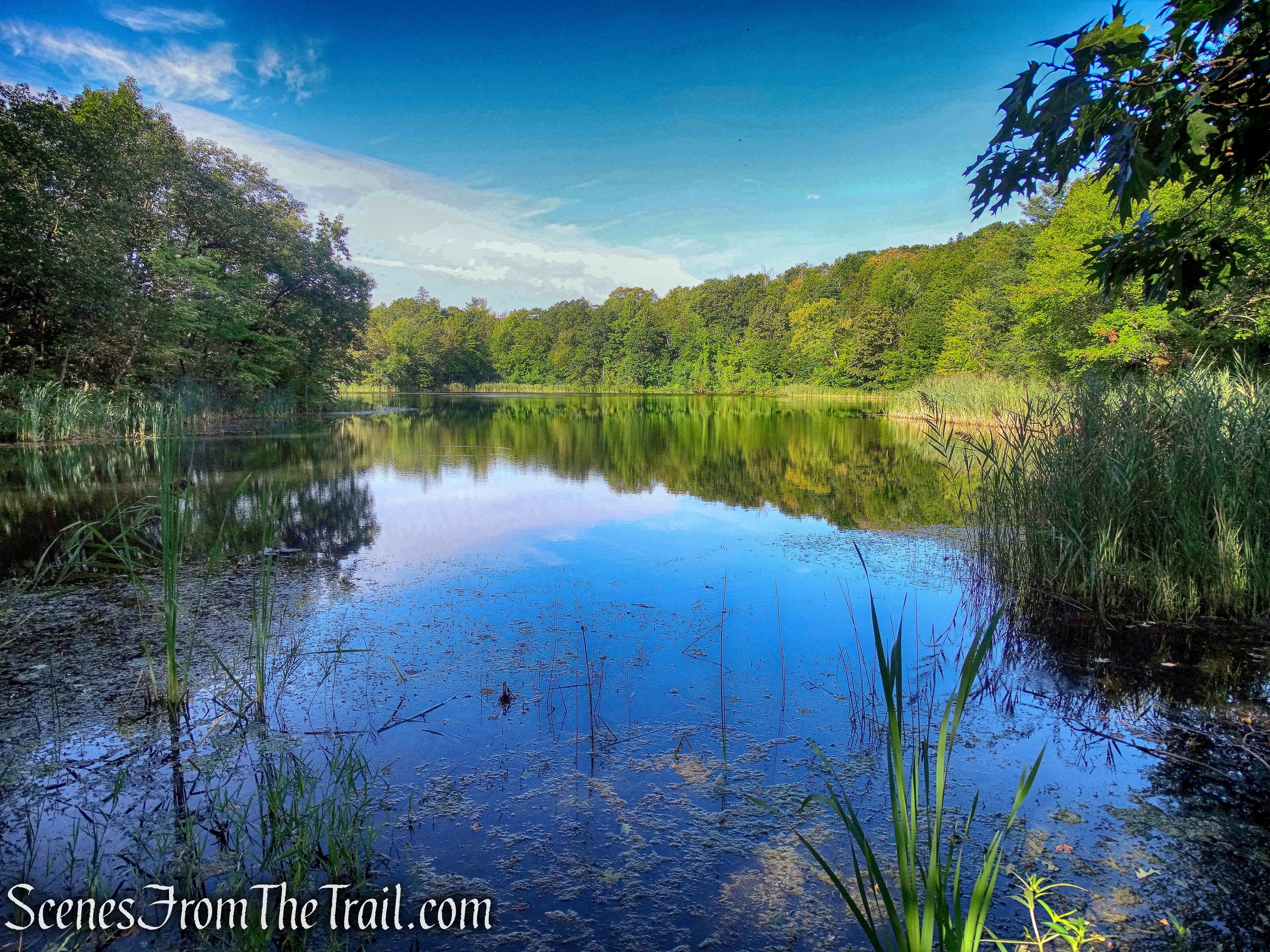
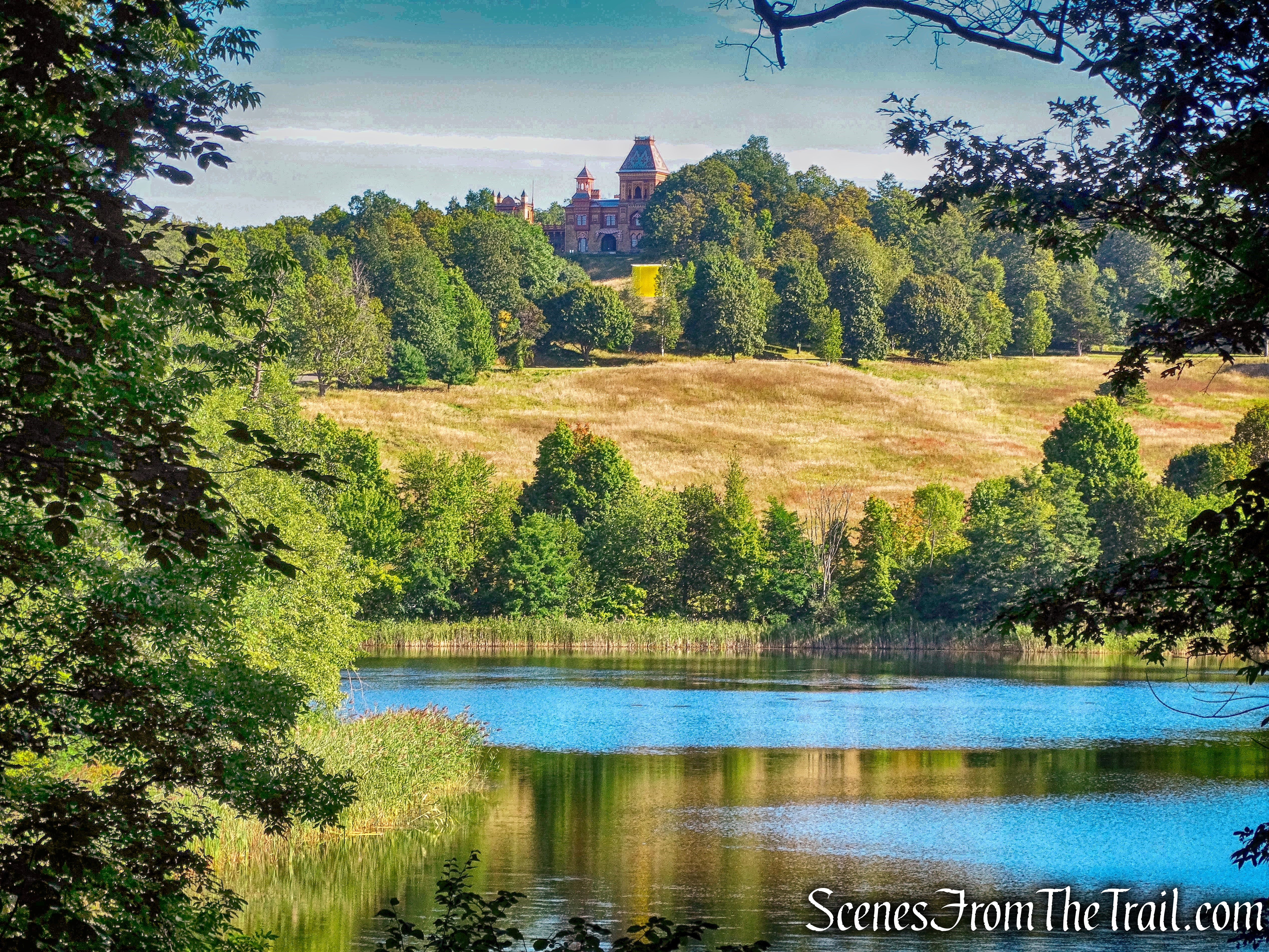
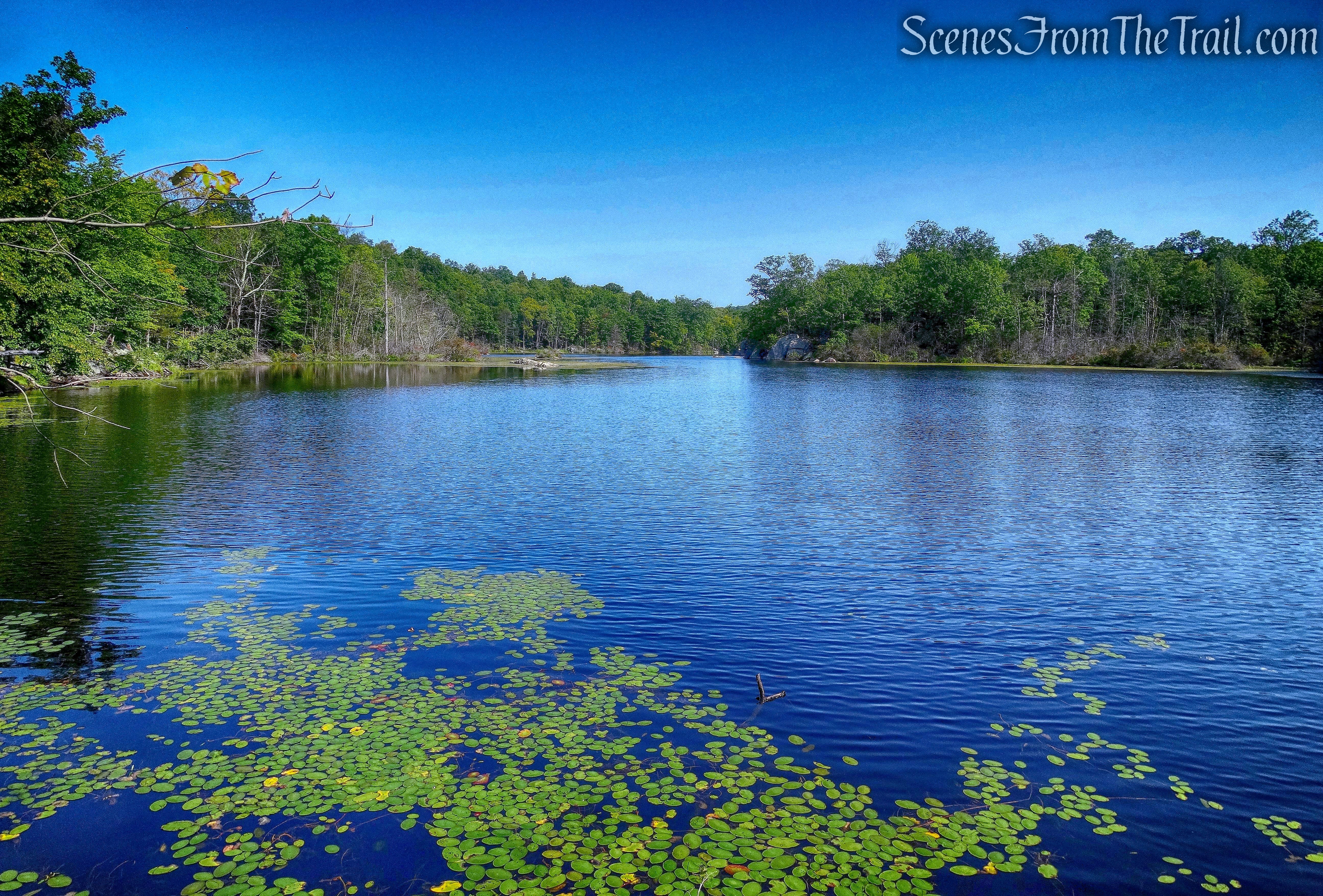
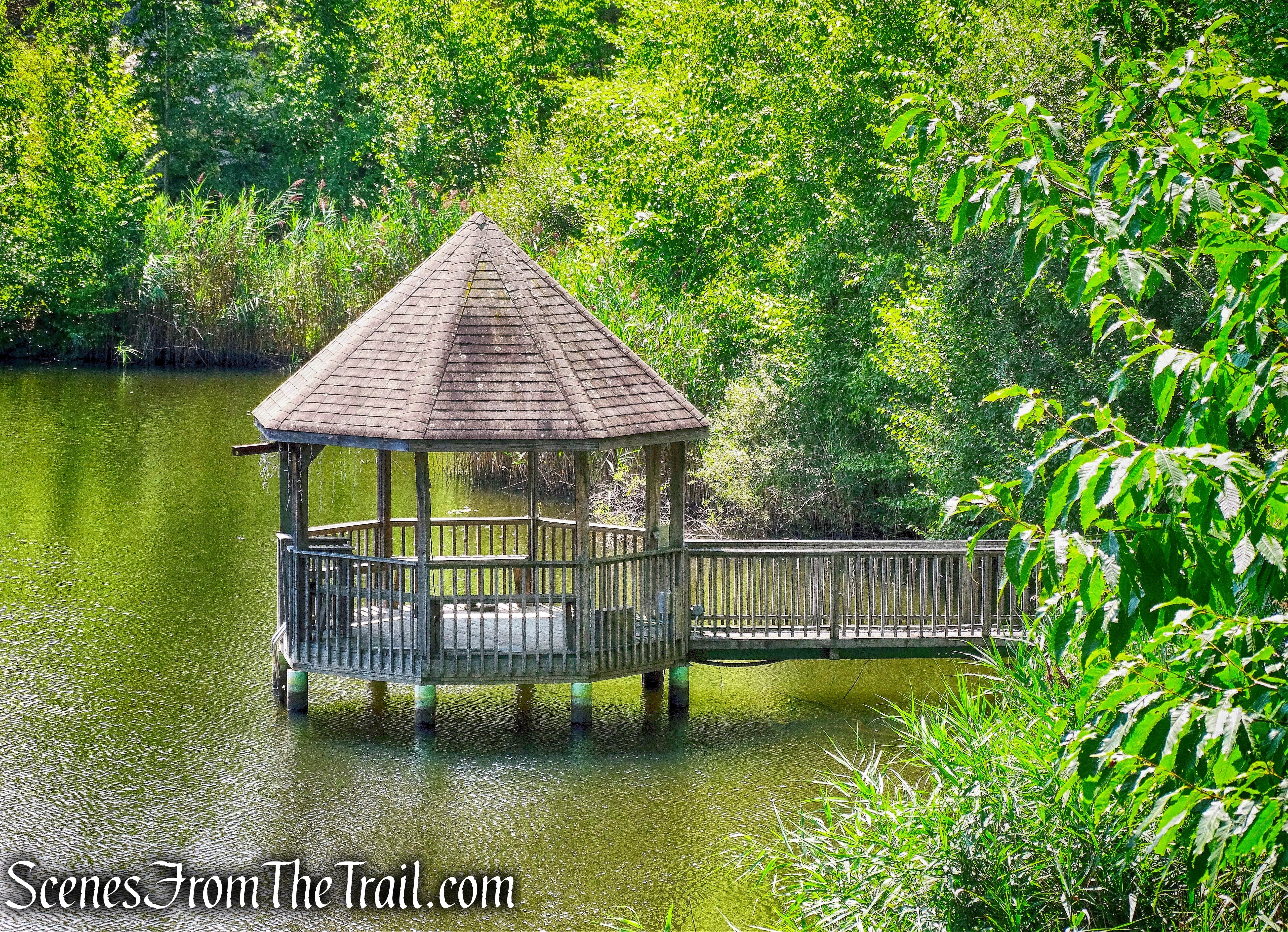
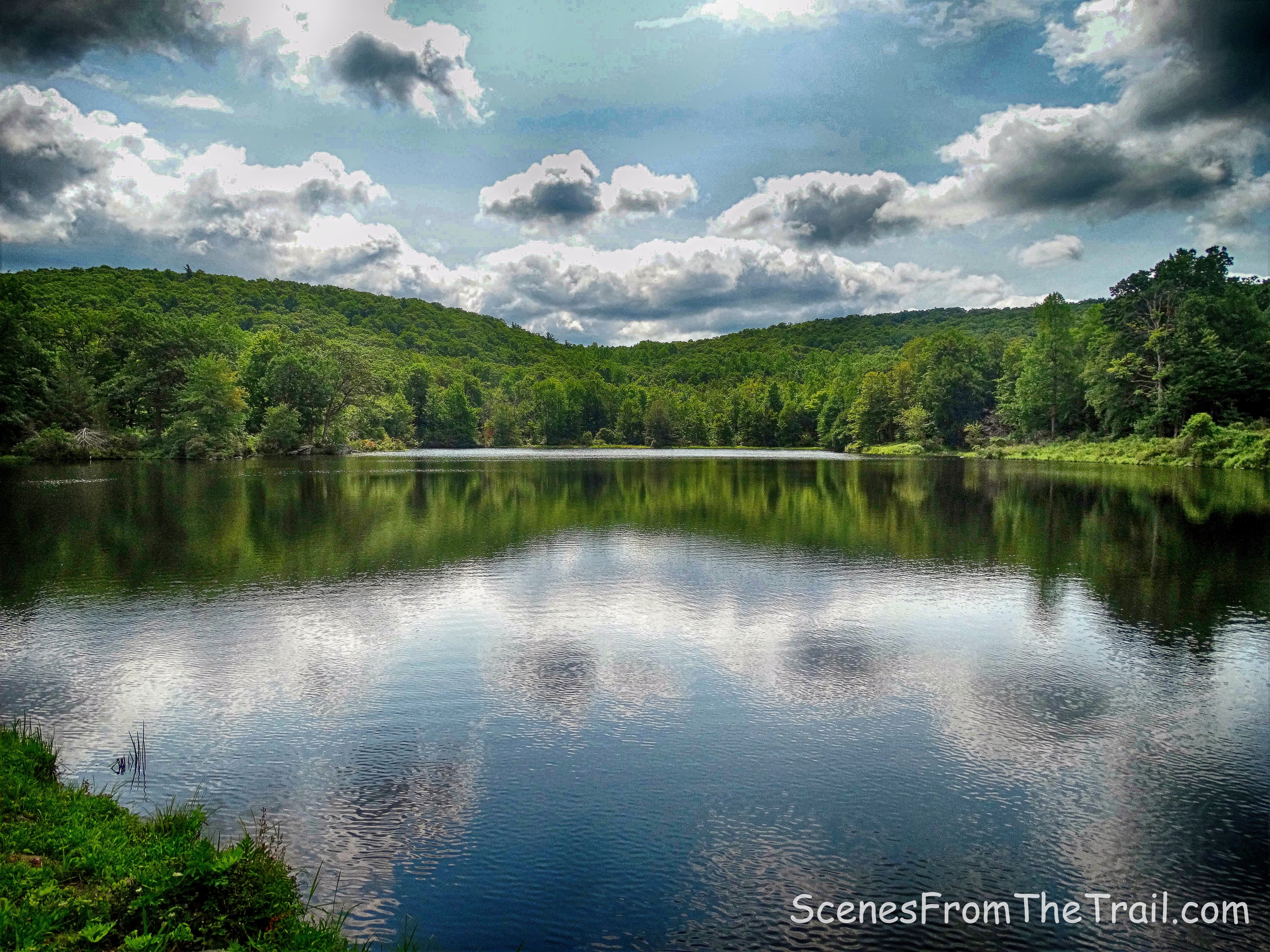
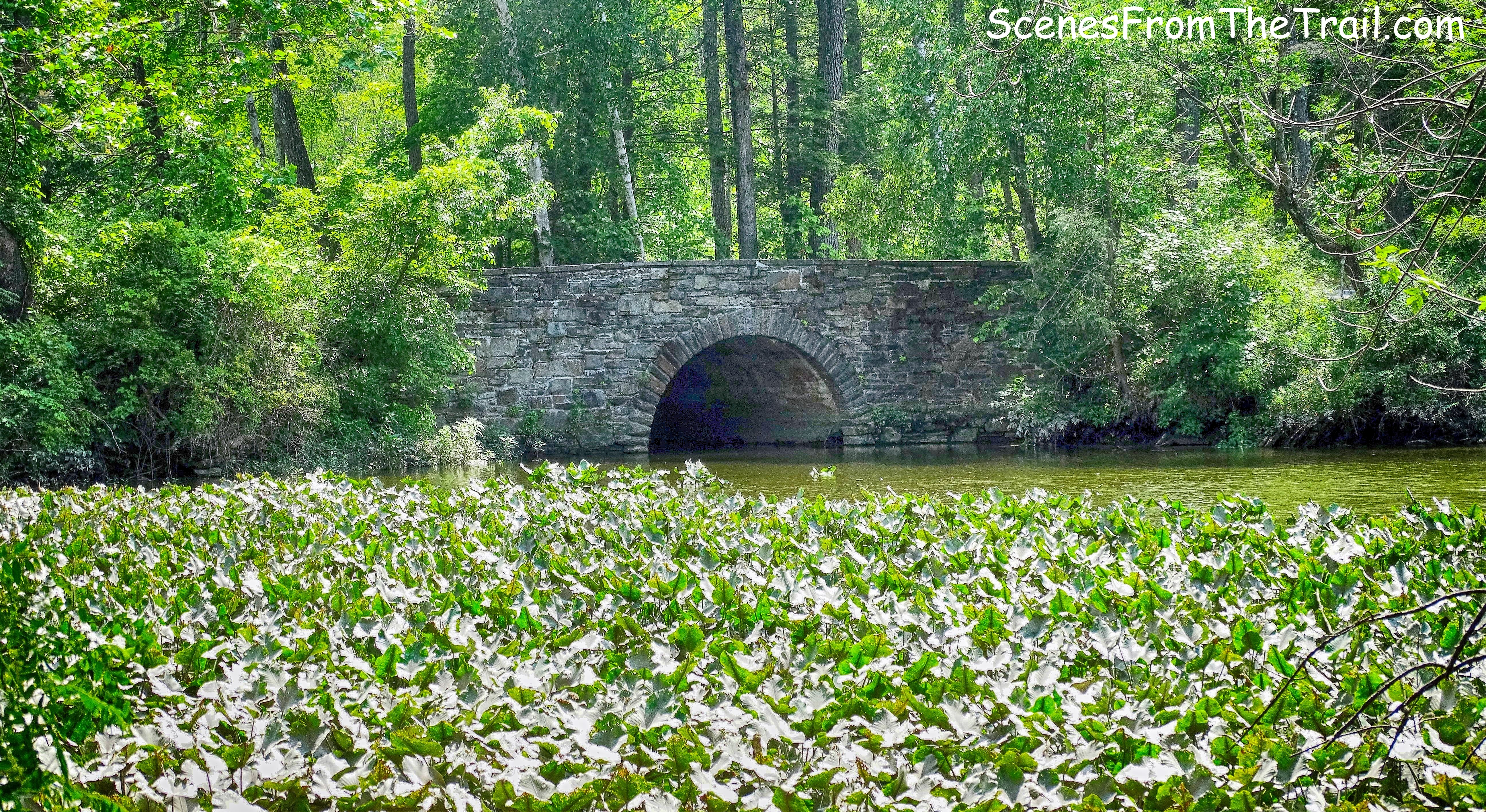
In just under 3/4 of a mile, we arrived at Cobey Pond.

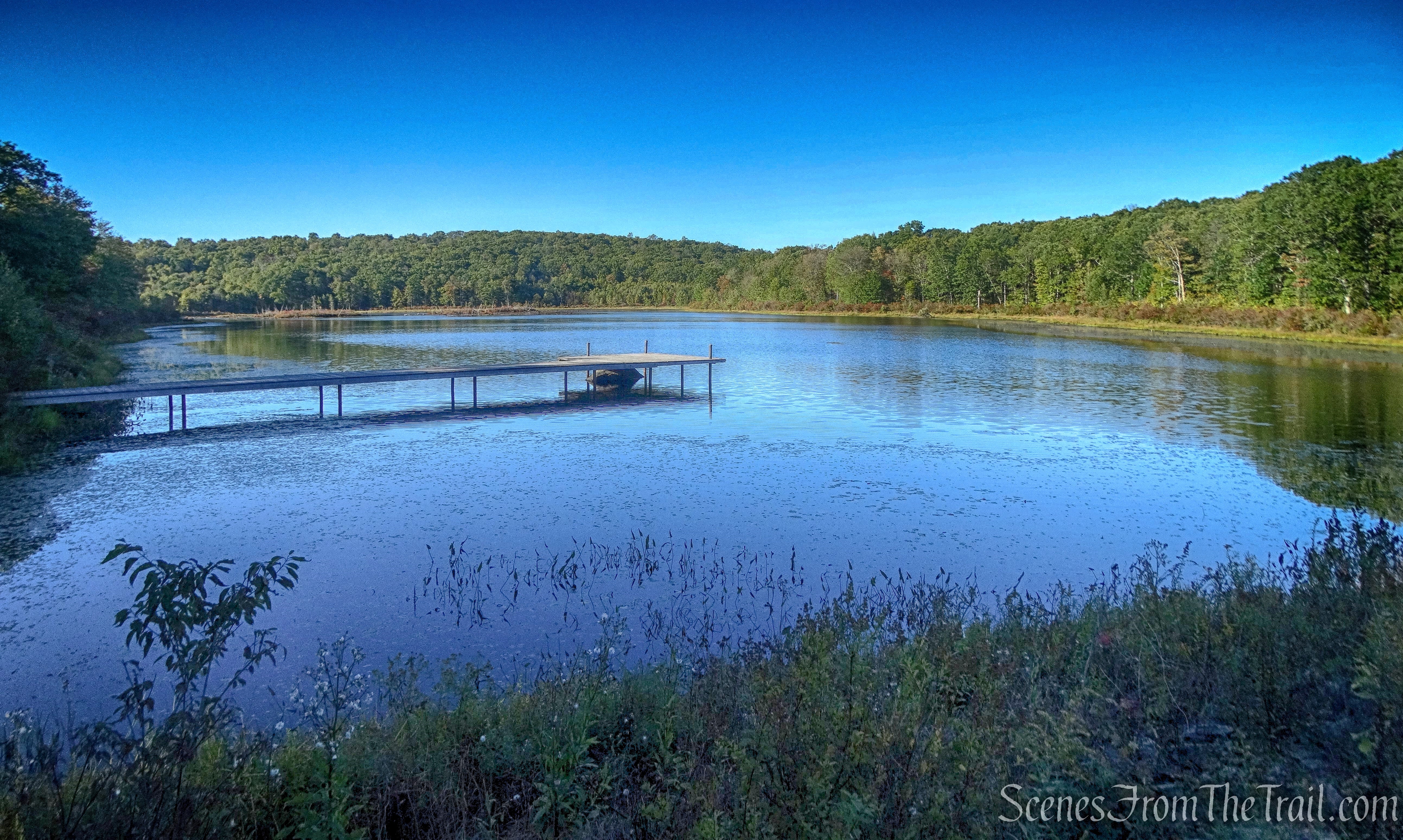
Cobey Pond

Cobey Pond

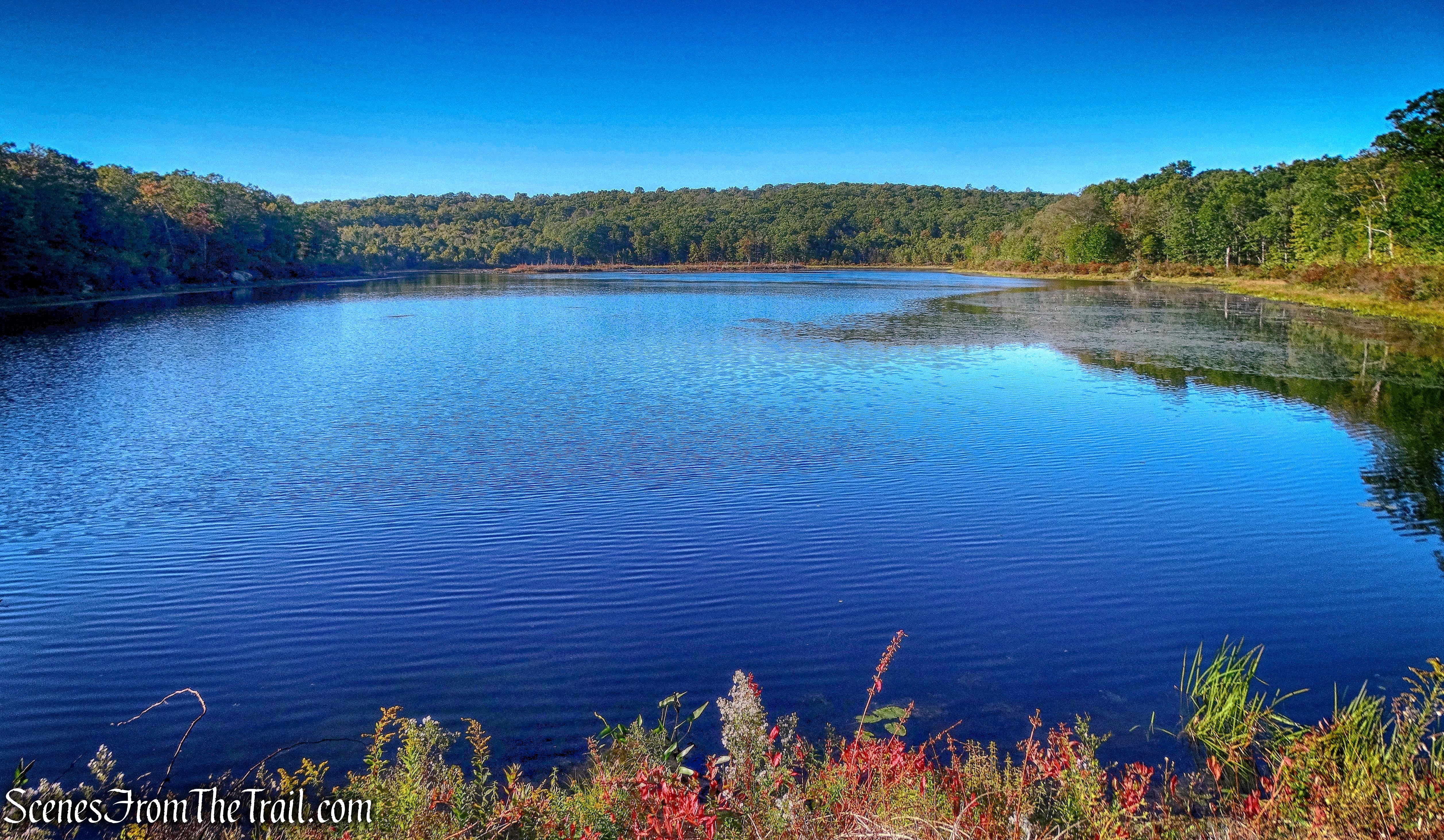
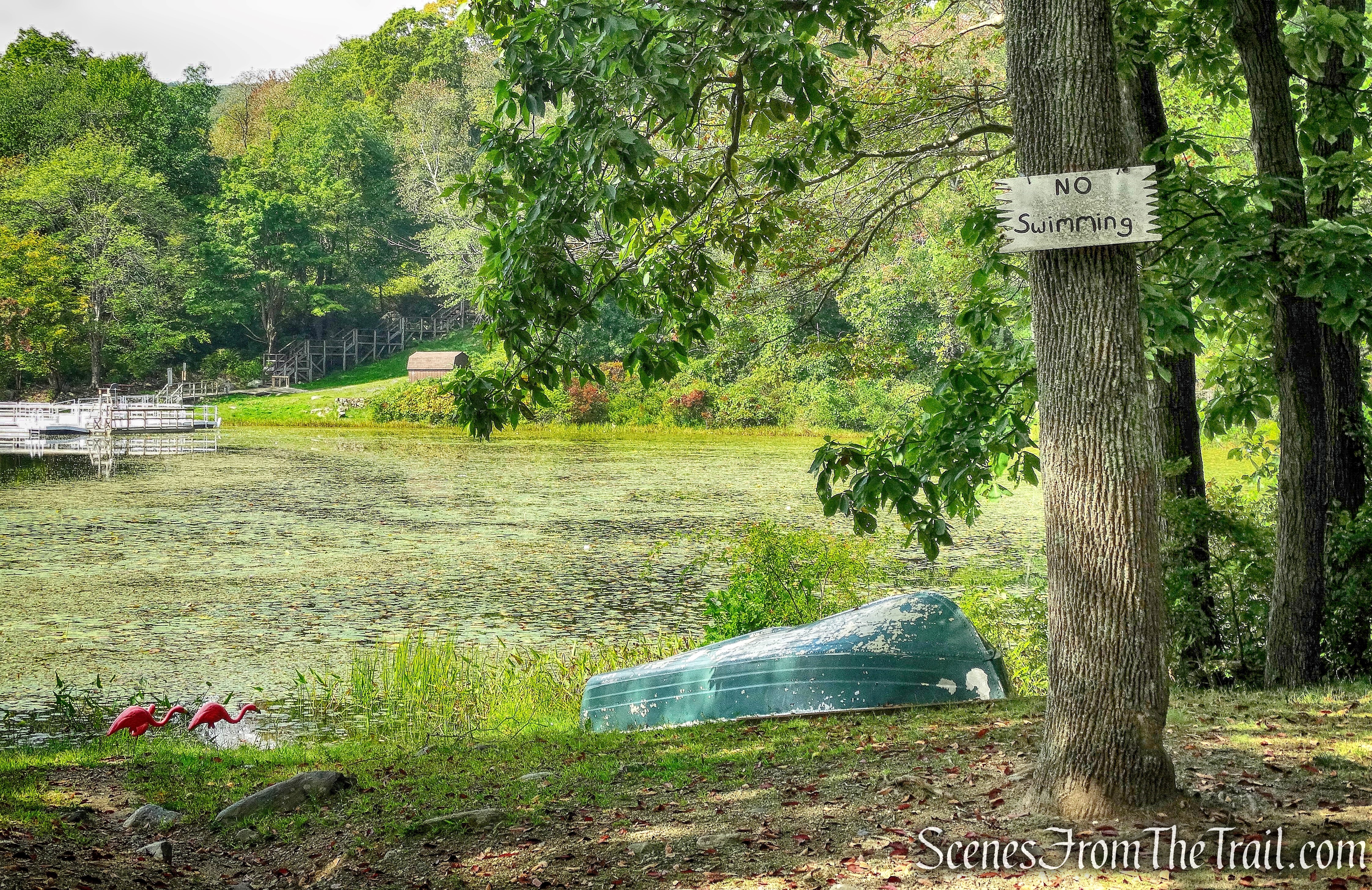
Beautiful and tranquil, this place doesn’t seem to get much foot traffic.

Cobey Pond

Cobey Pond

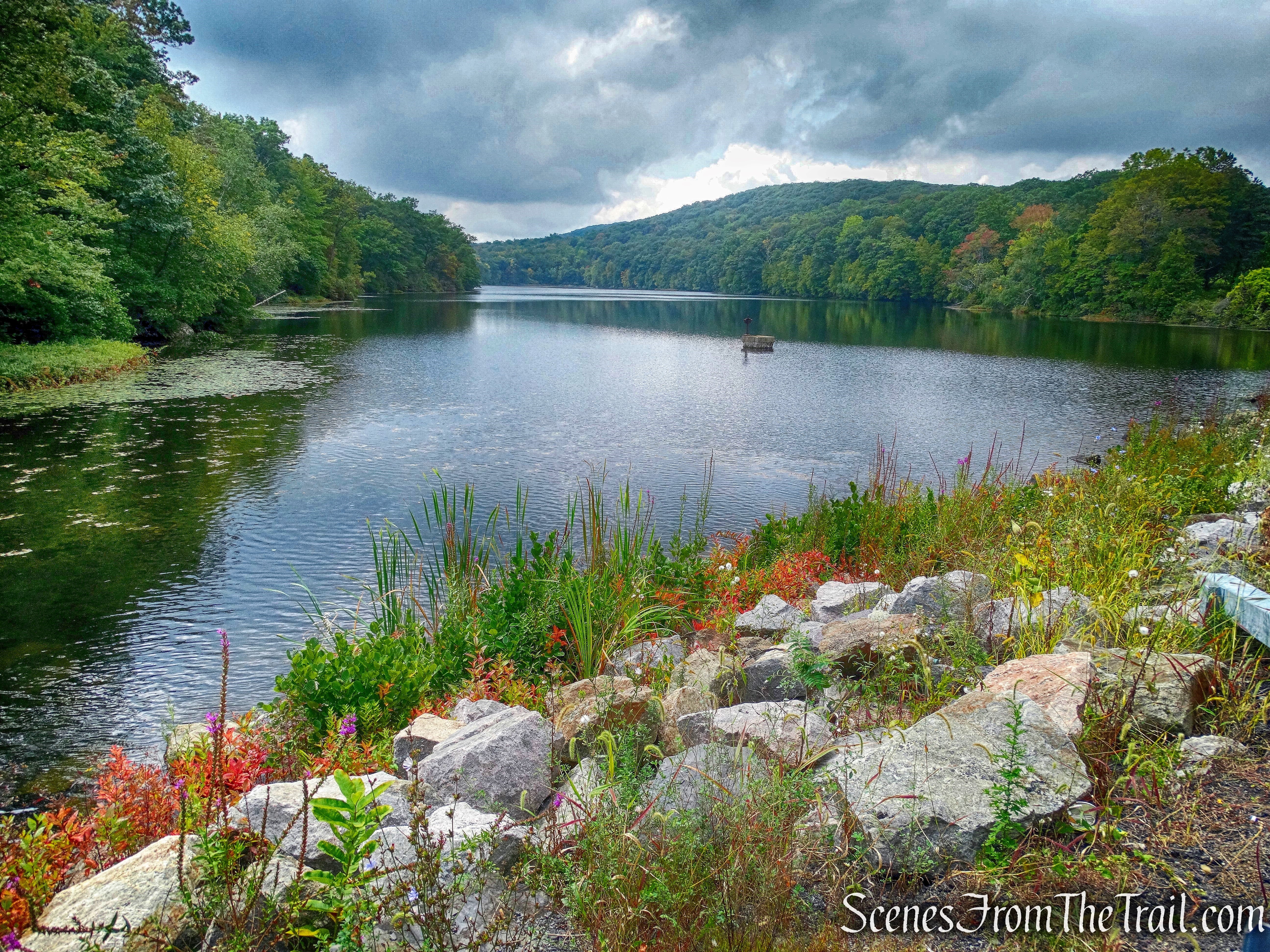
We saw two other people near the lake, but we basically had the place to ourselves.

Cobey Pond

Cobey Pond

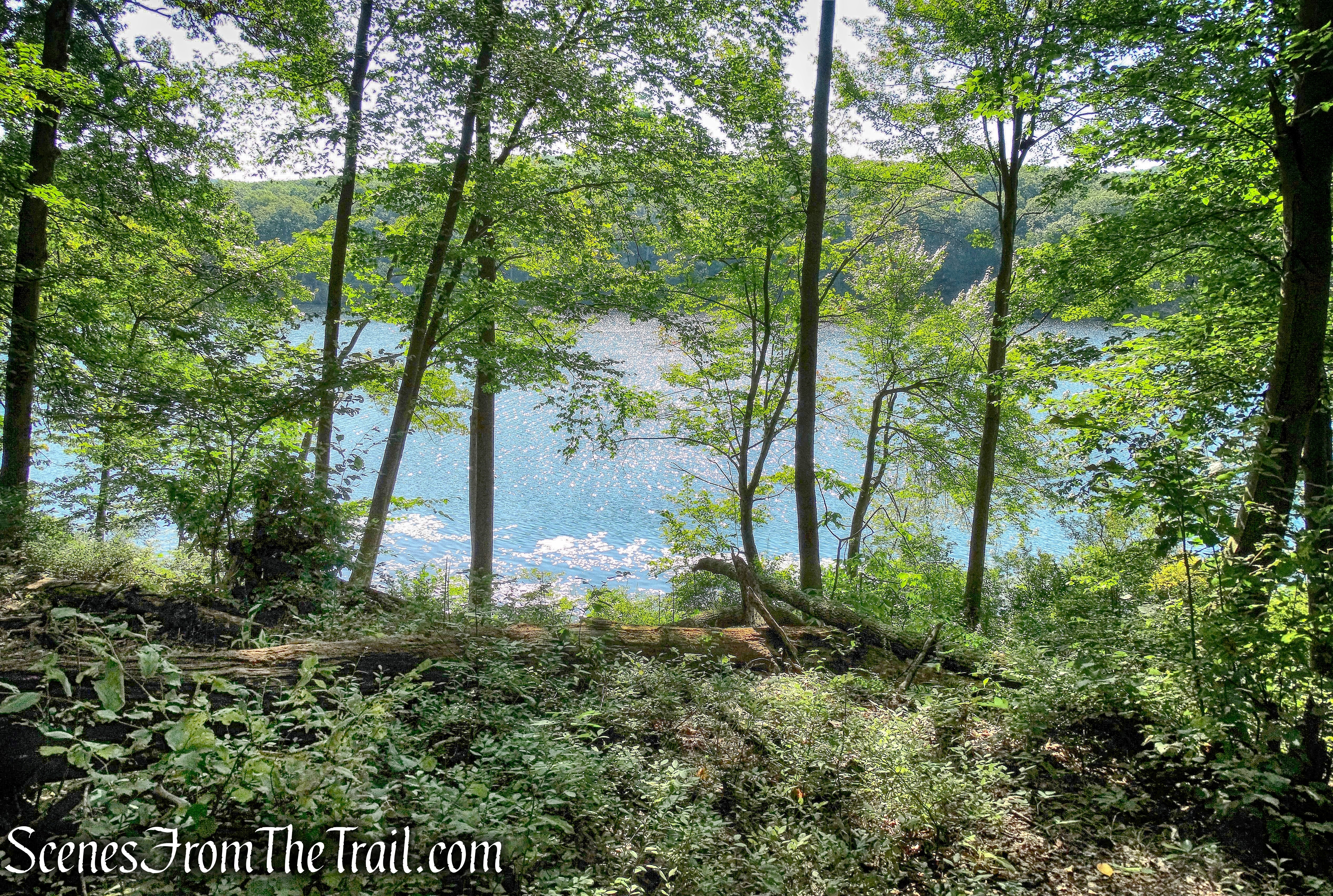
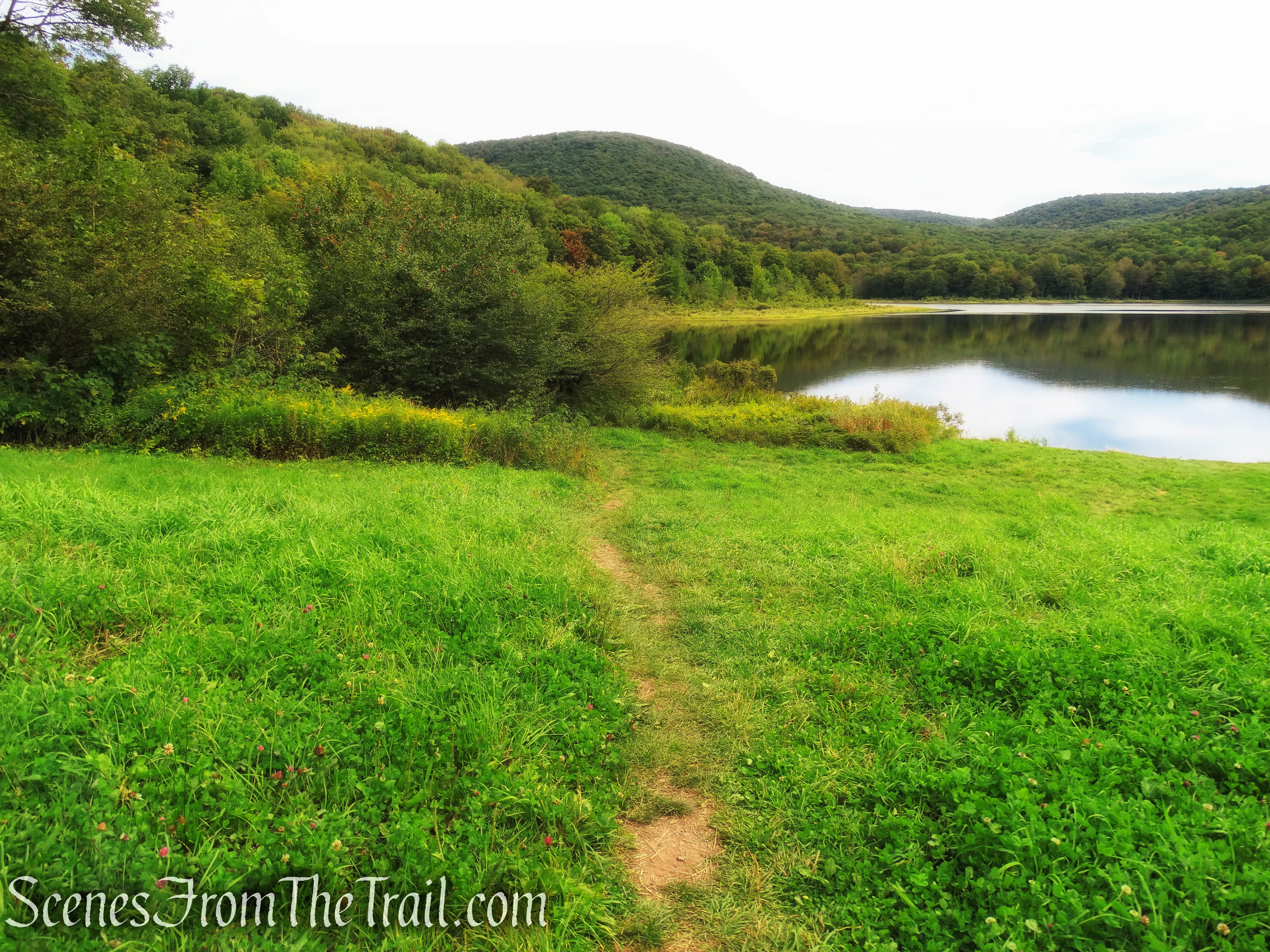
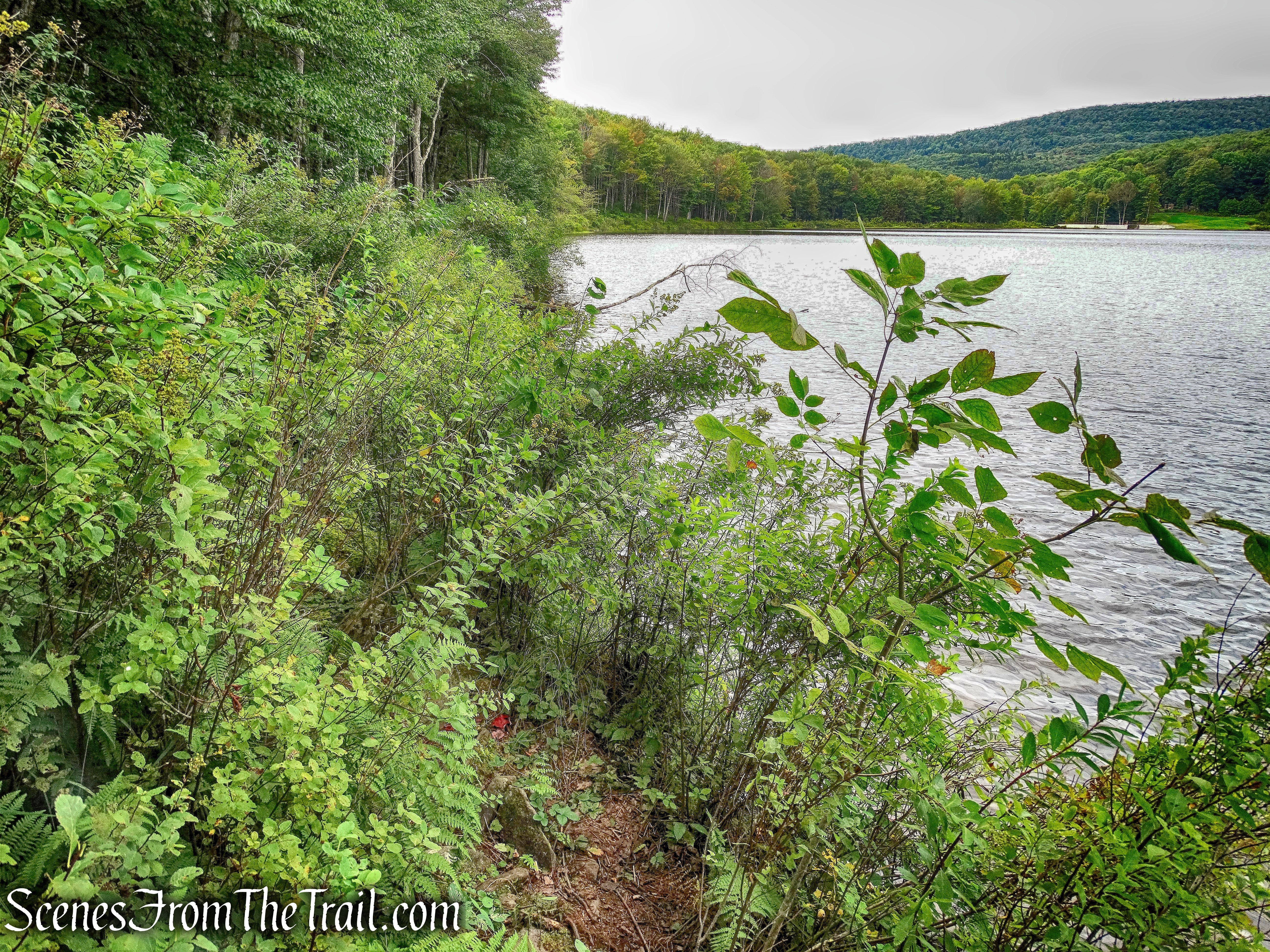
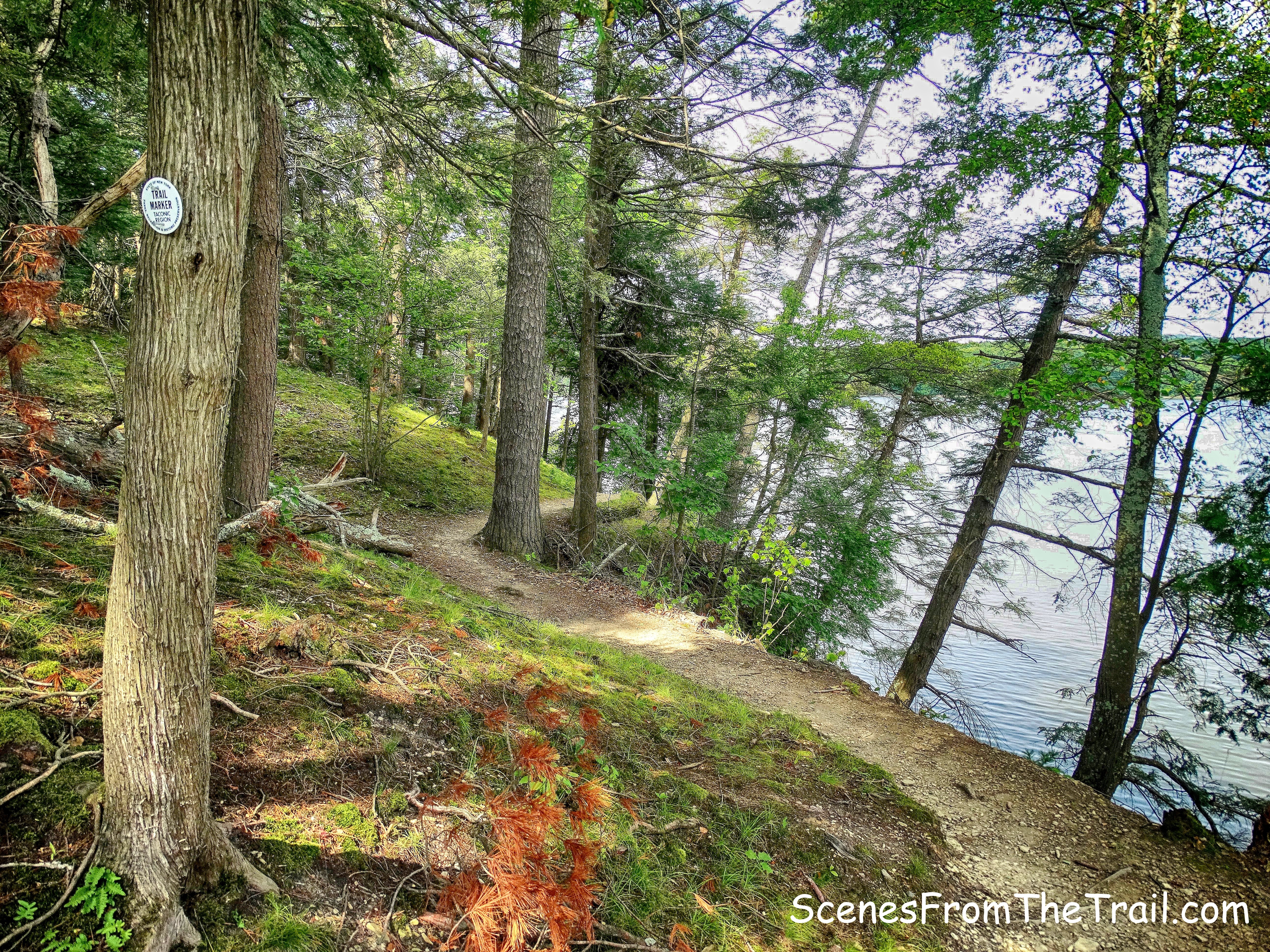
The Cobey Pond Trail continues along the southern shore of the pond and turns left to continue heading north, skirting the edge of the pond. There are several woods roads that intersect, but we stayed close to the pond. There are partial views of the pond through the high weeds, but none to get excited about.

Cobey Pond Trail

Cobey Pond Trail

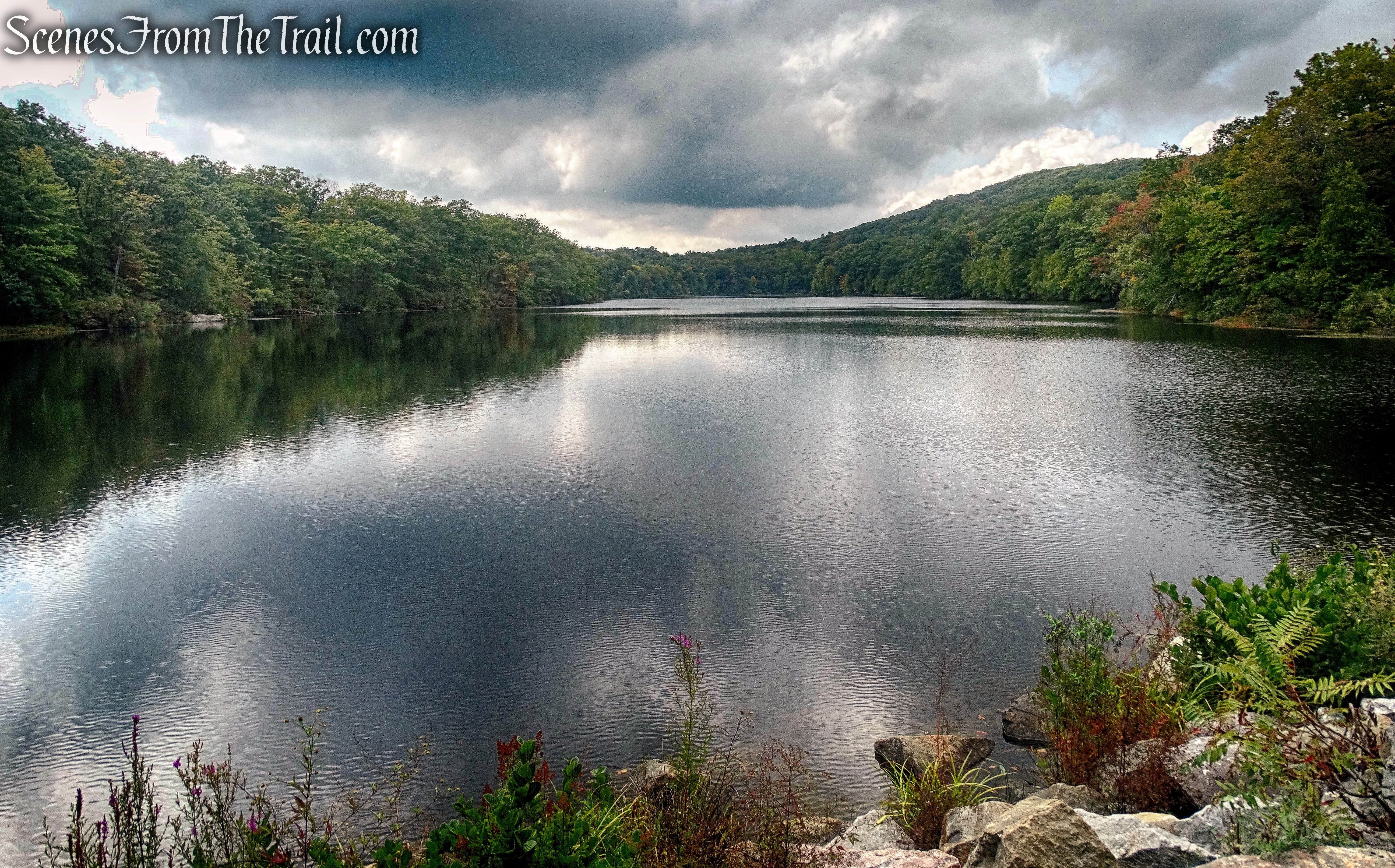
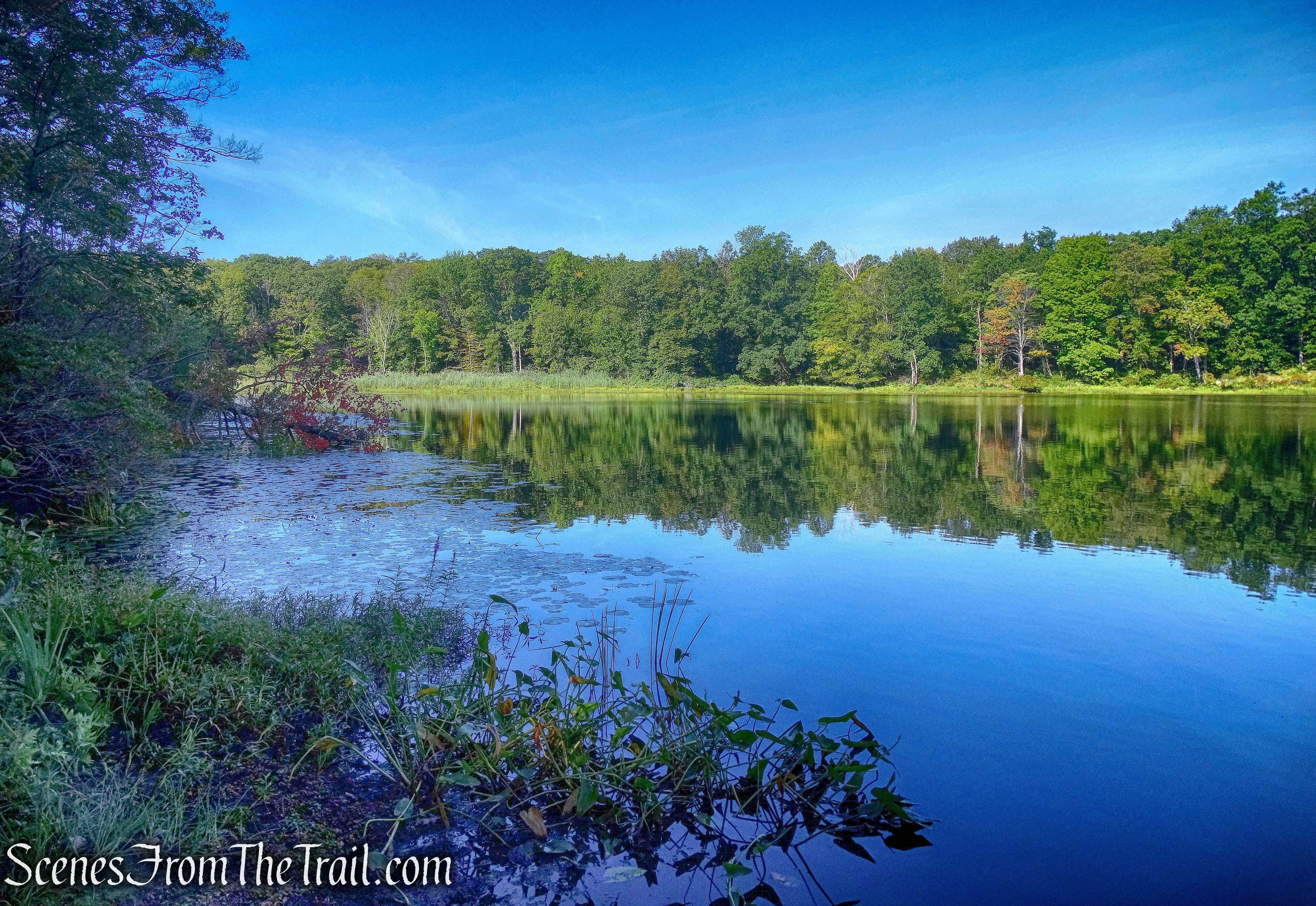
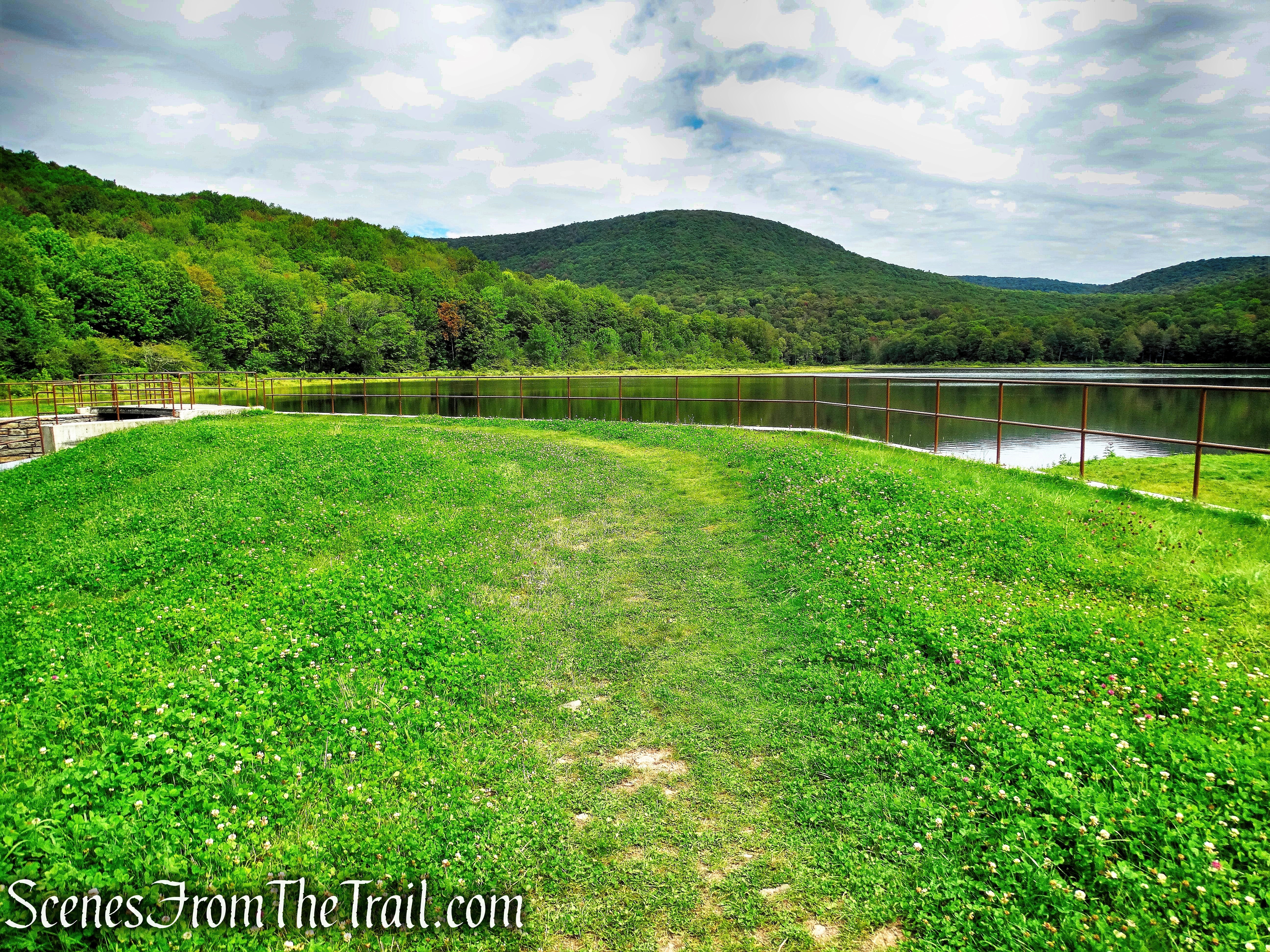
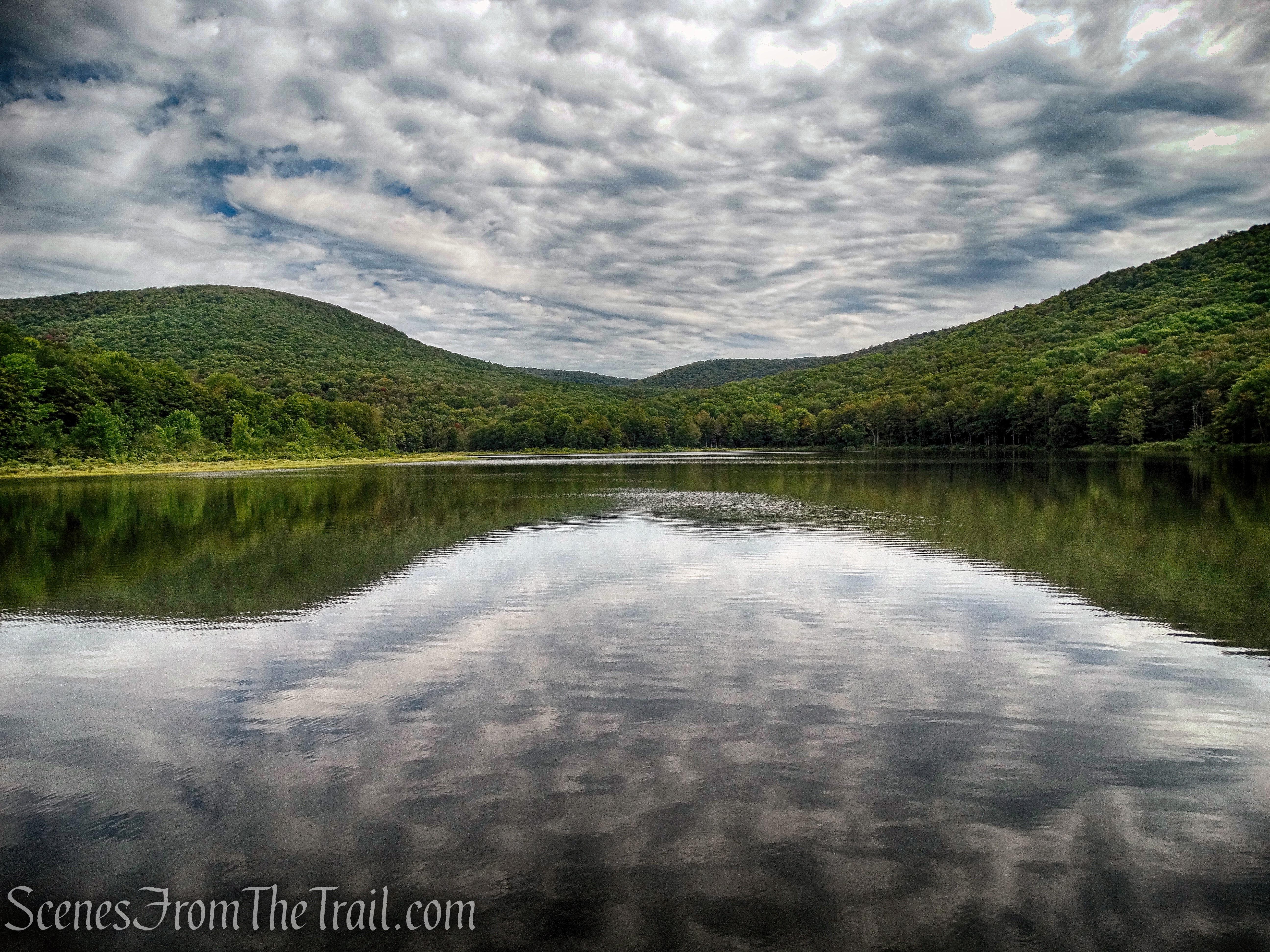
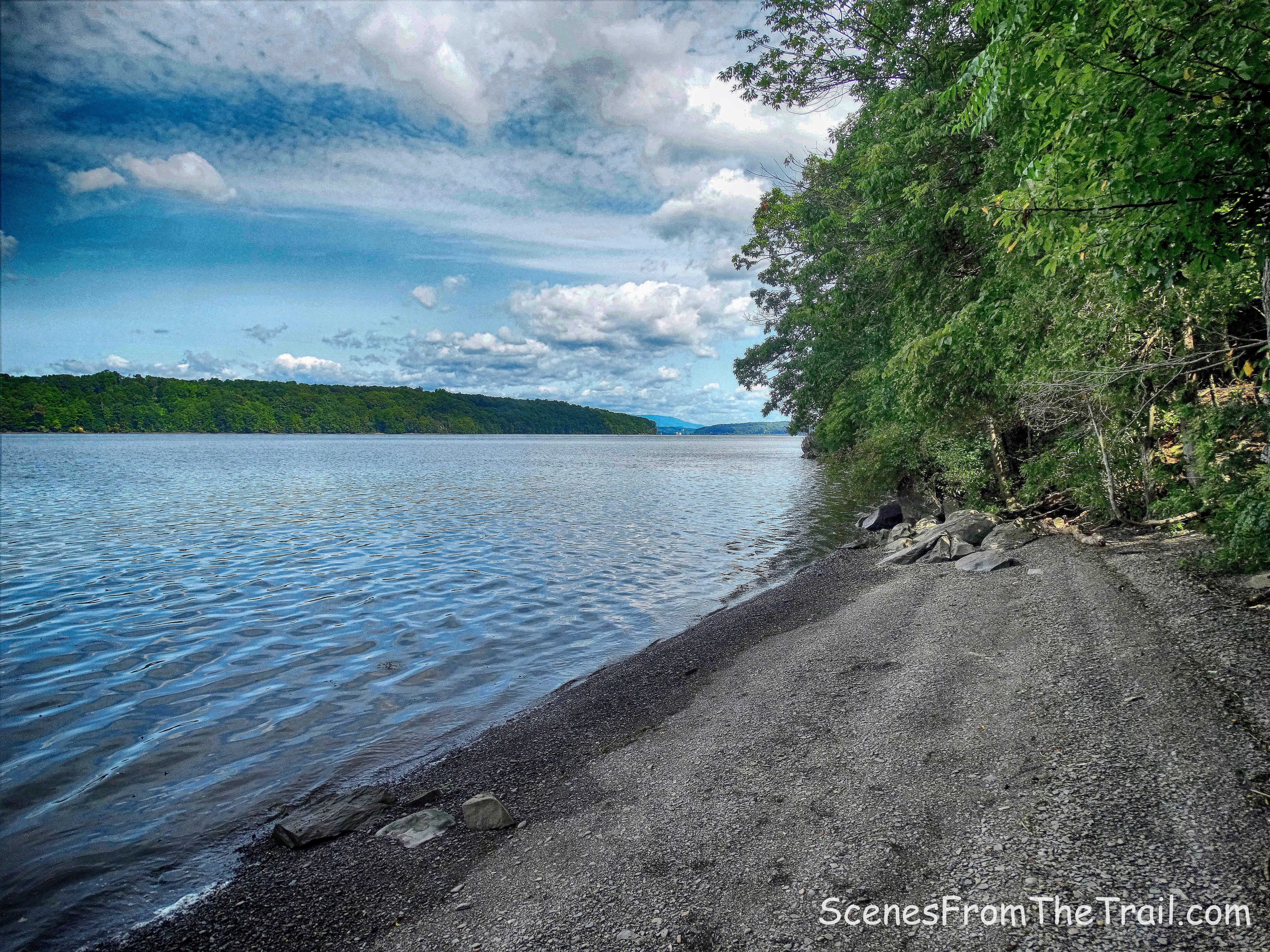
The trail wraps around the northern end of the pond and the view opens up once again.

Looking south -  Cobey Pond

Looking south – Cobey Pond

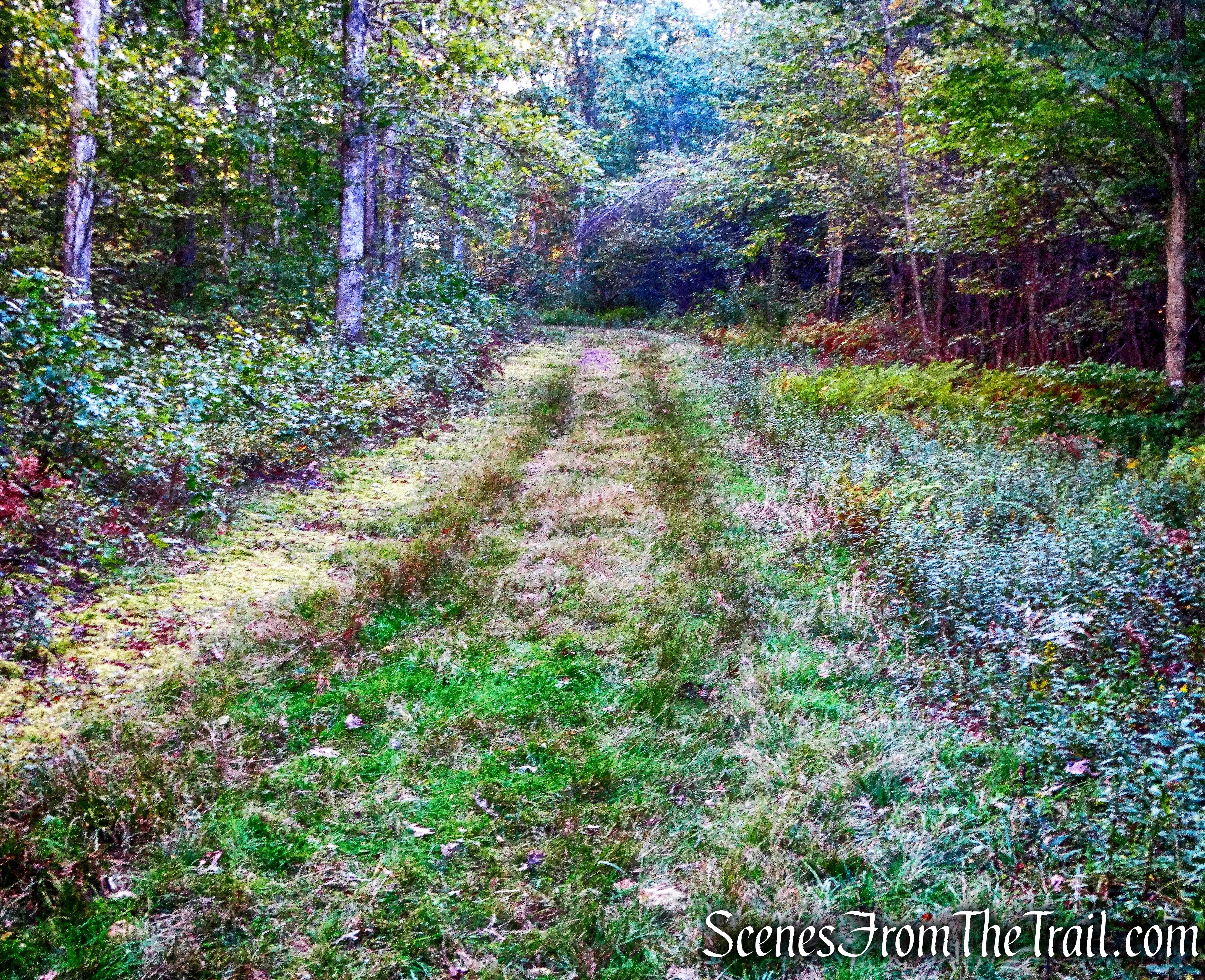
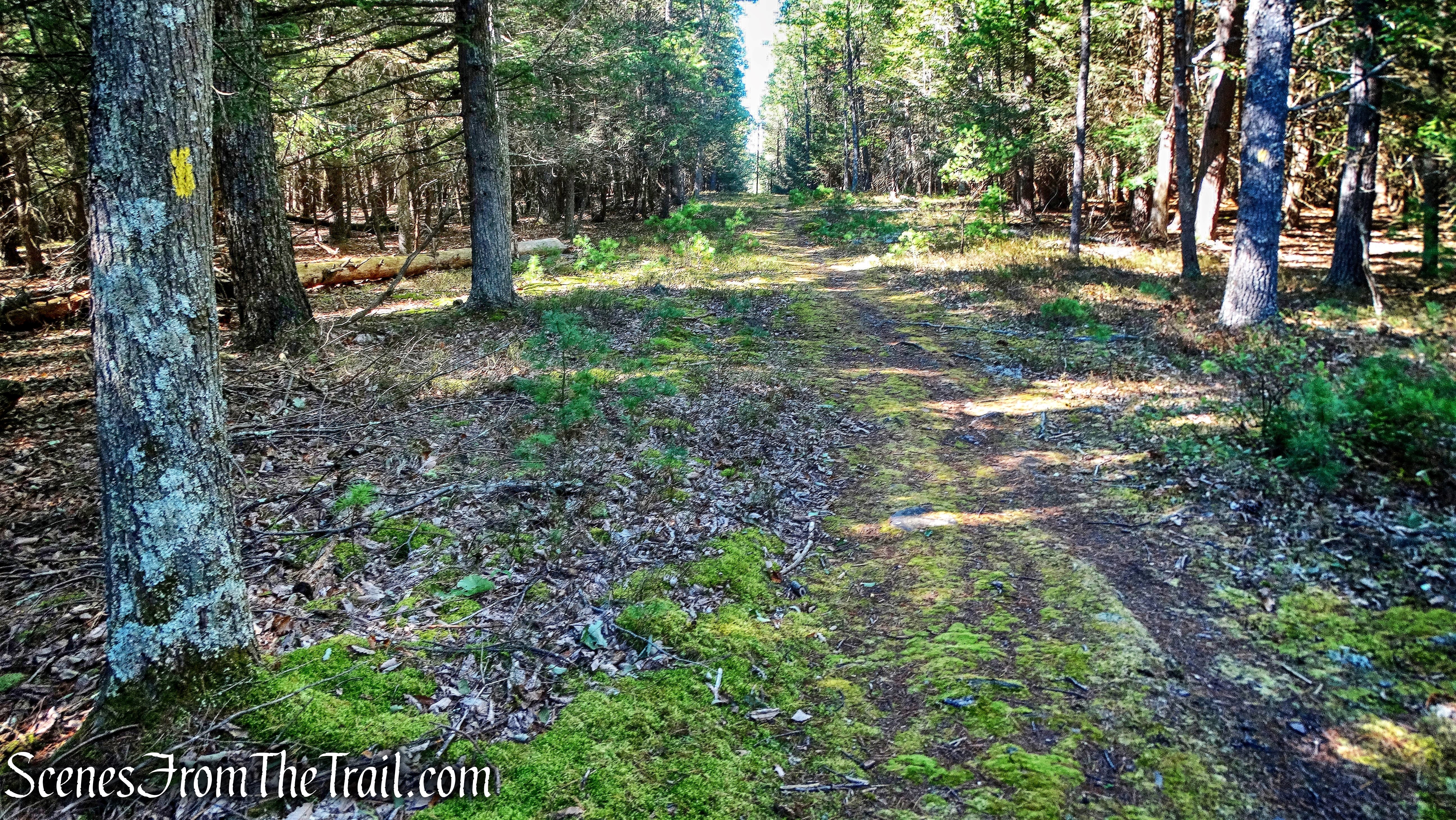
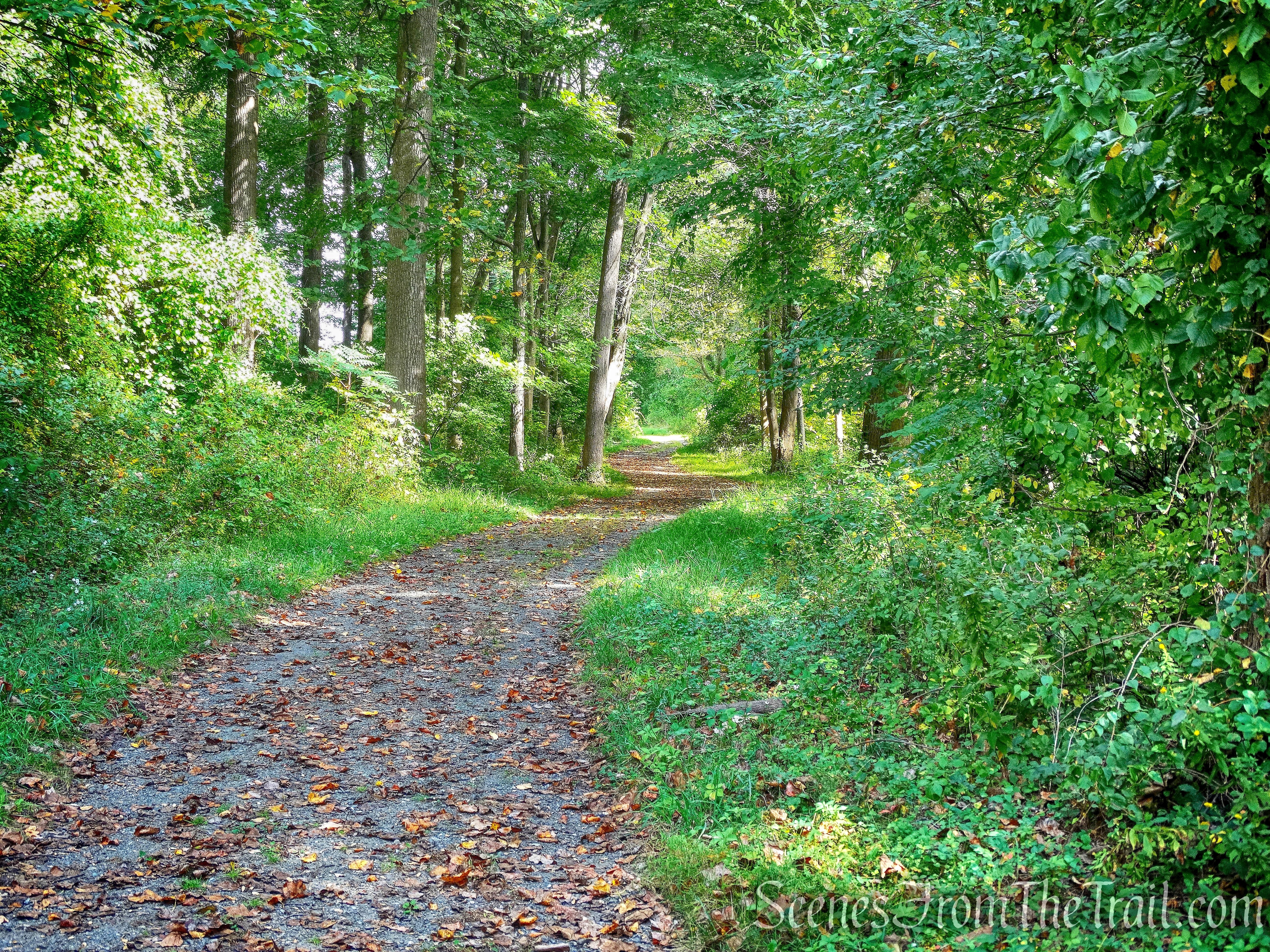
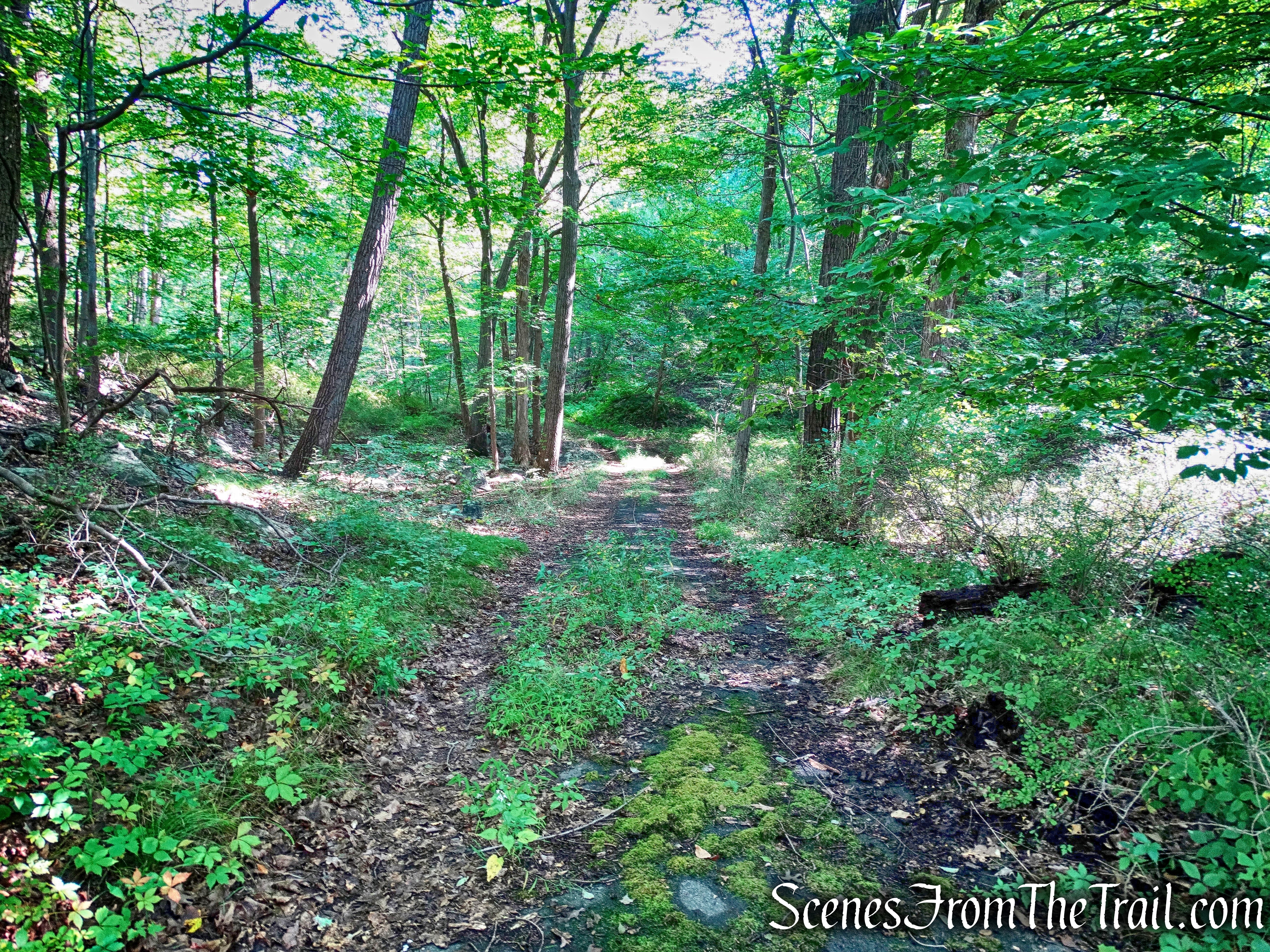
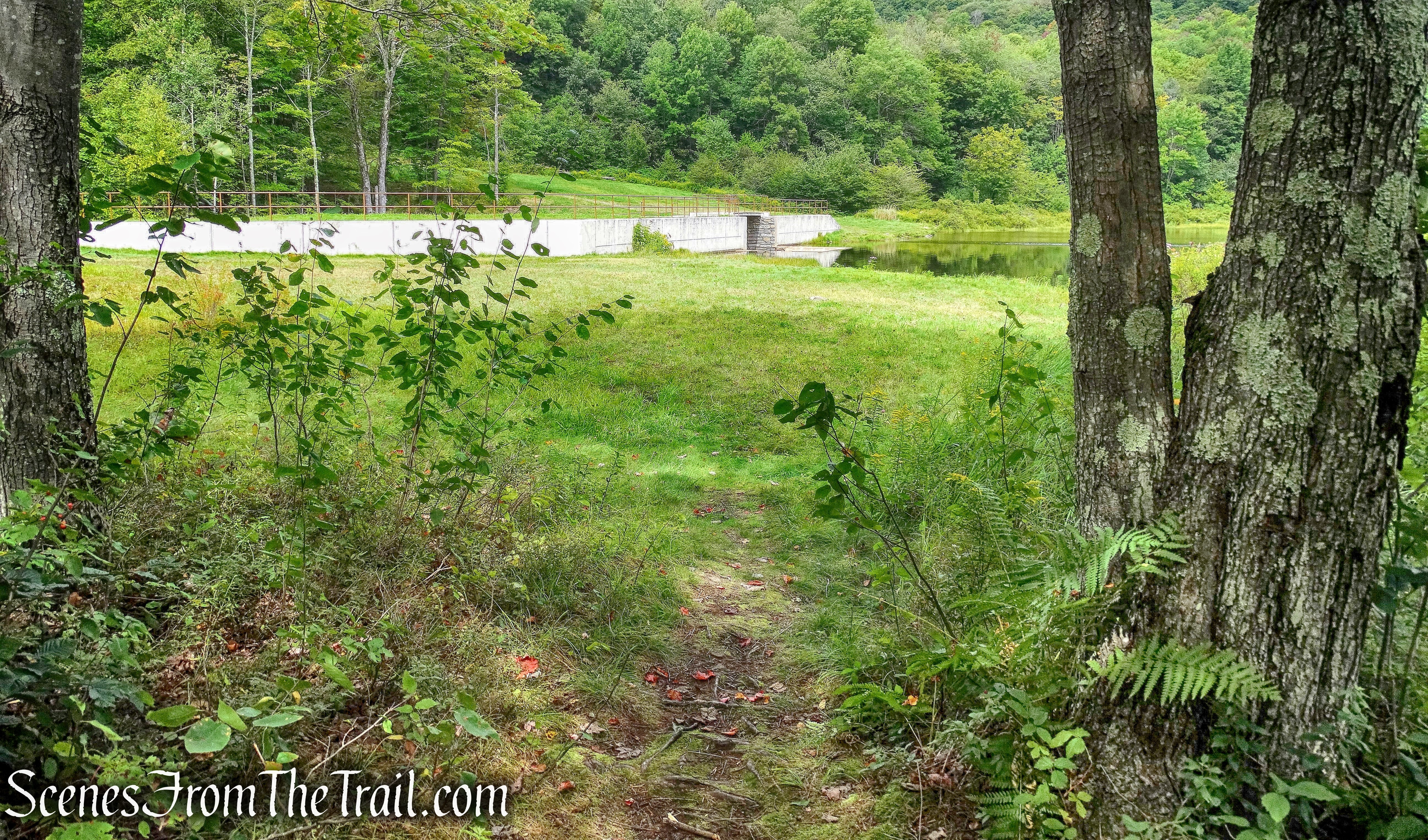
The trail comes to a fork at the northwest edge of the pond. We took the right fork which heads back to the parking area on a grassy woods road. There are several intersections along the way, but we continued straight, heading south.

Heading south - Cobey Pond Trail

Heading south – Cobey Pond Trail

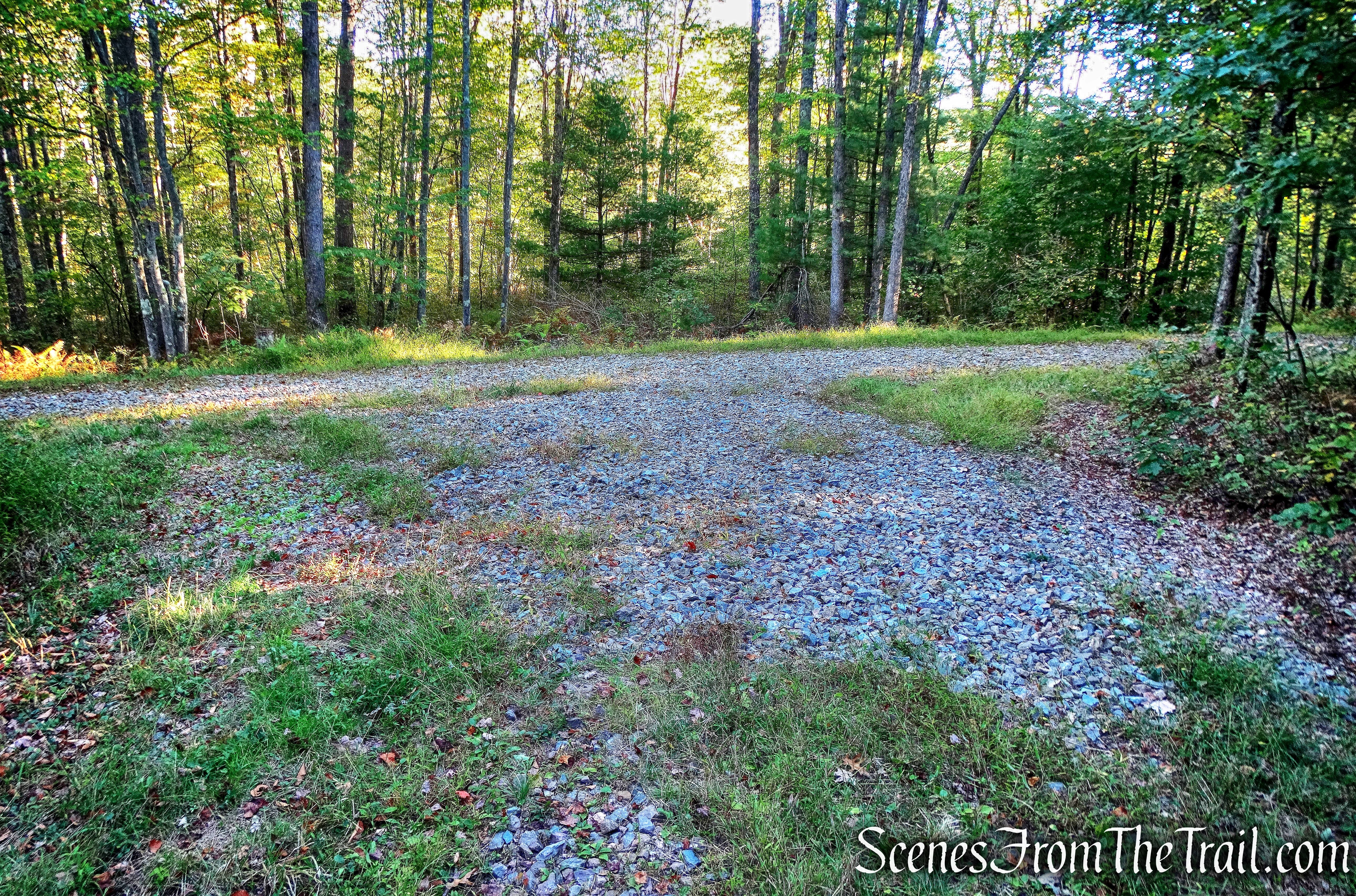
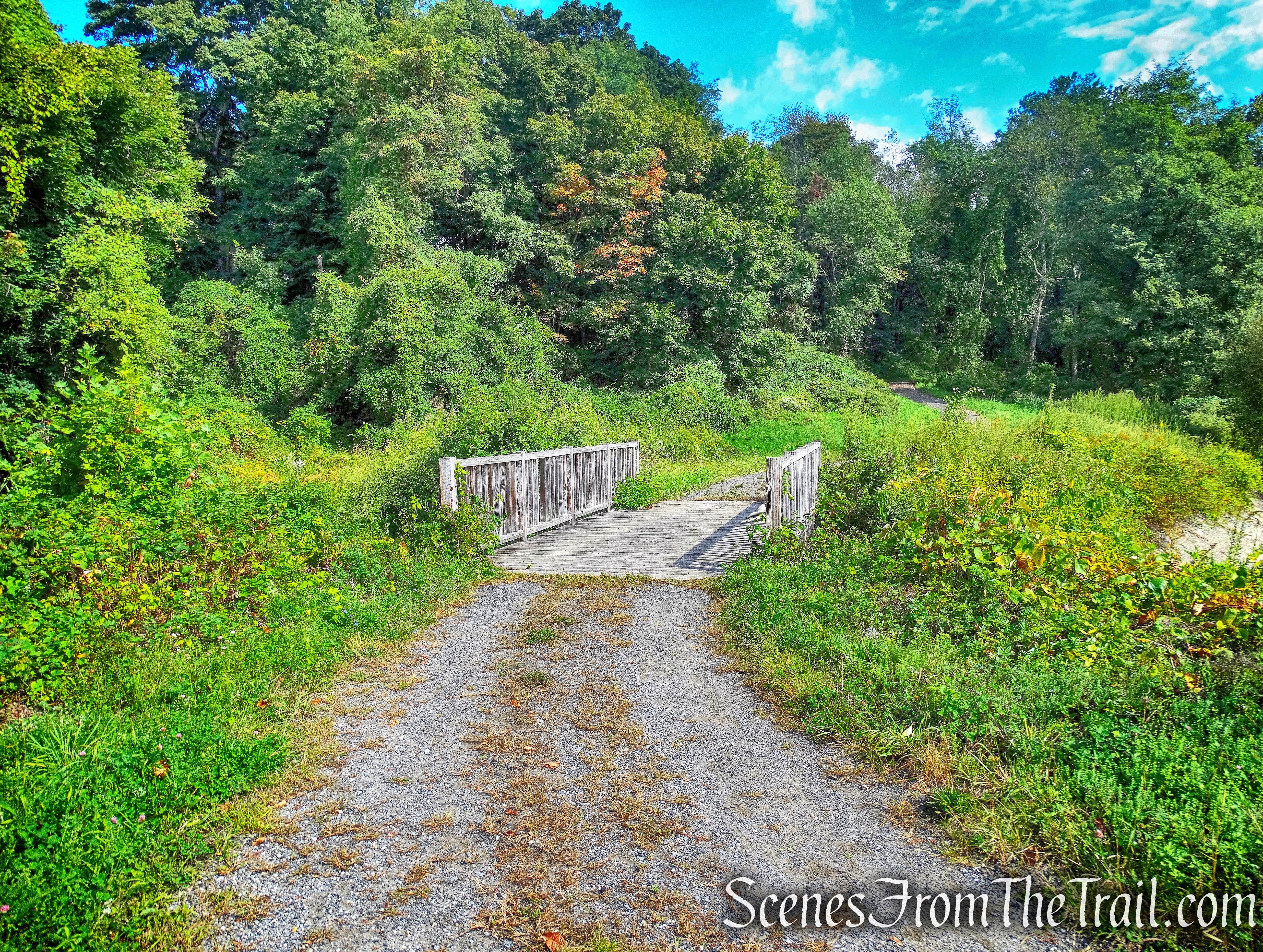
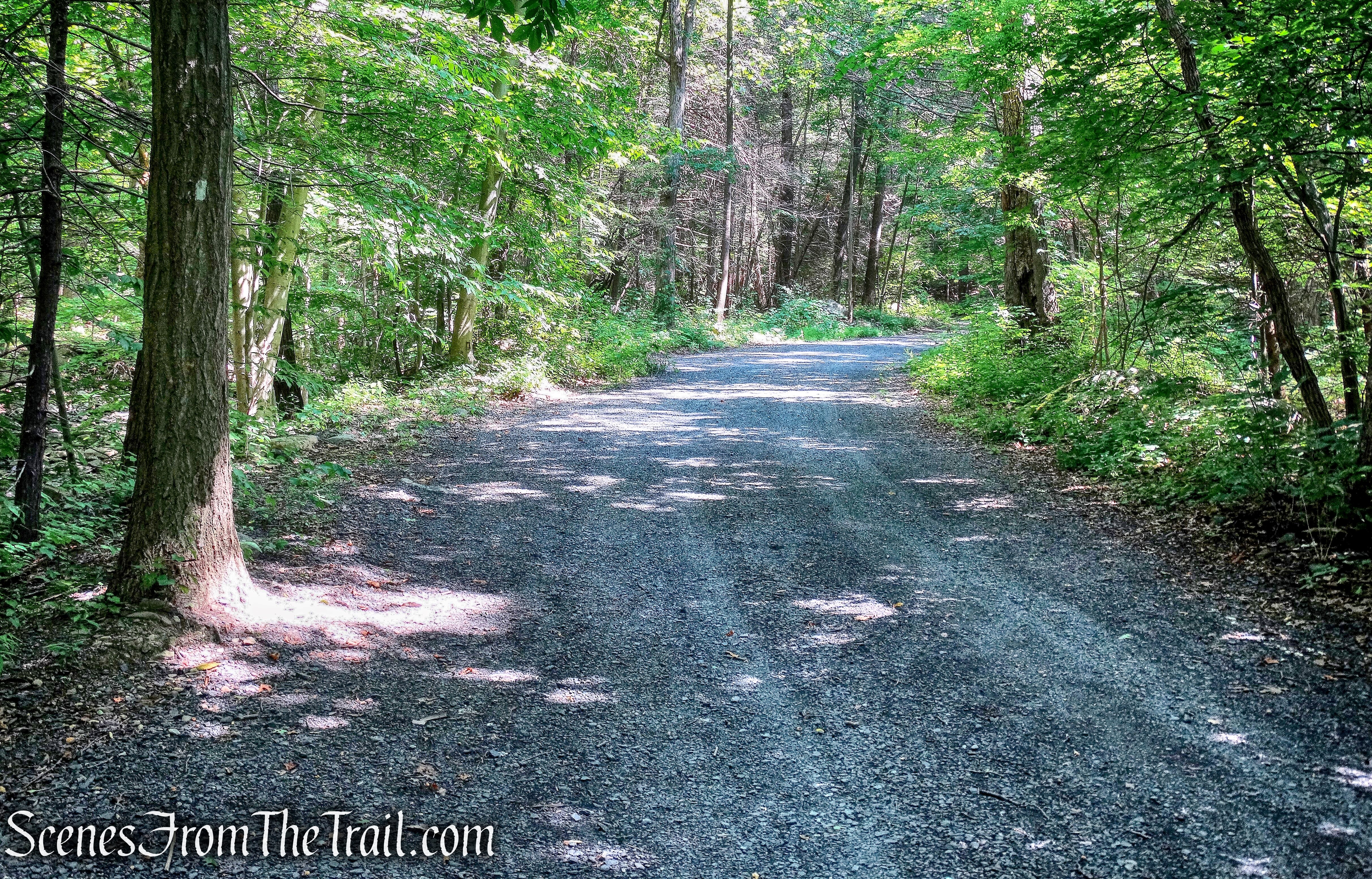
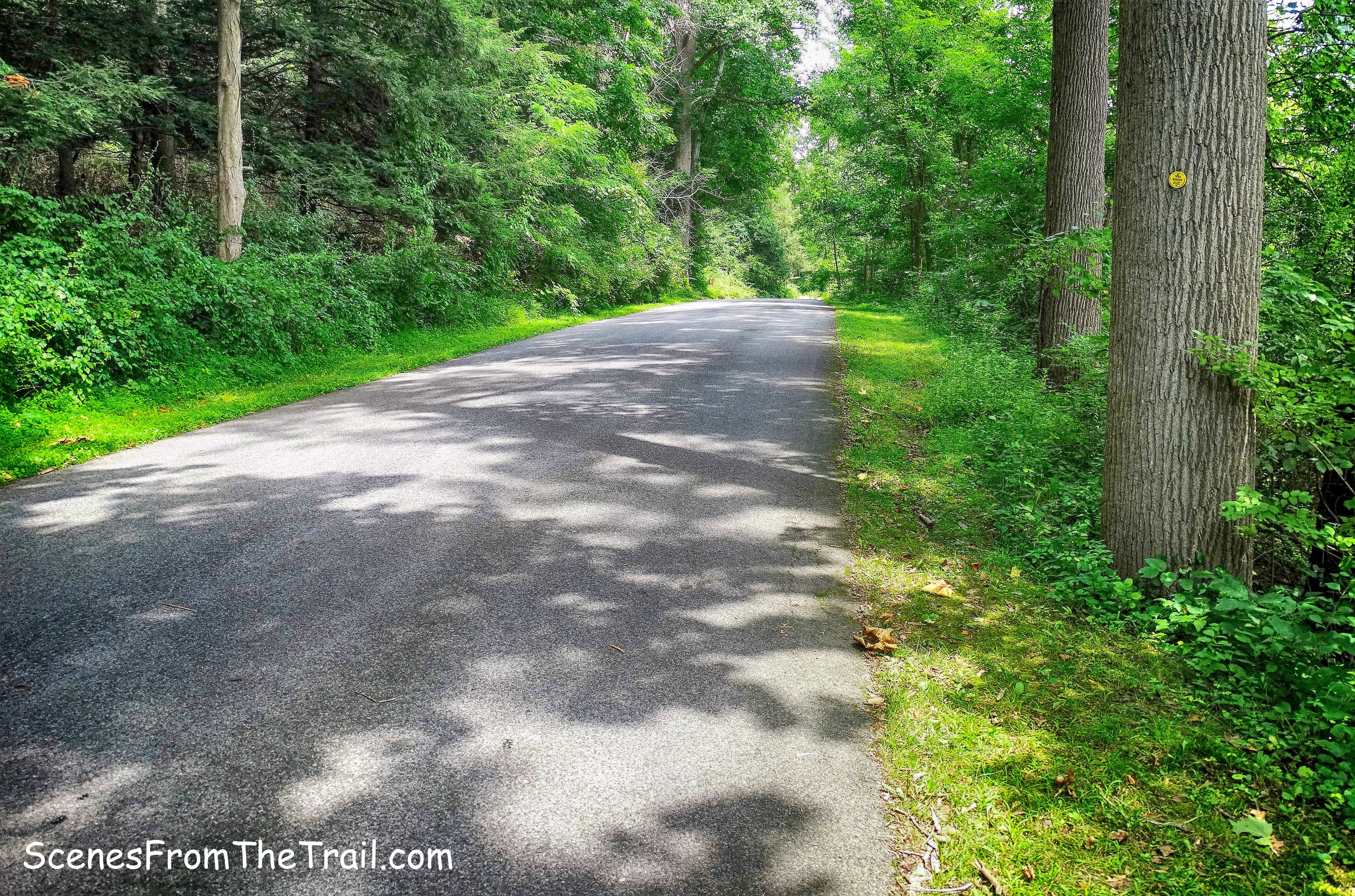
The grassy woods road ends at the gravel road that we walked on earlier and we turned right.

Turn right - Cobey Pond Trail

Turn right – Cobey Pond Trail

In another 500 feet, we reached the gate where we began our hike.

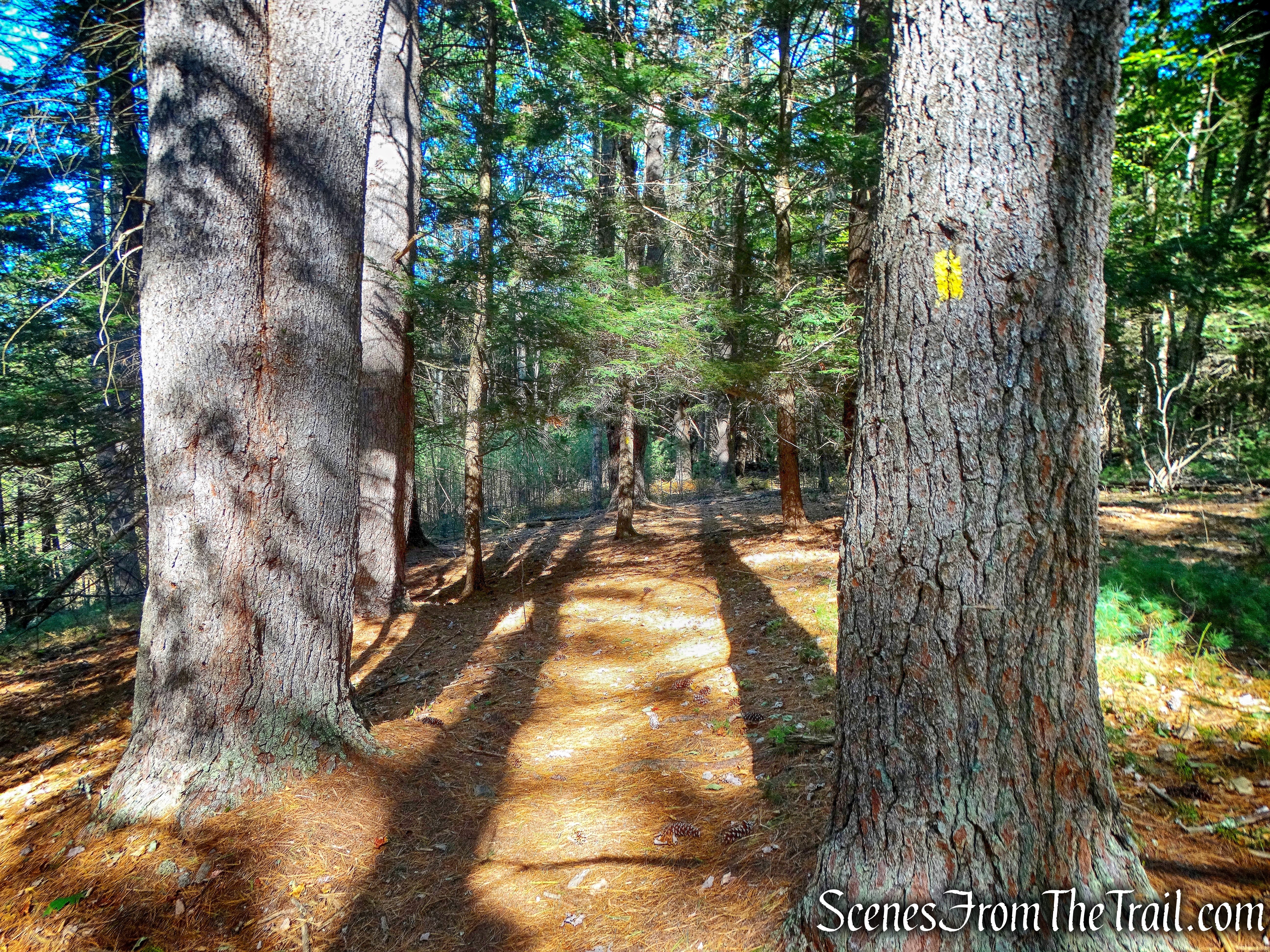
Cobey Pond Trail

Cobey Pond Trail

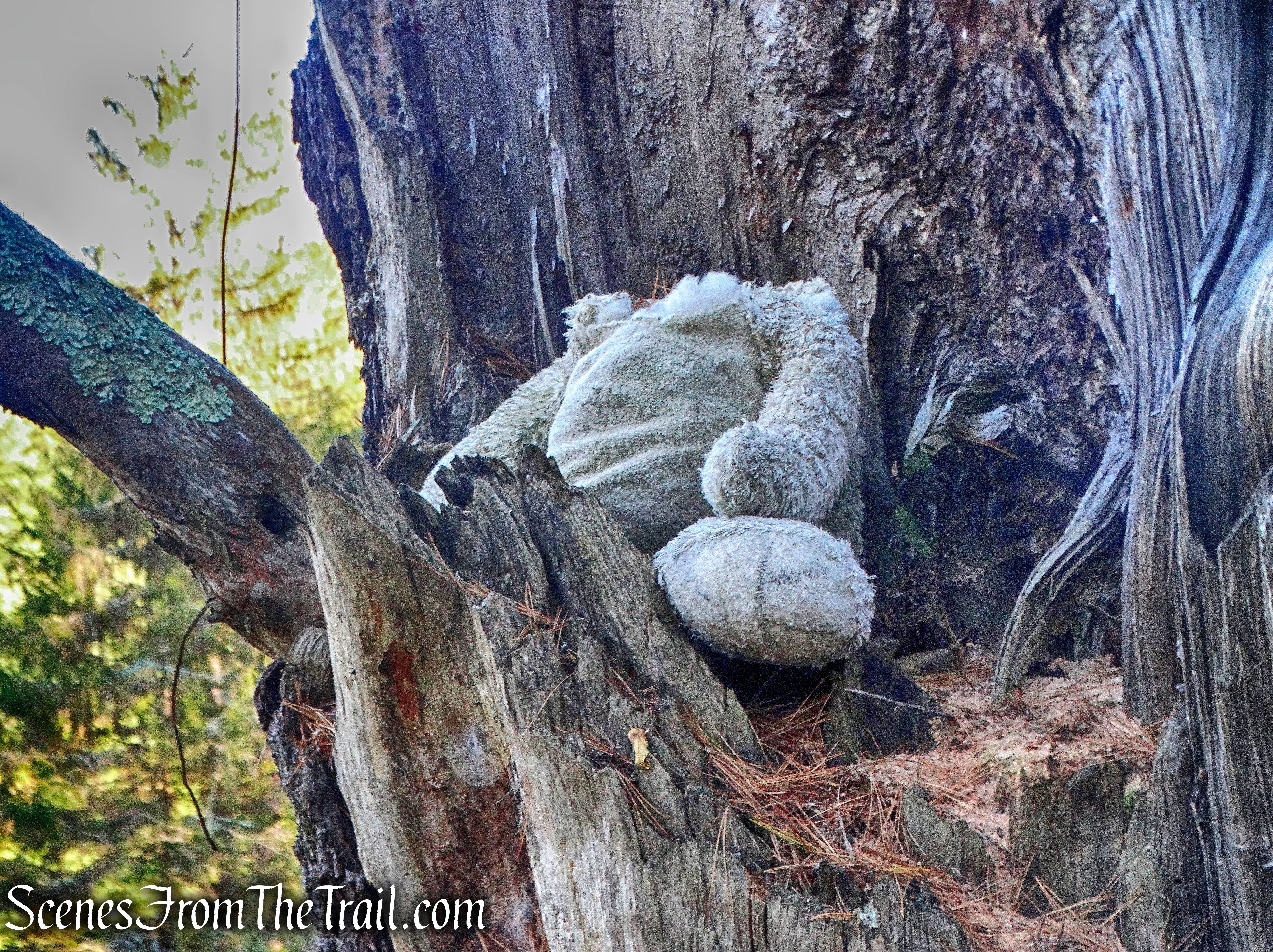
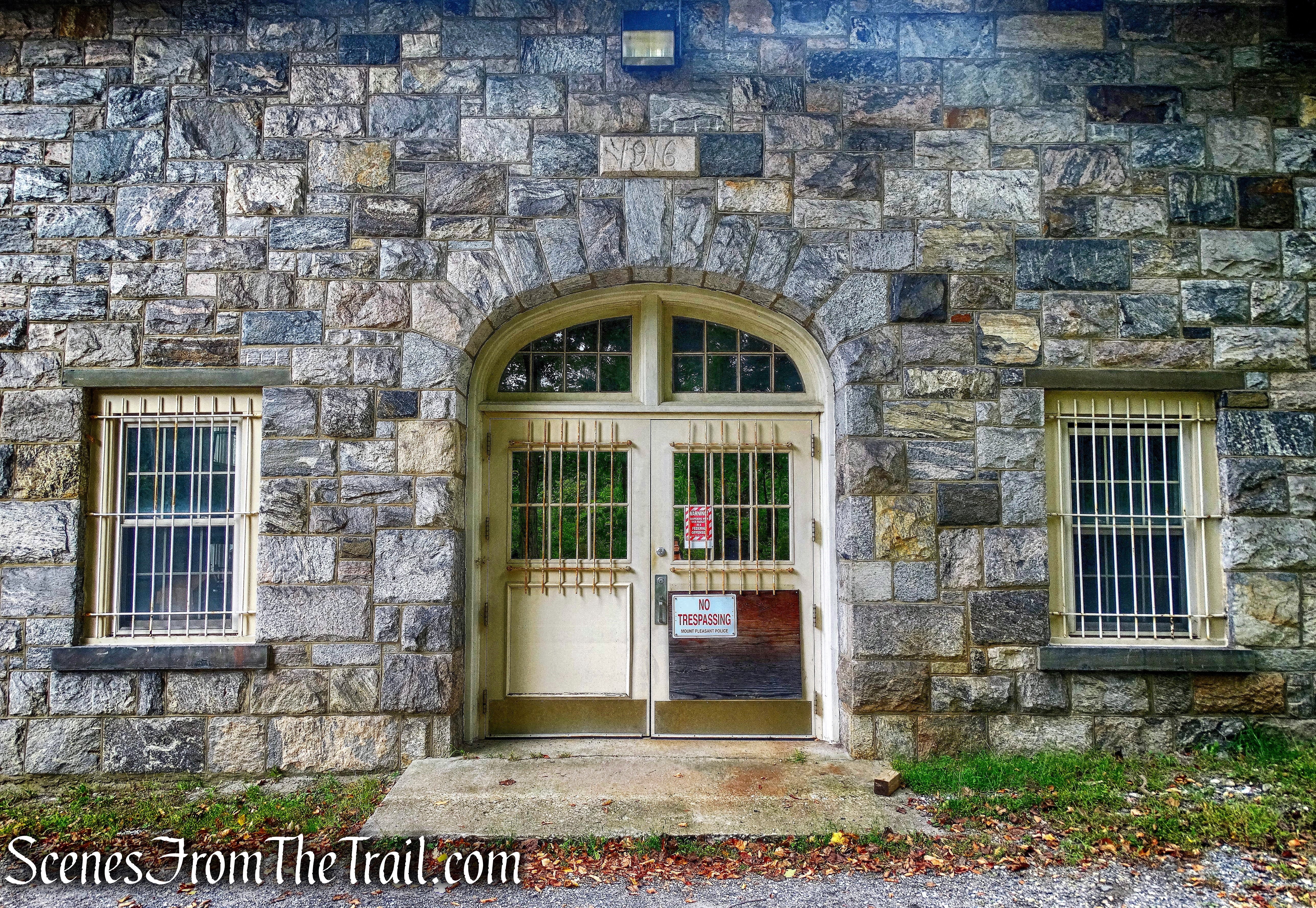
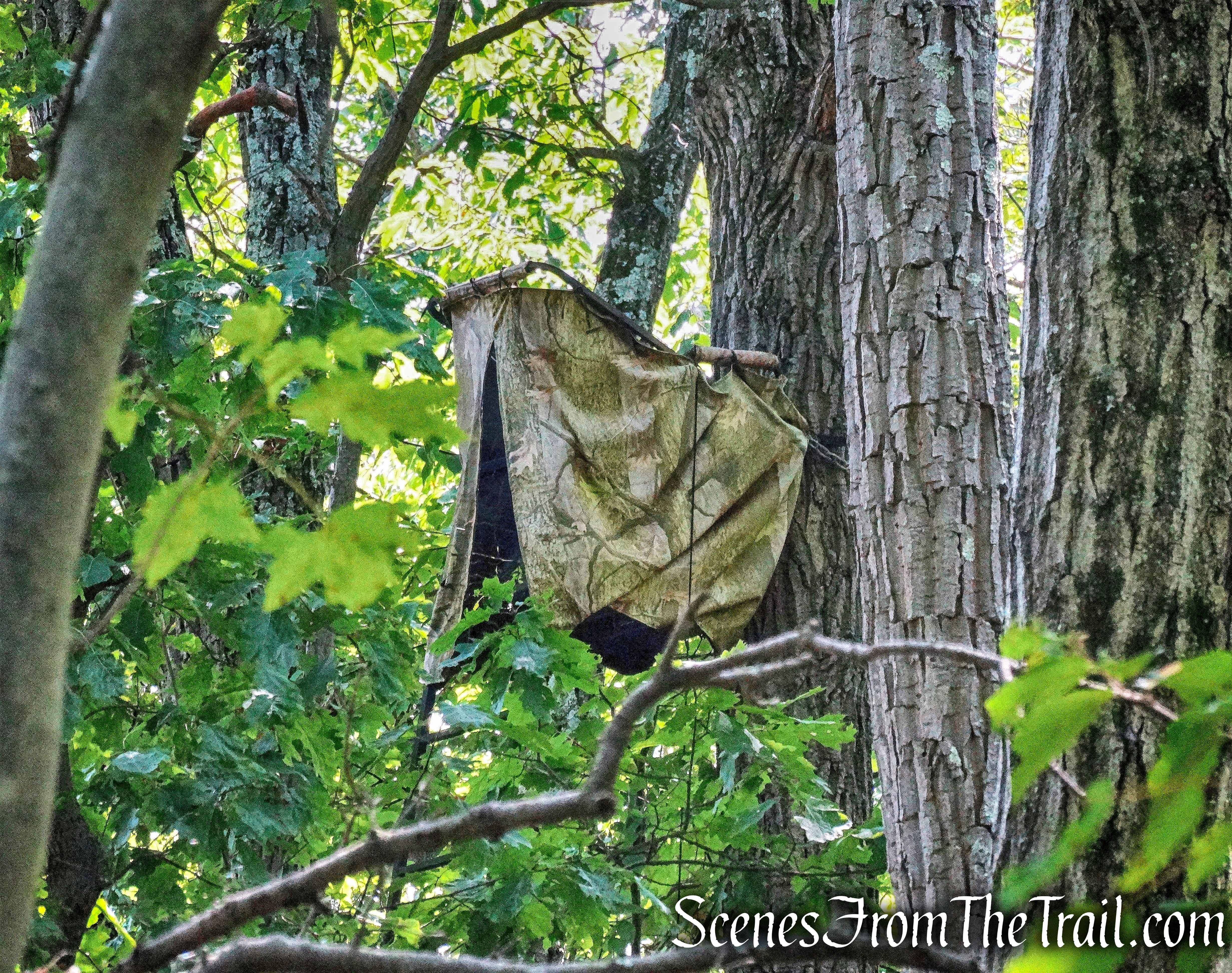
This headless stuffed animal was perched in a tree in the parking area.

headless stuffed animal

headless stuffed animal

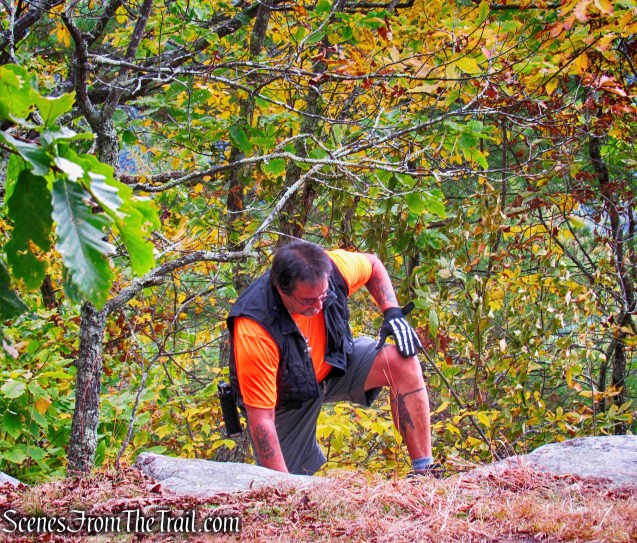
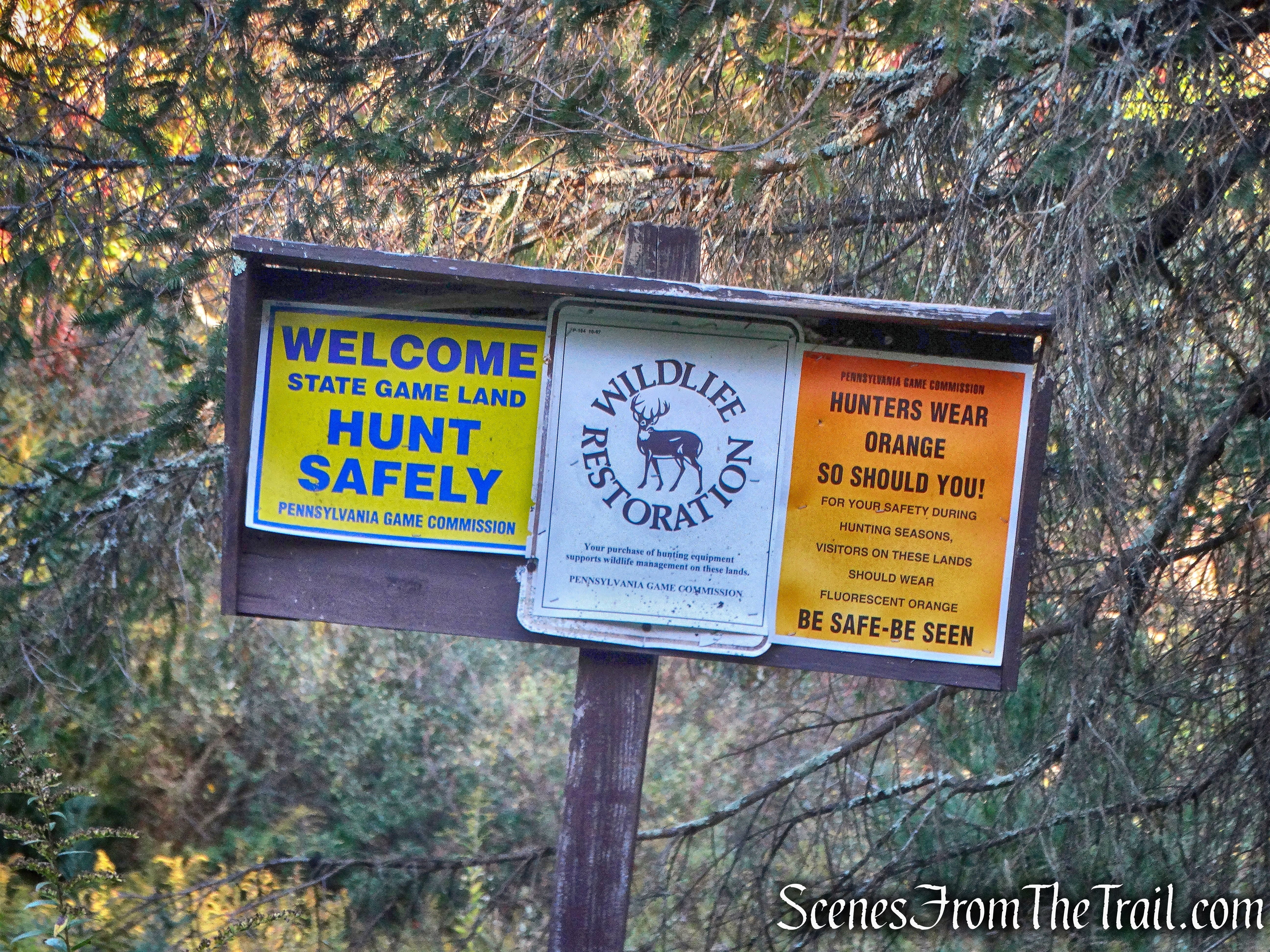
Since this trail is located on State Game Lands, orange should be worn when exploring the area.

State Game Lands 316

State Game Lands 316

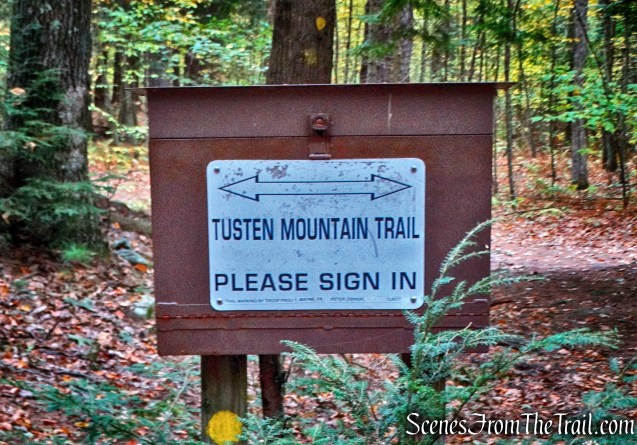
This was a very nice hike to end the day with. Cobey Pond is a hidden gem and I am glad that we visited this very scenic area. Three hikes down and three to go to earn that patch. Stay tuned, our next hike will be the Tusten Mountain Trail.

Pros: Scenic pond, secluded area, easy hike, wide woods roads.

Cons: Trail not marked, hunting grounds.

Cobey Pond

Cobey Pond


Damascus Forest Trail

October 1, 2017 – Beach Lake, Pennsylvania

Difficulty: Easy

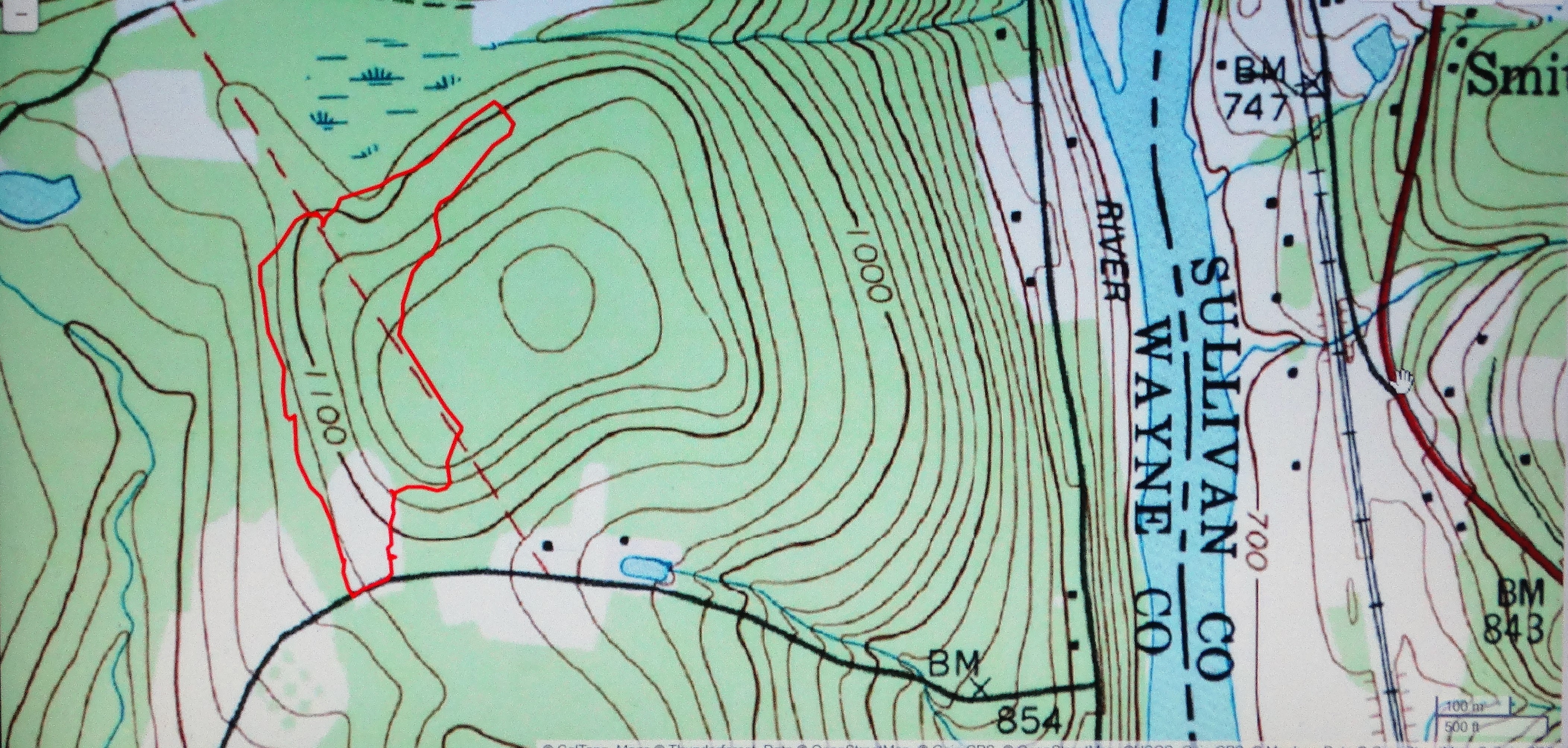
Length: Approximately 1.1 miles

Max elevation: 1,169 ft.– total elevation gain approximately 93 ft.

Route type: Circuit

Map: Upper Delaware River Valley Maps

Trailhead parking: 109 Maccubbins Rd, Beach Lake, PA 18405

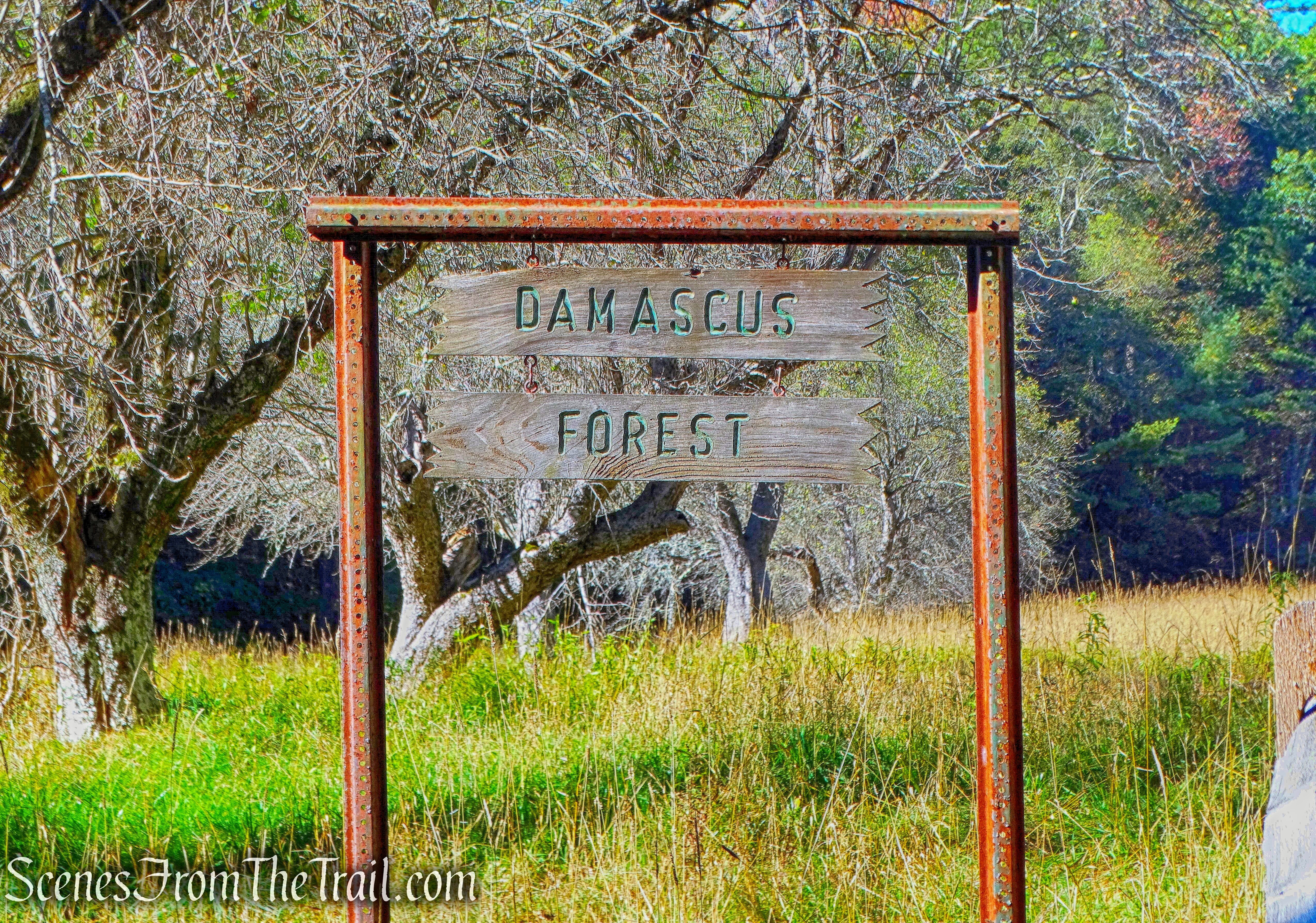
The Damascus Forest consists of 58 acres of woodland for low impact activity, including nature study and low-impact hiking, which is open to the public. This Township-owned property is a nice quiet retreat for those who enjoy nature. The trail itself features wetlands and old growth forests.

Damascus Forest

Damascus Forest

The Damascus Forest Trail is one of six trails featured in the “Take a Hike!” brochure, which gives names, locations, descriptions, and difficulty levels of trails in the Upper Delaware River Valley. It also provides a checklist to keep track of the trails you’ve hiked which can be turned in upon completion for a “Take a Hike!” patch.

Having just completed the Bouchoux Trail, we were now on to hike #2 on the list. Cell phone service was nonexistent in this area and a GPS signal was hard to come by. My recommendation is to print the directions from one trailhead to the other to avoid wasting time waiting for a signal while driving aimlessly. Since we got a late start in the morning, we didn’t arrive at the parking area for the Damascus Forest Trail until shortly before 3:00 pm. The National Park Service lists this trail as 2 miles long, but it is actually more like 1.1 miles. We did this hike counter-clockwise from the parking area.

Damascus Forest Trail

Damascus Forest Trail

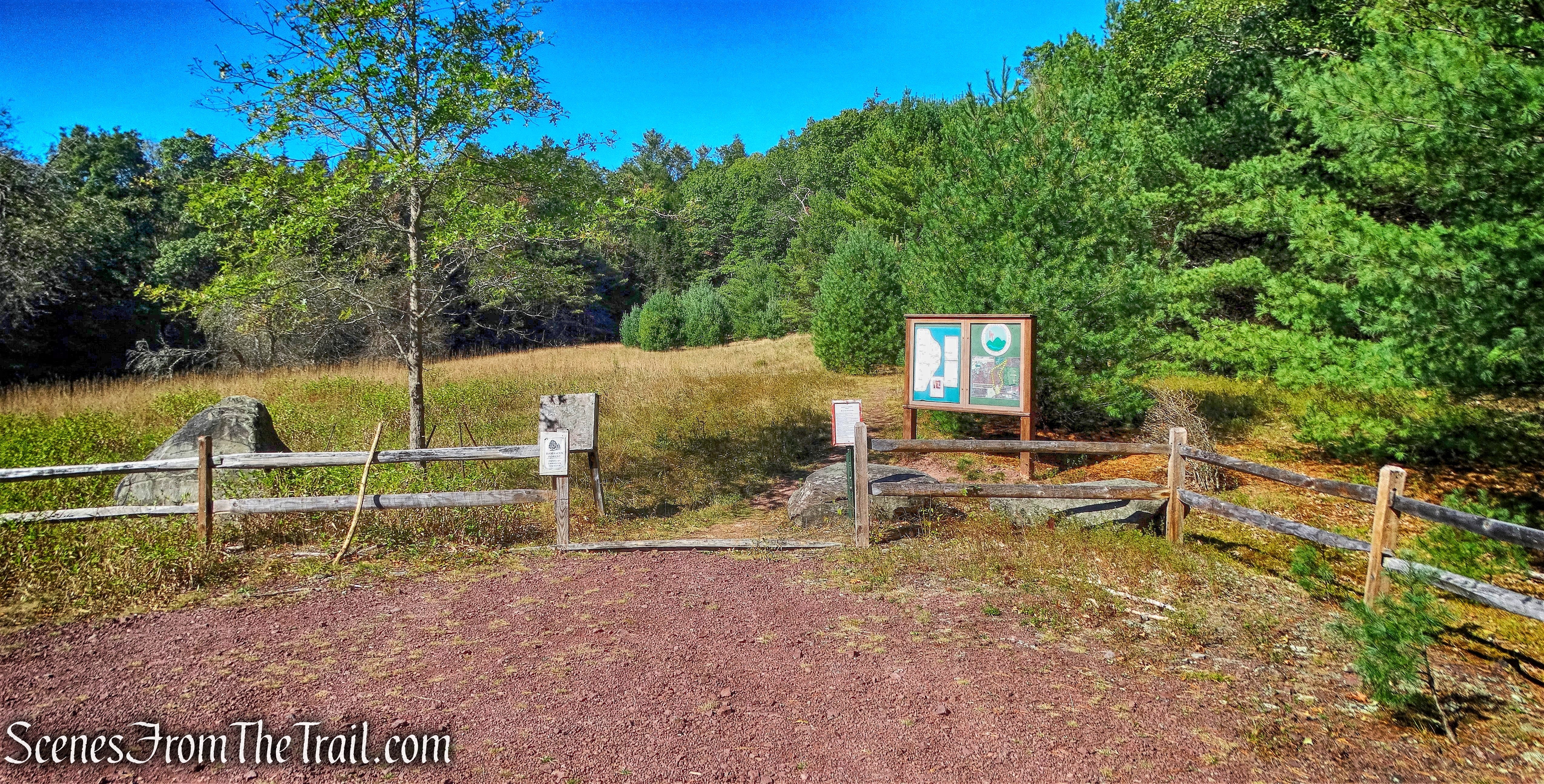
The parking lot is sizable and I can’t imagine it ever being at capacity. No other vehicles were in the lot when we pulled in and none were there when we departed. We began our hike by entering through the split rail fence by the kiosk. The kiosk must have been moved at some point and the info not updated, because the information on getting to the trail was confusing.

Damascus Forest Trail

Damascus Forest Trail

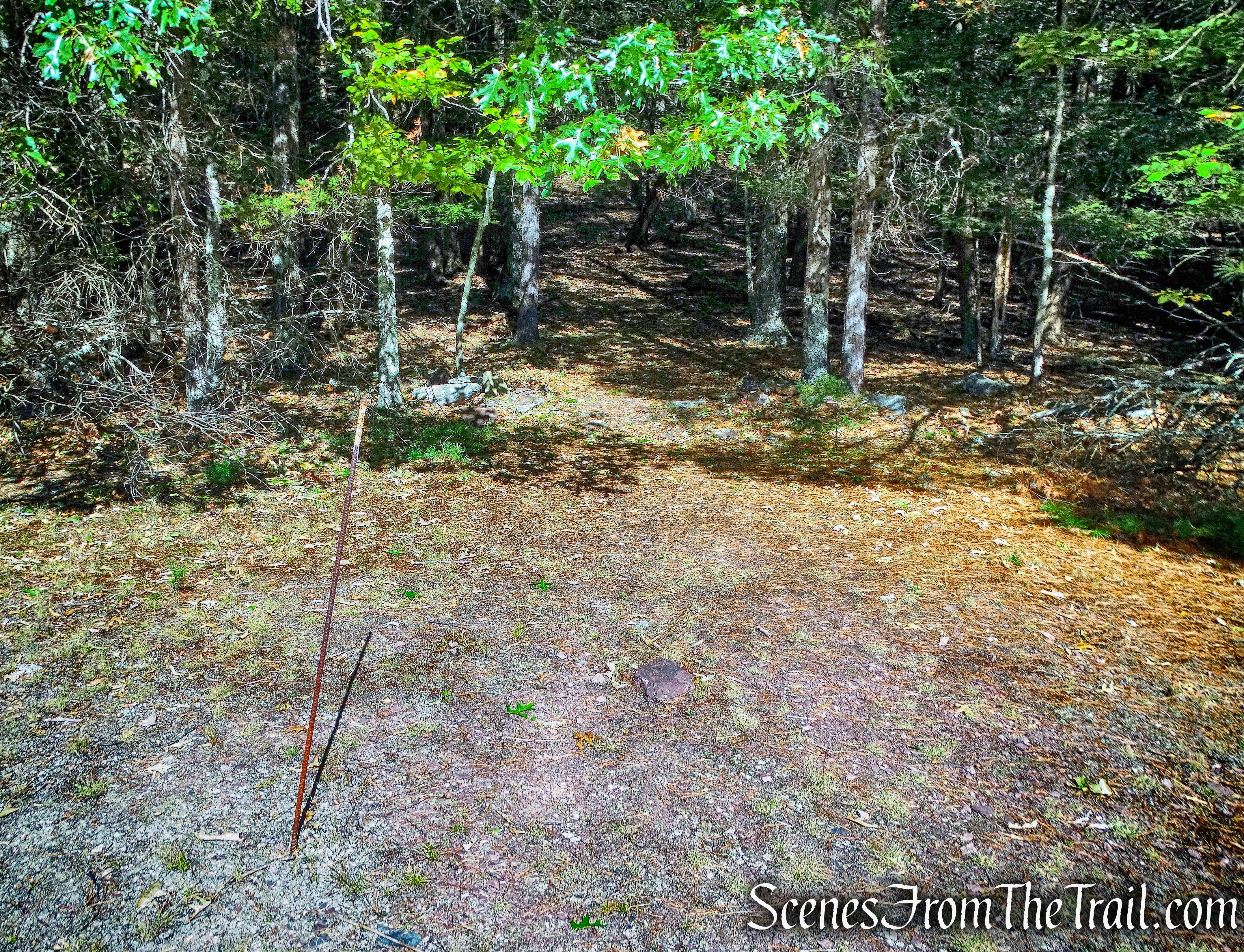
About 300 feet past the kiosk, there is a piece of rebar sticking out of the ground with faded yellow paint at the tip. We turned right and entered the woods there, heading east.

Damascus Forest Trail

Damascus Forest Trail

The trail is well marked from this point on and easy to follow.

Damascus Forest Trail

Damascus Forest Trail

The yellow-blazed Damascus Forest Trail then starts heading north and enters a power line cut.

power line cut - Damascus Forest Trail

power line cut – Damascus Forest Trail

The trail travels northwest along the power line cut for about 500 feet then turns right into the woods. The forest is heavily shaded by the tall trees and makes for a nice walk on a hot day.

Damascus Forest Trail

Damascus Forest Trail

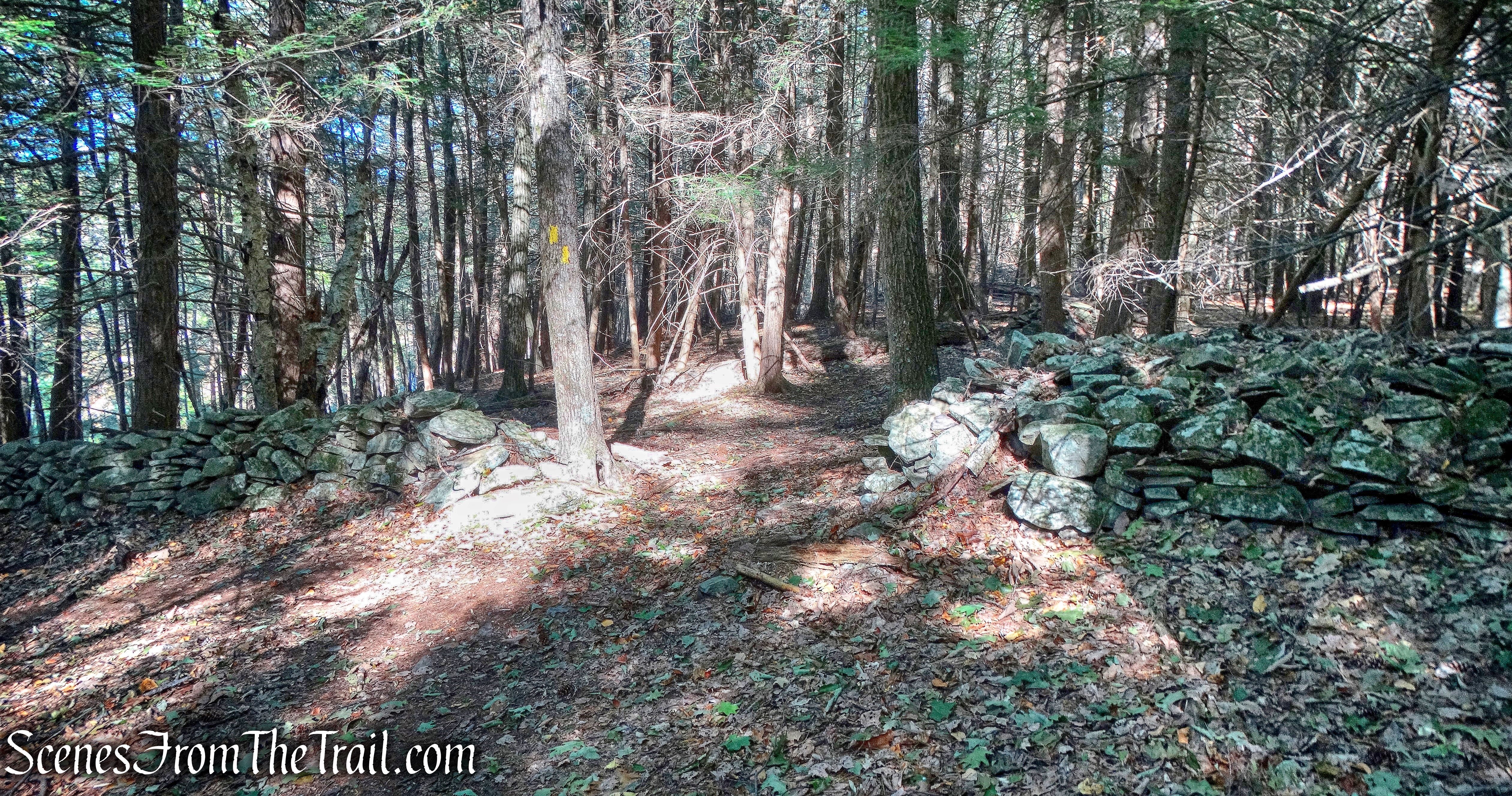
The trail travels through a stone wall and turns left.

Damascus Forest Trail

Damascus Forest Trail

We followed the yellow blazes downhill towards a wetland area.

wetlands - Damascus Forest Trail

wetlands – Damascus Forest Trail

There, the trail turns left and begins to head west, paralleling the wetlands.

heading west - Damascus Forest Trail

heading west – Damascus Forest Trail

The Damascus Forest Trail then turns left again and heads south on an old woods road, through a stand of old-growth Hemlocks.

old-growth Hemlocks - Damascus Forest Trail

old-growth Hemlocks – Damascus Forest Trail

The trail continues south, passes some restrooms (which were locked) and comes out on Maccubbins Road, by the west end of the parking area. We turned left on the road, walked a few feet, then turned left into the parking area. A very short and uneventful hike. Nothing more than a quiet walk in the woods. It was now about 3:30 pm and we still had one more hike to do. Cobey Pond, here we come!

Pros: Quiet and secluded area, easy walk in the woods.

Cons: No points of interest to see.

Bouchoux Trail – Jensen’s Ledges

October 1, 2017 – Hancock, NY

Difficulty: Moderate

Length: Approximately 3.2 miles

Max elevation: 1,388 ft.– total elevation gain approximately 649 ft.

Route type: Out and back

Map: Upper Delaware River Valley Maps

Trailhead parking: Bouchoux Brook Rd, Hancock, NY 13783

The Upper Delaware Scenic and Recreational River stretches along approximately 73.4 miles of the Delaware River from Hancock, New York, to Sparrowbush, New York. Most of the land in this unit of the National Park System is privately owned, the federal government owns only approximately 30 acres. Within the park are the remains of the Delaware and Hudson Canal. More than 14,000 acres within the watershed of the Upper Delaware Scenic and Recreational River are protected by conservation easements enacted by willing private property owners and held by the Delaware Highlands Conservancy land trust.

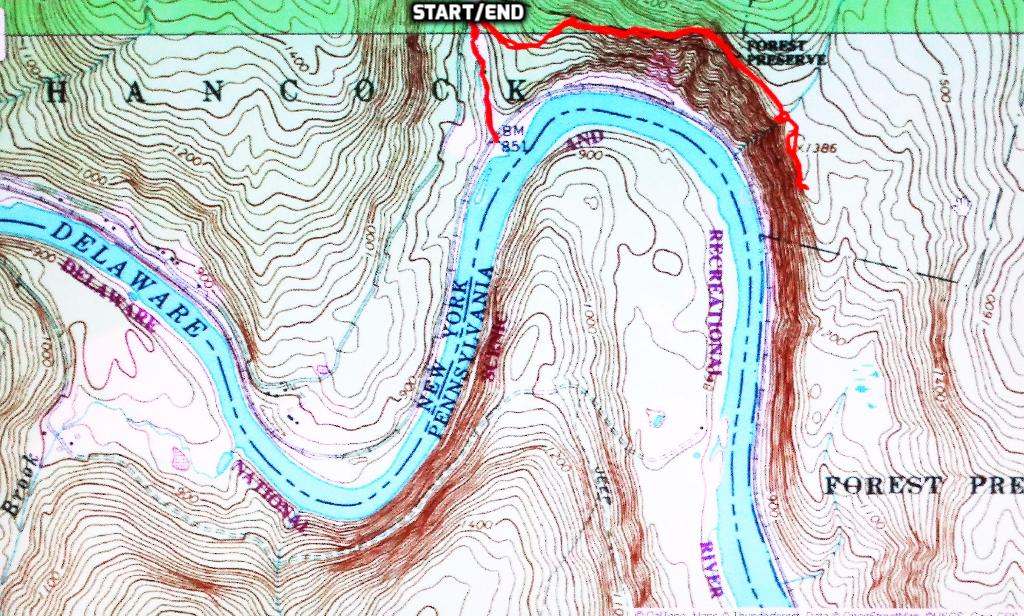
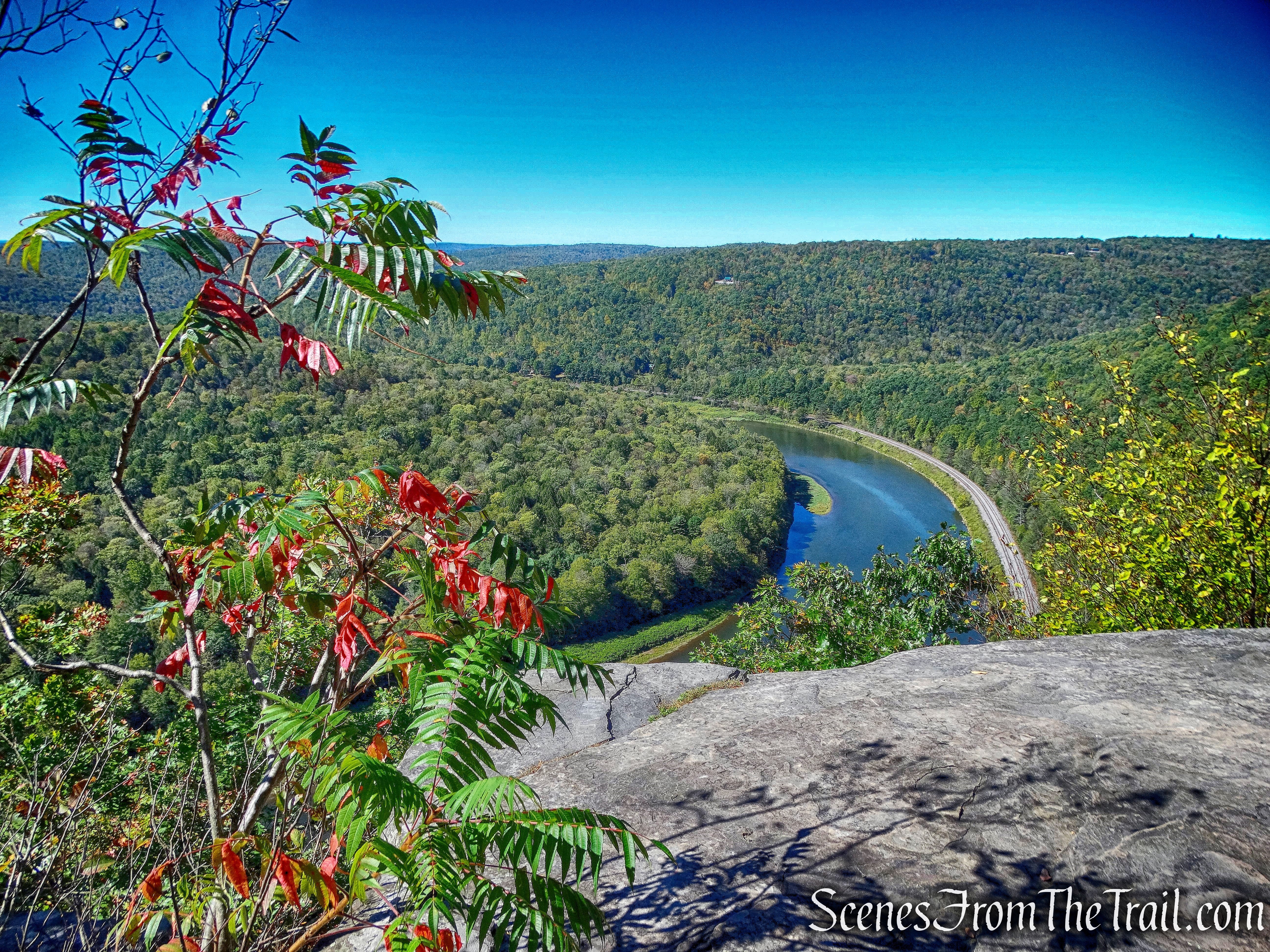
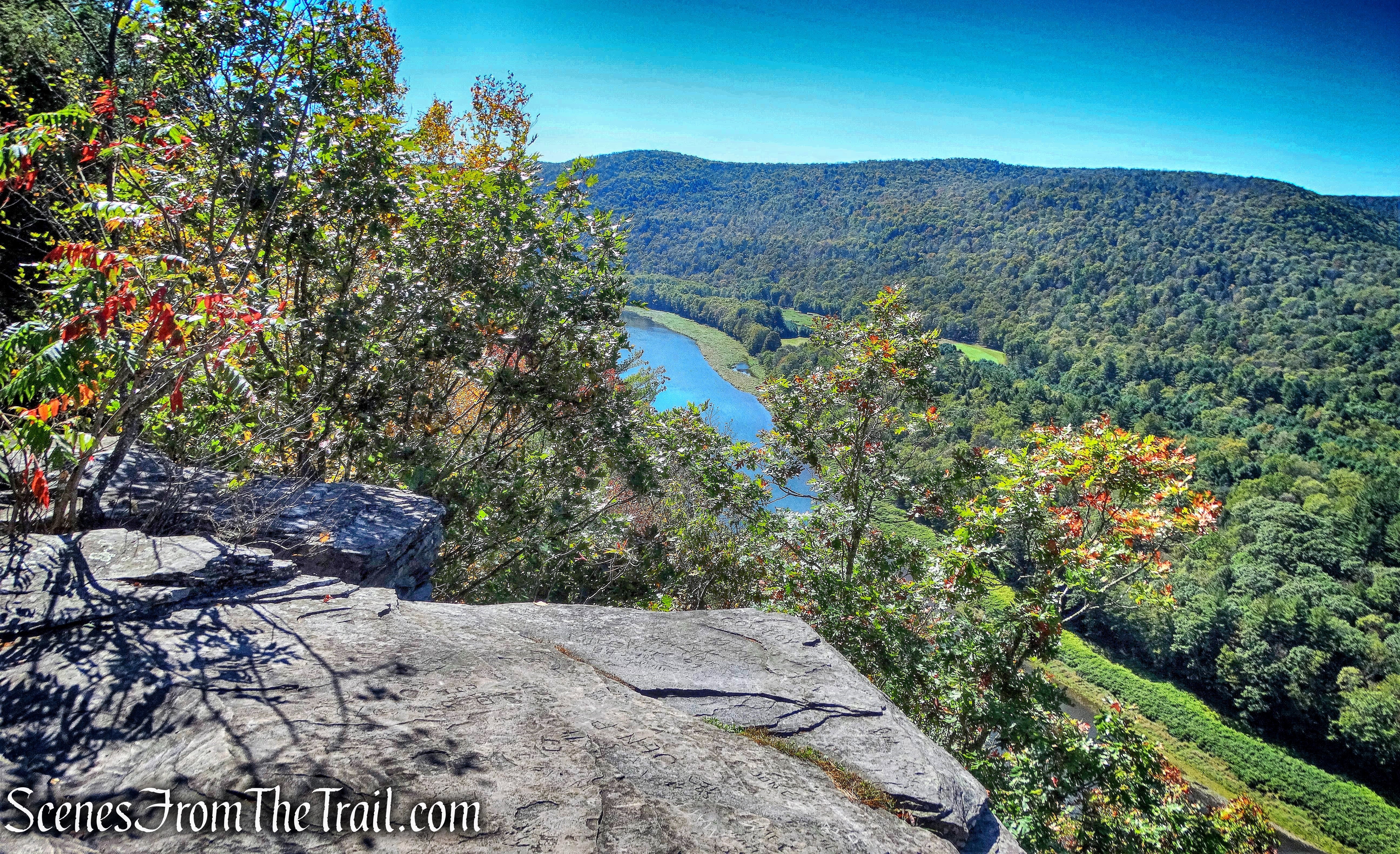
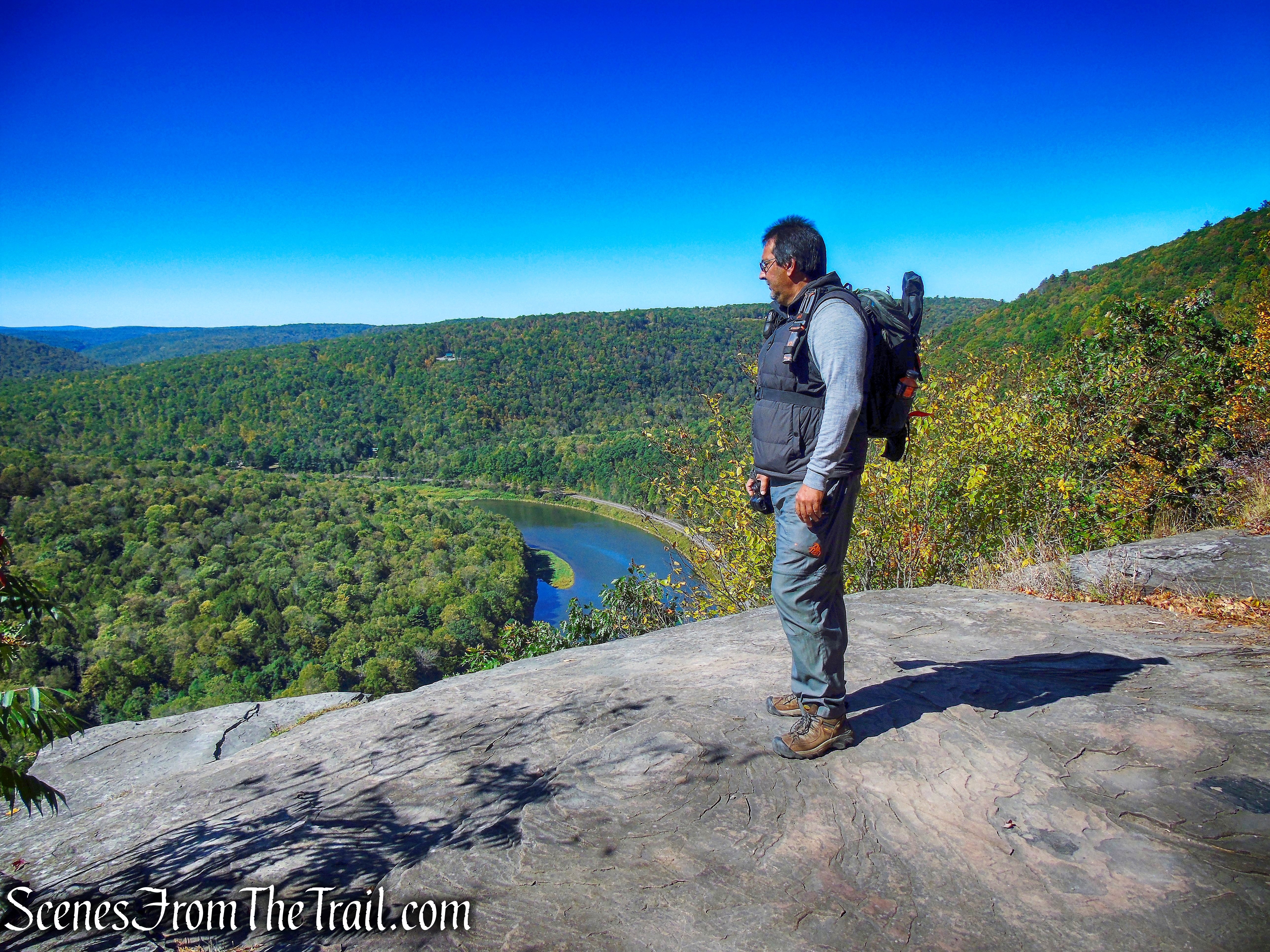
Known officially as “Bouchoux Trail” or “Jensen’s Ledges,” The Ledges, as the locals call it, is a short but steep hike on a rocky woods road, leading to panoramic views of the Upper Delaware River Valley. The National Park Service rates this hike as difficult, but it’s just a steep walk up a rocky woods road.

Bouchoux Trail - Jensen's Ledges

Bouchoux Trail – Jensen’s Ledges

View the Google Earth Fly-Through video of the hike below.

Having received a patch for completing the Tupper Lake Triad challenge, I decided to check to see if any hikes near me were offering patches. I stumbled onto the Upper Delaware’s Take a Hike! campaign. Although not exactly close by, I decided I would complete the six hikes on the list to earn my free patch. Since they are short hikes, we did three on each day and they were completed in two consecutive weekends. We did this hike first because it was the furthest north. We figured that we work from north to south, which would make the ride home a little shorter.

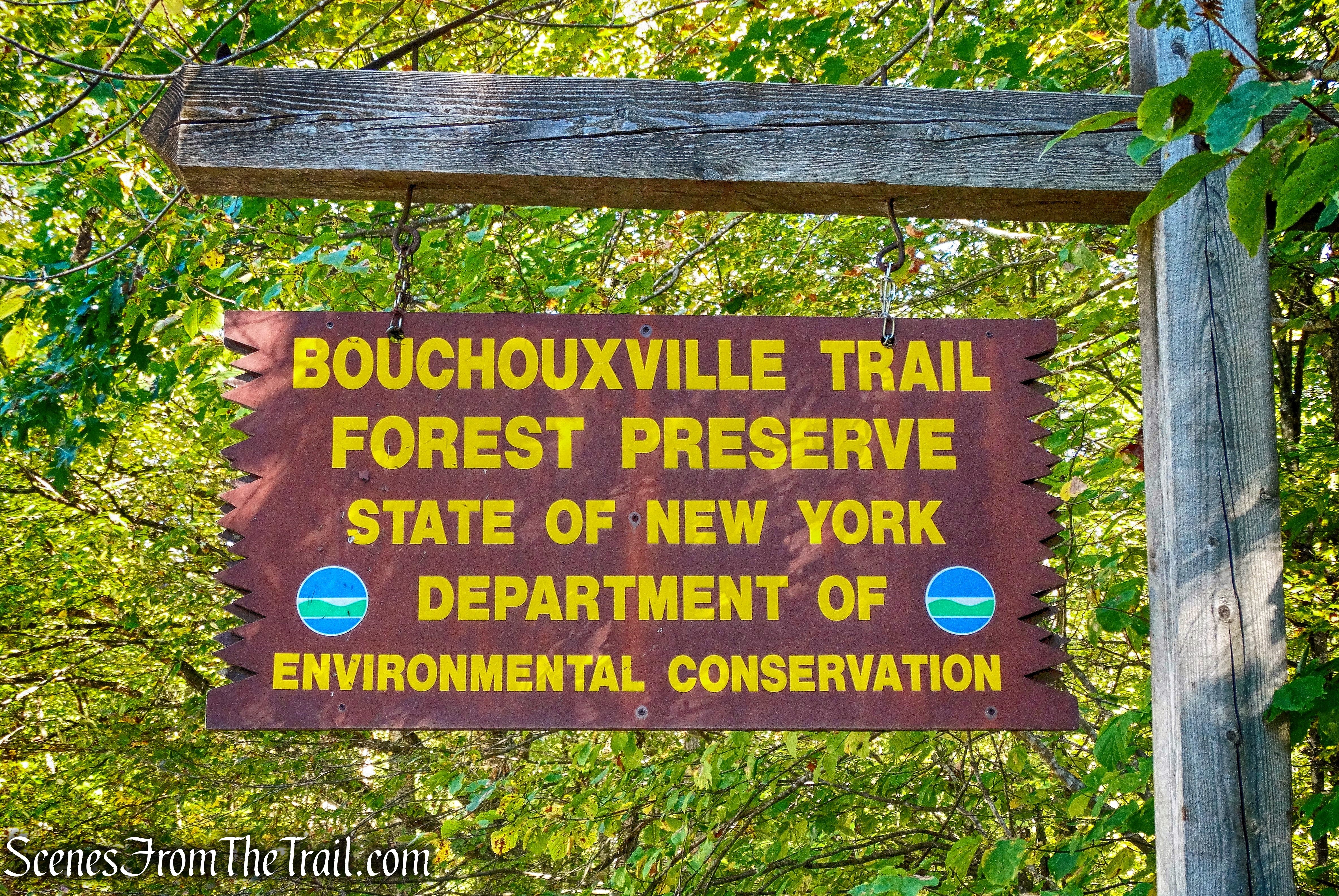
Bouchoux Trail Forest Preserve

Bouchoux Trail Forest Preserve

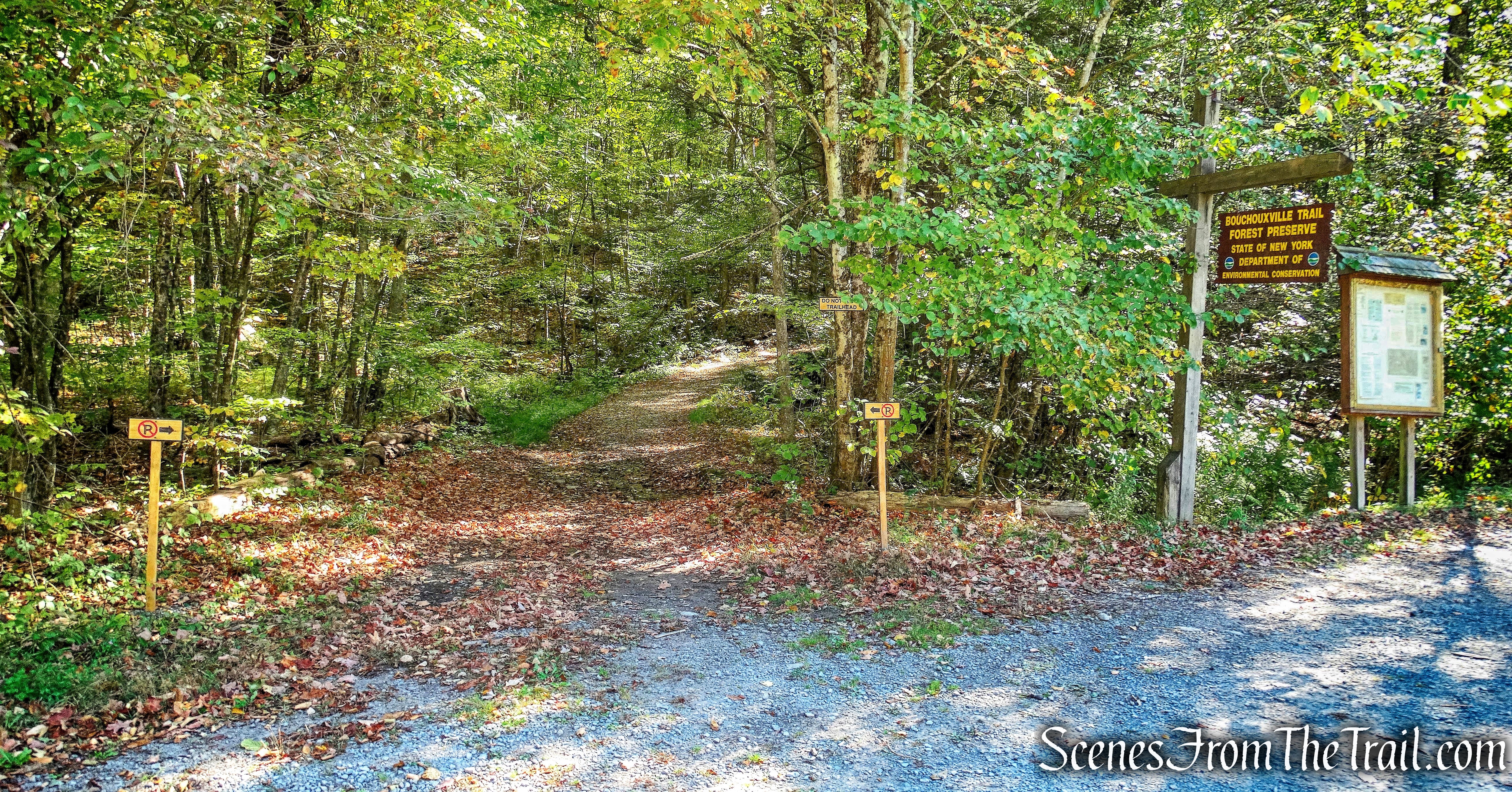
We got a late start on this Sunday morning and didn’t arrive at the trailhead until about 10:45 am after a two hour drive from Westchester County. We geared up and began our hike on the Bouchoux Trail.

Bouchoux Trail

Bouchoux Trail

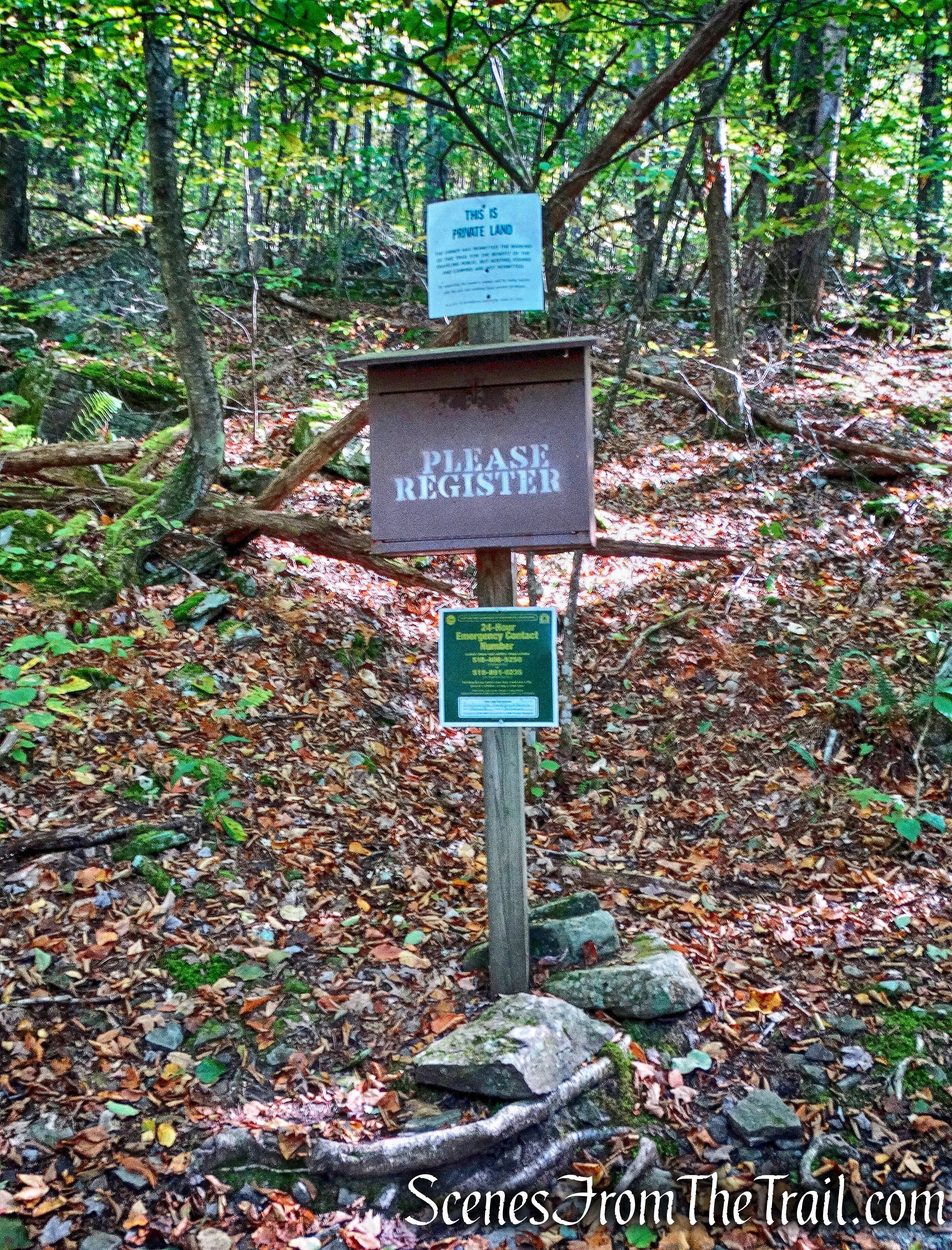
A short distance up the road is the trail register and we signed in.

trail register

trail register

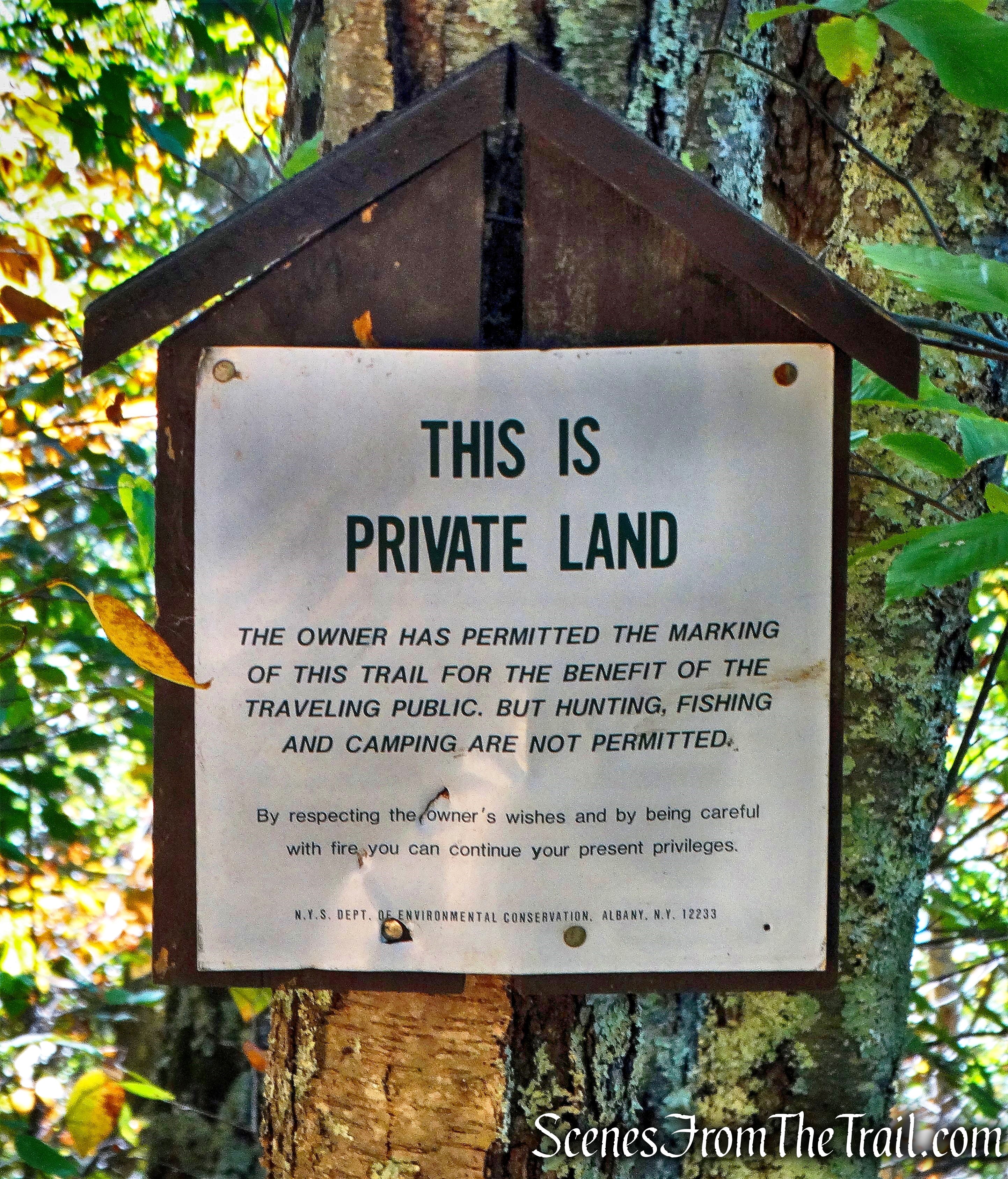
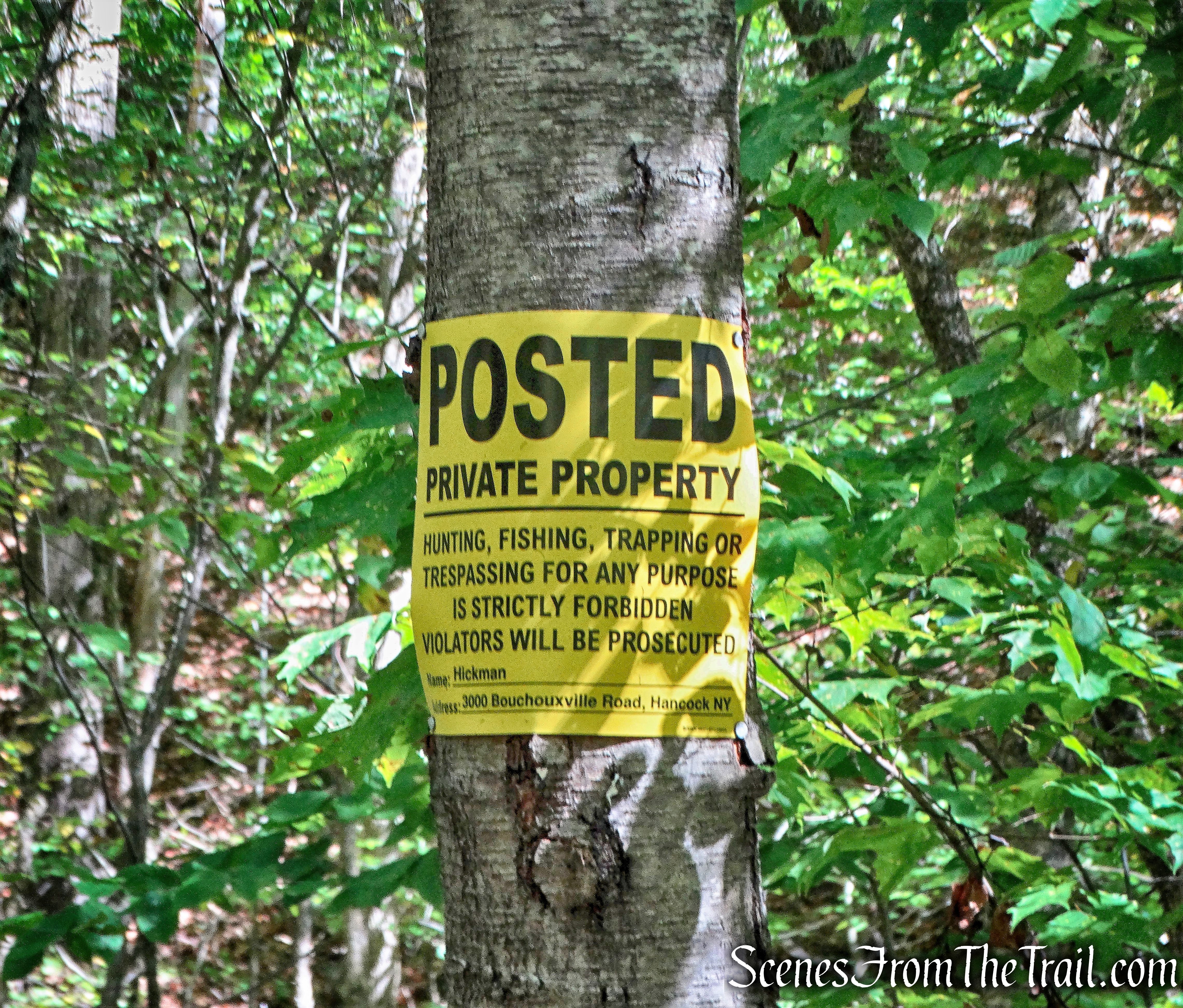
In a partnership with private landowners, this trail has been made available for public use. There are numerous “No Trespassing” and “Private Property” signs throughout the hike. Failure to adhere to these warnings may result in the trails being closed to the public and/or criminal prosecution.

Private Land sign

Private Land sign

The trail is marked with red blazes, almost all of which are faded and barely visible. The trail is easy to follow and although there are a few side trails along the way, they are posted with ‘Private Property” signs to let you know that you are in the wrong place.

faded red blaze - Bouchoux Trail

faded red blaze – Bouchoux Trail

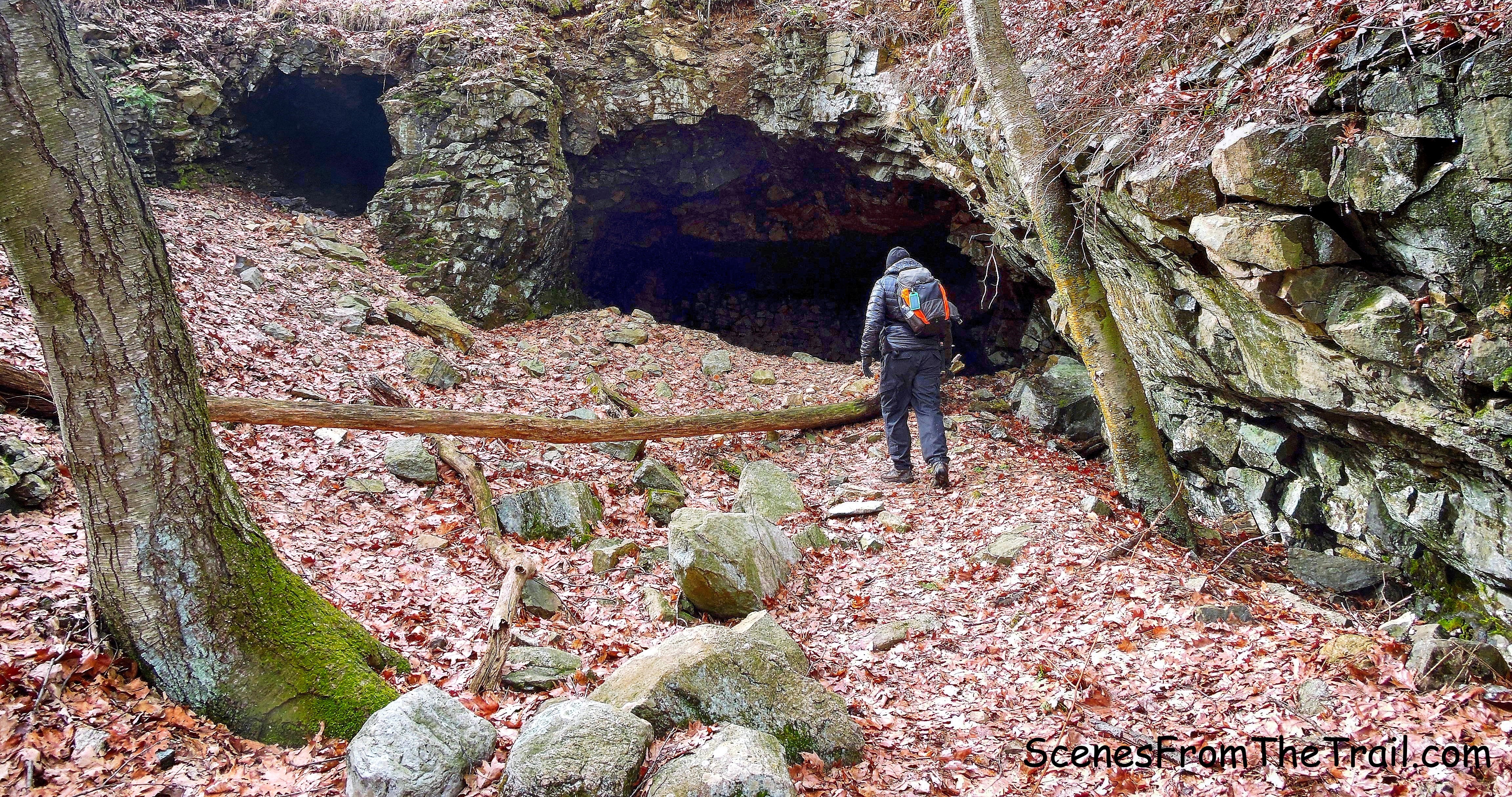
The Bouchoux Trail ascends steeply on a very rocky woods road. It’s, what is referred to as an “ankle breaker trail.” This road leads to a now-abandoned Bluestone quarry.

Bouchoux Trail

Bouchoux Trail

The woods road climbs steeply to the shoulder of Bouchoux Hill, passing some interesting rock formations along the way.

rock formation - Bouchoux Trail

rock formation – Bouchoux Trail

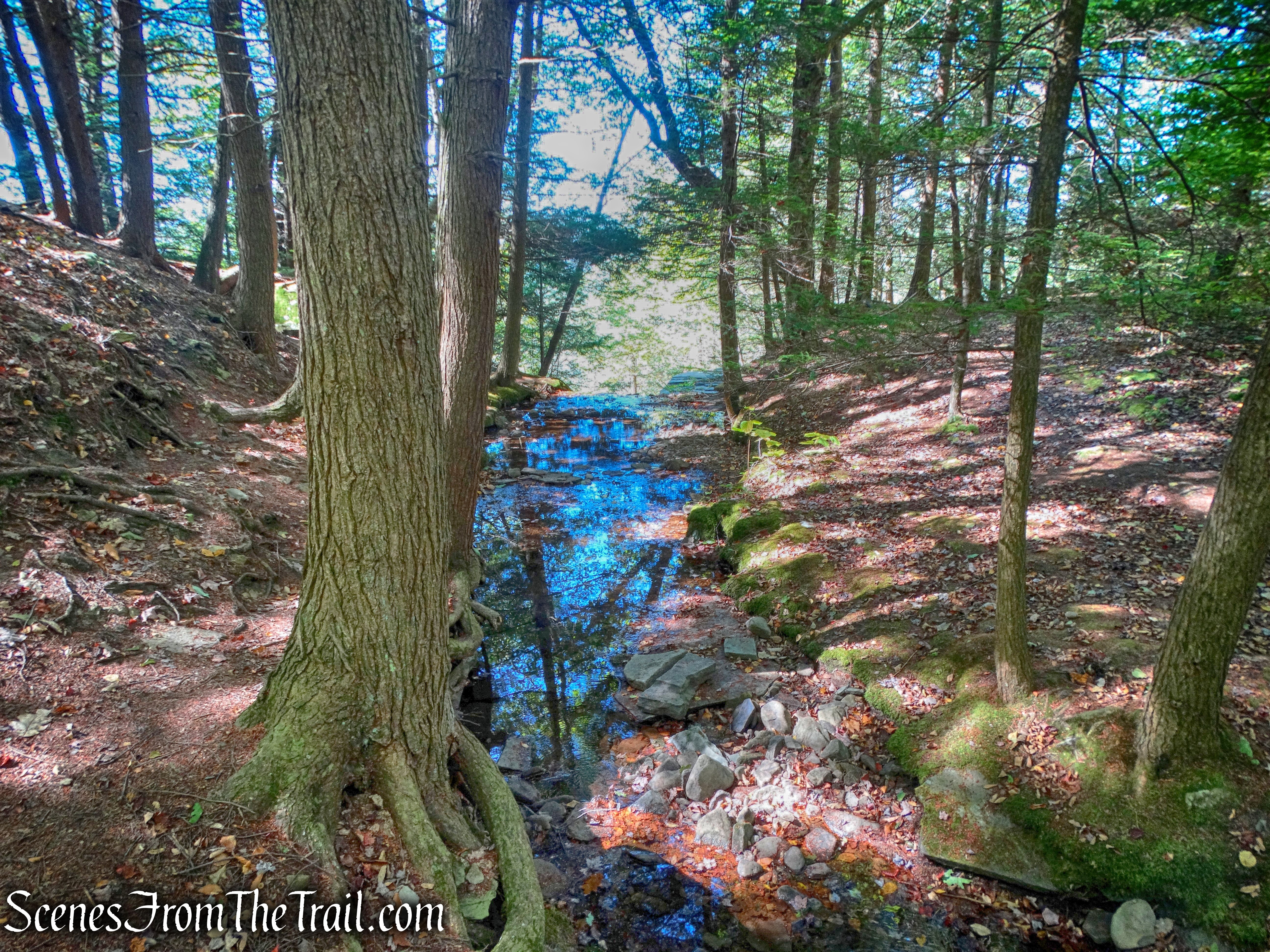
Just before a stream crossing, there is a short spur trail on the right that leads to a ledge. From there, Bouchoux Hill Falls can be viewed as it tumbles down over the cliff into the Delaware River. It was nothing more than a trickle on the day we visited. Back out to the main trail, we crossed the stream that feeds Bouchoux Hill Falls.

stream crossing - Bouchoux Trail

stream crossing – Bouchoux Trail

Upon crossing the stream, one can see where it drops off the cliff to create the waterfall.

stream crossing - Bouchoux Trail

stream crossing – Bouchoux Trail

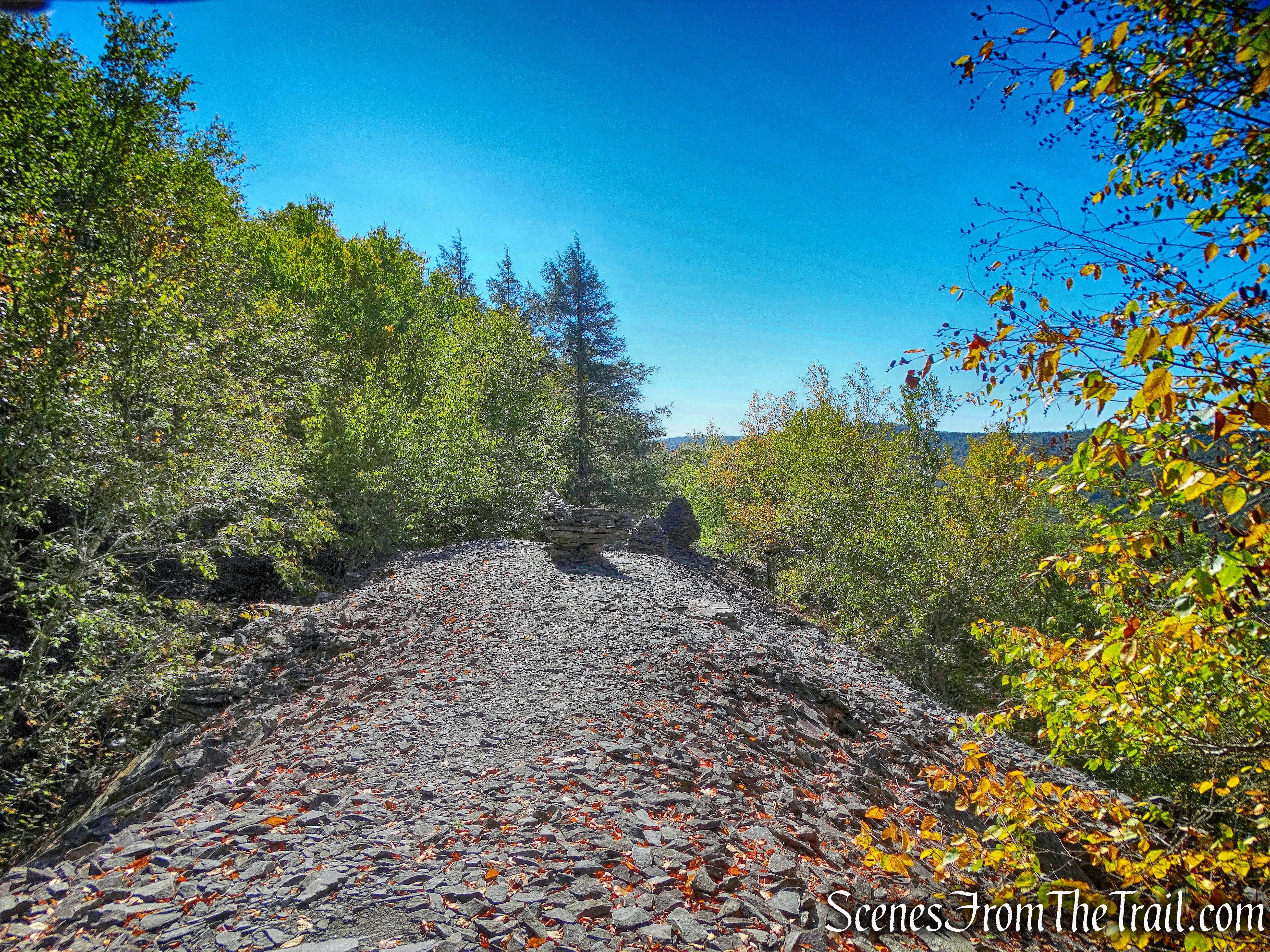
Right after the stream crossing, the Bouchoux Trail continues ahead. We took a side trail that leads to a large pile of Bluestone. Quarrying of Bluestone was once a large industry in the area.

Bluestone quarry

Bluestone quarry

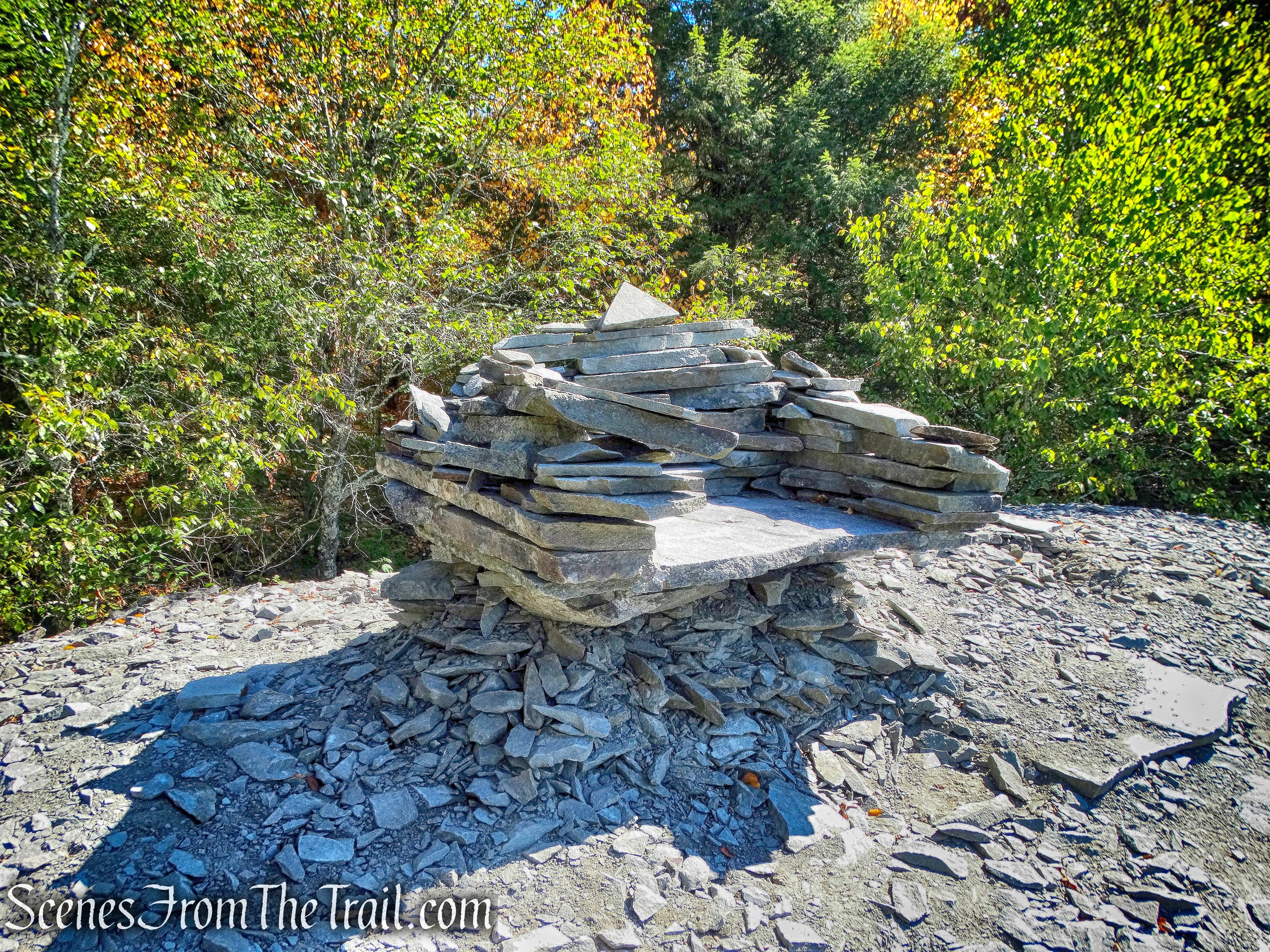
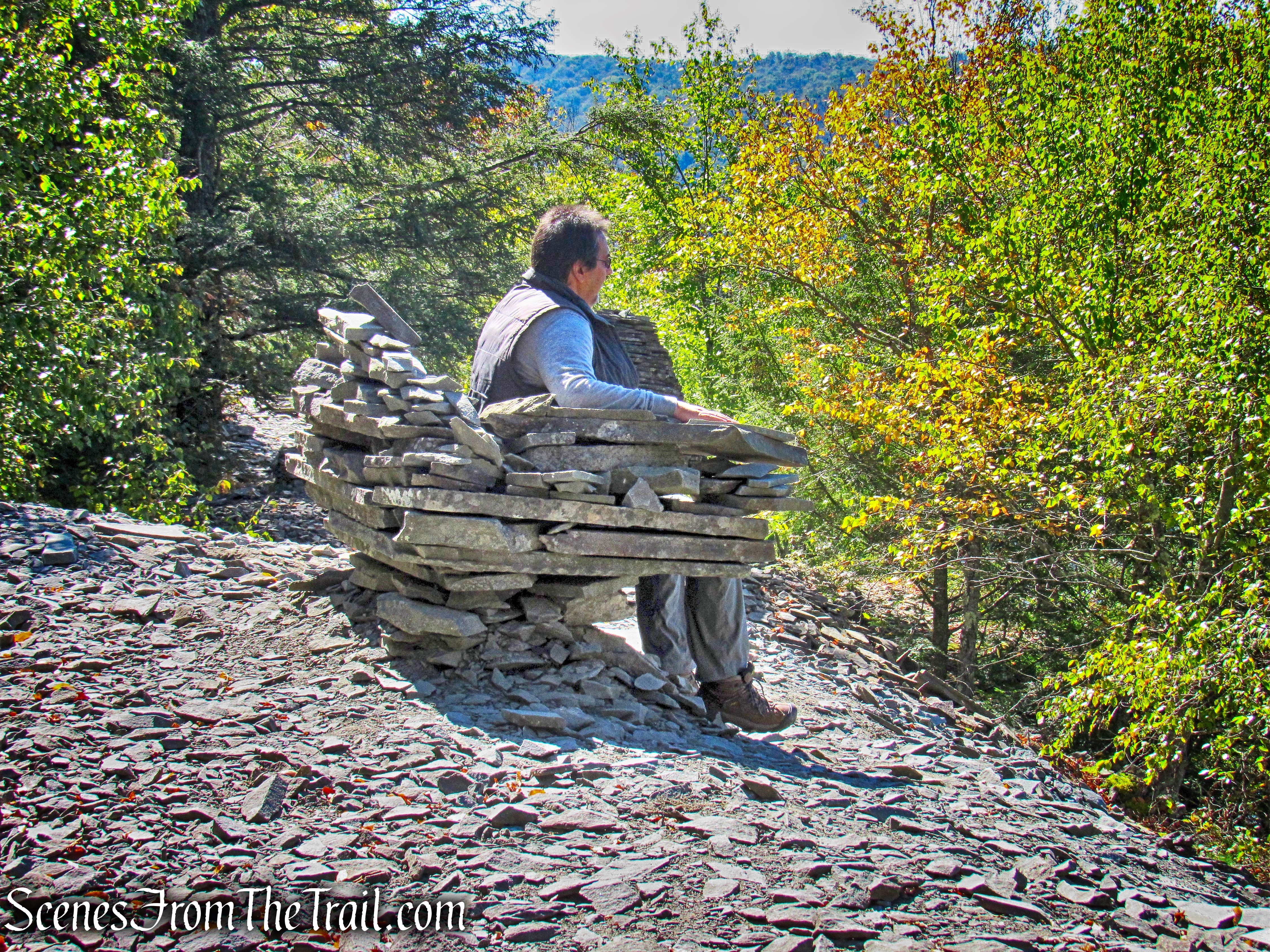
Creative hikers have built some stone furniture here, so we took a break here to enjoy the fruits of their labor.

Bluestone chair

Bluestone chair

I’m in the front row!

I'm in the front row!

I’m in the front row!

The view from the Bluestone chair wasn’t too shabby. There are steep drop-offs here with loose stones underfoot, extra care should be taken here not to lose your footing.

View from the Bluestone chair

View from the Bluestone chair

Large decorative cairns lead the way over the Bluestone.

Bluestone cairns

Bluestone cairns

Just past the cairns there is a nice chaise lounge that looks out towards the Delaware River.

stone chaise lounge

stone chaise lounge

We walked back onto the main trail and in a short distance, we arrived at Jensen’s Ledges.

Jensen's Ledges

Jensen’s Ledges

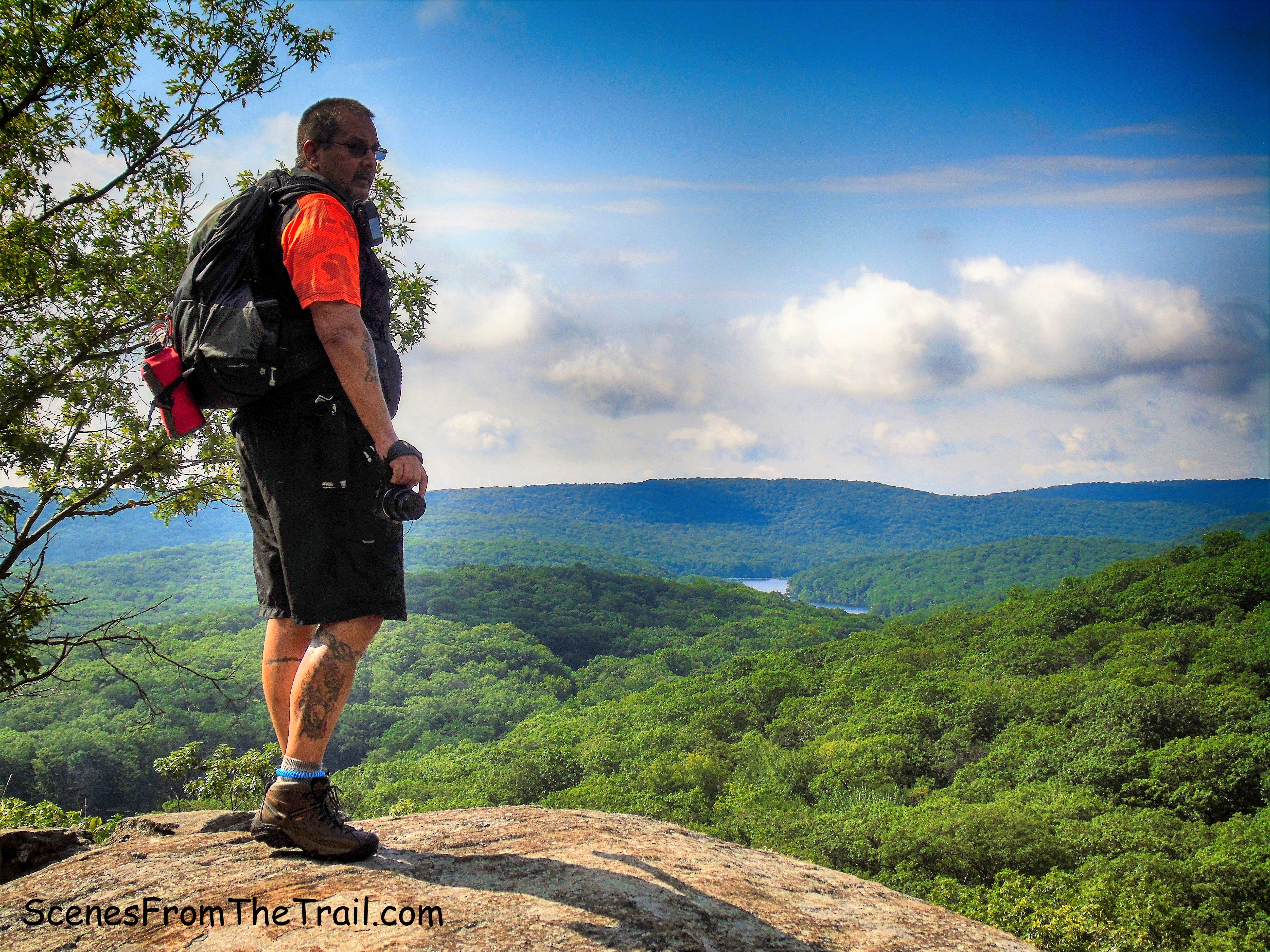
The view from here makes it worth the trek up that ankle breaker trail.

Jensen's Ledges

Jensen’s Ledges

We stayed at this spot for quite some time enjoying the view. This is a popular spot and we were not alone up there, but still a great spot.

Jensen's Ledges

Jensen’s Ledges

We made our way back down the woods road to the parking area, where our hike began.

Bouchoux Trail

Bouchoux Trail

While sitting on a rock, relaxing and having a snack, I saw what looked like a trailhead at the southern end of the parking area.

Bouchoux Brook Trail Extension

Bouchoux Brook Trail Extension

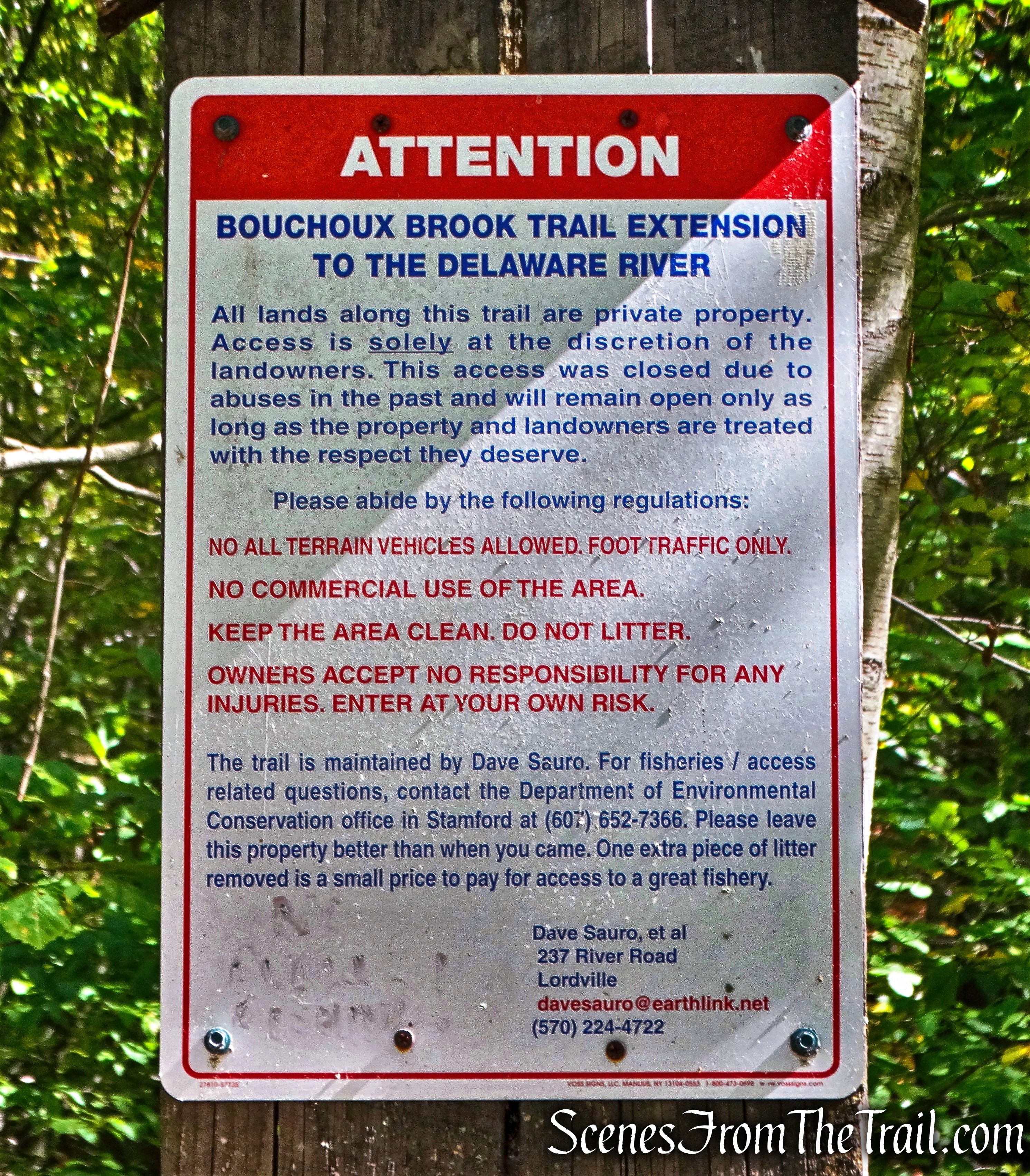
Getting a closer look at the sign, I read that it is the Bouchoux Brook Trail Extension. I don’t know where the Bouchoux Brook Trail is, but since we were already there, I figured we would walk this trail to the Delaware River.

Bouchoux Brook Trail Extension

Bouchoux Brook Trail Extension

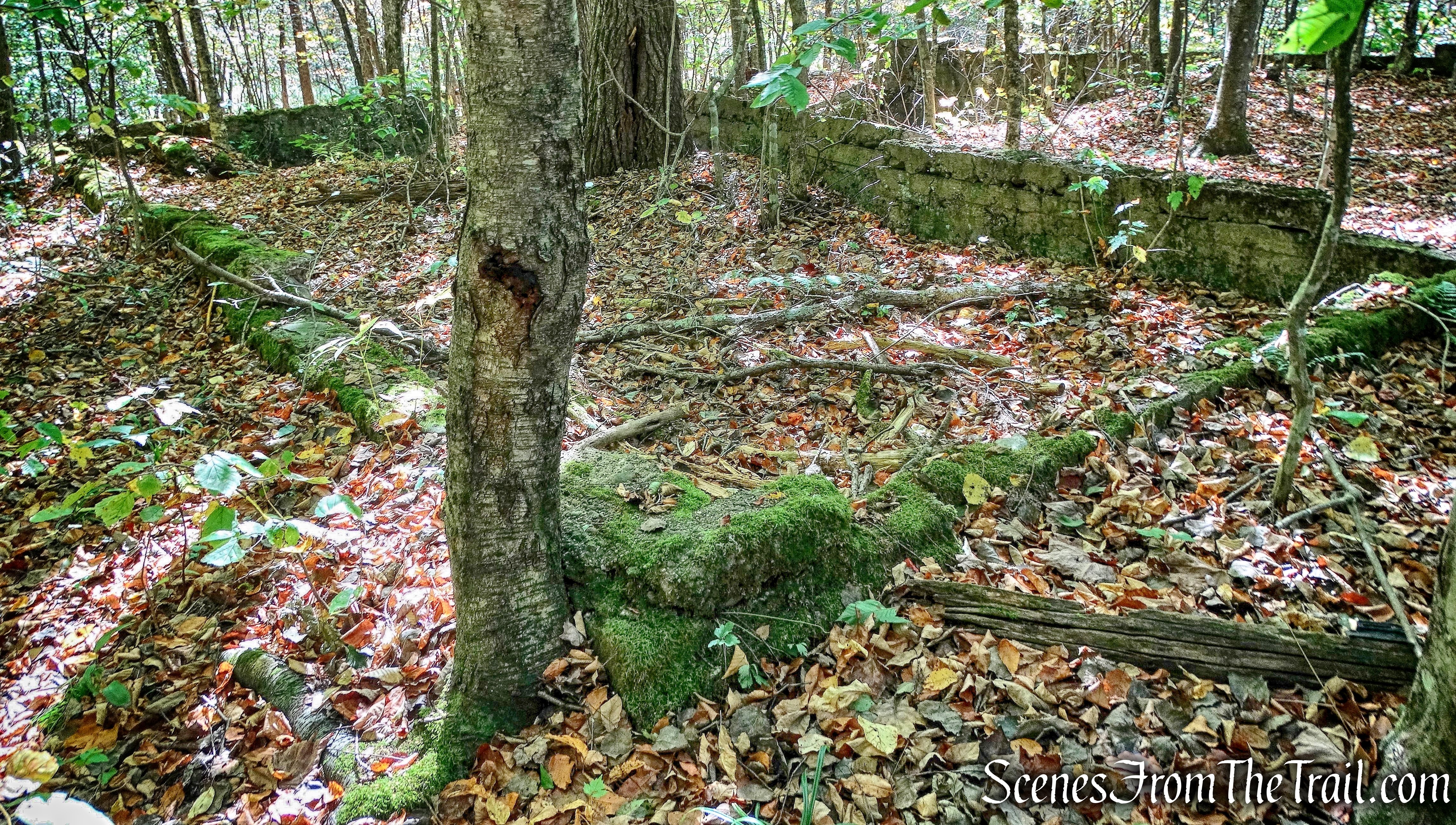
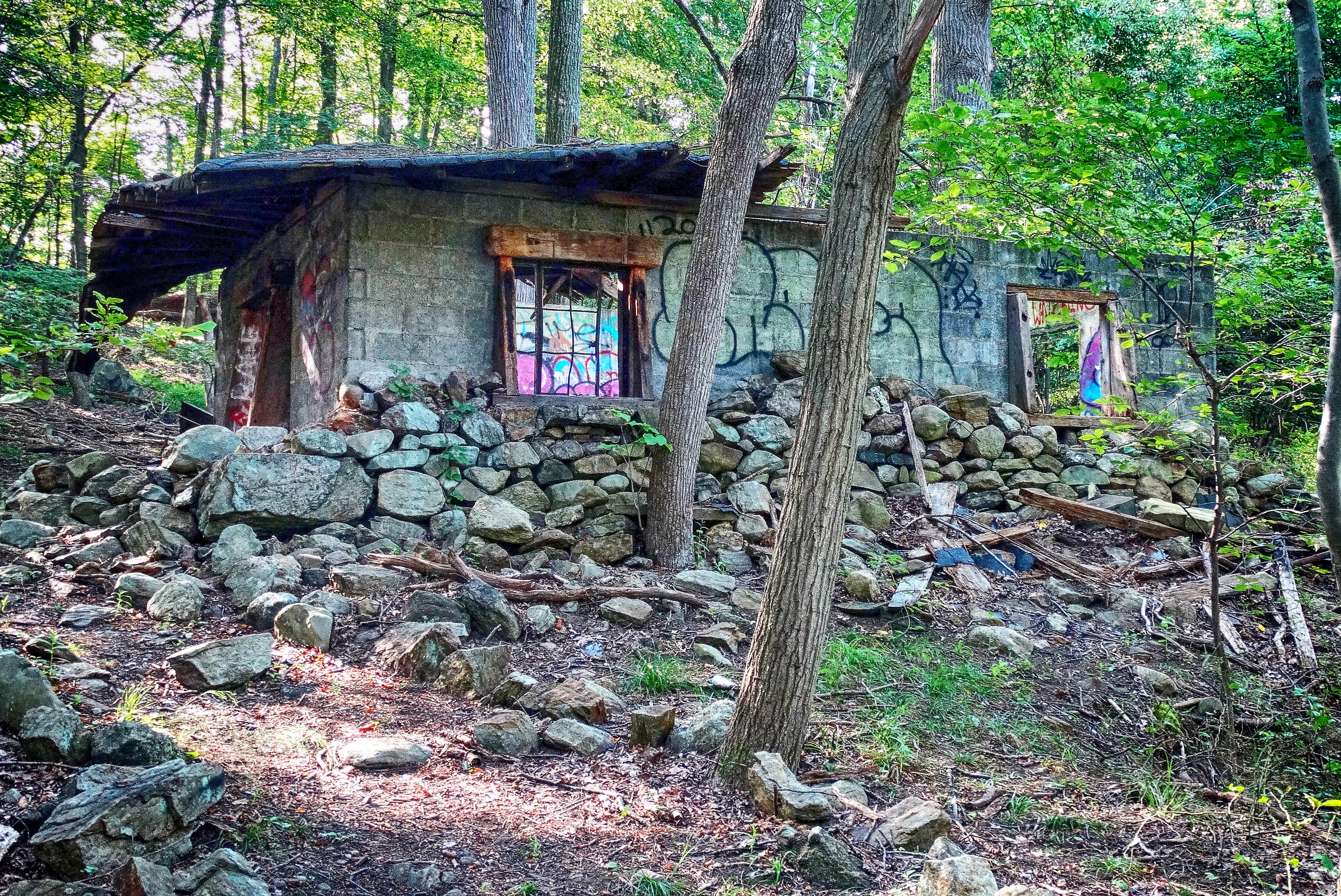
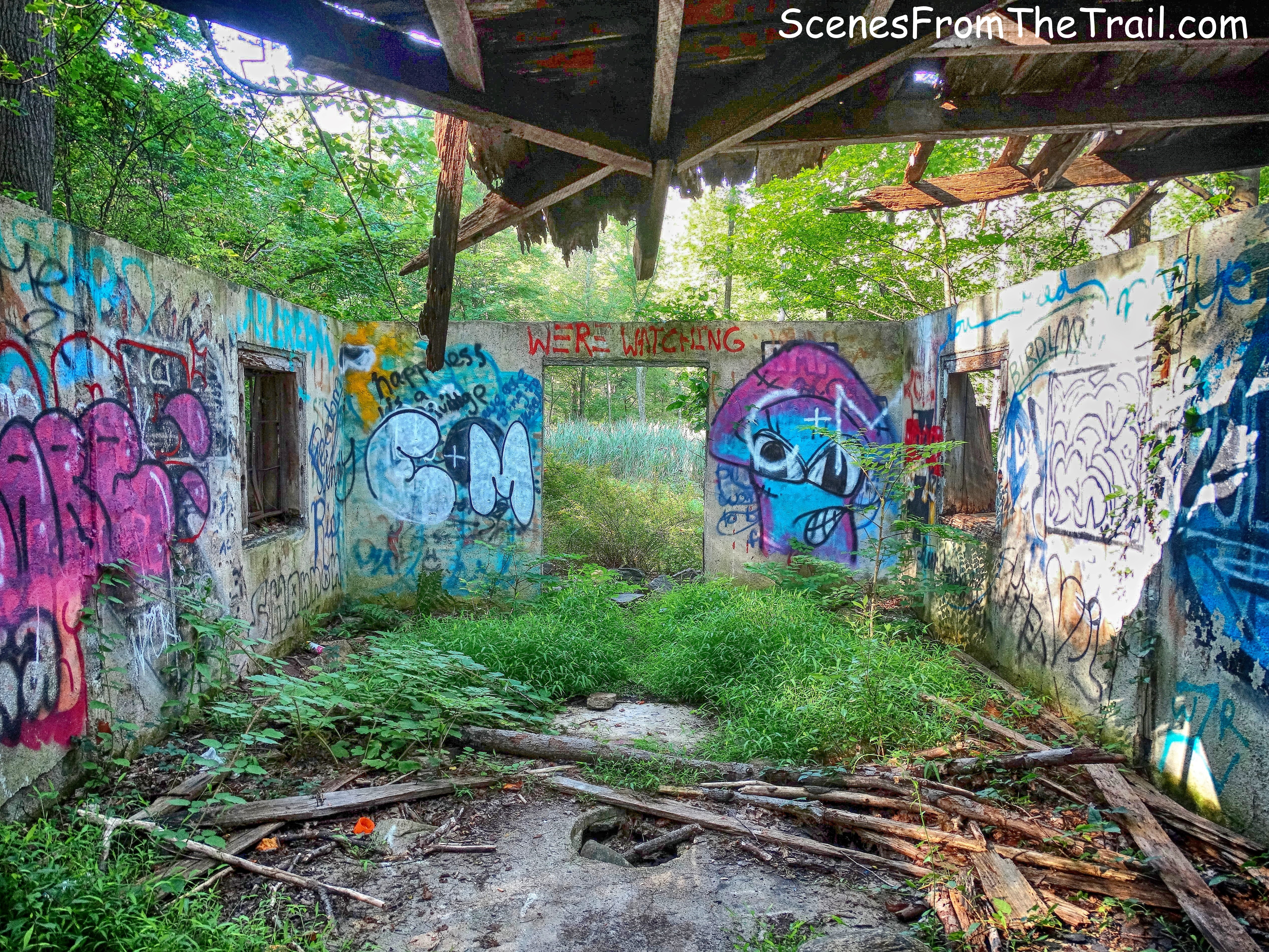
Almost immediately upon entering the trail, there are remnants of a large multi-room structure.

ruins - Bouchoux Brook Trail Extension

ruins – Bouchoux Brook Trail Extension

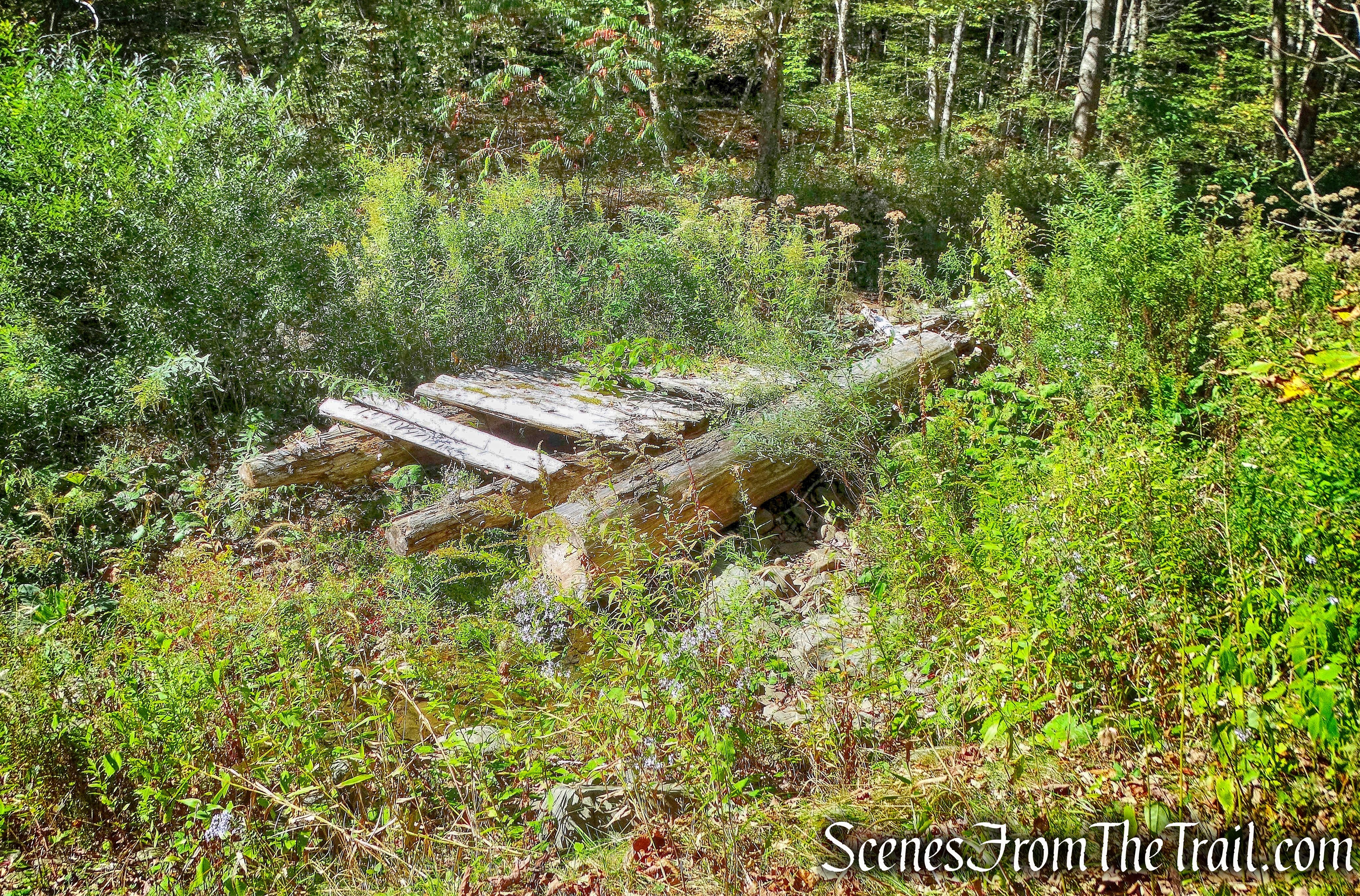
The ruins of an old wooden bridge that used to span Bouchoux Brook is visible from the trail.

wooden bridge ruins - Bouchoux Brook Trail Extension

wooden bridge ruins – Bouchoux Brook Trail Extension

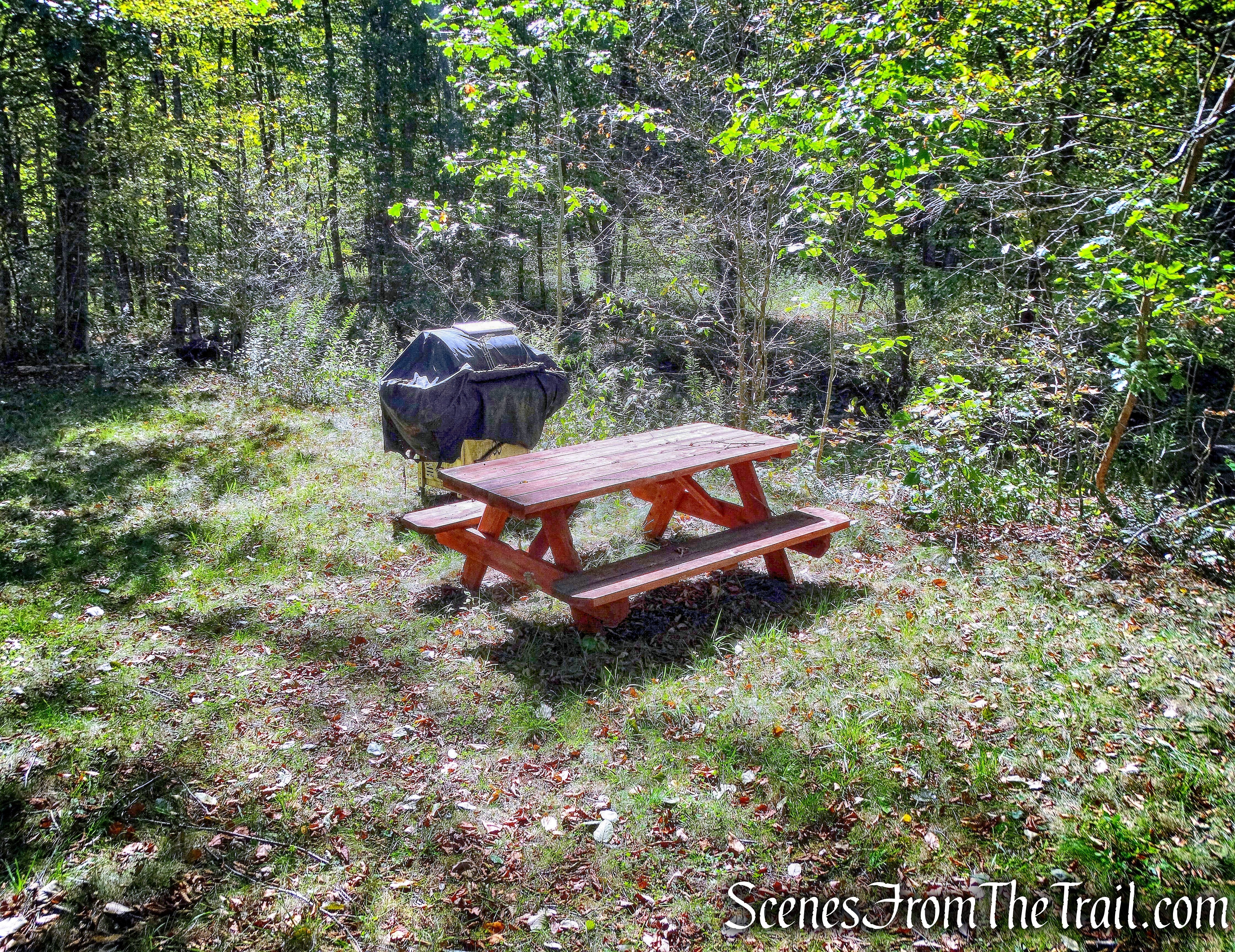
The trail passes by a picnic table and a grill…….

picnic table and a grill - Bouchoux Brook Trail Extension

picnic table and a grill – Bouchoux Brook Trail Extension

and plenty of signs on either side of the trail to keep you on your toes.

warning sign - Bouchoux Brook Trail Extension

warning sign – Bouchoux Brook Trail Extension

These signs are intended to keep hikers from straying off the trail.

warning sign - Bouchoux Brook Trail Extension

warning sign – Bouchoux Brook Trail Extension

The wide woods road heads south through private lands.

Bouchoux Brook Trail Extension

Bouchoux Brook Trail Extension

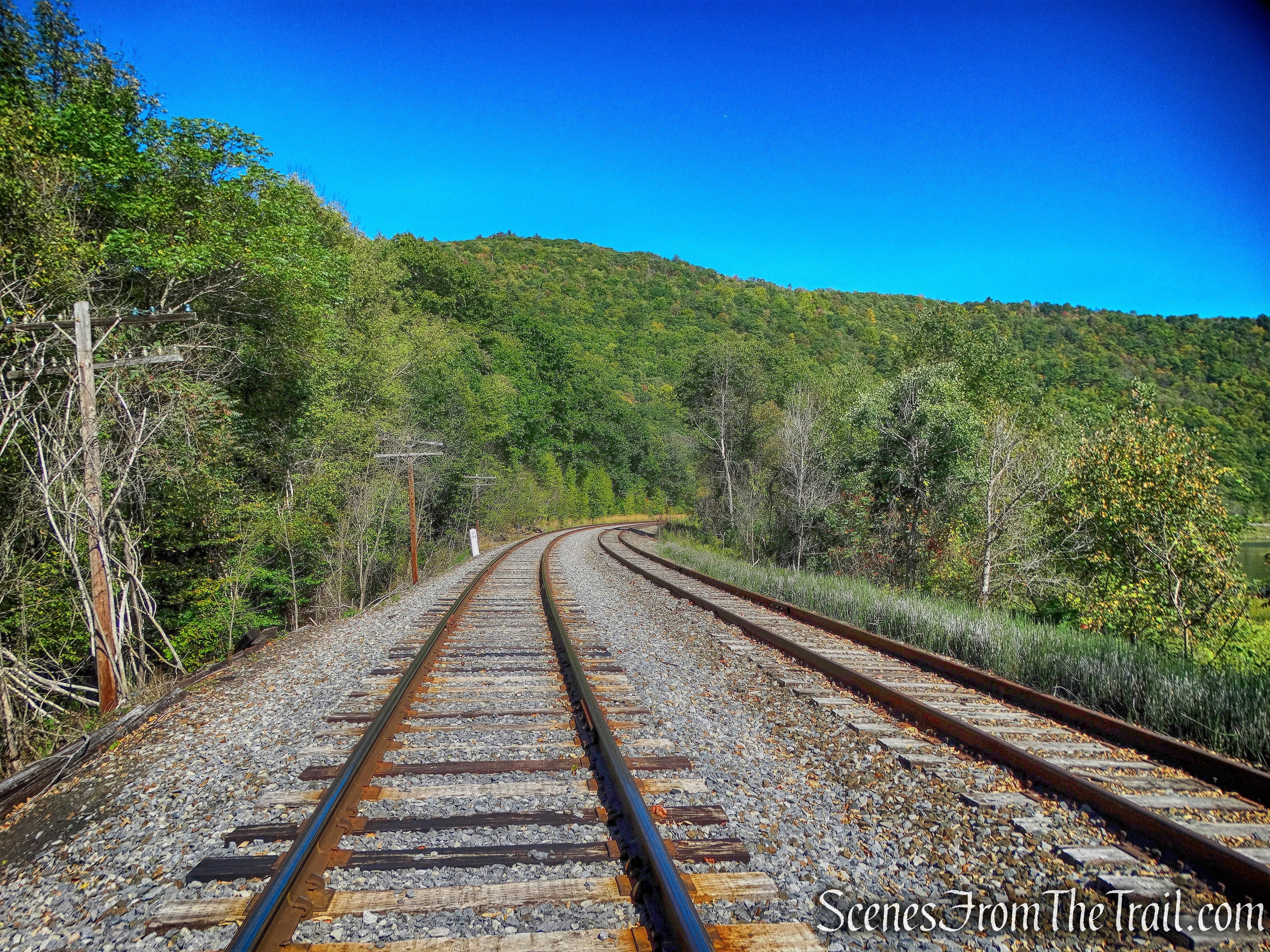
The Bouchoux Brook Trail Extension leads to the railroad tracks, which is active. I was able to capture this image of Bouchoux Hill from the tracks.

Bouchoux Hill as viewed from the tracks.

Bouchoux Hill as viewed from the tracks.

There wasn’t much to see unless you walk up or down the tracks. We had two other hikes to do, so I returned to the trail and we retraced our steps on the Bouchoux Brook Trail Extension back to the parking area.

Bouchoux Brook Trail Extension

Bouchoux Brook Trail Extension

What a great hike in such a picturesque area. I had never heard of this place before, but I am glad that we found our way here. Hike one of six now in the books towards a free patch. Now we were off to hike the Damascus Forest Trail, so stay tuned.

Pros: Great views, beautiful area, waterfall (when active), stone furniture, Delaware River.

Cons: Ankle breaker trail, sign, signs, everywhere there’s signs.

Bouchoux Trail - Jensen's Ledges

Bouchoux Trail – Jensen’s Ledges

Fergusons Lake from Bedford Road – Rockefeller State Park Preserve

September 30, 2017 – Pocantico Hills, NY

Difficulty: Easy

Length: approximately 5 miles

Route type: Circuit

Map: Rockefeller State Park Preserve map

Trailhead parking: Union Church of Pocantico Hills – 555 Bedford Rd, Tarrytown, NY 10591


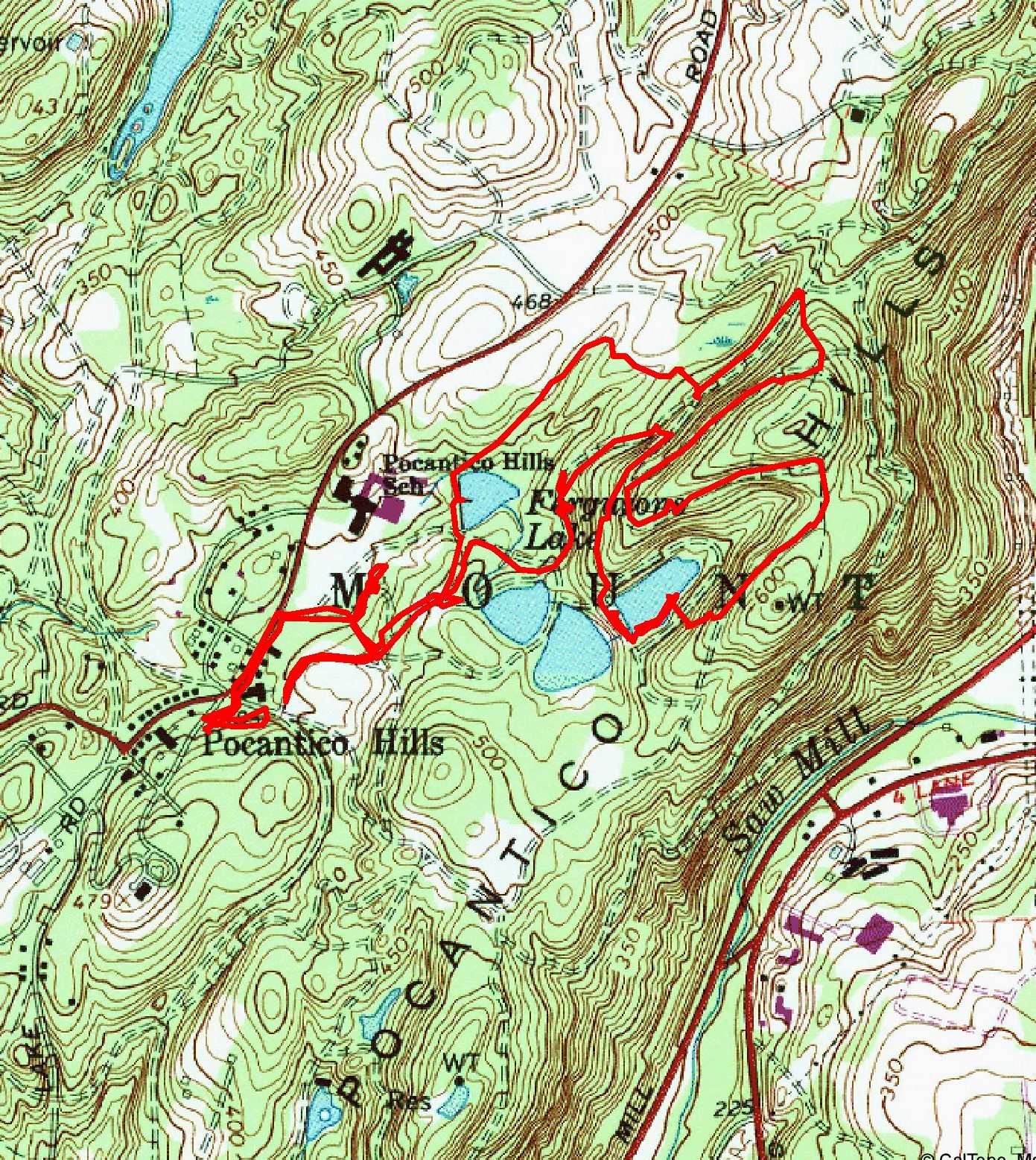
I had a few hours to kill and decided to take a walk up in Rockefeller’s. Growing up in the area, we used explore the 1,400-acre park all the time. Just recently I have begun to explore the area east of Bedford Road (NY 448). It was a spur of the moment thing and I didn’t bother with a map. I did have my GPS device, but it was mostly to record a track of the hike.

Ferguson Lake from Bedford Road - Rockefeller State Park Preserve

Ferguson Lake from Bedford Road – Rockefeller State Park Preserve

There is a trailhead at the southern end of the parking area at Union Church of Pocantico Hills so we parked there and began our hike. The Rockefeller carriage roads are always a pleasure to walk on.

Rockefeller State Park Preserve

Rockefeller State Park Preserve

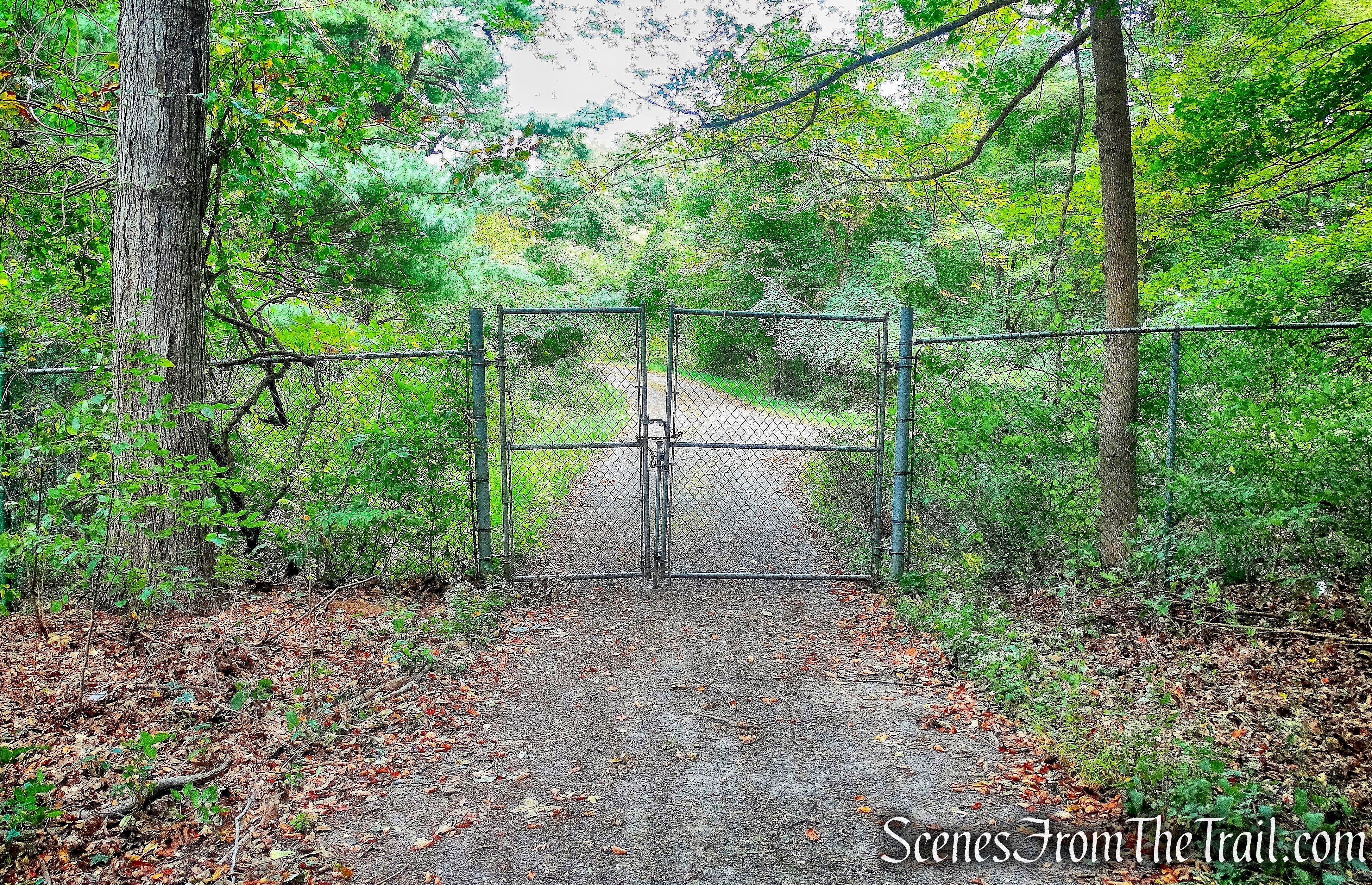
Except when you come to a locked gate.

Locked gate

Locked gate

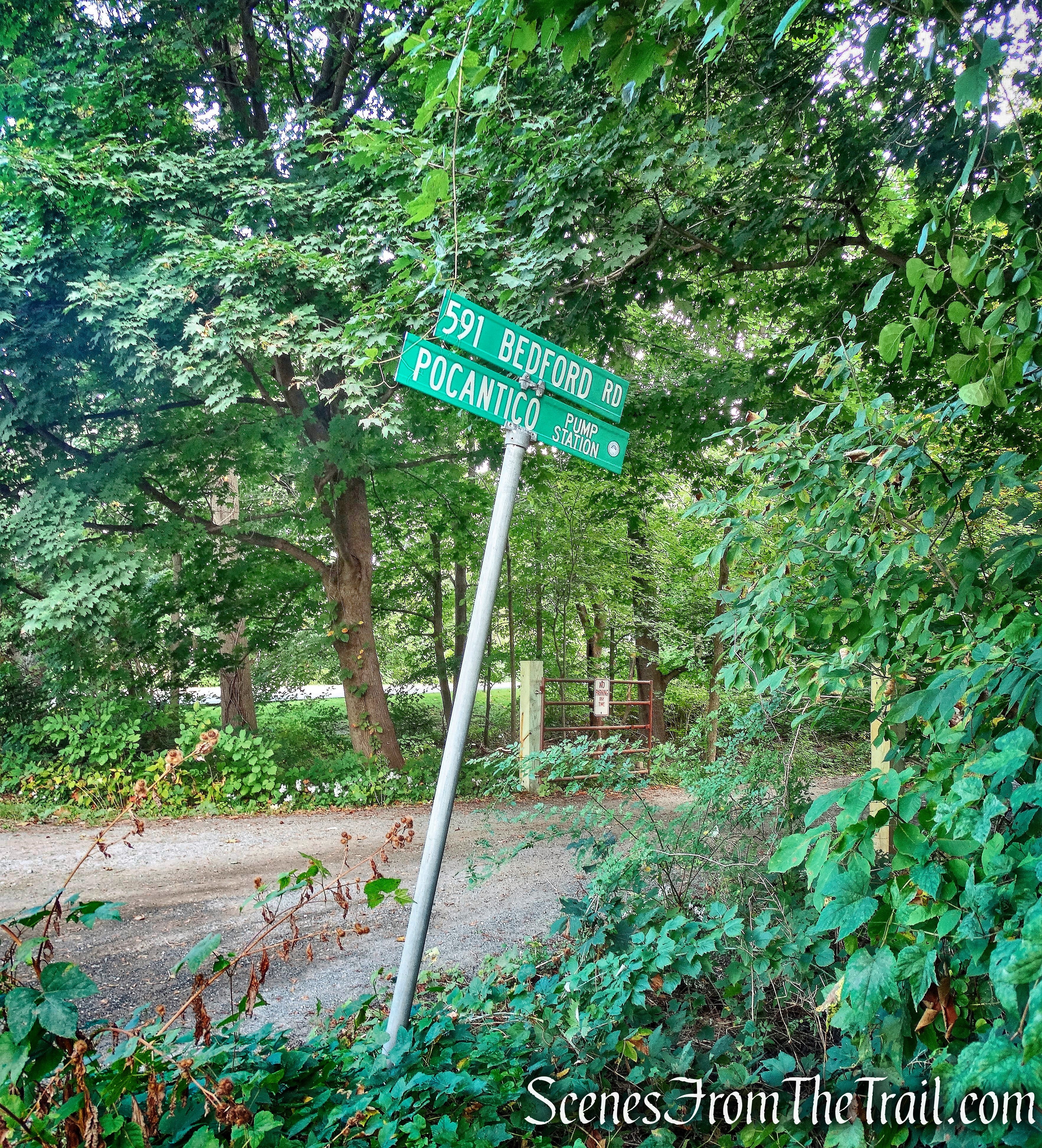
In my younger years, I wouldn’t have hesitated climbing the fence and continuing on my way. Well, that was a short hike! Not to be deterred, we turned around and walked north a short distance along Bedford Road and made a right at 591 Bedford Road. It’s just before the entrance to the school.

591 Bedford Road

591 Bedford Road

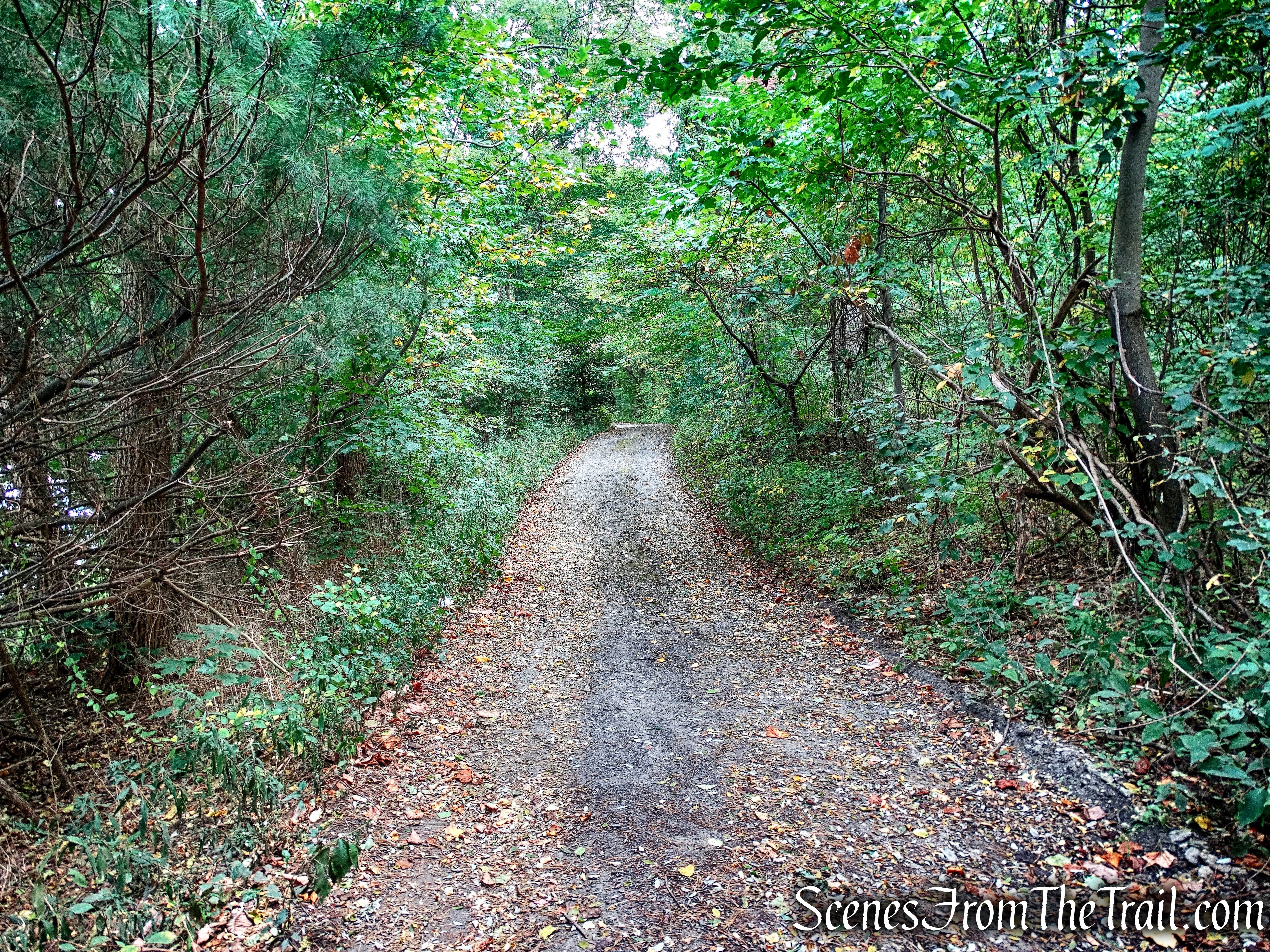
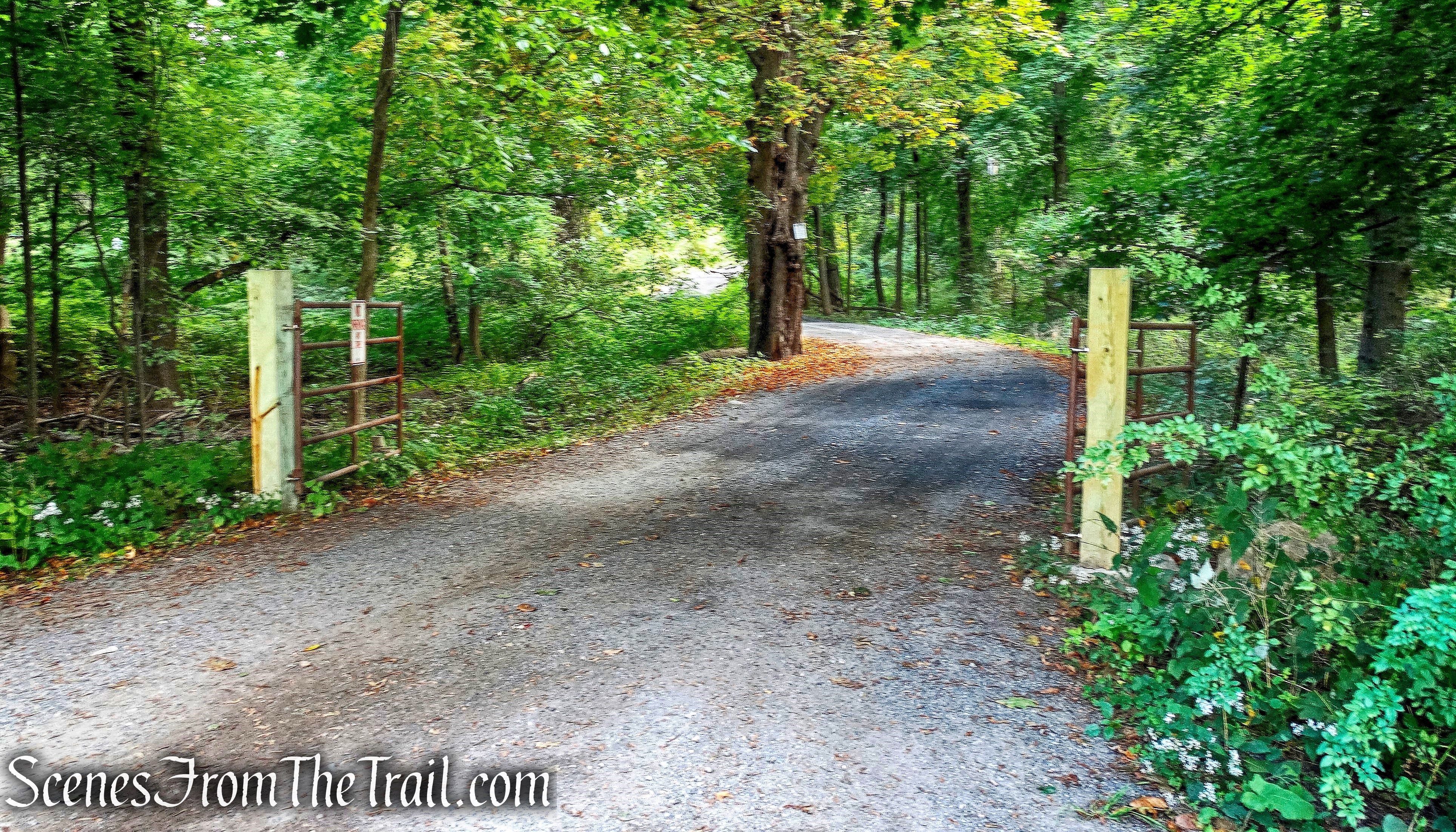
There is a gravel road with a gate at the entrance. The gate was open and we began our hike…..again.

591 Bedford Road

591 Bedford Road

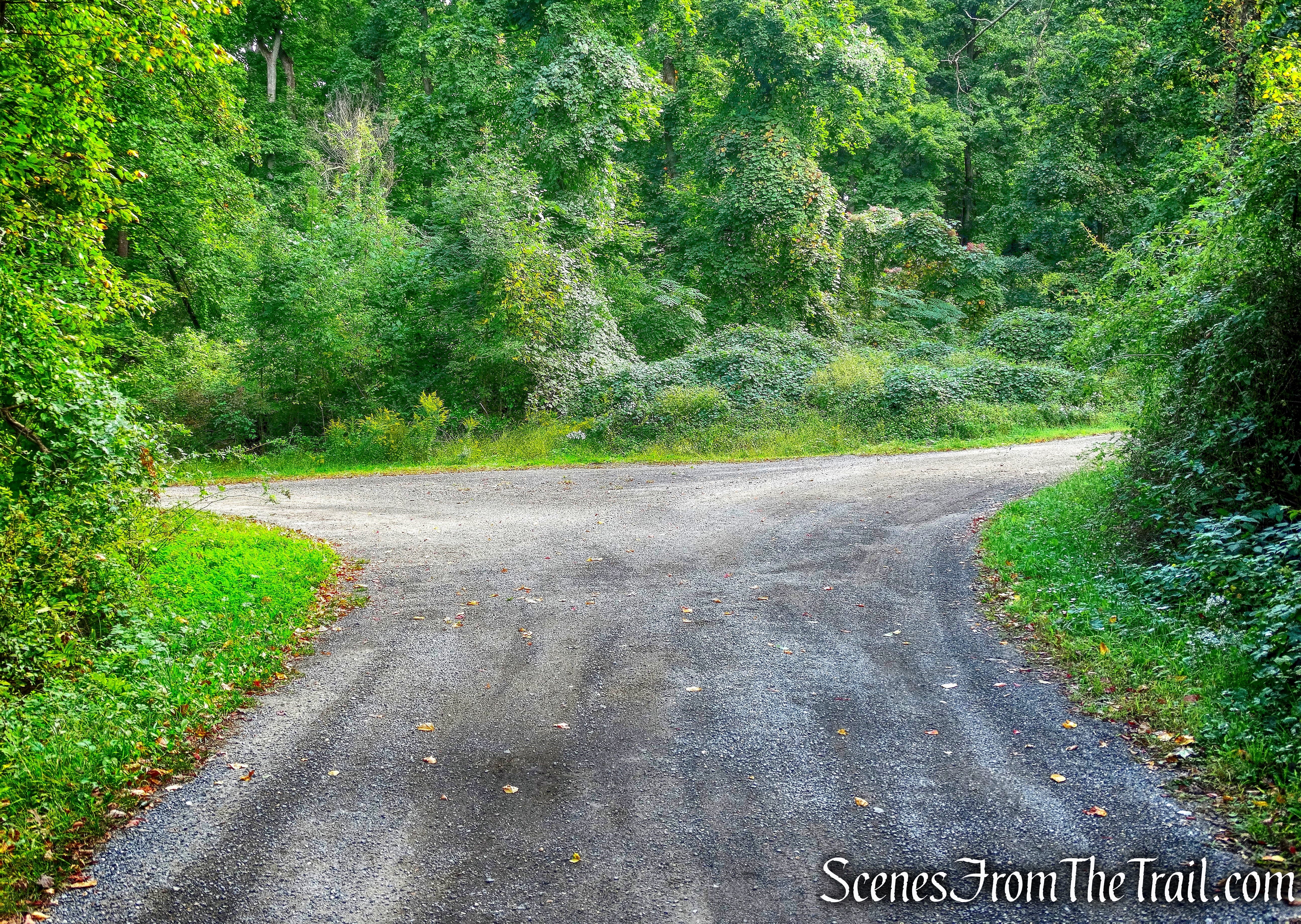
We followed the gravel road until we came to a T-intersection and turned right.

T-intersection

T-intersection

We reached a a four way intersection and turned left and walked past a locked gate.

Locked gate

Locked gate

We then reached a fork and veered right. In a short distance, we were met with yet another locked gate.

Locked gate

Locked gate

This road leads to one of the reservoirs on the Rockefeller’s property.

Locked gate

Locked gate

There are four lakes/reservoirs that are in close proximity to each other. Three of them are named Fergusons Lake, for George Ferguson, who had four large icehouses on the lake west of the Pocantico Hills Central School.

Fergusons Lake

Fergusons Lake

We retraced our steps and took the other fork. In a short distance, we came to another fork and stayed left and came to another Fergusons Lake.

Fergusons Lake

Fergusons Lake

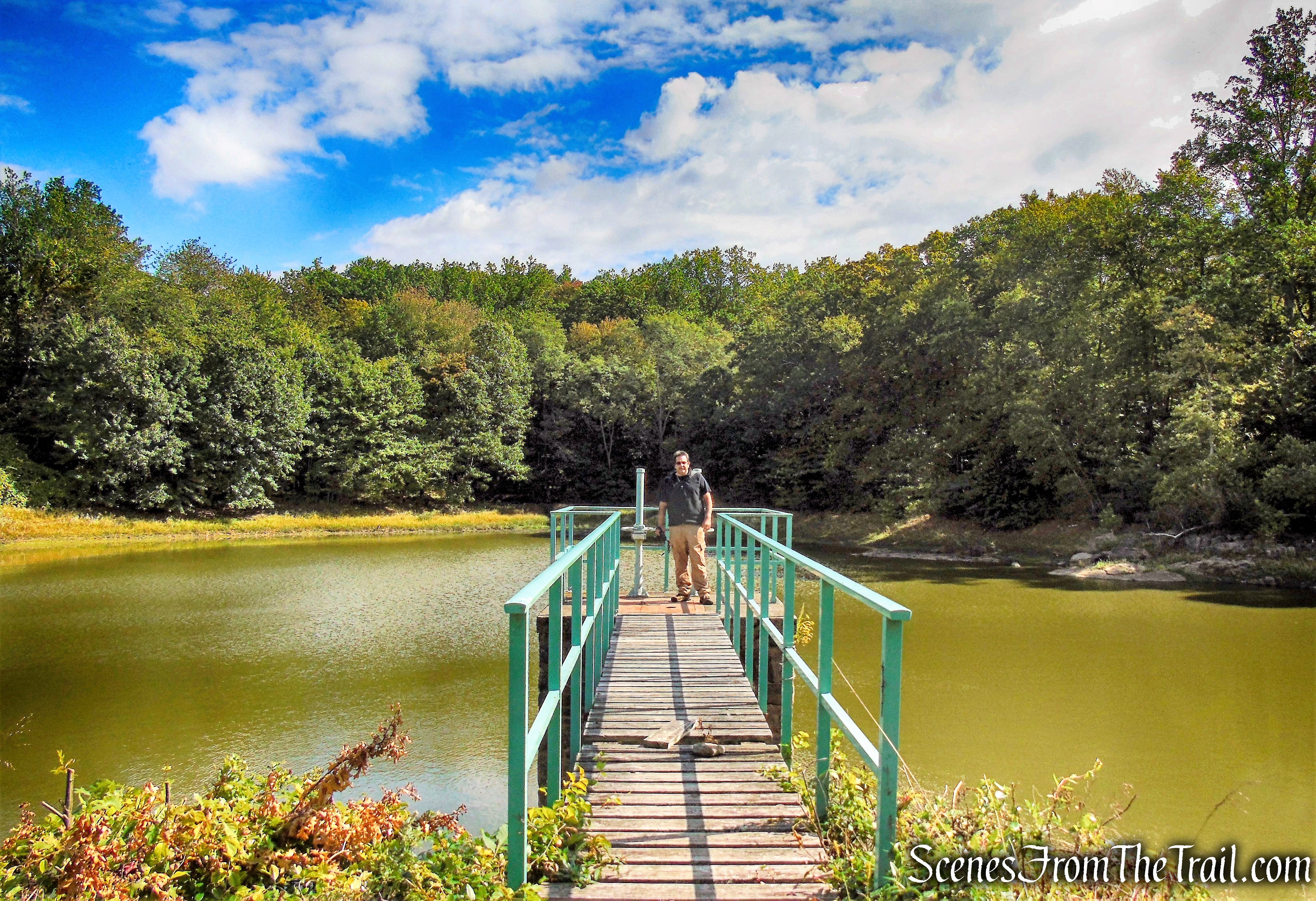
I’ve been to this spot several times and I have always walked the plank.

Fergusons Lake

Fergusons Lake

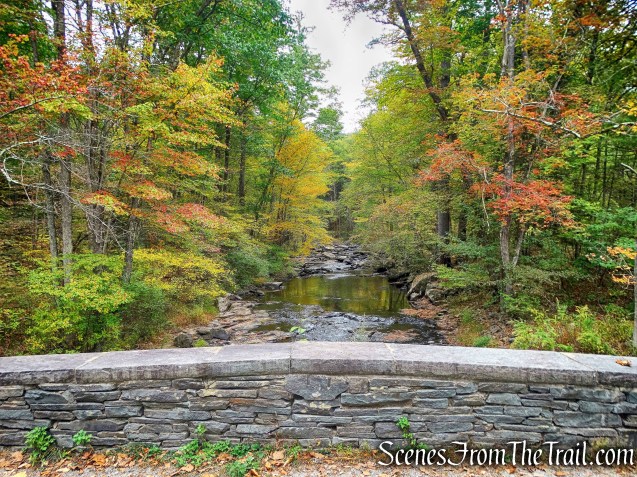
We then crossed a wooden bridge that spans Rockefeller Brook.

wooden bridge

wooden bridge

The most notable feature of the Preserve is the network of carriage roads built by John D. Rockefeller Jr. He began the construction of these broken stone roads in 1910.

carriage road

carriage road

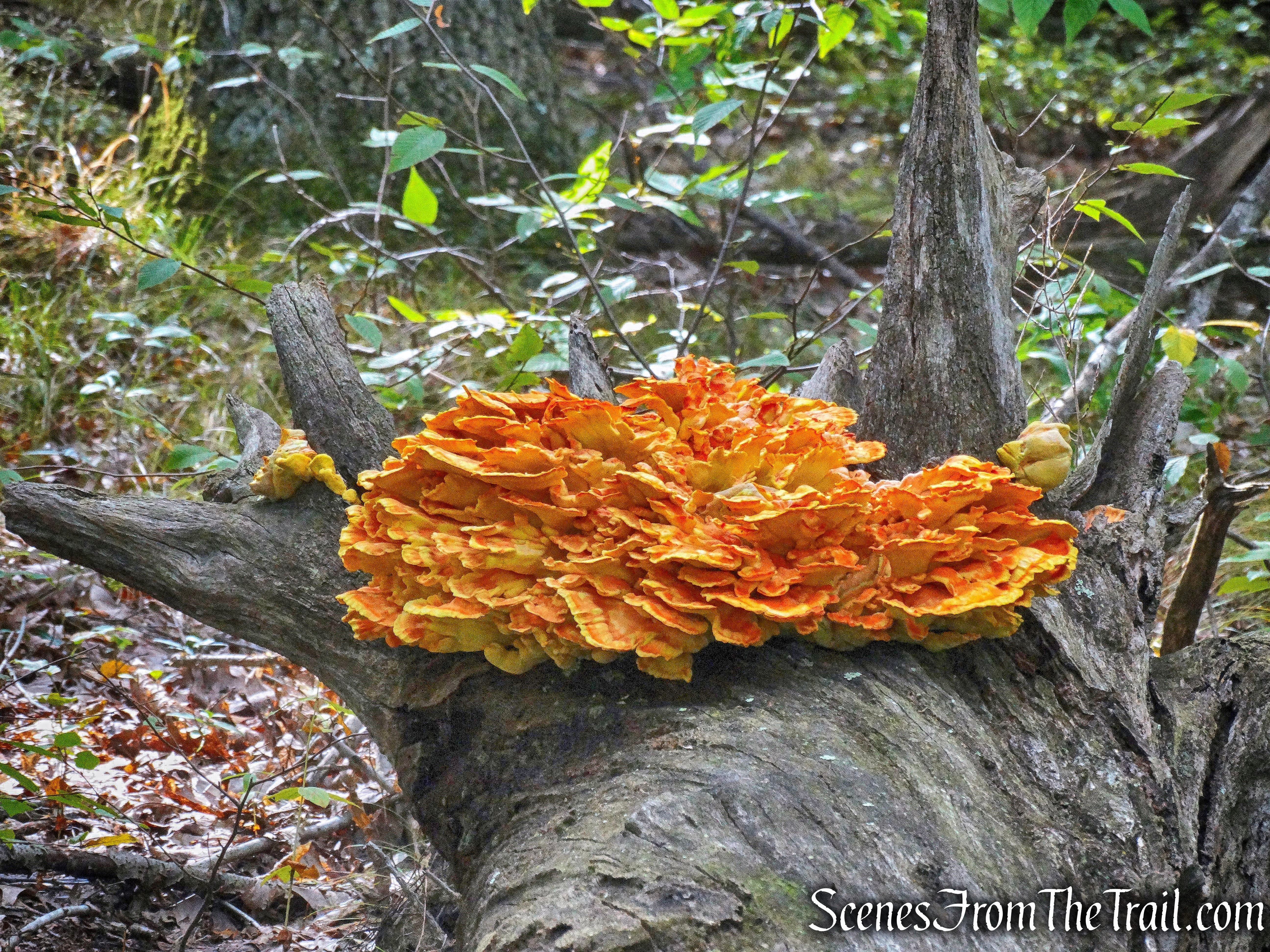
Since this wasn’t a designed hike, we just wandered around and took the path that seemed less familiar. The woods were quiet and except for a pair of runners and walkers, we didn’t encounter anyone else on our hike. We did see some chicken of the woods.

chicken of the woods

chicken of the woods

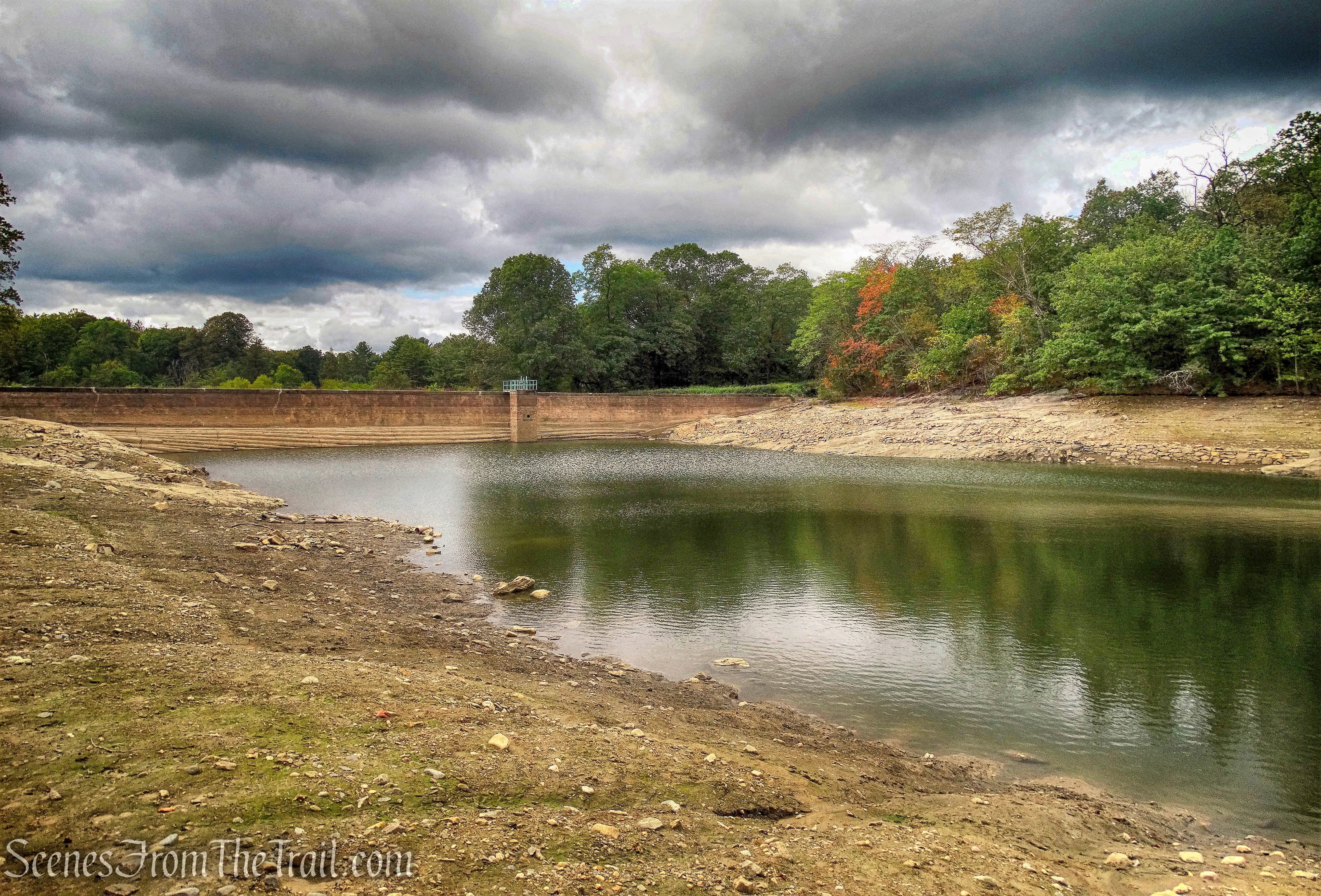
We ended up at the easternmost Fergusons Lake and the water was lower than the last time I visited.

easternmost Fergusons Lake

easternmost Fergusons Lake

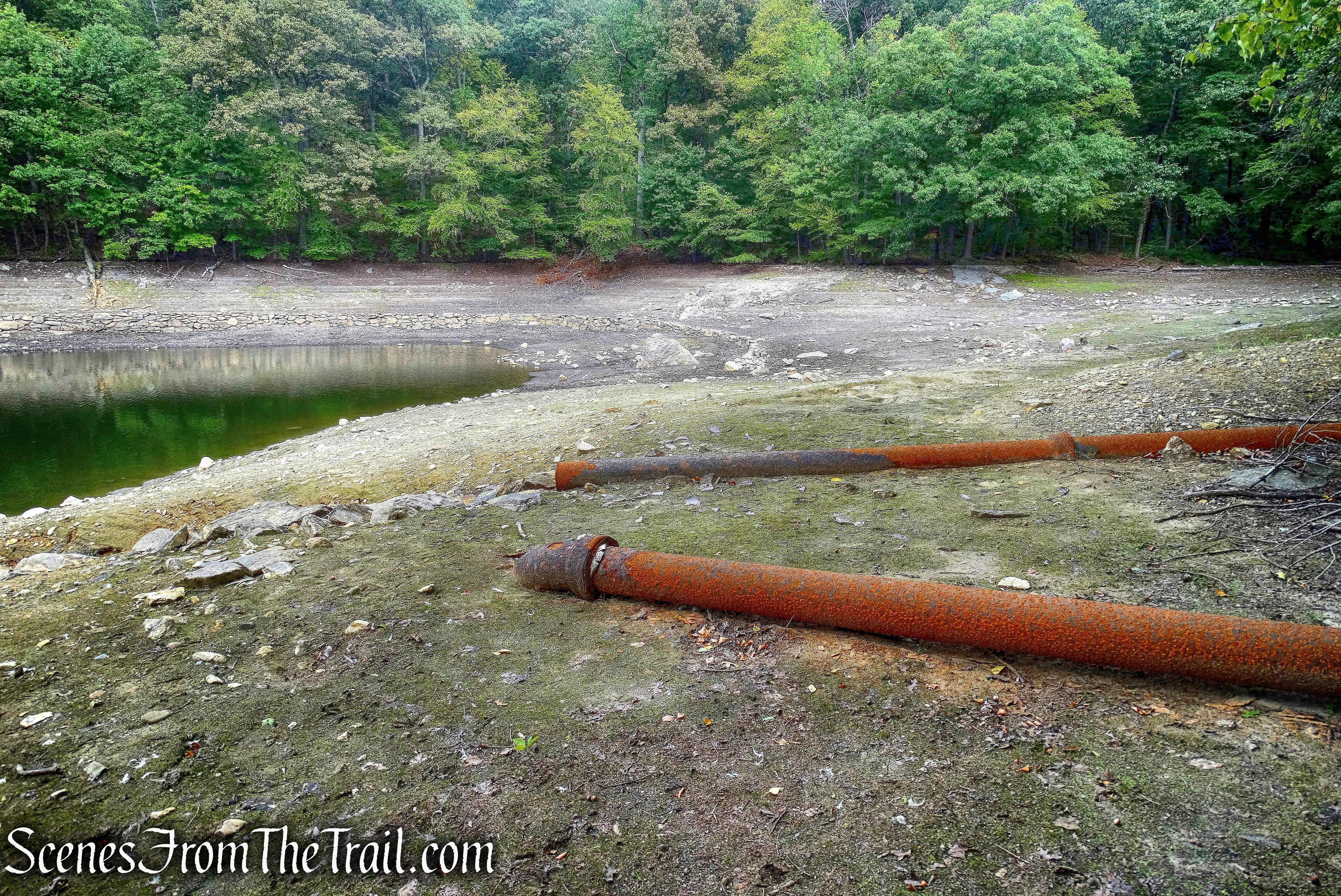
The lake was so dry that the pipes were exposed.

Fergusons Lake

Fergusons Lake

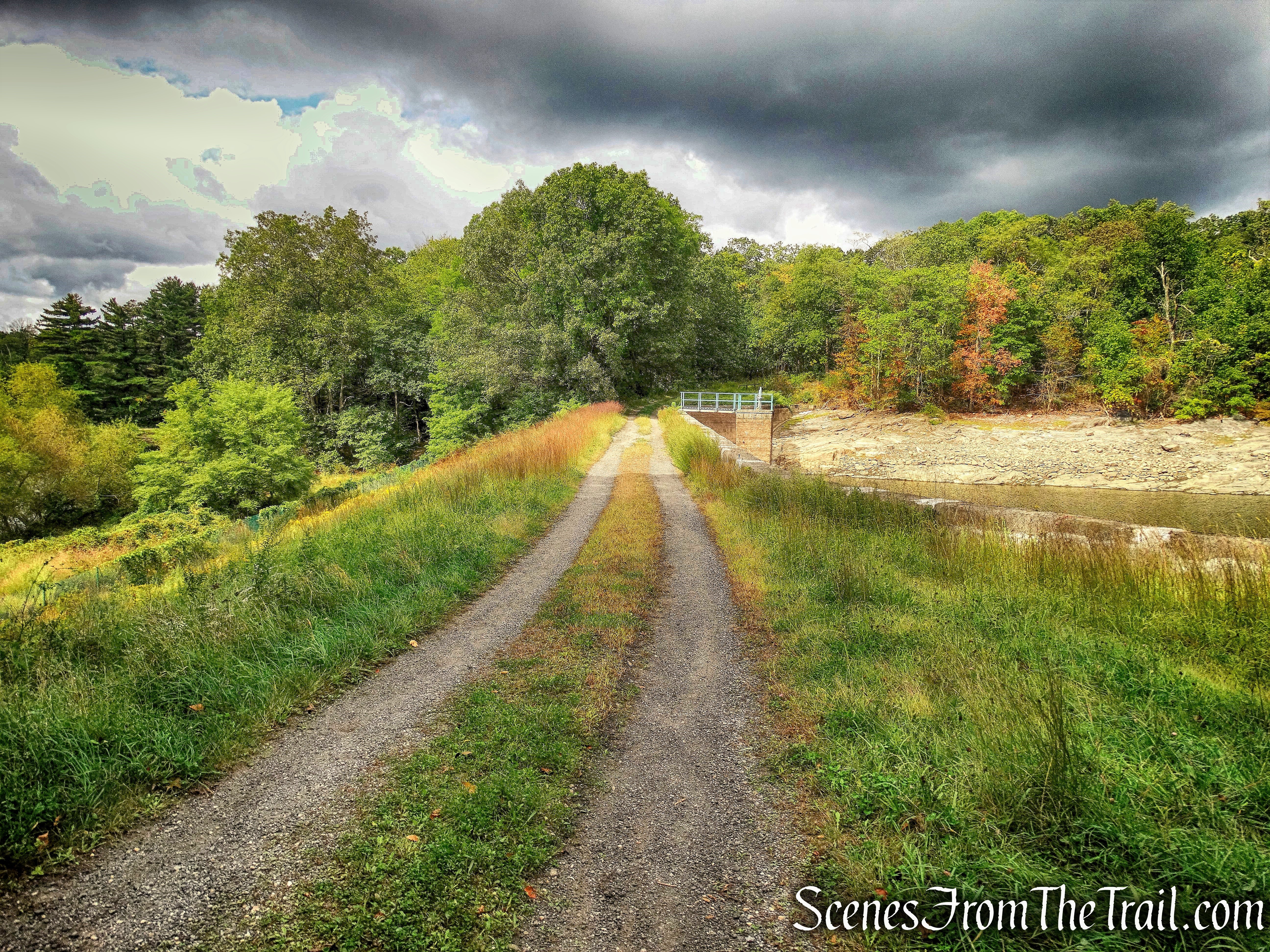
We walked to the southern end of the lake and climbed up to the road and began heading northwest.

Fergusons Lake

Fergusons Lake

Just to the left (west) of the road, is another lake. This one is named Hemingways Lake. It was created by a man named Hemingway, a superintendent on the estate of John D. Rockefeller, Jr. It is the southernmost of the four lakes to the southeast of the Pocantico Hills Central School. It is fenced off and not open to the public.

Hemingways Lake

Hemingways Lake

We wandered around a bit and wound up at another locked gate.

Locked gate

Locked gate

We began to head back and passed another locked gate.

Locked gate

Locked gate

I referenced my GPS just to make sure we were headed back to where we started. We were going directly back to the parking area and came to the first locked gate that we encountered when we began the hike. We turned around and retraced our steps and took a left and then a right. We ended up at an old stone pumphouse near the first Fergusons Lake that we walked by.

old stone pumphouse

old stone pumphouse

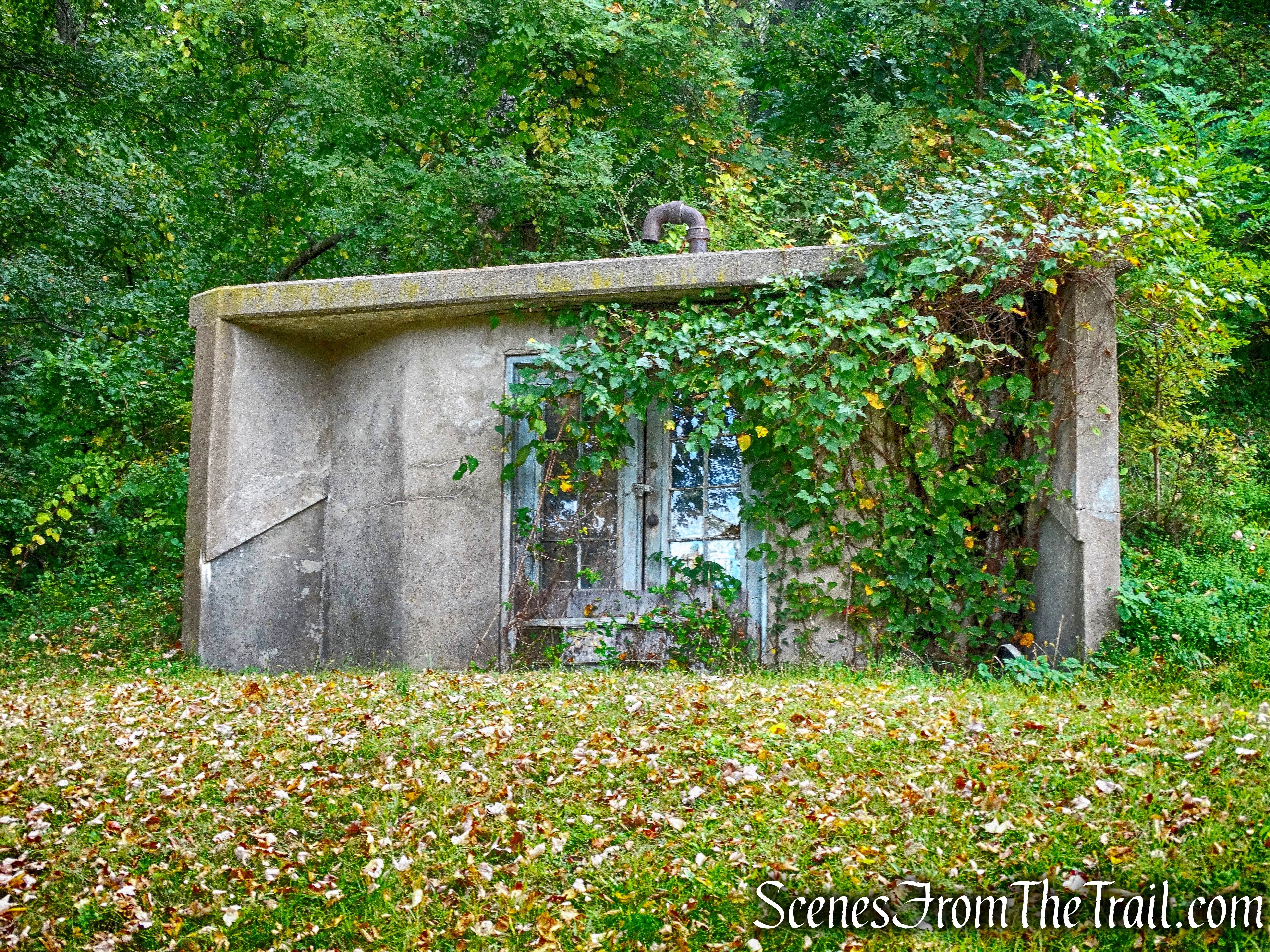
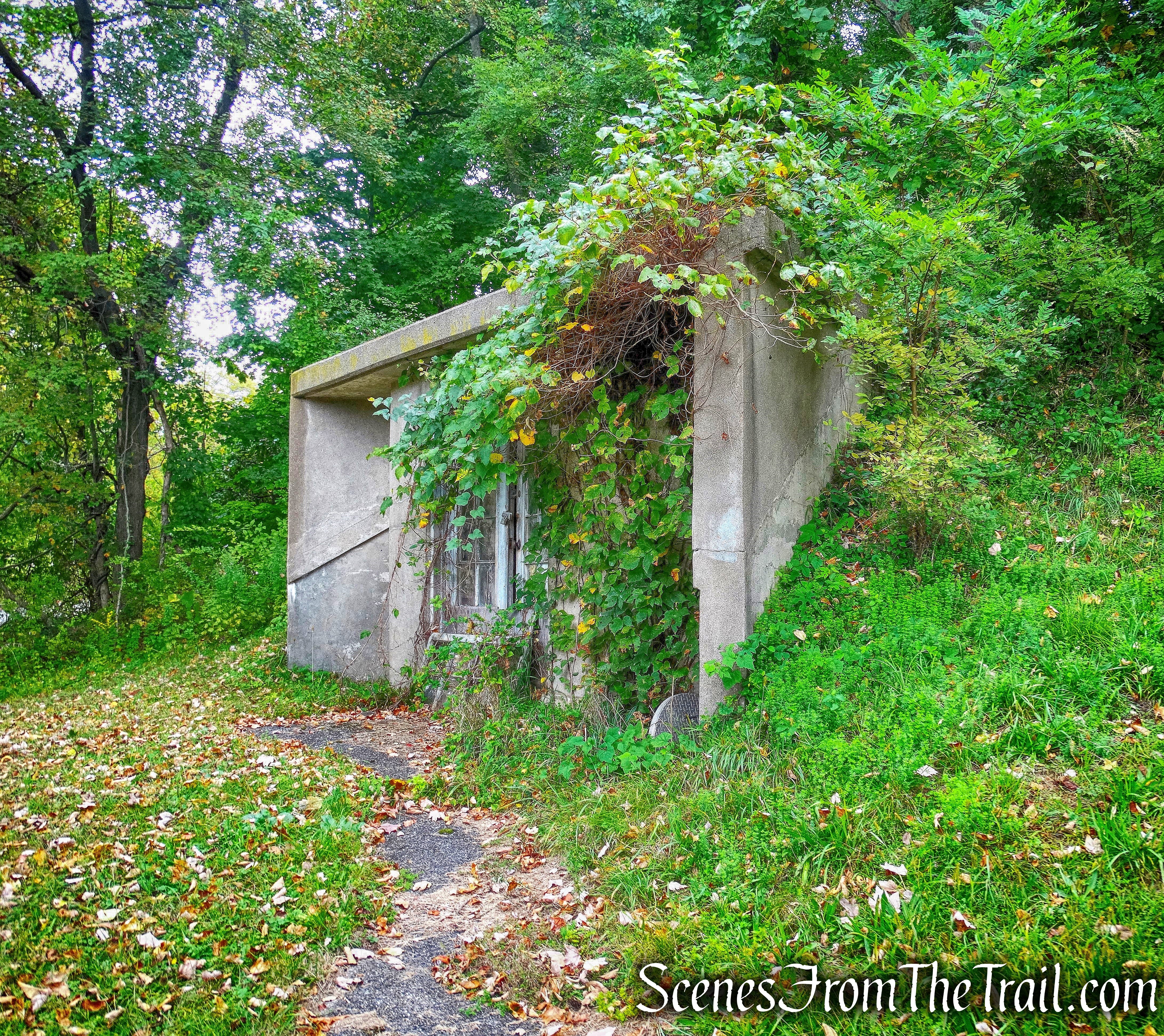
An odd shaped structure sits nearby.

odd shaped building

odd shaped building

The structure is built in to the side of the hill.

odd shaped building

odd shaped building

We then made our way back to Bedford Road and out of the only unlocked gate we encountered on this hike.

Unlocked gate at Bedford Road

Unlocked gate at Bedford Road

We then did the short road walk back to the parking area behind the church, where our hike began. An interesting hike to say the least, with all the locked gates that we encountered. It was an enjoyable few hours roaming about on the carriage roads at Rockefeller’s, it always is.

Pros: Carriage roads, lakes, peaceful area.

Cons: Locked gates.

Fergusons Lake

Fergusons Lake


The Wild Center – Adirondack Park

September 25, 2017 – Tupper Lake, NY

Difficulty: Easy

Length: Approximately 3 miles

Trailhead parking: 45 Museum Drive – Tupper Lake, NY 12986

Admission fee: Youth: $13.00 – Adult: $20.00 – Senior: $18.00 – Tickets are good for two consecutive days.


The Wild Center is a natural history center in Tupper Lake, NY, near the center of New York state’s Adirondack Park. It officially opened on July 4, 2006 and is based out of an 81-acre site in Tupper Lake, NY. The 54,000-square-foot Natural History Museum of the Adirondacks, also known as “The Wild Center,” is a celebration of the wildlife and community of the Adirondacks, featuring live exhibits such as otters and trout. The museum is highly interactive, encouraging visitors to truly experience the animals, plants, and ecology of the Adirondack region. The mission of the museum is to “ignite an enduring passion for the Adirondacks where people and nature can thrive together and set an example for the world.”

The Wild Center

The Wild Center

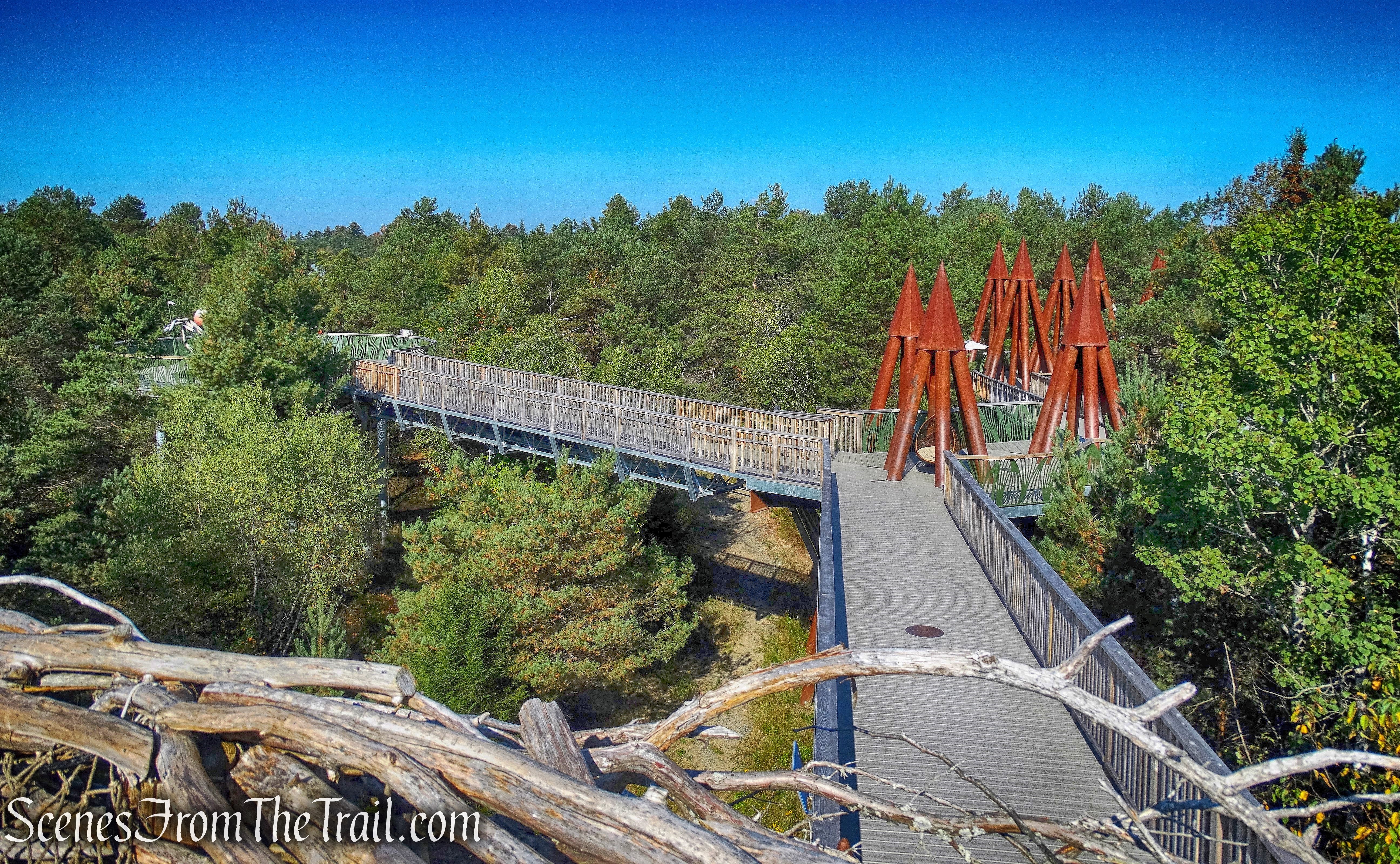
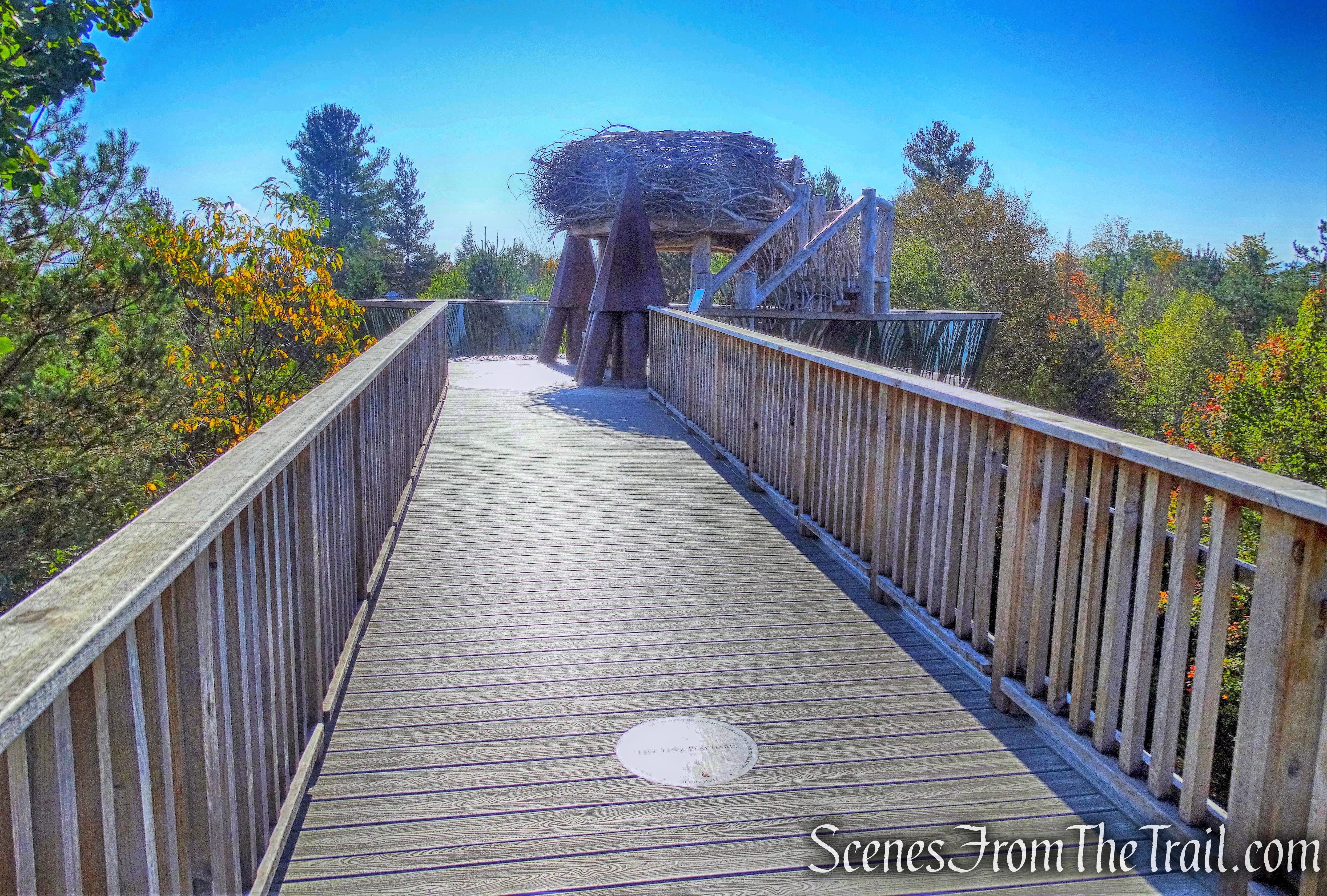
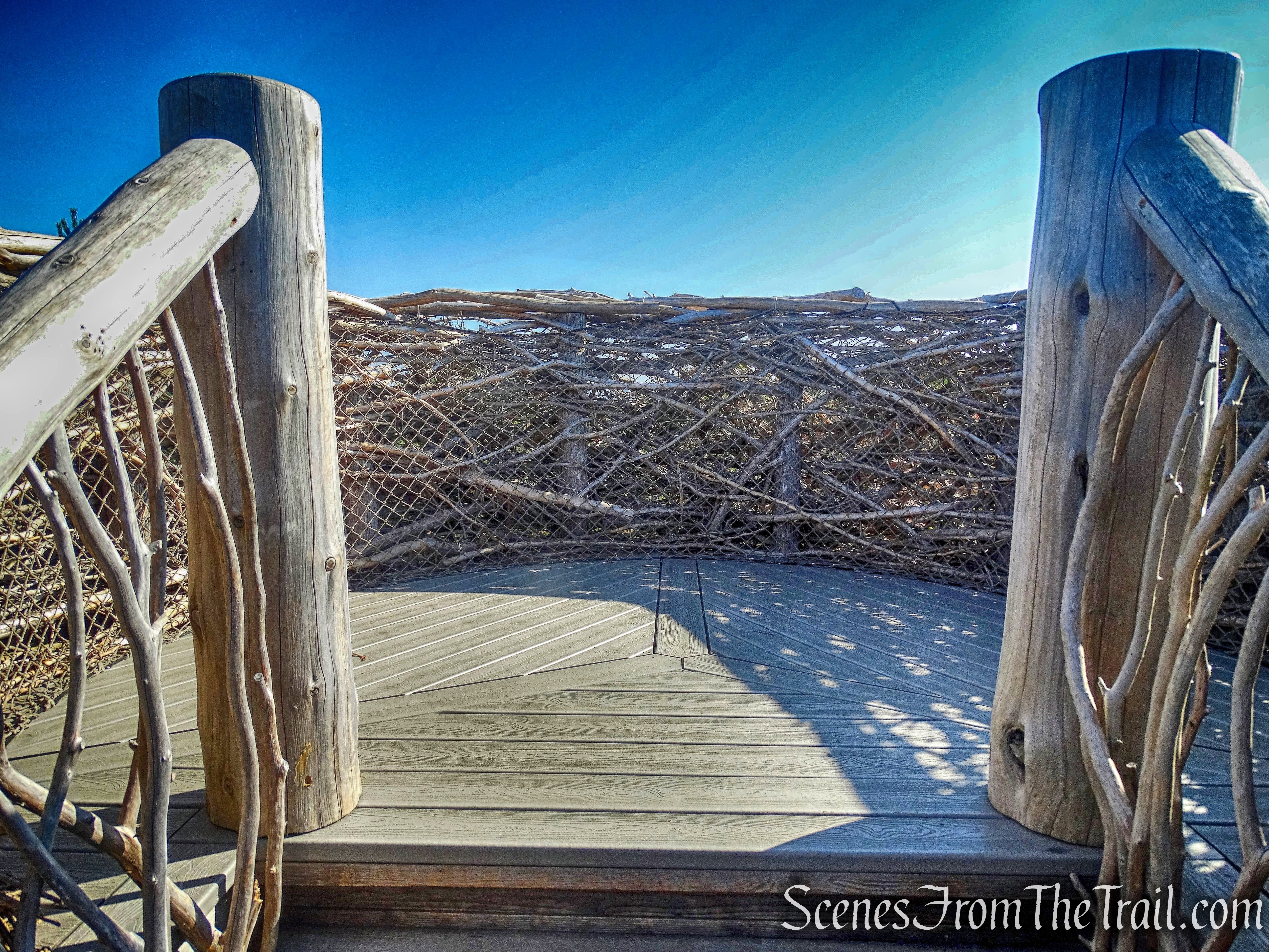
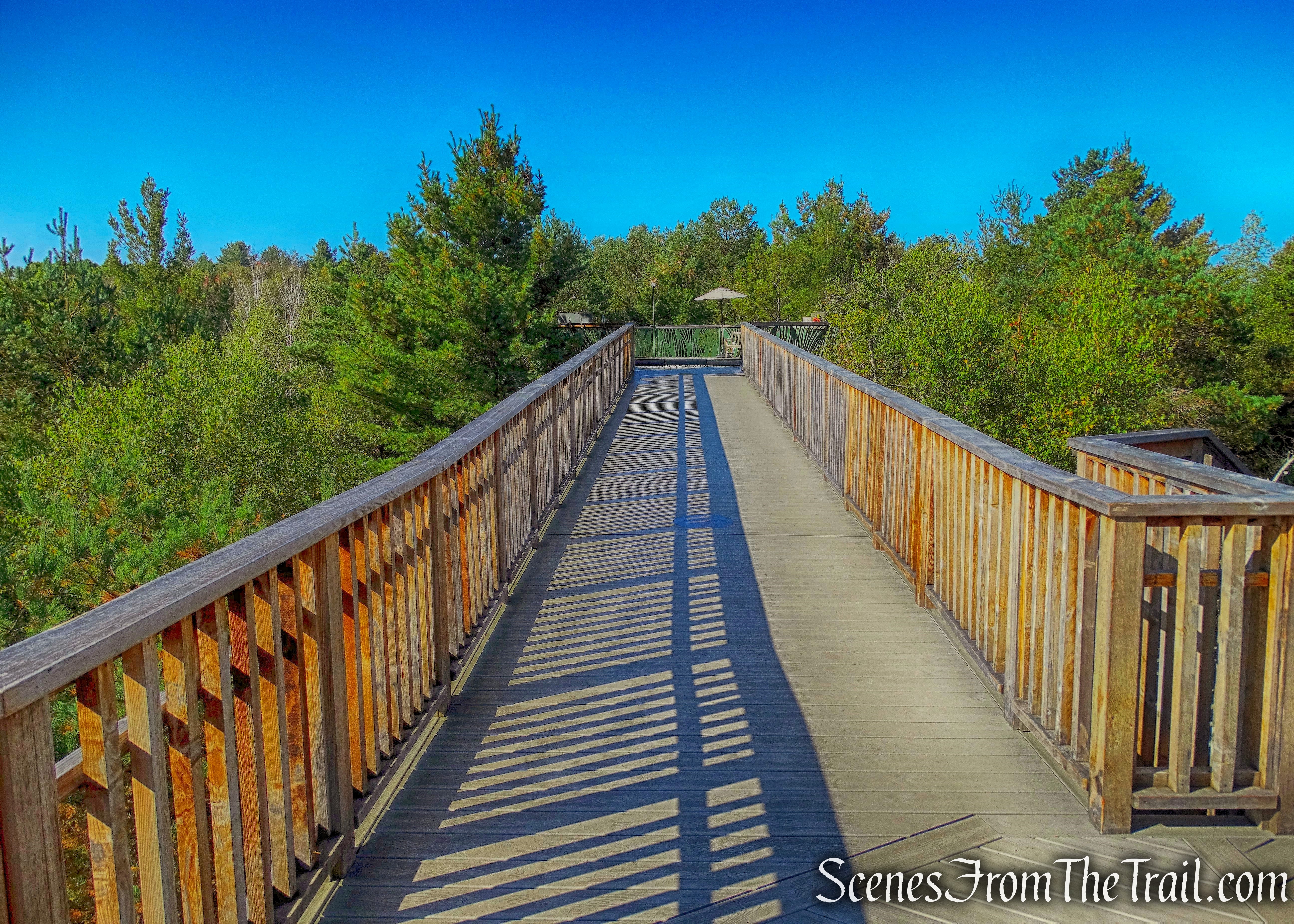
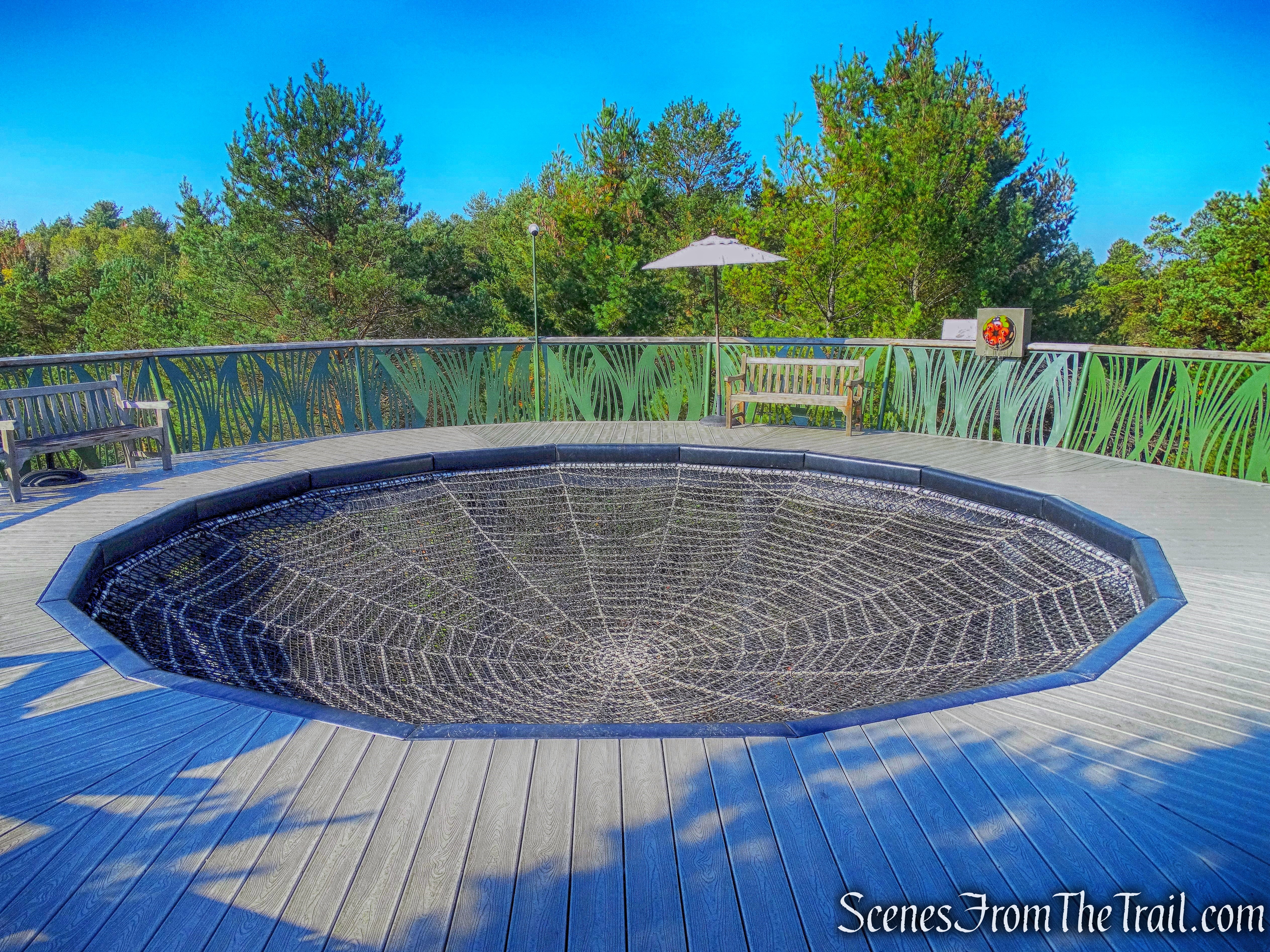
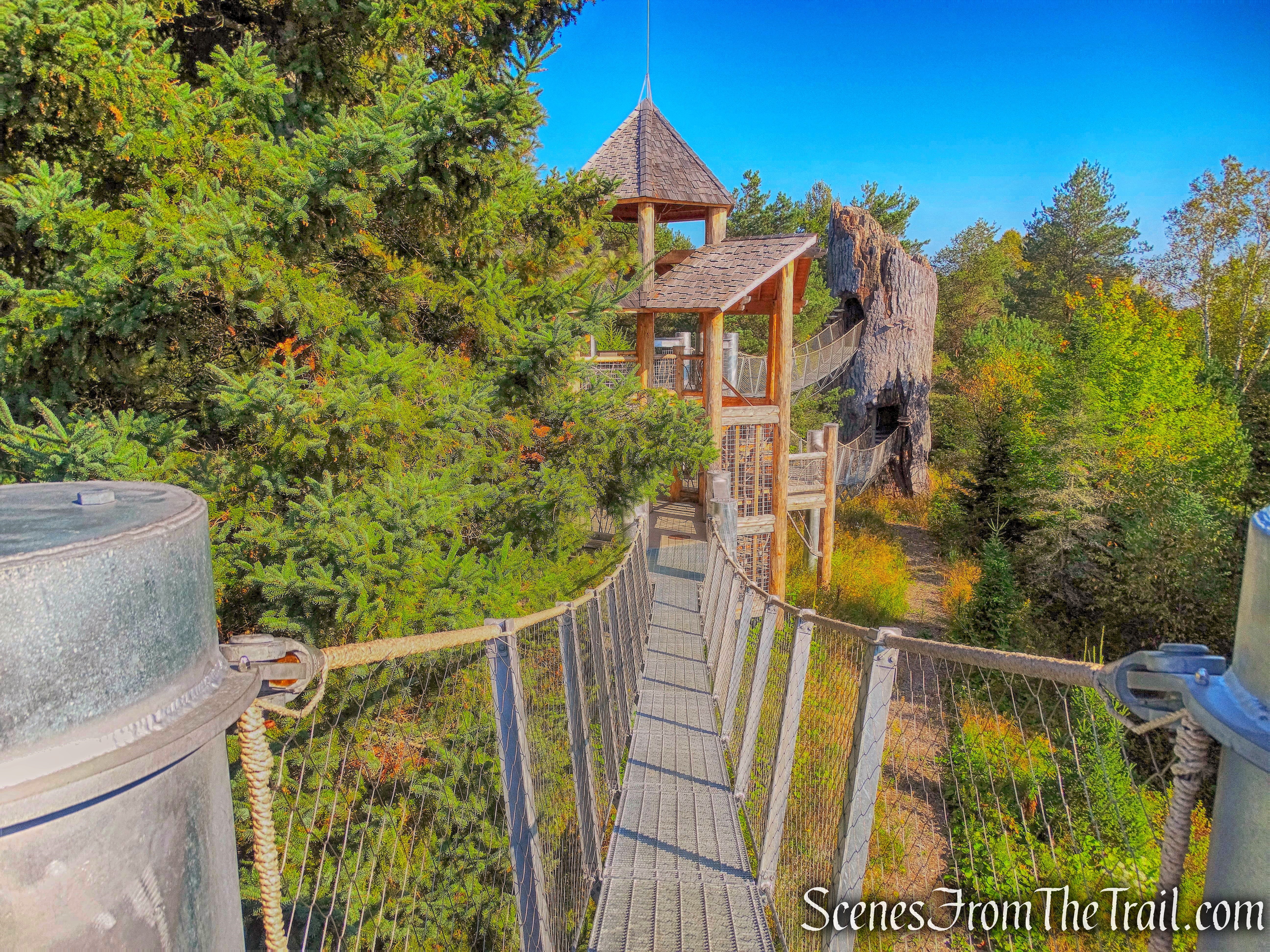
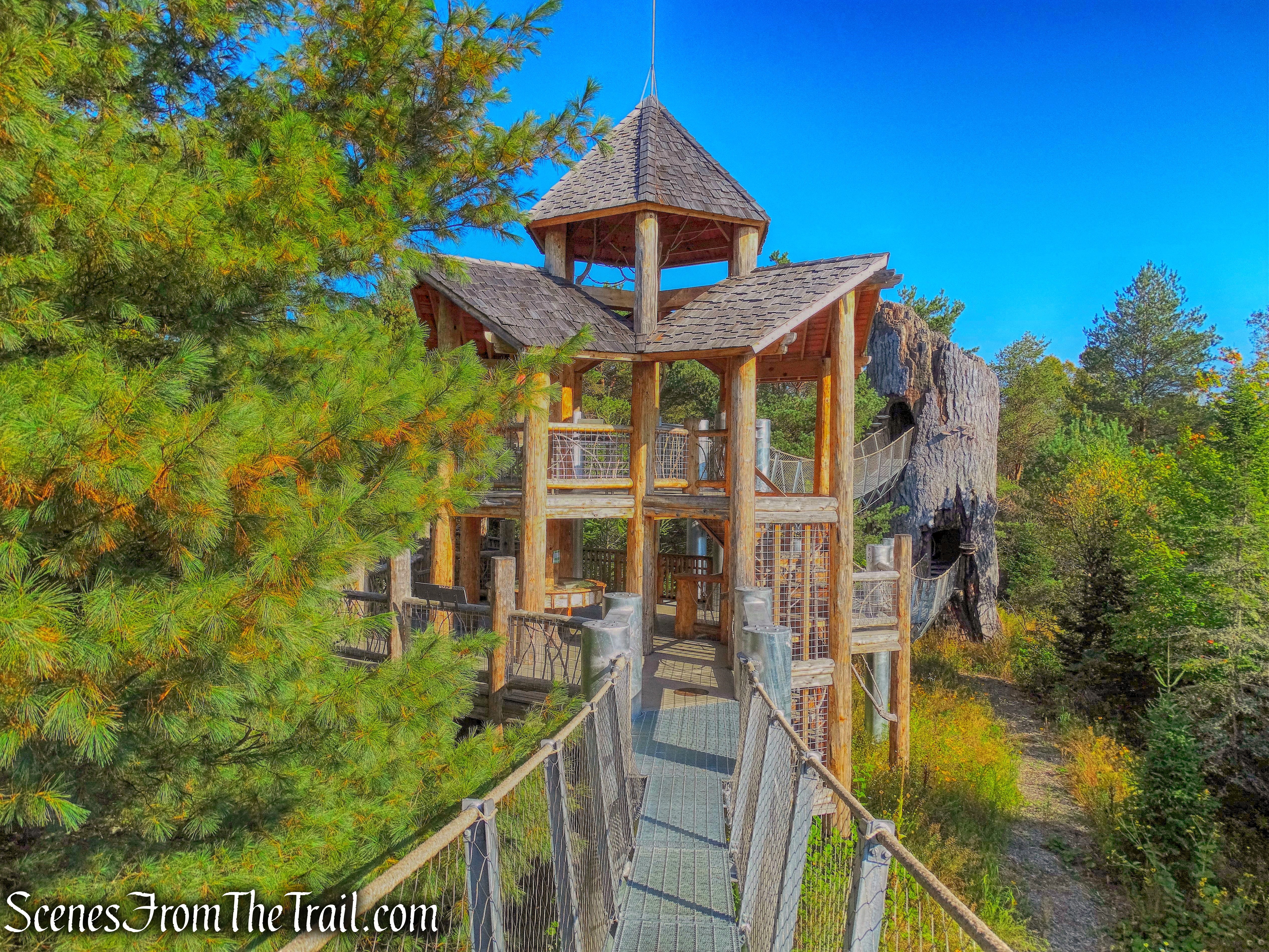
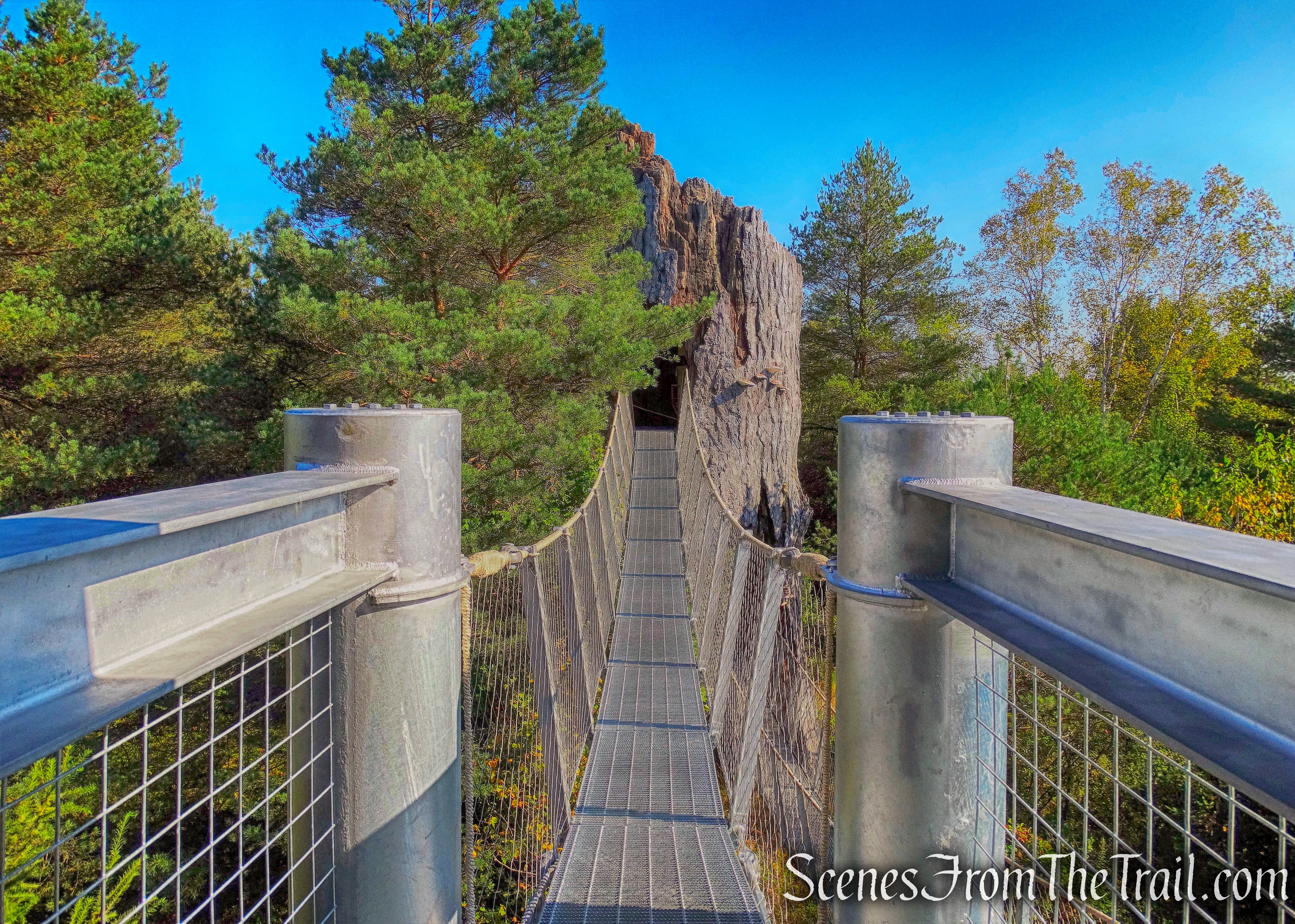
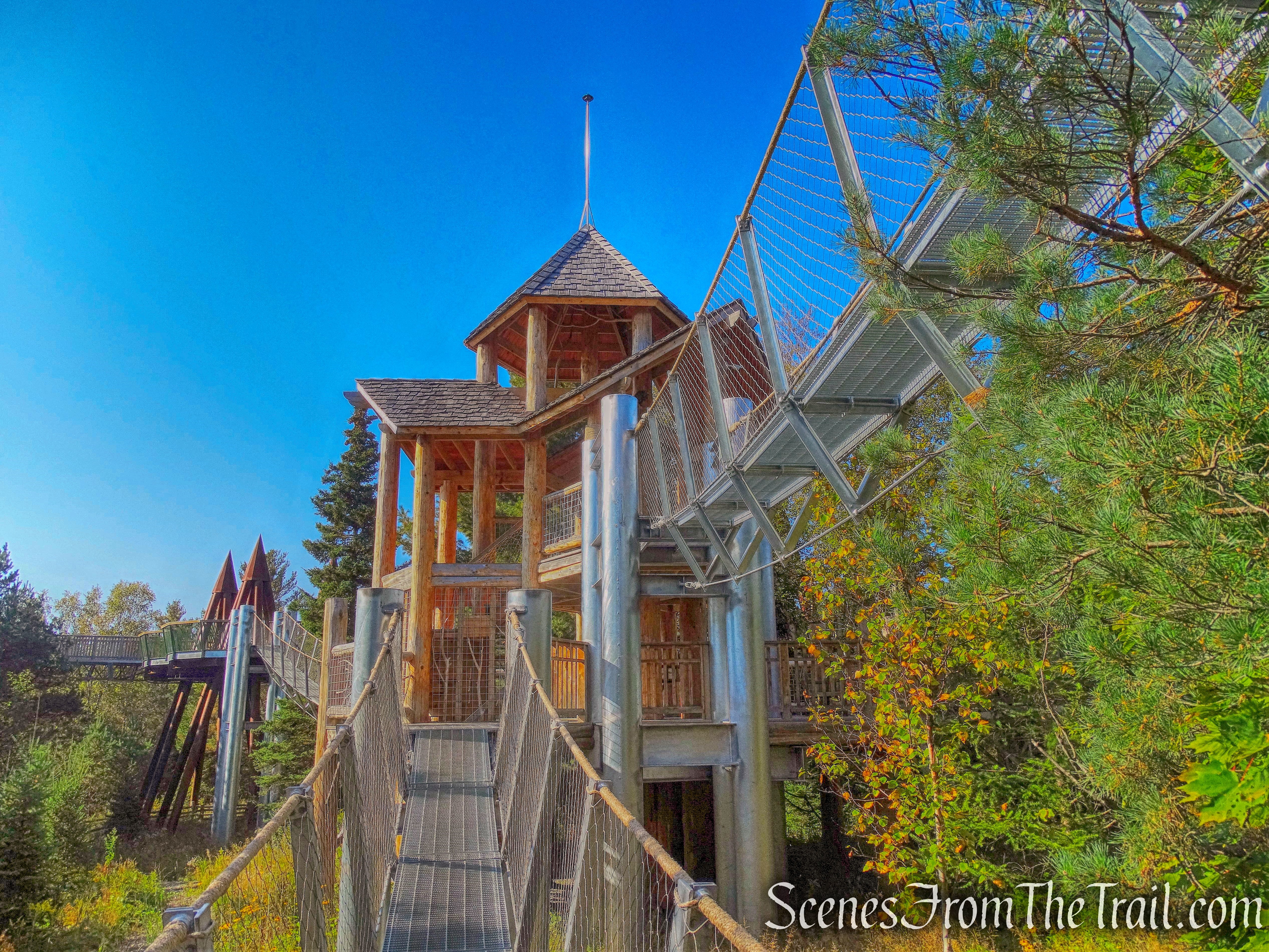
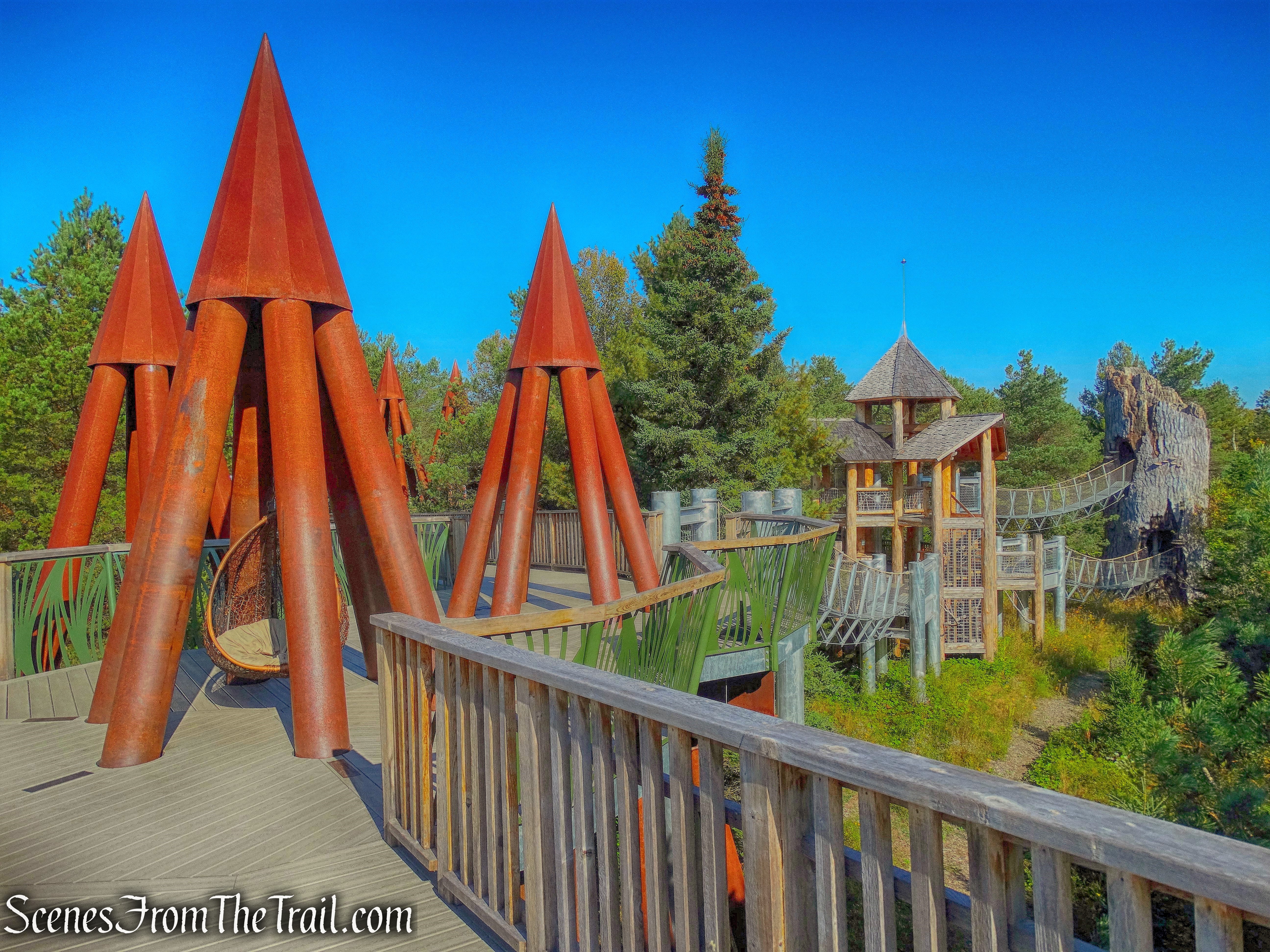
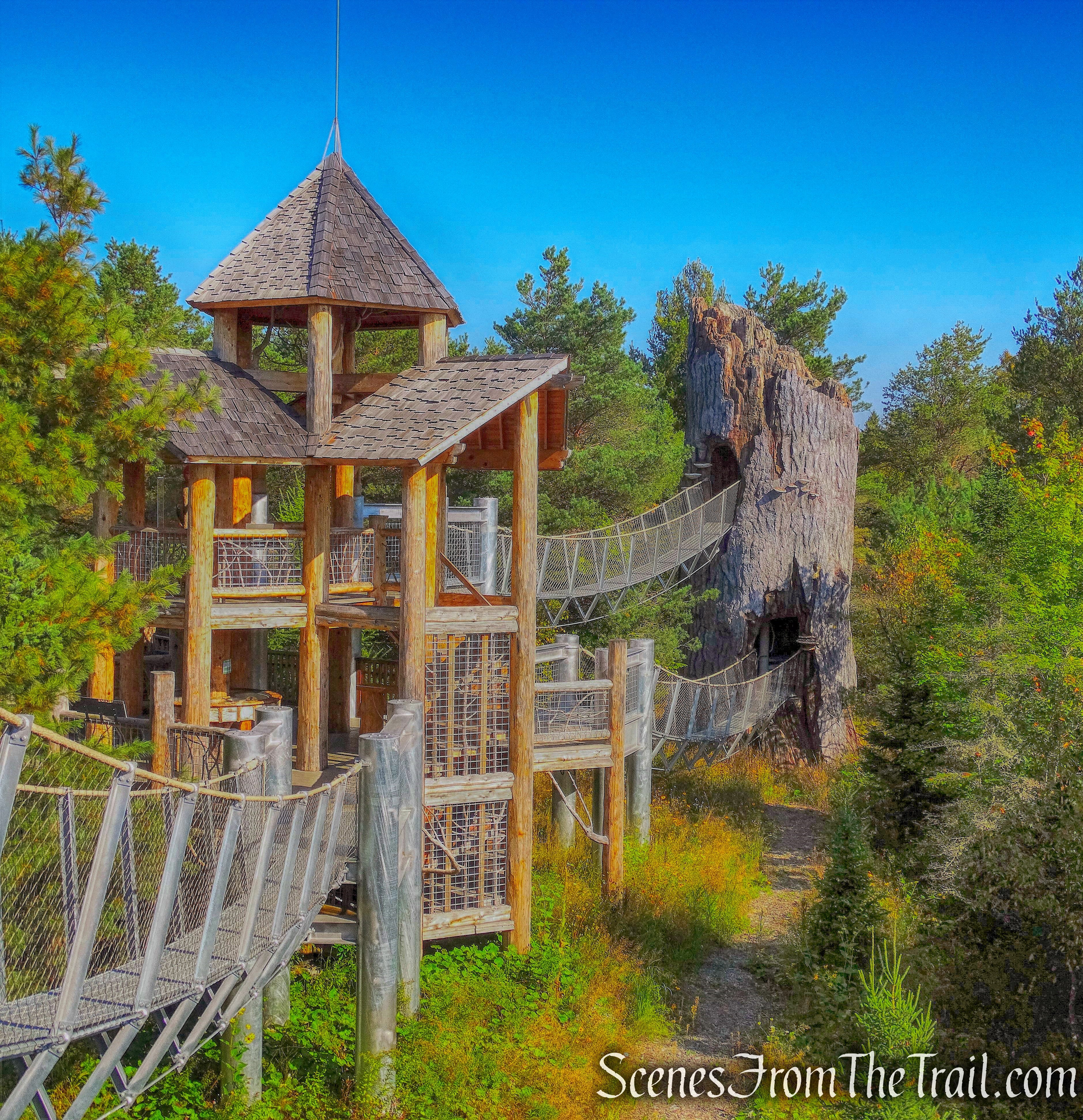
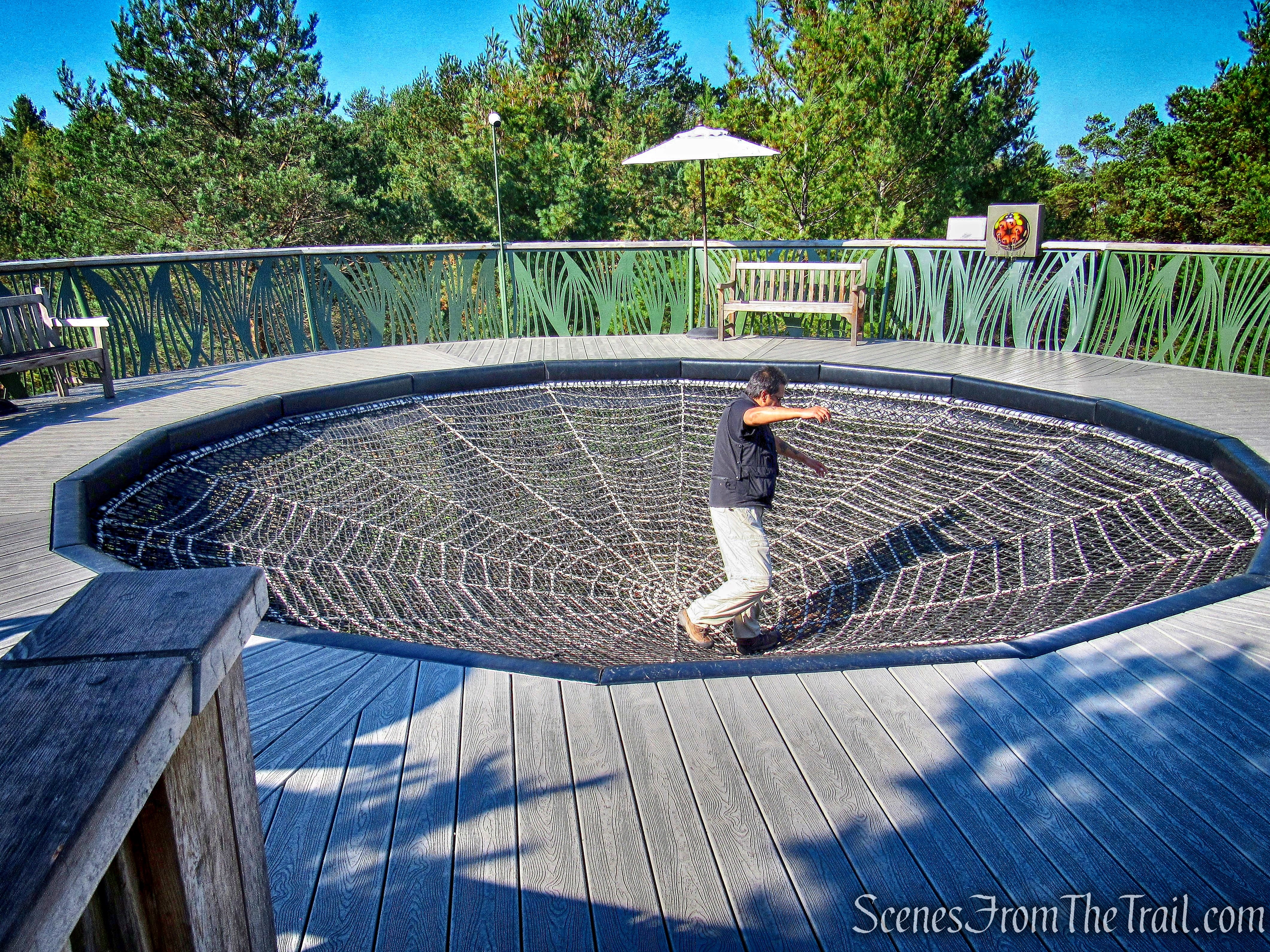
The Wild Walk, opened in 2015 and is described as “A Trail Across the Treetops.” The Wild Walk experience includes a four-story snag tree house and swinging bridges, a spider’s web where people can hang out, and chances to just sit and observe the forest below. There’s a full-sized bald eagle’s nest at the highest point where visitors can perch and imagine.

The Wild Walk

The Wild Walk

This is another one of those places that you hear or read about and put on your list of places to visit. That list gets long if you don’t actually check off any of the places. I had the opportunity to check off a few on my recent road trip to the Adirondacks. Although it’s really geared towards kids, I found it enjoyable and quite educational as well. Knowing fully well that there would be lots of kids running amok, we chose a Monday morning to visit. We were the first ones at the door when they opened at 10:00 am. After purchasing our tickets, we made a beeline for The Wild Walk. I wanted to experience that section before it became too crowded. When we got to the start of the elevated trail, there were at least 30 rowdy First Graders blocking the way. As it turned out, they were only posing for pictures and were on their way out. Apparently school trips have access to the grounds prior to it opening to the public. We had the place to ourselves and this big kid had some fun exploring. I went straight for the eagle’s nest, which I thought was pretty cool.

eagle’s nest

eagle’s nest

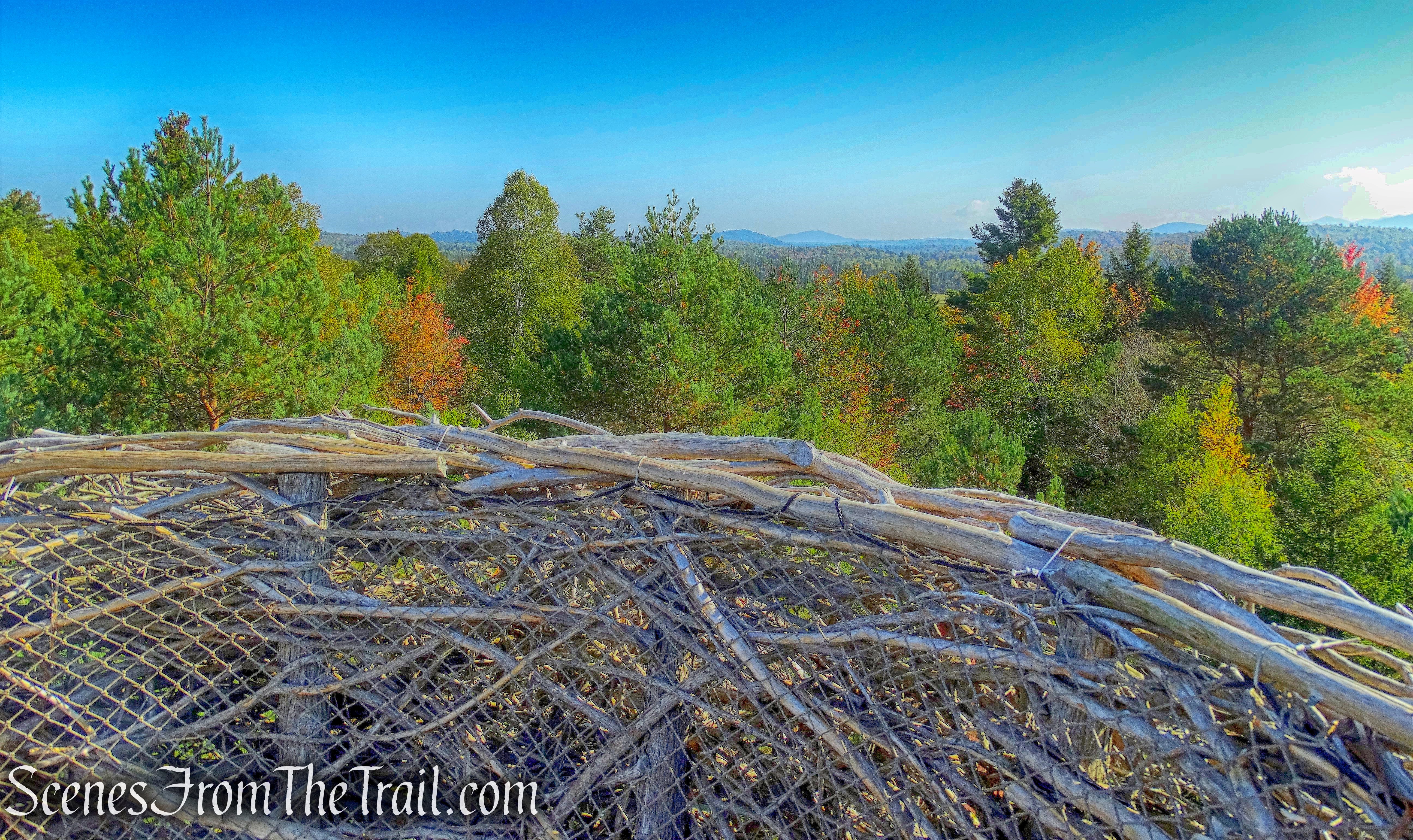
This is the highest point on the trail, 42 feet in the air and I was there in a flash.

eagle’s nest

eagle’s nest

The view was decent, but I expected it to be better. The treetops need trimming.

eagle’s nest

eagle’s nest

The thousand feet of bridges and platforms are well designed and solidly built.

The Wild Walk

The Wild Walk

The spider web is like a trampoline. I tried it out and it was fun.

spider’s web

spider’s web

The swinging suspension bridges lead to other areas of the treetop trail.

swinging suspension bridge

swinging suspension bridge

Growing up, none of my treehouses looked like this.

The Wild Center

The Wild Center

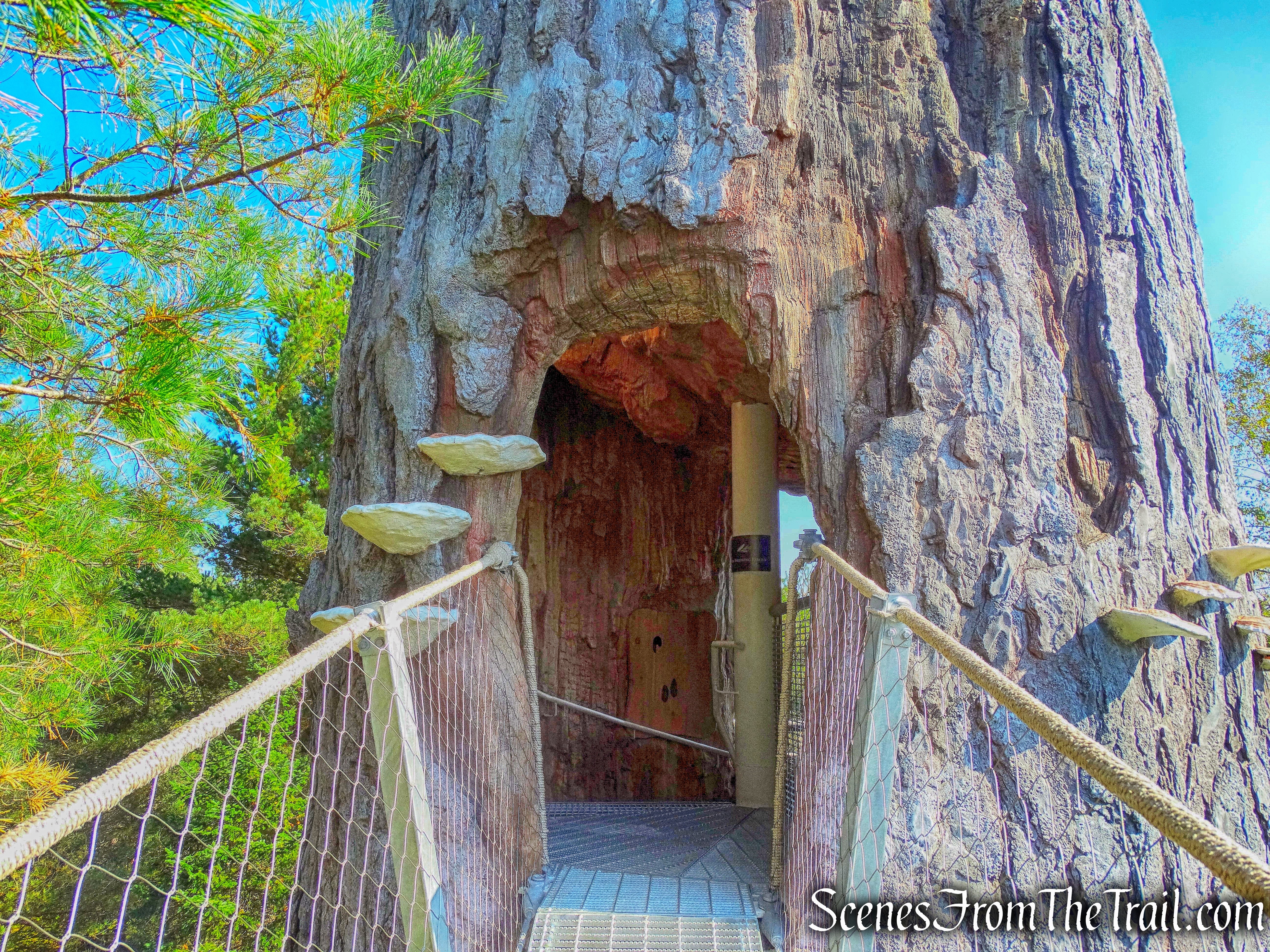
Or like this, a four-story snag tree house.

a four-story snag tree house

a four-story snag tree house

a four-story snag tree house

a four-story snag tree house

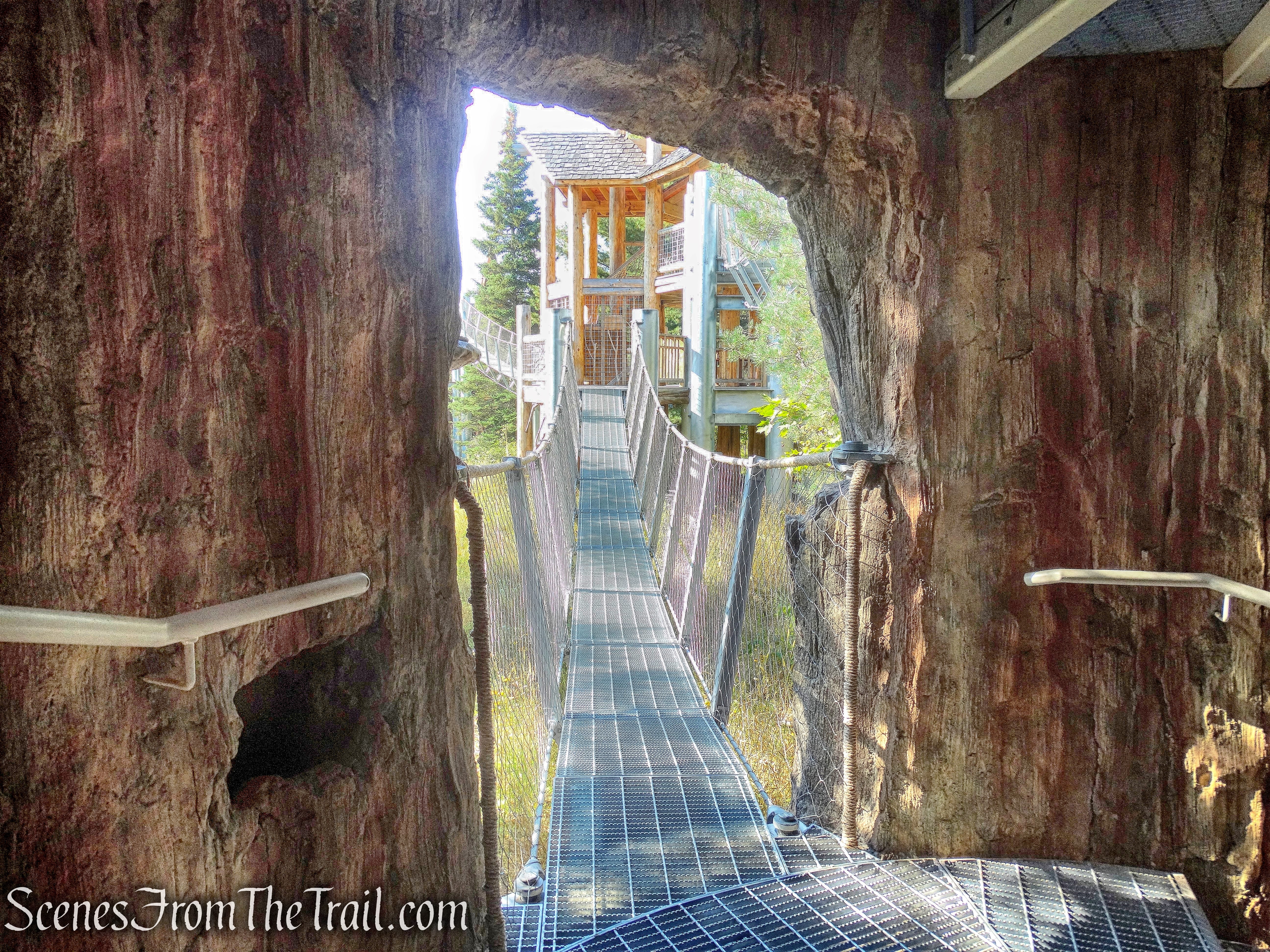
We walked down the steps of the treehouse and exited through a lower opening.

a four-story snag tree house

a four-story snag tree house

We then walked across another suspension bridge and made our way back.

The Wild Walk

The Wild Walk

This place is pretty cool and definitely worth the visit. The best thing about it was that we had this giant play set and treehouse all to ourselves.

The Wild Walk

The Wild Walk

People started to come in and we decided it was time for us to leave. There are some regular type trails on the property so we decided to check them out. We took a walk towards the Raquette River.

The Wild Center

The Wild Center

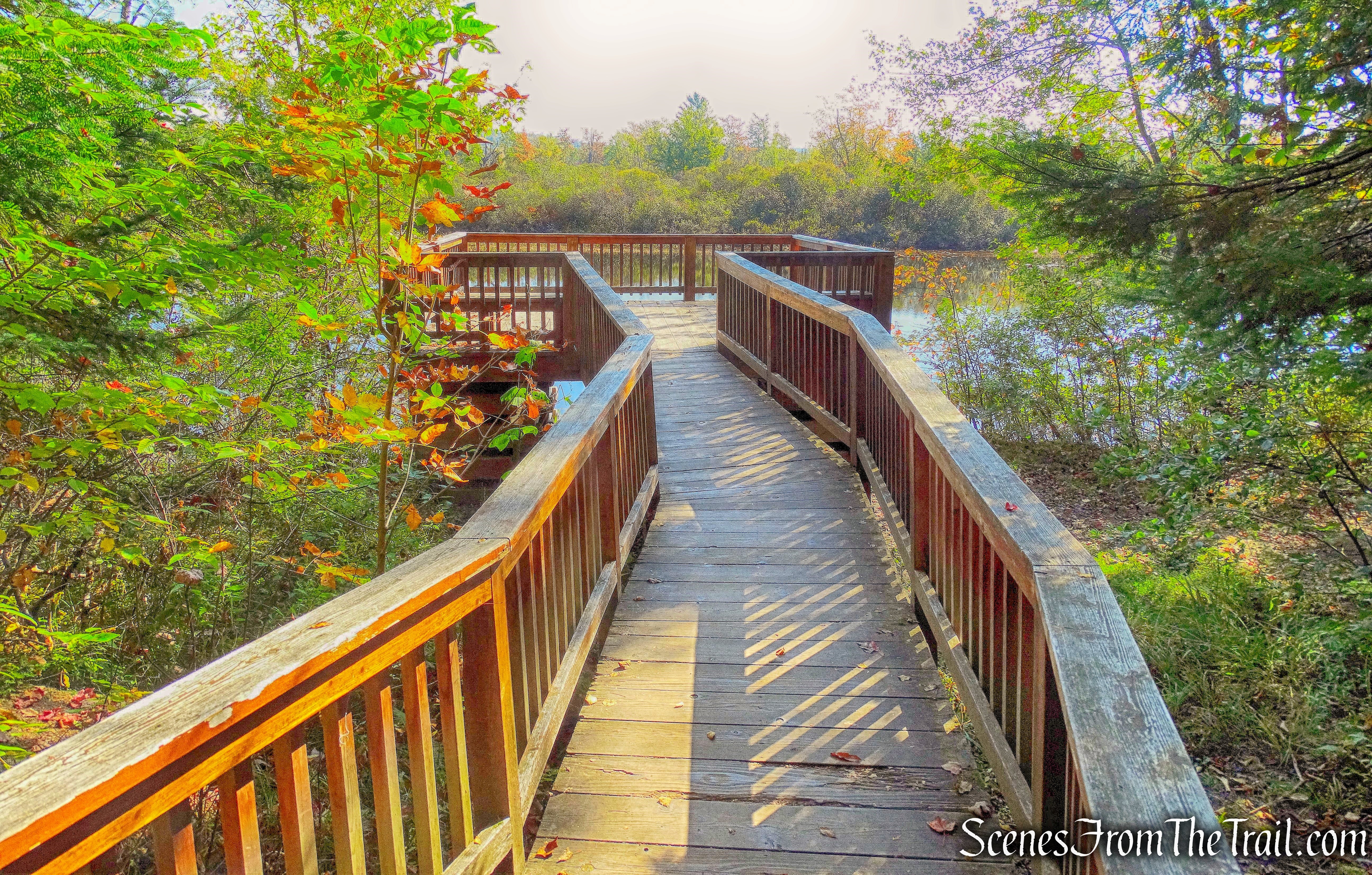
We followed the wide trail downhill to a wooden viewing platform. It was very hot, in the mid to upper 80’s and the canopy of trees along the trail, kept us from roasting in the sun.

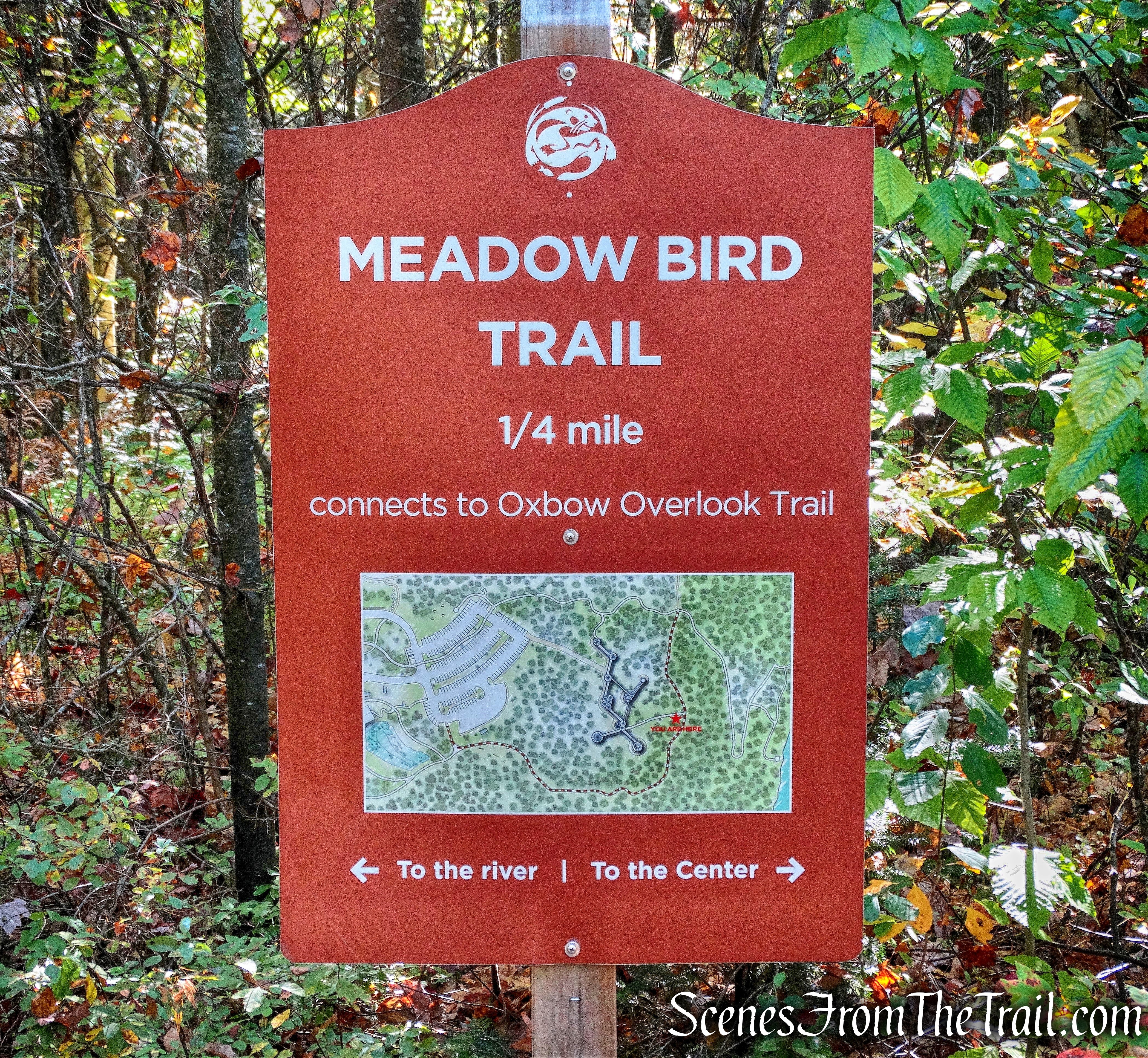
Oxbow Overlook Trail

Oxbow Overlook Trail

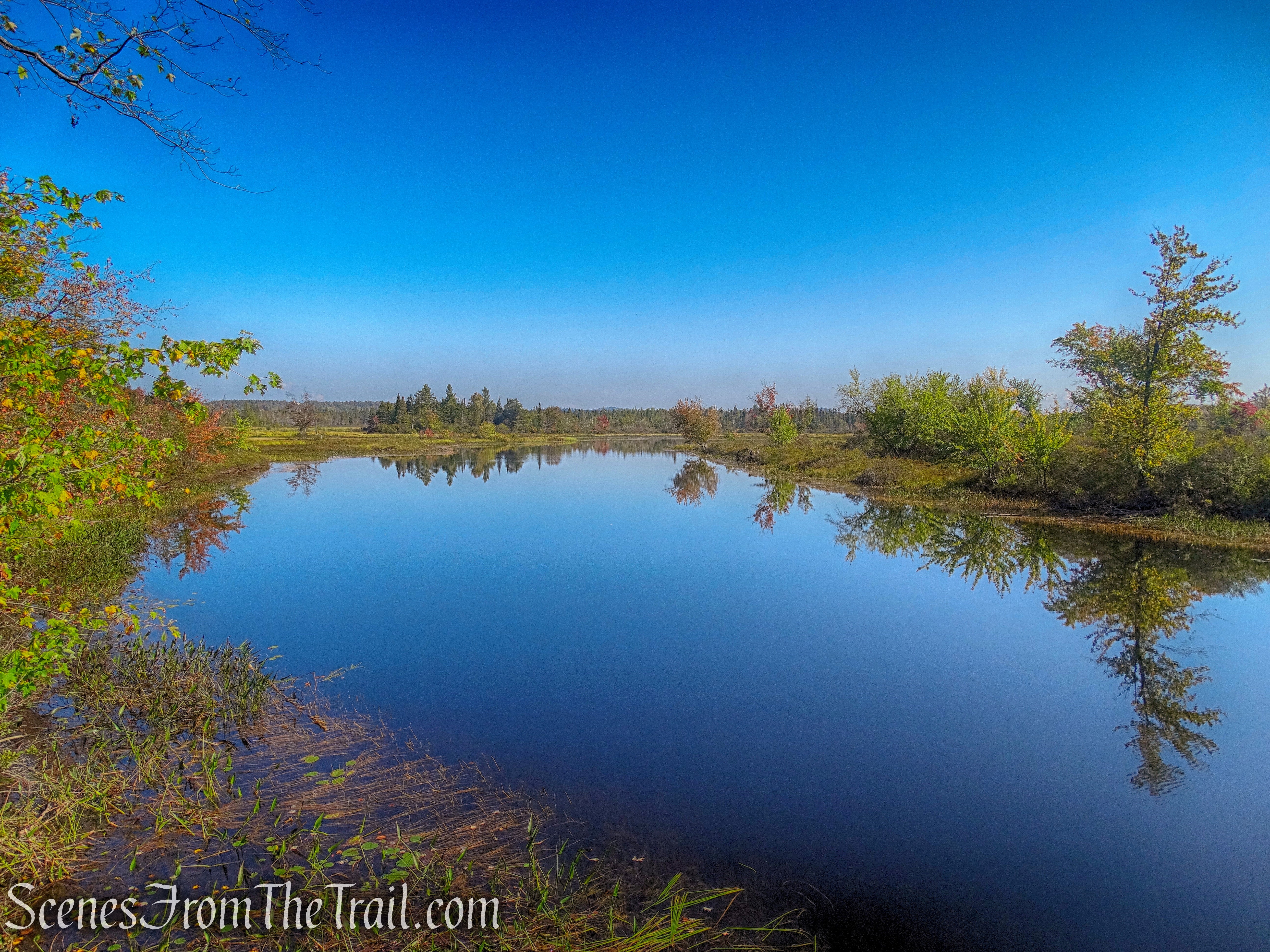
It was peaceful and quite scenic by the edge of the Raquette River.

Raquette River

Raquette River

We walked over to another of the viewing platforms, which are solidly built.

Oxbow Overlook Trail

Oxbow Overlook Trail

A different view of the Raquette River.

Raquette River

Raquette River

We made our way back up the hill and began heading towards the museum. On the way, we passed the Pines Wild Play Area. Kids can climb on a tipped up tree, play with piles of sticks, or beat on log drums in this perfectly natural clearing in the woods. Just like when I was a kid.

Pines Wild Play Area

Pines Wild Play Area

The carved bear is a nice touch.

Pines Wild Play Area

Pines Wild Play Area

We bypassed iForest, a trail that broadcasts music via twenty four hidden speakers in the surrounding woods. Instead, we continued heading towards the museum and came to a wooden foot bridge that crosses the pond at the rear of the museum.

The Wild Center

The Wild Center

We walked around the pond and entered the nicely air conditioned museum. The museum is quite interesting and I am glad that we took the time to check it out. I did not capture any images as there were people all over the place, but it’s full of useful information about wildlife and the ecology of the Adirondack region. The Wild Center is definitely a must do if you happen to visit the Tupper Lake area.

The Wild Walk

The Wild Walk

Wild Walk was designed specifically to give everyone a chance to experience it and it will be accessible to people of all generations and abilities. “A mother with a stroller, a family visiting with a great grandparent, a friend with a wheelchair–Wild Walk is designed for everyone to enjoy and experience,” the Wild Center said in a press release.

Pros: Pretty much everything.

Cons: Gets crowded.

The Wild Walk

The Wild Walk


Ausable Chasm – Adirondack Park

September 24, 2017 – Ausable Chasm, NY

Difficulty: Easy – moderate

Length: Approximately 3.5 miles

Max elevation: 341 ft.– total elevation gain approximately 690 ft.

Route type: Circuit

Map: Displayed below and issued with admission to the park.

Trailhead parking: 2144 U.S. 9, Ausable Chasm, NY 12911

Admission fee: Rates vary


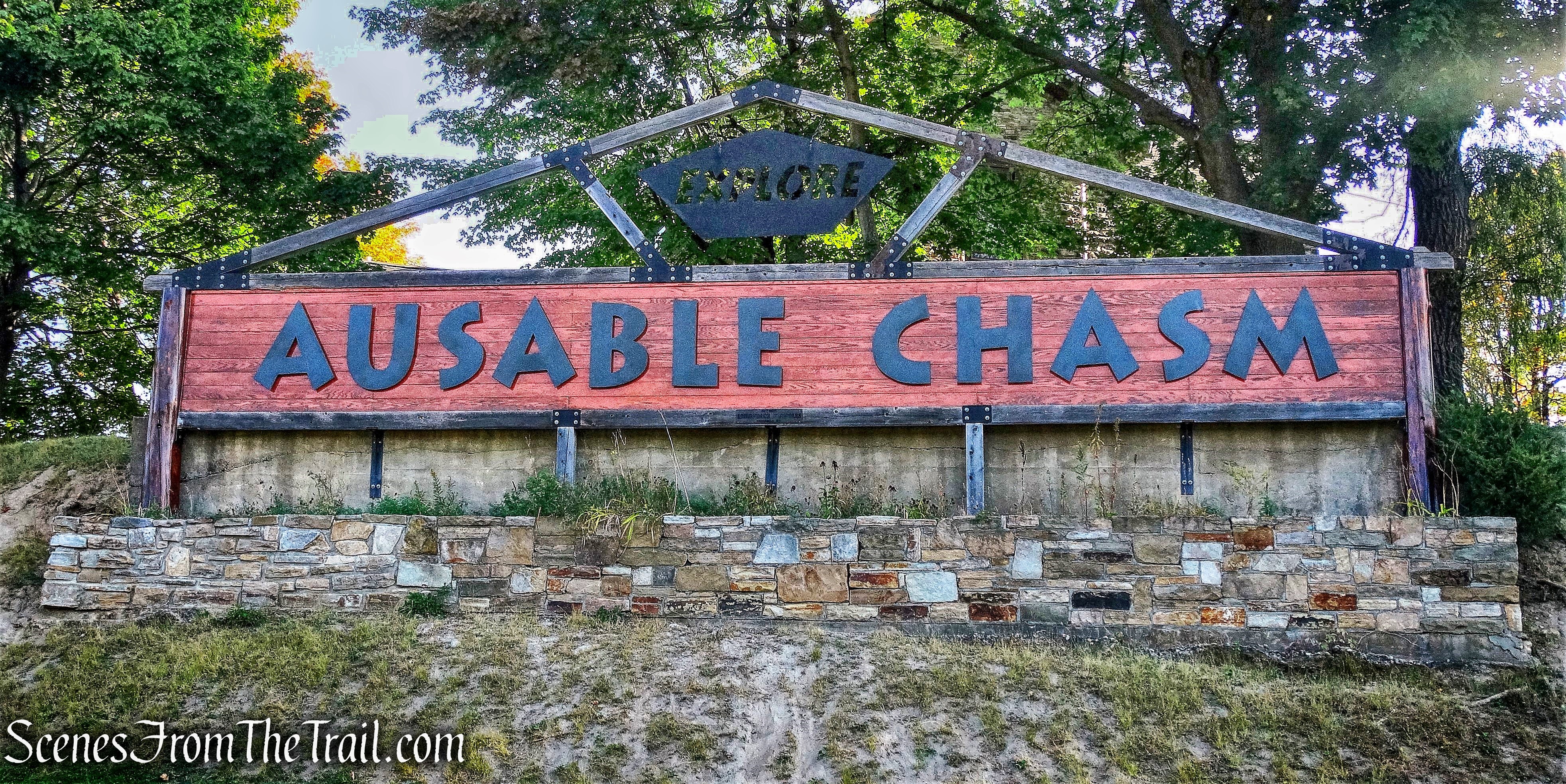
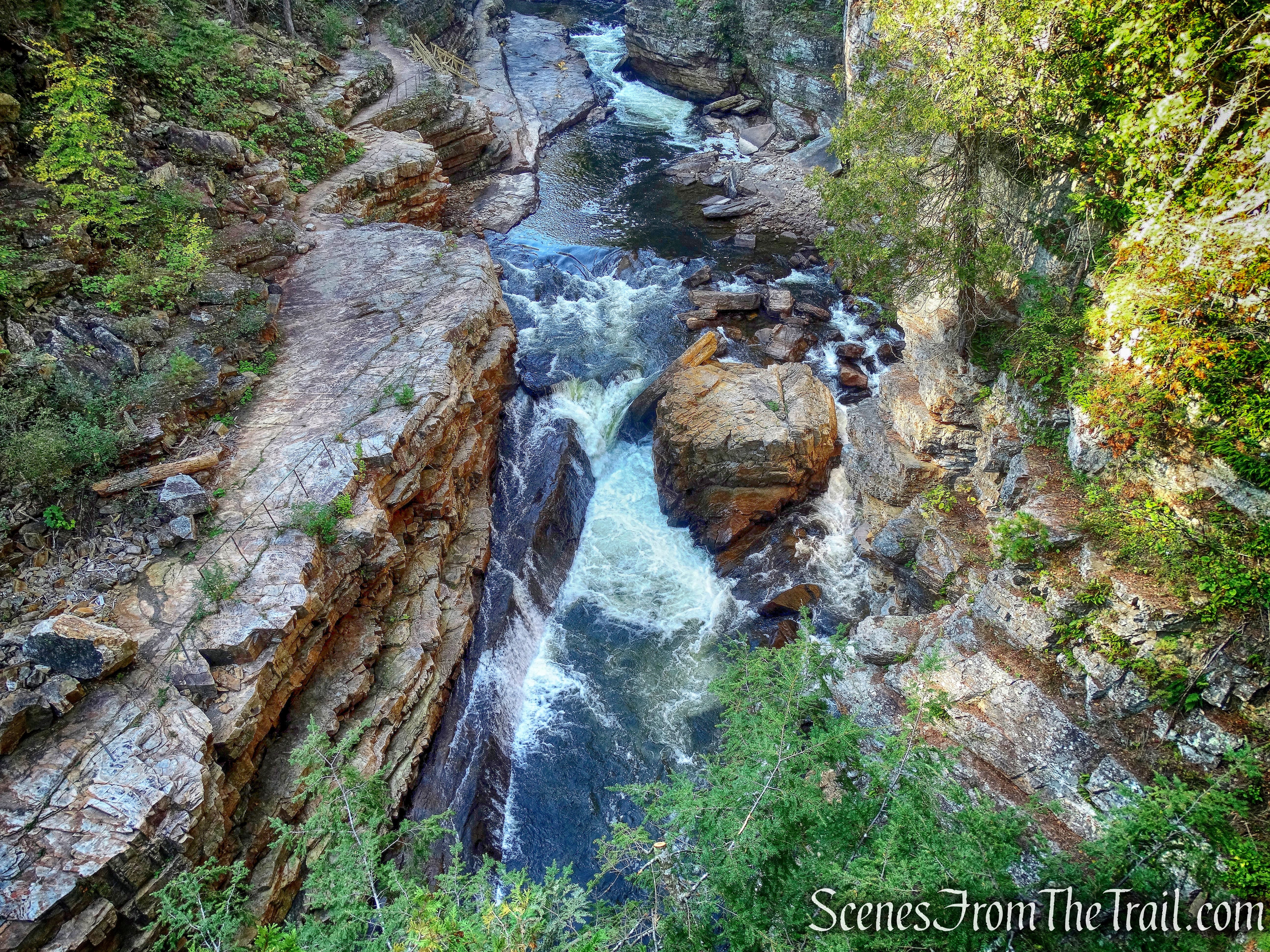
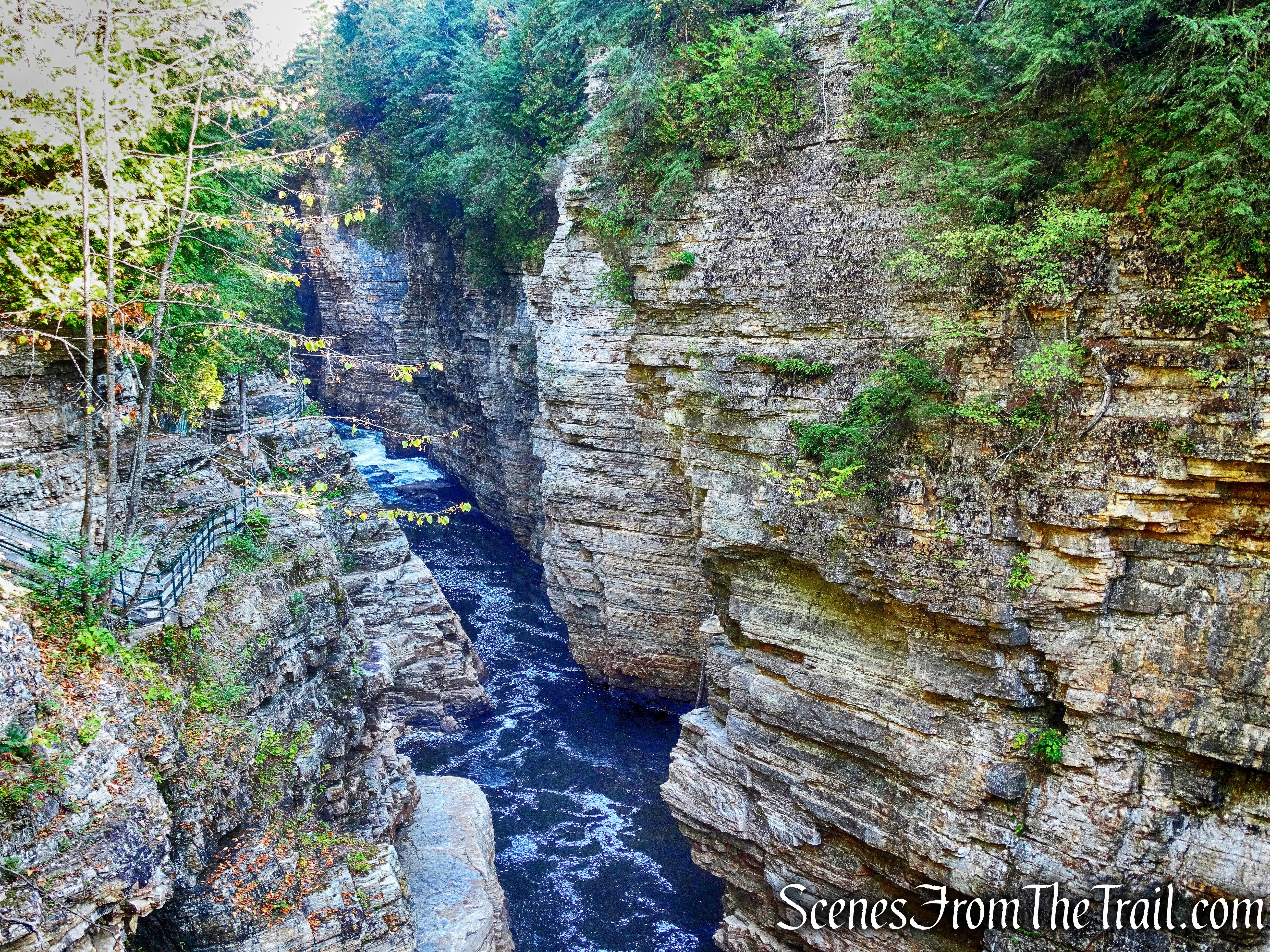
Ausable Chasm is a sandstone gorge located near Keeseville, New York. The Ausable River runs through it and then empties into Lake Champlain. The gorge is about two miles long and is a tourist attraction in the Adirondacks region of Upstate New York. It is also the oldest natural attraction in the United States (est. 1870).

Ausable Chasm

Ausable Chasm

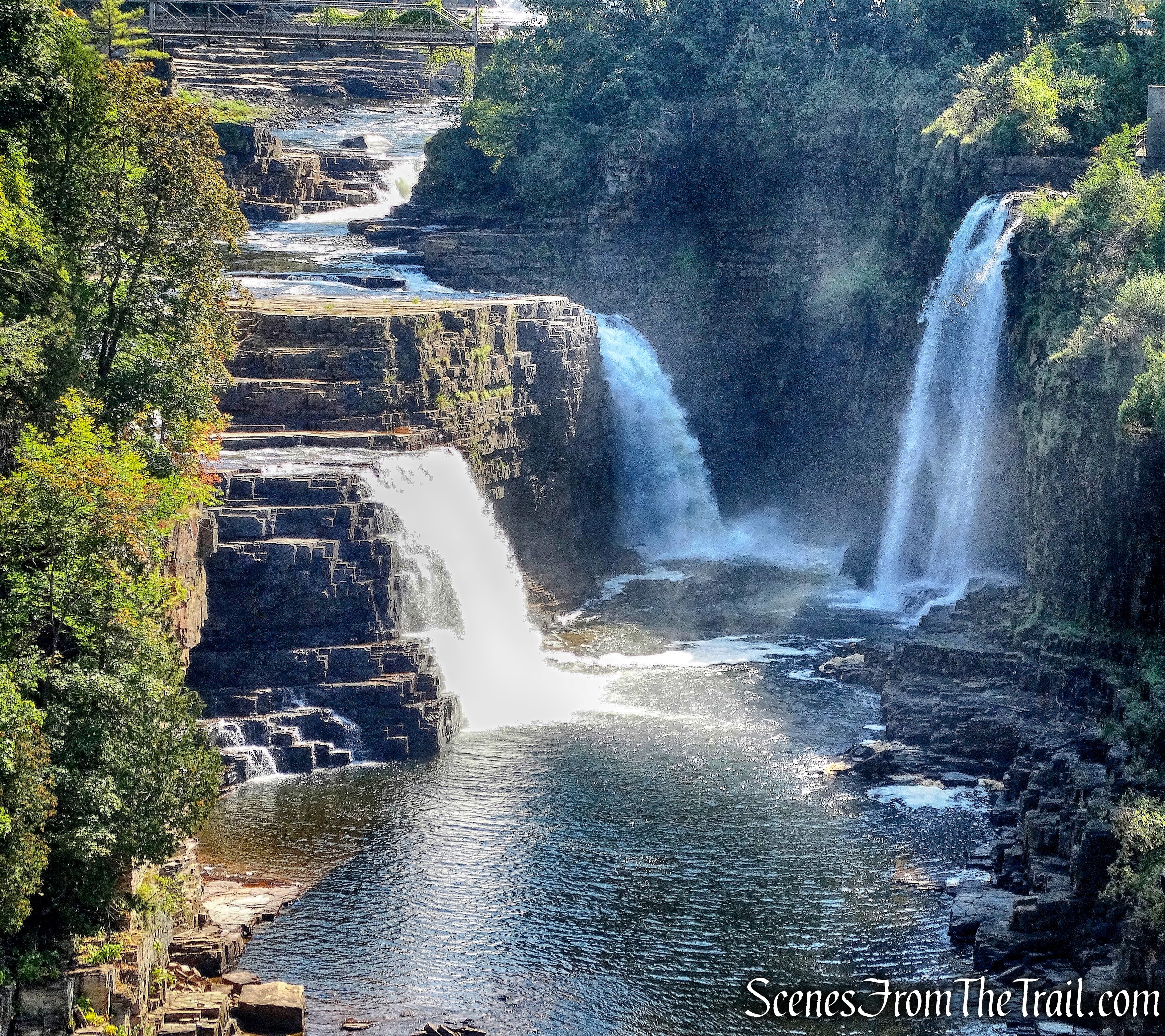
It is fed at the south end by 91-foot-tall Rainbow Falls.

Rainbow Falls

Rainbow Falls

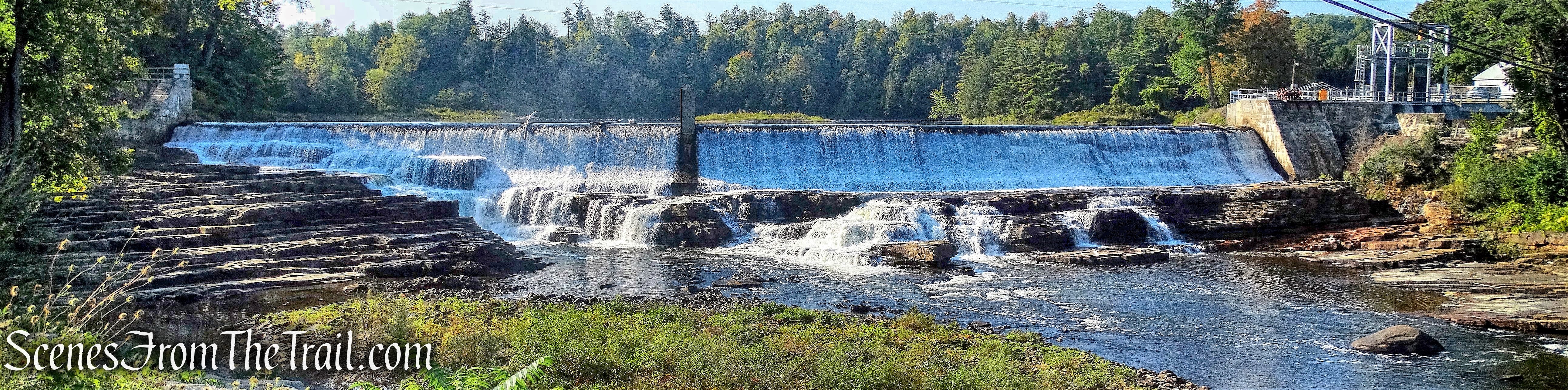
There is a dam upstream from Rainbow Falls, operated by the New York State Gas and Electric Company.

dam upstream

dam upstream

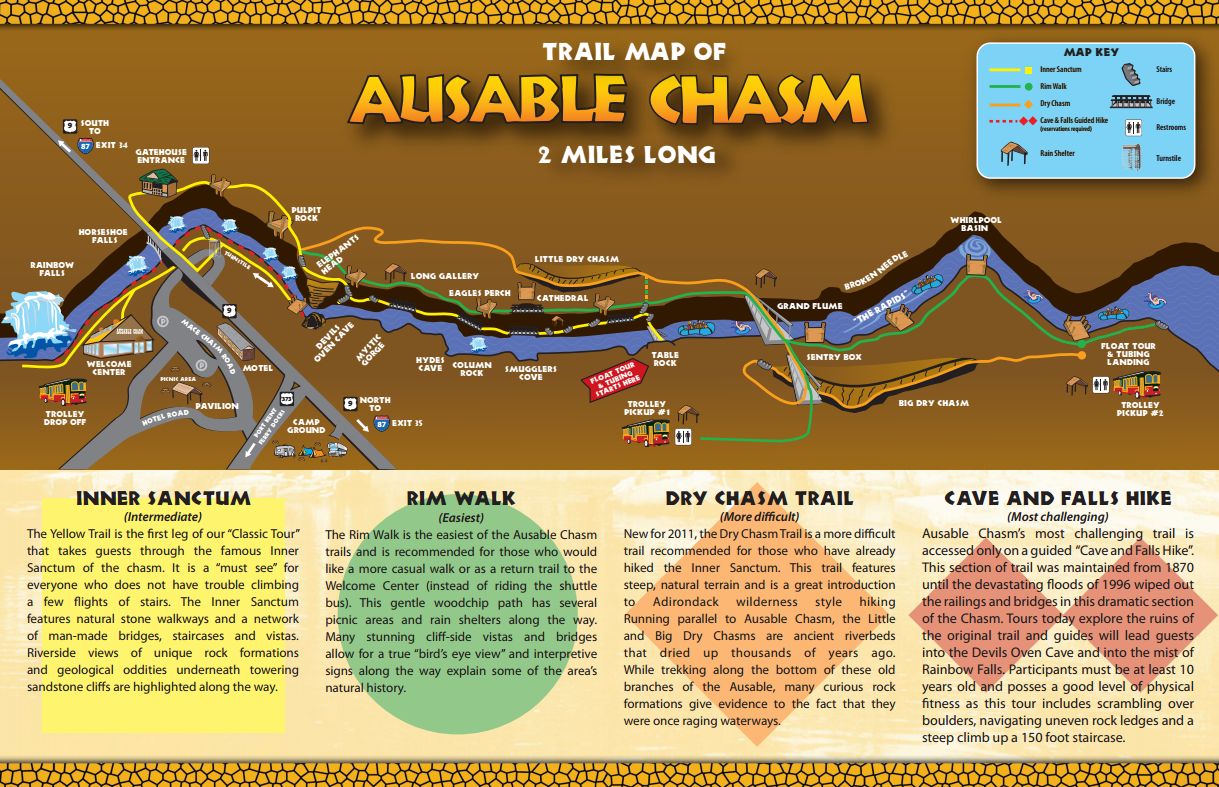
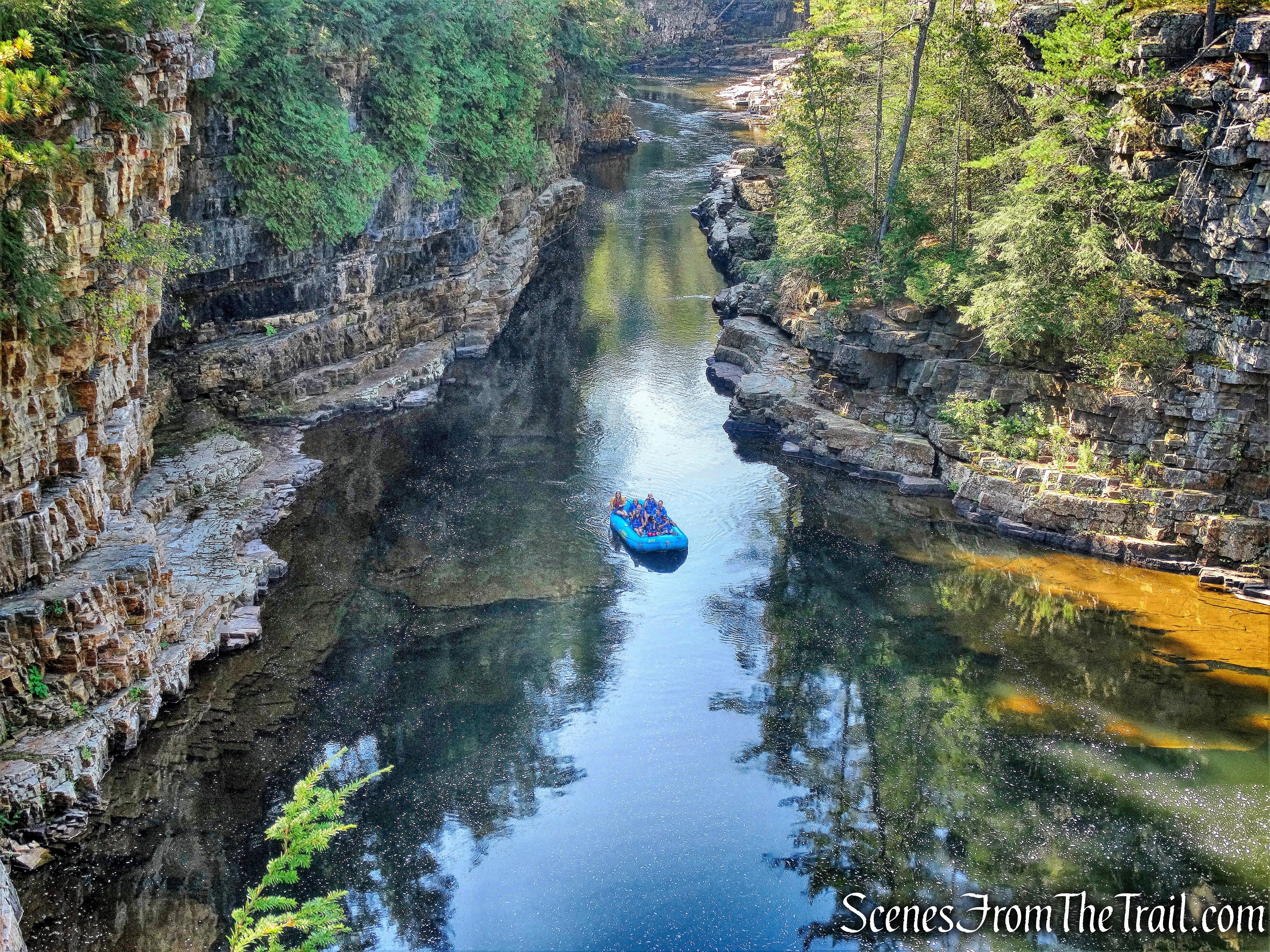
There are several tour packages depending on what activities you prefer. Activities include: hiking, rafting or tubing through the gorge, rappelling, rock climbing, mountain biking and more. Ausable Chasm also has a campground and motel on the grounds with a pool, playgrounds, shuffleboard and basketball court.

Ausable Chasm trail map

Ausable Chasm trail map

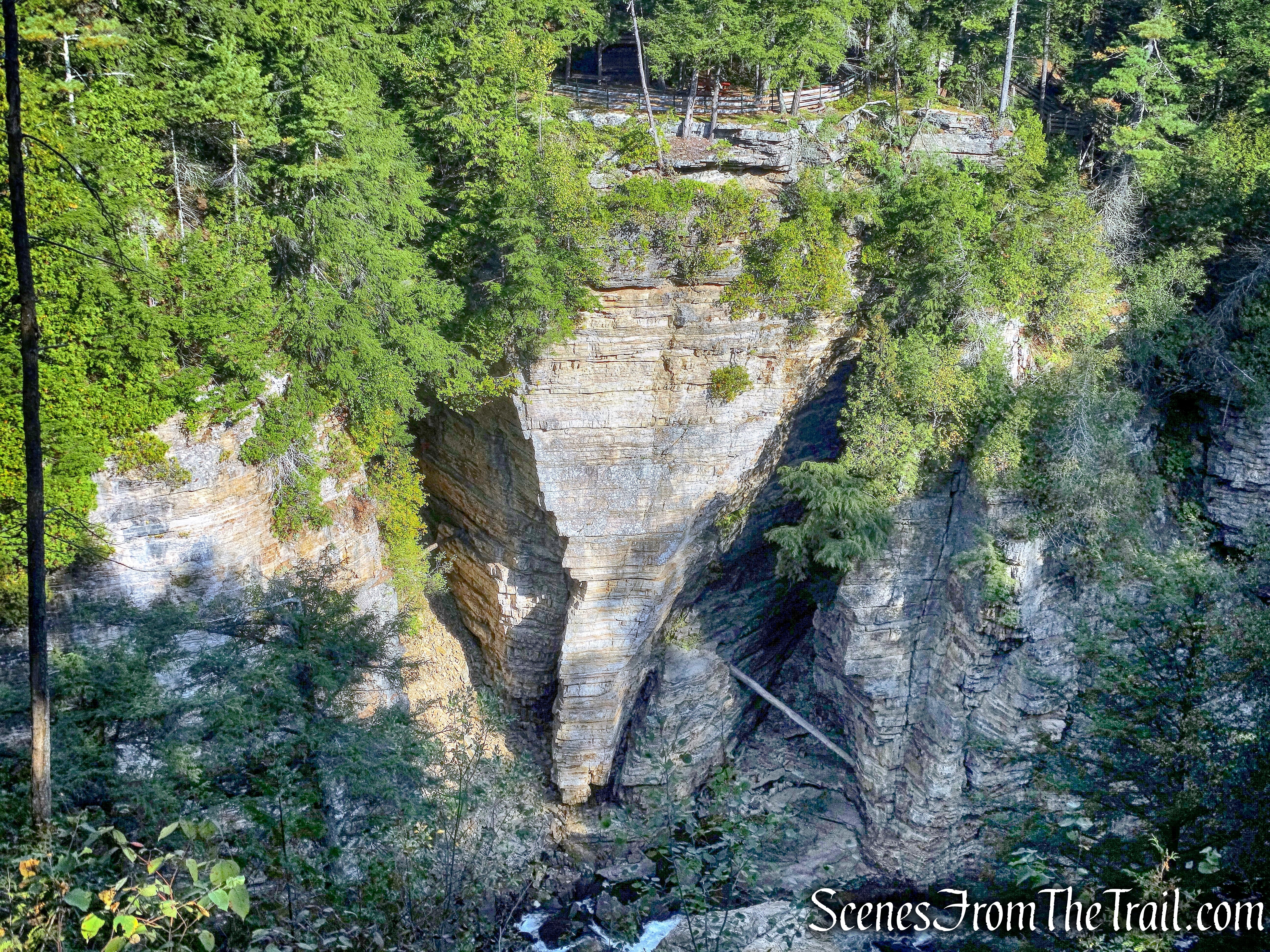
We decided to just do the self-guided hike so we could wander through the park at our own pace and without a crowd. After paying the entrance fee, we headed south along the gorge to view the falls and the dam. We then walked north, under the bridge and through a turnstile to a short spur trail that leads to a view of Elephant’s Head, one of their more notable rock formations.

Elephant’s Head

Elephant’s Head

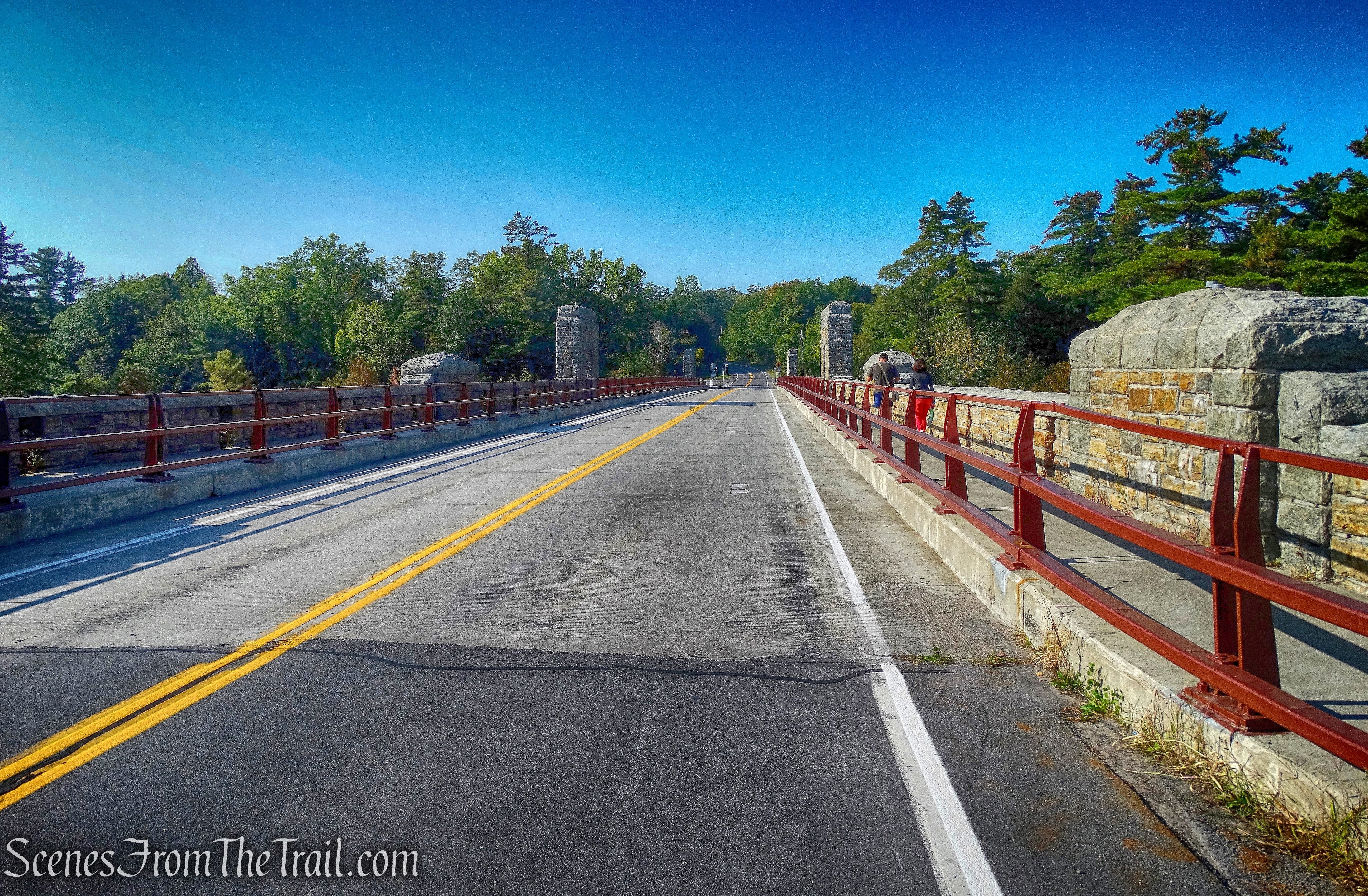
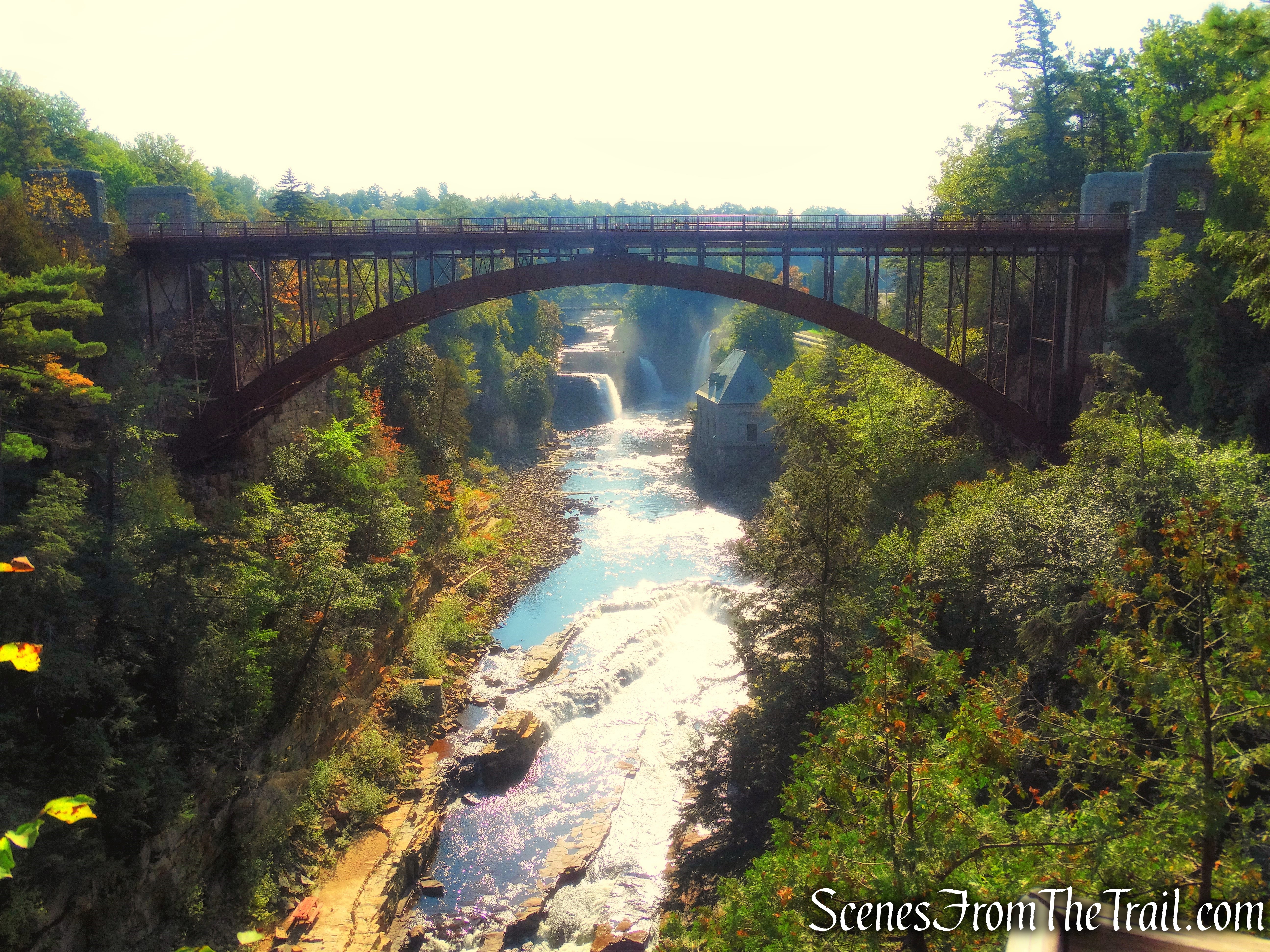
Retracing our steps, we passed back through the turnstile and crossed the AuSable Chasm Bridge, that carries US 9 over the Ausable River. It was built in 1932-1933.

AuSable Chasm Bridge

AuSable Chasm Bridge

After showing our wristbands at the gatehouse, we walked to a viewpoint over the AuSable Chasm Bridge. It was listed on the National Register of Historic Places in 1999.

AuSable Chasm Bridge

AuSable Chasm Bridge

We hiked the Inner Sanctum Trail, a 1-mile route that goes down into the heart of the gorge, and past features known at Pulpit Rock, Elephant’s Head, Devil’s Oven, Mystic Gorge, Column Rock and Hyde’s Cave.

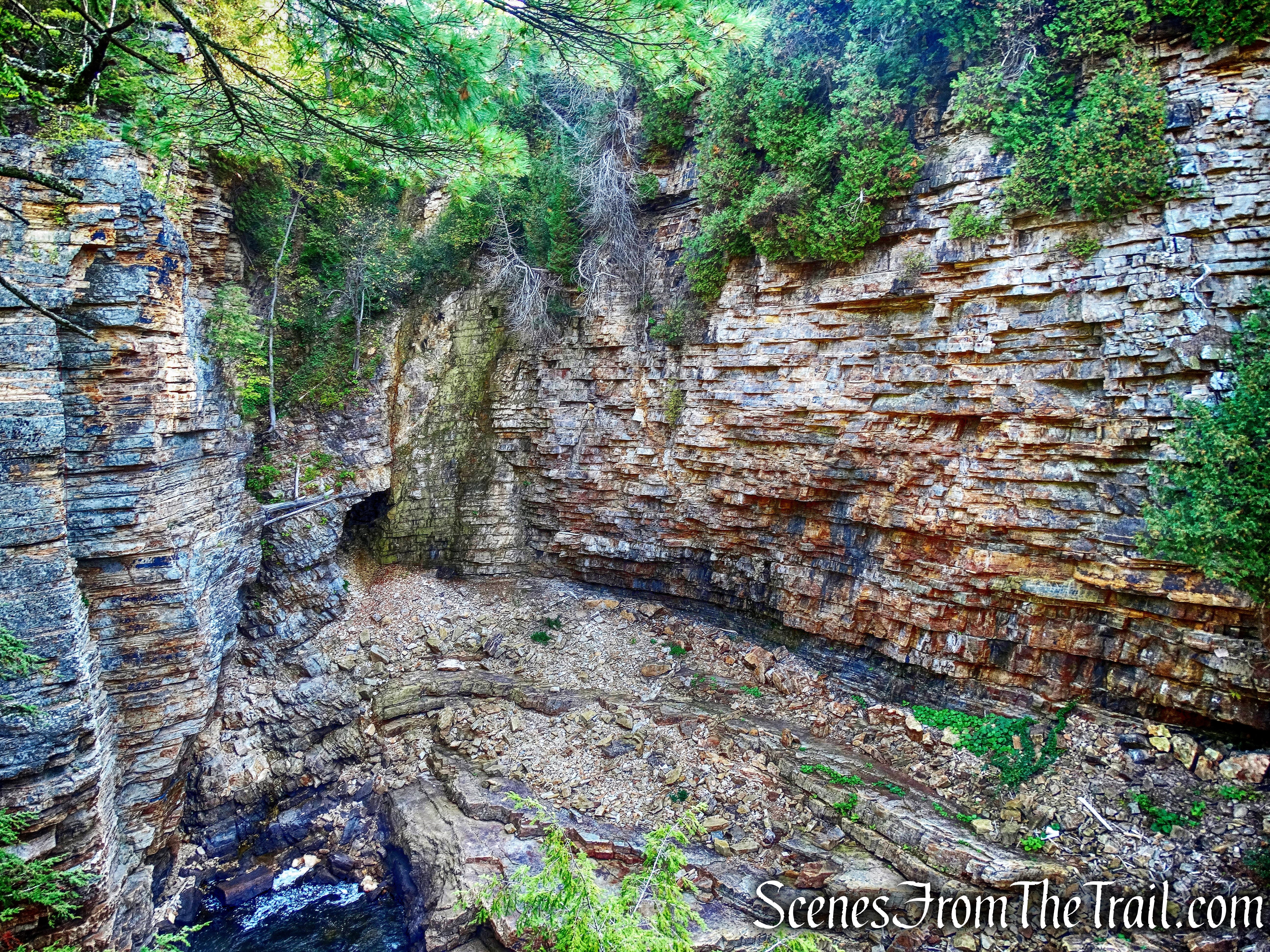
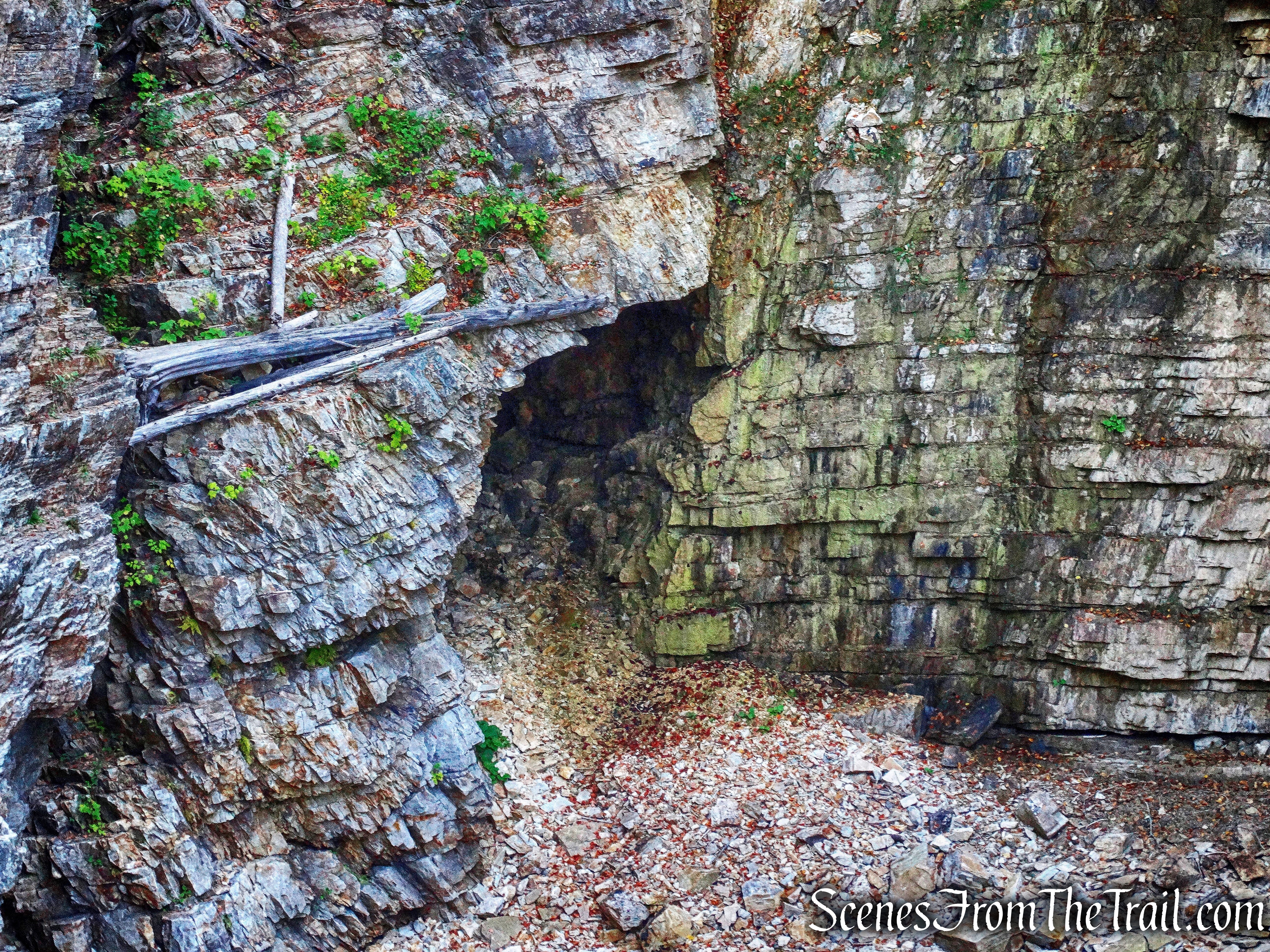
Devil’s Oven

Devil’s Oven

Devil’s Oven

Devil’s Oven

Looking down into the gorge from the Inner Sanctum Trail.

Looking down into the gorge from the Inner Sanctum Trail.

Looking down into the gorge from the Inner Sanctum Trail.

Looking downstream into the gorge from the Inner Sanctum Trail.

Looking downstream into the gorge from the Inner Sanctum Trail.

Looking downstream into the gorge from the Inner Sanctum Trail.

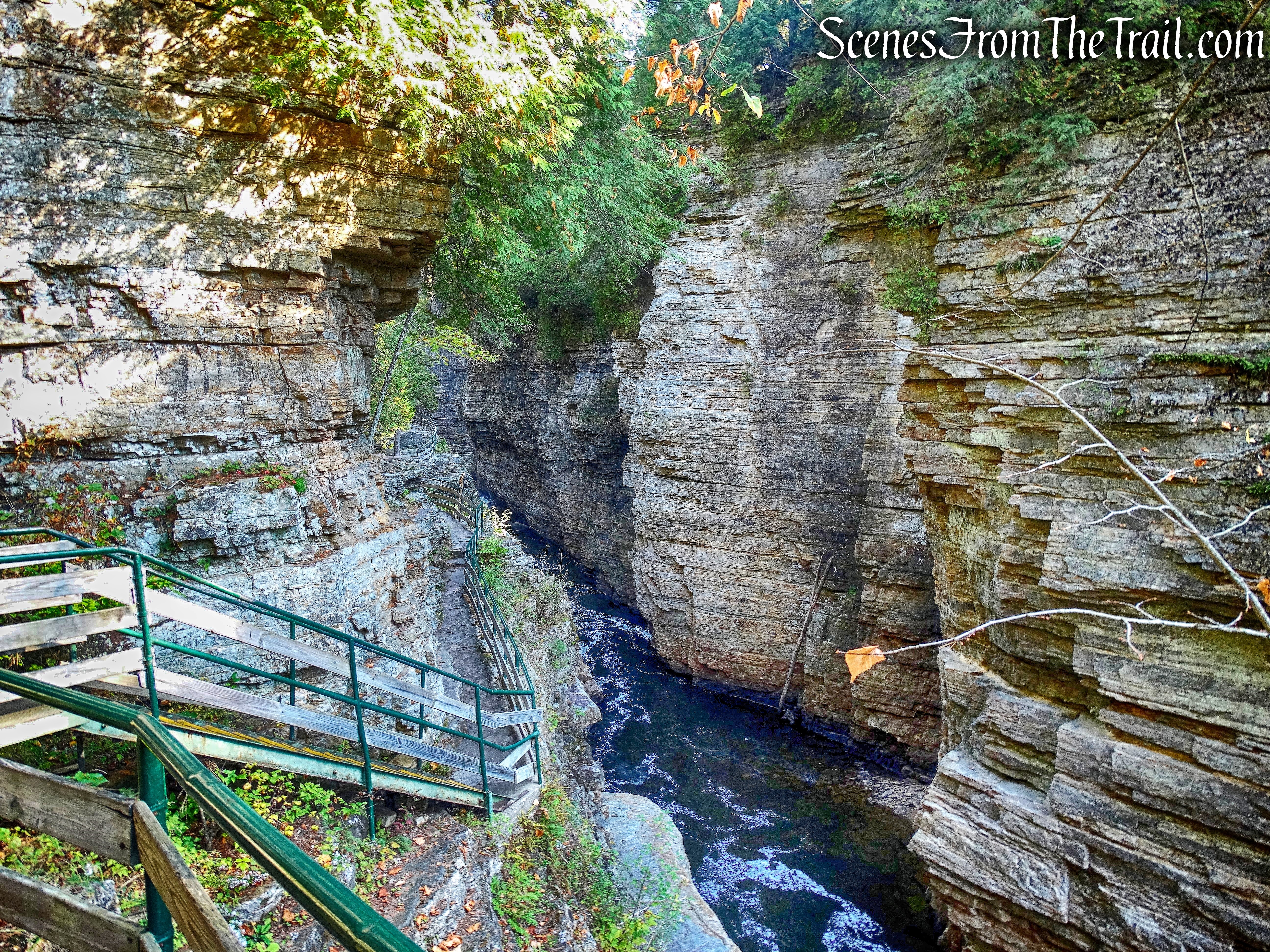
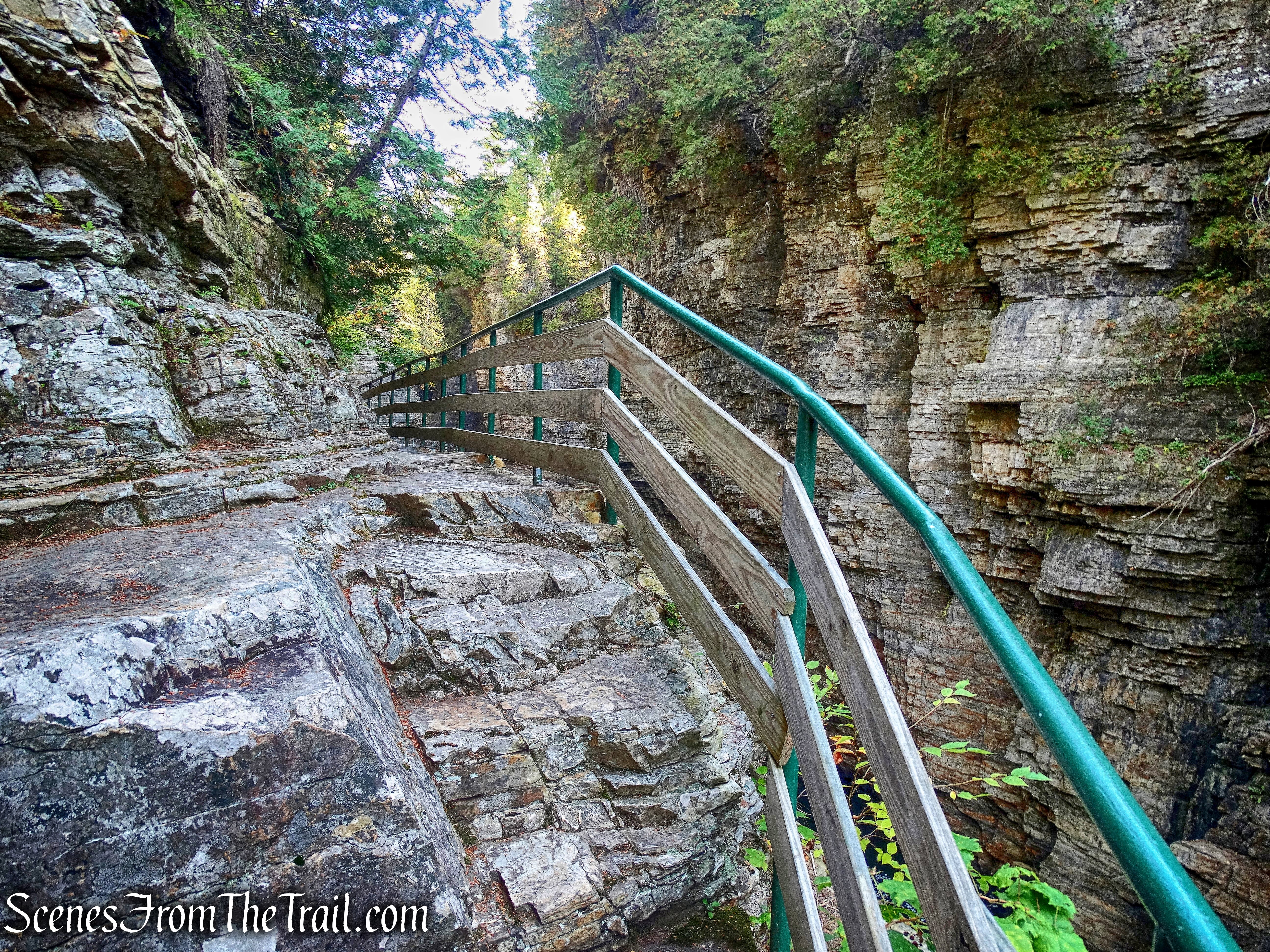
The trail is moderate with lots of carved-rock and wooden steps.

Inner Sanctum Trail

Inner Sanctum Trail

The rocks may be wet and slick at times. I encountered some shaky railings in certain spots and would not recommend leaning on them.

Inner Sanctum Trail

Inner Sanctum Trail

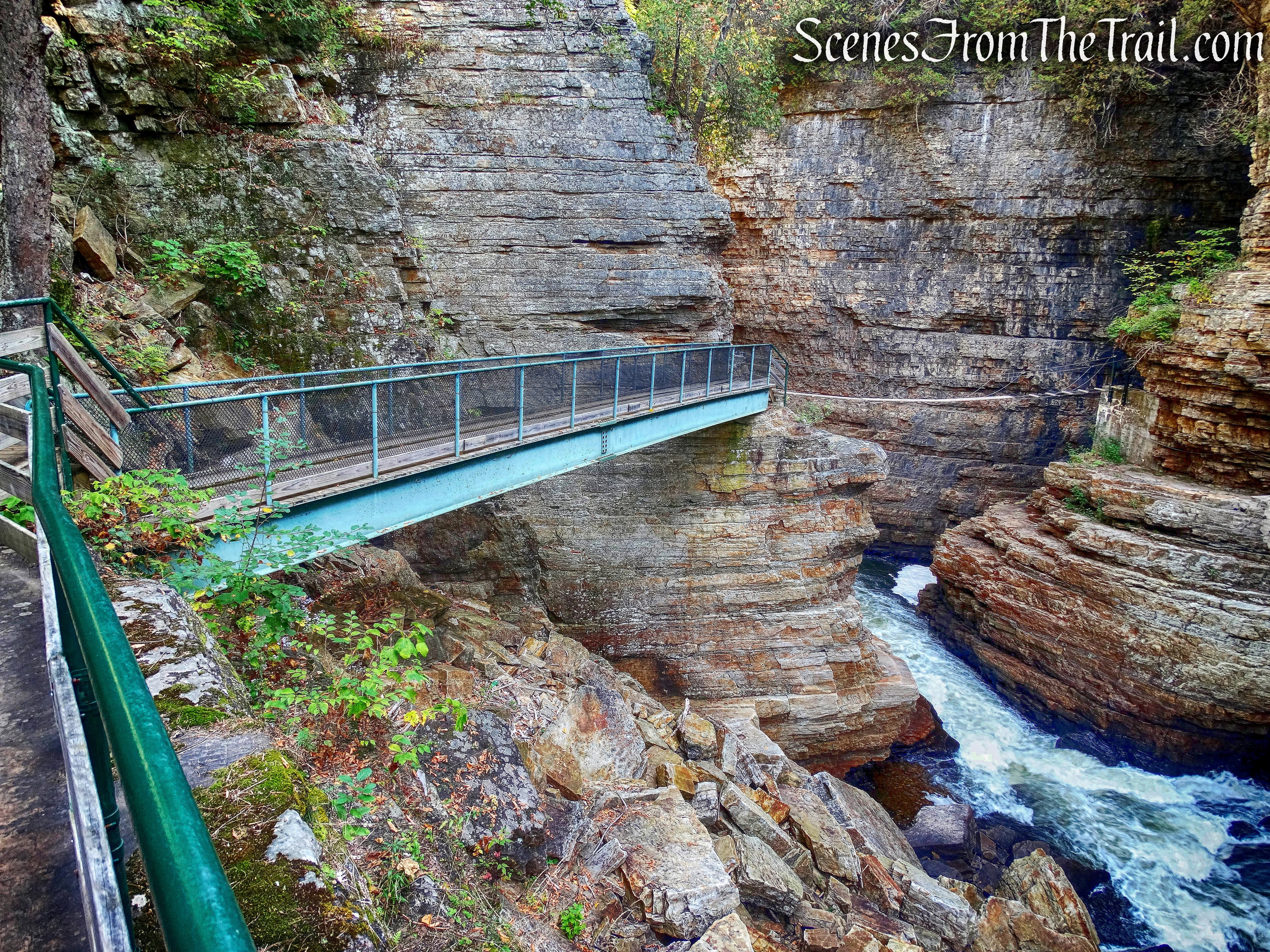
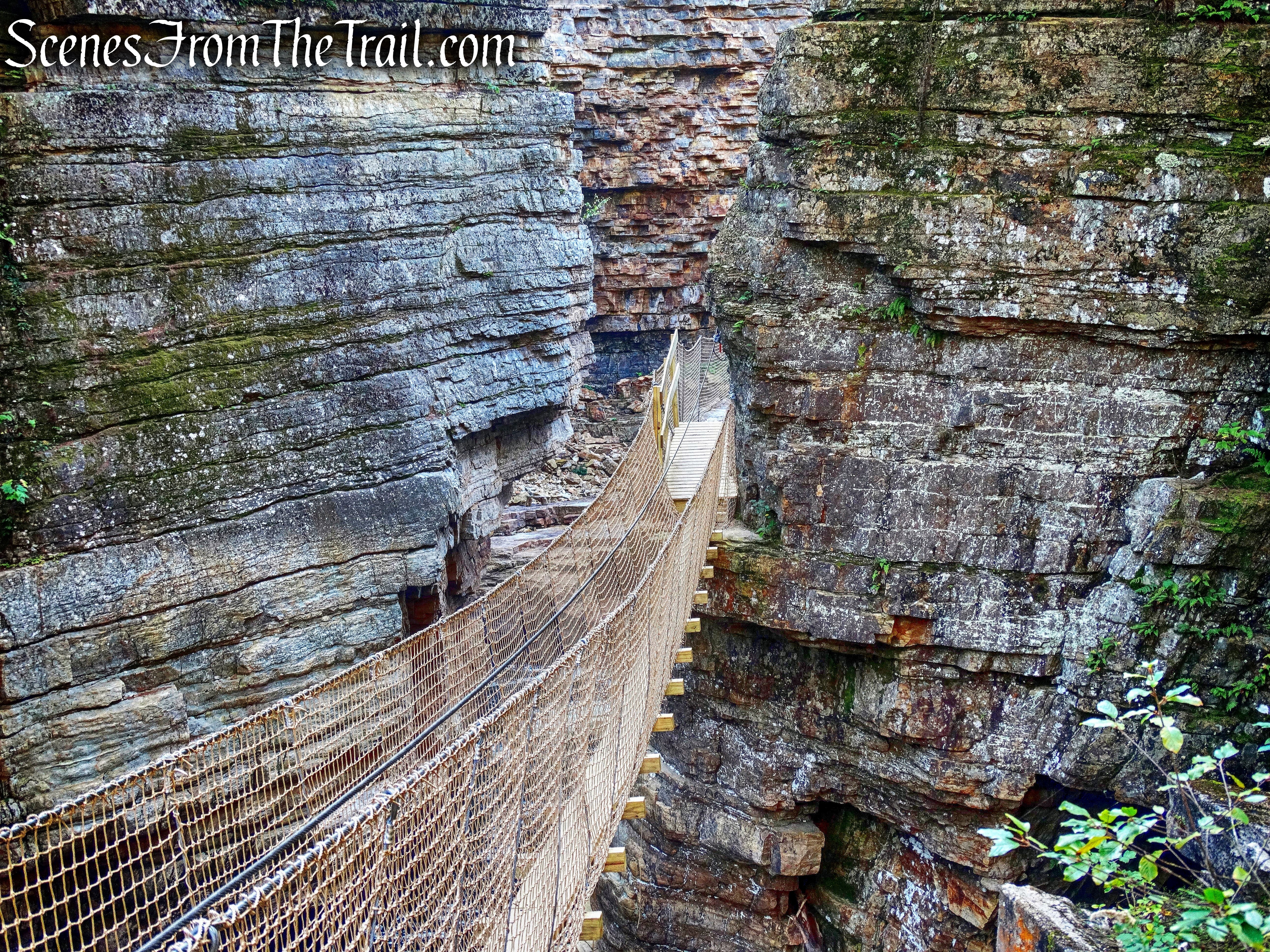
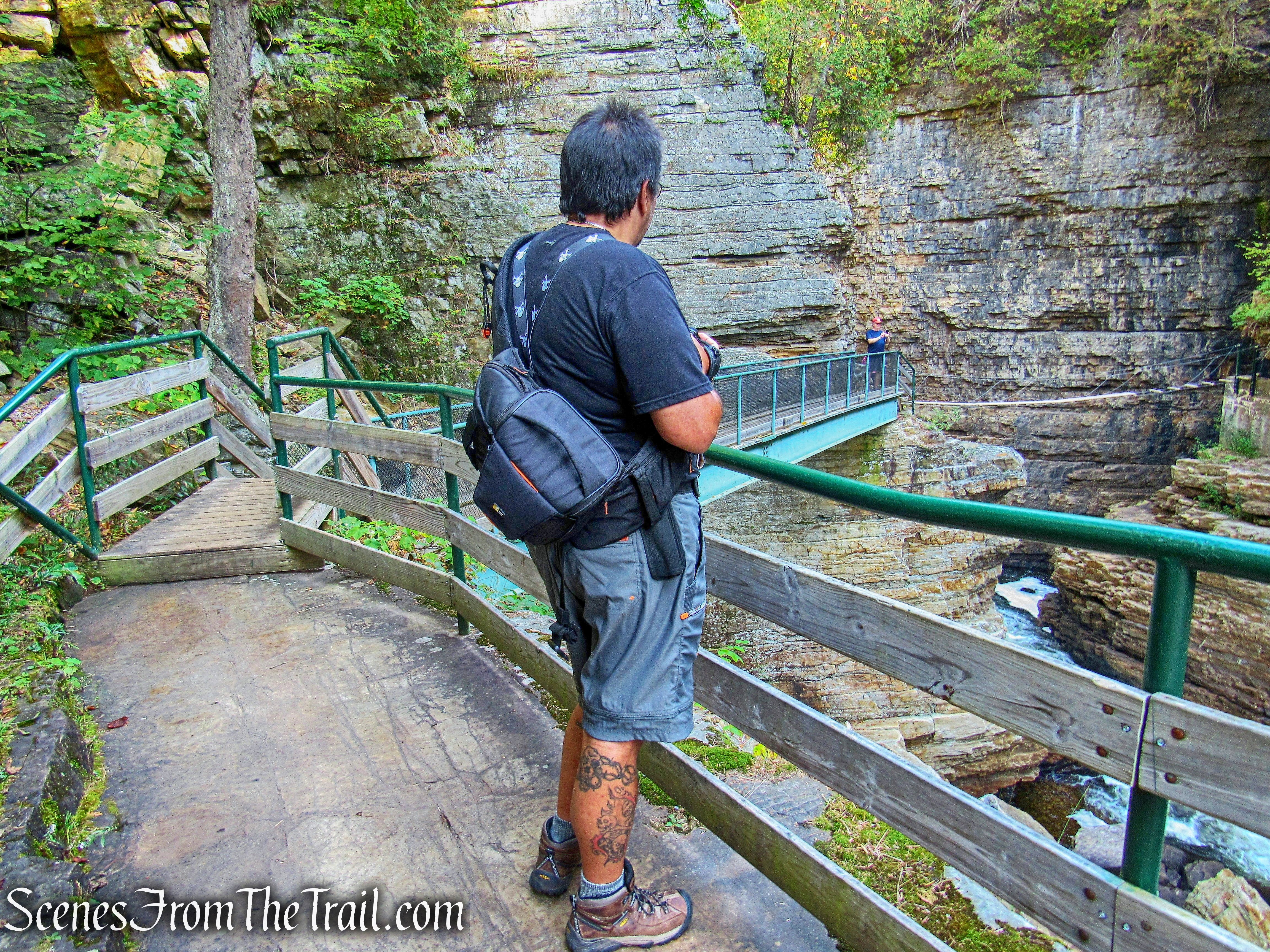
Much of the trail is on ledges above the narrow and fast-flowing river with sheer rock on both sides and above you. There are several suspension foot bridges that carry the trail through the gorge.

Inner Sanctum Trail

Inner Sanctum Trail

The 2-mile Rim Walk Trail is the easiest route and follows the upper lip of the gorge through a forest. It is mostly a wood-chip path with picnic tables along the way.

View from the northern end of the Rim Walk Trail

View from the northern end of the Rim Walk Trail

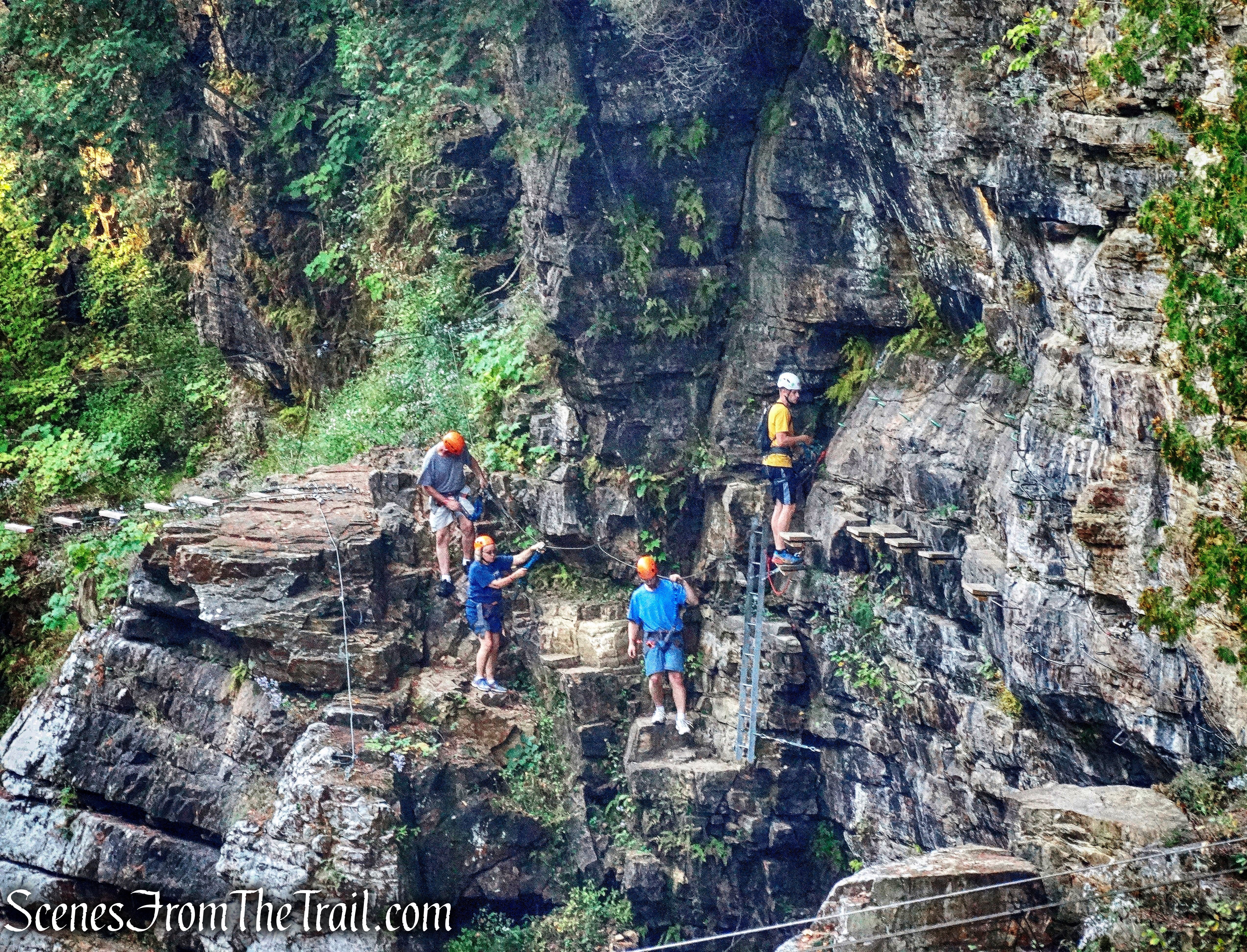
The Adventure Trail is the toughest route that includes a cable course with traverses, bridges, cargo net climbs and edge walks.

Adventure Trail

Adventure Trail

Adventure Trail

Adventure Trail

The Dry Chasm Trail covers 1.5 miles in two sections. It travels through ancient riverbeds. We did not go on this trail because it was swampy and buggy on the day that we visited.

Dry Chasm Trail

Dry Chasm Trail

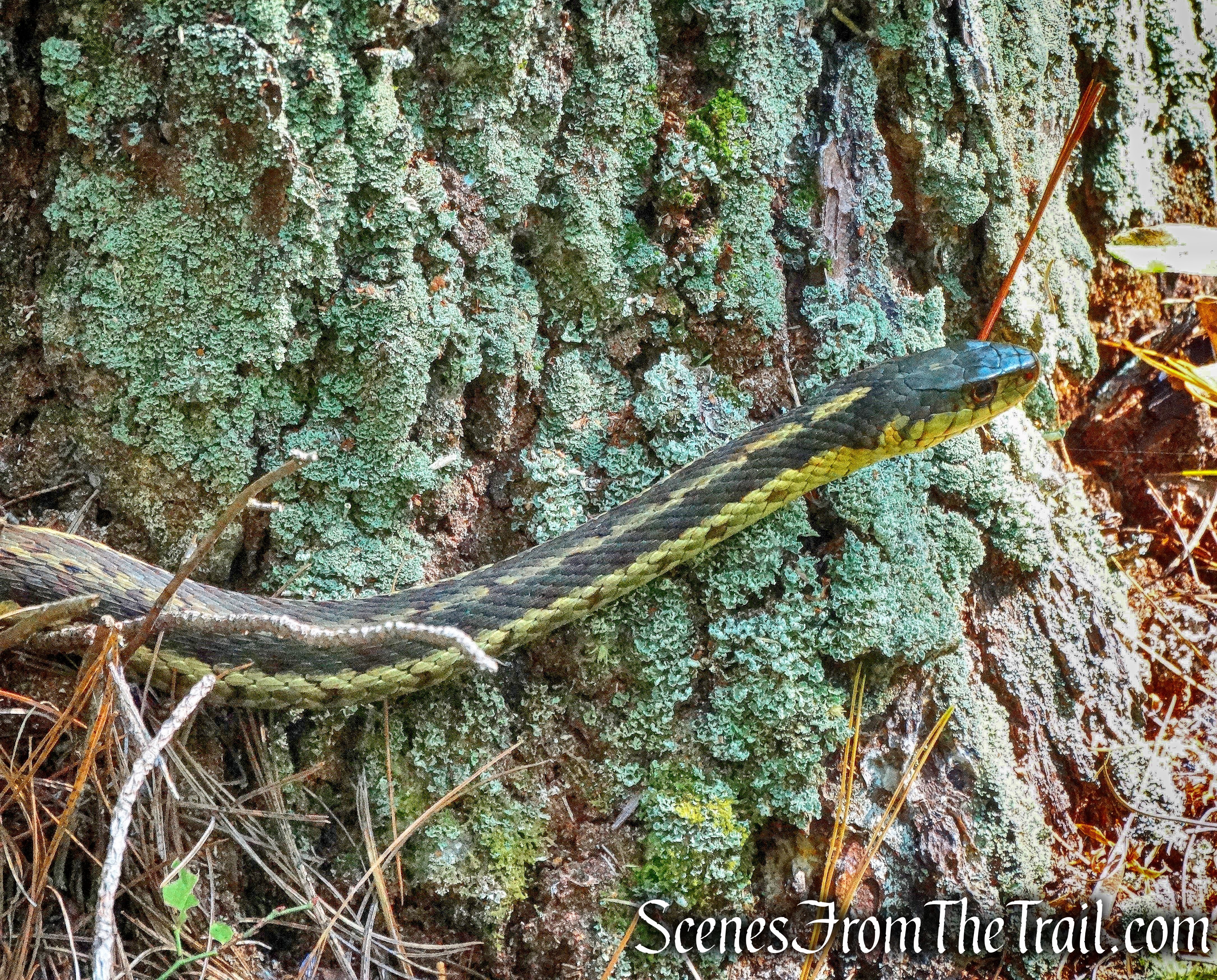
There are several shuttle stops which can be used to return to the center of the park instead of walking. We decided to walk back and turn our hike into a semi-loop. On the way back I spotted a couple of Garter Snakes along the trail.

Garter Snake

Garter Snake

We did an approximately 3.5 mile hike on our visit. We saw most if not all of the points of interests.  Ausable Chasm is one of those places that you read about and just want to visit. We got there early on a Sunday morning, just after it opened. Just early enough to beat the crowds. On our way out we passed by a lot of people just arriving. The drive to and fro is quite scenic as well.

Pros: Very scenic, Lots of different activities available, great for kids.

Cons: Some of the railings are a little shaky, gets crowded. admission fee.

Ausable Chasm

Ausable Chasm


Champlain Memorial Lighthouse

September 23, 2017 – Crown Point, NY

Difficulty: Easy

Map: Web map

Location: 742 Bridge Road, Crown Point, NY 12928


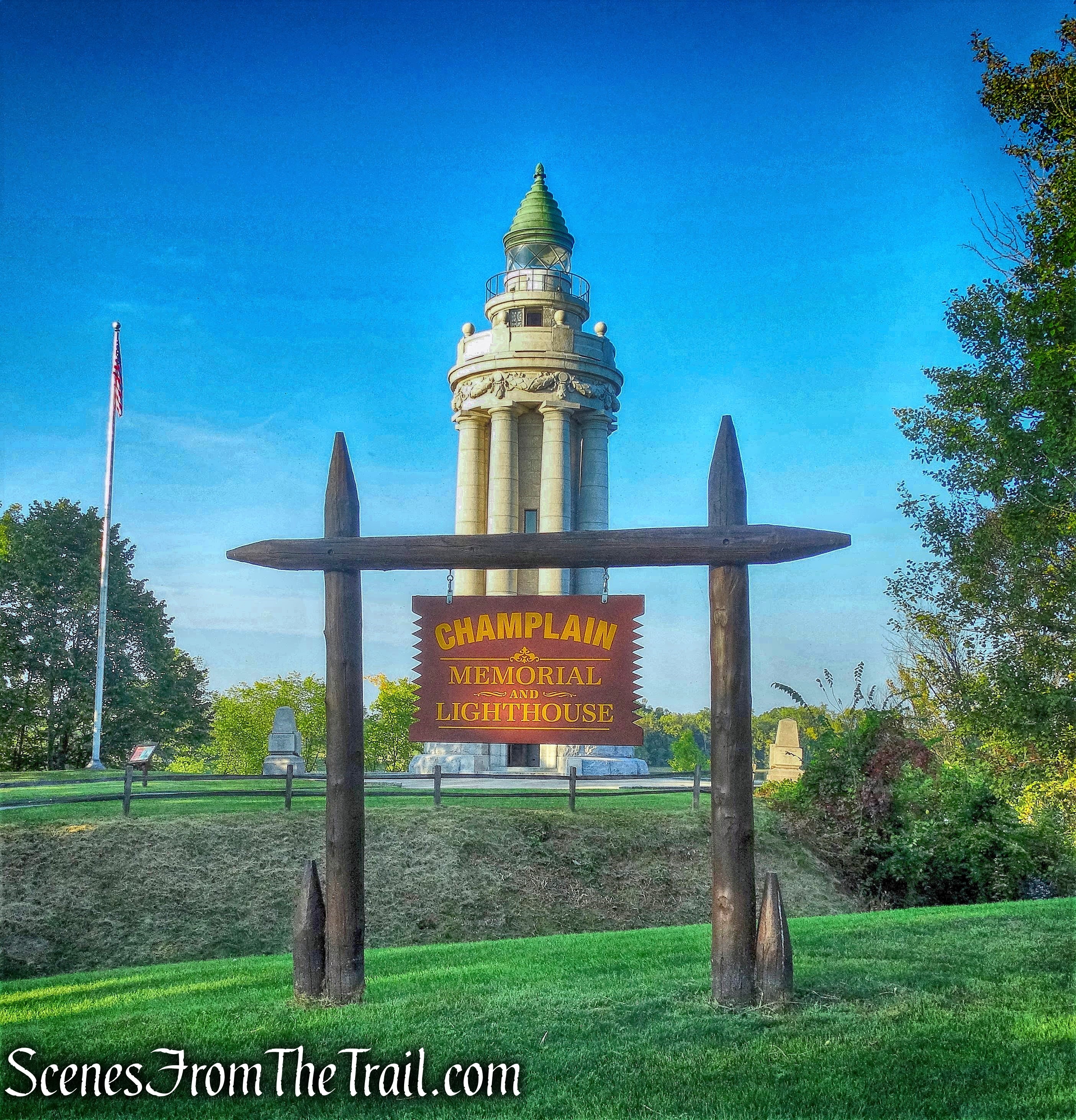
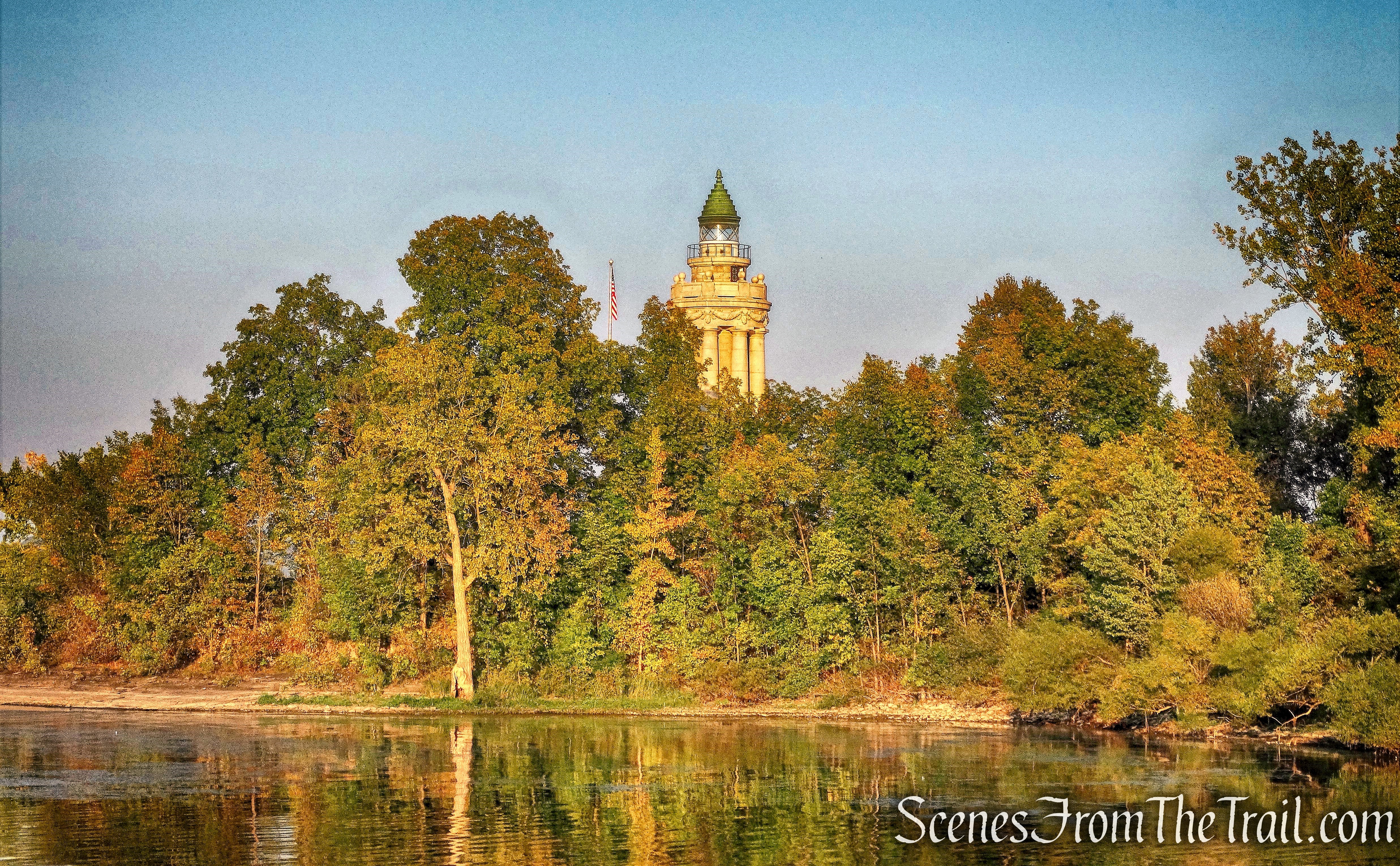
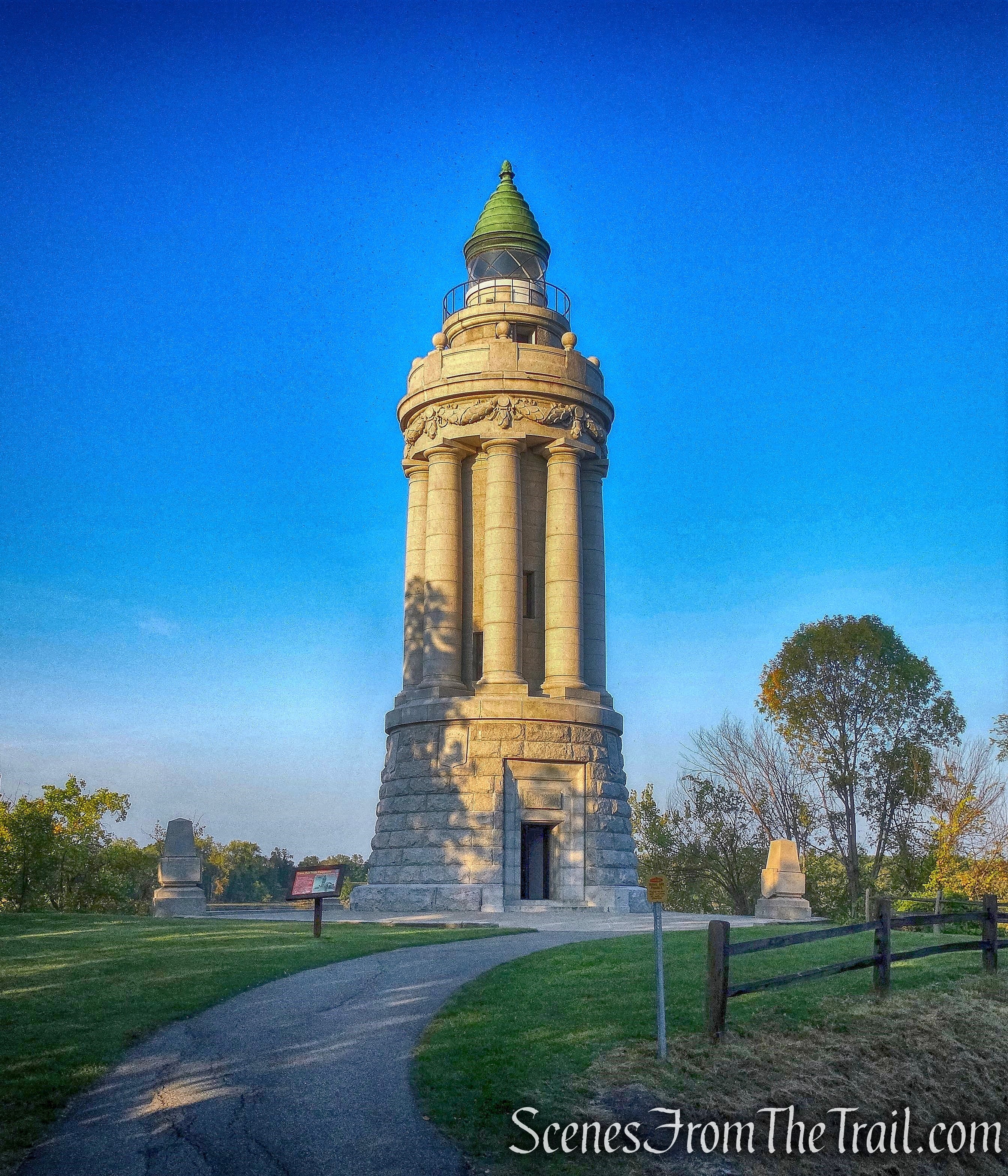
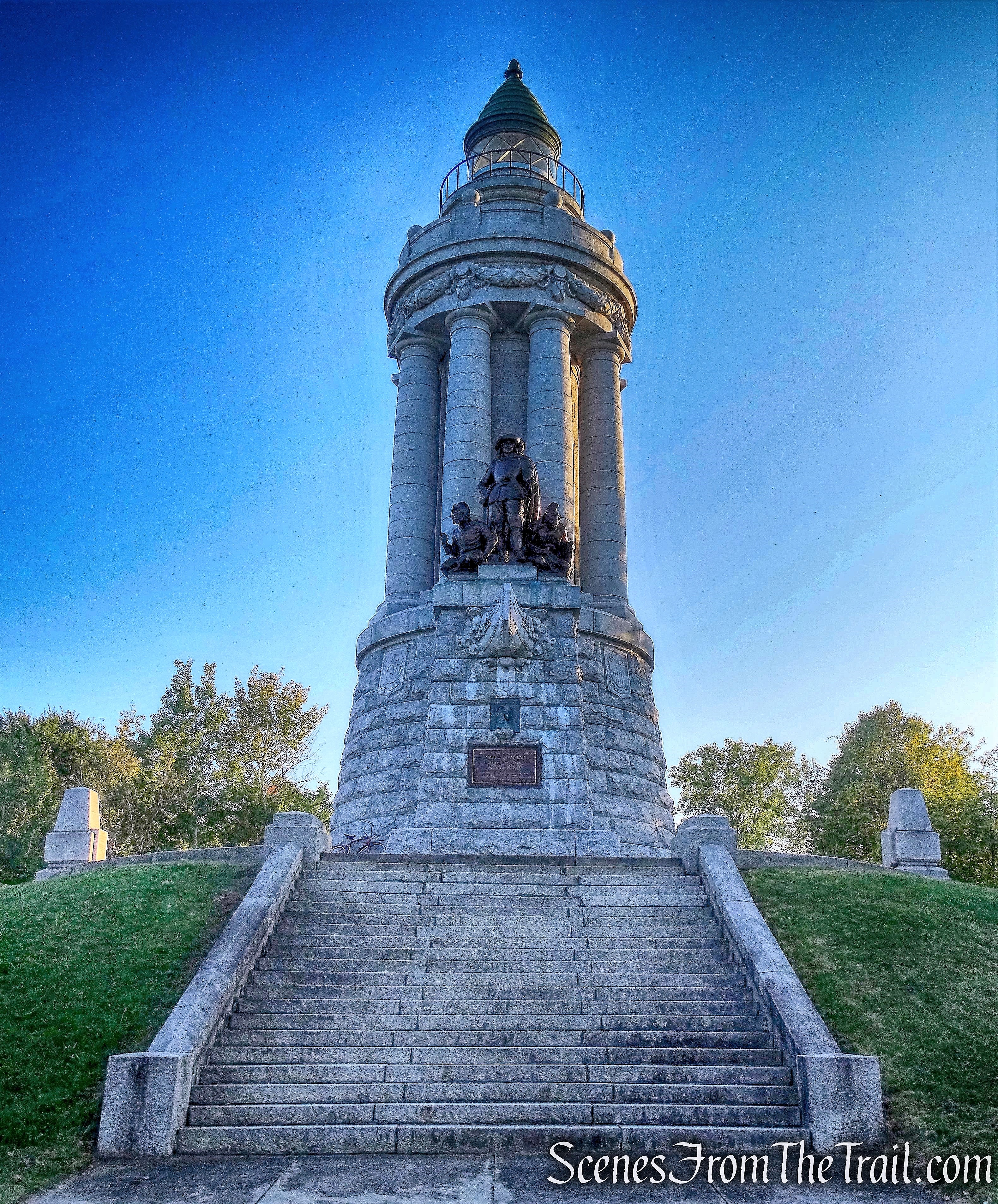
Champlain Memorial Lighthouse in Crown Point, NY, near the Vermont border, is one of the most historic lighthouses in Upstate New York. It’s also been called “one of the most unusual lighthouses of its kind in the world.”

Champlain Memorial Lighthouse

Champlain Memorial Lighthouse

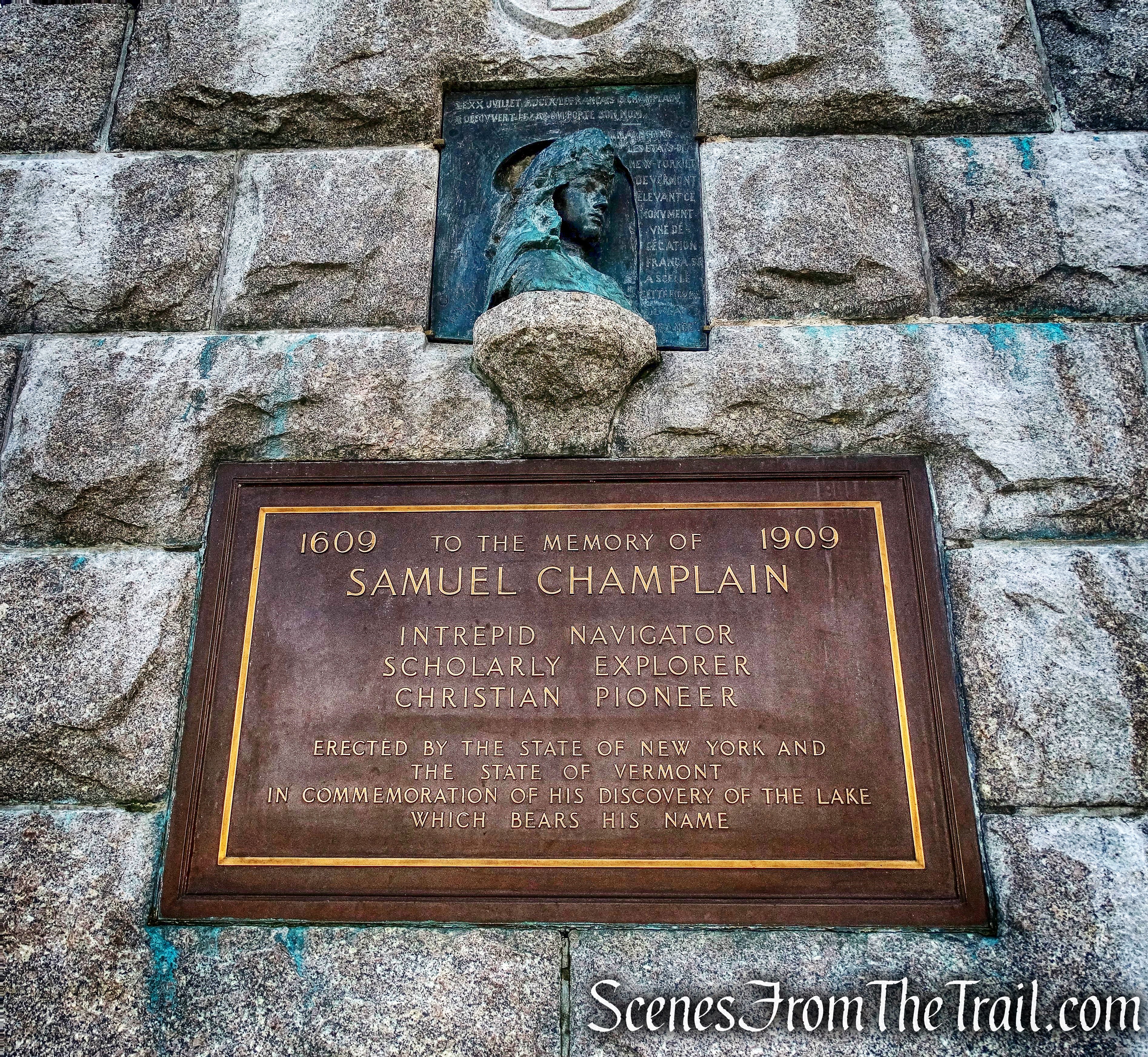
On July 4, 1609, Samuel de Champlain discovered the lake on which his name would be bestowed. In 1858, Crown Point Lighthouse was built on the site originally occupied by a windmill that was built by the French in 1737. In the early 1900s, while planning a week-long celebration to commemorate the tricentennial of Champlain’s discovery of the lake, commissions from New York and Vermont sought to erect a memorial to the French explorer. A suggestion in a local newspaper’s Letters to the Editor, was to convert an existing lighthouse into a memorial. Crown Point Lighthouse was chosen as the site and the conversion of the lighthouse into a memorial was completed in 1912.

Champlain Memorial Lighthouse

Champlain Memorial Lighthouse

Using a style popular in Samuel de Champlain’s time, the limestone exterior of the lighthouse was replaced with eight Doric columns resting upon a conical base made of Fox Island granite imported from Maine.

Champlain Memorial Lighthouse

Champlain Memorial Lighthouse

An ornate cornice, parapet, and lantern room were also added to complete the memorial.

Champlain Memorial Lighthouse

Champlain Memorial Lighthouse

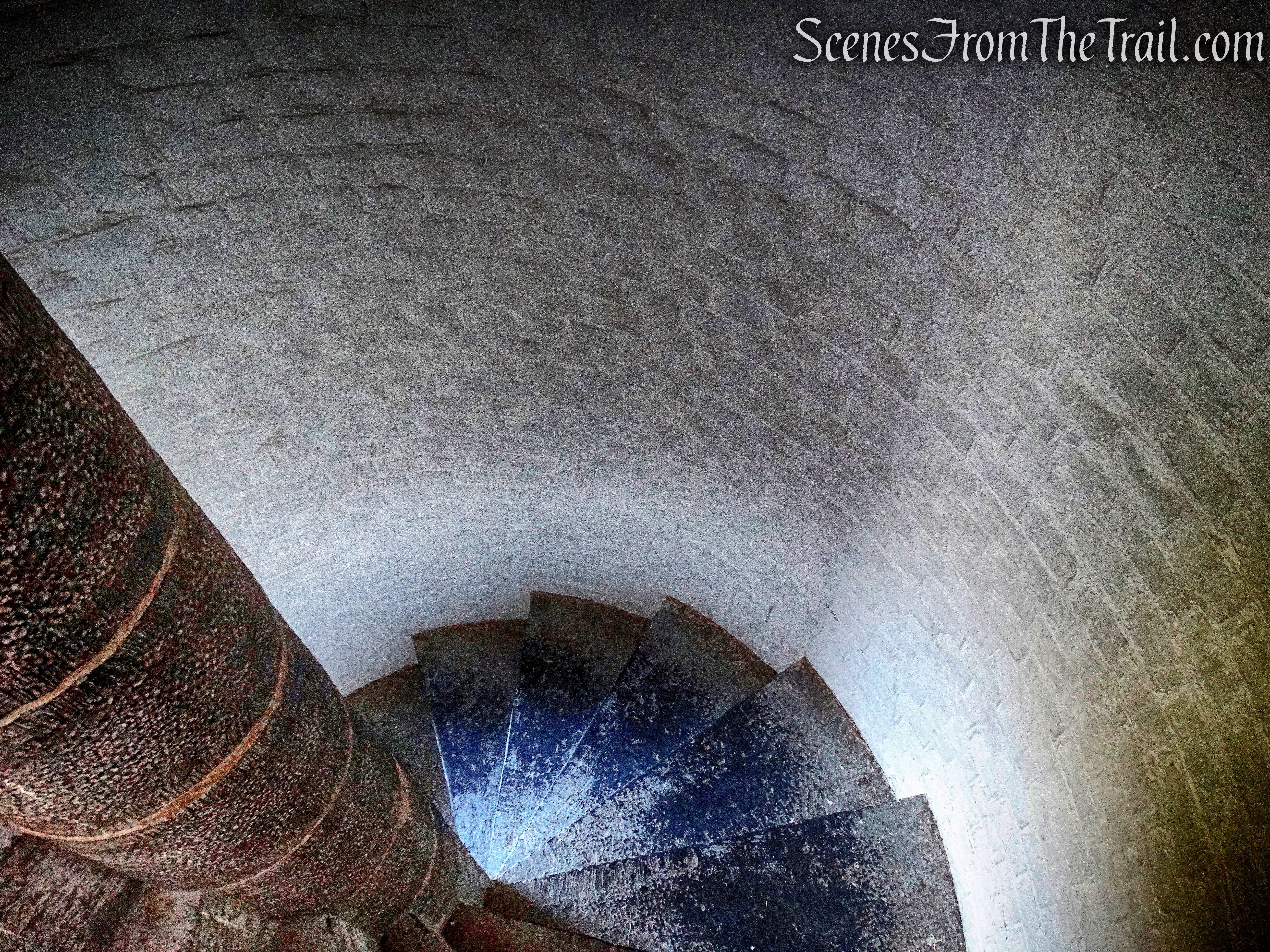
Parts of the foundation, the interior brick, and the cylindrical shaft holding the spiral staircase are from the original tower, and the space between the old and new towers was filled with concrete.

Champlain Memorial Lighthouse

Champlain Memorial Lighthouse

Champlain Memorial Lighthouse

Champlain Memorial Lighthouse

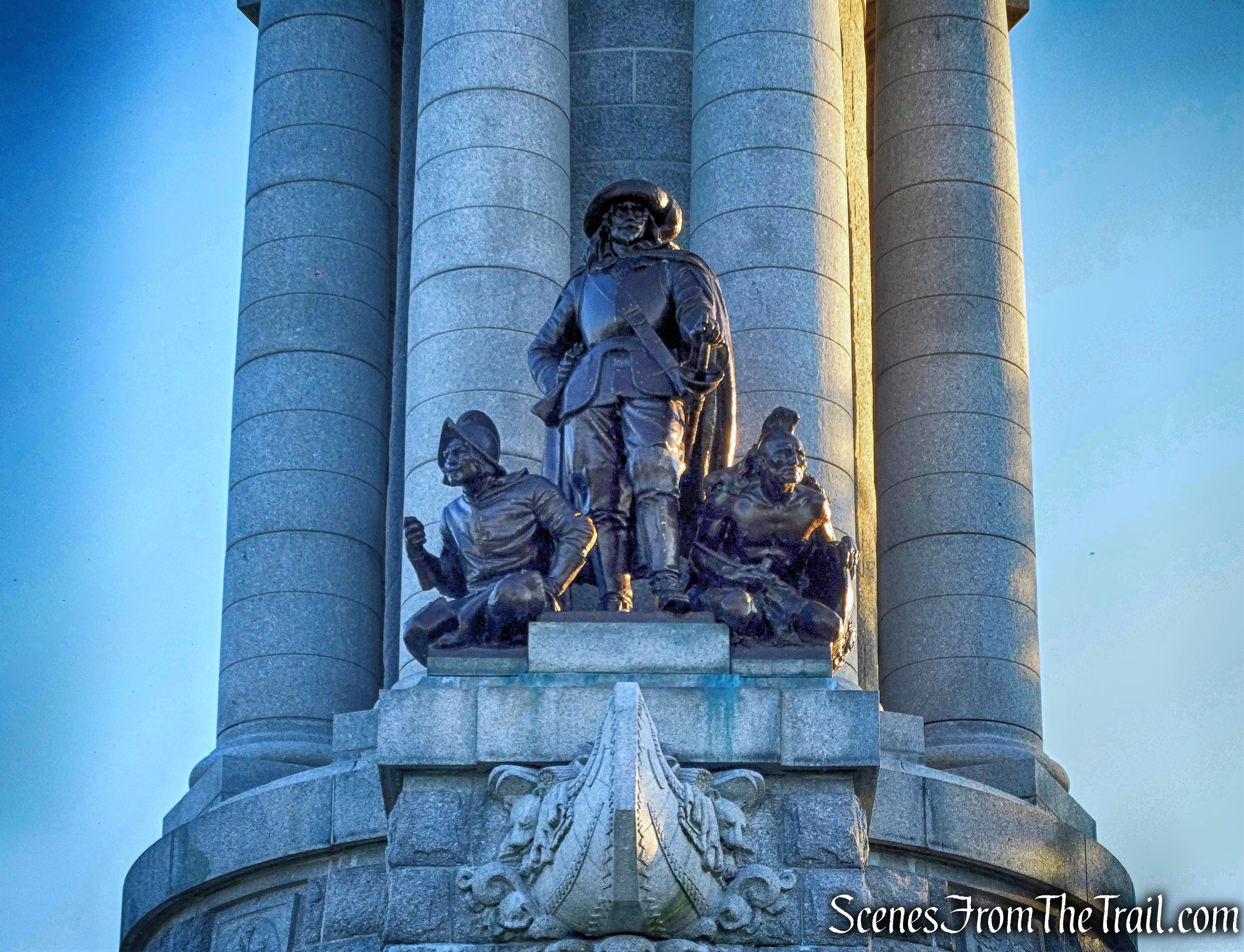
On the side of the memorial facing the water is a sculpture, crafted by American Carl Heber, depicting Champlain flanked by a crouching Huron Indian and a French soldier.

Champlain Memorial Lighthouse

Champlain Memorial Lighthouse

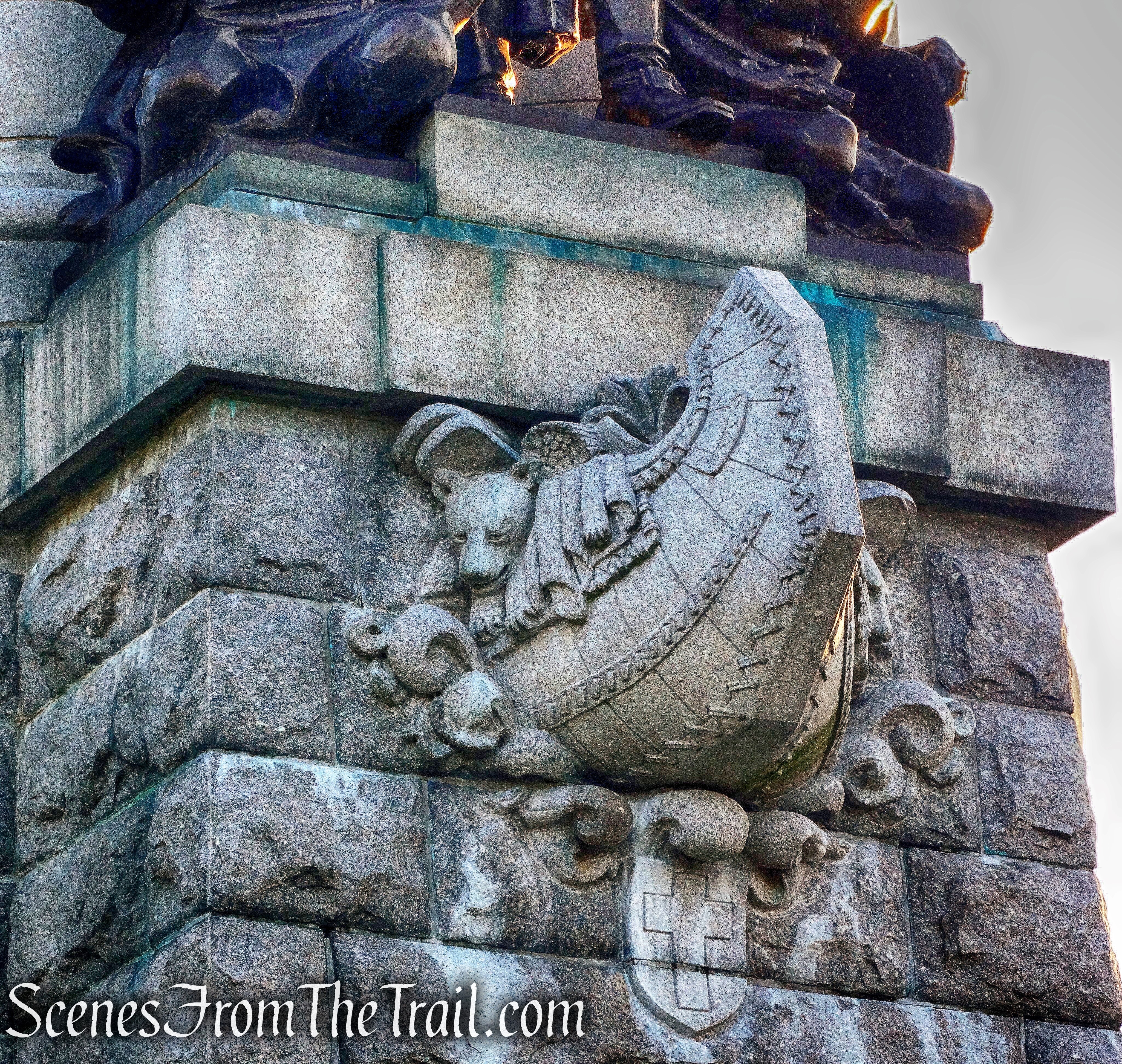
This sculpture stands above the prow of a canoe that was built into the base of the memorial.

Champlain Memorial Lighthouse

Champlain Memorial Lighthouse

The French donated “La France,” a bronze bust by Auguste Rodin with an inscription commemorating Champlain’s exploration of the lake, to be incorporated in the monument.

Champlain Memorial Lighthouse

Champlain Memorial Lighthouse

The official dedication of the completed 55 ft. tall monument, presided over by President William H. Taft, was held on July 5, 1912.

Champlain Memorial Lighthouse

Champlain Memorial Lighthouse

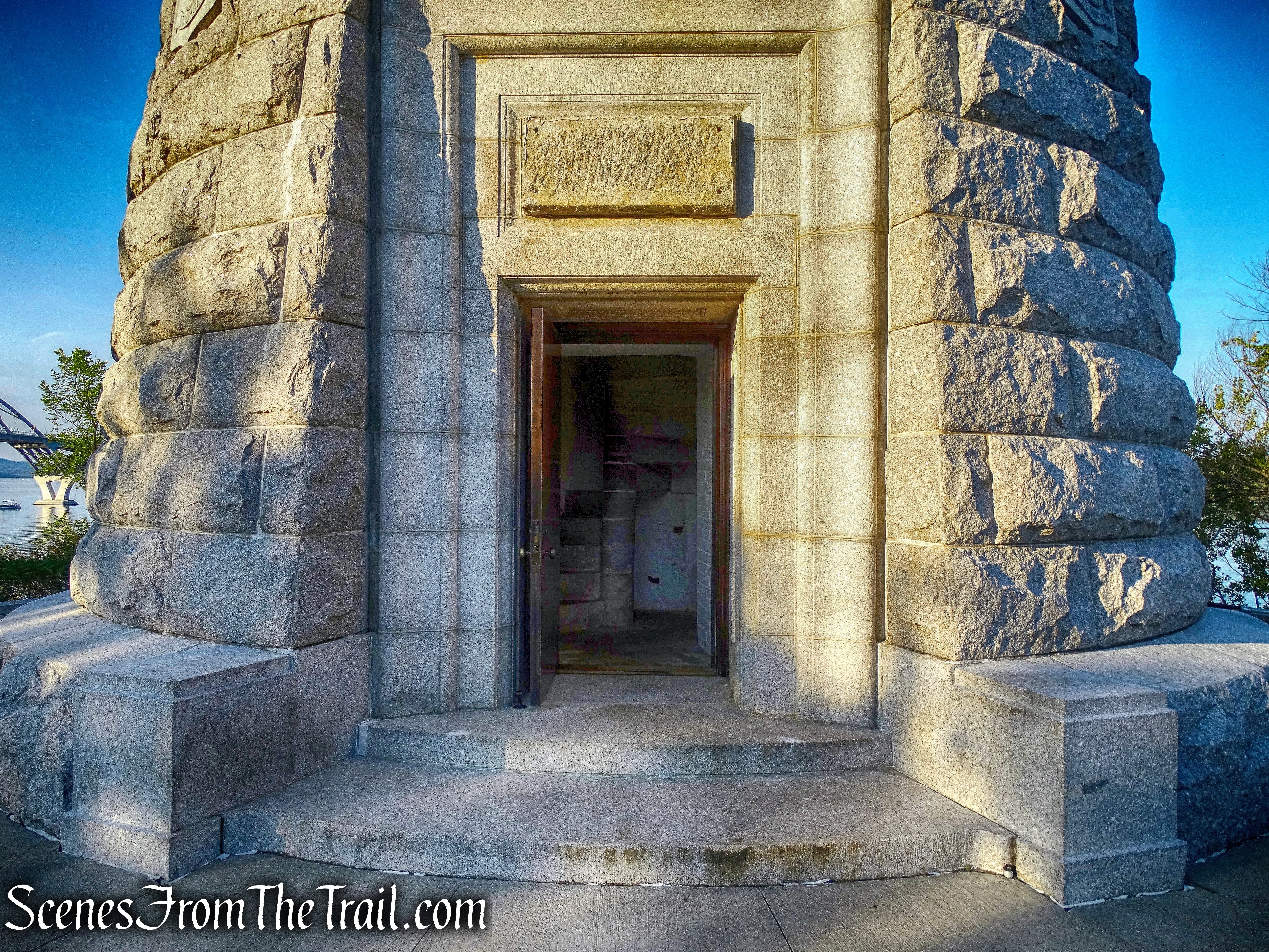
The lighthouse is easily accessible from the NY State Campground at Crown Point Historic Site. It is open to the public and a visit to the top is highly recommended.

Champlain Memorial Lighthouse

Champlain Memorial Lighthouse

The memorial served as an active lighthouse for only fourteen years and in 1926, its light was extinguished. The tower is marked on navigational charts, but does not currently serve as an aid to navigation.

Champlain Memorial Lighthouse

Champlain Memorial Lighthouse

The lighthouse is located on the grounds of the Crown Point Campground. The entire reservation, including all 49 acres of the campground, are listed in the National Register of Historic Places and have been designated by the United States Secretary of the Interior as a National Historic Landmark.


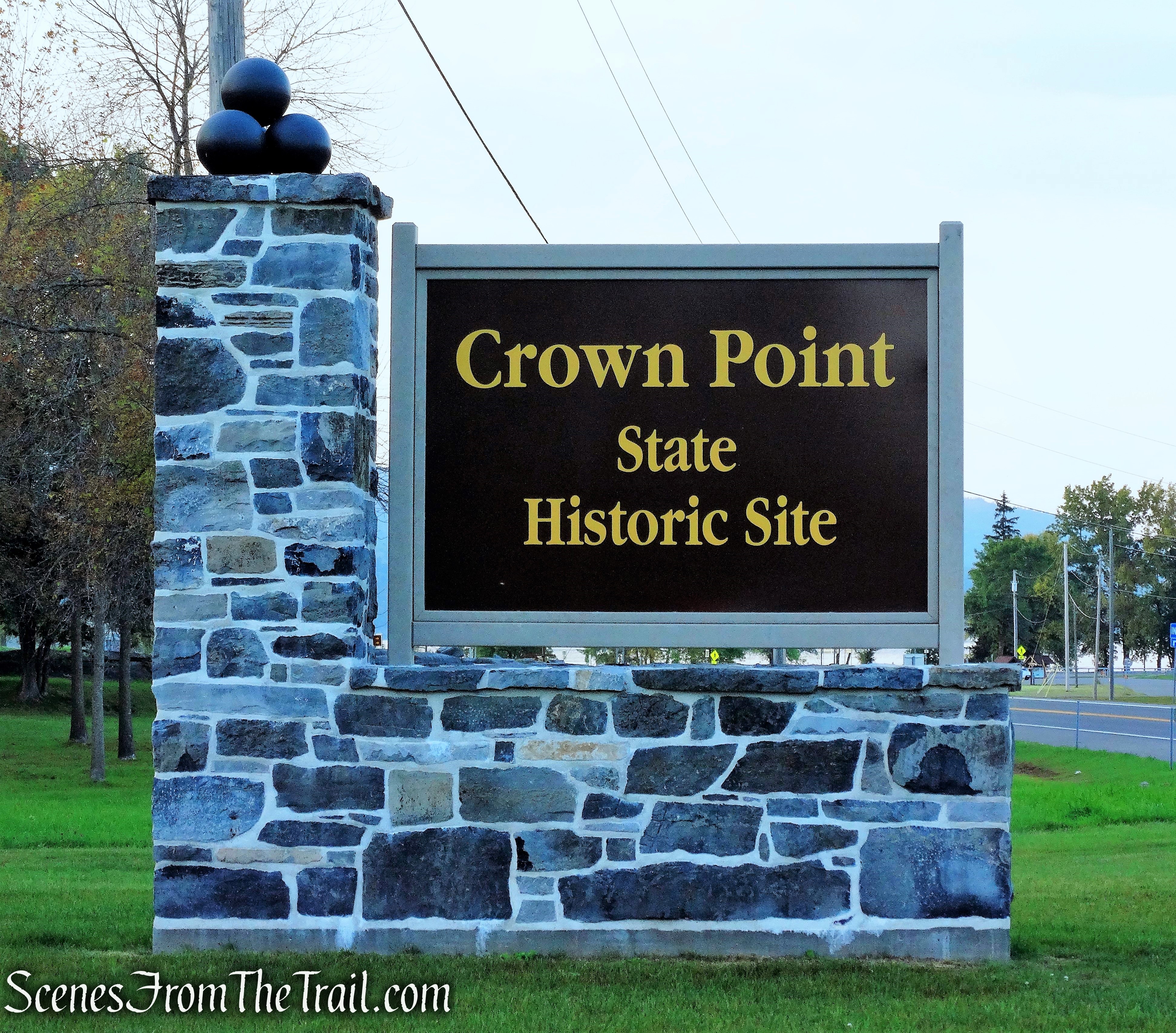
Crown Point State Historic Site

September 23, 2017 – Crown Point, NY

Difficulty: Easy

Map: Crown Point State Historic Site web map

Trailhead parking: 21 Grandview Drive Crown Point, NY 12928


Crown Point State Historic Site is the location of the ruins of two fortifications from the colonial wars between the British and French.

Crown Point State Historic Site

Crown Point State Historic Site

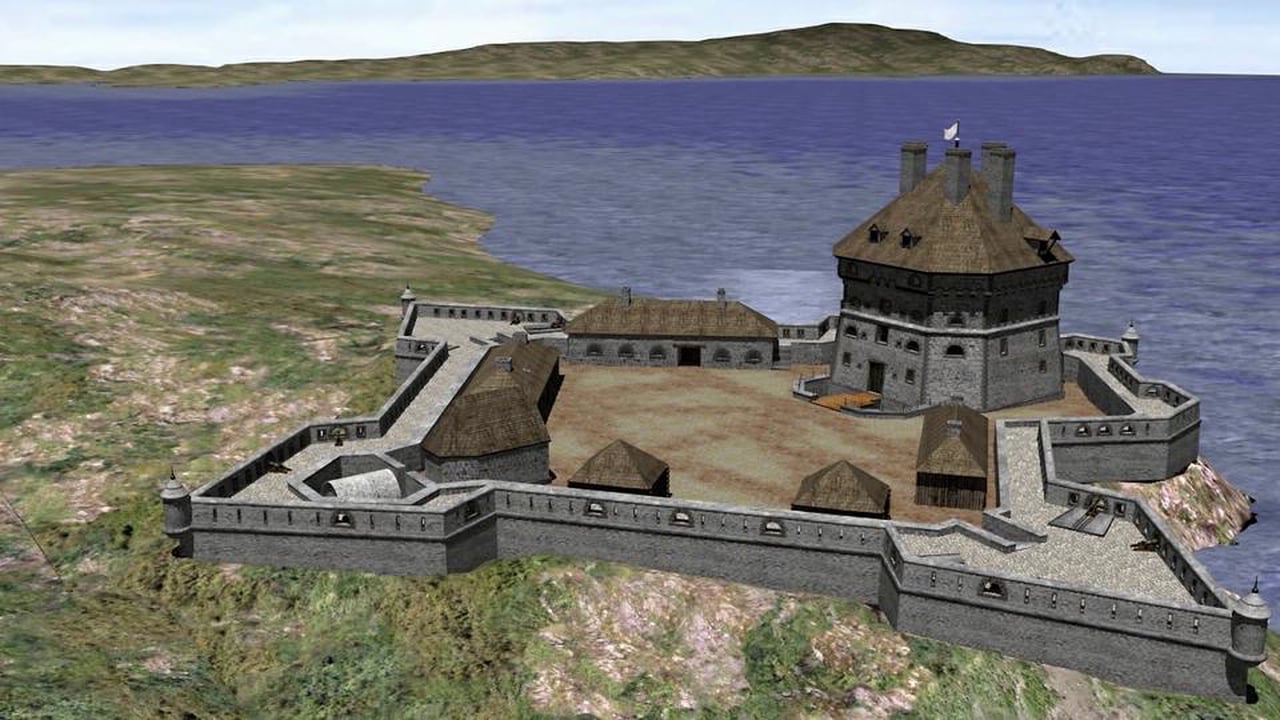
Fort Saint-Frédéric was constructed between 1734 and 1737 by the French on Lake Champlain. It stood for 25 years, to secure the region against British colonization and control the lake. Although the British did target the fort twice during the French and Indian War, it was the French themselves that destroyed it, as they retreated before the advancing 10,000 man British army led by General Jeffery Amherst.

Fort Saint-Frédéric

Fort Saint-Frédéric

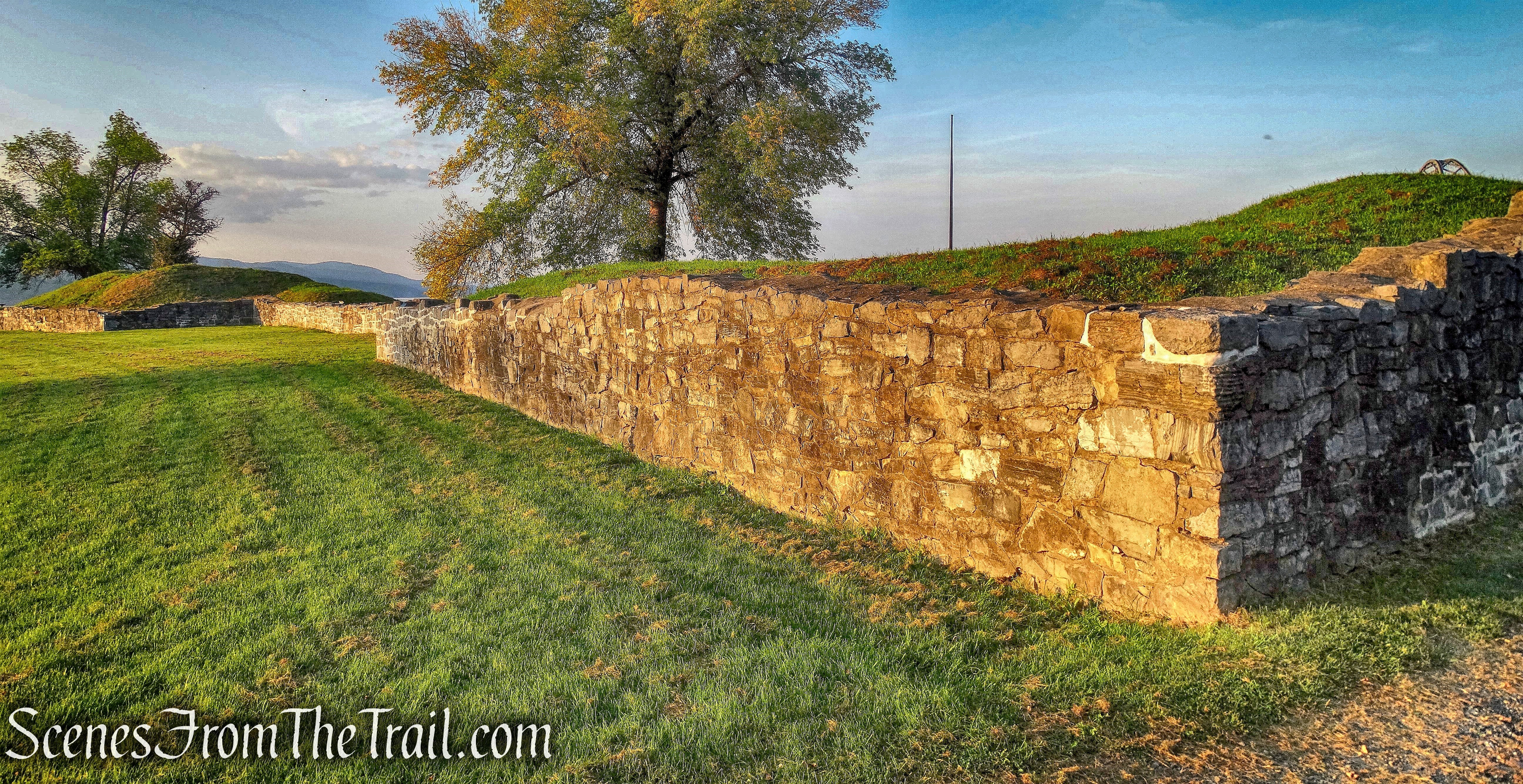
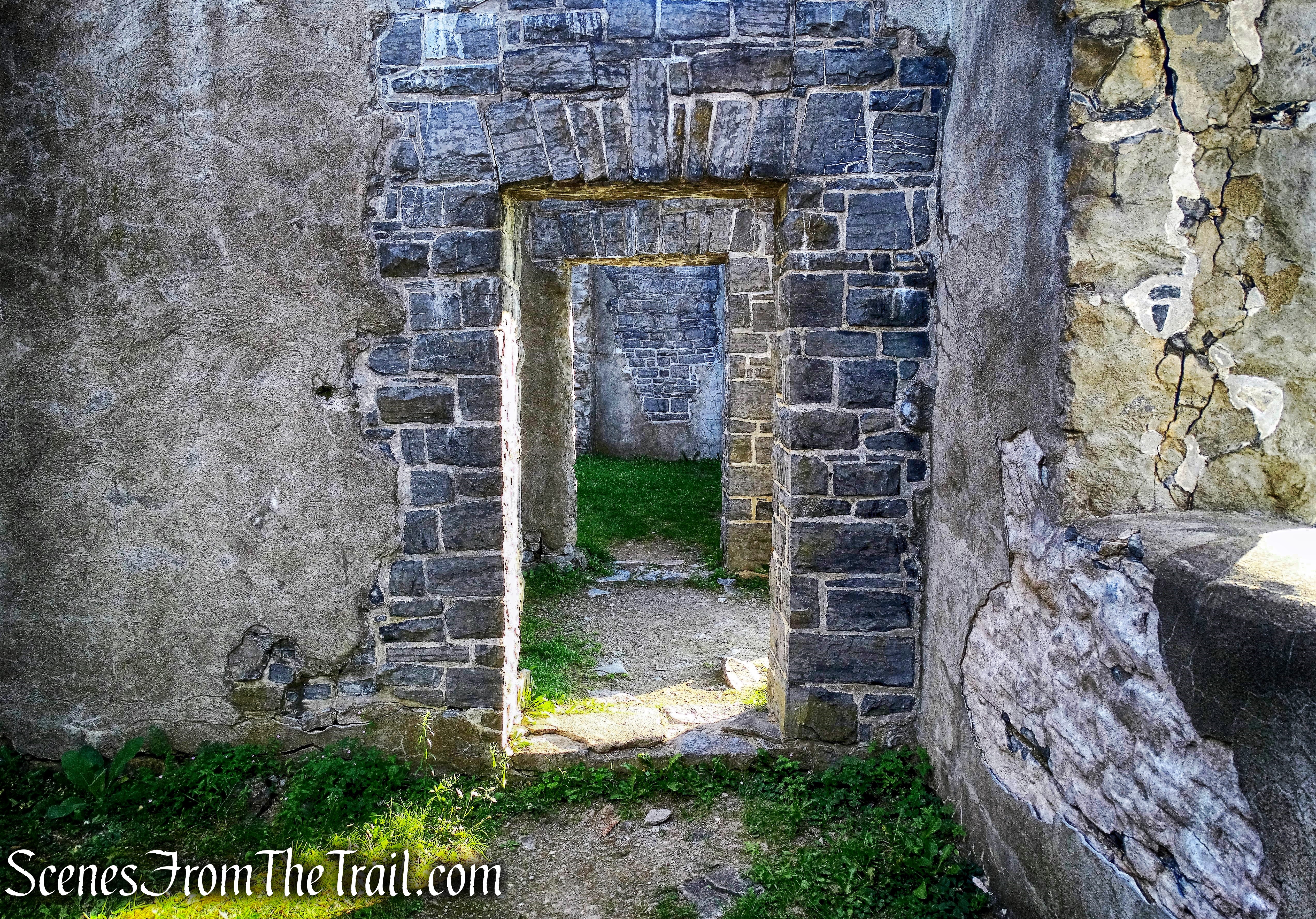
All that remains of this once mighty fort, with 12 ft. thick walls, is the foundation it was built on.

Fort Saint-Frédéric ruins

Fort Saint-Frédéric ruins

Fort Saint-Frédéric ruins

Fort Saint-Frédéric ruins

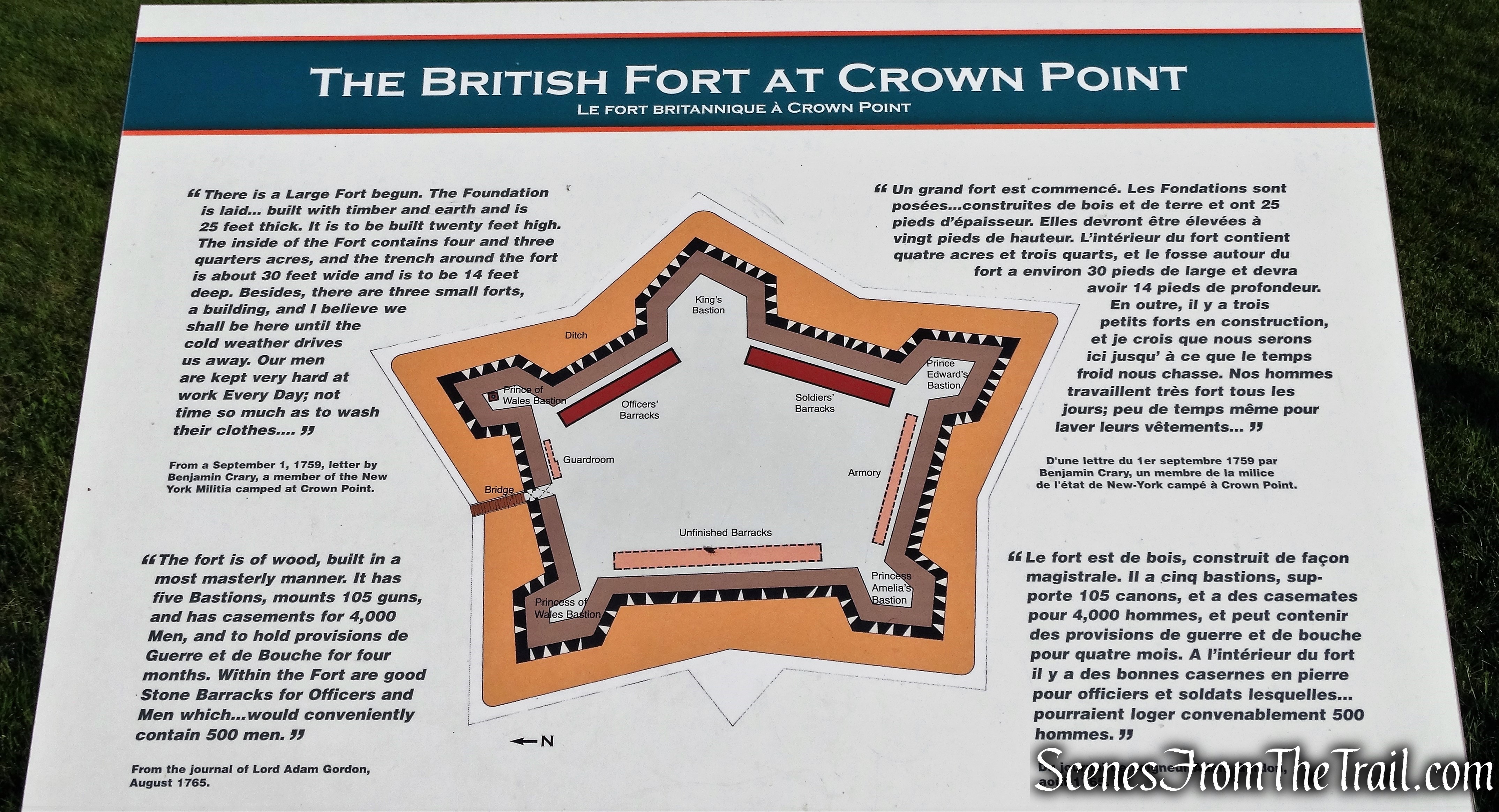
In 1759, the British took control of Crown Point and rather than rehabilitate the ruins of the French Fort Saint-Frédéric, General Amherst embarked on the construction of an enormous earthen fort. They immediately began construction of new fortifications that they called “His Majesty’s Fort of Crown Point.” Enclosing over seven acres, this was the largest British stronghold ever constructed North America.

Fort Crown Point

Fort Crown Point

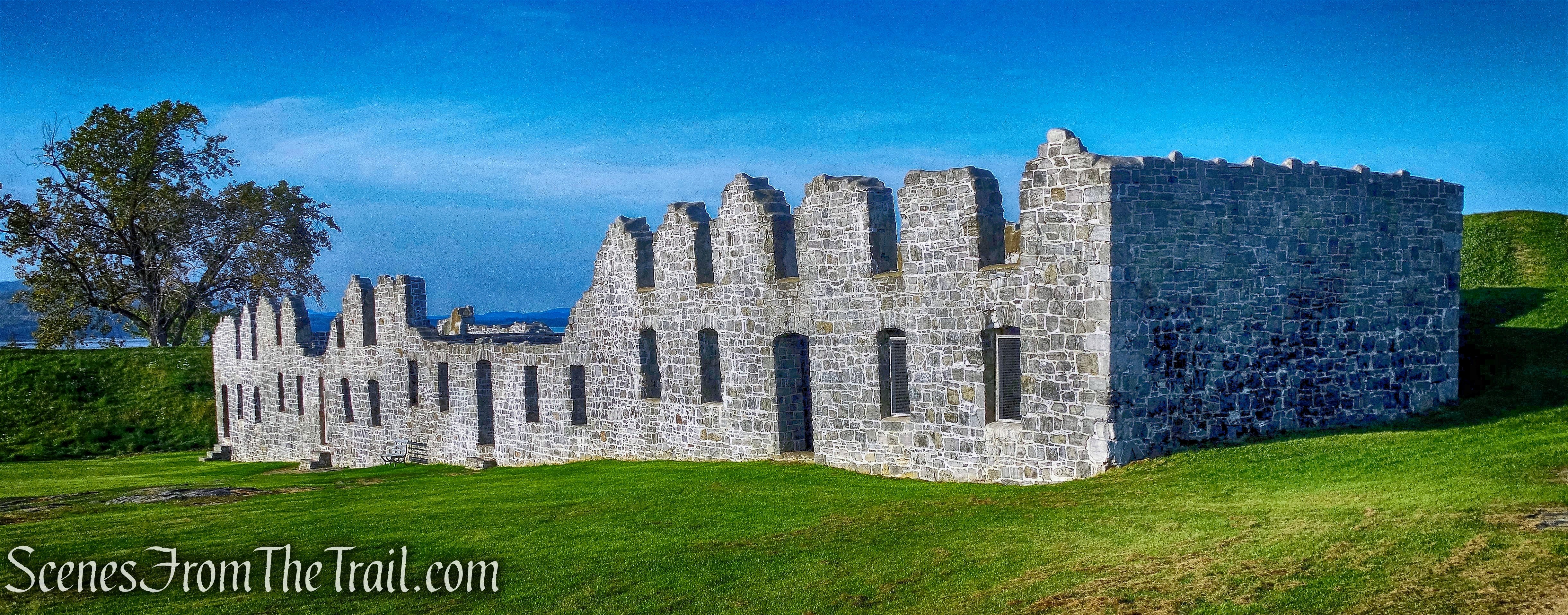
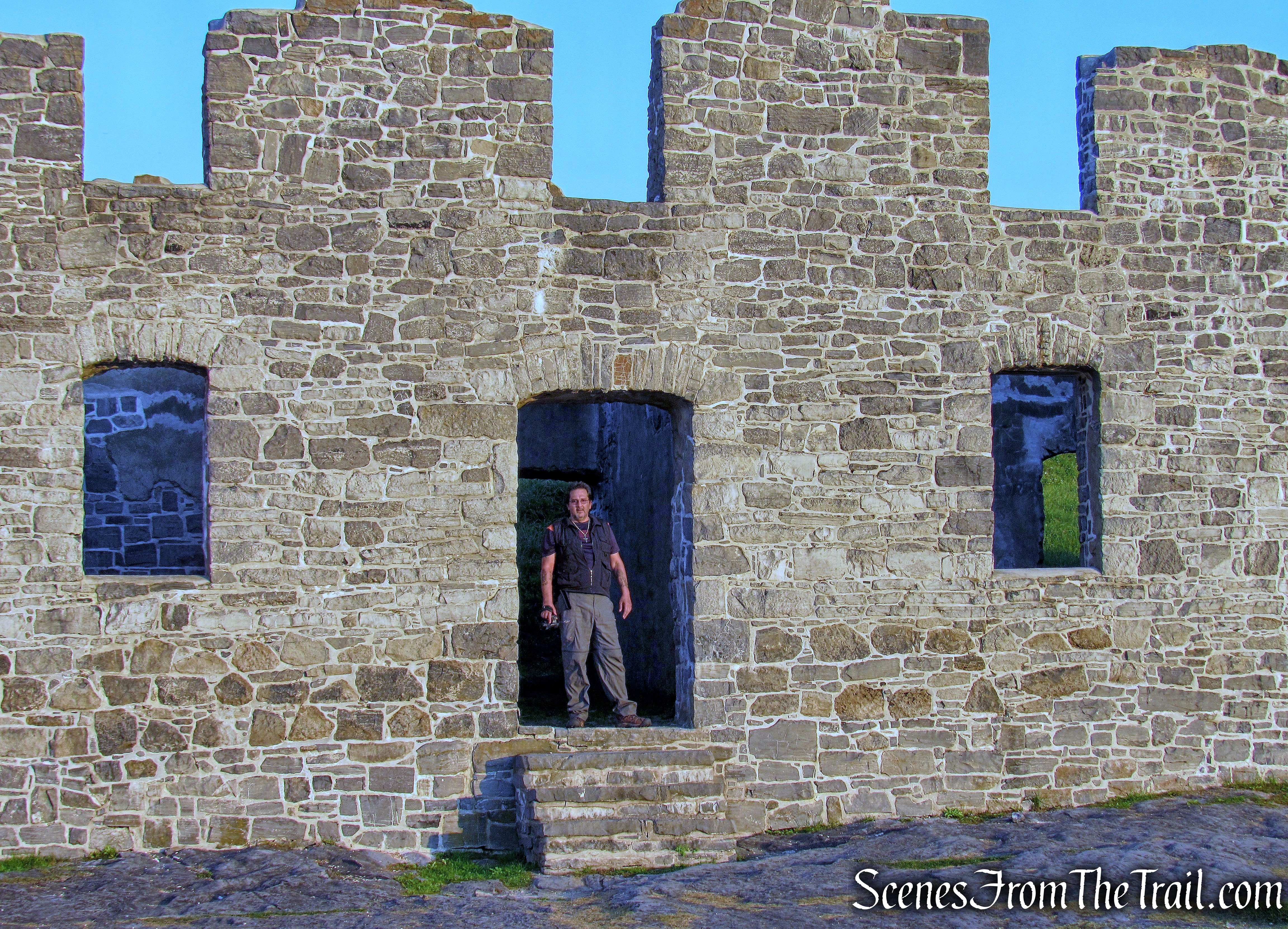
In 1775, at the outbreak of the Revolutionary War, the American colonists captured the fort and secured sorely needed cannons and heavy ordnance. The ruins of the officers’ barracks are still standing today.

officers' barracks - Fort Crown Point

officers’ barracks – Fort Crown Point

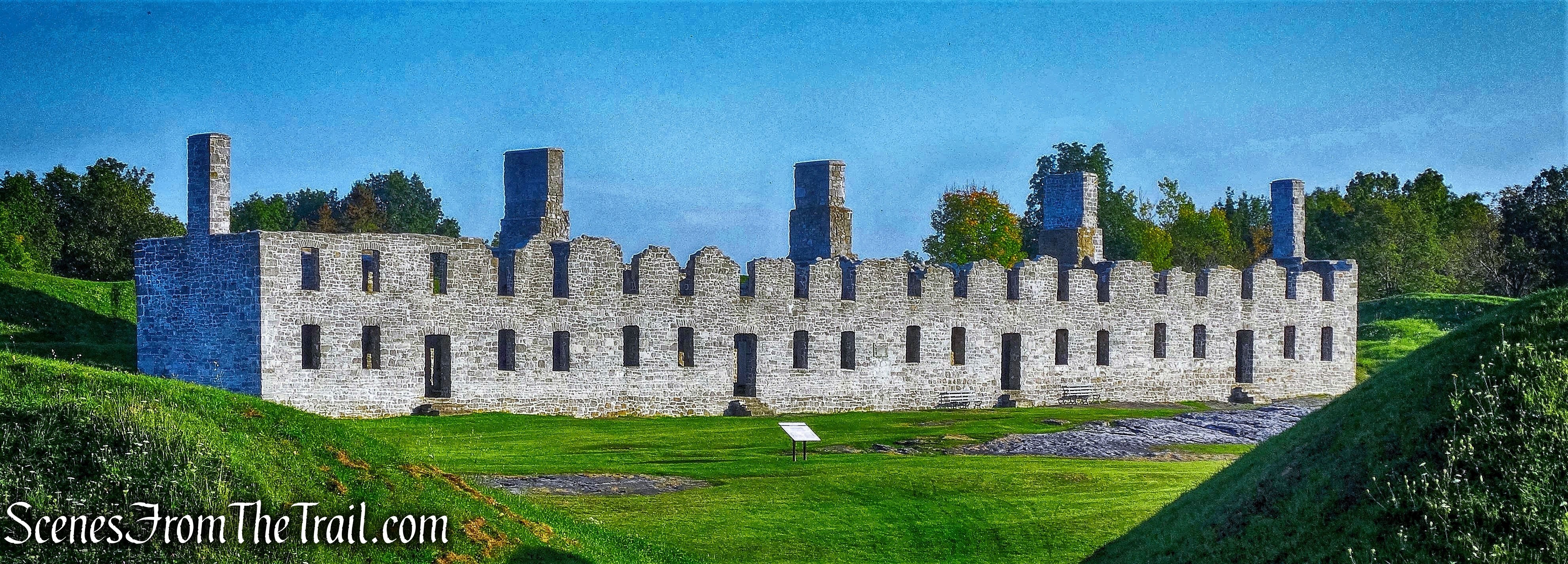
The larger soldiers’ barracks stands perpendicular to the officers’ barracks.

soldiers' barracks - Fort Crown Point

soldiers’ barracks – Fort Crown Point

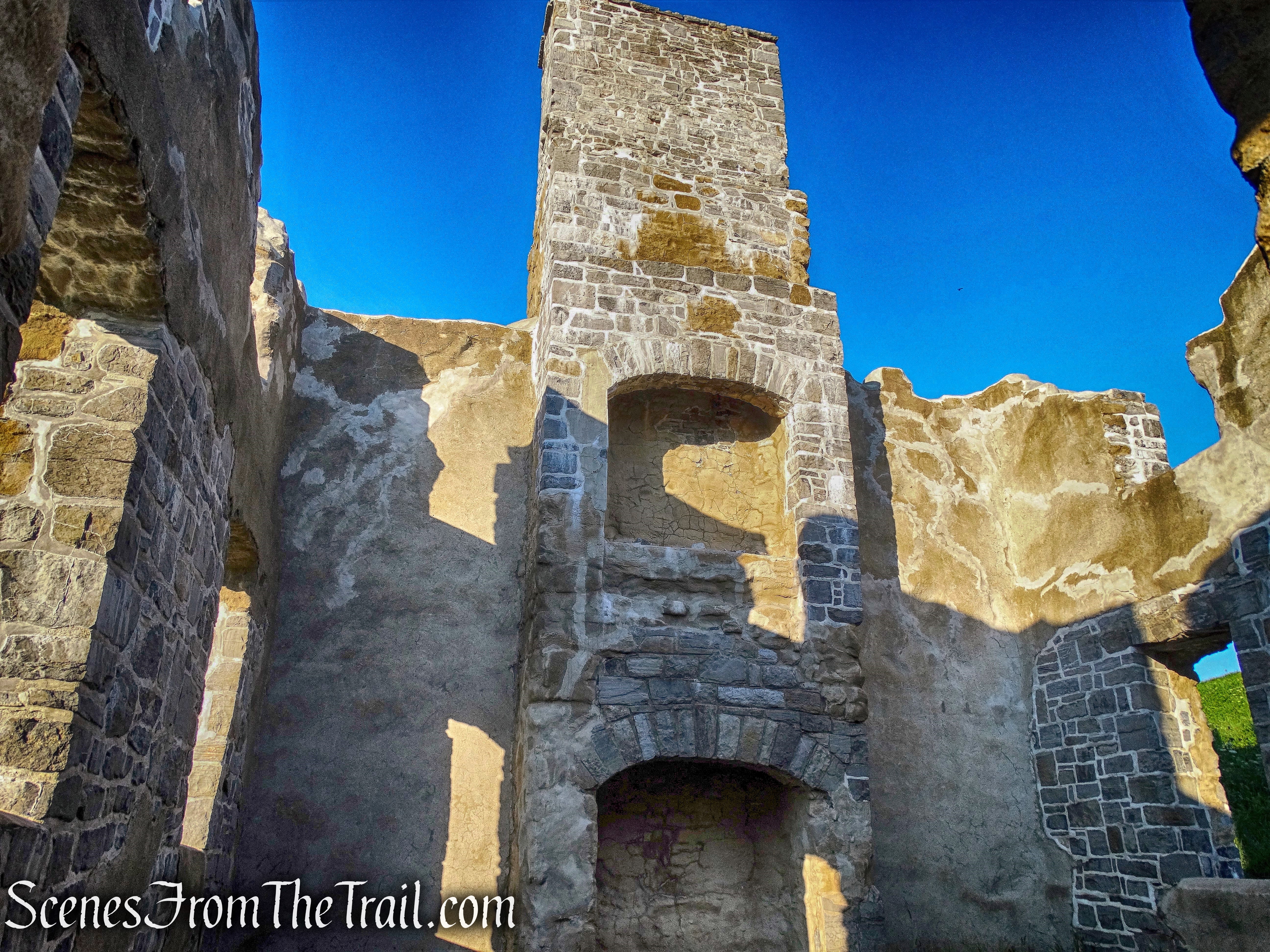
The fireplaces and chimneys are still intact in the two story structure.

soldiers' barracks - Fort Crown Point

soldiers’ barracks – Fort Crown Point

Visitors are free to roam the grounds and explore the preserved ruins of these forts and tour the museum, when it is open. The museum was closed when I visited.

soldiers' barracks - Fort Crown Point

soldiers’ barracks – Fort Crown Point

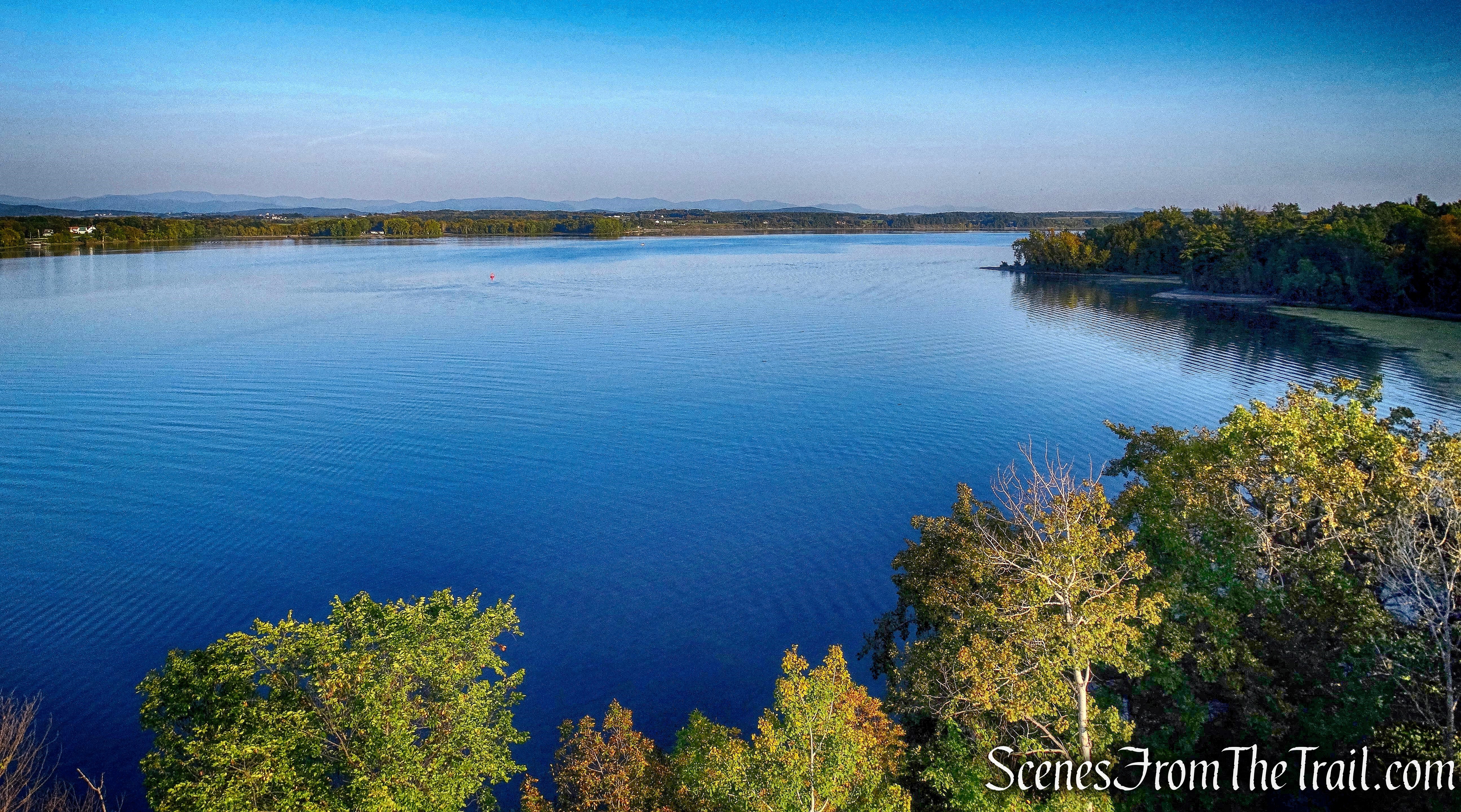
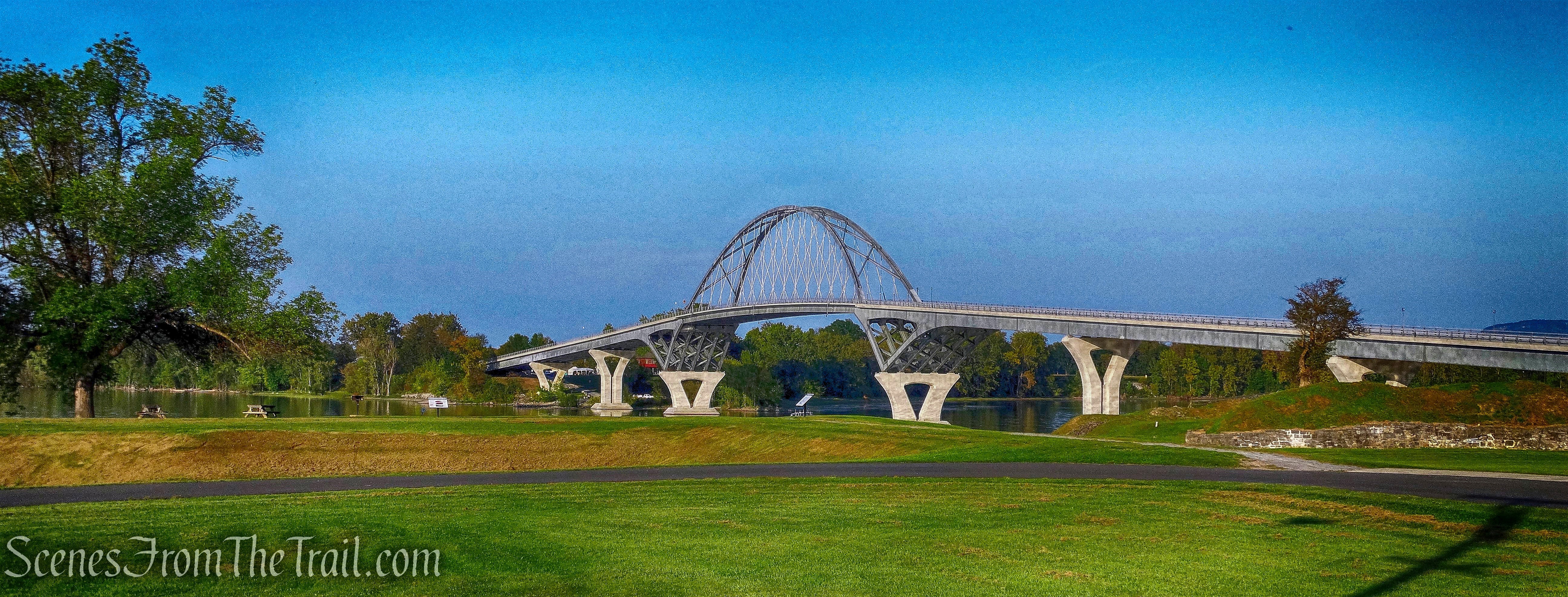
The site offers access to the historic Crown Point Pier, the Champlain Memorial Lighthouse, the walking paths on either side of the newly constructed Lake Champlain Bridge and fantastic views of Lake Champlain.

Lake Champlain Bridge

Lake Champlain Bridge

A very cool site to visit and I highly recommend it. I was surprised there were so few people here on a beautiful Saturday afternoon in September. When we were done touring the grounds, we walked across the street to see the Champlain Memorial Lighthouse.

Crown Point State Historic Site

Crown Point State Historic Site


Historic Tahawus Tract – Adirondack Park

September 23, 2017 – Tahawus, NY

Difficulty: Easy

Maps: Adirondack Atlas Digital Map

Trailhead parking: Upper Works Trailhead – Upper Works Road (CR 25) Newcomb, NY

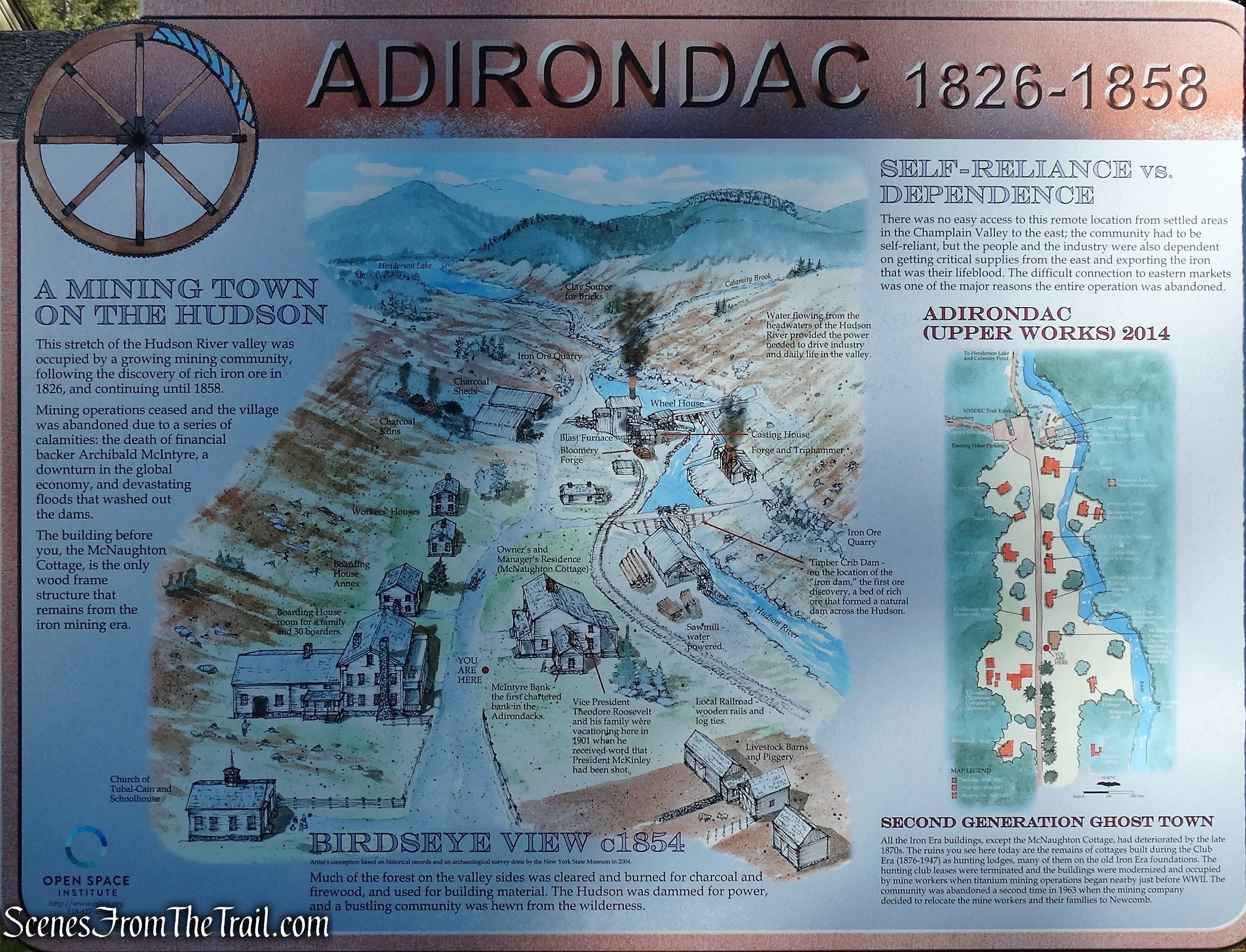
Tahawus, was a village in the Town of Newcomb in Essex County, NY. It’s history dates back to the 1820’s when iron ore was first discovered there. It was twice a busy mining community, but is now a ghost town.

Tahawus, NY

Tahawus, NY

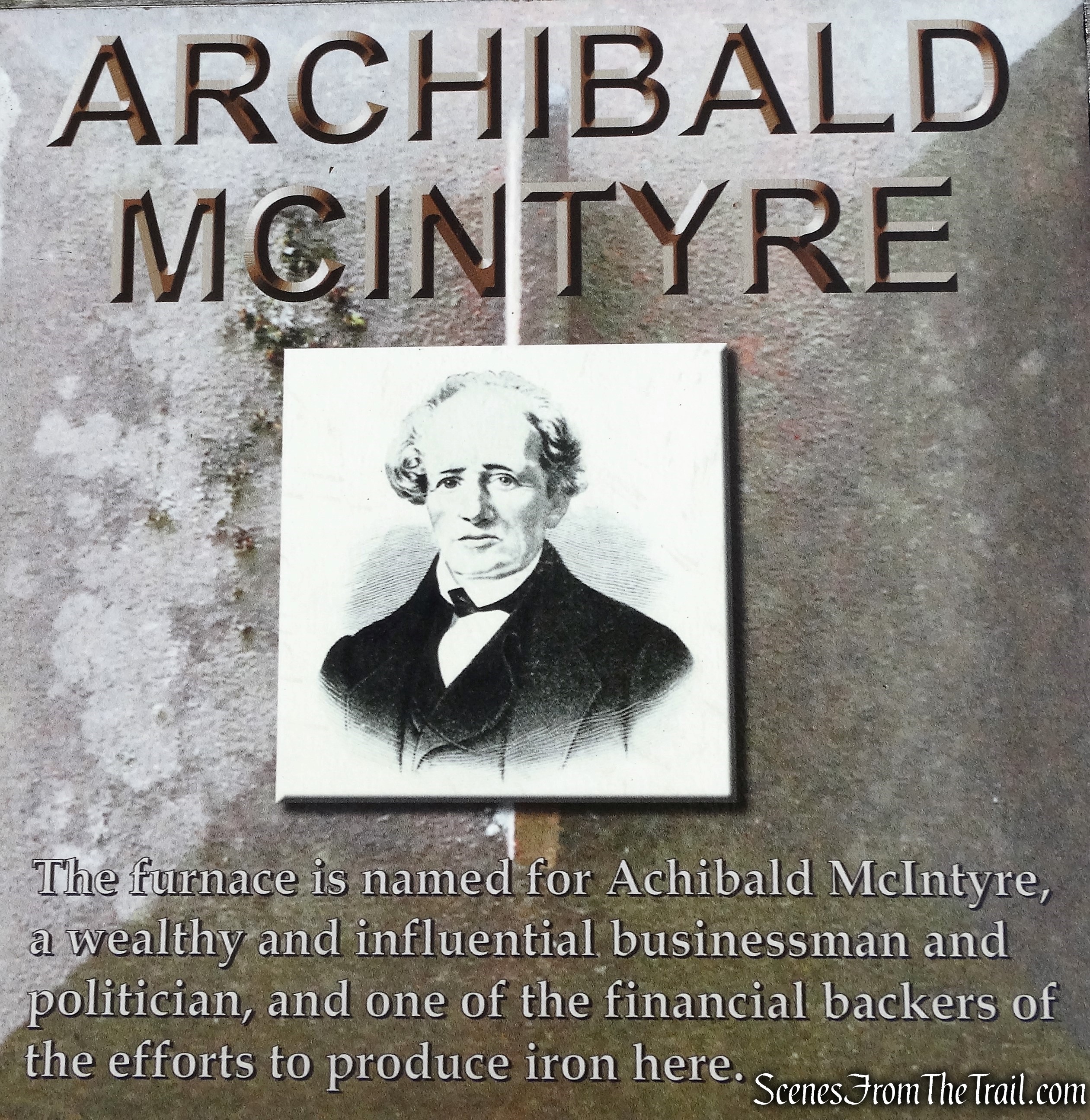
It was first “discovered” in 1826 by Archibald McIntyre and David Henderson, who were guided by an Indian from the St. Francis tribe, where they found iron ore. They then began a mining operation called Adirondack Iron & Steel Company. They recruited workers and built a village to house them. The village was originally named McIntyre, but was re-named “Adirondac” in the 1840’s. Iron ore was extracted with moderate success between 1827 and 1857. In 1856, Adirondack Iron & Steel met its demise due to transportation difficulties, iron ore impurities, a disastrous flood, and eventually McIntyre’s death. The residents of Adirondac moved on to jobs in other areas and left the town deserted.

Adirondac

Adirondac

Twenty years later, a hunting and fishing club moved in, building cottages and repopulating the village. They renamed it Tahawus, an Indian word meaning “cloud-splitter” and eventually the National Lead Company started a titanium mining operation there. After many years of success, workers were ultimately transferred from Tahawus to Newcomb, and the village once again became a ghost town in 1962. The Open Space Institute (OSI) purchased 10,000 acres known as the Tahawus Tract in August of 2003 through its land acquisition affiliate, the Open Space Conservancy, for a purchase price of $8.5 million.

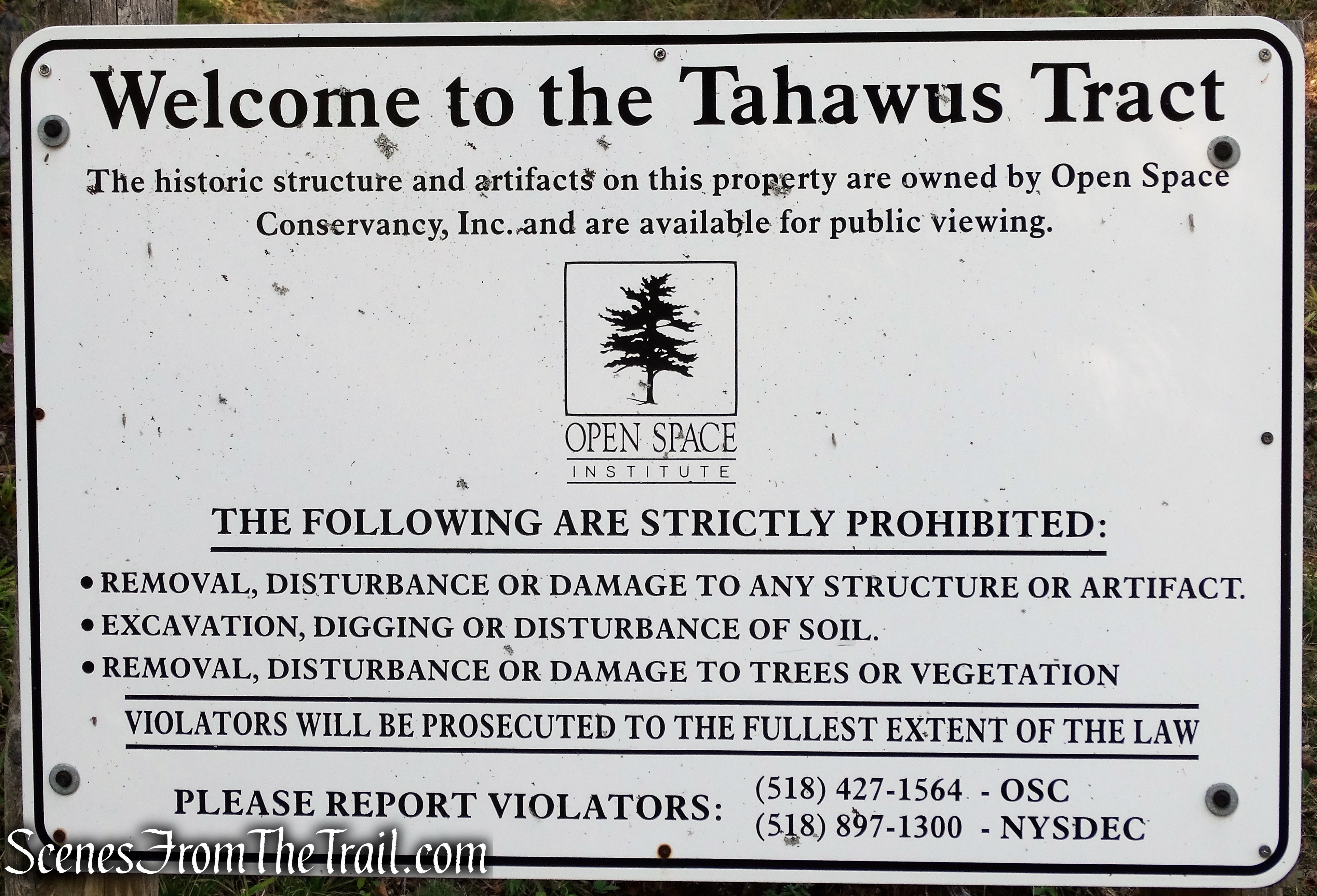
Tahawus Tract

Tahawus Tract

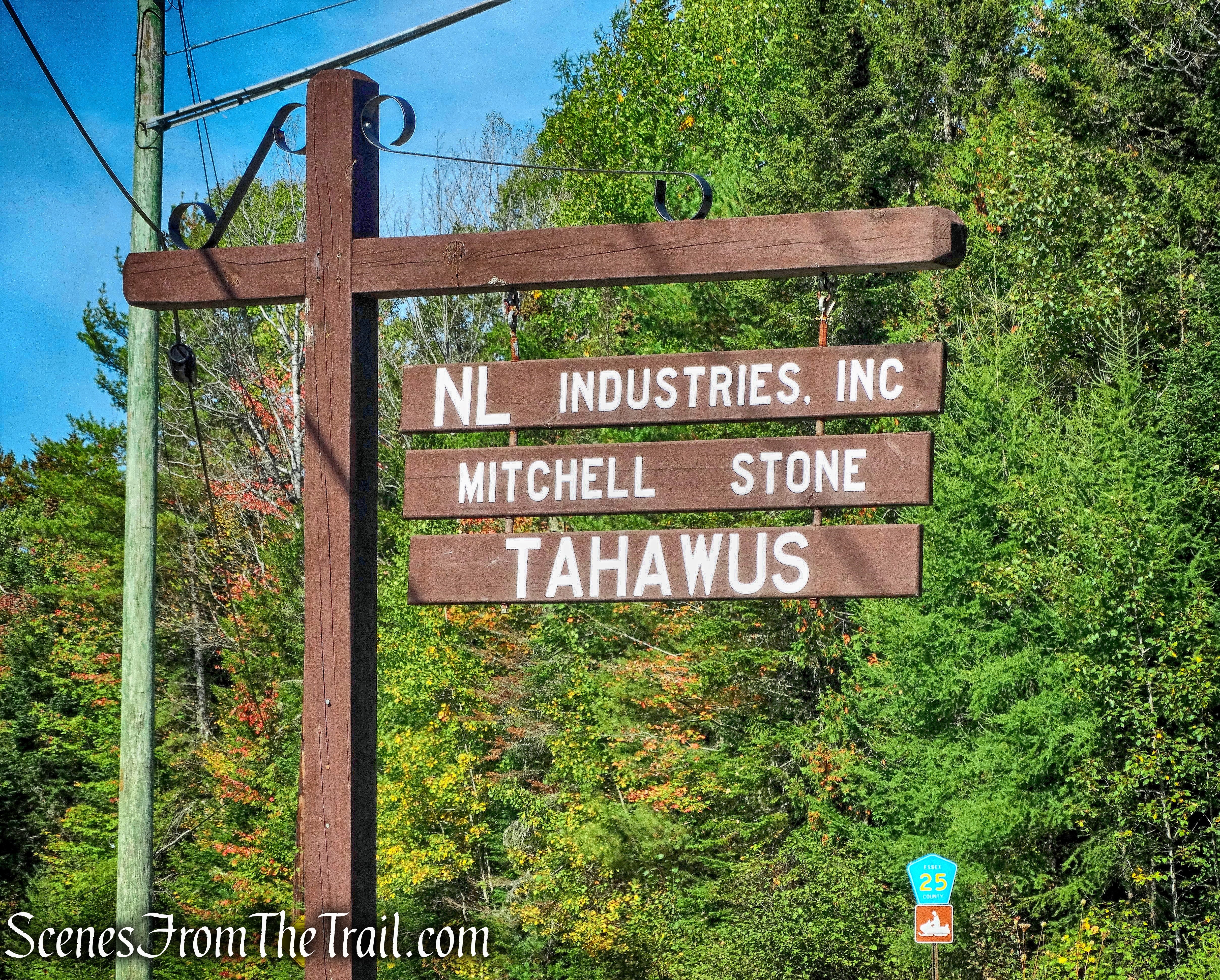
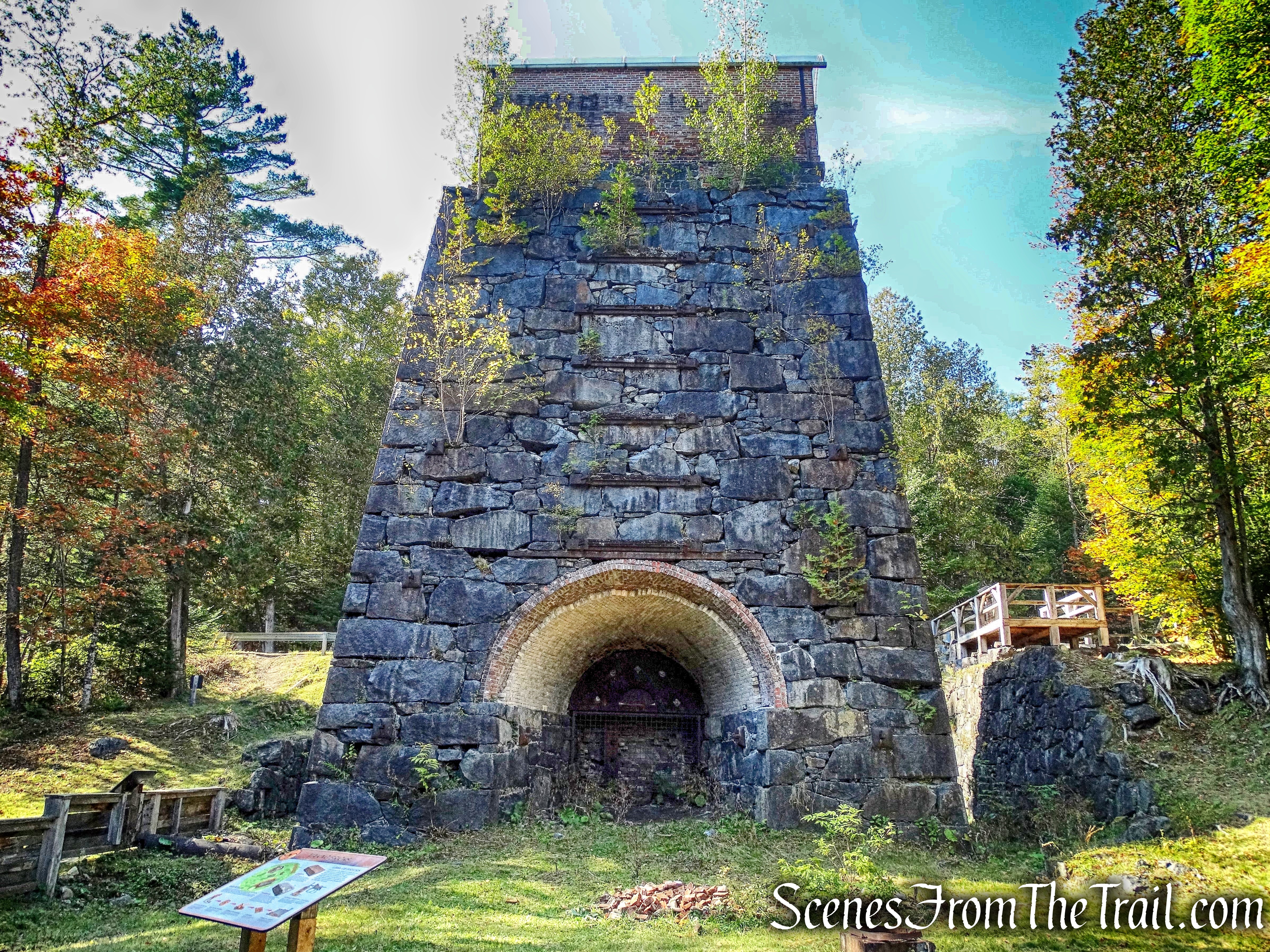
I have wanted to check out this “ghost town” for quite some time, but a 4 1/2 drive was a bit much. I happen to be in the area to do some hiking and I saw a sign for Tahawus as I drove on 28N towards Tupper Lake. I then decided that I would check it out to see what all the fuss was about. This town is located in the middle of nowhere and I lost my phone and GPS signals on the way there. That and the long, lonely stretch along CR 25, was the spookiest thing about Tahawus. The first thing we came to was the old McIntyre Blast Furnace, which sits right near the road. There are numerous informational signs that detail the history.

old McIntyre Blast Furnace

old McIntyre Blast Furnace

The blast furnace was built around 1854 and stands 50-60 feet tall. It is estimated to have cost $43,000 at the time.

old McIntyre Blast Furnace

old McIntyre Blast Furnace

old McIntyre Blast Furnace

old McIntyre Blast Furnace

The most well-preserved building in the village is McNaughton Cottage. This is where Theodore Roosevelt was staying in 1901 when he received word of President McKinley’s worsening condition after being shot. He made his famous midnight ride from Tahawus to Buffalo to take over for McKinley.

McNaughton Cottage

McNaughton Cottage

There were numerous cars lining the road when we arrived. The Upper Works Trailhead parking area, which leads to trails that access many of the High Peaks, was full of cars as well. There were people milling about checking out the ruined buildings and either getting on the trails or returning from a hike. I have been to Walpack Township in New Jersey and that was more of a spooky type of ghost town because there was no one around. Nevertheless, we explored the structures, or what there is left of them.

Tahawus ruins

Tahawus ruins

The remnants of several buildings remain on the former village site; most of them were constructed between 1876 and 1947.

Tahawus ruins

Tahawus ruins

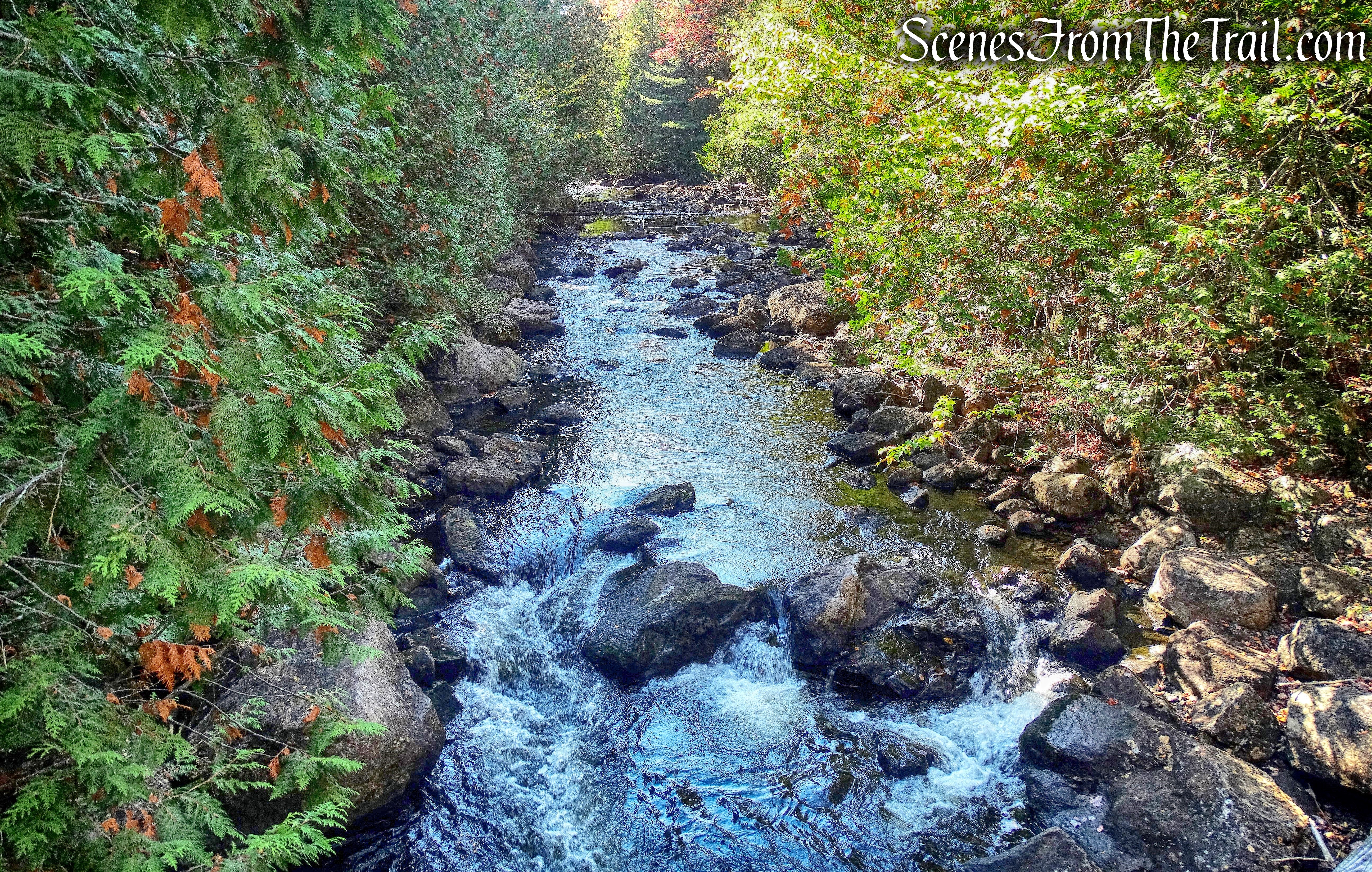
Located within the Tahawus tract is Henderson Lake, a 450-acre lake cartographically stated to be the true source of the Hudson River. I found this to be one of the most interesting things about this town. Growing up in the Hudson Valley, the Hudson River is near and dear to my heart. Below is the humble beginnings of the Hudson River, near the outlet of Henderson Lake.

Hudson River, near the outlet of Henderson Lake

Hudson River, near the outlet of Henderson Lake

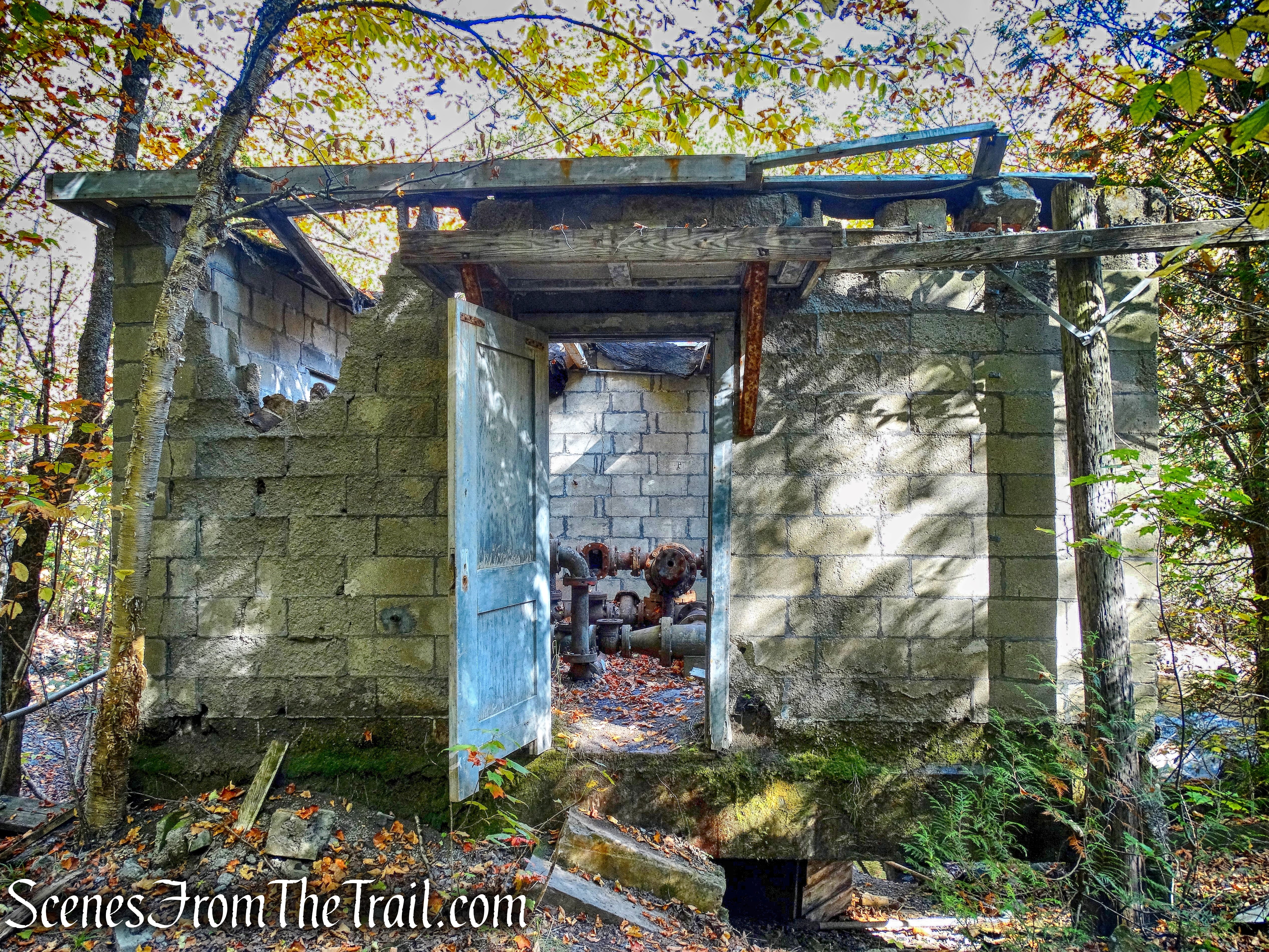
A pump house that used to generate power using water from the Hudson, sits along the the edge of the river.

pump house

pump house

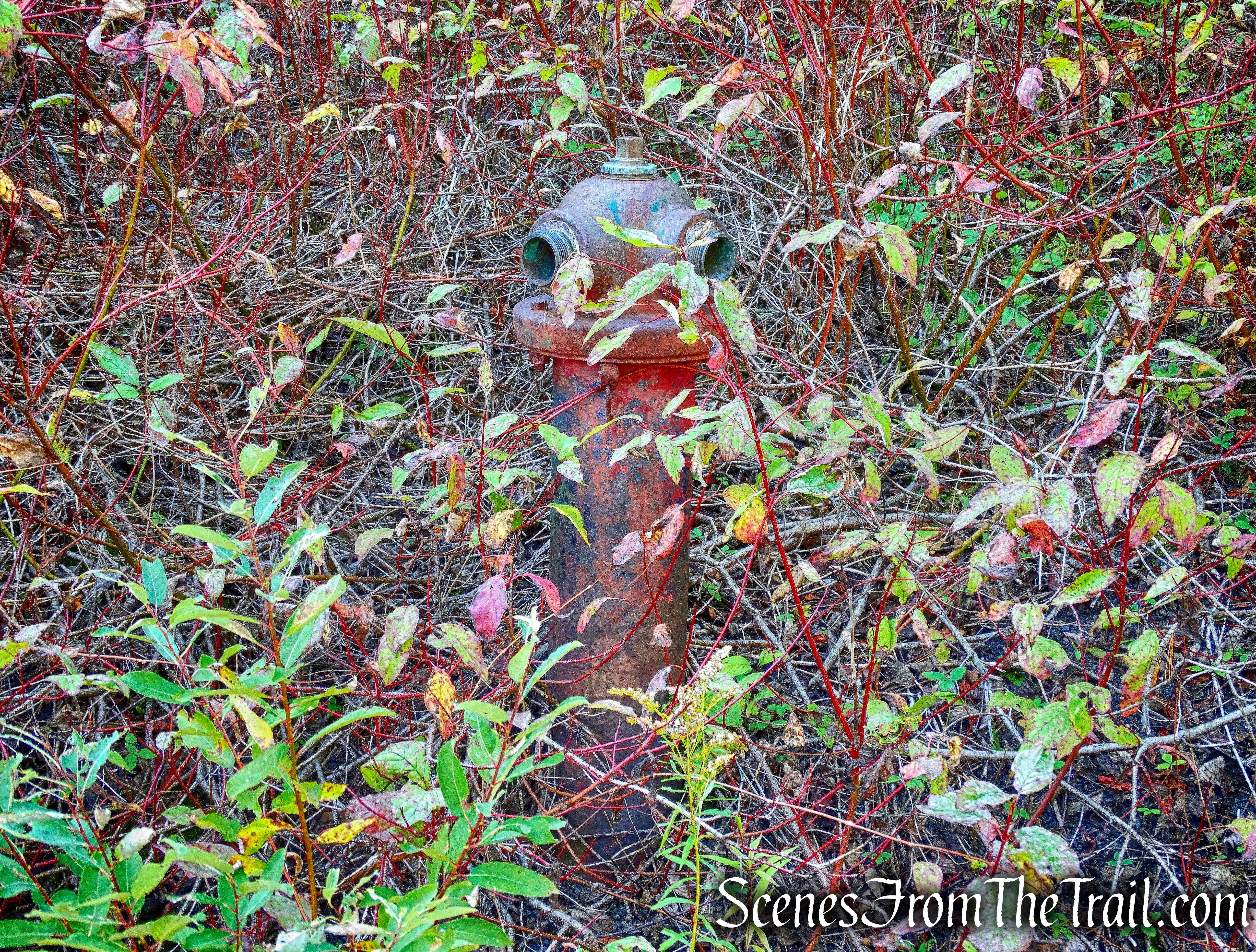
Walking back along the road, I spotted what looks like an old fire hydrant, swallowed up by nature.

old fire hydrant

old fire hydrant

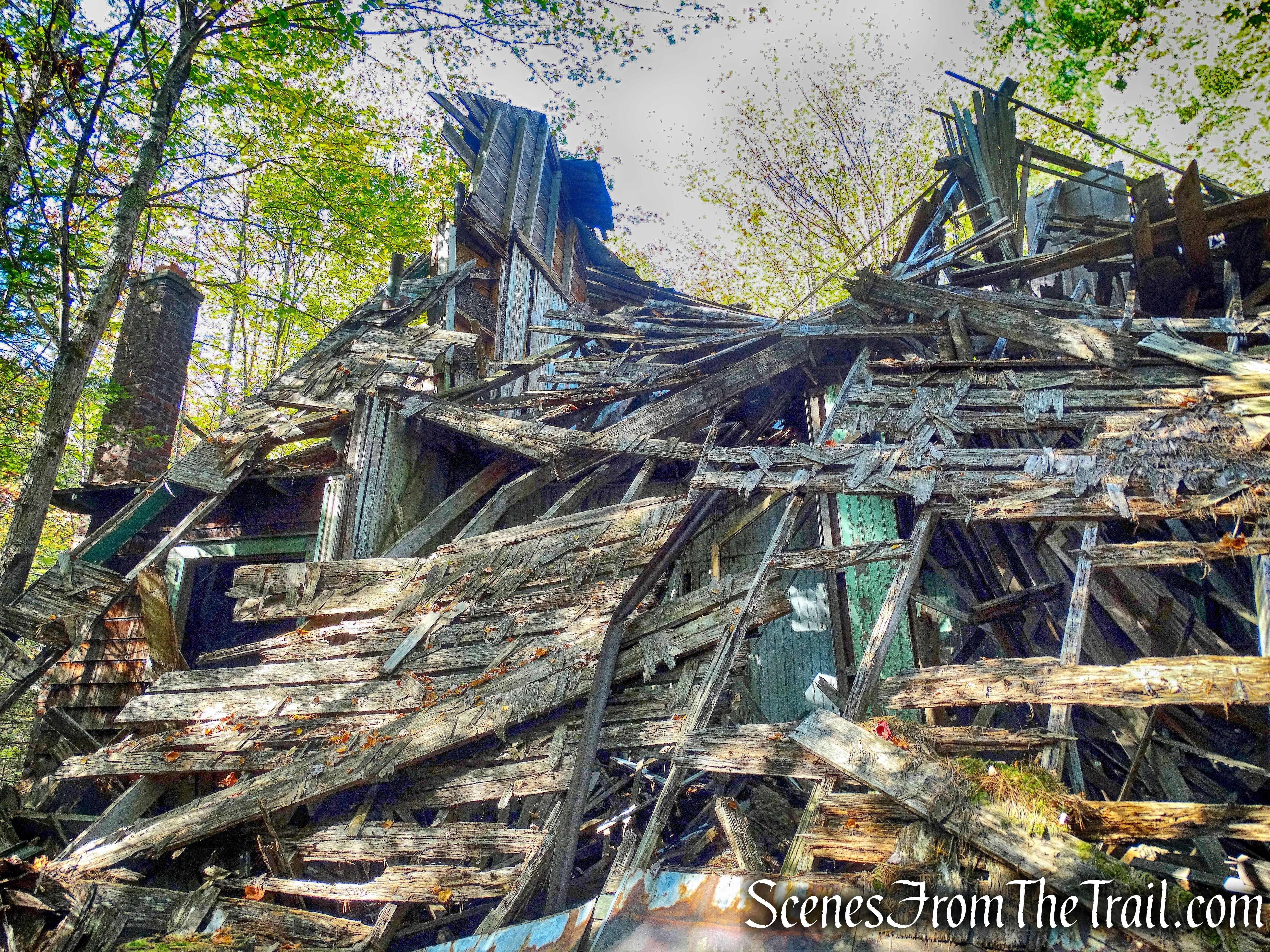
Through the trees, I spotted a dilapidated structure in the woods. With no clear path to it, I bushwacked towards it. One side of the building has collapsed…..

Tahawus ruins

Tahawus ruins

the other side is still standing.

Tahawus ruins

Tahawus ruins

As we were leaving town, we stopped by the gate of the old quarry, the scars from years of mining, visible on the mountain.

quarry

quarry

Stopping on a bridge at a dead end, I captured an image of the Hudson River looking upstream.

Hudson River in Tahawus, NY

Hudson River in Tahawus, NY

Looking downstream.

Hudson River in Tahawus, NY

Hudson River in Tahawus, NY

So there you have it, technically a ghost town, but not so spooky. Although if you come here at night it would be. I am still glad that I visited Tahawus, which is so steeped in history. I would recommend combining a hike or a visit to other noteworthy historical places in the general vicinity instead of just coming for the specific purpose of visiting Tahawus. I hope you enjoyed the write-up, now get out there and explore!

Mount Arab Fire Tower – Adirondack Park

September 23, 2017 – Tupper Lake, NY

Difficulty: Easy – moderate

Length: Approximately 2.2 miles

Max elevation: 2545 ft.– total elevation gain approximately 764 ft.

Route type: Out and back

Map: Mount Arab Trail MapAdirondack Trail Map

Trailhead parking: 26 Mt Arab Road, Tupper Lake, NY 12986

Mount Arab, sometimes known as Arab Mountain, is a short but very worthwhile hike in the Tupper Lake area. The name is derived from the original French name of this peak. Mont Erable, which translates to Mount Maple. The one mile long trail rises 764 vertical feet on an easy to moderate trail. The fire tower at the summit provides excellent views of the surrounding area. There are a couple of rock ledges with wooden benches that offer nice views as well if you choose not to climb the tower. It is an extremely popular location for tourists and hikers of the Northern Adirondacks. The trail and tower are closed during big-game rifle season in the fall.

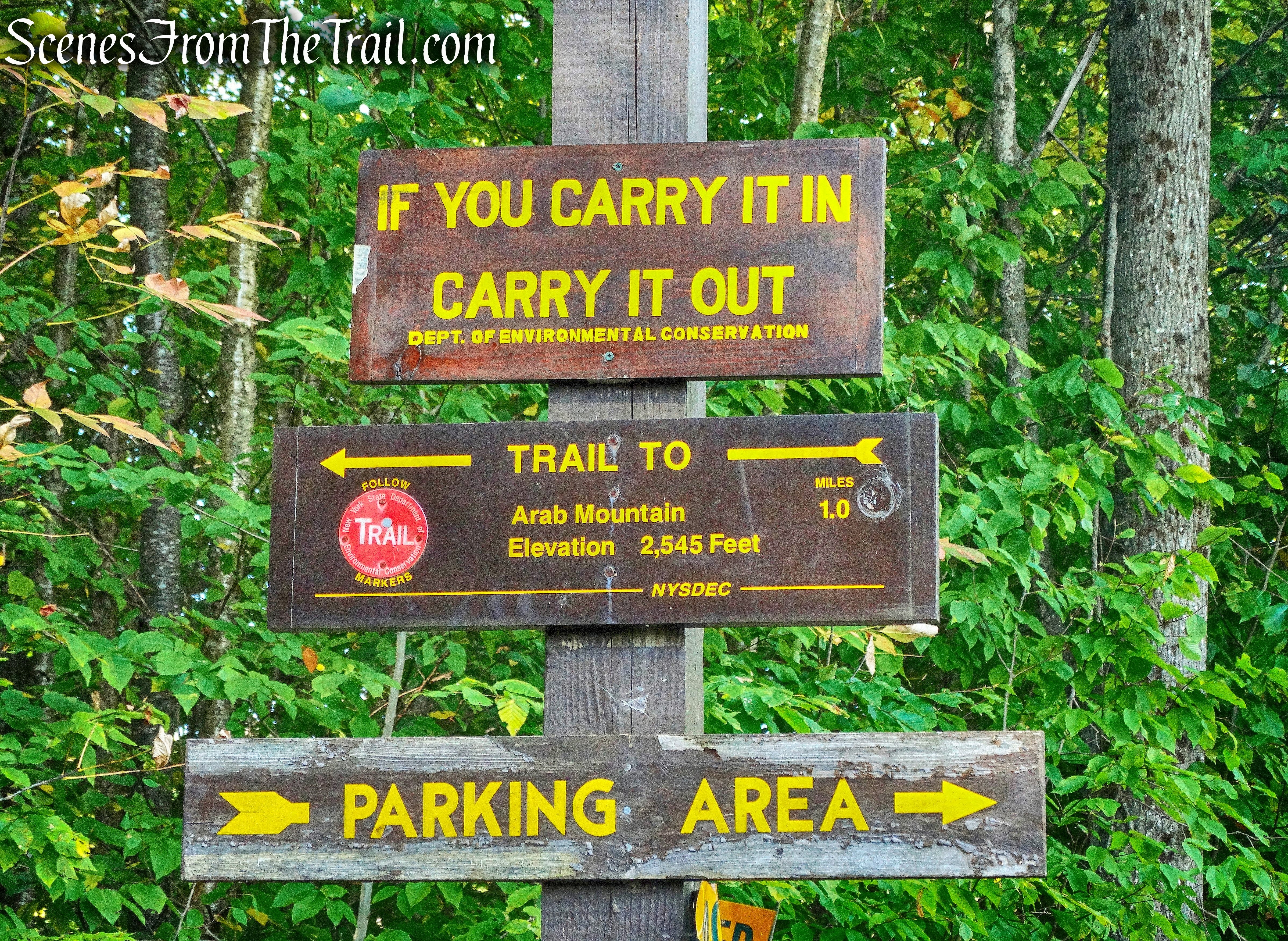
Mount Arab trailhead

Mount Arab trailhead

Mount Arab is part of the Tupper Lake Triad, a hiking challenge created in 2015 in the Tupper Lake Region of the Adirondacks. Along with Goodman Mountain and Coney Mountain, the three family-friendly mountains boast outstanding views of the surrounding mountains and lakes from their summits, which are reached via well-maintained and well-marked state Department of Environmental Conservation trails. After successfully hiking all three peaks, register on the official Triad Roster and receive a patch.

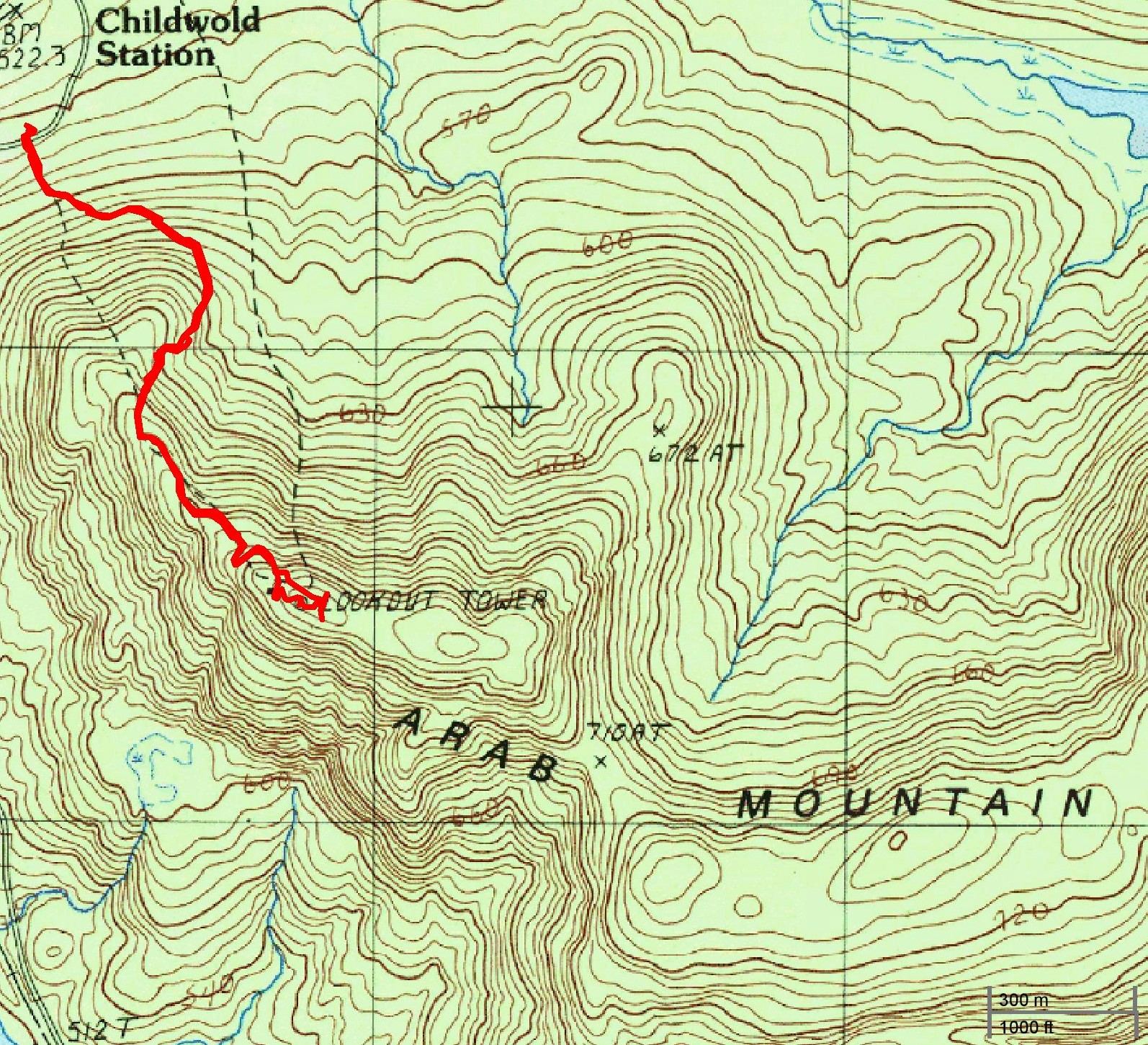
Mount Arab hike route

Mount Arab hike route

View the Google Earth Fly-Through video of the hike below.

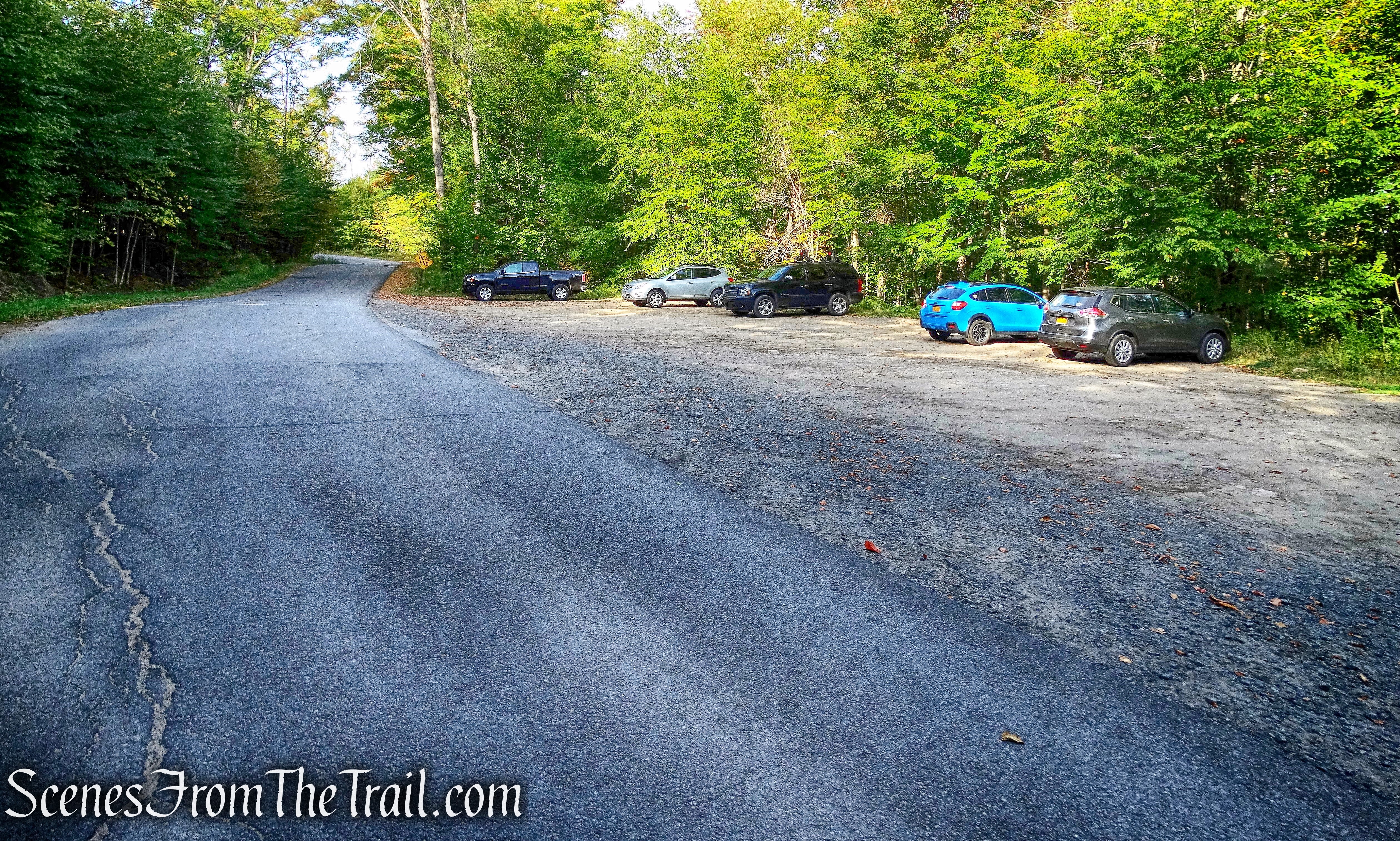
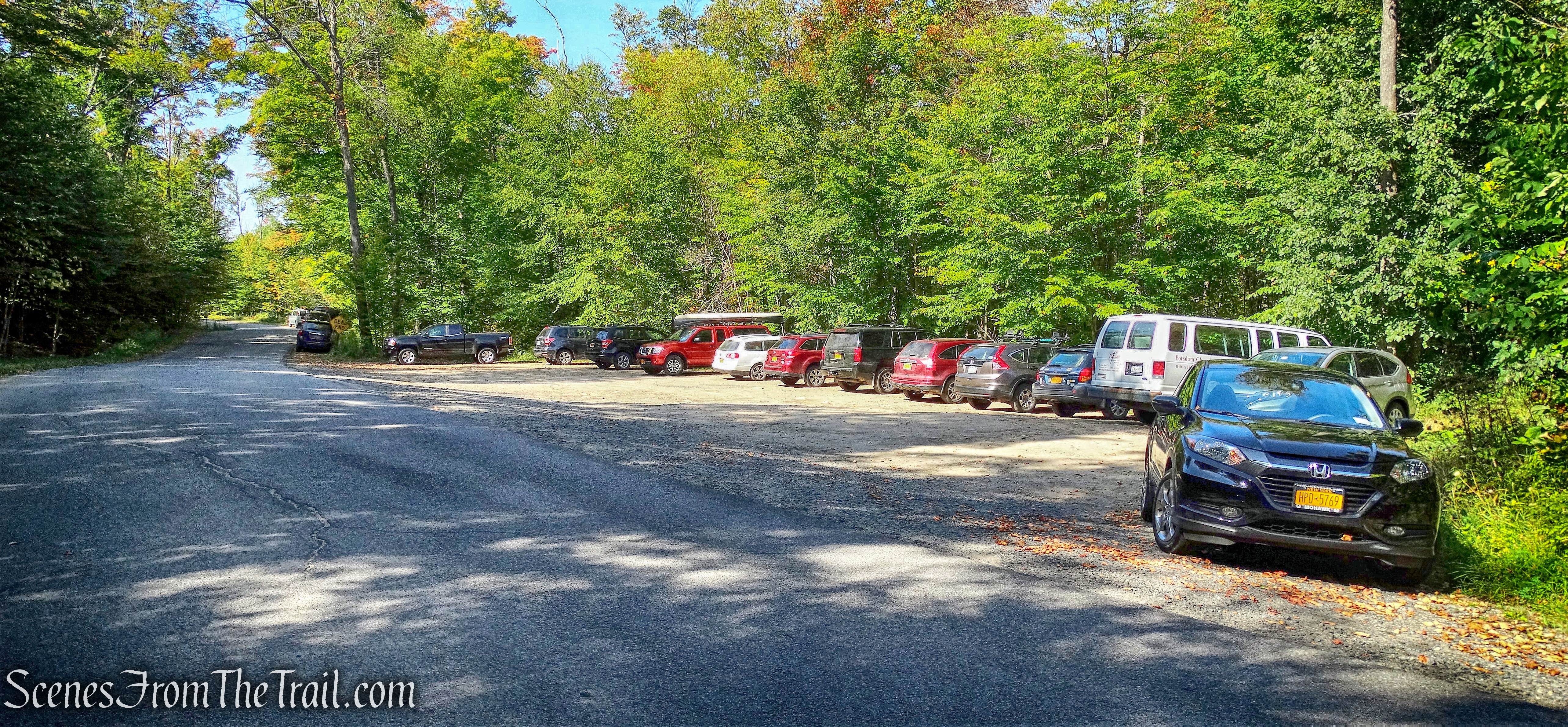
I completed the other two hikes on the previous day and was all set to complete the third leg of the challenge on a gorgeous Saturday morning. I had driven by the trailhead the previous day to check out the parking situation. The parking area is a good size, but when I drove by in the late afternoon, it looked filled to capacity. We arrived at the trailhead at around 9:30 am and there were only five cars in the lot.

Mount Arab trailhead parking

Mount Arab trailhead parking

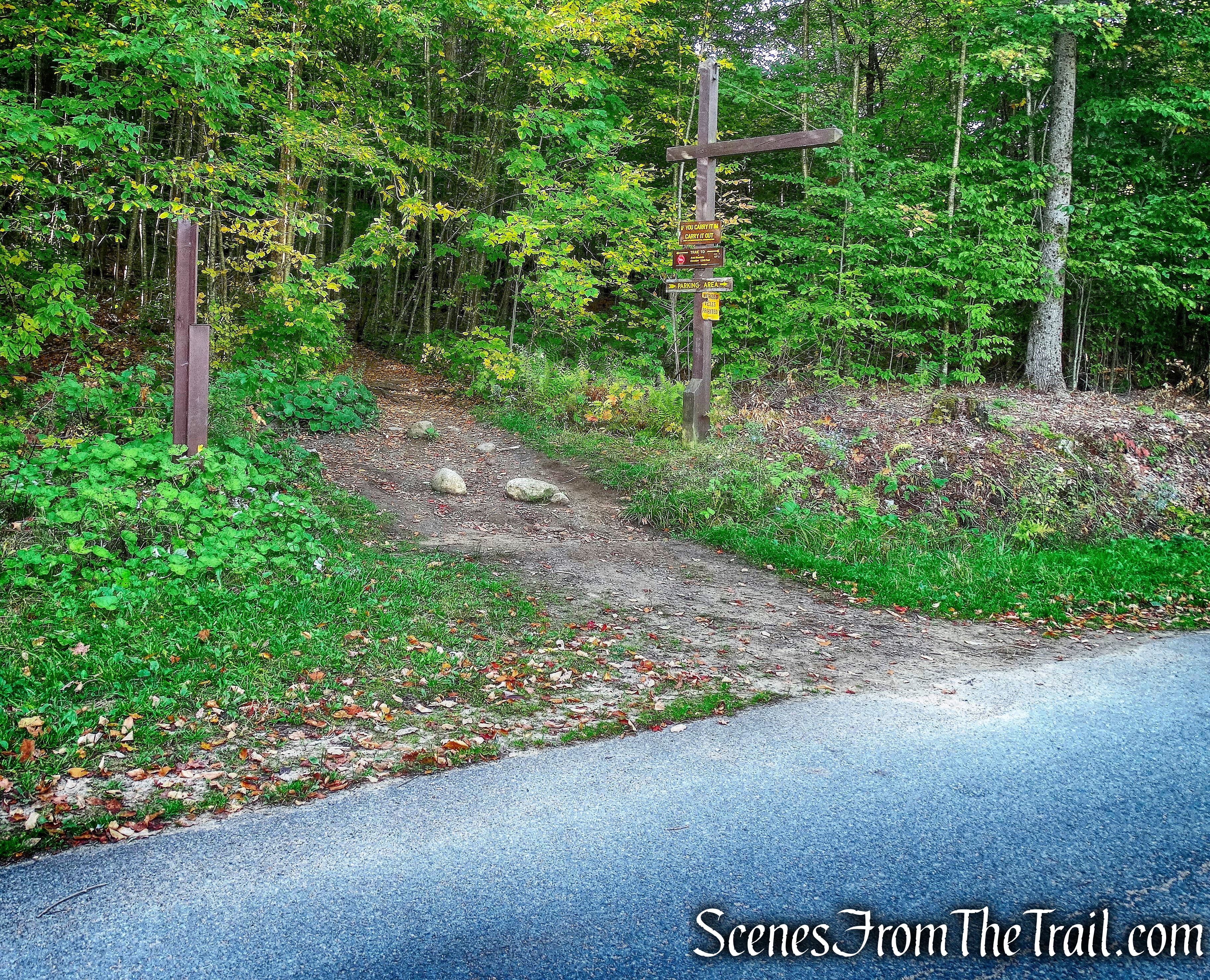
The trailhead is located directly across the road from the parking area.

Mount Arab trailhead

Mount Arab trailhead

We signed in at the trail register and we were on our way.

Mount Arab trail register

Mount Arab trail register

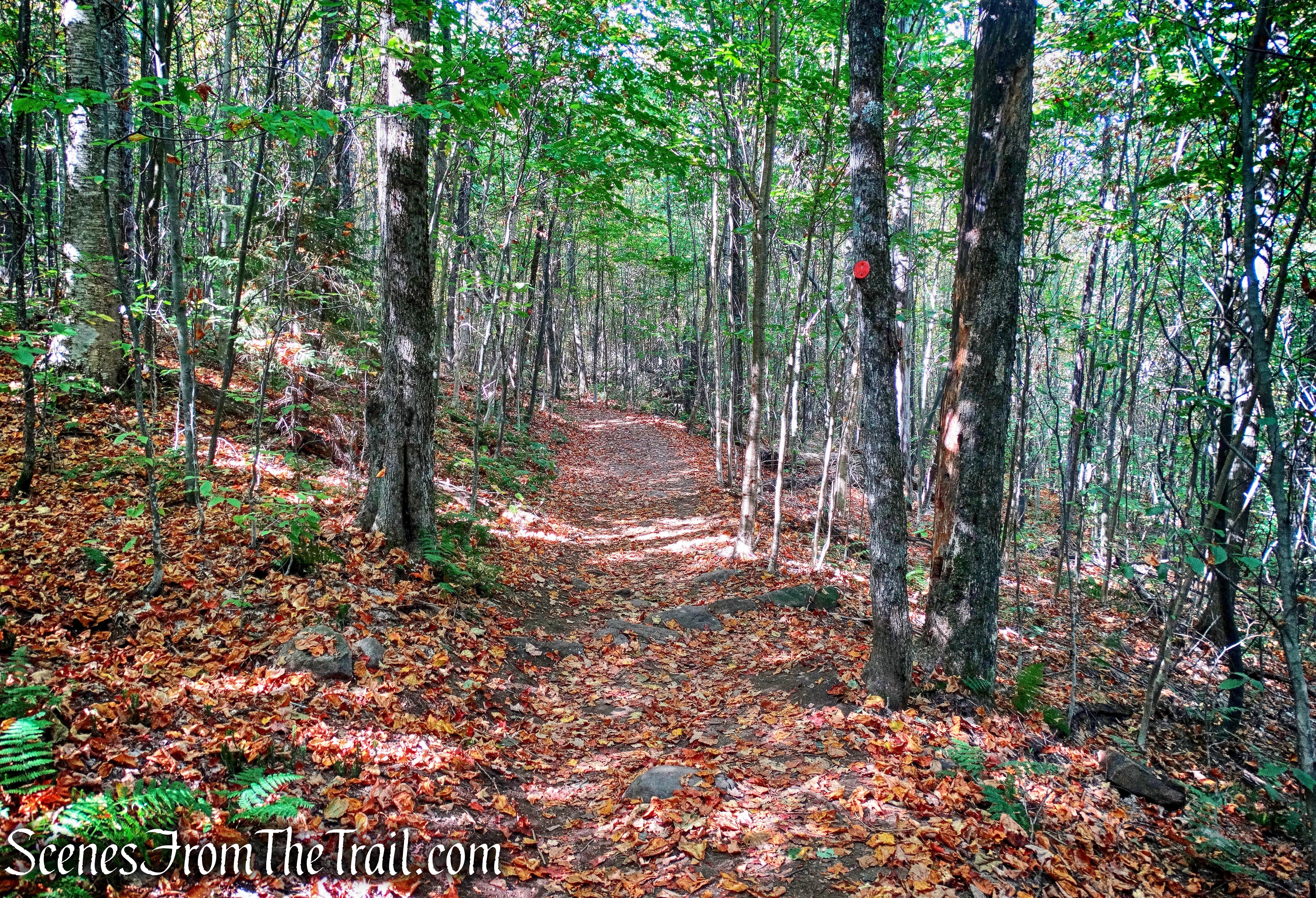
The trail begins to climb on what appears to be an eroded woods road, through a mostly deciduous forest with a few conifers appearing as you approach the summit.

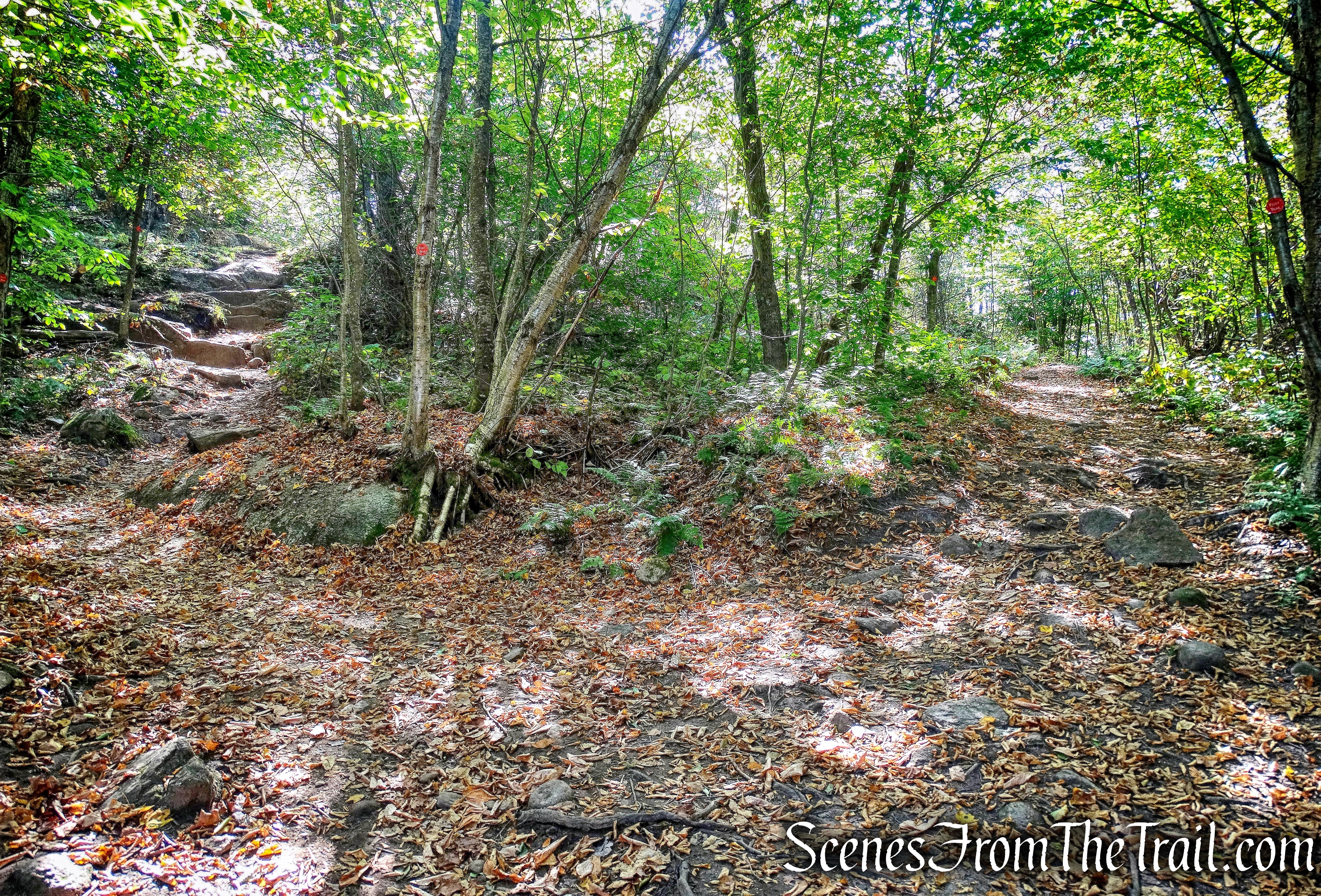
Arab Mountain Trail

Arab Mountain Trail

The well-marked path is moderately steep for most of the hike, but there are short, steep sections, some where stone steps have been placed to make the climb a little easier.

Arab Mountain Trail

Arab Mountain Trail

A long set of wooden steps have been constructed on one of the steeper sections.

Arab Mountain Trail

Arab Mountain Trail

The trail follows the northern ridge of the mountain and avoids the steeper slopes that are off to the right. The trail comes to a fork as it approaches the summit. They both lead to the top, but I went left and then returned via the right fork.

Arab Mountain Trail

Arab Mountain Trail

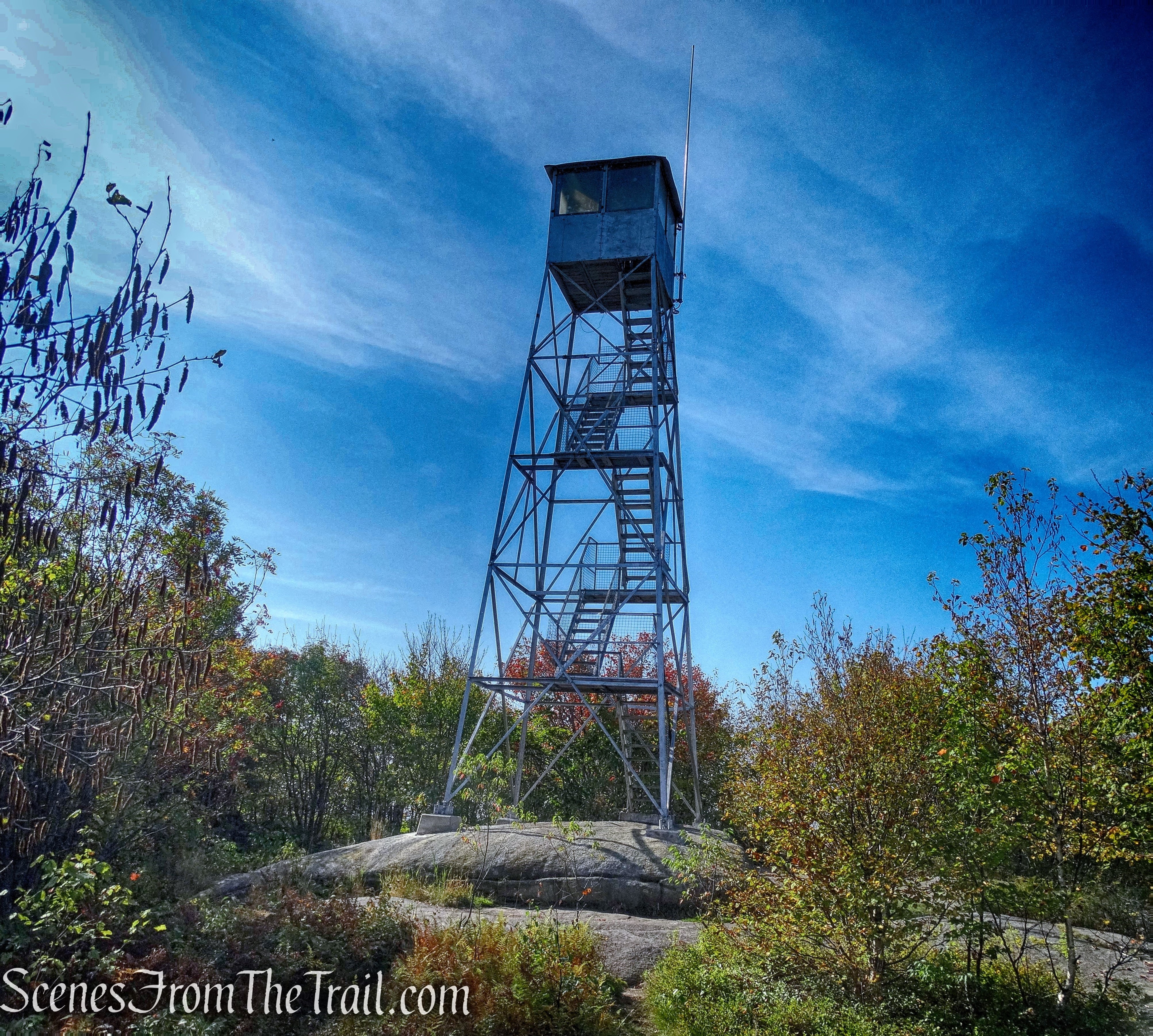
At the summit sits the Arab Mountain Fire Observation Station aka the fire tower. The Mount Arab fire tower was originally built in 1912 as a wooden tower. The problem with wooden towers was that they were only temporary and very susceptible to the forces of nature. It was replaced by a steel tower in 1918. The 35-foot-tall steel tower, with a 7’x 7’ metal cab, is a prefabricated structure built by the Aermotor Corporation, Model # AM LS-40. It was listed on the National Register of Historic Places in 2001. Of the 57 original steel Adirondack towers, 34 are still standing today.

Mount Arab Fire Tower

Mount Arab Fire Tower

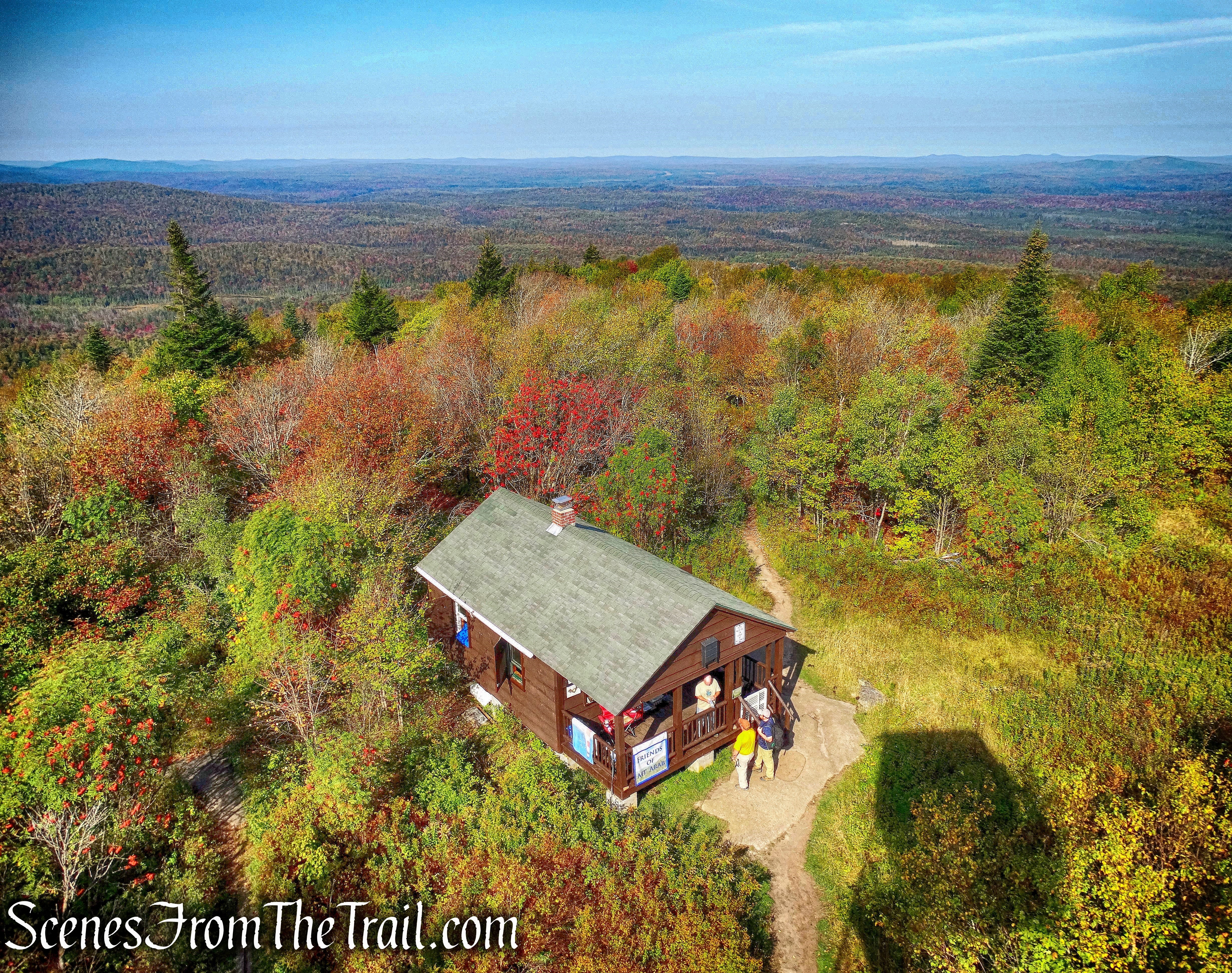
The Observer’s cabin, built in the early 1950’s, replaced the original cabin that was built in 1918. Prior to the original cabin being built, Observers stayed in tents erected on the summit. The tower and Observer cabin have been fully restored by the “Friends of Mt. Arab.” The restored Observer’s cabin houses a small museum.

Observer's cabin

Observer’s cabin

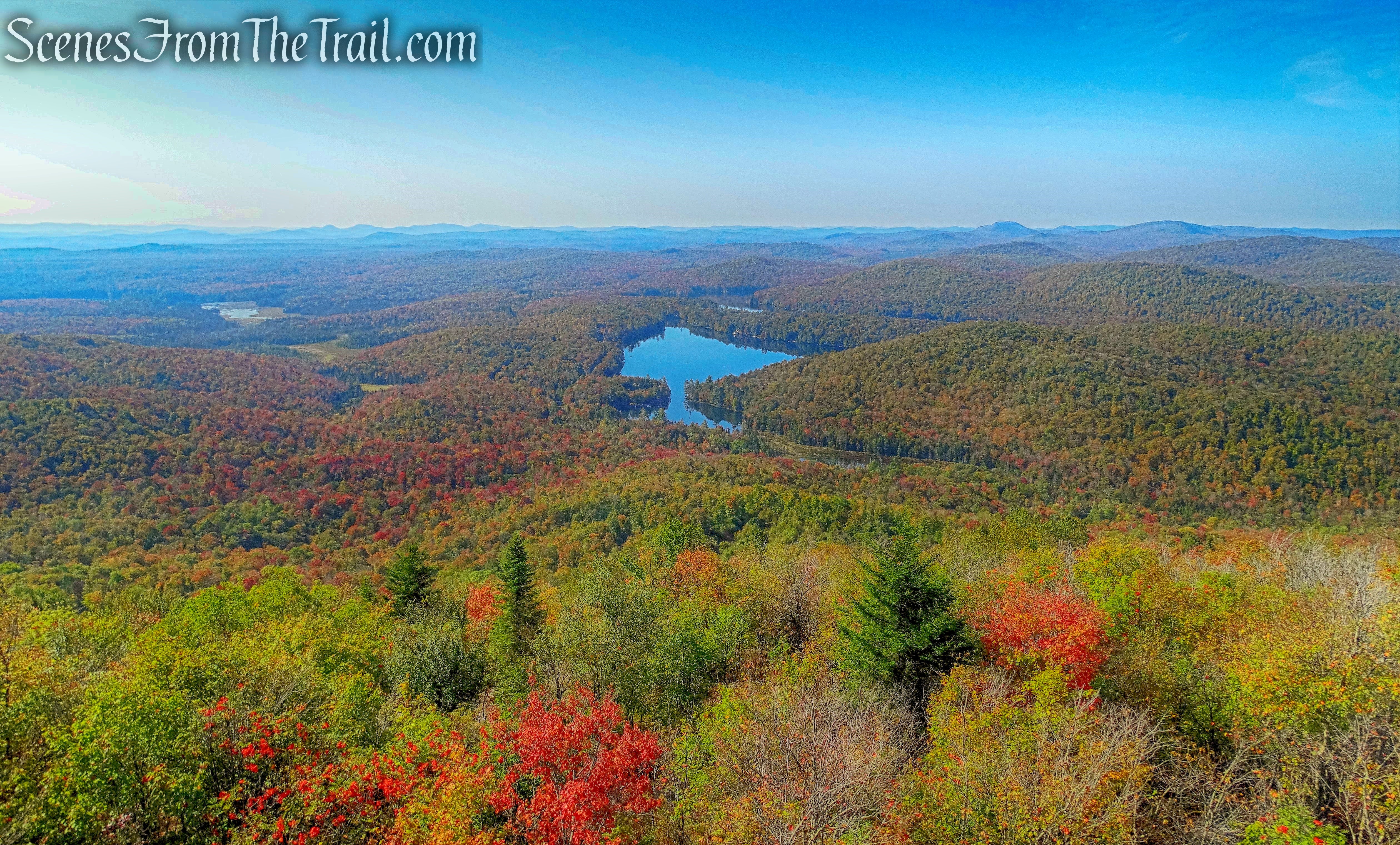
The views from the tower are outstanding. Mount Arab Lake and Eagle Crag Lake to the southwest.

view southwest from Mount Arab fire tower

view southwest from Mount Arab fire tower

The Racquette River valley to the north.

view north from Mount Arab fire tower

view north from Mount Arab fire tower

Mount Morris to the southeast.

view southeast from Mount Arab fire tower

view southeast from Mount Arab fire tower

After enjoying the fantastic 360° views from the cab of the Mount Arab fire tower, I climbed down.

cab of the Mount Arab fire tower

cab of the Mount Arab fire tower

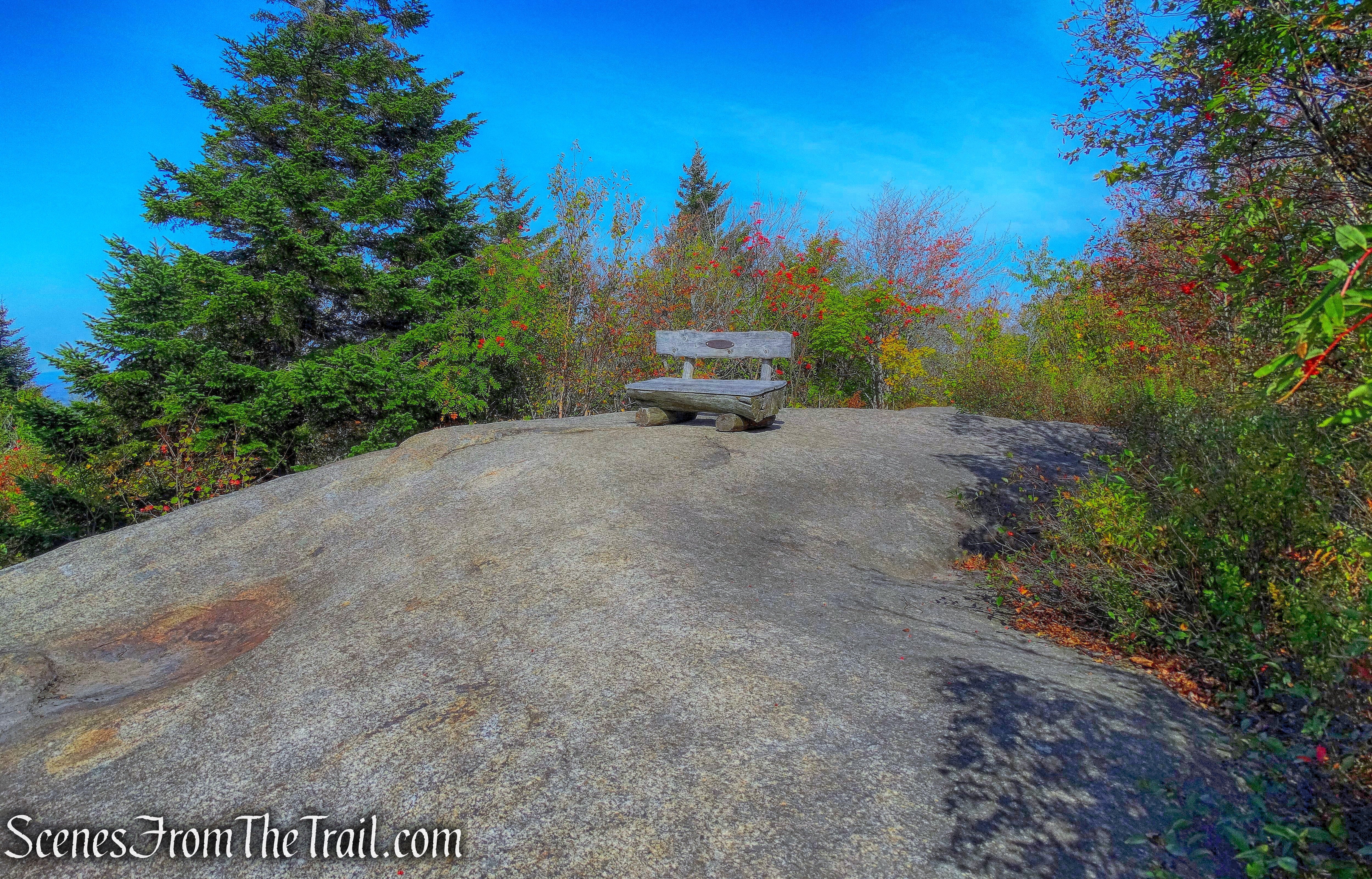
There is a short spur trail that leads out to a rock ledge with a wooden bench, that provides a nice view.

Mount Arab summit

Mount Arab summit

Another ledge also has a wooden bench, but the view isn’t as nice.

Mount Arab summit

Mount Arab summit

The summit started to get a little crowded and we decided to take off. We retraced our steps back down the mountain. It was a nice easy descent on the red-blazed Arab Mountain Trail.

Arab Mountain Trail

Arab Mountain Trail

We passed quite a few people on the way down. We left the summit at about 11:00 am and it took us about a 1/2 hour to reach the parking area. It pays to get an early start in order to beat the crowds. The lot wasn’t full like the previous day, but there were cars lined up and down the road.

Mount Arab trailhead parking

Mount Arab trailhead parking

A really great hike with minimal effort and a big payoff. I also earned my patch by completing the Tupper Lake Triad Challenge. I filled out the form and mailed it in, hopefully my patch arrives soon. My introduction to hiking in the Adirondacks did not disappoint.

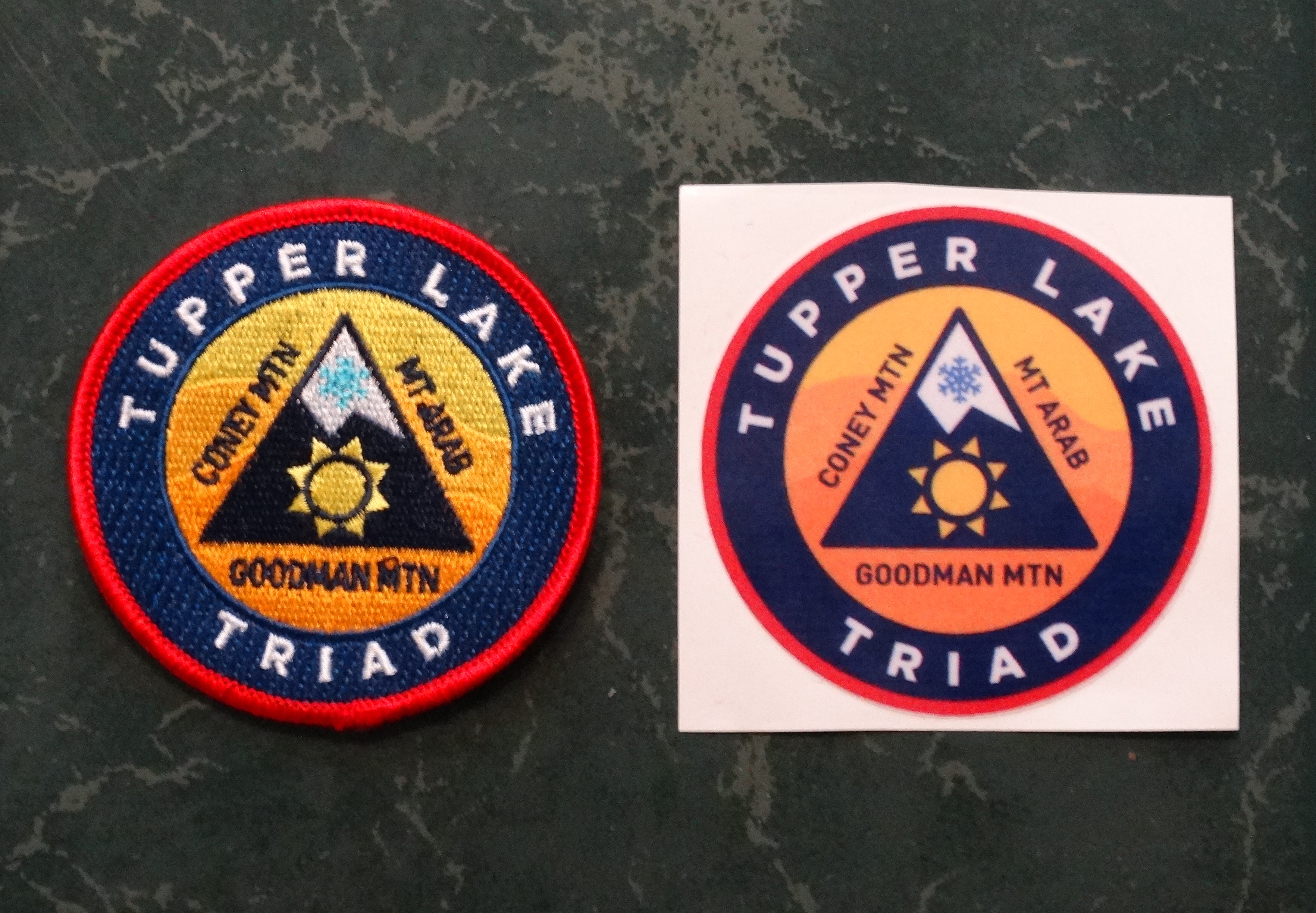
UPDATE: I received my patch and also a sticker within 10 days of mailing it out.

Tupper Lake Triad Challenge patch and window sticker.

Tupper Lake Triad Challenge patch and window sticker.

Pros: Fire tower, great views, well marked trail, short hike, earn a patch.

Cons: Popular hiking destination and does get crowded.

Mount Arab summit

Mount Arab summit

Goodman Mountain – Adirondack Park

September 22, 2017 – Tupper Lake, NY

Difficulty: Easy – moderate

Length: Approximately 2.2 miles

Max elevation: 2178 ft.– total elevation gain approximately 581 ft.

Route type: Out and back

Map: Goodman Mountain Trail MapAdirondack Trail Map

Trailhead parking: NY-30 Tupper Lake, NY 12986

Goodman Mountain is a small peak in the Adirondack Region of New York State. It is part of the 17,140 acre Horseshoe Lake Wild Forest, located mostly on the southern shores of Tupper Lake.

Goodman Mountain as viewed from Coney Mountain summit

Goodman Mountain as viewed from Coney Mountain summit

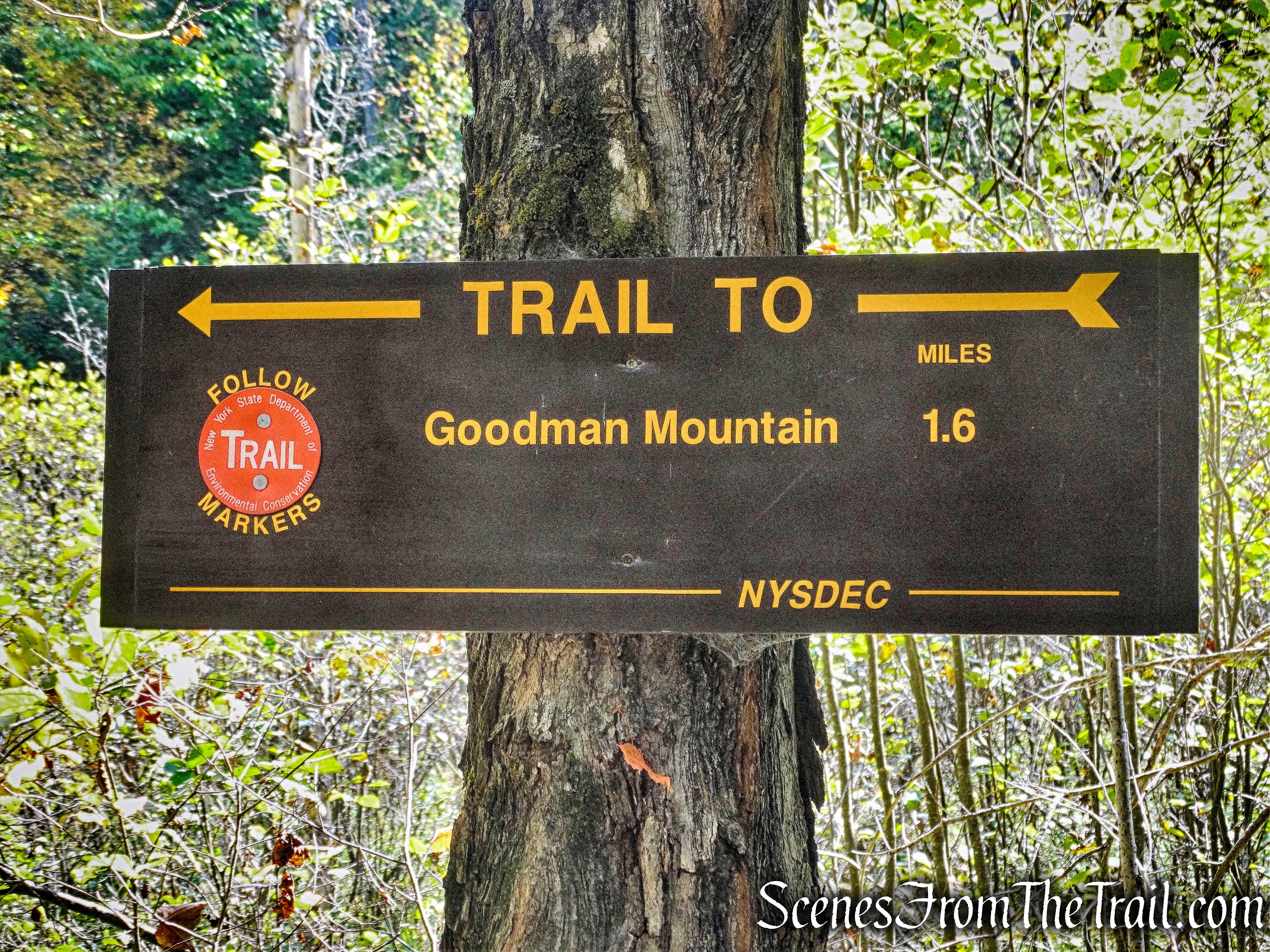
A 1.6 mile hiking trail was constructed to the summit of Goodman Mountain in the summer of 2014 that was dedicated to Andrew Goodman, a twenty year old civil rights activist murdered in Mississippi.

Goodman Mountain hike route

Goodman Mountain hike route

View the Google Earth Fly-Through video of the hike below.

Goodman and two fellow activists: James Chaney and Michael Schwerner; were kidnapped and killed by the Ku Klux Klan in June 1964. The name was changed in 2002 from Litchfield Mountain to Goodman Mountain. The 1988 movie “Mississippi Burning” was loosely based upon this national tragedy.

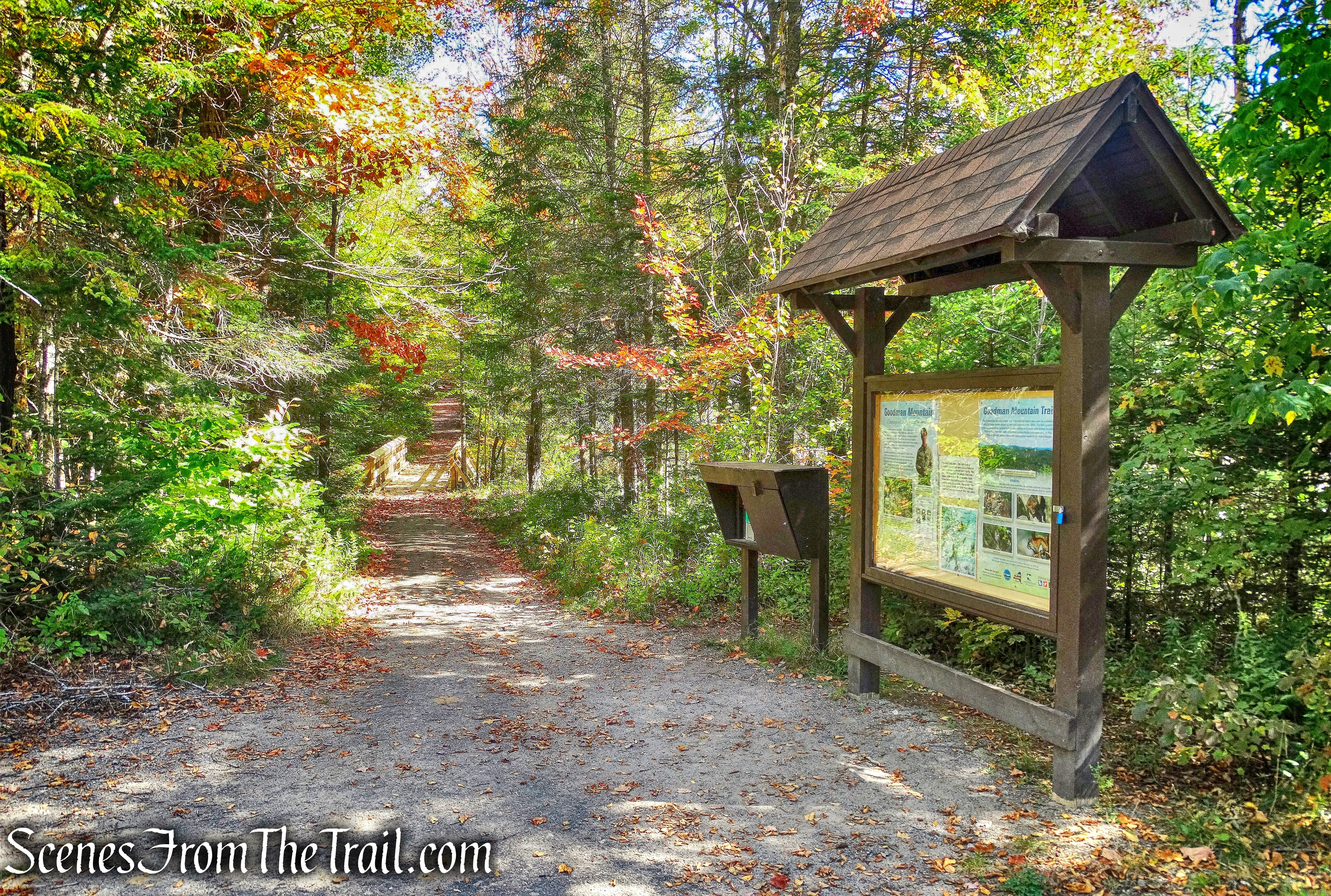
Goodman Mountain trailhead

Goodman Mountain trailhead

After a brief rest from hiking Coney Mountain, we walked over to the kiosk and signed in at the trail register.

Goodman Mountain trailhead

Goodman Mountain trailhead

It was time to begin the second leg of the Tupper Lake Triad.

Goodman Mountain Trail

Goodman Mountain Trail

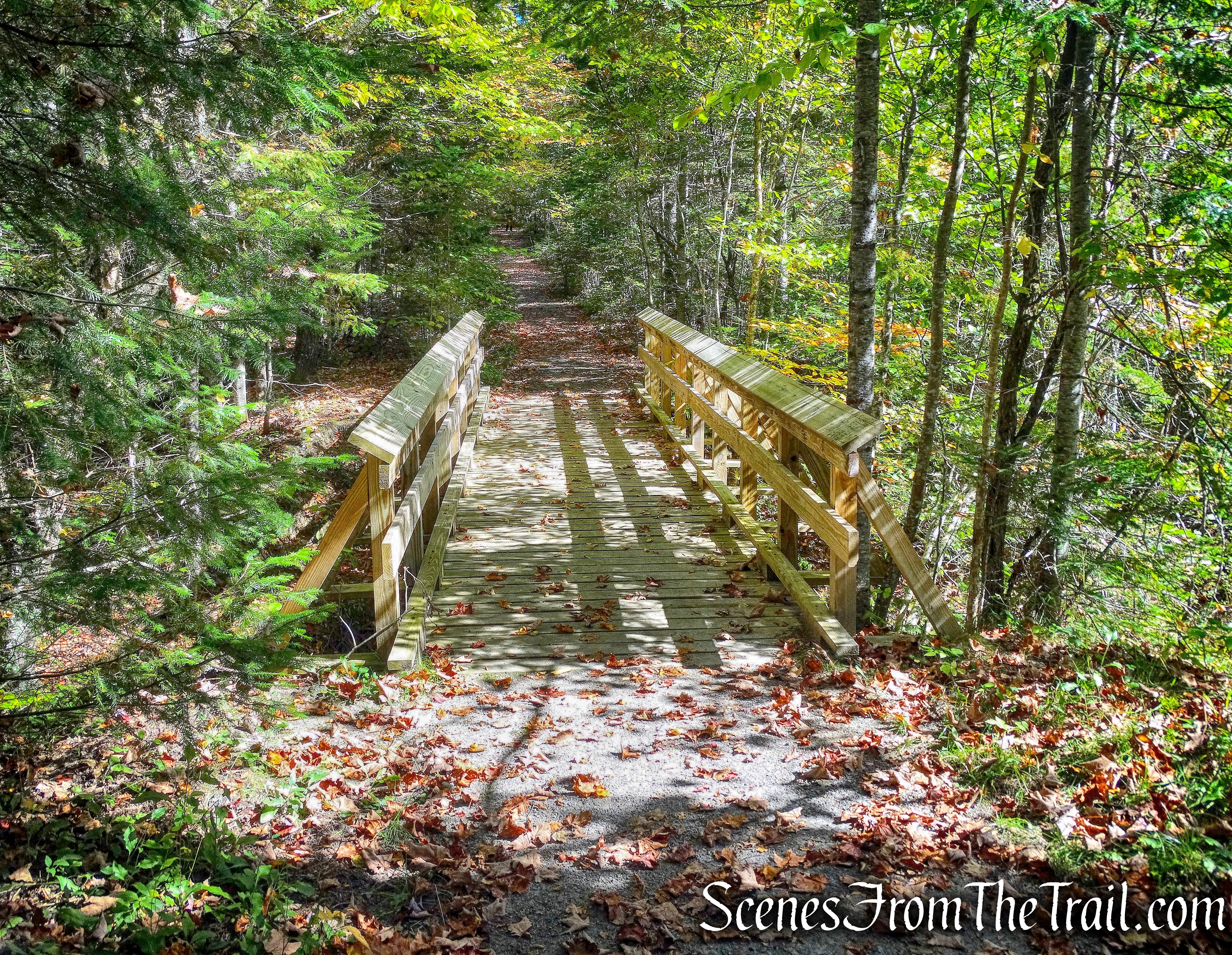
The trail crosses Cold Brook on a wooden footbridge.

wooden footbridge - Goodman Mountain Trail

wooden footbridge – Goodman Mountain Trail

The red-blazed trail begins on a paved road which rises gently. This old road used to be Highway 10 between Long Lake and Tupper Lake. The road continues northeast and begins to steepen.

Goodman Mountain Trail

Goodman Mountain Trail

After almost a mile on the paved road, the trail leaves the road and turns left.

Goodman Mountain Trail

Goodman Mountain Trail

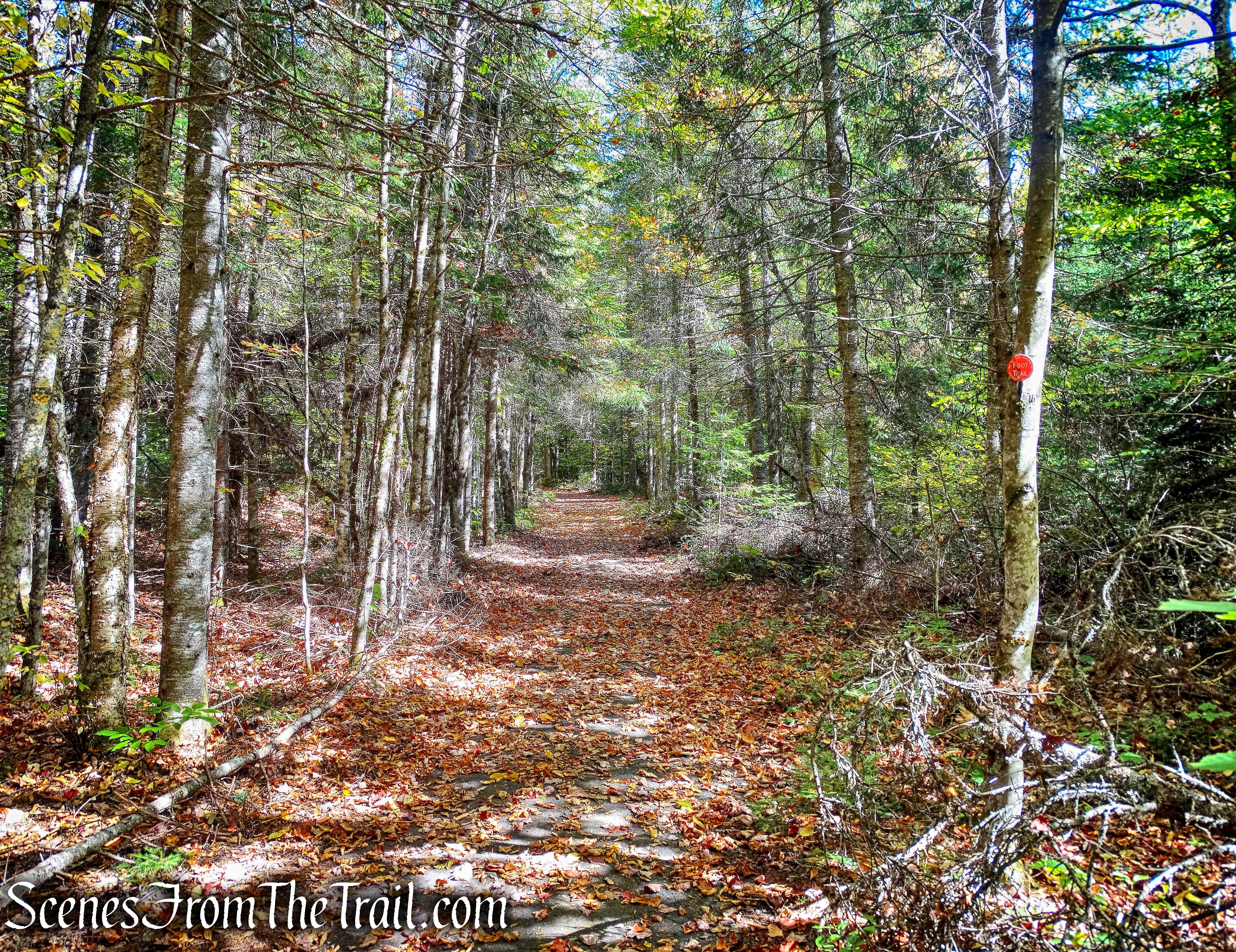
The trail ascends gradually through the woods as it heads northwest.

Goodman Mountain Trail

Goodman Mountain Trail

The trail then turns sharply southeast towards the peak and climbs a bit steeper to the shoulder. The trail then follows the ridgeline before it finally ascends to the summit.

Goodman Mountain summit

Goodman Mountain summit

Looking south from the summit, Coney Mountain, which we climbed earlier, is visible.

Coney Mountain as viewed from Goodman Mountain summit

Coney Mountain as viewed from Goodman Mountain summit

The southern end of Tupper Lake is visible to the northwest.

southern end of Tupper Lake

southern end of Tupper Lake

While we were hanging out at the summit, a couple of hikers from Tennessee arrived to take in the view. It was a beautiful day and unusually warm for late September. We soaked it all in and then began our descent. Since this hike is an out and back, we retraced our steps down the mountain and back to the parking area. We had now completed 2/3 of the Tupper Lake Triad, Mount Arab was next, which we would do the following morning.

Pros: Great views, short hike, well blazed, earn a patch.

Cons: Some road noise can be heard from the summit.

Coney Mountain summit

Coney Mountain summit

Coney Mountain – Adirondack Park

September 22, 2017 – Tupper Lake, NY

Difficulty: Easy – moderate

Length: Approximately 2.2 miles

Max elevation: 2280 ft.– total elevation gain approximately 548 ft.

Route type: Out and back

Map: Coney Mountain Trail MapAdirondack Trail Map

Trailhead parking: NY-30 Tupper Lake, NY 12986

Coney Mountain is a small peak in the Adirondack Region of New York State. At only about 2280 Feet, it offers spectacular 360° views of the area making it a great choice for a short hike. It is part of the 17,140 acre Horseshoe Lake Wild Forest, located mostly on the southern shores of Tupper Lake.

Coney Mountain - Adirondack Park

Coney Mountain – Adirondack Park

Coney Mountain is part of the Tupper Lake Triad, a hiking challenge created in 2015 in the Tupper Lake Region of the Adirondacks. Along with Goodman Mountain and Mount Arab, the three family-friendly mountains boast outstanding views of the surrounding mountains and lakes from their summits, which are reached via well-maintained and well-marked state Department of Environmental Conservation trails. After successfully hiking all three peaks, register on the official Triad Roster and receive a patch.

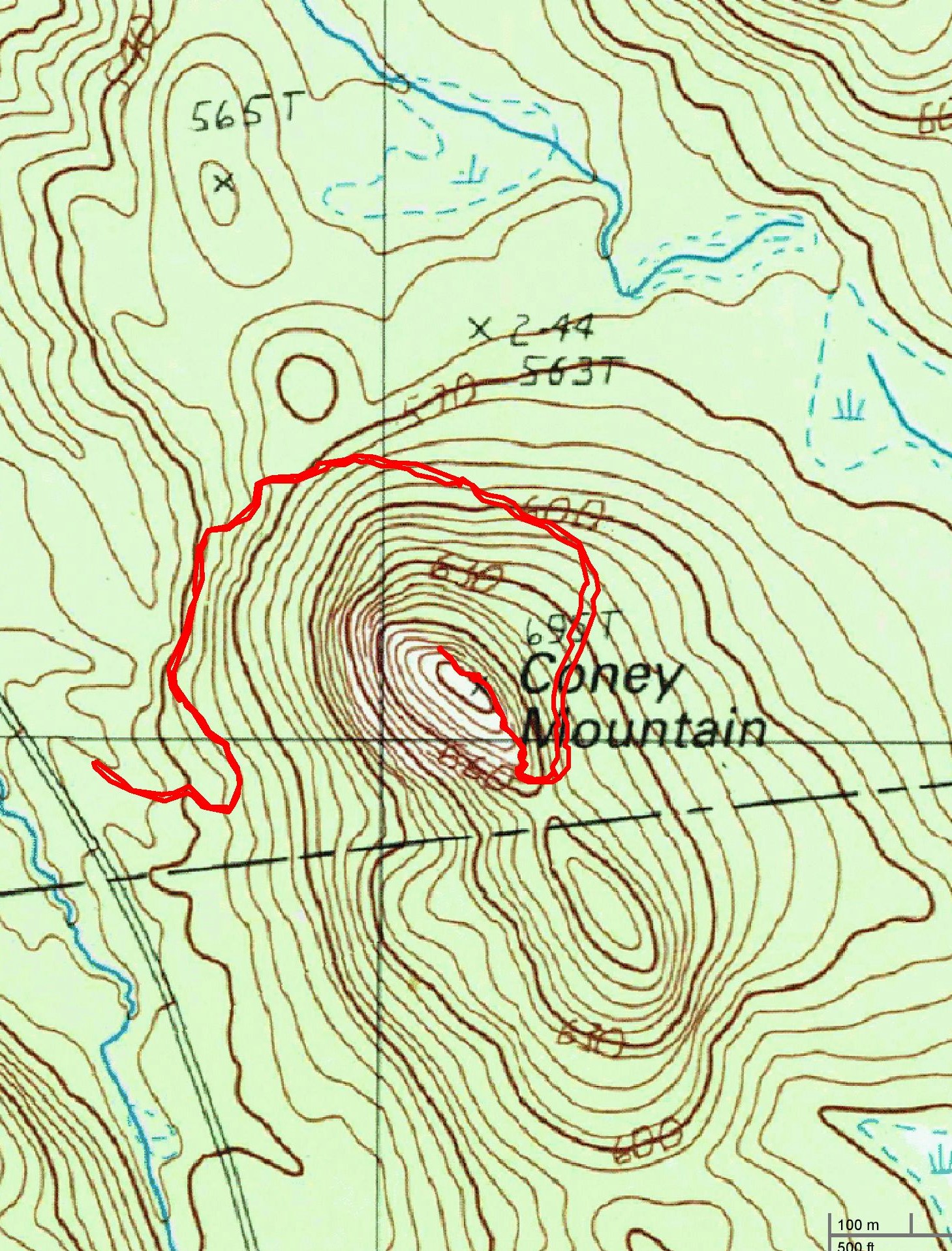
Coney Mountain hike route

Coney Mountain hike route

View the Google Earth Fly-Through video of the hike below.

I have never been to the Adirondacks and with limited time, I wanted to see and do as much as possible while I was there. These three short hikes are a great introduction to hiking in the Adirondack Region. The Coney and Goodman Mountain trailheads are right down the road from each other, so I decided to tackle these two first. Upon scouting the trailhead the previous evening, I discovered that the parking area for Coney Mountain is smaller, with room for about five cars. I was unsure if road side parking is allowed (it is), so I decided to hike this one first. Arriving at approximately 9:00 am on a Friday morning we grabbed the last parking spot in the lot.

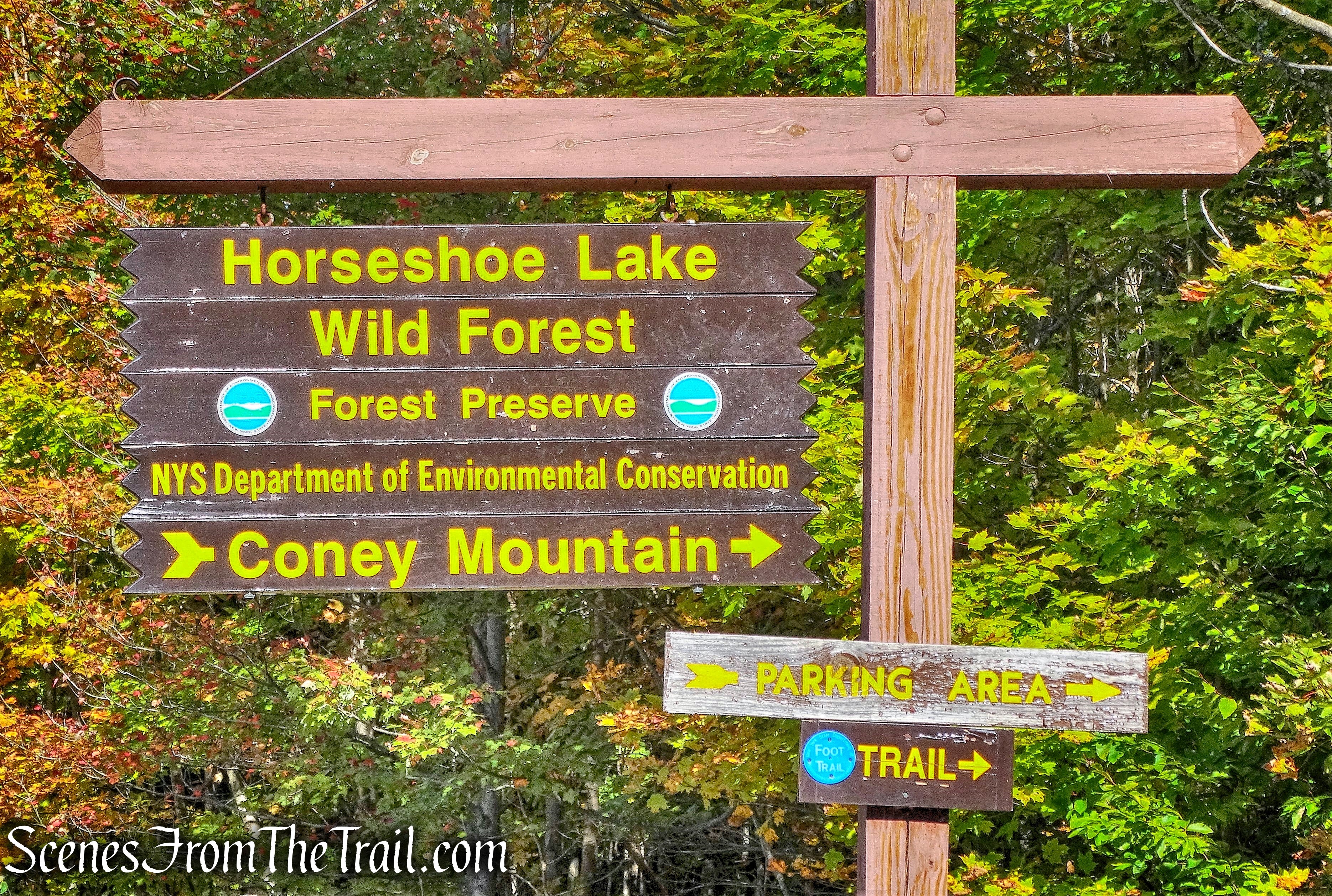
Coney Mountain trailhead

Coney Mountain trailhead

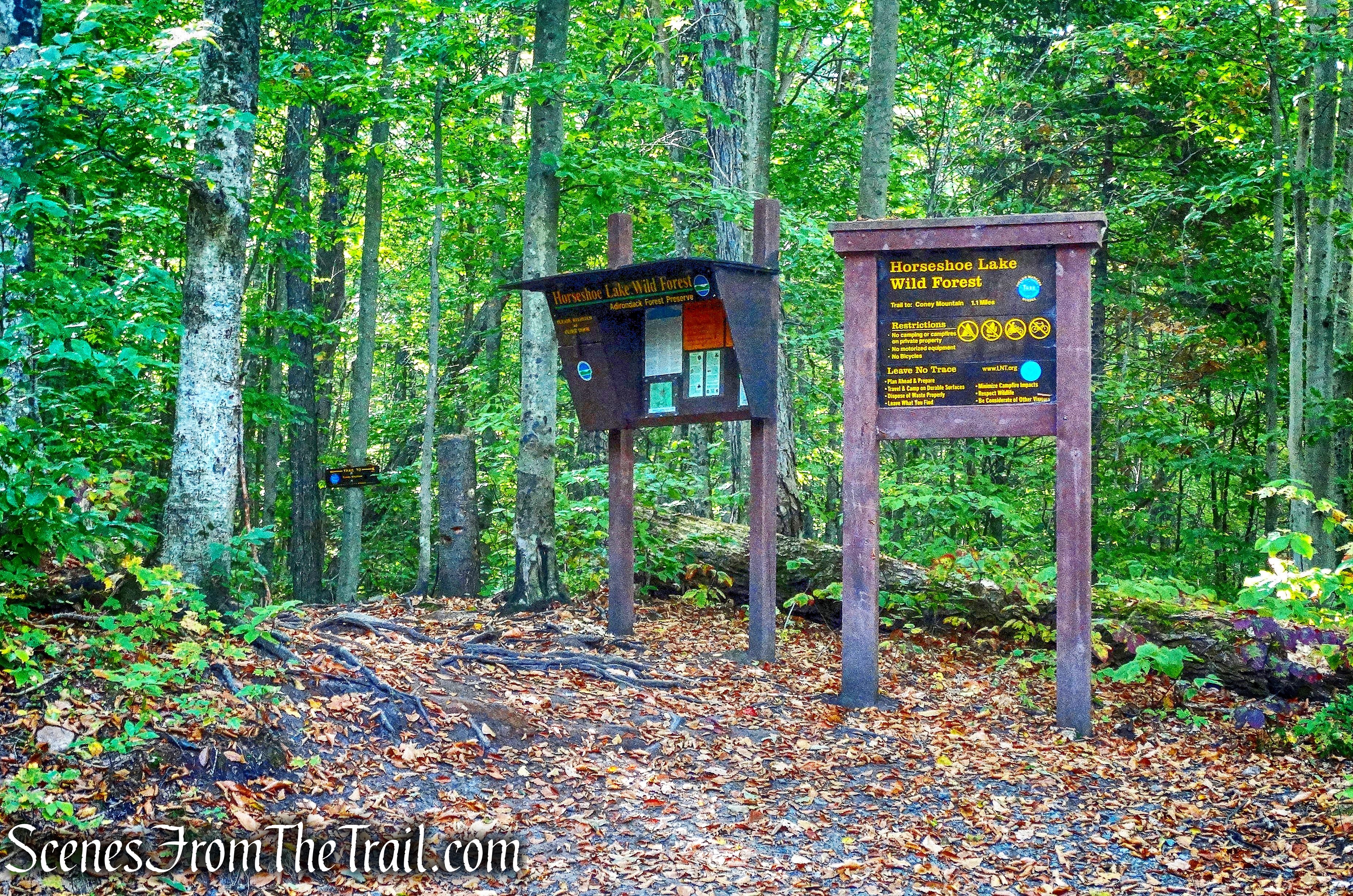
After gearing up, we walked over to the kiosk and signed in at the trail register.

Coney Mountain trailhead

Coney Mountain trailhead

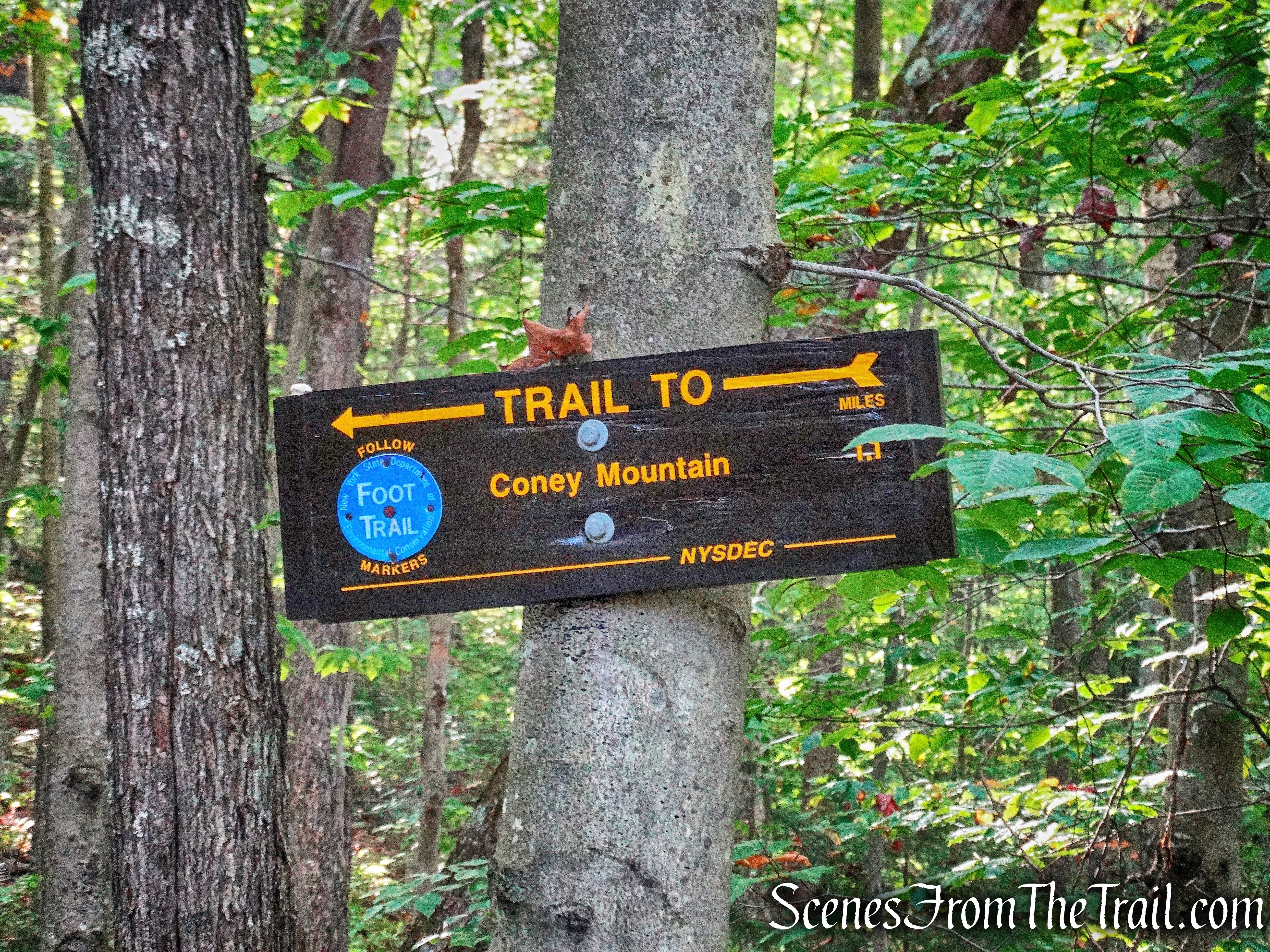
We then began to follow the blue blazes of the Coney Mountain Trail.

Coney Mountain Trail

Coney Mountain Trail

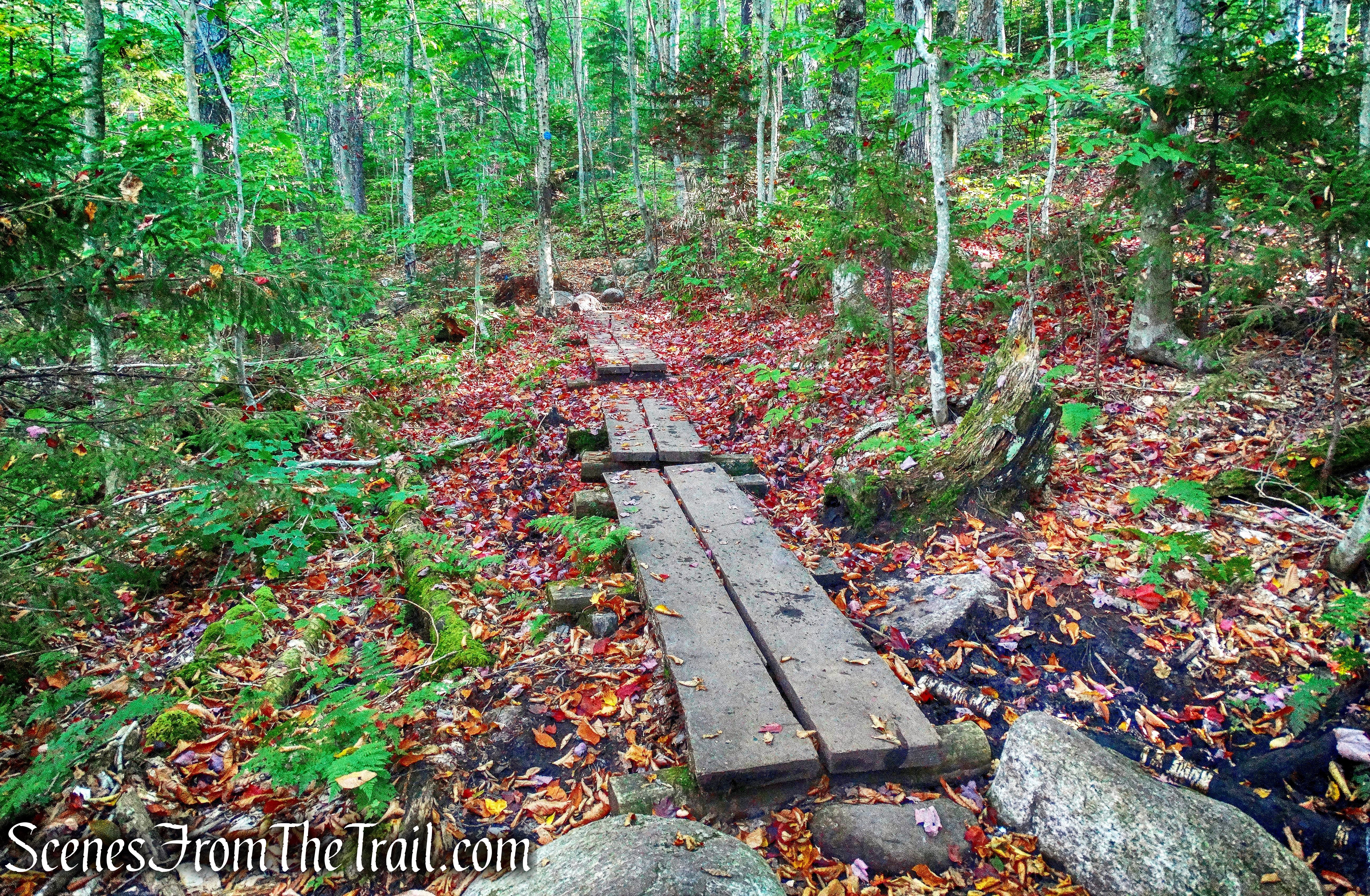
The trail crosses several wooden planks over a wet area.

Coney Mountain Trail

Coney Mountain Trail

The trail gradually ascends on a looping route around the foot of the mountain.

Coney Mountain Trail

Coney Mountain Trail

This new trail was built in the summer of 2009 by a professional trail crew from the Adirondack Mountain Club, working under contract for the NY DEC. This eliminated a short, but very steep bushwhack to the 2280 ft. summit.

Coney Mountain Trail

Coney Mountain Trail

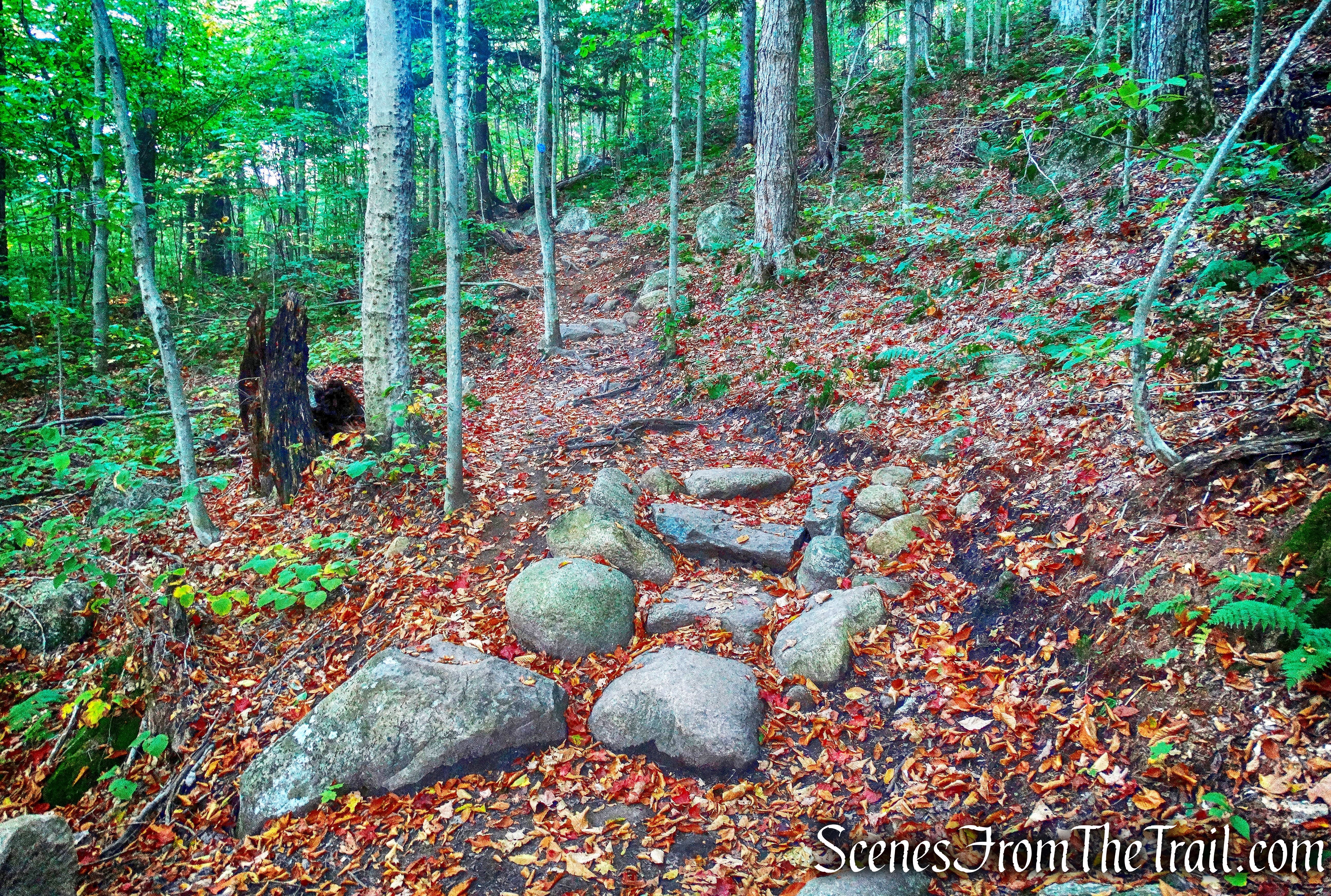
The new trail, marked with blue DEC trail discs, gradually ascends, but does have a few steep sections along the way.

Coney Mountain Trail

Coney Mountain Trail

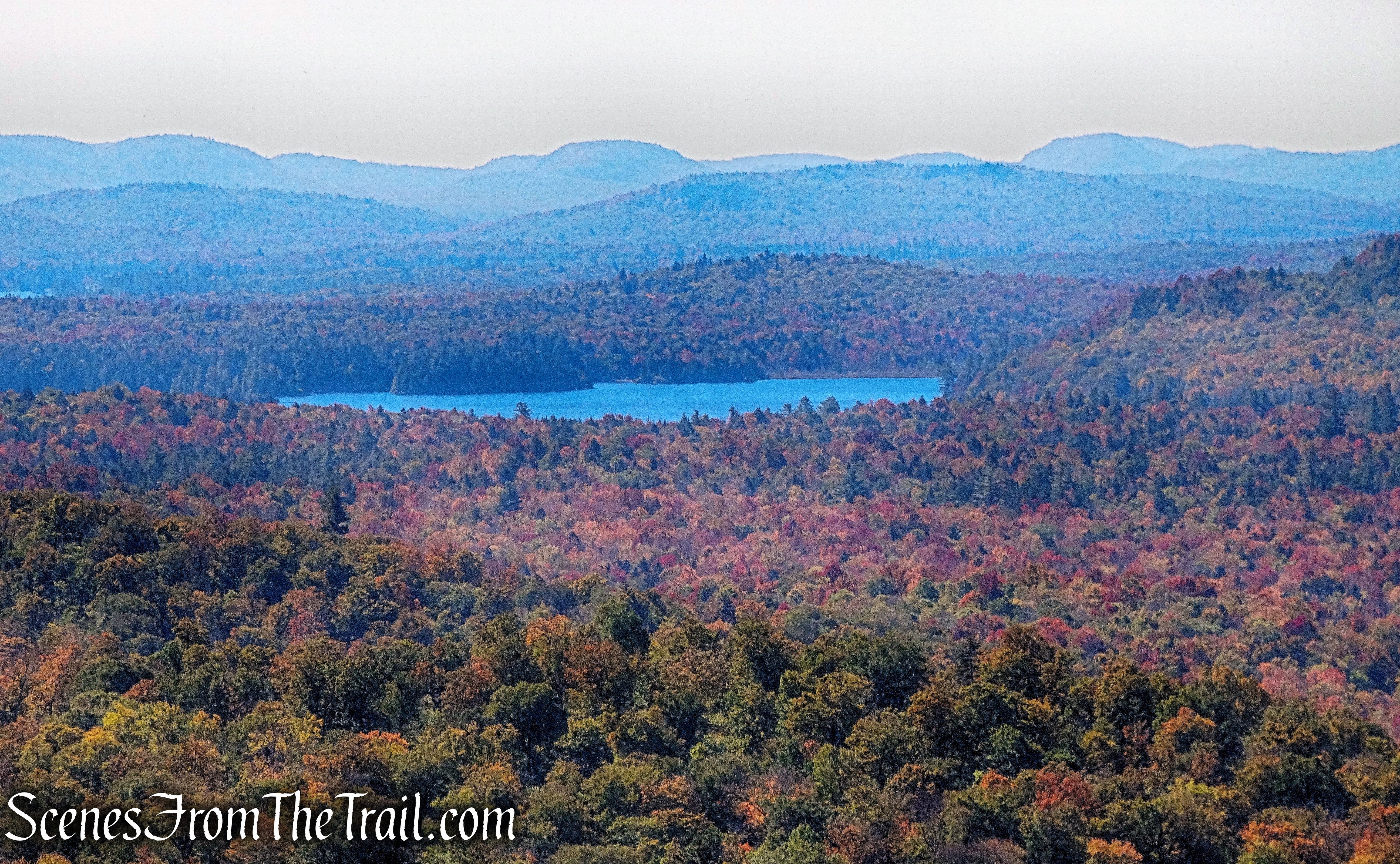
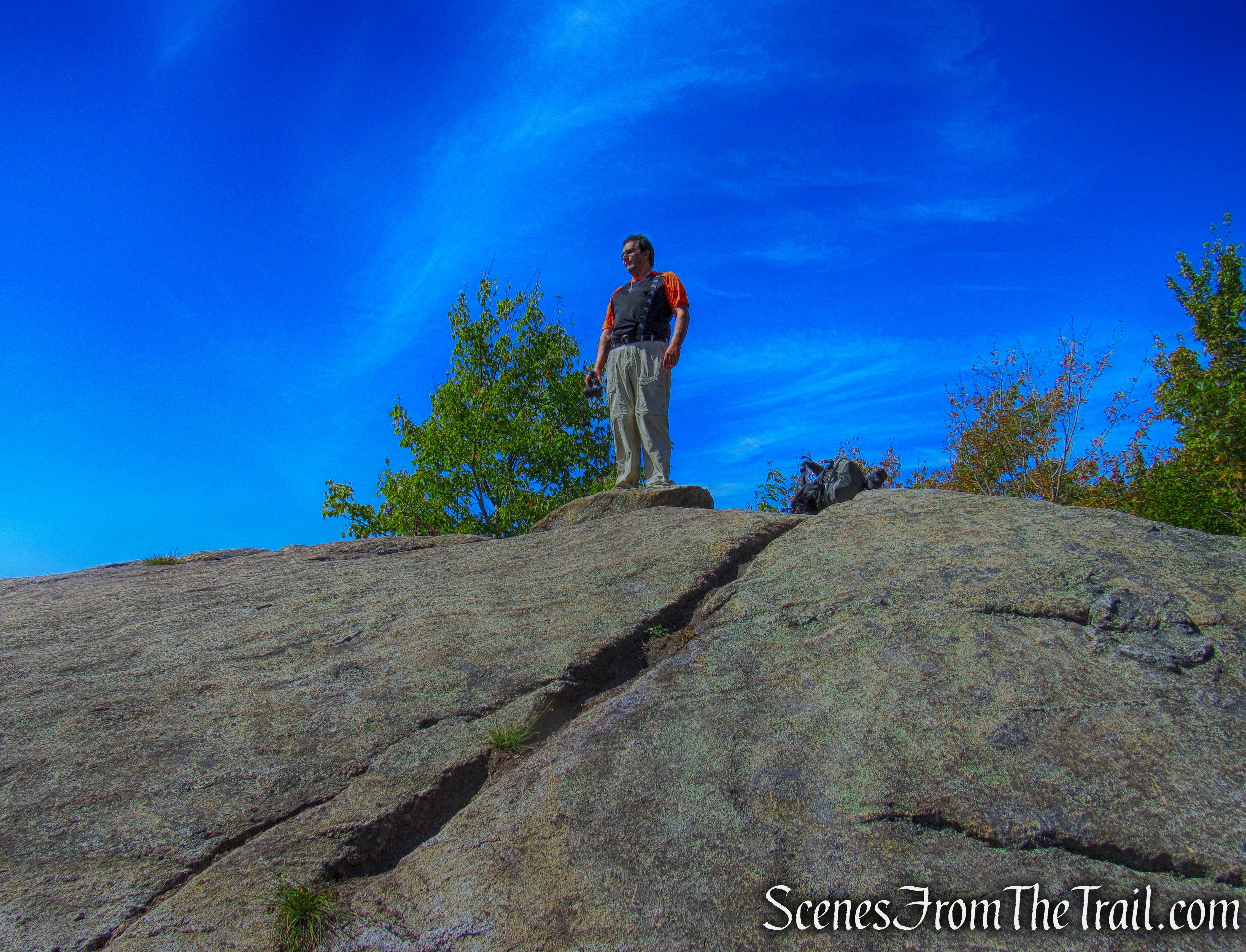
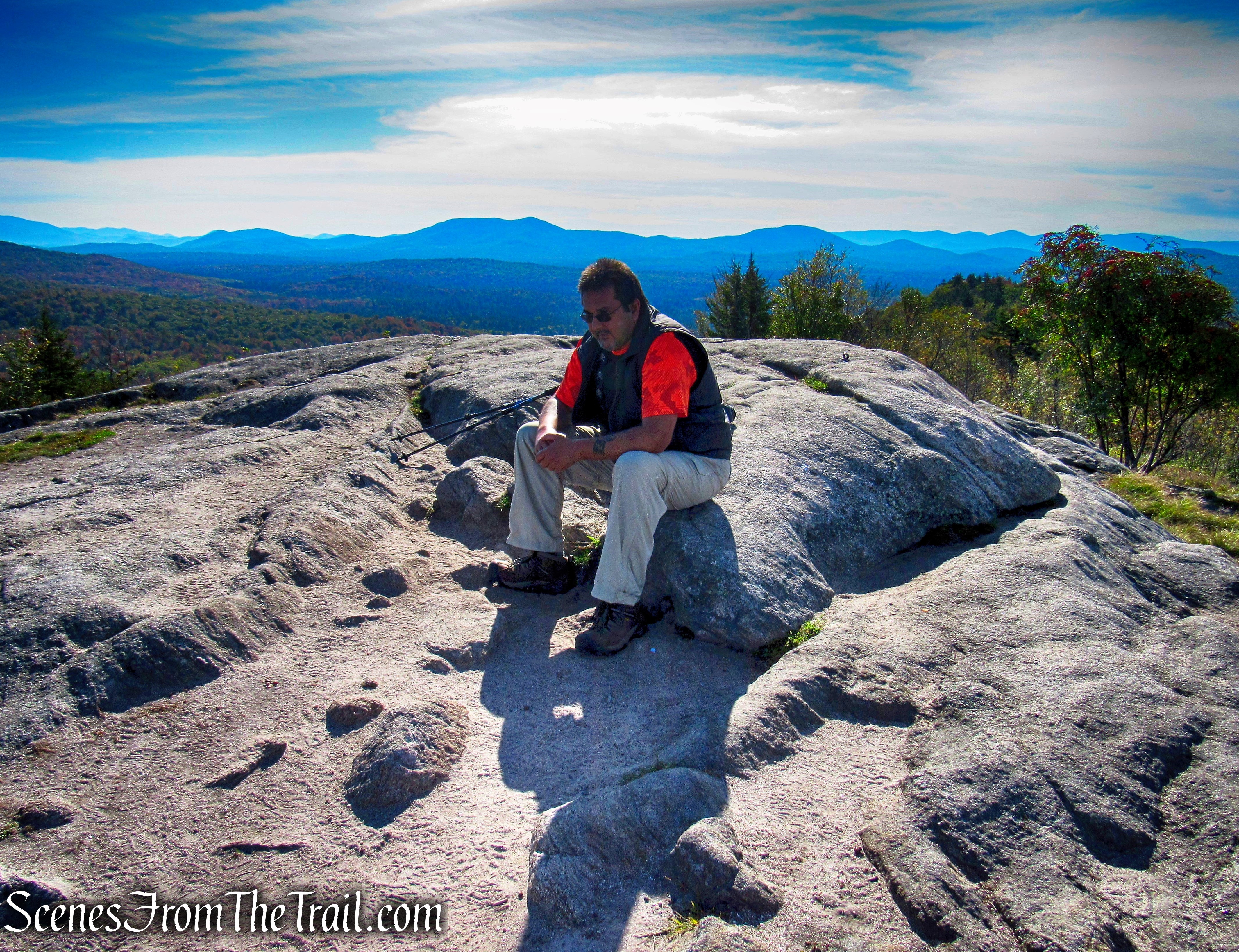
The large, open rock summit, rewards hikers with 360° views. Below is a western facing view from the summit.

Coney Mountain summit - western facing view

Coney Mountain summit – western facing view

Looking east from the summit, the view is just as good.

Looking east from Coney Mountain summit

Looking east from Coney Mountain summit

Looking north the High Peaks are visible in the distance.

Looking north from Coney Mountain summit

Looking north from Coney Mountain summit

Sightly northwest, Goodman Mountain, our next destination, is visible, with Tupper Lake just beyond.

Looking northwest from Coney Mountain summit

Looking northwest from Coney Mountain summit

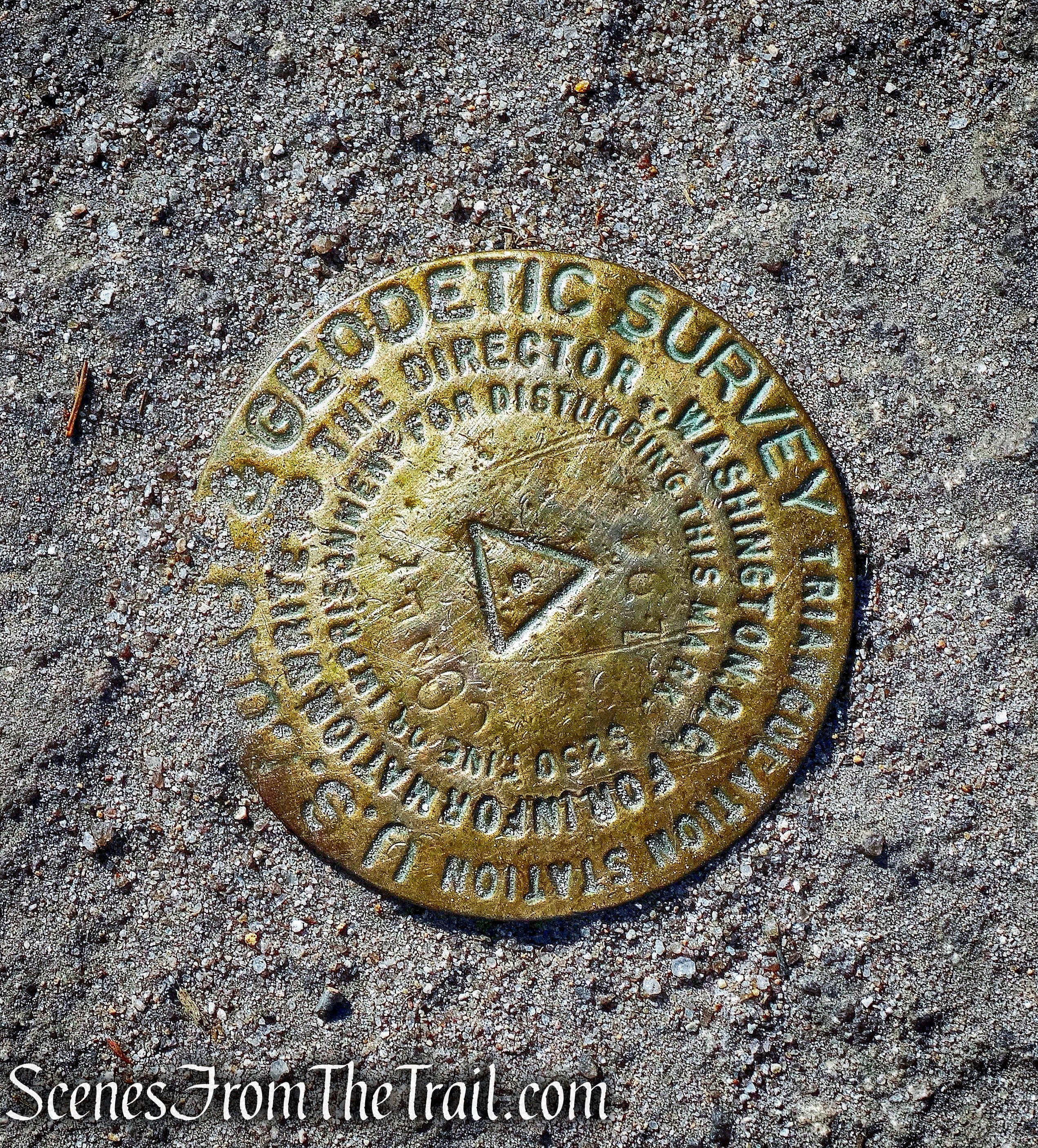
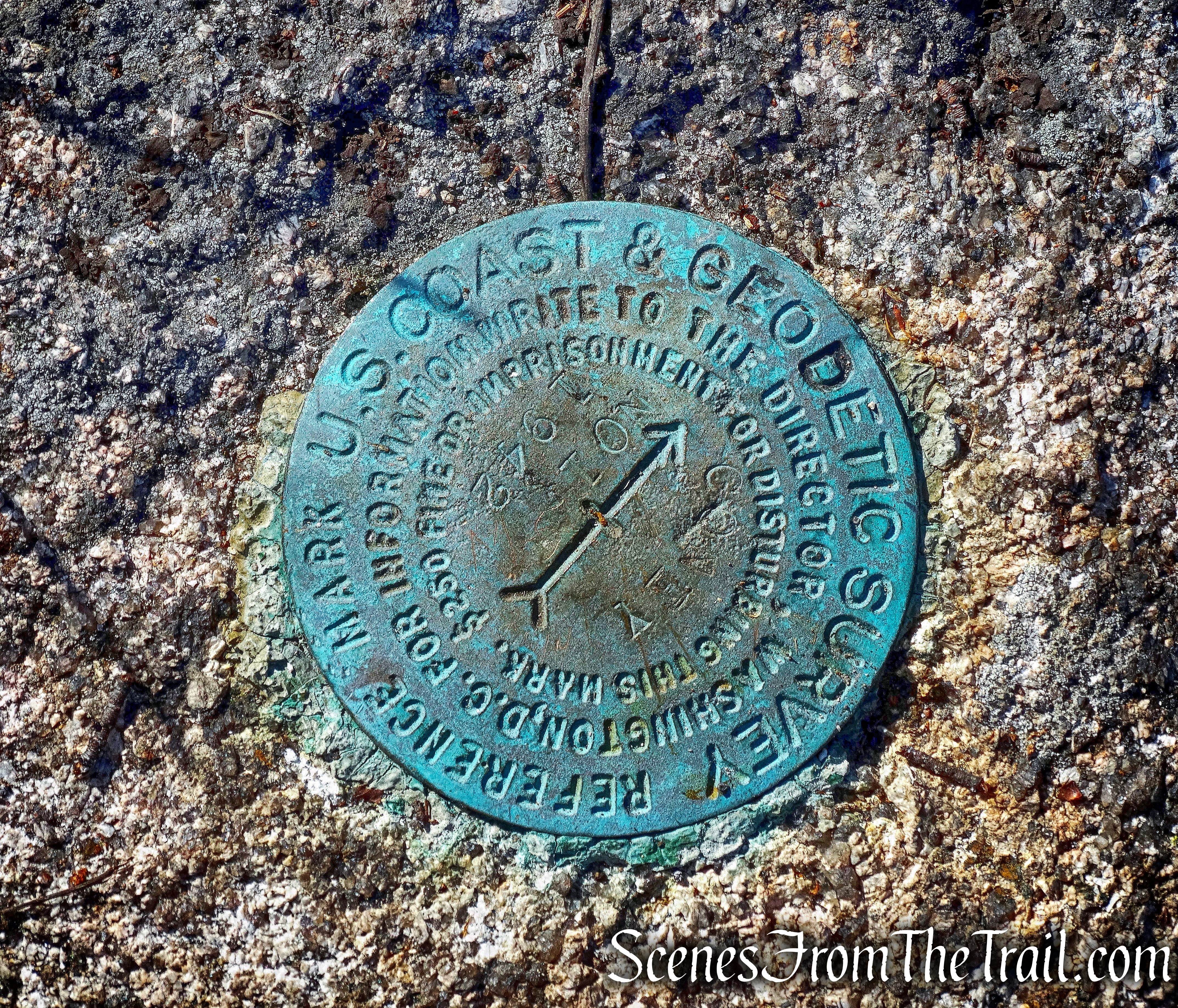
I spotted two survey markers at the summit just a few feet apart.

Geodetic Survey marker

Geodetic Survey marker

Geodetic Survey marker

Geodetic Survey marker

The entire time that we were at the summit, we had it all to ourselves. We saw a few hikers descending as we approached the summit and then crossed paths with a lone hiker as we left. Since this is an out and back hike, we retraced our steps back down the mountain. On the way down, we passed a few more small groups of hikers as we neared the parking area. It pays to hit the trail early, especially with the type of views at Coney Mountain. We got back in the vehicle and drove the short distance to the Goodman Mountain Trailhead to begin the second leg of the Tupper Lake Triad, after all, I want that patch.

Pros: Fantastic 360° views, short hike, well blazed, earn a patch.

Cons: Small parking area, does get crowded.

Coney Mountain summit

Coney Mountain summit

Three Lakes via Baileytown Road – Harriman State Park

September 17, 2017 – Harriman, NY

Difficulty: Easy

Length: Approximately 4.5 miles

Max elevation: 1,008 ft.– total elevation gain approximately 366 ft.

Route type: Lollipop-Loop (sort of)

Map: Harriman-Bear Mountain Trails Map #119

Trailhead parking: 627-633 Long Mountain Pkwy, Harriman, NY 10926


Originally this hike was supposed to be part of Brooks Hollow Bushwack, which was done a couple weeks earlier. I Decided to make it a separate hike in order to fully wander through the area. As it turned out, it was more of an exploration rather than a hike. An easy walk in the woods in a section of Harriman State Park that doesn’t get a lot of foot traffic. In fact, we didn’t encounter anyone while we were wandering the area. There are summer camps that are still in operation here from June to Labor Day and this area should be avoided during that time.

trailhead parking

trailhead parking

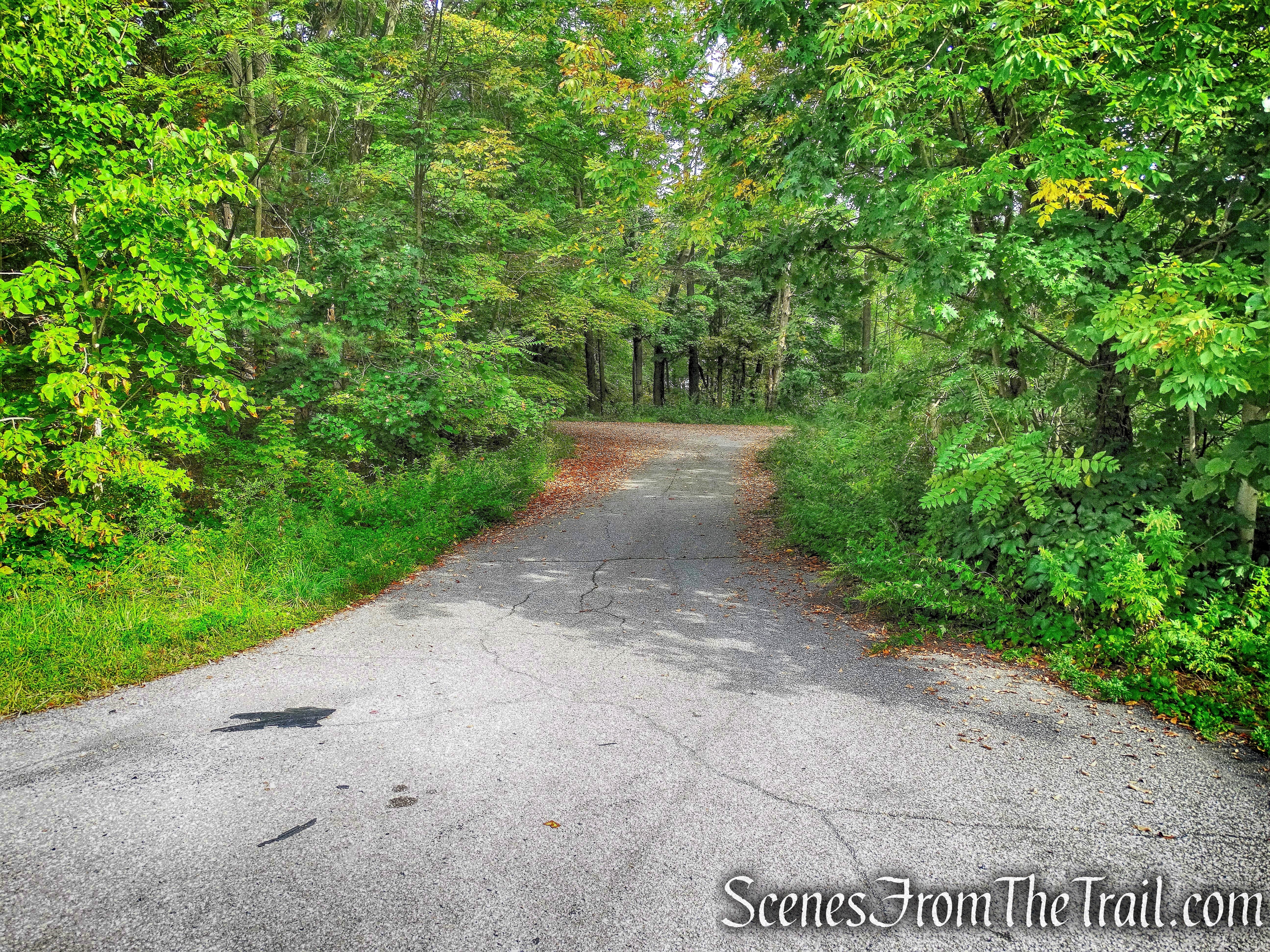
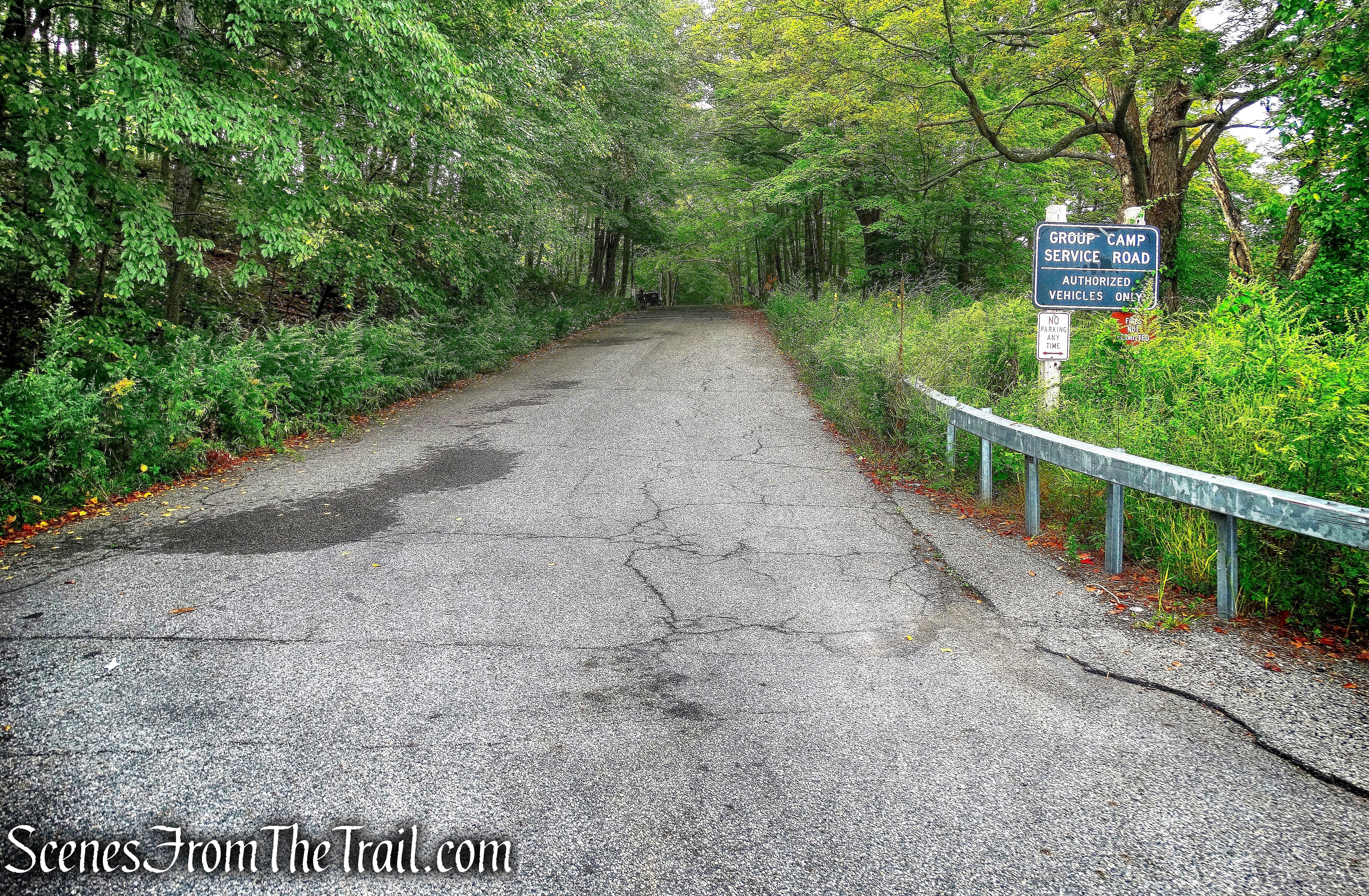
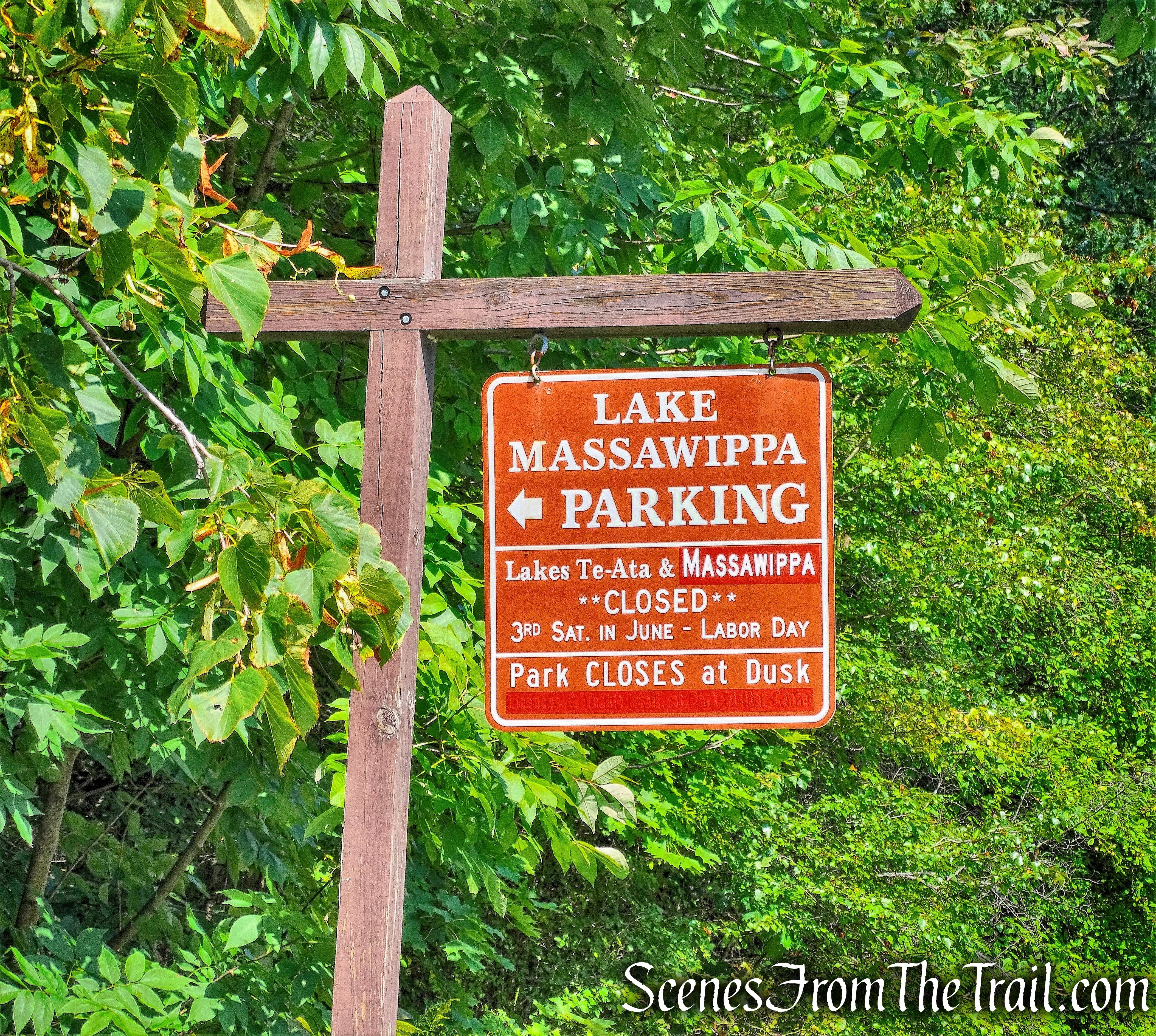
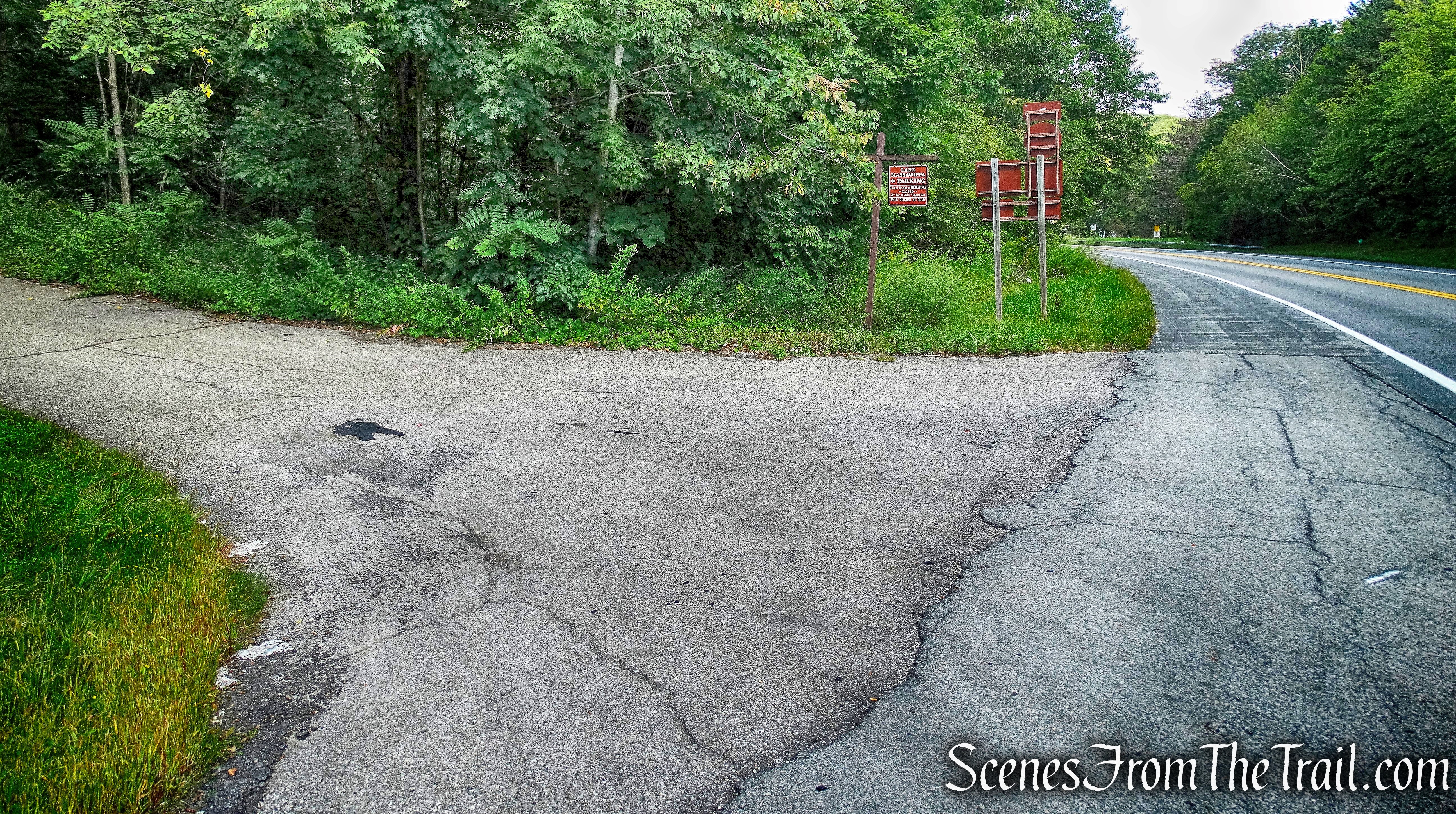
The parking area is easy to miss, even if you are looking for it. The small brown sign (above) and the almost hidden paved road (below), are the only indications that a parking area even exists.

parking area

parking area

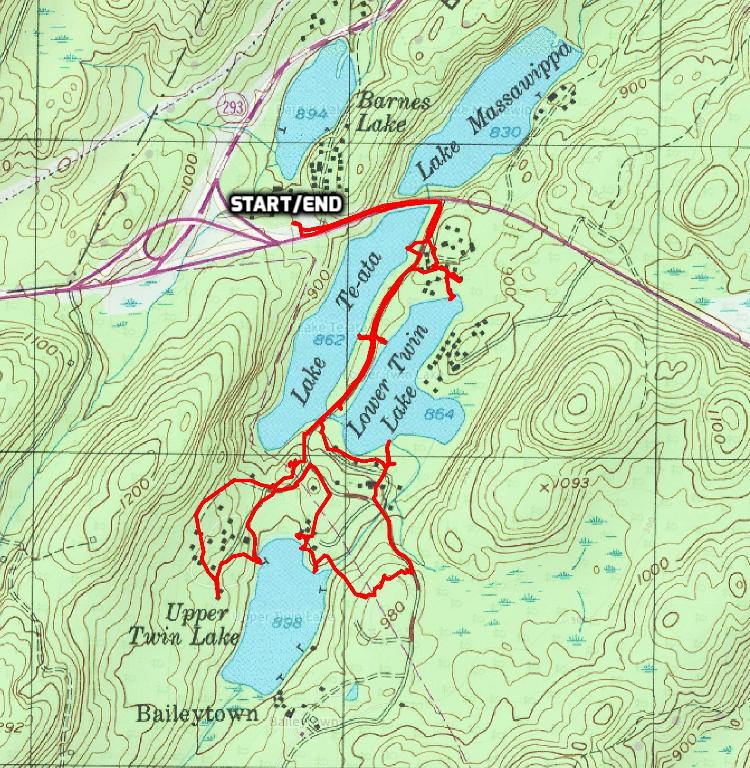
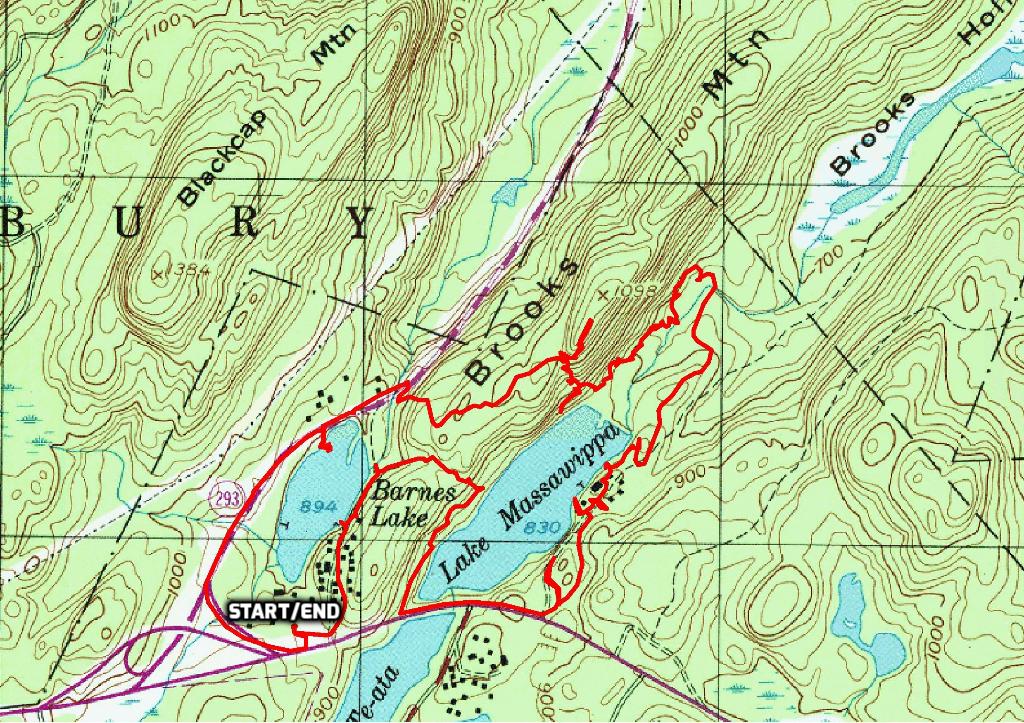
Baileytown Road begins as a paved camp road, starting from Long Mountain Parkway (US 6) and passing between Lake Te Ata and Lower Twin Lake. After 2.1 miles, Baileytown Road ends at the gated entrance to the Harriman estate. Baileytown Road actually continues for 4.5 more miles through the Harriman estate to Arden, which is off limits to hikers. There aren’t any official marked trails in this section of the park, just paved and woods roads.

Three Lakes via Baileytown Road

Three Lakes via Baileytown Road

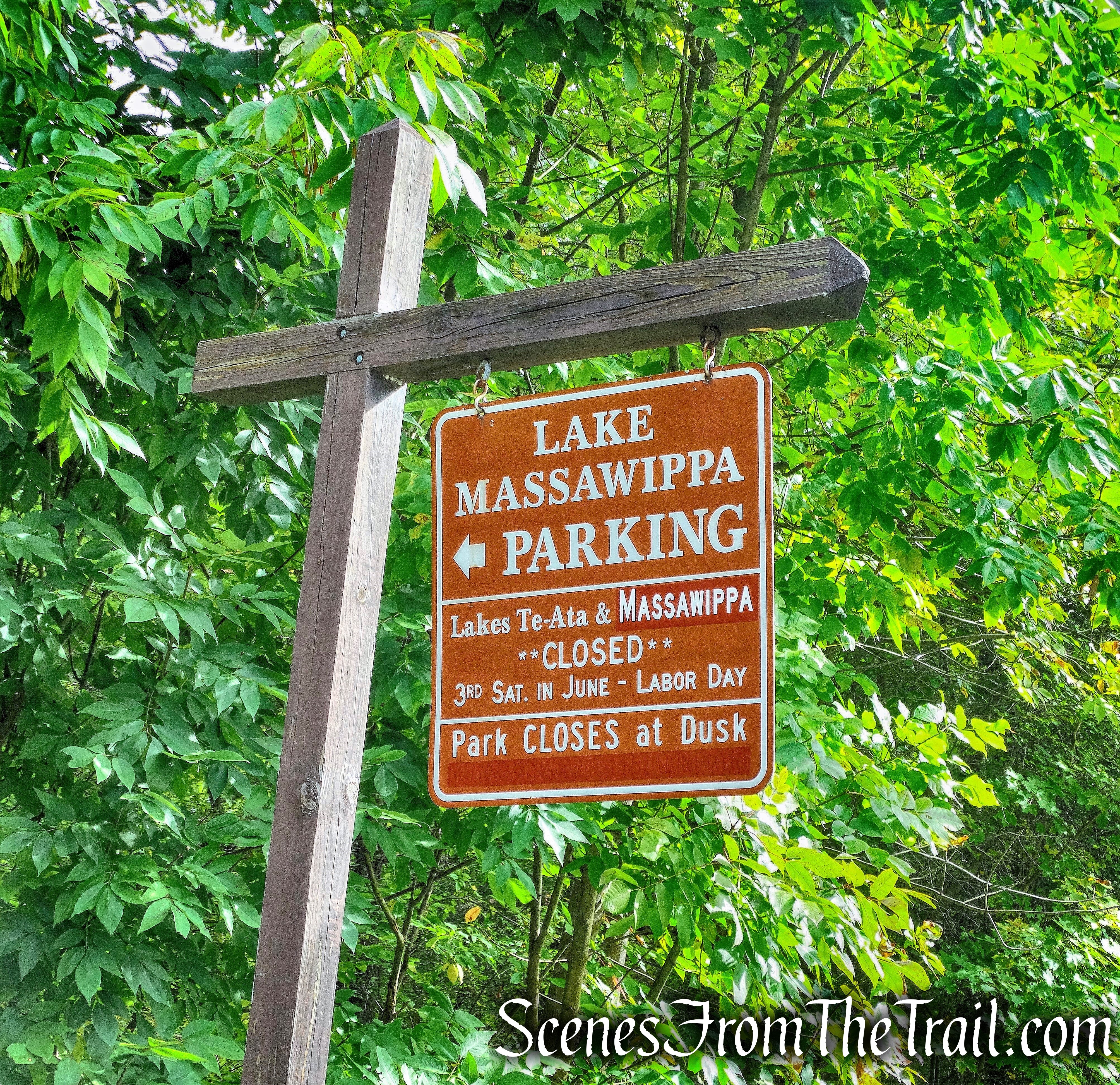
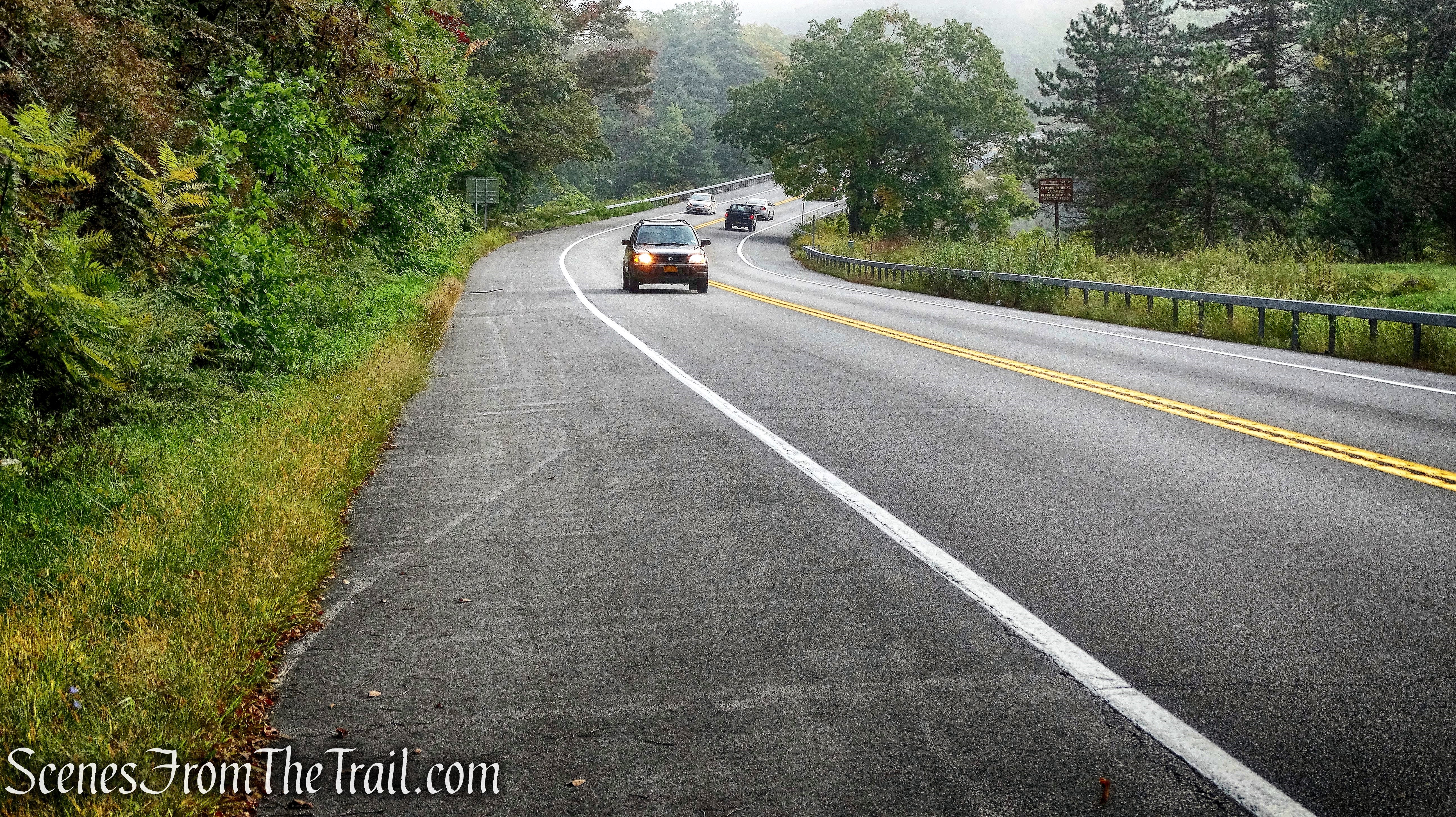
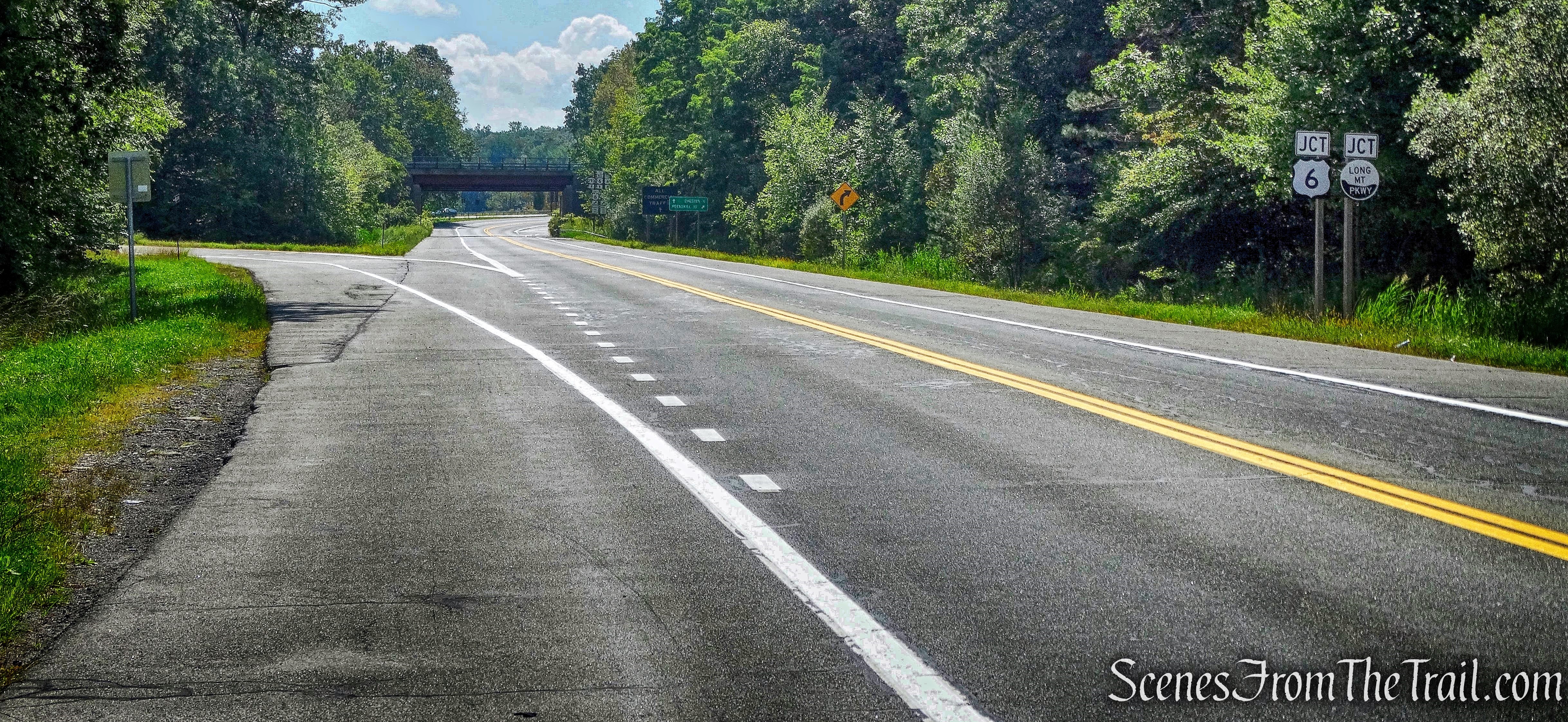
After leaving the parking area between Barnes Lake and Lake Massawippa, we walked east alongside Long Mountain Parkway (US 6). Cars were whipping by at 9:20 am, but the shoulder is wide enough to walk it safely.

walking east on Long Mountain Parkway

walking east on Long Mountain Parkway

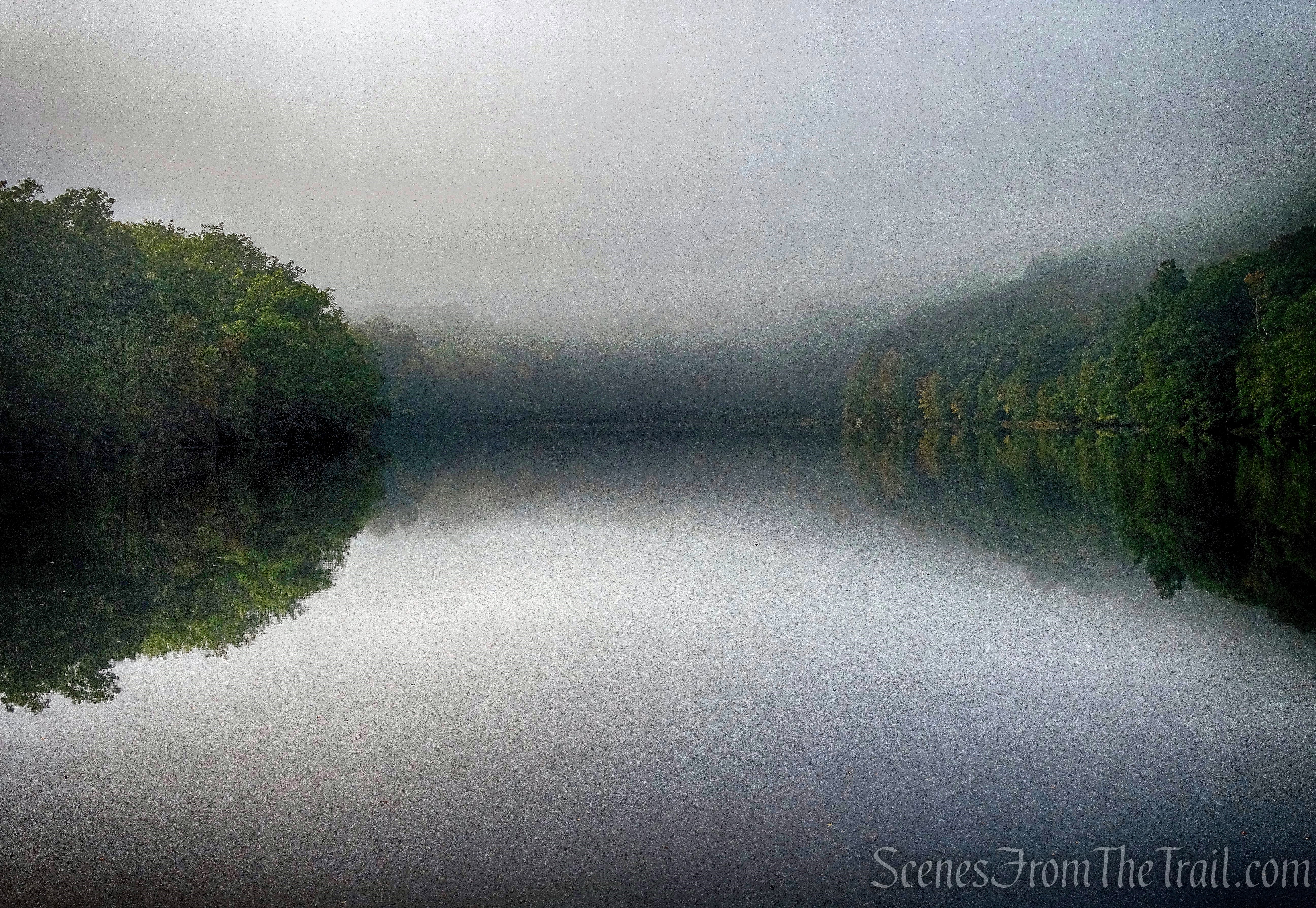
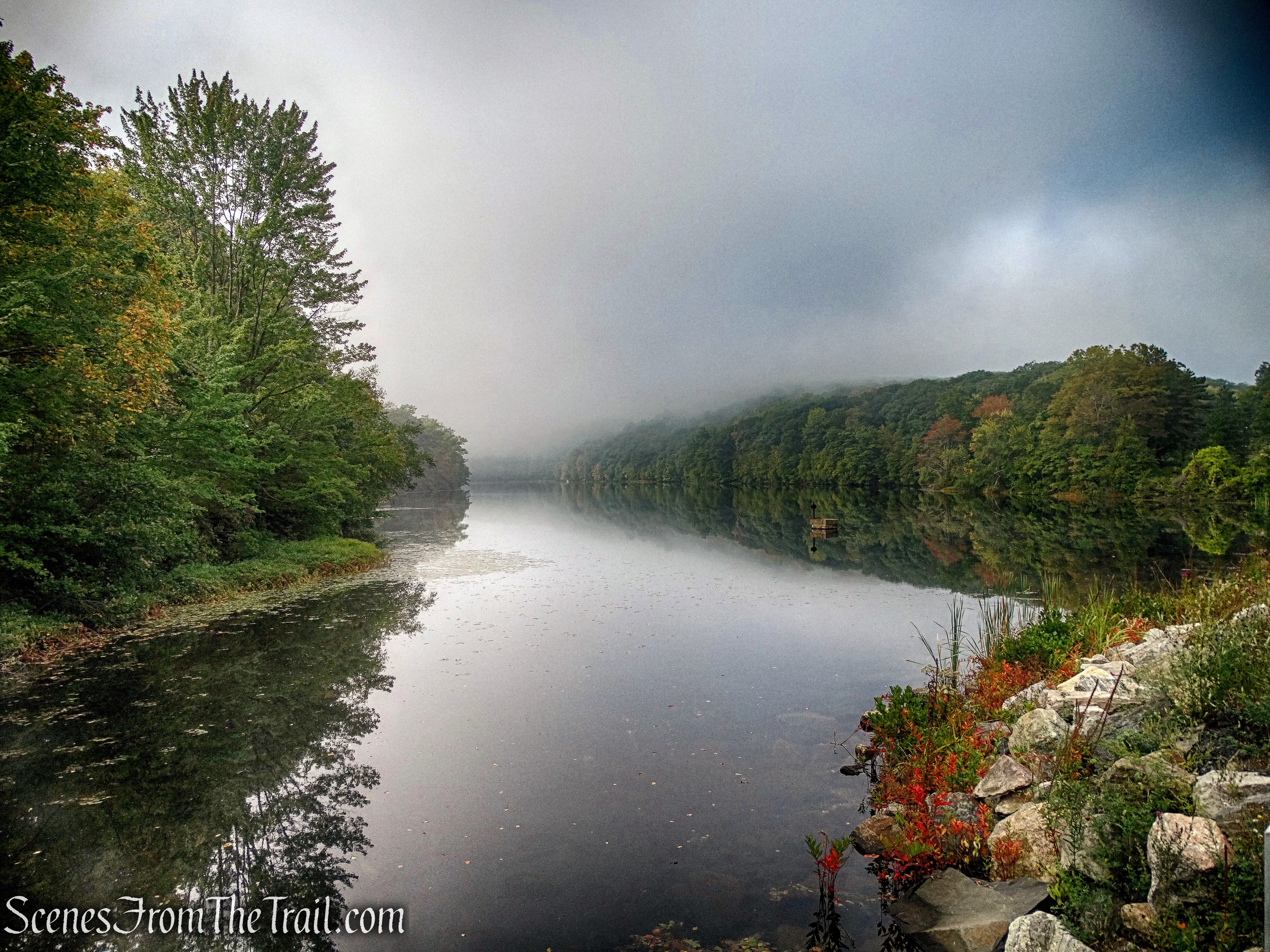
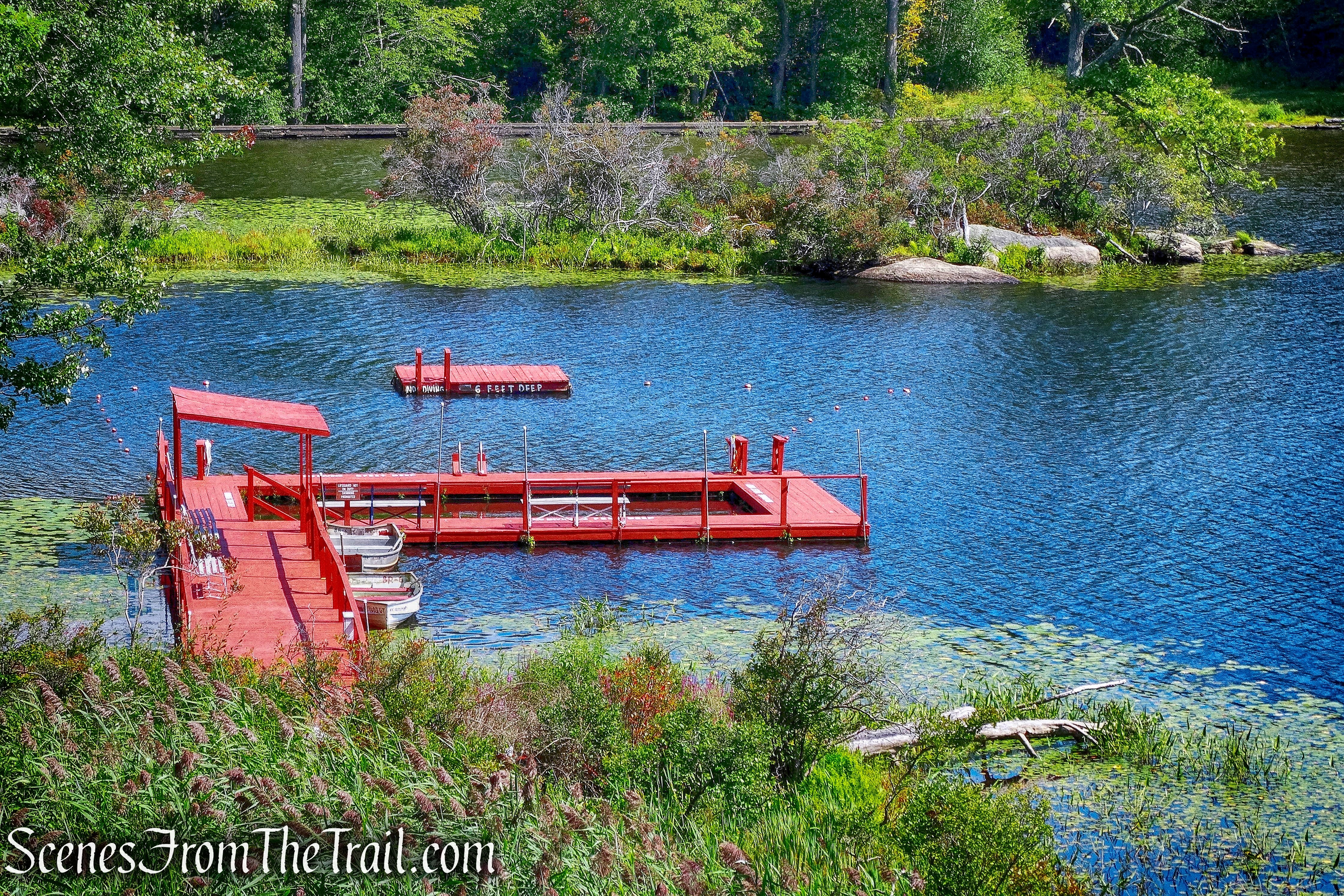
When we got to Lake Massawippa, we crossed the road in order to capture an image of a foggy Lake Te Ata from the side of the road.

Lake Te Ata

Lake Te Ata

Lake Te Ata

Lake Te Ata

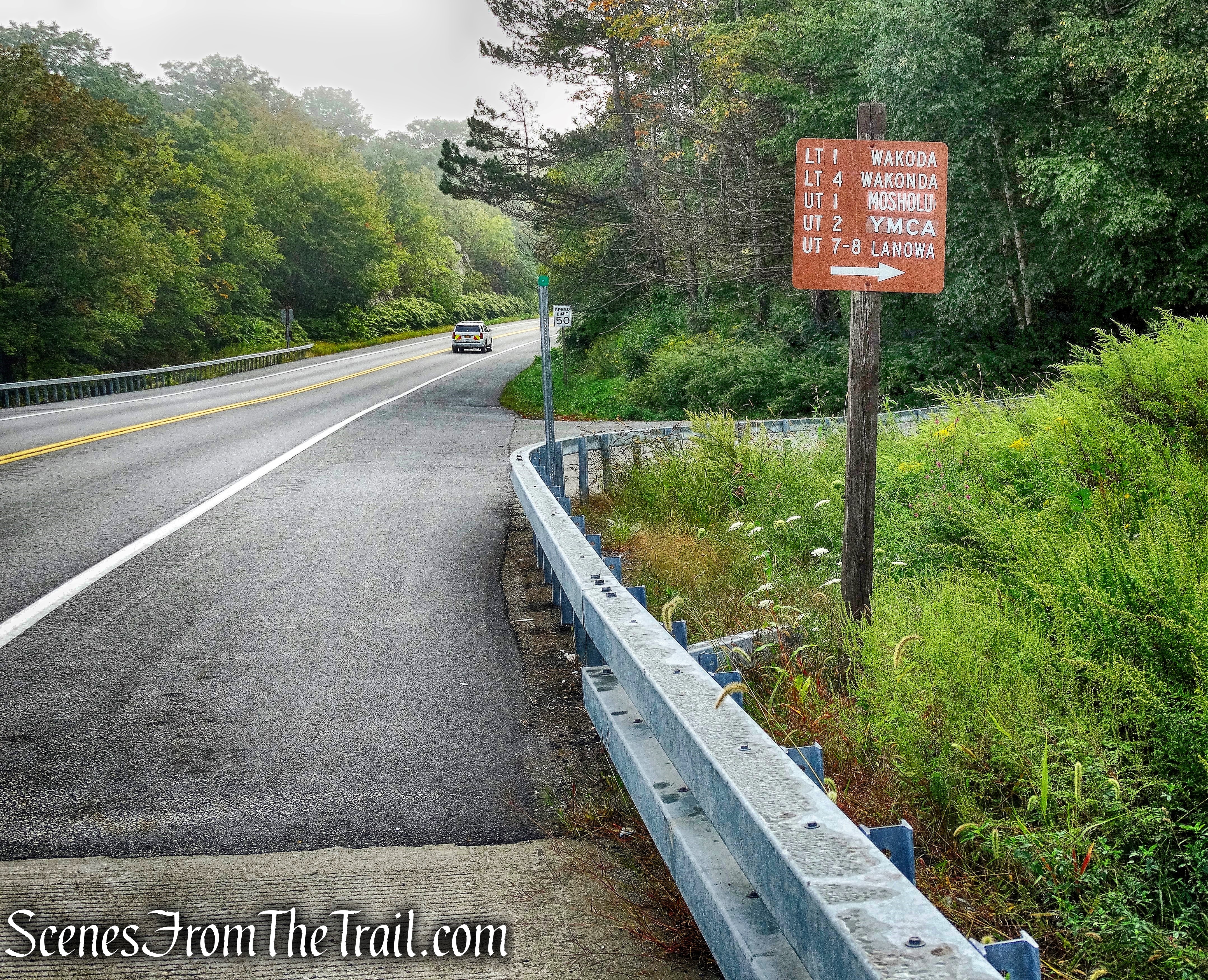
Just past Lake Te Ata, is Baileytown Road, where we turned right. The sign shows the names of the camps that operate here during the summer.

right on Baileytown Road

right on Baileytown Road

We began walking up Baileytown Road which rises gently.

Baileytown Road

Baileytown Road

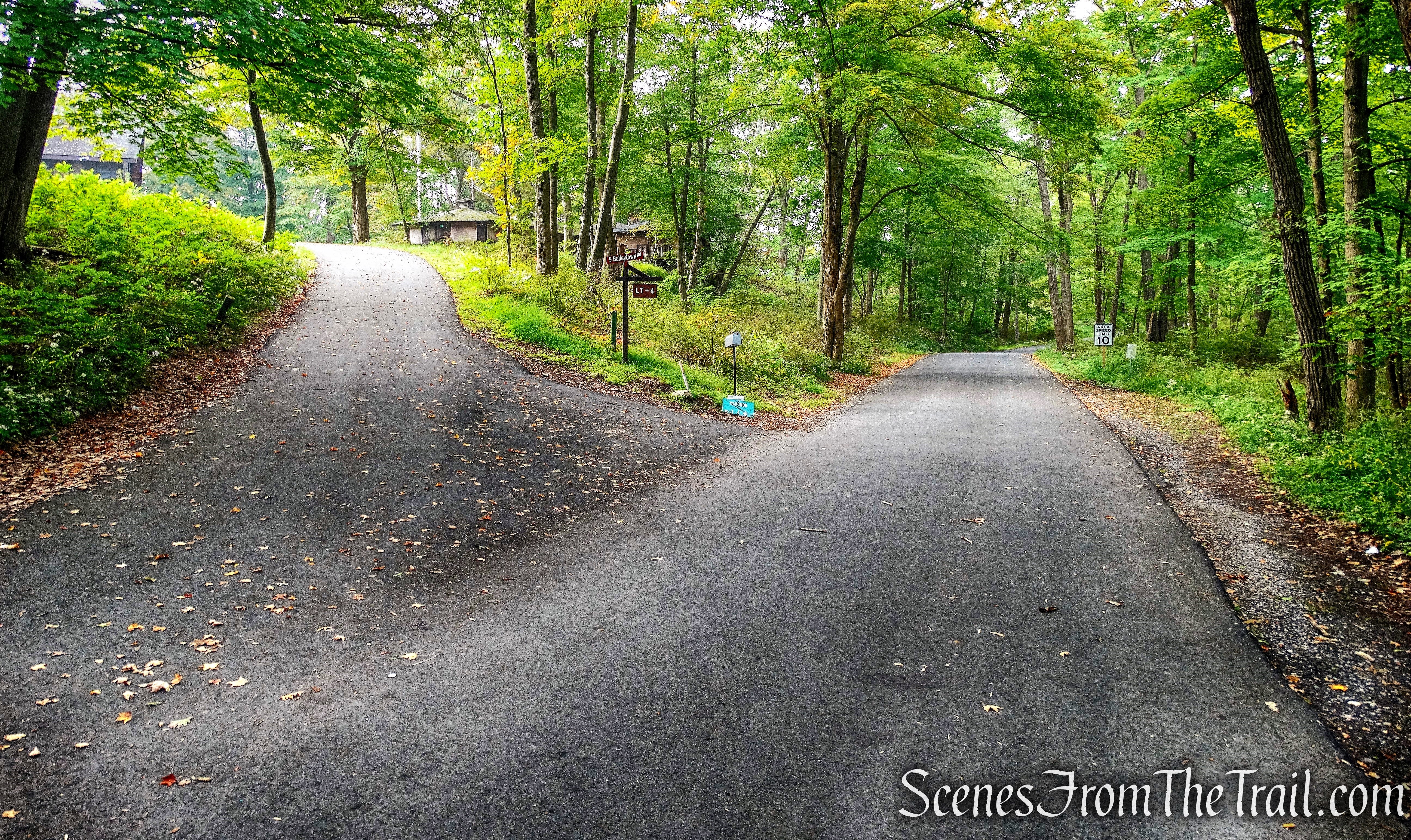
In a short distance, we came to a fork in the road. Baileytown Road continues ahead, but we took the left fork to check out the camps.

left at the fork

left at the fork

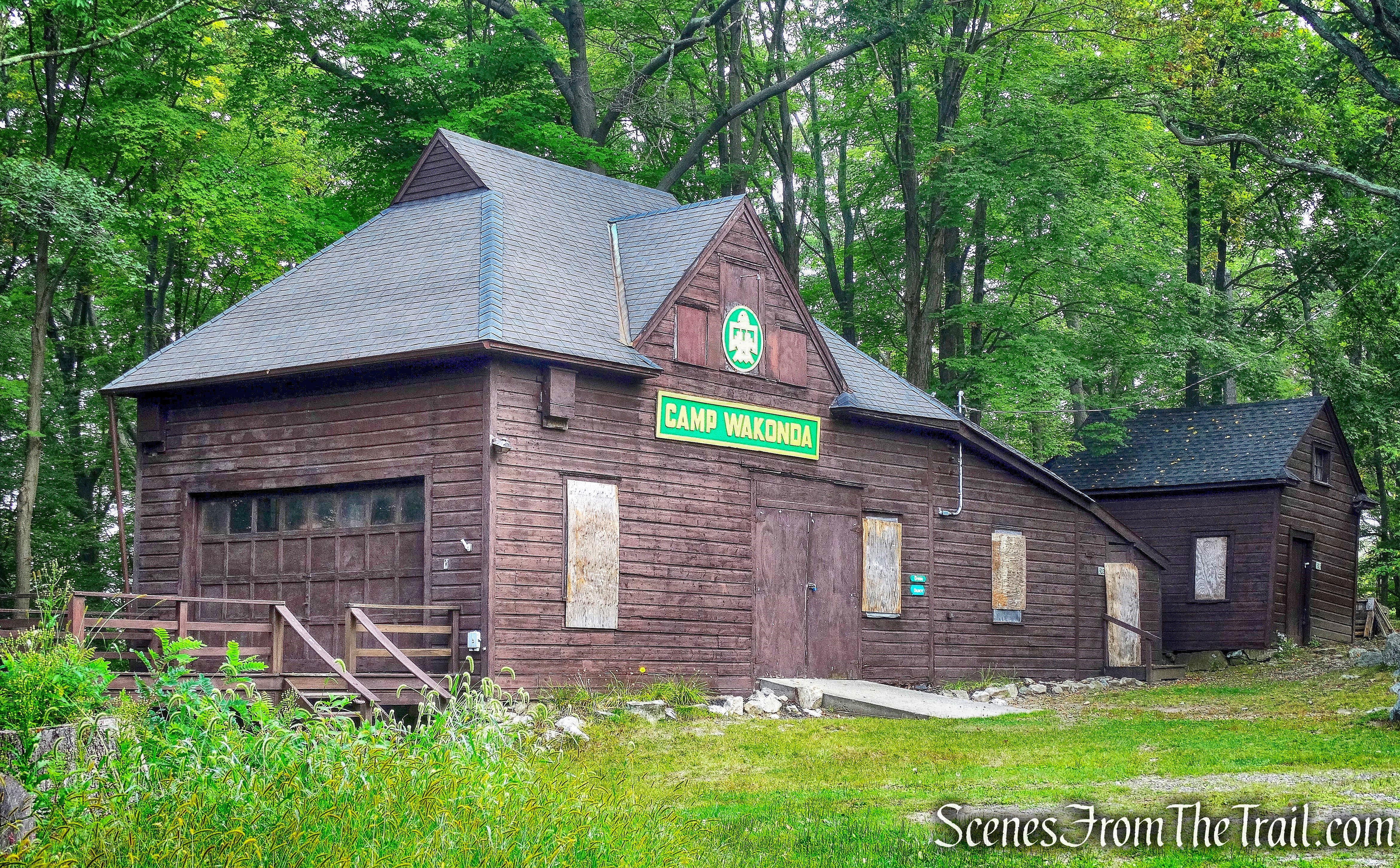
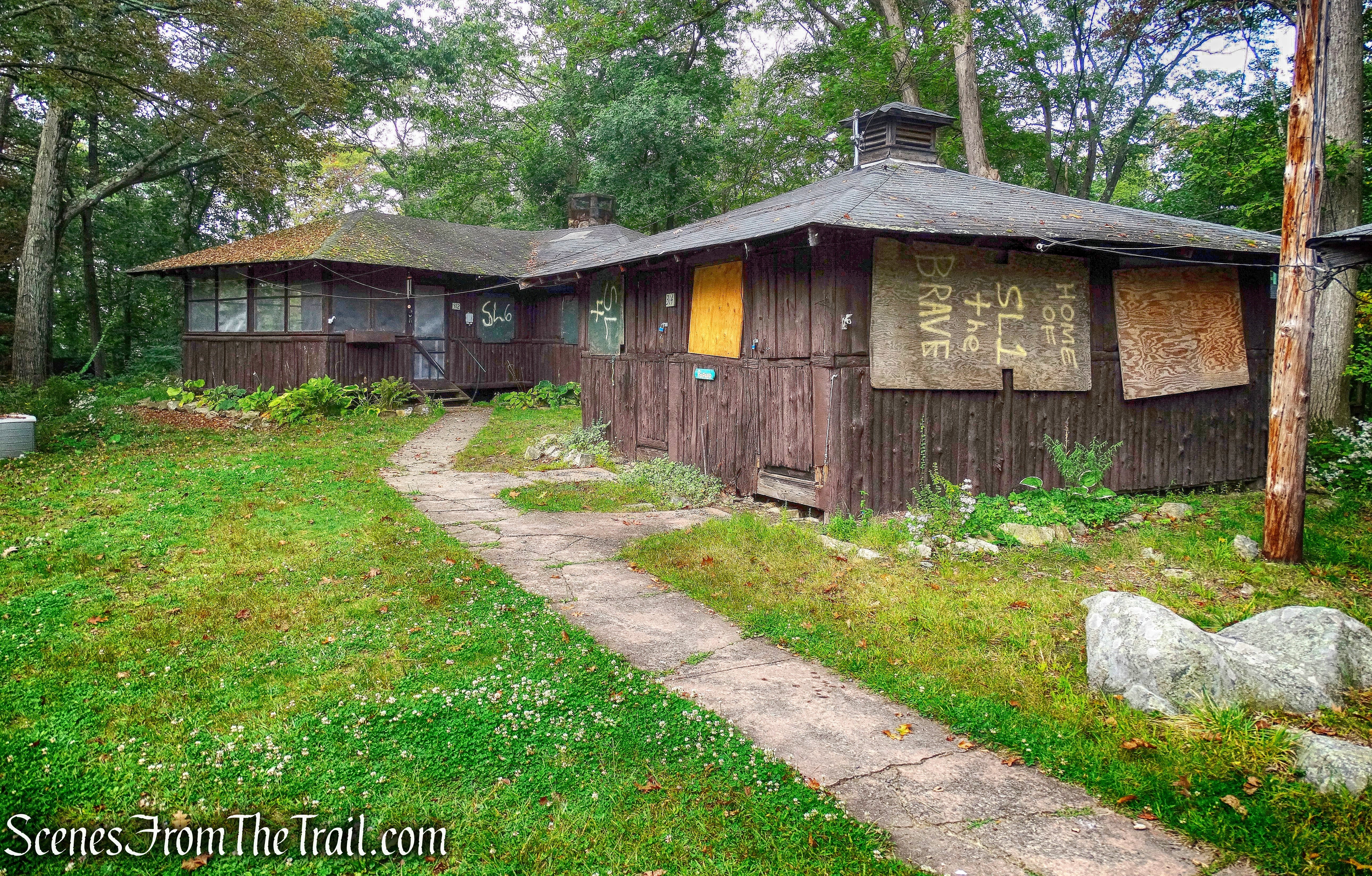
The first camp we came to is Camp Wakonda, which serves children who live in New York City’s homeless family shelter system. The camps were pretty much boarded up for the winter.

Camp Wakonda

Camp Wakonda

Walking southeast towards Lower Twin Lake, we passed Camp Manitou, which has served underprivileged girls since 1936. The Twin Lakes region, one of the camping centers along the northwestern border of the Park, devoted to girls camps and known as “No Man’s Land.” I happen to find a newspaper article from 1927 that talks about the camps.

Camp Manitou

Camp Manitou

Lower Twin Lake is a natural body of water that was enlarged somewhat by a dam that was built around 1850. In 1918, the park acquired the lake.

Lower Twin Lake

Lower Twin Lake

We weren’t following the map, just sort of wandering around and checking things out. When we were done at Lower Twin Lake, we headed west on a woods road back to Baileytown Road.

heading west towards Baileytown Road

heading west towards Baileytown Road

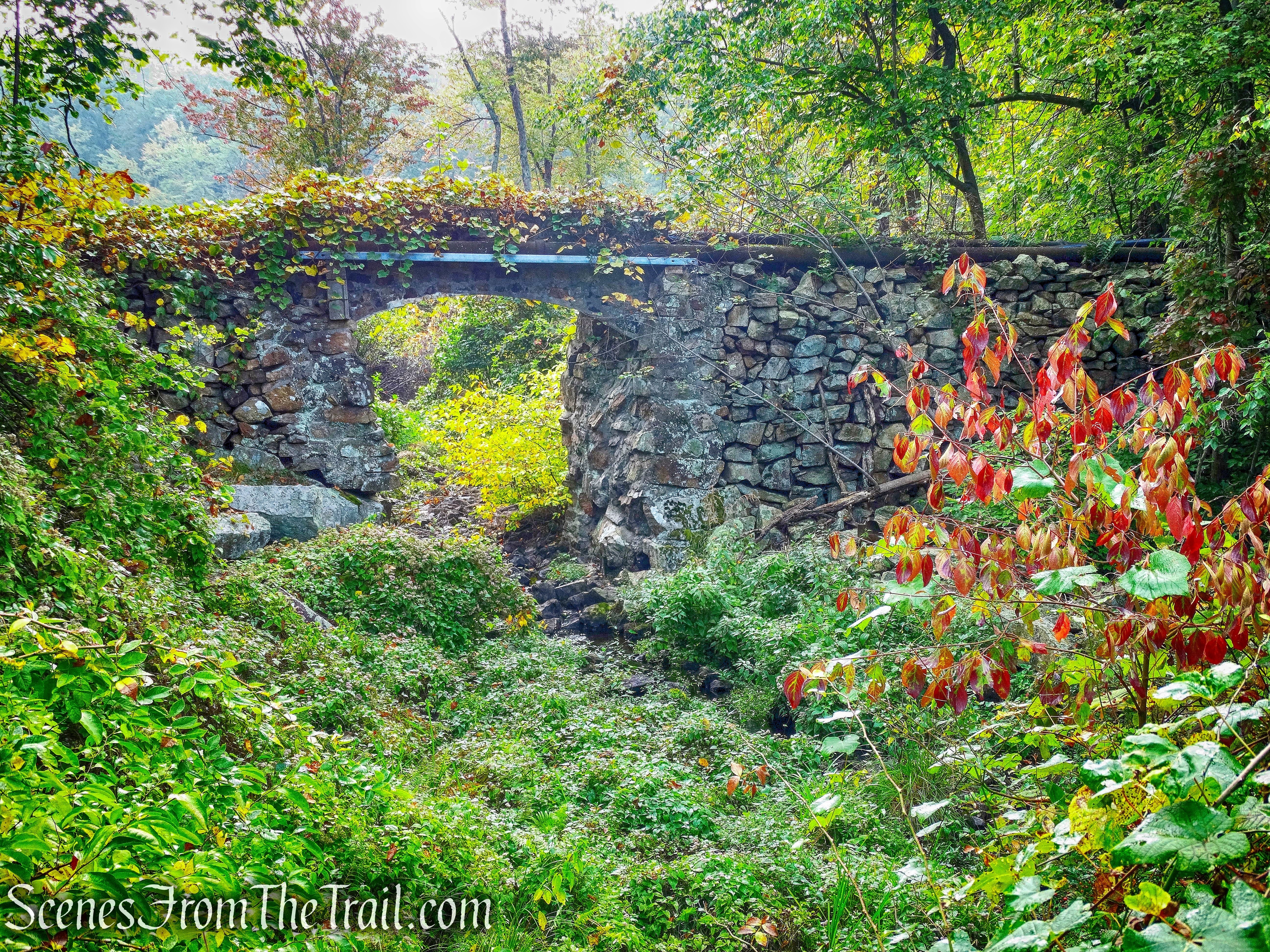
Now walking south on Baileytown Road, we had Lower Twin Lake on our left and Lake Te Ata on our right. Lake Te Ata although visible through the trees, I didn’t see any spur trails that led towards open views. We passed a pump house on our left and then a stone arch that carries the pipes over an outlet of Lower Twin Lake.

stone arch

stone arch

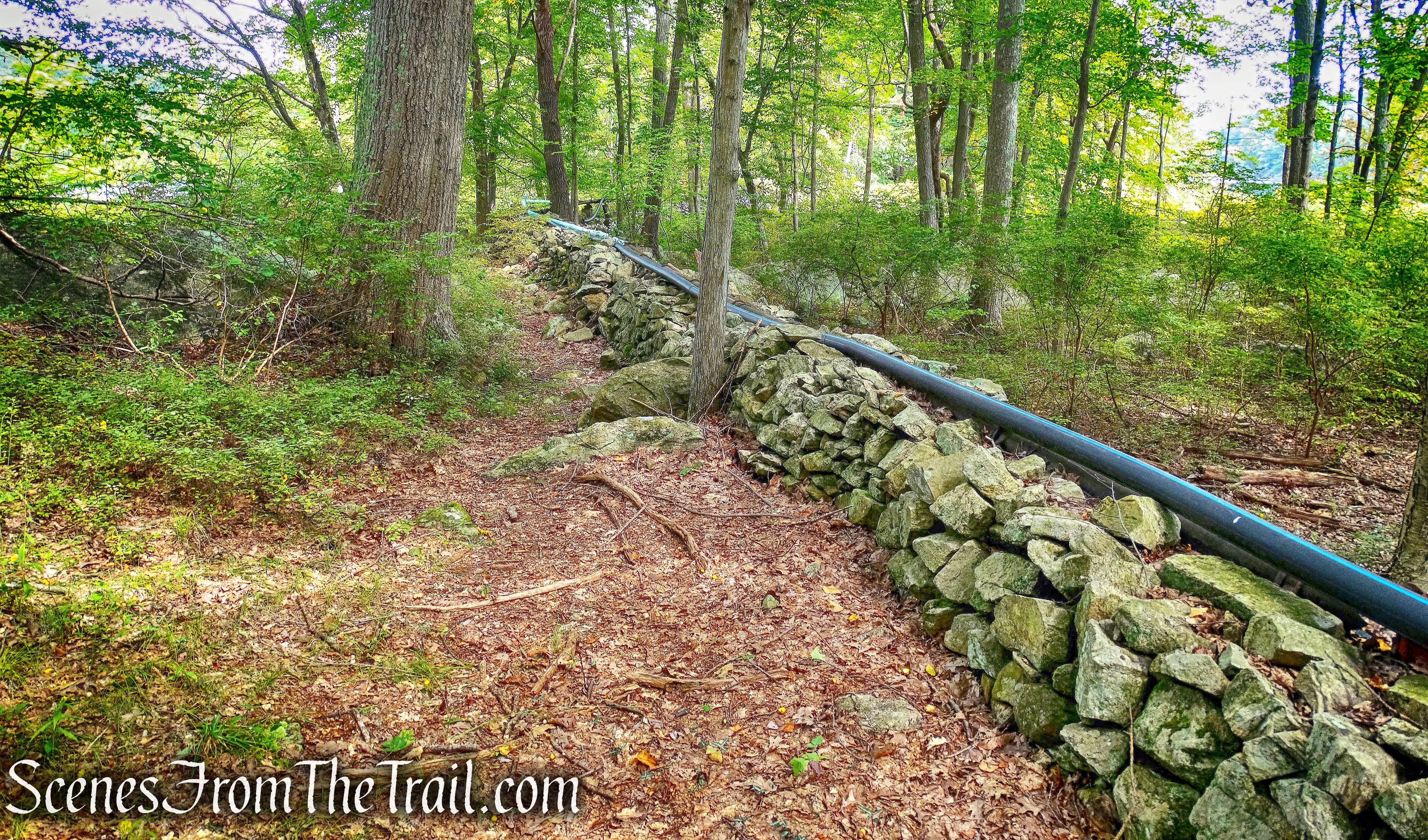
These pipes feed water to the different camps around the lakes.

water pipes

water pipes

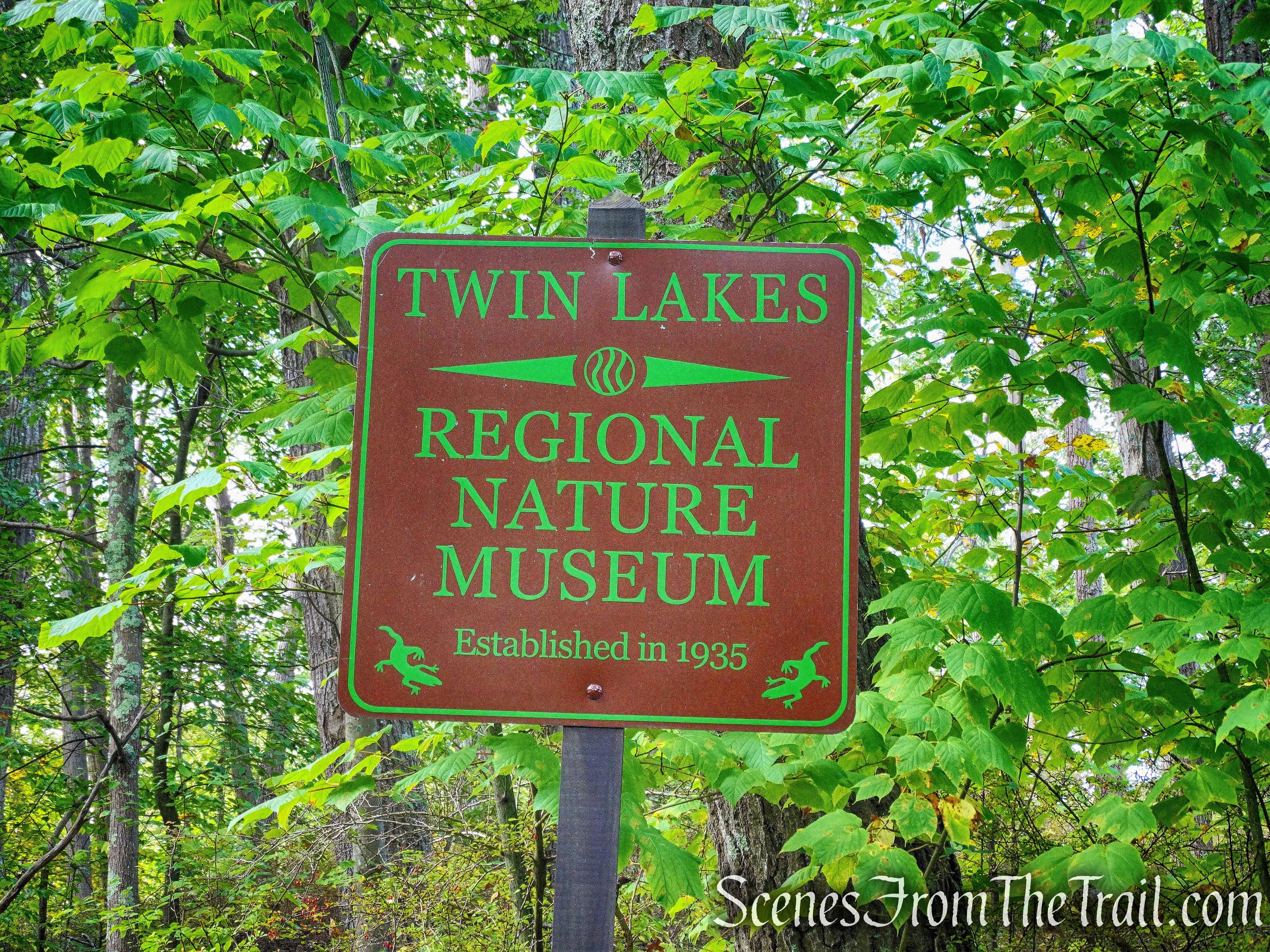
We came to another fork in the road with a sign for the Twin Lakes Regional Museum.

Twin Lakes Regional Museum

Twin Lakes Regional Museum

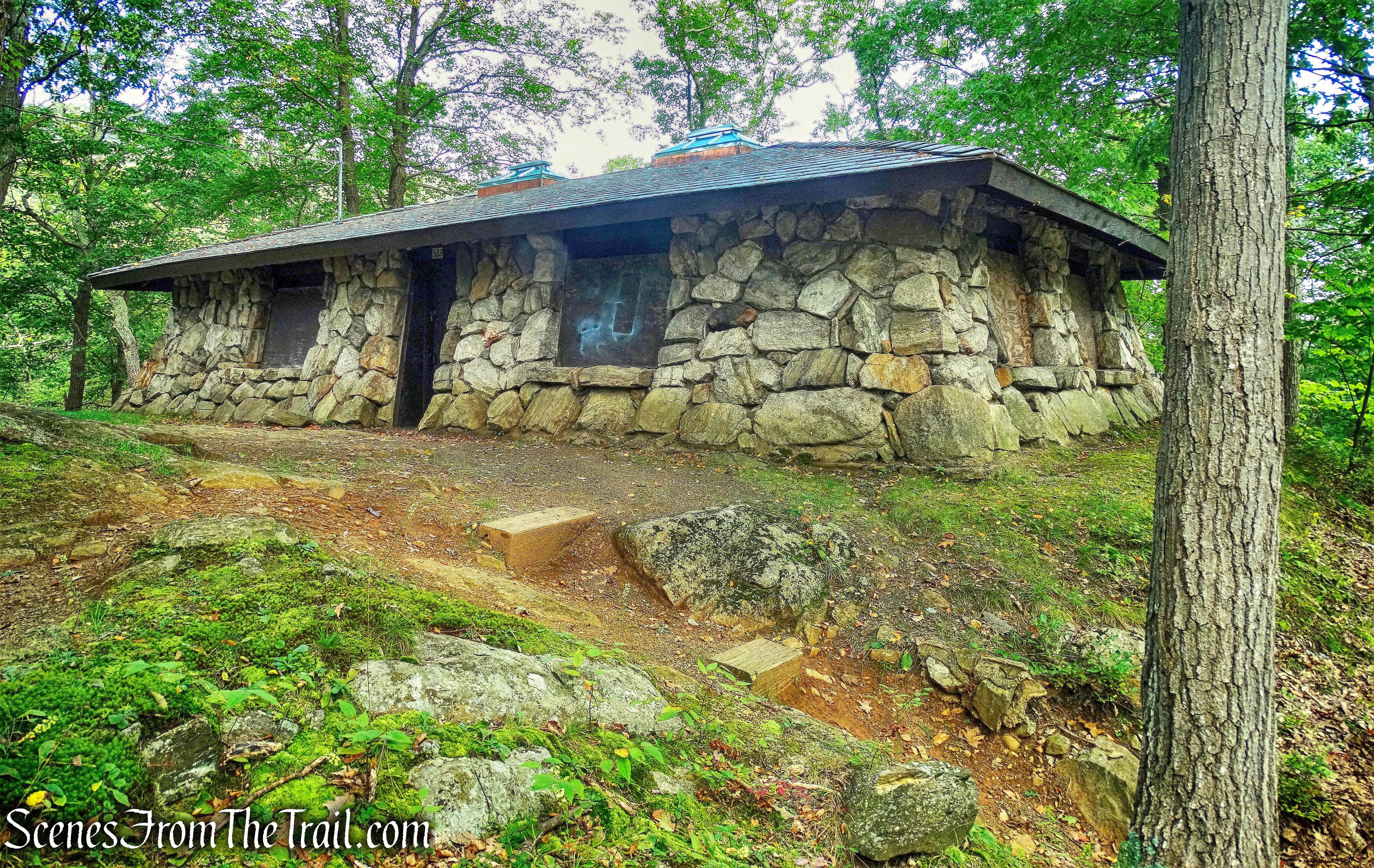
Instituted in 1919 by Benjamin “Uncle Bennie” Babbit Talbot Hyde, there was once five such museums scattered throughout the park. It had live animal and other outdoor educational exhibits for the benefit of the campers that were mostly from the inner-city. This stone building, now empty and boarded up, once housed the museum for the Twin Lakes region. It was constructed by the Works Progress Administration in the late 1920’s.

Twin Lakes Regional Museum

Twin Lakes Regional Museum

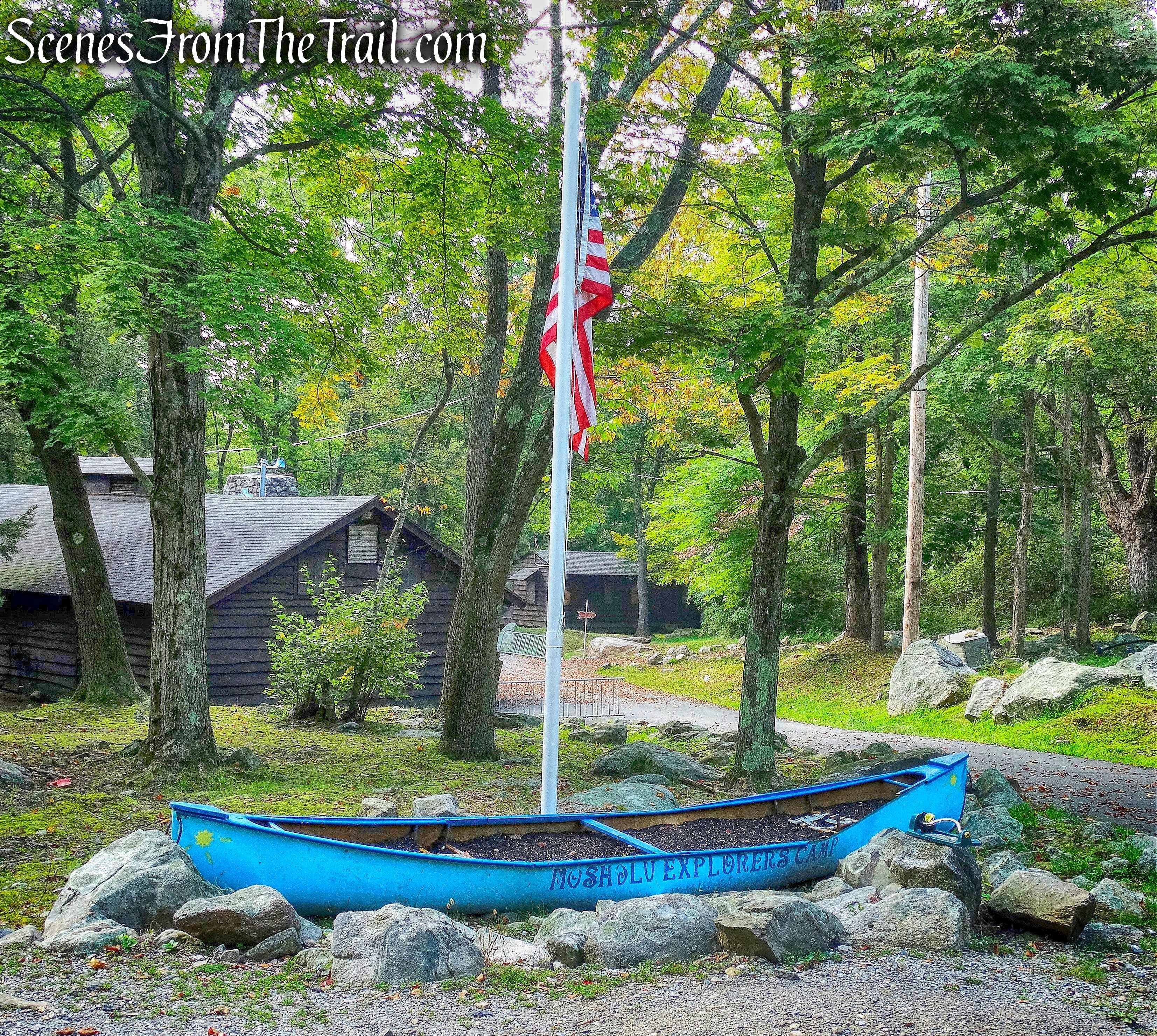
We walked back down to Baileytown Road and continued heading southwest through another camp.

Mosholu Explorers Camp

Mosholu Explorers Camp

We made our way to Upper Twin Lake by walking down a wooden staircase.

wooden staircase

wooden staircase

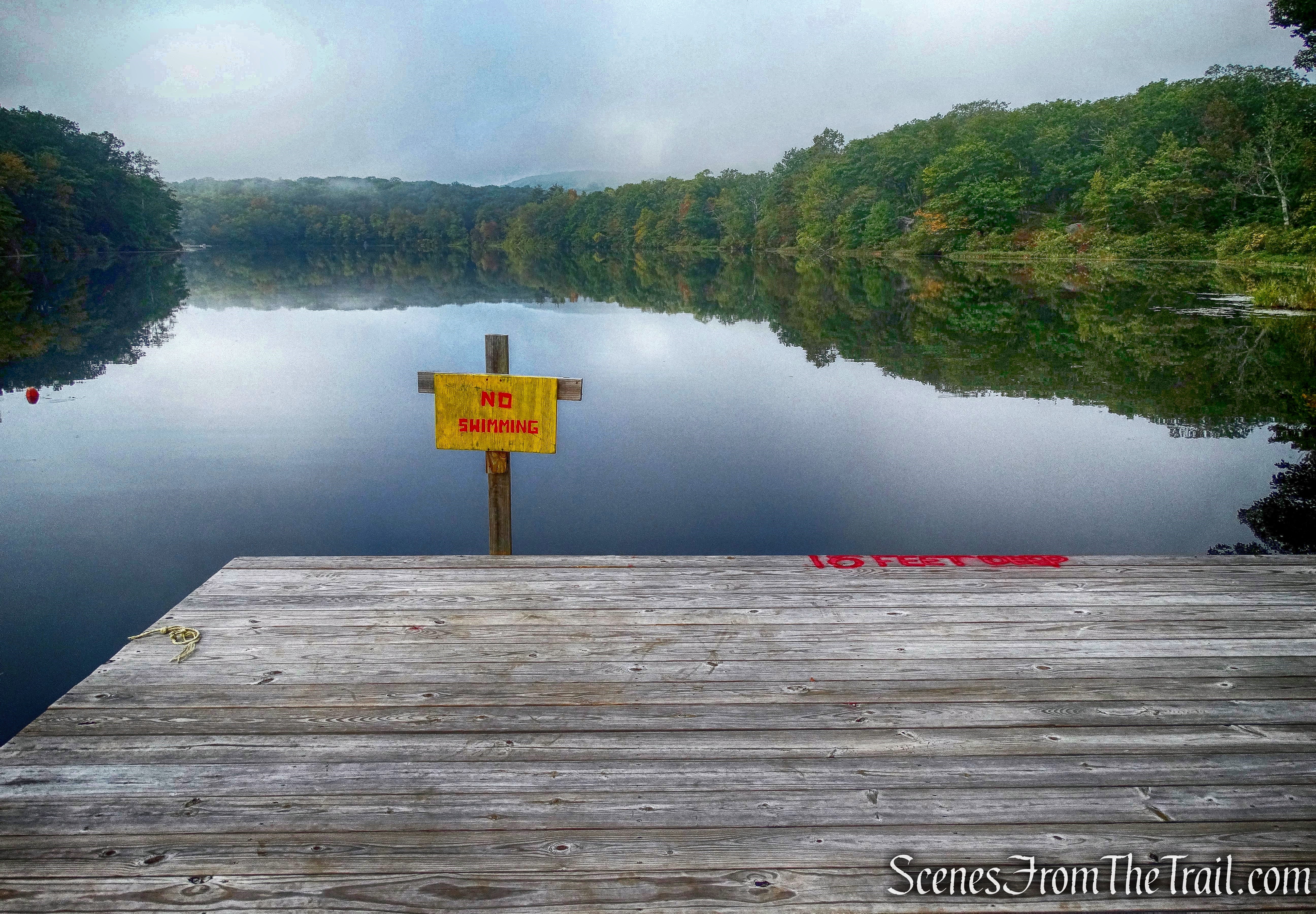
At the bottom of the stairs there is a huge aluminum dock. There is a picnic table there which we took full advantage of.

aluminum dock

aluminum dock

After a short while of enjoying the lake breeze, we continued on our way along a woods road that parallels the lake.

woods road

woods road

We followed the woods road until it came to a paved road and turned right. We came to the YMCA’s Camp Discovery and turned right again, heading towards the northern end of Upper Twin Lake. This is the best spot to get a good view of the lake.

Upper Twin Lake

Upper Twin Lake

In 1919, the Park purchased Upper Twin Lake and the 30 acres around its shore. The region around Upper Twin Lake was called Baileytown. In 1930, when the Park acquired the last Bailey properties, the family was permitted to remain in their homes for the rest of their lives.

Myles, William J.. Harriman Trails: A Guide and History (Kindle Locations 5867-5869). New York – New Jersey Trail Conference. Kindle Edition.

Upper Twin Lake

Upper Twin Lake

We began heading southeast on a woods road, crossing a footbridge and then the road ended. I saw a faint footpath heading up the hill, so we took it. The unmarked trail rises slightly and passes by an abandoned latrine.

abandoned latrine

abandoned latrine

The trail then fizzles out so we began to bushwack northeast. My plan was to bushwack to the eastern side of Lower Twin Lake, but I was overruled. The bushwacking wasn’t too bad, it was mostly through lowbush bluberry.

bushwacking northeast

bushwacking northeast

We came out on Baileytown Road and turned left. We followed the paved road for a short distance then turned right onto a woods road which led to the southern end of Lower Twin Lake.

Lower Twin Lake

Lower Twin Lake

We continued on a dirt road, heading northwest and passing several cabins.

woods road

woods road

We eventually ended back on Baileytown Road and found a faint spur trail that leads to a nice viewpoint from a rock outcrop over Lake Te Ata.

Lake Te Ata

Lake Te Ata

We walked to the end of Baileytown Road and turned left on Long Mountain Parkway (US 6). The best view of Lake Te Ata is from the side of the road. Te Ata, which in the Chickasaw language means “bearer of the morning,” or “the dawn,” was built in 1927.

Lake Te Ata

Lake Te Ata

On the evening of July 11, 1932, Eleanor Roosevelt, a frequent visitor to the camps in the park, dedicated Lake Te Ata with a bottle containing water from each of the lakes in the Park.

Lake Te Ata

Lake Te Ata

We made our way back to the parking area where our hike began by crossing US 6, carefully. I was looking to do an easy hike and this fit the bill perfectly. I also got another history lesson as well as some fresh air in the woods. With the exception of some road noise at the beginning, this was a quiet walk in the woods with some scenic lakes and no people. Hope you enjoyed it, I surely did. Now get out there and take a hike!

Pros: Three lakes, secluded area, level woods roads, history lesson.

Cons: Road walk along a busy US 6, some road noise at the start, no marked trails.

Upper Twin Lake

Upper Twin Lake


Machpelah Cemetery – Abandoned in Queens

September 10, 2017 – Glendale, NY

Address: 82-30 Cypress Hills Street, Ridgewood, NY (No formal entrance, must be entered by either cemetery that borders it)


For approximately 3 miles on either side of the Jackie Robinson Parkway in Queens there is nothing but cemeteries. It’s hard to miss the sea of tombstones as one drives past. The Rural Cemeteries Act of 1847, authorized commercial burial grounds in rural New York state. The law led to burial of human remains becoming a commercial business for the first time. In 1852 the Common Council of New York City passed a law prohibiting new burials in the city, which then consisted only of Manhattan. As a result of the legislation, Queens became the burial grounds of Manhattan. Queens is home to 29 cemeteries holding more than five million graves and entombments, so that the “dead population” of the borough is more than twice the size of its live population.

Hidden in plain sight is the Machpelah Cemetery, which has nothing but a small metal sign on a fence that identifies it. The gates are locked and building at the main entrance has been torn down. The only access is through the cemeteries that border it. Founded in 1860, the cemetery is now filled up. The original families of the deceased are long gone. With no new money coming in, proper care of the graves has not been given for some time.

Machpelah Cemetery

Machpelah Cemetery

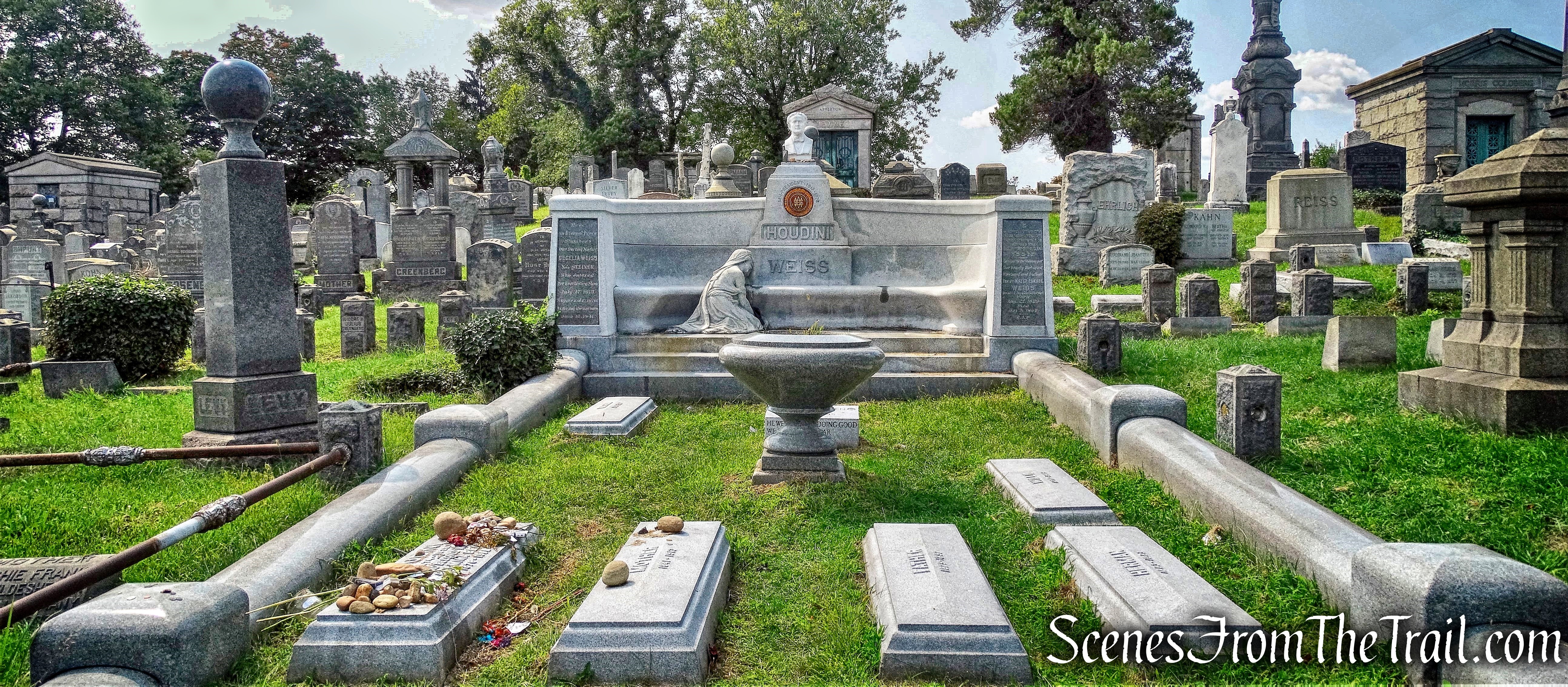
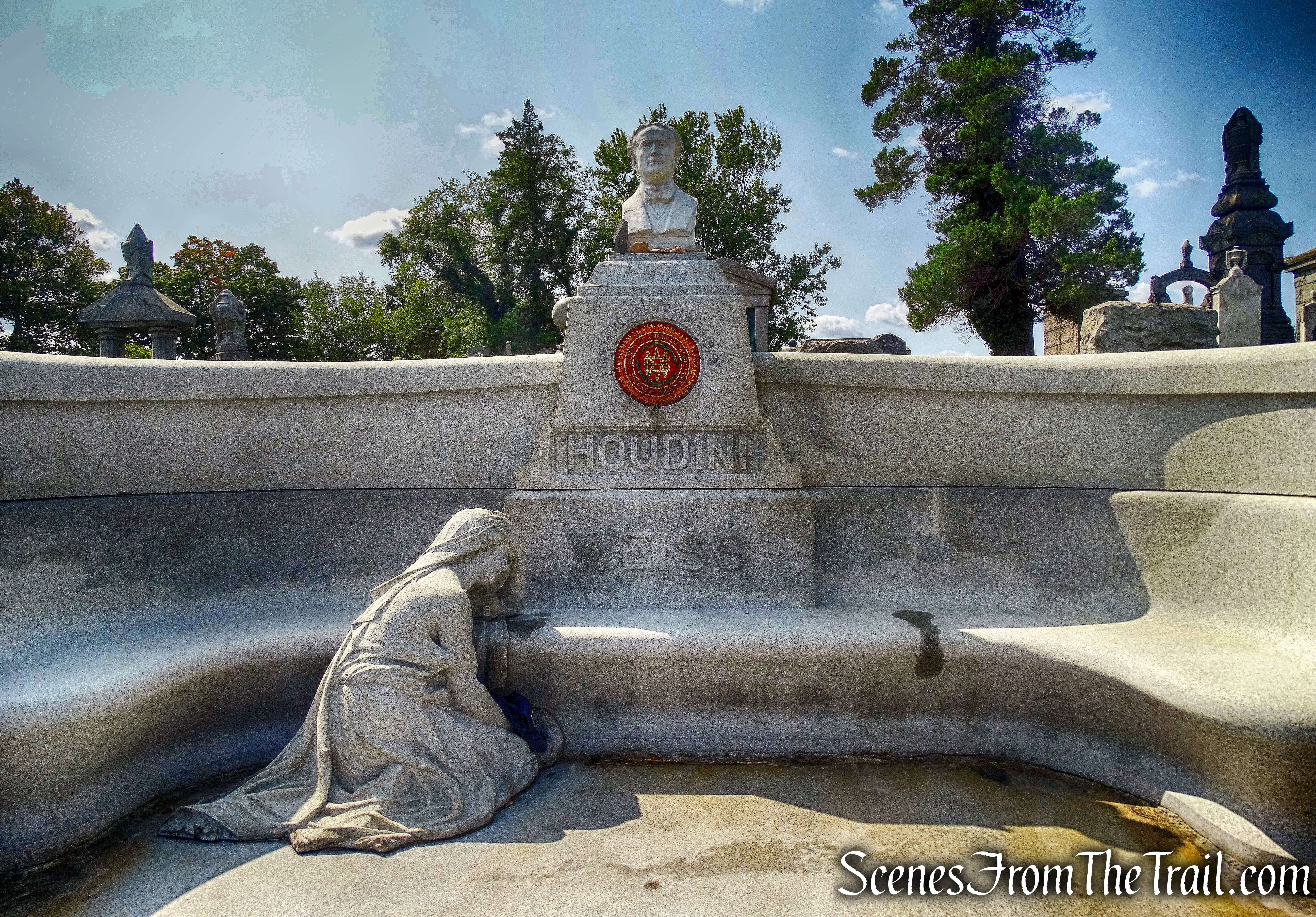
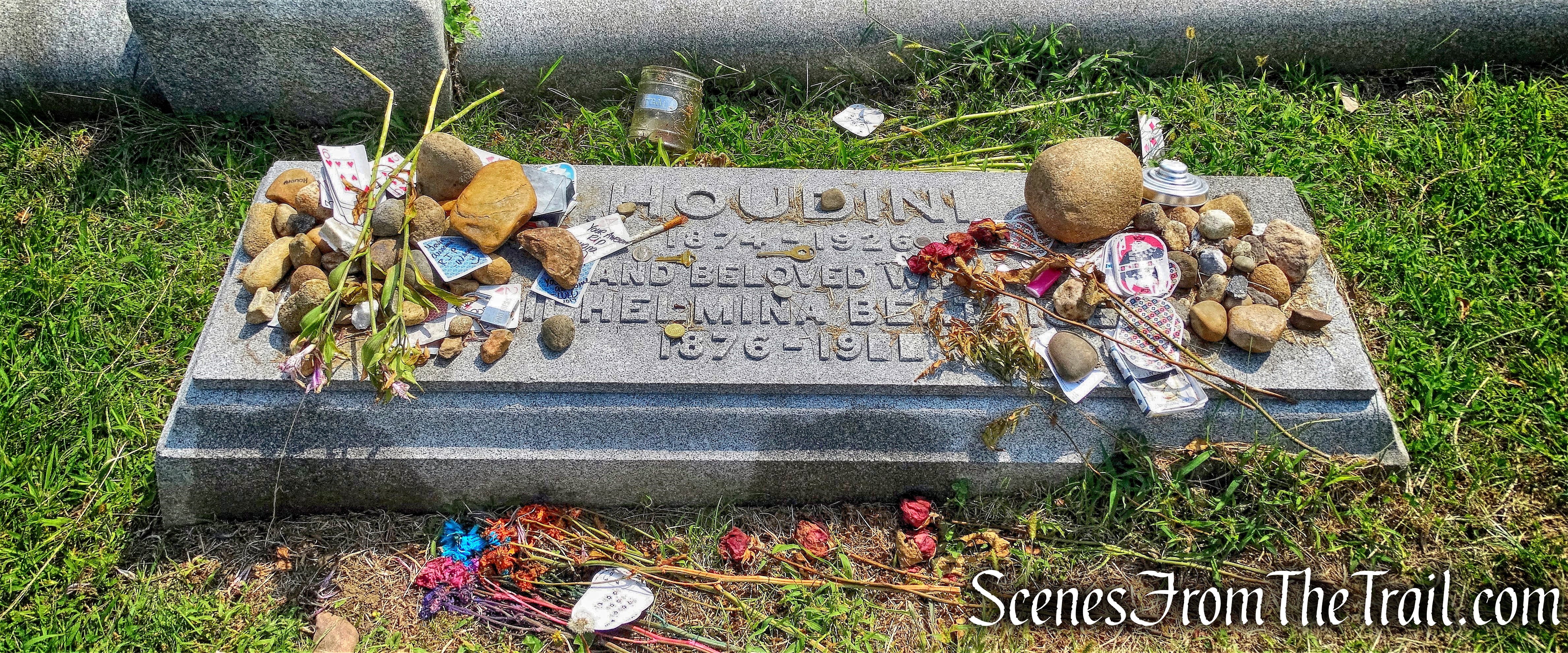
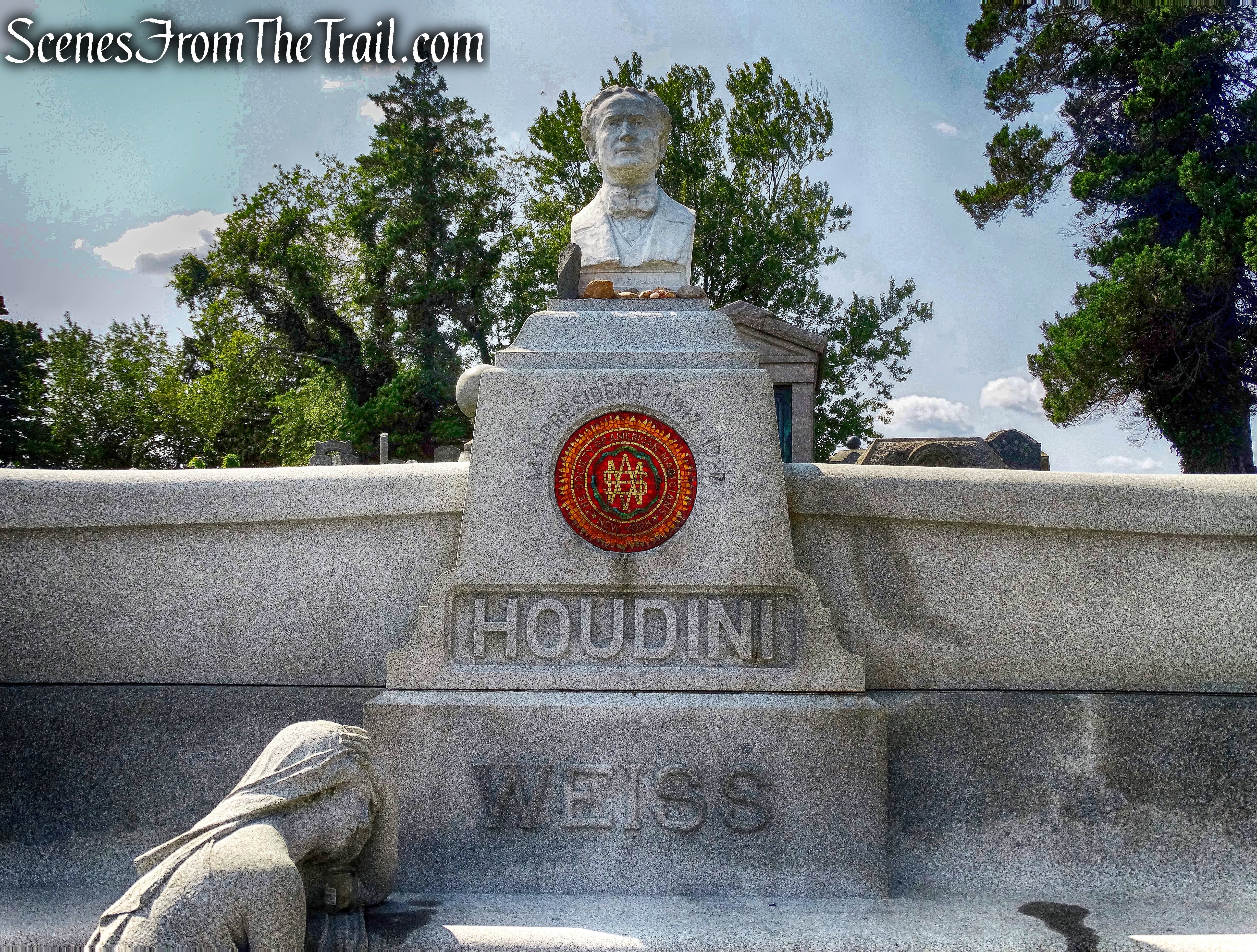
What’s so special about this cemetery? It is the final resting place of Ehrich Weiss, better known as Harry Houdini, the great escape artist. Harry Houdini died on October 31, 1926 at the age of 52. His funeral was held on November 4, 1926 and more than 2,000 mourners attended.

Harry Houdini

Harry Houdini

His gravesite appears to be the only one that is cared for in Machpelah Cemetery. The Society of American Magicians took responsibility for the upkeep of the site, as Houdini had willed a large sum of money to the organization. The payment of upkeep was abandoned by the society’s dean George Schindler, who said “Houdini paid for perpetual care, but there’s nobody at the cemetery to provide it,” adding that the operator of the cemetery, David Jacobson, “sends us a bill for upkeep every year, but we never pay it because he never provides any care.” Members of the Society tidy the grave themselves. The Houdini Museum in Scranton, Pennsylvania now maintains the plot.

Harry Houdini

Harry Houdini

Every Halloween, hundreds of devotees visit Houdini’s final resting place to pay their respects, party and leave offerings.

Harry Houdini

Harry Houdini

In 1927, a statuary bust was added, which is a rarity because graven images are forbidden in Jewish cemeteries. Between 1975 and 1993, the bust that adorns the Houdini grave was stolen or destroyed four times.

Harry Houdini

Harry Houdini

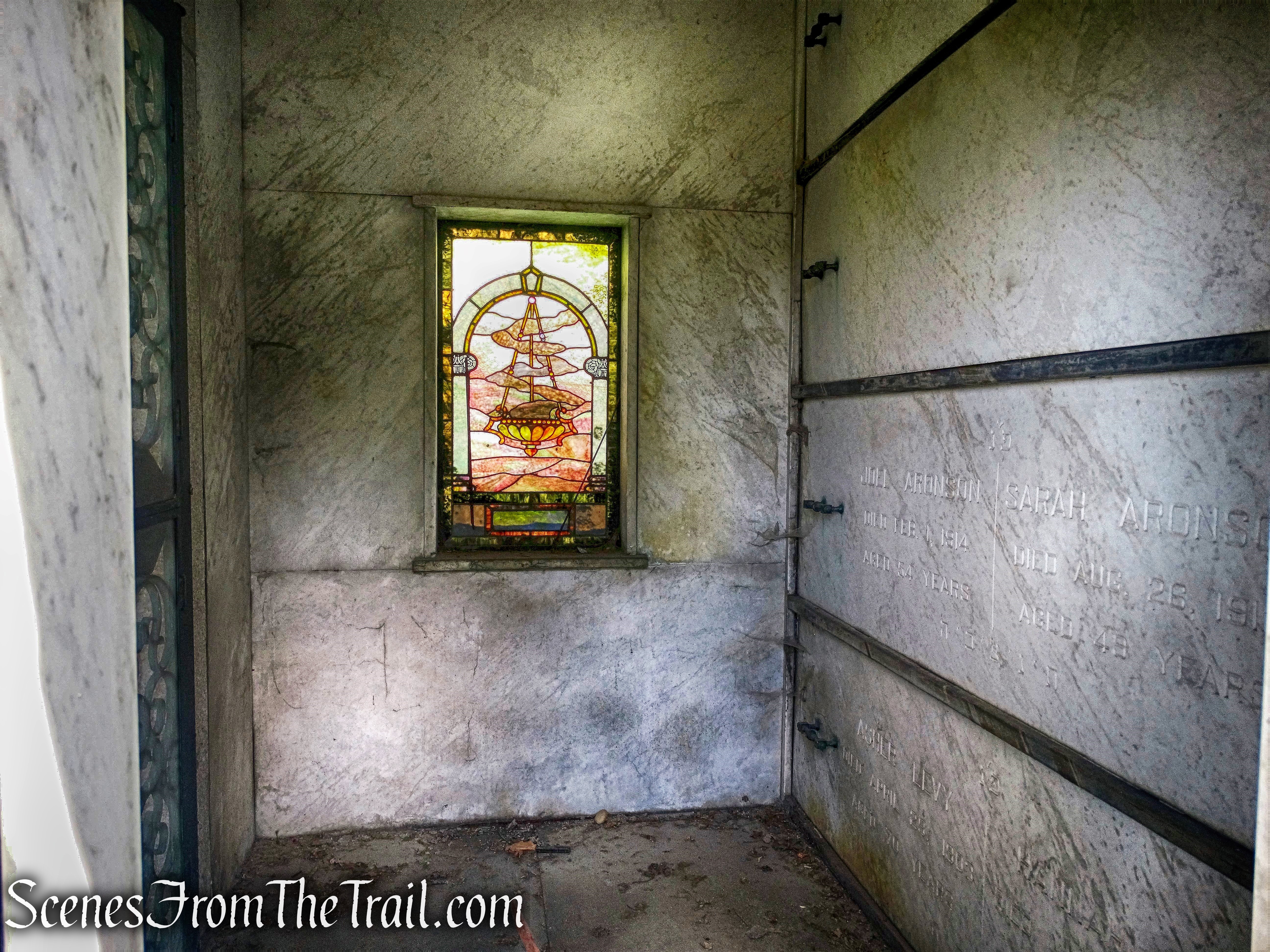
Houidini’s gravesite is about the only one that has been cared for. The rest of the cemetery seems to have been abandoned some time ago. While walking through the deserted graveyard, I came across a mausoleum with a missing window.

mausoleum

mausoleum

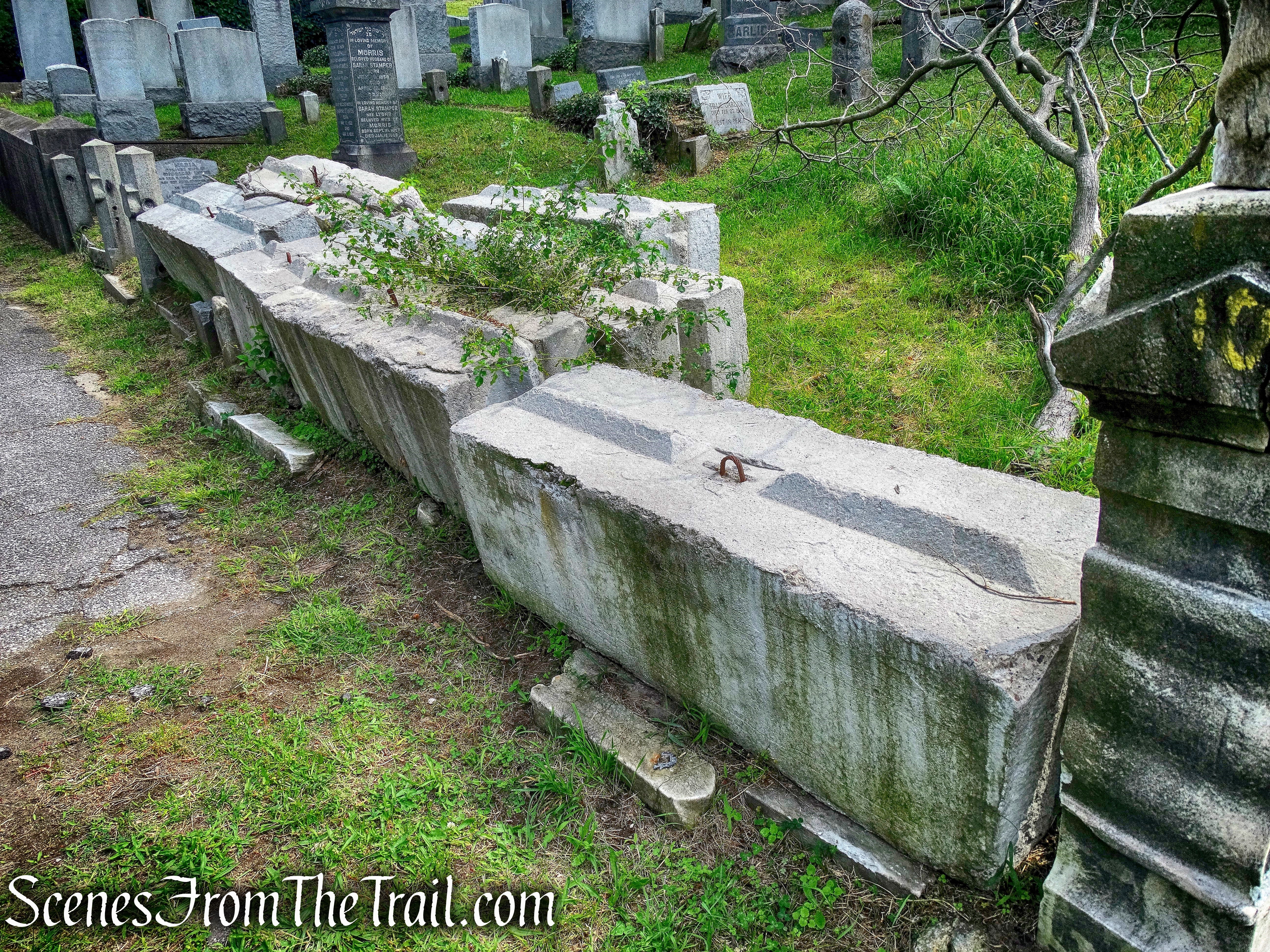
Along the cemetery road there is a line of burial vaults that were just left there.

burial vaults

burial vaults

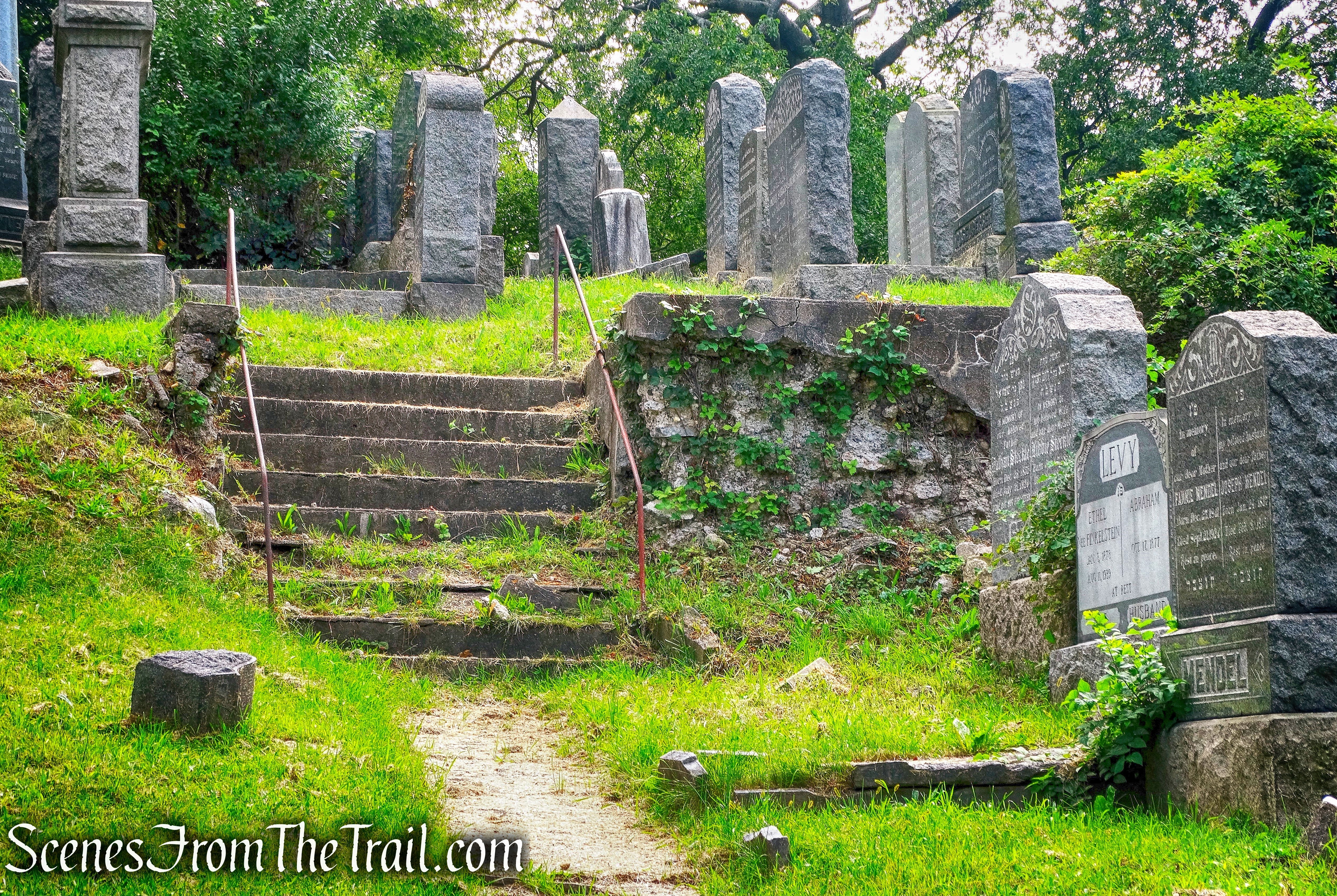
It appears that someone has at times cut the grass, but other than that, everything else is in ruins.

staircase ruins

staircase ruins

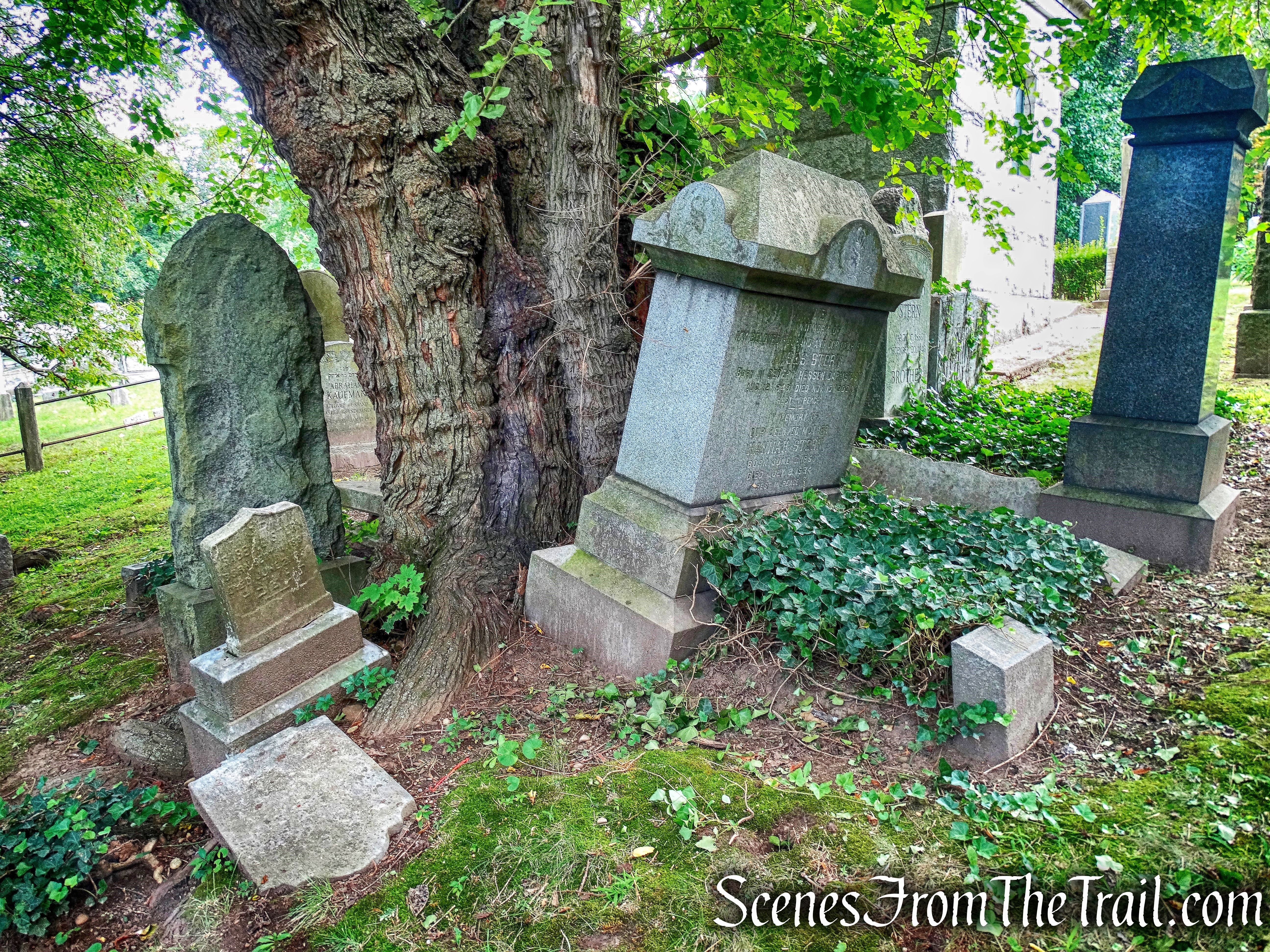
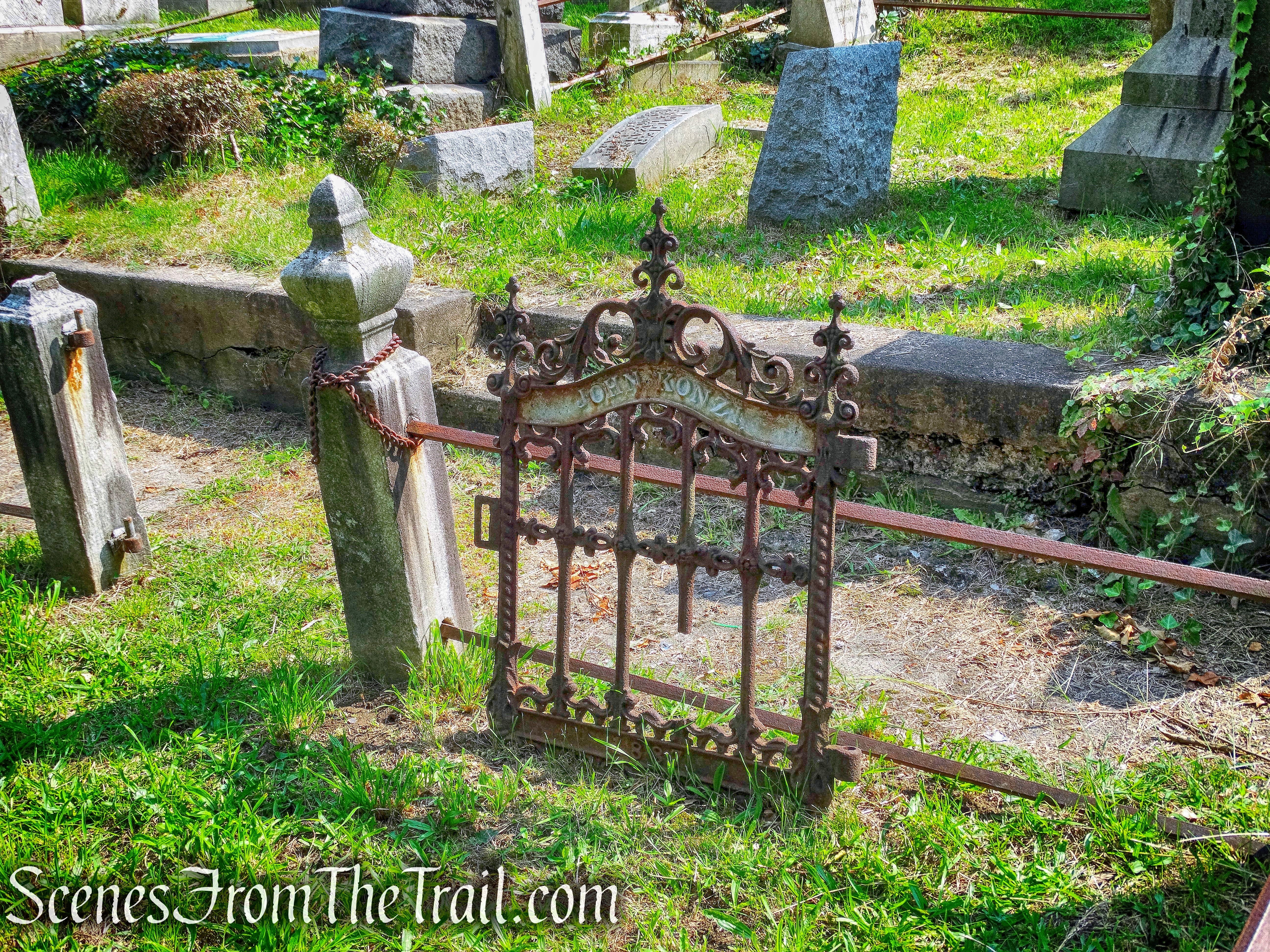
Some of the tombstones have been swallowed up by the earth……

tombstone

tombstone

tombstone

tombstone

or displaced by nature.

tombstone

tombstone

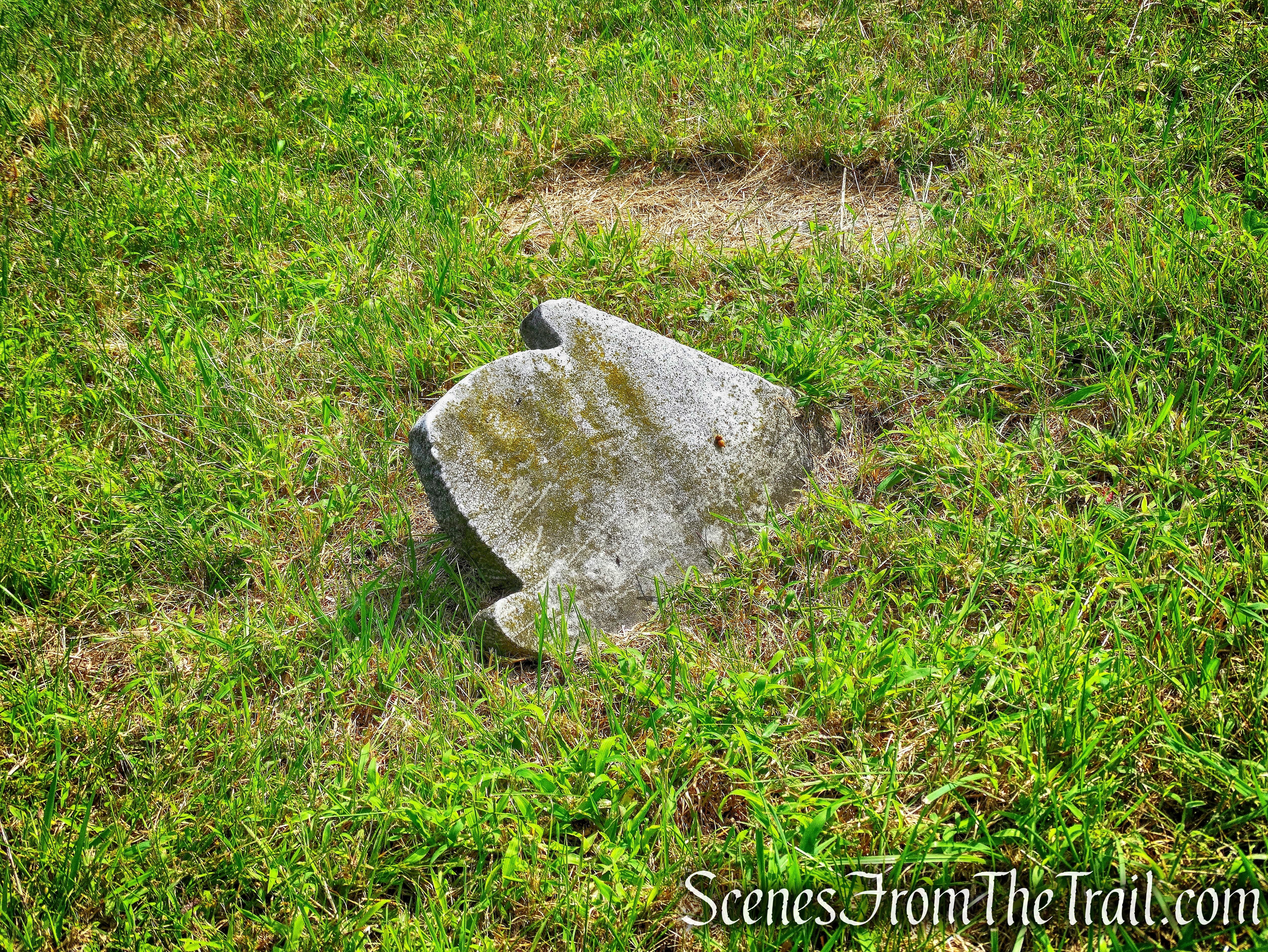
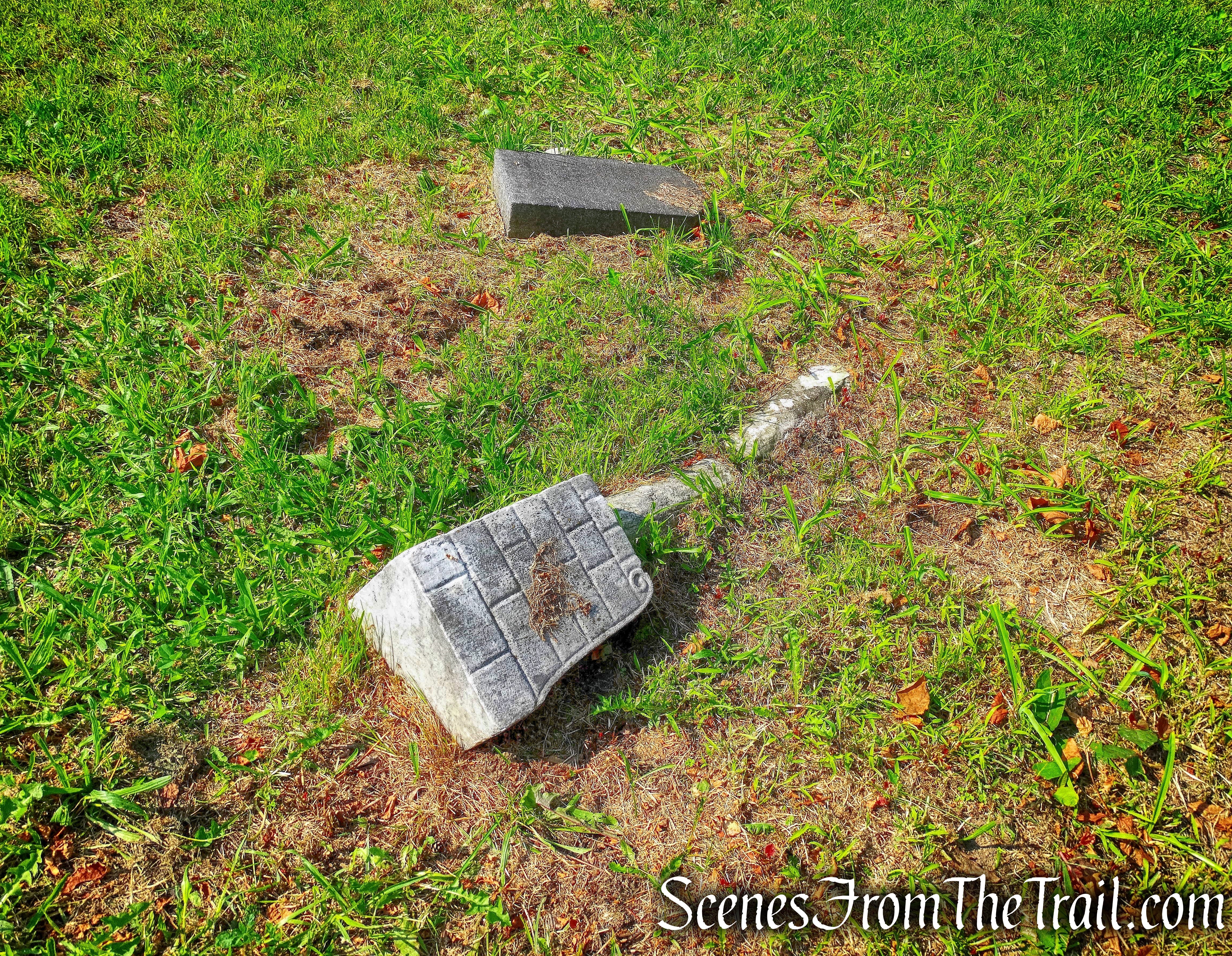
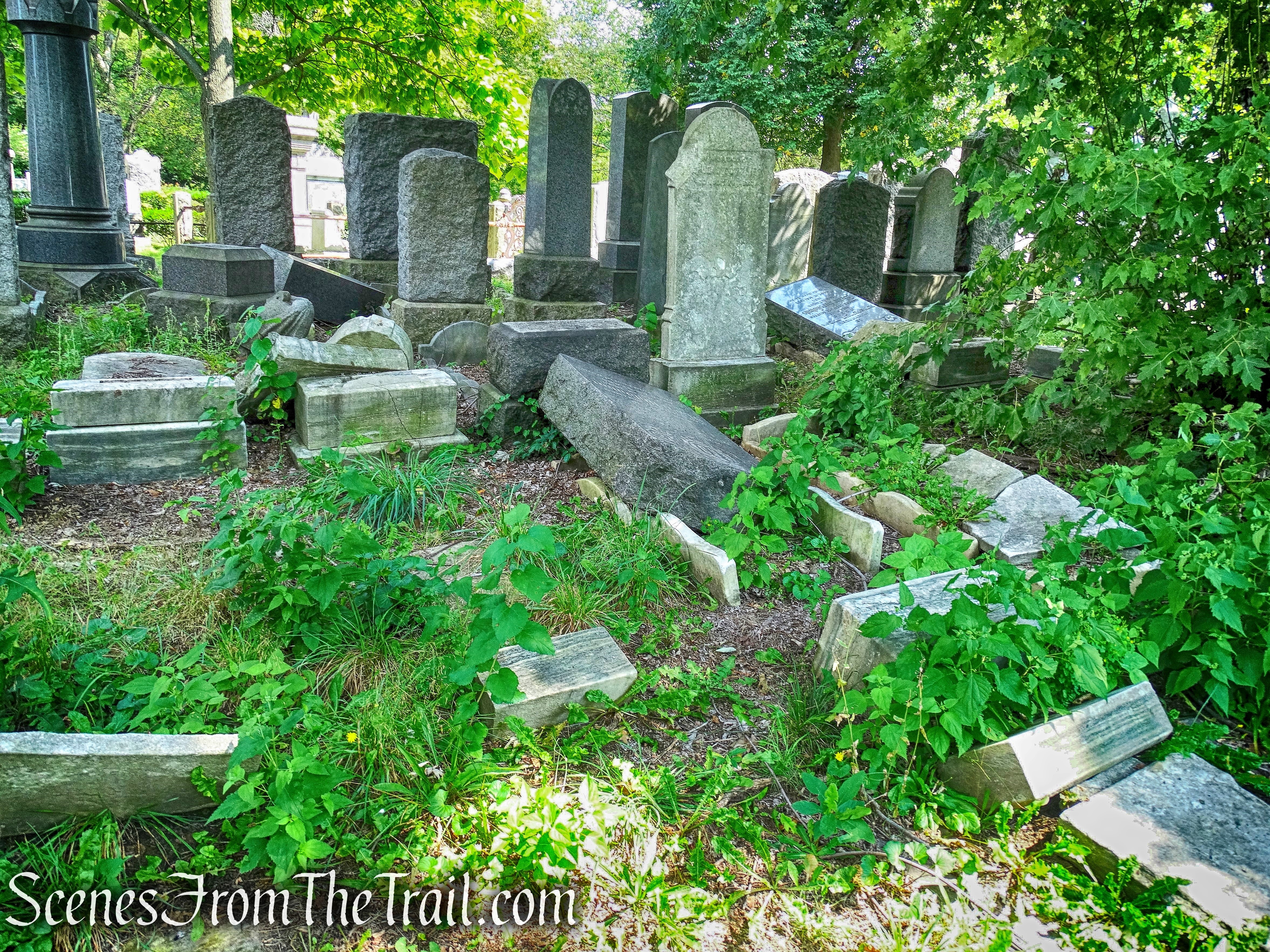
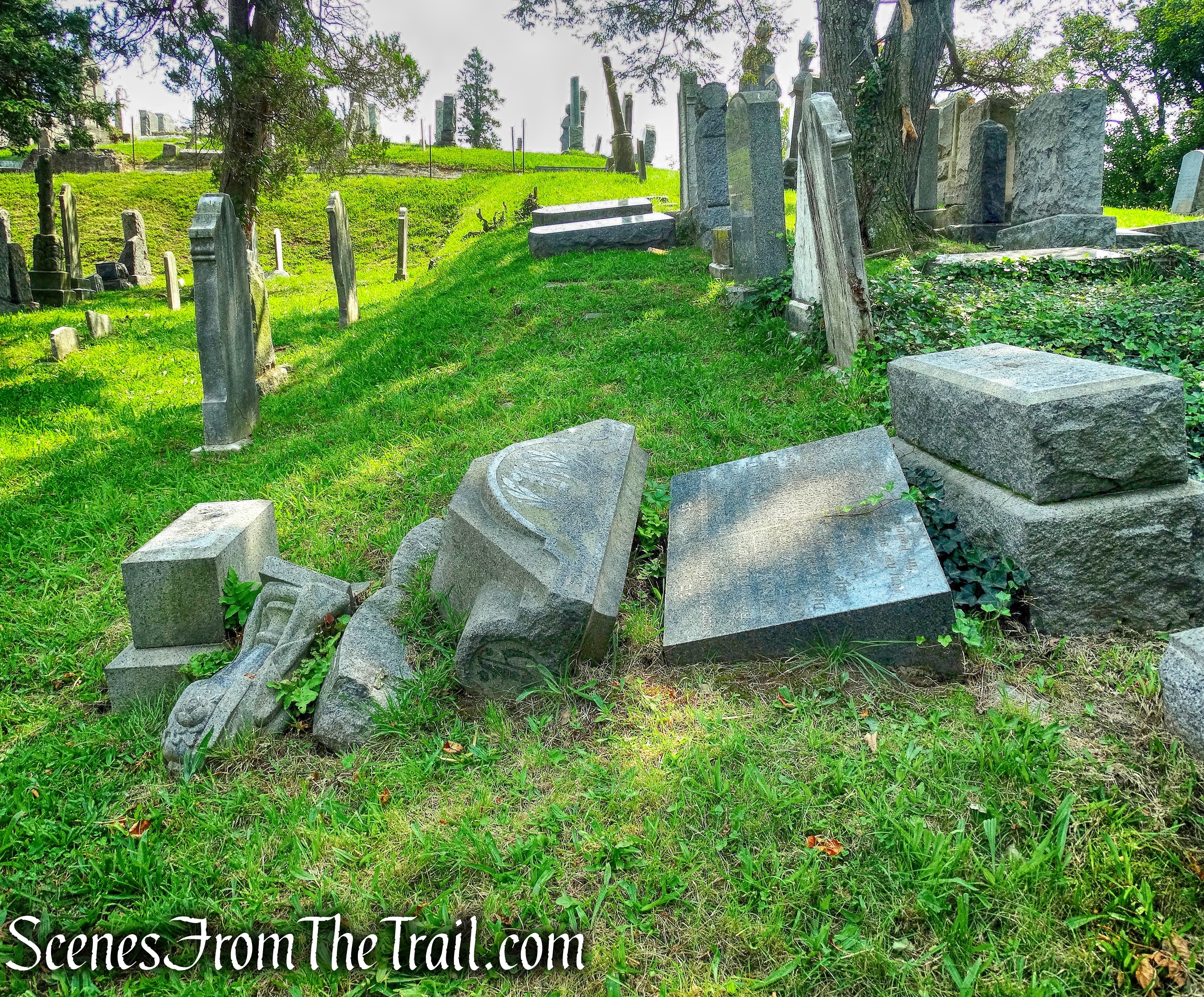
Many of the tombstones have been toppled by vandals or have fallen over, but no attempt has been made to put them back in their rightful place.

toppled tombstones

toppled tombstones

toppled tombstones

toppled tombstones

It is disgraceful that a cemetery could be left to deteriorate in this manner. The people that have been interred here deserve much better. Maybe the City of Queens will take notice and do the right thing. Nevertheless, someone should be held accountable.

Machpelah Cemetery

Machpelah Cemetery


Stoppel Point Plane Crash Site – Catskill Park

September 9, 2017 – Palenville, NY

Difficulty: Strenuous (Steep ascents, light rock scrambling, rugged terrain, length of hike)

Length: Approximately 8.2 miles

Max elevation: 3,420 ft.– total elevation gain approximately 1,500 ft.

Route type: Out and back

Map: Catskills Trail Map #141

Trailhead parking: Scutt Road Trailhead Parking, Palenville, NY


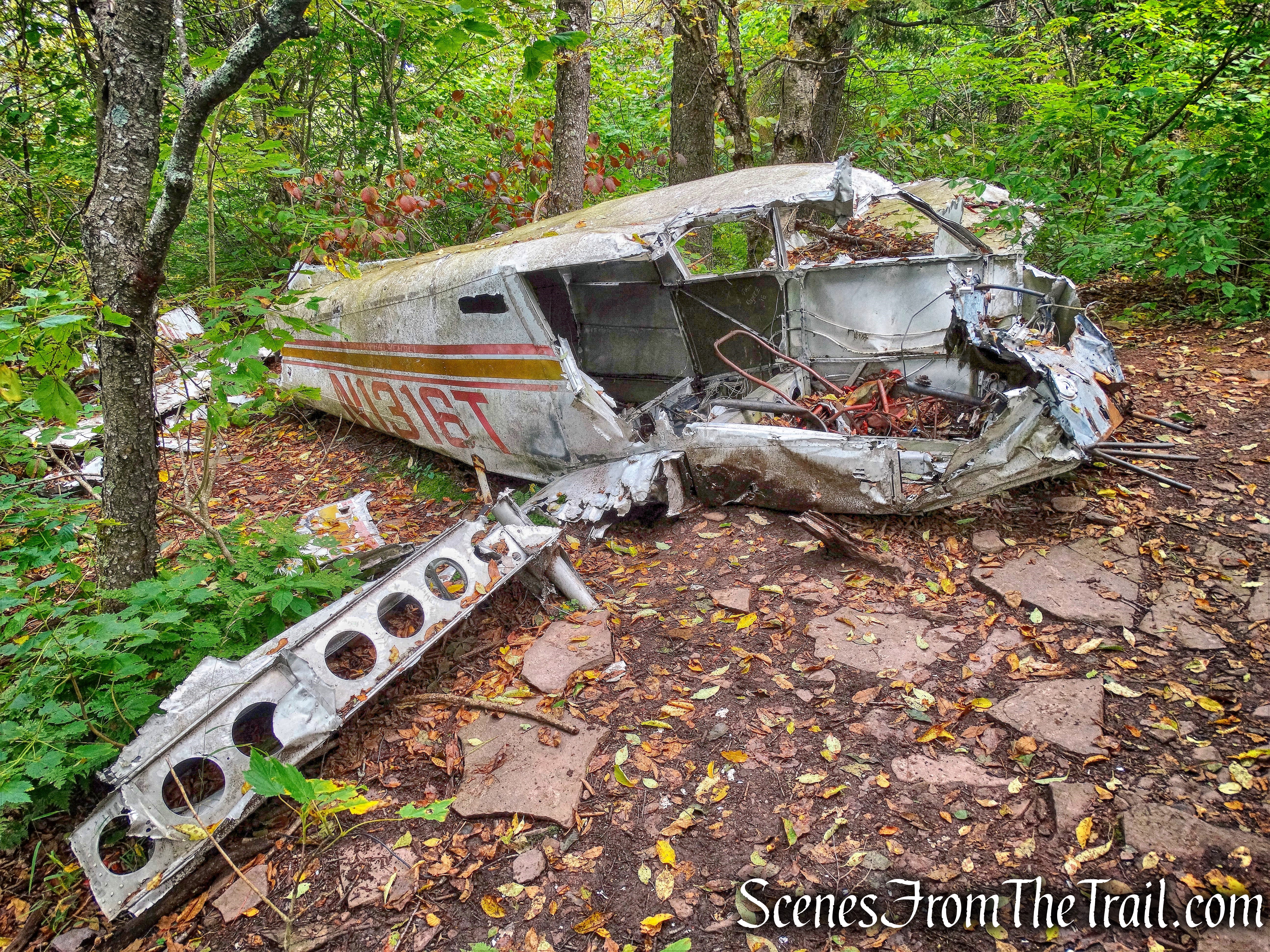
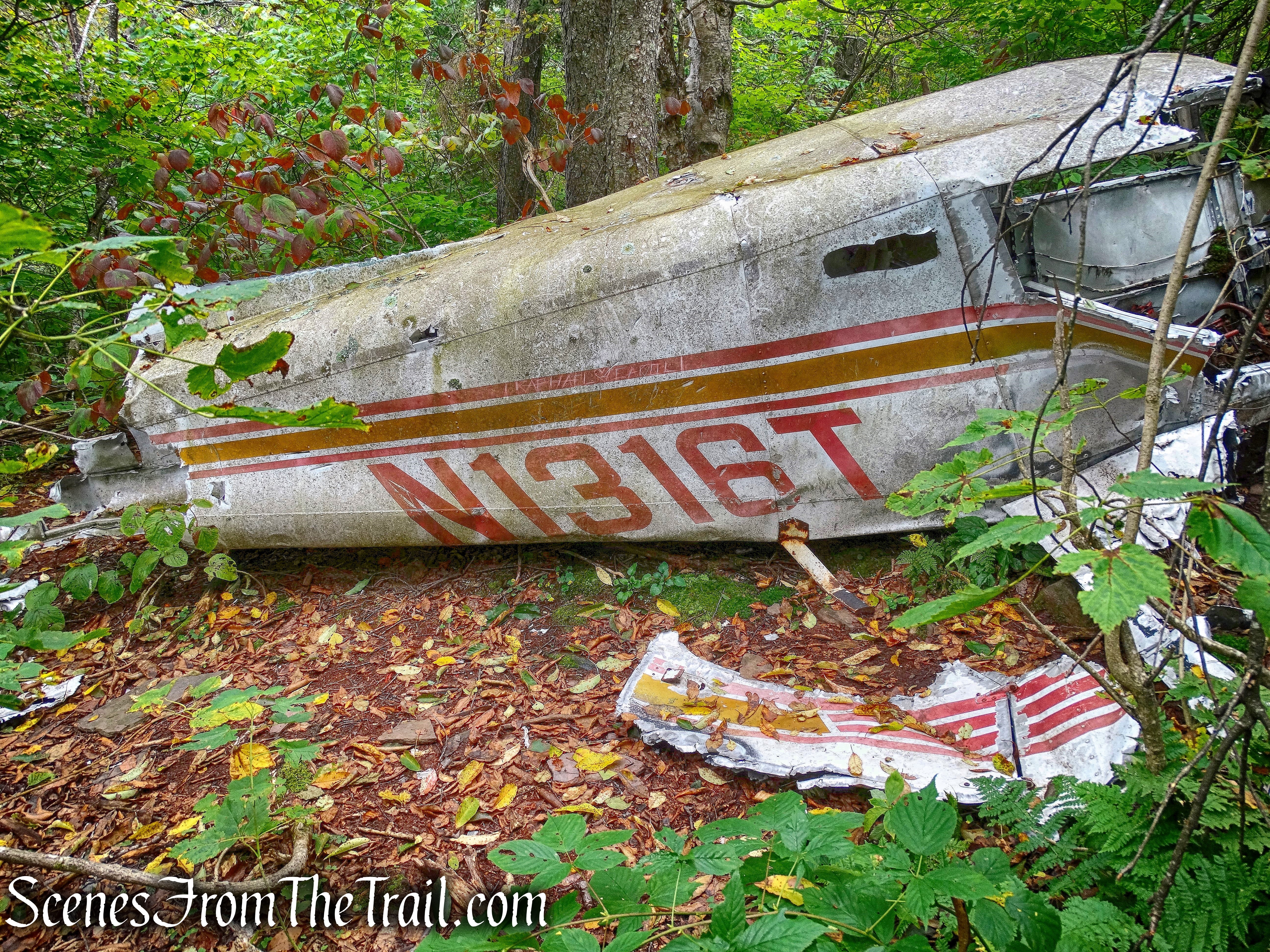
On Thursday May 26, 1983, Rex Miller (26 years old) took off in his Piper PA-28-140 (registration: N1316T) from Poughkeepsie, NY at approximately 9:12 am heading for Watertown, NY. Before departing, the manager of a flight school informed him that the weather was bad, with poor visibility due to fog and overcast skies. Miller, with a student certificate that had been previously revoked by the FAA for violations and no flight plan, ignored the warning. At approximately 9:48 am his plane collided with trees at the top of mountainous terrain at an elevation of approximately 3400 ft. After the initial impact, his aircraft continued about 500 ft. before coming to a stop in a wooded area atop Stoppel Point. Mr. Miller was the only passenger and he did not survive the crash.

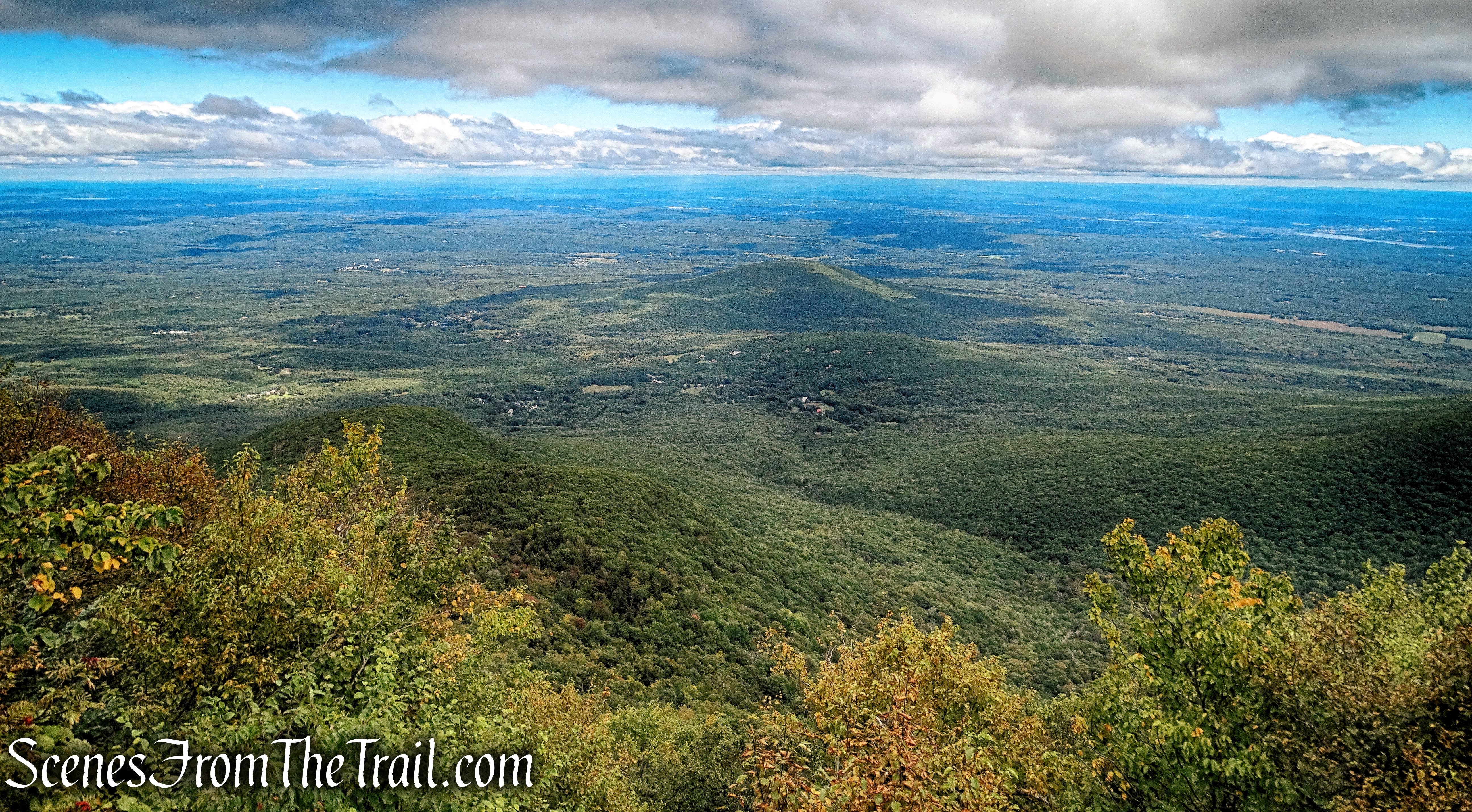
Stoppel Point at 3420 feet is the 45th highest point in the Catskills, or #10 for the Catskill 67. This mountain is located north of the busy North-South Lake State Campground. The North-South Lake area to North Point is full of history as it was the birthplace of hiking in the Catskills.

The Catskill Mountains are littered with plane wrecks and make for interesting destinations when mapping out a hike. I had wanted to do this hike for several years, but was hesitant. The Catskills are a little out of my comfort zone and with the exception of Overlook Mountain and several other areas, I have never explored the area. Living two hours away, the rugged terrain and vast wilderness that I was unfamiliar with were good enough reasons to keep putting this hike on the back burner. Fast forward a couple of years, with thousands of miles on the trails under my belt and increased confidence, the time was right.

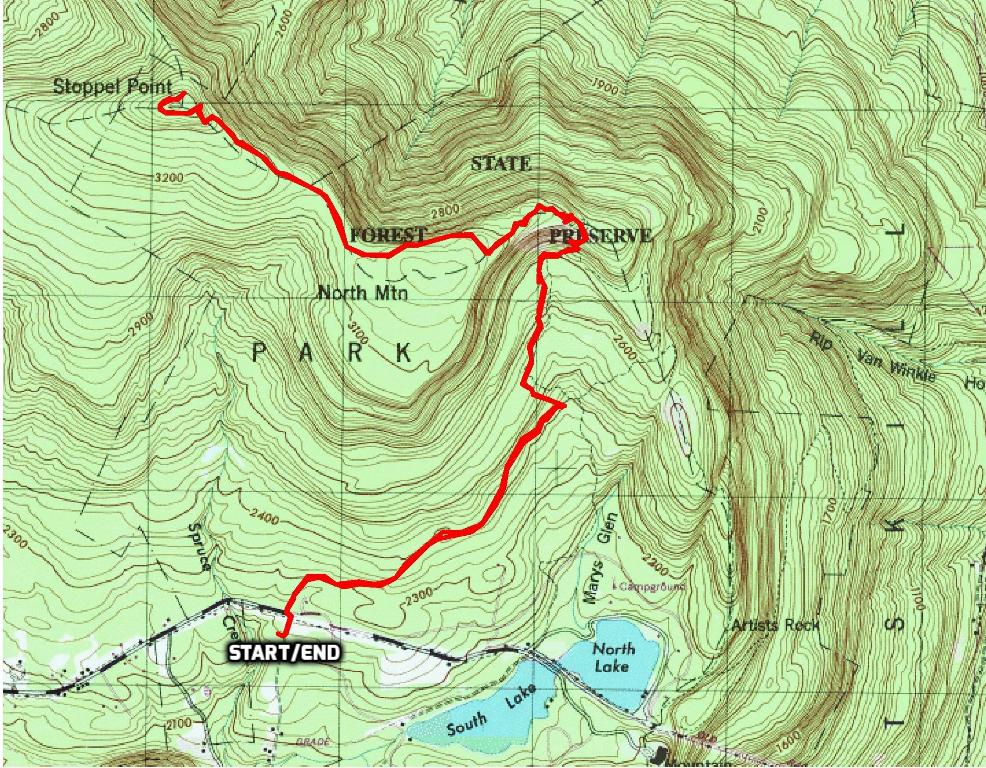
Stoppel Point hike route

Stoppel Point hike route

A new feature that I have added is the Google Earth Fly-Through. It follows the path that we hiked and it gives you a good idea of the terrain, layout, amount of parking etc. Check it out, it’s pretty cool.

View the Google Earth Fly-Through video of the hike below.


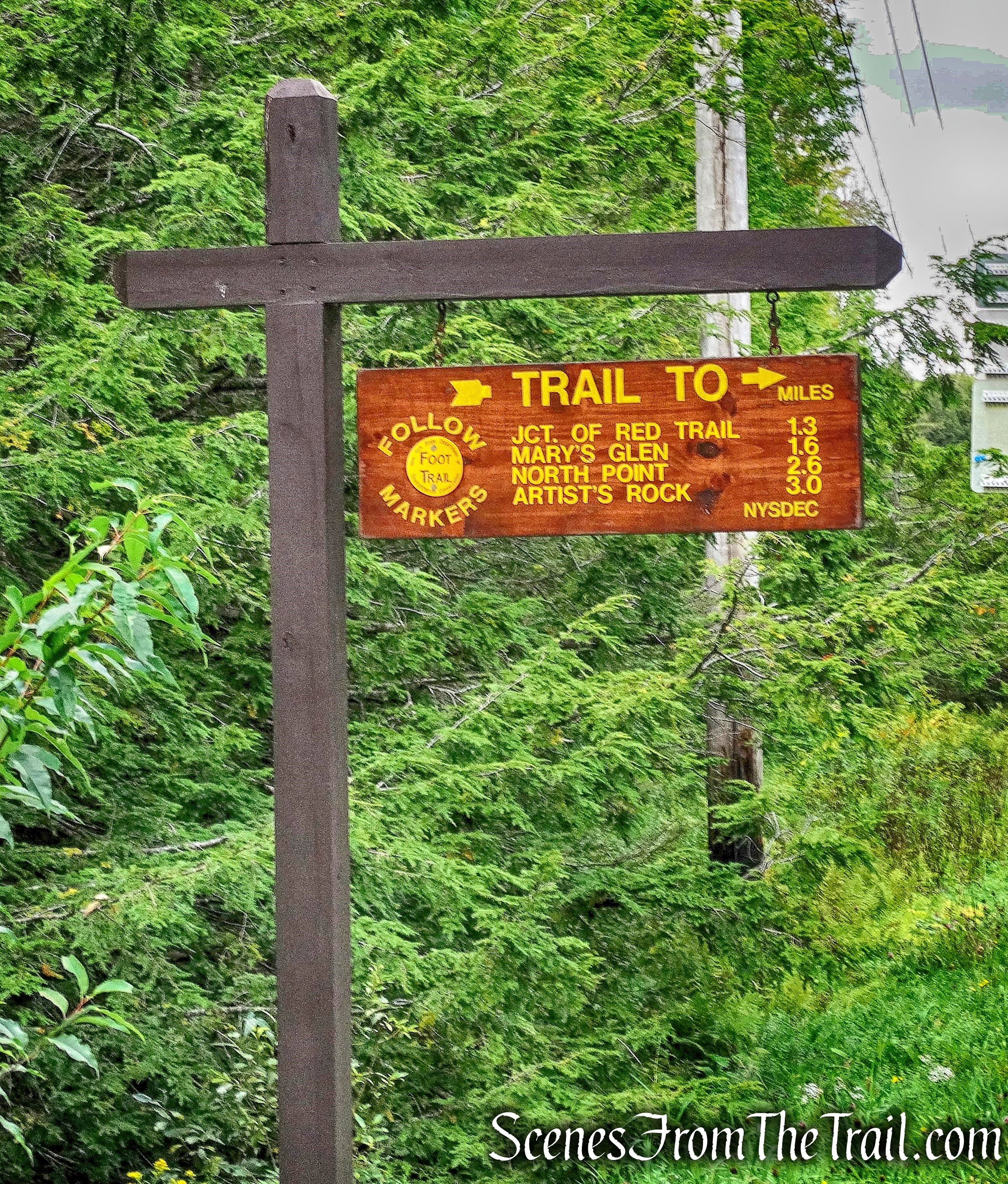
We arrived at the Scutt Road Trailhead Parking a little before 9:00 am to insure that we could secure a parking spot. From my understanding, the sizable lot fills up quickly and we didn’t want any hassles on hike day. Partly cloudy and temps in the mid to high 50’s, would make for a nice day on the trails. The hike began at approximately 9:30 am and the five of us began our journey to Stoppel Point. We headed out on Scutt Road and walked back to North Lake Road. We would be taking the yellow-blazed Rock Shelter Trail for the first 1.3 miles to the red-blazed Mary’s Glen Trail.

North Lake Road trail sign

North Lake Road trail sign

Crossing the road we ducked into the woods and began hiking the Rock Shelter Trail.

Rock Shelter Trail

Rock Shelter Trail

Like the name implies, the trail is rocky. The trail climbs gradually through the forest.

Rock Shelter Trail

Rock Shelter Trail

The Rock Shelter Trail is also wet for much of the way, which makes for slippery rocks and muddy terrain.

Rock Shelter Trail

Rock Shelter Trail

In a short distance we came to the trail register and signed in.

trail register

trail register

The Rock Shelter Trail is a real ankle breaker. First rocks and water then some good old roots to make you have to constantly look down to avoid tripping.

Rock Shelter Trail

Rock Shelter Trail

After a modest gain of a couple hundred feet of elevation, we came to a junction with the red-blazed Mary’s Glen Trail. Our next stop would be North Point and some outstanding views.

Mary's Glen Trail to North Point

Mary’s Glen Trail to North Point

The red-blazed Mary’s Glen Trail ascends steadily over rocky terrain and in a short distance comes to a waterfall just off the trail to the right. I have seen it referred to in print as “Ledge Falls,” but I am not positive, although the name fits. As often is the case at this time of the year, the falls were nothing more than a trickle. The photos that I have seen online, show water cascading the full length of the ledge.

Ledge Falls

Ledge Falls

Ledge Falls

Ledge Falls

The red-blazed Mary’s Glen Trail continues its steady climb, steeply at times.

Mary's Glen Trail

Mary’s Glen Trail

Climbing over rock ledges we made our way towards North Point.

Mary's Glen Trail

Mary’s Glen Trail

The trail does level off in some spots as we made our way over rock paths laid out by trail crews over some wet areas.

Mary's Glen Trail

Mary’s Glen Trail

We then arrived at a junction with the blue-blazed Escarpment Trail and the last push to North Point. The blue-blazed Escarpment Trail is 23.9 miles long and travels along some of the Catskill Mountains most scenic territory. It crosses seven summits over 3000 feet on some of the most rugged terrain in the Catskills.

junction with the Escarpment Trail

junction with the Escarpment Trail

The last 0.3 miles to North Point on the Escarpment Trail is steep and rocky.

Escarpment Trail

Escarpment Trail

Some rock scrambling is required to reach North Point.

rock scramble - Escarpment Trail

rock scramble – Escarpment Trail

It was worth the effort as we reached our first destination. North Point, an area of many open ledges located at 3,000 feet above sea level, offers outstanding views. Looking southeast, North Lake is on the left with South Lake on the right and the Hudson River is visible in the distance to the left.

view from North Point

view from North Point

We rested up here for a short while, taking in the view. It is quite impressive and it’s a popular destination for hikers. We saw several groups stop while we were here. Most hikers come to this spot then turn around and head back. We weren’t quite done yet. We still had 1.7 miles to reach Stoppel Point.

1.7 miles to reach Stoppel Point

1.7 miles to reach Stoppel Point

The Escarpment Trail continues to climb, but much more gradually. The bulk of the elevation was done getting to North Point. The trail now continues towards the summit of North Mountain, with some minor rock scrambles along the way.

Escarpment Trail

Escarpment Trail

About 1/4 mile from North Point, we came to North Mountain Ledge which has a similar view as North Point, but no people. From this point on, we crossed paths with only a handful of hikers.

North Mountain Ledge

North Mountain Ledge

Below is a zoomed in view of North Lake with the Hudson River just beyond.

view of North Lake and the Hudson River from North Mountain Ledge

view of North Lake and the Hudson River from North Mountain Ledge

We continued on the Escarpment Trail which skirts the summit of North Mountain. We then entered a conifer forest with a carpet of pine needles, a welcome change from the rocky terrain.

Escarpment Trail

Escarpment Trail

The trail climbs more steeply as we near Stoppel Point.

Escarpment Trail

Escarpment Trail

Climbing up and over some more rocks…….

Escarpment Trail

Escarpment Trail

we arrived at Stoppel Point, an elevation of 3420 ft.

Stoppel Point

Stoppel Point

To the right of the trail, there is a small ledge with an east facing viewpoint.

view from Stoppel Point

view from Stoppel Point

We stopped here and had lunch while enjoying the view.

view from Stoppel Point

view from Stoppel Point

Although we were officially at Stoppel Point, we still had about 1/4 mile to go to reach the plane crash site. Along the way, there is a short spur trail that leads to a northwest facing viewpoint of the Blackhead Mountain Range. From left to right: Thomas Cole (partially obscured by the foliage), Black Dome and Blackhead Mountain.

Thomas Cole, Black Dome and Blackhead Mountain

Thomas Cole, Black Dome and Blackhead Mountain

A short distance from the viewpoint we arrived at our turnaround point. The plane wreck is just a few feet from the trail and considering it has been sitting in the same spot since 1983, the fuselage is fairly intact.

Stoppel Point plane crash site

Stoppel Point plane crash site

Stoppel Point plane crash site

Stoppel Point plane crash site

Stoppel Point plane crash site

Stoppel Point plane crash site

After checking out the plane, it was time to head back. Since this hike was an “out and back,” we would be retracing our steps and head back the way we came. It was a beautiful afternoon in the Catskills as we made our way back on the Escarpment Trail.

Escarpment Trail

Escarpment Trail

This turned out to be one of my favorite hikes and I was enjoying the scenery along the trail.

Escarpment Trail

Escarpment Trail

We made a stop at all the points of interest on our way back, including North Point.

North Point

North Point

Once we passed North Point, we saw lots of hikers making their way up there. It was already somewhat late in the day and it appeared that some were going to camp out. We turned right onto the red-blazed Mary’s Glen Trail and then another right on the yellow-blazed Rock Shelter Trail as we made our way back to the parking area. I began to wear down, but kept up a good pace. This was a great hike, but by the time we made it back to North Lake Road, I was glad to be back on pavement. I can now cross this hike off my list and add a few more Catskill hikes to that same list.

Please don’t forget to click the “follow” button on the right side of the screen and stay informed on some great hikes. Hope you enjoyed my journey, now get out there and take a hike!

Pros: Plane wreck, outstanding views, light rock scrambling, Escarpment Trail, well marked trails and junctions, well maintained trails.

Cons: I wish I was younger.

Stoppel Point

Stoppel Point


Brooks Hollow Bushwack – Harriman State Park

September 4, 2017 – Harriman, NY

Difficulty: Moderate (Some bushwacking)

Length: Approximately 5 miles

Max elevation: 1,083 ft.– total elevation gain approximately 709 ft.

Route type: Circuit

Map: Harriman-Bear Mountain Trails Map #119

Trailhead parking: 627-633 Long Mountain Pkwy, Harriman, NY 10926


Harriman State Park is home to thirty-six lakes and ponds. Fourteen of these are natural water bodies, some of which have been enlarged by the construction of dams. The others are entirely man-made. NY state run summer camps were built around some of these lakes and some continue to operate to this day. Some camps were never completed or shut down and abandoned due to fiscal constraints. There are remnants of these long forgotten camps throughout the park.

The lakes, which are quite scenic, make a great focal point to map a hike around. I tend to prefer the unbeaten path and seek less traveled areas when I hike. Looking on the map, I found these two bodies of water, Barnes Lake and Lake Massawippa sitting side by side at the intersection of  NY 293 and US 6 (Long Mountain Parkway). Known as the “Quiet Corner,” it doesn’t get much foot traffic except for maybe the occasional fisherman. With the exception of the Long Path, which runs just to the north of these two lakes, there are no marked trails in this area.

Not being familiar with this section of the park and the lack of trails, I decided to adapt and improvise on the fly instead of mapping out a designated hike. I had no way of knowing the kind of shape the woods roads that travel through this area are in or even if they are passable. With that in mind, I was fully prepared to bushwack as necessary and just explore the area with no set mileage or route to follow.

Barnes Lake/Lake Massawippa Bushwack - Harriman State Park

Barnes Lake/Lake Massawippa Bushwack

We did this hike on Labor Day, which turned out to be another gorgeous day for hiking. We parked in the Lake Massawippa parking area which is easy to miss, even if you’re looking for it, in fact, I did. There is a small sign at the edge of the entrance to the parking area. I saw it as I drove by and quickly made a U-Turn and entered the parking area.

DSC02125_HDR_marked

Lake Massawippa parking area

The parking area was empty when we arrived at approximately 9:00 am and we began by walking east on the paved road which promptly curved to the north. We walked past the cable strung across the road that prevents cars from driving down it.

paved road by Barnes Lake

paved road by Barnes Lake

Almost immediately we came across some remnants of structures along the road. What looks like a brick fireplace and/or chimney lays toppled just a few feet from the road.

brick fireplace and/or chimney

brick fireplace and/or chimney

The pavement ends and the road turns into a relatively level and and easy walking woods road that runs the entire length of the eastern shore of Barnes Lake.

woods road on the eastern shore of Barnes Lake

woods road on the eastern shore of Barnes Lake

We encountered some moss lined concrete steps that lead to what probably used to be a small beach. We bypassed the slick steps and instead walked down the hill.

moss lined concrete steps

moss lined concrete steps

Looking north from the “beach,” we got our first close up look of Barnes Lake.

Once known as Lake Miltana, the Park acquired it in 1921 from J. Milton Barnes for $15,000. (Also included were 86 acres which extended to the top of the ridge to the east.) During that year, the lake was used for bathing and boating by children from the Central Jewish Institute of New York City.

Myles, William J.. Harriman Trails: A Guide and History (Kindle Locations 5391-5393). New York – New Jersey Trail Conference. Kindle Edition.

Barnes Lake

Barnes Lake

Looking southwest, the lake is just as picturesque.

Barnes Lake

Barnes Lake

Continuing on the woods road, we saw the roof of another structure laying on the ground.

roof laying on the ground

roof laying on the ground

At the northern end of the lake, we walked onto the dam to get another view of Barnes Lake before we headed into the woods.

Barnes Lake is fed by Popolopen Creek, which runs north from Summit Lake. It is a natural lake which was somewhat enlarged in 1913, during J. Milton Barnes’ time, by a dam at the north end.

Barnes Lake, looking south from the dam

Barnes Lake, looking south from the dam

The woods road narrows and becomes more of a footpath as it heads northeast, away from the lake. On the map, it shows that the woods road ends by the dam.

footpath

footpath

The footpath climbs gently and then fizzles out. We began to bushwack east towards Lake Massawippa, hoping to find a trail near the shore.

bushwacking towards Lake Massawippa

bushwacking towards Lake Massawippa

Ideally, I wanted to head north, but that looked to be a difficult bushwack, so we headed south, towards Long Mountain Parkway (US 6), expecting that there would be a better chance of finding some kind of trail leading from the road. After spotting some empty beer bottles strewn about near the water, I knew we were getting close. There it was, a woods road that parallels the western shore of Lake Massawippa.

woods road that parallels the western shore of Lake Massawippa

woods road that parallels the western shore of Lake Massawippa

The woods road leads out to Long Mountain Parkway (US 6) where there is an orange barrier strung across it.

woods road leads out to Long Mountain Parkway

woods road leads out to Long Mountain Parkway

Turning left onto US 6, we began heading east along the wide shoulder.

walking east on US 6

walking east on US 6

In 1918, the land for 0.8 mile east of the Barnes property—which included the site of present-day Lake Massawippa—was given to the Park by W. Averell Harriman. In the fall of 1934, Civilian Conservation Corps Camp SP-23 was set up in Brooks Hollow, and work began on Dam #15, now known as Lake Massawippa (meaning “heroine”).

Myles, William J.. Harriman Trails: A Guide and History (Kindle Locations 5538-5540). New York – New Jersey Trail Conference. Kindle Edition.

A view of Lake Massawippa from US 6.

view of Lake Massawippa from US 6

view of Lake Massawippa from US 6

Just past the lake, we came to an entrance to a paved road. It is known as the Brooks Hollow Trail. One of the many unmarked roads and trails in Harriman State Park.

Brooks Hollow Trail

Brooks Hollow Trail

Almost immediately, we came to a fork in the road. Initially we went left which after climbing over a huge fallen tree, leads to a footpath along the edge of the lake. This footpath was overgrown so we turned around and instead chose to walk on the wider Brooks Hollow Trail.

stay right at the fork

stay right at the fork

The Brooks Hollow Trail starts from Route 6, just east of Lake Massawippa. It proceeds north, following a road along the east side of the lake.

Brooks Hollow Trail

Brooks Hollow Trail

The trail then passes through an abandoned camp. I have read that there were Boy Scout camps along the lake at one time, this may have been one of them. We walked over to one of the cabins that sits at the edge of Lake Massawippa.

abandoned cabin

abandoned cabin

The view south from the abandoned cabin.

DSC02025_HDR_marked

Lake Massawippa

There are quite a few structures that have been left to rot in this abandoned camp.

abandoned camp

abandoned camp

These ruined structures are not safe and we stayed a safe distance away from them.

abandoned camp

abandoned camp

There are several teepee like structures at the northern end of the lake that are made from steel pipes.

teepee like structure

teepee like structure

The Brooks Hollow Trail becomes obscure at several points in this area. We lost it once or twice while exploring the ruins of this camp, but with my superb navigational skills, we found the trail with no problems whatsoever.

Brooks Hollow Trail

Brooks Hollow Trail

The Brooks Hollow Trail heads northeast and narrows to a footpath at times, widens again then becomes obscure once more as it enters Brooks Hollow, a classic U-shaped post-glacial valley. This area was eerily quiet and we passed some bear scat on the trail, a sure way to heighten your senses. We made sure to talk loud and make noise as we walked through this desolate area.

stream crossing

stream crossing

The Long Path is just past the stream, but we didn’t run into it. The plan was to walk the aqua-blazed Long Path, which ascends Brooks Mountain steeply and passes a viewpoint over Lake Massawippa. It is real swampy in this area and there were no aqua colored trail markers to be found. Instead of searching for it, we began walking southwest and eventually we would run into it. The downside of that is we missed the viewpoint. It was a tough bushwack through Brooks Hollow. It was swampy, muddy and the rocks were slick. Nevertheless, we made it to a hill where the going was easier and began to ascend the southern edge of Brooks Mountain and found the Long Path.

DSC02053_HDR_marked

southern edge of Brooks Mountain

We climbed the hill towards the summit in search of the view, but after a lame try we gave up and turned around. We then took a break and rested up a little. We then began heading southwest on the Long Path.

the Long Path

the Long Path

The Long Path heads toward the northern end of Barnes Lake then veers to the west and crosses NY 293. We left the Long Path and began walking south along the wide shoulder of NY 293.  Barnes Lake is visible from the road at this point.

Barnes Lake

Barnes Lake

It was shortly before 1:00 pm and there wasn’t too much traffic, which made the road walk much easier and safer.

NY 293

NY 293

There is a red dock on Barnes Lake that I wanted to visit so we took a detour from the road to check it out.

red dock on Barnes Lake

red dock on Barnes Lake

This turned out to be the highlight of the hike. We sat here for quite some time, enjoying the view, the cool breeze and a snack.

red dock on Barnes Lake

red dock on Barnes Lake

I truly enjoyed just sitting here gazing out at the lake. Not a bad view in the house.

red dock on Barnes Lake

red dock on Barnes Lake

With some reluctance, we gathered our gear and headed out. Once back on NY 293, I glanced back at my new favorite spot.

DSC02115_HDR_marked

red dock on Barnes Lake

We continued on NY 293 and stayed left along the shoulder, heading back to US 6.

stay left along the shoulder

stay left along the shoulder

We walked up the entrance ramp towards US 6……

entrance ramp towards US 6

entrance ramp towards US 6

and then in a short distance we turned left into the Lake Massawippa parking area where the hike began.

Lake Massawippa parking area

Lake Massawippa parking area

Not one of the better hikes that I have done, but it had enough to keep me interested. The two lakes are beautiful and yes tranquil. We didn’t encounter anyone on our hike which is always a plus. The only people we saw was when we were sitting at the dock, there were people walking their dog on the other side of Barnes Lake where we first began the hike. Bushwacking takes me back to when I was a kid, there were no trails back then. If we wanted to get from point A to point B, we bushwacked there. It also tests your navigational skills and I would not recommend it unless you are proficient with a map and compass. What are your thoughts? I would like to know. I hope that you enjoyed reading this entry and please don’t forget to follow my blog. Now get out there and bushwack!

Pros: Very secluded area, abandoned camp ruins, Barnes Lake, Lake Massawippa, woods roads, bushwacking.

Cons: Road walks.

Barnes Lake

Barnes Lake


Alder Lake Loop – Catskill Park

September 2, 2017 – Hardenburgh, NY

Difficulty: Easy

Length: Approximately 1.7 miles

Max elevation: 2,257 ft.– total elevation gain approximately 93 ft.

Route type: Circuit

Map: Catskill Trails Map #142

Trailhead parking: Alder Lake – Hardenburgh, NY


Alder Lake in Hardenburgh, NY is located in the Balsam Lake State Forest Preserve, part of the Catskill Forest Preserve. It is a man-made lake that was established in 1901 by Samuel D. Coykendall. Alder Lake sits at an elevation of 2,211 feet above sea level and covers a total of 45 acres.

Coykendall Lodge was built in 1899 and was a large, rambling  2 1⁄2-story half-timber lodge of balloon frame construction. It rested on a limestone foundation and was representative of the Shingle Style. It was listed on the National Register of Historic Places in 2002. The Lodge was torn down by New York State as it was in such disrepair. Only the stone foundations and stone cobble walls remain.

Coykendall Lodge

Coykendall Lodge

I had read about this place and decided to pay it a visit. Having finished an early morning walk at Olana State Historic Site, I drove nearly 2 hours from Hudson, NY to check it out. An interesting drive to say the least. The road that ascends the mountain where the lake is located, Cross Mountain Road, is not paved, it’s very narrow and quite steep in sections with steep drop offs to the side. Never mind if another vehicle approaches from the opposite direction. Luckily, I only had two such instances and it happened in spots where the road was just wide enough. The lake can be reached from the opposite side via the paved Alder Lake Road, but my trusty GPS, whose signal kept fading in and out, directed me through the more treacherous route. Nevertheless, I made there safely, although somewhat stressed out. This hike was done in a clockwise direction from the parking lot on the left of the map.

Alder Lake Loop

Alder Lake Loop

View the Google Earth Fly-Through video of the hike below.

Upon arriving at the parking area, which has room for approximately 15 cars, I was looking forward to stretching my legs. A short and easy hike is just what I needed. The hike starts at the trail register, just off the main parking area.

Alder Lake trailhead

Alder Lake trailhead

Like most of the trails in the Catskills, the hiker is provided with distance markers.

DSC01863_HDR_marked

distance marker

Almost immediately after passing the kiosk, the ruins of Coykendall Lodge come into view.

Coykendall Lodge

Coykendall Lodge

It’s a shame that they tore this structure down instead of repurposing it.

Coykendall Lodge

Coykendall Lodge

Coykendall Lodge

Coykendall Lodge

It must have been nice and cozy sitting by the fireplace way back when.

Coykendall Lodge

Coykendall Lodge

The first glimpse of Alder Lake did not disappoint, it is quite scenic and provides the tranquility that those that come here seek.

Alder Lake

Alder Lake

After taking in a good dose of tranquility, after all you never want too much of it, I wandered down a worn footpath on the left side of the lake.

footpath

footpath

On the Catskills Trails map, it indicates that this trail is blazed red. I did not see any red blazes until I got to the other side of the lake. I also did not receive the map until after I did this hike. The trail is easy enough to follow……for the most part. It is a bit overgrown at the beginning, but it does get better.

Alder Lake Loop Trail

Alder Lake Loop Trail

The trail widens and makes for a better hike without having to rub up against the foliage.

DSC01893_HDR_marked

Alder Lake Loop Trail

There are short spur trails that lead to 8 separate designated campsites.

spur trail to campsite

spur trail to campsite

The campsites are marked with yellow NYSDEC blazes.

yellow NYSDEC blaze

yellow NYSDEC blaze

There are views of the lake from the trail which makes it that much more enjoyable.

Alder Lake

Alder Lake

Several of the campsites were occupied on this Labor Day weekend when I visited.

designated campsite

designated campsite

At approximately the 1/2 mile mark, we crossed a wooden footbridge.

DSC01899_HDR_marked

wooden footbridge

Then a short distance later, we crossed another wooden footbridge. This one has a red blaze on it, but I did not notice it until later when I was reviewing the images for this post.

second wooden footbridge

second wooden footbridge

Now on the eastern end of the lake, there is a short path that leads to a viewpoint.

Alder Lake - eastern end

Alder Lake – eastern end

The trail joins an old woods road, where another designated campsite is located toward the left. The trail passes a piped spring at 0.6 miles and reaches the junction of the yellow-blazed Mill Brook Ridge Trail which goes up to the left at 0.7 miles.

stay right at fork

stay right at fork

The trail then crosses Alder Creek on a larger wooden footbridge.

DSC01912_HDR_marked

larger wooden footbridge

The creek, which feeds the lake, was barely flowing on this day, but by the looks of the bridge, it must be a sight in wet season.

Alder Creek

Alder Creek

Now here is where I got off the official trail. Since I did not notice any red blazes along the way, I just assumed that Alder Lake Loop was unmarked. After crossing the bridge, I saw red blazes that veer away from the lake and climb the hill. I instead followed a footpath that hugs the lake. On the upside, I enjoyed a closeup view of the lake.

footpath along Alder Lake

footpath along Alder Lake

The downside was that this trail is severely overgrown in some sections. The pricker bushes made all the tranquility I was feeling just fade away, one thorn at a time. At times I kept thinking that the trail would just peter out, but a trace would appear and I kept on moving.

DSC01924_HDR_1_marked

footpath along Alder Lake

The footpath then widens, passes through a campsite that was occupied and leads to a northeast facing view of Alder Lake.

northeast facing view of Alder Lake

northeast facing view of Alder Lake

The trail then comes out by the dam at western end of the lake, near where the hike began.

the dam at western end of the lake

the dam at western end of the lake

I walked over the dam, still enjoying views of Alder Lake. I could feel that tranquility slowly creeping back as I made my way back towards the ruins of Coykendall Lodge.

Alder Lake dam

Alder Lake dam

I took one last look at Alder Lake……

Alder Lake

Alder Lake

and Coykendall Lodge.

Coykendall Lodge ruins

Coykendall Lodge ruins

I then made my way back to the parking area along this curved stone wall.

DSC01973_HDR_1_marked

curved stone wall

This was a nice easy hike, although I wish that I had stayed on the designated trail. I will surely return if I am ever in the area again. An idyllic lake front setting that didn’t disappoint. On the way out, my GPS had no signal, which happens every time I visit the Catskills. I wasn’t going to drive back the way I came, on Cross Mountain Road, so I turned left on Alder Lake Road to Beaverkill Road and then NYS Route 17 back to Westchester County. I found my way long before my GPS signal returned. I hope that you enjoyed the hike and please don’t forget to follow my blog. As always, your comments are welcome, whether good or bad. Now get out there and take a hike!

Pros: Tranquility galore, scenic Alder Lake, Coykendall Lodge ruins, secluded area.

Cons: Not well blazed, avoid Cross Mountain Road.

Coykendall Lodge ruins

Coykendall Lodge ruins


Olana State Historic Site

September 2, 2017 – Hudson, NY

Difficulty: Easy

Length: Approximately 2.5 miles

Max elevation: 479 ft.– total elevation gain approximately 213 ft.

Route type: Circuit

Map: Olana State Historic Site map

GPS location: 5720 NY-9G, Hudson, NY 12534

Olana State Historic Site was the home of Frederic Edwin Church (1826–1900), one of the major figures in the Hudson River School of landscape painting. The centerpiece of Olana is an eclectic villa composed of many styles, difficult to categorize, which overlooks parkland and a working farm designed by the artist. The residence has a wide view of the Hudson River valley, the Catskill Mountains and the Taconic Range. Church and his wife Isabel (1836–1899) named their estate after a fortress-treasure house in ancient Greater Persia, which also overlooked a river valley.

First time that I ever heard of Olana was on the I Love New York commercials a few years back. Being the inquisitive type, I Googled it to find out more. Since then it has been on my list of places to visit. That list is quite long, but I am whittling away at it best as I can. On a road trip in the Catskills area to check a few off my list, I visited Pratt Rock the previous day. We got up bright and early in order to arrive before visitors dotted the landscape. Tours were being offered at 10:00 am, we got there shortly after 8:00 am, when the gates open. It was a beautiful Saturday morning in the Hudson Valley on Labor Day weekend. When we arrived, the only cars in the parking lot must have belonged to employees because we didn’t see anyone else on the grounds.

This was more of a wandering around and trying to discover the most scenic spots than it was a hike. I like to freestyle at times and let the wanderer in me loose. First off, we headed towards the villa so we could capture some images before anyone else jumped in our frame. Walking around to the front of the home, we were greeted with a nice view of the Hudson River and the surrounding valley.

view southwest from Olana

view southwest from Olana

The view west, just across the river isn’t bad either. The Catskill Mountains make a perfect backdrop.

view west from Olana

view west from Olana

We walked down a carriage road to an art exhibit that looked interesting. It seems to have been constructed of surgical tubing and invited visitors to walk through it. It is titled “Penetrable.”

Penetrable

Penetrable

Penetrable

Penetrable

From this area is where I captured the best image of Olana.

Olana

Olana

We continued down the carriage road which looped around to the east. We stopped at a spot where Frederic Edwin Church painted one of his landscapes from. Not quite Church, but you get the picture.

overlooking the lake

overlooking the lake

We cut across the field, downhill to the paved entrance road and walked towards the scenic lake.

paved road

paved road

We then turned left on Farm Road to check out some out buildings that have been converted into an education center. A little further down the road is an old barn.

old barn

old barn

An old hay rake sits nearby just begging to be photographed.

old hay rake

old hay rake

We retraced our steps and made our way to the lake. A very scenic spot and we had it all to ourselves.

the lake

the lake

We then walked a carriage road that hugs the lake. Such a tranquil place, now I know why Robert Deniro touted Olana’s charm in the I Love NY ads.

carriage road

carriage road

At the southern end of the lake, there is a spot where you can gaze through the trees and see Olana perched high up on the hill.

Olana perched high up on the hill

Olana perched high up on the hill

We walked back out to the paved entrance road, cut across the field uphill to another paved road, turned right then turned left on another carriage road, known as Ridge Road on the map. Staying right at the fork, we headed north.

Ridge Road

Ridge Road

Ridge Road comes out by a clearing that affords a a great view of the Rip Van Winkle Bridge, the Hudson River and the Catskill Mountains.

view of the Rip Van Winkle Bridge, the Hudson River and the Catskill Mountains

view of the Rip Van Winkle Bridge, the Hudson River and the Catskill Mountains

Ridge Road passes by another field then curves and begins to head south. There I saw a footpath on the right and decided to take it uphill. That footpath leads to the parking area where our hike began.

Ridge Road

Ridge Road

The lot was now pretty much filled and there was a crowd waiting to take the tour. It was a few minutes before 10:00 am and we were done with this hike.

Olana parking area

Olana parking area

What an attractive place for an early morning walk. So many visually appealing things to see and I am sure that we missed a few. I can now check this off my list, but far from done for the day. The day was still young and we still had more hiking to do. Off to Alder Lake…….stay tuned. Please don’t forget to follow my blog and I welcome your comments. Now get out there and take a hike!

Olana State Historic Site

Olana State Historic Site


Pratt Rock – Catskill Park

September 1, 2017 – Prattsville, NY

Difficulty: Easy – moderate

Length: Approximately 1.3 miles

Max elevation: 1,541 ft.– total elevation gain approximately 385 ft. (short, but steep climb)

Route type: Semi-circuit

Map: None available

Trailhead parking: 14234 NY-23 Prattsville, NY 12468


Pratt Rock, located in Prattsville, NY, it depicts the life of Zadock Pratt. Pratt was supposed to be buried in a tomb carved into the stone, but work was stopped after only a small recessed chamber was created because water leaked through the rock overhead, and excavating the stone was providing to be too difficult. The rock was originally a monument for Pratt’s son, George W. Pratt, who was killed in the Civil War. It is considered the first memorial for the Civil War. Pratt Rock Park was listed on the U.S. National Register of Historic Places in 1992.

Pratt Rock

Pratt Rock

Legend has it that a young sculptor, Andrew W. Pearse, was walking to his home in Rensselaer, NY when he met Zadock Pratt on the road and asked him for a meal and a night’s lodging. Pratt who believed in working for one’s keep, asked the lad what he could do in return for the accommodations. Pearse said he was a stonecutter and so Pratt charged him with carving a horse on a nearby rock. The rock, however was not on Pratt’s property and the sculptor was ordered to leave by the owner. When Pearse related this to Pratt, Pratt sent him to carve in the mountainside property that he owned. Thus began, in 1845 the first in a series of carved subjects that symbolized major events in his life.

This is one of those places that requires a visit just for its unique nature. I had read about it online and since I happened to be in the general vicinity, I decided to pay it a visit. The unmarked trails are relatively easy to follow and the short, but steep ascent to the base of the cliffs leads to the stone carvings on the rock face. Another trail leads to the top of the cliffs, just above the carvings and offers enjoyable views over the Schoharie Creek and the surrounding hills. I arrived there shortly before 2:00 pm on a Friday afternoon and parked in the small lot that has room for about 8 cars. Adjacent to the parking area is a large kiosk with several picnic tables and informational signage with the history of Pratt Rock and its namesake Zadock Pratt.

Pratt Rock kiosk

Pratt Rock kiosk

Just to the right of the kiosk is a trail that leads up the hillside.

unmarked trail to Pratt Rock

unmarked trail to Pratt Rock

The trail parallels the road and passes a tall tombstone that marks the common grave of six of Zadock Pratt’s favorite horses and dogs.

tombstone

tombstone

The trail curves away from the road and rises more steeply. It passes a large boulder that has a bench carved into it.

large boulder with bench

large boulder with bench

The bench has what looks like a spade carved into the back rest.

spade carved into the back rest

spade carved into the back rest

The trail continues its steep ascent and in a short distance arrives at a fork that has another boulder with a carved in bench. The right fork heads to the stone carvings and the left fork leads to the views. I went right to check out the carvings.

fork in the trail

fork in the trail

I stopped here briefly and sat on the bench to catch my breath, then continued on.

trail to Pratt Rock

trail to Pratt Rock

The trail now climbs on switchbacks as it approaches the base of the cliffs. The first carving that is visible is of his son George W. Pratt who was shot during the Civil War and died from his wounds about two weeks later.

George W. Pratt

George W. Pratt

George W. Pratt

George W. Pratt

The trail is right up against the base of the cliffs with a steep drop off, making it a little difficult to get a good view of all the carvings.

George W. Pratt

George W. Pratt

Just below George W. Pratt, at the base of the cliff, is a large bench that was carved out.

large bench

large bench

Continuing east along the trail, Zadock Pratt’s likeness is visible. I thought I caught him eyeballing me, but I can’t be sure.

Zadock Pratt

Zadock Pratt

Zadock Pratt

Zadock Pratt

The unfinished grotto, which must have taken a lot of hard work to just get that far.

unfinished grotto

unfinished grotto

The Pratt coat of arms.

Pratt coat of arms

Pratt coat of arms

Pratt coat of arms

Pratt coat of arms

The “arm and hammer,” his tribute to the workingman.

arm and hammer

arm and hammer

arm and hammer

arm and hammer

I continued on the narrow trail which passes underneath an overhang.

overhang

overhang

The trail then widens a little as I headed a little further east.

Pratt Rock

Pratt Rock

Looking up I could see the layers of eroded sandstone that forms Pratt Rock.

Pratt Rock

Pratt Rock

I only went east part of the way as there were faint trails that led in several different directions. I wasn’t sure if any of those trails led to the top, so I retraced my steps and then I saw something that I had missed earlier. The horse was said to be the first thing that was carved here.

the horse and the hemlock tree

the horse and the hemlock tree

the horse and the hemlock tree

the horse and the hemlock tree

I then retraced my steps back down to the boulder with the bench carved into it and turned right. I headed up the hill, crossed a stone wall and immediately turned right. The trail continues up steeply towards the top of Pratt Rock.

trail towards the top of Pratt Rock

trail towards the top of Pratt Rock

After another brief, but steep climb, I was rewarded with a great view of the Schoharie Creek and the surrounding valley.

view of the Schoharie Creek and the surrounding valley

view of the Schoharie Creek and the surrounding valley

The trail continues to climb to what I assume are more views, but I had driven over 2 hours from Westchester County and was a little tired. In hindsight, I probably should have gone a little further up.

trail continues to climb

trail continues to climb

I then retraced my steps back down the hill and walked down towards NY-23 and walked back towards the parking area along the top of the stone wall.

NY-23

NY-23

I am glad that I had the opportunity to check this place out. The history behind it is fascinating as was Zadock Pratt. A very accomplished individual with enough money to have his legacy written in stone. If you get a chance to visit, do so, it’s worth the trip.

Pros: Stone carvings, views, cliffs, interesting history.

Cons: Some of the carvings are difficult to get a good look at.

Pratt Rock

Pratt Rock


Lake Sonoma/Overlook Rock/Manaticut Point Short Loop – Norvin Green State Forest

August 26, 2017 – Ringwood, NJ

Difficulty: Moderate (rugged terrain)

Length: Approximately 5 miles

Max elevation: 1,084 ft.– total elevation gain approximately 759 ft.

Route type: Circuit

Map: North Jersey Trails Map – NY/NJ Trail Conference web map

Trailhead parking: Crescent Drive, Ringwood, NJ 07456


Norvin Green State Forest is a 4,365-acre state forest situated in the Highlands Region of Northern New Jersey and is part of the Wyanokie Wilderness Area near the Wanaque Reservoir. The 24 miles of existing trails are either old forest roads or new trails constructed by volunteers, which feature rugged terrain, waterfalls, and remains of old iron mines. With hills ranging from 400 to 1,300 feet in elevation, Norvin Green provides the avid hiker with scenic vistas, including the New York City skyline, Burnt Meadow Brook and Lake Sonoma. The property is accessible by foot only.

PLEASE NOTE: Hunting is permitted in designated areas within the park and is subject to Division of Fish and Wildlife regulations.

I wanted to do a hike outside of my usual stomping grounds and came across this hike. From what I read, Norvin Green State Forest is a popular place to hike and thus crowded trails. I decided to check out what is supposed to be a lesser traveled section of the forest. Secluded was more like it, as the only person we encountered the whole day was a trail maintenance worker that we passed near Lake Sonoma. We arrived at the trailhead parking just after 9:00 am on a cool Saturday morning. There is no parking lot, but parking is permissible along the road. The area is deserted and there are no homes close by so leaving valuables in the car is not a good idea. We did this hike counter-clockwise.

Lake Sonoma/Overlook Rock/Manaticut Point Short Loop - Norvin Green State Forest

Lake Sonoma/Overlook Rock/Manaticut Point Short Loop – Norvin Green State Forest

A new feature that I have added is the Google Earth Fly-Through. It follows the path that we hiked and it gives you a good idea of the terrain, layout, amount of parking etc. Check it out, it’s pretty cool.

View the Google Earth Fly-Through video of the hike below.

To the left of a huge boulder that is partially obscured by vegetation is the start of the triple black-square-on-yellow blazed Manaticut Point Spur Trail.

start of the Manaticut Point Spur Trail

start of the Manaticut Point Spur Trail

We crossed two branches of a dried up stream on rocks and passed some huge rock formations. At another dry stream crossing there is an interesting inverted V-shaped rock formation just to the right of the trail. Although the streams were dry on our hike they may not be at other times as indicated by large rocks that were placed there in order to rock hop the streams.

inverted V-shaped rock formation alongside Manaticut Point Spur Trail

inverted V-shaped rock formation alongside Manaticut Point Spur Trail

After approximately 0.3 miles, the Manaticut Point Spur Trail ends at a junction with the yellow-blazed Manaticut Point Trail. The yellow blazes go to the left and right. We stayed to our right, heading uphill to follow the loop of the Manaticut Point Trail in the counterclockwise direction.

stay right at junction with the yellow-blazed Manaticut Point Trail

stay right at junction with the yellow-blazed Manaticut Point Trail

The yellow-blazed Manaticut Point Trail climbs moderately over rocky terrain.

Manaticut Point Trail

Manaticut Point Trail

About a mile from the beginning of the hike, we passed the start of the orange-blazed Lake Sonoma Trail on the right. A short distance ahead a triple yellow/orange blazed connector trail begins to the left, but we continued following the yellow-blazed Manaticut Point Trail. At this point, we began to see intermittent orange blazes on trees along the yellow-blazed Manaticut Point Trail. At first I was confused, but the yellow blazes followed the orange so we continued on. What heightened my confusion was that almost immediately after seeing the first orange blazes on the Manaticut Point Trail, there were trees laying across the trail that normally indicate that the trail does not go that way. Last week we ran into the same problem at Black Rock Forest and walked right over the trees and had to turn back.

Manaticut Point Trail

Manaticut Point Trail

The second blowdown was not too far from the first. It made me feel like someone didn’t want us to go this way.

Manaticut Point Trail

Manaticut Point Trail

The trail then descends to cross the dry inlet stream of Lake Sonoma at a woods road.

dry inlet stream of Lake Sonoma

dry inlet stream of Lake Sonoma

The Manaticut Point Trail immediately turns right and heads towards the lake. The blazes were partially obscured by branches and we almost missed the turn.

Manaticut Point Trail

Manaticut Point Trail

In a short distance, we arrived at the shore of Lake Sonoma. The star on the map denotes a viewpoint, but it is a partially obstructed view through the trees. We bushwacked a few feet northwest along the shore, to a rock outcrop that provides a nice view of the lake.

Lake Sonoma

Lake Sonoma

The trail parallels the lake for approximately 1/4 mile, with views of the lake through the trees. The Manaticut Point Trail then recrosses the woods road, briefly parallels a stream (dry), then crosses it.

dry stream on Manaticut Point Trail

dry stream on Manaticut Point Trail

The trail then turns sharply left, crosses another woods road, and begins a steady climb.

Manaticut Point Trail

Manaticut Point Trail

After the initial ascent, the trail bears left, descends briefly then turns left again. It then climbs to reach a junction with the white-blazed Overlook Rock Trail, which joins from the right. Now following both the white and yellow blazes, the trail turns right at the double blazes. Just to the left is Overlook Rock and we climbed up to have a look.

turn left to Overlook Rock

turn left to Overlook Rock

We climbed up to the immense exposed rock slab to check out the view. The steep sloping rock face provides a nice east-facing view.

Overlook Rock

Overlook Rock

Even though it was only 11:00 am, this was a great spot to relax and have a snack. We had now hiked approximately 2 miles.

view from Overlook Rock

view from Overlook Rock

After our break, we climbed down and turned left on the joint white/yellow-blazed trails, heading southwest.

joint Overlook Rock/Manaticut Point Trails

joint Overlook Rock/Manaticut Point Trails

Approximately 1/2 mile from Overlook Rock, the white-blazed Overlook Trail goes off to the right as the blue-blazed Hewitt-Butler Trail comes in from the right and joins the yellow-blazed Manaticut Point Trail, heading east. We turned left and continued following the yellow blazes, now joined by the blue-blazed Hewitt-Butler Trail.

joint Hewitt-Butler/Manaticut Point Trails

joint Hewitt-Butler/Manaticut Point Trails

The trail descends briefly, then climbs to the crest of the ridge. It heads southeast along the ridge, passing a viewpoint on the right over Saddle Mountain and then descending gradually. Along the way we passed an empty tree stand, a reminder that this is probably not a good hike during hunting season.

empty tree stand

empty tree stand

At the base of the descent, there is a small pond on private property to the right.

small pond on private property

small pond on private property

The trail passes through a divide in a rock formation. The people that laid out this trail did a really nice job and were creative. It made this hike interesting and fun.

divide in a rock formation

divide in a rock formation

We passed an area that must border private property with a barking dog up on the hillside. It continued barking well after we passed, but it did not approach us so I am assuming that it was behind a fence. We continued on blue/yellow-blazed trail and ascended to Manaticut Point, an open rock ledge with some open views of the surrounding hills.

Manaticut Point

Manaticut Point

In the distance, One World Trade Center is visible along with the Manhattan skyline.

Manhattan skyline from Manaticut Point Trail

Manhattan skyline from Manaticut Point Trail

The trail then descends very steeply over rocks. The double blazes painted on a rock is where the the blue-blazed Hewitt-Butler Trail turns right, but we turned left and stayed on the yellow-blazed Manaticut Point Trail.

turn left and stay on the yellow-blazed Manaticut Point Trail

turn left and stay on the yellow-blazed Manaticut Point Trail

The Manaticut Point Trail descends gradually at first, levels off somewhat then resumes a steady descent and passes some rock formations on the left.

Manaticut Point Trail

Manaticut Point Trail

We then arrived at the terminus of the Manaticut Point Trail (3 yellow blazes) and turned right onto the Manaticut Point Spur Trail and followed it back all the way back to Crescent Drive, where our hike began.

Manaticut Point Spur Trail

Manaticut Point Spur Trail

This was a great hike through beautiful woods and fun trails. The best part about it was that we had the forest all to ourselves. An easy hike to follow, just stay on yellow for the majority of the hike. I’m looking forward to exploring other sections of Norvin Green soon, but not during hunting season. That’s all for today, now get out there and take a hike!

Pros: Secluded trails, Lake Sonoma, scenic views, well marked trails, rock formations.

Cons: Barking dog.

Manaticut Point Trail

Manaticut Point Trail


Popolopen Torne/Popolopen Gorge Loop – Bear Mountain State Park

August 21, 2017 – Highlands, NY

Difficulty: Strenuous (1 steep climb, 1 steep descent and numerous ups and downs)

Length: Approximately 5.8 miles

Max elevation: 942 ft.– total elevation gain approximately 1,343 ft.

Route type: Circuit

Map: Harriman-Bear Mountain Trails Map #119

Trailhead parking: 9W Parking US-9W Highland Falls, NY 10928 (They no longer allow hikers to park at the Fort Montgomery Historic Site. Park here and walk about a 1/4 mile south to the trailhead at Fort Montgomery Historic Site.)

A shorter loop hike to The Torne can be viewed HERE.

Popolopen Torne, officially called “The Torne,” is a small mountain with a relatively sharp and bald peak, part of the Hudson Highlands, with a summit 942 feet above sea level. It is located in Bear Mountain State Park and has 360° views, with the Hudson River and the Bear Mountain Bridge to the east, the hills of the West Point Military Reservation to the west and Bear Mountain to the south.

Popolopen Torne as viewed from Long Mountain

Popolopen Torne as viewed from Long Mountain

Ever since I hiked West Mountain, I have been dying to do this hike. Seeing that bald peak in the distance had me intrigued. Knowing that a memorial for fallen soldiers sits at the summit, was the motivating factor for me to climb ‘The Torne.” Even though it’s a strenuous hike, it’s quite popular so we decided to do this hike on a Monday Morning. The hike was done in a counter-clockwise fashion from the overflow hiker’s lot.

Popolopen Torne - Popolopen Gorge Loop hike route

Popolopen Torne – Popolopen Gorge Loop hike route

A new feature that I have added is the Google Earth Fly-Through. It follows the path that we hiked and it gives you a good idea of the terrain, layout, amount of parking etc. Check it out, it’s pretty cool.

View the Google Earth Fly-Through video of the hike below.

Normally the parking for this hike is at the Fort Montgomery Historic Site, but I have heard that they don’t want hikers to park in their lot any longer. On the day of our hike, the gate was closed so we continued about a 1/4 mile north and parked in the overflow lot. The lot was empty when we arrived at approximately 8:45 am.

Overflow parking

Overflow parking

It was a cool morning when we embarked on our hike, but ended up being in the mid 80’s and humid. We started out by walking south on Route 9W towards Fort Montgomery.

walking south on Route 9W

walking south on Route 9W

We walked the 1/4 mile to Fort Montgomery and turned left onto the entrance ramp.

turn left into Fort Montgomery

turn left into Fort Montgomery

Just past the gate on the south side of the entrance road there is a brown post with a yellow arrow, a blue blaze, and 1777W and 1779 blazes. This marks the start of three co-aligned trails: the 1777W and 1779 Trails and the blue-blazed Timp-Torne Trail.

start of the 1777W and 1779 Trails and Timp-Torne Trail

start of the 1777W and 1779 Trails and Timp-Torne Trail

We would be following the three co-aligned trails for approximately the first 1.5 miles from the brown wooden post. Although the three trails run jointly, the blue-blazed Timp-Torne Trail is the trail that goes up to the summit of The Torne, so we paid attention to the blue blazes to insure we didn’t miss our turn. We walked up some stone steps by the brown post and followed the three co-aligned trails as it led us under the Popolopen Bridge (US Route 9W).

under the Popolopen Bridge

under the Popolopen Bridge

After crossing under the bridge, we proceeded up some stone steps and turned left and began heading northwest on the blue-blazed Timp-Torne Trail.

Timp-Torne Trail

Timp-Torne Trail

The trail then turns left onto paved McCoy Road and passes an interesting looking stone building just to the right of the trail.

stone building

stone building

The trail follows McCoy Road for a short distance and then reenters the woods.

Timp-Torne Trail

Timp-Torne Trail

In about 0.2 mile, the trail turns left onto the paved Mine Road, but in 125 feet, turns right and leaves the road, marked by blue blazes on boulders by the side of the road.

Timp-Torne Trail turns right and leaves Mine Road

Timp-Torne Trail turns right and leaves Mine Road

In a short distance the Timp-Torne Trail turns left, but I saw a building through the weeds so we continued a short distance ahead to check it out.

building ruins

building ruins

I don’t know the origin of this building, but it was cool and I’m glad that I spotted it.

building ruins

building ruins

We retraced our steps back to the turn and crossed a wet area on puncheons, the trail veers left and climbs the hillside.

Timp-Torne Trail

Timp-Torne Trail

The trail then once again comes out onto the paved Mine Road. We turned right onto Mine Road for about 500 feet. Just past the intersection with Wildwood Ridge, the trail leaves the paved road and reenters the woods.

intersection with Wildwood Ridge

intersection with Wildwood Ridge

The trail then joins a wide woods road, the route of the West Point Aqueduct which was built in 1906. At first, the route climbs steeply, but it soon descends steeply and then levels off.

Timp-Torne Trail

Timp-Torne Trail

After about 2/3 of a mile along the West Point Aqueduct, we came to a junction. Here the 1777W and 1779 Trails continue ahead and continue to follow the aqueduct. We made a sharp right, to continue following the blue blazes of the Timp-Torne Trail.

sharp right - Timp-Torne Trail

sharp right – Timp-Torne Trail

The Timp-Torne Trail ascends on a woods road and in a short distance reaches paved Mine Road. The trail turns left, follows Mine Road for 100 feet and arrives at a kiosk at the base of Popolopen Torne.

kiosk at the base of Popolopen Torne

kiosk at the base of Popolopen Torne

Just past the kiosk, there is a wooden sign on a tree. Ouch!

wooden sign on a tree

wooden sign on a tree

The Timp-Torne Trail climbs The Torne on stone steps and switchbacks. After a relatively level stretch, the trail turns left and ascends more steeply. It then comes out to a viewpoint over the Hudson River from a rock ledge. We stopped here for a few minutes to catch our breath. There was so much glare, possibly from the impending Solar Eclipse that the few images I captured didn’t come out too good, but trust me, the view is outstanding. Some hikers tend to believe that this is the summit, but it is not. The trail continues along bare rock and then we had to scramble up the last stretch.

scramble - Timp-Torne Trail

scramble – Timp-Torne Trail

We were tired, but we made it to the summit. What a view!

view southeast from Popolopen Torne

view southeast from Popolopen Torne

No matter how grand the view, the best part of this hike was seeing the memorial for fallen soldiers. The 400 lbs. benches that were placed here, were part of an Eagle Scout project.

Fallen Soldiers Memorial

Fallen Soldiers Memorial

Greater Love Hath No Man Than To Lay Down His Life For His Brothers.

Fallen Soldiers Memorial

Fallen Soldiers Memorial

Known as the “Trail of the Fallen,” Every rock that has been placed here has been carried up from the base of The Torne. Some as heavy as 200 lbs.

Fallen Soldiers Memorial

Fallen Soldiers Memorial

With 360° views, this is now my favorite spot in the Bear Mountain – Harriman area. We found one shady spot and plopped ourselves down and just relaxed while taking in the glorious view. When we first arrived at the summit, there were a pair of hikers there, one of which reads my blog – thank you, I appreciate that. After they left, a lone hiker stopped briefly then went on her way. After that we had the summit and the view all to ourselves.

view south from Popolopen Torne

view south from Popolopen Torne

The view north isn’t bad either.

view north from Popolopen Torne

view north from Popolopen Torne

After spending some time here, it was time to go. The Timp-Torne Trail continues at the southern end of the summit and descends the mountain steeply on rock ledges. We had to use both our hands and feet in some areas as we made our way down.

Timp-Torne Trail - Popolopen Torne

Timp-Torne Trail – Popolopen Torne

About halfway down, the trail descends more moderately on stone steps and switchbacks. We crossed paved Mine Road and descended to rejoin the 1777W and 1779 Trails at the West Point Aqueduct.

Timp-Torne Trail

Timp-Torne Trail

We walked along the aqueduct for approximately 250 feet then turned left and descended some stone steps and crossed Popolopen Creek on a 62-foot footbridge. This prefabricated bridge was installed in 2012 by a volunteer trail crew from the New York-New Jersey Trail Conference, replacing a similar bridge that was severely damaged in 2011 by Hurricane Irene.

62-foot footbridge over Popolopen Creek

62-foot footbridge over Popolopen Creek

The creek was very dry on this day, but I’m sure that it is quite scenic when there is water flowing.

Popolopen Creek

Popolopen Creek

On the other side of the bridge, the three co-aligned trails climb the hillside. Here, the Timp-Torne, 1777W and 1779 Trails turn right, but we turned left, now following the red-on-white blazes of the Popolopen Gorge Trail.

Popolopen Gorge Trail

Popolopen Gorge Trail

We followed the red blazes of the Popolopen Gorge Trail all the way back to US Route 9W. We were pretty tired by then and all the ups and downs of this trail sure didn’t help. We came out on 9W and crossed the road. We then began our walk back towards the hikers parking lot crossing the Popolopen Bridge on the sidewalk. Now with the sun behind me I was able to capture a decent image of the Bear Mountain Bridge with Anthony’s Nose just beyond.

Bear Mountain Bridge with Anthony's Nose

Bear Mountain Bridge with Anthony’s Nose

When we got back to the lot, it was almost full. It pays to get out and hike early. Even though it was a Monday, I expected to see more people along the trail. We didn’t cross paths with anyone except at the summit. My kind of hike. I hope that you enjoyed this hike and please don’t forget to subscribe to my blog and stay up to date on my wanderings. Now get out there and take a hike!

Pros: Fallen soldiers memorial, views galore, slight rock scrambling, less traveled.

Cons: several short road walks, creek was dry.

at the summit of Popolopen Torne

at the summit of Popolopen Torne

Black Rock Mountain Loop – Black Rock Forest

August 20, 2017 – Cornwall, NY

Difficulty: Moderate – Strenuous (3 steep climbs and 1 steep descent)

Length: Approximately 5.3 miles

Max elevation: 1,391 ft.– total elevation gain approximately 1,247 ft.

Route type: Circuit

Map: West Hudson Trails Map – Black Rock Forest Consortium Web Map

Trailhead parking: Black Rock Forest Main Parking Lot – Reservoir Rd, Cornwall, NY 12518


Black Rock Forest is located in the western Hudson Highlands region in Orange County, NY, mostly in the town of Cornwall, with the southern fringe overlapping into the neighboring town of Highlands. At 3,870-acres, it is the largest area in the Highlands with a sustained elevation over 1,200 feet, providing the hiker with sweeping vistas and strongly contrasting habitats. There is a network of old logging and mining roads, and together with cut footpaths, provide over 30 miles of trails in Black Rock Forest.

I hiked the area a few years ago and decided to pay a return visit. We spent a good portion of the day there and only ran into a few people. One man and his dog at Black Rock summit, a woman walking her dog on a nearby trail and a couple walking in the opposite direction as we approached the parking area at the conclusion of our hike. It was a beautiful August day with temps in the low 80’s, sunny and slightly humid. We arrived at the parking area at approximately 9:15 am and there were only several cars in the lot. We did this hike clockwise from the parking area and only retraced our steps for less than 1/2 of a mile.

Black Rock Mountain Loop

Black Rock Mountain Loop

We began our hike at the southwest corner of the parking area, on the red-blazed Duggan Trail.

Start of Duggan Trail

Start of Duggan Trail

The trail enters the woods on a footpath, heading southwest. Almost immediately, I re-injured my calf muscle which I thought was healed. I seriously thought about turning around and calling it a day, but I decided to stick it out and hobbled on.

red-blazed Duggan Trail

red-blazed Duggan Trail

In about 1/2 of a mile, the red trail ends at a junction with the blue-blazed Reservoir Trail. We continued straight ahead on the blue trail, which crosses Ben’s Bridge (a wooden footbridge).

Ben's Bridge

Ben’s Bridge

The blue-blazed Reservoir Trail climbs steadily on a woods road. It parallels a stream that is known for its picturesque cascades. It was almost bone dry on this day. We climbed approximately 350 feet in about 1/2 of a mile.

blue-blazed Reservoir Trail

blue-blazed Reservoir Trail

We came to a junction where a sign marks the start of the Honey Hill Trail. We turned right here and proceeded to follow the white blazes uphill.

Honey Hill Trail

Honey Hill Trail

The Honey Hill Trail climbs approximately 200 feet in about 1/3 of a mile as it approaches the 1132 ft. summit.

Honey Hill Trail

Honey Hill Trail

After arriving at the summit, the trail begins to descend and in a short distance, comes to a directional sign, where the white blazes turn left. Just ahead is a rock ledge with a limited viewpoint.

Honey Hill Trail

Honey Hill Trail

Straight ahead is Black Rock Mountain, which we would be climbing shortly. We took a nice long break here as we were a little tired from our climb. My calf was still hurting, but I was able to continue.

Black Rock Mountain

Black Rock Mountain

We got back on the Honey Hill Trail and continued to descend, now heading towards Aleck Meadow Reservoir.

Honey Hill Trail

Honey Hill Trail

The descent is steep in places, but it is quite scenic. It was so quiet and peaceful, that it felt as if we had the woods all to ourselves.

Honey Hill Trail

Honey Hill Trail

The white-blazed Honey Hill Trail ends at a junction with the joint Stillman (yellow) and Highlands (teal diamond) Trails at the base of the Aleck Meadow Reservoir dam.

terminus of Honey Hill Trail

terminus of Honey Hill Trail

We turned right onto the joint Stillman/Highlands Trail, but veered off it as we climbed the embankment up to the reservoir. According to Henry Tryon, Black Rock’s first director, the reservoir occupies what was once a small dairy farm.

Aleck Meadow Reservoir

Aleck Meadow Reservoir

We headed west along the earthen dam and entered the woods on the joint Stillman/Highlands Trail.

joint Stillman/Highlands Trail

joint Stillman/Highlands Trail

The joint Stillman/Highlands Trail is well blazed and easy to follow, but we missed a turn because the tree with the offset blazes, indicating the turn, was partially obscured by vegetation. The trees laying across the trail is another indicator as well, but we stepped over them and kept walking. When we saw no more blazes, we knew were off the trail and backtracked to the proper turn.

obscured blazes on the joint Stillman/Highlands Trail

obscured blazes on the joint Stillman/Highlands Trail

From the Aleck Meadow Reservoir to the summit, we gained almost 400 feet of elevation in about 1/2 of a mile, but when we reached the summit, it was all worthwhile. We had hiked almost 2.5 miles.

Black Rock Mountain summit

Black Rock Mountain summit

There was a man with his dog at the summit when we arrived, but he left shortly thereafter and we had this glorious view all to ourselves. To the west, the Black Rock Fire Tower is visible. The 80 ft. Black Rock Forest Fire Tower was erected in 1929 as a private lookout and is closed to the public.

Black Rock Forest Fire Tower

Black Rock Forest Fire Tower

To the northeast, the Hudson River and the Newburgh-Beacon Bridge are visible.

view northeast from Black Rock Mountain

view northeast from Black Rock Mountain

To the west, Schunemunk Mountain stands waiting for me to hike it. We hung out at the summit for quite some time, enjoying the spectacular view while we had lunch. The breeze felt so good that I could have stayed there all day, but we had a hike to complete.

Schunemunk Mountain as viewed from Black Rock Mountain

Schunemunk Mountain as viewed from Black Rock Mountain

We then proceeded to head southwest to continue following the joint Stillman/Highlands Trail as it begins to descend Black Rock Mountain. At first glance, the blazes appear to just drop off the cliff.

joint Stillman/Highlands Trail

joint Stillman/Highlands Trail

The trail does descend steeply here and it required using both hands and feet, but it wasn’t that difficult.

joint Stillman/Highlands Trail

joint Stillman/Highlands Trail

After the initial steep descent, the grade does moderate and we continued on the joint Stillman/Highlands Trail.

joint Stillman/Highlands Trail

joint Stillman/Highlands Trail

In about a 1/2 of a mile from the summit, we came to a wide gravel road. We turned right on this road that is known as Hulse Road. We followed Hulse Road as it led us downhill. It climbs a little, then continues its descent, steeply in places.

Turn right on Hulse Road

Turn right on Hulse Road

We stayed on Hulse Road for over a mile until it ends at a junction with the white-blazed Black Rock Hollow Trail. Turning right, we now began heading southeast, following the white-blazed trail along another gravel road, with Black Rock Brook to our left.

Turn right on the white-blazed Black Rock Hollow Trail

Turn right on the white-blazed Black Rock Hollow Trail

Just feet off the trail, there is a ruined stone building along the brook. If I wasn’t so tired, I would have explored it. There was a lot of fallen branches blocking the way, perhaps by design.

ruined stone building

ruined stone building

Right by the stone building are the remains of an old dam.

dam

dam

In about 1/2 of a mile, we came to a water filtration plant. Here, the Black Rock Hollow Trail turns right and starts to climb more steeply, but we veered left, skirting the filtration plant, and continued on the blue-blazed Reservoir Trail.

veer left at the water filtration plant

veer left at the water filtration plant

The blue-blazed Reservoir Trail travels on another mostly level gravel road. We were glad because we were pretty tired by this point.

blue-blazed Reservoir Trail

blue-blazed Reservoir Trail

In a short distance, we came to a junction where the Reservoir Trail turns right to cross Ben’s Bridge. Here we made a sharp left onto the red-blazed Duggan Trail and followed it back to the parking area where the hike began. The whole way back on the Duggan Trail was mostly uphill. I didn’t remember walking that much downhill at the beginning of the hike. It was only 1/2 of a mile, but it felt longer, much longer. We were all exhausted by this time and my calf was screaming for mercy. A great hike, but we were glad it was over.

sharp left on red-blazed Duggan Trail

sharp left on red-blazed Duggan Trail

This hike was rigorous, but had a lot of different points of interest along the way. By the time we got back to the parking area, it was almost full, but we encountered very few people along the trails, which was a good thing. Black Rock Forest is great place to hike and I intend on going back to explore more of the trails. Now get out there and take a hike!

Pros: Woods roads, scenic views, reservoir, ruins, brooks and streams, less traveled.

Cons: Water level was low in the brooks and streams, lots of elevation, road noise can be heard from Black Rock Hollow Trail and the summit of Black Rock Mountain.

summit of Black Rock Mountain

summit of Black Rock Mountain


Diamond Mountain Loop from Lake Sebago Boat Launch – Harriman State Park

August 13, 2017 – Pomona, NY

Difficulty: Moderate – Strenuous (2 steep climbs and 1 steep descent)

Length: Approximately 5.2 miles

Max elevation: 1,240 ft.– total elevation gain approximately 909 ft.

Route type: Circuit

Map: Harriman-Bear Mountain Trails Map #118

Trailhead parking: Lake Sebago Boat Launch, Pomona, NY 10970


When researching trails while mapping out a hike, I try to combine as many points of interest as possible to create an enjoyable yet challenging experience. Otherwise it amounts to nothing more than just a walk in the woods. Harriman State Park’s network of trails makes it not only possible, but somewhat easy as well. I hiked the Pine Meadow Lake area once on an extremely cold winter morning, with significant snow and ice on the ground and the lot at Reeves Meadow was packed. It’s always packed, especially in the warmer months. I go into the woods to escape the crowds, not to run into them on the trails. Pine Meadow Lake is gorgeous and that area has a myriad of trails, which is why it’s so popular. This hike travels near Pine Meadow, but avoids the crowds. The views are spectacular and the trails are challenging enough for an old timer like me. We did this hike in a clockwise manner from the Lake Sebago Boat Launch.

Conklin and Diamond Mountains Loop from Lake Sebago Boat Launch

Conklin and Diamond Mountains Loop from Lake Sebago Boat Launch

A new feature that I have added is the Google Earth Fly-Through. It follows the path that we hiked and it gives you a good idea of the terrain, layout, amount of parking etc. Check it out, it’s pretty cool.

View the Google Earth Fly-Through video of the hike below.

We got a late start on this Sunday morning, no fault of my own. The parking area has room for about 50 cars, but from my understanding, it fills up rather quickly. We arrived at about 9:15 am and it was partially filled.

Lake Sebago Boat Launch

Lake Sebago Boat Launch

Lake Sebago is a very picturesque spot and it made for a good starting and ending point.

Lake Sebago

Lake Sebago

We began the hike by walking back out to the entrance of the parking area to Seven Lakes Drive. Directly across the street is the trailhead for the Seven Hills Trail (7H).

Seven Lakes Drive

Seven Lakes Drive

This blue-on-white-blazed Seven Hills Trail goes fairly steeply up Conklin Mountain on an old woods road, once known as the Monitor Trail.

Seven Hills Trail

Seven Hills Trail

The first 0.3 miles of the trail climbs about 344 feet. It is steep, but nearly half of the elevation of the entire hike is done early on.

Seven Hills Trail

Seven Hills Trail

The heavily eroded woods road comes to a junction with the yellow-blazed Buck Trail, where we stayed to the right still following the blue-on-white blazes.

stay right at junction

stay right at junction

The Seven Hills Trail levels off and begins a gentle descent of Conklin Mountain.

Seven Hills Trail

Seven Hills Trail

At about 0.6 miles from the start of the trail, the 7H Trail turns left and joins Woodtown Road West, an old woods road that comes in from the right. The 7H Trail then crosses Diamond Brook on rocks. On this day the brook was running dry so the crossing was insignificant.

Seven Hills Trail

Seven Hills Trail

A look at a mostly dry Diamond Brook.

Diamond Brook

Diamond Brook

The trail rises slightly and then in about 0.1 miles, there is an unmarked trail that goes off to the left. We turned here onto the unmarked trail and walked about 300 feet to a ledge on which there is a large quartz boulder known as Monitor Rock. It is worth the side trip as it is one huge boulder. I banged my shin on a fallen tree here which drew some blood, so watch your step. The rock was so named by the Fresh Air Club when they found tucked under it a copy of the Christian Science Monitor newspaper.

Myles, William J.. Harriman Trails: A Guide and History (Kindle Locations 2221-2222). New York – New Jersey Trail Conference. Kindle Edition.

Monitor Rock

Monitor Rock

We retraced our steps back to the 7H Trail and turned left. Almost immediately the 7H Trail turns right and leaves Woodtown Road West.

right to stay on 7H Trail

right to stay on 7H Trail

The trail narrows to a footpath as it goes along the ridge of Diamond Mountain. At about 1 mile from the start of the hike, it passes a large boulder, called the “Cracked Diamond.”

Cracked Diamond

Cracked Diamond

Shortly after passing Cracked Diamond, the Tuxedo-Mt. Ivy Trail (red dash on white) crosses, but we continued to follow the blue-on-white-blazed Seven Hills Trail. The trail continues along the ridge of Diamond Mountain and passes through lowbush blueberries. Yes, the dreaded blueberries. I am always on high alert when we pass through this type of area. We did see bear scat on the trail in this section.

Blueberries on the Seven Hills Trail

Blueberries on the Seven Hills Trail

We then came out onto open rock with a nice view of Lake Sebago and the surrounding hills.

view of Lake Sebago from Seven Hills Trail

view of Lake Sebago from Seven Hills Trail

We had now hiked about 1.3 miles and took a break here, surrounded by blueberry bushes. In the background, to the left is Parker Cabin Mountain and to the right is Tom Jones Mountain. To the center right is Brundige Hill.

view of Lake Sebago from Seven Hills Trail

view of Lake Sebago from Seven Hills Trail

After a nice long break, we continued on our way. Heading south on the 7H Trail, we came to a junction with the yellow-blazed Diamond Mountain-Tower Trail and turned left. There was once an 80-foot steel fire tower, 75 yards east of this junction, erected in 1935 from the steel of the tower that stood on Bear Mountain. It was removed in 1955, erected again in 1966, and removed again in 1986.

turn left onto Diamond Mountain-Tower Trail

turn left onto Diamond Mountain-Tower Trail

The Diamond Mountain-Tower Trail is quite scenic as it descends Diamond Mountain.

Diamond Mountain-Tower Trail

Diamond Mountain-Tower Trail

It travels over attractive open rock slabs…….

Diamond Mountain-Tower Trail

Diamond Mountain-Tower Trail

and provides views of Lake Wanoksink.

view of Lake Wanoksink from Diamond Mountain-Tower Trail

view of Lake Wanoksink from Diamond Mountain-Tower Trail

Near the base of the descent, the Diamond Mountain-Tower Trail makes a sharp right. At this point, we left the trail and bushwacked about 150 feet towards a swampy area.

swampy area just off Diamond Mountain-Tower Trail

swampy area just off Diamond Mountain-Tower Trail

We walked around to a pile of large rocks and made our way to an unfinished dam that was intended to create Lake Oonotookwa, which means “place of cattails.”

unfinished dam

unfinished dam

Begun in 1934, the lake was to be downstream from Lake Wanoksink, in the swamp between Diamond Mountain and Pine Meadow Mountain.

unfinished dam

unfinished dam

The swamp that would have been Lake Oonotookwa.

The swamp that would have been Lake Oonotookwa

The swamp that would have been Lake Oonotookwa

We retraced our steps back to the Diamond Mountain-Tower Trail and continued heading southwest. Just down the trail, on the left side, there is a large concrete septic tank. It was built in 1934 to collect the sewage from the camps that were to be built on the four new lakes. The camps were not built, and the sewage system was never used.

large concrete septic tank

large concrete septic tank

The rectangle blocks on top of the septic tank are shafts with Rebar ladders that lead down inside the tank.

hollow chamber of the septic tank

hollow chamber of the septic tank

A short distance from the septic tank, the yellow-blazed Diamond Mountain-Tower Trail turns right. I misread the map and we ended up going straight on the red-square-on-white-blazed Pine Meadow Trail.

turn right on yellow-blazed Diamond Mountain-Tower Trail

turn right on yellow-blazed Diamond Mountain-Tower Trail

Missing our turn wasn’t a big deal, it just added about a 1/2 mile to our hike. We ended up seeing a stone foundation, topped by concrete pillars.

stone foundation

stone foundation

These are the remains of a building that served as the headquarters for several Civilian Conservation Corps camps in the 1930’s. The “CCC boys” built several lakes in the area and the infrastructure for children’s camps around the lakes, but the camps themselves were never completed. The broken, rusty pipe atop the foundation is a remnant of a water system installed but never used. (NY/NJ Trail Conference)

stone foundation

stone foundation

We walked a little further down the Pine Meadow Trail and then turned around. We then arrived back at the junction with the Diamond Mountain-Tower Trail and began heading northwest, back up Diamond Mountain. The trail begins a steady climb on switchbacks.

Diamond Mountain-Tower Trail

Diamond Mountain-Tower Trail

The trail then steepens and climbs over open rock, where at times we had to use both hands and feet.

Diamond Mountain-Tower Trail

Diamond Mountain-Tower Trail

As we neared the summit of Diamond Mountain, we came out onto some rock ledges that gave us a fantastic view of Pine Meadow Lake.

view of Pine Meadow Lake from Diamond Mountain-Tower Trail

view of Pine Meadow Lake from Diamond Mountain-Tower Trail

We found a spot in the shade and rested up from our tough climb and took in the view while we snacked on some sandwiches.

view of Pine Meadow Lake from Diamond Mountain-Tower Trail

view of Pine Meadow Lake from Diamond Mountain-Tower Trail

A little more climbing and we reached the terminus of the Diamond Mountain-Tower Trail.

terminus of the Diamond Mountain-Tower Trail

terminus of the Diamond Mountain-Tower Trail

About 100 feet to the left, on the Seven Hills Trail is the 1240 ft. summit of Diamond Mountain. There is a view of the Manhattan skyline from there, but we didn’t walk far enough.

summit of Diamond Mountain

summit of Diamond Mountain

We turned right at the junction and began heading north on the joint blue-on-white-blazed Seven Hills (7H) Trail and orange-blazed Hillburn-Torne-Sebago (HTS) Trail.

joint 7H/HTS Trails

joint 7H/HTS Trails

After about 1/4 mile on the joint 7H/HTS Trails, they split. The 7H Trail continues straight and the HTS Trail turns left. We turned left on the orange-blazed HTS Trail, descending steeply down the northwest slope of Diamond Mountain. We descended almost 500 feet in about 0.7 miles.

orange-blazed Hillburn-Torne-Sebago Trail

orange-blazed Hillburn-Torne-Sebago Trail

HTS was first blazed in 1928 by Kerson Nurian. Nurian made the trail without asking permission of the landowner, of the Park or of the Trail Conference.

Hillburn-Torne-Sebago Trail

Hillburn-Torne-Sebago Trail

At the base of the descent, the trail levels off somewhat, crosses a stream and begins to parallel the picturesque Stony Brook.

Stony Brook alongside Hillburn-Torne-Sebago Trail

Stony Brook alongside Hillburn-Torne-Sebago Trail

We arrived at the terminus of the HTS Trail, where it meets the red-dash-on-white-blazed Tuxedo-Mt. Ivy Trail. Here we turned left and walked about 700 feet to Seven Lakes Drive. Lake Sebago dam with Seven Lakes Drive, which runs above it, is visible as we neared the road.

Lake Sebago dam

Lake Sebago dam

My plan was to cross the road and walk along Lake Sebago all the way back to the Boat Launch. That plan was foiled by all the no trespassing signs at Sebago Cabins. It is marked on the map as “Keep Out,” but I thought we could slip through. Instead we did Plan B, which was walk along Seven Lakes Drive until we could cross over towards the shore of the lake.

Seven Lakes Drive

Seven Lakes Drive

After about a 1/4 mile road walk, we climbed over the guard rail and made our way to the shore of Lake Sebago.

Lake Sebago

Lake Sebago

We walked on a footpath along the shore that had many short spur trails that led right to the edge of the water.

Lake Sebago

Lake Sebago

The nice level walk back to the parking area was a godsend. My feet took a beating on the rocky trails. I was also still recovering from a strained calf muscle from the previous week and I banged my shin early on during this hike. Even with all the slight aches and pains, this turned out to be a great hike that I fully enjoyed. I would definitely recommend this hike to one and all. Feel free to leave a comment and please don’t forget to follow my blog. Until next time folks, now get out there and take a hike!

Pros: Gorgeous lakes, mountain views, mostly shaded trails, ruins, rock formations, glacial erratics, well blazed trails, well groomed trails.

Cons: Short road walk.

Take a hike!

Take a hike!


Mills State Park – Hyde Park Trails

August 6, 2017 – Staatsburg, NY

Difficulty: Easy

Length: Approximately 5.5 miles

Max elevation: 140 ft.– total elevation gain approximately 411 ft.

Route type: Circuit

Map: Staatsburgh State Historic Site web map

Trailhead parking: 75 Mills Mansion 1 Rd, Staatsburg, NY 12580


Ogden Mills and Ruth Livingston Mills Memorial State Park adjoins Margaret Lewis Norrie State Park and together, comprise more than one thousand acres. The numerous trails that thread through the grounds of both Mills and Norrie State Parks are ideal for walking, jogging, hiking, cycling, cross country skiing, and snow shoeing, treating visitors to fabulous views of the Hudson River which runs directly along the parks’ western boundaries.

I was here a few years ago in winter and took a tour of the mansion, but did not hike the trails. I decided to check it out in warmer climate to take advantage of the river views and was not disappointed. The grounds are well kept as are the trails. I was griping about the long drive on the way up as it is an approximately 1-1/2 hour drive from Westchester County, where I reside. As soon as we were walking along the edge of the Hudson River on a gorgeous August morning, I came to the conclusion that it was well worth the drive.

We arrived at shortly before 10 am on a Sunday morning and there were several cars in the upper lot by the mansion, where we parked. We did this hike counter clockwise, starting at the top of the map.

Mills State Park - hike route

Mills State Park – hike route

Looking down towards the Hudson River is the expansive back lawn of the Mills estate.

looking west from Mills mansion

looking west from Mills mansion

We walked north down the hill towards the lower lot and picked up the start of the blue-blazed trail as indicated by the three blue blazes on the tree, to the right of the gate.

beginning of the blue-blazed trail

beginning of the blue-blazed trail

The trail runs along a wide paved road that leads towards the Hudson River.

blue-blazed trail

blue-blazed trail

We left the road and walked on the grass to the edge of the river to take in the sights.

barge on the Hudson River

barge on the Hudson River

Looking northwest, the Esopus Meadows Lighthouse is visible with the Catskill Mountains in the background. The Esopus Meadows Lighthouse, nicknamed “The Maid of the Meadows,” was completed in 1871.

Esopus Meadows Lighthouse

Esopus Meadows Lighthouse

We then walked along the edge of the river to the Powerhouse, which looks like some kind of a boathouse to me.

Powerhouse

Powerhouse

From the Powerhouse, there is a nice view of the Catskill Mountains in the distance.

view north from the Powerhouse

view north from the Powerhouse

We then made our way around the western side of the Powerhouse and climbed some stone steps that lead back to the paved road (Blue Trail) and began walking south.

Blue Trail

Blue Trail

The Blue Trail then turns right and leaves the paved road and begins heading west on a gravel road.

Blue Trail

Blue Trail

We passed by the 1903-10 Cove House, a.k.a. the Gardener’s House, which is a private residence.

Cove House

Cove House

The Blue Trail leads to the river and then heads south. We came to a fork where the Blue Trail veers left and the white-blazed River Trail begins to the right. We now began following the white blazes of the River Trail.

veer right on the white-blazed River Trail

veer right on the white-blazed River Trail

For approximately the next 1.5 miles, we followed the River Trail as it skirted the eastern shore of the Hudson River.

white-blazed River Trail

white-blazed River Trail

The River Trail passes several small beach like areas that are perfect to just sit on a piece of driftwood and enjoy the view. Growing up in a Hudson River town, I have always loved being near the river. This is one of the only places on the eastern shore of the Hudson that remains in its natural state where the railroad tracks are not by the water. We continued along, stopping frequently, basking in the August sun.

beach along the River Trail

beach along the River Trail

We passed an old pump house that was used to pump water from the river for irrigation purposes.

pump house

pump house

There was plenty of traffic on the Hudson River on this picture perfect Sunday. There was plenty of traffic in the sky as well. We saw several Bald Eagles soaring above us a few times during the hike.

Hudson River

Hudson River

Many sights and views of the river and surrounding landscape can be seen along this trail. The Mount Academy in Esopus, NY sits nestled in the trees just across the way.

The Mount Academy

The Mount Academy

The River Trail travels through a grassy picnic area then a gravel road with a large picnic shelter on the left with a large fireplace.

Riverfront Pavilion

Riverfront Pavilion

The trail then enters the woods again and continues to run along the shore. It then comes to a fork where the River Trail veers left. We continued on the unmarked trail because we wanted to stay close to the water, but this trail was badly eroded in some spots with a steep drop off. Concerned that the trail would either dead end or become impassable, we turned back and rejoined the River Trail.

River Trail

River Trail

The trail climbs a little and passes through Mills Norrie State Park campground, where there are 46 tent sites and 10 cabins available for rental at the park.

Mills Norrie State Park cabins

Mills Norrie State Park cabins

The trail continues through the campgrounds on a woods road then turns right and enters the woods. Nearing the river, we came to a spot where the Indian Kill flows into the Hudson River, with a stone bridge across the water.

stone bridge

stone bridge

The trail then crosses over the Indian Kill on a wooden footbridge and then comes out on a paved park road. here the white-blazed River Trail goes right, but we turned left on the yellow-blazed trail which was our turn around point.

Yellow Trail

Yellow Trail

The Yellow Trail was uneventful except for the small railroad bridge that spans it.

small railroad bridge

small railroad bridge

Directly opposite from the bridge is a junction with the Blue Trail and here we turned left. Now following the blue blazes, the forested trail was a contrast to the River Trail along the shores of the Hudson River.

Blue Trail

Blue Trail

We followed the blue blazes past several road crossings and it then comes to a woods road where it turns right. We turned left on the woods road which has some faded blazes on the trees. The map shows it as a road with no markings.

woods road

woods road

In a short distance we came to a fork where the faded blaze trail veers right and also marked the beginning of the Green Trail. We stayed left and began following the green blazes.

fork

fork

The Green Trail heads west and from the looks of it must have been an important road at one time. The fact that they blasted through the rock instead of just bypassing it shows that they took great care in mapping out its route.

Green Trail

Green Trail

When we came to a junction with the Blue Trail, we turned right. The Blue Trail follows a gravel road.

Blue Trail

Blue Trail

Along the way, we came to Hoyt House, also known as “The Point.” Calvert Vaux designed the house in 1855 for Lydig Monson Hoyt, a wealthy New York merchant, and his wife, Geraldine Livingston Hoyt. Hoyt descendents owned and occupied the house up until 1963.

Hoyt House

Hoyt House

On a small hill near Hoyt House, there is a stone building without any windows.

stone building

stone building

Continuing on the Blue Trail, we came to the Hoyt House Barn Complex.

Hoyt House Barn Complex

Hoyt House Barn Complex

The complex includes a five bay garage,

five bay garage

five bay garage

coach house with stable,

coach house with stable

coach house with stable

and a small garage.

small garage

small garage

A little further up the road, there is another barn.

barn

barn

The door was open so we took a peek inside.

barn

barn

We headed back out on the Blue Trail heading north and came to the junction with the white-blazed River Trail, where we first embarked on the River Trail earlier in the hike. Staying on the Blue Trail we followed the trail to the lawn of the mansion and sat at a picnic table to relax for a bit. Earlier in the hike I strained a calf muscle so I figured it was a good time to rest. We then walked up the lawn towards Mills Mansion where we were parked.

Mills Mansion

Mills Mansion

This was more of a walk than an actual hike. I never had the feeling that I was deep in the woods or that far from civilization. Nevertheless, it was quite enjoyable to say the least. It had a little bit of everything. The River Trail was my favorite part of the hike, but the rest of the sights along the trails made this hike worth the drive. I hope that you enjoyed my walk at Mills State Park and please don’t forget to follow my blog. Now get out there and take a hike!

Pros: Hudson River views, River Trail, historic ruins, shaded trails, mansion, Esopus Lighthouse, Bald Eagles, not much foot traffic.

Cons: Long drive.

Take a hike!

Take a hike!


.


Long Mountain Loop from Anthony Wayne Recreation Area – Harriman State Park

July 30, 2017 – Tomkins Cove, NY

Difficulty: Moderate – Strenuous

Length: Approximately 9 miles

Max elevation: 1,155 ft.– total elevation gain approximately 1,148 ft.

Route type: Circuit

Map: Harriman-Bear Mountain Trails Map #119

Trailhead parking: Anthony Wayne Recreation Area 


I try to map out hikes that have as many interesting features as possible with the least amount of traffic on the trails. Even at the height of the hiking season, the path less traveled is still traveled, especially when hiking near bodies of water or scenic views. This hike turned out to be everything I love about hiking and some things that I don’t. We did this hike counter clockwise starting at the bottom of the map.
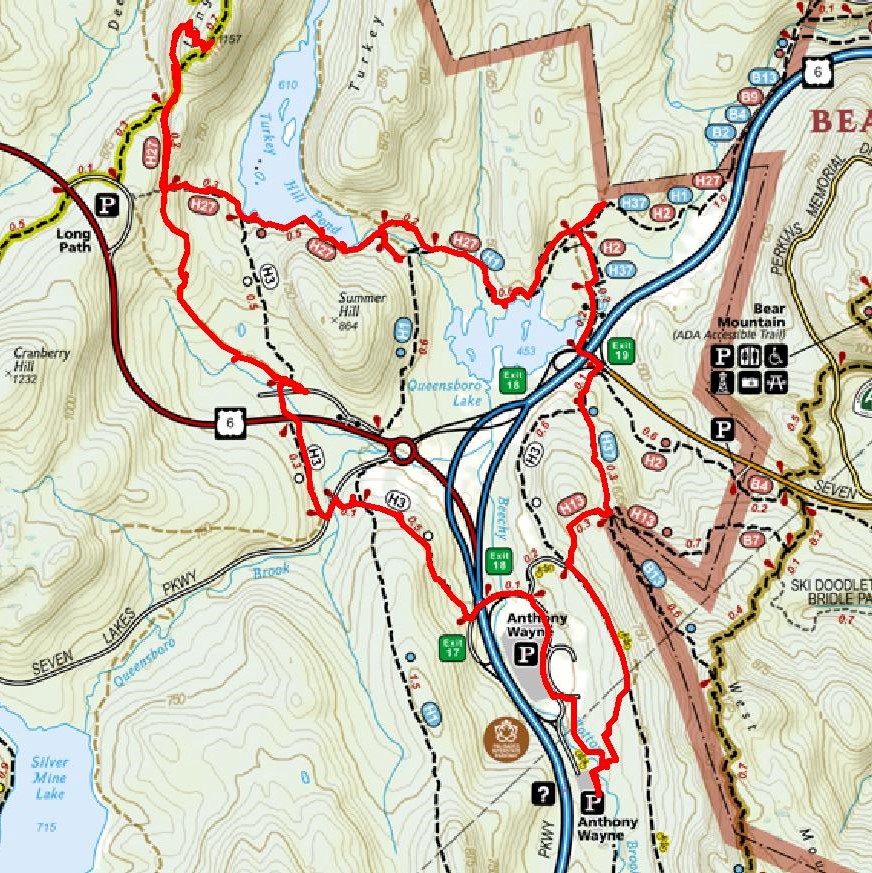
hike route

hike route

We arrived at the Anthony Wayne Recreation Area (south parking lot) at about 9:30 am on a gorgeous Sunday morning. The temps were in the low 70’s and would only reach the low-mid 80’s throughout the day. Perfect weather for a nice long hike. We started out by crossing the stone bridge over Beechy Bottom Brook at the northeast end of the south parking area.
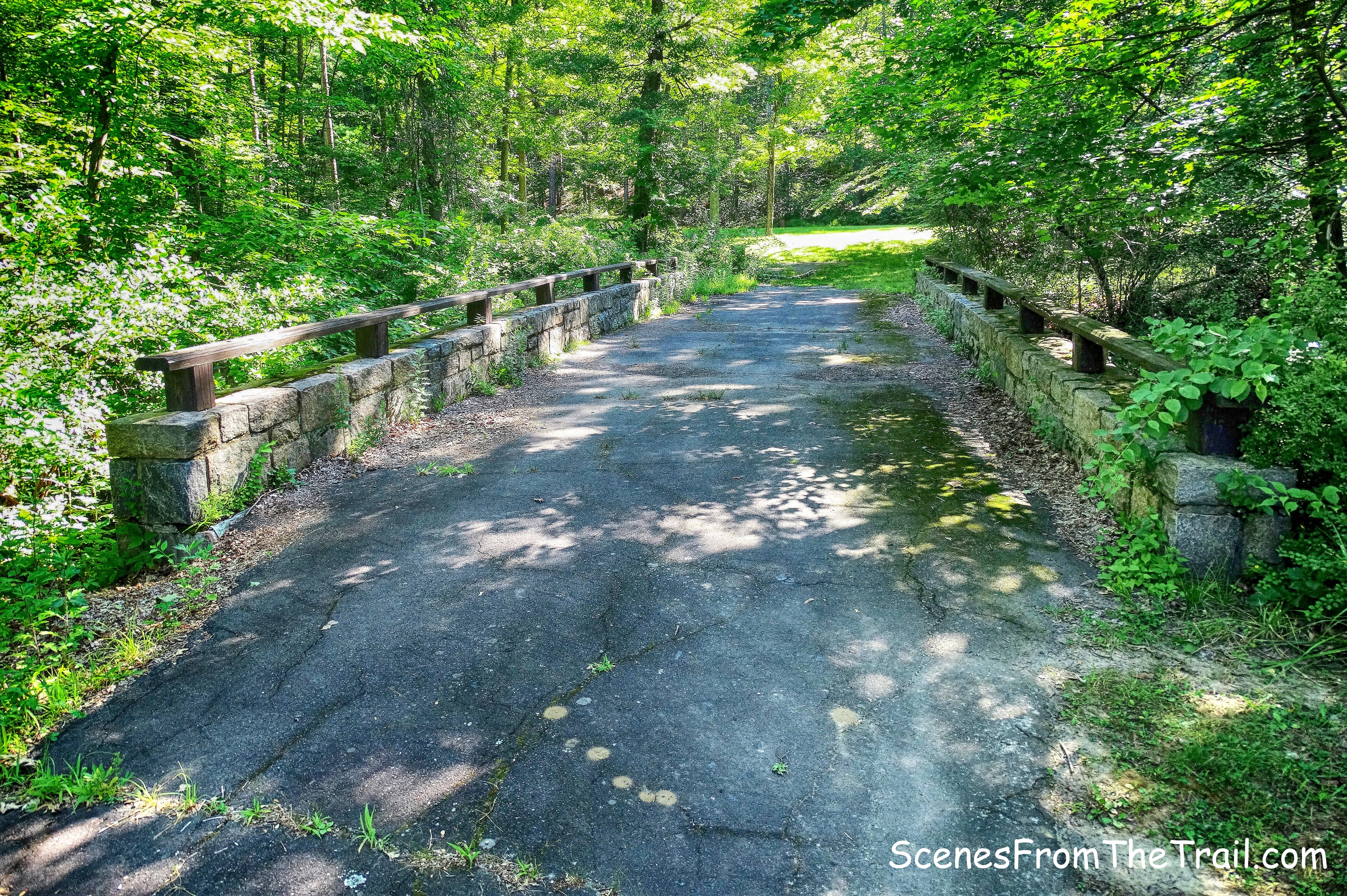
stone bridge over Beechy Bottom Brook

stone bridge over Beechy Bottom Brook

After crossing the bridge, we turned left and began walking on a grass field/picnic area and almost immediately veered right and walked up a short trail that leads to an old park road.
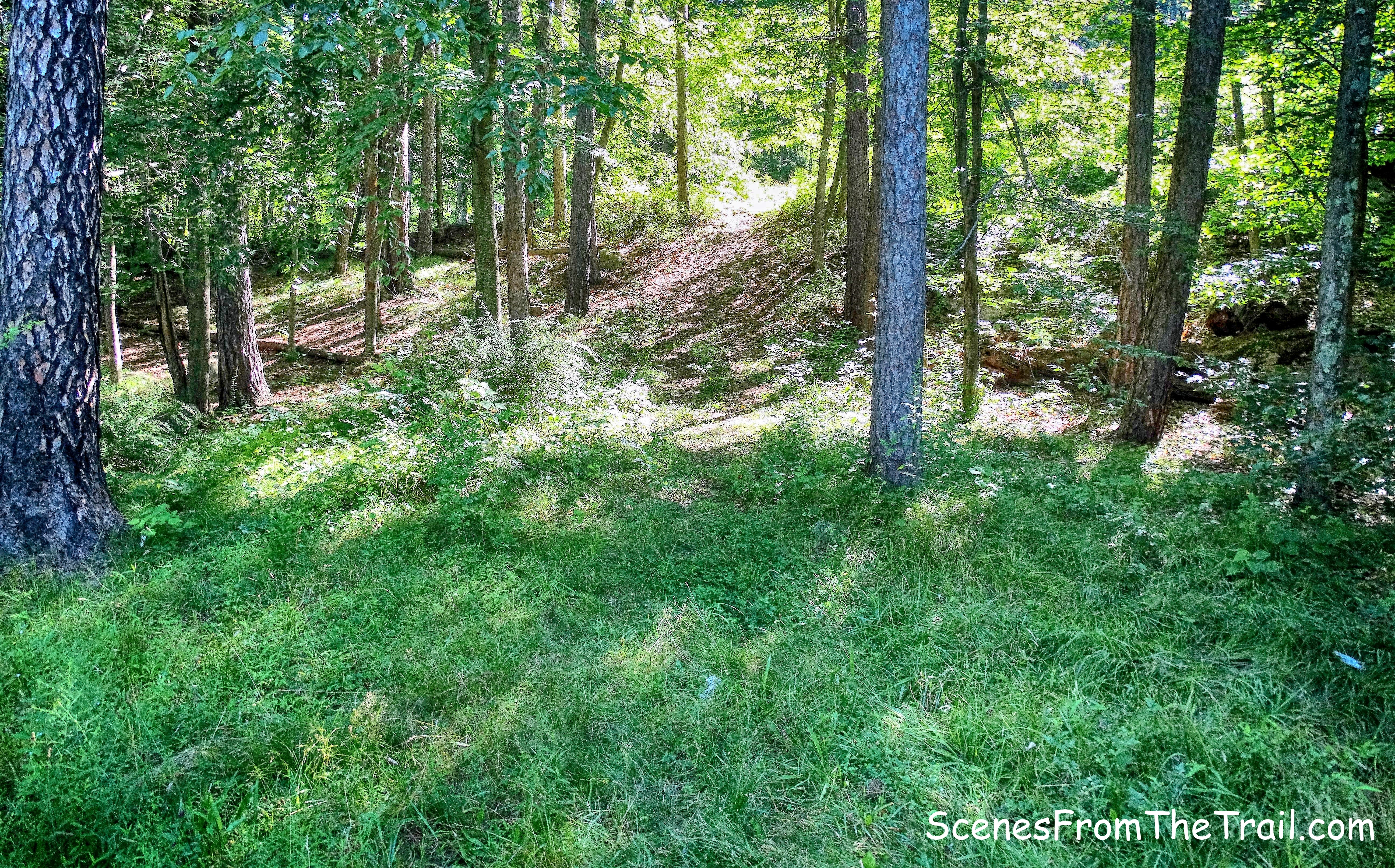
short trail

short trail

At the park road we came to an abandoned park building and turned left, heading north.
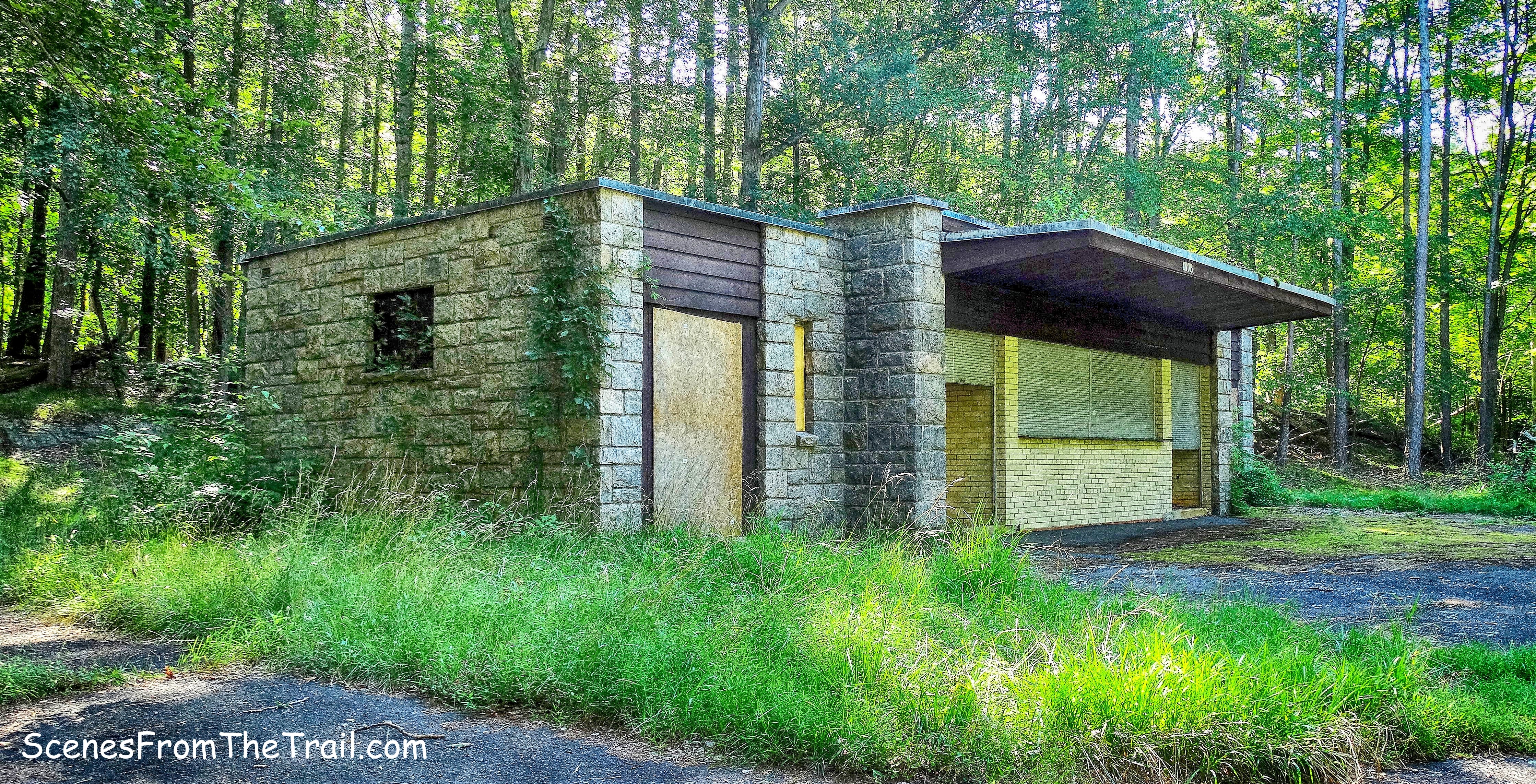
abandoned park building

abandoned park building

We walked on the gravel road for about 400 feet, where it comes to a fork. The left fork goes down towards the north parking area, we stayed right. In another 800 feet, we came to a junction where the gravel road turns sharply right and leads up to a concrete reservoir. We continued straight onto the grassy Beechy Bottom East Road.
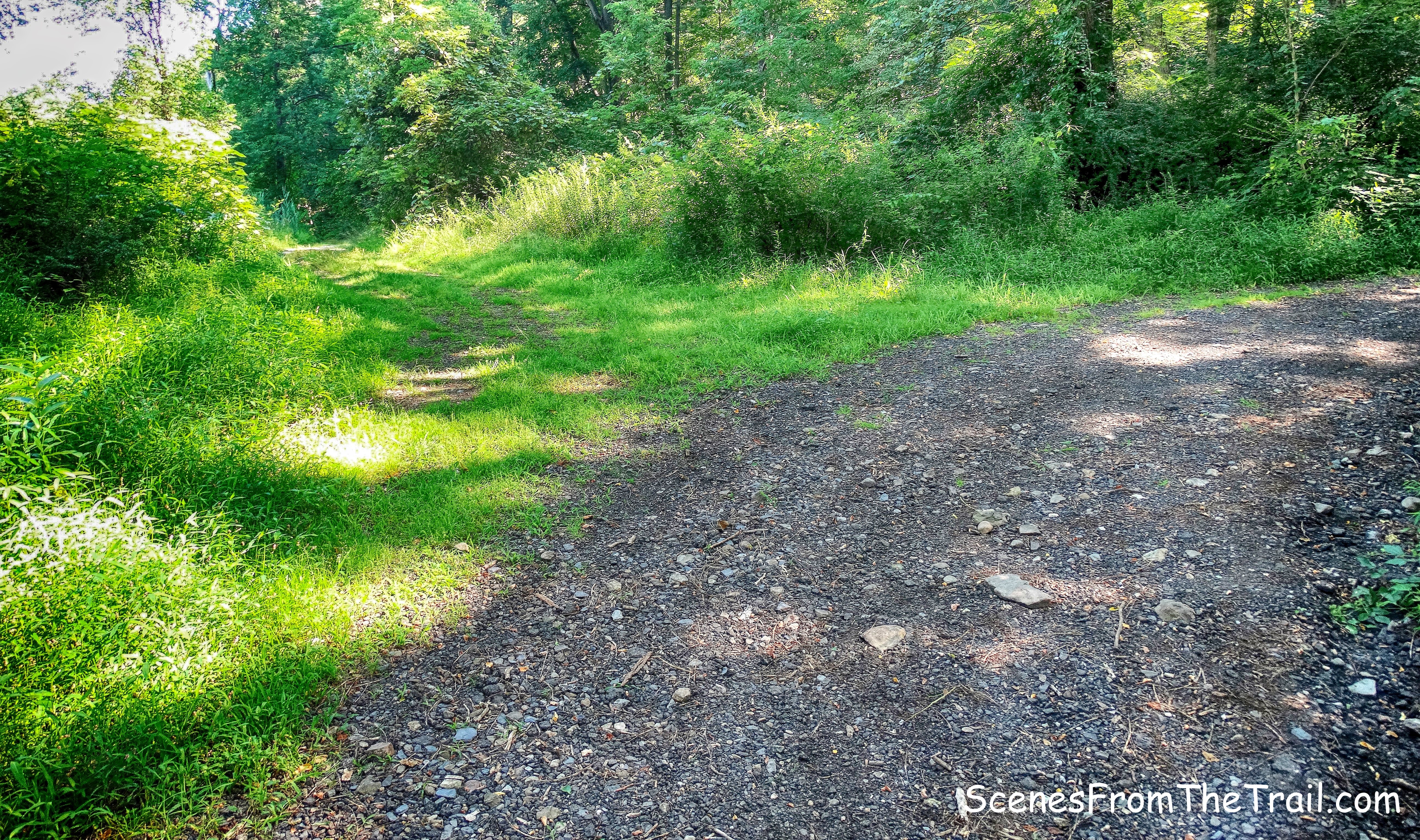
Beechy Bottom East Road

Beechy Bottom East Road

Beechy Bottom East Road runs jointly in this section with the Horn Hill Bike Trail, marked with blue-on-white blazes. The Horn Hill Bike Trail is the only trail in Harriman-Bear Mountain State Parks on which bicycles are permitted.
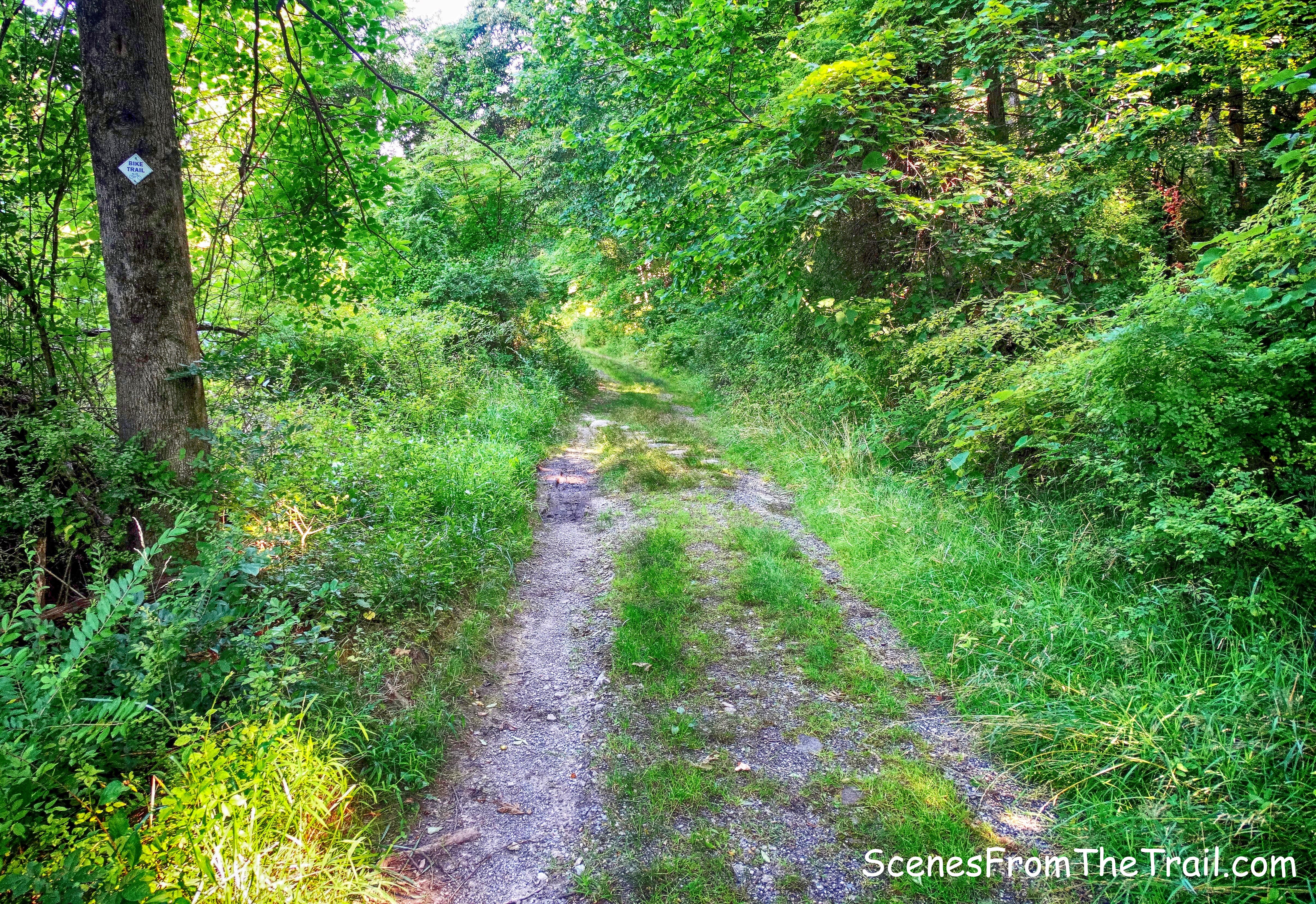
Beechy Bottom East Road/Horn Hill Bike Trail

Beechy Bottom East Road/Horn Hill Bike Trail

Along the east side of the road there is a large pipe that comes down from the concrete reservoir along with an old fire hydrant.
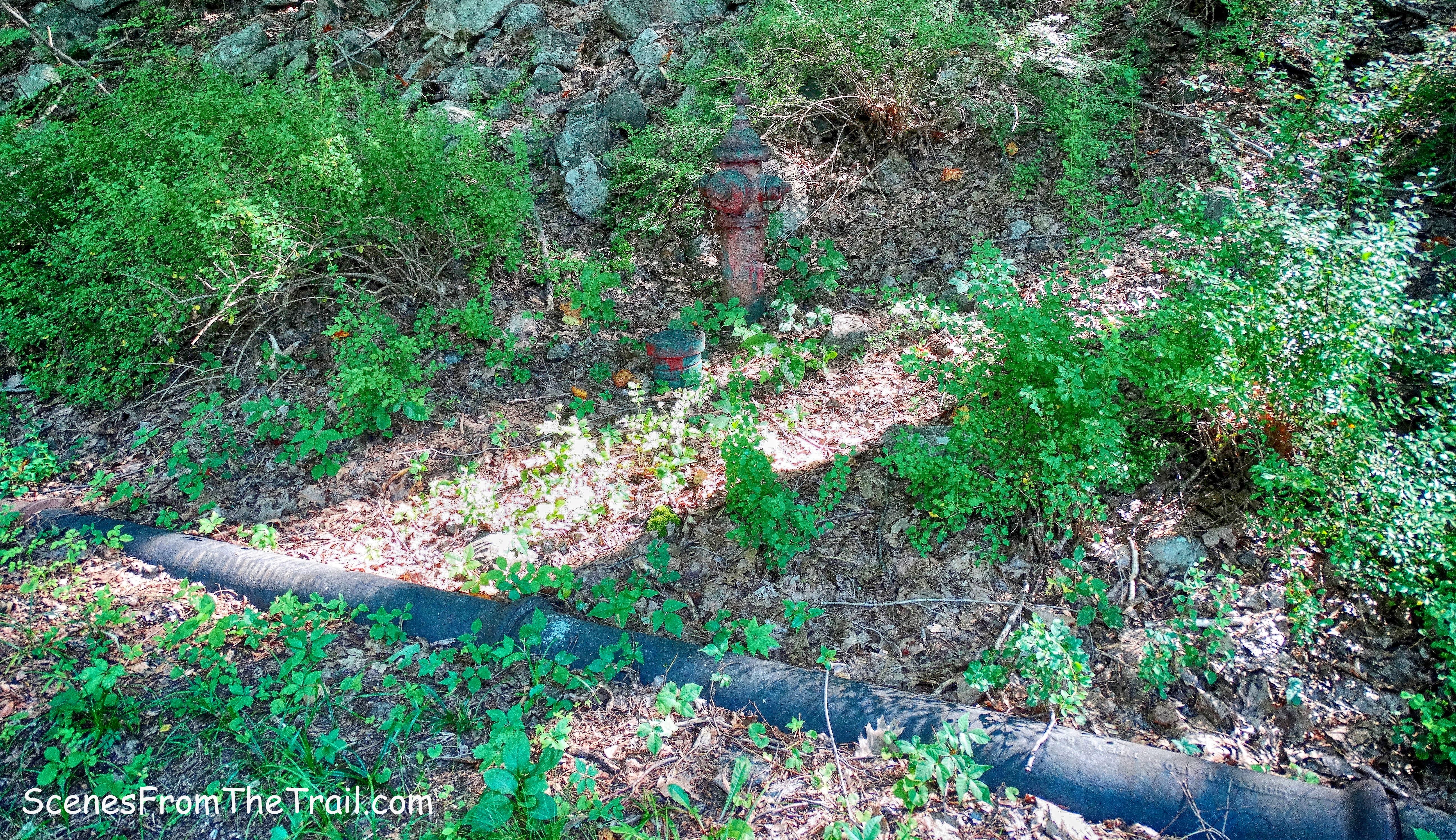
fire hydrant

fire hydrant

We then arrived at a 3-way junction where the white-blazed Anthony Wayne Trail goes left, Beechy Bottom East Road continues ahead and the red-F-on-white blazed Fawn Trail begins on the right. We turned right on the Fawn Trail, now heading northeast.
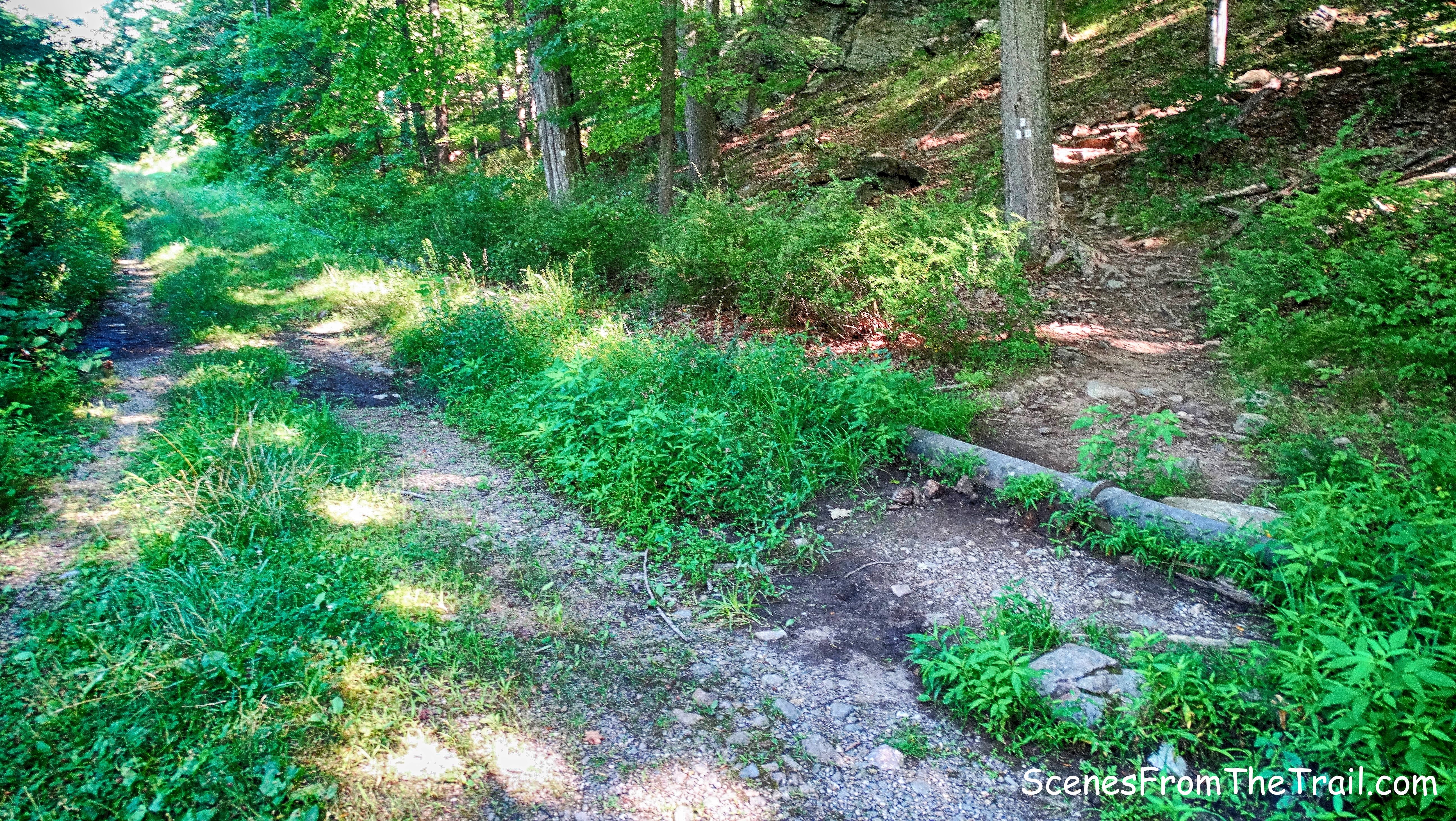
turn right on Fawn Trail

turn right on Fawn Trail

The Fawn Trail was shown on the first Park trail map in 1920. The blazes changed over the years, but in 1987 the blazes were changed to red F on white, and the western end of the trail was slightly relocated to the north so that it now ends at the junction with the Anthony Wayne Trail.
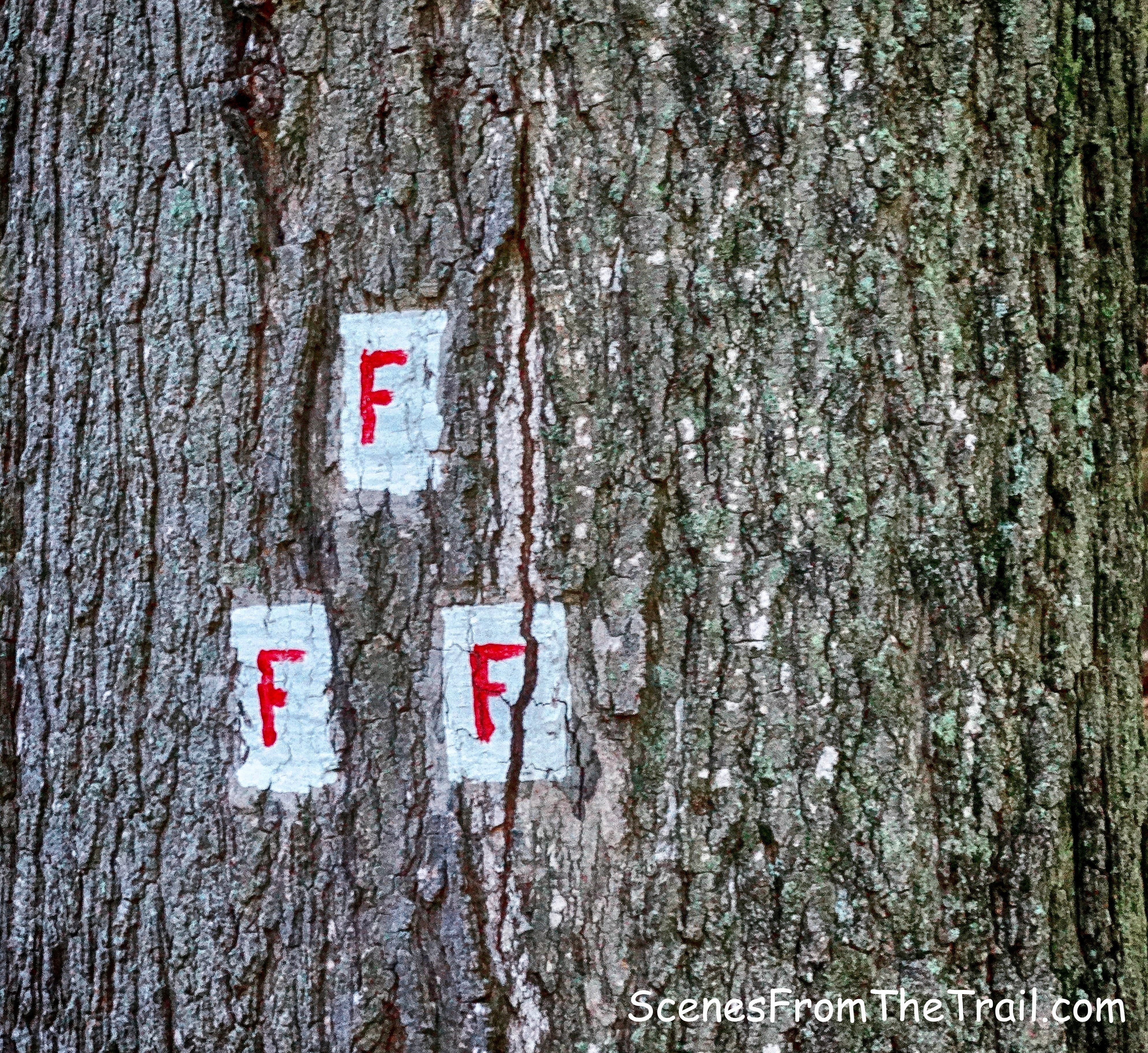
Fawn Trail

Fawn Trail

The Fawn Trail climbs through the woods…..
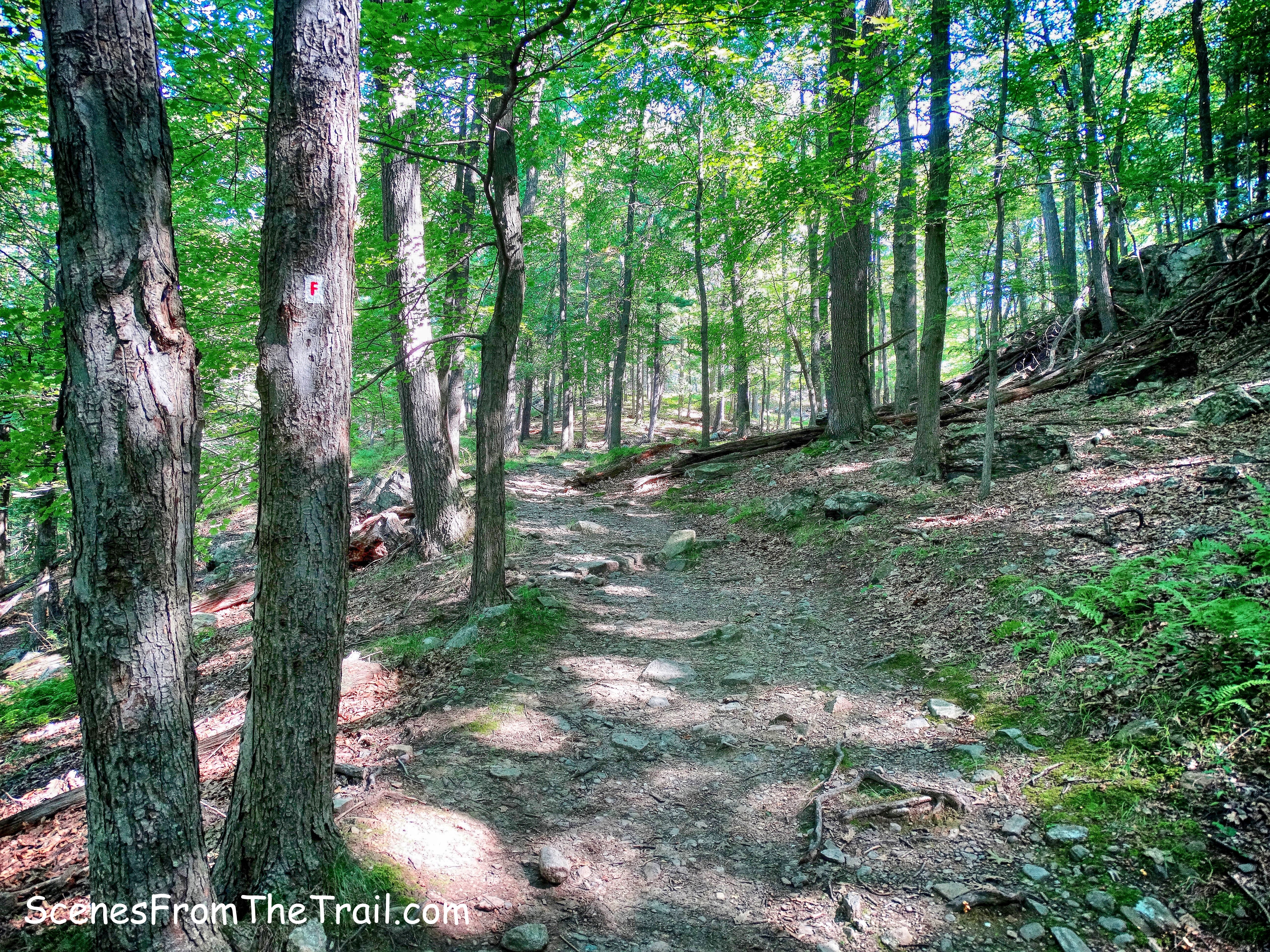
Fawn Trail

Fawn Trail

using switchbacks and stone steps.
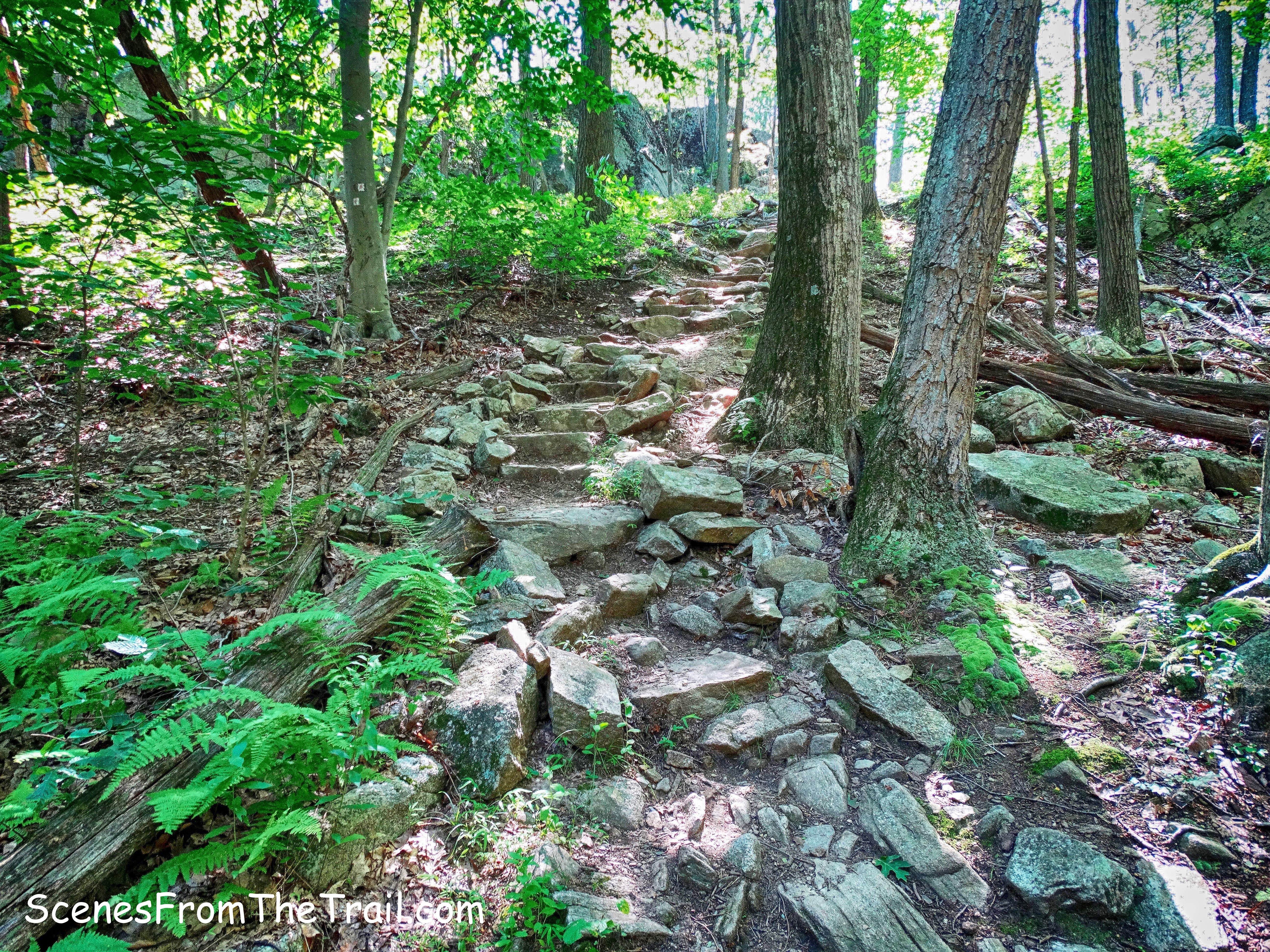
Fawn Trail

Fawn Trail

In about .3 miles, we arrived at a junction with the blue-blazed Timp-Torne Trail and turned left, heading north.
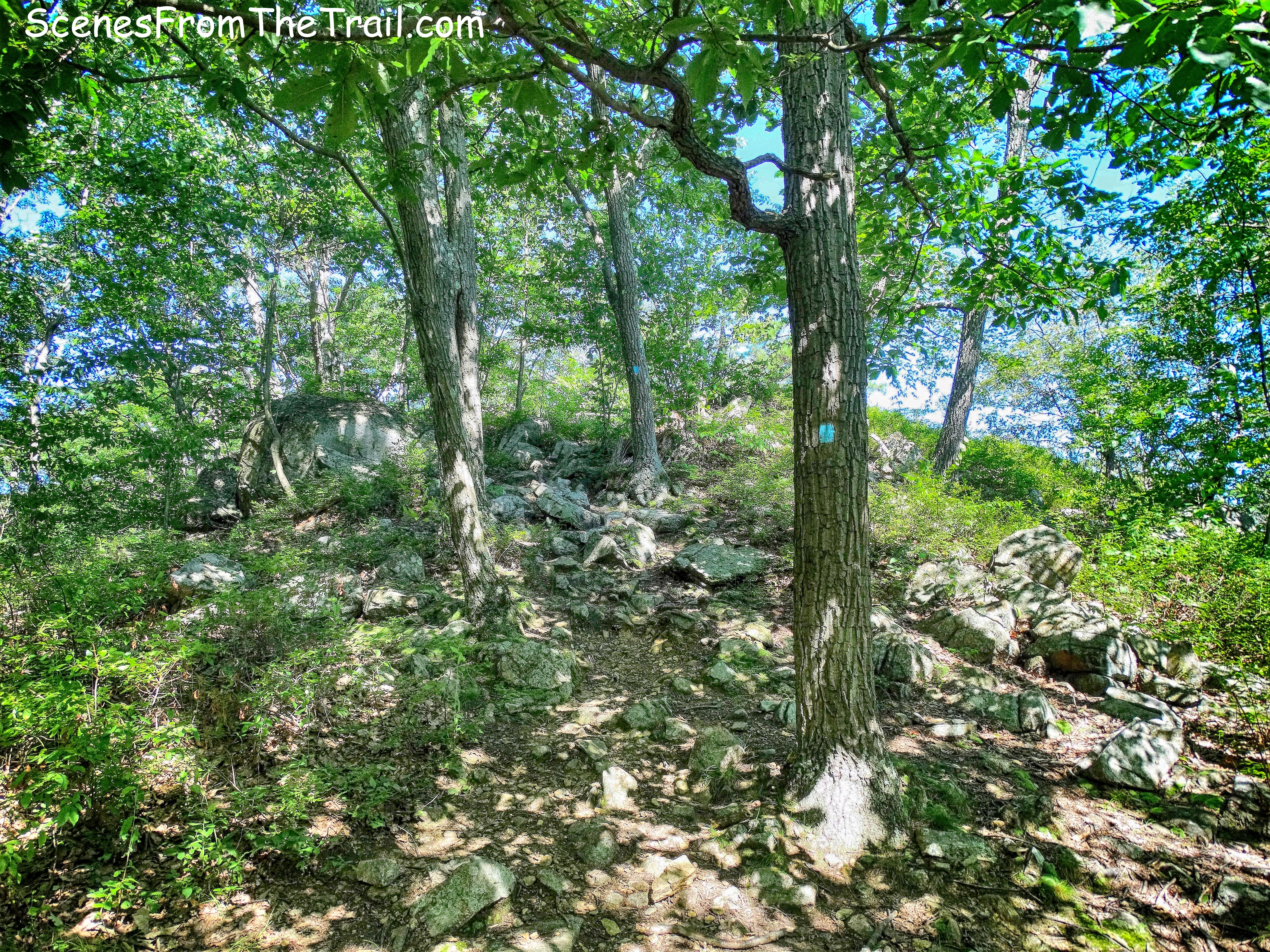
turn left on Timp-Torne Trail

turn left on Timp-Torne Trail

The Timp-Torne Trail climbs a rock ledge and there are partial views of Bear Mountain to the right. As the trail descends it goes right through the middle of lowbush blueberries. We try to make plenty of noise whenever we hike trails that have blueberries on them, we don’t want to surprise any bears while they are having a snack.
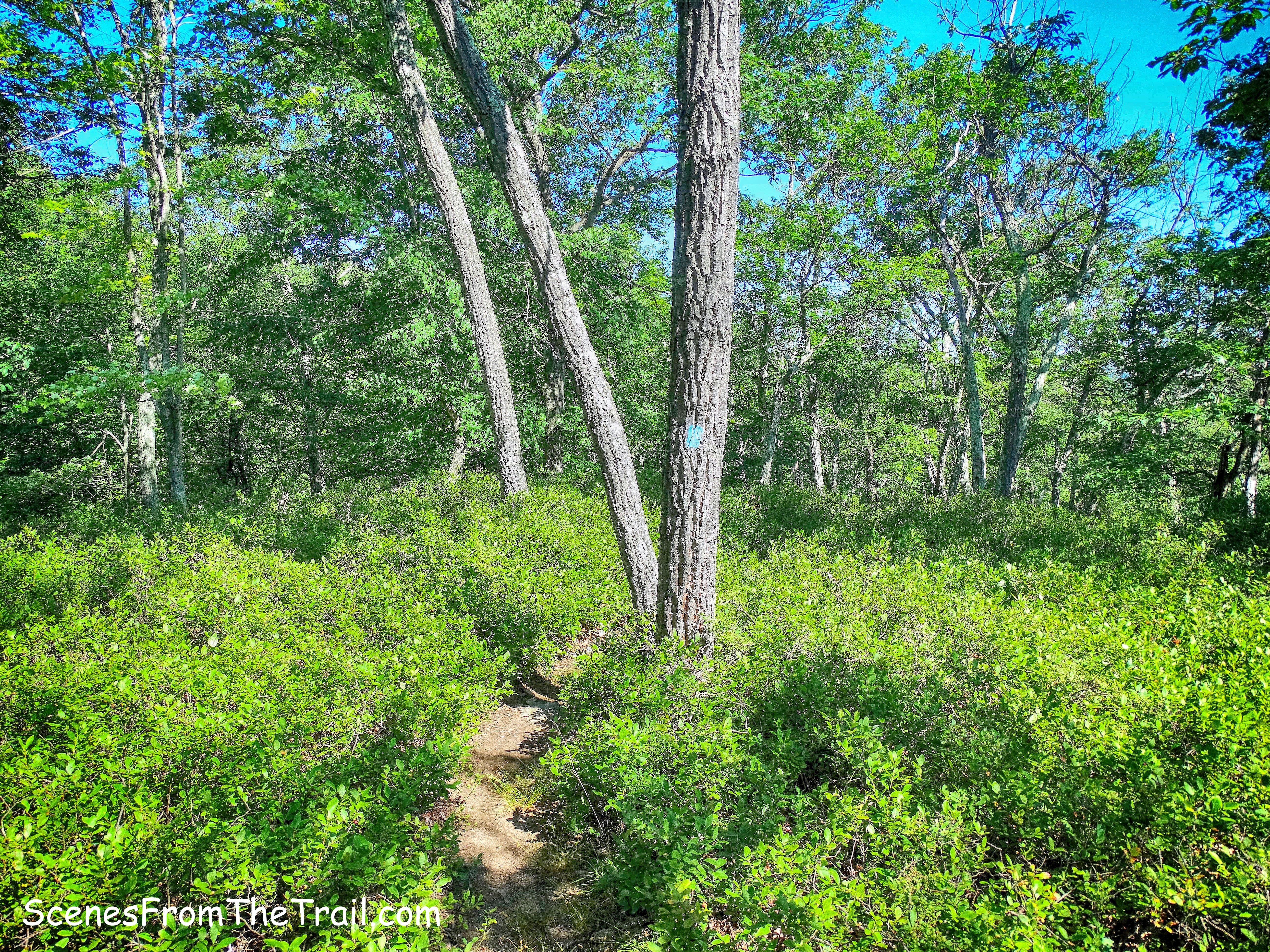
Timp-Torne Trail

Timp-Torne Trail

As the trail nears Seven Lakes Drive, the 1777W Trail (red 1777W on white) comes in from the right and joins the Timp-Torne Trail. We walked out to the highway ramp, following the joint 1777W/Timp-Torne Trail, which then turns left to cross the Palisades Interstate Parkway on a bridge that carries the Seven Lakes Drive over the Parkway.
Seven Lakes Drive

Seven Lakes Drive

After crossing the bridge, we crossed the road and began heading north on Queensboro Road.
Queensboro Road

Queensboro Road

The blazes are visible just above the speed limit sign on the side of the paved Queensboro Road.
Queensboro Road

Queensboro Road

We headed down Queensboro Road and crossed a bridge that spans a stream.
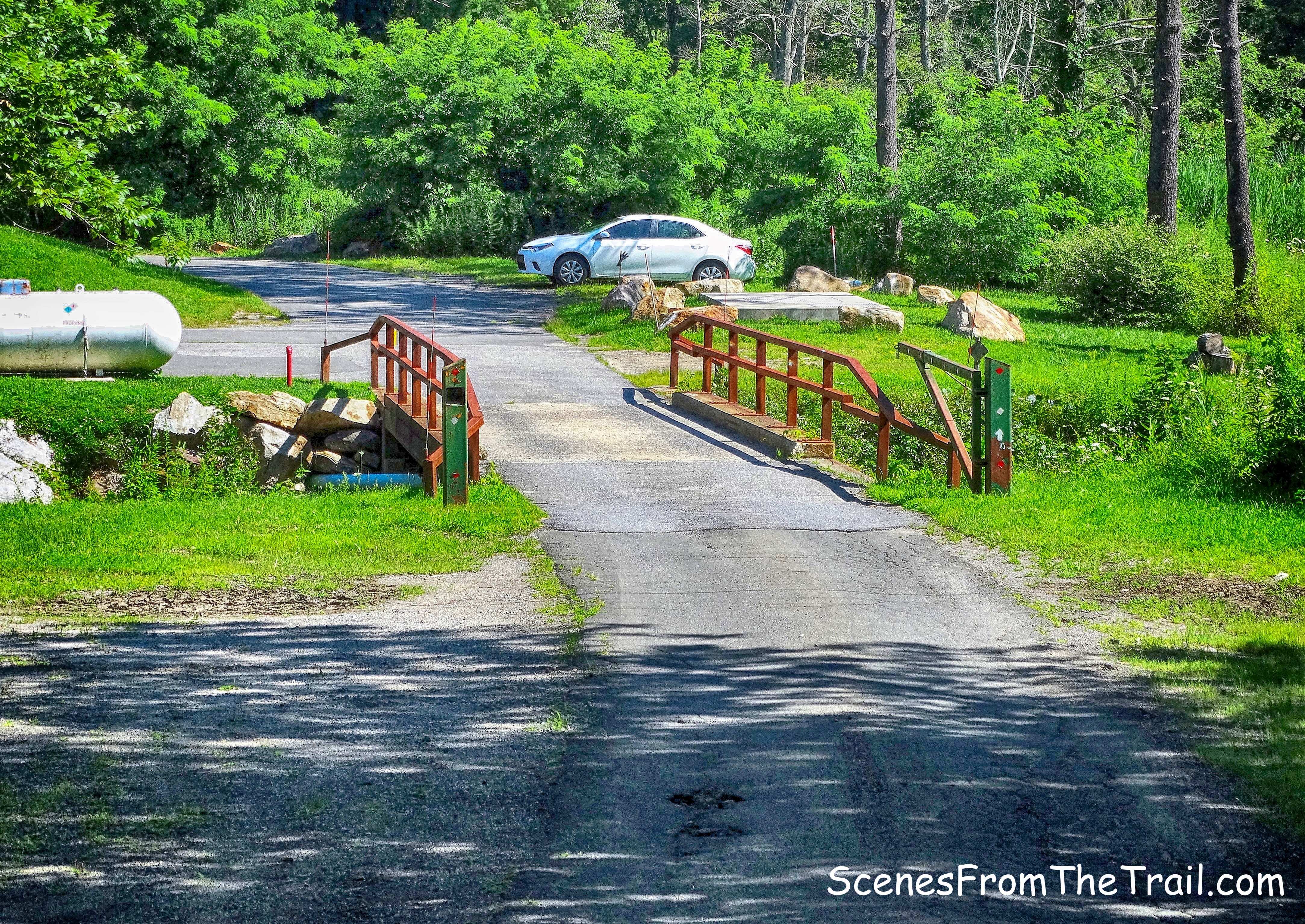
Queensboro Road

Queensboro Road

To the left of the bridge is a water treatment facility and the Queensboro Lake dam.
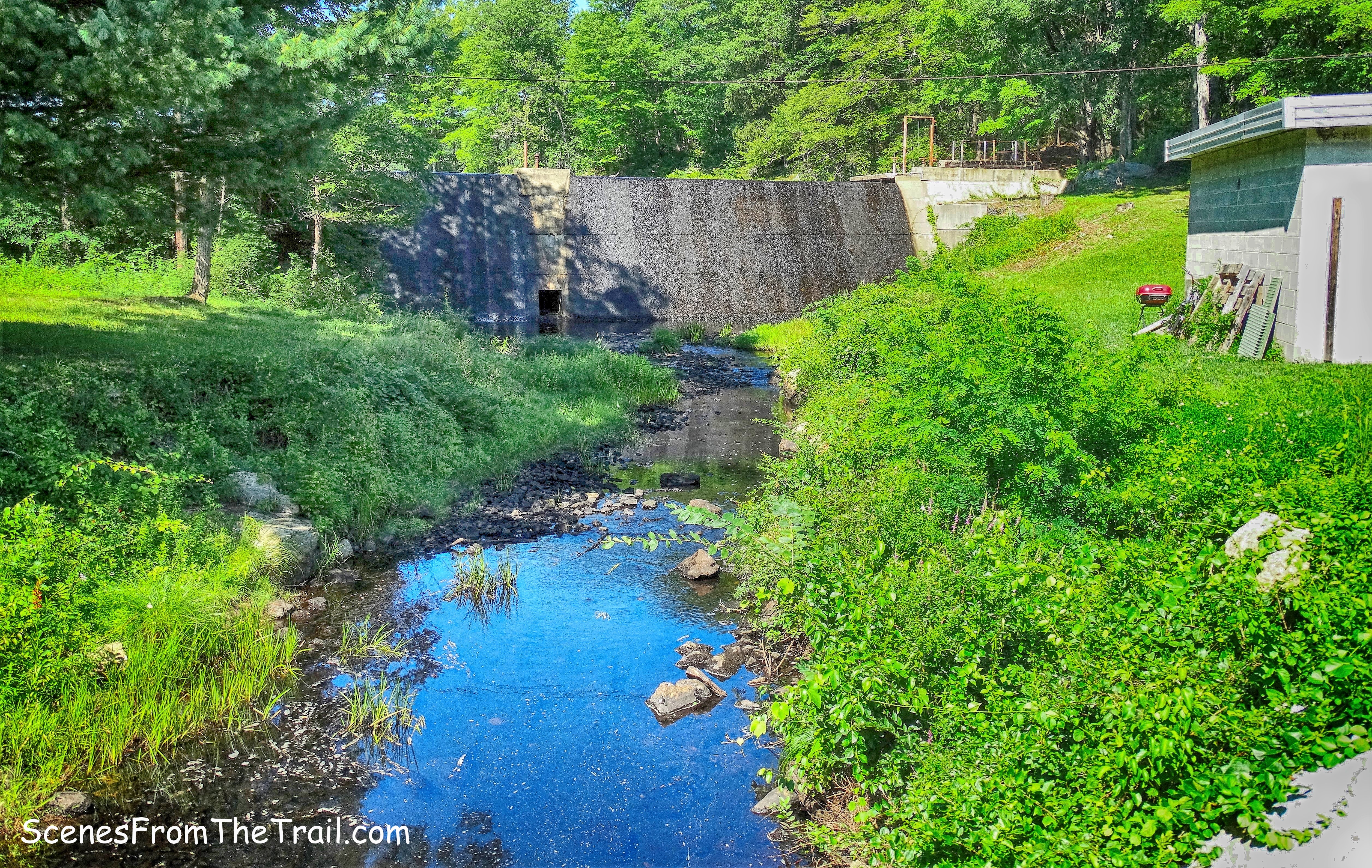
Queensboro Lake dam

Queensboro Lake dam

As the paved road curves to the left, we continued straight onto a gravel road.
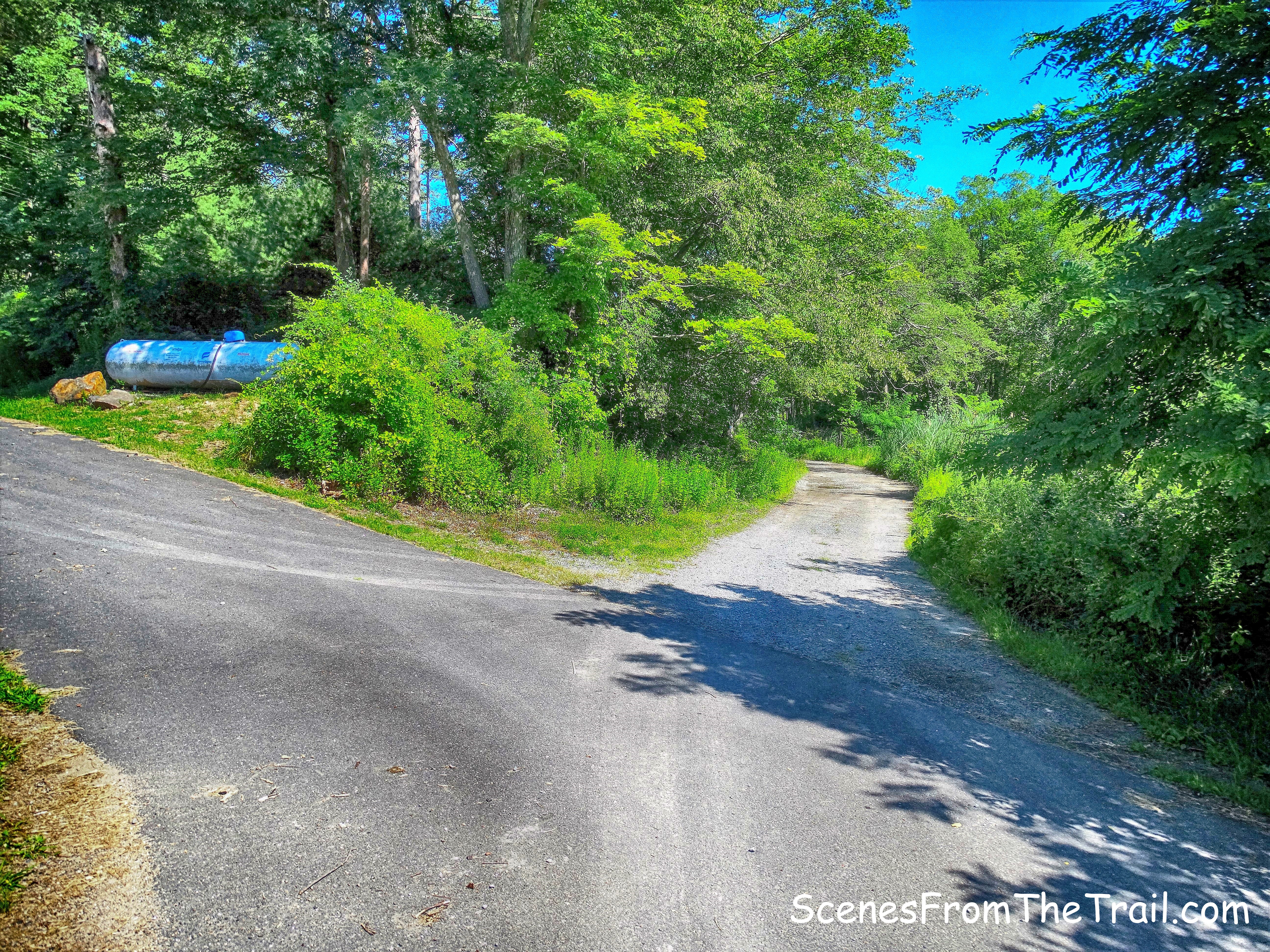
gravel road

gravel road

The blazes are visible on a tree as we walk down the gravel road.
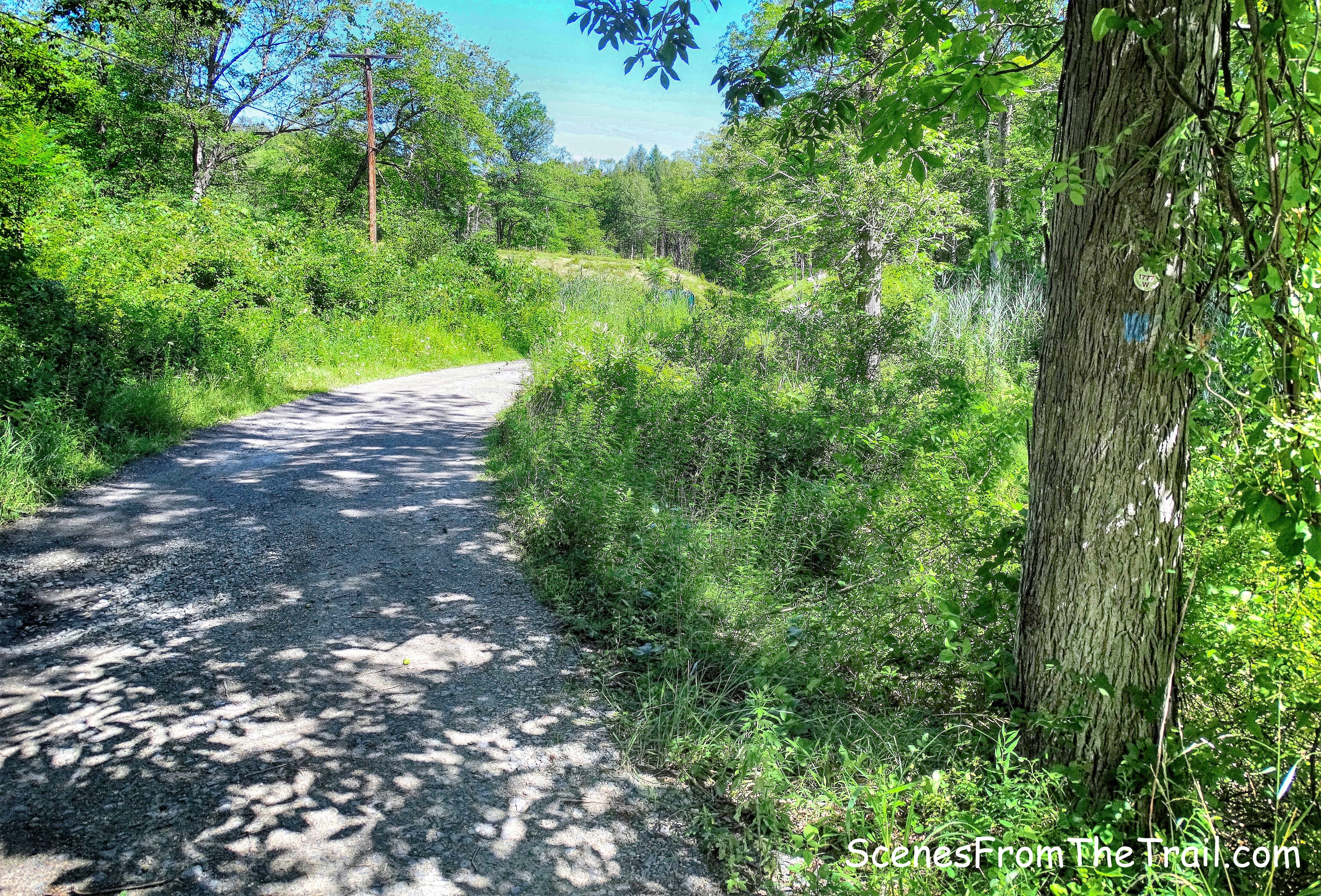
joint 1777W/Timp-Torne Trail

joint 1777W/Timp-Torne Trail

We came to a gate that leads to a park firing range. The gate was open, but the sign is clearly visible.
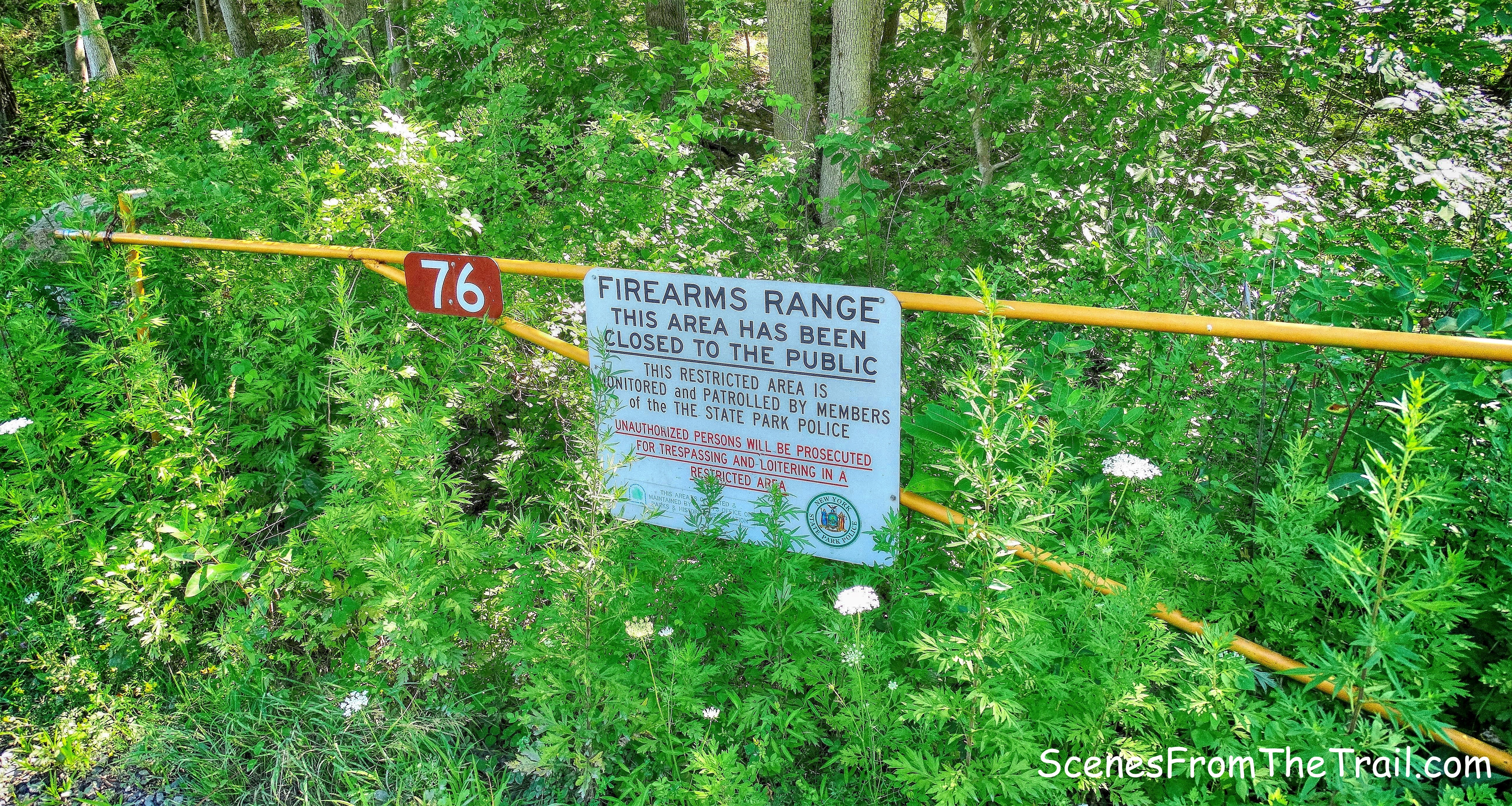
park firing range

park firing range

The trail turns right just before the gate and ducks into the woods to bypass the firing range. The sign indicating the bypass is sitting on the ground and barely visible.
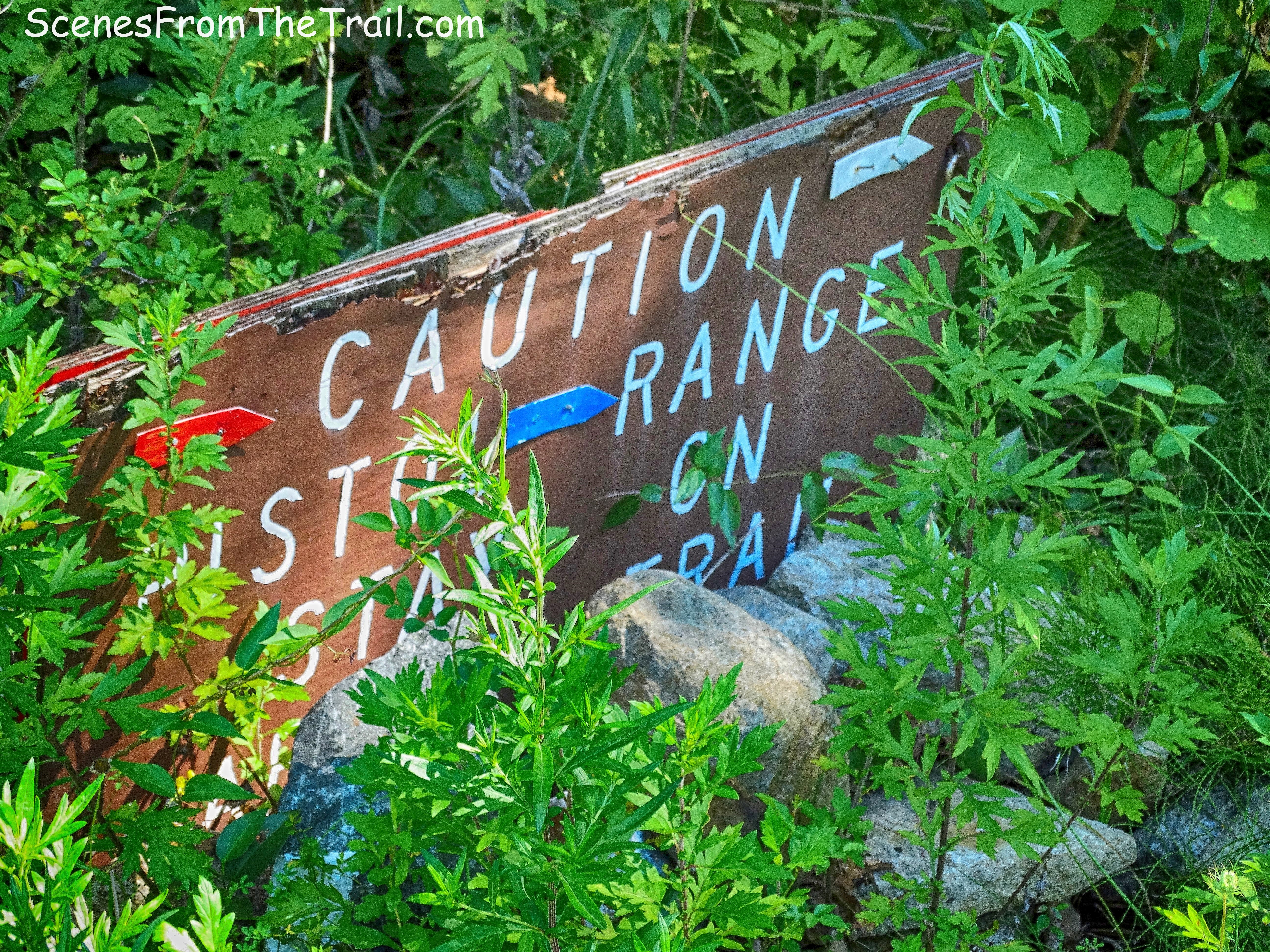
trail detour

trail detour

The trail leads around the front of the firing range. They shoot from this side so no worries about getting hit with a stray bullet……hopefully.
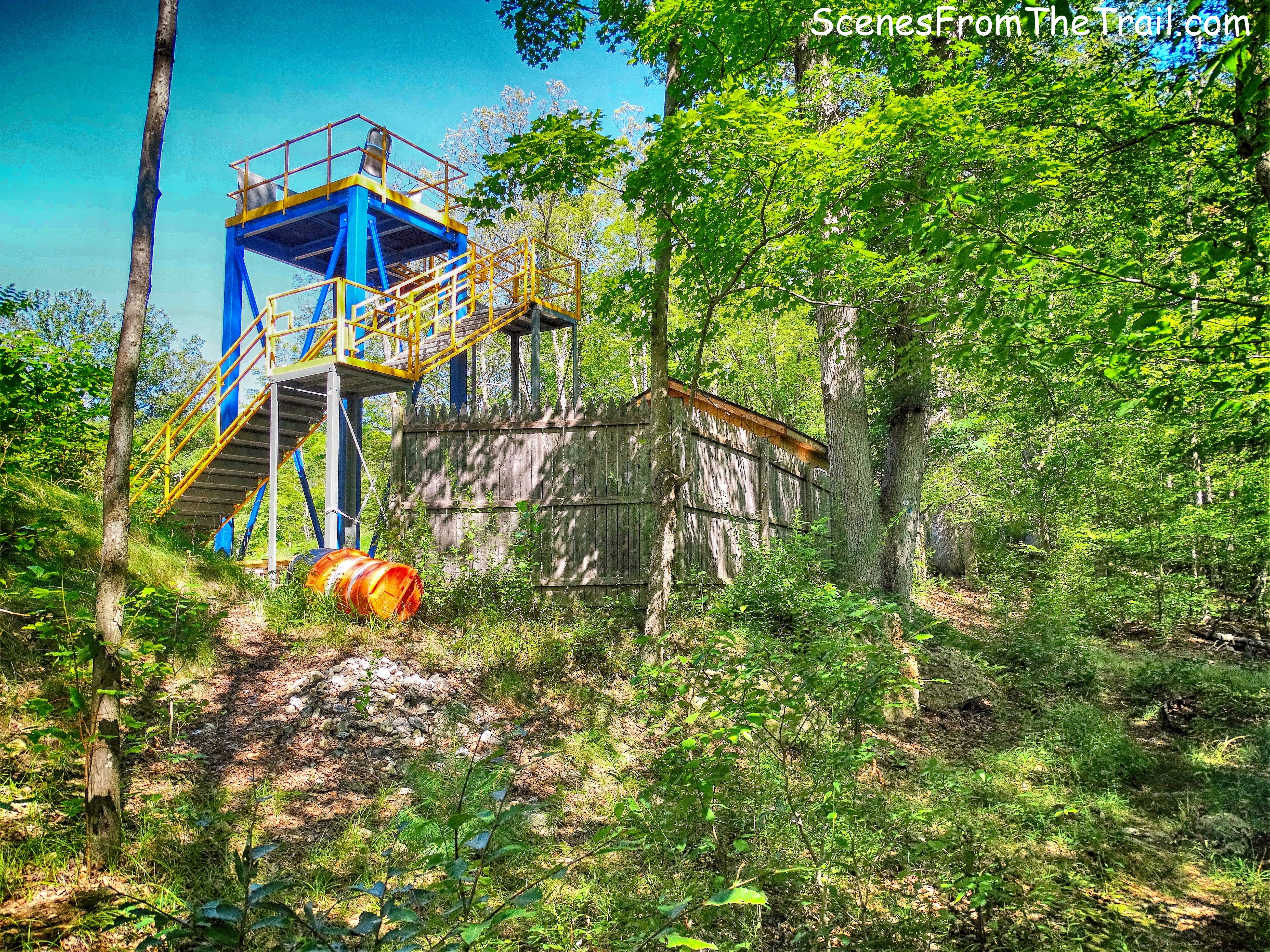
joint 1777W/Timp-Torne Trail

joint 1777W/Timp-Torne Trail

The joint 1777W/Timp-Torne Trail descends slightly as it reaches Queensboro Road. There is a boulder and a faded out informational sign here.
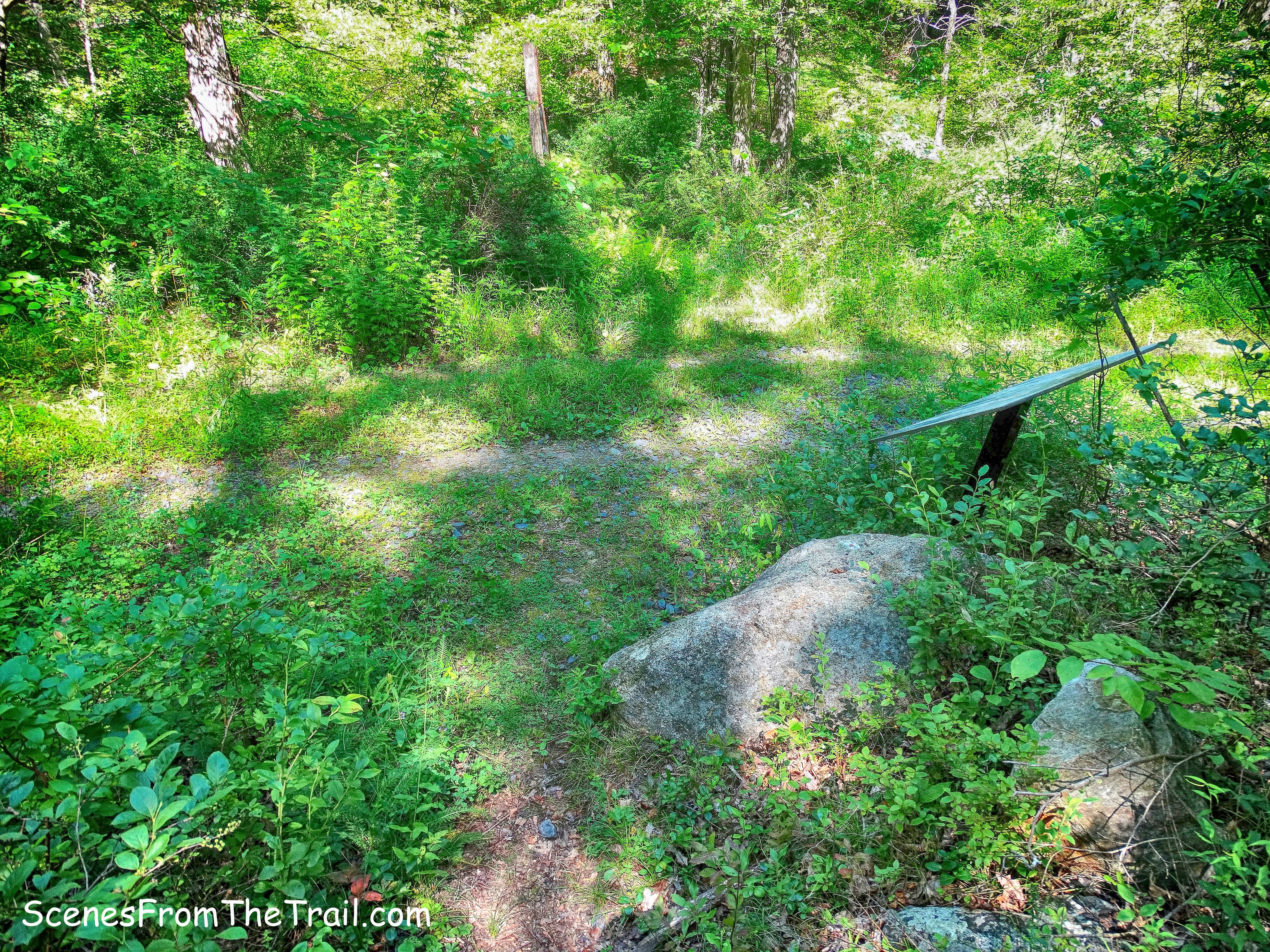
junction with Queensboro Road

junction with Queensboro Road

Here, the Timp-Torne and 1777W Trails turn right. We turned right here by mistake, but I realized quickly that we went the wrong way and turned around. Directly across from the boulder is the joint Popolopen Gorge/1779 Trails, but I did not see the markers on the sign post.
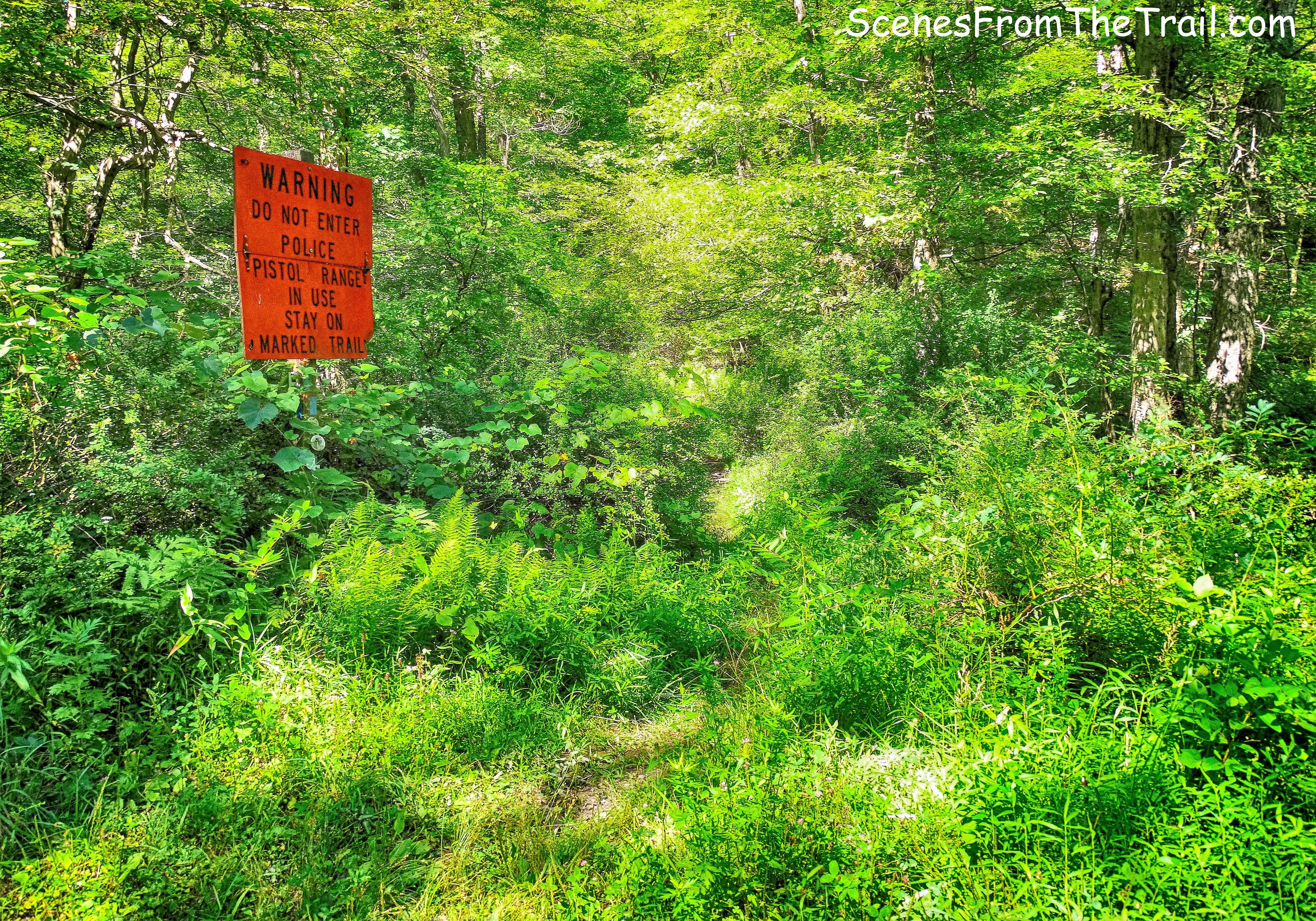
joint Popolopen Gorge/1779 Trails

joint Popolopen Gorge/1779 Trails

Now following the joint red-square-on-white blazed Popolopen Gorge and blue-1779-on-white blazed 1779 Trail we continued on. The Popolopen Gorge Trail was first marked in 1940 by Alexander Jessup. In 1960 the trail was extended by Sam Wilkinson and Bill Burton to Long Mountain, passing the Queensboro and Turkey Hill Lakes.
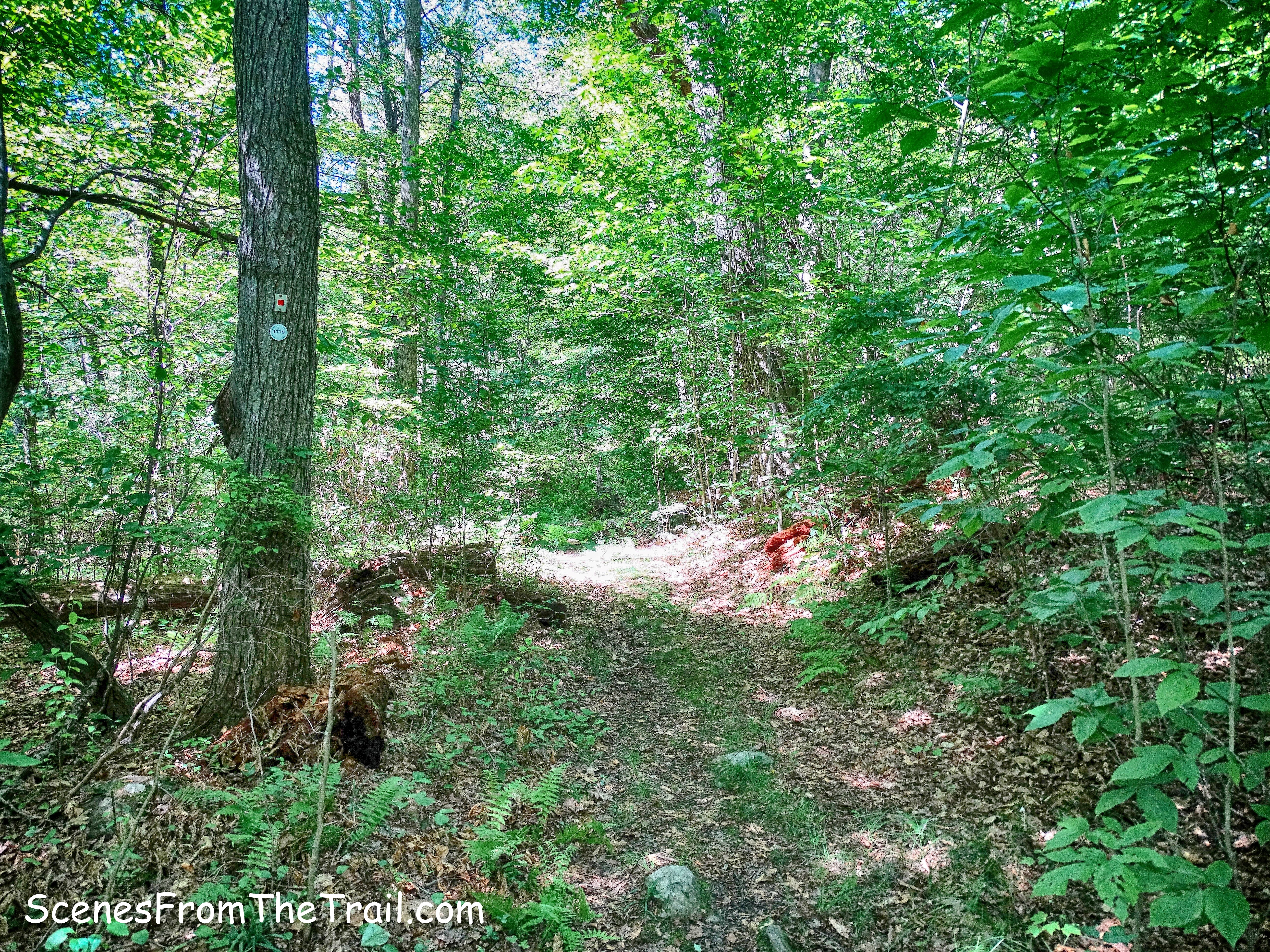
joint Popolopen Gorge/1779 Trails

joint Popolopen Gorge/1779 Trails

The 1779 Trail follows the route of Brigadier General “Mad Anthony” Wayne and his troops where they defeated the British at the Battle of Stony Point on July 16, 1779, during the American Revolutionary War.
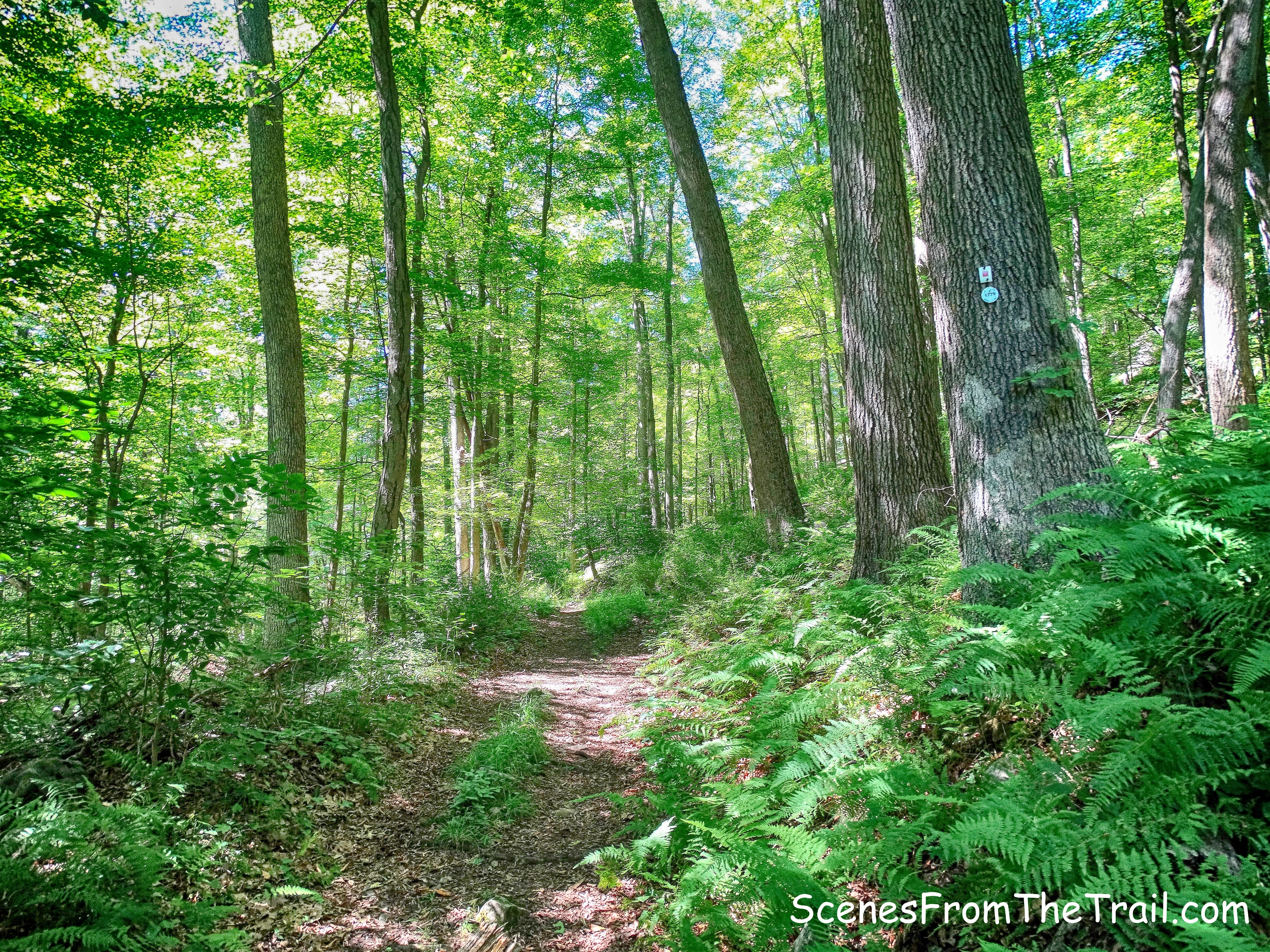
joint Popolopen Gorge/1779 Trail

joint Popolopen Gorge/1779 Trail

The trail began to parallel Queensboro Lake and it was visible through the trees, but we obeyed the signs and stayed on the trail.
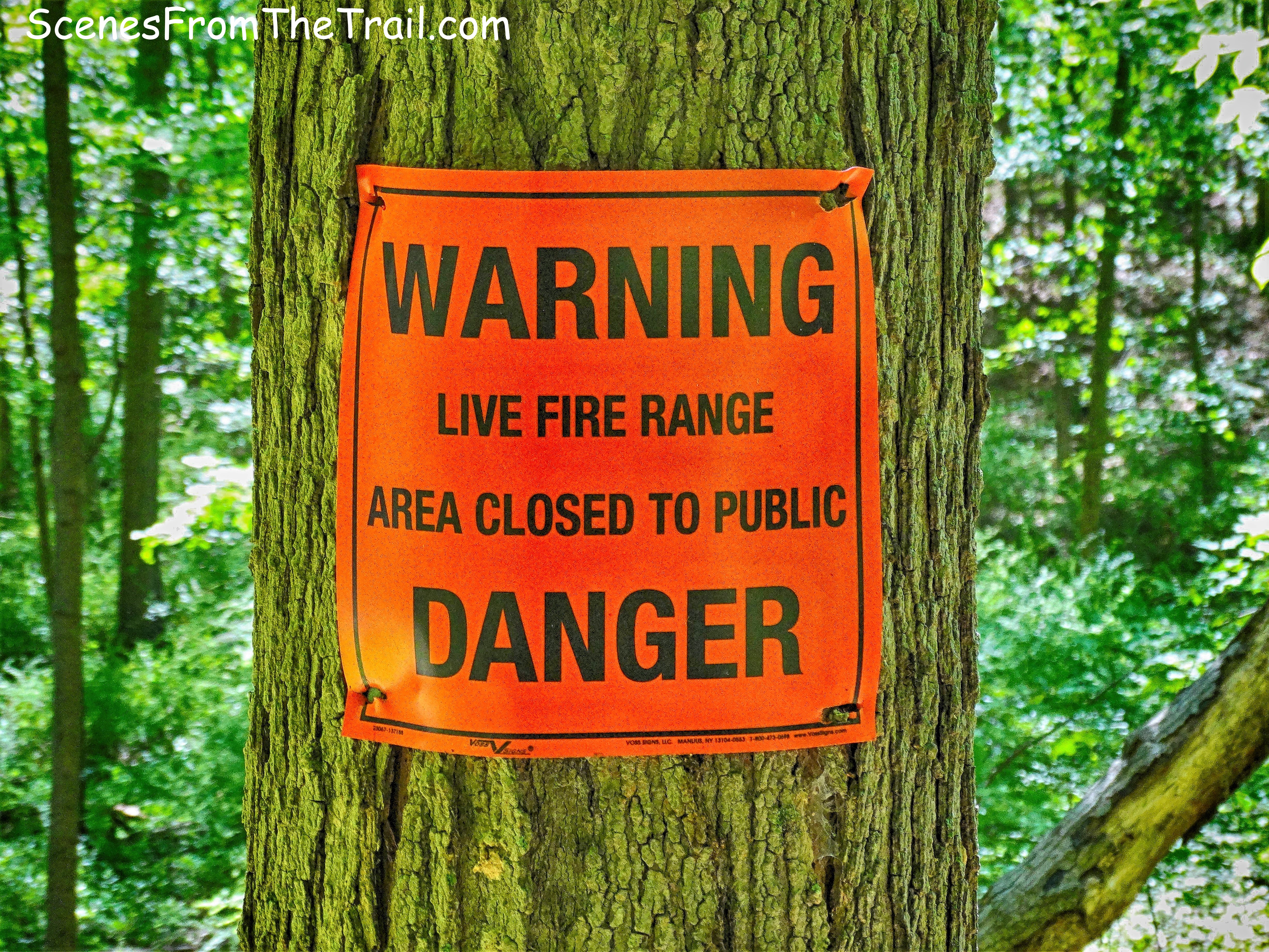
pistol range warning sign

pistol range warning sign

In a short distance we came to a view of Queensboro Lake. There were several spur trails that led closer to the water, but we didn’t want to tack on additional mileage and just admired the lake from here as we took a brief rest. Queensboro Lake was created in 1915 by building a dam on Queensboro Brook. The lake is about 20 feet deep.
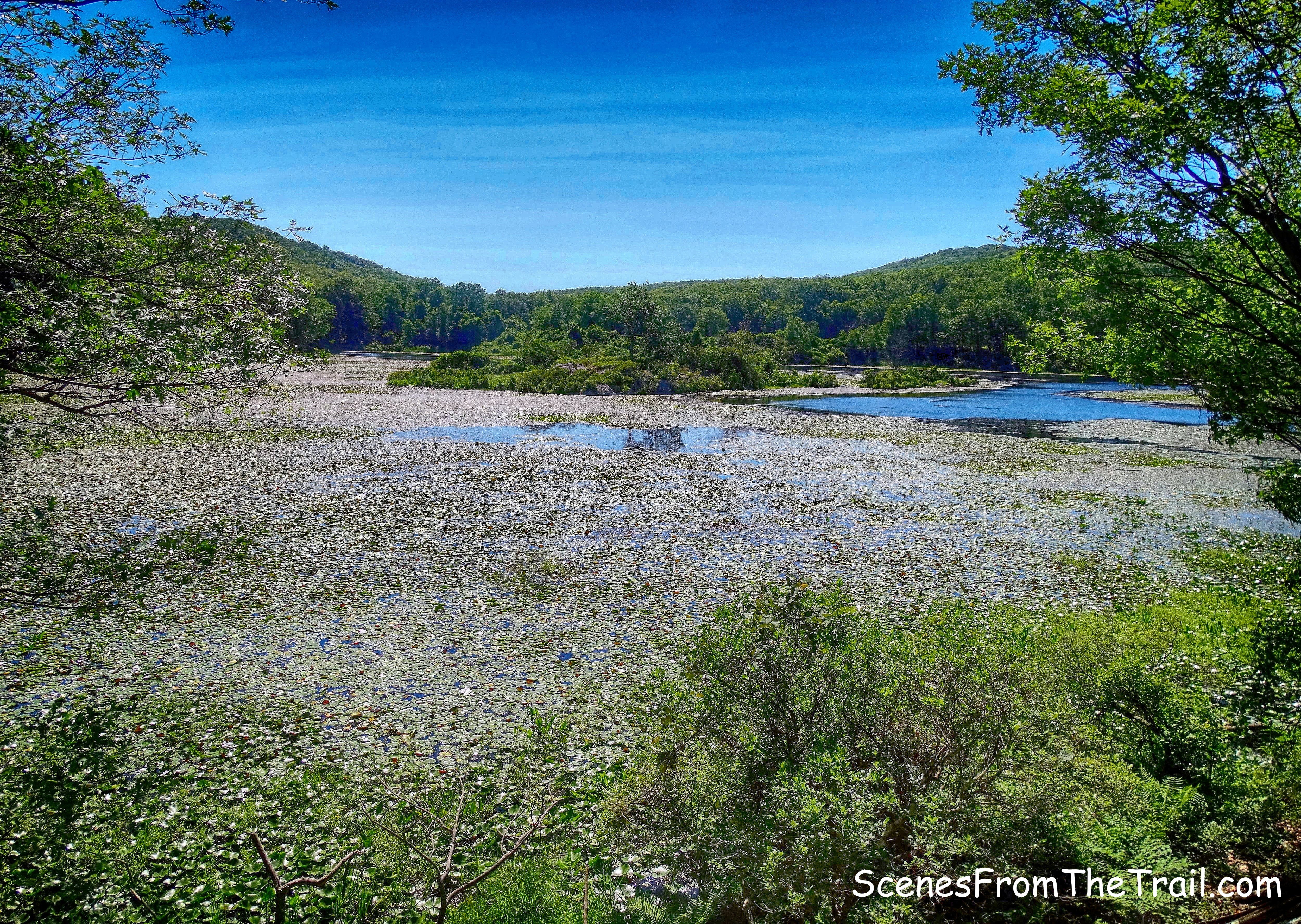
Queensboro Lake

Queensboro Lake

After crossing a stream on rocks, we came to a fork. Here, the 1779 Trail goes off to the left, but we stayed right, following the red-square-on-white blazes of the Popolopen Gorge Trail.
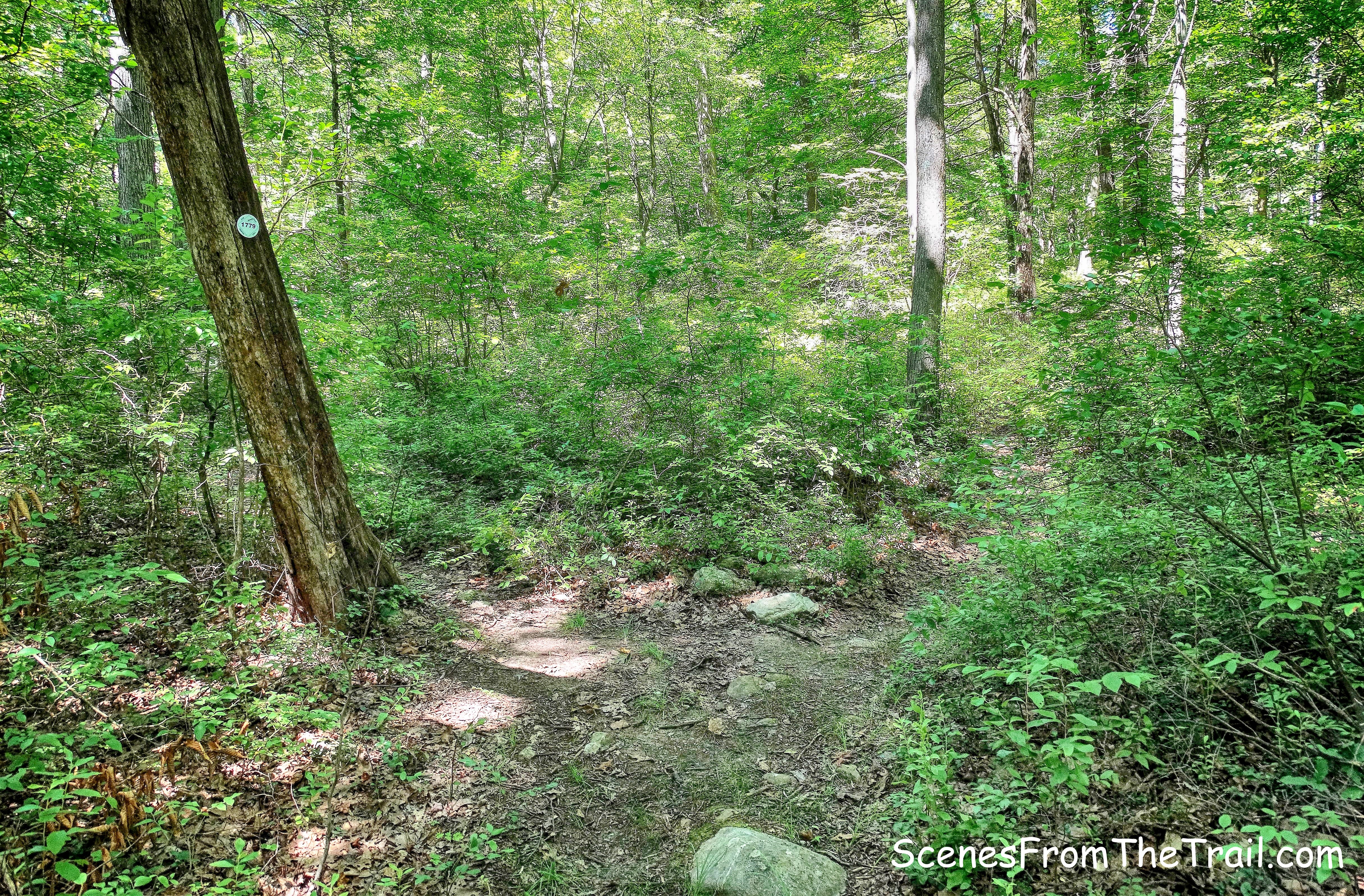
right at the fork

right at the fork

The Popolopen Gorge Trail climbs begins a steep climb, then descends to Summer Hill Road which was built in 1933 by 200 young men from the Civilian Conservation Corps in order to build the dam and clear the swamp that became Turkey Hill Lake.
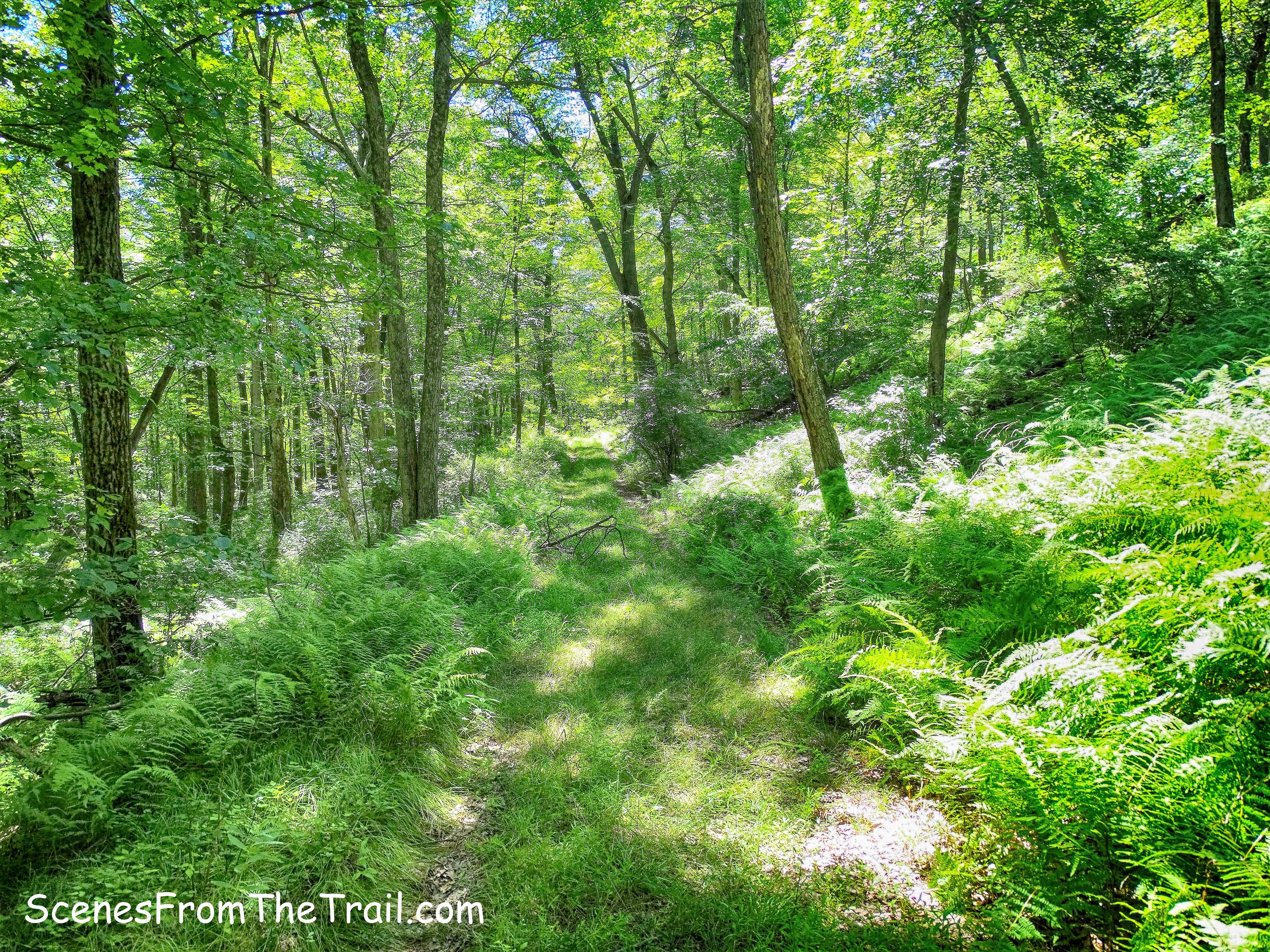
Summer Hill Road

Summer Hill Road

The PG Trail turns left on Summer Hill Road, then in 100 feet turns right and leaves the road. We walked about 500 feet past the turn as the blazes were hard to see due to the foliage and the narrow footpath. Up to this point the trail was well blazed and not seeing any blazes on Summer Hill Road, we turned around and were able to pick up the red-square-on-white blazes.
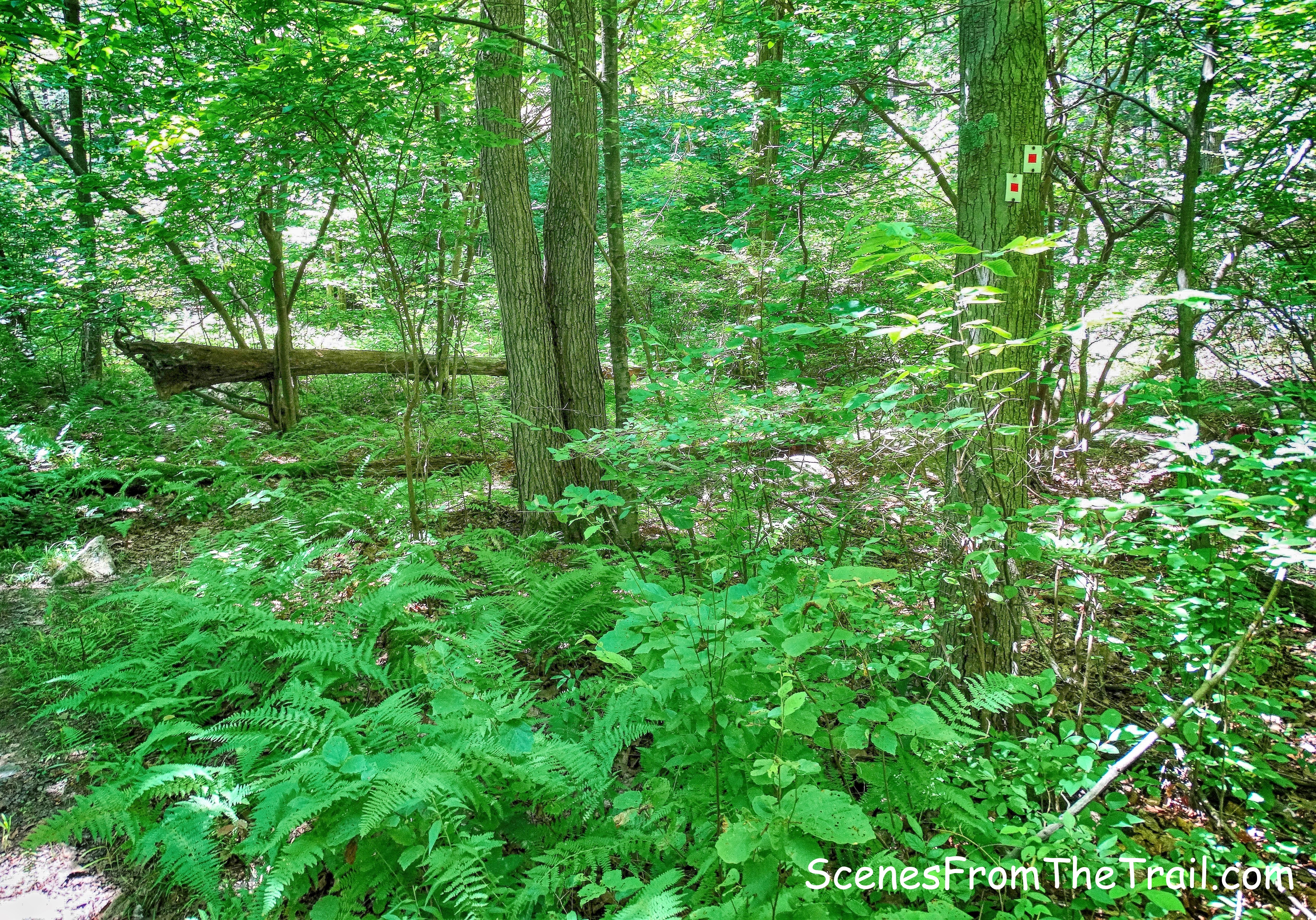
right on Popolopen Gorge Trail

right on Popolopen Gorge Trail

The PG Trail climbs up around some large rocks…….
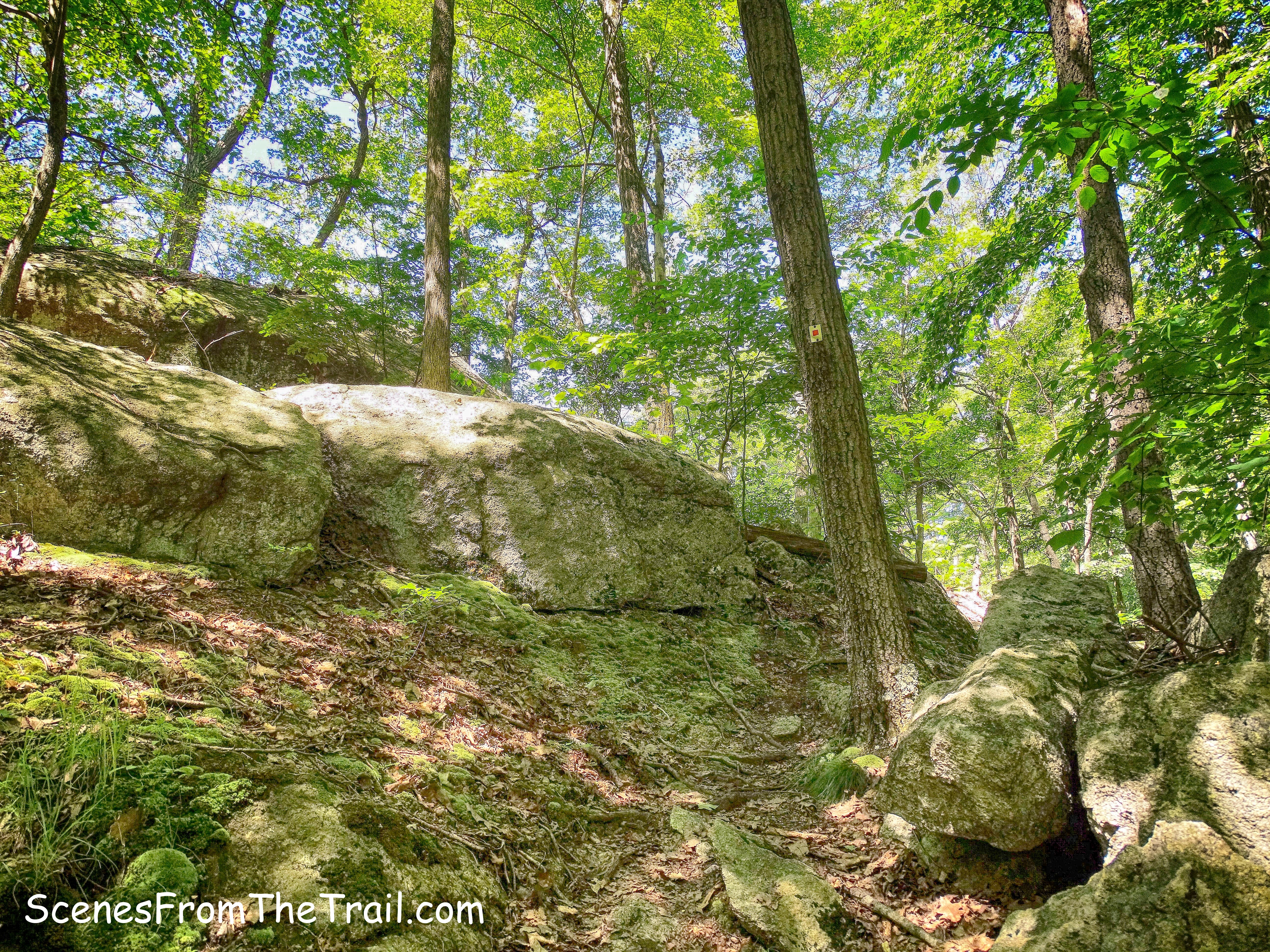
Popolopen Gorge Trail

Popolopen Gorge Trail

and then Turkey Hill Lake comes into view. The name “Turkey Hill Lake” first appeared on the Park’s 1937 trail map.
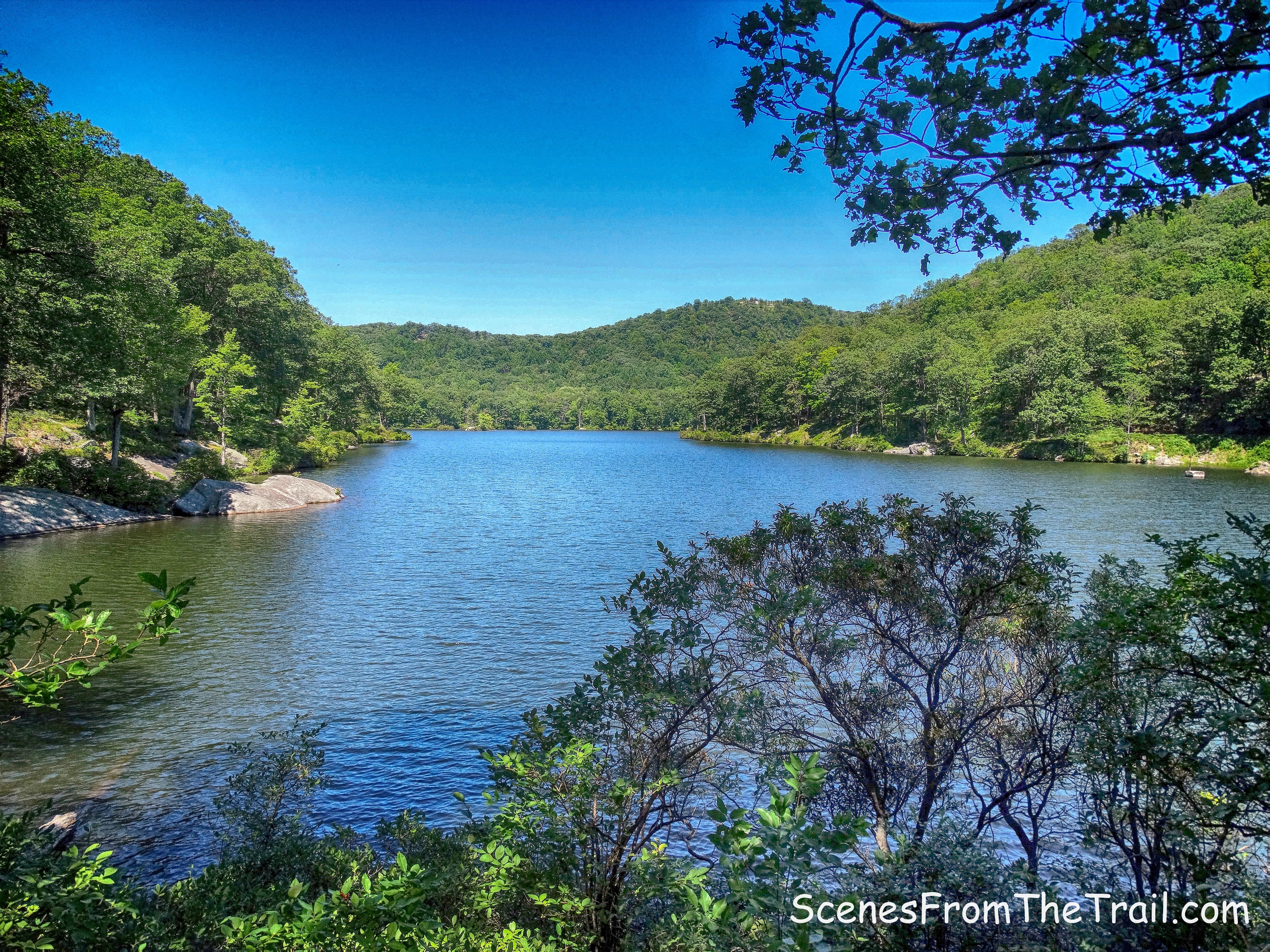
Turkey Hill Lake

Turkey Hill Lake

The trail skirts the eastern side of the lake for about 1/2 of a mile. When we emerged on the southern shore, we found a nice rock outcrop and took a break while enjoying the view. A Bald Eagle flew over the lake and that was a bonus. To the east, Bear Mountain is visible in the distance.
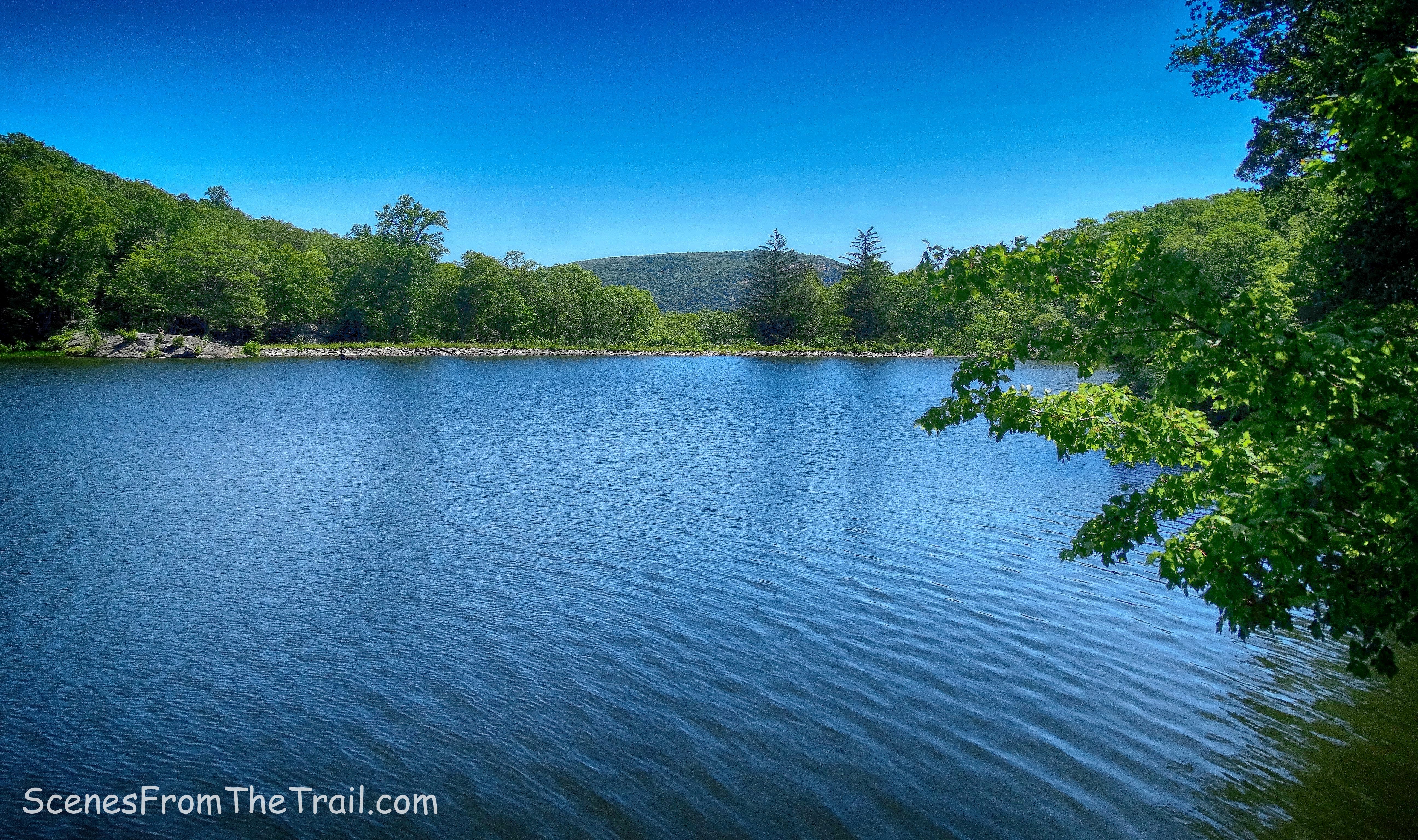
Turkey Hill Lake

Turkey Hill Lake

To the right is Turkey Mountain and on the left is Long Mountain, which would be our next stop.
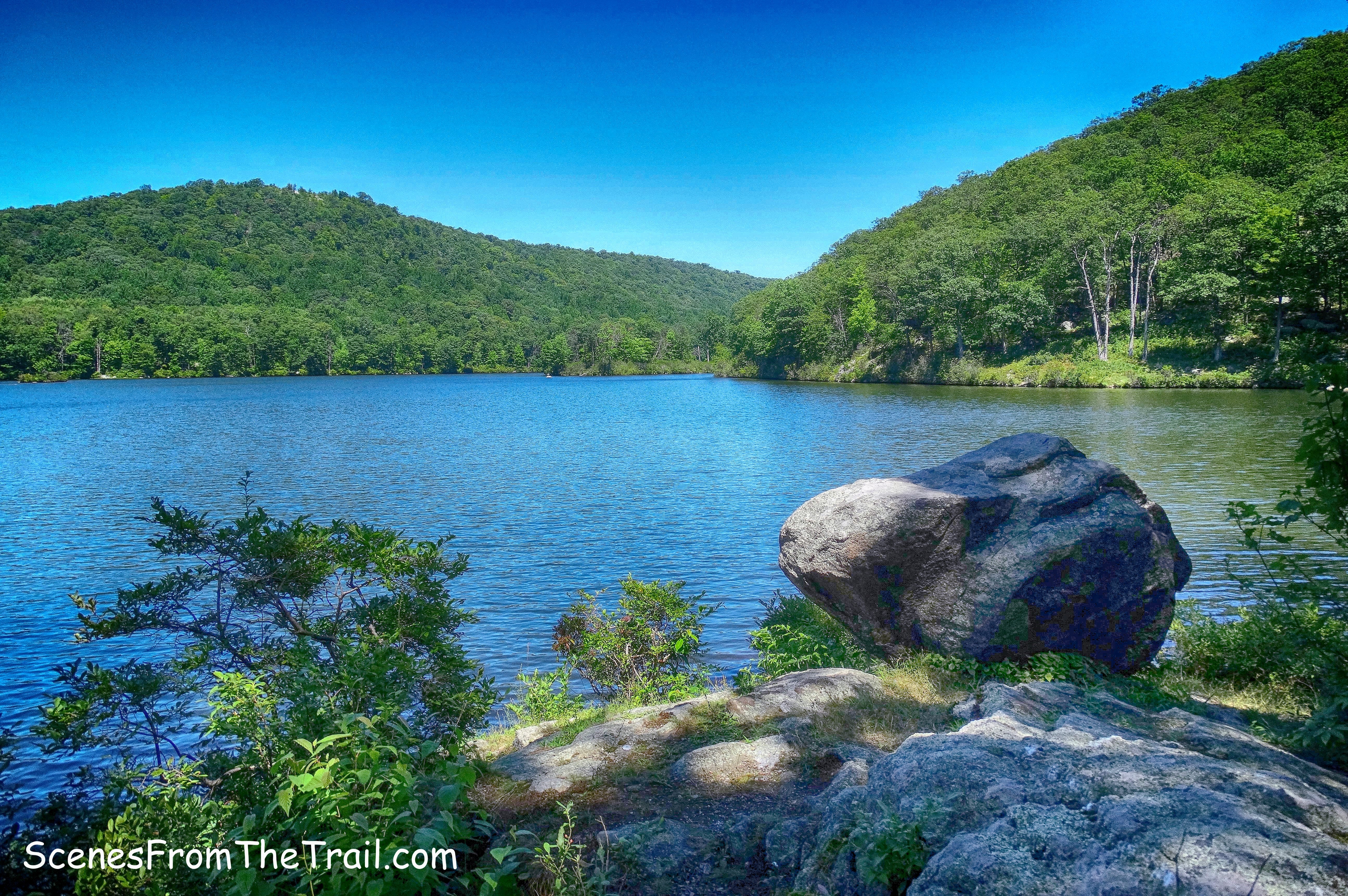
Turkey Hill Lake

Turkey Hill Lake

After our break, we continued along the southern end of Turkey Hill Lake on the PG Trail.
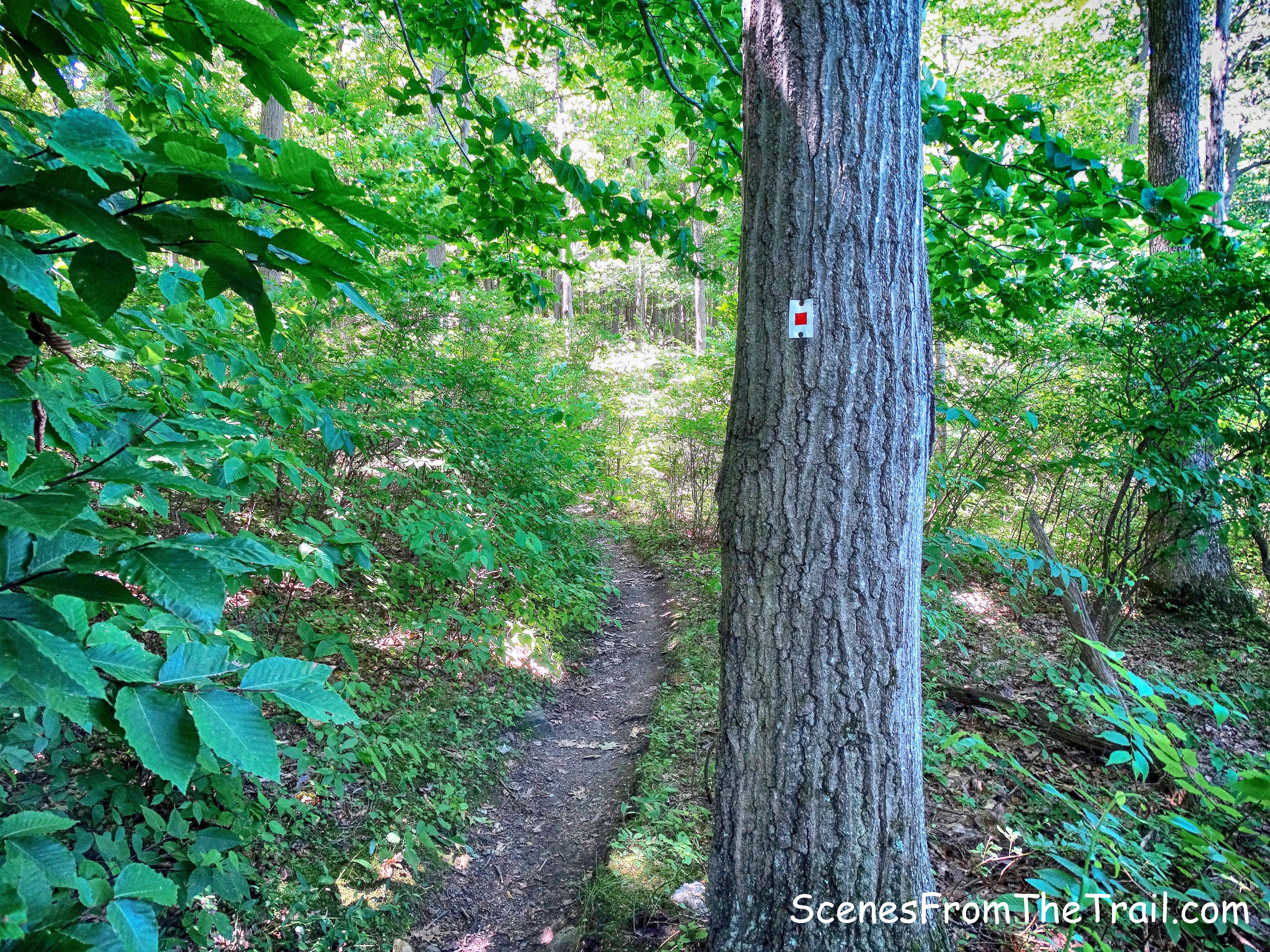
Popolopen Gorge Trail at Turkey Hill Lake

Popolopen Gorge Trail at Turkey Hill Lake

There are numerous spur trails that lead towards campsites by the lake that provide views. We stopped at a few of them for a minute or so to capture an image or two. Long Mountain is the peak on the left that we were now headed to. We had hiked about 4 miles at this point and my colleagues were not that enthusiastic about climbing up there.
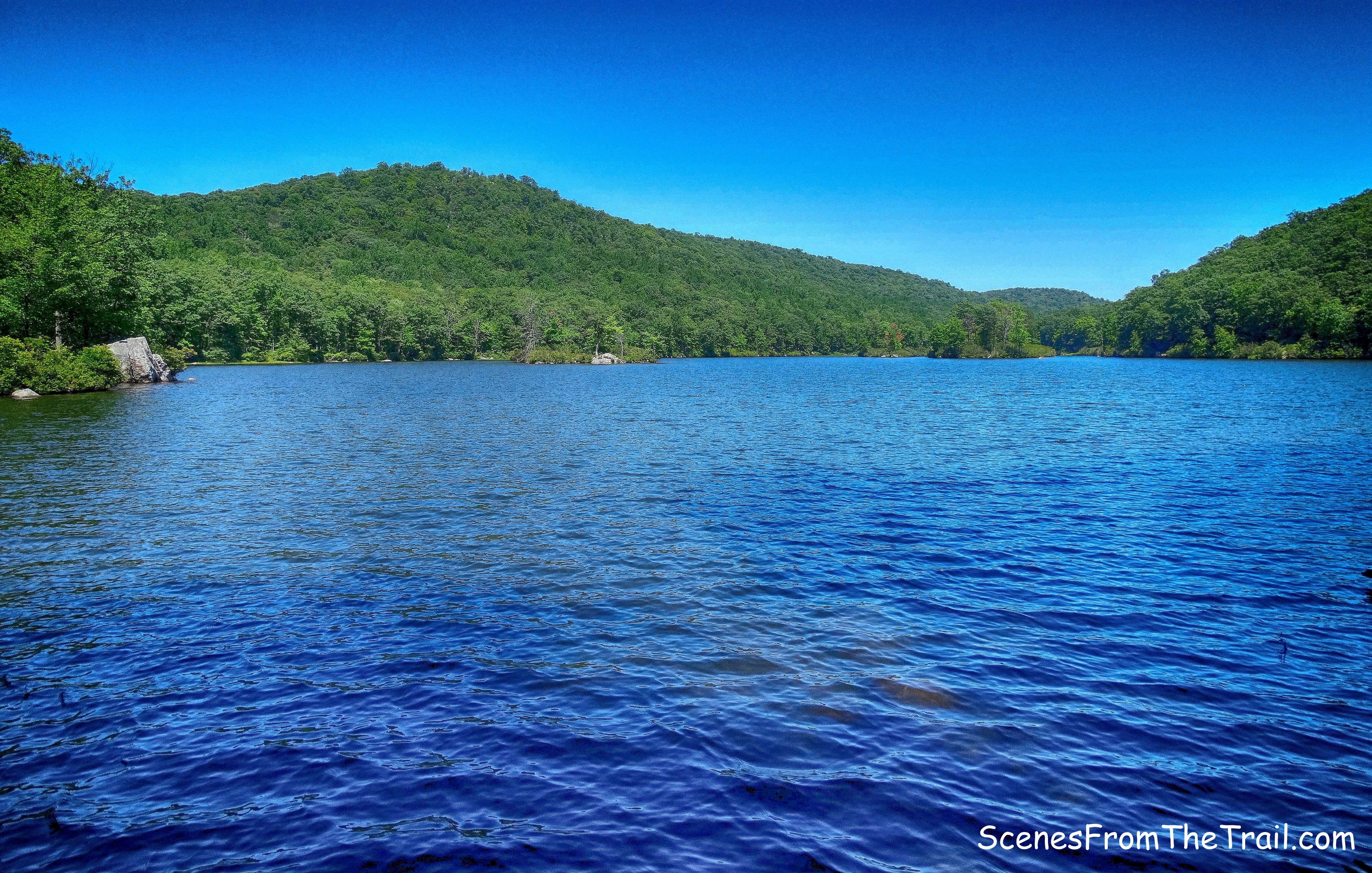
Turkey Hill Lake

Turkey Hill Lake

At the southwestern end of the lake, we came to a junction with the Anthony Wayne Trail which goes left. If we weren’t going to Long Mountain this would be the turn around point. We of course, proceeded ahead on the PG Trail.
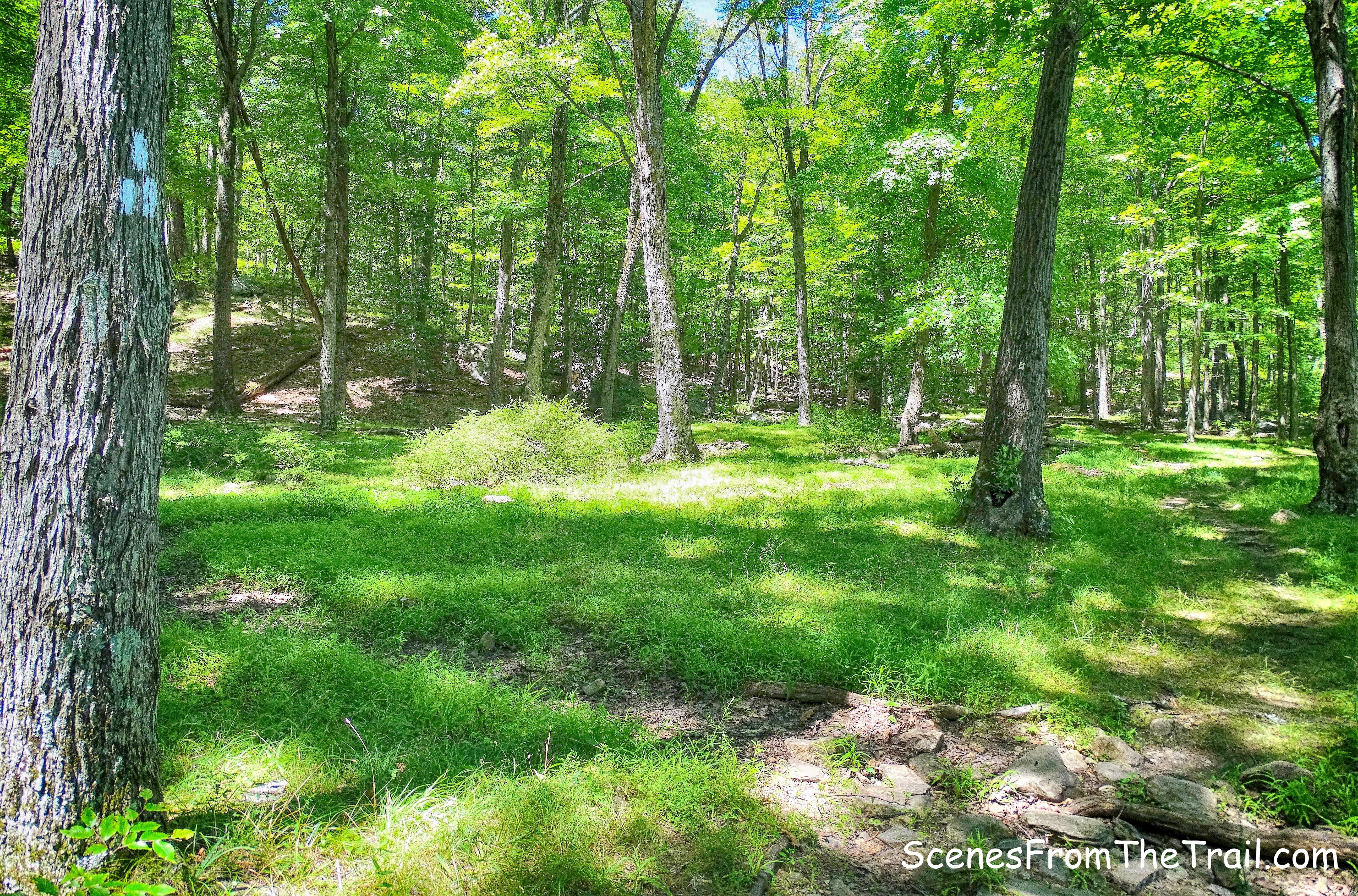
Anthony Wayne Trail junction at Turkey Hill Lake

Anthony Wayne Trail junction at Turkey Hill Lake

The PG Trail begins to climb gradually at first, then more steeply.
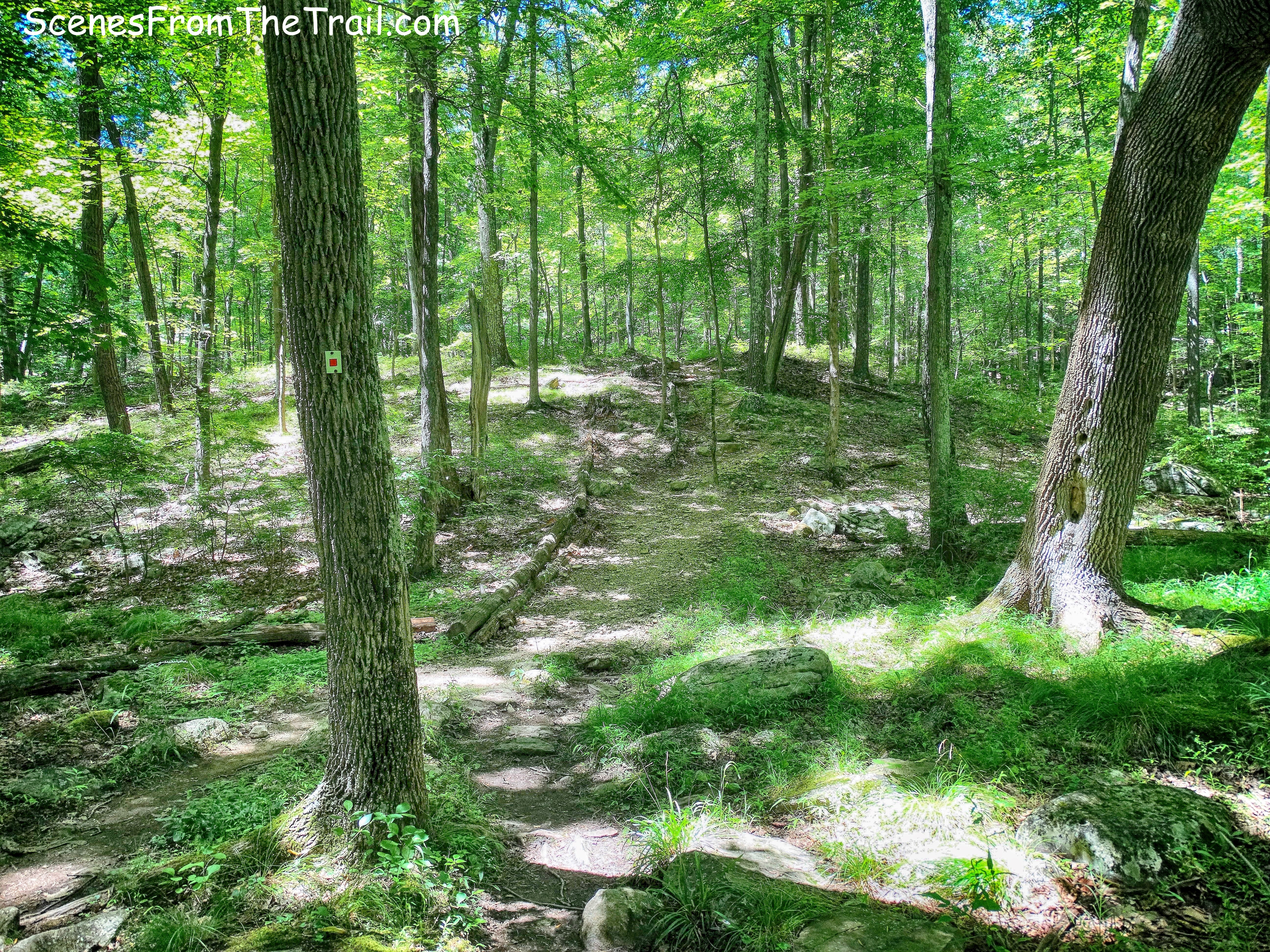
Popolopen Gorge Trail

Popolopen Gorge Trail

The PG Trail then turns right onto an old woods and continues to rise on a more moderate grade.
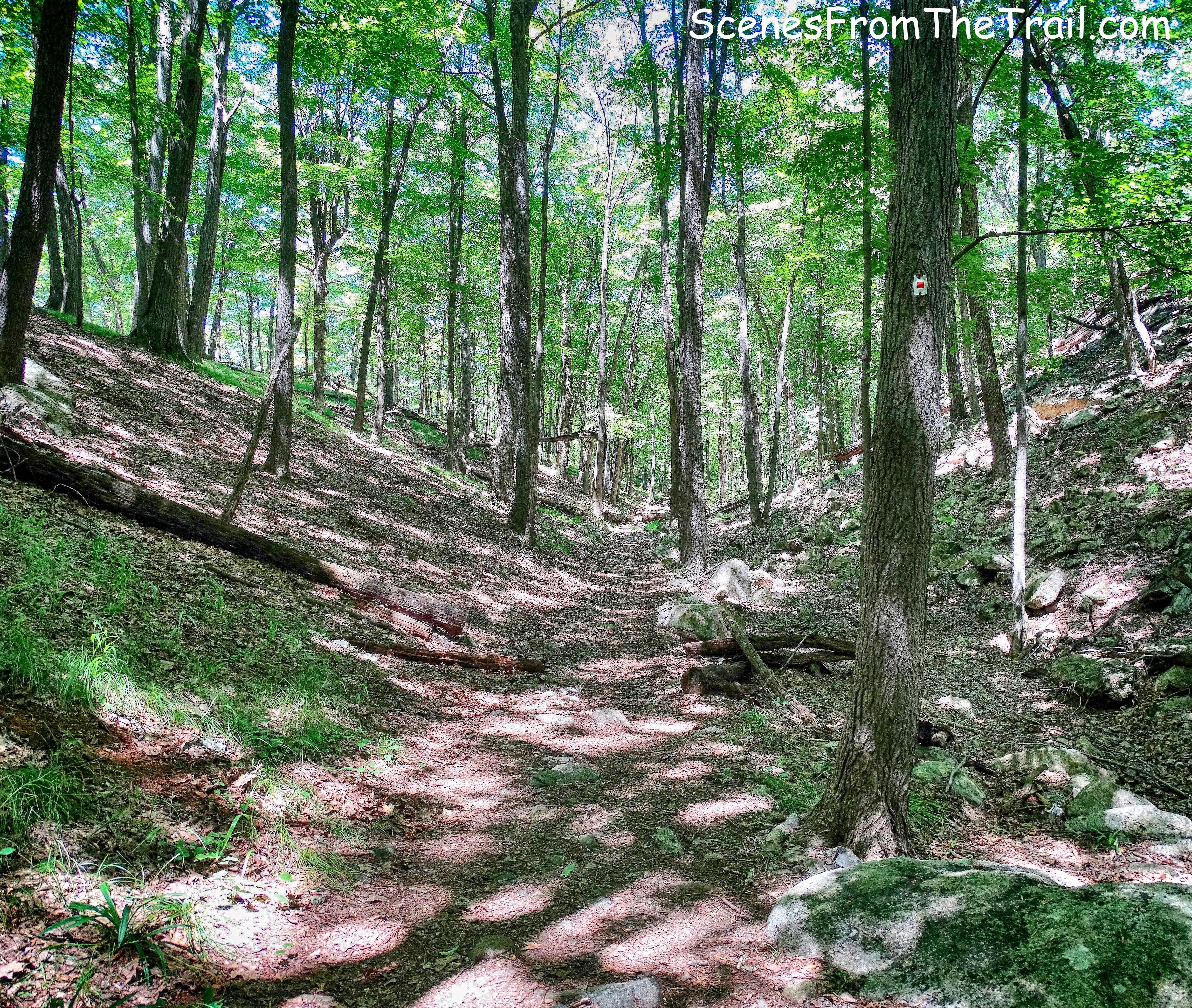
Popolopen Gorge Trail

Popolopen Gorge Trail

In about 450 yards from when we turned right on the woods road, we came to a junction with the Long Path. The Popolopen Gorge Trail ends here, but the woods road continues. The blazes for the Long Path are visible going to the left, but I did not see any going up to the right. It could have been a little confusing, but I had studied the map somewhat and knew which way to go. I walked up a bit just to be sure and when I spotted a blaze, I called down for the others to follow.
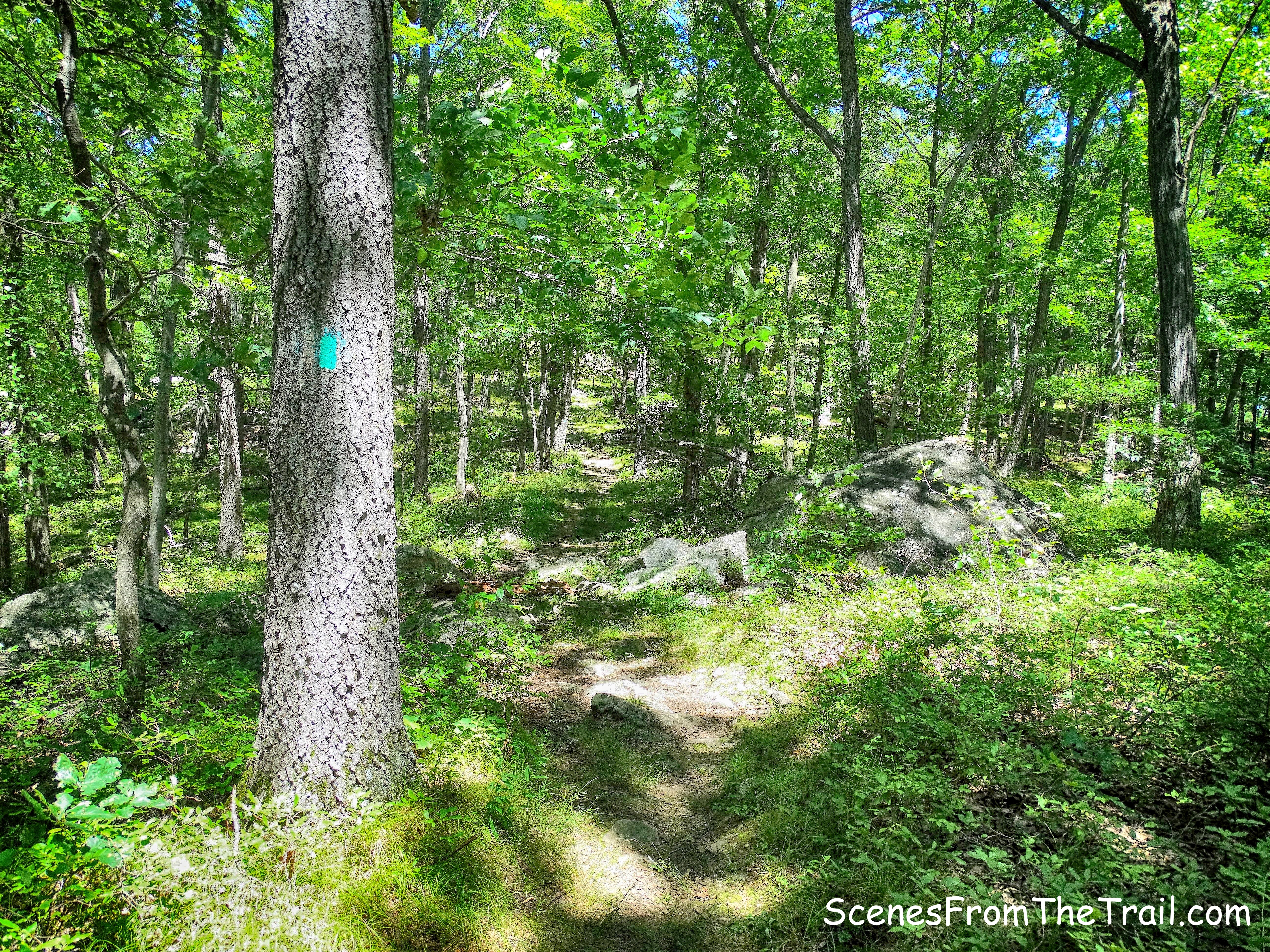
the Long Path

the Long Path

The climb was steep and and felt much longer than the .35 miles from the junction of the Long Path to the summit. The view was worth the climb as we came out on open rock and and looked south.
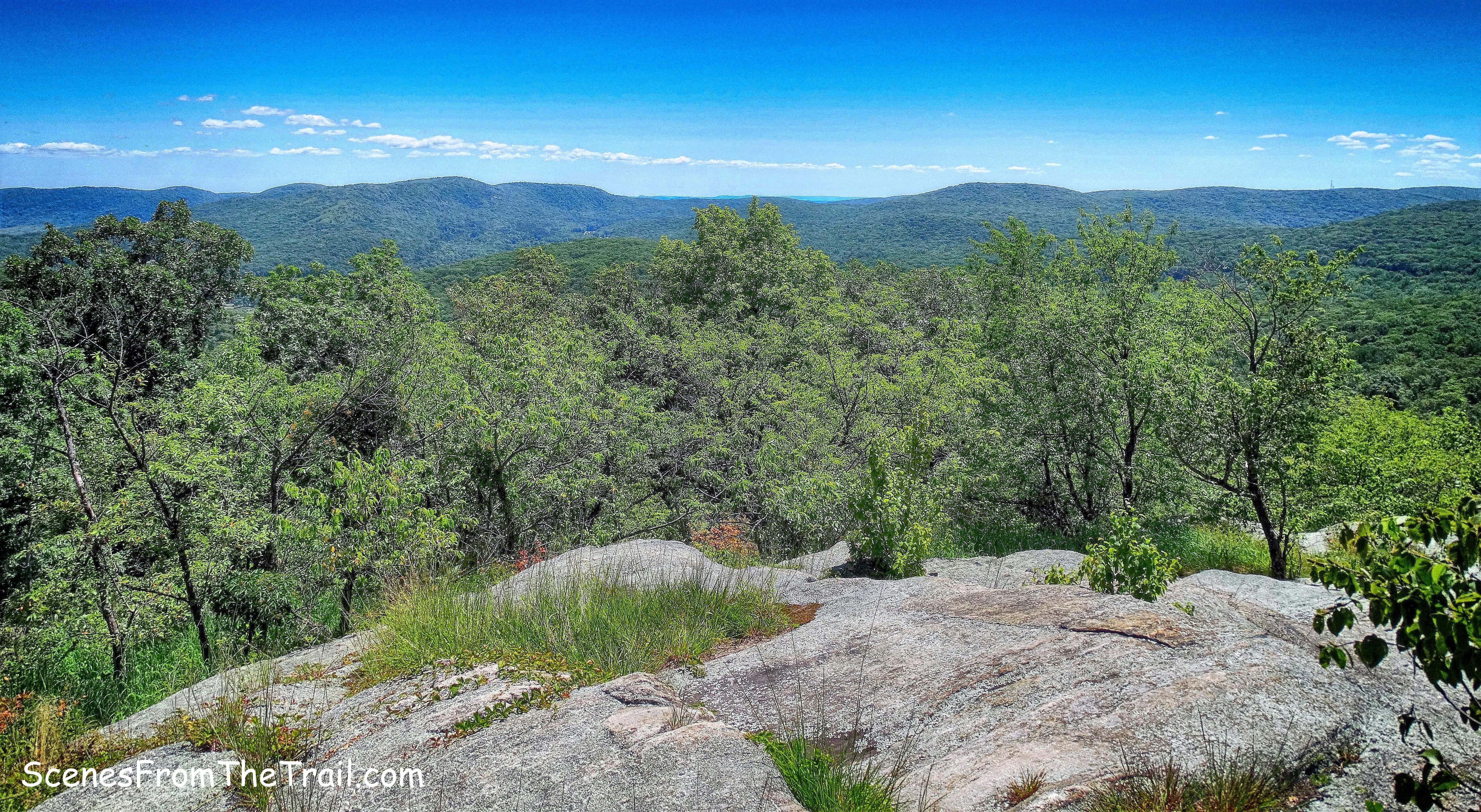
view south from Long Mountain

view south from Long Mountain

The true summit of Long Mountain is located on U.S. Military Academy (West Point) Land and is closed to the public. This was our turn around point and had hiked about 5 miles thus far so we sat here for a while and just enjoyed the view. Just below to the east, is Turkey Hill Lake.
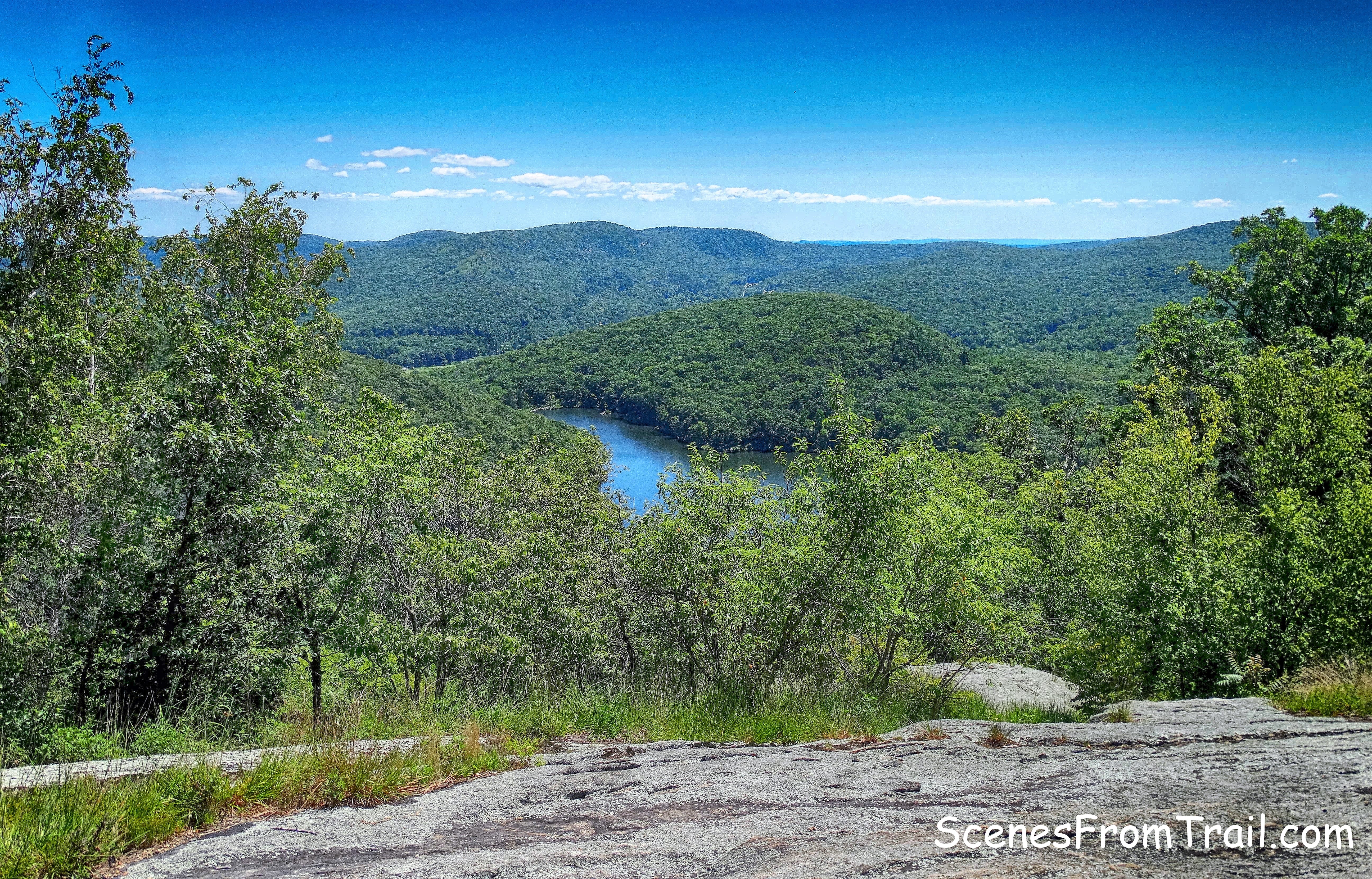
view of Turkey Hill Lake from Long Mountain

view of Turkey Hill Lake from Long Mountain

Right by where we were sitting is a memorial to Raymond H. Torrey which is chiseled into the rock. Torrey was the author of weekly columns, Outings and The Long Brown Path in the New York Evening Post in the 1920’s and 1930’s. The column played a major role in the development of the 2,100-mile Appalachian Trail, the Long Path and the popularity of hiking generally. He was a founding member of the New York–New Jersey Trail Conference. It reads:

“In Memory of Raymond H. Torrey, A Great Disciple of the Long Brown Path, 1880-1938.”
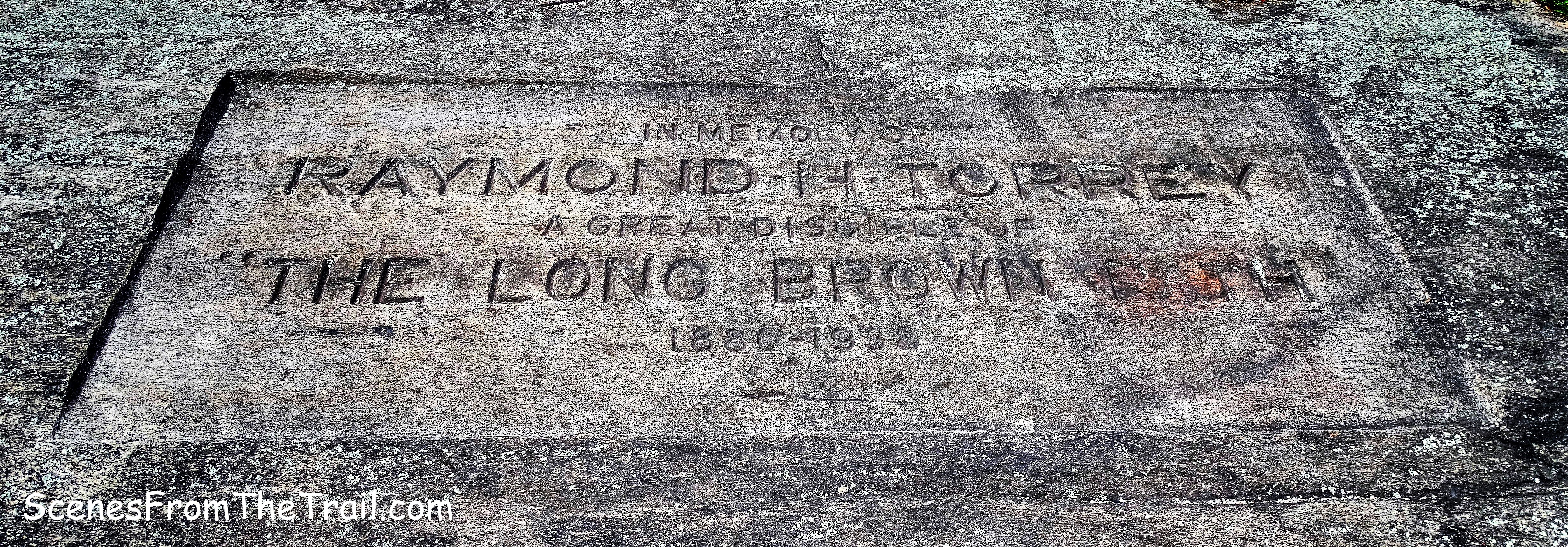
Raymond H. Torrey Memorial

Raymond H. Torrey Memorial

This was one of Raymond H. Torrey’s favorite views. His ashes were scattered to the winds here in a brief ceremony.
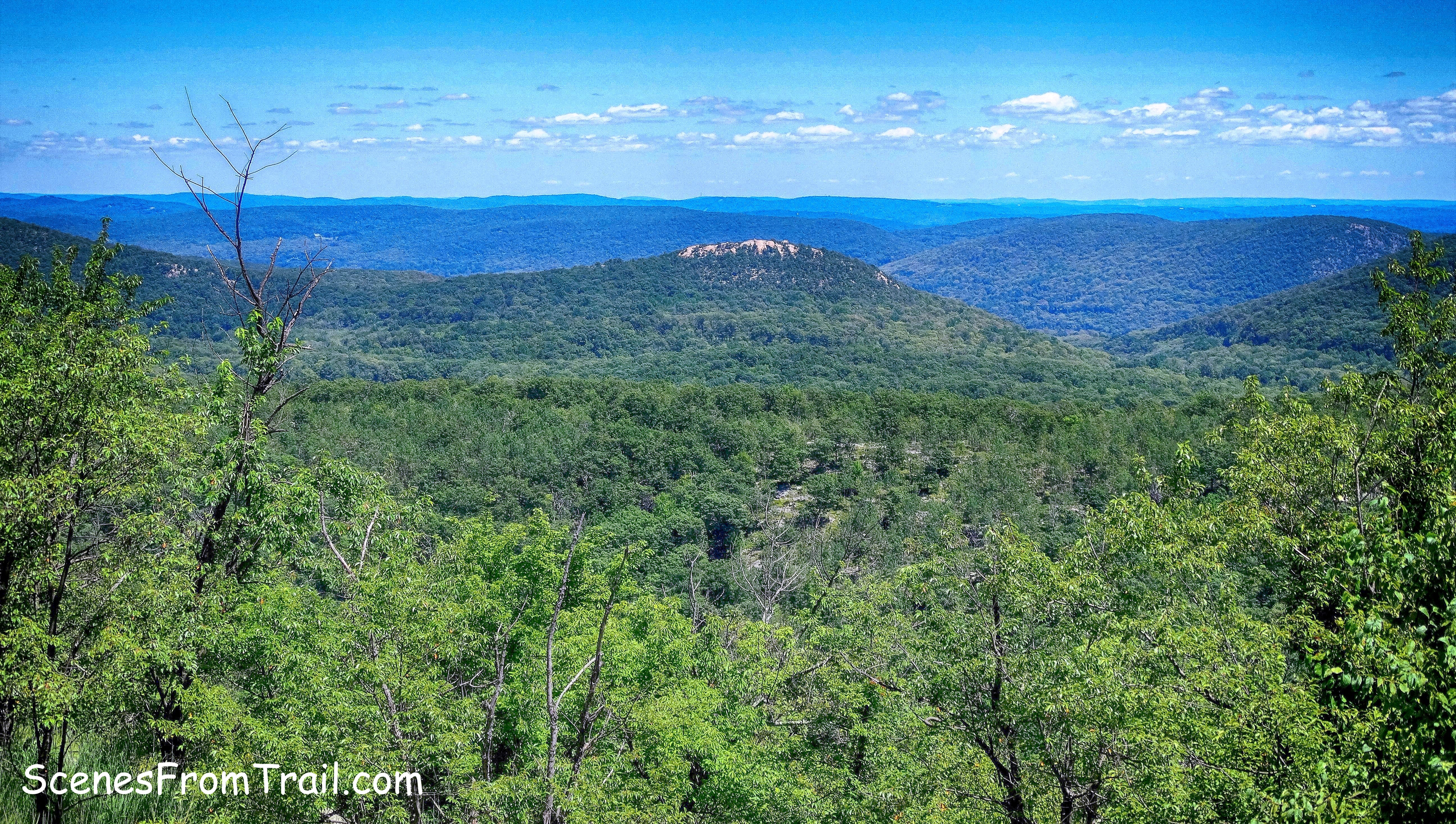
view of east from Long Mountain

view of east from Long Mountain

There isn’t much shade at the summit, but luckily the weather was perfect on this day so the sun felt pretty good. We then retraced our steps on the Long Path and turned left onto the Popolopen Gorge Trail, descending Long Mountain. When we got to the point where the PG Trail turns left off of the woods road, we continued straight ahead on the woods road which is not blazed.
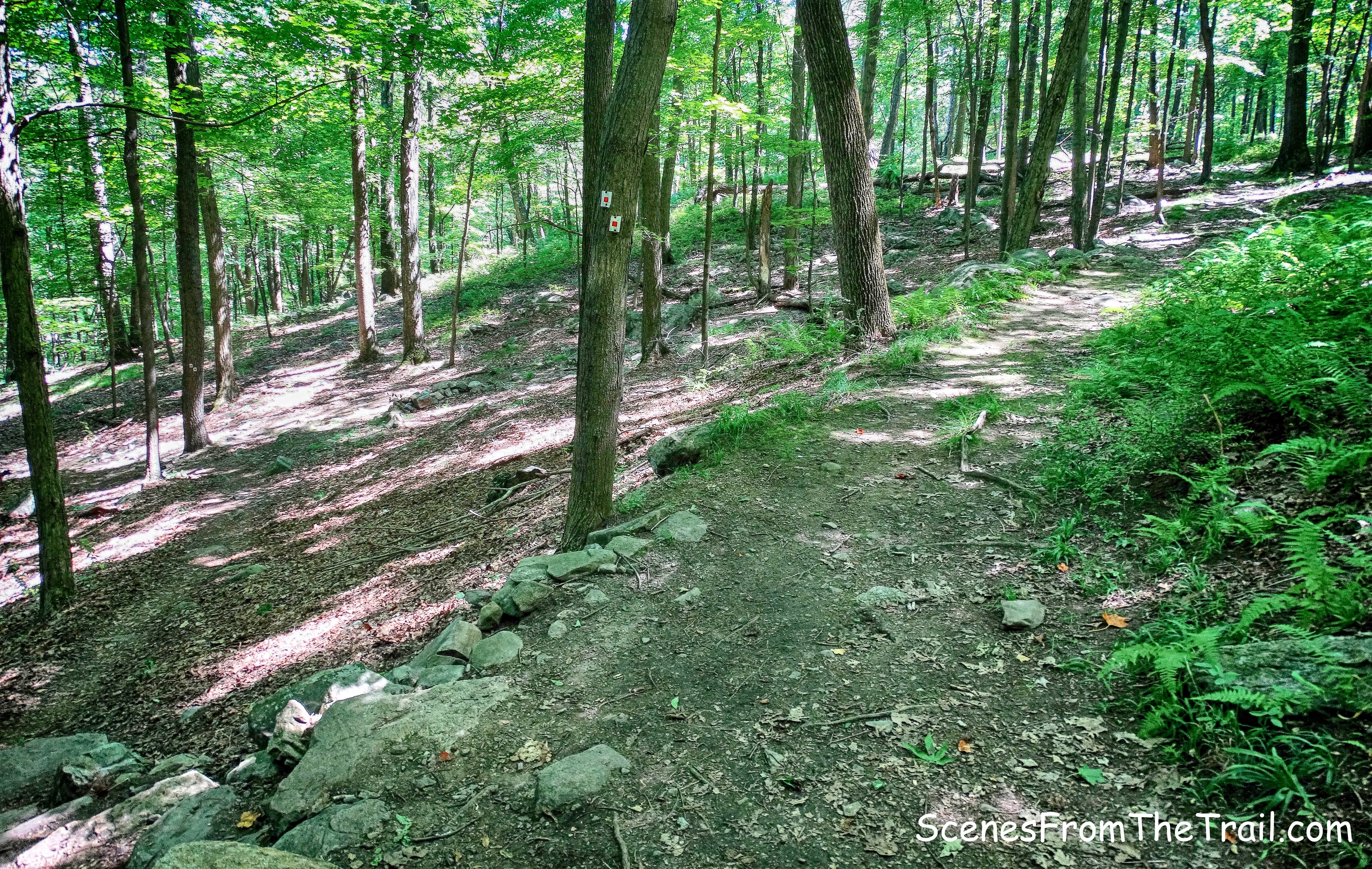
woods road

woods road

After climbing and descending Long Mountain somewhat steeply on the Long Path and the PG Trail, this woods road was a welcome reprieve from the rocky footpaths we encountered for much of the hike. It descended gently and was easy to walk on. At first it is a little narrow and has a mossy bottom which was gentle on our feet…….
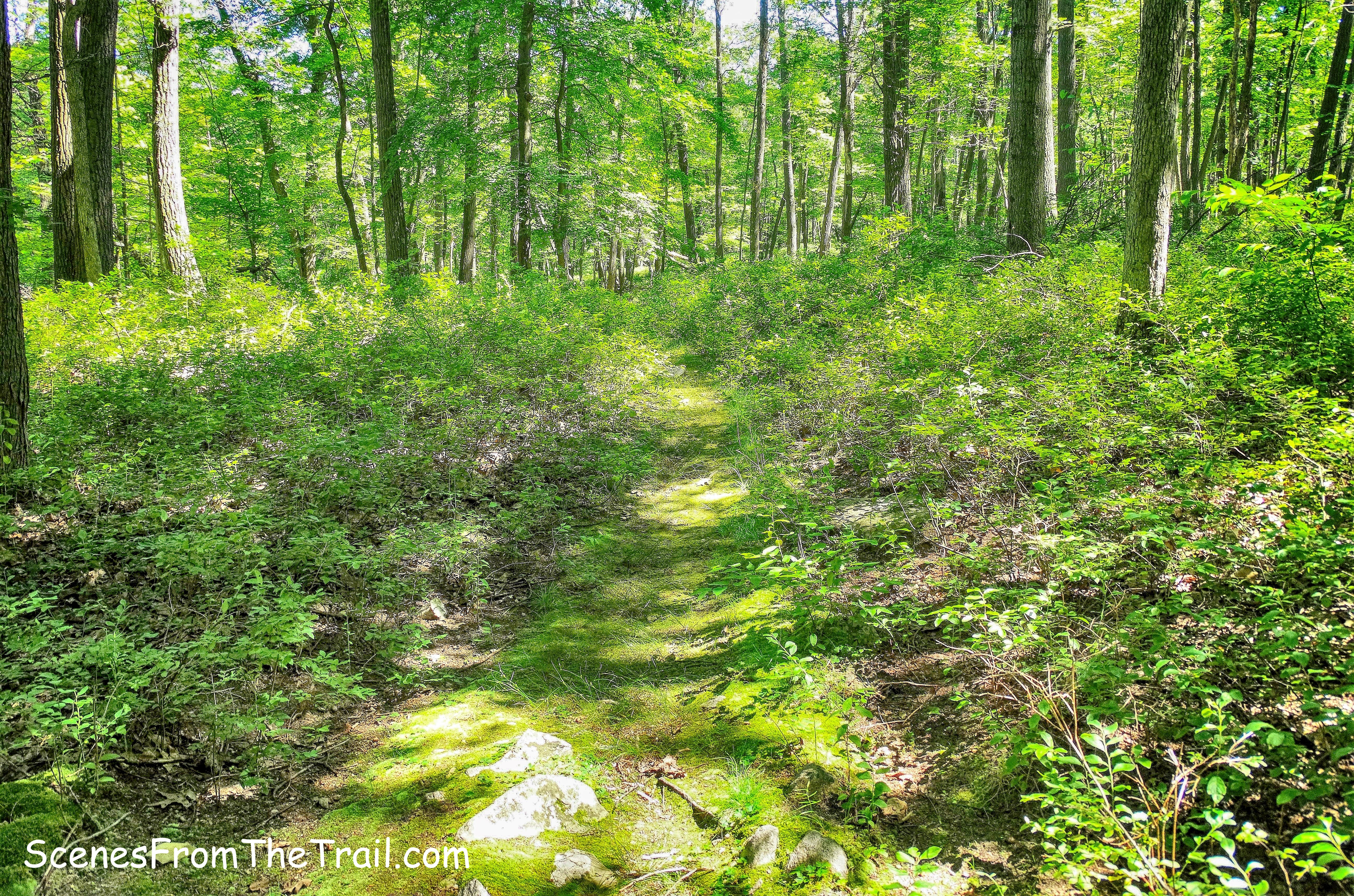
woods road

woods road

and then it widens and becomes dirt packed. I enjoyed this part of the hike immensely even though it only last for about 3/4 of a mile.
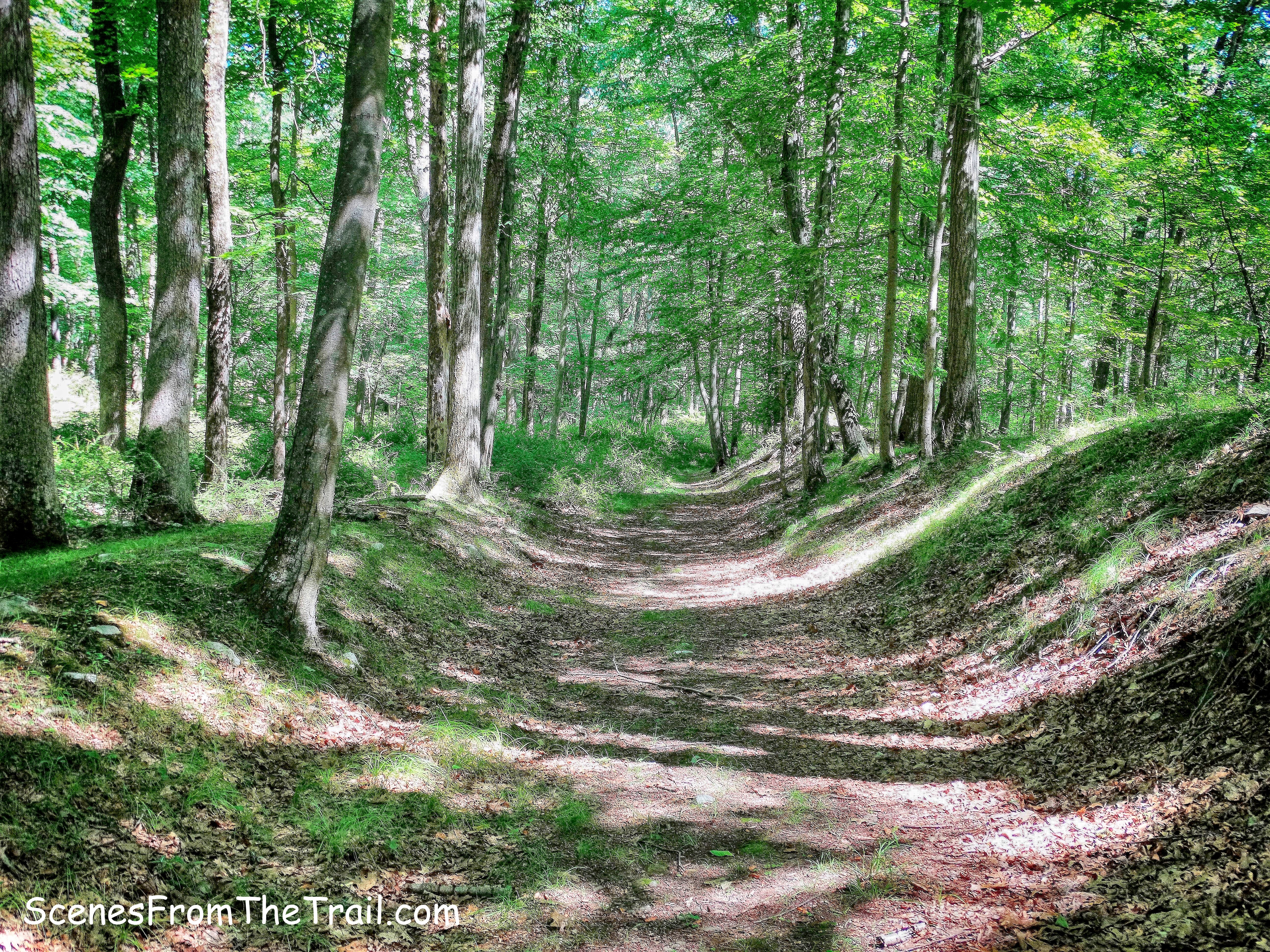
woods road

woods road

We came to a junction with the Anthony Wayne Trail and turned right. We actually missed the turn by a few feet, but quickly figured it out. Just past the junction with the AW Trail is an old park building.
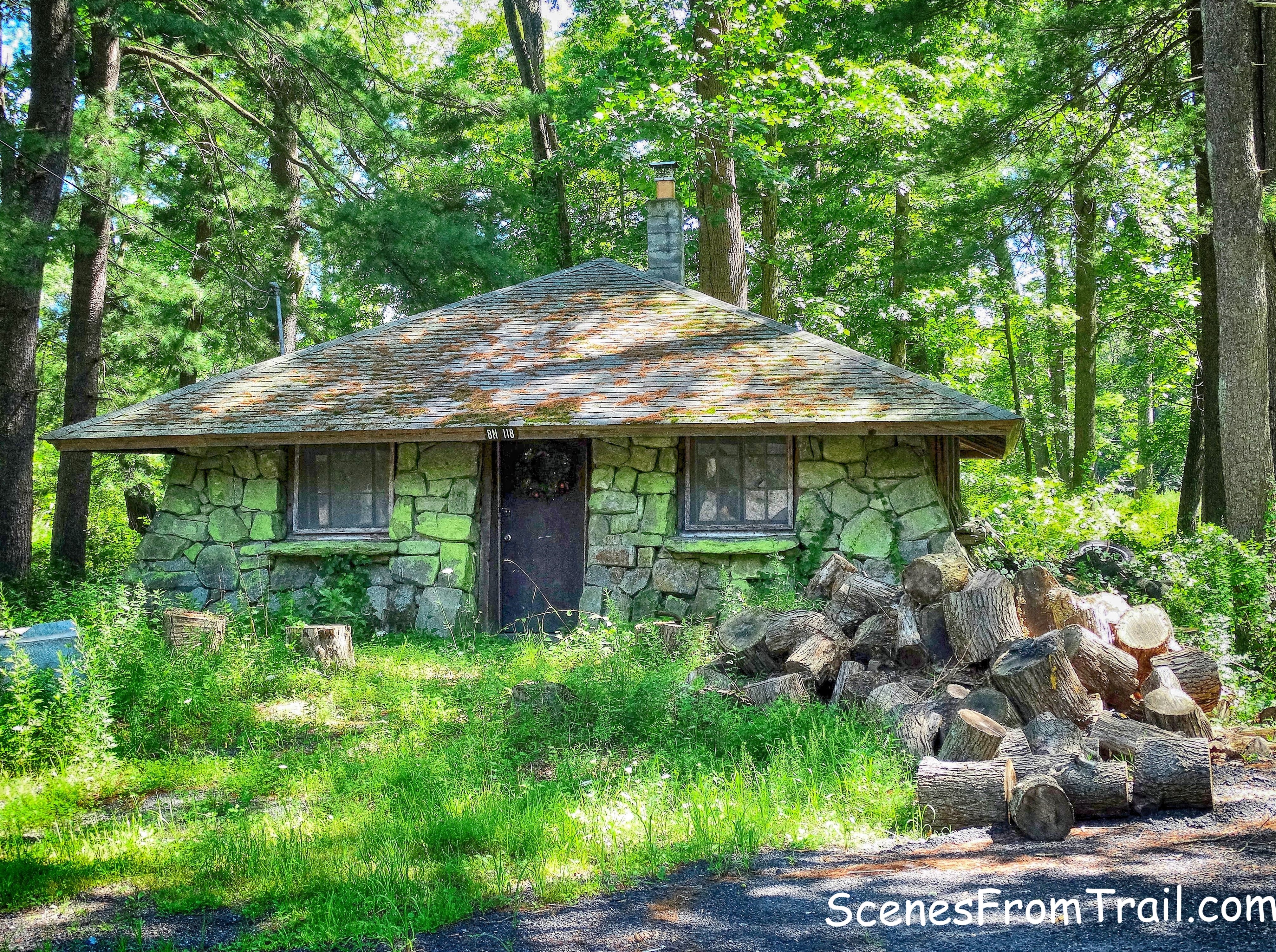
old park building

old park building

Now On the white-blazed Anthony Wayne Trail, I have to say that it was my least favorite part of the hike. It was so overgrown that at times the weeds were up to my waist. I tried to get through there as fast as I could. At times if not for the blazes, we would have lost the trail. When we got near U.S. Route 6, the weeds were taller than me and I am 6 feet tall. We came out onto U.S. Route 6 and walked along the road for about 50 feet and crossed over where the AW Trail resumes in the woods. U.S. Route 6 was full of traffic which made it easier to cross, but it could become a hazard if cars are flying by.
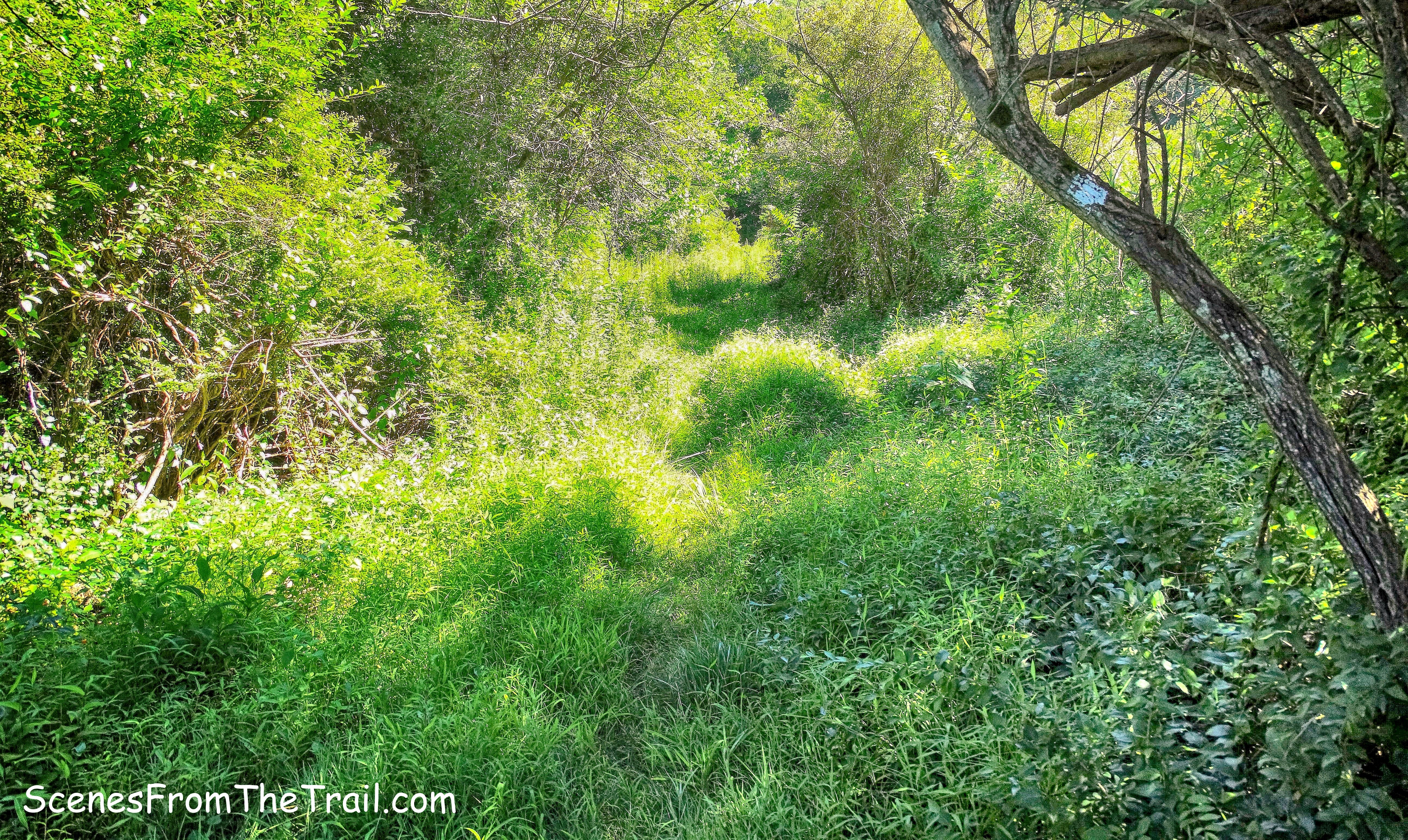
Anthony Wayne Trail

Anthony Wayne Trail

Once entering the woods the AW Trail is relatively level, but again overgrown. Even more so than earlier. No images for this section as I was racing through it as fast as possible. In about 1/3 of a mile, we came to an abandoned stone comfort station just before crossing Seven Lakes Drive.
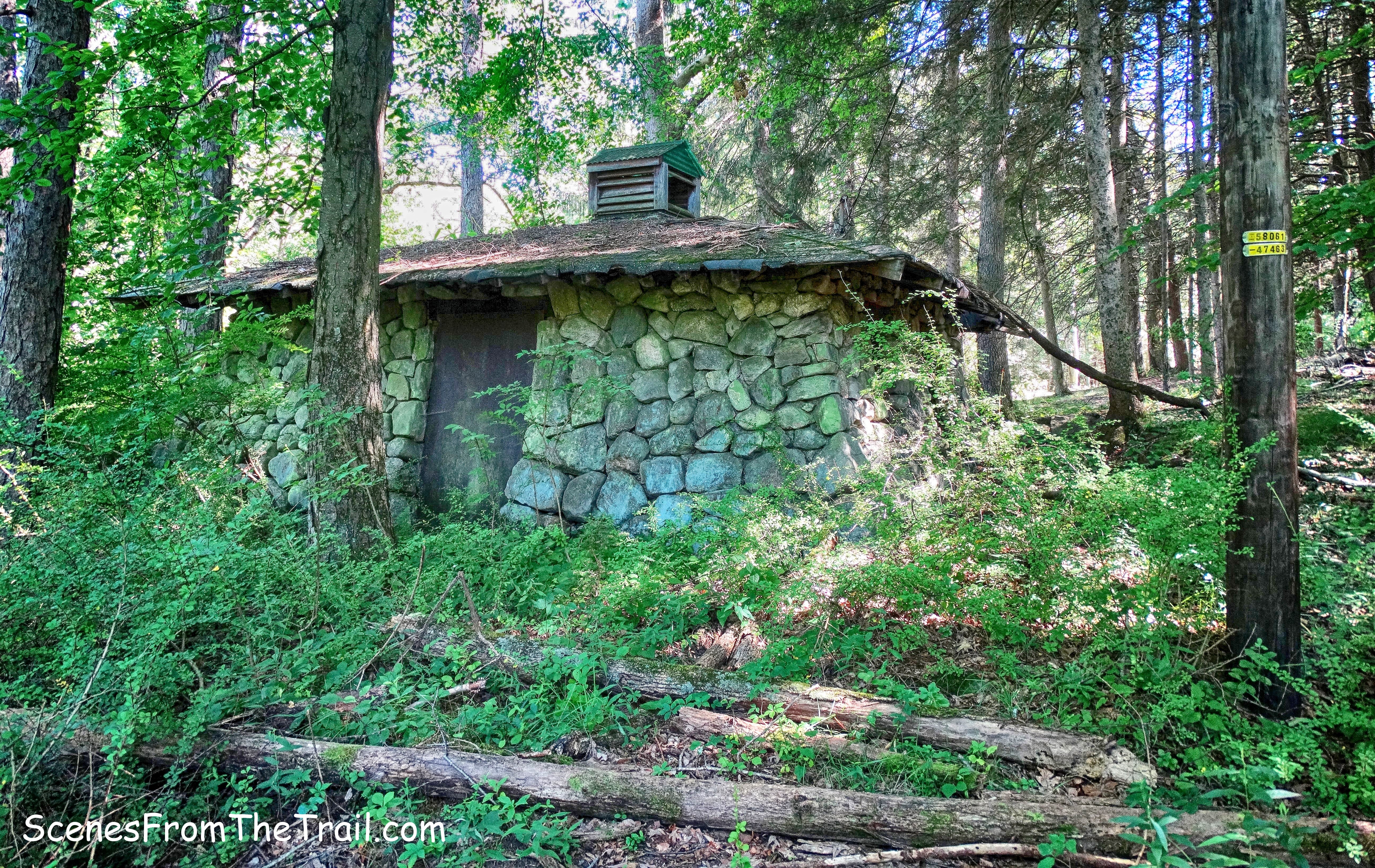
abandoned stone comfort station

abandoned stone comfort station

The trail crosses the road diagonally to the left, continues along the road for 225 feet (crossing over Queensboro Brook), then turns right and reenters the woods just past the signs.
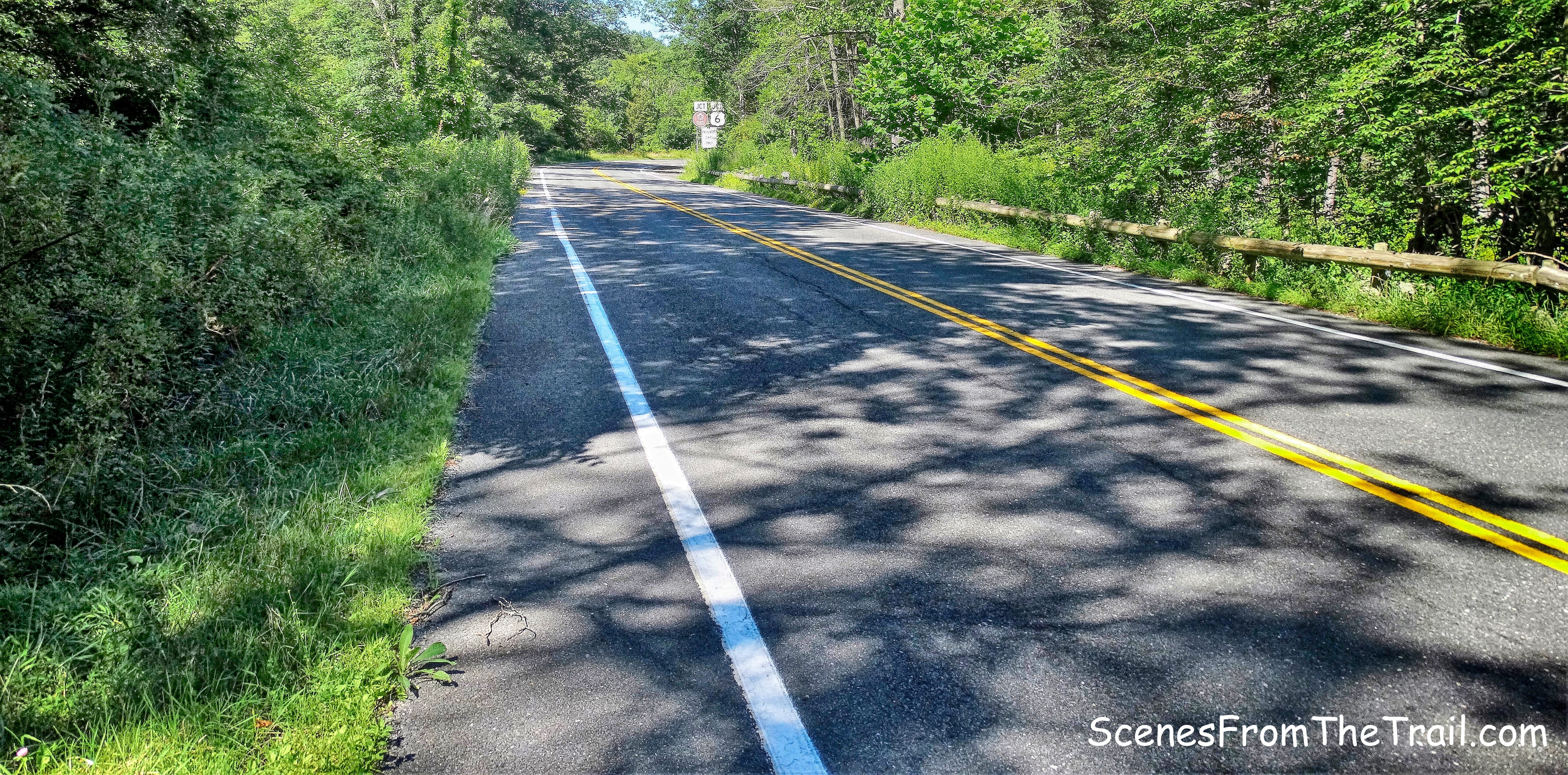
U.S. Route 6

U.S. Route 6

Once back in the woods, the AW Trail resembles a trail again.
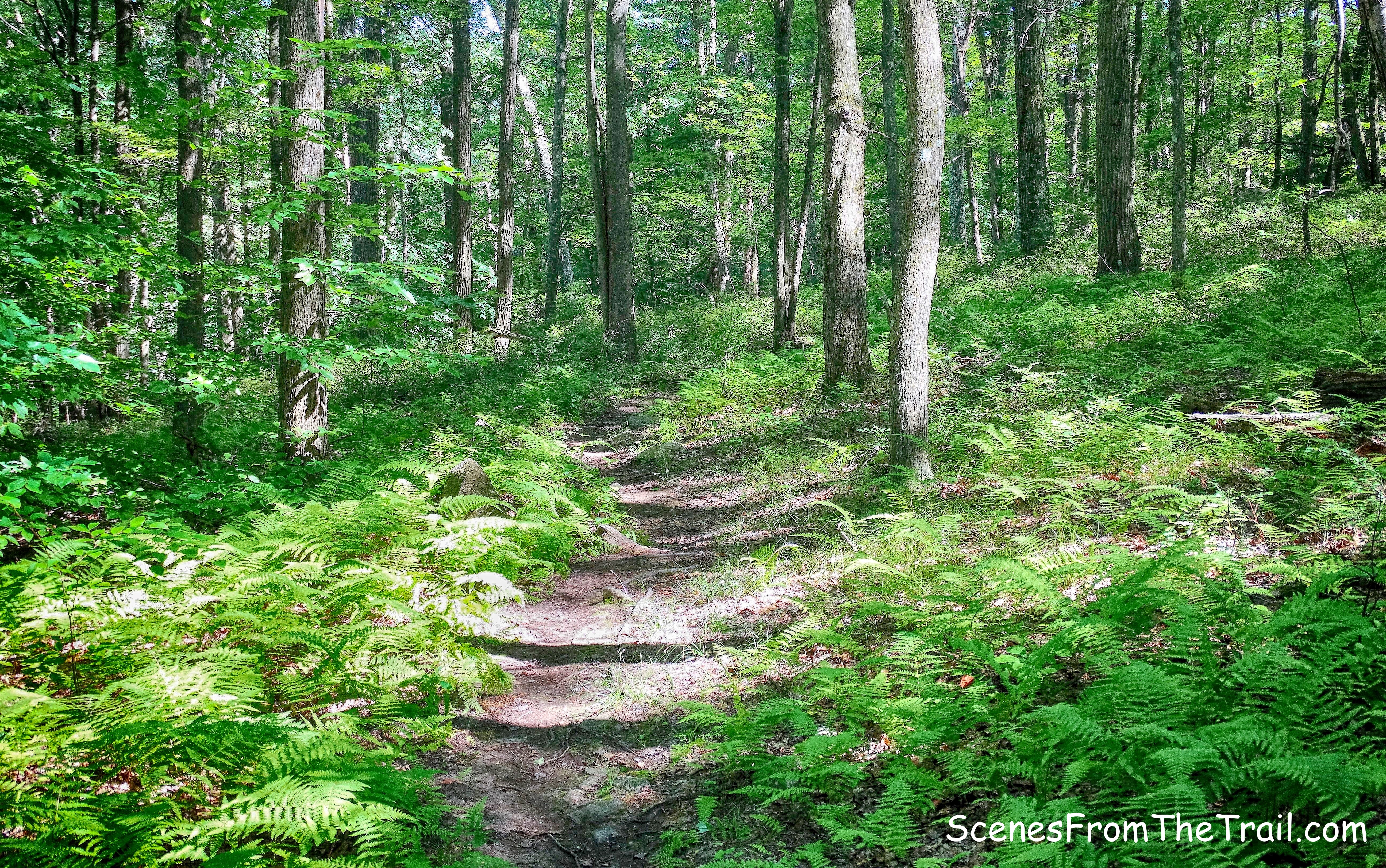
Anthony Wayne Trail

Anthony Wayne Trail

The trail climbs the shoulder of a hill, passing a junction with the 1779 Trail and comes out at the entrance/exit ramp that spans the Palisades Interstate Parkway into the Anthony Wayne Recreation Area.
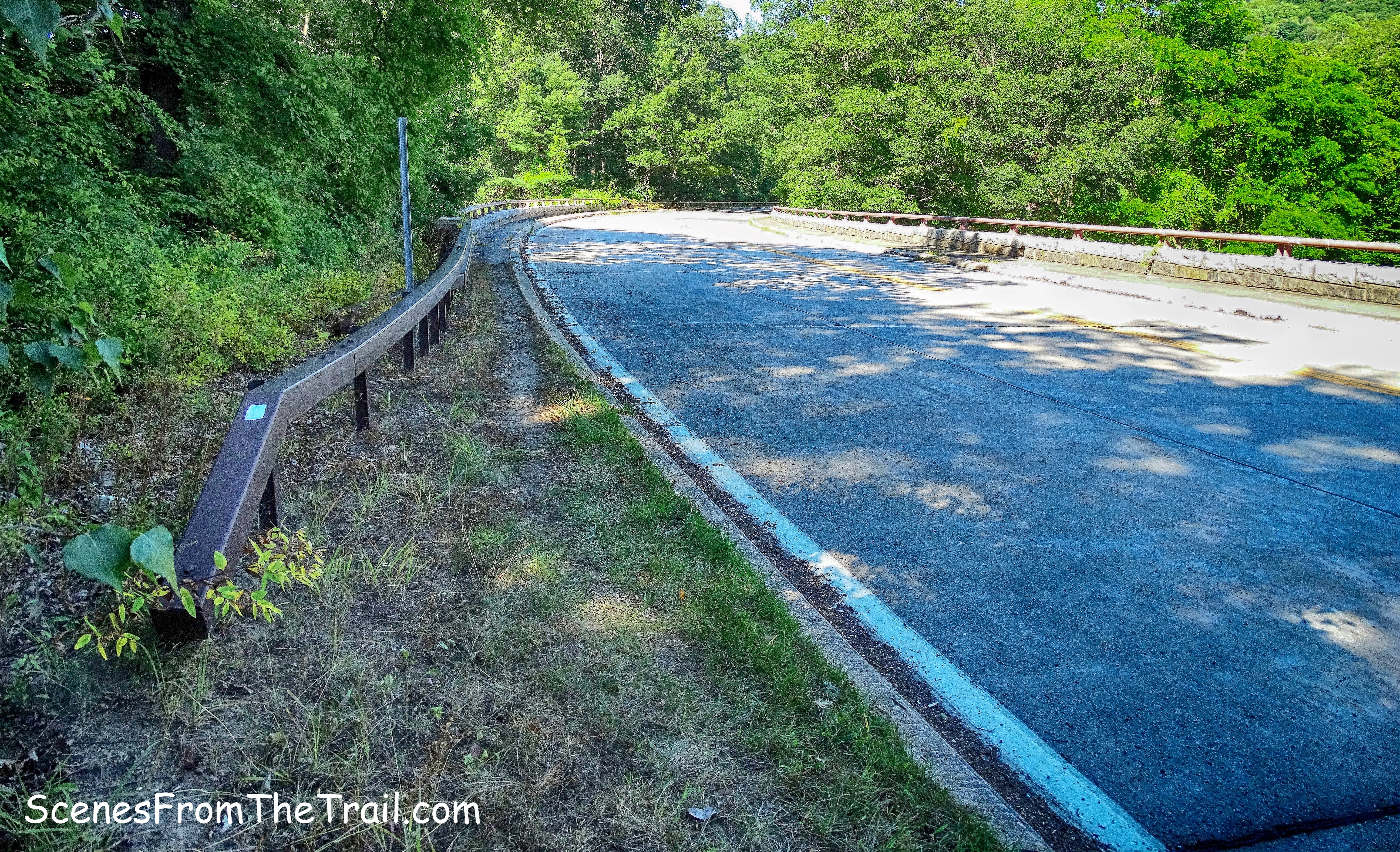
entrance/exit ramp - Anthony Wayne Recreation Area

entrance/exit ramp – Anthony Wayne Recreation Area

We walked on the overpass and continued into the Anthony Wayne Recreation Area. The AW Trail turns left at the gate, but we were pretty tired at this point and took a more direct route along the park road.
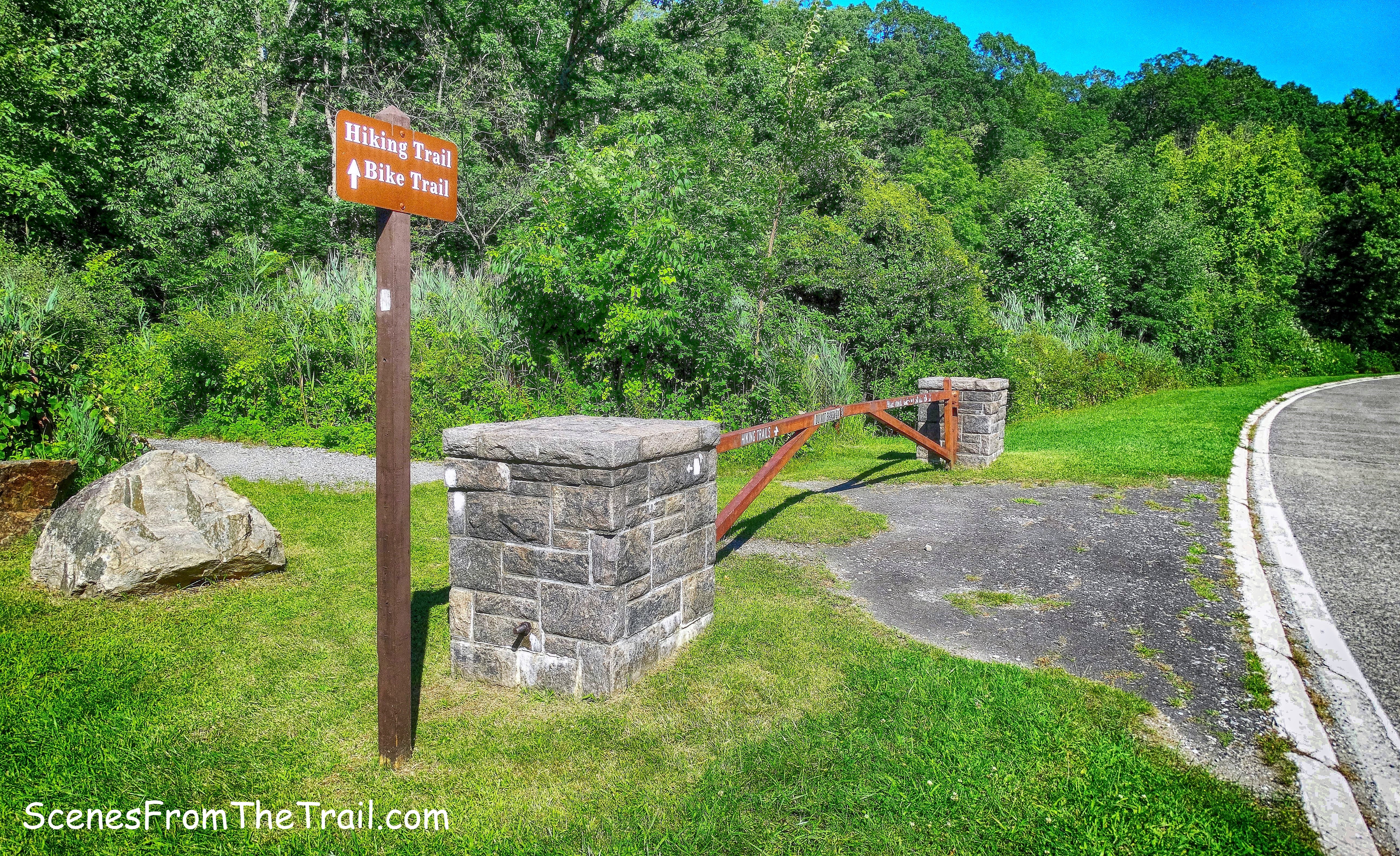
Anthony Wayne Recreation Area

Anthony Wayne Recreation Area

We walked on the grass along the road and veered left on the park road that leads to the restrooms. We then turned right on a paved walkway, past some picnic tables and onto a gravel road which leads to the grass field and to the stone bridge over Beechy Bottom Brook where our hike began.
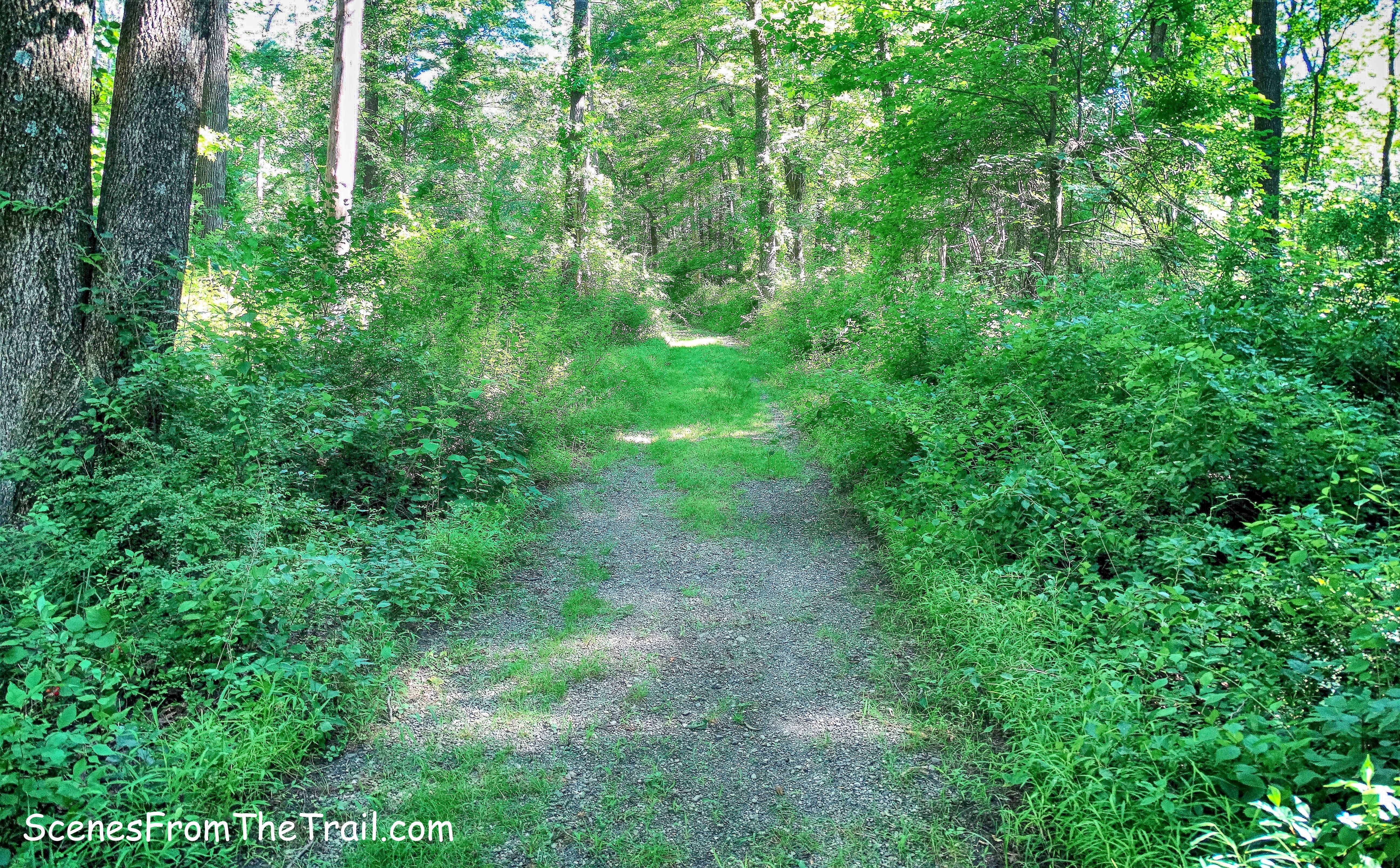
gravel road- Anthony Wayne Recreation Area

gravel road- Anthony Wayne Recreation Area

As stated in the intro, this hike had things that I liked and things that I didn’t. The likes outweighed the dislikes, but if I ever do this hike again, I would change the route. I would not turn right on the AW Trail from the unmarked woods road. Instead I would take the woods road until the 1779 Trail and turn right there. The 1779 Trail comes to a junction with the AW Trail and there I would turn left. That would bypass the overgrown section of the AW Trail. I did speak to someone at the NY/NJ Trail Conference and was told that someone would clear that trail, but knowing there is an alternate route is a good thing. We passed through several areas that had blueberry bushes and saw bear scat several times. I like blueberries, but I am always a little apprehensive hiking through them because I know bears like them too.

Pros: Scenic views, lakes, woods roads, mostly secluded except for Turkey Hill Lake and scenic view on Long Mountain, well blazed trails.

Cons: Overgrown Anthony Wayne Trail, several brief road walks, road crossings, some junctions obscured by foliage.
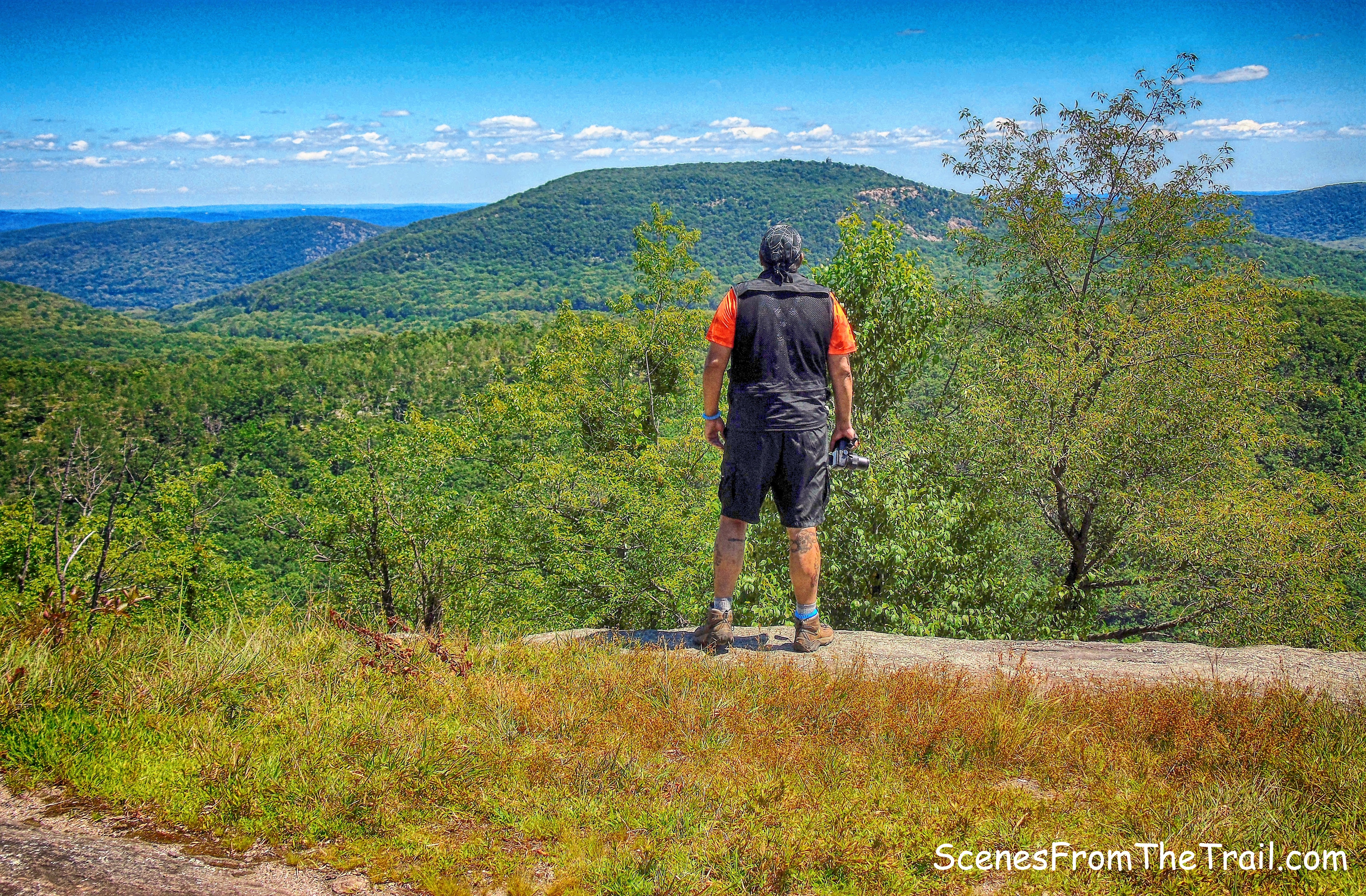
Take a hike!
Take a hike!


Take a hike, but do it safely

Long Mountain - Harriman State Park

Long Mountain – Harriman State Park

Harriman State Park is my favorite place to hike in the Hudson Valley. With 31 lakes and reservoirs, 200 miles of hiking trails and its close proximity to where I reside, I look forward to exploring all it has to offer. Some of the trails are very challenging without being overkill and the park is loaded with history. From the abandoned Civil War era iron mines to its historic trails, it’s like going back in time whenever I hike there. It’s a popular place for hikers of all skill levels and certain sections can become crowded on the weekends. I try to come up with hikes that see less traffic along the trails whenever possible. Coming up with these hikes entails using unmarked trails and woods roads at times. Since some of these trails and roads are not maintained, the conditions vary from easy to follow woods roads to trails that are overgrown and difficult to navigate. I carry a GPS device, but I rely mostly on the most recent paper map available and a map compass. I also do some research on the trails that I plan to use by reading recent reviews of those trails when possible. I also email or call the NY/NJ Trail Conference for information on the conditions of the trails that I plan to hike.

Lake Skanatati and Lake Kanawauke as viewed from Pine Swamp Mountain

Lake Skanatati and Lake Kanawauke as viewed from Pine Swamp Mountain

When I started hiking I would use just the trail descriptions I found online and didn’t bother with a map or compass. I got lost several times and sometimes the description of the hike can be confusing or resemble other areas which look alike. My point is that no one should hit the trails without proper preparation. A 3 mile hike can either be easy or extremely difficult depending on the terrain and the amount of elevation involved. Wearing the proper footwear and moisture-wicking clothing can make the difference between an enjoyable outing and a miserable one. Carrying a headlamp is a good idea as well. It gets dark earlier in heavily forested woods or if you get caught out there after sunset, it could make the difference.

Cranberry Mine

Cranberry Mine

I often see people on the trails wearing sandals or sneakers and I just shake my head. Yesterday I saw people hiking without water, backpacks and hiking boots. I tend to carry more fluids than I consume because I would rather bring back what I didn’t consume rather than running out. One never knows what could happen on a hike. If you become injured or lost you will need to stay hydrated until you find your way or help comes along. My shoulders are sore today from carrying my backpack yesterday as I write this, but I am intact. Along with fluids, I also carry a first aid kit, extra socks, work gloves, knife, food, camera and some other items which I deem a necessity. I also carry bear spray which is attached to my belt with a holster. It would serve no purpose if it was tucked away in my backpack and a bear appeared in front of me.

Tom Jones Mountain

Tom Jones Mountain

I love to hike as do others and it pains me to read about hikers that perish in the woods due to carelessness. Even those that have to be rescued due to poor planning or put others in danger. The first responders have to tackle difficult terrain in inclement weather and often times at night. Their lives are put at risk due to the negligence of others.

Jackie Jones Fire Tower

Jackie Jones Fire Tower

The summer months attract droves of people to Harriman State Park. Those that love and respect the outdoors don’t take it for granted or lightly. Careful planning, a little foresight and some common sense can go a long way towards having a successful and enjoyable hike.

IMG_3172

Irish Potato


Mount Nebo – Clausland Mountain Loop

July 22, 2017 – Orangeburg, NY

Difficulty: moderate

Length: Approximately 7 miles

Max elevation: 682 ft. – total elevation gain approximately 819 ft.

Route type: Circuit

Map: Hudson Palisades Trails Map #109 – Clausland Mountain County Park map

Trailhead parking: Rockland Cemetery


Mount Nebo in Orangeburg, NY with an elevation of 682 feet has no views to speak of. From 1955 to 1974 it was the site of one of 19 Nike missile bases near New York City that protected the United States from nuclear attack by the Soviet Union. Project Nike, named for the Greek goddess of victory, was a program which ultimately produced the world’s first successful, widely-deployed, guided surface-to-air missile system. They stood guard as a last resort defense against soviet bombers. Some of the original structures are still standing on the mountain.

Clausland Mountain is named after the “Clever Indian,” Jans Claus, whose Indian name was Tackamack. He acted as an agent for the sale of land to Dutch settlers. Now an undeveloped county park, it consists of 532 acres of heavily wooded terrain with the Long Path running through it in a south-north direction. There are several other trails, both blazed and unmarked that could be combined to form a loop hike.

I was curious about the Nike missile base and decided to map out a hike to go check it out. Since the only maintained trail that runs through there is the Long Path, I knew that there would probably be some bushwacking involved. We did this hike in counter-clockwise starting at the northern end (bottom of the map) of Rockland Cemetery.

hike route

hike route

The aqua-blazed Long Path weaves through the cemetery on its paved roads so we drove to the northernmost section of the cemetery and parked there. Their website states: “We welcome visitors here,” said Jackie Curtiss, Office Manager at Rockland Cemetery. Treasurer Tim Temple added that there are a series of roads and trails throughout the cemetery, headstones dating back before the Civil War and there is even a branch of the Long Path that comes through the property. After reading that, I didn’t foresee any issues with parking there for a few hours. Driving on the road, the aqua blazes are visible on the trees so we just followed them up to the back and parked on a pull off along the road. The Long Path ducks into the woods just past the Private Property sign on a tree.

Long Path trailhead

Long Path trailhead

The trail is evident as we approached it.

Long Path

Long Path

The trail climbs through the woods gradually. The first 1.3 miles of the hike to the summit, we gained about 190 feet of elevation. In a few sections, the trail is a bit overgrown…….

Long Path

Long Path

and in some other sections it was well manicured.

Long Path

Long Path

We arrived at a junction with an orange-blazed trail and veered right as the Long Path went to the left.

trail junction

trail junction

The orange trail begins as a woods road and then narrows to a footpath as it ascends Mount Nebo.

orange-blazed trail

orange-blazed trail

We took another right fork onto a short unmarked trail and came out on Nike Lane by a parking area for Clausland Mountain County Park.

Clausland Mountain County Park

Clausland Mountain County Park

Turning right, we headed up Nike Lane towards the Nike missile base which is also Nike Town Park South.

Nike Lane

Nike Lane

The signage on the fence is confusing. On the left is a park sign and on Google Maps this area is shown as Nike Town Park, but the other signs contradict the park sign.

Nike Town Park

Nike Town Park

We were a little hesitant about venturing beyond the gate, but then decided to go forward. There were several cars parked by one of the buildings, but no one came out while we were there.

Nike Battery NY-03/04

Nike Battery NY-03/04

We walked up the road and veered left past another building and approached two other buildings which sit at the summit.

Nike Battery NY-03/04

Nike Battery NY-03/04

I don’t know the purpose of these buildings as there is not much information online.

Nike Battery NY-03/04

Nike Battery NY-03/04

Just up the road there is a plaque mounted on a boulder that is dedicated to veterans.

veterans plaque

veterans plaque

To the left, almost hidden, is a rusty steel radar platform.

rusty steel platform

rusty steel platform

There are almost as many picnic tables as there are antennas.

Nike Battery NY-03/04

Nike Battery NY-03/04

Nike Battery NY-03/04

Nike Battery NY-03/04

Nike Battery NY-03/04

Nike Battery NY-03/04

We walked back down the road and exited through the gate where we came in and turned right by the Clausland Mountain County Park sign and began walking on the blue trail.

the blue trail

the blue trail

The blue trail is shown on the map as a 1/2 mile loop which ends back where it begins. The trail was kind of boring so we bushwacked northwest towards the road and headed uphill to Nike Town Park North. The road forks at the sign, left goes to south, where we were just exploring and right goes to Nike Town Park North. We veered right at the sign.

Nike Town Park

Nike Town Park

We walked up the road to the park entrance and walked around the yellow gate.

Nike Town Park North

Nike Town Park North

There is a good amount of graffitti on the pavement just past the gate. The writing below refers to the abandoned army tunnels of Camp Bluefields which are said to be haunted and are nearby.

Nike Town Park North

Nike Town Park North

There isn’t much to see in this area of the park. We did see what appears to be concreted stands that once held some kind of tank.

Nike Town Park North

Nike Town Park North

There is an odd looking octagonal concrete ring in the field near the edge of the woods.

Nike Town Park North

Nike Town Park North

We then ducked back into the woods on an unmarked trail, heading northwest. The Long Path lies to the west of this park so I figured we would run into it. As we descended down the mountain, we saw some aqua blazes a short distance away, but I made an executive decision to continue on the unmarked trail. The trail starts to curve to the east as it follows a stone wall.

unmarked trail

unmarked trail

There are still signs of the fire that tore through the mountain in November of 2015.

fire damage on unmarked trail

fire damage on unmarked trail

There were numerous blowdowns and the trail became harder to follow.

blowdown on unmarked trail

blowdown on unmarked trail

We lost the trail, but the road was visible through the trees so we headed towards it. The Long Path crosses Clausland Mountain Road so we ended up doing about a 3/4 mile road walk. We came out of the woods onto Tweed Boulevard and turned left on Clausland Mountain Road. I dislike road walks, but it was easier than bushwacking through the dense woods covered with fallen trees. We arrived at Tackamack Park which also has a north and south section.

Tackamack Park

Tackamack Park

We turned left into the park and began heading south on the Long Path and crossed a stream on a wooden footbridge.

the Long Path

the Long Path

The Long Path ascends steadily for about a mile, gaining about 326 feet of elevation as we headed back up the mountain. We continued to follow the aqua blazes until we arrived back at Rockland Cemetery. We took a brief rest then walked over to check out the John Charles Frémont monument. Frémont was an American military officer and an early explorer and mapmaker of the American West, who was one of the principal figures in opening up that region to settlement and was instrumental in the U.S. conquest and development of California. He was also a politician who ran unsuccessfully for the U.S. presidency in 1856 as the first candidate of the newly formed Republican Party.

John C Fremont Monument

John C Fremont Monument

Not too far away is an obelisk for Henry Honychurch Gorringe. Gorringe was a United States naval officer who attained national acclaim for successfully completing the removal of Cleopatra’s Needle from Alexandria, Egypt to Central Park, New York City.

Henry Honychurch Gorringe obelisk

Henry Honychurch Gorringe obelisk

This copper inlay depicts the needle being moved.

Henry Honychurch Gorringe obelisk

Henry Honychurch Gorringe obelisk

It’s a beautiful cemetery with some amazing architecture and I wish I wasn’t so tired because I would have liked to see more of it. We pulled out a couple of folding chairs and relaxed for a little while before we headed out. It was a decent hike that was relatively close to where I live. I enjoyed the historical aspects of it, but it lacked views. Don’t just sit there reading this, get out there and take a hike!

Pros: Nike missile site, Long Path, secluded woods, historic cemetery.

Cons: No views, road walk, too many blowdowns.

Take a hike!
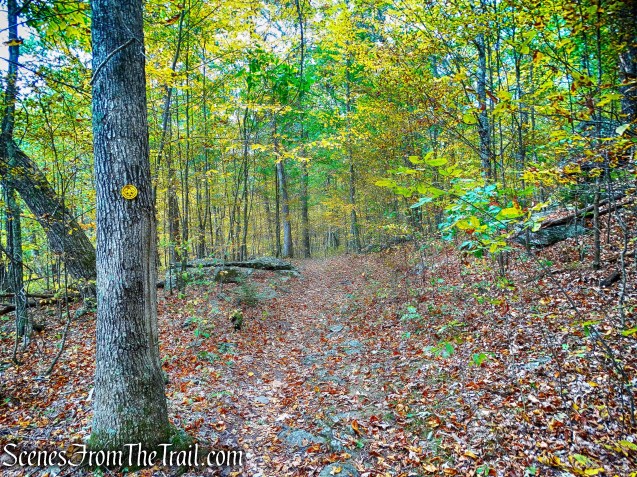
Take a hike!