November 9, 2026 – Rutland, Massachusetts
Difficulty: Easy
Map: None available
Parking: 299 Intervale Rd, Rutland, MA 01543
Overview:
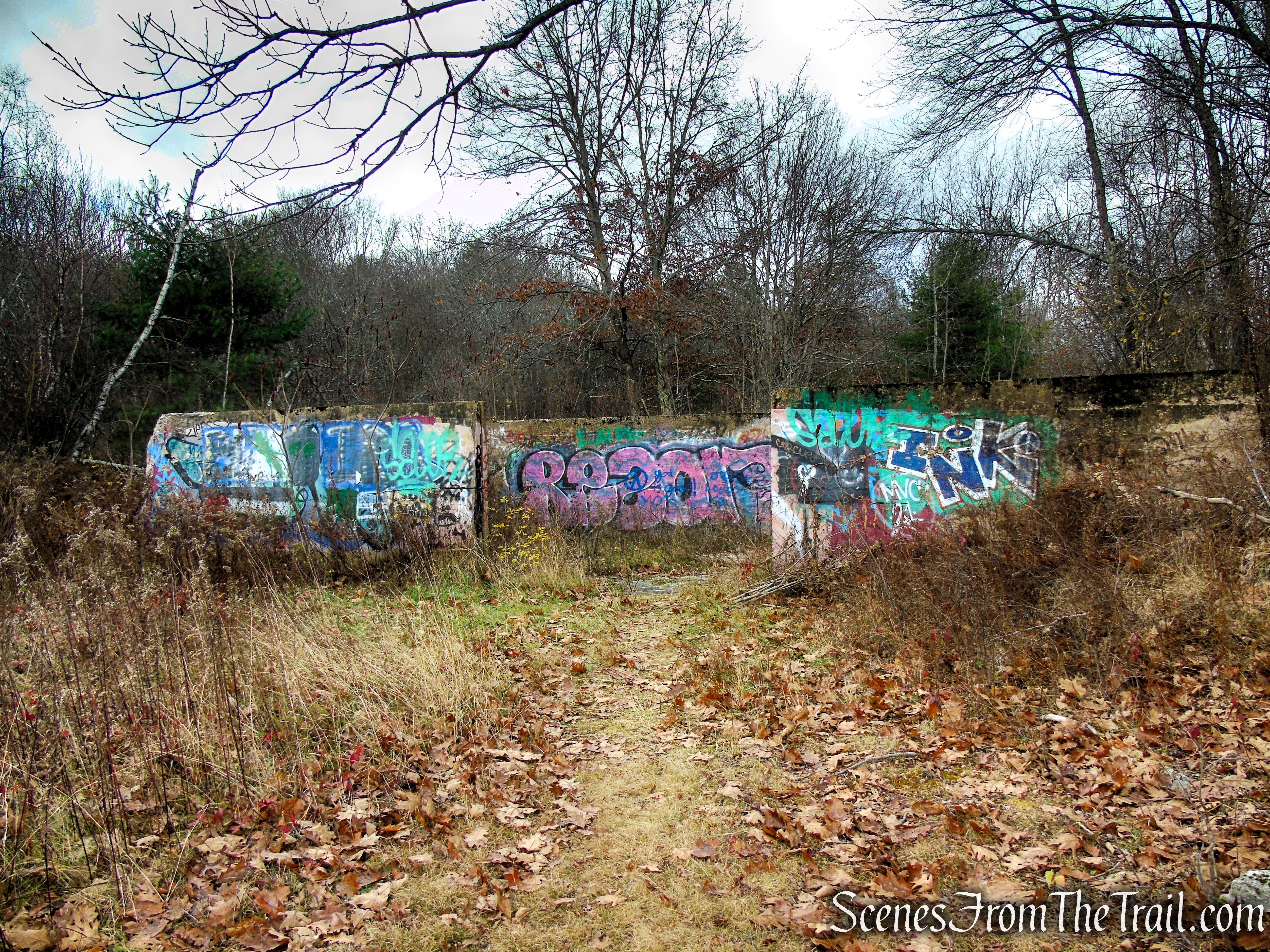
The Rutland Prison Camp is a historic, abandoned correctional facility situated within the Ware River Watershed in Rutland, Massachusetts. Established in 1903, it operated for more than three decades as an experimental prison farm for low-risk offenders, closing in 1934. Today, the overgrown property attracts hikers, history buffs, and curious explorers interested in its unusual past and the scattered remains of its deteriorating, graffiti-covered concrete structures hidden deep in the woods.
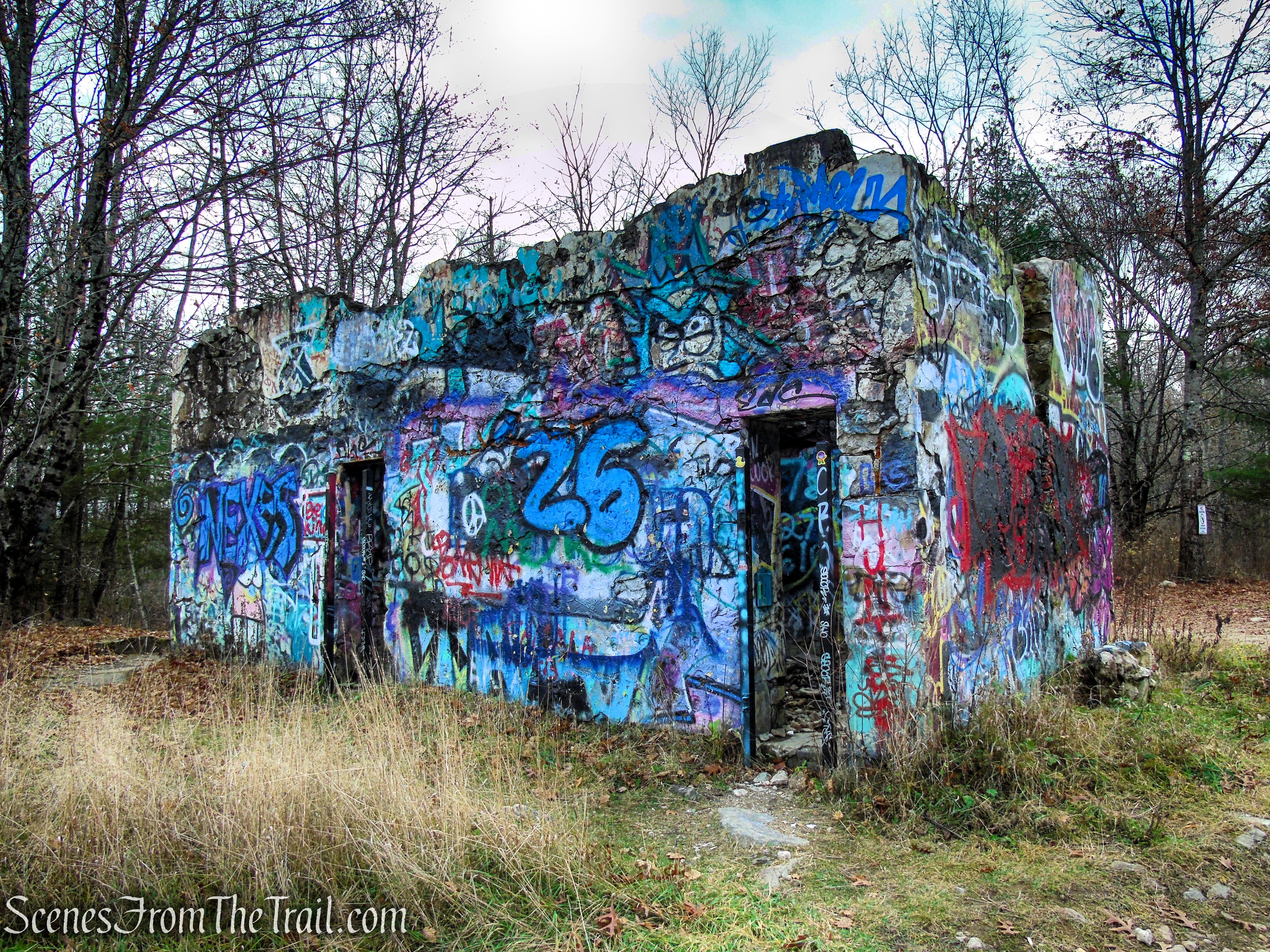
Solitary Confinement Cellblock
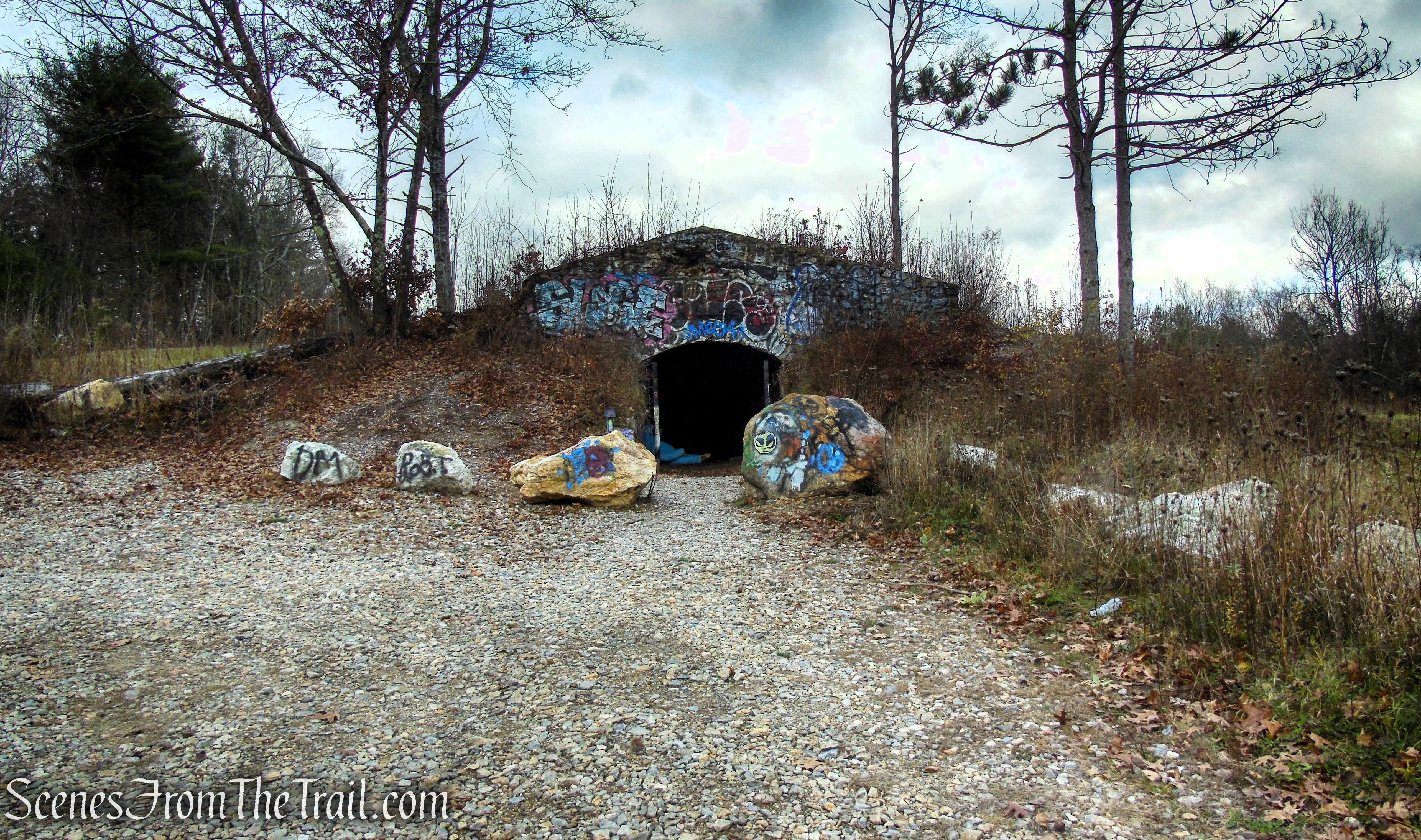
Root Cellar
History Overview:
- Prison Camp & Hospital
In 1903, the Massachusetts General Court established an industrial prison camp in Rutland with the goal of reclaiming and improving neglected land. The Commonwealth purchased 914 acres and constructed a dormitory and other necessary buildings. Once completed, the facility welcomed prisoners serving sentences for drunkenness and other minor offenses.
The camp soon developed into a productive agricultural operation, with approximately 150 acres devoted to farming. Prisoners cultivated crops, including potatoes that were shipped to the state prison, and tended livestock. The dairy barn housed 60 purebred Holstein cows, producing enough milk to supply Worcester while generating an annual profit of approximately $5,000. Egg production was another significant source of revenue, bringing in an additional $11,000 from sales.
In 1907, a 30-bed hospital was constructed to care for prisoners suffering from tuberculosis. The camp and hospital continued operating until November 30, 1934, when the facility was abandoned because the property lay within the drainage area of a public water supply. The land and buildings were subsequently sold to the Metropolitan District Water Supply Commission, bringing an end to the prison camp’s 31-year history.
For a more detailed look into the history of the Rutland Prison Camp, continue scrolling below.
- Public Access:
The Massachusetts Department of Conservation and Recreation’s Division of Water Supply Protection (DWSP), along with its predecessor agencies, has allowed public access to the former Prison Camp ruins for decades. Unfortunately, years of vandalism and damage caused by off-road vehicles have taken a toll on the property. Today, DWSP is working with local groups to better manage the area and preserve opportunities for public access while protecting visitors and discouraging entry into the deteriorating structures. As the agency responsible for safeguarding drinking water watersheds serving approximately 2.7 million people throughout Greater Boston and central Massachusetts, DWSP must balance public access with the protection of both the historic site and the surrounding watershed.
- Road Access & Seasonal Conditions
Vehicles are permitted on roads within the Ware River Watershed System from one hour before sunrise until one hour after sunset. However, the Division of Water Supply Protection (DWSP) may close roads at its discretion due to maintenance, poor road conditions, spring mud season, forest management activities, public safety, or security concerns.
The main access routes, including Intervale Road and Prison Camp Road, are unpaved and are not plowed for automobile traffic during winter. Their gates are generally closed once winter weather sets in and remain locked through the spring mud season to protect the dirt road surfaces. Rather than following fixed opening and closing dates, the Department of Conservation and Recreation (DCR) bases these decisions on local weather and ground conditions. Roads typically close following the first significant snowfall or freeze and reopen in late spring once conditions have dried out.
Although the roads are not maintained for winter driving, the area remains popular with snowshoers, cross-country skiers, and snowmobilers. Snow on the main routes is often packed down by winter recreation, but be aware that snowmobiles share these roadways.
Before heading out, check for current DWSP/DCR access alerts and gate closures, as conditions and restrictions can change throughout the year.
Exploring the Ruins & Remnants:
Scattered throughout the approximately 20-acre Prison Camp site are the weathered remains of the former prison camp and hospital, offering a fascinating look into its past. From crumbling foundations and abandoned concrete structures to the unusual underground root cellar and solitary confinement cellblock, each remnant tells a small part of the story. Some are easy to find, while others require a bit of off-trail exploration. What follows is a closer look at the ruins and remnants that still survive among the woods and fields of Rutland.
This small, standalone concrete structure contains six individual, closet-like cells. Time and exposure have taken their toll, with the ceilings of five cells having completely collapsed, allowing sunlight to spill into the heavily graffitied interiors. The deteriorating structure remains a haunting reminder of the camp’s former purpose and the conditions endured by those confined here.
Solitary Confinement Cellblock
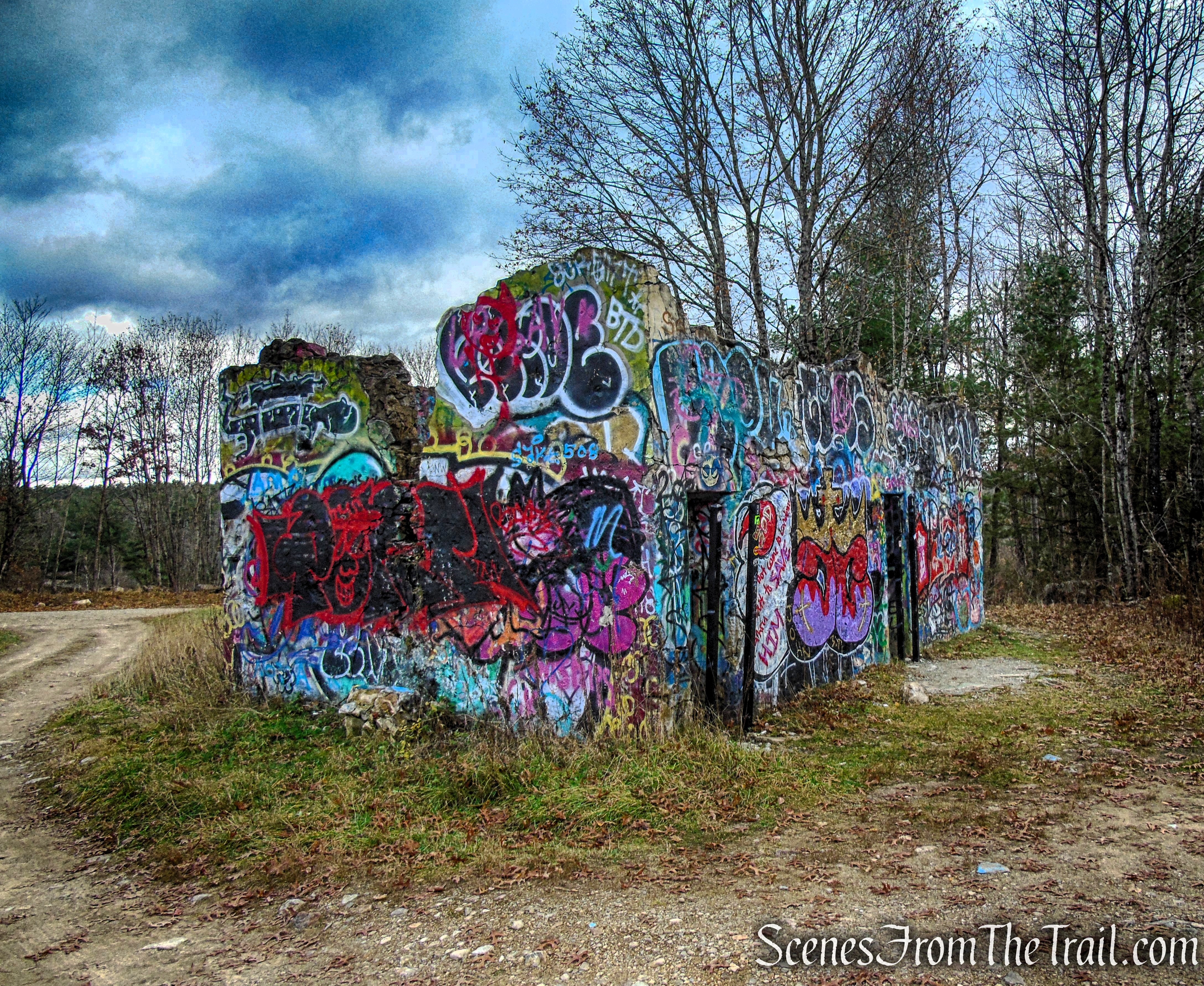
Solitary Confinement Cellblock
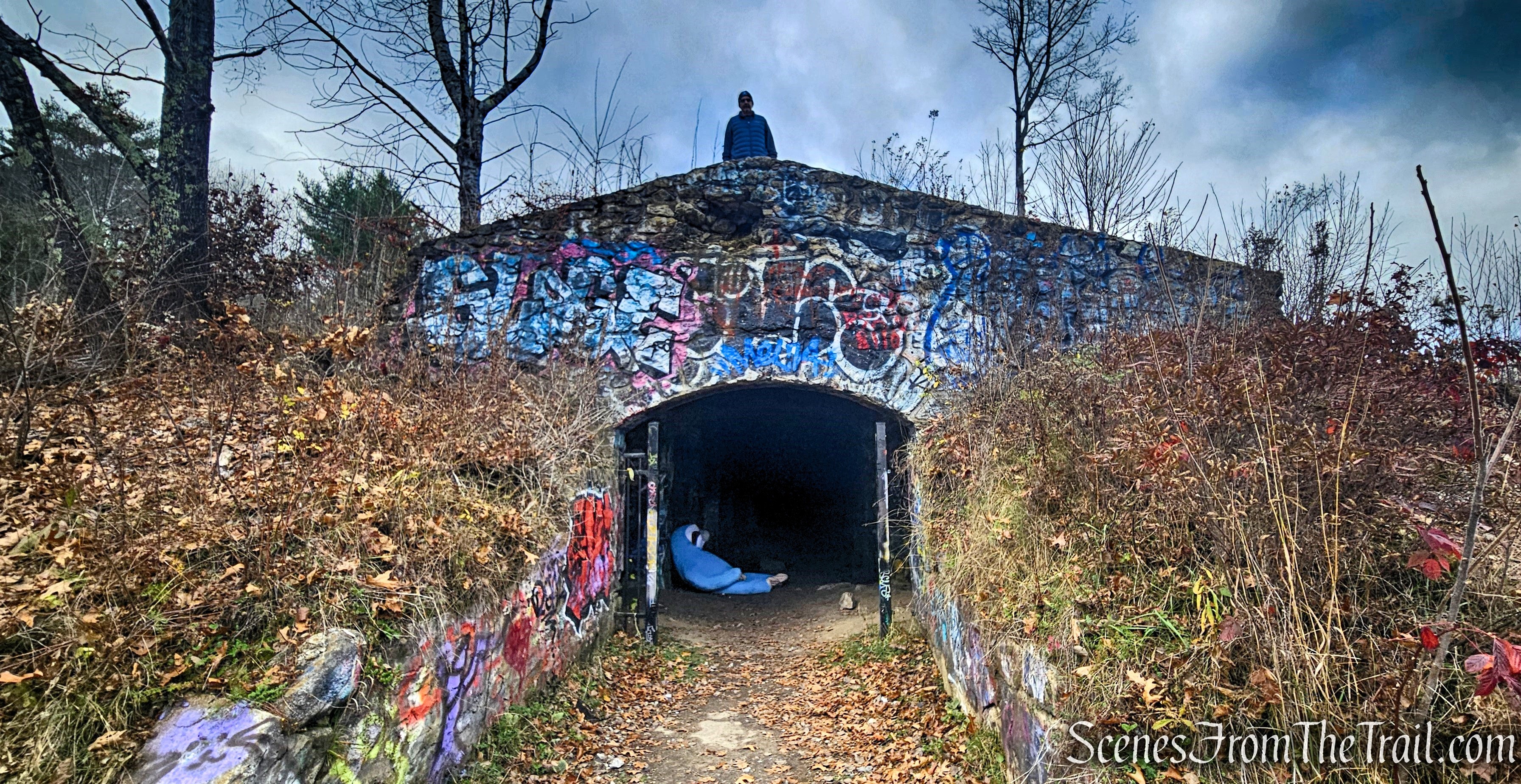
Close by is a massive root cellar that lies partially buried beneath the adjacent field, remarkably intact despite the passage of time. Its substantial structure offers another glimpse into the camp’s agricultural past, although much of its interior has since been covered in graffiti.
Root Cellar
As I approached the root cellar, I noticed what appeared to be a pair of legs stretched out across the ground. Naturally, I was a bit startled and cautiously made my way closer, only to discover it was some sort of life-size stuffed figure. I have to admit, I was relieved to find it wasn’t a dead or passed-out person! A rather bizarre discovery in an already unusual place.
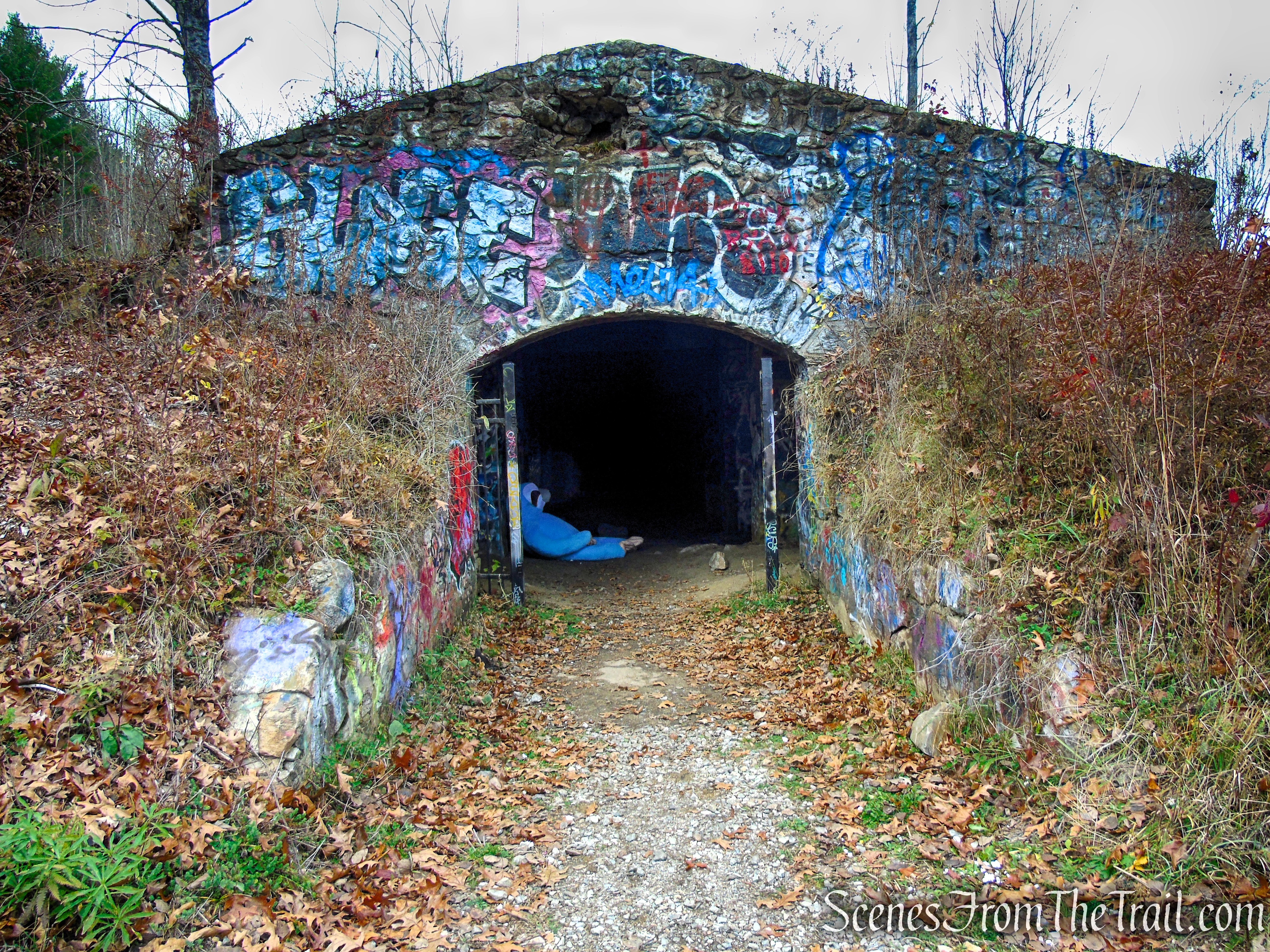
Root Cellar
This enormous concrete root cellar is a remarkable example of practical, utilitarian construction. Inside, rows of substantial support pillars stretch through its underground chambers, which once provided cool, protected storage for the crops and other provisions harvested at the prison camp. Surprisingly well preserved, the structure remains one of the most impressive remnants of the property’s agricultural operation. Its weathered concrete walls, now covered in layers of graffiti, offer a stark contrast between its original purpose and its more recent history.
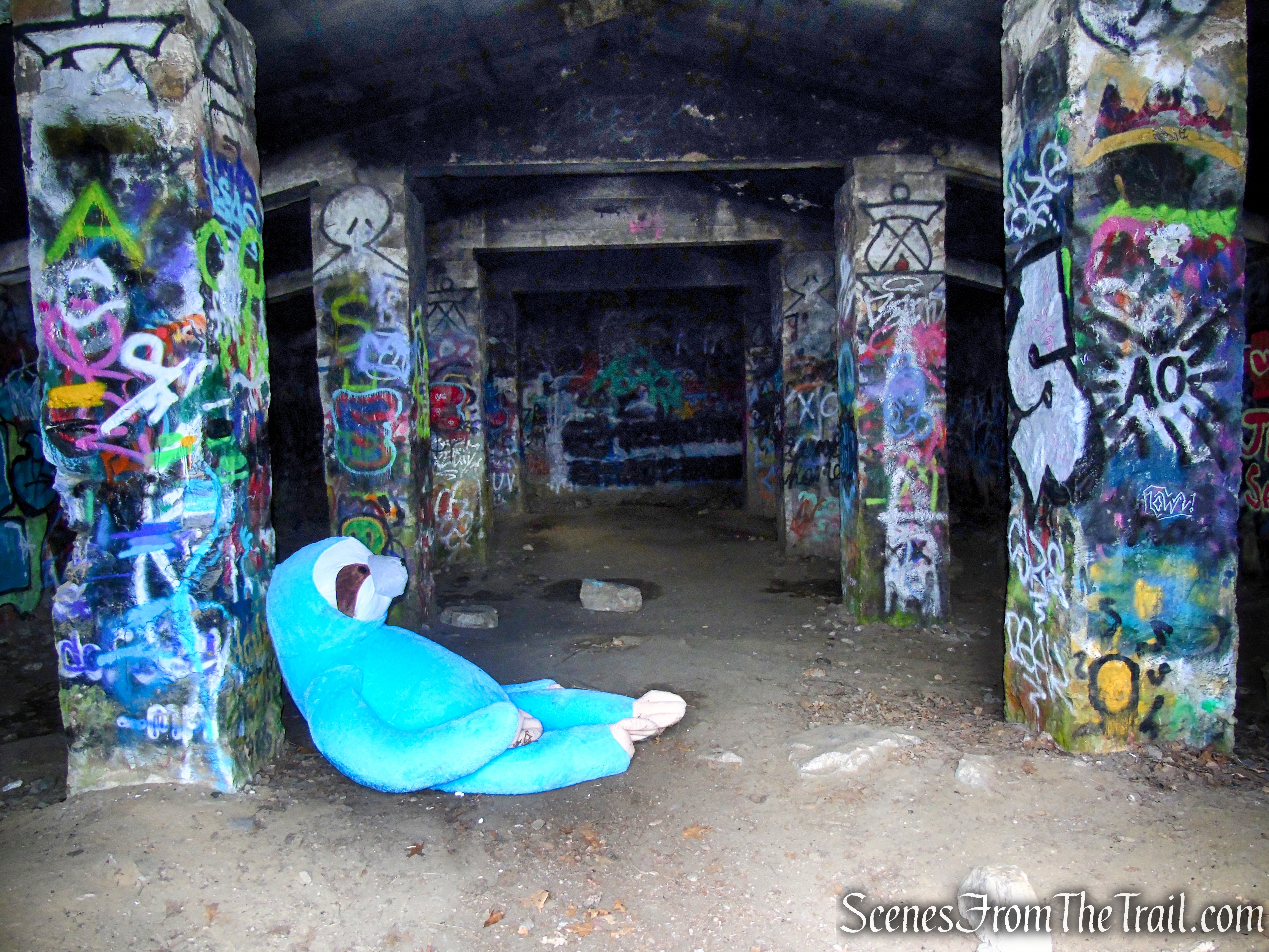
Root Cellar
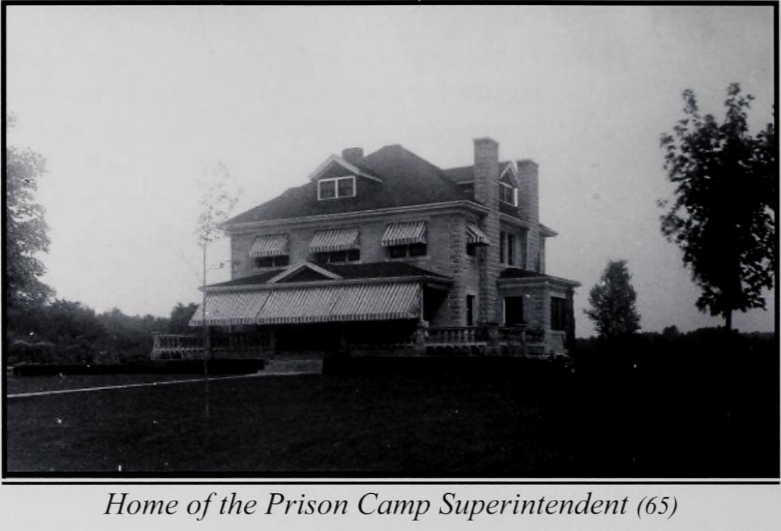
Almost directly across from the cell block are the remains of the Superintendent’s house. Only the foundation survives, largely hidden from view, but you can get a better look by walking around to the back of the structure, where the remnants of the home’s footprint become visible.
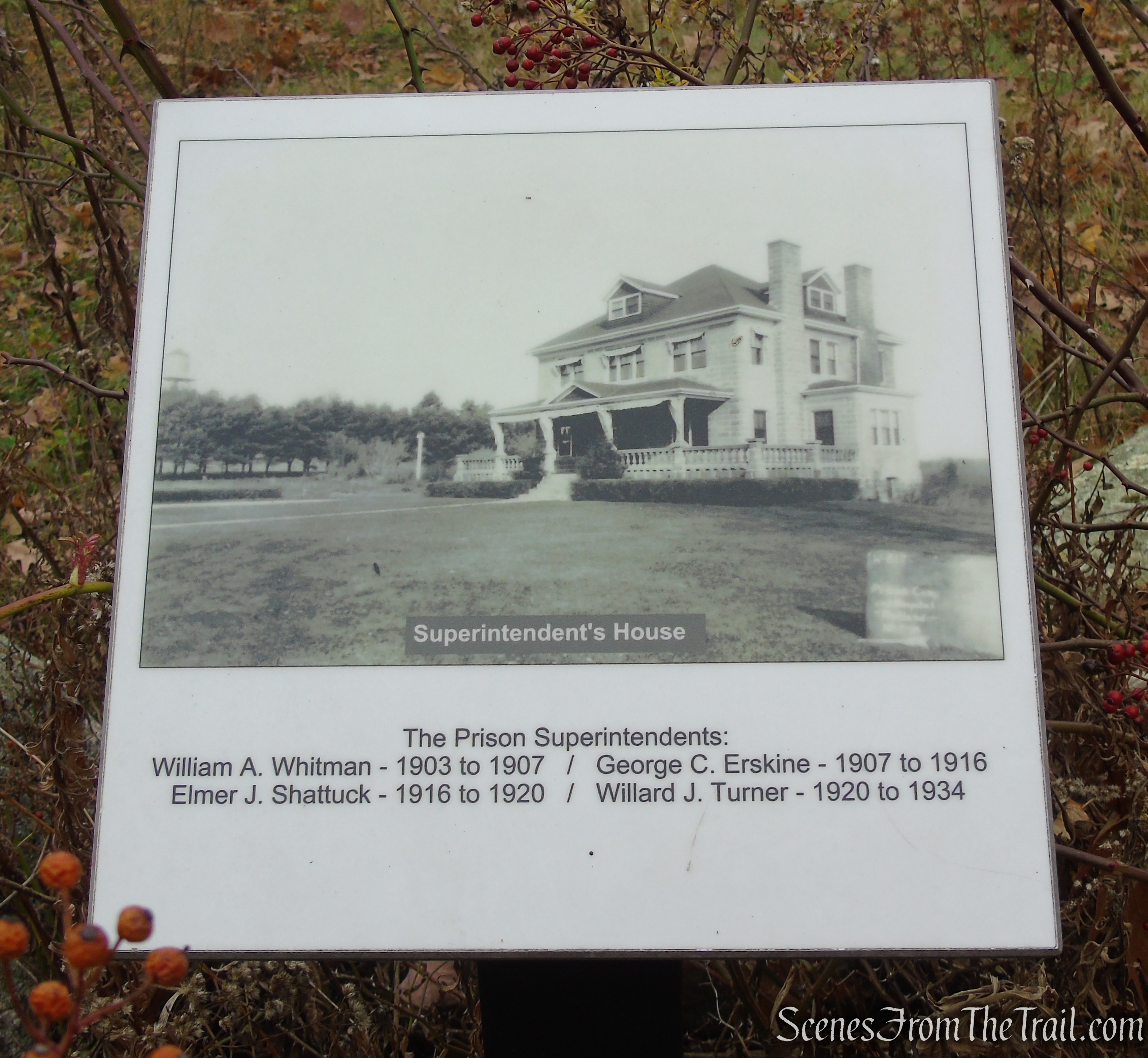
Superintendent’s House – Rutland Prison Camp
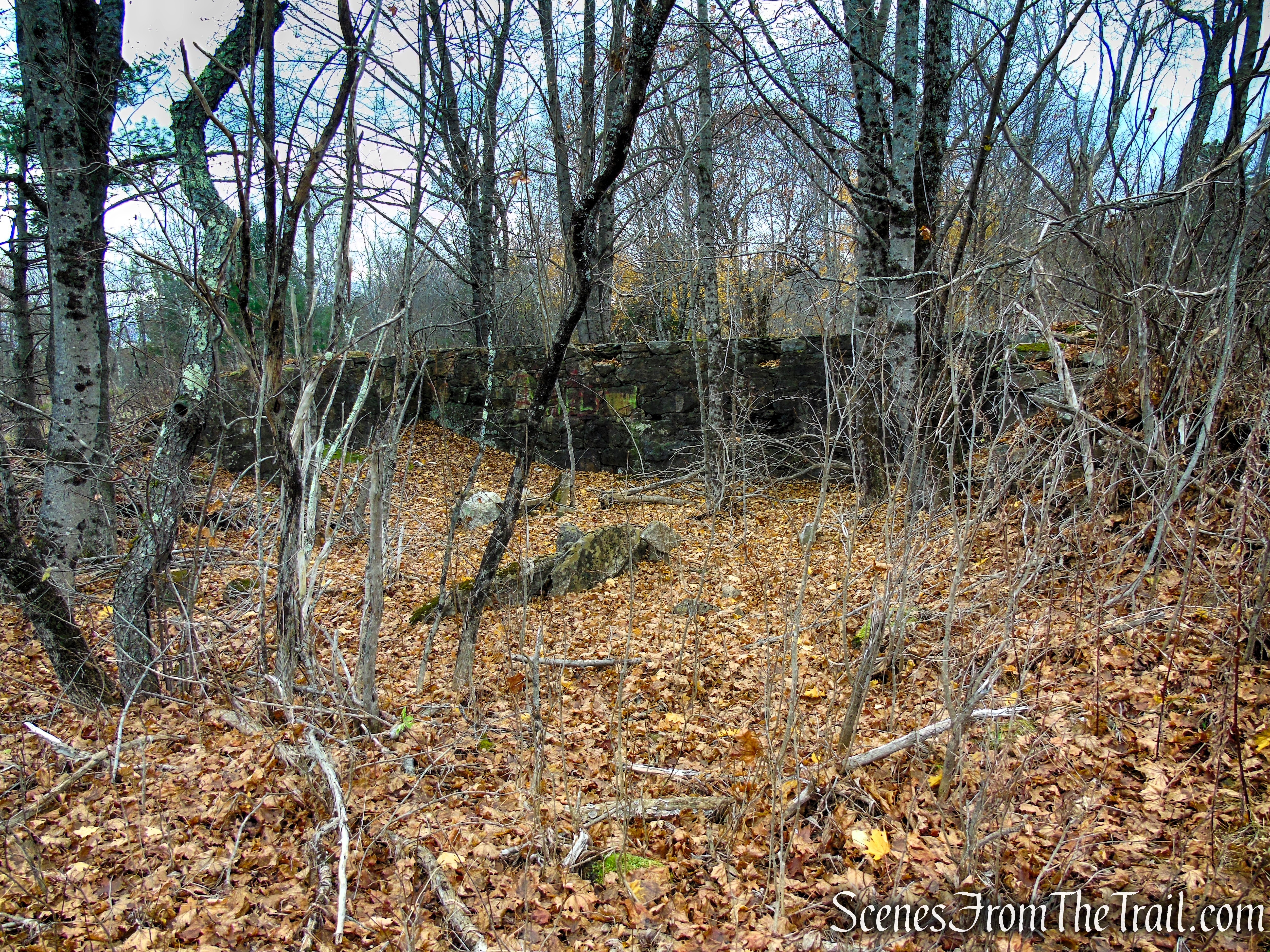
Superintendent’s House – Rutland Prison Camp
Just a short distance up the road from the Superintendent’s house, atop the hill, are the remains of the prison camp’s former hospital. Set apart from the main cluster of buildings, the ruins occupy a slightly elevated position overlooking the grounds where the camp once stood.
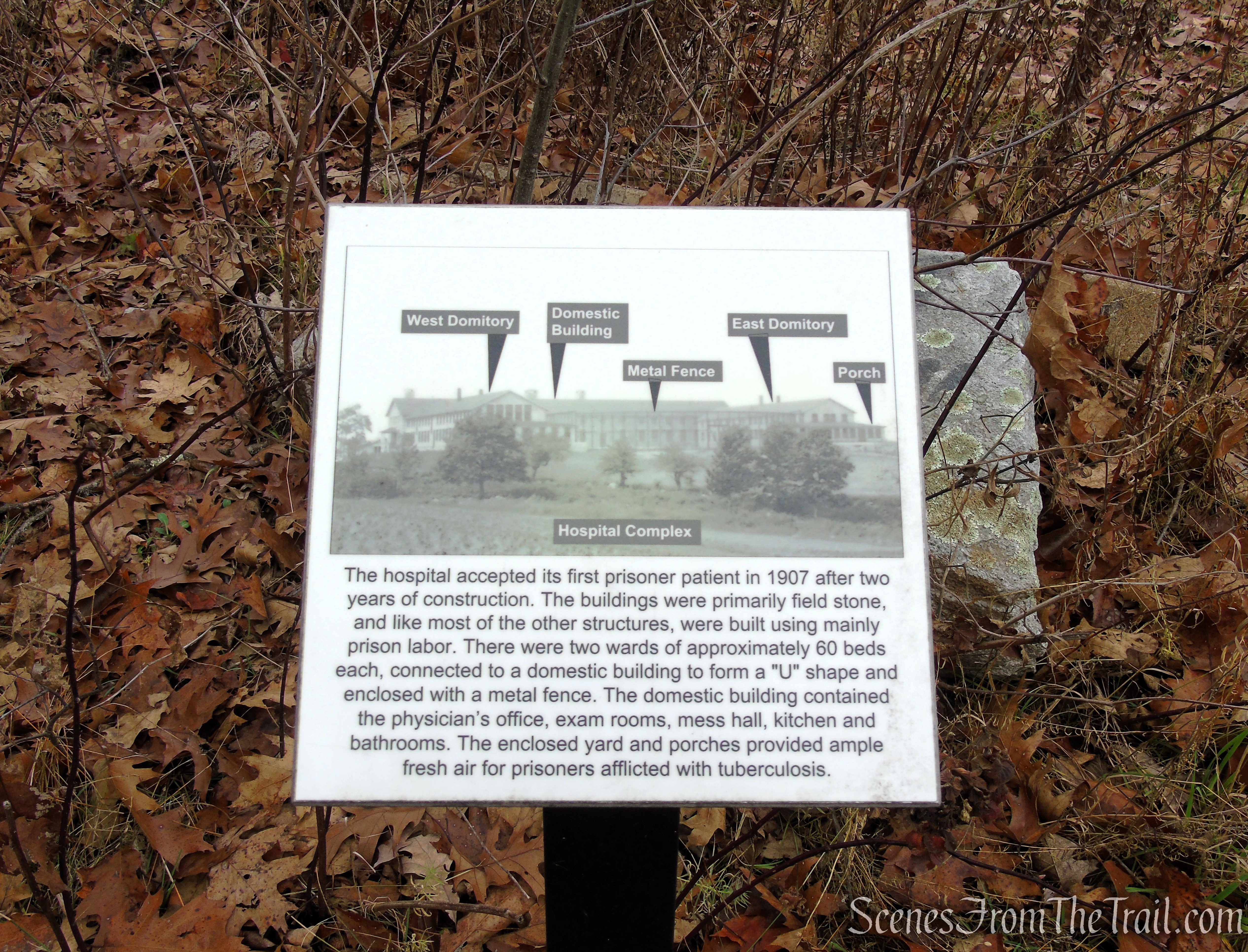
Rutland Prison Camp Hospital
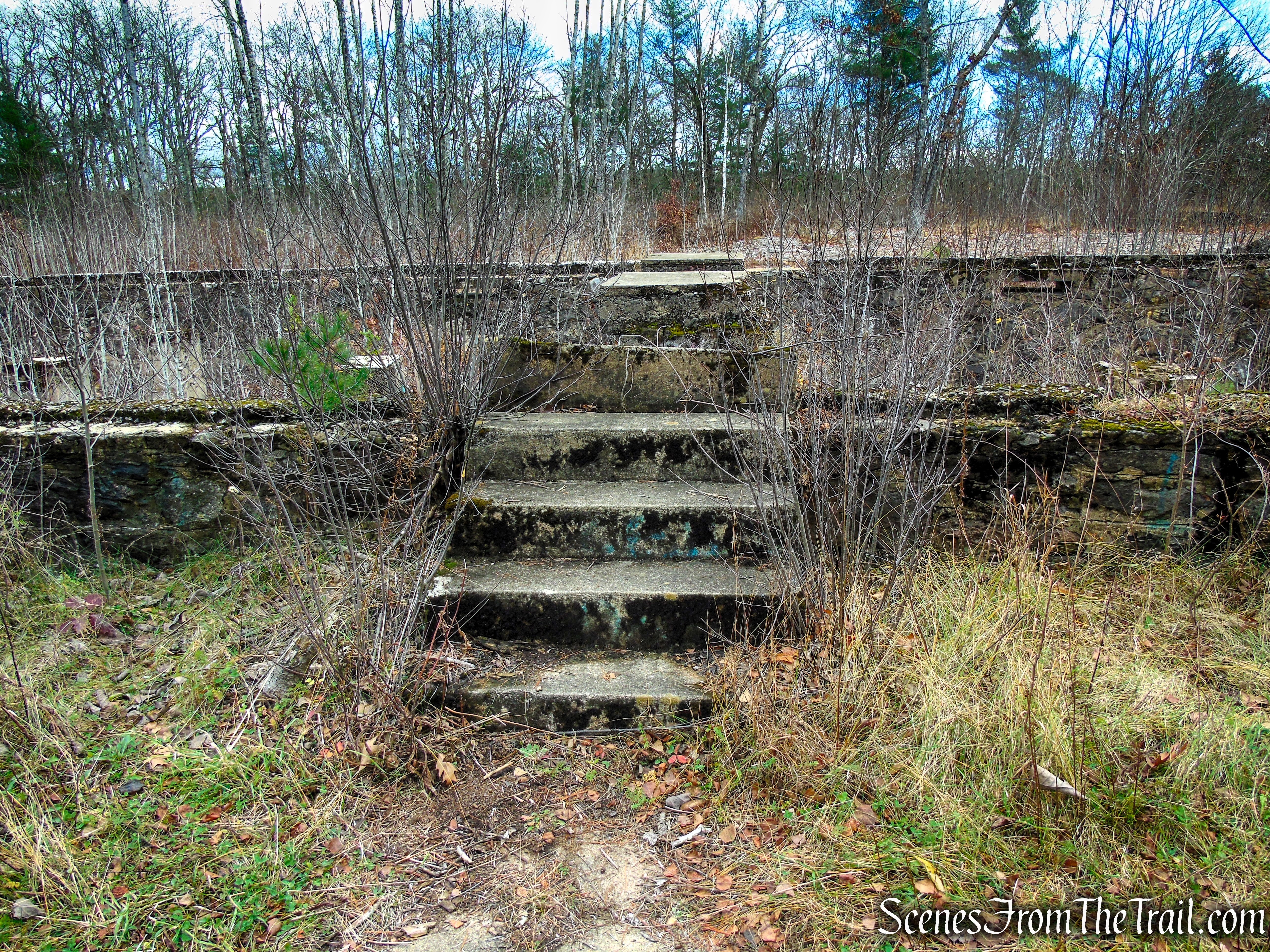
Rutland Prison Camp Hospital ruins
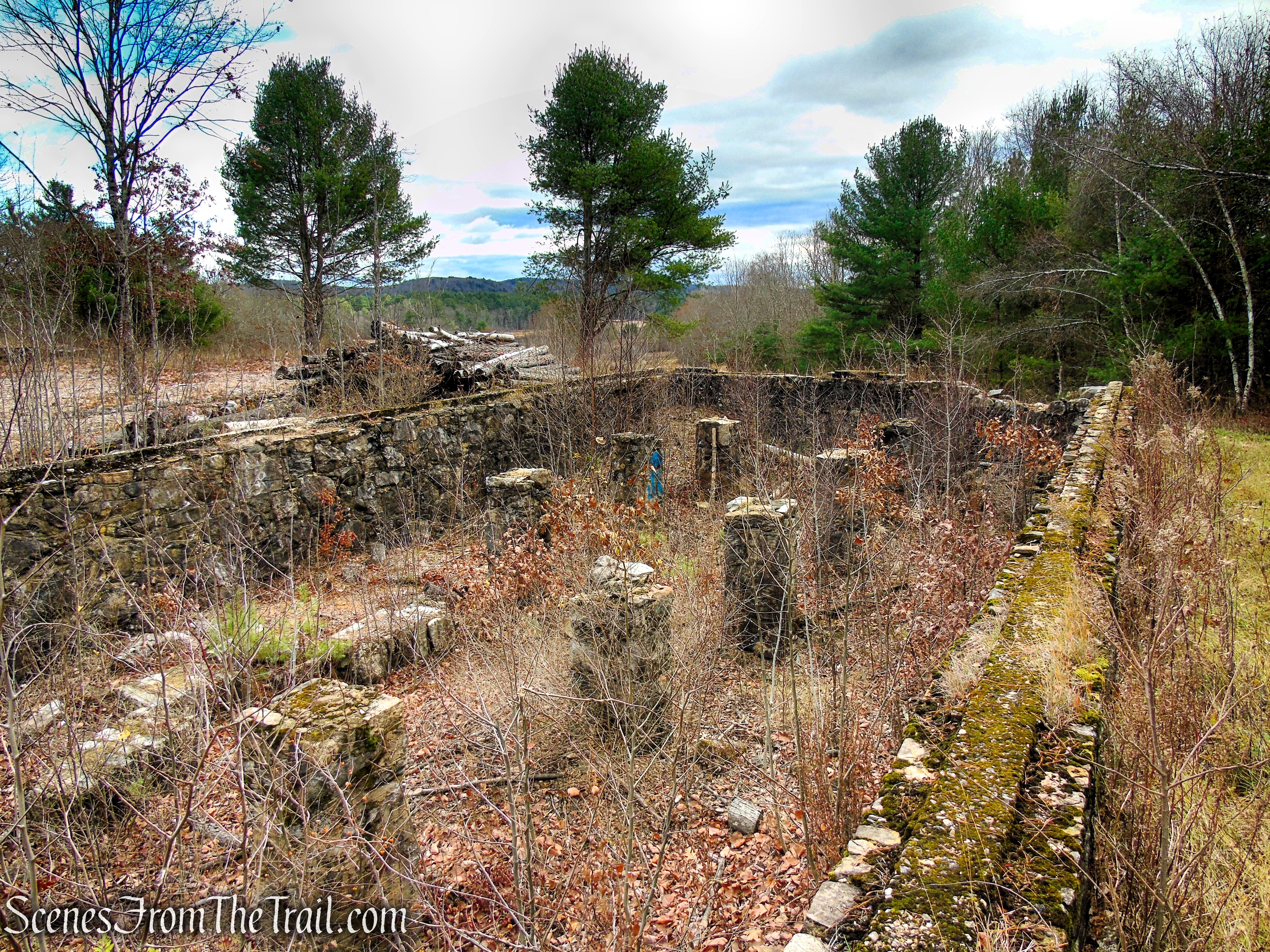
Rutland Prison Camp Hospital ruins
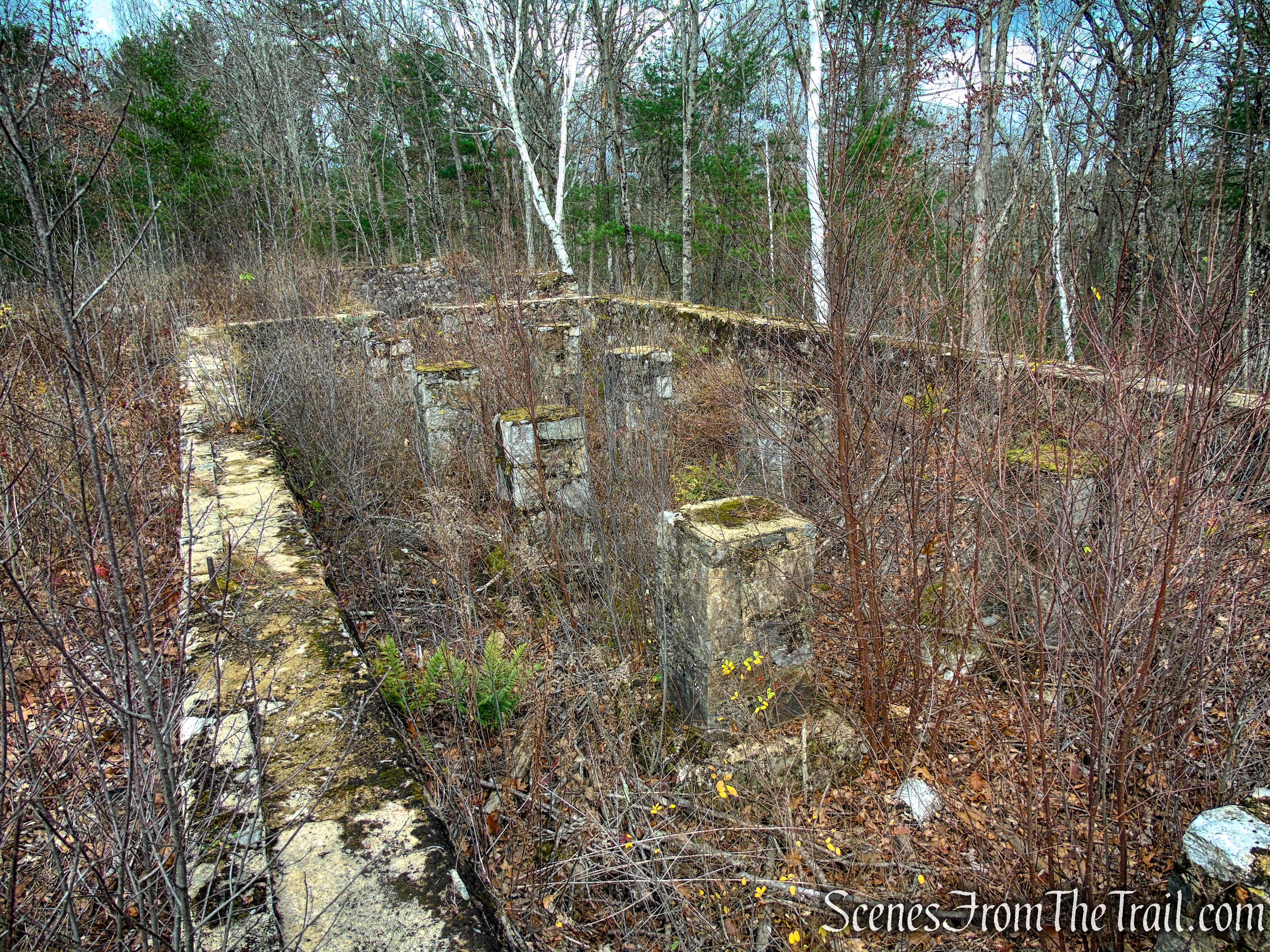
Rutland Prison Camp Hospital ruins
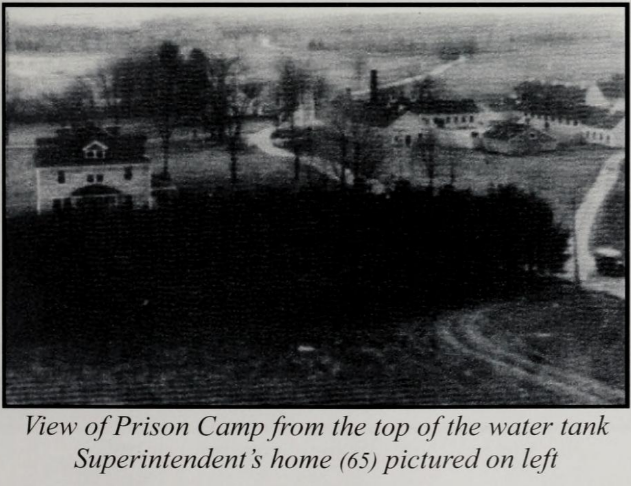
From the remains of the Rutland Prison Camp Hospital, a sweeping view opens over the grounds where the prison camp once stood. It is a striking perspective, offering a glimpse across the landscape that was once home to the camp’s buildings, work areas, and daily activities, now largely reclaimed by nature.
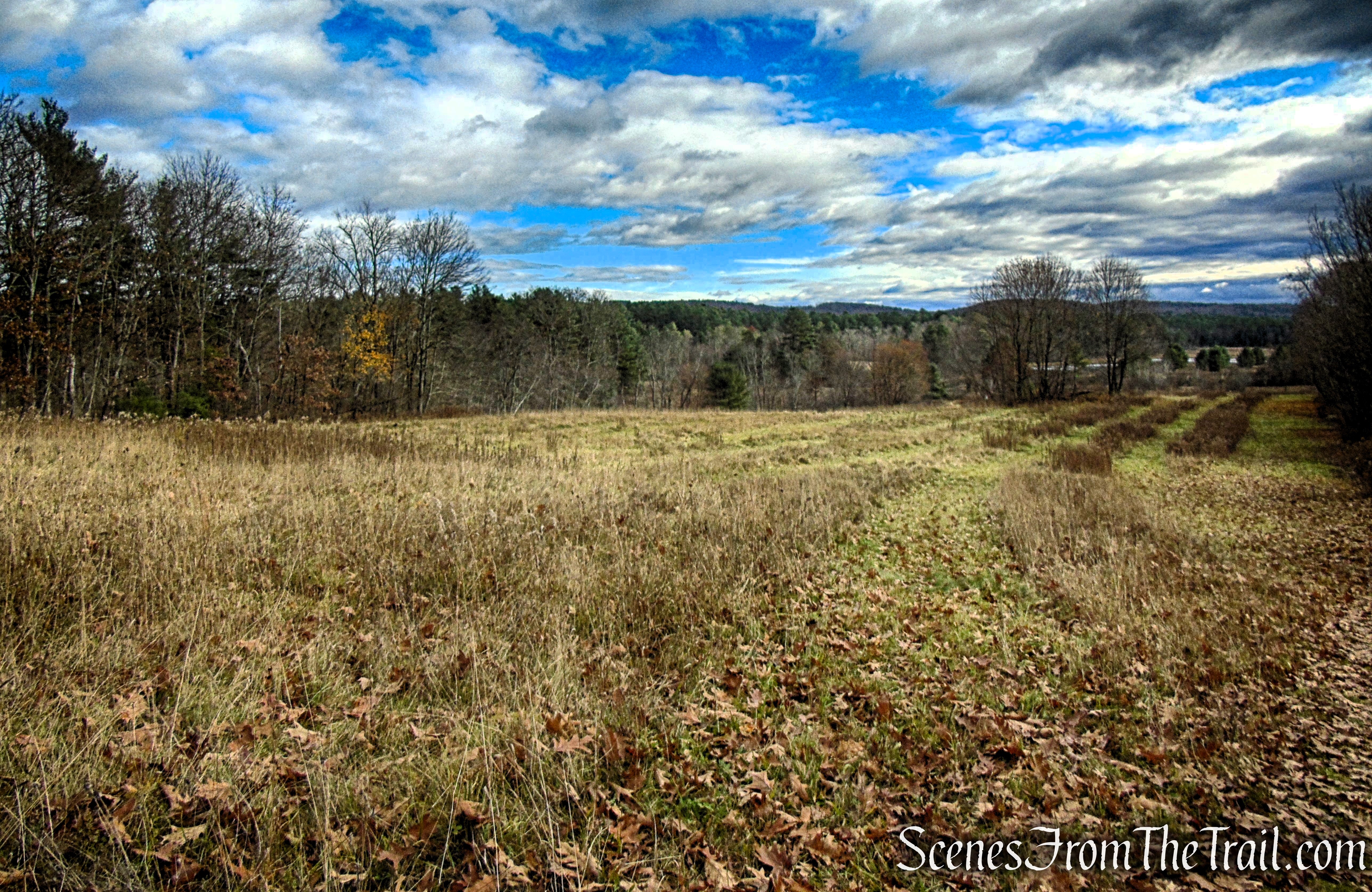
The view from Rutland Prison Camp Hospital ruins
While the two principal standing structures are situated close together near the intersection of Intervale and Prison Camp Roads, many of the property’s other remnants are scattered farther afield. Exploring beyond the main area and venturing into the surrounding woods and fields reveals additional traces of the former prison camp, some partially concealed by vegetation. These lesser-known discoveries add another layer to the site’s history and make a little extra exploring well worthwhile.
Rutland Prison Camp
- The History of Rutland Prison Camp:
~The First Prisoners Arrive~
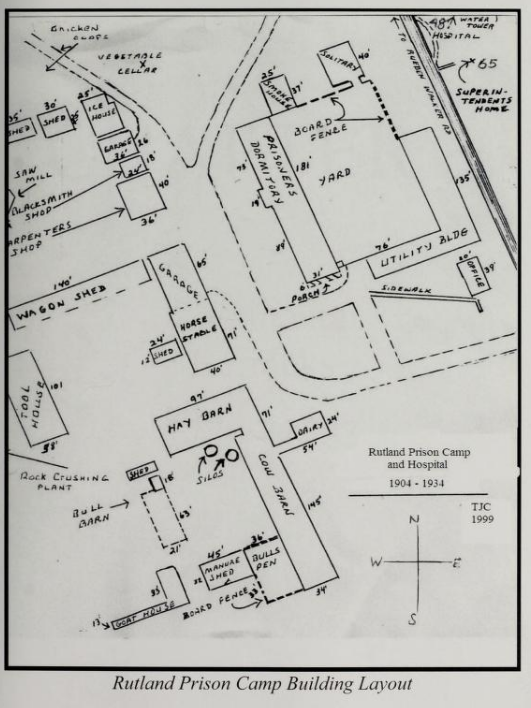
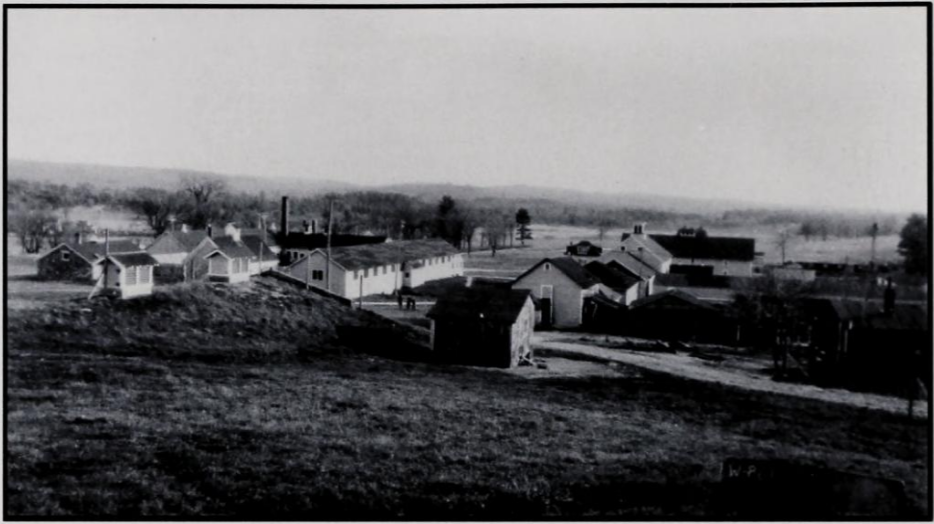
Plans for the Rutland Prison Camp took shape in the northwest section of town, in an area known as New Boston. At the time, the community consisted primarily of farms, a mill, and a former one-room schoolhouse. This rural setting would soon become home to an experimental correctional facility built around outdoor labor and agricultural work.
Rutland Prison Camp
Rutland Prison Camp
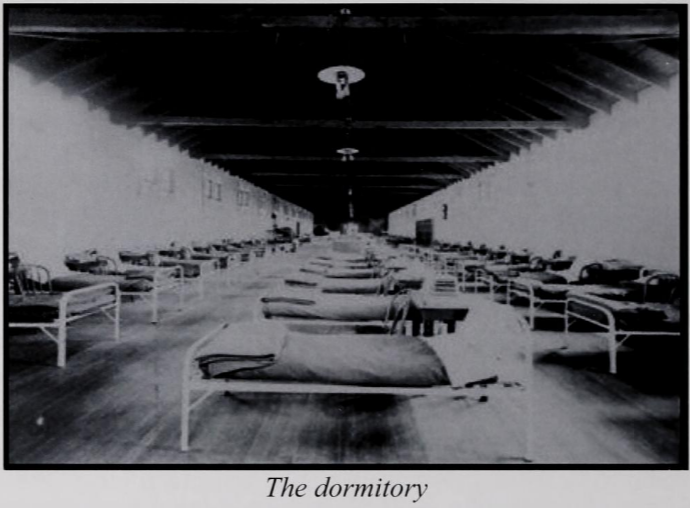
On April 29, 1904, the first sixteen prisoners arrived at the camp, where Superintendent Witham greeted them and began their orientation. He explained the rules of conduct, issued their clothing, and assigned them their respective duties. The new arrivals were reportedly pleased with their accommodations, examining their mattresses and recognizing that their new surroundings appeared to be a considerable improvement over the prison cells they had left behind.
The Dormitory
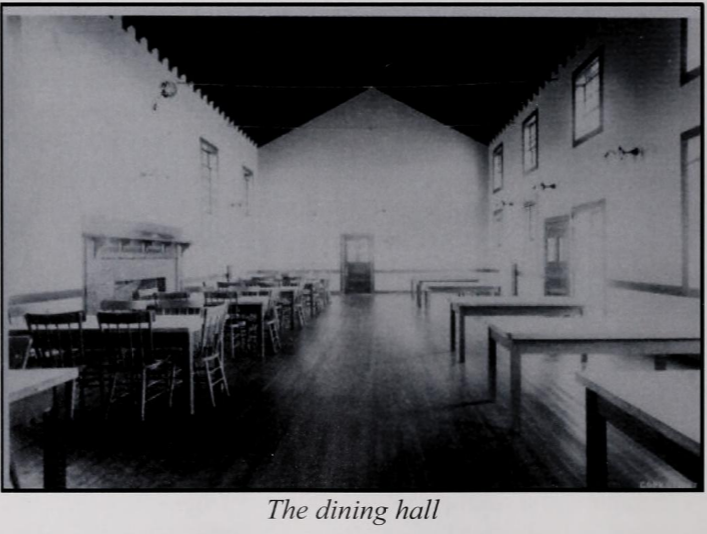
The dining hall
Despite the more comfortable living conditions, life at the camp was governed by a strict set of rules. Profanity, disorderly behavior, insubordination, quarreling, and talking while working were prohibited. Prisoners were expected to obey instructions promptly, maintain cleanliness, and conduct themselves with cheerfulness, courtesy, and respect toward others.
Their daily routine was equally structured. The day began at 6 a.m. with breakfast and roll call, followed by a march to their assigned work locations. Labor continued until noon, when prisoners returned for lunch and another roll call. Work resumed afterward and continued until 5 p.m., followed by supper and roll call. They were then allowed time in the yard until 8:45 p.m., when a final headcount was conducted before bedtime.
The consequences for violating camp rules were straightforward: offenders could be sent back to the prison from which they had come. For many, that prospect alone was enough incentive to maintain good behavior.
Although the work was demanding, the camp offered a considerably different experience from traditional incarceration. Prisoners received regular meals, a bed of their own, and the opportunity to spend their days outdoors rather than confined to a cell. For those serving time for relatively minor offenses, the combination of fresh air, agricultural labor, and improved living conditions represented a welcome change from their previous confinement.
~All in a Day’s Work~
The Rutland Prison Camp was designed to operate almost entirely as a self-sufficient agricultural community. To accomplish this, extensive gardens were established, and a variety of livestock was introduced, including chickens, goats, oxen, horses, pigs, dairy cows, and a bull. Much of the daily operation, from planting and harvesting crops to caring for the animals, was carried out by the prisoners.
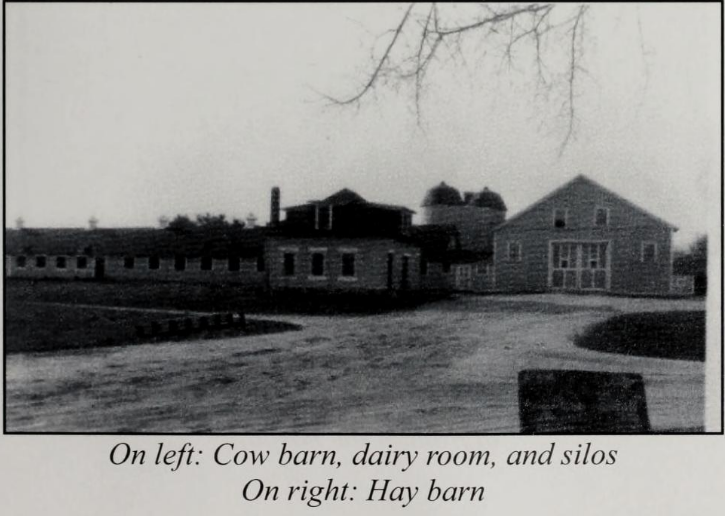
Rutland Prison Camp
The gardens proved remarkably productive. In 1911, the harvest included approximately 1,800 bushels of potatoes, 175 bushels of onions, 500 bushels of turnips and carrots, and an impressive 5,000 heads of cabbage. These provisions supplied the camp’s kitchen, while surplus produce was stored in the large underground root cellar to sustain operations through the winter.
The dairy operation was equally successful. The camp’s herd of purebred Holstein cattle produced enough milk for its own needs, with an additional 400 quarts sold daily to the Worcester market. This generated an annual profit of approximately $5,000. The quality of the herd was recognized in May 1931, when it earned first-place honors in the Quaboag Herd Improvement Association of Worcester County. Among its prized animals was a purebred bull named Middleton Sir Ormsby Pietertye, reportedly purchased for the considerable sum of $5,000.
The poultry operation provided another substantial source of income, generating between $10,000 and $12,000 annually. Producing more than 1,800 eggs each day, the department supplied the camp with eggs and poultry, while the surplus was sold to nearby markets. Approximately 20,000 chicks were hatched each year to maintain the operation.
The success of the agricultural program was not measured solely in crops and revenue. Superintendent George Erskine expressed considerable satisfaction with the prisoners’ progress and their willingness to work. He observed that many arrived in poor physical condition, having come from backgrounds of idleness and hardship. With improved nutrition, clean living conditions, and meaningful daily work, he noted that the men soon developed a genuine interest in their responsibilities, seemingly taking pride in the operation despite having little direct financial reward from its success.
In many ways, the arrangement benefited both the institution and its inmates. The camp produced an impressive supply of food and generated considerable revenue, while the prisoners enjoyed better accommodations, nutritious meals, outdoor labor, and an opportunity to develop a sense of purpose and self-respect before returning to society.
~The Prison Hospital~
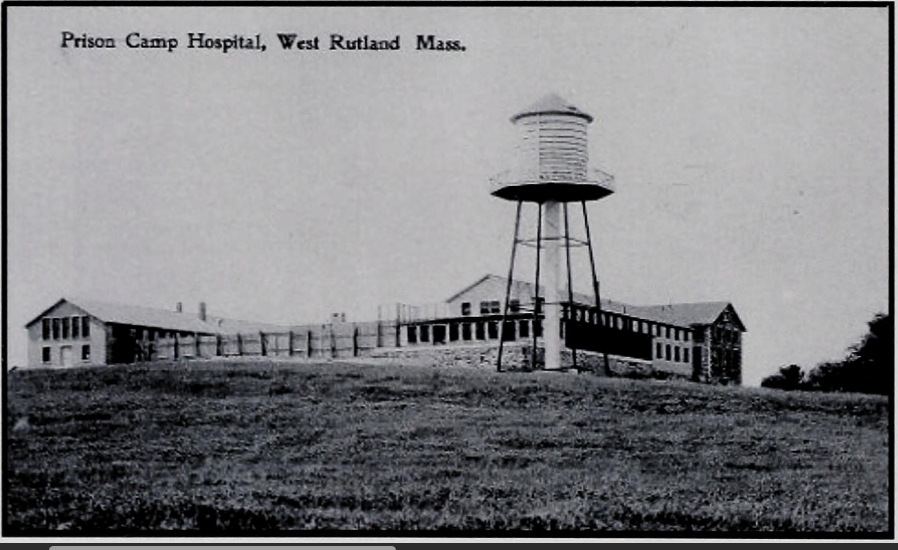
The decision to build a hospital at the Rutland Prison Camp came about because tuberculosis was widespread among inmates throughout the Massachusetts prison system. A dedicated facility was needed to treat these prisoners, with plans calling for a building capable of accommodating as many as 100 patients. However, providing medical care was only part of the challenge. Some of the intended patients were serving sentences for serious crimes and were considered potential escape risks. Given the contagious nature of tuberculosis and the need to maintain public safety, the hospital had to be designed to provide treatment while keeping its occupants securely confined.
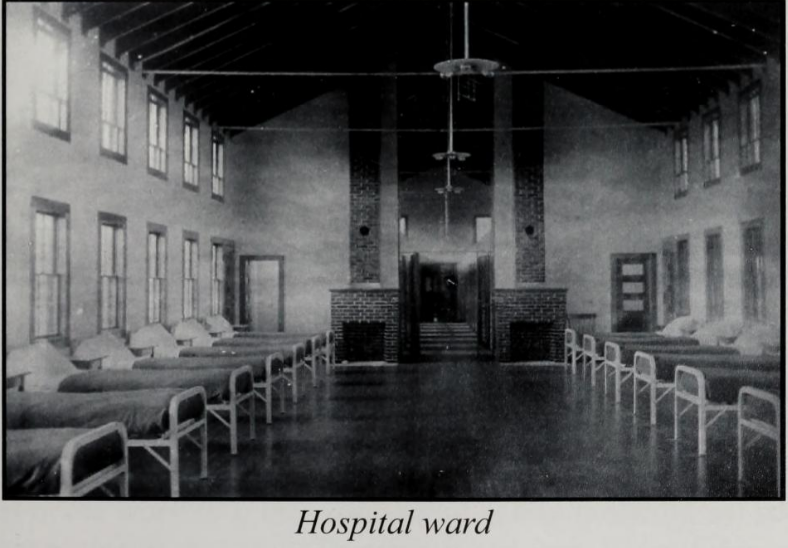
Rutland Prison Camp Hospital
The resulting structure was an impressive, steam-heated building designed with both security and patient care in mind. Its cells were lined with sheet steel, while a 10-foot-wide piazza extended along two sides of the building. The open, screened porch played an important role in the treatment approach of the era, which emphasized fresh air and a nutritious diet. Patients spent considerable time outdoors on the piazza, bundled in heavy blankets during both summer and winter. For many, this sheltered porch represented their only opportunity to spend time outside.
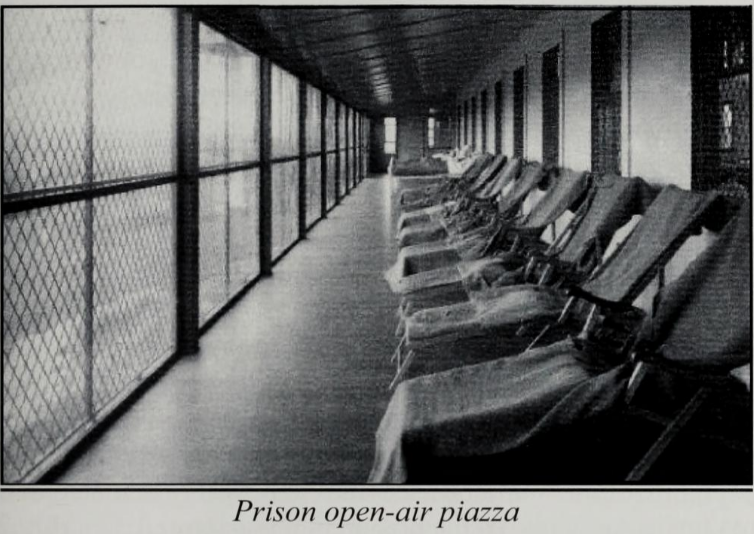
Rutland Prison Camp Hospital
The hospital was equally striking from the exterior, constructed of fieldstone with cement-block trim. Its substantial design and prominent location atop a hill, across the road from the main prison camp, made it one of the property’s most imposing buildings. Today, its remaining cellar holes and foundations are among the most substantial ruins left at the former camp.
Rutland Prison Camp Hospital
Rutland Prison Camp
An unusual discovery reportedly occurred while prisoners were preparing the ground for construction. Human skeletal remains were uncovered at the site, prompting Prison Commissioner Pettigrove to suggest they belonged to a Native American, possibly a chief, based on the shape of the skull and the belief that tribal leaders were traditionally buried on hilltops. The account does not establish the identity of the remains, leaving the story an intriguing but unverified part of the property’s history.
By 1907, the hospital had officially become part of the Rutland facility, which was thereafter known as the Rutland Prison Camp and Hospital. The first prisoner-patient arrived in September of that year. Tragically, the hospital recorded its first death on September 25, 1907, when 20-year-old Joseph Azala passed away.
~Escapes, Captures & Rewards~
Despite the relatively comfortable living conditions at the Rutland Prison Camp, not every inmate was content to serve out his sentence. Escapes did occur from time to time, although most escapees were reportedly caught before they could reach the nearest railroad tracks, approximately three miles from the camp.
The following are a few documented examples of escape attempts:
—July 7, 1904: John Sullivan became the first prisoner to escape from the camp. There is no surviving record confirming whether he was ever recaptured.
—July 20, 1904: Sixty-year-old D.B. Blanchard escaped from the industrial camp at West Rutland.
—May 15, 1909: Five patients escaped from the hospital: Charles Moore, Henry Tyler, Frederick Williams, Timothy O’Callahan, and Joseph Murtaugh. Despite extensive searches and notices circulated throughout neighboring communities, only one of the five was apprehended. On May 23, Henry Tyler was captured and returned to the hospital. He later died there from tuberculosis on January 8, 1910.
Those who helped capture escapees were offered a reward of $10 per prisoner. Although that might seem like a modest incentive today, ten dollars represented a considerable sum at the time, perhaps enough to make the effort and risks involved worthwhile.
For prisoners who repeatedly disregarded camp regulations or committed serious infractions, another form of punishment awaited them. A separate concrete building containing six small cells was designated for solitary confinement. Conditions there were a far cry from the relative freedom and outdoor working environment enjoyed by the rest of the camp’s population.
~Superintendent Willard Turner~
Across the road from the solitary confinement cellblock and downhill from the hospital stood the attractive residence of the prison camp superintendent. Like many of the other buildings constructed on the property, much of the labor involved in building the home was provided by the prisoners themselves.
Rutland Prison Camp
In 1918, Willard Turner took over as superintendent of the Rutland Prison Camp and Hospital, bringing his own philosophy to the management of the institution. While earlier superintendents had emphasized humane treatment, Turner developed an approach that placed particular importance on respect, personal dignity, and rehabilitation, especially for inmates serving shorter sentences.
He believed that prisoners should be treated as individuals rather than simply as offenders. Under his leadership, the men received nutritious meals, proper medical attention, and opportunities to take pride in their work and accomplishments. Turner expected them to follow camp regulations, but in return, he made an effort to provide a respectful and supportive environment. He also took an interest in their lives beyond incarceration, helping arrange suitable employment for men preparing to return to society.
His approach reflected the camp’s broader philosophy that meaningful work, decent living conditions, and personal responsibility could help prisoners make a better transition back into the community.
~End of an Era~
By 1931, plans were underway to close the Rutland Prison Camp because the property lay within the watershed of the proposed Quabbin Reservoir, which would eventually become a major source of drinking water for the Boston area. Considering the considerable investment in labor, materials, and infrastructure that went into establishing the camp, its impending closure marked a rather unexpected end to an ambitious undertaking.
By 1934, the decision had been finalized. All remaining prisoners were transferred to the Norfolk Prison Colony, and the Rutland facility officially ceased operations on November 30, 1934, bringing nearly three decades of activity to a close. Following its abandonment, the hospital and most of the other buildings were demolished. Some of the remaining structures were dismantled, with their materials salvaged and reused elsewhere.
Today, scattered remnants throughout the property offer clues to the camp’s former existence. Among the surviving features are the massive underground root cellar, the six-cell solitary confinement building, numerous concrete slab foundations, and the cellar hole of the superintendent’s former residence. Additional traces of the agricultural operation can be found near the area once occupied by the chicken coops. The most substantial remains belong to the former hospital, whose impressive ruins provide a striking reminder of what was once a much larger complex.
Get out and explore!
Rutland Prison Camp
Sources:


Awesome stuff. Happy safe travels. This is put together well. Wish all that graffiti wasn’t there, it would look awesome
LikeLiked by 1 person